What Are 180 Degree Door Hinges?
I see many buyers lose time because “180 degree hinge” sounds simple, but the wrong choice can cause poor opening, wall damage, and fitting trouble.
A 180 degree door hinge is a hinge solution that allows a door leaf to open up to about 180 degrees, often almost flat against the wall.1 I treat it as a result of hinge design, door frame structure, casing clearance, wall position, door weight, and installation method.
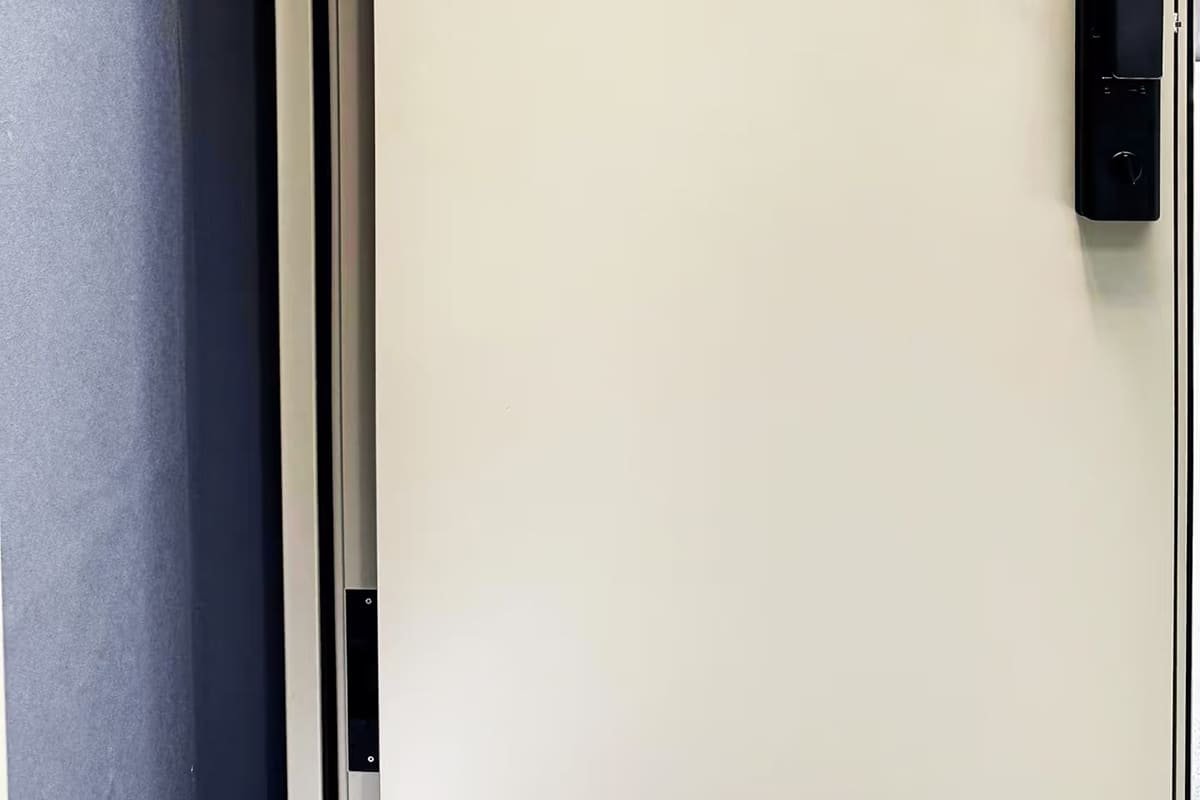
When I receive an inquiry for 180 degree door hinges, I do not treat it as one fixed product name. I first ask what the buyer wants the door to do in the real space. Some buyers want a hidden hinge for a clean door design. Some buyers want a wide opening for hospital, office, apartment, or hotel doors. Some buyers only want the door to fold back near the wall so people can move furniture or goods easily. I also check the frame, casing, door thickness, and wall clearance. If I skip these questions, the hinge may look correct on paper, but the door may still stop at 120 degrees, hit the wall, scrape the casing, or sag after use2.
What Does 180 Degree Opening Really Mean?
I often see buyers ask for wide opening after a project issue appears, and the pressure becomes high when the installed door cannot open enough.
A 180 degree opening means the door leaf can swing until it is almost in line with the wall side. I do not judge it by hinge angle alone. I check hinge movement, door edge clearance, casing shape, wall space, and handle collision point.
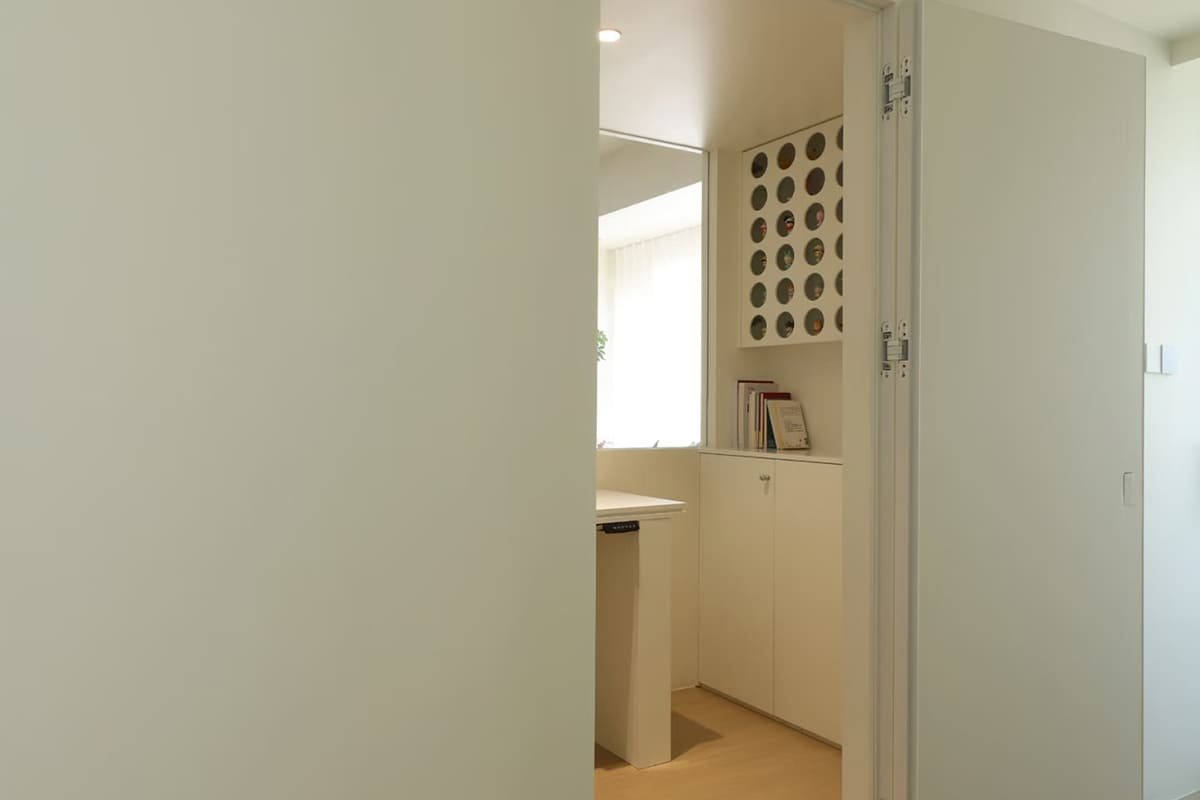
How I define the angle in real work
I define a 180 degree door hinge as a hinge or hinge system that can support a maximum door opening angle close to 180 degrees under the right installation structure. In many product catalogs, this term often points to multi-axis concealed hinges or 3D adjustable concealed hinges. I also see it used for special butt hinges, wide throw hinges, and certain installation layouts. I do not use the term as a promise that every door can open flat after the hinge is installed. I always separate the hinge capability from the door system result.
| Item I check | Why I check it | Risk if I ignore it |
|---|---|---|
| I check hinge geometry | I need to know the real movement path | The door edge may hit the frame |
| I check door thickness | I need enough body depth and screw holding | The hinge may not seat correctly |
| I check casing design | I need clearance around the door leaf | The casing may block the swing |
| I check wall position | I need space for the handle and door face | The handle may hit and damage the wall |
| I check installation gap | I need the door to move without friction | The door may rub during opening |
I have seen buyers focus only on the catalog angle. I understand why they do this, because a product name looks easy to compare. But I know from factory communication that the final angle depends on the whole opening structure3. A 180 degree concealed hinge may fail to reach 180 degrees if the casing is thick or the wall returns too close to the door. A butt hinge may reach 180 degrees if the installation direction and door structure allow it. I explain this early because it helps buyers avoid a batch order based only on one catalog line.
Can Only Concealed Hinges Open To 180 Degrees?
I see this misunderstanding often. A buyer may reject a good option because he thinks only hidden hinges can give a full opening.
No, concealed hinges are not the only hinges that can reach 180 degrees. Some concealed hinges are designed for 180 degrees or more, and some butt hinges can also reach 180 degrees depending on mounting direction, door construction, and frame clearance.4
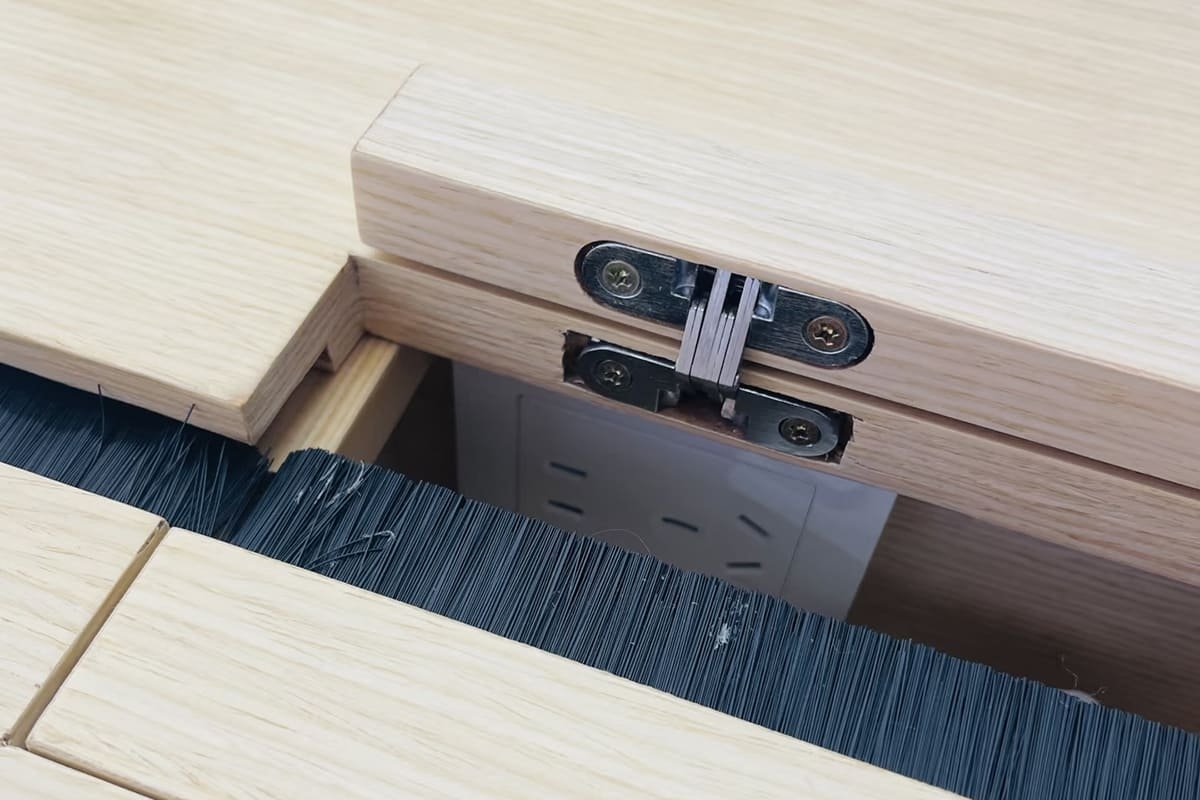
How I compare hinge types for buyers
I usually explain the options in a simple way. A 180 degree concealed hinge gives a clean look because the hinge body is hidden when the door is closed.5 It is common in modern wooden doors, flush doors, hotel rooms, apartments, office partitions, and high-end interior doors. A 3D adjustable concealed hinge is also useful when the installer needs small corrections after hanging the door.6 But I do not say that concealed hinges are the only answer. Some butt hinges can open to 180 degrees when the door opens outward and the hinge knuckle position allows the leaf to swing clear of the frame. Some reverse-mounted ordinary hinges may also allow a wide opening, but the look may be less clean.
| Hinge type I discuss | Where I usually see it | What I explain to the buyer |
|---|---|---|
| I discuss 180 degree concealed hinges | I see them on clean flush door designs | I confirm body size, milling depth, door weight, and frame structure |
| I discuss 3D adjustable concealed hinges | I see them on projects that need fine alignment | I confirm adjustment range and tested load data for the exact model |
| I discuss butt hinges | I see them on standard wooden and metal doors | I confirm knuckle position, opening direction, and clearance |
| I discuss wide throw or special hinges | I see them where casing or wall return blocks the swing | I confirm if the appearance is acceptable |
| I discuss retrofit workarounds | I see them in renovation projects | I warn that protruding hinge placement can look less clean |
I sometimes receive photos where the buyer asks if he can make a normal hinge protrude from the frame by about 1 to 1.5 cm to get more opening. I treat this as a possible retrofit workaround, not as an ideal design. It may help the door clear the casing in some cases, but it can expose the hinge more when the door is closed. It can also make the appearance less tidy. I prefer to solve the angle requirement during design confirmation, because this gives the buyer a better result in mass production.
Why Does The Door Frame Decide The Real Opening Angle?
I have seen good hinges blamed for bad openings, and I know the real cause is often the frame, casing, wall return, or installation gap.
The hinge does not decide the final opening angle by itself. I check door frame structure, casing thickness, wall clearance, hinge protrusion, door leaf thickness, door weight, and installation position before I recommend a 180 degree solution.
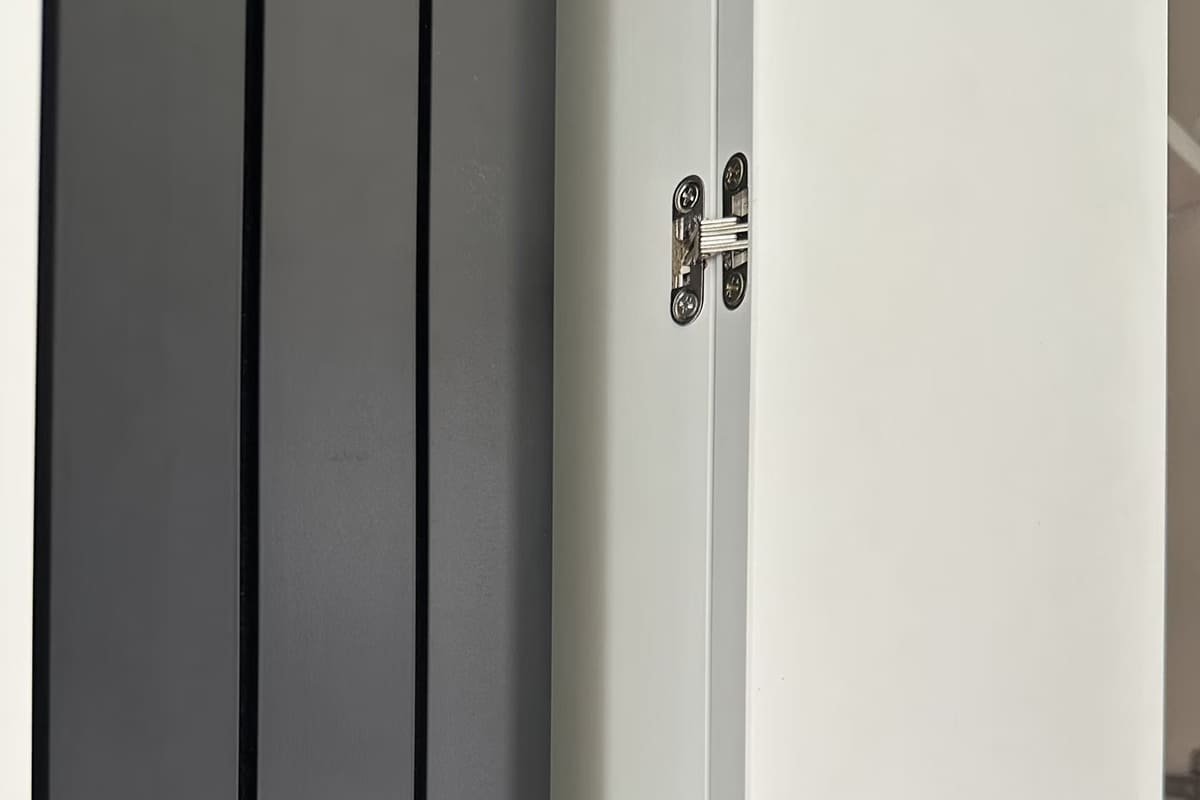
How I read the door opening as a system
I treat a door as one moving system. The hinge is only one part of that system. The door leaf has thickness. The frame has a rebate or flat surface. The casing may stand proud of the wall. The handle also needs space when the door reaches the wall side. If the wall is close to the door edge, a 180 degree hinge may not deliver a flat opening because the handle or door face hits the wall first.7 If the casing is too wide, the rear edge of the door may contact it before the hinge reaches its full movement.
| Door condition I ask about | My reason | My practical concern |
|---|---|---|
| I ask for door opening direction | I need to know inward or outward swing | The hinge model and mounting side may change |
| I ask for frame drawing | I need to see rebate, casing, and wall return | The door may be blocked before 180 degrees |
| I ask for door thickness | I need to match hinge body and screw position | The concealed hinge pocket may be too deep |
| I ask for door weight | I need tested hinge capacity for the model | The door may sag if the hinge is undersized8 |
| I ask for gap requirement | I need enough movement clearance | The door may rub or bind after installation |
I also pay attention to project standards. If the door needs a fire-rated hinge or CE certified hardware, I never make a general claim for all 180 degree hinges.9 I ask which model has the related test report and which door application the certificate covers. I have learned that buyers may say “heavy-duty 180 degree hinge” without sending the real door weight. I cannot recommend safely from that phrase alone. I need a drawing, a door size, the door material, and the expected market. This may sound slow at first, but it prevents wrong samples and wrong bulk orders.
Why Do I Often Recommend 3D Adjustable Concealed Hinges?
I have watched installers struggle with a nearly correct door, and a small adjustment often decides whether the final fit looks professional.
I often recommend 3D adjustable concealed hinges when the buyer needs a clean look and fine alignment. These hinges can allow up/down, left/right, and front/back adjustment after installation, depending on the exact model design.
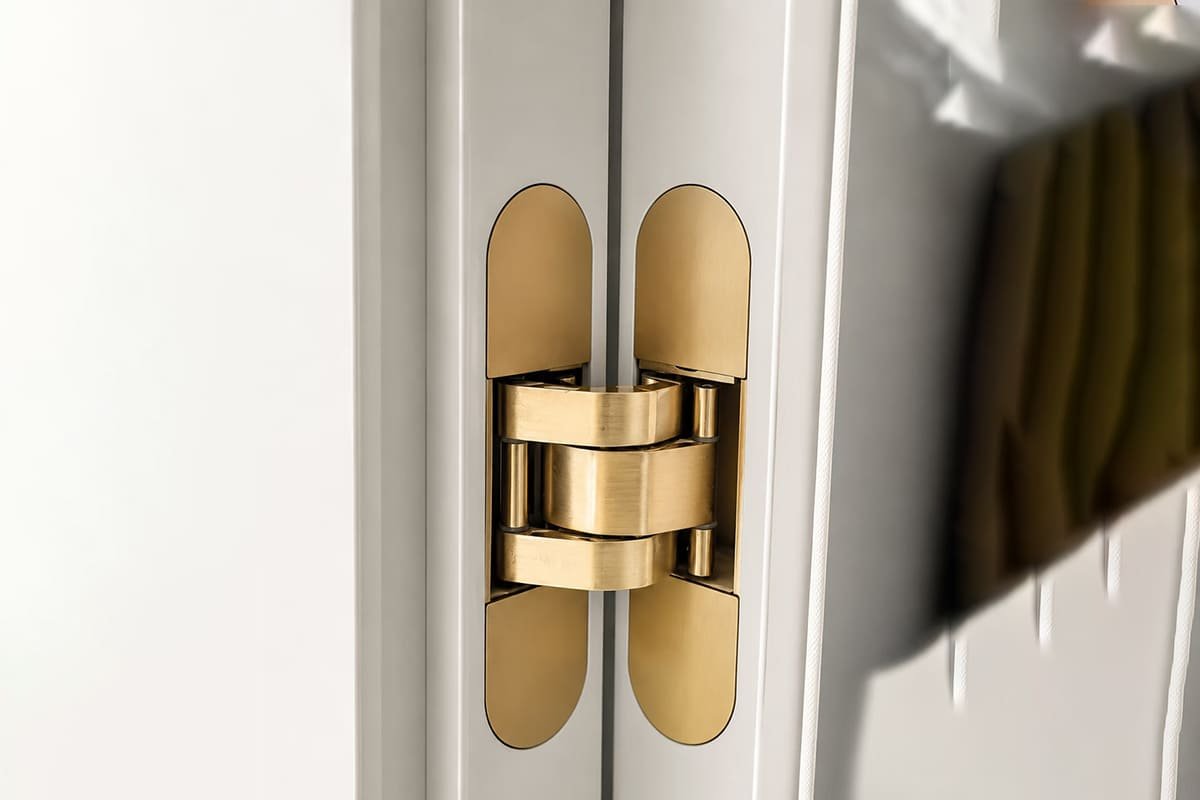
How I use adjustability to reduce fitting risk
I like 3D adjustable concealed hinges in many modern door projects because they help installers correct small position errors after the door is hung. In real production and installation, a door opening is not always perfect. A wooden door can have small size change.10 A frame can have a small installation shift. A wall can be slightly uneven. With a normal fixed hinge, the installer may need to remove the door, modify the pocket, or adjust the frame. With a suitable 3D adjustable hinge, the installer can use adjustment screws to move the door slightly up or down, left or right, and front or back. I still check the exact adjustment range from the model data, because not every hinge gives the same movement.
| Adjustment I consider | What it helps | What I still confirm |
|---|---|---|
| I consider up/down adjustment | It helps align top and bottom gaps | I confirm the adjustment range in the data sheet |
| I consider left/right adjustment | It helps correct side clearance | I confirm the door will not hit the casing |
| I consider front/back adjustment | It helps set door flushness | I confirm the door face and frame plane |
| I consider screw access | It helps installers work after hanging | I confirm if the adjustment points are reachable |
| I consider hinge body size | It affects milling and door strength | I confirm the door thickness and material |
I also explain comfort features with care. Some 180 degree hinges include damping, soft-closing, or holding features. Some do not. I never say all of them have these functions. If a buyer wants slow, smooth, and quiet closing, I ask whether he wants the damping built into the hinge or handled by a separate door closer. If he wants the door to stay stable when closed or fully open, I check whether the hinge model offers that function. I also remind the buyer to use a wall bumper or anti-collision strip when the handle may touch the wall at 180 degrees. This small accessory can prevent wall marks, handle damage, and customer complaints.11
How Should I Select 180 Degree Hinges For Bulk Orders?
I know one wrong hinge choice can create a full batch problem, and the cost becomes much higher when doors are already produced.
I select 180 degree hinges by matching the door design, opening target, hinge type, load data, finish, certification need, and installation details.12 I do not confirm a bulk order from angle demand alone.
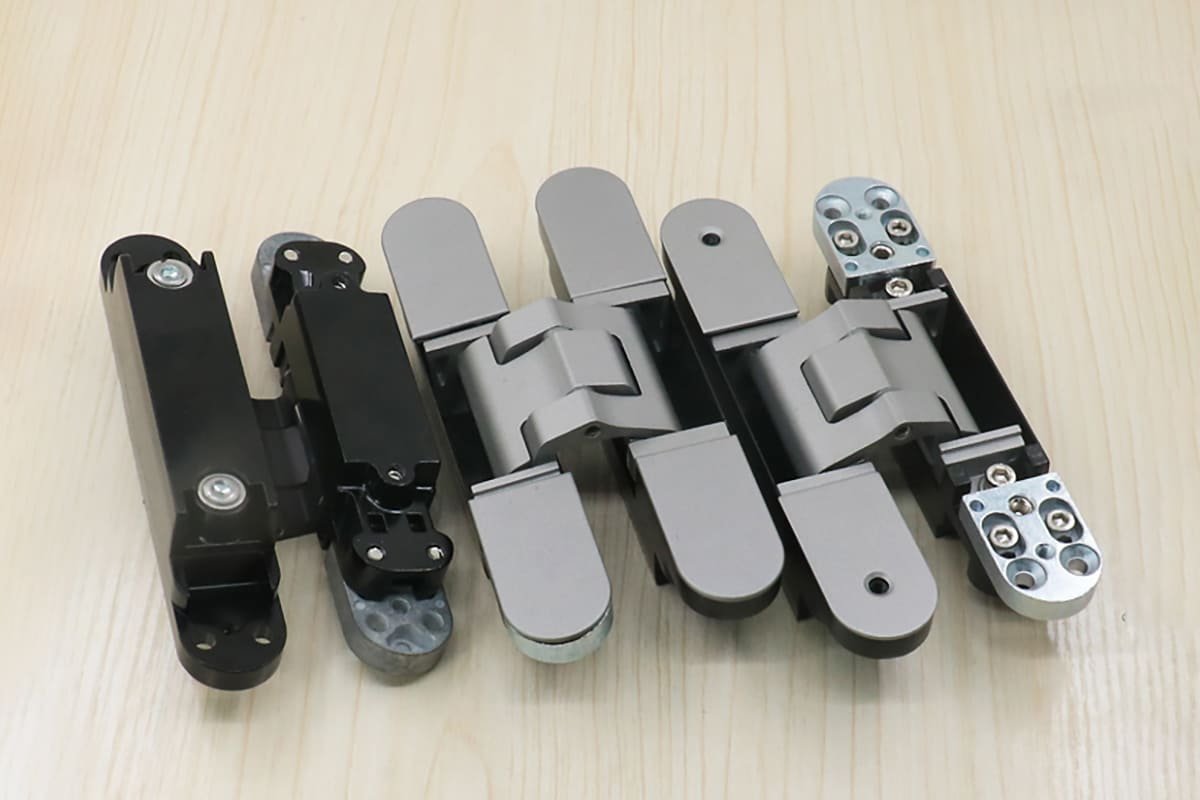
How I handle inquiries before I quote
When I receive a message that only says “send price for 180 degree hinges,” I do not quote blindly if I want to protect both sides. I first ask for the door and frame information. I also ask about the target market, because Europe, the Middle East, and Southeast Asia may have different door habits, finishes, packaging expectations, and compliance needs. If the buyer sells under a hardware brand, I ask whether he needs ODM marking, special box design, or unified finish across a series. If the buyer supplies a project, I ask whether CE, fire-rated documents, or other compliance documents are required for the specific model. I tie any certificate claim to the actual tested product, not to a general hinge category.
| Inquiry item I request | Why I need it | Example answer I can work with |
|---|---|---|
| I request door weight | I need to match tested hinge capacity | 45 kg, 60 kg, or 80 kg per leaf |
| I request door thickness | I need to confirm hinge body size | 35 mm, 40 mm, 45 mm, or 50 mm |
| I request door material | I need to judge screw holding and milling | Solid wood, MDF, steel, aluminum, or composite |
| I request opening direction | I need to choose mounting side and structure | Inward left, inward right, outward left, or outward right |
| I request frame and casing design | I need to check real clearance | Rebated frame, flush frame, casing size, wall return |
| I request required opening angle | I need to know if 180 degrees is truly needed | 120 degrees, 165 degrees, or 180 degrees |
| I request preferred hinge type | I need to narrow the solution | Concealed hinge, butt hinge, or special hinge |
| I request finish | I need to match the full hardware set | Satin nickel, black, gold, chrome, or stainless steel |
| I request quantity and packaging | I need to plan production and cost | Bulk pack, color box, brand box, or project pack |
| I request target market | I need to match market habits and documents | Europe, Middle East, Southeast Asia, or other market |
| I request damping need | I need to check function availability | With damping, without damping, or separate closer |
| I request certification need | I need to confirm tested documents | CE, fire-rated, or project compliance file |
I also check finish consistency when the order includes hinges, lever handles, mortise locks, and lock cylinders. Many buyers want one-stop sourcing because they need the whole door hardware set to look uniform. I understand this need because I see how a slight finish difference can become a customer complaint. I also ask about delivery schedule early. A 180 degree concealed hinge may need different machining, testing, packaging, or accessories than a normal butt hinge. If the buyer needs samples first, I suggest testing them on the real door and frame structure, not only on a loose board. This is the simplest way to see whether the door reaches the required angle without rubbing, sagging, or wall collision.
Conclusion
I treat 180 degree hinges as a door-opening solution, not one fixed product, and I confirm the whole door system before I recommend one.
"Hinge - Wikipedia", https://en.wikipedia.org/wiki/Hinge. A general hinge reference defines a hinge as a mechanical bearing that permits limited rotation between a door leaf and its frame, supporting the article’s use of opening angle as a hinge-system property. Evidence role: definition; source type: encyclopedia. Supports: A hinge permits a door or panel to rotate relative to a fixed frame, so describing a hinge by the maximum opening angle is technically meaningful.. Scope note: The source may define hinge mechanics generally rather than certify that a specific product reaches 180 degrees in a given installation. ↩
"[PDF] SECTION 087111 - DOOR HARDWARE (SCHEDULED BY ...", https://fpm.usc.edu/wp-content/uploads/2021/11/087101-USC-UPC-door-hardware-Guide-Specification_1.pdf. Door-installation and inspection references identify clearance interference, hardware placement, and hinge support as common factors affecting door swing and long-term alignment, providing contextual support for the listed failure modes. Evidence role: general_support; source type: institution. Supports: Door operation problems can result from inadequate clearances, incorrect hardware placement, or insufficient hinge support.. Scope note: A single source may not document all four outcomes together; the citation would support the general mechanism rather than quantify their frequency. ↩
"Standard Door Installation Clearances and Dimensions ... - Facebook", https://www.facebook.com/61554977615841/posts/standard-door-installation-clearances-and-dimensionsthis-technical-illustration-/122268130742165920/. Architectural door-planning guidance treats door swing as a coordination issue involving the leaf, frame, wall clearances, and projecting hardware, supporting the claim that the installed opening angle is a system result rather than a hinge-only property. Evidence role: mechanism; source type: education. Supports: Door swing and usable opening are affected by the surrounding frame, wall, hardware projection, and clearance conditions.. Scope note: Such guidance usually addresses clearance principles and planning, not the performance of a particular 180 degree hinge model. ↩
"Wide Throw & Swing Clear Hinges - HardwareSource", https://www.hardwaresource.com/collections/wide-throw-swing-clear-hinges. General hinge references describe butt hinges and concealed hinges as distinct mechanical arrangements for rotating doors or panels, supporting the article’s distinction between hinge type and achieved opening angle. Evidence role: definition; source type: encyclopedia. Supports: Different hinge types can be configured to permit wide door swing, and the type name alone does not determine the installed opening angle.. Scope note: A general reference may not list every product-specific 180 degree configuration; model data would still be needed for a purchase decision. ↩
"Concealed hinge jig - Wikipedia", https://en.wikipedia.org/wiki/Concealed_hinge_jig. References on hinge types define concealed hinges by their hidden or minimally visible position when the door is closed, supporting the article’s explanation of their cleaner appearance. Evidence role: definition; source type: encyclopedia. Supports: A concealed hinge is designed so the hinge mechanism is not visible, or is minimally visible, when the door or panel is closed.. Scope note: The source supports the visibility claim, while judgments such as “clean look” remain partly aesthetic. ↩
"CN201363034Y - Three-dimensional adjustable concealed hinge ...", https://patents.google.com/patent/CN201363034Y/en. Technical descriptions and patent literature for three-dimensionally adjustable door hinges describe mechanisms for moving the door vertically, laterally, and in depth after mounting, supporting the article’s statement that such hinges can correct small alignment errors. Evidence role: mechanism; source type: other. Supports: Three-dimensional adjustable hinge mechanisms can provide vertical, lateral, and depth adjustment of a door relative to its frame.. Scope note: Patent or technical literature establishes the mechanism in principle; the actual adjustment range depends on the specific commercial model. ↩
"Chapter 4: Entrances, Doors, and Gates - Access-Board.gov", https://www.access-board.gov/ada/guides/chapter-4-entrances-doors-and-gates/. Architectural planning references for doors treat door swing, wall clearance, and projecting hardware as coordinated dimensions, supporting the claim that a handle or door face can limit a nominal 180 degree opening. Evidence role: mechanism; source type: education. Supports: Door swing must account for wall clearance and projecting hardware, because collisions can limit usable opening.. Scope note: The source would support the spatial principle, not prove that every close-wall condition prevents full opening. ↩
"Hinge Material & Door Sag: Which Causes It Faster? - Framewell", https://frame-well.com/blogs/perspectives/hinge-material-and-door-sag?srsltid=AfmBOor2_E8LDp2Tz3Sp3Cu3Op8nMtTYQKDU2N_tESkorEC922pyPG1E. Door-hardware standards and maintenance references relate hinge selection to door weight, size, and service conditions, supporting the claim that an undersized hinge can contribute to sagging or misalignment. Evidence role: mechanism; source type: institution. Supports: Hinge selection depends on door weight, size, and duty level, and inadequate hinge support can affect alignment and durability.. Scope note: Sagging can also result from frame movement, screw failure, or installation error, so hinge undersizing is one possible cause rather than the only cause. ↩
"Fire Doors and NFPA 80 FAQs", https://www.nfpa.org/news-blogs-and-articles/blogs/2025/04/11/fire-doors-faqs. Regulatory and standards guidance for fire-door hardware and CE-marked construction products ties compliance to tested products, declared performance, and defined applications, supporting the article’s caution against generalizing certification to all 180 degree hinges. Evidence role: expert_consensus; source type: government. Supports: Fire-rated and CE-marked door hardware must correspond to applicable standards, test evidence, declarations, or certified applications rather than generic product descriptions.. Scope note: Requirements vary by jurisdiction and standard, so the citation should be paired with the specific market and product standard when used for procurement. ↩
"Drying and control of moisture content and dimensional changes", https://research.fs.usda.gov/treesearch/7143. The USDA Wood Handbook explains that wood is hygroscopic and undergoes shrinkage or swelling as its moisture content changes, supporting the article’s statement that wooden doors may experience small dimensional changes. Evidence role: mechanism; source type: government. Supports: Wood is hygroscopic and changes dimension as moisture content changes, which can affect wooden door fit.. Scope note: The amount of movement depends on wood species, construction method, finish, grain direction, and environmental exposure. ↩
"Doorstop - Wikipedia", https://en.wikipedia.org/wiki/Doorstop. References on doorstops describe their function as limiting door travel to prevent doors or handles from striking walls, supporting the article’s statement that bumpers can reduce wall marks and handle damage. Evidence role: definition; source type: encyclopedia. Supports: Doorstops and similar devices are used to prevent a door or its handle from striking and damaging walls or adjacent surfaces.. Scope note: The source supports physical damage prevention; it does not directly measure customer complaints. ↩
"Factors Determining Proper Hinge Selection - Dash Door & Glass", https://dashdoor.com/resource-center/technical-articles/factors-determining-proper-hinge-selection/. Architectural-hardware standards such as EN 1935 and ANSI/BHMA hinge classifications evaluate hinges by performance factors including load, durability, fire suitability, corrosion resistance, and application, supporting the article’s multi-factor selection approach. Evidence role: expert_consensus; source type: institution. Supports: Hinge specifications are commonly classified or selected by factors such as load, durability, fire performance, corrosion resistance, application, and installation conditions.. Scope note: Standards provide classification criteria; they do not replace project-specific shop drawings, mock-ups, or manufacturer test data. ↩