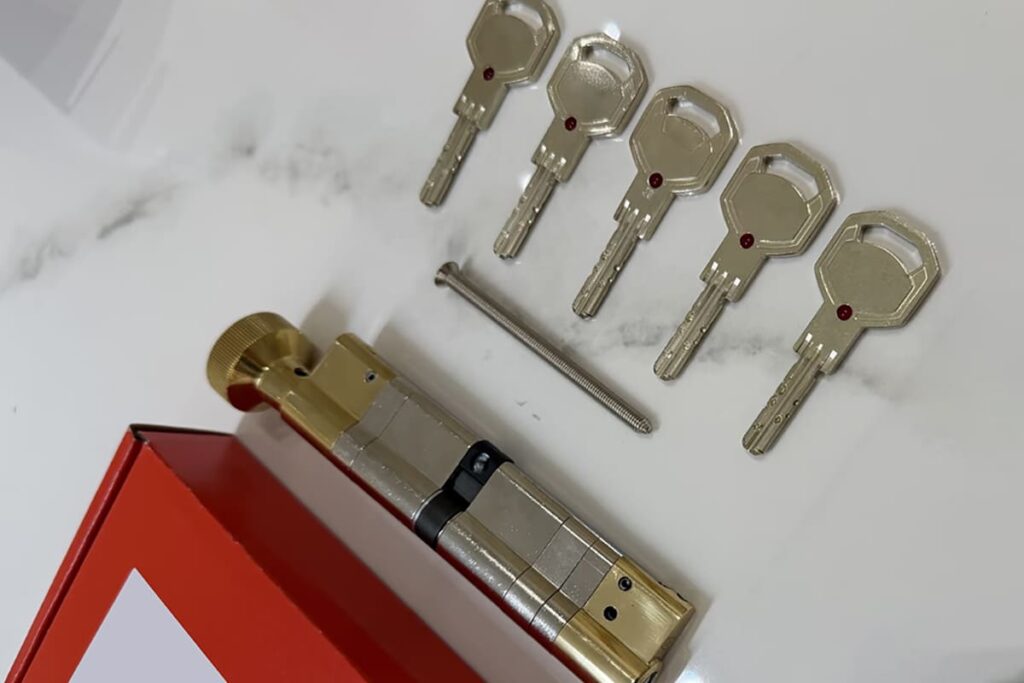
What Is a Commercial Mortise Lock Cylinder?
I see buyers lose money when they treat the cylinder as a small part. One wrong choice can stop a whole commercial door project.
A commercial mortise lock cylinder is the key-control part used with a mortise lock body.1 I use it to operate locking and unlocking through a key or thumbturn. For B2B buying, I must match the cylinder type, material, function, key system, and standard to the lock body and project.
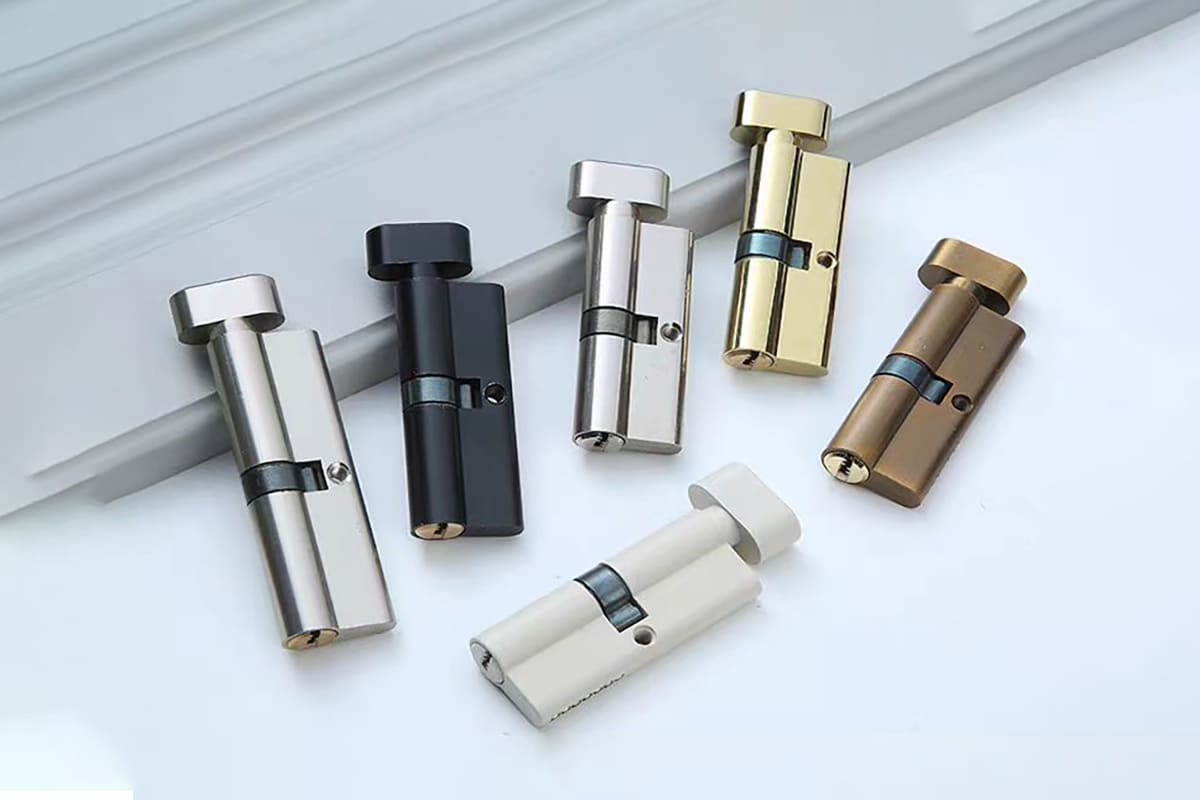
I have handled many cylinder orders where the buyer knew the door size, the finish, and the target price. Yet the buyer did not know the cylinder profile or function. That small missing detail created rework, delayed shipment, and sometimes made the cylinder useless on site. I always tell customers that a commercial mortise lock cylinder is not the whole lock. It is the control part inside a wider lock solution. When I confirm an order, I do not only ask, “What cylinder do you want?” I ask where the door will be used, which lock body will be installed, how many users need keys, and whether the door has fire-rated or market standard requirements. This is where a small metal part becomes a project decision.
How Does A Commercial Mortise Lock Cylinder Work With A Mortise Lock Body?
I see confusion when buyers call the cylinder a complete lock. That mistake can lead to wrong samples, wrong drawings, and wrong project quotes.
A commercial mortise lock cylinder works with the mortise lock body. I use the key or thumbturn to move the cylinder cam or tailpiece. That action drives the lock body mechanism, so the latch or deadbolt can lock and unlock.2
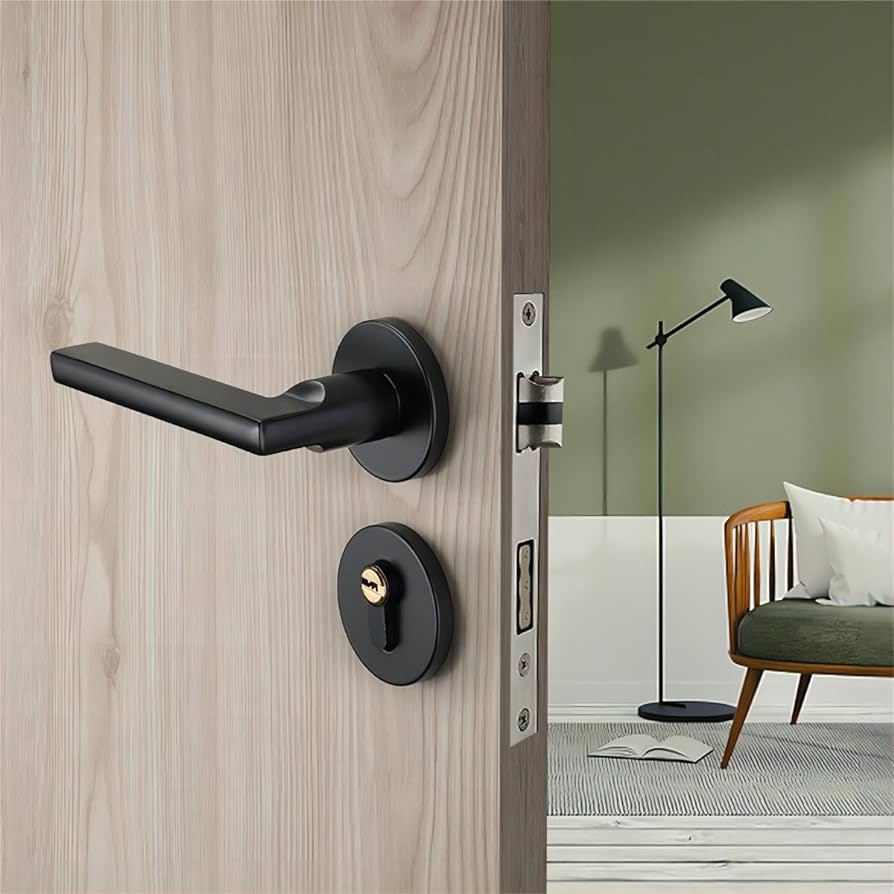
I treat the cylinder as the access-control input, and I treat the mortise lock body as the mechanical locking unit. The cylinder does not work alone on the door. It needs the right lock body, the right cam or tailpiece, and the right fixing method. In our production and order checks, I always ask for the lock body drawing or sample if the buyer is not sure. I do this because a cylinder that looks correct from the outside can still fail to operate the lock body inside the door.
| Part | What I Check | Why It Matters |
|---|---|---|
| Cylinder body | Profile, length, material, finish | I need it to fit the door and escutcheon |
| Cam or tailpiece | Shape, position, rotation | I need it to drive the lock body correctly |
| Mortise lock body | Standard, case size, function | I need the cylinder to match the mechanism |
| Door setup | Door thickness and hardware trim | I need the cylinder length to sit correctly |
| Key or thumbturn | User access need | I need the function to match the door scenario |
I have seen customers buy a brass cylinder with good finish and good keys, but the cam was wrong for their mortise lock body. The result was simple. The cylinder turned, but the lock did not open correctly. This is why I never separate cylinder selection from lock body confirmation. I also do not assume that one “commercial cylinder” can fit every commercial lock. The word commercial tells me the application and performance need. It does not remove the need for technical matching.
Why Is Cylinder Replacement Important In Commercial Projects?
I see building managers worry about lost keys and failed locks. If every issue needs a full lock change, maintenance cost becomes painful.
One main value of a mortise lock cylinder is serviceability. I can often replace the cylinder without replacing the full mortise lock body.3 This helps commercial buildings reduce maintenance cost when keys are lost, users change, or the cylinder wears out.
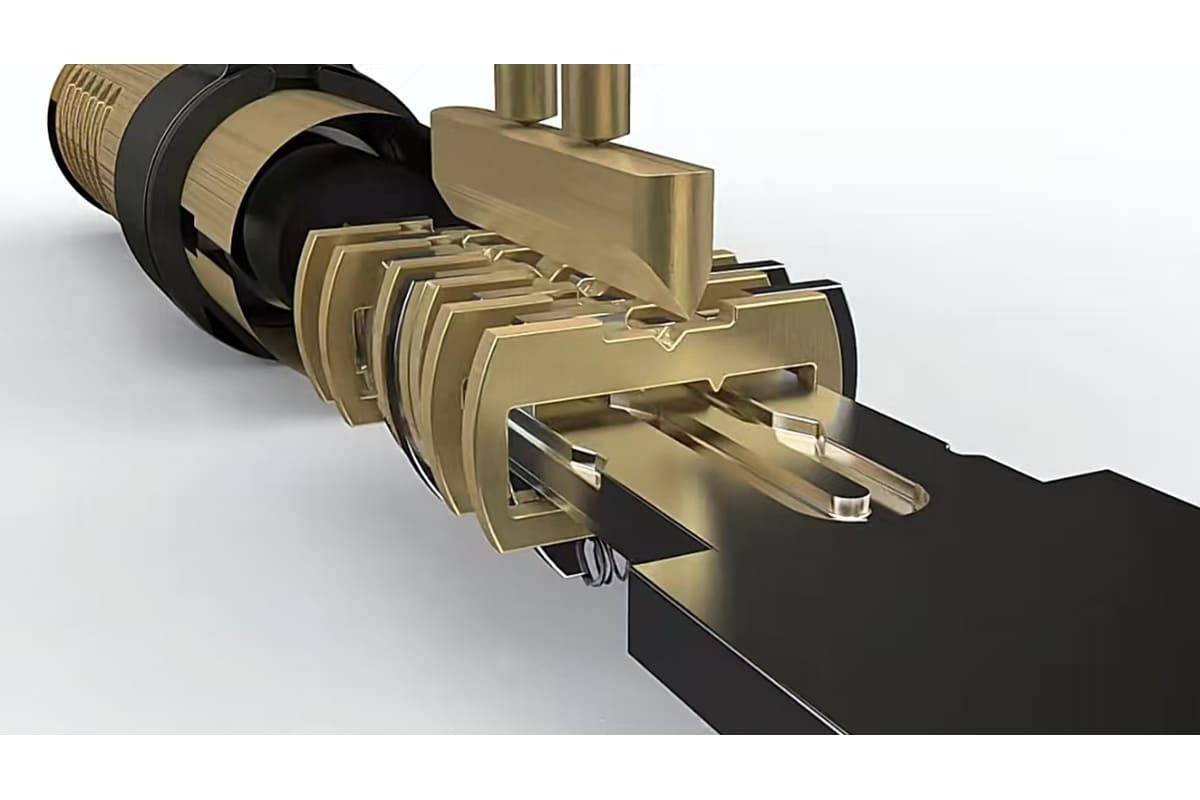
I often explain this point to wholesalers and project buyers because replacement is not only a repair issue. It is a life-cycle cost issue. In hotels, apartments, offices, schools, and public buildings, users change often. Keys get lost. Staff leave. Tenants move out. A cylinder may need rekeying or replacement while the lock body still works well. If I select the right cylinder and lock body system at the start, the building owner can manage these changes with less cost and less work.
| Situation | Full Lock Replacement | Cylinder Replacement |
|---|---|---|
| Lost key | I may need to remove the whole lockset | I can often replace or rekey the cylinder |
| Tenant change | I may waste a good lock body | I can keep the lock body in use |
| Cylinder wear | I may increase labor and material cost | I can change the worn control part |
| Key system update | I may need a larger hardware change | I can update the keying plan in many cases |
| Finish mismatch risk | I may replace visible trim | I can often keep the same door appearance |
I say “often” because I still need to confirm the product structure. Some systems allow easier replacement than others. Some projects also have strict rules for fire doors, hotel doors, or security doors. I do not tell buyers that every cylinder can be swapped freely. I tell them to keep consistent cylinder standards, lengths, fixing methods, and key systems across the project. When I receive repeat orders, I like to keep the old drawings and keying records. This helps me support replacement faster. It also helps buyers avoid mixing similar but incompatible parts.
Which Commercial Mortise Lock Cylinder Types Should I Know?
I see buyers mix ANSI, European profile, oval, and Kaba-type cylinders in one request. That can create a serious compatibility problem.
Commercial mortise lock cylinders come in several families, such as ANSI or American standard cylinders, EN 1303 European profile cylinders, oval cylinders, Kaba-type cylinders, and project-specific types.4 I never treat these cylinder families as interchangeable.5
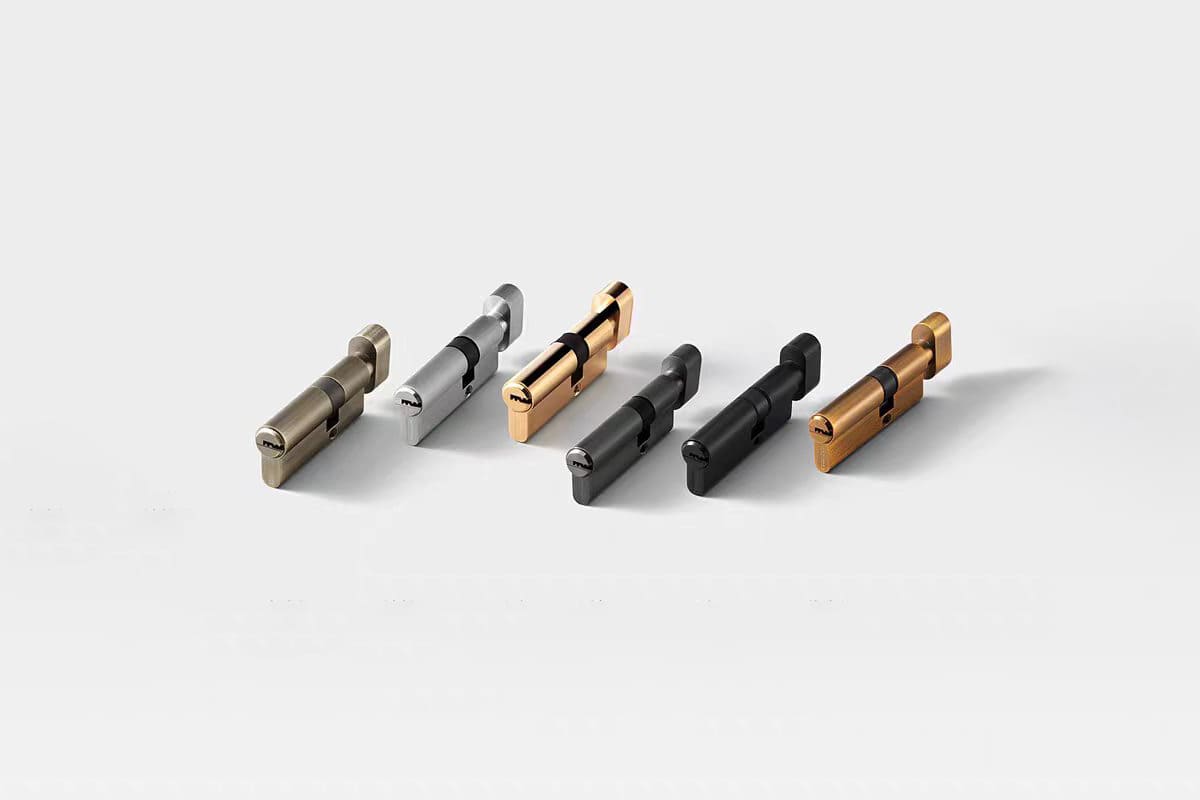
I always start cylinder selection by naming the cylinder family. This step looks basic, but it protects the whole order. A European profile cylinder is not the same as an ANSI mortise cylinder. An oval cylinder has its own shape and fitting logic. A Kaba-type cylinder may follow a different system and keyway need. Some projects also use special configurations because the lock brand, trim design, or regional market requires it. I do not judge the cylinder only by length or finish. I first confirm the standard and profile.
| Cylinder Family | I Usually Check | Common Use Note |
|---|---|---|
| ANSI / American standard cylinder | Thread, cam, length, trim fit | I see it in American-style commercial lock systems |
| EN 1303 / European profile cylinder | Profile size, length split, cam, key function | I see it in European and many global door projects |
| Oval cylinder | Oval profile and fixing style | I see it in specific regional systems |
| Kaba-type cylinder | Keyway, system, profile, project need | I check it carefully with project drawings |
| Project-specific cylinder | Sample, drawing, lock body, trim | I do not assume it matches standard stock items |
I have received inquiries that only said “mortise cylinder, brass, satin nickel, 70 mm.” That information was not enough. I still needed to know whether the buyer wanted a euro profile cylinder with 35/35 length, an ANSI type with a cam, or another project design. I also needed to know how the cylinder would be fixed in the lock body or door. In B2B supply, one wrong assumption can turn a full batch into slow-moving stock. I prefer to slow down at the quotation stage and confirm the cylinder family clearly. This saves time later in production, inspection, and installation.
What Materials Should I Choose For Commercial Mortise Lock Cylinders?
I see price pressure in almost every order. Yet a low-cost material can become expensive if the cylinder fails in daily commercial use.
For commercial mortise lock cylinders, I choose material based on use level, cost target, and durability need. High-end cylinders are often brass. Mid-range options may use zinc alloy. Lower-cost options may use aluminum alloy. I often use 59 brass for durable commercial needs.
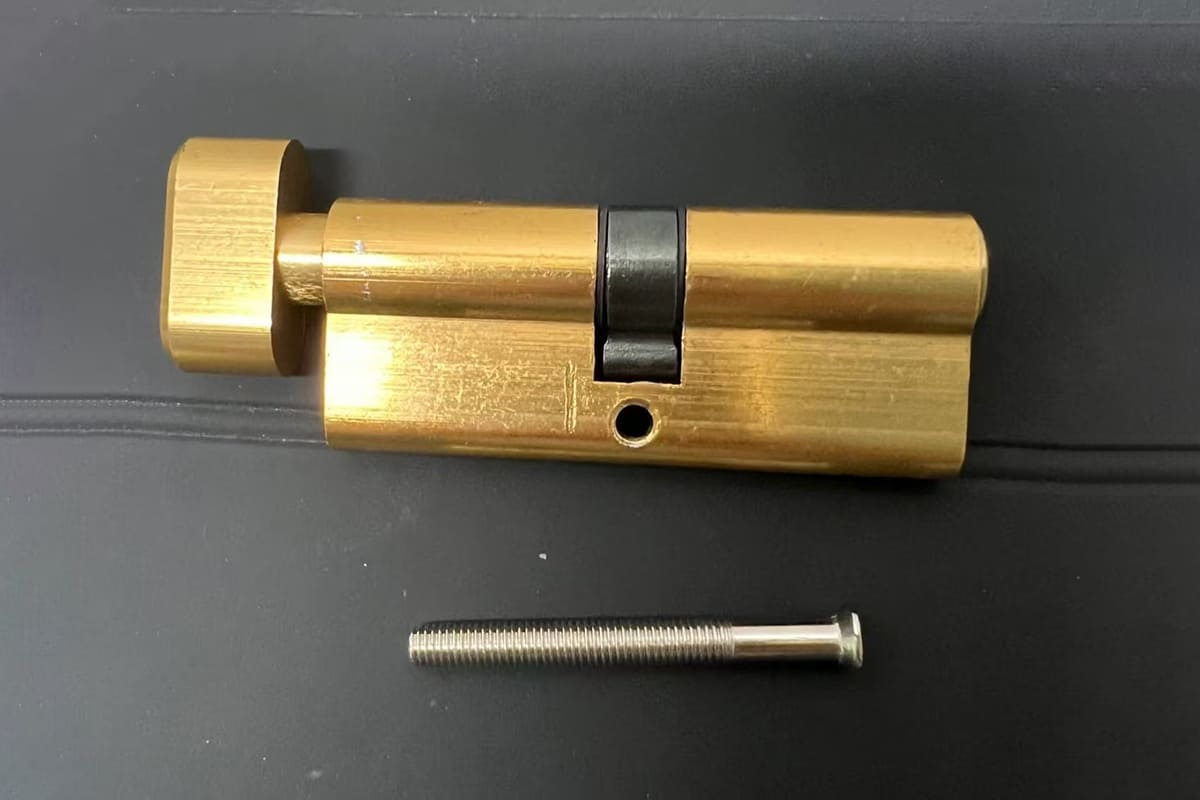
I do not describe “commercial” as always the most expensive option. I describe it as a use-case that needs stable performance, repeat operation, and clear service support. A small office may need one level. A hotel or apartment project may need a higher level because doors are used many times every day.6 In our production work, material affects machining, key wear, cylinder feel, corrosion behavior, and long-term stability. Brass is common in better cylinders because it machines well and performs well in many door hardware applications.7 For many commercial mortise lock cylinders, 59 brass is a practical durable choice.
| Material Level | Common Material | I Consider It For | Main Buyer Concern |
|---|---|---|---|
| Higher level | Brass, often 59 brass | Commercial buildings, hotels, apartments, long service use | Durability and stable operation |
| Mid-range | Zinc alloy | Cost-sensitive projects with moderate use | Balance of price and function |
| Lower-cost | Aluminum alloy | Light-duty or price-driven markets | Low cost and basic function |
| Mixed structures | Different body and plug materials | Special cost or design targets | Clear specification control |
I also check finish after I check material. Buyers often need satin nickel, polished brass, antique brass, black, or other finishes to match lever handles, escutcheons, and hinges. Finish consistency matters in bulk orders because door manufacturers and wholesalers need a clean product line. I have seen projects where the cylinder finish looked slightly different from the lever handle finish. The hardware was functional, but the final door appearance looked unprofessional. This is why I ask for finish samples, color codes, or approved reference pieces when the order is large. Material, finish, and surface process all need clear confirmation before mass production.
Which Cylinder Function Fits Each Commercial Door Scenario?
I see buyers order one cylinder function for every door. That simple choice can cause wrong access, weak privacy, or poor emergency handling.
I match cylinder function to the door scenario. Common choices include one side key with one side knob, double side key, bathroom cylinder with outside emergency release and inside knob, and half cylinder. Each function serves a different access-control need.
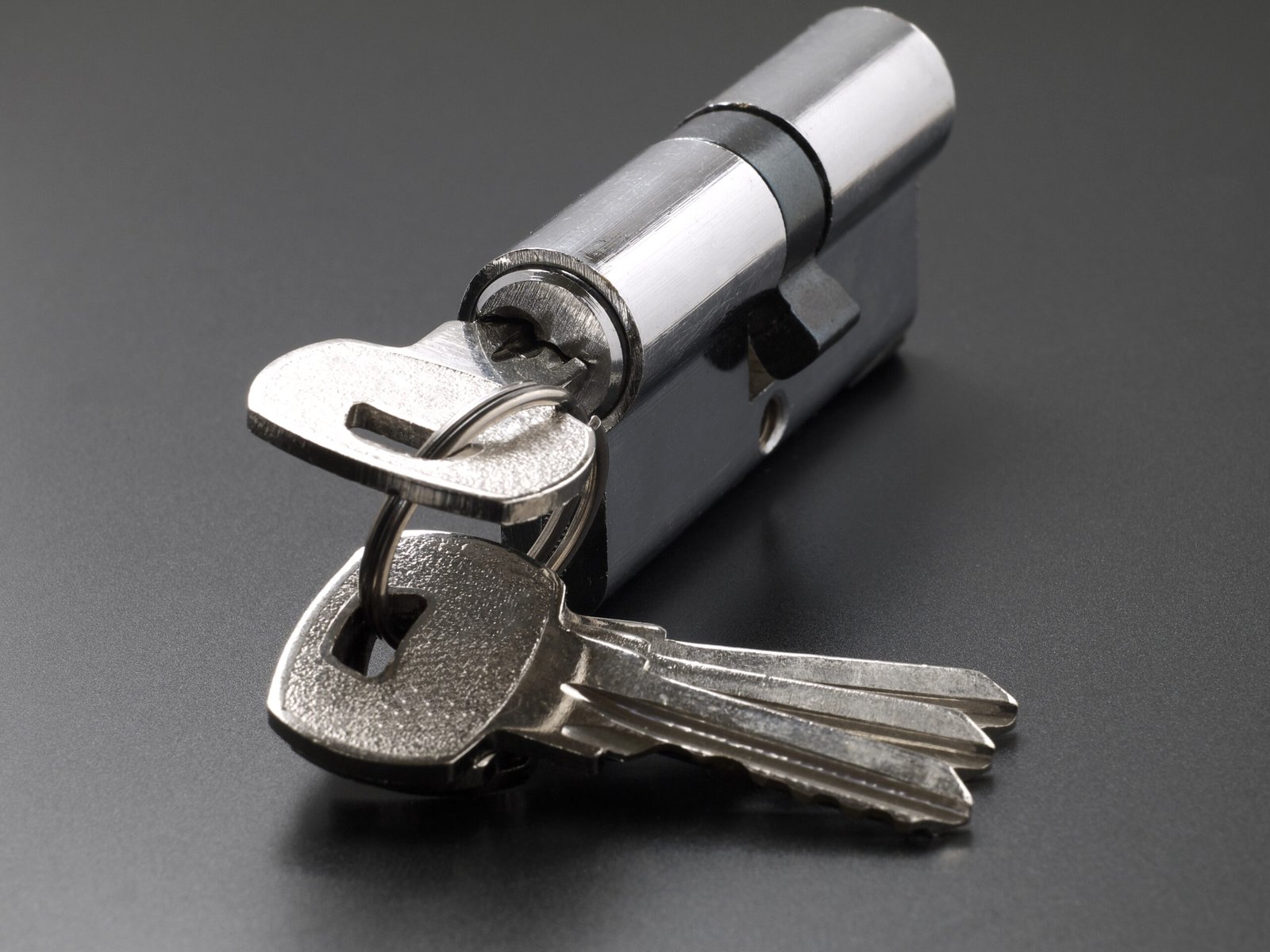
I do not choose a cylinder function only by habit. I choose it by how people use the door. A main entrance may need key access from outside and a thumbturn or knob inside. A storage room may need key control on both sides in some markets, but that choice can raise safety questions, so the project must confirm local requirements. A bathroom or privacy door may need an inside knob and an outside emergency release.8 A half cylinder may fit equipment rooms, shutters, or special doors where operation is only needed from one side.
| Function Type | I Use It When | Key Point To Confirm |
|---|---|---|
| One side key + one side knob/thumbturn | Users need key entry and easy inside exit | I check handing, door use, and safety need |
| Double side key cylinder9 | Key control is needed from both sides | I check project rules and emergency exit needs |
| Bathroom cylinder | Privacy is needed with emergency access outside | I check indicator or release design if required |
| Half cylinder | Operation is only needed from one side | I check fixing, length, and cam operation |
| Special keyed function | Project has a custom access plan | I check drawings and sample before bulk order |
In my experience, function mistakes are common when a buyer only sends a product photo. A photo may show the front side, but it may not show the inside function. I need to know if the inside has a knob, a key, a coin release, or no operation at all. I also need to know if the door is left-hand or right-hand when the cam position or thumbturn direction matters. For commercial projects, I prefer to confirm one door schedule if the buyer has it. The door schedule tells me room type, door thickness, fire rating, hardware set, and user need. This makes the cylinder function much easier to choose.
Why Do Master Key Systems Matter For Commercial Mortise Lock Cylinders?
I see many managed buildings struggle when every door has a separate key. Staff lose time, and managers lose control.
A master key system lets different keys open different groups of doors under a planned access hierarchy.10 I use it for apartments, hotels, offices, and managed buildings where owners, managers, maintenance teams, and users need different access levels.
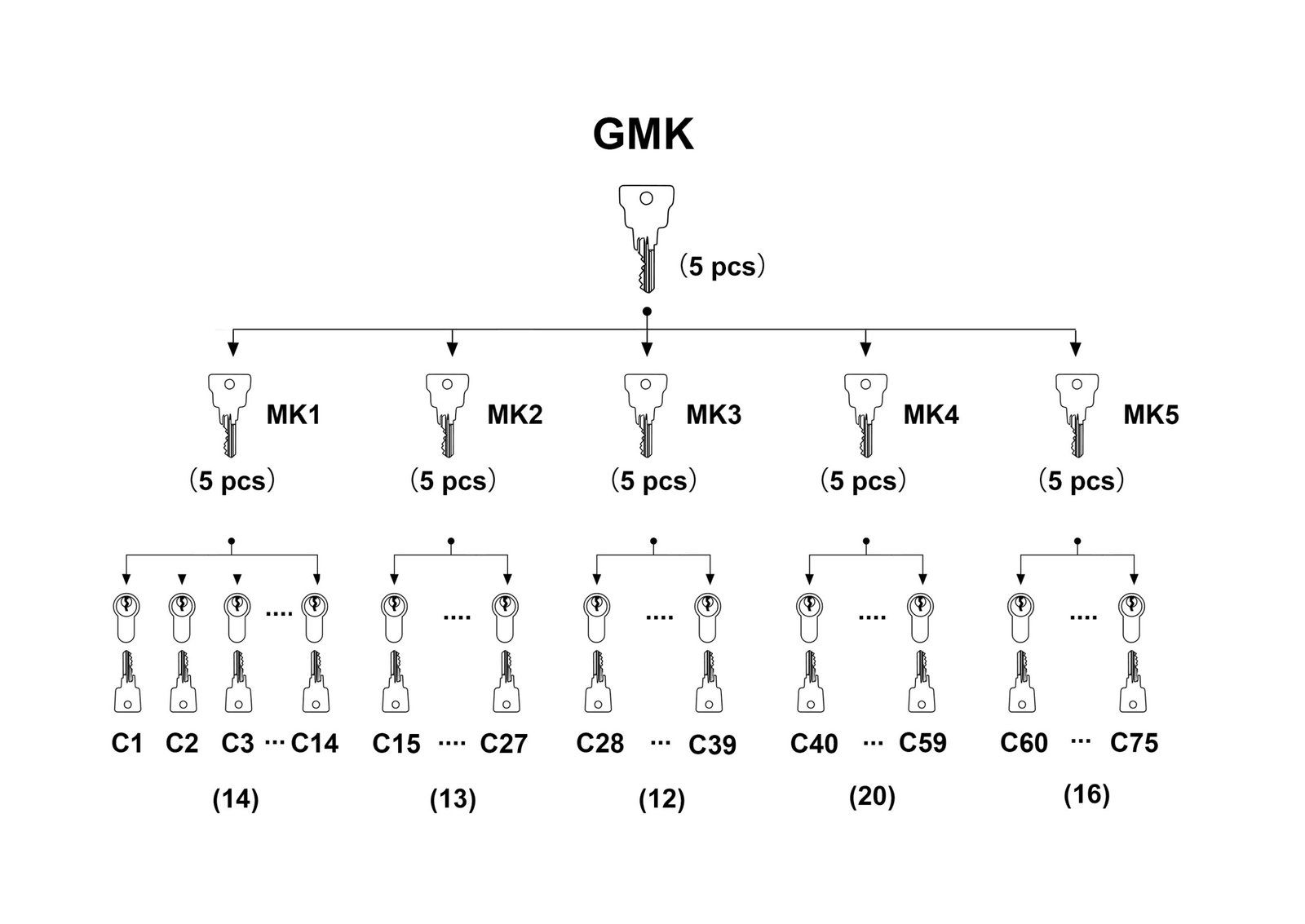
I treat keying as part of the product, not as a last-minute request. In a simple project, each cylinder can have its own key. In a managed building, that may become hard to control. A master key system can allow one tenant key to open one apartment, one floor key to open a group of rooms, and one master key to open many doors. The exact plan depends on the project. I need the buyer to provide a keying chart or ask us to help prepare one based on door numbers and access rules.
| Keying Type | I Use It For | What I Need From Buyer |
|---|---|---|
| Keyed different | Each door needs its own key | Door quantity and key quantity |
| Keyed alike | Several doors use the same key | Group list and cylinder count |
| Master keyed | Managers need controlled access | Door schedule and access levels |
| Grand master keyed | Large buildings need several layers | Full hierarchy and clear approval |
| Construction keying | Temporary site access is needed | Project timeline and handover plan |
I remind buyers that a master key system needs care. It is not only a price item. It affects security, production planning, key cutting, cylinder pinning, labeling, and packing. If the keying chart changes after production, the cost and lead time may change. I also need to confirm whether the cylinder structure supports the required keying system. Some low-cost cylinders may not be suitable for a complex hierarchy.11 Some branded or patented keyways may need special control. When I produce for bulk supply, I mark cylinders, keys, and cartons according to the approved key schedule. This helps the installer find the right cylinder for each door. It also reduces mistakes on site.
What Standards And Compliance Points Should I Confirm?
I see some buyers ask for “CE” or “fire-rated” after the order starts. Late compliance checks can risk the whole project.
I treat ANSI, EN 1303, CE, and fire-rated requirements as project requirements, not marketing words. A commercial mortise lock cylinder may need specific testing or documents, and I must confirm applicability by product, door set, and target market.
I do not claim that every commercial mortise lock cylinder automatically meets ANSI, EN 1303, or fire-rated requirements. I also do not act as a code authority. I manufacture and supply hardware, so I help buyers check product documents, test reports, and project fit. The final requirement depends on the market, the door type, the full door set, and the project specification. A cylinder used with a fire-rated door may need to match the tested fire door assembly or the accepted hardware list.12 A cylinder sold into a European project may need EN 1303-related performance information if the project asks for it. An American-style project may ask for ANSI-related performance.
| Requirement | I Ask The Buyer | Why I Ask |
|---|---|---|
| Target market | Which country or region is the project in? | Different markets ask for different documents |
| Standard need | Does the project require ANSI or EN 1303? | I need to match the product and report scope |
| Fire-rated use | Is the door fire-rated? | I need to check the door set and hardware requirement |
| Cycle or life test | What grade or test level is required? | I need to avoid vague claims |
| Certificate document | Which document must be submitted? | I need to confirm it before mass production |
I have seen buyers accept a sample only by look and feel. Later, the project consultant asked for documents. The buyer then had to change the product, delay delivery, or explain the gap to the client. I prefer to discuss compliance at the start. If a project needs a certain certificate, I ask for the specification page. If the buyer needs our available certificate, I check whether the exact product type and configuration fall inside the document scope. This careful step protects both sides. It also helps buyers avoid using a general certificate for a product that was not covered by that test.
What Should I Confirm Before I Buy Commercial Mortise Lock Cylinders?
I see most mistakes come from incomplete information. A short inquiry can look fast, but it can make the quotation less accurate.
Before I buy commercial mortise lock cylinders, I confirm the lock body type, cylinder profile, door thickness, length, material, function, keying system, finish, quantity, application place, target market, and required ANSI, EN 1303, or fire-rated documents.
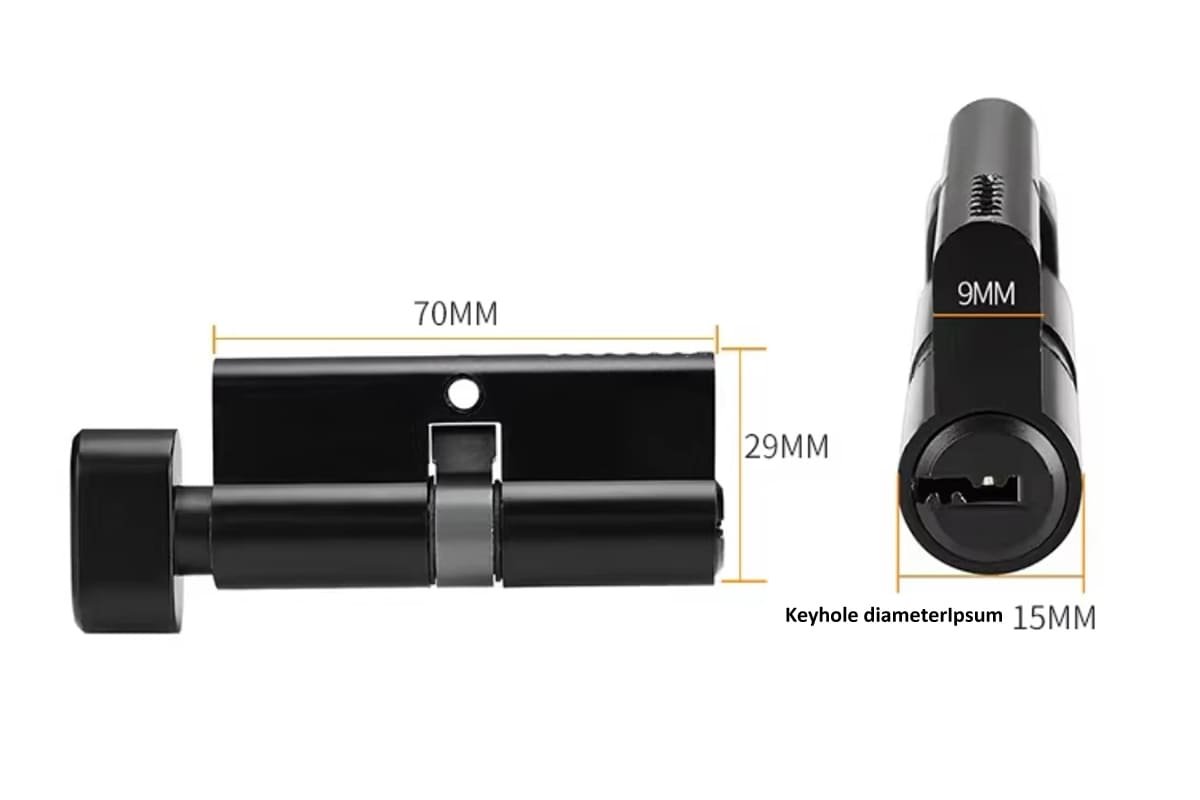
I use a checklist for almost every B2B cylinder order. I do this because a cylinder has many small details, and each detail can affect fit, performance, price, and delivery. A buyer may think the main question is price. I think the main question is fit for the project. Price only makes sense after the technical points are correct. If the cylinder cannot operate the lock body, the lowest price has no value. If the cylinder does not match the required key system, the installer will face problems. If the document does not match the target market, the project can reject the goods.
| Buying Point | My Confirmation Question |
|---|---|
| Lock body type | Which mortise lock body will this cylinder operate? |
| Cylinder standard or profile | Is it ANSI, European profile, oval, Kaba-type, or another type? |
| Door thickness | What is the door thickness and trim thickness? |
| Cylinder length | What total length or split length is required? |
| Material | Do you need 59 brass, zinc alloy, aluminum alloy, or another option? |
| Function type | Do you need key-knob, double key, bathroom, half cylinder, or special function? |
| Keying requirement | Do you need keyed alike, keyed different, master key, or grand master key? |
| Finish | Which surface finish must match the rest of the hardware? |
| Quantity | What is the order quantity and spare cylinder quantity? |
| Application place | Is it for office, hotel, apartment, school, hospital, or public building? |
| Target market | Which country or region will use or sell the product? |
| Documents | Do you need ANSI, EN 1303, CE, or fire-rated documents for this project? |
Conclusion
I choose commercial mortise lock cylinders by fit, function, material, keying, and documents, not by size and price alone.
"Mortise lock - Wikipedia", https://en.wikipedia.org/wiki/Mortise_lock. A neutral reference on mortise locks should be cited to support that the cylinder is the key-operated component associated with a mortise lock body, while noting that terminology and construction vary by regional lock standard. Evidence role: definition; source type: encyclopedia. Supports: A source should define a mortise lock and explain that the lock cylinder is the key-operated component used with the lock mechanism.. Scope note: This would support the general definition, not the specifications of any particular commercial cylinder. ↩
"Mortise Lock: How It Works, Diagram & Examples | FIRGELLI", https://www.firgelliauto.com/blogs/mechanisms/mortise-lock?srsltid=AfmBOoo46DjNstNjeSLXs1NHEliRyABAjs6irGRiv5pSj-iu-Jdje6IS. A technical hardware reference should be cited to support that rotation of a key cylinder is transmitted by a cam or tailpiece to the mortise lock mechanism, enabling operation of the latch or deadbolt; this evidence describes the general mechanism rather than every proprietary design. Evidence role: mechanism; source type: institution. Supports: A standards body, technical glossary, or educational hardware resource should support that a cylinder cam or tailpiece transmits key rotation to the lock mechanism.. Scope note: The mechanism can differ by manufacturer, cylinder family, and lock function. ↩
"Mortise Cylinder Locks, Can they be repaired or should I just replace?", https://www.reddit.com/r/Locksmith/comments/3h4p7x/mortise_cylinder_locks_can_they_be_repaired_or/. A facilities or door-hardware maintenance source should be cited to support that cylinders are commonly serviced, rekeyed, or replaced separately from compatible lock bodies; this does not prove interchangeability across all mortise lock systems. Evidence role: general_support; source type: institution. Supports: A neutral maintenance or door-hardware reference should confirm that lock cylinders are commonly replaceable or rekeyable components within compatible locksets.. Scope note: Separate replacement depends on the lock design, cylinder format, and applicable code or fire-door listing. ↩
"Euro Profile Cylinder vs Mortise Lock Cylinder: How to Choose the ...", https://akada-hardware.com/euro-profile-cylinder-vs-mortise-lock-cylinder-how-to-choose-the-right-option-for-your-project/. Standards and technical hardware references should be cited to support that lock cylinders are produced in distinct profile and standard families, including American mortise and European profile forms; this contextual evidence may not cover every named proprietary or project-specific variant. Evidence role: definition; source type: institution. Supports: Sources from standards organizations or technical hardware references should verify that different cylinder profiles and standards exist and are used in different markets.. Scope note: Some profile names are market conventions rather than globally harmonized formal standards. ↩
"Mortise locks vs. cylinder locks explained for you - Doors by Decora", https://doorsbydecora.net/cylinder-locks-vs-mortise-locks/. A technical door-hardware reference should be cited to support that cylinder interchangeability depends on profile, dimensions, fixing method, and cam or tailpiece design; this supports the compatibility principle rather than any single product comparison. Evidence role: general_support; source type: institution. Supports: A technical source should show that cylinder formats have different shapes, dimensions, fixing methods, or operating components, making direct substitution unreliable.. Scope note: Some manufacturers offer adapters or compatible variants, so the claim should remain framed as a caution against assuming interchangeability. ↩
"What Do ANSI Grade Levels Mean?", https://blog.ansi.org/ansi/ansi-grade-levels-bhma-locks-hardware-tests/. A door-hardware standard or grading reference should be cited to support that commercial lock hardware is commonly evaluated through performance grades and cycle testing, which provides context for specifying more durable components in high-use buildings. Evidence role: expert_consensus; source type: institution. Supports: A standards organization should support that commercial door hardware is evaluated by performance grades and cycle tests reflecting expected use intensity.. Scope note: Cycle-test grades support the durability rationale generally but do not provide use counts for a specific hotel or apartment project. ↩
"Which Brass Alloy Is Used in Lock Cylinder? - Keyman Lock", https://www.keymanlock.com/which-brass-alloy-is-used-in-lock-cylinder.html. A materials engineering reference should be cited to support that brass alloys are valued for machinability and service properties relevant to precision hardware components; this evidence explains material suitability but does not rank all lock-cylinder products by quality. Evidence role: mechanism; source type: research. Supports: A materials science or engineering source should support that brass has good machinability and corrosion-related properties that make it suitable for precision hardware components.. Scope note: Actual cylinder durability also depends on alloy grade, design, plating, tolerances, and use conditions. ↩
"DHS 83.59 - Wisconsin Legislative Documents", https://docs.legis.wisconsin.gov/document/administrativecode/DHS%2083.59. An architectural hardware or building guidance source should be cited to support that bathroom or privacy locks commonly provide interior privacy control with an exterior emergency-release function; this supports typical hardware practice rather than a universal code requirement. Evidence role: general_support; source type: institution. Supports: A hardware specification, accessibility, or building guidance source should support that privacy locks may include emergency release from the outside for bathrooms or similar rooms.. Scope note: Requirements differ by building type, jurisdiction, and accessibility or safety rules. ↩
"WAC 51-54A-1010: - | WA.gov", https://app.leg.wa.gov/WAC/default.aspx?cite=51-54A-1010. A building or fire-safety code source should be cited to support that many egress doors must be openable from the egress side without a key or special knowledge, giving safety context for double-keyed cylinders; applicable exceptions and local adoption must be checked separately. Evidence role: expert_consensus; source type: government. Supports: A building or fire code source should support that egress doors generally must be openable from the egress side without a key, special knowledge, or effort, subject to exceptions.. Scope note: Code requirements vary by jurisdiction, occupancy, door location, and adopted code edition. ↩
"[PDF] Campus Master Key Control Policy University of Wisconsin-Madison", https://uwpd.wisc.edu/content/uploads/2014/01/Master_Key_Policy_Final.pdf. A neutral reference on master keying should be cited to support that master key systems create hierarchical access, allowing some keys to operate individual locks and other keys to operate groups of locks. Evidence role: definition; source type: encyclopedia. Supports: A neutral source should define master keying as a hierarchical keying arrangement in which some keys operate individual locks and higher-level keys operate multiple locks.. Scope note: The source may define the concept generally without addressing the article's specific building examples. ↩
"Pin tumbler lock - Wikipedia", https://en.wikipedia.org/wiki/Pin_tumbler_lock. A security engineering or locksmithing reference should be cited to support that master-key systems require compatible cylinder design and pinning capacity, and that increased hierarchy can affect security and implementation complexity. Evidence role: mechanism; source type: research. Supports: A security engineering or locksmithing source should support that master keying adds design and pinning complexity and can impose limitations on cylinder suitability.. Scope note: This supports the technical rationale but does not establish a precise price threshold for suitability. ↩
"[PDF] INSPECTION CHECKLIST FOR SWINGING DOOR ... - SC State Fire", https://statefire.llr.sc.gov/osfm/forms/enforcement/Fire%20Door%20Inspection%20Checklist%20and%20Form.pdf. A fire-door code or standard should be cited to support that fire-rated door assemblies rely on tested and listed components, including compatible locking hardware; local code adoption and the exact door listing determine the applicable requirement. Evidence role: expert_consensus; source type: government. Supports: A fire-code or fire-door standard source should support that fire door assemblies are tested and labeled as assemblies and that hardware must be appropriate for the listing.. Scope note: The evidence is compliance context and does not determine whether any specific cylinder is approved for a given fire door. ↩