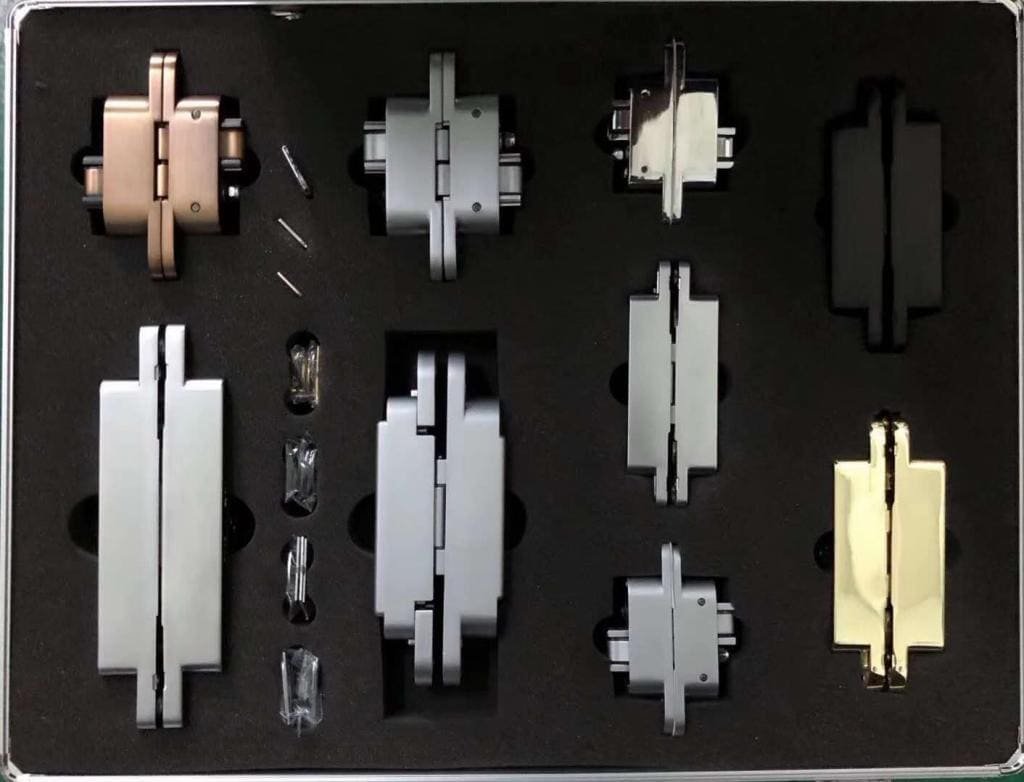
What Do Concealed Hinge Terms Really Mean for Door Buyers?
Confused by "hidden hinge," "invisible hinge," or "3D adjustable"? Many door factory buyers face this challenge. Understanding these terms is vital for accurate quotes and successful projects.
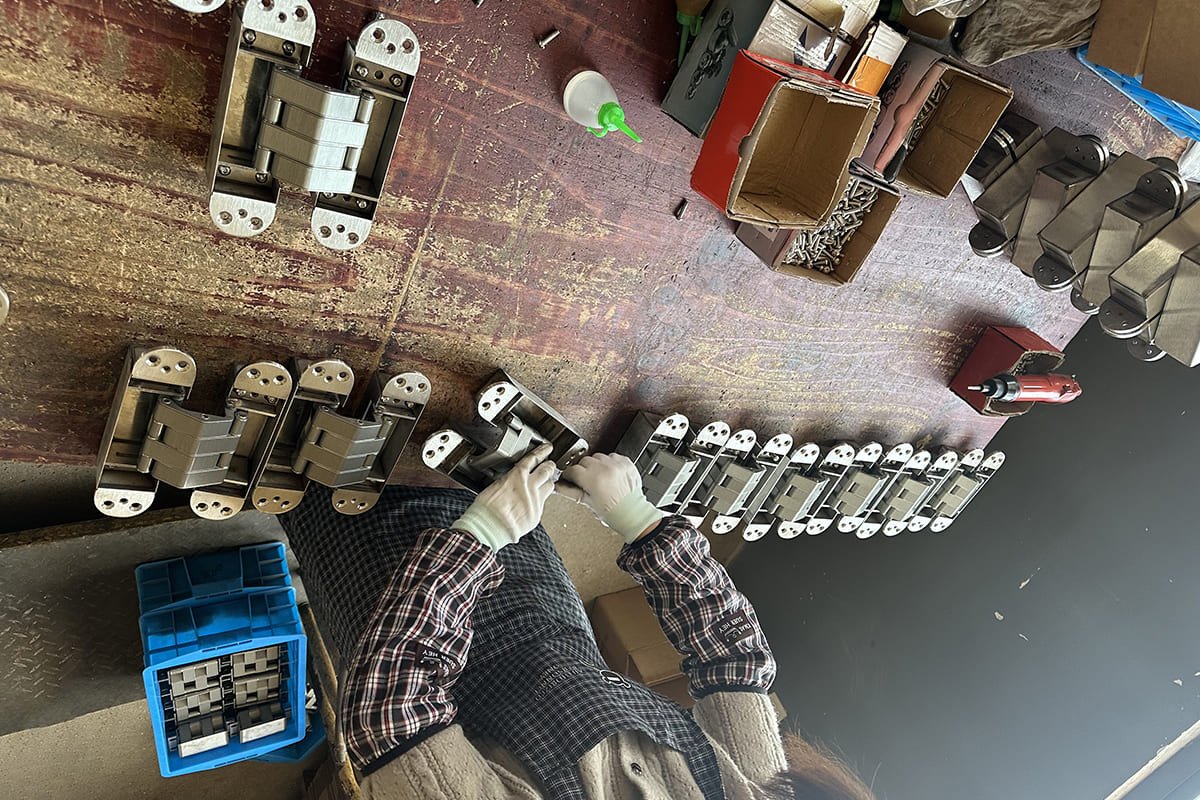
As a hinge manufacturer, I have seen many door manufacturers, like you, get confused by the different words used for hinges. You want to make sure you get the right product for your doors. This glossary will help you understand hinge terms. It will help you choose the best hinges.
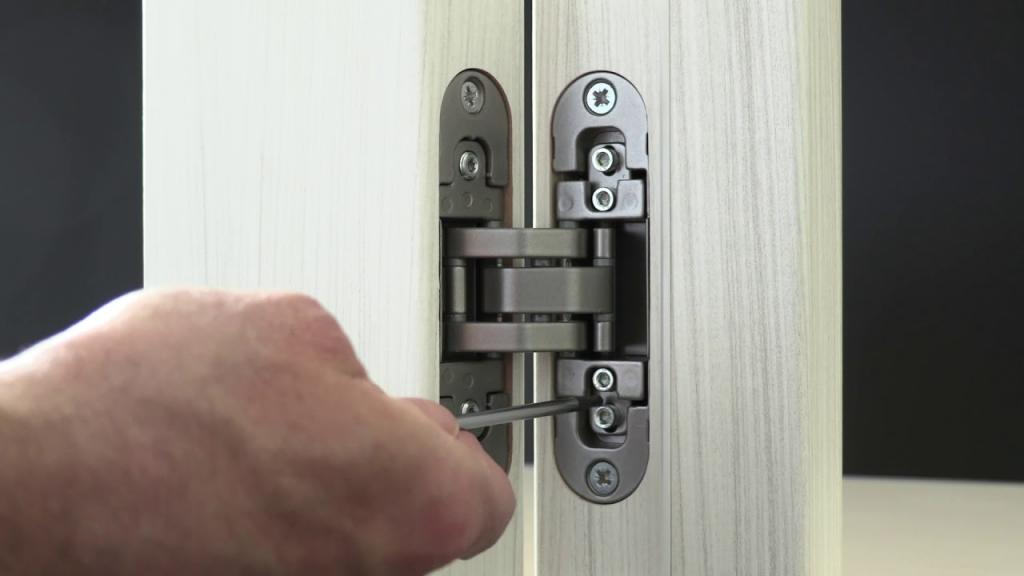
Understanding Naming and Application Differences
It is important to understand how naming affects your order. This helps avoid problems later.
| Term | General Meaning | Typical Application | Key Consideration for Buyer |
|---|---|---|---|
| Concealed Hinge | Hinge hidden when door is closed.1 | Standard architectural doors, interior/exterior. | Broad category. Focus on load, adjustments, opening angle. |
| Hidden Hinge | Same as Concealed Hinge. | Same as Concealed Hinge. | Often used interchangeably with concealed hinge.2 |
| Invisible Hinge | Hinge hidden for doors designed to be fully flush with walls/frames.3 | "Invisible doors," flush systems, minimalist design. | Requires precise frame integration, higher adjustment needs.4 More specialized and often premium. |
| 暗合页/隐藏合页 | Chinese terms for concealed/hidden hinges. | General use in Chinese markets. | Often refers to the same general category as concealed hinges. |
| Cross Concealed Hinge | Specific hinge structure, often for overlay doors.5 | Cabinets, wardrobes, furniture. | Not for architectural doors. Avoid confusion. |
Is a "3D Adjustable" Hinge Always Better for My Doors?
You might hear "3D adjustable" and think it is always the best. This feature sounds great. But it is important to know what it really does. It is also important to know if you actually need it.
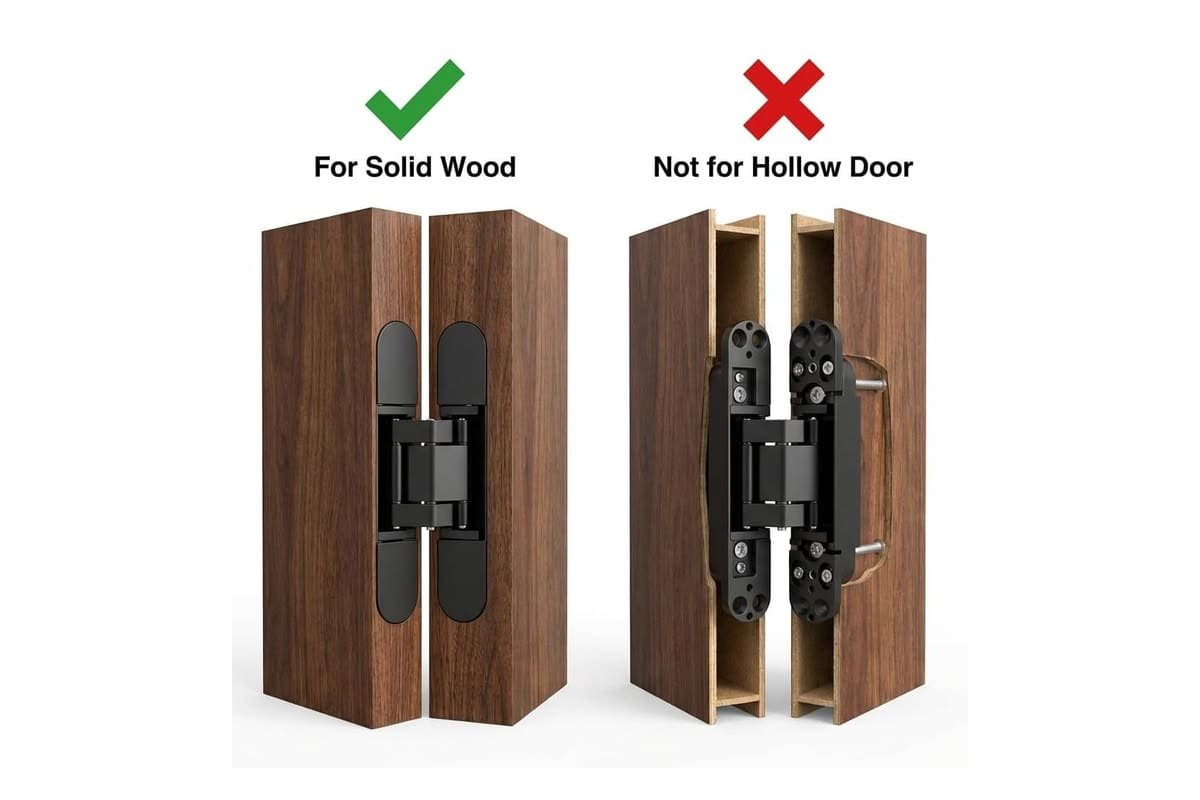
Many buyers ask for "3D adjustable" hinges. They hear it offers flexibility. It is true. With 3D adjustment, you can fine-tune the door's position.6 This helps correct for minor installation errors.7 It also helps with building movement over time.8 The three dimensions are:
- Vertical (height) adjustment: Moving the door up or down.
- Horizontal (side-to-side) adjustment: Moving the door left or right in the frame.
- Depth (in-and-out) adjustment: Moving the door closer to or further from the frame face.
Understanding Adjustment Types and Their Impact
The type of adjustment affects installation, aesthetics, and cost.
| Adjustment Type | Description | Benefit | Consideration |
|---|---|---|---|
| 3D Adjustment | Vertical, horizontal, and depth movement. | Maximum flexibility for perfect alignment. | Higher cost, more complex installation/adjustment process. |
| 2D Adjustment | Vertical and horizontal movement only. | Good for basic alignment, common for many doors. | Less precise depth control. |
| Depth Adjustment (via shims) | Small adjustments by adding or removing shims. | Simple and cost-effective depth control. | Limited range of adjustment, not dynamic. |
| Non-Adjustable | Fixed position. | Lowest cost, simplest installation. | Requires very accurate door/frame machining. Risks misalignment if not perfect. |
How Do I Accurately Specify "Load Capacity" for My Door Hinges?
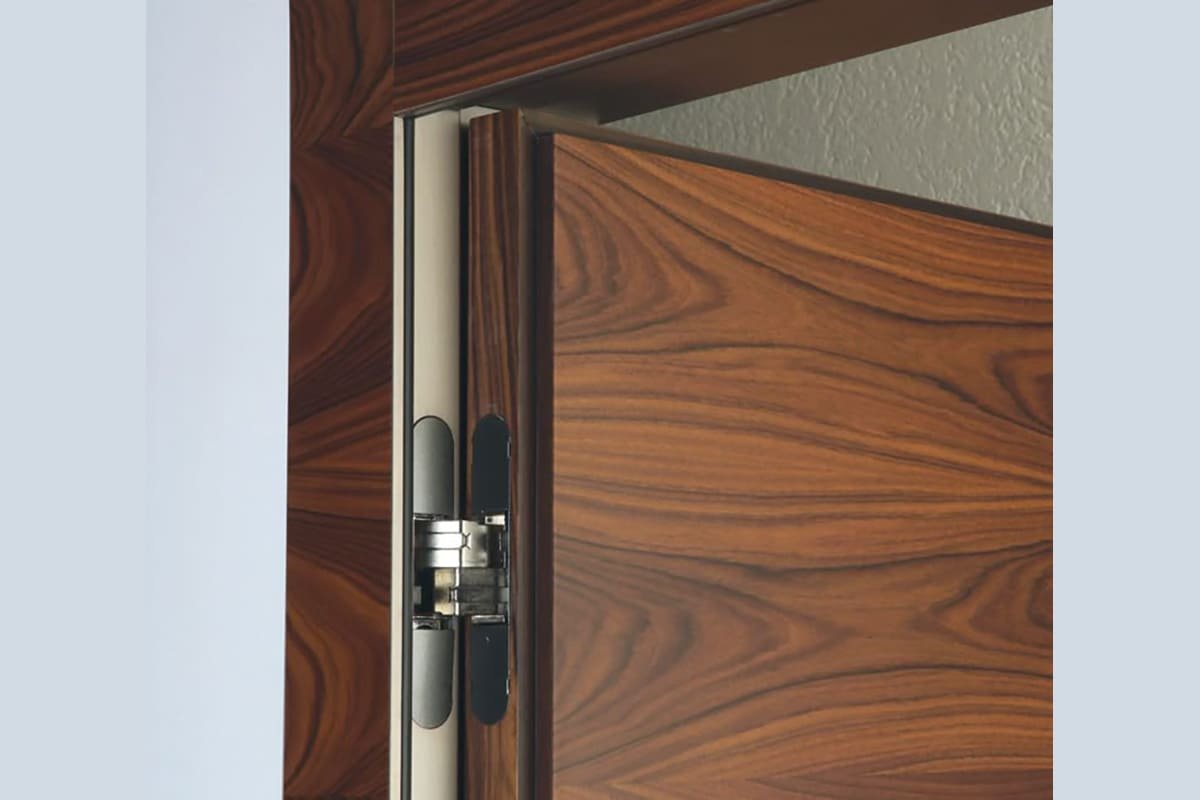
When a buyer tells me, "I need heavy-duty hinges," I always ask for more information. "Heavy-duty" is subjective. To me, "heavy-duty" means a hinge that can withstand significant weight and frequent use. But without numbers, it is a guess. The actual load capacity of a hinge depends on several things:
- Door weight: This is the most important factor. Always provide the exact or estimated weight of your door leaf.
- Door thickness: Thicker doors can sometimes distribute weight better. However, very thin doors might not offer enough material for secure screw fixing.
Key Factors for Hinge Load Specification
To ensure you get the right hinge, provide these details.
| Factor | Why it matters | Buyer Action |
|---|---|---|
| Door Weight9 | Direct impact on hinge stress. | Provide exact or estimated door leaf weight (kg/lbs). |
| Door Thickness | Affects mortise depth and screw engagement. | State door thickness (mm). |
| Number of Hinges | More hinges distribute load, increasing overall capacity.10 | Specify how many hinges per door (e.g., 2, 3, 4). |
| Door Height | Taller doors may require more hinges or specific placement. | State door height (mm). |
| Door Material11 | Affects screw retention and overall door integrity. | Specify door material (e.g., solid wood, MDF, steel). |
Why Are Installation Terms Critical for Concealed Hinge Selection?
You might think installation is for the installer. But understanding installation terms upfront helps you select the right hinge. It prevents many problems later. These terms guide how the hinge fits your door and frame.
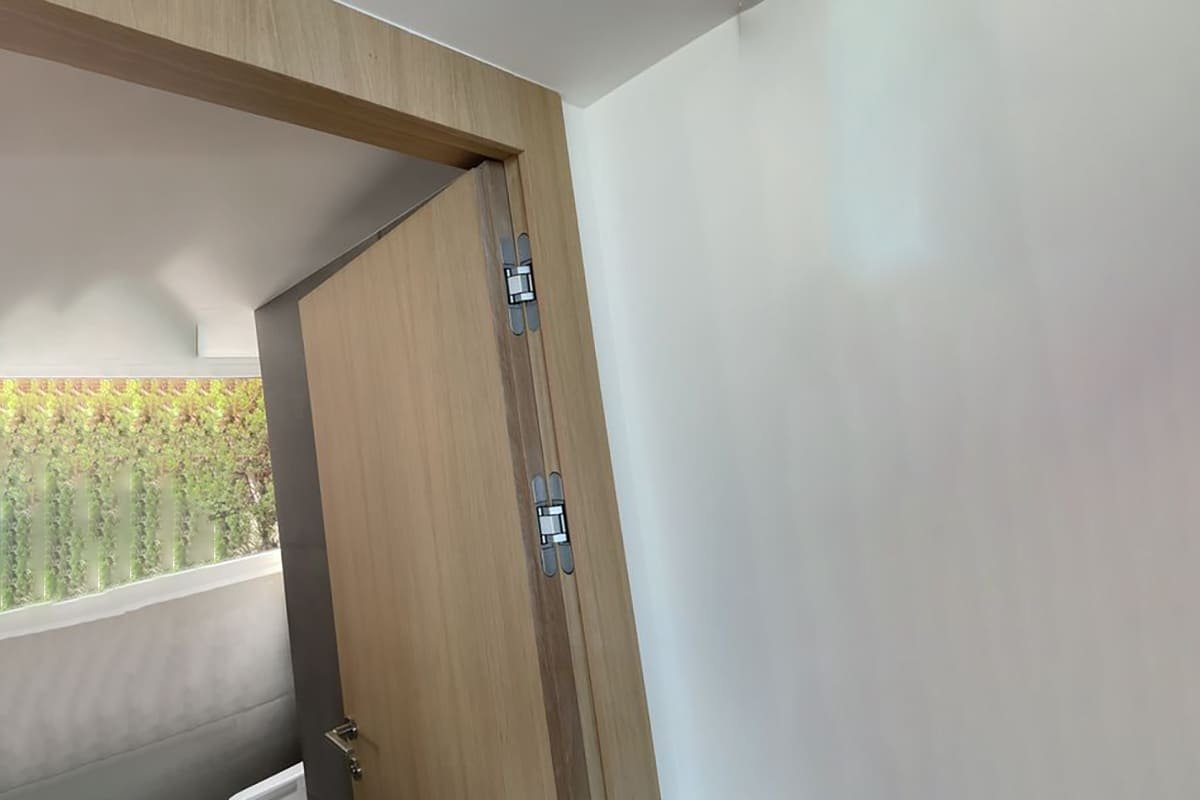
- Mortise position and depth: Concealed hinges require a routed recess (mortise) in both the door edge and the frame. The precise position and depth are critical. If the mortise is too shallow, the hinge will protrude. If it is too deep, the door will sit too far in.
- Opening angle: Do you need the door to open 90 degrees? 120 degrees? Or 180 degrees? Different hinges allow different opening angles. This is a design choice. It is also a functional requirement. If you choose a hinge that only opens to 120 degrees but need 180 degrees, the door will hit the wall.
- Flush door/frame alignment: Is your door designed to be perfectly flush with the wall or frame when closed? This needs a hinge with fine depth adjustment. It also needs precise installation.
- Frame compatibility: What type of frame are you using? Timber? Aluminum? Steel? Each frame material needs specific screw fixing methods. It may need different hinge plates.
Understanding Key Installation Variables
These variables directly impact hinge selection and installation success.
| Installation Term | Description | Impact on Selection | Consequence of Oversight |
|---|---|---|---|
| Mortise Position | Exact location of the hinge cut-out in door/frame. | Must match hinge size and door/frame dimensions. | Hinge will not fit, door will not close properly, rework needed. |
| Mortise Depth | How deep the hinge is recessed. | Critical for flushness and gap consistency. | Hinge protrusion or deep setting, uneven door surface. |
| Opening Angle | Maximum angle the door can open (e.g., 90°, 120°, 180°). | Select hinge to match desired door swing. | Door hits wall, limited access, hinge damage. |
| Flush Door/Frame | If door face aligns perfectly with frame/wall when closed. | Needs hinges with depth adjustment, precise mortising. | Uneven surface, poor aesthetic, potential for snagging. |
| Frame Material | What the frame is made of (e.g., timber, steel, aluminum). | Dictates screw type, fixing method, and hinge plate. | Incompatible fixings, weak installation, structural damage. |
| Screw Fixing Method | How screws attach hinge to door/frame. | Consider material, pilot holes, screw length. | Loose hinges, stripped screws, door falling off. |
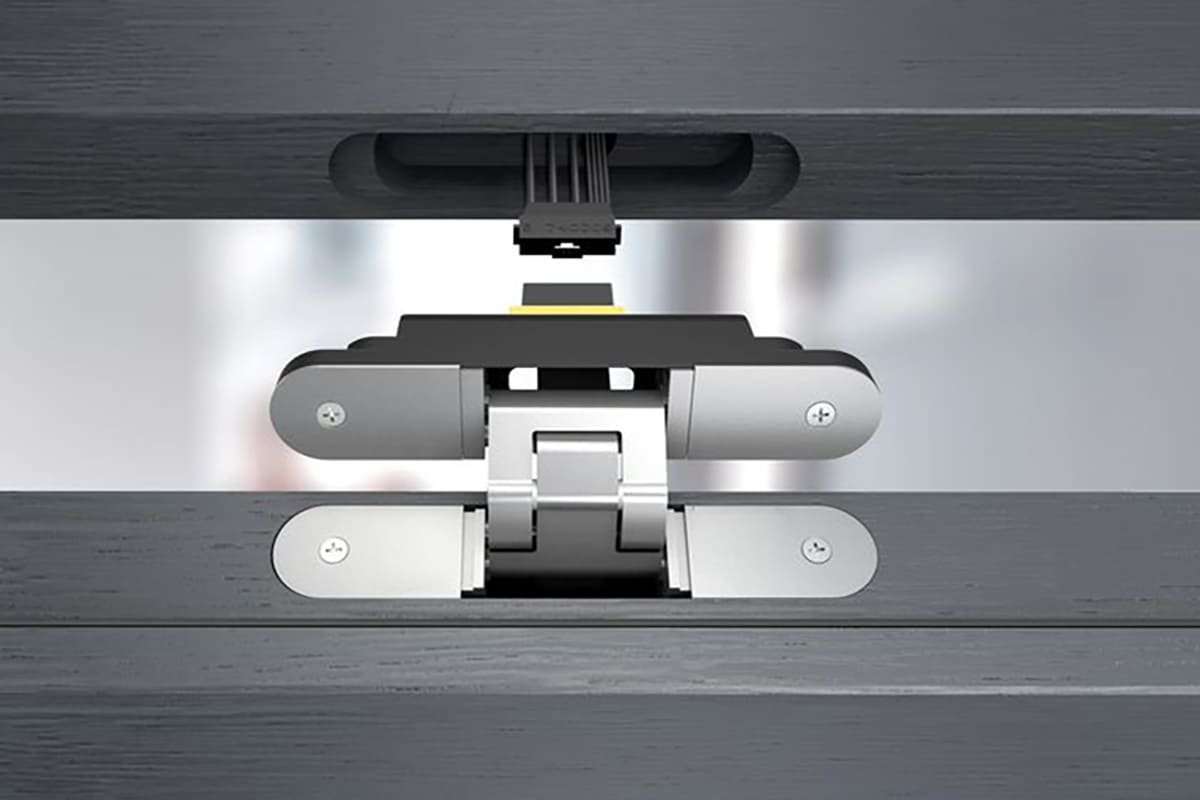
From my desk, reviewing inquiries, I see how important a complete request is. Sometimes, a buyer sends a message saying, "Need hidden hinges for doors, quantity 500." This is too general. I then have to ask many questions. This back-and-forth takes time. It slows down your project. I want to give you the right quote the first time. To do this, I need specific information. Think of it as a checklist:
- Door Type: Is it an interior door? An exterior door? A fire door? An "invisible door"?
- Door Material: Is it solid wood? MDF? HPL? Steel? Aluminum? The material affects screw retention. It affects hinge weight capacity.
- Door Thickness: What is the exact thickness of the door leaf? This affects hinge size and mortise depth.
- Door Weight: How much does one door leaf weigh? This is crucial for load capacity.
- Required Opening Angle: Do you need 90, 120, or 180 degrees?
- Frame Design: Is it a flush frame? A standard rebated frame? What is the frame material?
Inquiry Checklist for Precise Hinge Quotation
Use this table as a guide for your next inquiry.
| Category | Specific Detail Needed | Why it is Important |
|---|---|---|
| Door Basics | Type (interior, exterior, fire, invisible), Material, Thickness, Weight, Height, Width | Determines hinge model, load capacity, certifications. |
| Functionality | Required Opening Angle, Number of Hinges per Door | Ensures correct function and adequate support. |
| Aesthetics | Desired Finish (e.g., Satin Chrome, Black, PVD) | Matches project design and appearance. |
| Installation | Frame Material, Flush/Non-Flush Design, Mortise Details | Ensures physical fit and correct mounting hardware. |
| Compliance | Required Certifications (CE, Fire-rated, Cycle Tests)12 | Ensures market access and project specifications are met. |
| Project Details | Total Hinge Quantity, Project Timeline, Technical Drawings/Samples | Aids in accurate pricing, production planning, and confirmation. |
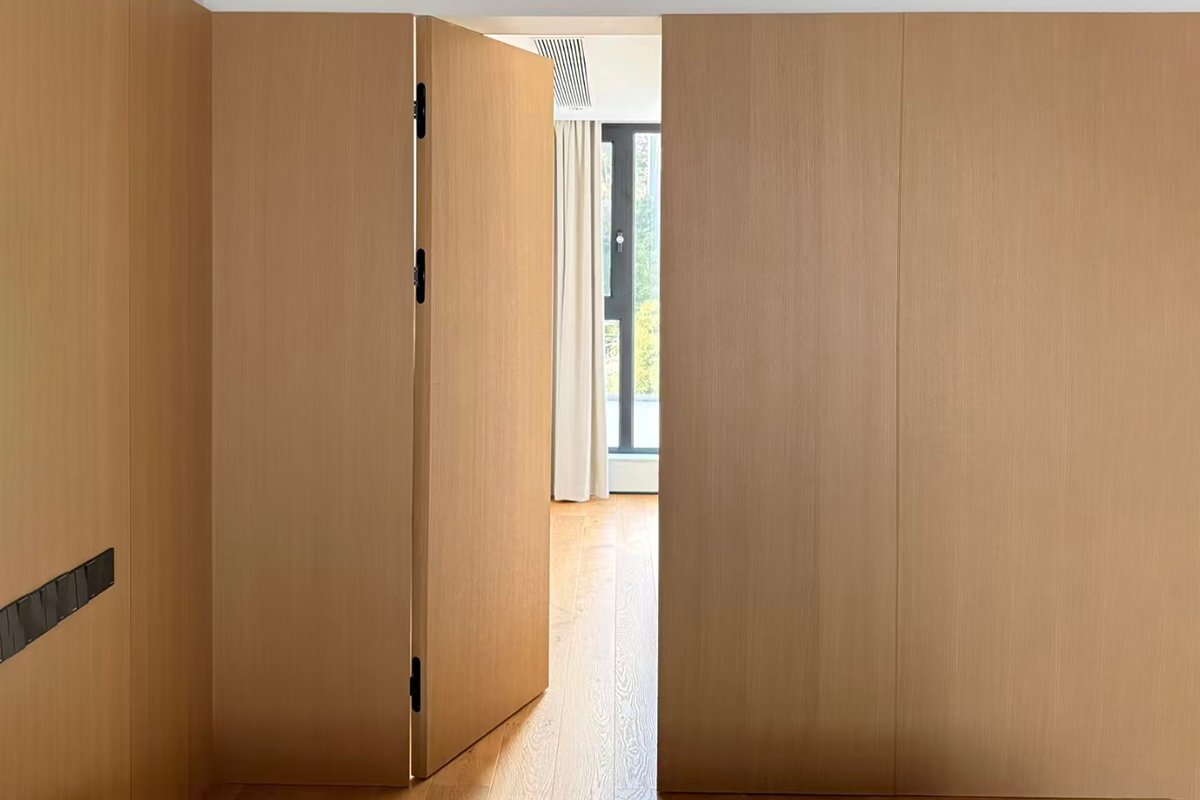
What Do "Concealed," "Hidden," and "Invisible" Hinges Really Mean?
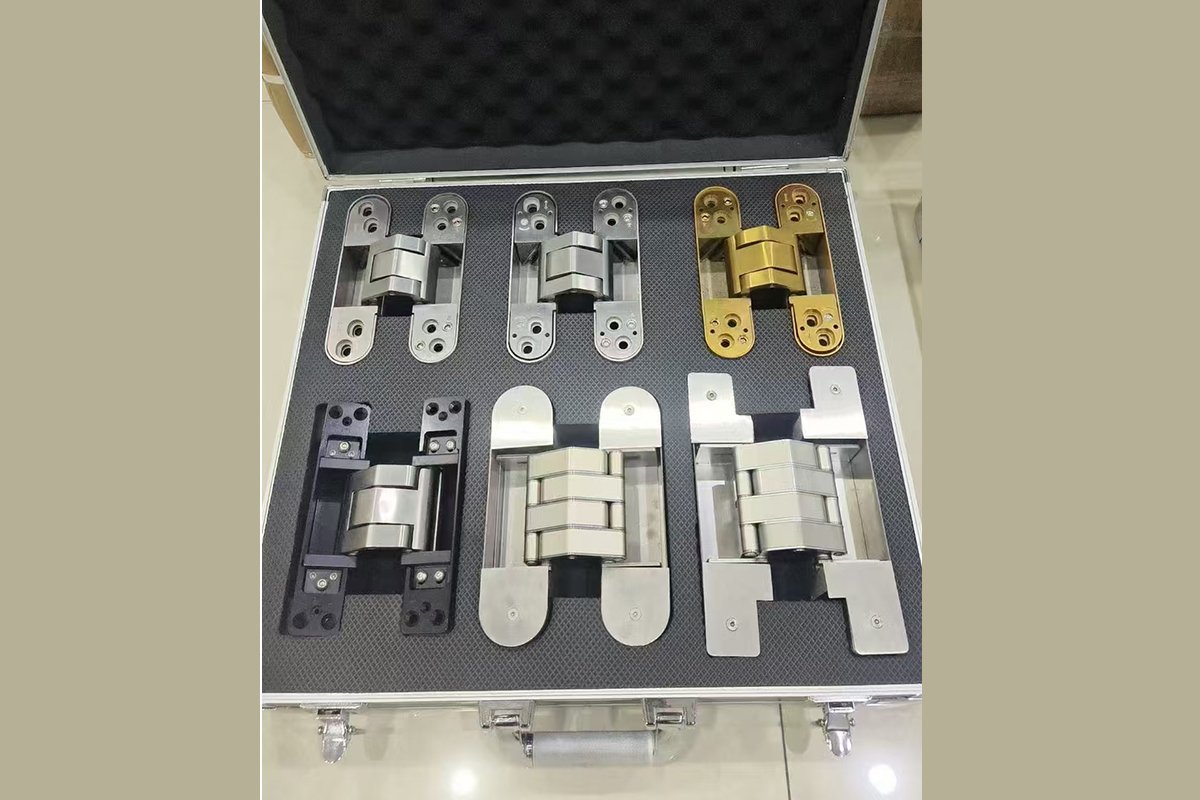
Understanding Naming and Application Differences
It is important to understand how naming affects your order. This helps avoid problems later.
| Term | General Meaning | Typical Application | Key Consideration for Buyer |
|---|---|---|---|
| Concealed Hinge | Hinge hidden when door is closed. | Standard architectural doors, interior/exterior. | Broad category. Focus on load, adjustments, opening angle. |
| Hidden Hinge | Same as Concealed Hinge. | Same as Concealed Hinge. | Often used interchangeably with concealed hinge. |
| Invisible Hinge | Hinge hidden for doors designed to be fully flush with walls/frames. | "Invisible doors," flush systems, minimalist design. | Requires precise frame integration, higher adjustment needs. More specialized and often premium. |
| 暗合页/隐藏合页 | Chinese terms for concealed/hidden hinges. | General use in Chinese markets. | Often refers to the same general category as concealed hinges. |
| Cross Concealed Hinge | Specific hinge structure, often for overlay doors. | Cabinets, wardrobes, furniture. | Not for architectural doors. Avoid confusion. |
Understanding Adjustment Types and Their Impact
The type of adjustment affects installation, aesthetics, and cost.
| Adjustment Type | Description | Benefit | Consideration |
|---|---|---|---|
| 3D Adjustment | Vertical, horizontal, and depth movement. | Maximum flexibility for perfect alignment. | Higher cost, more complex installation/adjustment process. |
| 2D Adjustment | Vertical and horizontal movement only. | Good for basic alignment, common for many doors. | Less precise depth control. |
| Depth Adjustment (via shims) | Small adjustments by adding or removing shims. | Simple and cost-effective depth control. | Limited range of adjustment, not dynamic. |
| Non-Adjustable | Fixed position. | Lowest cost, simplest installation. | Requires very accurate door/frame machining. Risks misalignment if not perfect. |
How Do I Accurately Specify "Load Capacity" for My Door Hinges?
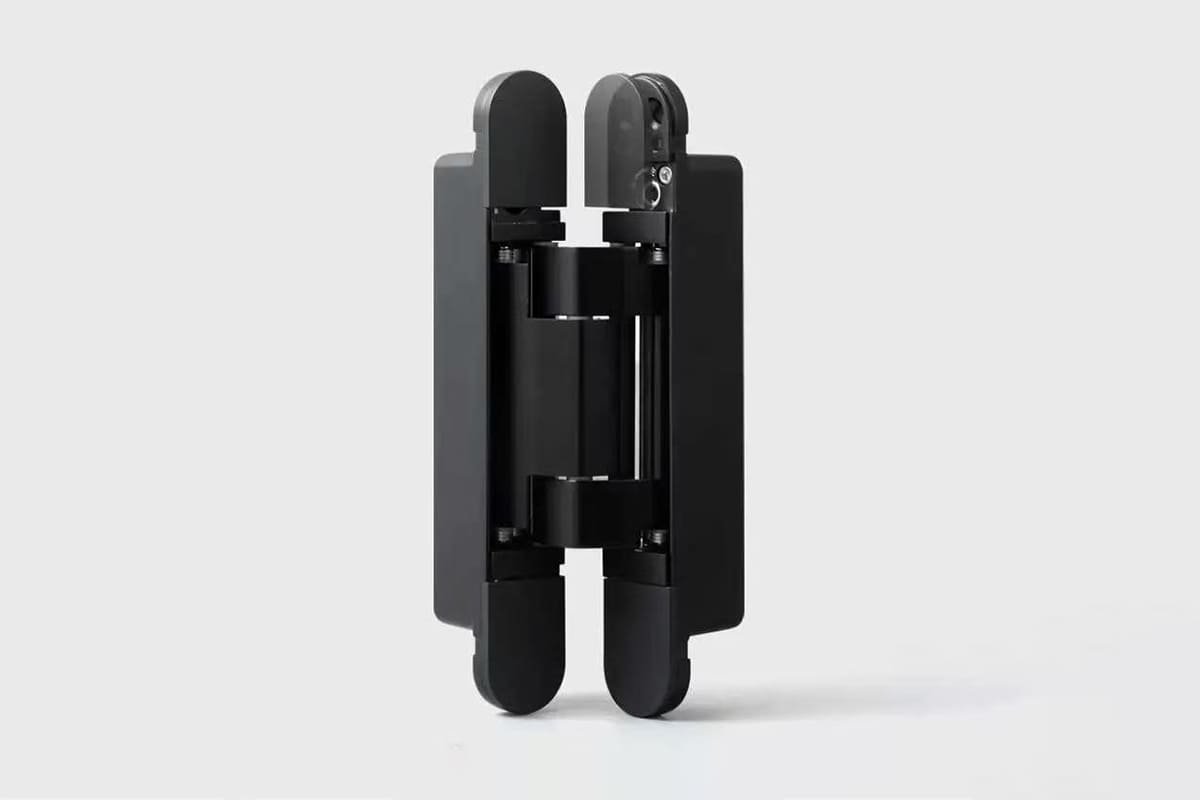
"Heavy-duty" is a common request. But it means different things. When you ask for "load capacity," you need to be precise. It is not just a single number. Many factors change how much weight a hinge can actually hold.
Key Factors for Hinge Load Specification
To ensure you get the right hinge, provide these details.
| Factor | Why it matters | Buyer Action |
|---|---|---|
| Door Weight | Direct impact on hinge stress. | Provide exact or estimated door leaf weight (kg/lbs). |
| Door Thickness | Affects mortise depth and screw engagement. | State door thickness (mm). |
| Number of Hinges | More hinges distribute load, increasing overall capacity. | Specify how many hinges per door (e.g., 2, 3, 4). |
| Door Height | Taller doors may require more hinges or specific placement. | State door height (mm). |
| Door Material | Affects screw retention and overall door integrity. | Specify door material (e.g., solid wood, MDF, steel). |
Why Are Installation Terms Critical for Concealed Hinge Selection?
Installation terms like "mortise position," "opening angle," and "frame compatibility" are crucial for selecting concealed hinges. These details ensure the hinge physically fits, allows desired door movement, and integrates seamlessly with your door and frame design, avoiding costly rework.
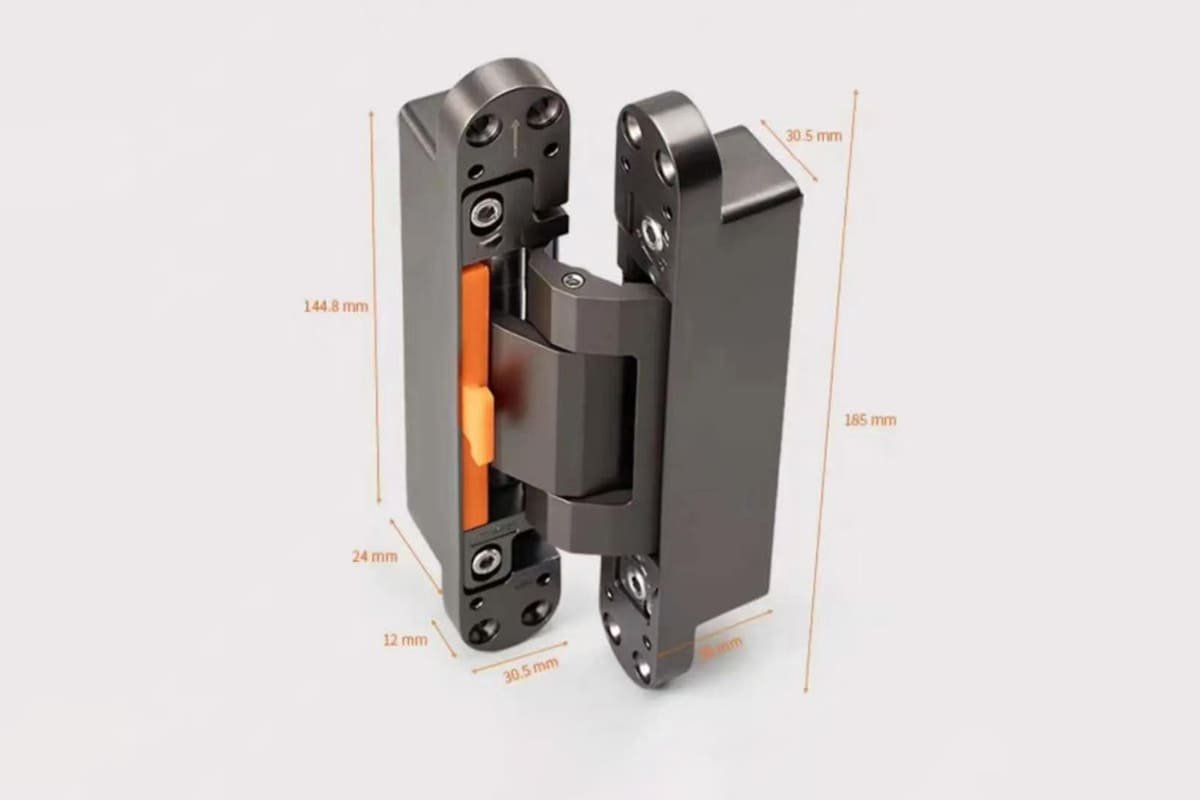
From my experience, many installation issues come from not considering specific terms during the buying process. Buyers often focus on price or load capacity. They forget about the physical fit. For concealed hinges, the way the hinge is installed is very important. It affects how the door hangs. It affects how it operates.
- Mortise position and depth: Concealed hinges require a routed recess (mortise) in both the door edge and the frame. The precise position and depth are critical. If the mortise is too shallow, the hinge will protrude. If it is too deep, the door will sit too far in.
- Opening angle: Do you need the door to open 90 degrees? 120 degrees? Or 180 degrees? Different hinges allow different opening angles. This is a design choice. It is also a functional requirement. If you choose a hinge that only opens to 120 degrees but need 180 degrees, the door will hit the wall.
From my desk, reviewing inquiries, I see how important a complete request is. Sometimes, a buyer sends a message saying, "Need hidden hinges for doors, quantity 500." This is too general. I then have to ask many questions. This back-and-forth takes time. It slows down your project. I want to give you the right quote the first time. To do this, I need specific information. Think of it as a checklist:
- Door Type: Is it an interior door? An exterior door? A fire door? An "invisible door"?
- Door Material: Is it solid wood? MDF? HPL? Steel? Aluminum? The material affects screw retention. It affects hinge weight capacity.
- Door Thickness: What is the exact thickness of the door leaf? This affects hinge size and mortise depth.
- Door Weight: How much does one door leaf weigh? This is crucial for load capacity.
- Required Opening Angle: Do you need 90, 120, or 180 degrees?
- Frame Design: Is it a flush frame? A standard rebated frame? What is the frame material?
Inquiry Checklist for Precise Hinge Quotation
Use this table as a guide for your next inquiry.
| Category | Specific Detail Needed | Why it is Important |
|---|---|---|
| Door Basics | Type (interior, exterior, fire, invisible), Material, Thickness, Weight, Height, Width | Determines hinge model, load capacity, certifications. |
| Functionality | Required Opening Angle, Number of Hinges per Door | Ensures correct function and adequate support. |
| Aesthetics | Desired Finish (e.g., Satin Chrome, Black, PVD) | Matches project design and appearance. |
| Installation | Frame Material, Flush/Non-Flush Design, Mortise Details | Ensures physical fit and correct mounting hardware. |
| Compliance | Required Certifications (CE, Fire-rated, Cycle Tests) | Ensures market access and project specifications are met. |
| Project Details | Total Hinge Quantity, Project Timeline, Technical Drawings/Samples | Aids in accurate pricing, production planning, and confirmation. |
"Hinge - Wikipedia", https://en.wikipedia.org/wiki/Hinge. A general hardware reference defines concealed hinges by their hidden or non-visible condition when the door or panel is closed; this supports the article’s terminology, although such sources may describe furniture and architectural applications together rather than architectural doors alone. Evidence role: definition; source type: encyclopedia. Supports: A neutral reference should define a concealed hinge as a hinge that is not visible, or is largely hidden, when the door or panel is closed.. Scope note: Contextual support; many definitions cover cabinets and doors broadly. ↩
"Types, Parts, and Requirements of Concealed Hinges - IQS Directory", https://www.iqsdirectory.com/articles/hinges/concealed-hinge.html. Architectural and hardware glossaries commonly treat “hidden hinge” and “concealed hinge” as overlapping terms for hinges obscured when the door is closed; this supports the article’s usage note, though terminology can vary by region and product category. Evidence role: definition; source type: institution. Supports: A neutral glossary or standards-adjacent source should show that hidden hinge and concealed hinge are used as overlapping terms for hinges not visible when closed.. Scope note: Contextual support; it documents common usage rather than a legally fixed definition. ↩
"Frameless Doors: Concealed Door Frames | Frameless Interior ...", https://flushwalldoors.com/. Architectural hardware references describe invisible or fully concealed hinges as hardware used where the closed door is intended to sit flush with its frame or adjacent wall surface; this supports the article’s distinction, although individual product naming is not standardized across manufacturers. Evidence role: definition; source type: institution. Supports: A source should support that invisible or fully concealed hinges are used in flush-door systems where the closed door aligns with the frame or wall surface.. Scope note: Contextual support; terminology is product- and market-dependent. ↩
"How to Adjust Concealed Hinges for Doors - Krona Koblenz", https://www.kronakoblenz.com/en/product-school/assembly-and-adjustment-of-hinges. Technical architectural detailing sources explain that flush door assemblies depend on accurate frame geometry, mortising, and hinge alignment; this supports the article’s point that invisible-door systems require precise integration, although it does not prove that every such system has higher adjustment needs. Evidence role: mechanism; source type: education. Supports: A technical or educational source should explain that flush alignment depends on accurate door-frame geometry and hinge adjustment tolerances.. Scope note: Contextual support; the need for adjustment varies by hinge design. ↩
"Rierdge 1-3/4" Hidden Hinge Stainless Steel 180 Degree Invisible ...", https://www.amazon.com/Rierdge-Stainless-Invisible-Frameless-Concealed/dp/B0B8C8BMQY. Woodworking and furniture-hardware references describe concealed cabinet hinge variants in relation to overlay doors and cabinet construction; this supports the article’s classification of cross concealed hinges as a furniture or cabinet-hardware category, although naming conventions may differ by market. Evidence role: definition; source type: education. Supports: A woodworking or furniture hardware source should identify concealed cabinet hinge types and overlay applications, helping distinguish them from architectural door hinges.. Scope note: Contextual support; “cross concealed hinge” is not a universal standards term. ↩
"How to Adjust in 3D - Tectus Hinges", https://www.tectushinges.com/how-to-adjust-in-3d. Technical descriptions of 3D adjustable concealed hinges state that the hinge permits adjustment of the door in three axes, commonly height, lateral alignment, and depth; this supports the article’s explanation of fine-tuning after installation, although adjustment ranges differ by product. Evidence role: mechanism; source type: institution. Supports: A source should describe 3D adjustable hinges as allowing adjustment in three axes, typically height, lateral position, and depth/compression.. Scope note: Direct for the mechanism, but product-specific ranges are not established. ↩
"Bending Hinges to Adjust Doors - YouTube",
. Installation and hardware-engineering guidance treats hinge adjustment as a means of correcting small alignment deviations after fitting; this supports the article’s claim that 3D adjustment can compensate for minor installation errors, although it does not imply correction of major machining or structural defects. Evidence role: mechanism; source type: research. Supports: A technical source should explain that adjustable hinges can correct small deviations in door alignment caused by installation tolerances.. Scope note: Contextual support; the amount of correction depends on hinge adjustment range and installation quality. ↩"Easy Fix For Sagging Doors - YouTube",
. Building-science and carpentry references note that settlement, moisture movement, and frame distortion can alter door alignment over time; this supports the article’s rationale for adjustable hinges, although it does not directly measure the performance of any specific 3D hinge. Evidence role: mechanism; source type: education. Supports: A source should support that building movement, settlement, or moisture-related frame movement can affect door alignment, making later adjustment useful.. Scope note: Contextual support; it supports the cause of misalignment rather than quantifying hinge effectiveness. ↩"A156.1 - 2025 Butts and Hinges", https://buildershardware.com/ANSI-BHMA-Standards/Hardware-Highlights/A1561-2021-Butts-and-Hinges. Architectural hardware standards and hinge-selection guidance use door weight, size, and duty level as core criteria for hinge specification; this supports the article’s emphasis on door weight as a principal load factor, although final capacity also depends on hinge model, fixing method, and use cycle. Evidence role: expert_consensus; source type: institution. Supports: A standards or architectural hardware source should identify door weight as a key parameter in hinge selection and performance classification.. Scope note: Direct general support; it does not calculate capacity for a specific hinge. ↩
"Everything you need to know about Commercial Door Hinges", https://www.mckinneyhinge.com/content/mckinney/us/en/resource-library/knowledge-center/blog/blog-post.aehdynamic-everything-you-need-to-know-about-commercial-door-hinges-top-10-commercial-contractors-hinge-installation-questions-633f18001fa7df003d7c229b_mckinney.html. Door-hardware engineering guidance states that heavier or taller doors may require additional hinges so that loads are shared across the hinge set; this supports the article’s general point, although actual load sharing is affected by hinge placement, stiffness, and installation tolerances. Evidence role: mechanism; source type: research. Supports: A source should explain how multiple hinges share door loads and why heavy or tall doors often require additional hinges, while noting unequal distribution can occur.. Scope note: Contextual support; load is not necessarily distributed equally among hinges. ↩
"[PDF] Screw-holding, internal bond, and related properties of composite ...", https://www.fpl.fs.usda.gov/documnts/pdf1989/mcnat89c.pdf. Wood-engineering studies of screw withdrawal resistance show that fastener holding capacity varies with substrate material, density, and panel composition; this supports the article’s statement that door material affects hinge screw retention, although the studies may test standard specimens rather than finished door assemblies. Evidence role: mechanism; source type: paper. Supports: A paper or wood-engineering source should show that screw withdrawal resistance varies by material type and density, affecting hinge fixing strength.. Scope note: Contextual support; material tests may not replicate complete doors or all screw configurations. ↩
"CE Marking UNI EN 1935 » CHEMOLLI FIRE: Fire Door Certifications", https://chemollifire.com/en/certifications/ce-marking-uni-en-1935/. European building-hardware standards such as EN 1935 classify single-axis hinges by criteria including durability cycles, door mass, and suitability for fire or smoke door assemblies; this supports the article’s inclusion of CE, fire-rated, and cycle-test requirements, although applicable certification depends on jurisdiction and project specification. Evidence role: expert_consensus; source type: institution. Supports: A standards source should describe hinge performance testing, durability cycles, and suitability for fire or smoke door assemblies under relevant European or international standards.. Scope note: Direct for European-context standards; other markets may use different certification regimes. ↩