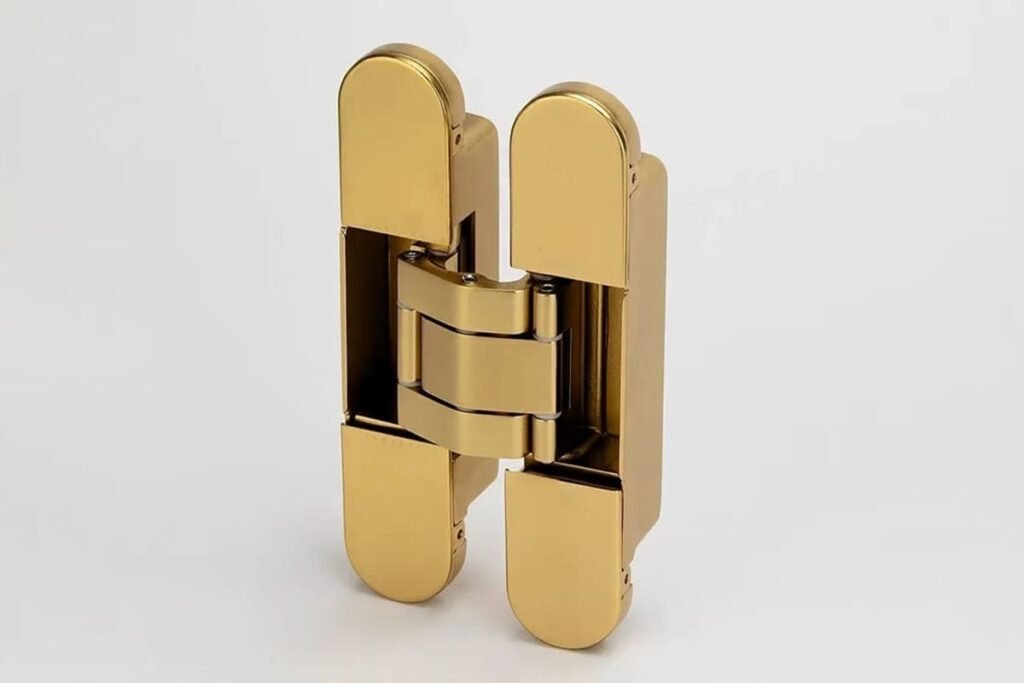
Which is better, lacquered or unlacquered brass?
I see buyers treat brass finish as a small detail. That mistake can create complaints, rework, and margin loss. I choose finish by project use.
Lacquered brass is better when I need stable color and lower daily maintenance. Unlacquered brass is better when I want natural aging and visible patina. Neither finish is always better. The right choice depends on traffic level, cleaning habits, buyer expectations, and after-sales responsibility.
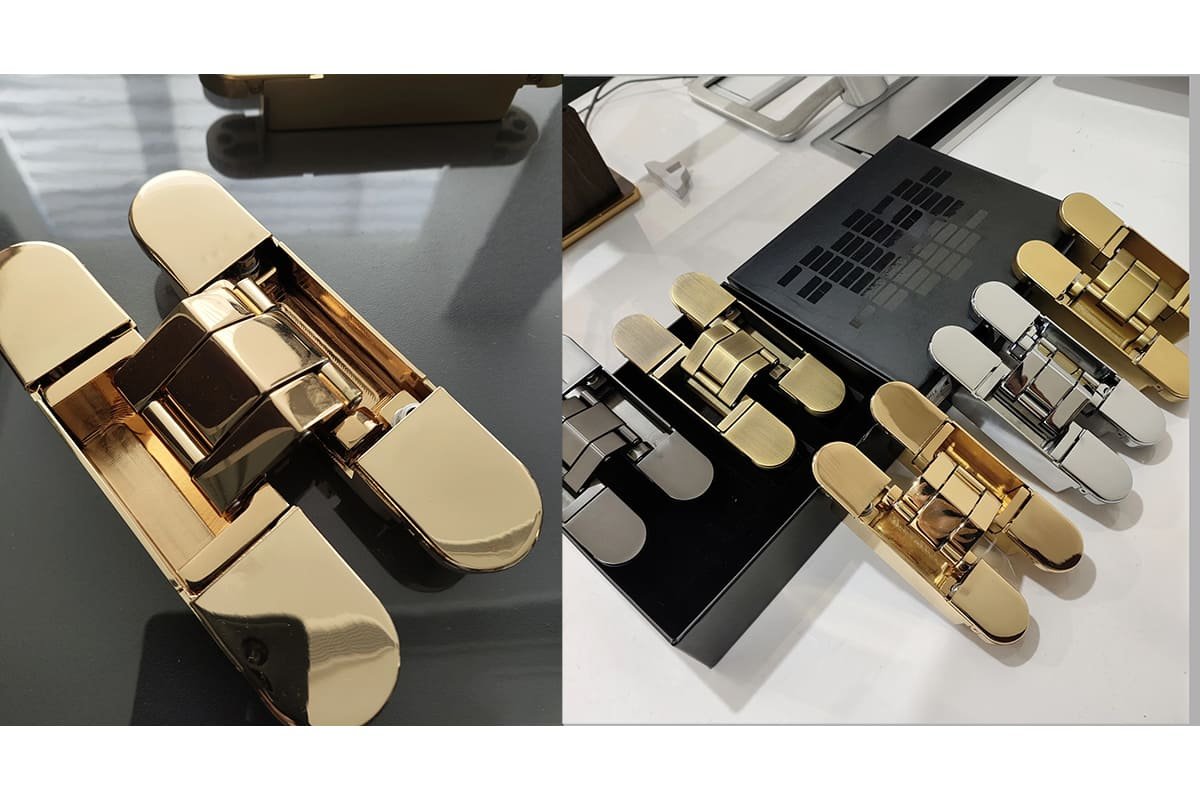
I work with door factories, hardware brands, and project buyers who need brass hardware in repeat orders. I rarely ask only which finish looks better on day one. I ask who will touch it, who will clean it, who will explain it, and who will handle complaints later. A brass lever handle in a private villa and a brass pull handle in a hotel corridor do not live the same life. I have learned that the best finish is the one that fits the full chain from production to installation to daily use.
Is lacquered brass the safer choice for commercial projects?
I see commercial buyers fear uneven color after installation. One bad batch can spread across many doors. I use lacquer when consistency matters most.
Lacquered brass is usually safer for hotels, offices, hospitals, schools, and public projects because the clear coating helps slow oxidation1 and keeps the original brass color more stable2 while the coating remains intact.
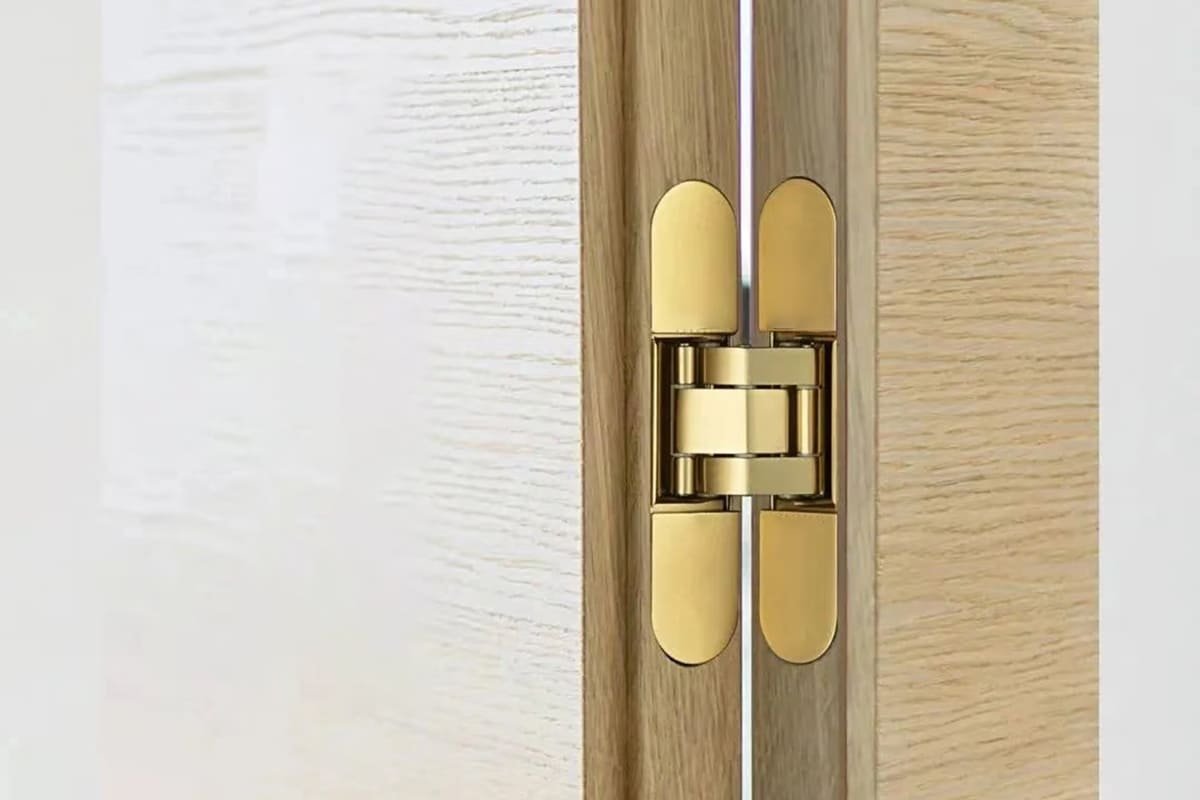
What I check before I recommend lacquered brass
I often recommend lacquered brass when the project has many doors and many users. In these cases, the buyer usually wants the same look across lobbies, corridors, guest rooms, offices, and service areas. The lacquer layer helps reduce direct contact between brass and air, moisture, fingerprints, and some cleaning agents.3 This helps delay tarnish. It also helps the hardware keep a cleaner visual effect during the early use period.
I do not describe lacquered brass as maintenance-free. I also do not call it permanent protection. I have seen high-touch hardware lose coating faster at edges, grip points, and screw areas4. I have also seen cleaners damage a finish when the site team uses strong chemicals5. So I set the right expectation before bulk order confirmation.
| Project factor | Why I care | My usual direction |
|---|---|---|
| High door quantity | Color difference becomes more visible | I prefer lacquered brass |
| High daily traffic | Fingerprints and touch marks increase | I prefer lacquered brass |
| Public cleaning team | Harsh cleaners may be used | I confirm care instructions |
| Brand standard | Repeatable appearance matters | I control finish samples |
| After-sales risk | Complaints can be costly | I avoid living finishes unless accepted |
Why it helps procurement teams
I see procurement teams focus on price, but finish risk can become a hidden cost. Lacquered brass can reduce early calls from end users who expect a stable gold tone. This matters for hotel groups, office projects, government buildings, and hospital projects. These buyers often do not want every door handle to age in a different way. They want clean appearance, easy acceptance, and fewer questions after opening.
Does lacquered brass stop tarnish and scratches completely?
I hear this question often during quotation talks. Buyers want a simple promise. I avoid that promise because damaged coating can change everything.
Lacquered brass helps reduce oxidation and surface change while the coating is sound. It does not make brass permanently tarnish-proof or scratch-proof.6 Wear, impact, poor cleaning, and long use can still damage the lacquer.
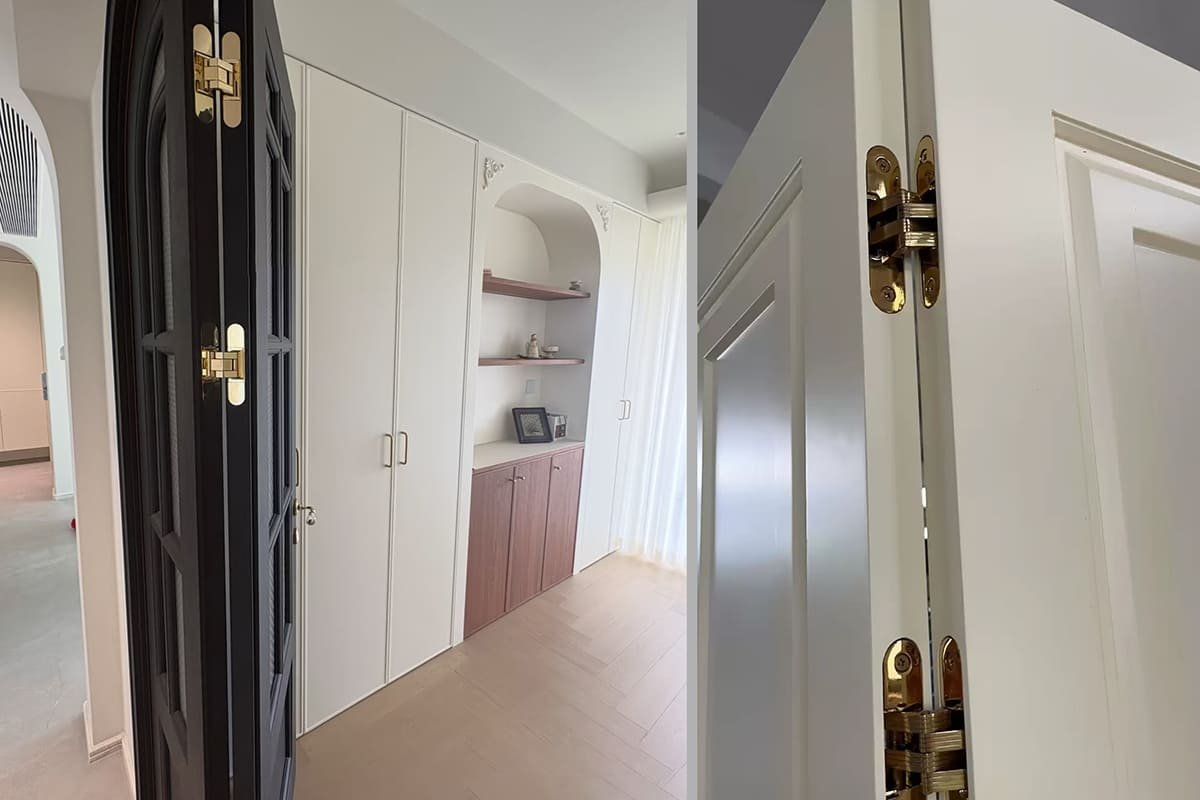
Where lacquer can fail in real use
I treat lacquer as protection, not magic. The coating works best when the hardware is handled and cleaned in a normal way. It can reduce direct exposure to air and moisture. It can also reduce fingerprint stains. Yet the coating is still a layer on the surface. It can be scratched by rings, keys, tools, or rough packaging. It can be worn by repeated hand contact. It can peel if the surface preparation is poor. It can also react badly when cleaners are too strong.
In factory work, I pay attention to polishing, surface cleaning, coating thickness, curing, packaging, and inspection. Each step affects the final result. A beautiful lacquer finish can still fail early if a site worker cleans it with aggressive chemicals after installation. So I always connect factory quality with site maintenance.
| Risk point | What may happen | How I reduce the risk |
|---|---|---|
| Grip area | Coating wears faster | I explain normal wear limits |
| Sharp edge | Coating may thin out | I check polishing and edge finish |
| Screw hole | Coating may chip during installation | I suggest careful installation tools |
| Cleaning chemical | Surface may dull or peel | I provide care guidance |
| Broken coating | Local oxidation may appear | I tell buyers this before order |
Why honest claims protect the buyer
I believe honest finish language protects both sides. If I say lacquered brass will never tarnish, I create a future dispute. If I say it helps delay oxidation while intact, I give the buyer a useful rule. The buyer can then decide where the finish is suitable. For example, lacquered brass may work well on guest room handles, wardrobe handles, and low to medium touch areas. It may need stronger review for public entrance pulls or wet areas. This kind of clear talk helps product managers build better catalog notes and helps wholesalers train their sales teams.
Why would I choose unlacquered brass on purpose?
I see some people call patina a defect. That view is too narrow. I choose unlacquered brass when aging is part of the design.
Unlacquered brass is chosen for a living finish. It darkens, oxidizes, and forms patina through touch, air, and time.7 This change is normal and can be desirable in luxury, heritage, and custom projects.
When patina becomes a selling point
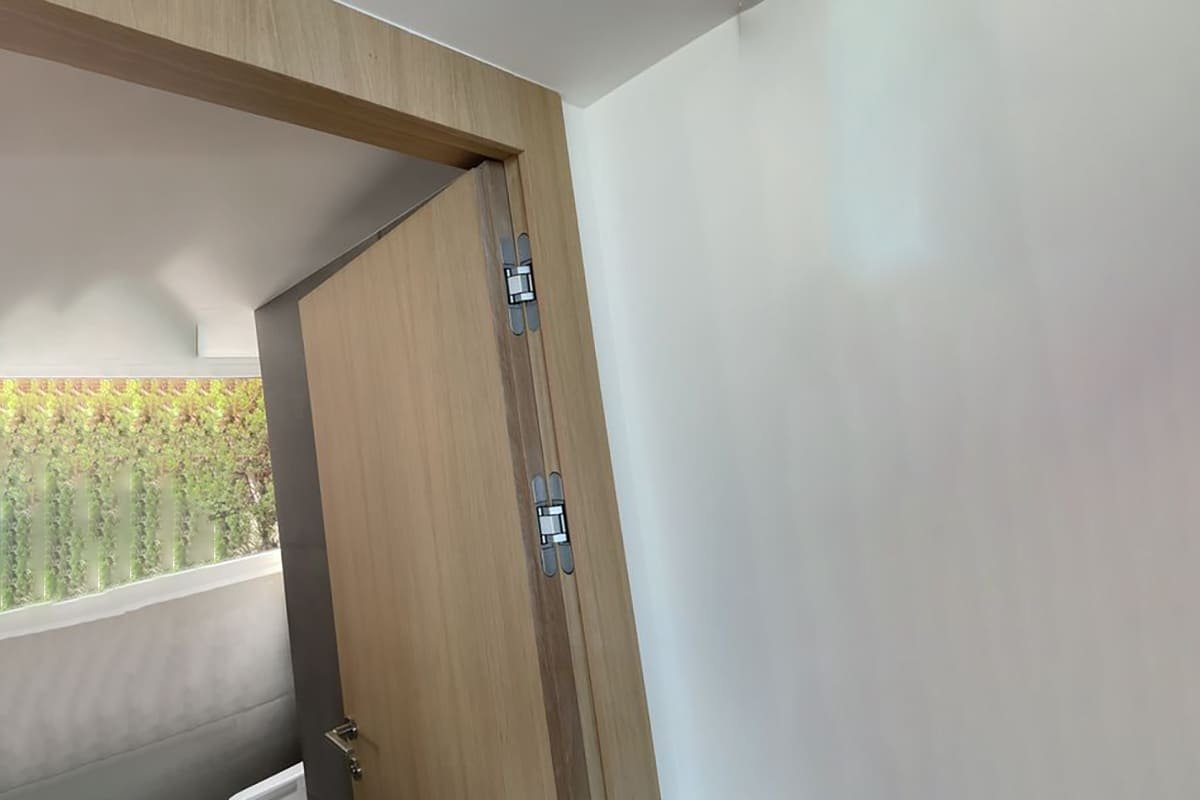
I choose unlacquered brass when the project wants warmth, depth, and natural change. The surface will not stay like a new showroom sample. It will respond to the hands that touch it. It may become darker around the grip area. It may show fingerprints, water spots, and uneven tones8. For some projects, this is the whole reason to choose it. A boutique hotel may want an aged feeling. A villa owner may want hardware that grows with the interior. A historical renovation may need a finish that does not look too new.9
I do not hide this change from buyers. I describe it as a living finish. The buyer must accept variation before ordering. If the brand wants a perfect same-color look on every piece after months of use, unlacquered brass is the wrong match.
| Best-fit project | Why unlacquered brass may work | What I must explain |
|---|---|---|
| Luxury villa | Owner may value natural aging | Color will change |
| Boutique hotel | Patina can support design theme | Touch areas will darken |
| Heritage renovation | Aged tone may look more real | Variation is normal |
| Private residence | User may accept care routine | Polishing changes appearance |
| Custom brand line | Living finish can be a feature | Sales team must explain it |
Why the buyer must sell the story
I have seen unlacquered brass succeed when the buyer explains it well. I have also seen it fail when the sales team presents it like normal polished brass. The end user then thinks darkening is a quality problem. This is not a factory problem only. It is also a communication problem. The catalog, sample board, product page, and sales script must say that the finish will age. They should show photos of new brass and aged brass. They should explain simple care steps. When the buyer sells the story clearly, patina becomes a premium feature instead of a complaint.
How should I compare maintenance responsibility before buying?
I see many finish disputes start after delivery, not before payment. The product is fine, but the expectation was wrong. I define responsibility early.
The real B2B decision is about who accepts maintenance and who handles end-user education. Lacquered brass reduces routine pressure. Unlacquered brass needs clear explanation, care rules, and acceptance of natural color change.
The maintenance question I ask first
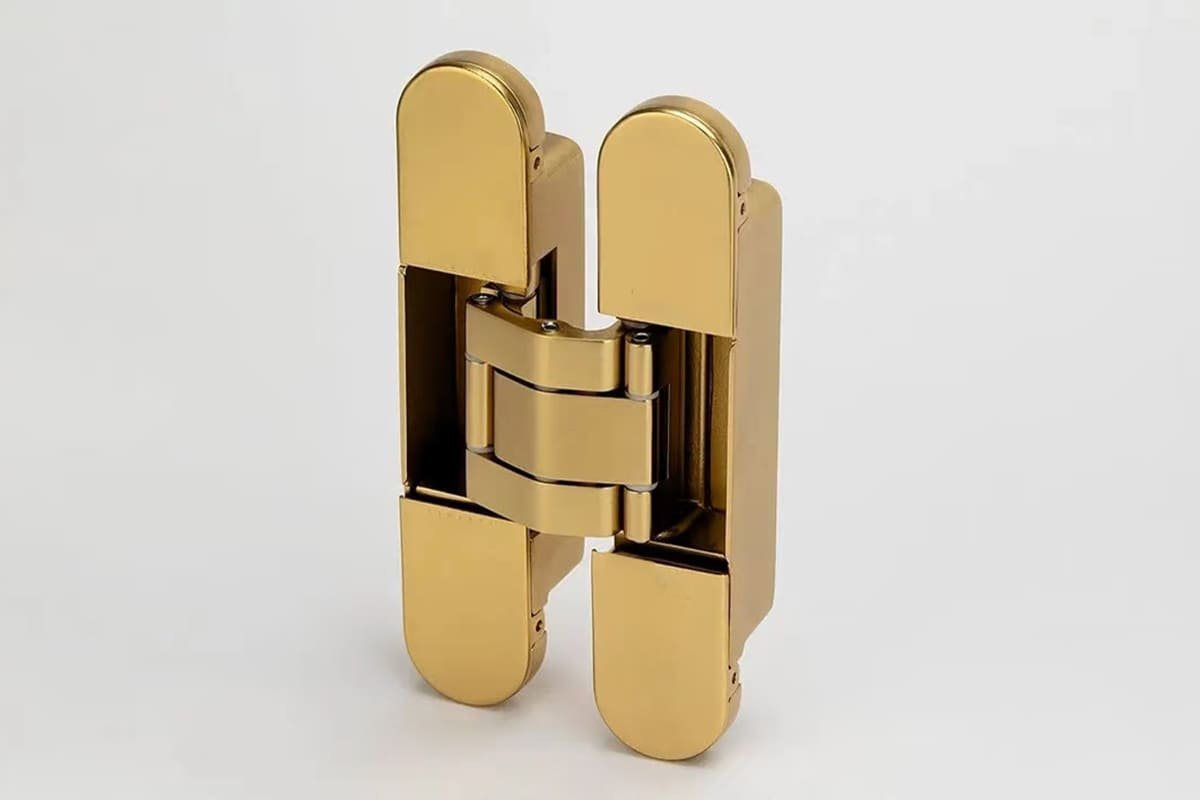
I always ask one practical question: who will own the finish after installation? If the answer is a hotel facility team, I lean toward a stable finish with clear cleaning rules. If the answer is a private owner who loves natural materials, I can consider unlacquered brass. If the answer is a distributor who sells to many unknown customers, I become careful. A distributor may face many small complaints if the finish story is not clear.
Maintenance is not only cleaning. It also includes training, labels, warranty wording, sample approval, and complaint handling. A lacquered finish lowers some pressure because it delays oxidation while intact. An unlacquered finish moves more responsibility to the buyer and the end user because the surface change starts naturally.
| Buyer type | Main concern | Finish risk | My practical advice |
|---|---|---|---|
| Door factory | Assembly speed and batch match | Finish mismatch across doors | Use approved control samples |
| Hardware brand | Brand image and reviews | Wrong user expectation | Write clear product notes |
| Wholesaler | Mixed customer needs | After-sales questions | Stock safer finishes first |
| Project buyer | Acceptance after installation | Uneven appearance | Match finish to traffic |
| Designer-led project | Visual character | Patina misunderstood | Show aged samples early |
Why care instructions matter
I include care guidance because the finish is only one part of performance. The user must avoid abrasive pads, strong acidic cleaners, strong alkaline cleaners, and rough tools.10 The installer must avoid scratching the surface during fitting. The buyer should store the hardware in dry conditions before use. These steps sound simple, but they reduce many problems.
For lacquered brass, I tell buyers to protect the coating. Once it breaks, oxidation can appear in small areas. For unlacquered brass, I tell buyers to expect darkening and patina. If the user wants to restore shine, polishing can change the aged look. These are not small details for B2B buyers. They affect warranty wording, service cost, and customer satisfaction.
What should I check with the factory before placing a bulk order?
I see buyers approve a beautiful sample too quickly. Bulk production is different. I check process control before I trust the finish.
Before bulk purchase, I check material, polishing, coating process, color standard, batch inspection, packaging, certificates when needed, and agreed care instructions. These checks reduce finish variation and after-sales risk.
Factory-side details that affect finish result
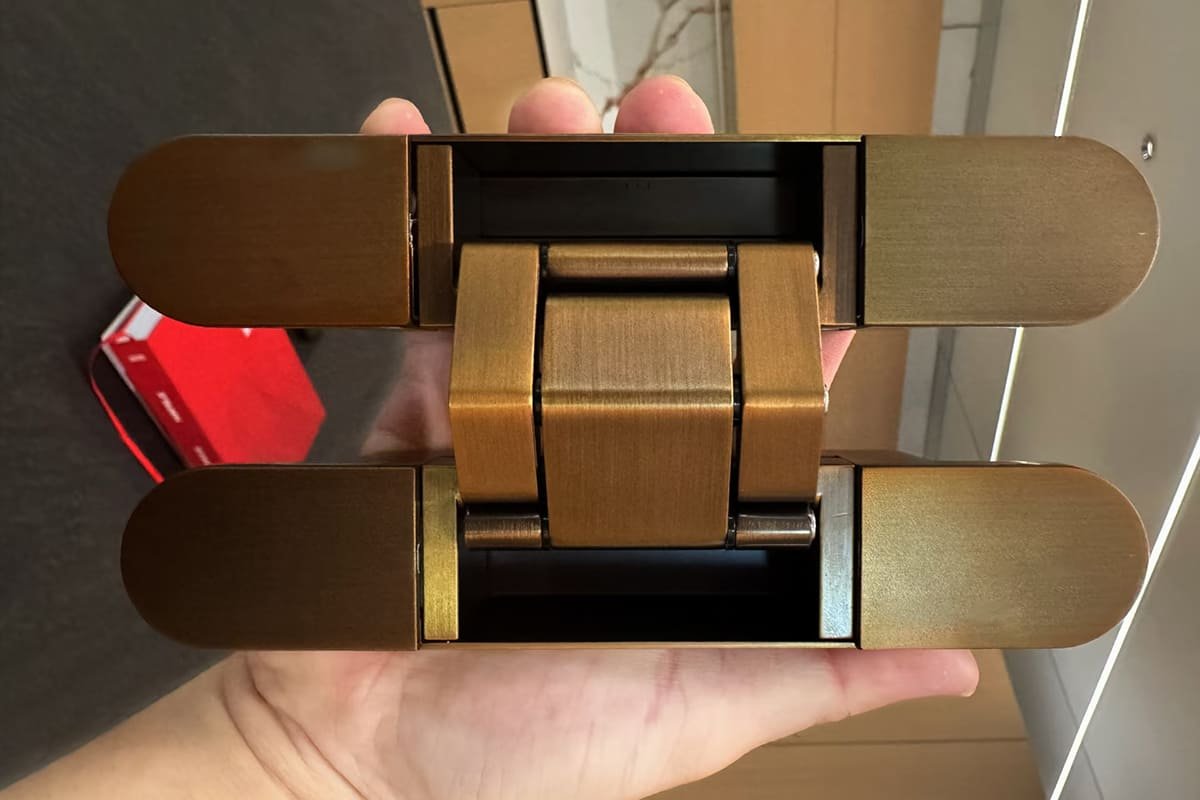
As a door hardware manufacturer, I know that finish quality starts before coating. The base material, surface machining, polishing level, cleaning process, and handling method all affect the final look11. Brass can look different if the polishing depth changes. A lacquered surface can look uneven if dust or oil remains before coating.12 A batch can also show shade difference if the process is not controlled. This is why I do not judge only by one showroom sample.
For bulk orders, I prefer to confirm a master sample. I also confirm the allowed color range. I ask the buyer where the hardware will be used. I check if the order needs CE certification, fire-rated use, or project documents. I also care about packaging because brass surfaces can be marked during transport.
| Factory check | Why it matters | What I confirm |
|---|---|---|
| Material grade | Base tone affects appearance | Approved brass specification |
| Polishing level | Gloss and texture depend on it | Sample and finish code |
| Surface cleaning | Coating needs clean base | Standard cleaning process |
| Lacquer process | Protection depends on control | Coating method and curing |
| Batch inspection | Bulk consistency matters | Color and surface checks |
| Packaging | Transport can scratch finish | Individual protection |
| Documents | Projects may need proof | CE or fire-rated papers if needed |
How I make the decision easier for buyers
I do not push one finish for every project. I first sort the project by use. If the project has high traffic and needs a stable look, I usually guide the buyer toward lacquered brass or another controlled finish. If the project wants a natural aged look and the end user accepts variation, I can support unlacquered brass. If the buyer is building a product line, I may suggest offering both, but with clear product names and care notes.
I also ask for real order details. A lever handle for an apartment line has a different risk level from a pull handle for a hotel main entrance. A lock cylinder trim may age differently from a door handle because touch patterns are different. I want the buyer to approve the finish with real use in mind, not only with a catalog photo.
How do I choose between lacquered and unlacquered brass in a procurement meeting?
I see meetings get stuck on taste. Taste matters, but purchase risk matters more. I use a simple decision path.
I choose lacquered brass when the project needs color stability, lower maintenance, and fewer early complaints. I choose unlacquered brass when the project accepts patina, aging, and surface variation as part of the design.
My practical selection path
In procurement meetings, I try to move the topic from “which is more beautiful” to “which is more suitable.” I start with the project type. Commercial and public projects often need repeatable appearance. Residential and design-led projects may accept more personality. Then I ask about traffic. High-touch hardware changes faster. Then I ask about cleaning. A site with unknown cleaners has higher finish risk. Then I ask about the sales promise. If the buyer cannot explain patina, I do not recommend unlacquered brass.
This process saves time because it turns a style question into a risk question. It also helps buyers compare total cost, not only unit price. A finish that causes many small complaints can cost more than a finish with a slightly higher starting price.
| Decision question | If the answer is yes | My likely choice |
|---|---|---|
| Does the project need stable color across many doors? | Yes | Lacquered brass |
| Will many unknown users touch the hardware daily? | Yes | Lacquered brass |
| Will a cleaning team maintain the site? | Yes | Lacquered brass with care rules |
| Does the owner want natural patina? | Yes | Unlacquered brass |
| Can the sales team explain aging clearly? | Yes | Unlacquered brass may fit |
| Will color variation cause complaints? | Yes | Avoid unlacquered brass |
The answer I give most often
If a buyer asks me for the safer default, I answer lacquered brass. It gives a more stable starting appearance and lowers maintenance pressure while the coating remains intact. This makes it easier for door factories, hardware brands, wholesalers, and project teams to manage repeat orders.
If a buyer asks me for the more authentic aging effect, I answer unlacquered brass. It gives a natural surface that changes with use. It can look richer over time, but only when the customer understands what will happen. I see both choices as correct in the right setting. I only see problems when the finish is sold to the wrong user or used in the wrong project.
Conclusion
I choose lacquered brass for stable project control, and I choose unlacquered brass for accepted natural aging. I match the finish to responsibility.
"Brass and Bronze", https://ophelia.sdsu.edu:8443/henryford_org/09-28-2014/research/caring/brass.aspx.html. Materials-conservation literature describes clear organic coatings on copper alloys as barrier films that limit contact with oxygen and moisture, thereby slowing tarnish or corrosion while the coating remains intact. Evidence role: mechanism; source type: research. Supports: Clear organic coatings can act as barrier layers that reduce exposure of brass or copper alloys to oxygen and moisture, slowing tarnish while the coating remains continuous.. Scope note: This supports the protection mechanism generally, not the exact service life of any specific lacquered door hardware. ↩
"Initial oxidation of brass induced by humidified air - PMC - NIH", https://pmc.ncbi.nlm.nih.gov/articles/PMC3587402/. Educational materials on brass and other copper alloys note that surface oxidation and tarnish alter their visual color, providing context for why a protective coating can help maintain the original appearance. Evidence role: mechanism; source type: education. Supports: Brass changes color as surface oxidation and tarnish develop, so a coating that delays exposure can help preserve initial appearance.. Scope note: The source would support the underlying mechanism, not a measured comparison between specific lacquered and unlacquered hardware products. ↩
"[PDF] Corrosion protection of aluminum alloys using a chromate ...", https://digitalcommons.uri.edu/cgi/viewcontent.cgi?article=2860&context=oa_diss. Conservation guidance for copper alloys explains that clear coatings function as physical barriers against moisture, oxygen, salts, and handling residues that otherwise contribute to tarnish and corrosion. Evidence role: mechanism; source type: institution. Supports: Clear coatings on copper alloys reduce direct contact with oxygen, moisture, salts, oils, and pollutants that can accelerate tarnish.. Scope note: This is contextual support for brass hardware; the exact response depends on the coating chemistry, thickness, and use conditions. ↩
"Tool wear analysis in various machining processes and study of ...", https://d.lib.msu.edu/etd/1409. Studies of protective coatings report that mechanical abrasion, edge geometry, and local stress can reduce coating continuity, making worn contact areas and edges more susceptible to failure. Evidence role: mechanism; source type: paper. Supports: Protective coatings are vulnerable to mechanical abrasion, edge thinning, and local damage at high-contact or high-stress points.. Scope note: The evidence would support coating behavior in general rather than documenting the author's specific hardware examples. ↩
"[DOC] Table of Contents: - CT.gov", https://portal.ct.gov/-/media/dmhas/skillbuilding/homemanagementcurriculumdoc.doc?rev=52837e1b2655493fbf14a72d7c0b14eb&hash=C964F636FAC65C4E4FF9B6CEBC570250. Government or museum conservation guidance commonly cautions that harsh acidic, alkaline, or abrasive cleaners can damage protective coatings on metal surfaces and increase the risk of corrosion. Evidence role: expert_consensus; source type: government. Supports: Maintenance guidance for metal objects commonly warns that aggressive chemical cleaners can damage coatings or accelerate corrosion.. Scope note: This supports general care principles for coated metals and copper alloys, not every commercial cleaner formulation. ↩
"Corrosion-resistant coatings: advances in deposition methods ...", https://www.academia.edu/2997-2027/2/3/10.20935/AcadMatSci7829. Research and conservation sources on clear coatings indicate that protective films are vulnerable to abrasion and degradation; once coating continuity is lost, exposed copper-alloy surfaces may tarnish or corrode. Evidence role: mechanism; source type: research. Supports: Clear coatings can be scratched, abraded, or degraded, after which exposed brass can tarnish or corrode.. Scope note: The source would substantiate the durability principle rather than set a universal failure timeline. ↩
"Brass and Bronze", https://ophelia.sdsu.edu:8443/henryford_org/09-28-2014/research/caring/brass.aspx.html. Reference works define patina as a surface film that develops on copper-containing metals through oxidation and environmental exposure, which explains the darkening and aging of unlacquered brass. Evidence role: definition; source type: encyclopedia. Supports: Patina is a surface layer formed on copper-containing metals through oxidation and environmental exposure, and brass can darken as such surface films develop.. Scope note: This establishes the general definition and mechanism of patina, not the exact appearance of any one hardware installation. ↩
"A comparison of fingerprint sweat corrosion of different alloys of brass", https://pubmed.ncbi.nlm.nih.gov/23009034/. Corrosion studies of copper alloys show that salts, oils, and moisture from handling can create localized surface reactions, supporting the observation that bare brass may develop fingerprints, water marks, or uneven tones. Evidence role: mechanism; source type: paper. Supports: Handling residues and localized moisture can affect tarnish and corrosion patterns on copper alloys, producing visible unevenness.. Scope note: The source would support the chemical basis of localized marks, not predict the precise pattern on each handle. ↩
"Replacement Windows that Meet the Standards", https://www.nps.gov/subjects/taxincentives/windows-replacement-meet-standards.htm. Historic preservation standards state that new work should be compatible with the historic character of a property, providing context for selecting hardware finishes that do not appear visually incongruous. Evidence role: historical_context; source type: government. Supports: Historic preservation standards emphasize compatibility of new work with existing historic character, which can include visually compatible materials and finishes.. Scope note: This is contextual support; preservation standards usually do not mandate unlacquered brass specifically. ↩
"Selection and Use of Home Cleaning Products - Publications", https://pubs.nmsu.edu/_g/G304/. Conservation guidance for brass and other copper alloys advises against abrasive cleaning methods and harsh chemical agents because they can remove protective films, scratch the surface, or accelerate corrosion. Evidence role: expert_consensus; source type: institution. Supports: Conservation and care guidance generally advises avoiding abrasive tools and harsh chemical cleaners on brass or coated metal surfaces.. Scope note: The guidance is general and should be reconciled with the manufacturer's specific finish-care instructions. ↩
"[PDF] Metal Finishing Processes - Rochester Institute of Technology", https://www.rit.edu/affiliate/nysp2i/sites/rit.edu.affiliate.nysp2i/files/docs/resources/Metal_Finishing_Processes_Best_Practices.pdf. Surface-finishing literature shows that substrate roughness, polishing, contamination removal, and handling conditions affect coating adhesion and visual qualities such as gloss, uniformity, and defect formation. Evidence role: mechanism; source type: paper. Supports: Substrate preparation, polishing, cleaning, and handling can influence coating adhesion, gloss, defects, and final surface appearance.. Scope note: This supports the manufacturing principle broadly, not a specific factory's process controls. ↩
"No : PCP 001 Adhesive Coating Defects Introduction - Academia.edu", https://www.academia.edu/7523342/No_PCP_001_Adhesive_Coating_Defects_Introduction. Coatings research identifies dust, oils, and other surface contaminants as causes of poor wetting, adhesion loss, and visible coating defects on metal substrates. Evidence role: mechanism; source type: research. Supports: Surface contamination by dust, oil, or residues can impair coating wetting, adhesion, and appearance.. Scope note: The source would support the defect mechanism generally rather than diagnose any particular batch. ↩