What Is the Difference Between a Rim and Mortise Lock?
I often see buyers compare lock names only. That creates wrong orders, wrong door cuts, and extra cost when the lock cannot fit the door.
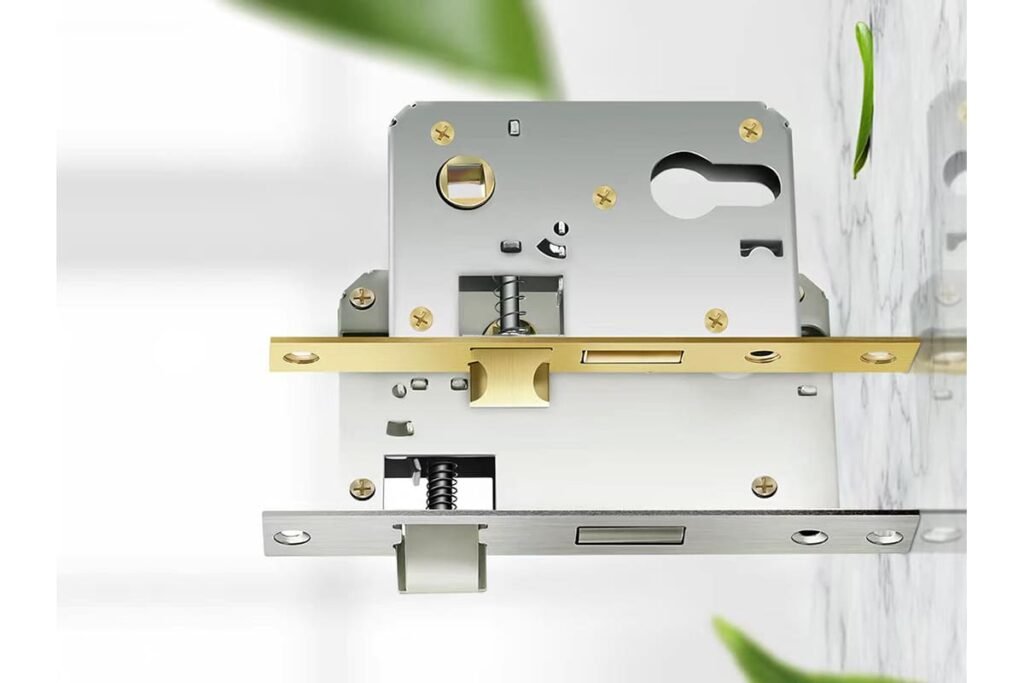
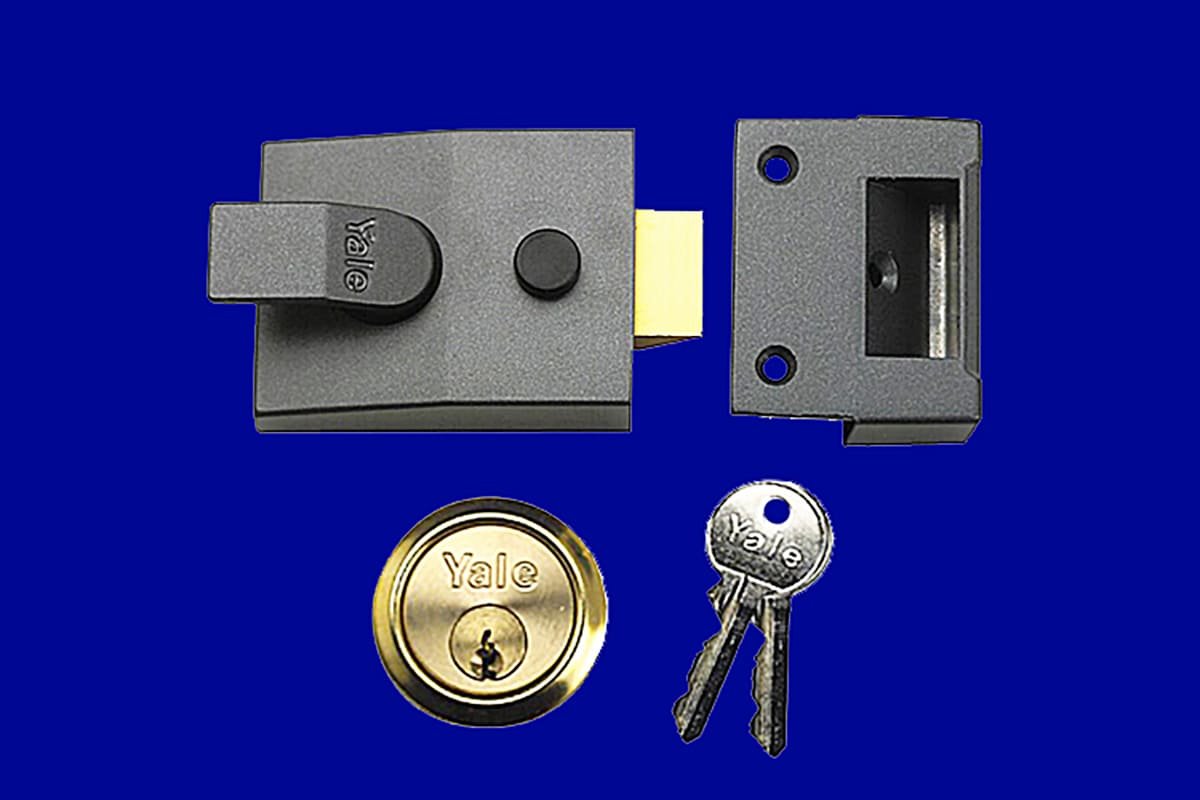
The main difference is installation. A rim lock mounts on the inner surface of the door. A mortise lock fits inside a pocket cut into the door edge.1 This choice affects door machining, handle matching, cylinder type, strike plate selection, appearance, and bulk purchase risk.2
I explain this difference often when I speak with door factory buyers. I do not start with the question, “Which lock is better?” I start with the door leaf, the door thickness, the cut-out, the handle style, the cylinder standard, and the target market. A rim lock can be simple to install on some doors. A mortise lock can give a cleaner door-integrated system when the door is prepared correctly. I will break this down in a practical way, because one wrong lock decision can affect a full production batch.
How Does Installation Differ Between a Rim Lock and a Mortise Lock?
I have seen many lock problems begin at the installation stage. A buyer chooses a lock body, but the door factory has no matching door preparation.
A rim lock is surface mounted on the door leaf. A mortise lock is recessed into a slot cut in the door edge. The rim lock normally needs less door machining.3 The mortise lock needs accurate pocket size, backset, center distance, faceplate size, and strike alignment.4
I always treat installation as the first difference, because it decides whether the lock can be used at all. A rim lock sits on the inner face of the door. The lock case remains visible. The installer fixes it to the surface with screws. This design can reduce the need for deep slotting. It can be useful when the door structure cannot accept a deep lock pocket.
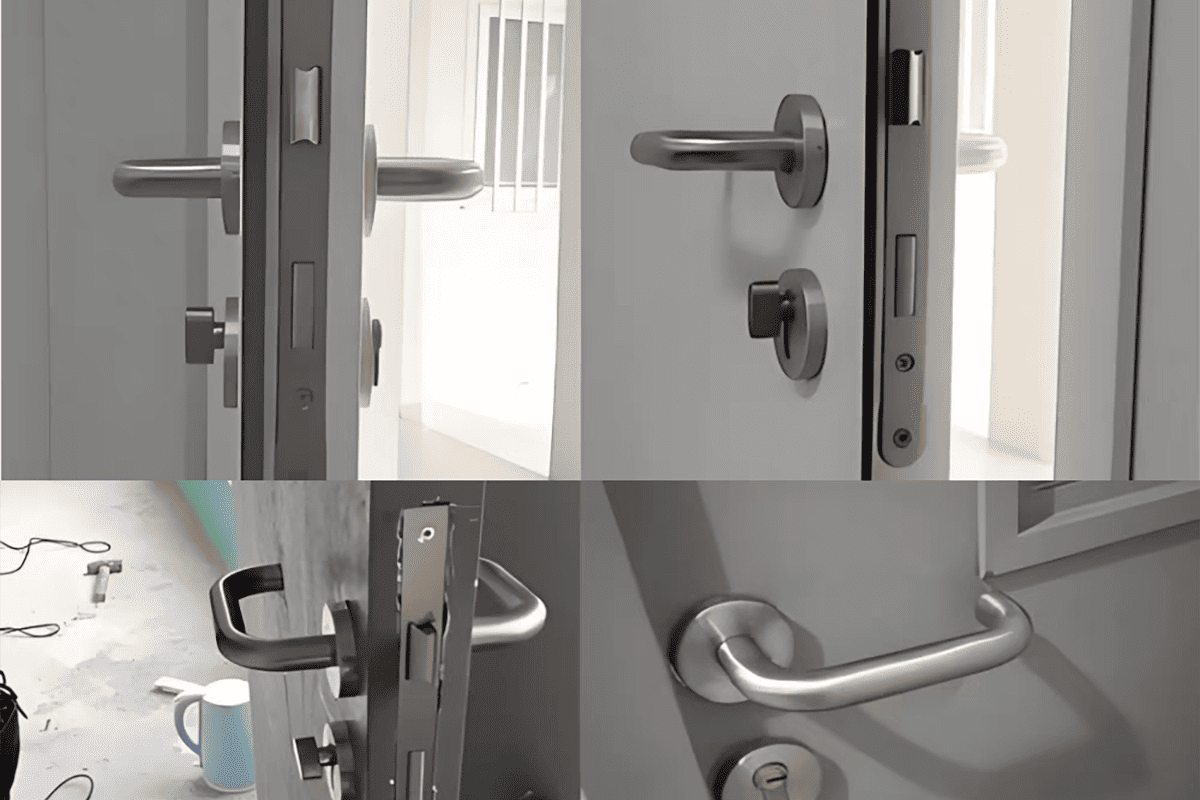
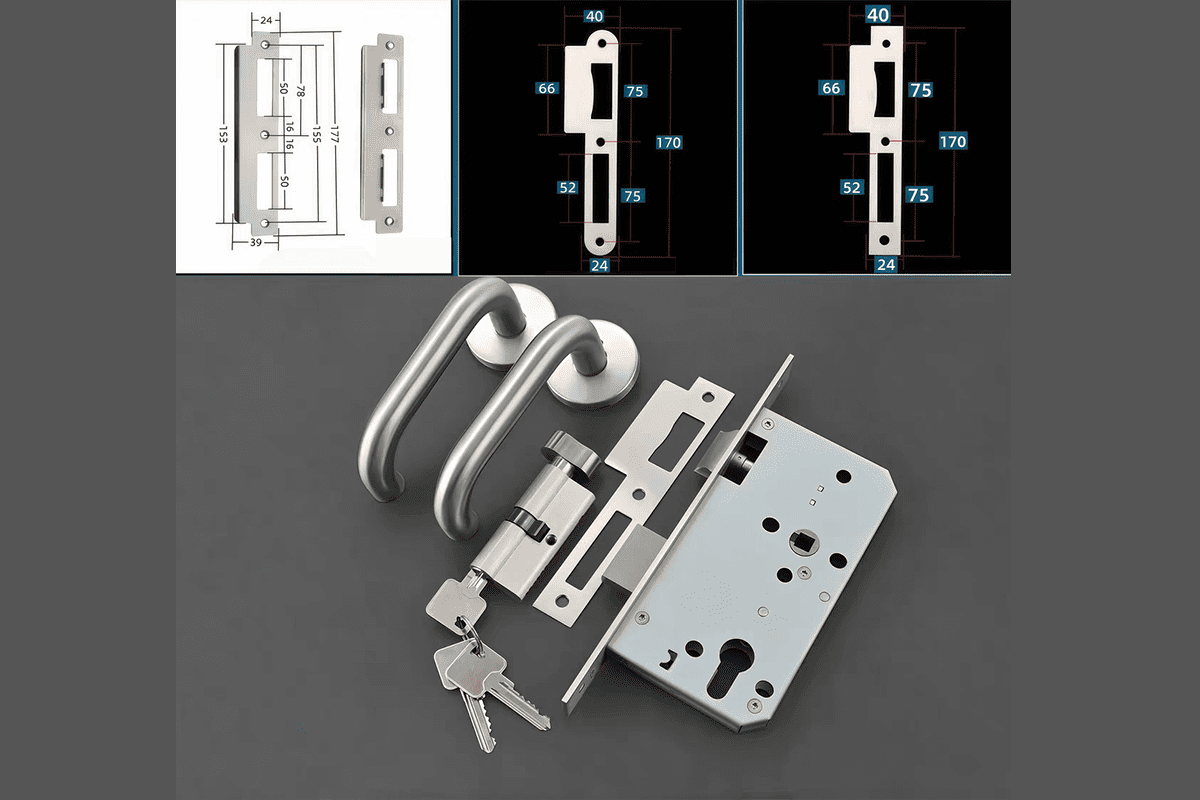
A mortise lock works in a different way. The door edge needs a pocket. The lock body goes inside this pocket. The faceplate stays visible on the door edge. The lever handle spindle, cylinder, and keyhole positions must match the door cut-out.
| Item I Check | Rim Lock | Mortise Lock |
|---|---|---|
| Main position | Door surface | Inside door edge |
| Door machining | Usually simpler | More accurate slotting needed |
| Visible lock case | Usually visible | Mostly hidden |
| Fit risk | Surface layout risk | Pocket size and alignment risk |
| Main confirmation | Mounting position | Lock body size and cut-out |
I once helped a buyer who ordered mortise locks based only on the front plate length. The lock body depth did not match the door edge space. The factory had to rework the door preparation. This was not a lock quality issue. It was a specification matching issue. I now ask for drawings before I confirm mortise lock orders.
How Are the Lock Body and Accessories Different?
I often remind procurement teams that a lock is not only one metal box. A complete door set needs every part to work together.
A rim lock is often a more self-contained lock unit. A mortise lock is usually part of a full hardware system.5 It must match the lever handle, cylinder, spindle, strike plate, screws, escutcheon, and door preparation dimensions.
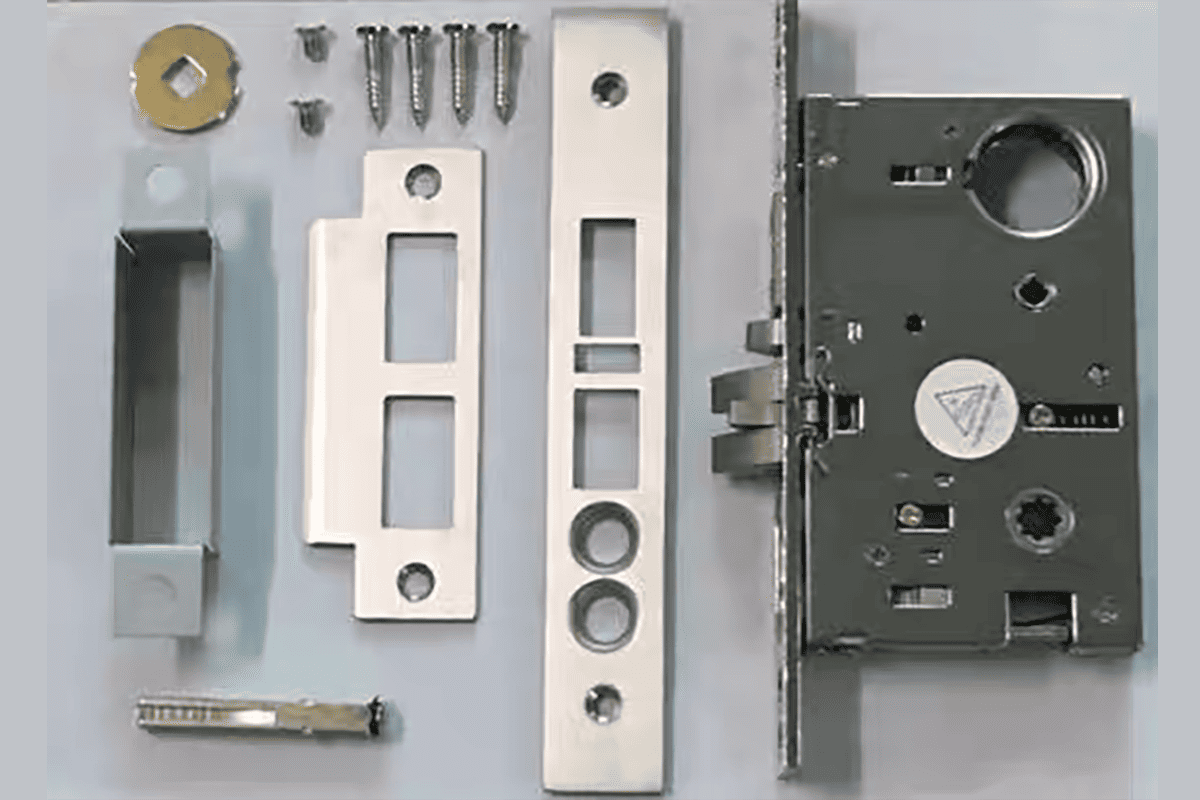
I see this point missed in many bulk inquiries. A buyer may ask for a mortise lock price, but the real order needs a full matching set. The lever handle must match the spindle size.6 The cylinder must match the lock case type. The strike plate must match the latch and deadbolt position. The faceplate finish must match the handle finish. The screw pack must suit the door material.
A rim lock can still need accessories. It may need a keeper, cylinder, thumbturn, or handle, based on design. Still, many rim locks are supplied as a more complete mounted unit. This can make the selection process simpler in some cases.
| Accessory Area | Rim Lock Focus | Mortise Lock Focus |
|---|---|---|
| Handle matching | Depends on model | Very important |
| Cylinder matching | Depends on model | Very important |
| Strike or keeper | Surface keeper often used | Strike plate must align with pocket |
| Finish matching | Visible case matters | Handle, faceplate, cylinder, and strike matter |
| Drawing check | Useful | Necessary for bulk orders |
At SDH Hardware, I usually confirm the mortise lock body together with the lever handle and cylinder. I do this because one small mismatch can stop assembly. For example, a Euro profile cylinder must match a Euro standard mortise lock case.7 A different cylinder type may not fit the same lock body. This simple check protects the buyer from delayed production.
Which Lock Looks Better on a Finished Door?
I have learned that appearance is not only about style. Appearance also affects market acceptance, brand positioning, and project approval.
A rim lock leaves more hardware visible on the door surface. A mortise lock hides most of the lock body inside the door. A mortise lock often gives a cleaner finished look, but it only works well when the door machining and accessory finish are controlled.8
I do not say one lock always looks better. I first ask where the door will be sold and how the customer expects the final product to look. Some markets accept surface-mounted hardware on certain door types. Some projects prefer a clean door face with only the lever handle, cylinder, and faceplate visible.
A rim lock has a visible case. This can make the lock easy to identify and easy to service. It can also affect the visual style of the door. The visible case finish must be stable, because the customer can see it every day.
A mortise lock hides the case inside the door. The visible parts are mainly the handle, cylinder, escutcheon, faceplate, and strike plate. This can create a more integrated look. It also creates a higher need for finish consistency across all visible parts.
| Appearance Point | Rim Lock | Mortise Lock |
|---|---|---|
| Lock case visibility | High | Low |
| Door face style | More hardware exposed | Cleaner surface |
| Finish control | Case finish is important | Handle and plate finish are important |
| Service access | Often direct | Depends on door preparation |
| Project image | Practical in many uses | Often used for integrated door sets |
I often see door factories focus on the handle finish and forget the lock faceplate finish. This creates a color difference on the final door set. In bulk orders, I prefer to confirm finish samples for all visible parts. This includes stainless steel handles, lock faceplates, strike plates, and cylinders.
Is a Mortise Lock More Secure Than a Rim Lock?
I hear this question often, and I answer it carefully. Security depends on design, material, installation, door structure, and test standard.9
A mortise lock is less exposed because the lock body sits inside the door. A rim lock has a visible surface-mounted case. This can affect tamper exposure. Still, I do not call any lock “more secure” without checking product design, certification, door type, and installation quality.
I do not like absolute claims in hardware sourcing. A strong-looking lock can perform badly if the door cut-out is wrong. A certified lock can lose performance if it is installed with weak screws or a poor strike position.10 A lock type is only one part of the full door security system.
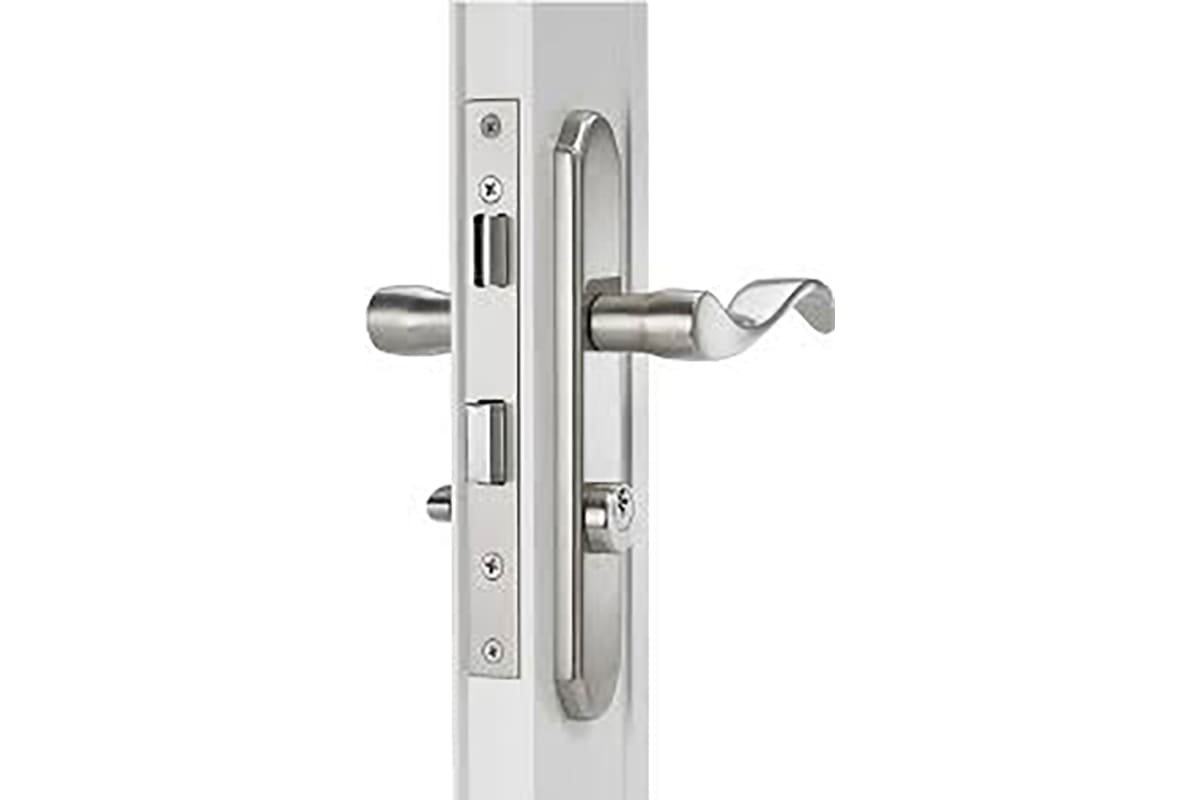
A rim lock has an exposed case.11 In some applications, this may make visible tampering or prying more direct. The mounting screws, keeper strength, and door surface material matter a lot. A good rim lock still needs correct installation and a suitable door.
A mortise lock is embedded in the door. The case is protected by the door leaf. This can reduce exposure of the lock body. The strike plate, latch throw, deadbolt throw, cylinder protection, handle fixing, and door frame strength still matter.
| Security Factor | Why I Check It |
|---|---|
| Lock case material | It affects strength and long-term use |
| Latch and deadbolt design | It affects closing and locking behavior |
| Cylinder type | It affects key system and market standard |
| Strike plate fixing | It affects frame-side holding strength |
| Door and frame structure | It affects the whole system |
| Certification | It gives a test-based reference |
For project buyers, I suggest asking for product standards, CE documents where needed, fire-rated certification where needed, and test information when the project requires it. At SDH, I can support CE and fire-rated product needs for suitable door hardware series. I still confirm the actual product model before I make any compliance statement.
Which Lock Should a Door Factory Choose for Bulk Orders?
I have seen the wrong sourcing question create the wrong purchase. The question should not be only about price or lock name.
A door factory should choose based on door structure, door thickness, lock cut-out, handle system, cylinder type, target market, project requirement, certification need, and assembly process. The best choice is the lock type that matches the full door set and supply chain plan.

I usually guide buyers through a practical checklist before I quote. This saves time for both sides. It also reduces the chance of rework after samples arrive. Rim locks and mortise locks can both be useful. The right choice depends on the product line.
If the door design does not allow deep machining, a rim lock may be easier to manage. If the product line needs a modern lever handle system, Euro cylinder, clean surface, and project-style hardware package, a mortise lock may be more suitable. The door factory must also consider the skill level of its production workers and the stability of its door machining process.
| Procurement Question | Why I Ask It |
|---|---|
| What is the door thickness? | The lock body and cylinder must fit |
| What is the door material? | Fixing strength and slotting method may change |
| What is the backset? | The handle position depends on it |
| What is the center distance? | The handle and cylinder must align |
| What cylinder type is required? | Market standards are different |
| What finish is required? | Bulk orders need finish consistency |
| Is certification required? | Some projects need CE or fire-rated support12 |
| What is the target market? | Europe, Middle East, and Southeast Asia may prefer different standards |
I remember one procurement team that planned to use one lock model across several door lines. The idea looked efficient at first. After checking the drawings, I found different door thicknesses, different handle heights, and different cylinder needs. We split the selection into several matched sets. The buyer avoided one large wrong order. This is why I see lock selection as system matching, not single-item buying.
How Should I Compare Rim Lock and Mortise Lock Specifications Before Ordering?
I believe a clear specification sheet is more useful than a long price conversation. The drawing decides if the price can become a real order.
I compare rim and mortise locks by checking installation type, lock body size, door preparation, backset, center distance, cylinder standard, handle compatibility, strike plate position, finish, certification, packaging, and production lead time.
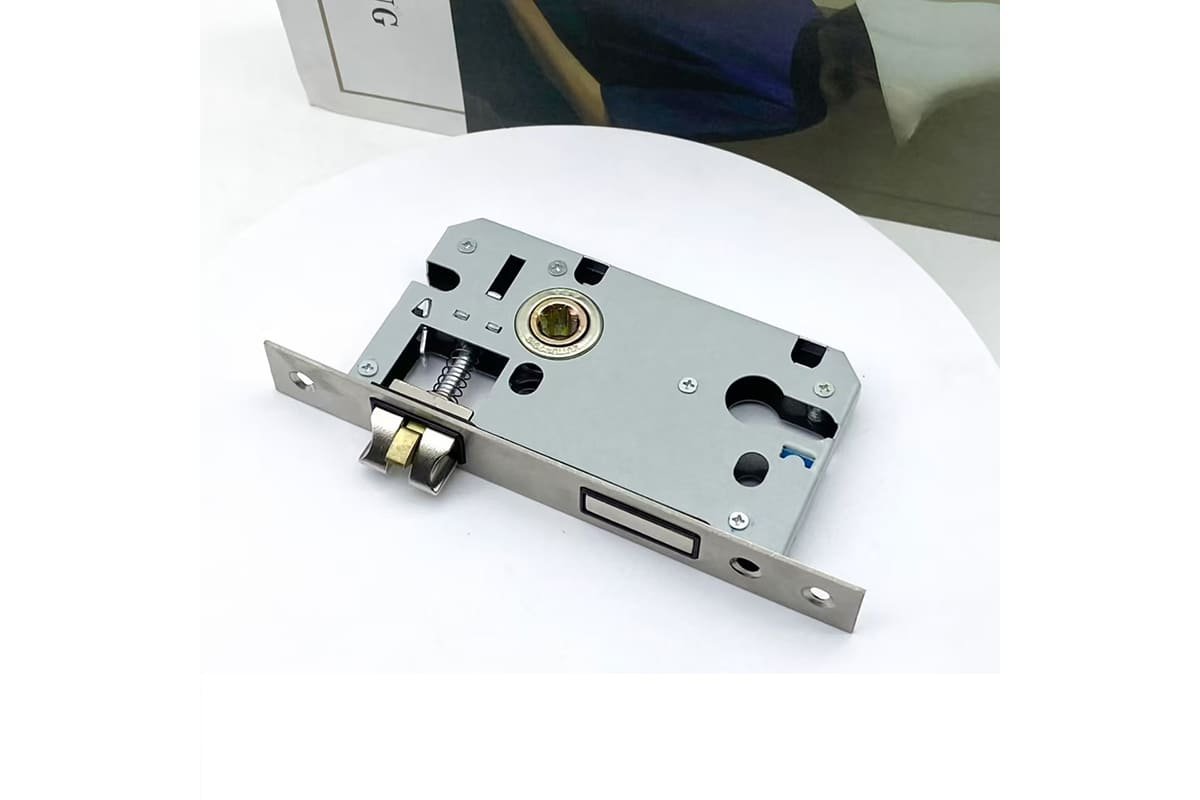
I ask buyers to send door drawings whenever possible. A photo can help, but a drawing gives more control. For mortise locks, I need the lock case depth, height, thickness, faceplate size, backset, center distance, spindle hole size, cylinder hole type, and latch direction. For rim locks, I need the mounting position, keeper position, door opening direction, cylinder or key function, and visible finish requirement.
A sample review is also important. I prefer to check one full set before mass production. The full set should include lock body, lever handle, cylinder, strike plate, screws, and accessories. This step helps the door factory confirm assembly speed and final appearance.
| Specification Item | Rim Lock Check | Mortise Lock Check |
|---|---|---|
| Installation drawing | Surface layout | Pocket drawing |
| Door thickness | Screw and cylinder fit | Lock and cylinder fit |
| Opening direction | Latch and keeper side | Latch direction and strike side |
| Handle system | Model dependent | Must match spindle and holes |
| Finish | Visible lock case | Full visible hardware set |
| Certification | Model dependent | Model dependent |
| Packing | Complete unit protection | Hardware set protection |
I also suggest confirming regional standards early. A Euro standard mortise lock may be common for some door factories and projects. Other markets may need different key systems or handle styles. As a manufacturer, I can help match the lock body, stainless steel lever handle, brass profile cylinder, and related accessories. This support is useful when the buyer wants one-stop sourcing and stable bulk supply.
Conclusion
I choose between rim and mortise locks by matching the door structure, installation method, accessories, finish, certification need, and market standard before bulk production.
"Rim lock - Wikipedia", https://en.wikipedia.org/wiki/Rim_lock. A neutral reference on lock terminology defines a rim lock as a surface-mounted door lock and a mortise lock as one installed into a mortise cut into the edge of the door. Evidence role: definition; source type: encyclopedia. Supports: A neutral reference should define rim locks as surface-mounted locks and mortise locks as locks fitted into a mortise or pocket in the door.. ↩
"[PDF] DOOR HARDWARE (SCHEDULED BY DESCRIBING PRODUCTS)", https://fpm.usc.edu/wp-content/uploads/2021/11/087102-USC-HSC-door-hardware-Guide-Specification_1.pdf. Door-hardware specification guidance treats lock selection as a coordinated set of requirements, including door preparation, backset, strike alignment, cylinder format, and compatible trim; this supports the claim that lock type affects more than the lock body alone. Evidence role: general_support; source type: institution. Supports: A door-hardware standard or specification guide should show that lock selection involves door preparation, backset, strike alignment, cylinder type, and compatible trim.. Scope note: The source would support the general specification relationship rather than quantify bulk purchasing risk directly. ↩
"What do I need, a Rim Lock or Mortice Latch? - Suffolk Latch Company", https://www.suffolklatchcompany.com/blogs/news/what-do-i-need-a-rim-lock-or-mortice-latch?srsltid=AfmBOooHrT6ptdhpZ0dPwDeSz_WYwIPA1_k5J7qOksH5vqApDD1L126c. Technical descriptions of door-lock installation distinguish surface-mounted rim locks from mortise locks that require a cavity cut into the door, which provides contextual support for the view that rim locks commonly require less door machining. Evidence role: mechanism; source type: education. Supports: A technical or educational source should explain that mortise locks require a recessed cavity in the door, while rim locks are fixed to the surface.. Scope note: The comparison is contextual because exact machining effort depends on the specific lock model and door material. ↩
"Mortise Lock Strike Installation | Rocky Mountain Hardware", https://www.rockymountainhardware.com/instructional-video/mortise-lock-strike-installation/. Mortise-lock installation guidance identifies lock-case dimensions, backset, faceplate dimensions, and strike positioning as critical fitting parameters, supporting the claim that mortise installations require accurate dimensional coordination. Evidence role: mechanism; source type: institution. Supports: A lock installation standard or technical guide should identify backset, lock-case dimensions, faceplate dimensions, and strike alignment as relevant mortise-lock installation parameters.. ↩
"Mortise Lock - Commercial Door Hardware - YouTube",
. Architectural-hardware references describe mortise locksets as assemblies coordinated with trim, cylinders, spindles, and strikes, supporting the statement that a mortise lock is commonly specified as part of a broader door-hardware system. Evidence role: general_support; source type: institution. Supports: A hardware specification source should describe a mortise lockset as including or coordinating a lock case, trim, cylinder, spindle, and strike.. Scope note: The source would support common specification practice, while some mortise lock bodies may still be sold separately. ↩"ORFOFE 2pcs Door Lock Replacement Spindle Heavy-Duty Square ...", https://www.amazon.com/ORFOFE-Replacement-Heavy-Duty-Compatible-Enhanced/dp/B0F6KK872K. Door-hardware technical guidance explains that lever handles transmit motion through a spindle fitted to the lock hub, supporting the requirement that the handle spindle size match the lock case. Evidence role: mechanism; source type: institution. Supports: A door-hardware technical guide should explain that lever handles operate the latch through a spindle and therefore must match the lock case's spindle hub size.. ↩
"Euro Profile - Cylinders - Abloy.com", https://www.abloy.com/gb/en/products/mechanical-locking/cylinders/euro-profile. Standards-based descriptions of profile cylinders identify the Euro profile as a defined cylinder form used with lock cases cut for that profile, supporting the claim that cylinder and mortise lock case must be matched. Evidence role: definition; source type: institution. Supports: A standards-related or technical source should describe the Euro profile cylinder form and its use with lock cases designed for that profile.. Scope note: The source would support profile compatibility in general, not the fit of any particular manufacturer's cylinder or lock case. ↩
"Interior Mortise Lock with Magnetic Latch - Emtek", https://www.emtek.com/Interior-Mortise-Lock-with-Magnetic-Latch/. Architectural-hardware references describe mortise locks as concealed within the door with visible trim and plates, which contextually supports the view that they can provide a cleaner appearance when machining and finish coordination are controlled. Evidence role: general_support; source type: institution. Supports: A door-hardware or architectural reference should show that mortise locks conceal the lock body and leave only trim, faceplate, cylinder, and strike visible.. Scope note: The source would not prove aesthetic preference; it would only support the physical basis for the appearance claim. ↩
"[PDF] Terms and definitions for door and window security", https://nvlpubs.nist.gov/nistpubs/Legacy/SP/nbsspecialpublication480-22.pdf. Physical-security guidance and lock-performance standards evaluate door security through the interaction of lock hardware, strike attachment, door and frame construction, installation, and tested performance, supporting the claim that security cannot be inferred from lock type alone. Evidence role: expert_consensus; source type: government. Supports: A government or standards source should explain that door security is determined by the lock, strike, frame, door construction, installation, and tested performance.. ↩
"Locks, Strike Plates & Hinges | Brevard, NC - Official Website", https://www.cityofbrevard.com/428/Locks-Strike-Plates-Hinges. Security guidance on door hardware emphasizes that strike plates, fastener strength, and correct installation affect resistance to forced entry, supporting the claim that certification alone does not guarantee performance if installation is poor. Evidence role: mechanism; source type: government. Supports: A security or building-safety source should state that strike plates, fasteners, and correct alignment are important to door-lock performance.. Scope note: The source would support the installation mechanism generally and may not address every certification scheme. ↩
"Rim lock - Wikipedia", https://en.wikipedia.org/wiki/Rim_lock. Reference descriptions of rim locks identify them as surface-mounted locks attached to the face of a door, supporting the statement that the lock case is exposed. Evidence role: definition; source type: encyclopedia. Supports: A reference should define a rim lock as a lock fitted to the face or surface of a door, leaving the case visible.. ↩
"Fire Doors - OCWR", https://www.ocwr.gov/publications/fast-facts/fire-doors/. Official construction-product and fire-door guidance shows that certain door assemblies and hardware applications may require conformity documentation, CE marking, or fire-performance evidence, supporting the statement that some projects need CE or fire-rated support. Evidence role: general_support; source type: government. Supports: An official regulatory source should explain that certain construction products or fire-door assemblies may require conformity documentation, CE marking, or tested fire performance.. Scope note: The requirement depends on jurisdiction, product category, and whether the hardware is part of a regulated fire-door or construction-product system. ↩