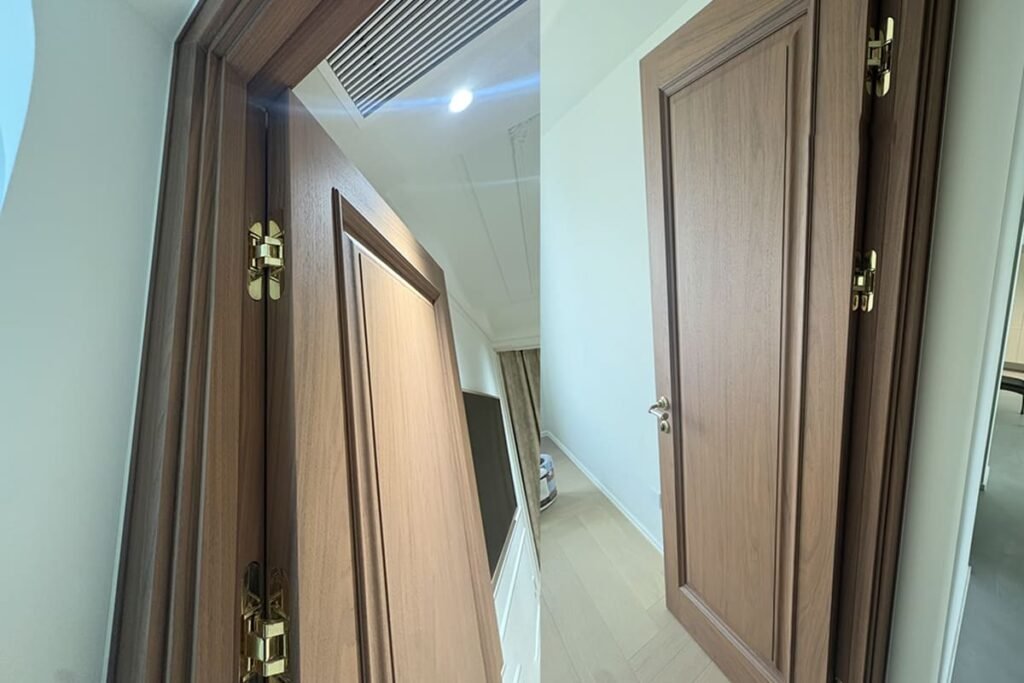
What are some good home door lock systems?
A poor lock plan creates daily trouble. I see doors that feel noisy, unsafe, or hard to use. The real problem is usually wrong matching.
A good home door lock system uses different locks for different doors.1 I match fire-rated mortise locks for entrances2, quiet locks for bedrooms, hook locks for sliding doors, and privacy locks for bathrooms. I also check door material, frame space, finish, compliance, and cost3.
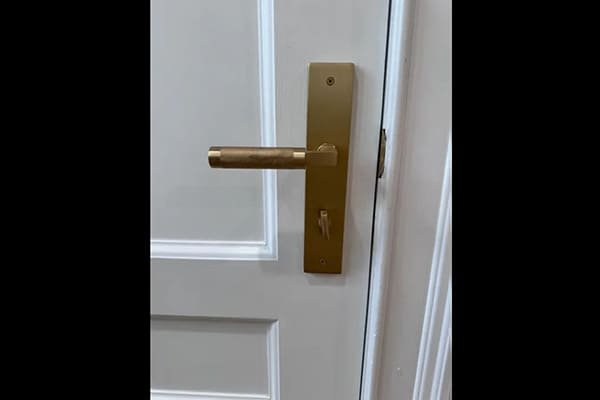
I do not treat a home as one door. I treat it as a full hardware package. Each room has a different job. Each door has a different structure. A good lock system should make the entrance safe, the bedroom quiet, the balcony practical, the kitchen easy to use, and the bathroom private. I have learned this from factory projects, sample testing, and long talks with door makers and buyers. If I choose only one “best lock,” I usually create cost waste in one area and performance risk in another area. So I always start with the door type, then I choose the lock.
Why should I not use the same lock for every home door?
One lock for all rooms looks simple. I have seen it cause wrong costs, poor comfort, and installation problems. The door decides the lock.
A home should use a room-by-room lock plan. I normally match lock strength, latch type, cylinder choice, handle style, and emergency function according to the entrance, bedroom, balcony, kitchen, bathroom, and storage area.
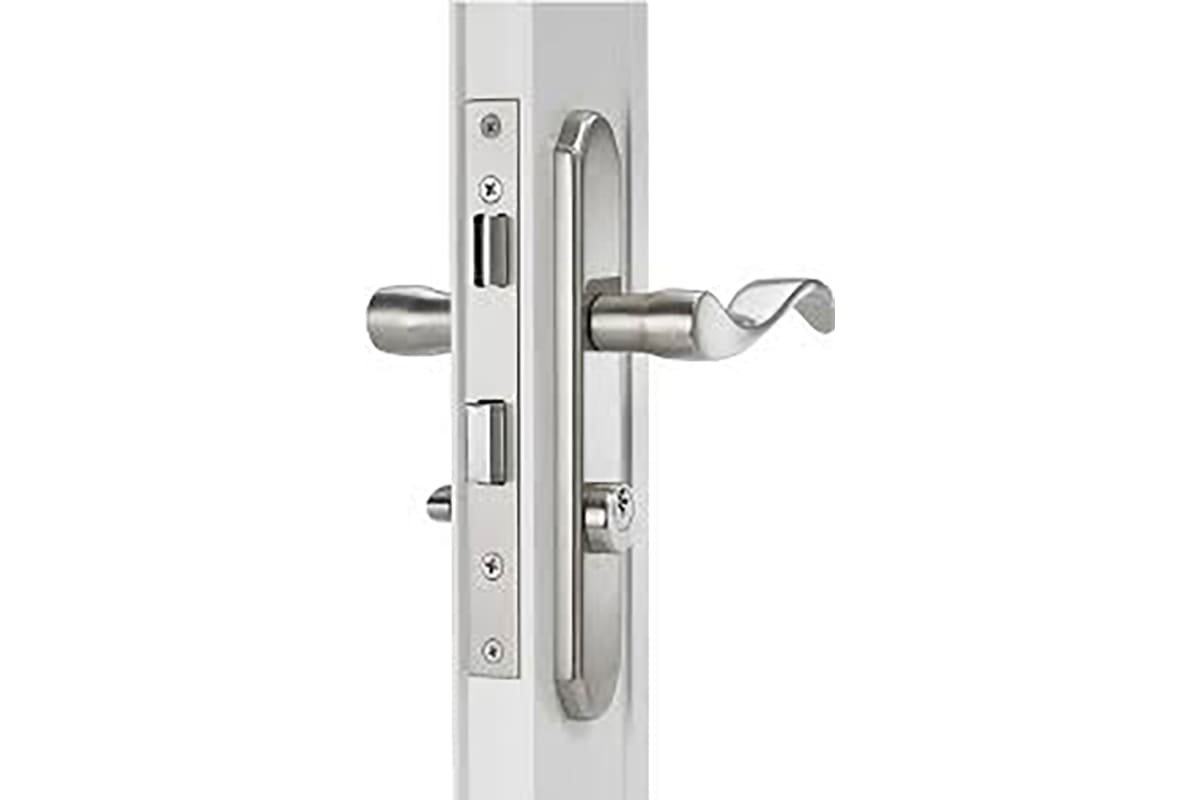
I start with the door, not the lock
When I help a buyer build a residential hardware set, I first ask about the doors. I ask about door material, door thickness, frame profile, opening direction, and room use. I also ask about the market. A European buyer may need one fire certificate. A Middle East project may require another document or finish. A Southeast Asia wholesaler may care more about humidity resistance and price level. I do not assume that one rule works everywhere.
A complete lock system is not only the lock body.4 It also includes the handle, cylinder, strike plate, escutcheon, thumb turn, screws, spindle, and sometimes a fire-rated accessory set. If one part is wrong, the whole door feels wrong.
| Door area | Main need I consider | Common lock choice | Risk if I choose wrong |
|---|---|---|---|
| Entrance | Safety, durability, compliance | Fire-rated mortise lock with cylinder | Weak security or failed project approval |
| Bedroom | Silence, comfort, appearance | Magnetic lock or BB key lock | Noise, high cost, poor user feeling |
| Balcony | Sliding movement, narrow frame | Hook lock | Lock body cannot fit the profile |
| Kitchen | Easy daily access | Hook lock or passage style lock | Bad fit or difficult operation |
| Bathroom | Privacy and emergency release | Bathroom lock or bathroom cylinder | Safety risk during emergency |
I also check the finish plan. A home project often needs the same color across handles, cylinders, hinges, and accessories. A satin stainless handle and a bright chrome cylinder can make a sample door look careless. In my work, finish consistency is a big part of quality. It is not only about appearance. It also reduces complaints from dealers and project buyers.
What lock system works best for entrance doors?
Entrance doors carry the highest risk.5 I have seen weak entrance lock choices damage trust fast. The front door needs safety before decoration.
For most steel fire-rated residential entrance doors, I usually recommend a fire-rated stainless steel mortise lock system with a suitable cylinder, solid handle set, reinforced strike plate, and verified certification for the target market.
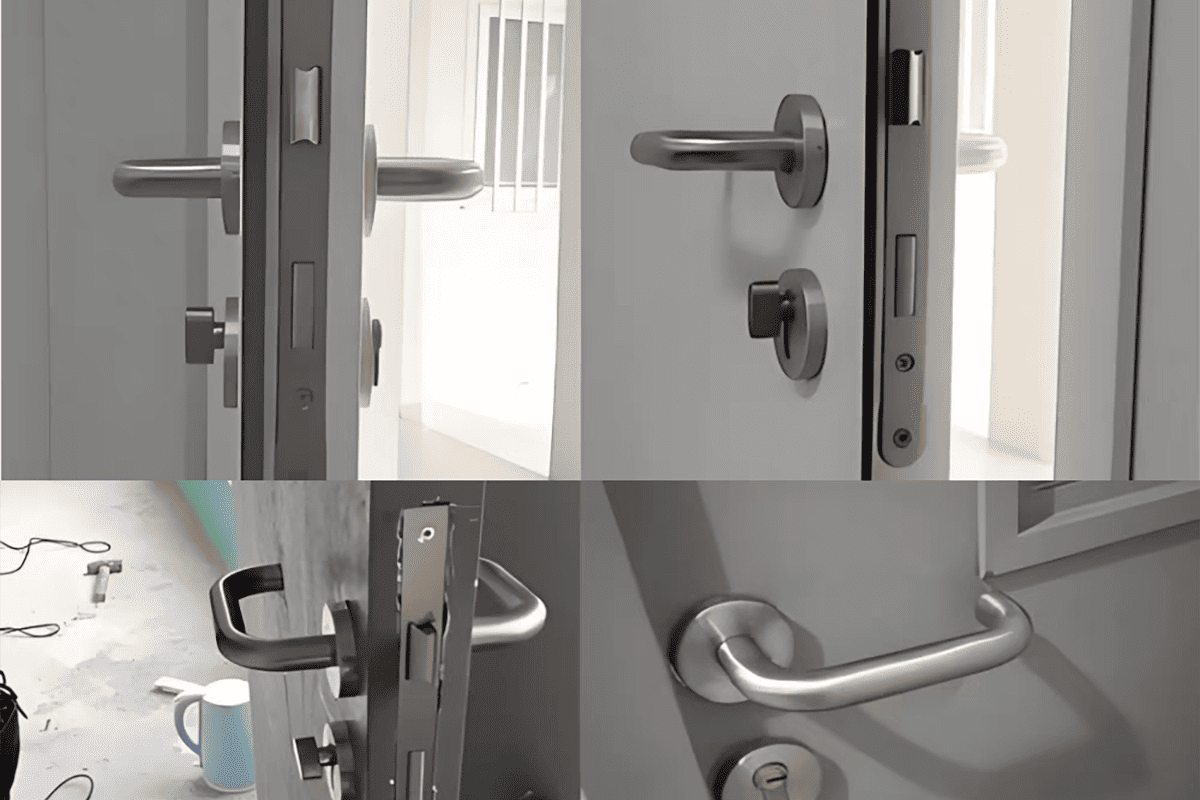
I choose fire-rated mortise locks for serious entrance use
In many residential projects, the entrance door is a steel door or a fire-rated door. This door is not the same as a bedroom wooden door. It has heavier use. It also has stricter safety expectations. So I usually select a stainless steel mortise lock body with fire-rated testing support when the project requires it. I do not say one certificate works in every country.6 I always tell buyers to check the final market rules with their local authority or project consultant.
A good entrance system should feel strong during locking. The latch should move smoothly. The deadbolt should project clearly.7 The cylinder should match the security level and key system. The handle should not feel loose after repeated use. The strike plate should match the frame structure.
| Component | What I check | Why it matters |
|---|---|---|
| Mortise lock body | Case size, backset, center distance, latch, deadbolt | It must fit the steel door cutout |
| Cylinder | Length, key type, finish, security grade | It controls access and user trust |
| Handle set | Material, spring support, fixing method | It affects daily feel and durability |
| Strike plate | Size, hole position, thickness | It supports lock engagement |
| Certification | CE, fire-rated report if needed | It supports project approval and buyer confidence |
I also pay attention to production consistency. Entrance locks are usually bought in bulk. One sample may work well, but the real test is batch stability. I inspect dimensions, surface finish, latch movement, deadbolt movement, and packing. Buyers do not want random color difference or different screw packs across one order. I see this as part of the lock system, not a small detail.
What lock system should I use for bedroom doors?
Bedroom locks are not entrance locks. I often see buyers overpay here. A bedroom needs comfort, silence, and a clean look first.
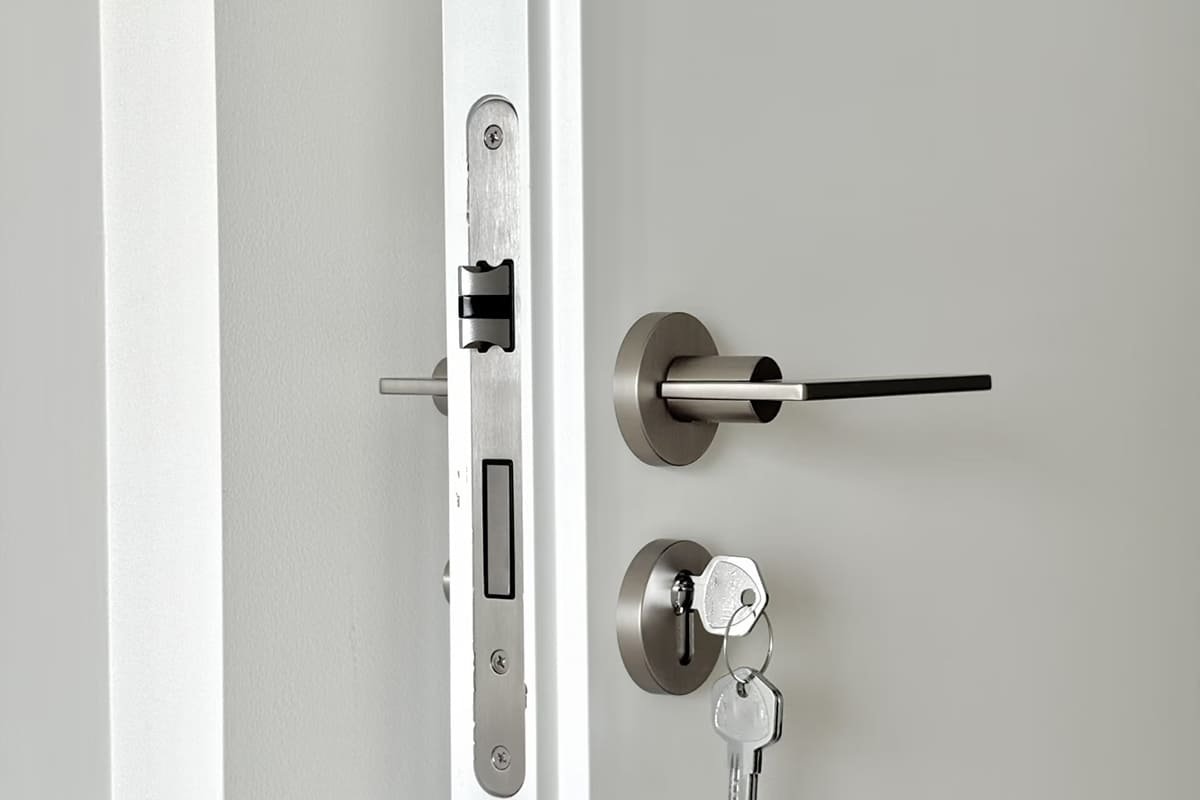
For bedroom doors, I usually suggest a quiet magnetic lock with a nylon latch for better comfort, or a BB key lock when the buyer needs a lower-cost basic privacy option.
I focus on comfort before high security
A bedroom door has a different job. It gives privacy.8 It controls sound and light. It does not usually need the same security level as the entrance. If I install a heavy entrance-style lock on every bedroom, the cost becomes high and the door may feel too stiff. In many homes, users care more about quiet closing and smooth handle action.
A magnetic lock can help because the latch stays hidden until the door meets the strike plate.9 This gives a cleaner appearance. It can also reduce clicking noise. A nylon latch can also make closing softer than a metal latch. For more price-sensitive projects, a BB key lock can still work well. It gives simple privacy and keeps the budget under control.
| Bedroom option | Best use | Main benefit | Cost level |
|---|---|---|---|
| Magnetic lock | Mid to high-end interior doors | Quiet closing and clean look | Medium to high |
| Nylon latch lock | Comfort-focused wooden doors | Softer closing sound | Medium |
| BB key lock | Basic residential rooms | Simple privacy and lower cost | Low to medium |
| Standard cylinder lock | Rooms needing more control | Better key control | Medium to high |
I also match the handle design with the room style. A bedroom handle is touched many times every day. The finish should feel smooth. The spring should return well. The rosette or plate should cover the door preparation cleanly. I often remind buyers that bedroom locks create daily user experience. A weak handle spring or noisy latch creates complaints even when the lock is technically “working.”
What lock system should I use for balcony and kitchen sliding doors?
Sliding doors fail when the lock body is too wide. I see this often on aluminum and PVC profiles. The frame space controls the choice.
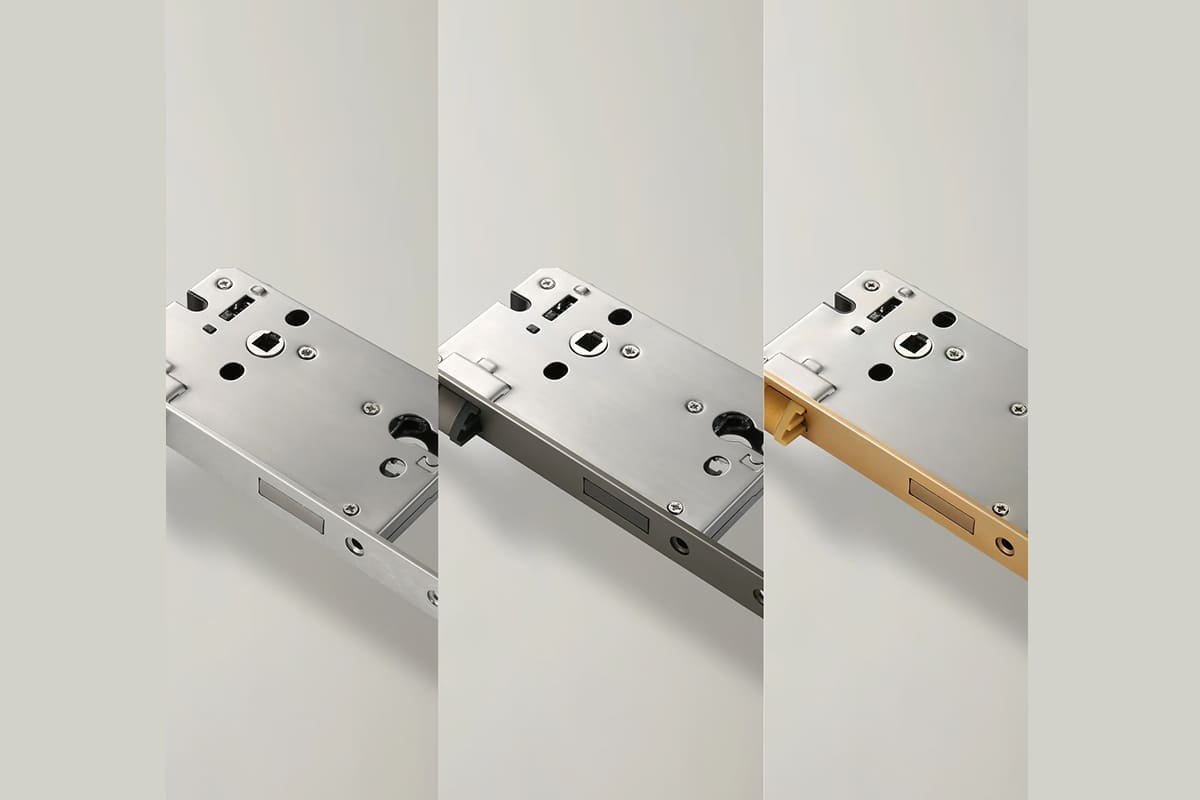
For balcony and kitchen sliding doors, I usually use hook locks. Narrow-body hook locks are often needed for aluminum or PVC profile frames because standard lock bodies may not fit the narrow installation space.
I check the profile before I quote the lock
Sliding doors are not hinged doors. The locking direction is different. A hook lock pulls into the strike and helps hold the sliding panel in position.10 This is why I normally do not use a normal mortise latch lock on a sliding balcony door. The structure does not match the movement.
The biggest issue is profile width. Aluminum and PVC sliding doors often have narrow internal space.11 A standard lock body may look good in a catalog, but it may not fit the real profile. I ask buyers for profile drawings, door section photos, or sample dimensions before I confirm the model. This prevents sample failure and delay.
| Sliding door detail | What I ask for | My reason |
|---|---|---|
| Profile material | Aluminum, PVC, wood, or steel | It affects lock size and screw fixing |
| Profile width | Internal space and faceplate width | It decides narrow-body or standard body |
| Door direction | Left, right, sliding direction | It affects hook and strike position |
| Handle type | Flush pull, lever, or pull handle | It affects user operation |
| Cylinder need | With key or without key | It affects privacy and access control |
For kitchens, I often look at the actual use. Some kitchens need only passage control. Some sliding kitchen doors need a hook lock because users want the door closed firmly. Balcony doors may need stronger locking because they connect to the outside. In higher humidity areas, I prefer stable surface treatment and stainless parts where possible. I also check the strike plate because a poor strike causes rough locking even when the hook lock body is good.
What lock system works best for bathroom doors?
A bathroom lock must protect privacy and allow rescue.12 I have seen wrong bathroom locks create real safety problems. Emergency release matters.
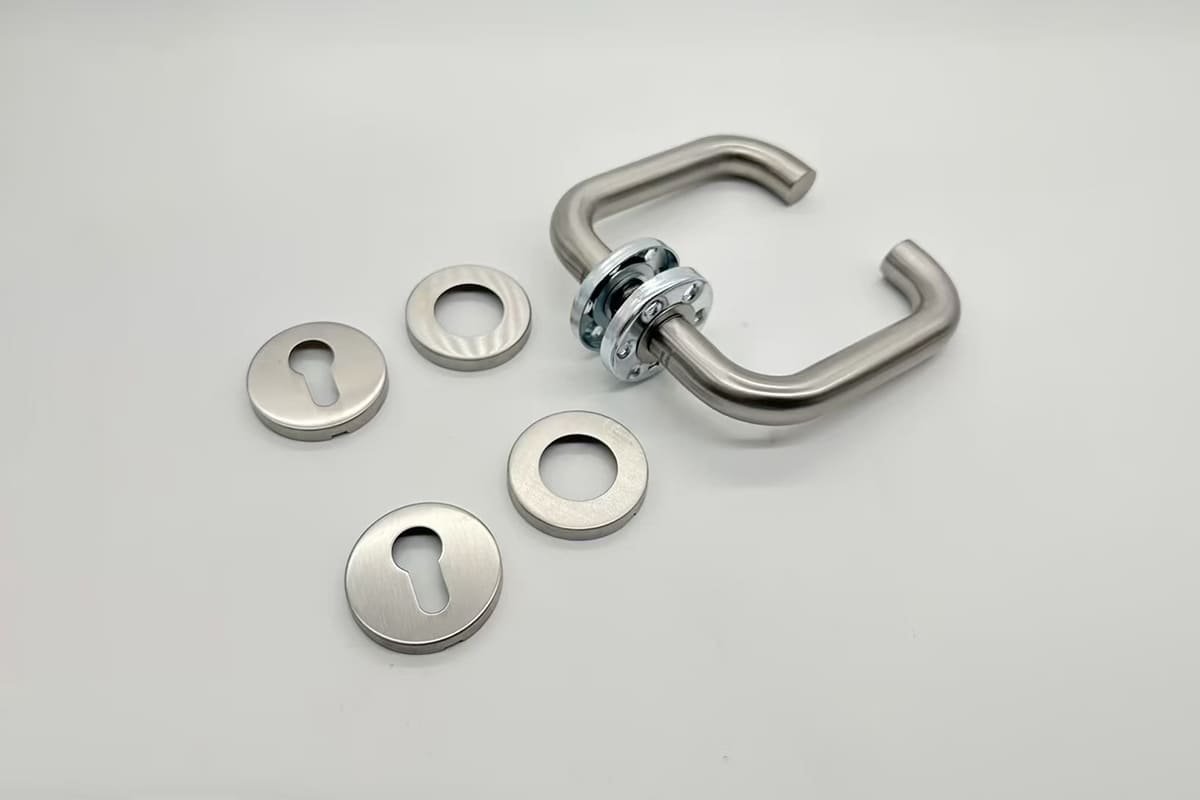
For bathroom doors, I use dedicated privacy solutions. I choose a bathroom lock with a 6×6 mm square spindle hole for a thumb turn, or a bathroom cylinder with a coin-slot emergency release when a standard mortise lock is used.
I always include emergency opening
Bathroom hardware is easy to underestimate. Many buyers only ask for a lock that “can lock.” I ask a second question. Can it be opened from the outside in an emergency? This matters for children, elderly users, and hotel-style apartments. A bathroom privacy lock should not trap a person inside without a simple outside release method.
There are two common routes. The first route is a dedicated bathroom lock body. It often uses a 6×6 mm square spindle hole for the thumb turn function. The second route is a normal mortise lock with a bathroom cylinder. The bathroom cylinder usually has a thumb turn inside and a coin-slot release outside. Both can work. The best choice depends on the door preparation and the buyer’s product line.
| Bathroom solution | Inside operation | Outside emergency release | When I use it |
|---|---|---|---|
| Bathroom lock body | Thumb turn by spindle | Matched emergency plate or release | New interior door sets |
| Bathroom cylinder | Thumb turn | Coin-slot release | Standard mortise lock systems |
| Privacy knob set | Push or turn button | Small emergency pin or slot | Light residential use |
| Passage lock only | No true locking | Not needed | Powder room or low privacy areas |
I also look at corrosion risk. Bathrooms have moisture. A cheap finish may fail faster here than in a bedroom. I prefer stable plating, stainless steel options, or finishes that match the project budget and humidity level. I also check the latch sound because bathroom doors are often used at night. A smooth lock, a stable handle spring, and a proper emergency release make the product feel safe and practical.
How do I match cylinders, handles, and finishes in one home lock package?
A lock body alone is not a system. I have seen good locks look bad because the handle, cylinder, and finish did not match.
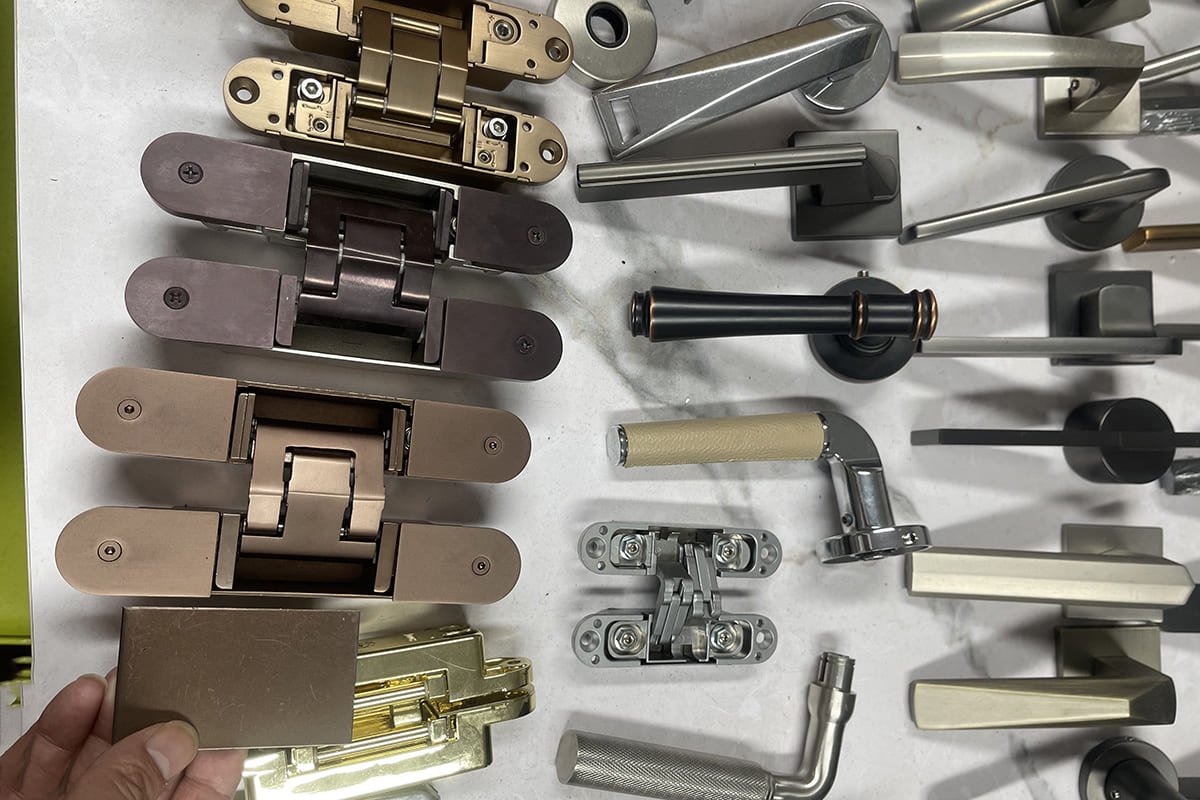
I match cylinders, handles, plates, thumb turns, and finishes as one package. I check size compatibility, surface color, door thickness, market standard, packing, and spare parts before I confirm bulk production.
I treat accessories as part of the main product
Many procurement problems start with small parts. The lock body may fit, but the cylinder may be too short. The handle may look good, but the spindle may not match the door thickness. The finish may pass on the handle, but the cylinder color may look different. These issues create extra work for door factories and wholesalers. So I build the set as a package.
For a residential project, I usually prepare a lock schedule. It lists each door type and each hardware part. This helps the buyer control cost and avoid mixed specifications. It also helps the factory pack and label goods clearly.
| Hardware part | Key point I confirm | Common mistake I avoid |
|---|---|---|
| Cylinder | Length, cam type, key system, finish | Cylinder too short or wrong cam |
| Handle | Material, spring, rose or plate size | Handle does not cover door holes |
| Spindle | Size and length | Spindle too short for thick doors |
| Screws | Length and head type | Screws do not match door material |
| Finish | Color sample and batch control | Visible color difference |
| Packing | Room label and accessory bag | Site confusion during installation |
I also keep cost control in mind. I do not put the highest-grade cylinder on a bedroom if the buyer only needs simple privacy. I do not use a decorative interior handle on a heavy entrance door if it lacks strength. The system must be balanced. Good matching saves money because each door receives the right level of hardware. It also reduces after-sales issues because installers receive parts that fit together.
How do I choose a supplier for a complete home door lock system?
A low price can hide many risks. I have seen buyers lose time because parts arrived with mixed sizes, finishes, and certificates.
I choose a supplier by checking product range, production control, sample support, certification documents, finish consistency, customization ability, packing detail, delivery stability, and after-sales response.
I look for system support, not only one cheap item
A complete residential lock package needs coordination. A supplier should understand mortise locks, cylinders, handles, hinges, sliding door hook locks, bathroom locks, and fire-rated entrance solutions. If the supplier only knows one product, the buyer must solve the matching work alone. This creates risk.
From my factory experience, I know that bulk buyers need repeatable quality more than a perfect catalog photo. They need the same finish across batches. They need stable dimensions. They need correct accessories. They need documents when the project asks for CE or fire-rated proof. They also need honest advice when the target market has special rules. I never tell a buyer that one certificate covers every country. I tell the buyer to verify market-specific rules before final approval.
| Supplier ability | What I check | Why I care |
|---|---|---|
| Product range | Mortise locks, handles, cylinders, hinges, hook locks | It supports one-stop sourcing |
| Factory control | In-house production and inspection | It improves batch stability |
| Customization | Size, finish, material, accessories | It fits different door designs |
| Compliance support | CE and fire-rated documents when available | It helps project and market entry |
| Sample process | Clear drawings and tested samples | It reduces bulk order mistakes |
| Delivery control | Production plan and packing list | It protects the buyer’s schedule |
I also value clear communication. A good supplier asks questions before production. The supplier should not guess the backset, cylinder length, faceplate size, or finish. I prefer to confirm drawings, samples, and packing details early. This simple work prevents many problems later. For door manufacturers, hardware brands, and wholesalers, the right supplier can turn a lock list into a stable product system.
Conclusion
I choose good home door lock systems by matching each lock to the door, room use, frame structure, safety need, finish plan, and target market.
"[PDF] SECTION 08 71 00 – DOOR HARDWARE", https://design.missouristate.edu/_Files/Standards/Division8/087100DoorHardware.pdf. ANSI/BHMA lock-function classifications distinguish entry, passage, privacy, and related hardware functions, supporting the article’s premise that residential locks are normally specified according to door use rather than as a single universal product. Evidence role: expert_consensus; source type: institution. Supports: A neutral hardware standard or architectural-hardware guide should show that locksets are classified by function, such as entry, passage, privacy, and storeroom use.. Scope note: This would support the general specification principle, not prove that every listed lock choice is optimal for every home. ↩
"Fire Doors and NFPA 80 FAQs", https://www.nfpa.org/news-blogs-and-articles/blogs/2025/04/11/fire-doors-faqs. NFPA 80 treats fire doors as rated assemblies and requires compatible listed or labeled components, including latching hardware, which supports specifying fire-rated mortise locks where an entrance door is part of a fire-rated assembly. Evidence role: general_support; source type: institution. Supports: A fire-door standard should support that fire-rated door assemblies require compatible listed or labeled latching hardware.. Scope note: The standard supports compatibility and listing requirements for rated assemblies; it does not state that all residential entrance doors require fire-rated mortise locks. ↩
"[PDF] DOOR HARDWARE (SCHEDULED BY DESCRIBING PRODUCTS)", https://fpm.usc.edu/wp-content/uploads/2021/11/087102-USC-HSC-door-hardware-Guide-Specification_1.pdf. Institutional door-hardware specification guides commonly require locksets to be coordinated with door thickness, frame preparation, finish, and applicable code requirements, supporting the article’s list of practical selection criteria. Evidence role: expert_consensus; source type: education. Supports: A university or institutional facilities standard should show that door thickness, preparation, frame type, finish, and code compliance are part of hardware specification.. Scope note: Such guides provide specification context and may not address the article’s cost-control advice directly. ↩
"Parts of a door lock and door hardware terms defined. - Schlage", https://www.schlage.com/en/blog/product_updates/door-hardware-terms-and-parts-of-a-door-lock.html. Reference descriptions of door locksets identify them as assemblies made up of coordinated parts such as the latch or lock body, cylinder, strike plate, trim, spindle, and fasteners, supporting the article’s statement that the lock body alone is not the complete system. Evidence role: definition; source type: encyclopedia. Supports: A reference source should define a lockset or door lock as an assembly of parts such as latch, cylinder, strike, trim, and fasteners.. ↩
"FBI — Burglary", https://ucr.fbi.gov/crime-in-the-u.s/2019/crime-in-the-u.s.-2019/topic-pages/burglary. Government burglary statistics and crime-prevention reports commonly identify exterior doors, including front or entry doors, as frequent access points in residential burglaries, supporting the article’s treatment of entrance doors as a higher-risk lock location. Evidence role: statistic; source type: government. Supports: A government crime or housing-security report should show that exterior doors are common points of entry in residential burglaries.. Scope note: The exact ranking of entry points can vary by country, housing type, and survey method. ↩
"Frequently Asked Questions", https://sfm.illinois.gov/about/divisions/fire-prevention-and-building-safety/frequently-asked-questions.html. Building-control guidance treats fire-door compliance as jurisdiction-specific, with approval tied to the local code, accepted test standards, and required certification or marking, supporting the article’s caution that one certificate should not be assumed valid in every country. Evidence role: historical_context; source type: government. Supports: A government building-regulation source should show that fire-door approval, marking, and documentation depend on the applicable jurisdiction.. Scope note: This supports the need for jurisdictional verification rather than identifying the exact documents required in each market. ↩
"Doors and locks - King County, Washington", https://kingcounty.gov/en/dept/sheriff/courts-jails-legal-system/crime-prevention-safety/home-security/door-locks. Door-security guidance and lock standards discuss deadbolt throw as a functional security parameter because the bolt must extend into the strike or frame to resist forced opening, supporting the article’s emphasis on checking clear deadbolt projection. Evidence role: mechanism; source type: institution. Supports: A lock standard or crime-prevention guide should explain that a deadbolt must extend sufficiently into the strike or frame to provide secure engagement.. Scope note: The source may specify minimum values for certain grades or jurisdictions, while the article states the point generally. ↩
"Door Lever Lock with Keyless Privacy Function, Black ...", https://villageofgreenwoodlake.gov/products/door-lever-lock-with-keyless-privacy-function-black-bedroom/213720898/. ANSI/BHMA lock-function terminology identifies privacy functions as intended for spaces such as bedrooms and bathrooms, while entry functions are used for exterior access control, supporting the article’s distinction between bedroom privacy and entrance security. Evidence role: definition; source type: institution. Supports: A hardware-function standard should define privacy locksets as intended for bedrooms or bathrooms and distinguish them from entry locksets.. ↩
"How do automatic door latch bolts work in Budapest and Krakow ...", https://www.facebook.com/groups/thedullclub/posts/3150177745187323/. Technical descriptions of magnetic interior latches explain that the latch can remain recessed in the lock body and extend toward the strike when the door closes, supporting the article’s description of the concealed-latch mechanism. Evidence role: mechanism; source type: other. Supports: A technical description should explain the operation of magnetic latches, including retracted latch positioning and magnetic engagement with the strike.. Scope note: Independent scholarly sources on this specific hardware mechanism may be limited; neutral technical documentation is more likely than peer-reviewed research. ↩
"Fix Jeld-Wen Sliding Glass Door that Won't Latch or Lock - YouTube",
. Architectural-hardware references describe hook-bolt locks for sliding doors as devices whose hook-shaped bolt engages a keeper or strike, supporting the article’s explanation that the lock helps hold the sliding panel in position. Evidence role: mechanism; source type: institution. Supports: A door-hardware reference should describe hook-bolt or hook-lock operation for sliding doors and how the hook engages a strike or keeper.. Scope note: The source would support the mechanical suitability, not quantify strength for a particular balcony or kitchen door. ↩"[PDF] cavity-sliders-usa-product-guide.pdf - Hardware Hut", https://hardwarehut.com/images/pdf/cavity-sliders/cavity-sliders-usa-product-guide.pdf?srsltid=AfmBOoqFO5AbJn_ISkgLGU50DRp5Ku4JQOETICXEJcLI-sRdrbVOjnUy. Technical literature on aluminum and PVC fenestration profiles shows that sliding-door frames use shaped profiles with limited internal chambers and hardware cavities, supporting the article’s point that lock-body dimensions must be checked against the actual profile. Evidence role: general_support; source type: research. Supports: A fenestration, construction, or technical-design source should show that aluminum and PVC sliding-door profiles have defined internal chambers and hardware cavities that constrain lock selection.. Scope note: Profile dimensions vary substantially by manufacturer and product series, so the evidence is contextual rather than a universal measurement. ↩
"Childproofing Your Home - Several Safety Devices to Help Protect ...", https://www.cpsc.gov/safety-education/safety-guides/kids-and-babies/Childproofing-Your-Home. Hardware-function standards and safety guidance describe bathroom or privacy locksets as providing occupant privacy while allowing emergency release from the outside, supporting the article’s statement that bathroom locks should combine privacy with rescue access. Evidence role: expert_consensus; source type: institution. Supports: A lock-function standard or safety guide should show that privacy locks for bathrooms commonly include an emergency release accessible from outside.. ↩