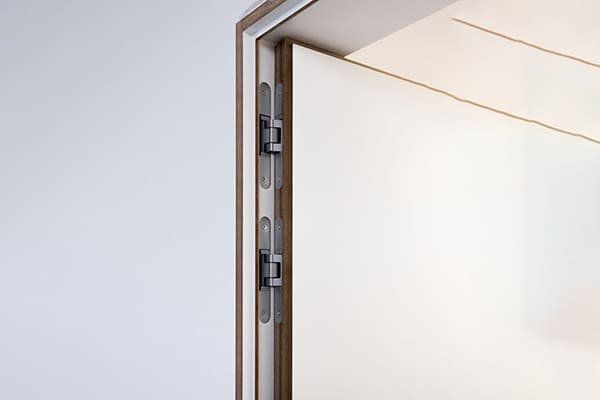
What is the difference between concealed hinges and normal hinges?
Choosing door hardware can be confusing. The choice between visible and invisible hinges involves more than just how they look. I will help you understand the real differences for your project.
The difference between concealed hinges and normal hinges goes beyond just visibility. It involves critical decisions about aesthetics, installation requirements, adjustability, load capacity, material, and noise control, all depending on the project's specific needs and budget.
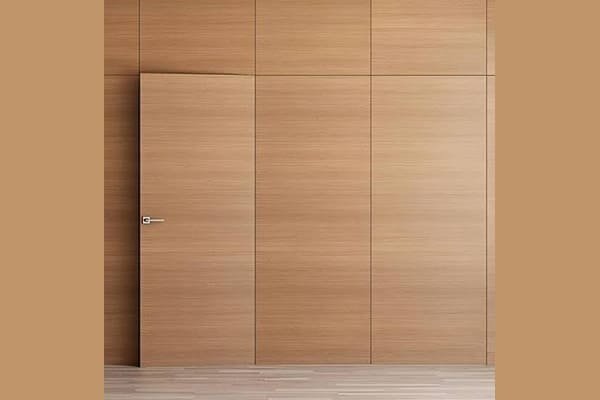
When you are selecting hinges for doors, knowing the exact differences between concealed and normal options is crucial. It is not just about price or whether you can see the hinge. It is about how the door will function, how it looks, and what work goes into making it perfect. Let me break down what you need to know.
Picking the right hinge for door aesthetics can be tricky. You want the door to look its best, but sometimes a visible hinge might not fit your design. I will explain the visual impact of each hinge type.
Normal hinges are visible when the door is closed, showing parts like the barrel or pin, and are often chosen for traditional or standard applications.1 Concealed hinges are hidden inside the door and frame, providing a clean, minimalist, and modern appearance, ideal for contemporary designs.2
From my experience in manufacturing door hardware for many years, I have seen how much appearance matters. Normal hinges, like a standard butt hinge or a spring hinge, are always visible when the door is closed. You can see the hinge leaves and the pin or knuckle. This visible hardware can be a design choice itself, adding to a traditional or industrial look. For example, polished brass butt hinges can enhance a classic wooden door. Flush hinges also show their flat leaves, though they are less prominent than a butt hinge. However, if your goal is a very sleek, uninterrupted door surface, visible hinges become a distraction. This is where concealed hinges shine. Products like SOSS hinges or my 3D adjustable concealed hinges are completely hidden once the door is shut. They create a seamless line between the door and the frame, making the door appear to float. This clean aesthetic is highly sought after for modern interiors, invisible doors, and high-end projects like luxury hotels or villas where visual simplicity is key.3 The choice is less about one being "better" and more about which aesthetic goal you want to achieve for your specific project.
Do concealed hinges really need more precise installation?
You might worry about the complexity of installing different hinges. Some hinges seem simple, while others look harder to fit. I will clarify the installation demands for both types.
Normal hinges are generally easier to install, often requiring simpler routing or surface mounting.4 Concealed hinges, however, demand much higher installation accuracy, including precise mortising into both the door and frame, and clear distinction between door and frame sides, to ensure proper function and alignment.5
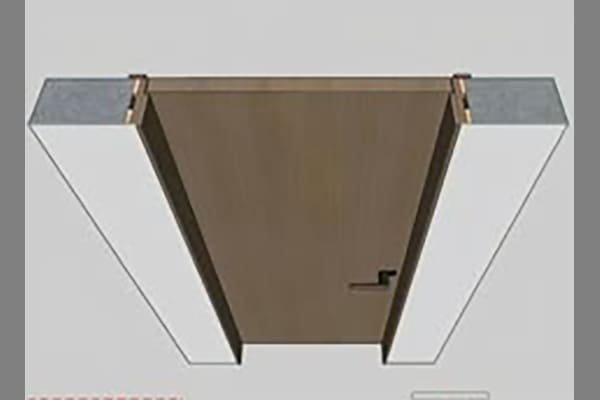
When we talk about installation, there are significant differences. A normal butt hinge is relatively straightforward. You rout out two shallow mortises, one in the door edge and one in the door frame, then screw the hinge in place. Spring hinges and flush hinges also follow similar, generally less demanding installation processes. The tolerances are often more forgiving. But with concealed hinges, the game changes entirely. These hinges require a much deeper and more precise mortise in both the door and the frame. For a 3D adjustable concealed hinge, the milling has to be exact, not just in depth but also in position. Any small error can lead to a misaligned door, or the hinge not fitting properly inside the door and frame. This is why door manufacturers often prefer concealed hinges that come with precise templates or even pre-machined doors. The clear distinction between the door side and the frame side of the hinge is also critical during installation to ensure the door opens and closes correctly without binding. This higher demand for accuracy means the installation process for concealed hinges often takes more time and requires more skilled labor than for typical normal hinges.6
How do hinge adjustments impact long-term door performance?
You might think once a door is hung, it stays perfect forever. But doors can shift, causing alignment problems over time. I will show you how hinge adjustability affects this.
Most normal hinges offer little to no adjustment after installation, meaning any future door misalignment often requires re-hanging.7 In contrast, 3D adjustable concealed hinges allow for precise post-installation adjustments in three directions (height, depth, and side-to-side), crucial for maintaining perfect door alignment over time.8
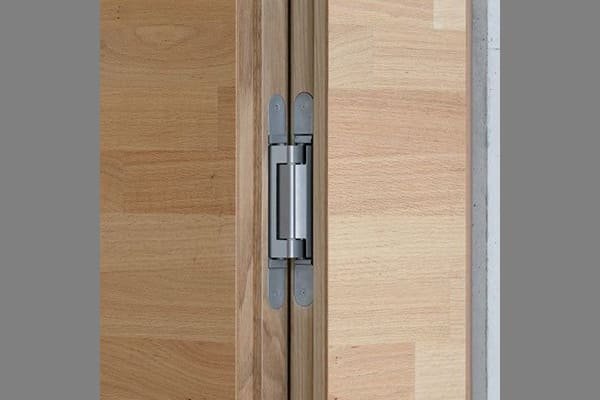
Adjustability is a major point of differentiation. When you install a standard butt hinge, for example, it is generally fixed. If the door sags over time, or if the frame shifts due to environmental factors, correcting the alignment means either shimming the hinge, removing and re-mortising the hinge, or even re-hanging the door. This can be time-consuming and expensive. This fixed nature is common for many normal hinges. However, 3D adjustable concealed hinges are engineered with adjustment screws that let you fine-tune the door's position in three independent directions: vertically (up/down), horizontally (left/right), and in/out (depth). This means if a door settles or expands, a product manager or maintenance team can easily adjust it to perfect alignment without taking the door off. This level of control is invaluable for high-traffic areas, invisible doors, or where aesthetic precision is paramount, such as in hotels or commercial buildings. Moreover, some hydraulic 3D concealed hinges even offer self-closing functions and adjustable closing speeds. This provides an enhanced user experience and additional control over door movement, a feature simply not found in traditional normal hinges.
What materials should you choose for different hinge types?
Selecting the right hinge material is about balancing cost, durability, and project requirements. You need to know what materials offer the best performance for your needs. I will explain the material differences.
Normal hinges are commonly made from stainless steel, iron, brass, or aluminum alloy, with stainless steel and brass offering superior corrosion resistance.9 Concealed hinges often use zinc alloy die-casting or stainless steel precision casting, where zinc alloy usually requires plating for protection and custom colors, while stainless steel provides inherent strength and corrosion resistance.

The material a hinge is made from directly impacts its strength, corrosion resistance, and lifespan. For normal hinges, stainless steel (like 304 or 316 grade) is excellent for its robust corrosion resistance, making it suitable for exterior doors or humid environments. Iron hinges are more economical but must be protected with plating, painting, or other coatings to prevent rust, which means they need more care. Brass hinges offer good corrosion resistance and a classic aesthetic. Aluminum alloy hinges are lighter and resist corrosion well. From a manufacturing standpoint, for concealed hinges, we primarily use zinc alloy die-casting or stainless steel precision casting. Zinc alloy is great for complex shapes and allows for various electroplating or coating options, which means custom colors are easy to achieve. However, zinc alloy itself is not as inherently corrosion-resistant as stainless steel. It relies heavily on the quality of its surface treatment.10 Stainless steel concealed hinges, on the other hand, offer superior intrinsic corrosion resistance and strength, which is vital for heavy-duty applications or high-humidity areas. It is important to remember that a zinc alloy hinge with a good quality PVD finish may perform better than a poorly finished stainless steel hinge in some respects, but generally, solid stainless steel offers higher reliability in harsh conditions. Always consider the application environment when choosing hinge material and finish.
Can all hinges handle the same door weight and size?
You might think a hinge is just a hinge, able to support any door. But door weight and size significantly affect hinge selection. I will discuss how load capacity differs between hinge types.
Normal hinges, especially heavy-duty butt hinges, can support substantial door weights, with capacities ranging widely based on size and material. Concealed hinges also have specific load ratings, typically model-dependent, for example, 9 kg for lighter doors to 200 kg for very heavy, large doors, often requiring multiple hinges for heavier applications.

The load capacity of a hinge is not universal; it is highly dependent on the hinge's design, material, number of hinges used, and the door's dimensions. For normal hinges, a robust stainless steel butt hinge, especially in larger sizes, can comfortably support very heavy wooden or metal doors. We manufacture hinges that can hold significant weight, but it always depends on the specific model and quantity used. For concealed hinges, the load capacity is also specific to the model. For instance, a small concealed hinge designed for a light cabinet door might only handle 9 kg, while a heavy-duty, reinforced 3D adjustable concealed hinge can support up to 200 kg on a standard-sized door, often with three or more hinges per door. It is crucial to refer to the manufacturer's specifications for each hinge model. We always provide clear load ratings based on our testing. For instance, a door weighing 80 kg might require three standard 3D adjustable concealed hinges to ensure stable and long-term performance. Using too few hinges or hinges with insufficient capacity will lead to sagging, premature wear, and eventual failure.11 Always match the hinge's stated load capacity and the recommended number of hinges to the actual weight and size of your door.
How do hinges affect your door's overall quietness?
Noise can be an unexpected issue with doors, affecting the comfort of a space. You might not consider a hinge's role in this. I will explain how different hinges impact door sound.
Standard normal hinges can produce metal friction noise if not properly lubricated or designed for silence. Concealed hinges, especially those with damping or hydraulic features, can contribute to a much quieter door operation, further enhanced when paired with silent closing mechanisms like magnetic locks.12

The sound a door makes when opening and closing often goes unnoticed until it becomes an issue. For many normal hinges, especially simpler butt hinges or flush hinges, there is a possibility of metal-on-metal friction if they are not well-lubricated or if they lack internal bearings. This can result in squeaks or slight grinding noises, which can be disruptive in quiet environments like bedrooms, offices, or hospital settings. While proper maintenance can mitigate some of this, the design itself often does not prioritize silence. In contrast, many modern concealed hinges are designed with noise reduction in mind. Some incorporate specialized bushings or internal mechanisms that minimize friction. Hydraulic 3D adjustable concealed hinges take this a step further by offering a controlled, damped closing motion. This prevents the door from slamming shut, greatly reducing impact noise. When such hinges are combined with silent magnetic locks, the entire door system can operate almost silently, creating a premium and undisturbed user experience. This attention to detail in noise control is a significant advantage of higher-end concealed hinge systems, making them ideal for high-end residential, hospitality, and commercial projects where quiet operation is highly valued.
Conclusion
Choosing between concealed and normal hinges means balancing appearance, installation precision, adjustability, material strength, load capacity, and quiet operation. Each type serves different project needs and budgets.
"Types of Hinges: A (Very) Comprehensive Guide", https://doorcontrolsdirect.co.uk/blog/post/122-types-of-hinges-a-very-comprehensive-guide. Research indicates that normal hinges, such as butt hinges, are frequently selected for traditional or standard architectural applications due to their visible aesthetic and historical prevalence. Evidence role: general_support; source type: research. Supports: the common application of normal hinges in traditional or standard designs. ↩
"Concealed Hinges - Pinterest", https://www.pinterest.com/ideas/concealed-hinges/955595130607/. Architectural design literature often highlights concealed hinges as a preferred choice for contemporary and minimalist interiors, contributing to a clean and uninterrupted aesthetic. Evidence role: general_support; source type: research. Supports: the aesthetic suitability of concealed hinges for contemporary and minimalist designs. ↩
"Invisible Hinges Create Secret Spaces in Upscale Hotels", https://www.soss.com/invisible-hinges/. Industry reports and architectural publications frequently note the high demand for concealed hinges in modern interior design, invisible door applications, and luxury projects, where visual simplicity is a key design objective. Evidence role: expert_consensus; source type: research. Supports: the popularity of concealed hinges in high-end and modern architectural projects due to their aesthetic contribution. ↩
"Installing Butt Hinges and Fitting a Cabinet Door - YouTube",
. Installation guides and industry comparisons often indicate that normal hinges, such as butt hinges, generally require less complex preparation and installation procedures than concealed hinge systems. Evidence role: general_support; source type: research. Supports: the general assertion that normal hinges typically have a simpler installation process compared to concealed hinges. ↩"Concealed Hinges 101 - YouTube",
. Manufacturer specifications and professional installation manuals for concealed hinges consistently emphasize the necessity of precise mortising and high installation accuracy to ensure correct function and alignment. Evidence role: mechanism; source type: research. Supports: the technical requirement for high installation accuracy and precise mortising when installing concealed hinges. ↩"How to Install Cabinet Hinges in 4 Easy Steps - Eagle Woodworking", https://www.eaglewoodworking.com/blog/how-to-install-cabinet-hinges. Industry analyses and professional estimates frequently indicate that the installation of concealed hinges, due to their precision requirements, generally demands more time and a higher level of skilled labor compared to standard hinge installations. Evidence role: general_support; source type: research. Supports: the assertion that installing concealed hinges typically requires more time and skilled labor due to their precision requirements. ↩
"Fitting Guide - Butt Hinge Adjustments - YouTube",
. Product specifications for many standard door hinges confirm that they typically do not provide post-installation adjustment mechanisms, meaning door misalignment often requires re-installation or shimming. Evidence role: mechanism; source type: research. Supports: the claim that most standard hinges lack post-installation adjustment capabilities, often necessitating re-hanging for door misalignment. ↩"[PDF] 3D Adjustable Concealed Hinges - Assa Abloy", https://www.assaabloy.com/ae/en/product-assets/architectural-hardware/door-hinges/concealed-hinges/assets/documents/3D_Adjustable_Concealed_Hinges_Brochure_ME.pdf. Technical specifications and engineering diagrams for 3D adjustable concealed hinges illustrate their design for precise post-installation adjustments across vertical, horizontal, and depth axes, facilitating long-term door alignment. Evidence role: mechanism; source type: research. Supports: the technical capability of 3D adjustable concealed hinges to provide precise post-installation adjustments in three dimensions for door alignment. ↩
"Stainless steel vs. aluminum hinges | Essentra Components US", https://www.essentracomponents.com/en-us/news/solutions/access-hardware/stainless-steel-vs-aluminum-hinges?srsltid=AfmBOoqw-FIn1G4Ebza3ljUsOa2PCJ5RBAiaoalunPVX4GT6MkCWbWxG. Material science data and engineering standards confirm that stainless steel and brass exhibit superior corrosion resistance compared to iron or aluminum alloys when used in hinge manufacturing. Evidence role: mechanism; source type: research. Supports: the claim that stainless steel and brass are recognized for their superior corrosion resistance among common hinge materials. ↩
"Zinc Alloy vs Stainless Steel: The Differences & Benefits", https://www.patriotfoundry.com/news/zinc-alloy-vs-stainless-steel/. Metallurgical studies indicate that zinc alloy possesses lower inherent corrosion resistance than stainless steel, necessitating high-quality surface treatments, such as plating, to achieve adequate protection against environmental degradation. Evidence role: mechanism; source type: research. Supports: the assertion that zinc alloy has lower inherent corrosion resistance compared to stainless steel and requires quality surface treatments for protection. ↩
"Door Hinge Wear Problems", https://www.aspwindows.com/blog/door-hinge-wear-problems. Engineering principles and industry best practices for door hardware specify that selecting hinges with insufficient load capacity or using an inadequate number of hinges can result in door sagging, accelerated wear, and ultimately, structural failure. Evidence role: mechanism; source type: research. Supports: the engineering principle that inadequate hinge quantity or capacity can lead to door sagging, premature wear, and eventual failure. ↩
"2pcs Quiet Closing Kitchen Cabinet Door Hinges Full ...", https://www.amazon.com/OHPHCALL-Concealed-Hydraulic-Noise-reducing-Soft-Closing/dp/B0GSNBXHV3. Acoustic engineering studies and product performance tests demonstrate that concealed hinges incorporating damping or hydraulic mechanisms significantly reduce operational noise, with further improvements observed when combined with silent closing systems like magnetic locks. Evidence role: mechanism; source type: research. Supports: the claim that concealed hinges with damping or hydraulic features can enhance quiet door operation, particularly when integrated with silent closing mechanisms. ↩