What Are the Different Mortise Lock Types?
Mortise lock types can feel confusing when I only see a drawing, a door sample, or a short buyer inquiry. That confusion gets worse when a wrong lock body delays production, fails cylinder matching, or does not suit the door function. I solve this by selecting the lock type by door use first, then checking dimensions and compliance.
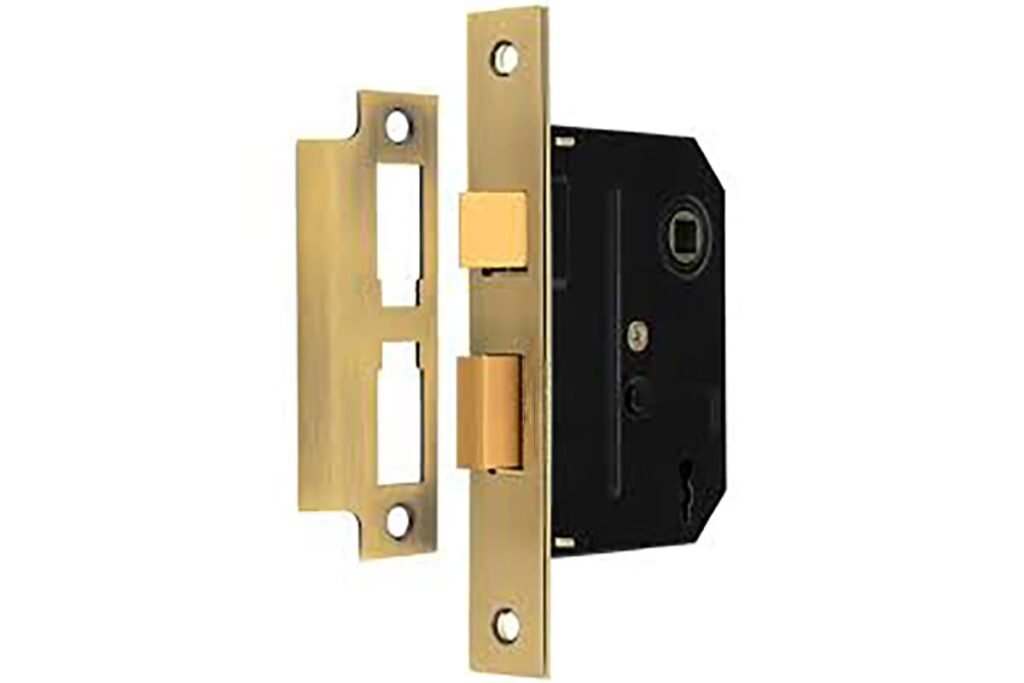
The main mortise lock types include sash locks, latchbolt-only locks, deadbolt-only locks, nightlatch locks, classroom locks, and escape locks.1 A DIN 18251 / Euro-standard sash lock is the common baseline2, with a handle spindle hole, Euro profile cylinder opening, latchbolt, and deadbolt3. Other types serve specific door-use scenarios, not universal replacement purposes.
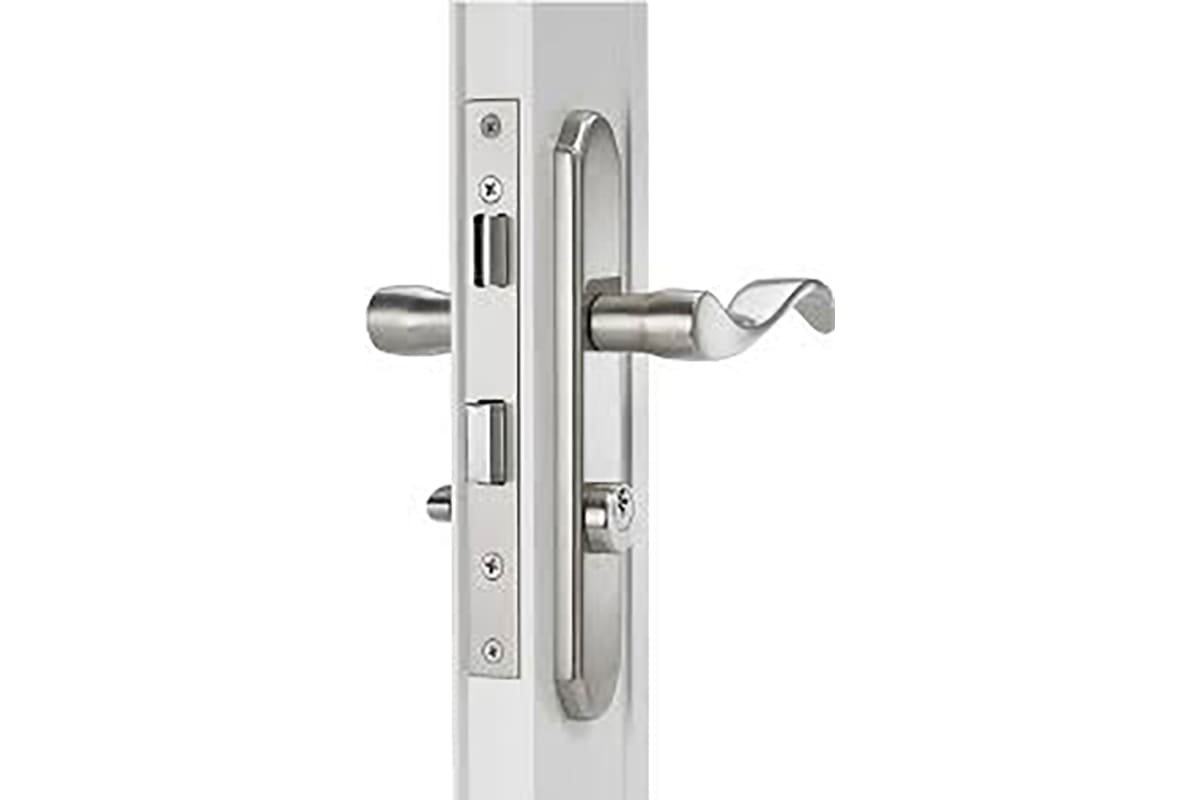
I have seen many buyers ask, “Which mortise lock types do you have?” before they define the actual door. That question is only the beginning. The better question is: What does the door need to do every day, and what hardware must the lock body match?
What Are the Standard DIN 182514 Mortise Lock Types?
Choosing DIN 18251 mortise lock types can be difficult when several lock bodies look similar from the outside. I often see buyers compare only the faceplate or price. That approach can create problems because function, cylinder compatibility, and door usage matter more than appearance alone.
A DIN 18251 mortise lock type should be selected by function first. The common categories include sash locks, latchbolt locks, deadbolt locks, bathroom/privacy locks, nightlatch locks, classroom locks, and escape-function locks. Each type supports a different door scenario, so I do not treat them as interchangeable products.
Why I Start With DIN 18251 as the Baseline
When I explain Euro-standard mortise locks to B2B buyers, I usually start with DIN 18251 because it gives a shared reference point. It helps buyers, door factories, and hardware brands speak the same technical language.
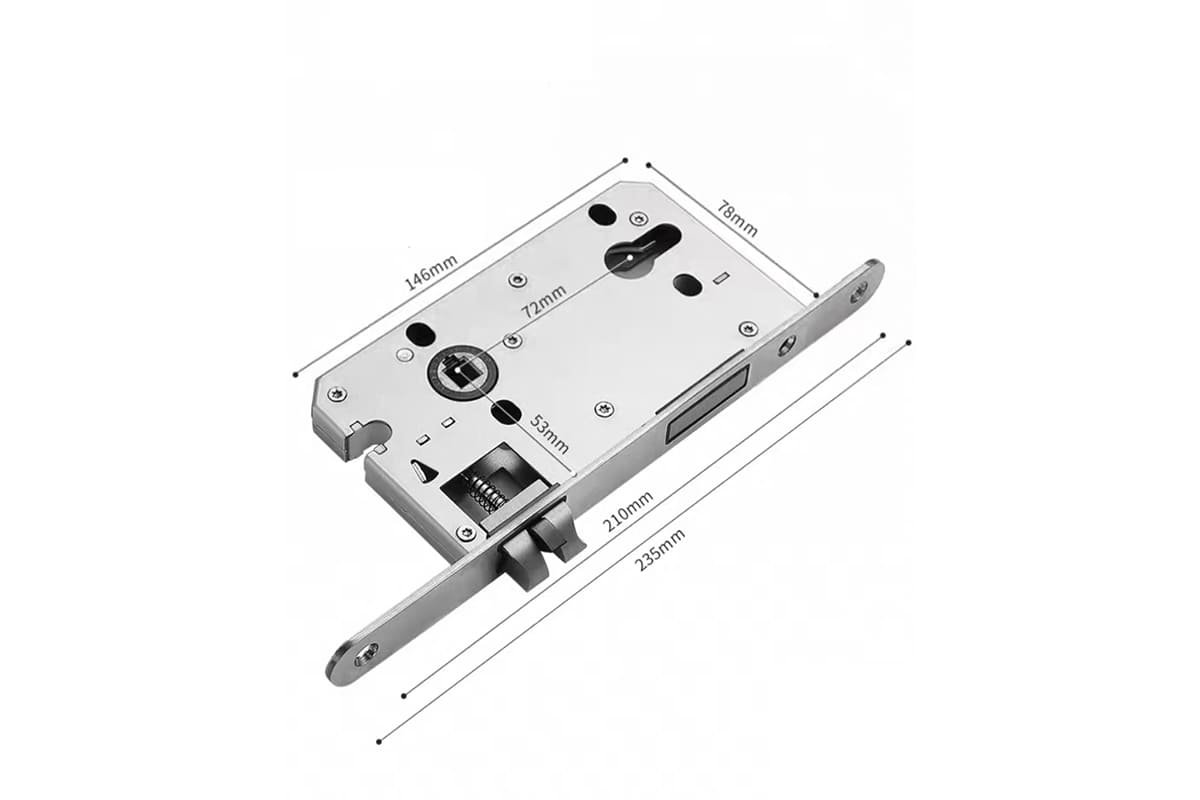
A typical Euro-standard lock body is not just “a lock.” It is a mechanical system with fixed relationships between:
- Backset
- Center distance
- Faceplate width
- Follower size
- Cylinder profile
- Latchbolt and deadbolt position
- Door handing or reversibility
- Door thickness
- Project certification requirements
For many door series, the most common baseline is the sash lock. It normally has two key openings:
- An 8×8 mm5 square spindle hole for the lever handle
- A Euro profile cylinder6 hole for the locking cylinder
It also usually includes:
- Latchbolt operated by the lever handle
- Deadbolt operated by the cylinder
- Faceplate fixed into the door edge
- Forend screws for installation into the mortised pocket
Common DIN 18251 Functional Categories
| Lock Type | Main Function | Typical Door Use | Important Buyer Check |
|---|---|---|---|
| Sash lock | Latching + cylinder locking | Interior and exterior doors | Center distance, cylinder type, spindle |
| Latchbolt lock | Latching only | Passage or basic closing doors | Latch direction, handle operation |
| Deadbolt lock | Locking only | Storage or low-use doors | Cylinder match, throw length |
| Bathroom/privacy lock | Privacy locking | WC, bathroom, changing rooms | Thumbturn, emergency release |
| Nightlatch lock | Access control from outside | Building entrance or controlled doors | Function logic, cylinder operation |
| Classroom lock | Managed access | Schools, offices, institutions | Inside/outside function |
| Escape lock | Emergency egress | Public/commercial exit doors | Local standards and certificates |
I always remind buyers that a lock name is not a specification. Two sash locks can look similar but have different backsets, center distances, faceplates, spring strength, latch shape, or fire-rated documentation.
Why Type Names Alone Can Mislead Buyers
A buyer may say, “I need a DIN mortise lock.” I still need more details before I quote. DIN-related lock bodies may follow similar design logic, but door markets are not identical. Europe, the Middle East, and Southeast Asia may use different finish preferences, cylinder lengths, door thicknesses, and project requirements.
Before I confirm a model, I usually ask:
- What is the door material?
- What is the door thickness?
- Is the door interior, exterior, fire-rated, or commercial?
- Is the required cylinder a Euro profile cylinder?
- What is the center distance, such as 72 mm?
- What is the required backset, such as 50, 55, 60, or 65 mm?
- Is the lock left-hand, right-hand, or reversible?
- Does the project require CE or fire-rated certificates?
This process prevents mistakes. It also helps buyers compare products fairly instead of comparing only unit price.
How Do Sash Mortise Lock Types Work?
Sash mortise lock types often look basic, but they are the most important reference point in Euro-standard door hardware. I see many door factories use them across complete door series. The risk comes when buyers assume every sash lock has the same dimensions or internal quality.
A sash mortise lock combines daily latching and security locking in one lock body. The handle retracts the latchbolt for normal passage, while the Euro profile cylinder operates the deadbolt for locking. This makes the sash lock a common choice for residential, office, hotel, and commercial doors.

What Makes a Sash Lock the Baseline?
In my experience, the sash lock is the model most buyers mean when they ask for a “standard mortise lock.” It has a balanced function: the door can close easily, open with the handle, and lock with the key cylinder.
A typical Euro-standard sash lock includes:
- Latchbolt for keeping the door closed
- Deadbolt for key locking
- Follower for the lever handle spindle
- Euro profile cylinder opening
- Faceplate for edge fixing
- Lock case installed inside the door leaf
The common handle spindle is 8×8 mm, which fits many Euro lever handle sets. The cylinder opening normally matches a Euro profile cylinder, which may be single cylinder, double cylinder, thumbturn cylinder, or another project-specific variation.
Sash Lock Selection Table
| Specification | Common Euro-Standard Reference | Why I Check It |
|---|---|---|
| Spindle size | 8×8 mm | Ensures lever handle compatibility |
| Center distance | Often 72 mm7 | Aligns handle and cylinder positions |
| Backset | Often 50–65 mm8 | Matches door stile and handle layout |
| Faceplate width | Often 20/22/24 mm | Fits door edge preparation |
| Cylinder type | Euro profile | Ensures locking compatibility |
| Latch direction | Left, right, or reversible | Prevents installation mismatch |
Where I Usually Recommend Sash Locks
I usually see sash locks used on:
- Apartment entrance doors
- Interior room doors with locking needs
- Office doors
- Hotel room doors, depending on system design
- Commercial timber or metal doors
- Door factory standard product lines
However, I do not automatically recommend sash locks for every door. Some doors only need closing, not locking. Some doors need emergency exit performance. Some public-building doors need special access logic. That is why I always connect the lock body to the use scenario.
Quality Details I Watch Closely
For bulk procurement, a sash lock must be stable across thousands of cycles and consistent across batches. I pay attention to details that may not be obvious in a catalog photo:
- Smooth latch movement
- Strong spring return
- Clean deadbolt throw
- Stable follower operation
- Consistent faceplate finish
- Accurate hole positioning
- Good riveting or case assembly
- Low noise during operation
These details matter for door factories because a small dimensional shift can cause assembly delays. They also matter for wholesalers because poor operation leads to after-sales claims.
I often tell buyers that the best sash lock is not the one that looks strongest in a photo. It is the one that matches the door system, performs smoothly, and stays consistent in repeat orders.
When Should I Choose Latchbolt-Only or Deadbolt-Only Mortise Lock Types?
Latchbolt-only and deadbolt-only mortise lock types are easy to misunderstand. Some buyers treat them as cheaper or simpler sash locks. I do not see them that way. They are purpose-driven solutions for doors with specific closing or locking requirements.
A latchbolt-only mortise lock suits doors that mainly need closing, windproofing, or insulation without security locking.9 A deadbolt-only mortise lock suits low-frequency-use doors where locking matters but daily handle operation may not.10 These two lock types solve different problems and should not be selected only by price.
What Is a Latchbolt-Only Lock?
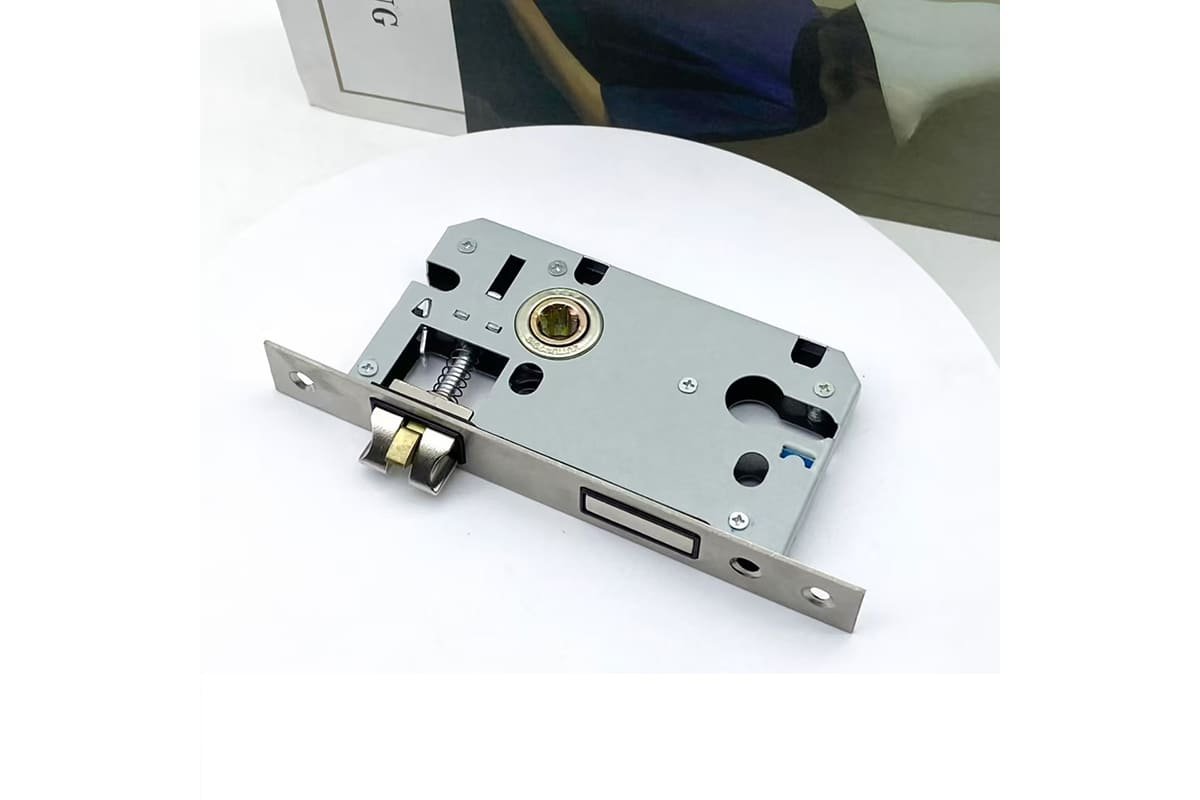
A latchbolt-only lock has a latch operated by the handle. It normally does not include a cylinder-operated deadbolt. I see this type used when the door needs to stay closed but does not need key locking.
Typical uses include:
- Passage doors
- Interior corridor doors
- Utility spaces with no security need
- Doors needing basic closing against air movement
- Doors where insulation or windproofing matters more than locking
The main value is controlled closing. The latch holds the door in place, but the user opens it with the handle. This is useful for doors that experience airflow, light pressure, or frequent movement.
What Is a Deadbolt-Only Lock?
A deadbolt-only lock focuses on locking. It may not include normal latch operation by a lever handle. I see this kind of lock used where the door does not need frequent handle operation but must be secured when closed.
Typical uses include:
- Storage rooms
- Equipment rooms
- Service spaces
- Low-frequency-access doors
- Secondary locking points
Latchbolt-Only vs Deadbolt-Only
| Feature | Latchbolt-Only Lock | Deadbolt-Only Lock |
|---|---|---|
| Main purpose | Keeps door closed | Locks door securely |
| Daily handle use | Yes | Usually limited or separate |
| Cylinder needed | Usually no | Usually yes |
| Best for | Passage and closing | Storage and controlled access |
| Security level | Basic closing only | Locking function |
| Common mistake | Using it where locking is needed | Using it where frequent passage is needed |
How I Decide Between Them
I usually ask one simple question first:
Does the door need to be opened many times per day?
Then I ask a second question:
Does the door need key locking?
Why Buyers Should Not Treat These as “Reduced Sash Locks”
That is why I always confirm the door-use scenario before I confirm the lock body.
Which Special-Function Mortise Lock Types Fit Public or Commercial Doors?
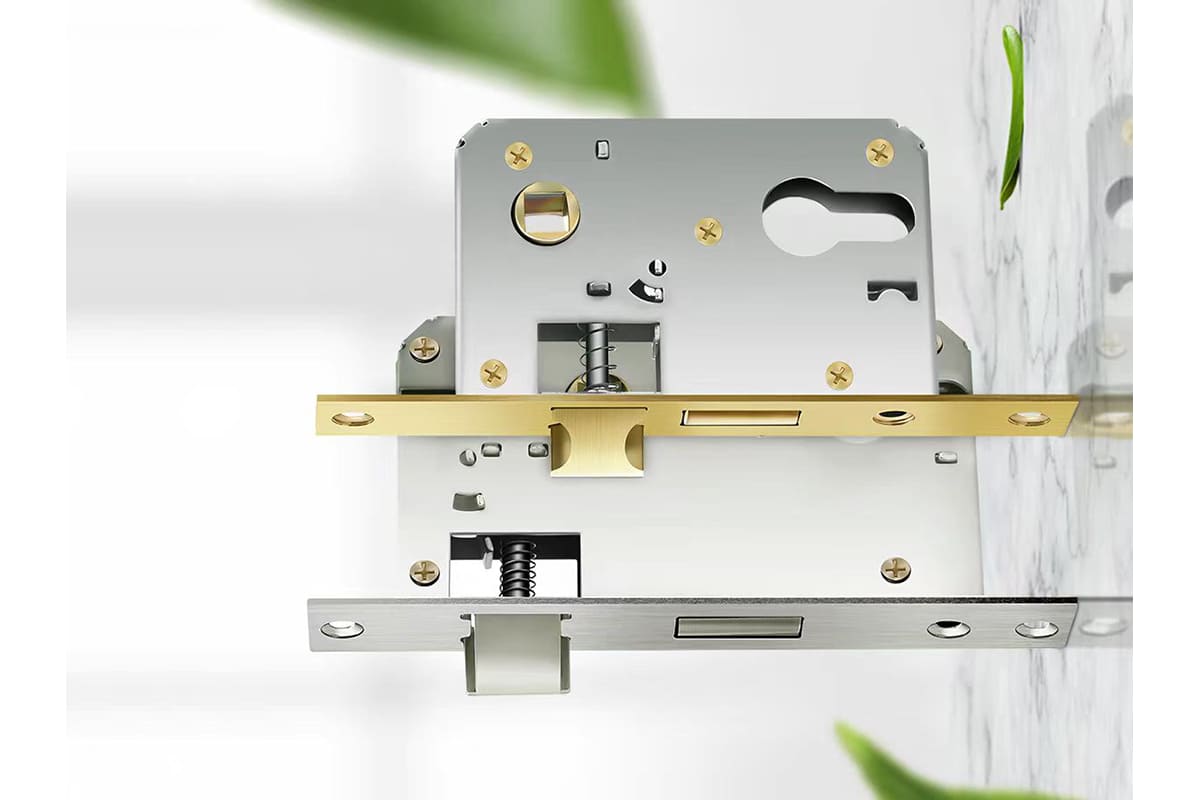
Nightlatch Mortise Locks
I see nightlatch-style functions in:
- Apartment building entrances
- Office access doors
- Shared public entrances
- Doors connected to access-control planning
The important point is that a nightlatch is selected for access logic. It is not just a stronger sash lock.
Classroom Mortise Locks
I see classroom functions discussed for:
- Schools
- Training centers
- Office rooms
- Public institutions
- Managed commercial spaces
The key issue is who can lock or unlock the door, and from which side. That logic must be confirmed before production or purchase.
Escape Mortise Locks
Escape-related projects may involve:
- Emergency exit routes11
- Commercial buildings
- Public corridors
- Fire-rated doors
- Doors with panic or emergency hardware systems
For these projects, I always advise buyers to check:
- Local code requirements
- Door type and fire rating
- Lock certificate validity
- Test standard references
- Compatibility with handles, panic bars, or cylinders
- Complete door set requirements
Special-Function Comparison
| Lock Type | Selection Reason | Typical Scenario | Key Warning |
|---|---|---|---|
| Nightlatch | Outside access control | Shared entrances | Confirm inside/outside operation |
| Classroom lock | Management control | Schools and offices | Confirm authority and locking logic |
| Escape lock | Emergency egress | Public/commercial exits | Check local standards and certificates |
| Standard sash lock | Daily latch + lock | General doors | Not always suitable for public exit needs |
Why I Separate These From General Mortise Locks
I separate these lock types because a wrong special-function lock can cause more than a product return. It can create management problems, safety concerns, or compliance issues.
For example, a buyer may ask for an “escape lock” because the door is in a commercial building. That is not enough information. I still need to know:
- Is the door on an escape route?
- Is it fire-rated?
- What standard does the project require?
- Does the door use a panic bar?
- What certificate must be submitted?
- What is the required handing?
- What is the lock case size?
I can manufacture and supply special-function models, but I do not replace the role of the local project consultant, certification body, or code authority. For B2B sourcing, this distinction protects both the supplier and the buyer.
What Specifications Should I Check Before Ordering Mortise Lock Types?
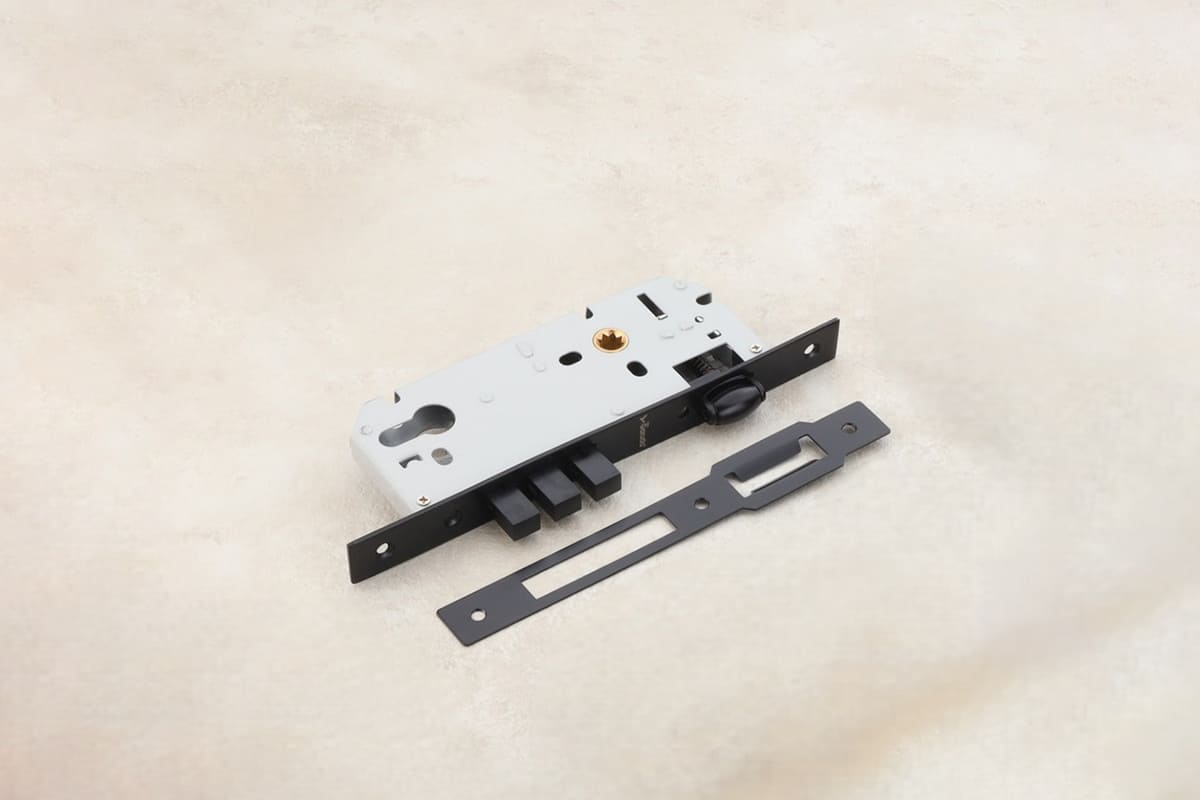
My Core Specification Checklist
When I prepare a quote, I prefer to confirm these items before discussing final price:
Door thickness
The door thickness affects cylinder length, screw length, handle fitting, and lock body selection.Backset
The backset is the distance from the door edge to the spindle or key center. Common Euro references may include 50 mm, 55 mm, 60 mm, and 65 mm, but buyers must confirm their own door design.Center distance
This is the distance between the handle spindle center and cylinder center. A common Euro value is 72 mm, but it is not safe to assume.Faceplate size
Faceplate width and length must match the door edge preparation. Common widths may include 20 mm, 22 mm, or 24 mm.Spindle size
Euro lever handles often use an 8×8 mm spindle, but the buyer should confirm the handle system.Cylinder type
Most Euro-standard sash locks use a Euro profile cylinder, but cylinder length and thumbturn options must match the door.Latch/deadbolt configuration
The buyer must confirm whether the lock needs latchbolt only, deadbolt only, latch + deadbolt, or a special function.Handing or reversibility
Some lock bodies are reversible. Others are left-hand or right-hand specific.Finish
Faceplate finish must match the door hardware set. Common finishes may include satin stainless steel, polished stainless steel, brass color, black, or customized surface treatments.Certificates and project documents
For CE, fire-rated, or escape-related projects12, I check the actual certificate scope and project requirement instead of relying on general claims.
Procurement Checklist Table
| Item to Confirm | Why It Matters | Common Risk If Ignored |
|---|---|---|
| Door thickness | Affects cylinder and handle fit | Cylinder too short or too long |
| Backset | Aligns lock with door stile | Handle position mismatch |
| Center distance | Aligns handle and cylinder | Escutcheon does not fit |
| Faceplate size | Matches mortised door edge | Door needs rework |
| Spindle size | Matches lever handle | Handle cannot operate lock |
| Cylinder profile | Matches locking system | Cylinder cannot install |
| Handing | Matches door swing | Latch faces wrong direction |
| Finish | Matches full hardware set | Visual inconsistency |
| Certificate scope | Supports project approval | Documentation rejected |
Why Consistency Matters in Bulk Orders
For wholesalers and door factories, one correct sample is not enough. Bulk consistency matters more. I pay attention to batch stability because a buyer may need 5,000 or 20,000 pieces for a door series or regional sales program.
Important batch-control points include:
- Same faceplate finish across cartons
- Stable latch spring force
- Accurate center distance
- Consistent screw hole positions
- Smooth cylinder operation
- Correct labeling and packaging
- Reliable carton strength for export shipment
How I Recommend Buyers Send an Inquiry
The best inquiry is short but complete. I like receiving details in this format:
- Lock type: sash lock / latchbolt / deadbolt / nightlatch / classroom / escape
- Standard reference: DIN 18251 / Euro standard if applicable
- Backset:
- Center distance:
- Faceplate size:
- Spindle size:
- Cylinder type:
- Door thickness:
- Handing:
- Finish:
- Quantity:
- Certificates required:
- Market or project country:
- Drawing or sample photo:
How Should I Match Mortise Lock Types to Door Projects?
Step 1: Define the Door Function
I always start with function because the door tells me what the lock should do.
Ask:
- Does the door need daily passage?
- Does the door need key locking?
- Does the door need privacy locking?
- Does the door need access control?
- Does the door need emergency exit function?
- Is the door used by the public, staff, tenants, or maintenance workers?
A bedroom door, a storage room door, and a school classroom door should not automatically use the same lock body.
Step 2: Match the Hardware System
A mortise lock does not work alone. It must match the full door hardware package.
I check compatibility with:
- Lever handle
- Escutcheon or rose
- Euro profile cylinder
- Thumbturn cylinder
- Pull handle
- Door closer
- Panic hardware, if applicable
- Strike plate
- Door frame material
Step 3: Confirm Market and Project Requirements
For public, fire-rated, or escape-related projects, I always recommend checking:
- Project specification documents
- Local standards
- Certificate validity
- Test report scope
- Door set compatibility
- Required markings or labels
Step 4: Balance Cost and Reliability
Cost matters in B2B sourcing. I understand that buyers need margin. However, I do not recommend cutting cost by ignoring key mechanical details.
A reliable mortise lock should have:
- Proper material thickness
- Accurate stamping or machining
- Stable internal springs
- Smooth latch and deadbolt movement
- Consistent plating or stainless steel finish
- Suitable packaging for export
- Clear batch inspection
Example Selection Logic
| Door Scenario | Recommended Direction | Reason |
|---|---|---|
| Standard apartment room door | Euro sash lock | Daily handle use plus cylinder locking |
| Interior passage door | Latchbolt-only lock | Closing needed, security locking not required |
| Storage room | Deadbolt-only or sash lock | Depends on access frequency |
| School classroom | Classroom function lock | Managed access from specific side |
| Building entrance | Nightlatch or access-control-compatible lock | Outside access needs control |
| Emergency exit route | Certified escape-function solution | Must follow local project standards |
Conclusion
Different mortise lock types should be selected by door function first, then verified by dimensions, hardware compatibility, market requirements, and project documentation. I usually start with the DIN 18251 sash lock as the baseline, then compare latchbolt-only, deadbolt-only, nightlatch, classroom, and escape functions based on real door-use scenarios. If you are sourcing Euro-standard mortise locks for door production, wholesale, or project supply, contact SDH Hardware with your drawings or specifications, and I can help you match the right lock body to your market.
"Different Types of Mortise Locks", https://www.dirock.com/amp/Different-Types-of-Mortise-Locks-id49229996.html. Institutional architectural-hardware references classify mortise locks by operating function, including latch, deadbolt, classroom, nightlatch, and egress-related arrangements. Evidence role: definition; source type: institution. Supports: A neutral technical or institutional source should support that mortise locks are commonly distinguished by function, including latch, deadbolt, classroom, nightlatch, and escape-related functions.. Scope note: Such sources may not use the article's exact category list, but they can support the functional basis of the classification. ↩
"Understanding DIN Mortice Locks: The Standard ...", https://www.duffells.com/blog/products/in-focus-din-locks-explained/. DIN 18251 is a German standards reference for mortise locks and provides a technical framework for specifying lock cases and functions in Euro-style door hardware. Evidence role: historical_context; source type: institution. Supports: A standards or institutional source should confirm that DIN 18251 covers mortise locks and provides a reference framework for their dimensions or functions.. Scope note: The source would establish the standard's role and scope, but it may not prove that every market treats a DIN sash lock as the commercial baseline. ↩
"Door Lock Parts & Latchbolts", https://hardwarehut.com/door-hardware/door-lock-parts-and-latchbolts?srsltid=AfmBOoqWIJcdFHtztcISuOmBOH7V4uLeQk934N8MUjFCwqkjomAx1JDf. Technical descriptions of sash mortise locks identify the handle follower or spindle aperture, cylinder aperture, latchbolt, and deadbolt as the principal operating elements of the lock case. Evidence role: definition; source type: education. Supports: A technical educational source should define the parts of a sash mortise lock and explain the relationship between the spindle, cylinder, latchbolt, and deadbolt.. Scope note: The support would be descriptive and may not be specific to DIN 18251 unless the cited source addresses that standard directly. ↩
"DIN standards", https://www.sullus.com/glossary/din-standards/. DIN 18251 is a recognized German standard for mortise locks, making it an appropriate technical reference when specifying Euro-style lock bodies. Evidence role: expert_consensus; source type: institution. Supports: A standards-body or institutional source should confirm that DIN 18251 is a recognized standard for mortise locks.. Scope note: The citation would support recognition of the standard, not the author's commercial experience with buyer communication. ↩
"Standard Door Handle / Knob Square Spindle 8mm / Bundle", https://affdoorhardware.com/standard-door-handle-knob-square-spindle-8mm-bundle/?srsltid. European lever-handle and mortise-lock specifications commonly use an 8 mm square spindle or follower dimension for handle operation. Evidence role: general_support; source type: institution. Supports: A technical standard or institutional reference should support that 8 mm square spindles are commonly used with European lever handles and mortise locks.. Scope note: The citation would support common practice for Euro-style hardware, but individual products can use other spindle dimensions. ↩
"BS EN 1303 – Cylinders", https://www.hoppe.com/in-en/contacts-service/standards/bs-en-1303/. European cylinder-lock references describe the Euro profile cylinder as a standardized cylinder form used with compatible lock cases, including mortise locks. Evidence role: definition; source type: institution. Supports: A standards or institutional source should define Euro profile cylinders and explain their use in lock systems.. Scope note: The citation would define the cylinder profile and general compatibility, but it would not verify compatibility for a specific lock model. ↩
"How to measure and choose the right mortise lock size", https://www.blue-id.com/en/blog/mortise-lock-mass. Technical references for European mortise locks commonly list 72 mm as a standard handle-to-cylinder center distance for Euro-profile sash locks. Evidence role: general_support; source type: institution. Supports: A technical or standards-related source should support that 72 mm handle-to-cylinder center distance is widely used in Euro-style mortise locks.. Scope note: The source would support 72 mm as a common reference, not as a universal requirement for all Euro mortise locks. ↩
"G-U Single Point Mortise Locks", https://goldenlocksinc.com/collections/g-u-single-point-mortise-locks?srsltid=AfmBOoqW4z_VZ5CPVg8cjcgdApDyAph9sallNPAUHOJVx7tBxpRxkF7D. European mortise-lock specification tables commonly identify backsets such as 50, 55, 60, and 65 mm for sash-lock applications. Evidence role: general_support; source type: institution. Supports: A technical reference should support that 50, 55, 60, and 65 mm backsets are common in Euro-style mortise locks.. Scope note: The citation would support the range as common in specification tables, while actual availability depends on product series and market. ↩
"Parts of a door lock and door hardware terms defined.", https://www.schlage.com/en/blog/product_updates/door-hardware-terms-and-parts-of-a-door-lock.html. A latchbolt is a spring-operated bolt that holds a door closed during ordinary use, whereas security locking normally requires a separate locking mechanism such as a deadbolt. Evidence role: mechanism; source type: encyclopedia. Supports: A neutral explanatory source should support that a latchbolt holds a door closed and is distinct from a deadbolt used for locking.. Scope note: The source would support the mechanism of latchbolts, while the claims about windproofing or insulation are contextual applications rather than direct performance proof. ↩
"Deadbolt", https://en.wikipedia.org/wiki/Deadbolt. Door-hardware references define a deadbolt as a locking bolt operated by a key or thumbturn, distinct from a spring latch used for routine door closing. Evidence role: mechanism; source type: encyclopedia. Supports: A neutral source should explain that a deadbolt provides locking by projecting a bolt rather than functioning as a spring latch for routine passage.. Scope note: The citation would support the functional distinction, but it would not determine which door-use frequency is appropriate for every project. ↩
"1910.36 - Design and construction requirements for exit ...", http://www.osha.gov/laws-regs/regulations/standardnumber/1910/1910.36. Building-code and egress standards treat doors on escape routes as life-safety elements and may require certified emergency or panic exit hardware depending on occupancy and door use. Evidence role: expert_consensus; source type: government. Supports: A government or standards-related source should support that emergency exit doors are governed by egress requirements and may require specific emergency or panic hardware.. Scope note: The citation would establish the regulatory context, while the applicable requirement must still be determined by the local jurisdiction and project specification. ↩
"CE Marking for Construction Products", https://www.intertek.com/building/ce-marking/. Regulatory guidance on CE marking and construction-product conformity requires that declarations, certificates, and test evidence correspond to the specific product scope and applicable harmonized standards. Evidence role: general_support; source type: government. Supports: A government or regulatory source should support that CE marking and fire or escape hardware documentation must correspond to the product scope and applicable standards.. Scope note: The citation would support the need to check documentation scope, but it would not validate any specific manufacturer's certificate. ↩