What Type of Fire Exit Hardware Do We Use on Fire Exits?
Fire exit hardware is often treated like a simple product list, but that creates risk for door manufacturers, wholesalers, and project buyers. If one component does not match the door set or evacuation route, the result can be failed inspection, unsafe escape, or expensive rework. The safer approach is to select the whole hardware set as one tested and documented system1.
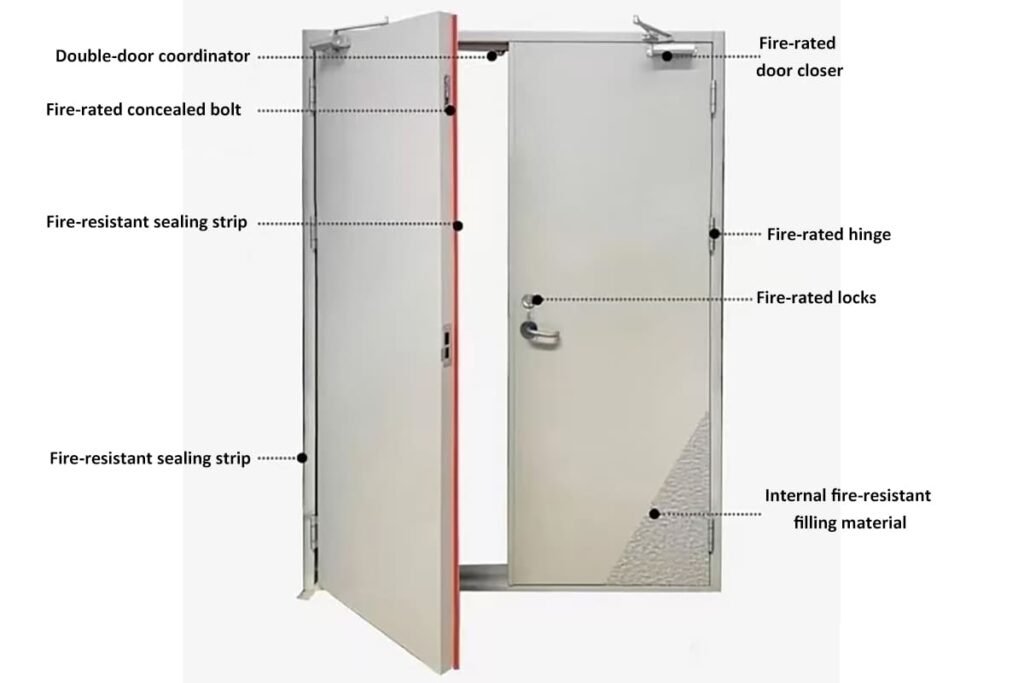
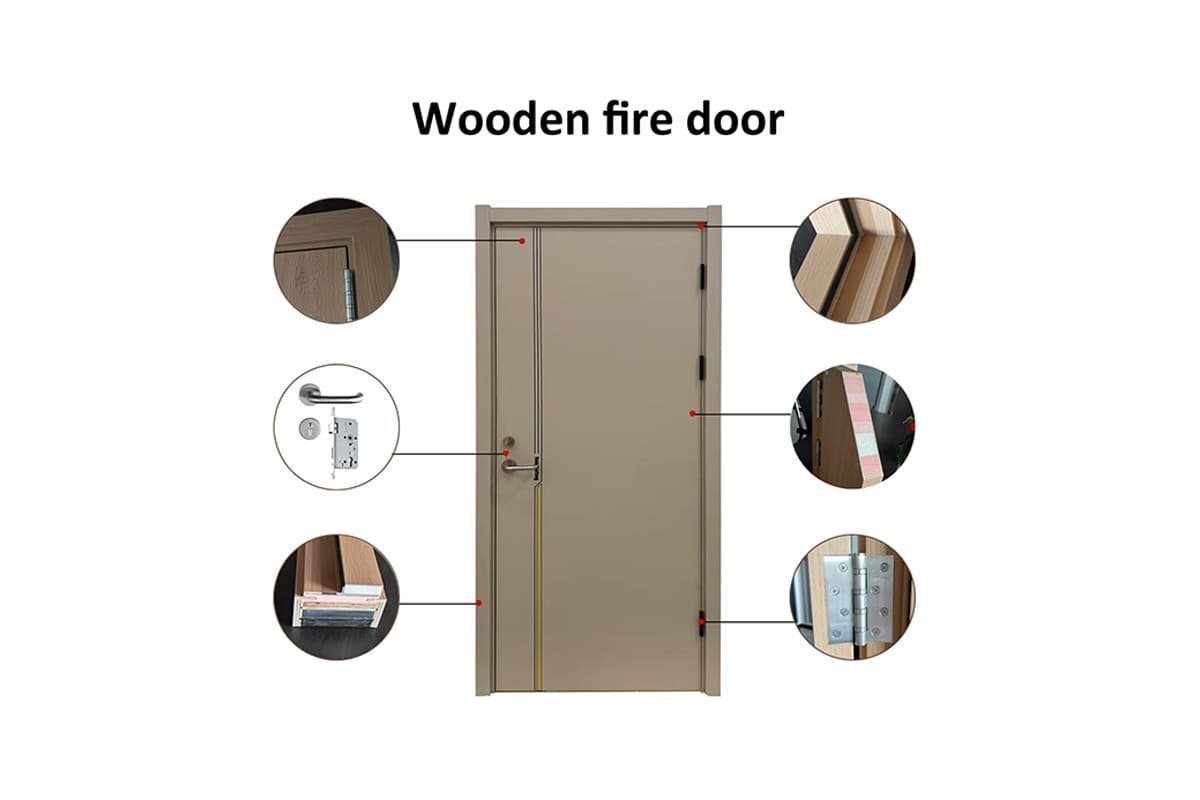
Fire exits usually use a coordinated set of hardware: panic or emergency exit devices, fire-rated locks or latches, lever handles, lock cylinders, fire-rated hinges, door closers, coordinators for double doors, smoke and intumescent seals, signage, and optional magnetic holders. Buyers must verify certificates, test reports, door compatibility, and local project requirements before purchase.
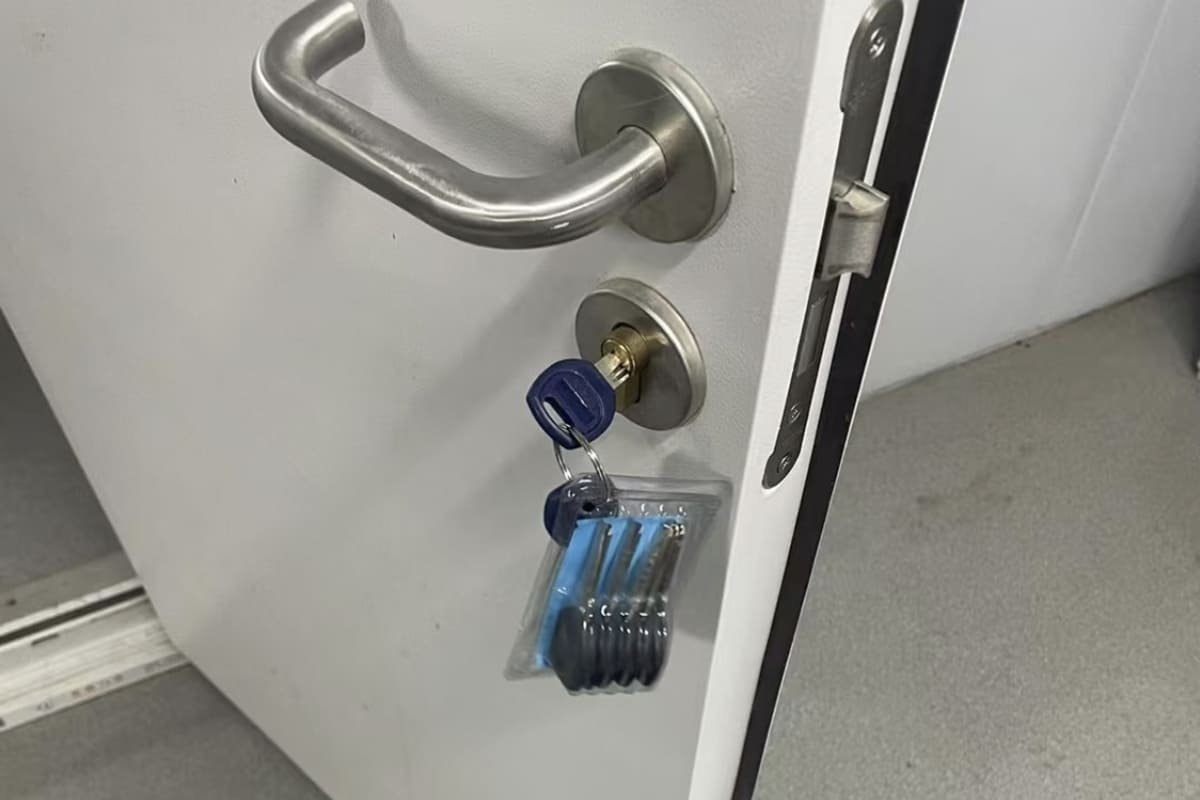
In my experience supporting fire door and exit door hardware questions, the product name is only the starting point. A lock, hinge, or handle must be checked against door material, door weight, escape direction, certification scope, and the standard requested by the project.
What Is Fire Exit Hardware and Why Is It Different From Ordinary Door Hardware?
Many buyers start by asking for “a lock for a fire exit” or “a hinge for a fire door.” That sounds simple, but it can hide a bigger problem. Ordinary architectural hardware may operate well in daily use, yet fail the specific requirements of fire separation, smoke control, and safe evacuation2.
Fire exit hardware is a group of door components designed to support escape, controlled latching, automatic closing, fire resistance, and smoke limitation. It is different from decorative door hardware because each item must work with the door leaf, frame, local code, evacuation scenario, and verified certification documents.
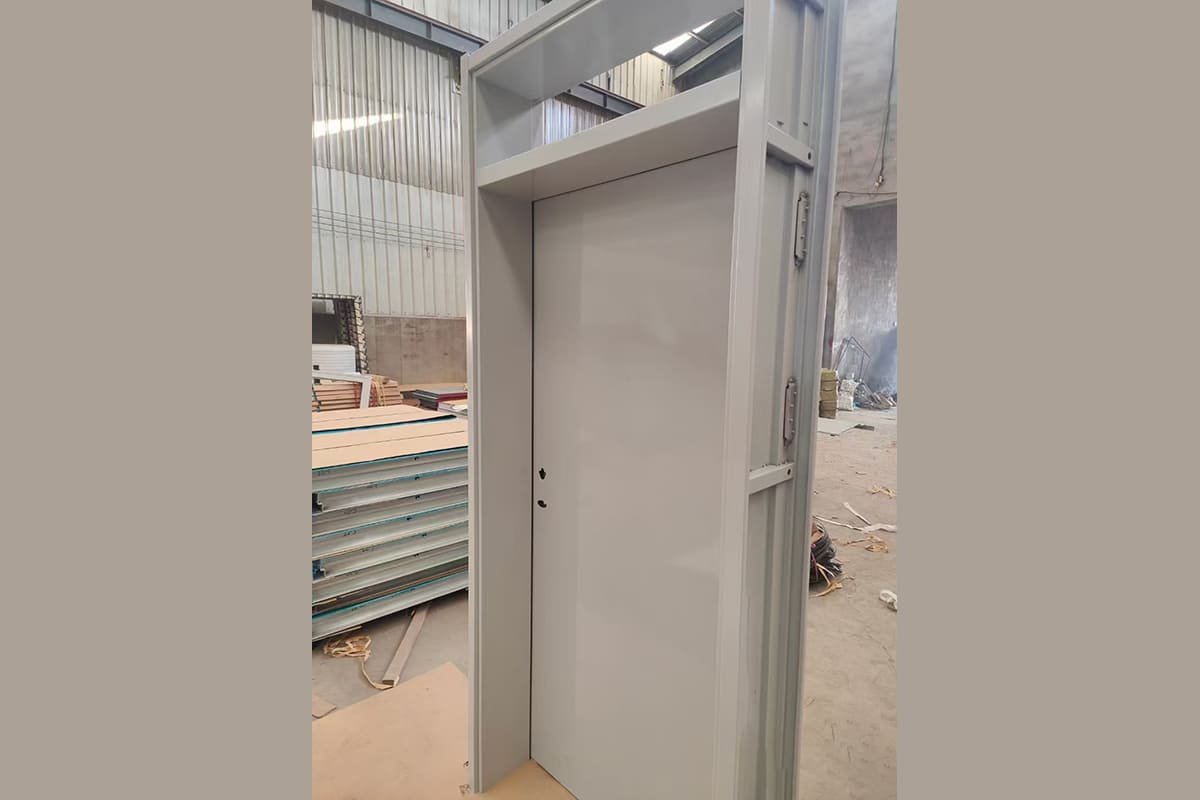
Fire exit hardware is selected by function first
I usually advise buyers to think less about product names and more about failure prevention. Every component on a fire exit door has a job. If that job is not clear, it is easy to overbuy one part and ignore another part that matters more.
A typical fire exit door may need hardware that performs these functions:
- Escape function: People must be able to open the door quickly from the escape side.
- Latching function: The door must stay closed when it is not in use.
- Fire separation function: The door must help resist flame and heat for the required time.
- Smoke control function: Gaps around the door must be managed.
- Self-closing function: The door must return to the closed position after opening.
- Security function: The non-escape side may still need controlled access.
- Durability function: The hardware must handle repeated use in real buildings.
A fire exit is not only an exit. It is also part of the building’s fire compartment strategy3.
Common fire exit hardware components
The exact configuration depends on the project, but the following table shows the usual hardware categories and what each one helps prevent.
| Hardware component | Main function | Failure it helps prevent |
|---|---|---|
| Panic bar or touch bar | Fast escape in public areas | People cannot open the door under pressure |
| Emergency exit device | Controlled escape for trained users | Delay during evacuation |
| Mortise lock or latch | Secure door closing | Door leaf does not remain latched |
| Lever handle | Manual operation | Difficult operation in normal use |
| Lock cylinder | Key control from secure side | Unauthorized access or poor key management |
| Fire-rated hinges | Support door leaf under load and heat | Door drops, twists, or separates from frame |
| Door closer | Automatic closing | Fire door remains open after use |
| Door coordinator | Correct closing order on double doors | Active and inactive leaves close incorrectly |
| Intumescent and smoke seals | Gap sealing | Smoke and flame spread through gaps |
| Magnetic holder | Holds door open until alarm release | Door stays open during a fire event |
Fire-rated hardware is not the same as exit hardware
This distinction is important. Fire-rated door hardware supports the fire resistance of the door set. Emergency or panic exit hardware supports safe escape. Some products may address both areas, but buyers should not assume this without checking the documents.
For example:
- A fire-rated mortise lock may support fire door performance.
- A panic exit device may support quick evacuation.
- A hinge may be tested for fire resistance, load, and cycle performance.
- A closer may be necessary for the fire door to close after every opening.
These items must match the door design. A single certified component does not automatically make the whole fire exit compliant.4 The full door assembly, installation method, and project documents still matter.
Procurement point
For bulk buyers, I recommend creating a hardware schedule before asking factories for prices. This schedule should list the door type, door thickness, leaf weight, opening direction, fire rating duration, escape standard, finish, quantity, and certificate requirements. This makes supplier comparison much easier and reduces the risk of mismatched quotations.
Which Fire Exit Hardware Is Needed for Escape: Panic Bars, Emergency Devices, or Lever Handles?
A common procurement mistake is choosing an exit device based only on price or appearance. That creates risk because the escape scenario may require a specific operation type. A crowded public exit and a staff-only emergency exit do not always need the same hardware.
Fire exit hardware for escape is usually selected according to the users and building scenario. Panic exits in public or crowded areas are commonly associated with EN 1125 panic bars or touch bars.5 Emergency exits used by people familiar with the building are commonly associated with EN 179 lever handles or push pads.6
EN 1125 and panic exit applications
EN 1125 is commonly referenced for panic exit devices used where people may not know the building layout. These areas can include shopping centers, cinemas, schools, public halls, transport buildings, and other places where crowd pressure may occur.
In these conditions, users may push toward the exit under stress. A panic bar or touch bar allows opening across a large activation area. This matters because users may not have time to find a small handle or understand how the lock works.
Typical EN 1125-style panic exit hardware includes:
- Horizontal panic bars
- Touch bars
- Panic exit mortise lock cases
- External access devices
- Top and bottom locking options for double doors
Buyers should verify the certificate and test scope. Important details include door material, single or double leaf use, maximum door size, door weight, fire test status, and installation method.
EN 179 and emergency exit applications
EN 179 is commonly referenced for emergency exit devices where users are familiar with the building and trained in the exit route. Examples may include offices, warehouses, service rooms, staff corridors, and controlled commercial areas.
These exits may use:
- Lever handles
- Push pads
- Emergency escape lock bodies
- Euro profile cylinders
- External trim for access control
The main idea is that the user understands the door operation. The hardware still needs to allow reliable escape from the protected side, but it does not always require a full-width panic bar.
Simple comparison for buyers
| Selection point | Panic exit device | Emergency exit device |
|---|---|---|
| Common standard reference | EN 1125 | EN 179 |
| Typical user | Public or untrained users | Trained or familiar users |
| Common operation | Push bar or touch bar | Lever handle or push pad |
| Main risk addressed | Panic crowd pressure | Quick escape in known route |
| Common applications | Schools, malls, public halls | Offices, staff areas, warehouses |
External access and security still matter
Many fire exits need free escape from inside but controlled access from outside. This is where outside trim, cylinders, or access-controlled functions become important. Buyers should define the operation clearly:
- Should the outside handle be always locked?
- Should authorized staff open it with a key?
- Should the cylinder be euro profile or another regional type?
- Should the outside trim be removable or fixed?
- Should the door allow re-entry after evacuation?
In our manufacturing discussions, I often see delays when the escape side is defined, but the outside access side is not. That small detail can change the lock case, spindle, handle set, cylinder length, and accessories.
Procurement point
Buyers should not write only “panic lock” or “fire exit lock” in a purchase request. A clearer inquiry would say:
“Single-leaf steel fire exit door, outward opening, public escape route, panic bar required, project requests EN 1125, fire-rated documentation required, satin stainless finish, 1,000 sets.”
This gives a supplier enough information to recommend the right fire exit hardware combination and provide documents for review.
Which Fire Exit Hardware Keeps the Door Closed, Aligned, and Fire Resistant?
Some buyers focus heavily on the visible panic bar or handle. That makes sense because users touch those parts first. However, the hidden or less visible components often decide whether the door performs during fire, smoke, heat, and repeated daily use.
Fire exit hardware that keeps the door closed and aligned includes fire-rated mortise locks, latches, cylinders, hinges, door closers, coordinators, and sealing systems. These products help the door leaf remain latched, supported, automatically closed, and properly sealed during normal operation and emergency conditions.

Mortise locks and latches
The lock or latch is central to the door’s closed position. If the door does not latch properly, the fire door may not provide the intended compartment separation.7 For fire exit doors, the lock body must match both the escape device and the fire door specification.
Buyers should check:
- Lock case dimensions
- Backset and center distance
- Latch type
- Follower size
- Forend shape
- Strike plate compatibility
- Door thickness
- Escape function
- Certificate scope
EN 12209 is commonly referenced for mechanically operated locks and latches in Europe-related projects.8 However, buyers should verify the actual grade, test report, and whether the product is suitable for the intended fire door application.
Lever handles and cylinders
Lever handles look simple, but they affect daily usability and escape operation. In fire exit applications, the handle material, spindle system, spring support, fixing method, and finish consistency all matter. Stainless steel and zinc alloy handles are common in project hardware, but the final selection depends on door type, project grade, and market preference.
Euro profile cylinders are also important. They control access from the secure side and must match the door thickness and hardware configuration. A poorly selected cylinder can create installation problems, security weakness, or poor visual finish.
For procurement, I usually recommend confirming:
- Cylinder profile type
- Cylinder length, such as 30/30, 35/35, or custom length
- Key system, such as keyed alike or master key requirements
- Thumbturn or double key function
- Finish matching with handles and lock forend
Fire-rated hinges
Hinges carry the door leaf. On heavy fire doors, this is not a minor function. If hinges deform, wear quickly, or do not match the door weight, the door may sag. Once the door sags, the latch may miss the strike plate, the closer may fail to close the door, and the seals may not contact correctly.
For fire-rated hinges, buyers should check:
- Door weight capacity
- Door height and width
- Number of hinges per leaf
- Material and bearing type
- Fire rating documentation
- Screw type and installation method
- Compatibility with steel, timber, or composite fire doors
A common bulk order issue is assuming that one hinge size fits all fire doors. A 60 kg door and a 120 kg door do not create the same load. A tall door may also need a different hinge count or stronger hinge specification.
Door closers, coordinators, and holders
A fire exit door should not remain open unless it is connected to a compliant hold-open system that releases during alarm conditions.9 Door closers solve this problem by returning the door to the closed position. On double doors, a coordinator may be needed so the inactive leaf closes first and the active leaf closes after it.
| Component | Why it matters |
|---|---|
| Door closer | Ensures automatic closing after use |
| Floor spring | Alternative closing method in some door designs |
| Coordinator | Controls closing sequence on double doors |
| Magnetic holder | Holds door open but releases during alarm |
| Door selector | Helps double leaves close in correct order |
Magnetic door holders are useful in corridors or high-traffic areas, but they must be integrated with the fire alarm system according to project requirements. Buyers should verify the electrical specification, release function, and local approval needs.
Seals and gap control
Smoke can be more dangerous than flame in evacuation scenarios.10 Smoke seals and intumescent strips help manage gaps around the door.11 These accessories must match the tested door assembly and frame design.
Buyers should define:
- Seal type
- Seal position
- Door gap tolerance
- Fire rating duration
- Smoke control requirement
- Compatibility with lock, hinge, and closer cut-outs
Procurement point
The best fire exit hardware set is not only the strongest set. It is the set that matches the tested door configuration, local project documents, and actual building use. This is why I prefer checking drawings, door schedules, and certificate requirements before confirming a bill of materials.
How Do We Verify Fire Exit Hardware Certifications Before Buying?
Certification can look simple in a catalog, but it becomes complicated during project approval. A certificate may be real, but it may not apply to the exact door, hardware size, installation method, or fire rating duration required by the project.
Buyers should verify fire exit hardware certifications by checking the standard, certificate holder, product model, fire rating time, test report scope, door material, door size, opening direction, installation details, and expiry or validity status. Local regulations and project specifications should always guide final acceptance.
What documents should buyers request?
For Europe and Middle East projects, buyers often ask for CE documents, fire-rated certificates, EN standard test reports, and product data sheets. The exact document package depends on the market and project.
Common document types include:
- CE declaration or certificate where applicable
- Fire-rated test report
- Classification report
- EN 1125 report for panic exit devices
- EN 179 report for emergency exit devices
- EN 12209 report for mechanical locks and latches
- Product technical data sheet
- Installation instruction
- Factory quality control documents
- Material or finish specification
I recommend treating each certificate as a document to verify, not as a marketing phrase. A supplier may say “fire-rated,” but the buyer still needs to confirm what that means.
Key details to verify
A useful certificate review should answer these questions:
Is the product model exactly the same as the quoted item?
A similar model is not enough for strict projects.What fire resistance duration is stated?
Common durations may include 90, 120, 180, or 240 minutes, but the certificate scope must be checked.What door material was tested?
Steel, timber, and composite doors may have different requirements.What door configuration was tested?
Single leaf and double leaf doors are not the same.What installation method was used?
Surface-mounted, mortise, concealed, and through-bolted hardware can differ.What door weight and size were included?
Heavy or oversized doors may exceed the tested scope.Which opening direction applies?
Fire exits often open in the direction of escape, but local rules and project design must be verified.Is the report accepted in the target market?
Some regions or authorities may require specific laboratories, formats, or local approvals.
Certificate review table
| Verification item | Why it matters | Buyer action |
|---|---|---|
| Product model | Prevents substitution risk | Match model number with quotation |
| Standard | Confirms performance category | Check EN 1125, EN 179, EN 12209, or other required standards |
| Fire duration | Supports project fire rating | Compare with door schedule |
| Door material | Confirms compatibility | Match steel, timber, or other door type |
| Installation method | Prevents invalid use | Review drawings and instructions |
| Test lab or authority | Affects acceptance | Confirm with project consultant or local authority |
| Validity | Avoids expired documents | Request latest copy |
Factory quality control still matters
Even with documents, buyers need production consistency. A good certificate does not help if bulk production has unstable dimensions, poor surface finish, weak springs, or inconsistent latch operation.
For factory evaluation, I suggest checking:
- Incoming raw material inspection
- Dimensional inspection process
- Finish consistency control
- Cycle testing or functional testing
- Packaging protection for export
- Batch traceability
- Pre-shipment inspection procedure
At SDH Hardware, our work often involves helping buyers match mortise locks, lever handles, cylinders, hinges, and fire-rated documents to the project request. However, I always advise buyers to let qualified project consultants, local authorities, or fire door certification bodies confirm final compliance for application-specific decisions.
Procurement point
The safest habit is simple: do not approve fire exit hardware only from a catalog photo. Approve it from a full package: sample, drawing, specification sheet, certificate, test report, installation instruction, and supplier quality record.
How Should Buyers Build a Fire Exit Hardware Schedule for Bulk Projects?
Bulk purchasing becomes risky when every door is treated the same. A warehouse exit, hotel stairwell door, school corridor door, and mall emergency exit may all look similar on a spreadsheet, but they can require different hardware functions and certificates.
Buyers should build a fire exit hardware schedule by listing each door type, evacuation scenario, rating requirement, door size, door weight, material, opening direction, lock function, exit device type, hinge specification, closer requirement, finish, quantity, and required certification documents.
Start with door information
Before selecting hardware, buyers should define the door. The door information controls the hardware choice. Without it, the supplier can only guess.
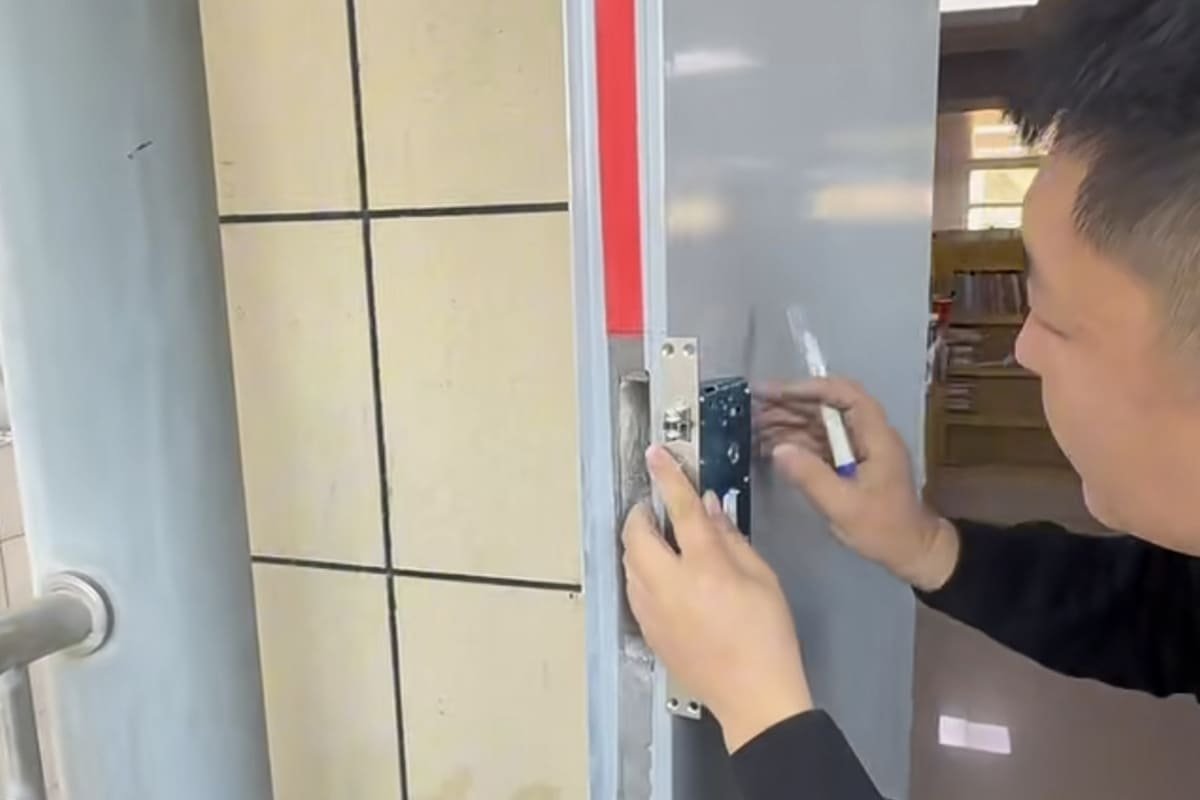
A good door schedule includes:
- Door number or location
- Single or double leaf
- Door material
- Door thickness
- Door height and width
- Door weight
- Fire rating duration
- Smoke control requirement
- Opening direction
- Indoor or outdoor exposure
- Traffic frequency
- User type
This information helps determine hinge load, closer power, lock function, exit device type, and seal design.
Then define the escape function
The escape function should be written clearly. I prefer to define it in plain language first, then match the standard.
Examples:
| Door location | User condition | Possible escape hardware direction |
|---|---|---|
| Public hall exit | Untrained public users | Panic bar or touch bar, commonly EN 1125-related |
| Staff warehouse exit | Familiar employees | Emergency lever or push pad, commonly EN 179-related |
| Stairwell fire door | Building occupants during evacuation | Project-specific exit and fire-rated hardware |
| Service room exit | Trained maintenance staff | Emergency exit hardware where required |
This table is not a final code decision. It is a starting point for project review. Buyers should always confirm with local regulations and the project specification.
Match finish and regional market preference
Door hardware buyers in Europe, the Middle East, and Southeast Asia often have different finish expectations. A project may require satin stainless steel, polished stainless steel, PVD, black finish, antique finish, or customized color matching.
For bulk supply, finish consistency is a serious issue. A small color difference may not matter in one sample, but it becomes obvious when 1,000 sets are installed in one hotel or residential project.
Buyers should define:
- Finish code
- Material grade
- Salt spray requirement if applicable
- Color tolerance
- Sample approval process
- Packaging method
- Replacement policy for visible defects
Consider spare parts and after-sales risk
Fire exit hardware is installed in high-responsibility locations. If a small part fails, the buyer may face urgent replacement requests. For bulk projects, I recommend planning spare parts at the quotation stage.
Useful spare parts may include:
- Extra cylinders
- Extra keys
- Latch springs where applicable
- Strike plates
- Fixing screws
- End caps for panic bars
- Cover plates
- Closer arms
- Seal sections
This reduces after-sales pressure and keeps the project moving.
Supplier selection checklist
When I evaluate a supplier for a fire exit project, I do not only compare unit price. I look at whether the factory can support stable production and clear documentation.
| Supplier factor | What to check |
|---|---|
| Manufacturing experience | Years of production, product specialization |
| Product range | Locks, handles, cylinders, hinges, closers, exit devices |
| Customization | Size, finish, accessory configuration |
| Documentation | CE, fire-rated reports, EN-related documents |
| Quality control | Raw material, process inspection, final inspection |
| Capacity | Monthly output and lead time stability |
| Export support | Packaging, labeling, shipping documents |
| Communication | Ability to answer technical matching questions |
SDH Hardware operates as a manufacturer with experience in mortise locks, lever handles, cylinders, butt hinges, concealed hinges, and fire-rated hardware documentation. For buyers, this type of factory background can be useful when one project needs multiple matching components instead of isolated products from many suppliers.
Sample approval before mass production
Samples should be checked before bulk order confirmation. A sample review can include:
- Visual finish inspection
- Dimension check against drawing
- Lock and latch operation
- Handle spring return
- Cylinder operation
- Hinge movement and screw fit
- Closer compatibility if included
- Packaging check
- Document match with model number
Conclusion
Fire exit hardware should be selected as a complete system, not as separate decorative parts. The right set may include exit devices, locks, handles, cylinders, hinges, closers, coordinators, seals, and accessories that match the door type and evacuation scenario. Buyers should verify fire rating, EN standards, installation scope, and local project documents before bulk purchase. If you need support matching mortise locks, lever handles, cylinders, hinges, and fire-rated hardware documents for your next door project, contact SDH Hardware for a practical specification review and quotation.
"Fire Doors and NFPA 80 FAQs", https://www.nfpa.org/news-blogs-and-articles/blogs/2025/04/11/fire-doors-faqs. Institutional guidance on fire-door assemblies treats the door, frame, hardware, glazing, and installation as an integrated assembly whose rating depends on listed or tested configurations; this supports the article’s systems-based selection principle, though it does not validate any individual supplier’s hardware set. Evidence role: expert_consensus; source type: institution. Supports: A source should show that fire-door performance is evaluated at the assembly level, including door, frame, hardware, and installation conditions.. Scope note: The support is contextual to fire-door assembly compliance and does not prove that a particular hardware package is certified. ↩
"fire-prevention-evacuation-guidelines.pdf", https://www.miamidade.gov/fire/library/fire-prevention-evacuation-guidelines.pdf. Fire-safety guidance commonly describes fire doors and their hardware as elements of compartmentation and egress systems that help restrict fire or smoke spread while maintaining usable escape routes. Evidence role: general_support; source type: institution. Supports: A source should support the idea that fire doors and associated hardware contribute to compartmentation, smoke limitation, and means of egress.. Scope note: The source would provide general fire-safety context rather than a product-level test result. ↩
"What is Compartmentation in Fire Protection?", https://clmfireproofing.com/what-is-fire-compartmentation/. Government fire-safety guidance identifies fire doors as components of compartmentation systems intended to restrict the spread of fire and smoke between spaces, supporting the article’s description of fire exits as part of a compartment strategy. Evidence role: mechanism; source type: government. Supports: A source should explain that fire doors are used in compartmentation to restrict the movement of fire and smoke between parts of a building.. Scope note: The source supports the building-safety role of fire doors generally and may not address every fire-exit configuration. ↩
"081173", https://online2.ogs.ny.gov/dnc/masterspec24/docs/Division08Openings/081173.0SlidingMetalFireDoors.docx. Certification guidance for fire-door assemblies generally limits approval to the listed or tested configuration, meaning that a certified component alone does not establish compliance of the complete installed exit assembly. Evidence role: expert_consensus; source type: institution. Supports: A source should show that certification or listing is limited to the tested product, assembly, and installation scope.. Scope note: The source would support the compliance principle but not determine acceptance for a specific project jurisdiction. ↩
"Touch bar panic hardware", https://www.assaabloy.com/uk/en/solutions/products/hardware-for-doors-and-windows/panic-and-emergency-exit-hardware/touch-bar-panic-hardware. BS EN 1125 specifies requirements for panic exit devices operated by a horizontal bar and is commonly applied to escape routes where occupants may be unfamiliar with the building or subject to panic conditions. Evidence role: definition; source type: institution. Supports: A source should state that EN 1125 concerns panic exit devices operated by a horizontal bar for escape situations involving possible panic or public use.. ↩
"EN 179:2008 Panic Exit Devices | TDS", https://www.tdsltd.ie/knowledge-base/european-standards/en-179-panic-exit?srsltid=AfmBOopynDgH6vKFD6JX9f8C0ZbjeRfc35UNmsk1m2QHEdBYA_DiWUBH. BS EN 179 covers emergency exit devices such as lever handles and push pads for situations in which users are familiar with the premises and the operation of the device. Evidence role: definition; source type: institution. Supports: A source should define EN 179 emergency exit devices and their use where occupants are expected to be familiar with the exit device and route.. ↩
"Fire Doors and NFPA 80 FAQs", https://www.nfpa.org/news-blogs-and-articles/blogs/2025/04/11/fire-doors-faqs. Fire-door inspection and maintenance standards require fire doors to close and latch properly because the protective function of the assembly depends on maintaining the door in its closed position during a fire. Evidence role: mechanism; source type: institution. Supports: A source should support that fire doors are required to close and latch to maintain their protective function.. Scope note: The source supports the mechanism generally; actual performance depends on the tested assembly and installation. ↩
"EN 12209: Building Hardware - Mechanically operated locks and ...", https://www.intertek.com/building/standards/en-12209/. BS EN 12209 specifies requirements and test methods for mechanically operated locks, latches, and locking plates, supporting its relevance to European lock and latch specifications. Evidence role: definition; source type: institution. Supports: A source should identify EN 12209 as a standard covering mechanically operated locks, latches, and locking plates for building hardware.. ↩
"Door Hold Open Devices - Facilities and Operations", https://fo.umich.edu/fosg/door-hold-open-devices/. Fire-safety standards and guidance permit hold-open arrangements for fire doors only where the device releases automatically upon alarm or fire detection, preserving the door’s ability to close when protection is needed. Evidence role: mechanism; source type: institution. Supports: A source should state that fire doors may be held open only by automatic-release devices linked to fire detection or alarm systems, not by uncontrolled means.. Scope note: The exact approval criteria vary by jurisdiction and system design. ↩
"Smoke inhalation injury during enclosed-space fires: an update", https://pmc.ncbi.nlm.nih.gov/articles/PMC4075838/. Fire research and casualty statistics identify smoke inhalation, toxic combustion products, and reduced visibility as major causes of injury and death in building fires, supporting the article’s emphasis on smoke hazards during evacuation. Evidence role: statistic; source type: research. Supports: A source should show that smoke inhalation, toxic gases, or smoke obscuration are major contributors to fire casualties and evacuation risk.. Scope note: The source would support the relative importance of smoke hazards generally, not compare every incident against flame exposure. ↩
"fire door strips | Intumescent Strips | RESSA", https://www.ressaseal.com/fire-door-intumescent-seal/. Fire-door guidance describes smoke seals as measures for limiting smoke leakage and intumescent strips as heat-reactive materials that expand to seal gaps around the door assembly. Evidence role: mechanism; source type: government. Supports: A source should explain that smoke seals restrict smoke leakage and intumescent materials expand under heat to seal fire-door gaps.. Scope note: The source supports the functional mechanism; performance depends on correct product selection, installation, and tested door configuration. ↩