What Kind of Door Hardware for Fire Rated Doors Is Suitable?
Door hardware for fire rated doors can look correct on a quotation sheet but still fail a project inspection if the components are not compatible. Buyers often focus on fire rating first, then discover problems with durability, smoke control, finish consistency, or certification scope. The better approach is to evaluate the full door system before placing a bulk order.
Suitable door hardware for fire rated doors should be fire-tested to the required regional standard, compatible with the tested door set1, made from materials with appropriate heat resistance, and selected for the required fire-resistance time. For many European and Middle Eastern projects, hardware tested to EN 1634 is commonly required, but buyers should always verify project-specific documents.
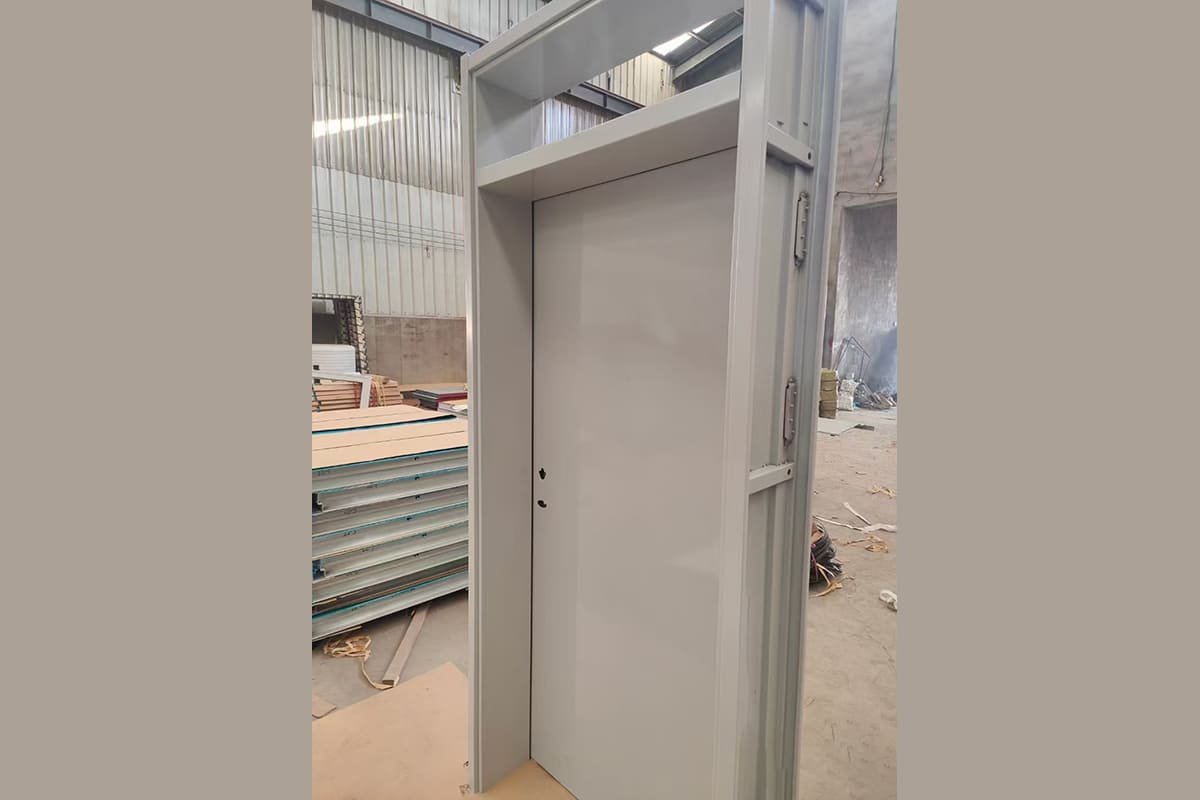
In my experience answering buyer questions, the biggest mistake is treating each item as separate. A mortise lock, hinge, lever handle, cylinder, closer, seal, and accessory must work together. Fire-rated performance is not only a product feature. It is a system result.
What certifications should door hardware for fire rated doors have?
Certification can solve procurement risk, but it can also create confusion. Many buyers ask for CE certificates first, then assume the hardware is automatically suitable for every fire door project. That assumption can cause delays, failed approval, or costly replacement after delivery.
Suitable door hardware for fire rated doors should have documentation that matches the target market, project specification, and tested fire-door assembly. In Europe and many Middle Eastern markets, EN 1634 fire testing is widely referenced. CE documents may support compliance, but buyers should verify the specific standard, classification, product model, and application scope.
Dive deeper
When I review fire-rated hardware requests, I usually start with one simple question:
“Which standard does the project specification require?”
That question matters because different countries and regions use different approval systems2. A product that is accepted in one market may need additional testing, labeling, or documentation in another market.
For European-standard door hardware, many projects refer to EN 1634, especially EN 1634-1, which tests fire resistance of door and shutter assemblies. In many parts of Europe and the Middle East, this standard is an important reference for fire-rated door projects.
However, buyers should not stop at the certificate title. They should check the details.
Key documents buyers should verify
| Document or Standard | What it helps confirm | Buyer check point |
|---|---|---|
| EN 1634 fire test report | Fire-resistance performance of door assembly and hardware | Check product model, door type, fire duration, and installation condition |
| CE certification | Compliance with applicable EU requirements for certain products | Confirm the CE scope matches the hardware category |
| EN 12209 | Mechanical locks and latches | Useful for mortise lock durability and classification |
| EN 1935 | Single-axis hinges | Useful for hinge grade, load, and durability |
| EN 11543 | Controlled door closing devices | Important for fire doors that must self-close |
| EN 179 / EN 11254 | Emergency exit or panic exit hardware | Important for escape routes and public buildings |
| Fire-rated certificate from authority or lab | Market or project acceptance | Verify authenticity, validity, and model coverage |
CE is useful, but it is not the whole answer
I often see buyers ask, “Do you have CE?” That is a reasonable question, but it is not enough by itself. CE certification does not automatically mean every component can be installed on every fire rated door.5
A buyer should also confirm:
- The exact model number on the report.
- The tested fire duration, such as 30, 60, 120, or 240 minutes.
- The door material, such as steel, timber, or composite.
- The installation method, including screw type, recess depth, and accessories.
- The hardware combination, because the tested set may include specific hinges, locks, seals, closers, and latches.
For technical B2B procurement, I recommend treating certificates as documents to verify, not marketing phrases to accept. If the project has strict approval requirements, the final decision should involve the door manufacturer, fire consultant, testing laboratory, or local authority.
At SDH Hardware, we support buyers with CE and fire-rated documentation for core product categories such as mortise locks, butt hinges, concealed hinges, lever handles, and cylinders. Still, I always remind customers to compare documents against the actual project requirements before bulk procurement.
Which materials make door hardware for fire rated doors more reliable?
Material choice is often underestimated. Buyers may compare surface finish, weight, or unit price first, but fire resistance depends heavily on how the base material behaves under high temperature. A good-looking product is not enough if its material cannot support the required fire duration.
Stainless steel door hardware for fire rated doors usually offers stronger fire-resistance potential than zinc alloy or aluminum alloy hardware because stainless steel has a much higher melting point6. Zinc alloy and aluminum alloy can still be used in some applications, but they are more common in lower fire-duration requirements, such as 30 to 60 minutes.
Dive deeper
Fire-rated hardware must keep the door functional during extreme conditions. During a fire, the hardware may face heat, pressure, smoke, door leaf deformation, and repeated force from people trying to exit. The material must support the door assembly long enough to match the required rating.
Common material comparison
| Material | Approximate melting point | Common fire-rated use | Procurement note |
|---|---|---|---|
| Stainless steel | Around 1,400–1,450°C depending on grade | Mortise locks, butt hinges, lever handles, for higher fire-duration projects | Often preferred for stronger fire performance and durability |
| Carbon steel | Around 1,370–1,540°C depending on composition | Locks, hinge parts, structural components | Requires proper surface treatment to resist corrosion |
| Brass | Around 900–940°C depending on alloy | Cylinders, decorative parts, lock components | Good machining performance, but application must match test scope |
| Aluminum alloy | Around 600–660°C depending on alloy | Handles or light-duty accessories in selected applications | Lower heat resistance than steel |
| Zinc alloy | Around 380–420°C depending on alloy7 | Handles, concealed hinge bodies, decorative components | Usually more limited for high fire-duration requirements |
These numbers are approximate because alloy composition changes performance. Still, the general principle is clear: stainless steel normally offers better heat resistance than aluminum alloy or zinc alloy.
Why stainless steel is often preferred
For products such as mortise locks, butt hinges, lock bodies, and certain lever handles, stainless steel is often a strong choice because it offers:
- Higher heat resistance
- Good mechanical strength
- Stable long-term durability
- Better corrosion resistance
- Consistent surface finish for bulk orders
In many European-standard fire-door projects, stainless steel mortise locks and butt hinges can be tested for longer durations. Based on common project requirements that I see, some stainless steel hardware can be used in 240-minute fire-rated test contexts, when the product and assembly are properly tested and documented.
Where zinc alloy and aluminum alloy fit
Zinc alloy and aluminum alloy are not automatically “bad.” They can be suitable for certain interior or lower-rated applications. For example, some concealed hinges made with zinc alloy components may be tested for 30 to 60 minutes, depending on product design and the tested door assembly.
The key is not to judge by material alone. Buyers should confirm:
- The tested fire duration
- The exact product model
- The door type used in testing
- The intended installation environment
- The required load and cycle durability
I have seen buyers choose zinc alloy hardware because it offered a beautiful finish and a lower price. That choice can work for certain interior doors, but it becomes risky for public escape routes or high-rating projects. In those cases, the total cost of replacement, retesting, and project delay can be much higher than the initial saving.
How should door hardware for fire rated doors work as a complete system?
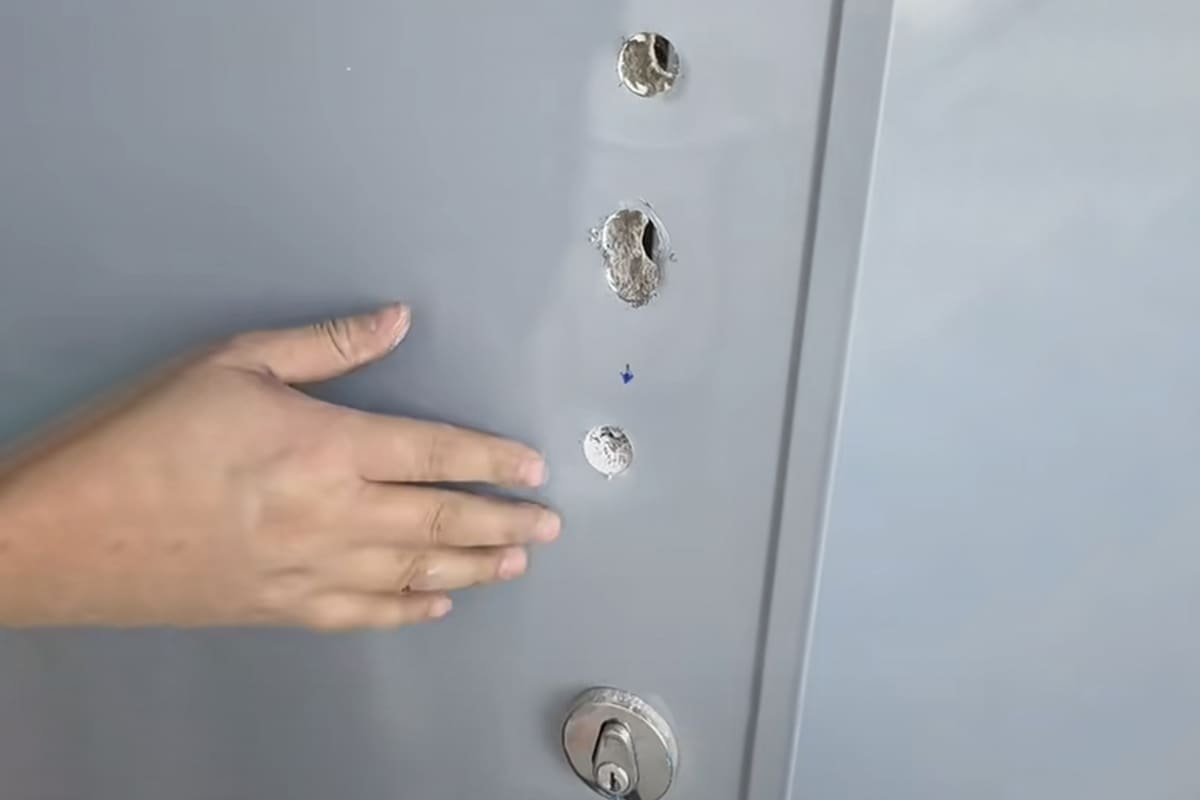
A fire door does not pass inspection because one hinge has a certificate or one lock has a fire label. The door must close, latch, resist heat, control smoke, and maintain integrity as a complete assembly. If one component fails, the whole system can fail.
Door hardware for fire rated doors should be selected as a coordinated system, including hinges, mortise lock, latch, handle, cylinder, closer, seals, and exit devices where required. Buyers should confirm that each component is compatible with the door material, fire rating, opening direction, usage frequency, and local project standard.
Dive deeper
The core thesis I use with buyers is simple:
Fire-rated door hardware is not a shopping list. It is a safety system.
A fire door must normally perform several jobs at the same time. It must resist fire, limit smoke movement, support safe escape, and remain usable during daily operation. That means the hardware must work together.
Main hardware components to evaluate
| Component | Main function | Fire-door concern |
|---|---|---|
| Butt hinge or concealed hinge | Supports door leaf weight and swing | Must maintain alignment under heat and load |
| Mortise lock or latch | Keeps door closed and latched | Must hold the door shut during fire exposure |
| Lever handle | Allows daily operation | Must be compatible with lock and exit requirements |
| Cylinder | Provides locking control | Must match security and fire-rated lock design |
| Door closer | Ensures self-closing | Critical because fire doors must not remain open8 |
| Intumescent seal | Expands under heat | Helps protect gaps and hardware cutouts |
| Panic or emergency exit device | Supports escape route operation | Must meet building-use and local safety rules |
Compatibility questions buyers should ask
Before confirming an order, I suggest asking these practical questions:
- Is the door steel, timber, aluminum, or composite?
- What is the door leaf weight and thickness?
- Is the door single leaf or double leaf?
- Is the opening for normal access, fire separation, or emergency escape?
- Does the door need smoke control as well as fire resistance?
- Will the hardware be installed in a hotel, hospital, school, warehouse, apartment, or public building?
- Is the required fire rating 30, 60, 90, 120, or 240 minutes?
- Does the tested assembly include the same hardware combination?
Why mixing components can create risk
Buyers sometimes buy hinges from one supplier, locks from another, handles from a third, and seals from a local distributor. This can reduce unit price, but it can also create system risk.
For example:
- A lock body may fit the door cutout, but the latch projection may not hold correctly.
- A concealed hinge may look clean, but it may not match the door weight or fire rating.
- A closer may close the door too slowly or too weakly.
- A handle may be durable for interior use but unsuitable for public escape routes.
- A cylinder may fit mechanically but may not match the tested lock configuration.
This is why one-stop sourcing can help buyers control risk. At SDH Hardware, our factory supports complete door hardware series, including mortise locks, stainless steel lever handles, butt hinges, concealed hinges, and cylinders. For buyers managing batch projects, a coordinated hardware package can make finish control, dimensional matching, and documentation management easier.
Still, the final configuration should always be reviewed against the project specification. For high-risk buildings, I recommend involving a qualified fire-door consultant or local approval authority.
When should buyers choose 30, 60, 120, or 240-minute fire-rated door hardware?
Fire duration is easy to misunderstand. Some buyers believe a longer rating is always better. Others choose the lowest acceptable rating to reduce cost. Both views can be too simple because the correct rating depends on building type, door location, local regulation, and tested assembly.
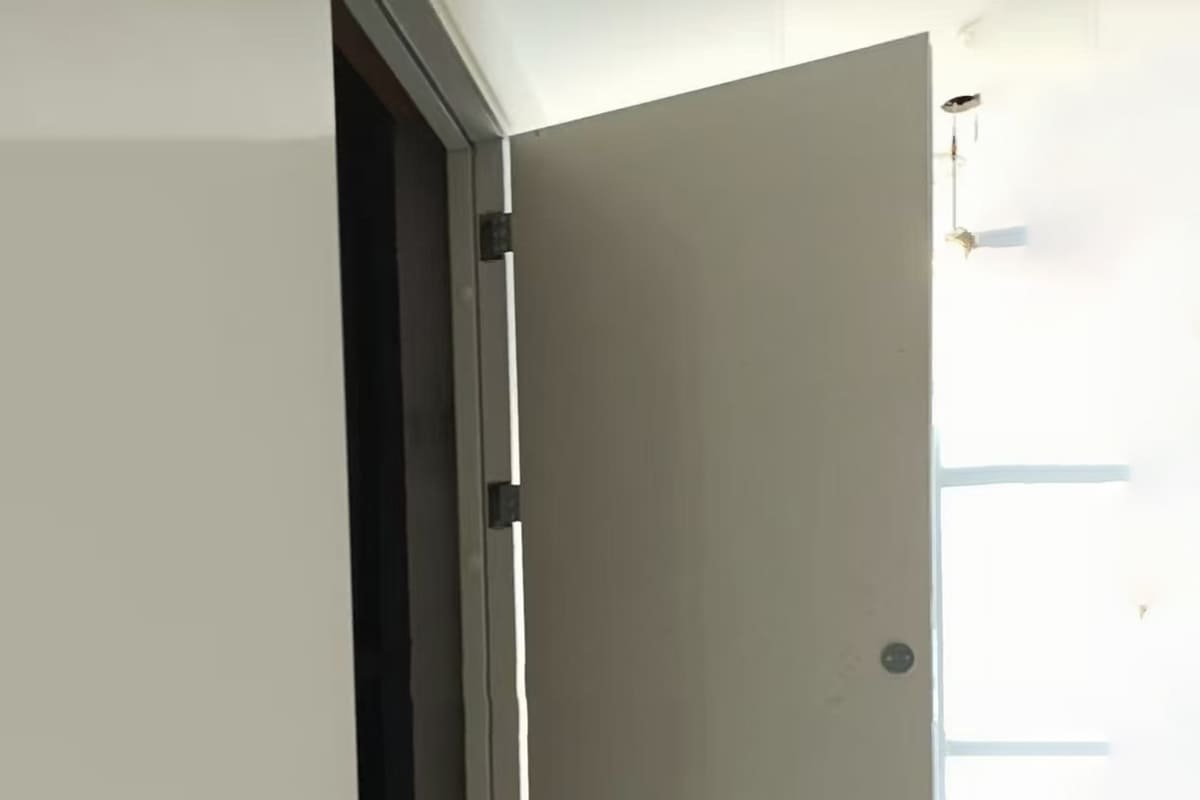
Buyers should choose door hardware for fire rated doors according to the required door-set fire rating. Public buildings, escape routes, and high-risk zones often need longer fire-resistance times, sometimes up to 240 minutes. Interior timber doors may only require 30 minutes, depending on project rules and local codes.
Dive deeper
Fire resistance is usually expressed in minutes. Common project requirements include 30, 60, 90, 120, and 240 minutes. The rating tells buyers how long the tested door assembly resisted fire under defined test conditions.9
However, a hardware product should not be viewed separately from the door. A 240-minute hinge does not make a 30-minute wooden door into a 240-minute door. The door leaf, frame, seals, glazing, lock cutouts, hinges, and installation all affect performance.
Practical fire-rating selection guide
| Fire duration | Common application examples | Hardware selection direction |
|---|---|---|
| 30 minutes | Interior doors, some timber doors, lower-risk internal separation | Tested locks, hinges, handles, and seals suitable for 30-minute assemblies |
| 60 minutes | Apartment entries, corridors, commercial interiors | Stronger lock and hinge selection; check smoke control if required |
| 90–120 minutes | Higher-risk commercial zones, technical rooms, regional project requirements | Prefer stronger tested hardware and complete documentation |
| 240 minutes | Public buildings, fire compartments, escape routes, heavy-duty steel doors in some projects | Stainless steel locks, heavy-duty hinges, verified tested assembly, strict documentation |
Public buildings and escape doors need more attention
For public buildings and escape doors, I generally recommend buyers consider hardware with longer fire-resistance performance, when the project specification supports it. These doors face more demanding conditions:
- Higher daily traffic
- More frequent closing cycles
- Greater safety responsibility
- Stricter inspection requirements
- More complex exit hardware rules
- Higher risk if the door fails during an emergency
For these applications, stainless steel mortise locks, stainless steel butt hinges, certified closers, and compliant panic or emergency exit hardware may be required.
Interior timber doors often have different needs
Interior wooden doors may have lower fire-resistance capacity than steel fire doors. In many cases, the door assembly itself may be designed around 30-minute performance. In that situation, using very high-rating hardware may not improve the actual approved rating unless the whole assembly is tested accordingly.
This is where buyers should avoid overbuying and underbuying.
- Overbuying increases cost without improving the approved assembly rating.
- Underbuying creates inspection risk and possible replacement cost.
- Mismatching creates the biggest problem because the parts may not work as a tested system.
I usually advise buyers to request the door schedule before selecting hardware. The schedule should show door type, location, rating, size, material, and function. With that information, the hardware supplier can recommend a more accurate configuration.
How can buyers evaluate suppliers for fire rated door hardware?
Supplier selection is not only about getting the lowest quotation. Fire-rated projects require stable production, consistent quality, clear documentation, and reliable communication. A cheap product can become expensive if the finish varies, the certificate does not match, or the delivery misses the project deadline.
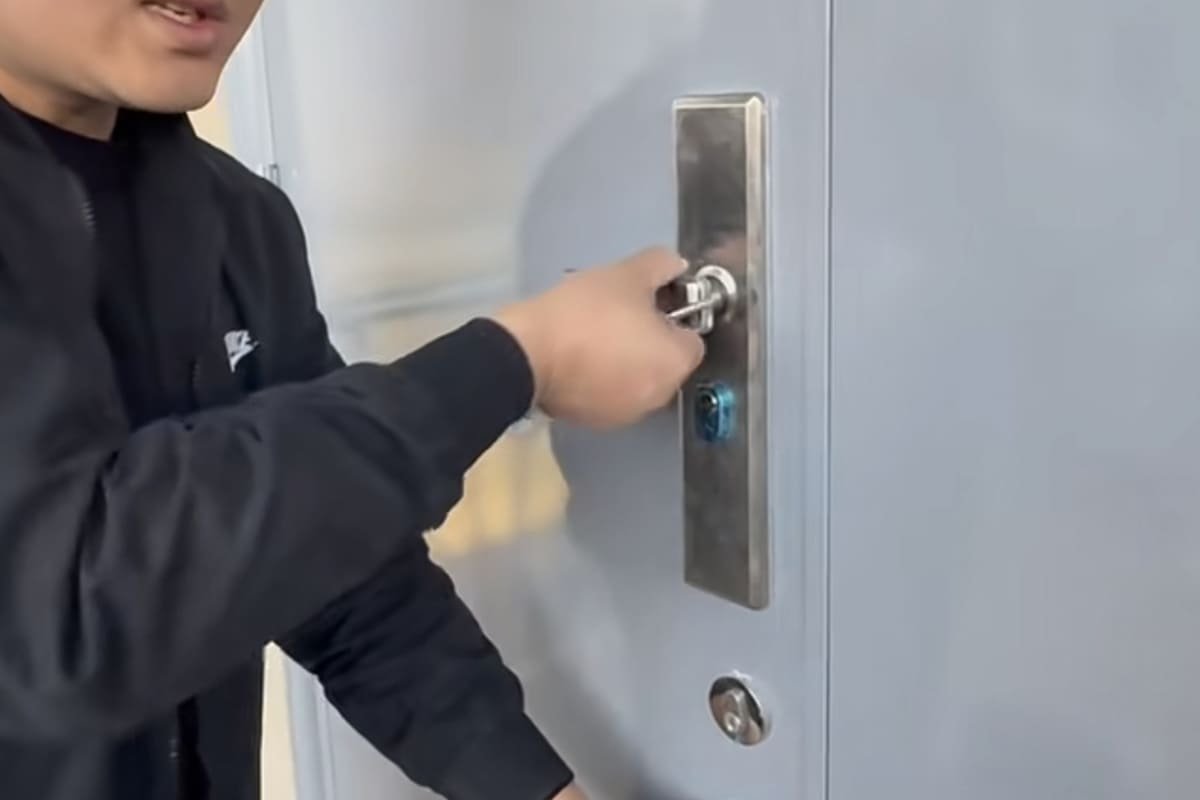
Buyers should evaluate fire rated door hardware suppliers by checking certification documents, factory capability, material control, production consistency, customization support, inspection process, and delivery reliability. A good supplier should help buyers reduce total procurement risk, not only reduce unit price.
Dive deeper
When I speak with product managers and supply chain buyers, I notice that their real concern is not only “Can this supplier make the product?” Their real concern is:
“Can this supplier deliver the same qualified product again and again?”
That is especially important for fire-rated door hardware because project risk increases when batch quality is unstable.
Supplier evaluation checklist
| Evaluation area | What to check | Why it matters |
|---|---|---|
| Certification support | Fire test reports, CE documents, model list, validity | Reduces approval and inspection risk |
| Material control | Stainless steel grade, zinc alloy quality, brass cylinder material | Affects fire performance, durability, and finish |
| Production capability | In-house production lines, tooling, machining, assembly | Improves lead-time and customization control |
| Quality inspection | Raw material inspection, process inspection, finished product testing | Reduces batch defects |
| Finish consistency | SS, PVD, satin, polished, powder coating, plating control | Important for brand buyers and door factories |
| Customization ability | Size, latch, backset, function, finish, accessories | Supports regional market and project needs |
| Delivery stability | Production planning and export experience | Protects project schedule |
| After-sales support | Replacement policy, technical documents, communication speed | Reduces long-term maintenance cost |
Total cost of ownership matters
A low unit price can be attractive, especially for wholesale and project bidding. I understand that pressure. Many buyers must protect margins while staying competitive. However, fire-rated hardware should be evaluated by total cost of ownership, not only the purchase price.
Total cost includes:
- Product cost
- Inspection cost
- Certification verification cost
- Installation efficiency
- Defect replacement
- Maintenance frequency
- Project delay risk
- Reputation risk with end customers
For example, a low-cost hinge with poor finish consistency may cause complaints from a hotel project. A lock with unstable latch performance may increase after-sales service. A certificate that does not cover the exact model may delay project approval.
What I look for in a factory partner
From a buyer’s perspective, a reliable supplier should provide both production capability and technical clarity. SDH Hardware operates as an independent architectural door hardware manufacturer in China with more than 20 years of specialized production experience. Our factory has around 150 professional employees and supports standardized and customized hardware for door manufacturers, hardware brands, and bulk wholesalers.
Our main product categories include:
- Euro standard mortise locks
- Stainless steel door lever handles
- Butt hinges
- Door concealed hinges
- Lock cylinders
- Customized stainless steel and zinc alloy hardware
For fire-rated projects, I believe buyers should ask the supplier for documents early, not after production. This small step often prevents large problems later.
Frequently Asked Questions
Can normal door hardware be used on fire rated doors?
Normal door hardware should not be used on fire rated doors unless it is approved for the required fire-rated assembly. Fire doors need compatible locks, hinges, closers, seals, and accessories. Buyers should verify test reports, project specifications, and local approval requirements before installation.
Is CE certification enough for fire rated door hardware?
CE certification can be important, but it is not always enough. Buyers should also check the relevant fire test standard, such as EN 1634 for many European-standard projects, and confirm that the exact product model, door type, fire duration, and installation method are covered.
Are stainless steel hinges better for fire rated doors?
Stainless steel hinges are often preferred for fire rated doors because stainless steel has strong heat resistance and durability. However, suitability still depends on the tested fire duration, hinge grade, door weight, installation method, and whether the hinge is included in the approved door assembly.
Can concealed hinges be used on fire rated doors?
Concealed hinges can be used on some fire rated doors if they are tested and approved for the required application. Many concealed hinges use zinc alloy or mixed materials, so their fire-resistance duration may be lower, often around 30 to 60 minutes depending on the design and test report.
What fire rating is suitable for wooden interior doors?
Many wooden interior fire doors are designed for 30-minute fire resistance, but the exact requirement depends on local code and project specification. Buyers should select hardware that matches the tested wooden door assembly, rather than assuming higher-rated hardware will upgrade the whole door.
Conclusion
Suitable door hardware for fire rated doors should be selected by system compatibility, verified certification, material performance, fire duration, and supplier reliability. Stainless steel hardware often supports stronger fire performance, while zinc alloy and aluminum alloy components may fit lower-rated applications when properly tested. Buyers should always confirm regional standards, such as EN 1634 where applicable, and review the full door-set requirement. If you need coordinated mortise locks, hinges, handles, cylinders, or customized fire-rated hardware support, SDH Hardware can help you evaluate the right specification for your market and project.
"EN 1634-1:2014+A1:2018 - Fire Resistance Test for Doors and ...", https://standards.iteh.ai/catalog/standards/cen/ee7a69d2-0baa-438d-9ed2-dd5d2e3be429/en-1634-1-2014a1-2018?srsltid=AfmBOoo8xJyuphSFs_M970AnPrfyP_sVTvjt4v3RQ5YJAA5G3HqWQ4ic. A standards source on fire-resistance testing of doorsets supports that hardware suitability is evaluated within the tested door assembly and applicable regional test method; this evidence is contextual because it supports the principle rather than any specific product configuration. Evidence role: expert_consensus; source type: institution. Supports: A standards-body or testing-laboratory source should support that fire-door performance is assessed under defined regional standards and that components must correspond to the tested doorset or assembly.. Scope note: Contextual support; it would not prove that any particular hardware model is approved for a specific project. ↩
"Why Fire Door Requirements Vary Across Countries", https://www.tofdoor.com/why-fire-door-requirements-vary-across-countries/. Government building-safety guidance supports that fire-door compliance is determined through jurisdiction-specific regulations and approval routes; this is contextual evidence because it does not compare every country or region. Evidence role: historical_context; source type: government. Supports: A government or official regulatory source should show that building-control and fire-door approval requirements are jurisdiction-specific.. Scope note: Contextual support; a single government source may demonstrate jurisdictional variation but cannot document all regional systems. ↩
"BS EN 1154 – Controlled Door Closing Devices", https://www.hoppe.com/in-en/contacts-service/standards/bs-en-1154/. The EN 1154 standard scope supports that controlled door closing devices are classified and assessed under this standard for relevant door applications. Evidence role: definition; source type: institution. Supports: A standards-body or accredited testing source should confirm that EN 1154 covers controlled door closing devices and is used for closer classification.. ↩
"EN 179: Building hardware - Emergency exit devices operated ...", https://www.intertek.com/building/standards/en-179/. Standards documentation for EN 179 and EN 1125 supports that these standards address emergency exit devices and panic exit devices, respectively. Evidence role: definition; source type: institution. Supports: A standards-body source should confirm that EN 179 addresses emergency exit devices and EN 1125 addresses panic exit devices.. ↩
"Frequently asked questions - Internal Market, Industry, Entrepreneurship ...", https://single-market-economy.ec.europa.eu/sectors/construction/construction-products-regulation-cpr/frequently-asked-questions_en. EU guidance on CE marking and construction products supports that CE marking relates to declared characteristics and applicable intended use, rather than blanket suitability for every installation. Evidence role: general_support; source type: government. Supports: An EU source should support that CE marking indicates conformity with applicable EU requirements and declared performance for intended use, not universal approval for all applications.. ↩
"Metal", https://en.wikipedia.org/wiki/Metal. Materials reference data support that stainless steels melt at substantially higher temperatures than aluminum or zinc-based alloys; this is contextual because exact values vary by alloy composition and grade. Evidence role: general_support; source type: encyclopedia. Supports: A neutral materials reference should provide melting-point ranges for stainless steel, aluminum, and zinc showing the relative difference.. Scope note: Contextual support; melting point alone does not determine fire-door approval or tested performance. ↩
"Zamak", https://en.wikipedia.org/wiki/Zamak. Materials reference data support that zinc and common zinc alloys melt at relatively low temperatures near the range stated; this is contextual because specific alloy systems may have different solidus and liquidus temperatures. Evidence role: general_support; source type: encyclopedia. Supports: A neutral materials reference should support the approximate melting point of zinc or common zinc alloys and show why the value depends on composition.. Scope note: Contextual support; the value does not establish the fire rating of any finished hinge, handle, or lock component. ↩
"Why Fire Doors Must Not Be Wedged Open - Fire Risk Assessment Network", https://fire-risk-assessment-network.com/blog/why-fire-doors-must-not-be-wedged-open/. Government fire-safety guidance supports that fire doors should remain closed or close automatically so that they can limit the spread of fire and smoke. Evidence role: general_support; source type: government. Supports: A government building-safety source should support that fire doors are generally required to be kept closed or fitted with appropriate automatic closing arrangements.. ↩
"Design of an ASTM E119 fire environment in a large compartment", https://pmc.ncbi.nlm.nih.gov/articles/PMC7857014/. Fire-resistance test standards support that ratings are expressed as time periods achieved by an assembly under defined furnace and performance criteria. Evidence role: definition; source type: institution. Supports: A standards or testing-laboratory source should define fire-resistance ratings as time-based classifications under specified test conditions.. ↩