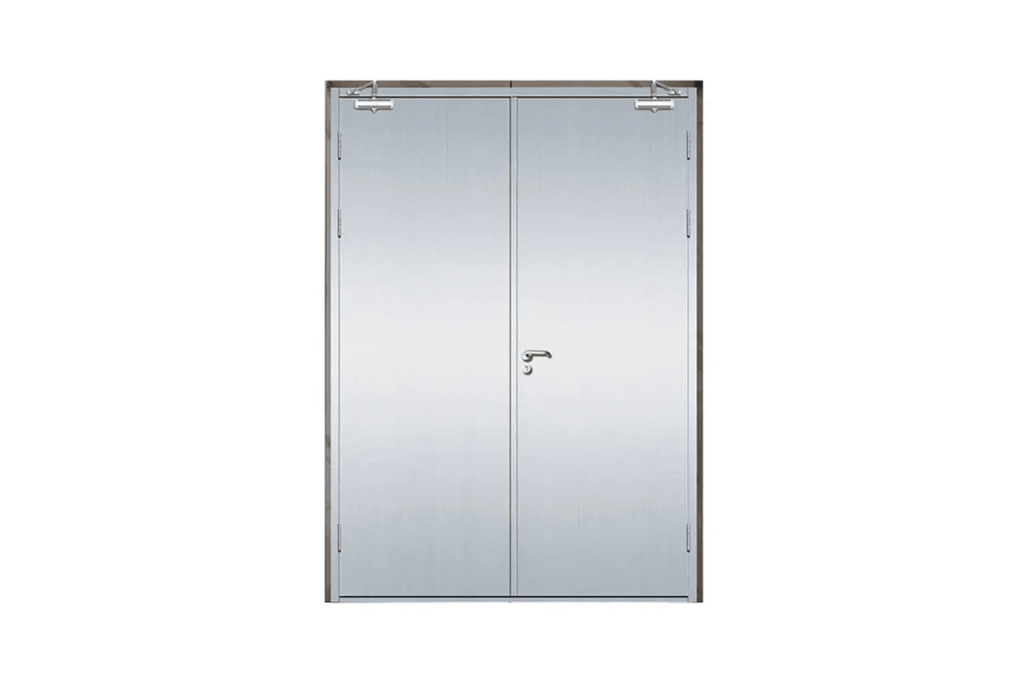
Commercial Panic Door Hardware Parts: How Should Buyers Select the Right System?
Commercial panic door hardware parts can look simple when a buyer only asks for a push bar price. The problem starts when the push bar, latch, rods, strike plate, and outside trim do not match the door. That mismatch can create rework, delayed shipment, and poor operation. I prefer to treat panic hardware as a complete exit-door system.
Commercial panic door hardware parts should be selected as a matched system, not as separate loose items.1 Buyers should confirm door width, thickness, weight, handing, traffic level, door type, certification market, material environment, and accessory needs before requesting a quote. The correct set should allow safe exit, reliable latching, proper outside access, and compatible installation.
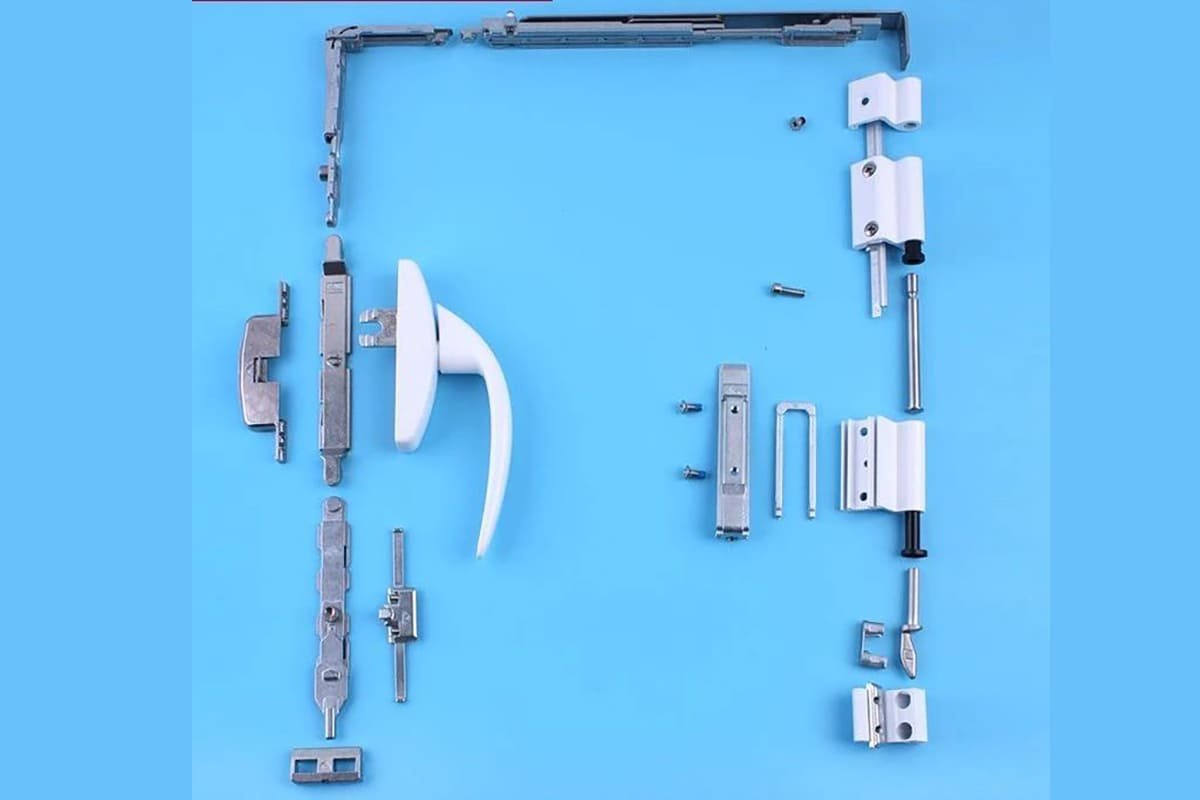
I have seen many quote requests begin with one line: “Please send panic bar price.” That is rarely enough. A better request shows the door condition, project market, and required function. The sections below explain how I evaluate the full hardware set before preparing a practical bulk supply proposal.
What Are Commercial Panic Door Hardware Parts in a Complete Exit System?
Commercial panic door hardware parts are easy to misunderstand when buyers treat them as a shopping list. A push bar alone cannot solve exit control. If one small component is wrong, the full door may fail to latch, open, or align correctly during installation.
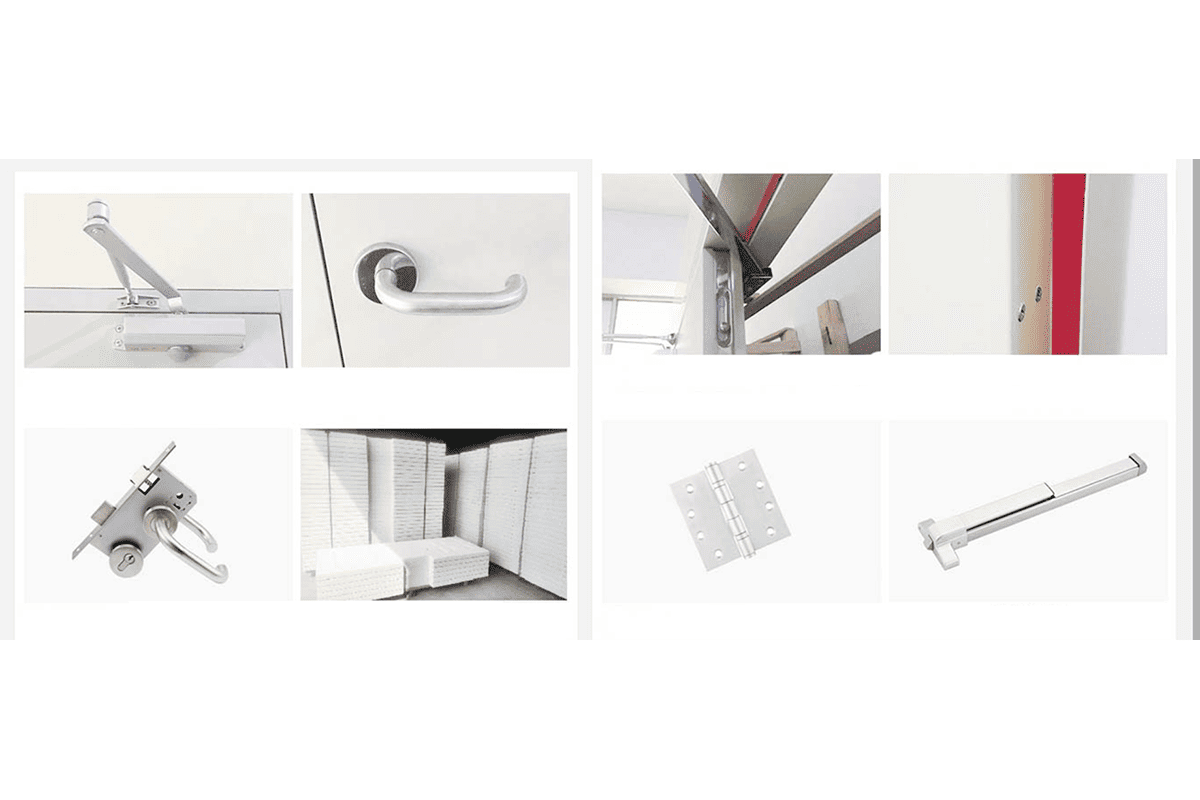
Commercial panic door hardware parts usually include the push bar body2, latch bolt, vertical rods, exit trim or outer lever, strike plate, and dogging kit3. Each part has a specific role in exit operation, locking, outside access, frame engagement, and daily traffic control. The correct combination depends on the door design and project requirement.
The main parts buyers should understand
I usually explain the system by function first. This helps product managers, door factories, and wholesalers avoid the common mistake of ordering parts that look correct but do not work together.
| Part | Common Chinese term | Main function | Buyer risk if mismatched |
|---|---|---|---|
| Push bar body | 推杠主体 | Allows fast exit by pushing the bar | Wrong length, wrong function, poor door fit |
| Latch bolt | 锁舌 | Locks and releases the door leaf | Poor latching or unsafe loose engagement |
| Vertical rods | 上下连杆 | Connect top and bottom latching points | Wrong rod length or wrong door height |
| Exit trim / outer lever | 门外执手 | Controls outside entry function | Wrong spindle, wrong handing, access issue |
| Strike plate | 锁扣扣板 | Receives latch or rod bolt | Misalignment with frame or threshold |
| Dogging kit | 锁闭组件 | Keeps latch retracted in certain daily-use conditions | Not suitable for some fire-rated requirements; must verify project rules |
Why I do not quote only the push bar
A push bar is only the visible part of the panic device. The hidden and matching parts often decide whether the door works smoothly after assembly.
For example, a door factory may request a push bar for a commercial exit door. If I do not ask about the door width, thickness, frame type, and outside access requirement, I may supply a bar that looks acceptable but creates problems later. The installer may discover that the strike plate does not align with the frame. The wholesaler may find that the outer lever cannot operate the latch correctly. A distributor may receive complaints because the product was used in a high-humidity area with unsuitable material.
Function-based evaluation
I prefer to group the hardware by job:
Exit operation
The push bar must release the latch quickly when a person pushes from inside.Locking and latching
The latch bolt or rod bolts must engage the frame, keeper, or threshold correctly.Outside access control
The exit trim, outer lever, cylinder, or pull plate must match how people enter from outside.Door and frame engagement
The strike plate must match the latch position, frame preparation, and door swing.Daily-use control
A dogging kit may keep the latch retracted during business hours, but buyers must verify whether this is allowed for the specific door and market.
This is why I call commercial panic door hardware parts a system. A buyer may save a little on one component but lose much more through rework, accessory replacement, or delayed site installation.
How Do Commercial Panic Door Hardware Parts Work Together on the Door?
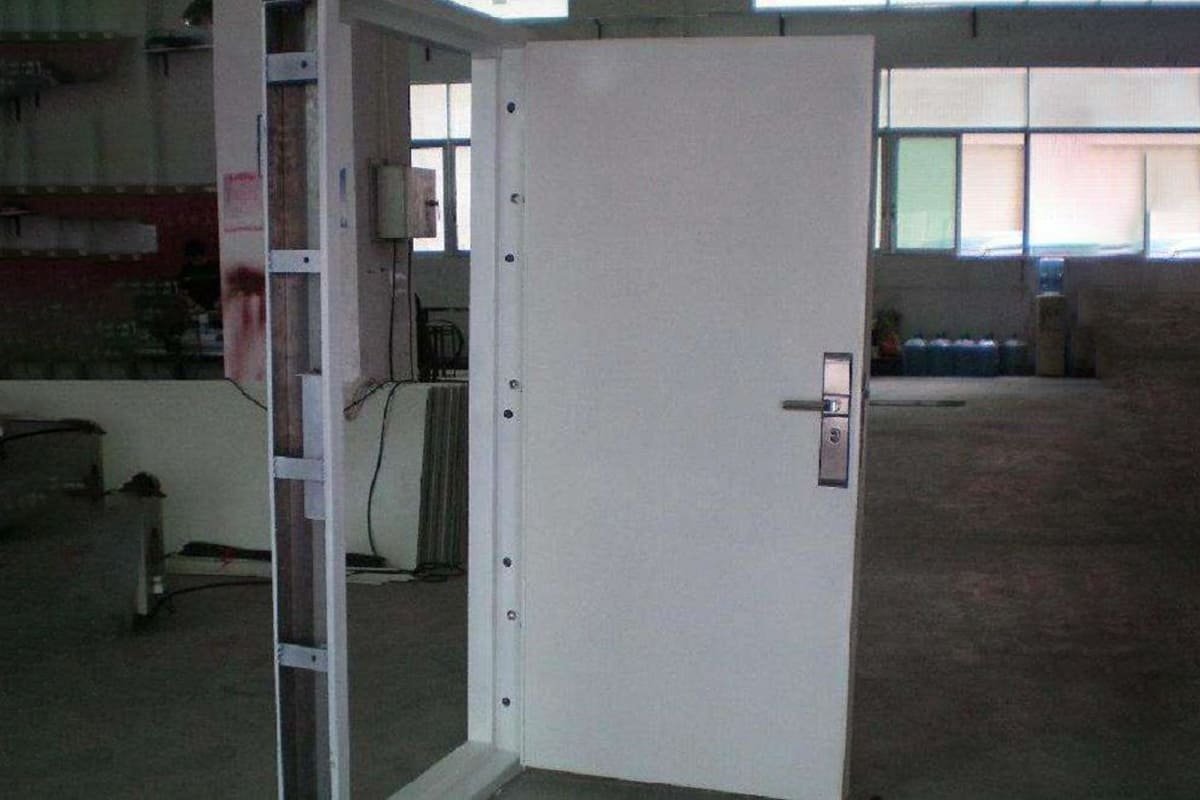
Commercial panic door hardware parts must move as one coordinated mechanism. The problem appears when the bar releases but the latch does not retract cleanly, or the outside trim cannot control entry. That small mechanical mismatch can become a big after-sales issue for a door manufacturer or wholesaler.
Commercial panic door hardware parts work together by transferring force from the push bar to the latch or rod mechanism. When someone pushes the bar, the latch bolt or vertical rods retract and release the door.4 The strike plate receives the locking point, while the outer trim controls entry from the outside according to the specified function.
The exit operation path
I like to trace the movement from the user’s hand to the frame:
- A person pushes the push bar body from the inside.
- The internal mechanism retracts the latch bolt or moves the vertical rods.
- The latch or rods disengage from the strike plate, frame, header, or floor keeper.
- The door leaf opens toward the exit direction.5
- The spring mechanism returns the latch to the ready position after closing.
This simple sequence depends on accurate matching. If any part has the wrong dimension, the door may rub, the latch may bind, or the rod may not travel far enough.
Rim-type operation
Rim-type panic hardware usually has a latch on the surface side of the door.6 Many buyers consider it for single doors because the structure can be simpler than rod-based systems. However, the final decision must match the door design, frame condition, and project specification.
Common evaluation points include:
- Door leaf width and thickness
- Frame preparation
- Latch position
- Strike plate position
- Outside trim compatibility
- Required certification documents
Vertical-rod operation
Vertical-rod panic hardware uses rods that extend upward and downward from the push bar body.7 Buyers often consider this direction for wider openings or double-door setups. Still, I do not describe it as universally correct. The door design must confirm the choice.
Vertical-rod systems need more attention because rod length, door height, top latch position, bottom latch position, and threshold condition all matter.
Where outside trim fits
The outer lever or exit trim is not decorative only. It decides how the door can be opened from the outside. The function may include:
- Lever with cylinder
- Pull plate only
- Night latch function
- Passage function
- Dummy trim
- Project-specific access control interface
If the outer lever does not match the panic device, the factory may need to drill again or replace components. For bulk orders, this creates a serious cost problem.
I always ask buyers to confirm outside access before quoting. A panic device without the right outside trim may solve exit only, but it may not solve door use.
Why compatibility matters more than part names
Two products may both be called “panic bars,” but they may not share the same spindle, latch travel, trim connection, dogging design, or strike plate. This is why I prefer drawings, samples, or technical confirmation before bulk supply. For commercial panic door hardware parts, the correct interface is often more important than the catalog photo.
How Should I Choose Rim-Type or Vertical-Rod Commercial Panic Door Hardware Parts?
Commercial panic door hardware parts often fail at the selection stage because the buyer chooses by product appearance instead of door condition. A rim-type device and a vertical-rod device can both be valid choices, but the wrong choice can affect installation, latching strength, and double-door coordination.
I usually select rim-type or vertical-rod commercial panic door hardware parts after checking the door width, height, thickness, weight, handing, frame design, and single or double-door setup. Rim-type hardware is commonly considered for single doors. Vertical-rod hardware is often considered for wide or double doors, but the final choice must match the project door design.
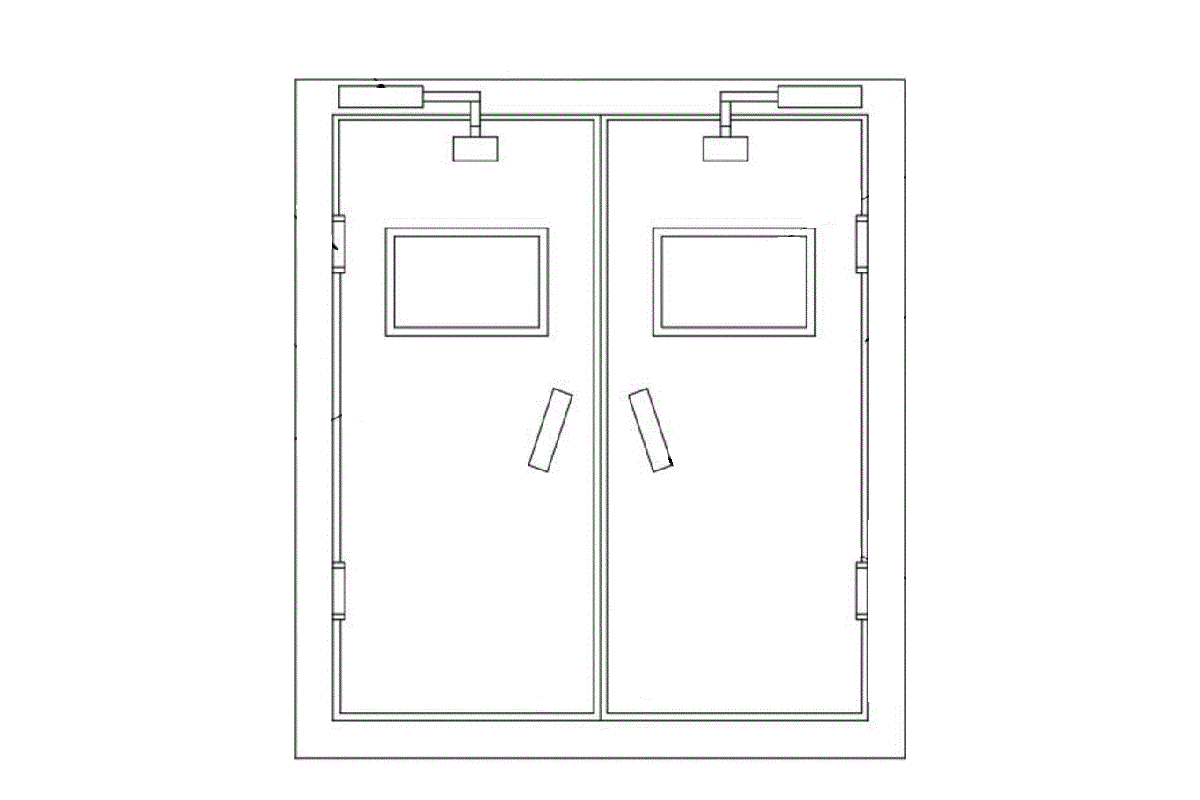
Pre-quote checklist I use
Before I prepare a serious quotation, I ask several practical questions. These questions reduce the risk of wrong hardware selection.
| Question | Why I ask it |
|---|---|
| What is the door width? | Push bar length and device coverage must match the leaf |
| What is the door thickness? | Fixing screws, trim spindle, and function parts must fit |
| What is the door weight? | Heavy commercial doors may need stronger matching hardware |
| Is it a single door or double door? | Latching method and strike arrangement may change |
| What is the door handing and swing direction? | Trim and latch configuration may depend on handing |
| Is rim-type or vertical-rod required? | The project design may already specify the device type |
| Is outside entry needed? | Exit trim, lever, cylinder, or pull plate must be selected |
| Is fire-rated performance required? | Certificates and hardware combinations must be verified |
Rim-type selection logic
Rim-type panic hardware is often easier to understand. The latch engages a strike mounted on the frame or meeting stile area. Buyers may consider it when the door design supports side latching.
Possible advantages include:
- Simpler visible structure
- Fewer rod alignment points
- Easier basic maintenance
- Common use on many single commercial exit doors
However, rim-type hardware is not automatically the best option. A double-door setup may require careful coordination with a mullion, inactive leaf hardware, or another specified solution. The frame condition also matters. I recommend confirming drawings before selecting this type for bulk orders.
Vertical-rod selection logic
Vertical-rod panic hardware can latch at the top and bottom. This can be useful where side latching is not the preferred design. Buyers often consider it for double doors or wider openings.
Important points include:
- Door height and rod length
- Top latch engagement
- Bottom latch or floor keeper condition
- Threshold design
- Door closer coordination
- Installation skill level
- Maintenance access
A vertical-rod set can create more site work if the rods are too long, too short, or poorly aligned. For door factories, this can slow assembly. For wholesalers, this can increase customer complaints. For project buyers, this can delay final inspection.
A practical selection path
I suggest a simple decision path:
Start with the door drawing.
I check width, height, thickness, frame, and swing.Confirm the door arrangement.
I separate single doors, double doors, and fire-rated doors.Confirm the latching direction.
I decide whether side latching or top/bottom latching is suitable.Confirm outside function.
I match the outer lever, cylinder, pull trim, or access control need.Confirm certification and market.
I ask whether EN, UL, ANSI, or fire-rated documents must be verified.
This method keeps the buyer away from the common mistake of comparing only push bar prices. The best value comes from correct configuration, not the lowest unit price.
Which Materials and Finishes Make Sense for Commercial Panic Door Hardware Parts?
Commercial panic door hardware parts face very different environments. A dry office corridor is not the same as a coastal hotel, hospital, school, or transport building. If the buyer treats material as only a price issue, corrosion, finish variation, and poor long-term performance may follow.
Commercial panic door hardware parts should be selected by environment, traffic frequency, and market expectation. Aluminum may suit many dry indoor applications. 304 stainless steel is usually more suitable for coastal, humid, healthcare, or higher-corrosion environments.8 The final choice should consider finish consistency, cleaning conditions, and project durability requirements.
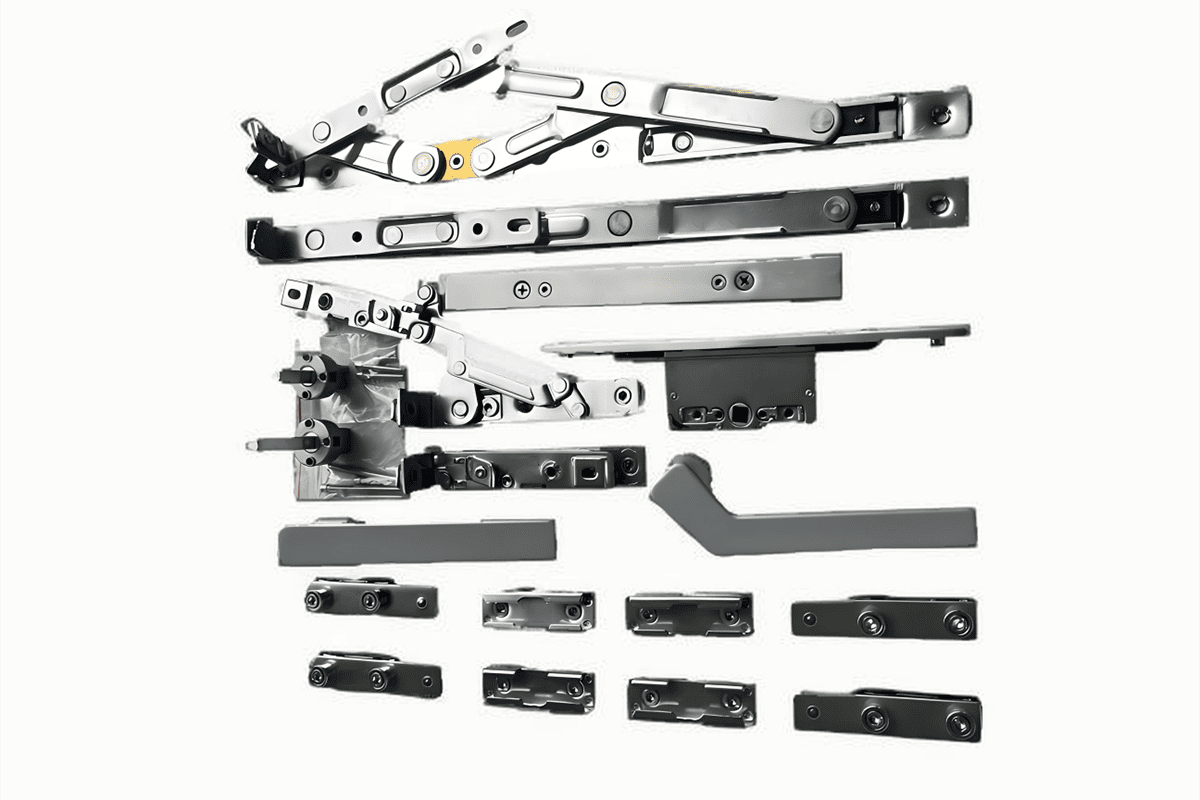
Material comparison for procurement
| Material direction | Typical use direction | Main strengths | Main caution |
|---|---|---|---|
| Aluminum | Dry indoor commercial use | Lightweight, cost-effective, common finishes | Less suitable for harsh corrosion environments |
| 304 stainless steel | Humid, coastal, healthcare, higher-use areas | Better corrosion resistance and stronger market perception | Higher cost than many aluminum options |
| Zinc alloy parts | Trim or accessory components in some designs | Good forming flexibility | Must verify finish quality and application suitability |
| Mixed-material assemblies | Cost-balanced hardware sets | Can control cost and function | Must verify finish matching and corrosion behavior |
Why finish consistency matters in bulk supply
For a single replacement order, a slight finish difference may be accepted. For a door factory or brand distributor, it can become a serious issue. Buyers often need consistent finish across:
- Panic device body
- Outer lever or trim
- Hinges
- Door closer arm
- Lock cylinder
- Pull handle
- Strike plate and visible accessories
At SDH Hardware, I have learned that finish control matters because buyers often assemble full door hardware sets. If the panic bar has one stainless tone and the lever handle has another, the final door may look inconsistent. This problem becomes worse in hotel, office, and public-building projects where many doors are installed in one area.
Environment-based material logic
I usually divide environments into simple categories.
Dry indoor commercial areas
Aluminum panic hardware can be a practical option for offices, schools, retail back-of-house areas, and standard interior exits. It can support good cost control when the door is not exposed to heavy moisture or corrosive air.
Humid or coastal areas
For coastal markets in Southeast Asia or Middle Eastern areas near salt air, I usually discuss 304 stainless steel options. Stainless steel does not remove all maintenance needs, but it gives stronger corrosion resistance than many basic materials.
Healthcare and public facilities
Hospitals, clinics, public facilities, and high-traffic buildings often require better surface durability and easier cleaning. The buyer should consider stainless steel, stable finishes, and compatible accessories.
Cost is more than unit price
A cheaper panic device can become expensive if it causes:
- Early corrosion complaints
- Finish mismatch across bulk orders
- Accessory replacement
- Installation delays
- Higher after-sales service cost
- Lost confidence from distributors or project clients
I do not recommend overspecifying every door. I also do not recommend buying the lowest-cost material without checking the real environment. A balanced specification protects both budget and reputation.
What Certifications Should Buyers Verify for Commercial Panic Door Hardware Parts?
Commercial panic door hardware parts are often used on exit doors, so certification questions matter. The risk appears when buyers assume one certificate fits every market. A document that is useful in one region may not satisfy another project, authority, or fire-door specification.
Buyers should verify certifications for commercial panic door hardware parts according to the target market, project specification, and local authority requirements.9 EU projects may require EN 1125.10 North American projects may require UL305 or ANSI Grade 1.11 Fire-rated doors may require matching fire test certificates for the complete door and hardware application.12
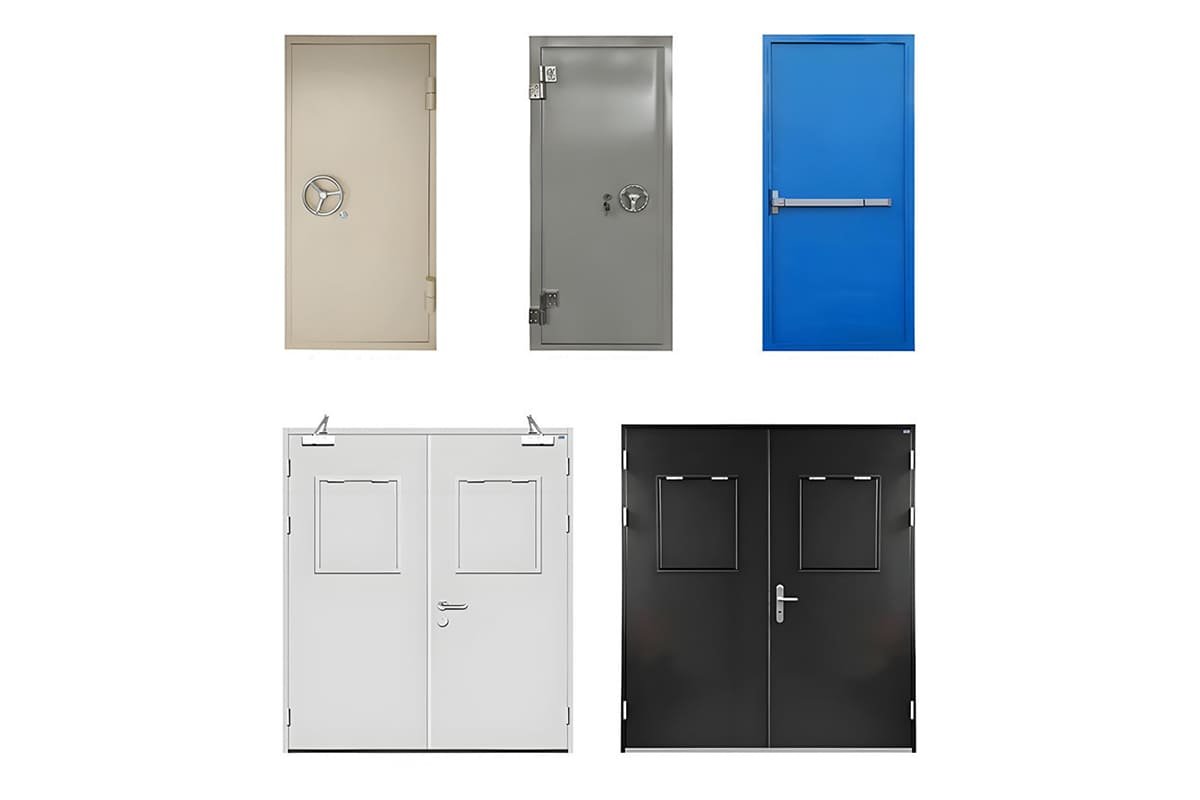
Certification is a confirmation step
I do not treat certification as a slogan. I treat it as a procurement verification step. The buyer should ask:
- Which market will receive the goods?
- Which standard is written in the project specification?
- Is the door fire-rated?
- Does the certificate cover the product model?
- Does the certificate cover the material and configuration?
- Does the fire-rated document match the door type and hardware set?
- Does the local authority require additional approval?
This is important because panic hardware may be part of a larger door-control set. The device cannot be evaluated in isolation when the project involves fire-rated doors or regulated exit routes.
Common certification directions
| Market or project direction | Possible document to verify | Buyer note |
|---|---|---|
| EU commercial exit doors | EN 1125 | Verify model, function, and project requirement |
| North American exit hardware | UL305 / ANSI Grade 1 | Verify with project specification and local authority |
| Fire-rated doors | Fire test certificate or fire-rated approval | Confirm complete door hardware combination |
| General commercial supply | CE or other required documents | Verify validity, model scope, and buyer market |
Fire-rated doors need system thinking
For fire-rated or commercial exit doors, panic hardware may need to work with:
- Fire-rated door closer
- Certified hinges
- Suitable lock or latch components
- Door seals
- Correct frame and door leaf
- Approved installation method
I always advise buyers to verify these requirements with qualified professionals, local authorities, or project consultants. As a manufacturer and supplier, I can help match hardware, provide available documents, and support procurement logic. However, I should not replace the role of a testing laboratory, code consultant, or approval authority.
Certificate details buyers should check
A certificate is only useful if it matches the real order. I suggest checking:
Product model number
The model on the certificate should match the quoted model or approved equivalent.Standard and test scope
The standard should match the project requirement.Validity and issuing body
Buyers should verify the document source and current validity.Configuration covered
A rim device, vertical-rod device, or trim combination may not share the same approval scope.Fire-rated duration and door type
Fire-rated claims should be checked against the door assembly and local rules.
This restrained approach protects buyers. It also prevents suppliers from overpromising. In my experience, serious buyers appreciate clear document boundaries more than exaggerated claims.
How Can Buyers Reduce Bulk Procurement Risk When Ordering Commercial Panic Door Hardware Parts?
Commercial panic door hardware parts can create expensive problems when buyers order in bulk before confirming compatibility. One missing strike plate or wrong trim spindle can affect hundreds or thousands of door sets. The real risk is not only product cost. It is assembly delay, customer complaint, and project schedule pressure.
Buyers can reduce bulk procurement risk by confirming door specifications, hardware function, material, finish, certification documents, accessories, packaging, and sample approval before mass production. I recommend using a configuration checklist and asking the supplier to verify compatibility between the push bar, latch, rods, strike plate, outer trim, and related door-control hardware.
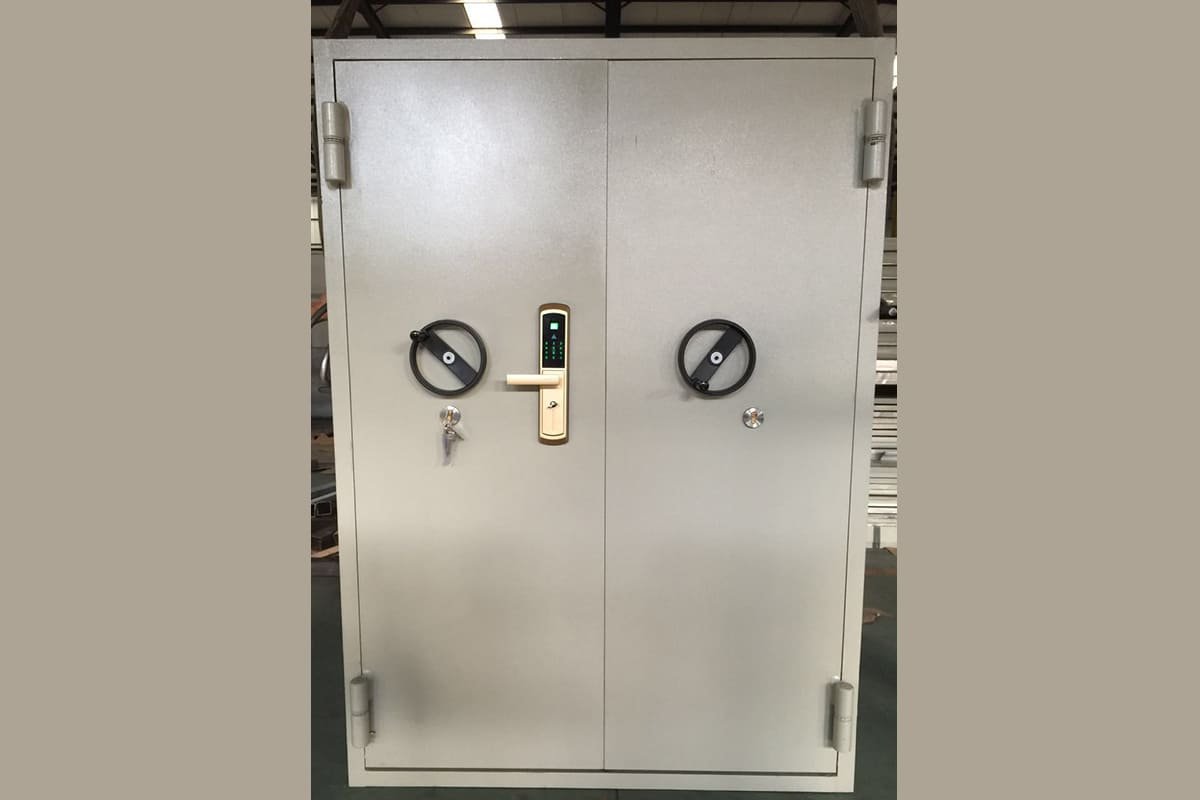
My practical pre-sales questions
When I work with door manufacturers, hardware brands, or wholesalers, I try to clarify the following before pricing is finalized:
- What is the door type?
- What is the door width and height?
- What is the door thickness?
- What is the approximate door weight?
- Is it a single door or double door?
- What is the handing and swing direction?
- Does the buyer need rim-type or vertical-rod hardware?
- Does the door need an outer lever or pull trim?
- Is a cylinder required?
- Is a dogging function required?
- Is a monitor switch or alarm interface required?
- Is the door fire-rated?
- Does the buyer also need a fire-rated closer or certified hinges?
- Which market will receive the goods?
- Which finish is required across the full hardware set?
These questions are not delays. They prevent expensive mistakes.
Sample approval before bulk order
For customized or large-volume orders, I prefer a sample approval process. A sample helps confirm:
Mechanical fit
The bar, latch, trim, and strike can be checked with the door design.Surface finish
The buyer can compare the panic device with hinges, handles, and other hardware.Packaging method
Bulk wholesalers can verify carton strength, labels, and accessory packing.Accessory completeness
Screws, rods, strike plates, covers, and instructions can be checked before mass production.Installation feedback
Door factories can test assembly time and avoid repeated drilling changes.
Compatibility with the full door-control set
Panic hardware is only one part of the door. For commercial and fire-rated doors, buyers may also need to coordinate:
| Hardware item | Why it matters |
|---|---|
| Door closer | Controls closing speed and latch engagement |
| Hinges | Carry door weight and affect alignment |
| Lock cylinder | Controls outside access |
| Lever handle / trim | Must match panic device function |
| Door stop | Protects wall, frame, and hardware |
| Seals | May affect closing force and fire/smoke performance |
| Frame and strike preparation | Determines final latch engagement |
At SDH Hardware, I focus on complete architectural door hardware matching. This matters because many buyers do not want to manage five suppliers for one door opening. A one-stop sourcing approach can reduce communication gaps, but it still requires careful technical confirmation.
Procurement control for wholesalers and brands
Wholesalers and brand operators often care about repeatability. They need the same model, same finish, same accessories, and same packaging over many shipments. I recommend documenting:
- Approved drawings
- Approved finish samples
- Bill of materials
- Packing list
- Labeling format
- Certificate copies
- Spare accessory list
- Inspection standard
Conclusion
Commercial panic door hardware parts should be purchased as a matched exit-door system, not as a single push bar. I recommend confirming door specifications, rim or vertical-rod direction, outside access, material environment, finish consistency, certification documents, and full door-control compatibility before ordering. If you need support for bulk supply, customized configurations, or complete architectural door hardware matching, I can help you review the key procurement details before quotation.
"Fire Doors and NFPA 80 FAQs", https://www.nfpa.org/news-blogs-and-articles/blogs/2025/04/11/fire-doors-faqs. Authoritative fire-door and egress standards describe exit devices as hardware used within a door assembly, supporting the article’s treatment of panic hardware selection as a system-level specification rather than a loose-parts purchase; this support is contextual and does not validate any specific product configuration. Evidence role: general_support; source type: institution. Supports: A suitable source should show that panic or exit hardware is regulated and evaluated in relation to the door opening, latch, frame, and related hardware rather than as an isolated push bar.. Scope note: Contextual support only; standards must be checked for the jurisdiction and door type. ↩
"Crash bar", https://en.wikipedia.org/wiki/Crash_bar. A general reference definition of a panic bar identifies the push bar as the user-operated element that releases an exit door, supporting the article’s identification of the push bar body as a core component; the source provides a definition rather than procurement-specific design guidance. Evidence role: definition; source type: encyclopedia. Supports: A source should define a panic bar or panic exit device as an emergency door-opening device operated by pushing a bar or rail.. Scope note: Definition-level support only. ↩
"Fire Door Latching - I Dig Hardware", https://idighardware.com/2025/10/fire-door-latching-2/. Fire-door guidance requiring positive latching on rated openings supports the article’s caution that dogging, which can keep an exit-device latch retracted, must be verified before use on fire-rated doors; this does not determine compliance for a particular jurisdiction or listed device. Evidence role: mechanism; source type: institution. Supports: A source should explain that dogging holds exit-device latches retracted and that fire-rated openings generally require positive latching, limiting where mechanical dogging is permitted.. Scope note: Compliance depends on the listed hardware, fire rating, and local authority interpretation. ↩
"Touch bar electronic latch retraction panic hardware | ASSA ABLOY", https://www.assaabloy.com/uk/en/solutions/products/hardware-for-doors-and-windows/panic-and-emergency-exit-hardware/touch-bar-electronic-latch-retraction-panic-hardware. Technical descriptions of exit-device operation explain that pressure on the actuating bar retracts a latch or rod mechanism so the door can open, supporting the article’s mechanical description; such sources generally describe standard device principles rather than every manufacturer’s design. Evidence role: mechanism; source type: education. Supports: A source should describe the operating mechanism of panic or exit devices, including bar actuation and latch or rod retraction.. Scope note: Mechanism may vary by device type and manufacturer. ↩
"[PDF] Emergency Exit Routes | FactSheet - OSHA", https://www.osha.gov/sites/default/files/publications/EMERGENCY-EXIT-ROUTES-FACTSHEET.pdf. Egress regulations commonly require exit doors in specified conditions to swing in the direction of exit travel, supporting the article’s statement that panic hardware releases a door opening toward the exit path; the requirement is conditional and depends on occupancy, occupant load, and local code adoption. Evidence role: general_support; source type: government. Supports: A source should state that exit-route doors or certain egress doors must swing in the direction of exit travel under specified occupancy or occupant-load conditions.. Scope note: Not every door is subject to the same swing-direction rule. ↩
"Rim Exit Device vs Panic Bar: Understanding the Real Difference", https://doorsforpros.com/blog/post/rim-exit-device-vs-panic-bar?srsltid=AfmBOopS_tGgZ4Ln4Nps0teZf-Y-o8ebevkSNrfhMF0zoIc2V78dsrCF. Technical hardware references define rim exit devices as surface-mounted devices that latch into a strike at the door frame or meeting stile, supporting the article’s description of rim-type panic hardware; this definition does not indicate when a rim device is the correct choice for a specific opening. Evidence role: definition; source type: other. Supports: A source should define rim exit devices as surface-mounted exit devices with a latch engaging a strike at the frame or meeting stile.. Scope note: Selection still depends on the door and frame conditions. ↩
"Concealed Vertical Rod vs. Rim Exit Devices", https://www.cdfdistributors.com/blog/post/concealed-vertical-rod-exit-devices-guide. Technical descriptions of vertical-rod exit devices identify rods that connect the actuating mechanism to upper and lower latching points, supporting the article’s explanation of vertical-rod panic hardware; the source would define the configuration rather than prove suitability for wide or double doors. Evidence role: definition; source type: other. Supports: A source should define vertical-rod exit devices as panic hardware using rods to operate top and bottom latches.. Scope note: Definition-level support only. ↩
"Examining the Relationship Between Post-Build ...", https://www.nist.gov/publications/examining-relationship-between-post-build-microstructure-and-corrosion-resistance. Materials references describe 304 stainless steel as corrosion-resistant in many atmospheric and indoor environments, supporting the article’s preference for stainless steel in humid or higher-corrosion settings; the support is contextual because chloride-rich coastal exposure can still cause corrosion and may require maintenance or higher alloy grades. Evidence role: general_support; source type: research. Supports: A source should explain the corrosion resistance of 304 stainless steel and its limitations in chloride-rich or marine atmospheres.. Scope note: 304 stainless steel is not corrosion-proof, especially in chloride-rich marine conditions. ↩
"EN 1125: Building Hardware - Panic exit devices operated ...", https://www.intertek.com/building/standards/en-1125/. The existence of regionally used standards for panic and exit devices, including EN 1125, UL 305, and ANSI/BHMA A156.3, supports the article’s point that buyers must verify certification against the destination market and project specification; the cited standards do not by themselves establish approval for a particular product. Evidence role: expert_consensus; source type: institution. Supports: A source should show that panic exit devices are covered by recognized but different standards such as EN 1125, UL 305, and ANSI/BHMA A156.3.. Scope note: Product-level compliance requires the actual certificate or listing. ↩
"EN 1125: Building Hardware - Panic exit devices operated ...", https://www.intertek.com/building/standards/en-1125/. Standard descriptions of EN 1125 identify it as a European standard for panic exit devices operated by a horizontal bar on escape routes, supporting the article’s reference to EN 1125 for EU projects; the standard’s relevance does not prove that any named device is certified. Evidence role: definition; source type: institution. Supports: A source should identify EN 1125 as the European standard for panic exit devices operated by a horizontal bar for escape routes.. Scope note: Actual compliance depends on the tested model and certificate scope. ↩
"UL 305: Panic Hardware Standard for Exit Devices", https://usmadesupply.com/resources/building-codes-standards/emergency-life-safety/ansi-ul-305. Standards-organization materials identify UL 305 as a standard for panic hardware and ANSI/BHMA A156.3 as a graded standard for exit devices, supporting the article’s reference to these North American certification directions; the source does not establish which grade or listing a particular project authority will accept. Evidence role: definition; source type: institution. Supports: A source should show that UL 305 covers panic hardware and that ANSI/BHMA A156.3 includes grades for exit devices.. Scope note: Authority having jurisdiction and project specifications control acceptance. ↩
"Fire Doors and NFPA 80 FAQs", https://www.nfpa.org/news-blogs-and-articles/blogs/2025/04/11/fire-doors-faqs. Fire-door standards and listing guidance treat the rated opening as an assembly and require compatible listed hardware, supporting the article’s warning that fire-rated doors may need matching fire-test documentation for the door and hardware application; this does not substitute for review by the local approval authority. Evidence role: expert_consensus; source type: institution. Supports: A source should state that fire-door ratings apply to tested or listed assemblies and that hardware must be listed or approved for use with the rated opening.. Scope note: Assembly approval depends on the exact door, frame, hardware, rating duration, and installation. ↩