European Mortise Locks: What Are the Different Types?
European mortise locks can look simple on a catalog page, but choosing the wrong type can create fitment problems, delayed sampling, and expensive bulk-order corrections. I have seen buyers ask for “a European lock” when they actually need a specific lock body structure, cylinder format, handle operation, or full lock set. The solution is to classify the lock by function and fitting dimensions first.
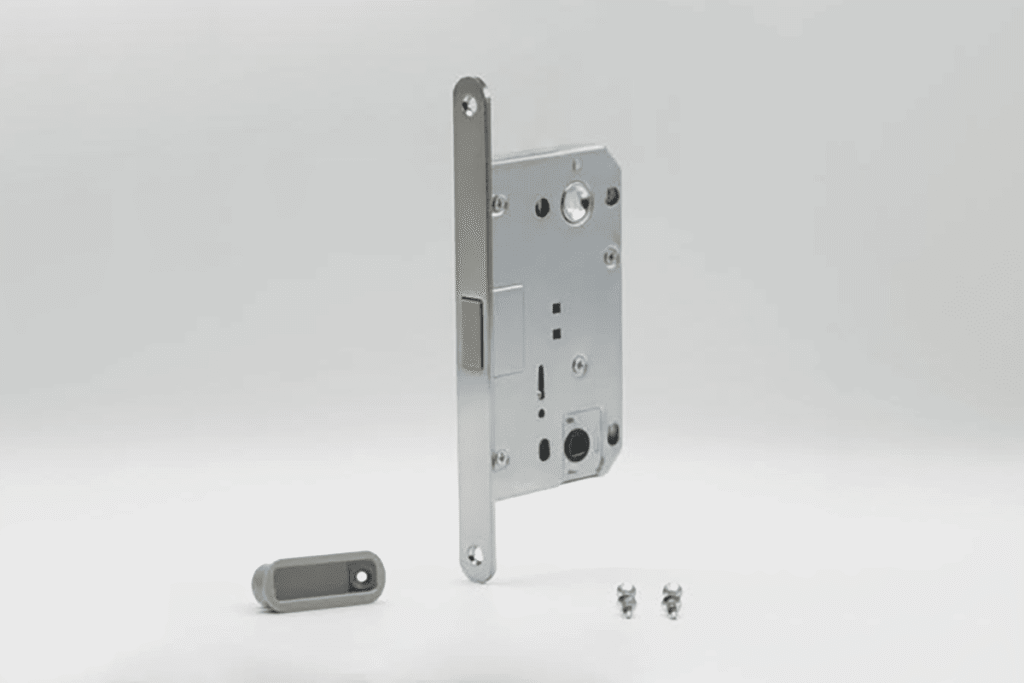
European mortise locks are internal door lock bodies installed inside a mortised pocket in the door edge.1 The main practical types are sash locks, passage locks, deadbolt locks, night latch locks, escape locks, classroom locks, magnetic locks, narrow locks, and hook locks. Buyers should choose by door use, latch/deadbolt structure, backset, center distance, faceplate, cylinder, handle, and certification needs.
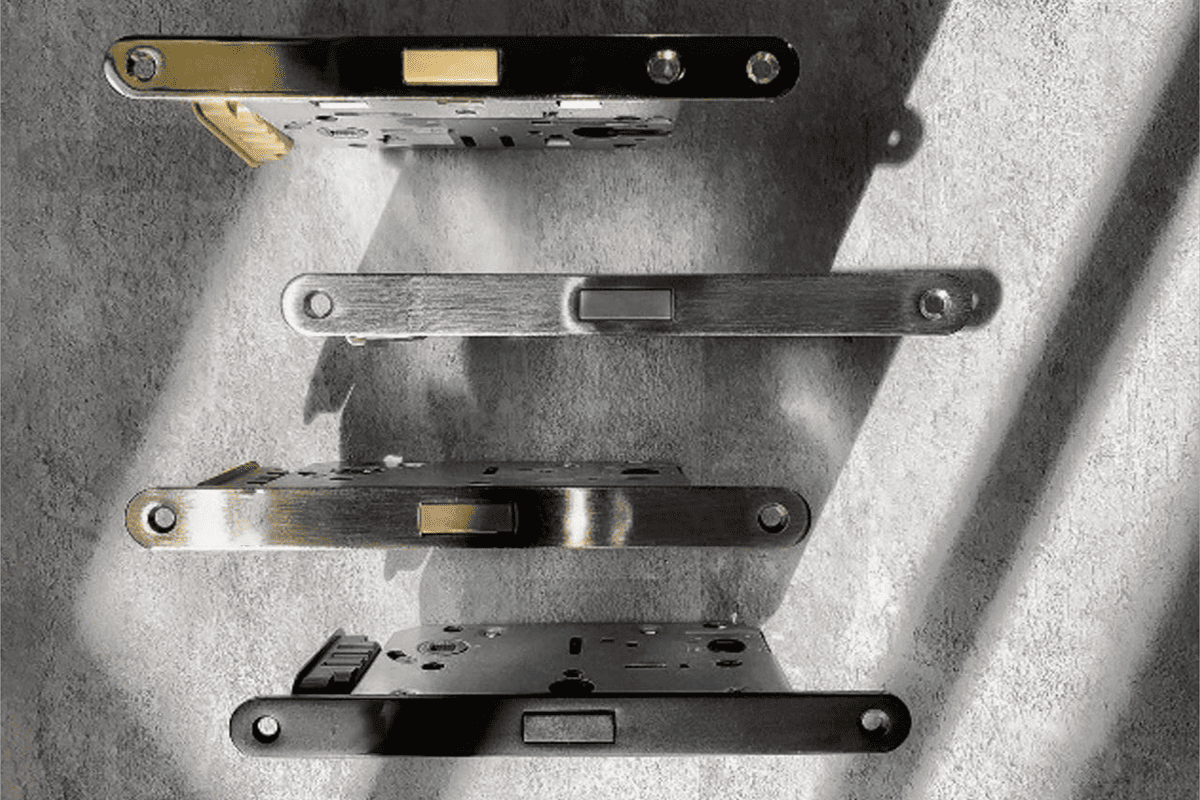
I usually advise buyers to treat the lock name as only the starting point. A “sash lock” or “narrow lock” still needs a confirmed drawing, matching cylinder, correct strike plate, and door-specific installation details before sampling or bulk production.
What Are European Mortise Locks in Practical Procurement Terms?
Many procurement mistakes start with a vague lock description. A buyer may send a photo and ask for the same product, but the photo may not show the backset, center distance, faceplate, follower size, or deadbolt throw. That uncertainty can turn a simple inquiry into several rounds of sampling.
European mortise locks are lock bodies designed to sit inside the door leaf, usually with a handle-operated latch and, depending on the model, a cylinder-operated deadbolt. In procurement, I define them by function, door application, installation dimensions, and compatible hardware, not only by the product name.
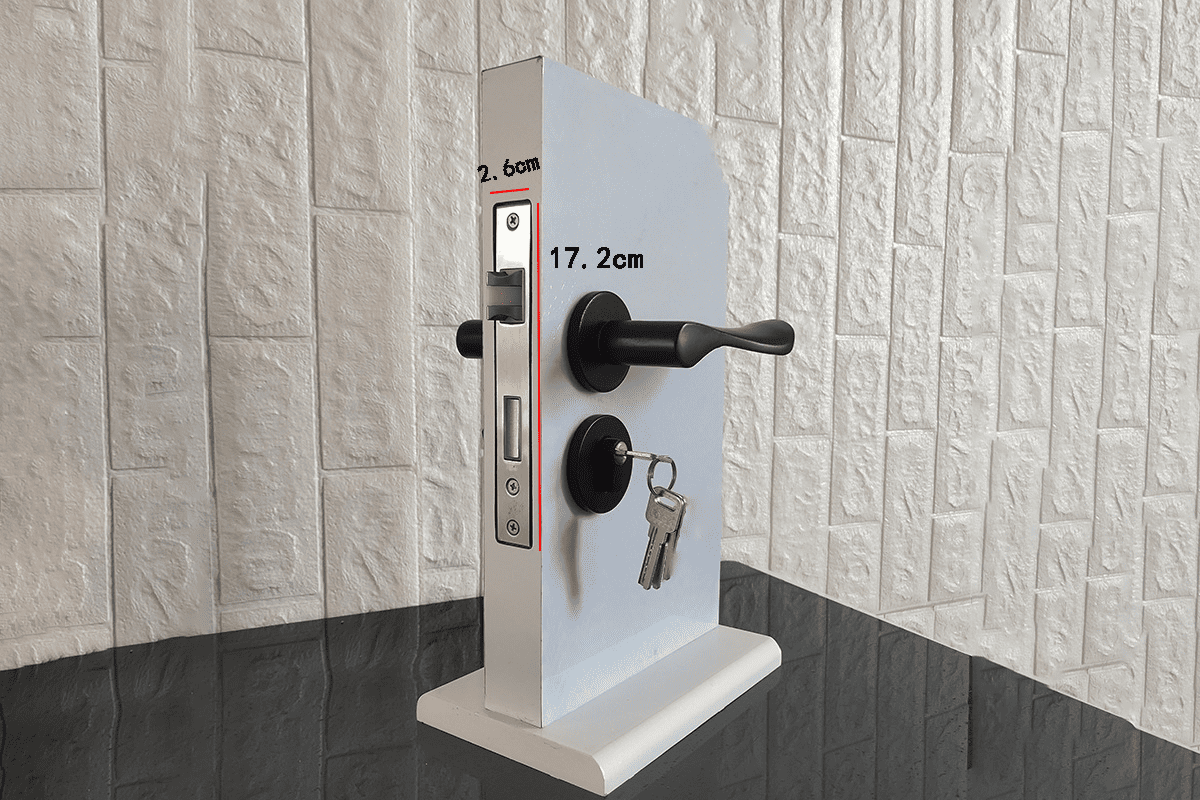
The lock body is not the full lock set
I often see one common misunderstanding: a buyer says “mortise lock,” but the requirement may include several separate parts.
A complete door locking solution can include:
- Mortise lock body: the internal mechanism installed inside the door.
- Euro profile cylinder2: the key-operated cylinder inserted through the lock body.
- Lever handle or knob: the operating hardware for the latch.
- Escutcheon or rose: the decorative and protective trim.
- Strike plate: the frame-side receiving plate for latch and deadbolt.
- Fixing screws and accessories: small parts that affect installation quality.
- Fire-rated or certified documentation: required for some project doors.
European mortise locks usually refer to the lock body, not automatically to the cylinder, handle, or full lock set.3 This distinction matters because a lock body can be compatible with several cylinder lengths, handle styles, and trim designs.
The baseline structure: sash lock
For most door hardware sourcing discussions, I use the sash lock as the baseline. A typical European sash mortise lock has4:
| Component | Function | Procurement note |
|---|---|---|
| Latch bolt | Operated by the lever handle | Check latch direction and reversibility |
| Deadbolt | Operated by key or cylinder | Confirm throw length and locking turns |
| Follower | Receives spindle from handle | Common sizes include 8 mm, but confirm |
| Cylinder hole | Accepts Euro profile cylinder | Confirm cylinder type and screw position |
| Faceplate | Visible plate on door edge | Confirm width, length, radius/square ends |
| Strike plate | Mounted on door frame | Must match latch and deadbolt positions |
Other European mortise locks are often variations of this baseline. Some remove the deadbolt. Some change the latch action. Some add emergency escape behavior. Some are shaped for narrow aluminum or PVC doors. Some use a hook bolt for sliding doors.
Why the European format matters
The term “European” often refers to common European-style dimensions and hardware compatibility, especially the use of the Euro profile cylinder. However, I do not treat every product called “European” as interchangeable.
Before I approve a sample drawing, I normally want to confirm:
- Door material: wooden, steel, aluminum, PVC, composite, or fire-rated door.
- Door thickness: affects cylinder length and handle fixing.
- Backset: distance from faceplate edge to spindle or cylinder center.
- Center distance: distance between handle follower and cylinder center.
- Faceplate size: width, length, thickness, and end shape.
- Latch direction: left/right, inward/outward, or reversible.
- Strike plate type: flat, box strike, adjustable, or project-specific.
- Compliance needs: CE, fire-rated documentation, or project test reports where required.
In my factory-side experience, the fastest inquiries are not the ones with the shortest messages. They are the ones with the clearest drawings, door details, and hardware configuration.
What Are the Nine Common Types of European Mortise Locks?
A simple list of lock names can be misleading. Two buyers may use the same name for different functions, or different names for the same structure. This creates confusion during quotation, sampling, and inspection.
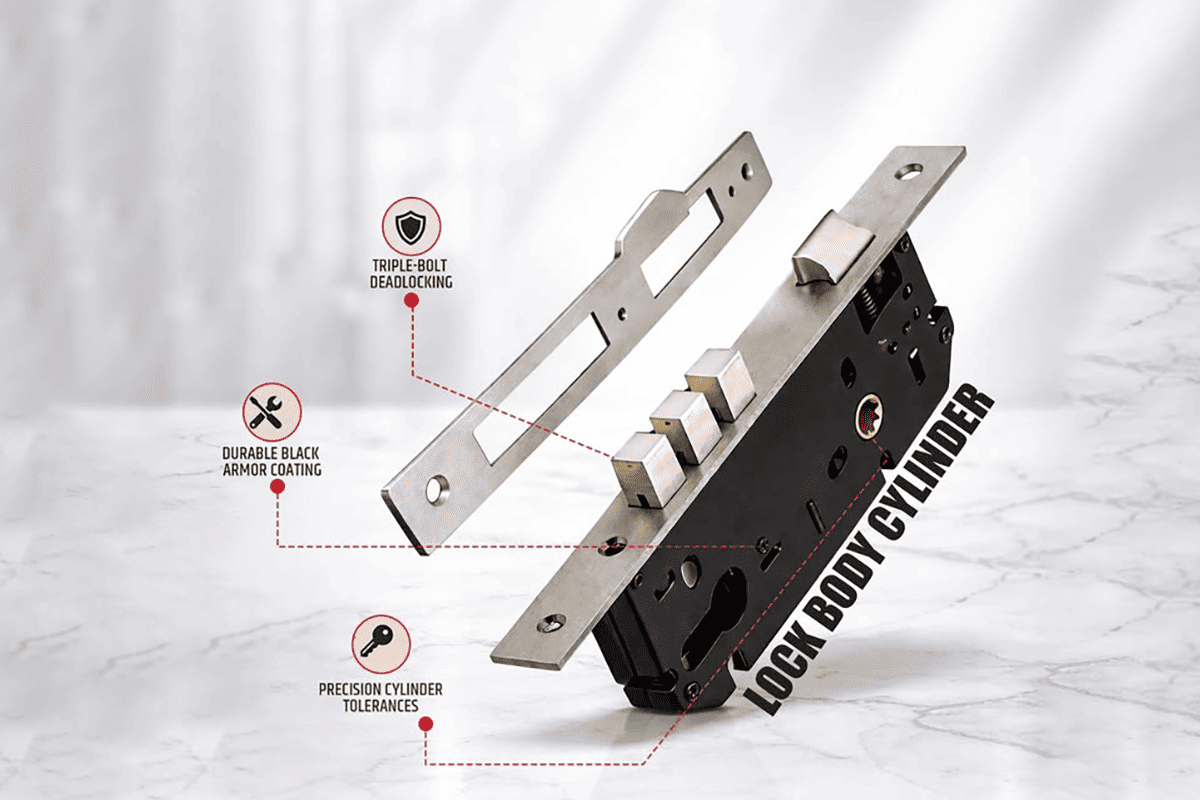
The nine practical types of European mortise locks commonly discussed in sourcing are sash lock, passage lock, deadbolt lock, night latch lock, escape lock, classroom lock, magnetic lock, narrow lock, and hook lock. Each type is best understood by its latch/deadbolt structure and real door application.
Quick comparison of the nine types
| Type | Basic structure | Typical use | Main buyer concern |
|---|---|---|---|
| Sash lock | Latch + deadbolt | Interior and exterior hinged doors | Standard function and compatibility |
| Passage lock | Latch only | Non-security internal doors | Smooth handle operation |
| Deadbolt lock | Deadbolt only | Low-frequency secured doors | Bolt strength and cylinder match |
| Night latch lock | Latch with anti-slip function | Doors needing anti-card protection | Latch security and operation mode |
| Escape lock | Emergency egress function | Public or project doors | Compliance and escape behavior |
| Classroom lock | Key control with inside exit | Schools and institutions | Preventing trapped occupants |
| Magnetic lock | Magnetic latch action | Quiet internal doors | Closing feel and alignment |
| Narrow lock | Slim lock case | Aluminum/PVC profile doors | Backset and case width |
| Hook lock | Hook bolt | Sliding doors | Hook engagement and frame match |
1. Sash lock
A sash lock is the most common reference point for European mortise locks. It usually includes a spring latch operated by the lever handle and a deadbolt operated by the Euro profile cylinder.
I see sash locks used for:
- Apartment entrance doors
- Interior room doors with locking needs
- Hotel or office doors, depending on specification
- Wooden and metal hinged doors
The procurement advantage is versatility. A sash lock can support common handle-and-cylinder configurations. However, buyers still need to check the backset, center distance, follower, faceplate, and strike plate.
2. Passage lock
A passage lock normally has a latch but no locking deadbolt.5 The handle retracts the latch, and the door stays closed without key locking.
This type fits:
- Hallway doors
- Storage areas with no security requirement
- Internal room doors
- Commercial spaces where free passage is needed
The buyer should not choose a passage lock where real locking is required. I sometimes see this mistake when a door factory wants to reduce cost, but the end user expects key locking.
3. Deadbolt lock
A deadbolt lock uses a bolt operated by a key or cylinder, often without a handle-operated latch. It is suitable for doors that do not need frequent handle operation.
Common applications include:
- Utility rooms
- Secondary security points
- Low-frequency access doors
- Supplementary locking positions
Deadbolt locks are simple, but they still need accurate machining. The bolt must align with the strike plate and frame pocket. A small alignment error can make the lock feel rough or unreliable.
4. Night latch lock
A night latch lock is designed to resist slipping or carding of the latch in certain door setups.6 Depending on the design, it may automatically secure the latch when the door closes.
Buyers consider night latch structures when they need:
- Better anti-slip protection than a normal passage latch
- Controlled access for apartment or office doors
- A lock that reduces casual latch manipulation
The exact function should be confirmed by sample testing and technical drawings. I would not assume all night latch designs behave the same way.
5. Escape lock
An escape lock allows emergency exit from the inside, often without using a key.7 This is a functional category where project requirements matter.
Typical use cases include:
- Public buildings
- Commercial project doors
- Exit route doors
- Doors where emergency egress is required
For this type, buyers must verify professional requirements, local regulations, and documentation. A supplier can provide product information and certificates where available, but project suitability should be evaluated by qualified professionals.
6. Classroom lock
A classroom lock is used in schools and institutional buildings. The goal is usually to allow controlled locking from the outside while helping prevent occupants from being trapped inside.8
This type may be relevant for:
- Classrooms
- Training centers
- Public education facilities
- Institutional projects
The exact function differs by market and standard. I always recommend checking the required operation sequence with the project specification before confirming a classroom lock.
7. Magnetic lock
A magnetic mortise lock uses a magnetic latch that stays retracted until the door closes.9 It is popular where quiet closing and a clean door edge appearance are important.
Common uses include:
- Interior residential doors
- Hotel room doors
- Office partitions
- High-end wooden doors
The key concern is alignment. Magnetic latches can feel excellent when the door and frame are accurate, but poor installation can affect closing performance.
8. Narrow lock
A narrow lock has a slim case, usually for aluminum or PVC profile doors where installation space is limited.10 It may use different backsets than standard wooden-door locks.
Buyers use narrow European mortise locks for:
- Aluminum frame doors
- PVC profile doors
- Glass door frame systems with metal profiles
- Commercial storefront doors
The important point is that “narrow” is not one dimension. The actual case width, backset, faceplate, and fixing holes must match the profile.
9. Hook lock
A hook lock uses a hook-shaped bolt, usually for sliding doors. The hook engages with the strike to resist pulling movement.11
Typical applications include:
- Sliding wooden doors
- Aluminum sliding doors
- Balcony or patio doors, depending on system
- Interior partition sliding doors
Hook locks require careful matching with the frame or receiving strike. I usually ask for the door system drawing before quoting this type, because the engagement depth matters.
How Do European Mortise Locks Differ by Door Application?
Choosing a lock by name alone can create a mismatch between the door function and the lock behavior. A quiet hotel door, a school classroom door, a profile aluminum door, and a sliding door all create different lock requirements.
European mortise locks differ by door application because each door type needs a specific structure, operating method, and installation envelope. A door factory should first define the door material, opening style, user behavior, traffic level, security expectation, and project compliance requirement before selecting the lock body.
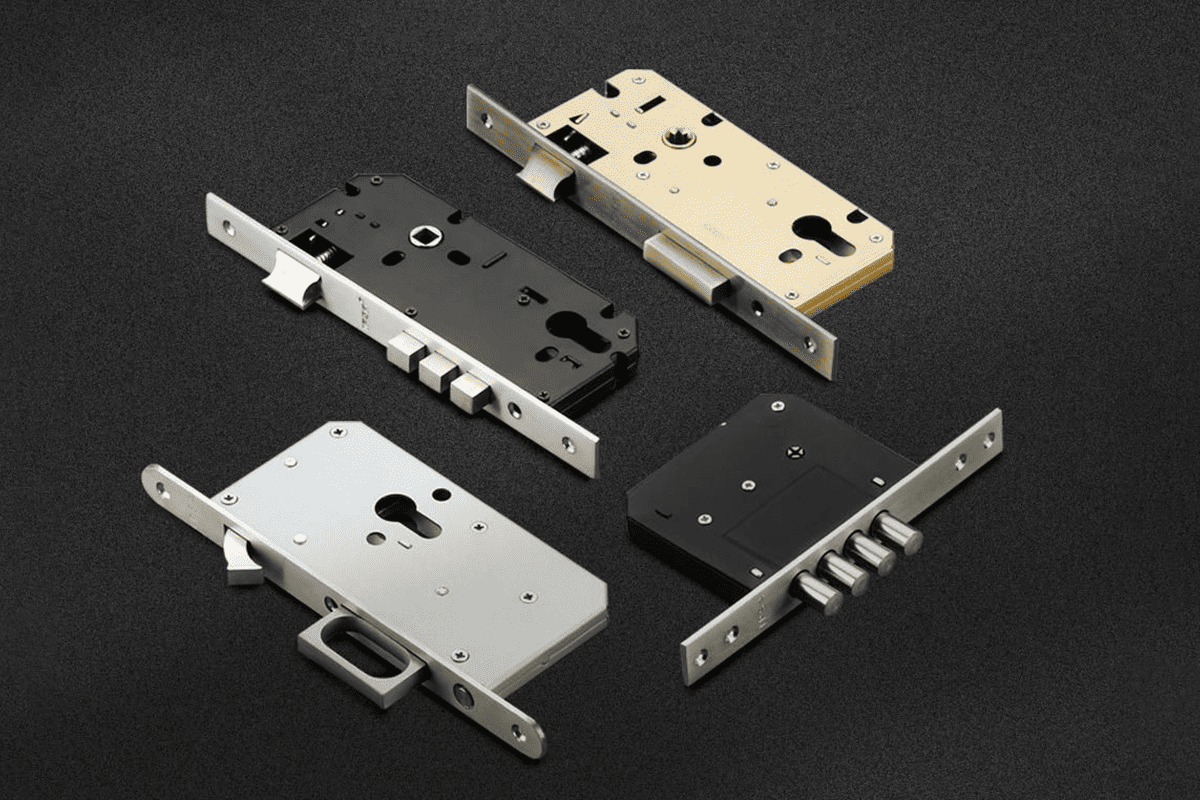
Hinged wooden doors
For hinged wooden doors, the most common choices are sash locks, passage locks, magnetic locks, and deadbolt locks. The door leaf usually has enough thickness and edge space for a standard lock case.
I often see these common pairings:
| Door use | Suitable type | Reason |
|---|---|---|
| Bedroom or office | Sash lock | Handle latch plus key locking |
| Hallway or closet | Passage lock | Simple closing without key |
| Premium interior door | Magnetic lock | Quiet closing and clean appearance |
| Storage room | Deadbolt lock | Basic key-controlled access |
For wooden doors, the installation pocket is easier to machine than some metal profiles. Still, accuracy matters. If the mortise pocket is too loose, the lock can shift. If it is too tight, the installer may force the lock body and deform the case.
Steel and fire-rated doors
Steel doors may use European mortise locks, but buyers need to pay more attention to compliance, strength, latch projection, and strike design. If the door is fire-rated, the lock should not be selected only by appearance or price.12
Important checks include:
- Does the lock have relevant fire-rated documentation?
- Is the faceplate suitable for the steel door edge?
- Does the latch/deadbolt projection match the frame?
- Does the lock set match the tested door assembly requirement?
- Does the project require a specific certificate, report, or standard?
I treat fire-rated certification as a separate compliance requirement, not as a lock type. Buyers should request valid documents and verify that the lock model, size, and configuration match the intended project use.
Aluminum and PVC profile doors
Aluminum and PVC doors often need narrow locks because the profile does not have enough space for a standard lock case. In this category, the backset may be much smaller, and the fixing positions may be profile-specific.
Before quoting a narrow lock, I prefer to confirm:
- Profile section drawing
- Available installation depth
- Backset requirement
- Faceplate width
- Cylinder position
- Handle height and spindle size
- Strike plate or keep design
A small dimension difference can make the lock impossible to install. This is why I always prefer drawings over only photos for profile door projects.
Sliding doors
Sliding doors often require hook locks because a normal straight deadbolt may not hold the door correctly against sliding movement. The hook bolt engages into a receiving keep and helps secure the sliding panel.
The main procurement questions are:
- Is the door single sliding or double sliding?
- Is the frame wood, aluminum, or steel?
- What is the required hook direction?
- How deep can the hook engage?
- Does the handle need flush pull hardware?
- Is there a cylinder on one side or both sides?
Hook locks can be reliable when matched correctly, but they are highly dependent on the door system. I rarely recommend choosing them from a generic catalog page without checking the installation structure.
Which Dimensions Must Buyers Confirm Before Ordering European Mortise Locks?
A lock type may be correct, but the order can still fail if the dimensions are wrong. In bulk production, even a 2 mm mismatch can affect installation, handle alignment, or strike plate engagement.
Before ordering European mortise locks, buyers should confirm backset, center distance, faceplate size, case depth, follower size, cylinder type, door thickness, latch direction, strike plate, finish, and certification requirements. These details should be checked on drawings and approved samples before mass production.
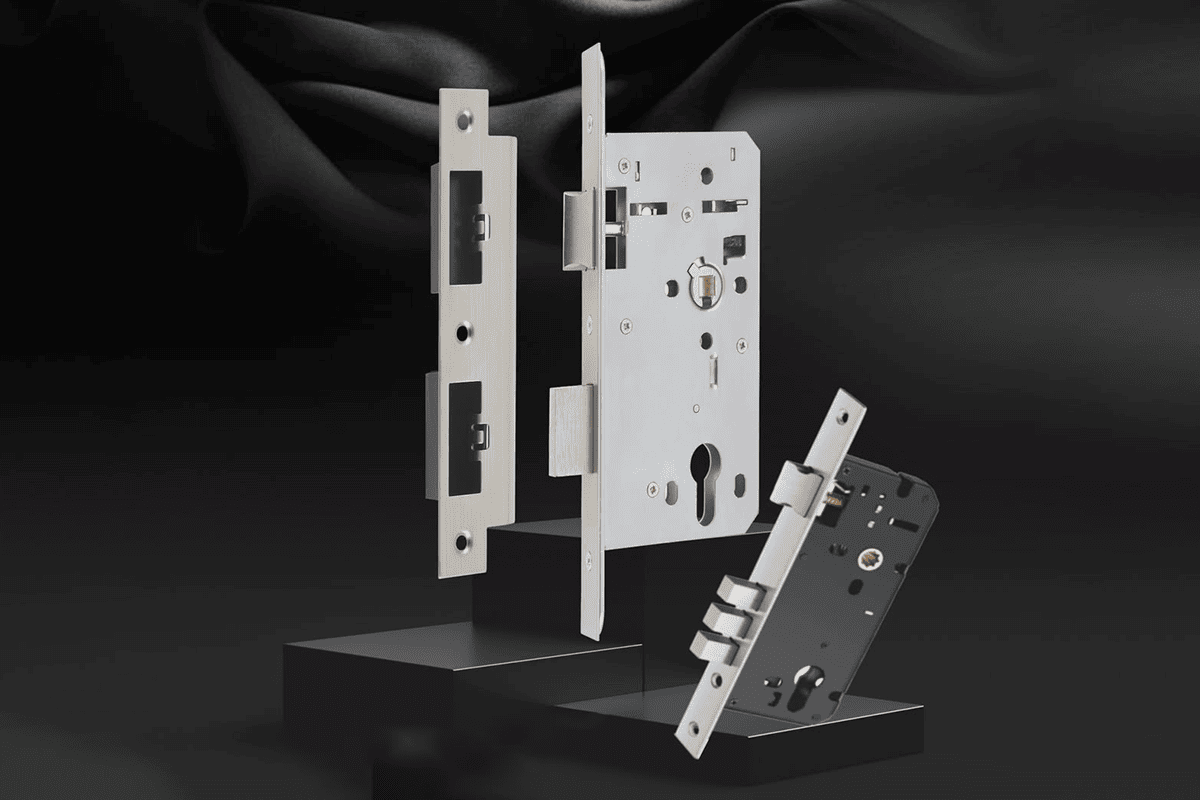
Core dimensions checklist
| Dimension or item | What it means | Why it matters |
|---|---|---|
| Backset | Faceplate edge to handle/cylinder center | Controls handle and cylinder position |
| Center distance | Handle follower to cylinder center | Must match escutcheon or plate handle |
| Faceplate width | Visible lock plate width | Must fit door edge machining |
| Faceplate length | Total visible plate length | Must match door preparation |
| Faceplate end shape | Square or radius end | Affects routing and appearance |
| Case depth | Lock body depth inside door | Must fit door leaf or profile |
| Follower size | Spindle hole size | Must match lever handle spindle |
| Cylinder type | Euro profile or other | Must match key system and trim |
| Deadbolt throw | Bolt projection distance | Affects security and frame pocket |
| Latch direction | Left/right/reversible | Must match door handing |
Backset and center distance
The backset is one of the first dimensions I check. It affects where the handle and cylinder sit on the door face. Common backsets vary by lock category and market, so I do not assume one standard fits all doors.
The center distance is equally important. It controls whether the lever handle plate or escutcheon aligns with the cylinder hole. If a buyer uses long plate handles, the center distance must match the plate design. If the project uses separate rose handles and cylinder escutcheons, there may be more flexibility, but the lock body still needs the correct layout.
Faceplate and strike plate
The faceplate is visible on the door edge, so it affects both installation and appearance. Buyers should confirm:
- Width
- Length
- Thickness
- Corner shape
- Screw hole position
- Finish
- Branding or marking requirements
The strike plate is sometimes treated as a small accessory, but it can determine whether the door closes smoothly. For bulk orders, I prefer to confirm the strike plate at the same time as the lock body, especially for project doors and door factory assembly lines.
Door thickness and cylinder length
European mortise locks commonly use Euro profile cylinders, but the cylinder length depends on door thickness and trim thickness. A cylinder that is too short may not install correctly. A cylinder that projects too far can look poor and may create security concerns.
Buyers should calculate cylinder length based on:
- Door thickness
- Handle plate or escutcheon thickness
- Lock body center position
- Required inside/outside cylinder projection
- Thumbturn or double-key requirement
I normally ask whether the buyer needs a lock body only, lock body plus cylinder, or a complete lock set. This avoids mistakes in quotation and packing.
Finish consistency in bulk orders
For visible hardware, surface finish matters. Even if the lock body is mostly hidden, the faceplate, strike plate, screws, cylinder, and handle may be visible together.
Common finishes include:
- Satin stainless steel
- Polished stainless steel
- Satin nickel
- Polished chrome
- Black finish
- Antique finishes, depending on market demand
In bulk orders, buyers should define the finish standard clearly. A sample approval process helps reduce disputes. At SDH Hardware, our quality control process includes raw material screening, production supervision, and finished product inspection, but buyers should still approve reference samples for appearance and function before mass production.
How Should Buyers Evaluate European Mortise Locks Suppliers?
A low unit price can look attractive at first, but it may become expensive if the supplier cannot control dimensions, finishes, documentation, or delivery. I have seen buyers lose more money from rework and delays than from the lock price itself.
Buyers should evaluate European mortise locks suppliers by checking manufacturing capability, drawing support, sample accuracy, quality control, finish consistency, certificate availability, customization capacity, delivery stability, and communication quality. A good supplier helps confirm the lock structure before production, not after problems appear.
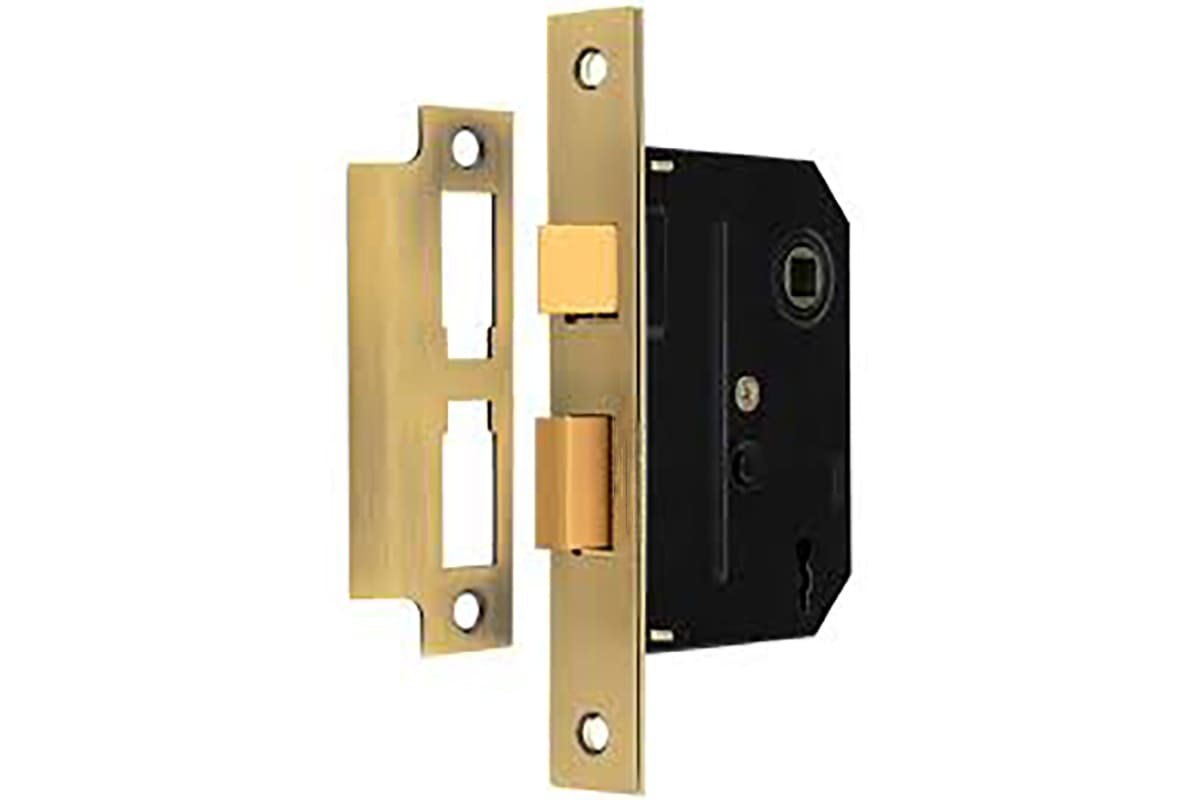
Supplier evaluation checklist
| Evaluation area | What to ask | Why it matters |
|---|---|---|
| Factory capability | Does the supplier manufacture or only trade? | Affects control over quality and lead time |
| Product range | Can they supply lock, hinge, handle, cylinder? | Supports one-stop sourcing |
| Drawing support | Can they confirm technical drawings? | Reduces sampling errors |
| Sampling process | Can they make pre-production samples? | Validates dimensions and function |
| Quality control | What inspections are performed? | Protects bulk-order consistency |
| Certification | Are CE/fire-rated documents available? | Supports market and project requirements |
| Customization | Can they adjust faceplate, finish, accessories? | Helps fit regional door systems |
| Delivery | Can they support stable bulk supply? | Reduces supply chain risk |
Manufacturing experience matters
From a manufacturer’s perspective, the most valuable supplier is not only the one with many catalog models. It is the one that can identify risk before production.
For example, a buyer may request:
- A sash lock for a wooden door
- A 50 mm backset
- A 72 mm center distance
- Stainless steel faceplate
- Euro profile cylinder compatibility
- Matching lever handle and cylinder
- CE documentation if required
Conclusion
European mortise locks are best selected by function and fit, not by name alone. I would start with the nine practical types: sash, passage, deadbolt, night latch, escape, classroom, magnetic, narrow, and hook locks. Then I would confirm door type, backset, center distance, faceplate, cylinder, handle, strike plate, finish, and compliance documents. If you need factory-side support for sampling or bulk sourcing, SDH Hardware can help review your specifications and develop a suitable door hardware solution.
"Mortise lock", https://en.wikipedia.org/wiki/Mortise_lock. A general technical definition of a mortise lock describes it as a lock installed in a mortise cut into the door, supporting the article’s description of the lock body being housed inside the door edge. Evidence role: definition; source type: encyclopedia. Supports: A neutral source should define a mortise lock as a lock fitted into a mortise or pocket cut into the edge of a door.. Scope note: This supports the mortise-lock installation concept generally, not every regional variant marketed as a European mortise lock. ↩
"Pin tumbler lock - Wikipedia", https://en.wikipedia.org/wiki/Pin_tumbler_lock. Standards-based descriptions of lock cylinders identify the Euro profile cylinder as a standardized cylinder format used with compatible door locks, providing context for its role in European-style mortise lock systems. Evidence role: definition; source type: institution. Supports: A standards or institutional source should define the Euro profile cylinder and its use in cylinder-operated door locks.. Scope note: The source would support the cylinder format and compatibility concept, but not prove that all European mortise locks use this cylinder type. ↩
"Mortise lock", https://en.wikipedia.org/wiki/Mortise_lock. Architectural hardware terminology distinguishes the lock case or lock body from separate items such as cylinders, lever furniture, escutcheons, and strikes, supporting the article’s distinction between a mortise lock body and a complete lock set. Evidence role: definition; source type: institution. Supports: A door-hardware glossary or standards source should distinguish a mortise lock case from associated components such as cylinders, levers, trim, and strikes.. Scope note: Terminology may vary by market and supplier documentation. ↩
"Mortise lock", https://en.wikipedia.org/wiki/Mortise_lock. Architectural hardware references commonly define a mortice sashlock as combining a spring latch with a locking bolt, supporting the article’s use of the sash lock as a baseline latch-and-deadbolt mortise lock structure. Evidence role: definition; source type: institution. Supports: A technical source should define a sash lock or mortice sashlock as a lock combining a latch bolt and deadbolt operated by handle and key or cylinder mechanisms.. Scope note: The source would support the general sash-lock structure, while individual products may differ in dimensions and operating details. ↩
"Difference between a passage, privacy, and dummy ...", https://www.angelbau.com/resources/passage-privacy-dummy-door-handle-functions. Door-hardware terminology describes passage sets as non-locking latch hardware used where free passage is intended, supporting the article’s statement that a passage lock uses a latch without a locking deadbolt. Evidence role: definition; source type: education. Supports: An educational or glossary source should state that passage hardware provides latching for doors that do not require locking.. Scope note: Some manufacturers may use overlapping terms for regional product lines. ↩
"Night latch - Wikipedia", https://en.wikipedia.org/wiki/Night_latch. Technical descriptions of deadlatching mechanisms explain that an auxiliary or deadlocking element can prevent the latch bolt from being retracted by pressure on the latch, supporting the article’s discussion of anti-slipping or anti-carding night-latch functions. Evidence role: mechanism; source type: education. Supports: A technical source should explain how a deadlatch or auxiliary latch prevents the latch bolt from being pushed back when the door is closed.. Scope note: This supports the mechanism in principle; actual resistance depends on the specific lock design, strike alignment, and installation. ↩
"EN 179: Building hardware - Emergency exit devices operated ...", https://www.intertek.com/building/standards/en-179/. Emergency-exit hardware standards such as EN 179 and EN 1125 address devices intended to permit occupants to open exit doors from the egress side without using a key, supporting the article’s characterization of escape locks as inside-exit devices. Evidence role: expert_consensus; source type: institution. Supports: A standards source should show that emergency exit hardware is designed to enable exit from the inside without a key or special knowledge, depending on the applicable standard.. Scope note: The standards define requirements for certified exit devices, not every product marketed as an escape mortise lock. ↩
"Classroom Function - I Dig Hardware", https://idighardware.com/2009/11/classroom-function/. Institutional guidance on classroom door hardware describes classroom lock functions as providing controlled locking from the outside while maintaining egress from the room side, supporting the article’s safety-oriented description of classroom locks. Evidence role: expert_consensus; source type: institution. Supports: A building-code or school-safety source should describe classroom lock functions that permit inside egress while allowing controlled locking from the corridor side.. Scope note: Requirements differ across jurisdictions and may be modified by local fire and life-safety codes. ↩
"Reliable Magnetic Mortise Lock for Wooden and Steel Door ...", https://www.camax.cn/what-is-a-magnetic-mortise-lock-and-why-it-is-widely-used-in-modern-interior-door_2215.html. Technical explanations of magnetic door latches describe a latch that is held flush or retracted until magnetic attraction at the strike draws it into engagement, supporting the article’s description of magnetic mortise lock operation. Evidence role: mechanism; source type: education. Supports: A technical or educational source should explain that magnetic latches use attraction between latch and strike so the latch engages when aligned at closure.. Scope note: This supports the general mechanism; noise level and closing quality depend on door alignment and product design. ↩
"elox Narrow Stile Aluminum Door Mortise Deadlatch Lock ...", https://www.amazon.com/elox-Aluminum-Deadlatch-Cylinder-Reversible/dp/B0C9TBWX8M. Architectural hardware references describe narrow-stile or narrow-case locks as hardware intended for doors with restricted stile or profile space, supporting the article’s claim that narrow locks are commonly used in aluminum and PVC profile doors. Evidence role: general_support; source type: institution. Supports: A hardware or architectural source should state that narrow-stile or narrow-case locks are designed for metal or profile doors with limited stile width.. Scope note: The source would support the application category, while exact case widths and backsets remain product- and profile-specific. ↩
"Hook Lock for Sliding Doors - Deadlock & Deadbolt", https://www.dnd.com.tw/en/category/Hook-Lock.html. Technical descriptions of sliding-door hook locks explain that a hook-shaped bolt engages a receiving keep or strike, supporting the article’s statement that the hook resists separation or pulling movement of the sliding panel. Evidence role: mechanism; source type: education. Supports: A technical source should explain that a hook bolt rotates or projects into a keep or strike to secure a sliding panel.. Scope note: Actual holding performance depends on the door system, strike reinforcement, alignment, and installation quality. ↩
"A Specifier's Guide to Fire Door Hardware", https://go.dormakaba.com/en/articles/a-specifiers-guide-to-fire-door-hardware. Fire-door guidance states that locks, latches, and other hardware form part of the fire-door assembly and must be compatible with the door’s tested or certified rating, supporting the article’s warning against choosing fire-rated door locks only by appearance or price. Evidence role: expert_consensus; source type: government. Supports: A government or fire-safety source should state that fire-door hardware must be suitable for the rated assembly and installed according to listings, certificates, or test evidence.. Scope note: Specific compliance obligations depend on jurisdiction, door classification, and the applicable test or certification scheme. ↩