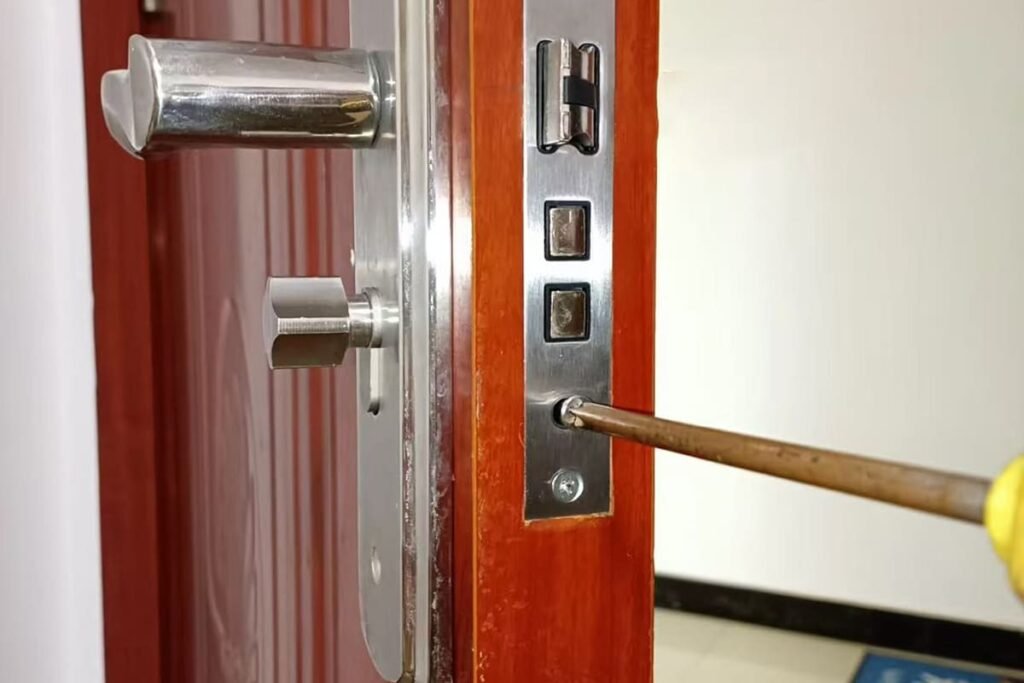
How to choose hollow metal door hardware?
Hollow metal door hardware is easy to choose incorrectly when buyers treat each item as a separate product. A lock may look strong, a hinge may look heavy, and a handle may look attractive, but the set can still fail if it does not match the door structure, cutouts, usage frequency, and project requirements.
To choose hollow metal door hardware, first collect complete door data, then match the lock body, lever handle, cylinder, hinges, and closer as one working system. Buyers should check door thickness, reinforcement, prepared holes, door weight, traffic level, application environment, finish consistency, and required certificates before confirming bulk orders.
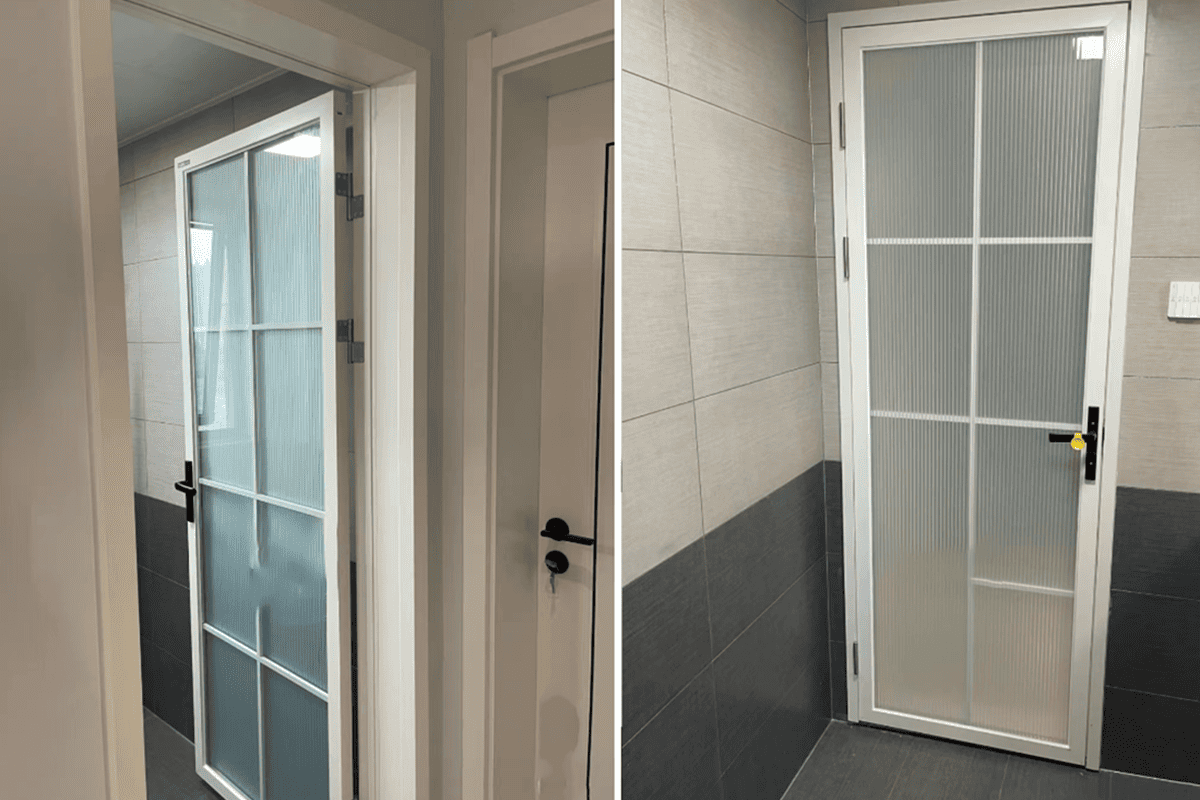
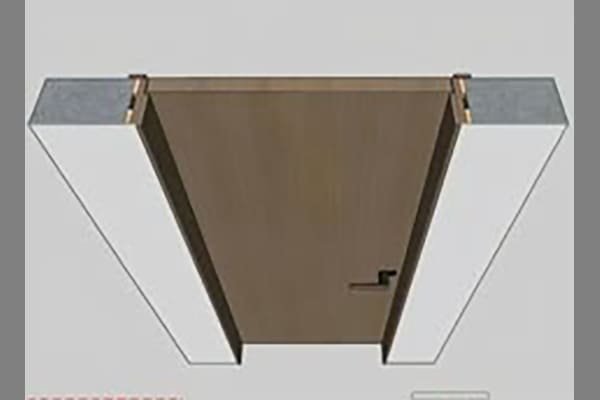
A hollow metal door is usually a steel door leaf with internal reinforcement, core filling, and prepared cutouts for locks, hinges, closers, and other accessories.1 That structure makes hardware selection different from wooden door hardware selection. I always tell buyers that the door decides the hardware before the catalog does.
What door data should I collect before choosing hollow metal door hardware?
Missing door data creates the most expensive problems in hollow metal door hardware purchasing. A buyer may approve a good lock or hinge, but the factory may later find that the cutout, door thickness, or reinforcement does not match. That causes rework, delay, and extra cost.
The first step is to collect door thickness, door size, estimated weight, steel gauge if available, internal reinforcement, door handing, prepared holes, frame condition, and whether the project is new installation or retrofit.2 This data tells the supplier whether the hardware can be installed without cutting, welding, or changing the door design.
Why door structure controls hardware selection
In my manufacturing and export experience, many procurement problems begin before the purchase order is placed. The buyer may send a lock photo, hinge size, or finish requirement, but the supplier does not receive the door drawing. That creates uncertainty. Hollow metal doors are not empty metal boxes.3 They can include:
- Steel skins with different thicknesses or gauges
- Reinforcement plates for hinges, locks, closers, and exit devices
- Honeycomb, rock wool, polyurethane, or other cores
- Prepared lock cutouts and hinge mortises
- Fire-rated or non-fire-rated assembly requirements
- Different frame types and jamb conditions
A small mismatch can become a large production issue. For example, a mortise lock case may fit the door thickness, but the spindle position may not match the lever handle. A hinge may match the screw hole pattern, but the door reinforcement may not support the expected load. A closer may have enough force on paper, but the top rail may not have the correct reinforcement or mounting space.
Practical door data checklist
I usually ask buyers to prepare a simple data sheet before confirming hollow metal door hardware. This avoids repeated emails and reduces interpretation errors.
| Door data item | Why it matters for hardware selection |
|---|---|
| Door thickness4 | Determines lock case, cylinder length, spindle, and accessory compatibility |
| Door height and width | Affects hinge selection, closer power range, and door control needs |
| Door weight | Helps judge hinge load capacity and closer suitability |
| Steel sheet thickness or gauge | Shows structural strength and fastening reliability |
| Core filling | Influences weight, fire performance, sound performance, and reinforcement planning |
| Handing and swing direction | Affects lock function, lever orientation, closer arm, and latch direction |
| Prepared holes and cutouts | Determines whether hardware can fit without rework |
| Frame condition | Important for strike plate, hinge alignment, and door closer performance |
| New project or retrofit | Retrofit projects need stricter compatibility checking |
| Certification need | CE, UL, EN, ANSI/BHMA, or fire-rated documents must match the project requirement |
New project versus retrofit
A new project gives the buyer more control. The door factory can prepare cutouts based on confirmed hardware drawings. The supplier can provide lock templates, hinge dimensions, cylinder options, and handle rose or plate details before production.
A retrofit project is less flexible. Existing holes, frame locations, and reinforcement positions may already be fixed. In that case, the best hardware is not the strongest product in the catalog. The best option is the product that fits the existing opening, performs reliably, and meets the required compliance level.
I have seen buyers focus on unit price first, then discover that the lock body requires a different door preparation. The saving disappears quickly when the door factory must modify hundreds of doors.
For this reason, I recommend treating data collection as the first quality-control step. It is not paperwork. It is the foundation of the whole hardware system.
How should hollow metal door hardware be matched as a complete set?
Choosing hollow metal door hardware one item at a time creates compatibility risk. The lock body may not match the cylinder. The lever handle may not match the spindle. The closer may not suit the traffic level. The hinge may be underspecified for the door weight.
Hollow metal door hardware should be matched as functional groups. The lock body, lever handle, cylinder, strike plate, hinges, and closer should be checked together against door size, thickness, handing, cutouts, traffic level, and project compliance needs.5 System matching prevents assembly rework and performance failure.
Lock body, lever handle, and cylinder must work together
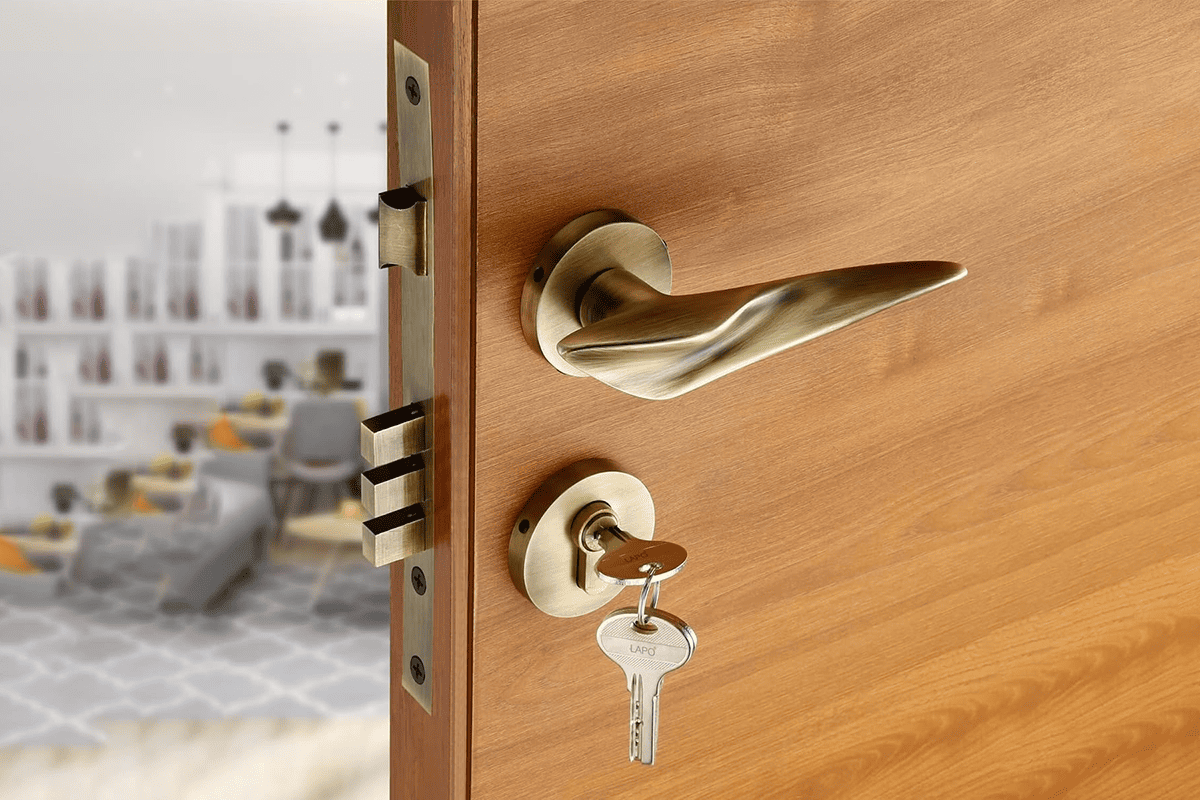
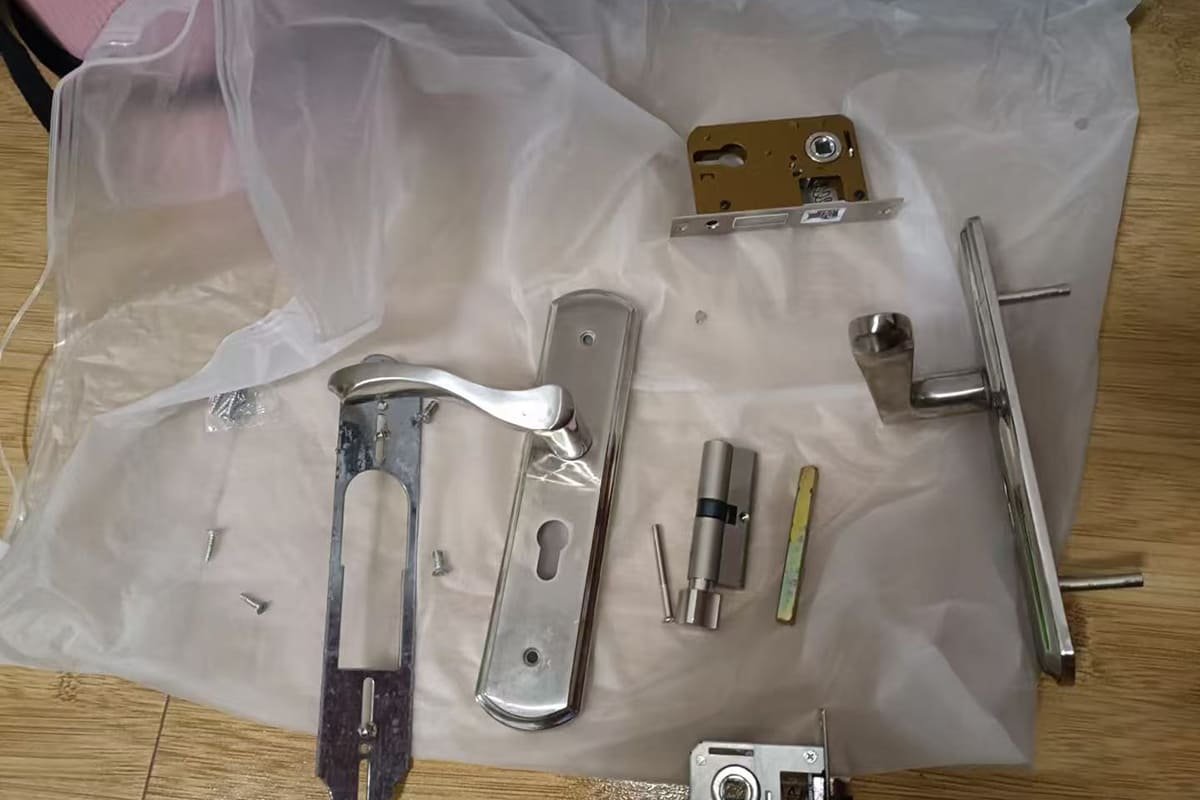
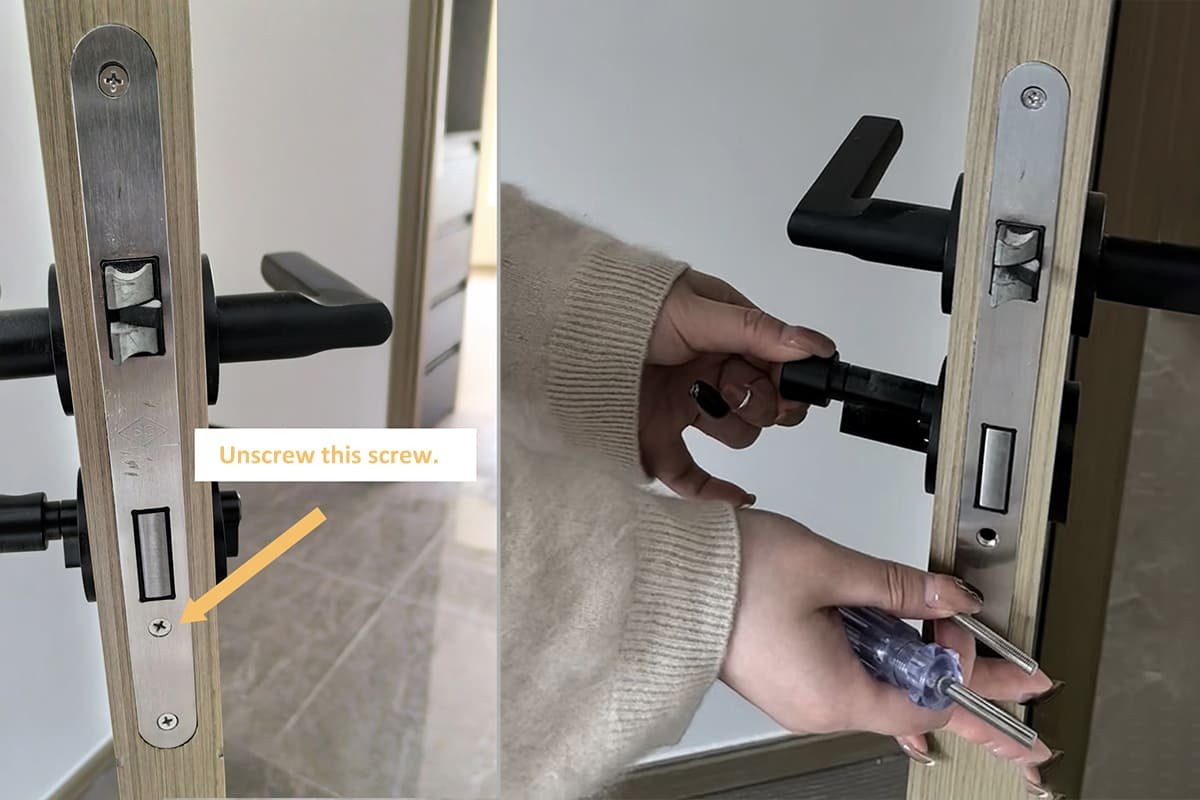
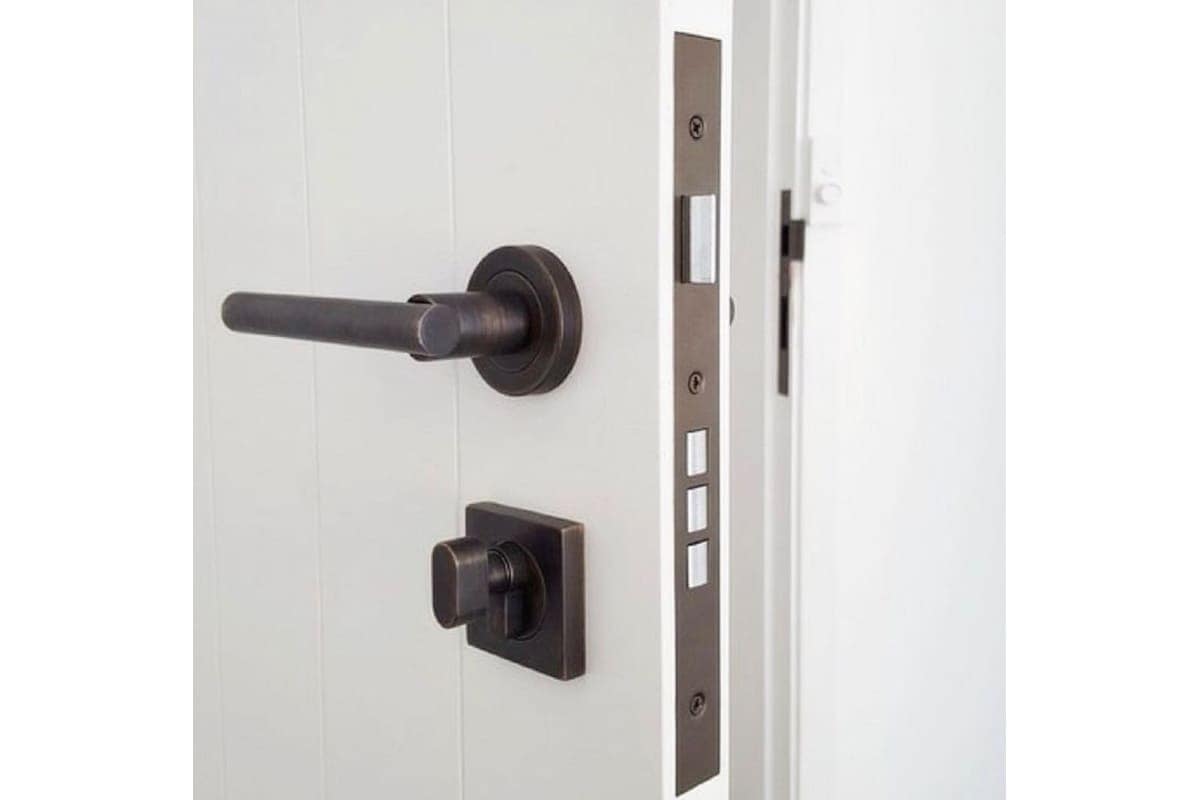
A door lock is not just a lock case. It is a connected group of parts. For hollow metal doors, I pay close attention to the relationship between:
- Lock body dimensions
- Backset
- Center distance
- Spindle size
- Follower design
- Cylinder type and length
- Lever handle rose or plate size
- Latch and deadbolt function
- Strike plate position
- Door thickness range
If one dimension is wrong, the whole set can become difficult to install. A buyer may order a European standard mortise lock, but the lever handle may use a different spindle size. A profile cylinder may be too short for the door thickness and trim. A lock faceplate may not match the prepared door edge.
As a manufacturer, I prefer to review lock body drawings, handle drawings, and cylinder specifications together. This is especially important for door factories producing matched door sets for hotels, apartments, offices, schools, hospitals, and commercial buildings.
Hinges must match weight, height, and use frequency
Hinges carry the door every day. They also influence alignment, closing action, and long-term customer satisfaction. For hollow metal doors, buyers should not choose hinges only by size or finish. They should consider:
- Door weight
- Door height
- Opening frequency
- Frame material
- Hinge reinforcement
- Bearing type
- Corrosion environment
- Fire-door requirements, if applicable
For example, a light service-room door and a high-traffic corridor door may both use metal door leaves, but their hinge requirements are not the same. A heavier or taller door often needs better load-bearing support.6 A high-frequency door may need stronger bearing performance. A fire-rated assembly may require hinges that are verified for that assembly and market.
Standards such as EN 1935, ANSI/BHMA references, or project-specific fire requirements can help buyers define performance expectations. However, buyers should verify the exact certificate, test report, product model, door assembly, and market requirement before assuming suitability.
Closers must match control needs
Door closers are often added late in the procurement process. That creates risk. A closer needs enough power to control the door, but it also needs to suit user comfort, traffic level, mounting condition, and compliance needs.
A buyer should check:
- Door width and weight
- Interior or exterior location
- Wind pressure or air pressure condition
- Hold-open or non-hold-open requirement
- Fire-door restrictions, if applicable
- Mounting method and top rail space
- Opening angle requirement
- Traffic level
A closer that is too weak may not latch the door. A closer that is too strong may make the door difficult to open.7 For public buildings, user experience matters as much as closing control.
Example of system matching
| Hardware group | Main matching points | Common purchasing mistake |
|---|---|---|
| Lock + handle + cylinder | Backset, center distance, spindle, door thickness, function | Buying each item from different suppliers without checking dimensions |
| Hinges | Door weight, height, traffic, bearing, reinforcement | Choosing by size and finish only |
| Closer | Door width, weight, mounting, traffic, fire requirement | Selecting closer after door production is finished |
| Strike and frame parts | Latch position, frame preparation, handing | Ignoring frame condition in retrofit projects |
| Finish and accessories | Batch consistency, corrosion risk, market preference | Approving a sample finish without bulk control standard |
When I help buyers review a hardware schedule, I look for conflicts first. I ask whether the lock and handle match, whether the hinge can support the door, and whether the closer has a realistic installation position. This method is not complicated, but it prevents many avoidable problems.
Which materials and finishes are suitable for hollow metal door hardware?
Material and finish selection can look simple, but it often hides long-term risk. Buyers may ask for stainless steel because it sounds premium, or they may choose a low-cost finish because it looks acceptable in photos. Both decisions can be wrong if the environment and traffic level are not considered.
Materials and finishes for hollow metal door hardware should be selected according to environment, usage frequency, target market, corrosion risk, budget, and finish consistency requirements. Stainless steel, zinc alloy, brass, and coated steel can all be suitable when they match the door application and quality-control standard.
Material choice is a risk-control decision
I do not tell every buyer that stainless steel is always the best choice. That would be too simple. Stainless steel can be excellent for many lever handles, hinges, and exposed parts, especially where corrosion resistance and appearance stability matter.8 But it may not be necessary for every internal component or every budget level.
For hollow metal door hardware, material choice should answer practical questions:
- Will the door be installed indoors or outdoors?
- Will the project be near humidity, salt air, or chemicals?
- Will users operate the door hundreds of times per day?
- Is the product for a high-end brand line or a cost-sensitive project?
- Does the market prefer stainless steel, zinc alloy, brass, or coated finishes?
- Does the customer require a specific test or certificate?
Common material options
| Material | Common use | Strengths | Buyer caution |
|---|---|---|---|
| Stainless steel | Lever handles, hinges, plates, some lock parts | Good corrosion resistance and stable appearance | Grade, thickness, finish process, and workmanship still matter |
| Zinc alloy | Handles, trims, decorative parts | Good shaping flexibility and cost control | Surface treatment quality is critical |
| Brass | Cylinders, keys, some premium trim | Good machining and cylinder performance | Cost can be higher; confirm market preference |
| Carbon steel with coating | Lock cases, internal parts, some hinges | Strong and cost-effective | Coating and corrosion protection must match environment |
| Aluminum alloy | Some trim and accessories | Lightweight and workable | Not suitable for every load-bearing application |
Finish consistency matters in batch orders
For door factories and wholesalers, one sample is not enough. Bulk finish consistency is often more important than sample beauty. A sample handle may look perfect, but a shipment may contain color variation if the polishing, plating, PVD, powder coating, or brushing process is not controlled.9
In our own production work at SDH Hardware, I pay attention to surface finish consistency across batches, especially for stainless steel lever handles, butt hinges, concealed hinges, mortise locks, and lock cylinders. Buyers should also define inspection criteria before mass production.
Useful finish-control points include:
- Approved sample retention
- Color range confirmation
- Scratch and dent tolerance
- Salt spray requirement, if relevant
- Packaging protection
- Batch traceability
- Finish code alignment with project schedule
Environment examples
Different door locations need different thinking.
| Door location | Material and finish concern |
|---|---|
| Interior office door | Appearance consistency and smooth operation may be the main concerns |
| School corridor door | Wear resistance and high-frequency use become more important |
| Hospital service door | Cleanability, durability, and stable closing are important |
| Coastal building door | Corrosion resistance needs closer review |
| Fire-rated stairwell door | Verified assembly compatibility and required documentation matter |
| Warehouse or back-of-house door | Load-bearing strength and cost control may be priorities |
The correct material is not the one with the highest price. The correct material is the one that controls the real risk of the door application.
How do certifications and standards affect hollow metal door hardware selection?
Certifications can help buyers reduce risk, but they can also create misunderstandings. A certificate name on a catalog does not automatically mean the product suits every hollow metal door, every fire-door assembly, or every market.10 Buyers need to verify the document carefully.
Certifications and standards affect hollow metal door hardware selection by defining performance, safety, durability, and market access expectations. Buyers should verify CE, UL, EN, ANSI/BHMA, fire-rated, or other documents against the exact product model, door assembly, application, target country, and project specification.
Standards are decision tools, not shortcuts
In international door hardware supply, buyers often mention standards such as:
- CE
- UL 10C
- EN 1634
- EN 1935
- ANSI/BHMA
- HMMA 830 / HMMA 831
- Fire-rated project requirements
These references can be useful. They create a common language between door factories, architects, contractors, distributors, and hardware manufacturers. However, buyers should avoid treating them as universal approval labels.
For example, a hinge tested under one standard may not automatically satisfy another market’s requirement. A fire-rated lock or hinge may need to be part of a tested door assembly. A closer may have a certificate, but the project may require a different function, mounting method, or label condition.
I am a hardware manufacturer, not a fire-testing lab or code consultant. So I always advise buyers to verify documents with the project authority, certification body, or qualified professional when the project has fire, life-safety, or legal compliance requirements.
What buyers should verify
A responsible procurement team should request more than a certificate image. They should check document details.
| Verification item | Why it matters |
|---|---|
| Product model number | Confirms the certificate applies to the ordered item |
| Test standard | Shows what performance was tested |
| Certificate validity | Reduces risk of expired or outdated documents |
| Door assembly scope | Important for fire-rated doors and frames |
| Hardware function | Confirms the tested product matches the required use |
| Size and configuration | Some documents apply only to certain sizes or versions |
| Issuing body | Helps confirm document authority |
| Target market acceptance | A document accepted in one region may not satisfy another |
Fire-rated hardware needs special caution
Fire-door projects require careful checking. Buyers should not assume that one fire-rated component makes the whole door assembly compliant. A fire-rated hollow metal door usually depends on the combined performance of the door leaf, frame, lock, hinges, closer, seals, glazing if any, and installation method.11
For procurement, this means:
- Confirm whether the door is fire-rated or non-fire-rated.
- Confirm the required fire rating duration and test standard.
- Confirm whether the hardware is included in the tested assembly.
- Confirm whether the project authority accepts the documentation.
- Keep all documents linked to exact product models and batches.
Compliance in export markets
SDH Hardware serves buyers in regions such as the Middle East, Europe, and Southeast Asia. These markets do not always ask for the same documents. A European buyer may focus on CE and EN references. A Middle East project may request specific fire-rated documentation. A Southeast Asia distributor may need a mix of durability, finish, and project approval documents.
That is why I prefer to discuss the target market before quoting. The same hollow metal door hardware set may need different documentation or configuration depending on where the door will be sold or installed.
Certifications are valuable, but they are only useful when they match the real project. Buyers should use them as part of a complete supplier and product evaluation process.
How can buyers avoid common hollow metal door hardware procurement mistakes?
Procurement mistakes usually happen when buyers focus too much on price, finish, or a single product feature. The real risk is not only whether one item is good. The bigger risk is whether the whole hollow metal door hardware set fits, performs, ships consistently, and satisfies the project requirement.
Buyers can avoid hollow metal door hardware mistakes by confirming door data, reviewing hardware compatibility, checking load and traffic needs, verifying certificates, approving finish standards, and choosing a supplier who can support matched sets. A structured review before bulk ordering prevents rework, delay, and after-sales claims.
Mistake 1: Buying by product photo
Photos are useful, but they cannot confirm dimensions, internal structure, material thickness, cycle performance, or certificate scope. I have received inquiries where the buyer sends only a handle photo and asks for “same quality.” That is not enough for accurate matching.
A better inquiry includes:
- Product drawings
- Door drawings
- Hardware schedule
- Finish sample or finish code
- Quantity plan
- Target market
- Certification requirement
- Packaging requirement
- Delivery timeline
Mistake 2: Treating the lock as independent
The lock body, lever handle, cylinder, and strike plate must work as one group. If these items come from different suppliers, the buyer should check every interface dimension. Even a small mismatch can stop assembly.
Important lock-set checks include:
- Backset
- Center distance
- Door thickness range
- Cylinder profile and length
- Spindle size
- Lever fixing method
- Strike plate position
- Handing and function
Mistake 3: Underspecifying hinges
Hinges may look like simple metal plates, but they carry the door load. Buyers sometimes select hinges only by length and finish. That can cause sagging, noise, or early wear.
A better hinge review includes:
- Door height and width
- Door weight
- Traffic frequency
- Bearing type
- Leaf thickness
- Pin structure
- Screw size
- Reinforcement condition
- Fire-door requirement, if applicable
Conclusion
Choosing hollow metal door hardware is a system-matching decision, not a simple catalog selection. Buyers should start with door data, then match the lock, handle, cylinder, hinges, closer, finish, and documentation to the real application. This process reduces rework, sagging, failure, and compliance confusion. If you need matched hardware sets for hollow metal doors, I recommend working with a manufacturer who can review drawings, samples, finishes, and certificates before bulk production.
"SECTION 081113 - HOLLOW METAL DOORS AND FRAMES", https://cpm.umn.edu/sites/cpm.umn.edu/files/2021-12/division8_00_00.pdf. Industry guidance on hollow metal doors describes steel door leaves as assemblies that may include internal cores, reinforcement for hardware, and factory preparations for locks, hinges, and related components. Evidence role: definition; source type: institution. Supports: The source should describe hollow metal door construction, including steel skins, cores, reinforcements, and hardware preparations.. ↩
"SECTION 087111 - DOOR HARDWARE (SCHEDULED BY ...", https://fpm.usc.edu/wp-content/uploads/2021/11/087102-USC-HSC-door-hardware-Guide-Specification_1.pdf. Architectural door-hardware scheduling guidance treats door dimensions, handing, frame conditions, and hardware preparations as necessary information for specifying compatible door hardware; this supports the checklist as a procurement practice rather than proving that every listed item is required in all projects. Evidence role: general_support; source type: institution. Supports: The source should support that hardware selection and scheduling depend on door dimensions, handing, preparations, frame conditions, and related project data.. Scope note: Contextual support; exact data requirements vary by project, hardware type, and local specification practice. ↩
"Commercial Steel Stiffened Doors | Steelcraft B Series", https://www.steelcraft.com/en/products/steel-doors/b-series-steel-stiffened-doors.html. Technical descriptions of hollow metal door construction identify internal cores, stiffeners, and hardware reinforcements as common elements, supporting the point that these doors are engineered assemblies rather than empty metal shells. Evidence role: mechanism; source type: institution. Supports: The source should explain that hollow metal doors may contain cores, stiffeners, reinforcements, and other internal construction features.. ↩
"SECTION 087111 - DOOR HARDWARE (SCHEDULED BY ...", https://fpm.usc.edu/wp-content/uploads/2021/11/087102-USC-HSC-door-hardware-Guide-Specification_1.pdf. Door-hardware specification references commonly list allowable door-thickness ranges for locksets, cylinders, and trim components, supporting the connection between door thickness and hardware compatibility. Evidence role: mechanism; source type: institution. Supports: The source should show that locks, cylinders, trims, and spindles are specified for particular door thickness ranges.. ↩
"1 SECTION 087100 - DOOR HARDWARE PART 1", https://www.fitchburgma.gov/DocumentCenter/View/10469. Architectural hardware practice commonly organizes locks, hinges, closers, and related components into coordinated hardware sets tied to particular door openings, supporting the article’s system-matching approach. Evidence role: expert_consensus; source type: institution. Supports: The source should support the practice of specifying door hardware in coordinated hardware sets or schedules rather than as isolated components.. ↩
"How to read the hinge classification key", https://www.kronakoblenz.com/en/product-school/guide-how-to-read-the-hinge-classification-key. Hinge performance standards classify hinges by criteria such as door mass and use category, supporting the conclusion that heavier or taller doors require appropriately rated load-bearing hardware. Evidence role: mechanism; source type: institution. Supports: The source should support that hinge selection is related to door mass, dimensions, and usage category.. ↩
"Chapter 4: Entrances, Doors, and Gates", https://www.access-board.gov/ada/guides/chapter-4-entrances-doors-and-gates/. Accessibility and door-control guidance recognizes limits on opening force while building and fire-door requirements emphasize reliable closing and latching, supporting the need to balance closer power with user operability. Evidence role: mechanism; source type: government. Supports: The source should support that door opening force affects accessibility and that closers must also allow doors to close and latch properly.. Scope note: Contextual support; accessibility rules and latching requirements may come from separate codes or standards and vary by jurisdiction. ↩
"[PDF] The role of passive film growth kinetics and properties in stress corrosion ...", https://nvlpubs.nist.gov/nistpubs/Legacy/IR/nbsir74-583.pdf. Materials references attribute stainless steel’s corrosion resistance to the formation of a chromium-rich passive surface film, supporting its use for exposed hardware where corrosion resistance and surface appearance are important. Evidence role: mechanism; source type: research. Supports: The source should explain stainless steel corrosion resistance and why it is commonly used in exposed or architectural applications.. ↩
"Surface Texture and Inspection - Purdue University", https://www.purdue.edu/whin/education/courses/course-page.php?ID=TU033. Research on coating and surface-finishing processes shows that processing parameters influence coating appearance and color consistency, supporting the article’s warning that uncontrolled finishing can lead to batch variation. Evidence role: mechanism; source type: paper. Supports: The source should support that coating and finishing variables can affect color, appearance, and consistency across batches.. Scope note: Contextual support; a process-engineering paper may address coatings generally rather than door-hardware batches specifically. ↩
"Doors, Windows and Related Hardware Application Guide", https://www.ul.com/thecodeauthority/knowledge/ul-fire-rated-doors-guide. Certification and fire-door guidance treats listings as applying to specified products, configurations, and conditions of use, supporting the caution that a cataloged certificate name is not universal approval for every door assembly or market. Evidence role: expert_consensus; source type: institution. Supports: The source should support that certification or listing applies to specific products, configurations, assemblies, or conditions of use.. ↩
"Fire Doors and NFPA 80 FAQs", https://www.nfpa.org/news-blogs-and-articles/blogs/2025/04/11/fire-doors-faqs. Fire-door standards describe fire protection as a property of the complete door assembly, including the door, frame, hardware, glazing where present, and installation, supporting the article’s statement that one rated component does not by itself establish assembly compliance. Evidence role: expert_consensus; source type: institution. Supports: The source should support that a fire door is evaluated as an assembly including the door, frame, hardware, glazing, seals, and installation conditions.. ↩