
What Are the Best Metal Door Handles for Commercial Buildings?
Metal door handles can look similar in a catalog, but the wrong choice can create latch problems, finish complaints, installation rework, and replacement costs. In commercial buildings, the risk grows because doors are used heavily every day.1 I usually solve this by starting with the door function first, then the material, finish, lock compatibility, and supplier capability.
The best metal door handles for commercial buildings are the ones matched to the door’s task, traffic level, lock system, safety requirement, and procurement conditions. Stainless steel is often the safest baseline for durability and batch consistency, but lever handles, pull handles, backplate handles, and exit devices serve different commercial applications.
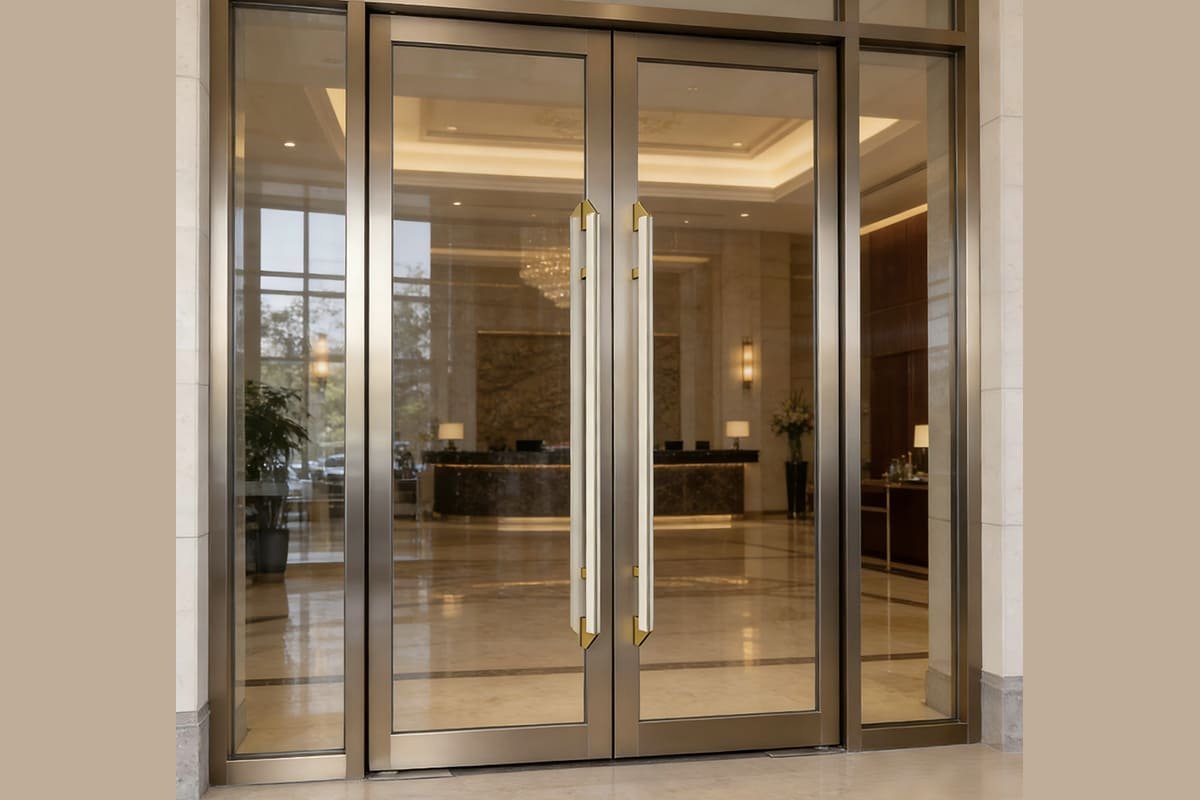
Many buyers ask me, “Which material is best?” I understand the question, but I usually answer with another one: What door is this handle for? Once that is clear, material and finish selection becomes much more practical.
How should buyers choose metal door handles by commercial door function?
A commercial project can fail when every door is treated the same. A handle that works well on an office door may be unsuitable for a glass entrance or emergency exit. The problem is not always the handle quality. The problem is often wrong application matching.
The best way to choose metal door handles is to classify the door first: interior passage door, main entrance, glass door, hotel corridor, retrofit project, or emergency exit. Then match the handle type, lock body, door thickness, access control system, traffic level, and local compliance requirement before confirming material and finish.
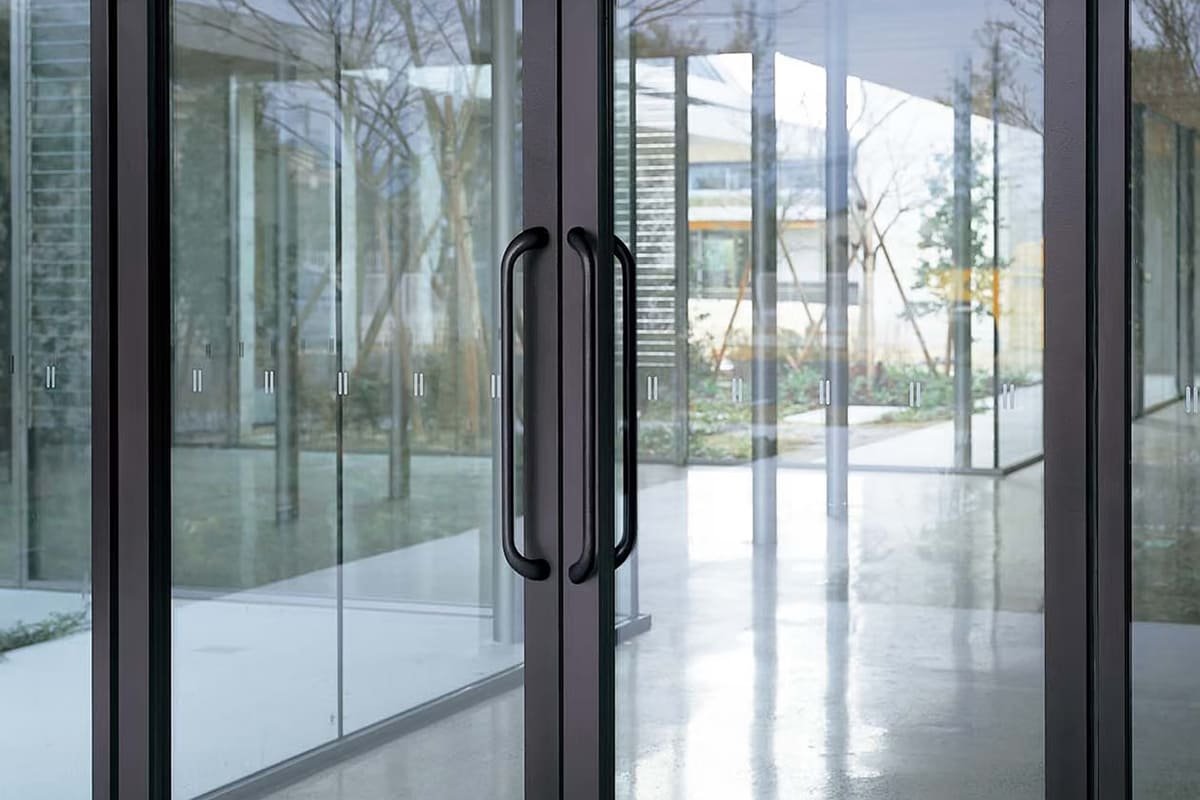
Start with the door, not the catalog
In my experience supplying door factories, hardware brands, and wholesalers, the first selection mistake is starting with appearance. A buyer sees a nice handle shape, asks for a price, and only later checks the lock body, spindle size, door thickness, rose size, fixing position, or access control requirement.
That sequence creates avoidable risk.
I prefer this diagnostic order:
- What door is this handle for?
- How often will the door be used each day?
- Does the handle operate a latch or only provide pulling force?
- Does the door require a mortise lock, cylinder, access control, floor spring, closer, or panic device?
- Does the project require CE, fire-rated, or other market-specific documents?
- Will the same finish need to remain consistent across hundreds or thousands of pieces?
This approach is more useful than asking whether stainless steel, aluminum, brass, or zinc alloy is “best” in isolation.
Common commercial handle types
Different handle types have different jobs. The table below gives a practical starting point.
| Door application | Common handle type | Main purpose | Key procurement check |
|---|---|---|---|
| Office interior doors | Lever handle | Operates latch or lock | Match with mortise lock, spindle, door thickness |
| Hospitals and schools | Lever handle | Frequent, easy operation | Durability, hygiene expectations, finish resistance |
| Hotel room or corridor doors | Lever handle or backplate lever | Lock operation and appearance consistency | Lock case, cylinder, escutcheon, card lock compatibility |
| Glass entrances | Pull handle | Pulling force only | Glass thickness, fixing type, access control or floor spring |
| Retail storefronts | Pull handle | Entrance operation and visual branding | Finish, length, mounting strength |
| Retrofit projects | Lever handle on backplate | Covers old fixing marks | Plate size, screw position, old lock compatibility |
| Emergency exits | Panic bar or exit device | Safe egress | Applicable code, certification, door type, project standard |
I do not recommend treating emergency exits as normal handle doors. Many markets require dedicated exit hardware, and buyers should verify local regulations, project specifications, and valid certification documents.2
Why function matters more than material at the first stage
A 304 stainless steel pull handle may be excellent on a glass entrance, but it will not operate a latch on a normal office door unless it is paired with another locking system. A zinc alloy lever handle may look suitable for a hotel project, but it can create after-sales pressure if the finish cannot survive the expected traffic. A backplate lever may be perfect for renovation because it hides previous holes, but it may look too heavy for a minimalist new-build interior.
So, the “best” metal door handles are not a universal product group. They are a correct match between:
- Door type
- Door material
- Lock or access system
- Traffic frequency
- Safety requirement
- Finish expectation
- Batch supply consistency
- Maintenance plan
That is why I always ask buyers to send door drawings, lock specifications, finish targets, and market standards before final selection.
Which metal door handles work best for high-frequency interior doors?
High-frequency interior doors create constant pressure on hardware. A weak handle may loosen, scratch, discolor, or feel unstable after repeated use. In offices, hospitals, schools, apartments, hotels, and public facilities, this can lead to complaints that are expensive to solve after installation.
For high-frequency interior doors, lever-type metal door handles are usually the best choice because they operate the latch directly, are easy to use, and fit common mortise lock systems. Stainless steel lever handles are often a strong baseline, while backplate lever handles are useful for renovation, hotel corridors, and retrofit projects.

Why lever handles suit commercial interiors
Lever handles are practical because users can open the door with a natural downward motion.3 This matters in buildings where many people pass through every hour. Offices, hospitals, and schools need door hardware that feels simple, stable, and familiar.
A lever handle normally works with:
- Mortise lock bodies
- Tubular latch systems
- Euro profile cylinders
- Bathroom privacy locks
- Hotel card lock systems
- Escutcheons or roses
- Backplates
In our manufacturing work, I often see buyers focus on the handle model but forget the lock case. That is risky. The handle, spindle, lock body, cylinder, and door thickness must work together.4
Key technical checks for lever handles
Before confirming batch orders, I suggest checking these details carefully:
| Check item | Why it matters |
|---|---|
| Door thickness | The spindle, screws, and fixing kit must suit the door |
| Spindle size | Common sizes include 8 mm, but project standards vary |
| Lock center distance | Handle and cylinder positions must align with the lock case |
| Rose or backplate size | It affects appearance and coverage of old holes |
| Return spring strength | Poor spring action causes sagging handles |
| Surface finish | Frequent touch points need stable wear resistance |
| Fire-rated documents | Buyers should verify documents when used on rated doors |
Stainless steel as a safe baseline
For many commercial interiors, stainless steel is a dependable choice. It provides good strength, corrosion resistance, and finish stability when the production process is controlled. In large projects, that batch stability matters as much as the material itself.
Common options include:
- SS201: Often used when cost control is important and the environment is less corrosive.
- SS304: A stronger baseline for many commercial projects, especially where corrosion resistance and long-term durability matter.
- SS316: More suitable for demanding environments, such as coastal or high-corrosion areas, depending on project budget.
I do not treat these as a simple ranking for every project. A well-made SS201 handle can outperform a poorly produced SS304 handle in finish consistency or assembly stability. Buyers should evaluate both material grade and factory process control.
When backplate lever handles make sense
Backplate lever handles are very useful in renovation projects. I have seen hotel and office buyers choose them because the visible plate covers old screw holes, paint marks, or lock cutouts. This can reduce door repair work and make the corridor appearance more uniform.
Backplate handles also help when a buyer wants a more traditional or stronger visual style. However, the plate size and screw positions must be checked against existing door preparation. Otherwise, the installer may need extra drilling or patching.
For high-frequency interiors, I usually recommend buyers compare samples by checking:
- Handle return movement
- Grip comfort
- Edge smoothness
- Finish consistency
- Fixing strength
- Compatibility with the selected lock
- Packaging protection for bulk shipment
A good lever handle should not only look correct on day one. It should also reduce service complaints after thousands of daily operations.
When are pull metal door handles better for entrances and glass doors?
Entrance doors are different from office interior doors. Many do not require the handle to operate a latch directly. The handle may only provide pulling force, while a floor spring, patch fitting, access control system, magnetic lock, or separate lock manages opening and closing.
Pull metal door handles are better for glass entrances, retail storefronts, hotel entrances, shopping malls, and doors where the handle does not directly operate the latch. They should be selected by door material, fixing method, pull length, mounting strength, finish durability, and compatibility with access control or floor spring systems.
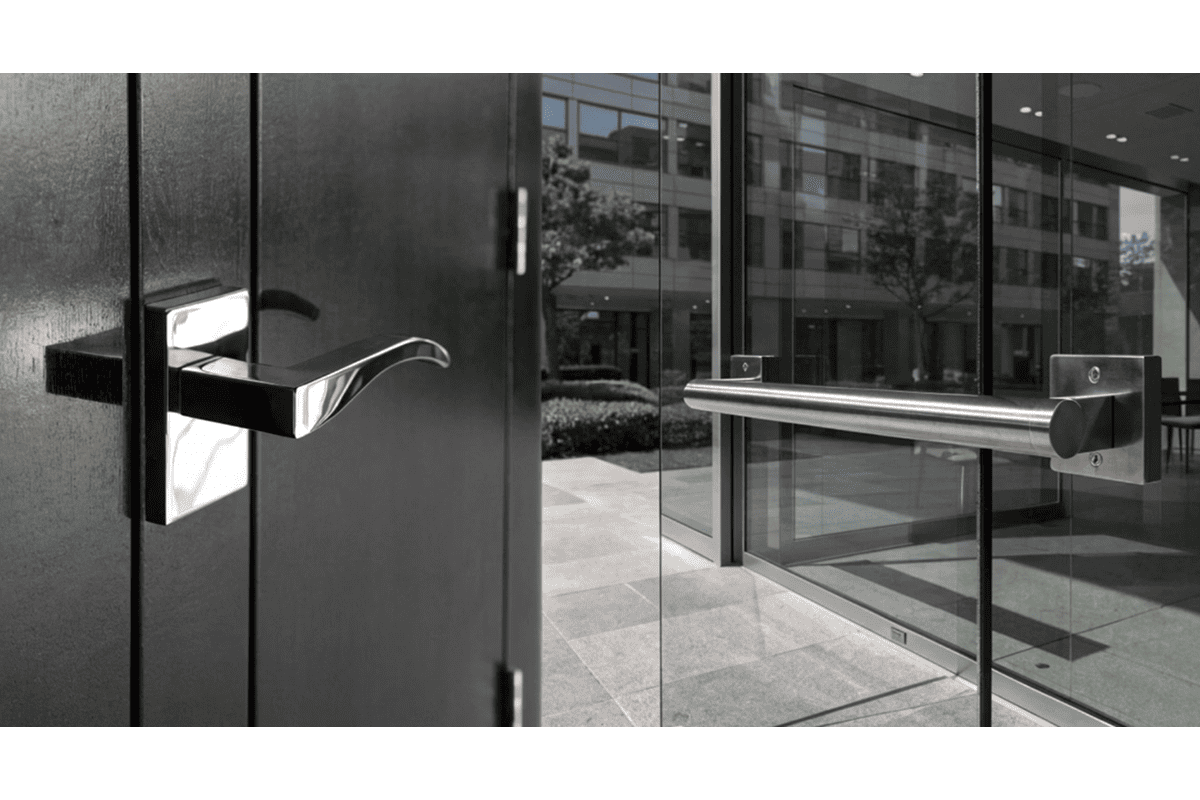
Pull handles are not lever handles
A pull handle has one main job: give the user a strong and comfortable grip to pull the door. It usually does not retract a latch.5 That sounds simple, but it changes the entire selection logic.
For example, a glass entrance door may need:
- A pull handle
- A floor spring
- Patch fittings
- A lock or deadbolt
- Access control
- A magnetic lock
- A door closer system
- Glass drilling or clamp fixing
If the buyer chooses the handle without checking these connected parts, the installation team may face alignment problems or rework.
Common pull handle applications
| Application | Typical pull handle requirement | Important check |
|---|---|---|
| Glass shop entrance | Long stainless steel pull handle | Glass thickness and hole spacing |
| Hotel entrance | Decorative or heavy-duty pull handle | Finish durability and visual grade |
| Office lobby | Modern pull handle | Access control and door closer compatibility |
| Shopping mall door | Heavy-duty pull handle | High traffic and fixing strength |
| Aluminum frame door | Pull handle with frame fixing | Screw position and frame reinforcement |
Material and shape considerations
Stainless steel pull handles are widely used because they combine durability with a clean commercial appearance. Round tube, square tube, flat bar, and custom shapes are all common. However, the “best” design depends on the door style and traffic.
A long pull handle may look premium on a hotel entrance, but it may be unnecessary for a small office door. A thin decorative handle may look elegant in a showroom, but it may not be the best option for a high-traffic retail entrance. Buyers should consider both appearance and mechanical stress.
Fixing method matters
Pull handle failures often happen at the fixing point.6 The handle body may be strong, but poor fixing can cause looseness, glass stress, or installer complaints.
Buyers should confirm:
- Back-to-back or single-side fixing
- Glass thickness
- Hole center distance
- Bolt size
- Gasket quality
- Door frame reinforcement
- Handle projection
- Packaging to protect long handles during shipment
For glass doors, I suggest asking for a drawing before production. The drawing should show handle length, tube size, hole distance, mounting accessories, and applicable glass thickness. This reduces misunderstanding between the buyer, factory, and installer.
Do not use pull handles for emergency egress without review
A normal pull handle is not a panic device. On emergency exits, many project standards require hardware that allows fast egress under pressure. This may involve panic bars, push pads, or certified exit devices. Buyers should verify the local building code, fire rating requirement, door type, and certificate validity before approving any hardware.
In commercial procurement, this is not a small detail. A wrong decision can create compliance risk and serious safety concerns. I always recommend that project teams consult qualified professionals for application-specific egress decisions.
What materials and finishes make metal door handles durable in batch supply?
Many complaints about commercial handles are not caused by broken metal. They are caused by color variation, poor plating, weak coating, scratches, corrosion, or inconsistent surface texture across batches. These problems become more serious when a buyer supplies a brand channel or a large building project.
Durable metal door handles need the right base material, stable surface treatment, controlled polishing, consistent color standard, and suitable packaging. Stainless steel is often the safest baseline, but aluminum, brass, and zinc alloy can work when their finish, usage environment, cost target, and maintenance expectations match the project.
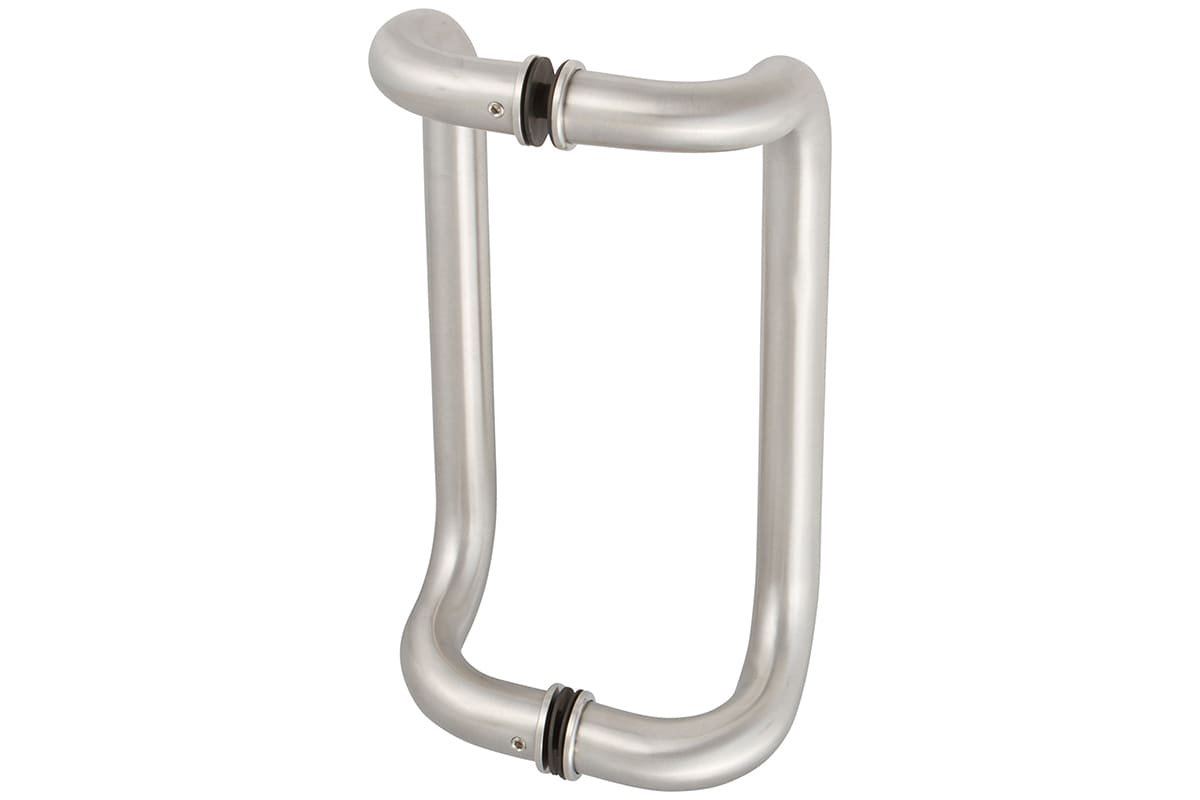
Material options for commercial projects
I do not like presenting materials as a universal ranking because each project has a different target. A luxury hotel, a budget apartment project, a public school, and a regional wholesale line may all need different choices.
Here is a practical comparison.
| Material | Strengths | Watch points | Suitable use |
|---|---|---|---|
| Stainless steel | Durable, corrosion resistant, stable commercial look | Grade and polishing quality must be verified | Offices, hospitals, schools, hotels, entrances |
| Aluminum | Lightweight, cost-effective, easy to finish | Lower strength than steel in some designs | Light commercial doors, cost-sensitive projects |
| Brass | Premium feel, good decorative value | Higher cost and maintenance expectations | High-end interiors, heritage-style projects |
| Zinc alloy | Flexible shapes, good for decorative designs | Finish wear must be controlled | Interior handles, brand product lines, lower to mid-range projects |
Finish selection is a procurement decision
Finish is not only about color. It affects the buyer’s after-sales risk. A finish that looks good in a sample box may not perform well after months of hand contact, cleaning chemicals, or outdoor exposure.7
Common finishes include:
- Satin stainless steel
- Polished stainless steel
- PVD colors
- Powder coating
- Electroplating
- Anodizing for aluminum
- Antique brass finishes
- Matte black
- Brushed nickel
- Gold or champagne tones
In batch supply, the most common finish problems are:
- Color difference between batches
- Uneven brushing direction
- Weak coating adhesion
- Scratches from poor packaging
- Fingerprints and stain visibility
- Corrosion in humid or coastal markets
- Mismatch with hinges, locks, and cylinders
Why batch consistency is so important
For wholesalers and hardware brands, one finish complaint can affect many customers. If a buyer orders lever handles, butt hinges, lock cylinders, and mortise locks in matching finishes, the color difference must be controlled across product categories.
This is where factory process discipline matters. In our production work, I pay attention to raw material screening, polishing consistency, surface treatment control, inspection procedures, and packaging. Buyers should not only ask, “Can you make matte black?” They should ask, “Can you keep matte black stable across repeat orders?”
Simple sample approval process
I suggest a practical approval process before large orders:
- Confirm the base material grade
- Approve a physical finish sample
- Record the color name and surface standard
- Confirm acceptable tolerance
- Test sample compatibility with the lock and door
- Check packaging strength
- Keep a signed reference sample
- Inspect mass production against the reference
This process is simple, but it prevents many problems. It also gives both buyer and manufacturer a clear standard when repeat orders come later.
How can buyers reduce procurement risk when sourcing metal door handles?
A handle order can look successful at quotation stage and still fail during assembly, installation, or after-sales service. The most expensive problems often come from small mismatches: wrong spindle, wrong screw length, wrong finish tone, wrong lock compatibility, or missing certification documents.
Buyers can reduce procurement risk for metal door handles by verifying drawings, samples, lock compatibility, door thickness, finish standards, certificates, packaging, production capacity, and inspection procedures before batch production. They should also choose suppliers with experience in commercial door hardware systems, not only single-item trading.
The real cost is not only unit price
I understand why buyers negotiate hard on price. Commercial projects and wholesale channels depend on margins. However, the lowest unit price can become expensive if it creates installation rework or customer returns.8
Common hidden costs include:
- Extra drilling on site
- Replacing mismatched screws or spindles
- Reworking door preparation
- Sorting inconsistent finish batches
- Air shipping urgent replacement parts
- Brand complaints from dealers
- Project delay penalties
- Extra labor for installers
A slightly better-controlled handle may reduce these risks and protect the buyer’s reputation.
Supplier questions I would ask
When buyers evaluate a supplier, I recommend asking direct questions:
- Do you manufacture the handle yourself or trade it?
- Can you provide drawings before order confirmation?
- Which lock bodies are compatible with this model?
- What door thickness range does the fixing kit support?
- Can you match hinges, locks, cylinders, and handles in one finish?
- What inspection steps do you perform before shipment?
- Can you provide CE or fire-rated documents where applicable?
- Are the certificates valid for the exact product and intended market?
- How do you control repeat-order color consistency?
- What spare parts or accessories are included?
For CE, fire-rated, or other compliance documents, buyers should verify the document scope, issuing body, product model, market requirement, and project standard. A certificate is not just a marketing word. It is a document that must match the real application.
Sample testing before batch purchase
A sample should not be reviewed only by the purchasing department. I suggest involving technical, assembly, quality, and sales teams when possible.
A practical sample review includes:
| Review area | What to check |
|---|---|
| Appearance | Color, brushing, polishing, scratches, edges |
| Function | Handle return, smooth movement, grip comfort |
| Compatibility | Lock body, cylinder, spindle, door thickness |
| Installation | Screw length, fixing strength, accessory completeness |
| Packaging | Protection against scratches and deformation |
| Documentation | Drawings, certificates, material statement if required |
| Commercial fit | Price level, market positioning, repeat supply ability |
One-stop sourcing can reduce mismatch
For door manufacturers and hardware brands, sourcing the handle, mortise lock, cylinder, hinge, and accessories from unrelated suppliers can increase mismatch risk. A one-stop supplier is not always required, but it can help when the factory has real production and technical coordination ability.
At SDH Hardware, our background is in architectural door hardware production, including lever handles, mortise locks, butt hinges, concealed hinges, and lock cylinders. I mention this not as a shortcut to selection, but because commercial buyers often need the full set to work together. A handle decision is rarely isolated.
Red flags in supplier evaluation
I would be cautious if a supplier:
- Cannot provide basic drawings
- Avoids discussing lock compatibility
- Gives unclear material information
- Has no stable finish sample process
- Treats certification as a vague claim
- Cannot explain packaging details
- Changes accessories without notice
- Has no clear inspection standard
- Cannot support repeat orders consistently
Commercial buyers need suppliers who understand batch risk. A nice sample is only the beginning. The real test is repeatable quality across production lots.
Frequently Asked Questions
Are stainless steel metal door handles always the best choice?
Stainless steel metal door handles are often the safest baseline for commercial buildings because they offer durability, corrosion resistance, and stable appearance. However, they are not always the only correct choice. Aluminum, brass, and zinc alloy can also work when the door function, budget, finish, and maintenance expectations match.
Should commercial buildings use lever handles or pull handles?
Commercial interiors usually use lever handles because they operate the latch or lock directly. Entrances, glass doors, storefronts, and lobby doors often use pull handles because they mainly provide pulling force. Emergency exits may require dedicated panic or exit devices, so buyers should verify project standards before selection.
What is the biggest procurement risk with metal door handles?
The biggest risk is mismatch. A handle may look acceptable but fail to match the lock body, spindle, door thickness, access control system, or finish standard. In batch supply, finish color difference and weak surface durability can also create expensive after-sales complaints.
Do metal door handles need CE or fire-rated certification?
Some projects and markets may require CE, fire-rated, or other compliance documents, especially for rated doors or regulated building applications. Buyers should verify whether the certificate applies to the exact product, door type, market, and project requirement. A qualified professional should review application-specific compliance needs.
How should buyers approve samples before mass production?
Buyers should approve samples by checking appearance, material, finish, handle return, lock compatibility, fixing accessories, packaging, and documentation. I recommend keeping a signed reference sample so the factory and buyer can compare mass production against the same standard during inspection.
Conclusion
The best metal door handles for commercial buildings are not chosen by material alone. They are chosen by matching the handle type to the door function, traffic level, lock system, finish requirement, safety standard, and batch procurement risk. Stainless steel is often a strong baseline, but lever handles, pull handles, backplate handles, and exit devices serve different jobs. If you are sourcing handles for a project, brand line, or wholesale channel, contact SDH Hardware to review specifications, finishes, compatibility, and bulk supply options before production.
"087100 – DOOR HARDWARE - Facilities and Campus Services", https://fcs.cornell.edu/087100-door-hardware. ANSI/BHMA performance standards classify locksets and related door hardware partly by operational cycle testing, supporting the relevance of heavy use in commercial hardware selection; such standards indicate durability expectations rather than documenting traffic levels in any specific building. Evidence role: general_support; source type: institution. Supports: Commercial door hardware is commonly evaluated against repeated-cycle performance standards, supporting the claim that heavy use is a relevant selection factor.. Scope note: Contextual support; it supports the importance of repeated-use durability but does not measure use in the article’s specific project examples. ↩
"Panic and Fire Exit Hardware | Fire and Rescue", https://www.fairfaxcounty.gov/fire-ems/fire-marshal/panic-and-fire-exit-hardware. Model building and life-safety codes require panic or fire-exit hardware on certain egress doors according to occupancy, occupant load, and door use, supporting the need to treat emergency exits separately from ordinary handle doors; local adoption and project classification remain determinative. Evidence role: expert_consensus; source type: government. Supports: Building and fire codes require panic or fire-exit hardware for specified occupancies, occupant loads, and door conditions.. Scope note: Code requirements vary by jurisdiction, occupancy, and adopted code edition. ↩
"Chapter 4: Entrances, Doors, and Gates - Access-Board.gov", https://www.access-board.gov/ada/guides/chapter-4-entrances-doors-and-gates/. The 2010 ADA Standards require accessible door hardware to be operable with one hand and without tight grasping, pinching, or wrist twisting, providing a standards-based rationale for lever handles in accessible commercial interiors. Evidence role: mechanism; source type: government. Supports: Accessibility standards recognize that door hardware should be operable with one hand and without tight grasping, pinching, or twisting, which is consistent with lever-handle operation.. ↩
"A156.2 - 2022 Locks and Latches", https://buildershardware.com/ANSI-BHMA-Standards/Hardware-Highlights/A1562-2022-Locks-and-Latches. ANSI/BHMA lockset standards specify dimensional and functional requirements for lock and latch hardware, supporting the claim that handles, spindles, lock bodies, cylinders, and door thickness must be considered as a coordinated assembly; the standards do not validate any particular supplier’s configuration. Evidence role: mechanism; source type: institution. Supports: Door lock and handle standards specify component relationships such as lock type, spindle operation, cylinder preparation, and door thickness ranges.. Scope note: Contextual support; standards establish compatibility principles but individual product drawings still determine fit. ↩
"Door handle", https://en.wikipedia.org/wiki/Door_handle. Architectural-hardware definitions distinguish pull handles from latch-operating lever or knob sets, supporting the statement that a pull handle primarily provides a grip for pulling and normally does not retract a latch. Evidence role: definition; source type: encyclopedia. Supports: Pull handles are defined as hardware used to pull a door rather than operate a latch mechanism.. ↩
"Adhesive Filling, Bolt Reinforcement, and Elliptical Perforation ...", https://pmc.ncbi.nlm.nih.gov/articles/PMC12472009/. Research on bolted and point-fixed glass connections shows that holes and concentrated fastening loads can create local stress concentrations, supporting the emphasis on pull-handle fixing details; this evidence is engineering-contextual and not a failure survey of commercial door handles. Evidence role: mechanism; source type: paper. Supports: Fastener holes and point-fixed connections can concentrate stress in glass or mounting substrates, making fixing details critical to performance.. Scope note: Contextual support; it explains the mechanical risk at fixing points but may not document handle-failure frequency. ↩
"PVD for Decorative Applications: A Review - PMC - NIH", https://pmc.ncbi.nlm.nih.gov/articles/PMC10381906/. Coatings and corrosion studies document that abrasion, chemical cleaners, salts, humidity, and outdoor exposure can alter protective films and decorative finishes, supporting the need to evaluate door-handle finishes beyond initial appearance; such studies may not test the exact finishes named in the article. Evidence role: mechanism; source type: paper. Supports: Coatings and metal finishes can be affected by abrasion, chemical exposure, salts, humidity, and other environmental factors.. Scope note: Contextual support; mechanisms apply broadly to metal finishes but may not directly test each door-handle finish. ↩
"Review study for rework causes in construction industry - Academia.edu", https://www.academia.edu/45589967/Review_study_for_rework_causes_in_construction_industry. Studies of construction rework and cost of poor quality show that defects, mismatches, and corrective labor can substantially increase total project cost, supporting the article’s warning that low unit price may be outweighed by installation rework or returns; the evidence is project-level and not specific to metal door handles. Evidence role: general_support; source type: paper. Supports: Construction and quality-management research shows that rework and defects can impose significant additional costs beyond initial purchase price.. Scope note: Contextual support; it supports the cost mechanism but not the exact magnitude for door-handle procurement. ↩