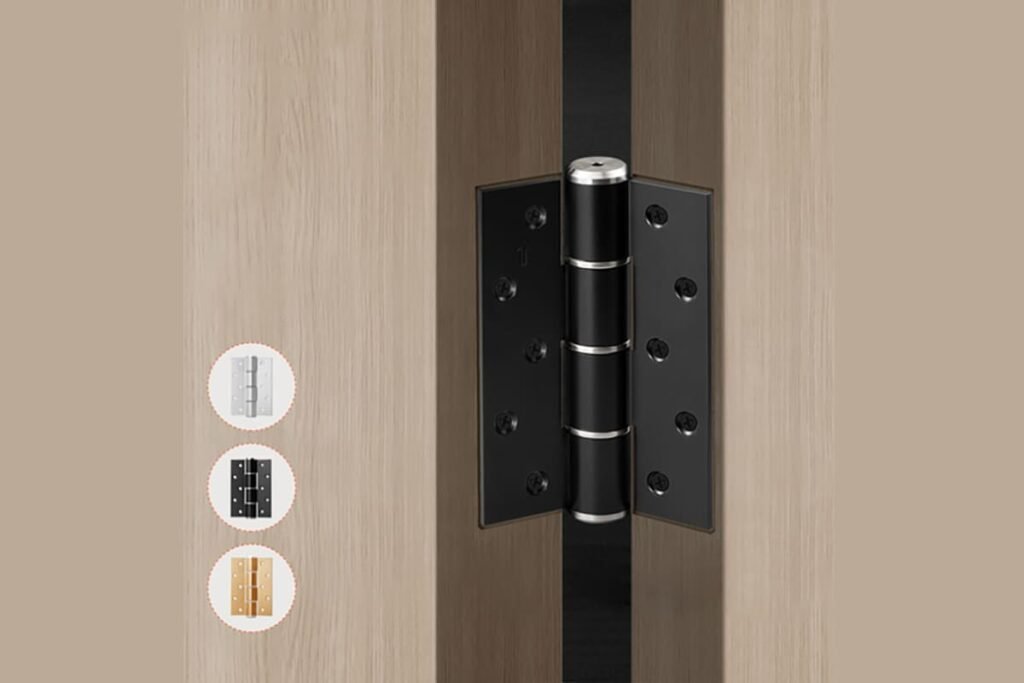
Top 5 Reasons to Choose Stainless Steel Butt Hinges in 2026?
Stainless steel butt hinges are becoming a more important procurement choice in 2026 because buyers face higher pressure to reduce rust complaints, unstable door performance, and long-term maintenance costs. If a hinge fails after installation, the problem spreads quickly to the door factory, wholesaler, brand owner, and project contractor. The solution starts with choosing the right hinge material, structure, supplier, and inspection standard.
Stainless steel butt hinges are worth choosing in 2026 because they help reduce corrosion risk, support stable load performance, maintain a clean project appearance, lower maintenance pressure, and fit many commercial door applications. However, buyers should still verify material grade, hinge thickness, bearing design, finish consistency, certifications, and supplier quality control before bulk purchasing.
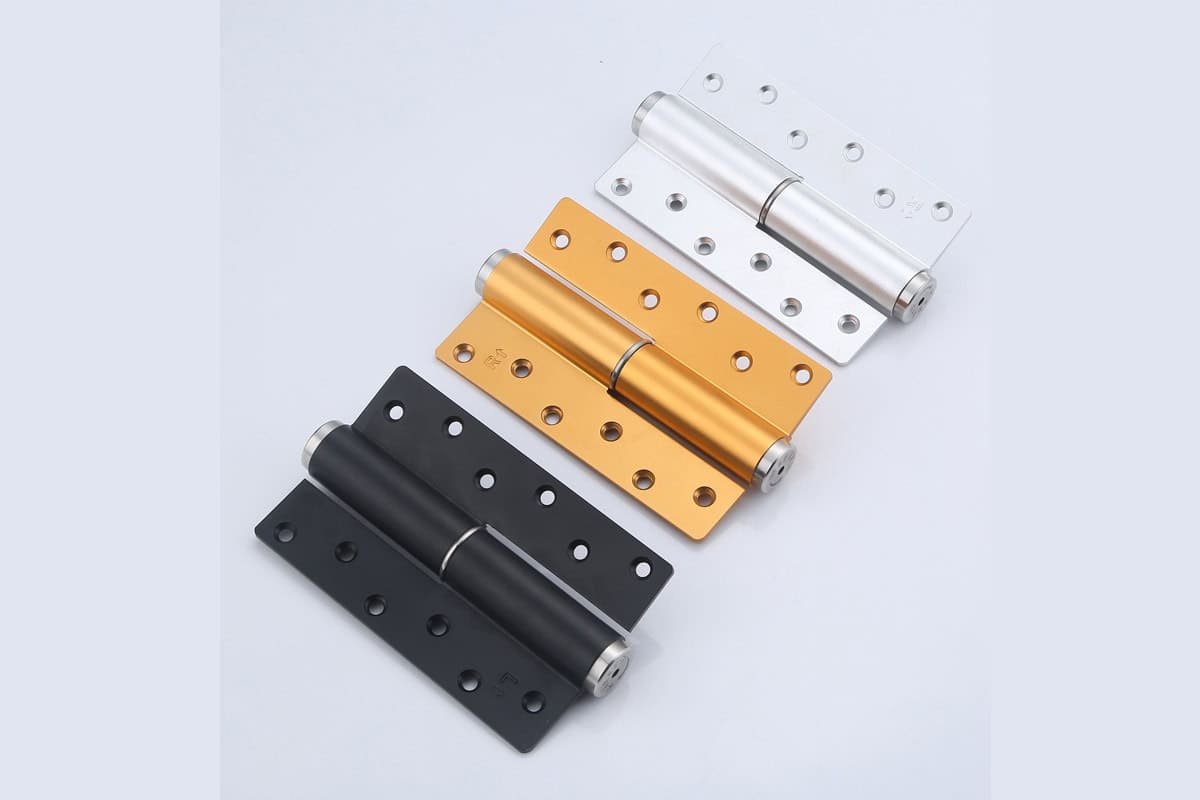
From my experience as a China-based architectural door hardware manufacturer, I see one clear pattern: serious buyers do not ask only whether a hinge looks good. They ask whether the hinge can reduce after-sales risk over thousands of doors and many years of use.
Why Do Stainless Steel Butt Hinges Reduce Corrosion Risk?
Corrosion is one of the most common hinge complaints in commercial and project supply. A rusty hinge damages the door appearance, increases customer dissatisfaction, and creates extra service work. For B2B buyers, the issue is not only surface rust. The real problem is procurement risk.
Stainless steel butt hinges reduce corrosion risk because stainless steel resists oxidation better than many lower-grade hinge materials1. This helps the hinge keep a cleaner appearance and more stable performance in many commercial environments. However, stainless steel is not “rust-proof” in every condition2, so buyers must confirm material grade, environment, surface treatment, and maintenance requirements.
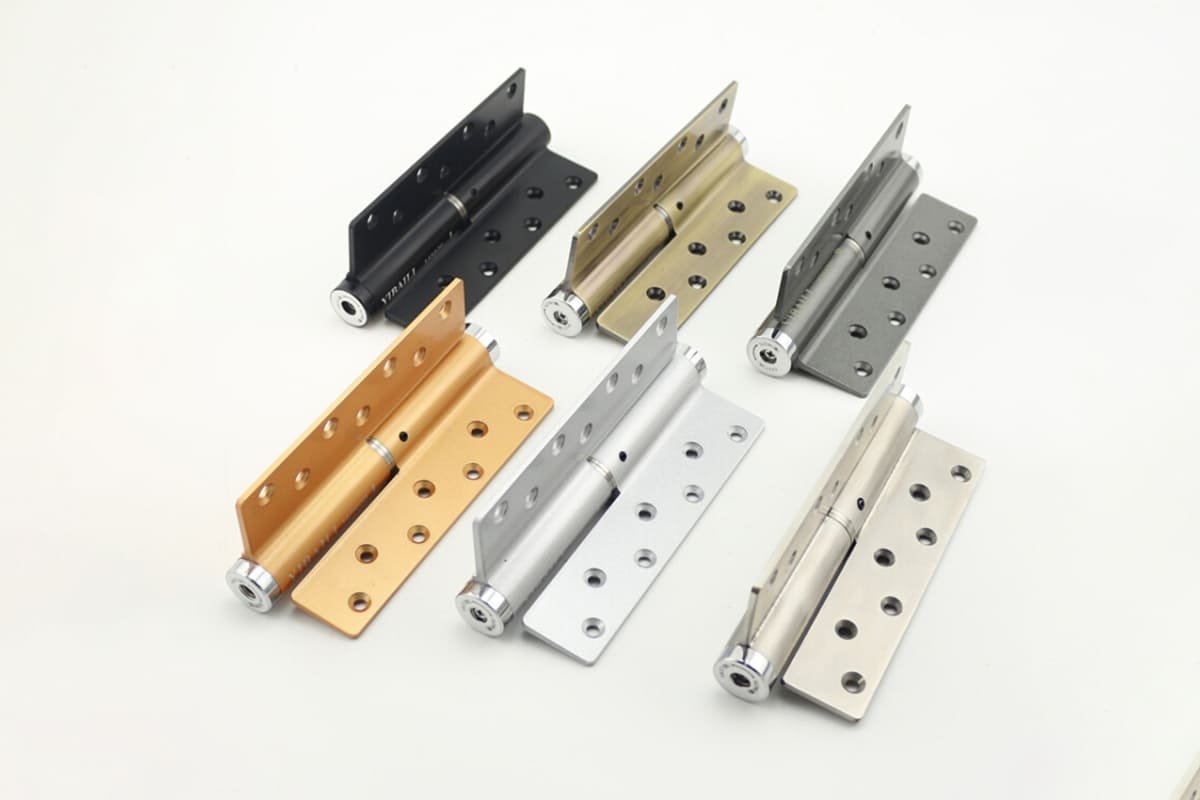
Corrosion Resistance Is Risk Reduction, Not a Guarantee
I always explain corrosion resistance carefully when I speak with door factory buyers and wholesalers. Stainless steel performs well because it contains chromium, which forms a protective passive layer on the surface3. This layer helps slow oxidation and rust formation. But it can still be affected by salt spray, strong chemicals, poor cleaning habits, surface contamination, or unsuitable material selection4.
For example, hinges used in coastal hotels, public bathrooms, hospitals, or industrial facilities may face a much harsher environment than hinges used in an indoor office. A buyer should not use one general specification for every project.
Here are the corrosion-related points I usually ask buyers to confirm:
- Application environment: indoor, outdoor, coastal, humid, industrial, or chemical exposure
- Stainless steel grade: common options may include 201, 304, or 316 depending on project needs5
- Surface finish: brushed, satin, polished, mirror, or other customized finish
- Cleaning method: neutral cleaning is safer than aggressive chemical cleaning6
- Packaging protection: poor packaging may cause scratches or contamination before installation
- Expected service condition: light-use interior door or high-traffic commercial entrance
| Evaluation Point | Why It Matters for Buyers | Practical Procurement Note |
|---|---|---|
| Stainless steel grade | Different grades offer different corrosion resistance | Confirm grade with supplier documents and testing if needed |
| Surface finish | Scratches and rough surfaces may collect contaminants | Check finish consistency in samples and bulk production |
| Environment | Humidity, salt, and chemicals increase corrosion risk | Match hinge grade to real project conditions |
| Maintenance | Cleaning habits affect long-term appearance | Provide simple maintenance guidance to clients |
| Packaging | Transport damage can create surface defects | Ask for protective packing for bulk shipment |
In our factory inspection process, we pay attention to the raw material surface, stamping or cutting quality, polishing marks, and finished hinge appearance. I have seen buyers focus only on the lowest unit price, then later spend more time handling finish complaints than they saved in procurement cost. That does not mean buyers must always choose the highest specification. It means they should choose a specification that matches the project risk.
A good stainless steel hinge choice is not based on one word: “stainless.” It is based on grade, finish, environment, and quality control.
For commercial procurement in 2026, corrosion resistance should be treated as a way to protect the project image, reduce replacement pressure, and maintain customer trust. That is the real value.
How Do Stainless Steel Butt Hinges Improve Load Stability?
Door hardware buyers often worry about hinge deformation, door sagging, noise, and uneven operation after repeated use. These problems may not appear during sample checking, but they can become serious after months of opening and closing. Load stability is therefore a key reason to evaluate hinge quality carefully.
Stainless steel butt hinges can improve load stability when the hinge size, thickness, bearing structure, screw hole accuracy, and installation method match the door weight and usage frequency. Buyers should not judge strength by material name alone. A strong hinge is the result of correct engineering, manufacturing precision, and proper application matching.
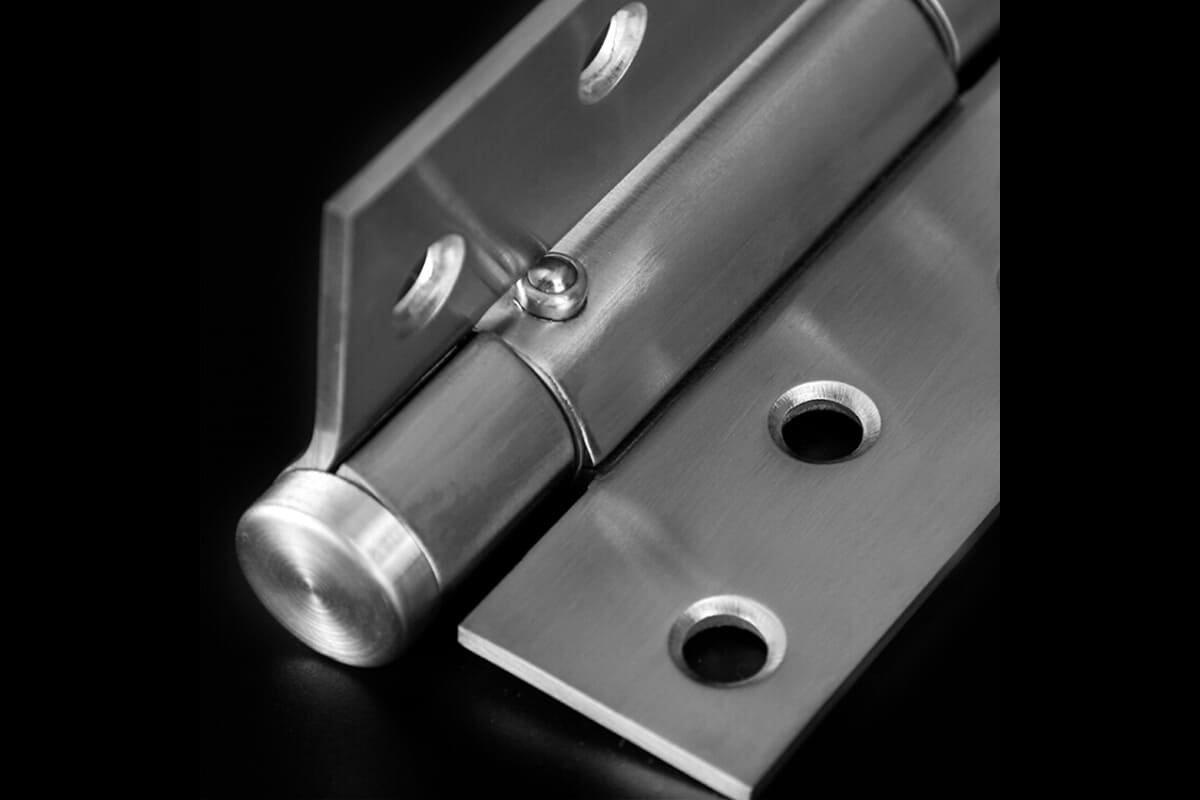
Material Alone Does Not Decide Strength
In buyer communication, one of the first questions I ask is simple: What is the door weight? The next questions are about door height, door width, usage frequency, frame material, screw type, and whether the door is used in a public area. These details decide whether a hinge is suitable.
A stainless steel hinge for a light interior door is not the same as a hinge for a hotel room door, school door, hospital door, or commercial fire-rated door. Long-term repeated opening creates pressure on the hinge knuckle, pin, screw holes, and mounting points.7
Key load stability factors include:
Hinge thickness
Thicker hinge leaves usually provide better resistance to bending8, but the correct thickness still depends on the door structure and installation requirement.Hinge size
Larger hinges distribute load over a wider area.9 Common commercial hinge sizes may include 4 inch, 4.5 inch, or 5 inch, depending on door weight and regional standards.Bearing structure
Ball bearing butt hinges usually support smoother movement and better performance for higher-use doors than plain bearing hinges.10Pin quality and knuckle fit
A loose pin or uneven knuckle can create noise, shaking, and faster wear.Screw hole accuracy
Poor hole positioning can make installation difficult and reduce load distribution.Installation matching
Even a well-made hinge may fail if the screws, frame, or installation position are wrong.
| Door Scenario | Common Buyer Concern | Hinge Evaluation Focus |
|---|---|---|
| Hotel room doors | Smooth operation and quiet closing | Bearing quality, finish consistency, screw fixing |
| School doors | High opening frequency | Thickness, bearing structure, impact resistance |
| Hospital doors | Clean appearance and reliable movement | Stainless grade, smooth surface, load stability |
| Office doors | Standardized installation | Dimensional accuracy and batch consistency |
| Public facility doors | Heavy traffic and after-sales risk | Structural strength and verified specifications |
In our production, I pay close attention to leaf flatness, hole position accuracy, knuckle alignment, pin insertion, bearing smoothness, and opening movement. These are not decorative details. They directly affect how the hinge performs after installation.
For bulk orders, buyers should request samples and test them under realistic conditions. They should compare:
- Opening and closing smoothness
- Noise level
- Side play or looseness
- Surface deformation after installation
- Screw fit and countersunk hole quality
- Consistency between sample and mass production
If the project has fire-rated or special compliance requirements, the buyer should also verify the exact certificate scope. A certificate may apply only to certain models, sizes, materials, or test conditions.11 I always recommend that buyers confirm the document with the supplier and, when needed, consult a qualified professional for project-specific decisions.
In 2026, hinge strength is not only a technical feature. It is a supply chain protection tool. Stable load performance means fewer door alignment problems, fewer complaints, and better long-term cooperation with project clients.
Why Do Stainless Steel Butt Hinges Support Better Project Appearance?
Project buyers often face a difficult problem. A sample may look good, but the bulk order may show color differences, polishing inconsistency, scratches, or size variation. This creates trouble for door factories and hardware brands that need a unified product image across hundreds or thousands of sets.
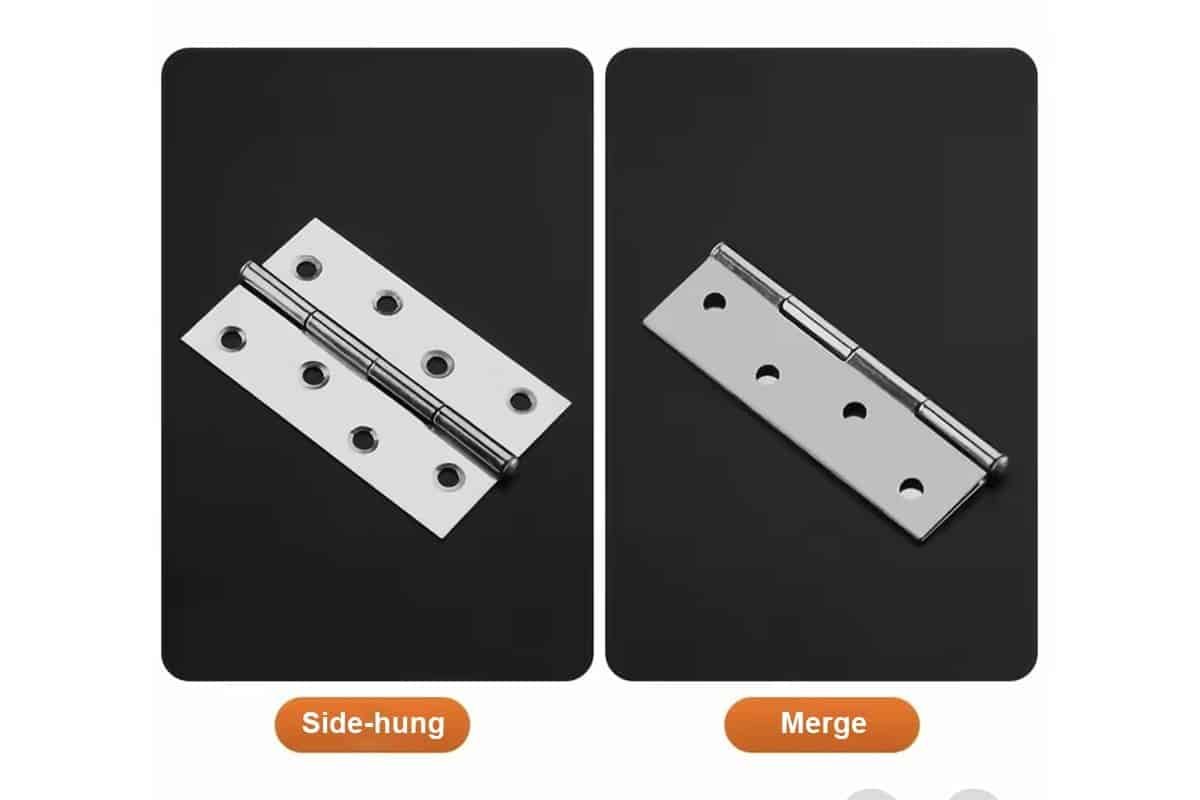
Stainless steel butt hinges support better project appearance because they offer a clean, simple look and flexible surface options such as brushed, satin, polished, or mirror finish. For B2B buyers, the deeper value is batch consistency. The hinge finish, size, hole position, and visible details must remain stable across bulk production.
Appearance Consistency Matters More Than One Beautiful Sample
I have handled many buyer discussions where the sample passed quickly, but the buyer still asked a serious question: Can you keep the same finish in the full shipment? That question is very important. Door hardware is often installed in visible positions. If the hinge finish is inconsistent, the whole door set looks less professional.
Stainless steel has a natural advantage because its appearance is modern, clean, and suitable for many door styles. It can work with wooden doors, metal doors, commercial interior doors, hotel doors, office doors, and public facility doors. Still, the manufacturing process decides the final result.
Important appearance control points include:
- Surface brushing direction
- Polishing uniformity
- Edge treatment
- Stamping marks
- Oil stains or fingerprints
- Scratches during packing
- Color tone consistency
- Logo or marking accuracy
- Leaf shape and flatness
| Finish Option | Common Use | Buyer Evaluation Point |
|---|---|---|
| Brushed stainless steel | Offices, hotels, commercial interiors | Uniform grain direction and low scratch visibility |
| Satin finish | Standard architectural projects | Soft appearance and batch consistency |
| Mirror finish | Decorative or premium applications | Higher surface inspection requirement |
| Customized finish | Brand or regional market needs | Confirm sample approval and production stability |
Why Wholesalers Care About Finish Stability
For regional wholesalers, appearance consistency affects sales. Their customers may reorder the same model several times. If the second batch looks different from the first batch, the wholesaler may face complaints even when the hinge function is acceptable.
For hardware brand operators, the problem is even more sensitive. The hinge is part of the brand’s product identity. A small finish difference can damage the perceived quality of the whole hardware series.
For door factories, stable appearance helps production efficiency. Workers can install hardware faster when dimensions and hole positions stay consistent. They also reduce sorting work before assembly.
In our factory, I usually recommend that buyers confirm a signed sample before mass production. This sample should define:
- Material grade
- Hinge size and thickness
- Surface finish
- Hole pattern
- Screw type
- Packaging method
- Logo or marking requirement
- Inspection standard
This process sounds simple, but it prevents many disputes. A good supplier should be able to compare bulk goods against the approved sample and control the visible details during production and packing.
In 2026, project appearance is not only a design topic. It is also a procurement control topic. Stainless steel butt hinges give buyers a strong base, but the supplier’s production discipline decides whether the final shipment meets the buyer’s market expectation.
How Can Stainless Steel Butt Hinges Lower Maintenance Costs?
Maintenance issues can quietly reduce profit. A hinge that needs frequent cleaning, adjustment, lubrication, or replacement increases the workload for building managers, distributors, and after-sales teams. For bulk buyers, low maintenance is not just convenience. It is part of total cost of ownership12.
Stainless steel butt hinges can lower maintenance costs because they are relatively easy to clean, resist surface deterioration better than many lower-grade alternatives, and support stable long-term use when properly selected and installed. Buyers should still plan basic maintenance and choose the correct hinge specification for the door environment.
Total Cost Matters More Than Unit Price
In procurement, the hinge price is easy to compare. Maintenance cost is harder to see. But the hidden cost becomes clear after installation. If a project has 1,000 doors and even 5% of hinges create complaints, the buyer may need to handle 50 service cases. That can damage profit, reputation, and future cooperation.
Stainless steel helps reduce this risk because it usually keeps a cleaner appearance with basic care. It does not require complicated surface protection in many normal indoor commercial environments. However, the hinge still needs correct installation and regular checking.
Common maintenance-related benefits include:
- Simpler cleaning
- Better resistance to normal moisture
- Reduced visible oxidation risk
- Stable appearance over time
- Less frequent replacement in suitable environments
- Lower complaint probability when quality is controlled
Basic maintenance guidance may include:
- Clean the hinge surface with a soft cloth.
- Avoid strong acid or alkaline cleaners.
- Remove dust, cement residue, or chemical contamination after installation.
- Check screws periodically in high-traffic locations.
- Lubricate moving parts if the hinge design or environment requires it.
- Replace damaged hinges instead of forcing continued use.
Procurement Cost vs. Lifecycle Cost
| Cost Type | Low-Quality Hinge Risk | Good Stainless Steel Hinge Advantage |
|---|---|---|
| Initial purchase | Lower unit price may look attractive | Slightly higher cost may reduce later risk |
| Installation | Poor hole accuracy slows assembly | Accurate holes support faster installation |
| Maintenance | More cleaning, adjustment, or replacement | Easier care in suitable environments |
| Complaints | Rust, noise, sagging, finish defects | Better appearance and operation stability |
| Reorder management | Batch differences create mismatch | Stable supplier control supports repeat orders |
I have seen buyers become more professional in recent years. Many no longer ask only for the cheapest hinge. They ask about packaging, salt spray expectations, finish control, screw matching, and delivery stability. This change is reasonable. Their customers also care more about long-term performance.
For door factories, low maintenance hardware reduces after-sales calls. For wholesalers, it reduces return pressure. For brand operators, it protects product reputation. For project contractors, it reduces site service work.
Still, I do not recommend choosing a hinge only because it is stainless steel. Buyers should confirm:
- Door weight
- Opening frequency
- Indoor or outdoor condition
- Required finish
- Fire-rated or CE documentation needs
- Target market standard
- Installation hardware
- Supplier inspection process
If the project has special safety, fire, or compliance requirements, a qualified professional should review the hinge selection and documentation. Buyers should verify certificates against the exact product model instead of assuming all stainless steel hinges carry the same approval.
In 2026, low maintenance is a commercial advantage. It helps buyers protect margin after the goods leave the warehouse.
Where Are Stainless Steel Butt Hinges Most Suitable in 2026?
Some buyers want one hinge model for every door. That approach may simplify inventory, but it can create risk if the hinge does not match the real application. Wide application is a strength of stainless steel, but the correct selection still depends on the door, building, market, and compliance requirement.
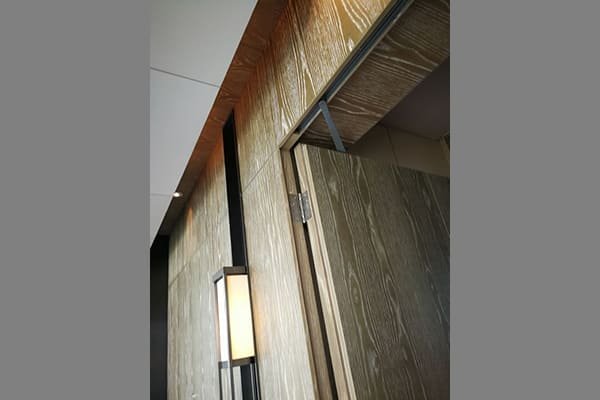
Stainless steel butt hinges are suitable for many commercial and engineering projects, including offices, hotels, schools, hospitals, shopping malls, public facilities, and industrial buildings. Buyers should confirm door weight, traffic frequency, fire-rating needs, finish requirements, target market standards, and supplier capability before choosing a final model.
Commercial Applications Need Scenario-Based Selection
Stainless steel hinges are widely used because they balance appearance, corrosion resistance, strength potential, and cost efficiency. This makes them attractive for door manufacturers, hardware brands, regional wholesalers, and project procurement teams. However, each application has different priorities.
For example, a hotel project may focus on quiet operation, consistent finish, and premium appearance. A school may focus on high-frequency use and impact resistance. A hospital may need clean surfaces and stable long-term function. A shopping mall may require heavy-use durability and reliable replacement supply.
| Application | Main Concern | Recommended Evaluation Focus |
|---|---|---|
| Office buildings | Standard appearance and smooth use | Finish consistency, size accuracy, easy installation |
| Hotels | Quiet operation and visual quality | Bearing smoothness, brushed finish, packaging protection |
| Schools | High traffic and rough use | Hinge thickness, screw fixing, load stability |
| Hospitals | Clean appearance and reliable movement | Stainless grade, surface quality, maintenance ease |
| Shopping malls | Heavy use and long service life | Bearing structure, strength, supplier consistency |
| Industrial buildings | Harsh conditions and durability | Material grade, corrosion risk, installation matching |
| Public facilities | After-sales risk control | Verified specs, inspection reports, spare supply |
How I Suggest Buyers Choose the Right Model
When a buyer asks me which stainless steel hinge is best, I usually avoid giving an answer too quickly. The better process is to build a clear requirement list first.
A practical selection checklist includes:
Door type
Is it a wooden door, metal door, fire door, hotel door, office door, or public facility door?Door weight and size
Heavier and taller doors need stronger hinge specifications and correct installation quantity.Usage frequency
A low-traffic storage room does not need the same hinge as a school corridor or mall restroom.Environment
Humid, coastal, or chemical environments may require higher material grade or better protection.Finish requirement
The buyer should define brushed, satin, mirror, or custom finish before mass production.Certification requirement
CE, fire-rated, or other documents must be checked by product model and certificate scope.Market standard
European, Middle East, and Southeast Asia markets may have different size, packaging, and compliance expectations.Supplier capability
The supplier should support stable production, inspection, packaging, and delivery.
Why Supply Consistency Is a 2026 Buying Priority
In 2026, many buyers are not only buying products. They are building product lines and regional channels. They need a supplier that can deliver the same specification again and again. This is where factory capability becomes important.
At SDH Hardware, our experience with butt hinges, mortise locks, lever handles, lock cylinders, and concealed hinges helps us understand the full door hardware matching process. For stainless steel butt hinges, the buyer often needs matching screws, correct finish, consistent packaging, and stable bulk shipment schedules.
A good supplier evaluation should include:
- Factory production experience
- Product category coverage
- Raw material control
- In-process inspection
- Finished product inspection
- Customization ability
- Export packing experience
- Delivery stability
- Document support
- Communication speed
Buyers should also ask for samples before bulk orders. Samples should be tested against the real door or at least evaluated with realistic installation conditions. If the project is large or safety-sensitive, professional evaluation is necessary.
Stainless steel butt hinges have wide application value, but they should never be selected blindly. The best result comes from matching product specification, supplier control, and project conditions.
Frequently Asked Questions
Are stainless steel butt hinges completely rust-proof?
No. Stainless steel butt hinges resist rust and oxidation better than many lower-grade materials, but they are not completely rust-proof in every environment. Material grade, humidity, salt exposure, chemicals, surface finish, installation damage, and maintenance all affect performance. Buyers should choose specifications based on real project conditions.
What stainless steel grade is best for butt hinges?
The best grade depends on the application. Many indoor commercial projects use common stainless steel grades such as 304, while harsher coastal or chemical environments may require stronger corrosion resistance. Buyers should confirm the grade, request supplier documents, and use professional evaluation for demanding projects.
How many butt hinges should be used on one door?
The number depends on door height, door weight, hinge size, hinge thickness, frame structure, and traffic frequency. Many standard doors use two or three hinges, but heavier or taller doors may need more support. Buyers should follow project specifications and qualified installation guidance.
Do stainless steel butt hinges need maintenance?
Yes, they still need basic maintenance. Users should clean the surface with a soft cloth, avoid aggressive chemicals, remove installation residue, check screws in high-traffic areas, and lubricate moving parts if needed. Good maintenance helps protect appearance and operating condition.
Should buyers request certificates for stainless steel butt hinges?
Yes, if the target market or project requires CE, fire-rated, or other compliance documents. Buyers should verify that the certificate applies to the exact hinge model, size, material, and intended application. Certification should never be assumed for all products from one supplier.
Conclusion
Stainless steel butt hinges are a strong choice in 2026 because they help buyers reduce corrosion risk, improve load stability, support consistent project appearance, lower maintenance pressure, and serve many commercial applications. Still, the best result depends on correct specification, verified documents, stable production, and strict quality inspection. If you are sourcing hinges for door factories, hardware brands, wholesalers, or project supply, I recommend starting with samples, clear technical requirements, and supplier evaluation. Contact SDH Hardware to discuss stainless steel butt hinges for your next bulk order or customized door hardware project.
"Case Study: How Chromium Protects Steel - UMich MSE", https://mse.engin.umich.edu/internal/demos/case-study-how-chromium-protects-steel. A government materials-science source explains that stainless steels derive corrosion resistance from a chromium-rich passive surface film, supporting the claim that stainless steel generally resists oxidation better than many lower-grade ferrous materials; the source addresses stainless steels broadly rather than door hinges specifically. Evidence role: mechanism; source type: government. Supports: A neutral materials source should explain that stainless steels resist corrosion primarily through chromium-enabled passivation and generally corrode less readily than ordinary carbon steels under many service conditions.. Scope note: The evidence is contextual because it supports the material mechanism, not field performance of a specific hinge model. ↩
"Revealing the Corrosion Resistance of 316 L Stainless Steel by an In ...", https://pmc.ncbi.nlm.nih.gov/articles/PMC9920300/. Corrosion literature documents that stainless steels can undergo localized corrosion such as pitting in chloride-containing environments, supporting the statement that stainless steel is not rust-proof under all conditions. Evidence role: general_support; source type: paper. Supports: A scholarly corrosion source should document that stainless steels can suffer localized corrosion, especially pitting or crevice corrosion, in chloride-rich or otherwise aggressive environments.. ↩
"Stainless steel", https://en.wikipedia.org/wiki/Stainless_steel. Reference sources on stainless steel explain that chromium promotes formation of a thin passive oxide film on the metal surface, supporting the article’s explanation of why stainless steel slows oxidation. Evidence role: mechanism; source type: encyclopedia. Supports: A neutral reference should explain that stainless steel corrosion resistance is associated with a chromium-rich oxide passive film on the surface.. ↩
"Study of the Corrosion Behavior of Stainless Steel in Food Industry", https://pmc.ncbi.nlm.nih.gov/articles/PMC11012613/. Corrosion guidance identifies chloride exposure, chemical residues, surface contamination, inappropriate cleaning, and alloy selection as factors influencing stainless steel corrosion resistance, supporting the article’s list of environmental and maintenance risks. Evidence role: general_support; source type: research. Supports: A corrosion reference should support that stainless steel corrosion risk is affected by chloride exposure, chemical attack, surface contamination, cleaning practice, and alloy choice.. ↩
"Stainless steel - Wikipedia", https://en.wikipedia.org/wiki/Stainless_steel. Materials references distinguish stainless steel grades such as 201, 304, and 316 by alloy composition and corrosion-resistance characteristics, supporting the article’s statement that grade selection should vary with project conditions. Evidence role: definition; source type: education. Supports: An educational or materials reference should distinguish the composition and corrosion-resistance characteristics of common stainless steel grades including 201, 304, and 316.. ↩
"Search Products that Meet the Safer Choice Standard | US EPA", https://www.epa.gov/saferchoice/products. Stainless steel maintenance guidance commonly recommends mild or neutral cleaning agents and cautions against aggressive chemical residues, supporting the article’s preference for neutral cleaning methods. Evidence role: general_support; source type: government. Supports: A neutral maintenance source should support the use of mild or neutral cleaners for stainless steel and warn against aggressive or chloride-containing chemicals.. ↩
"A156.1 - 2025 Butts and Hinges", https://buildershardware.com/ANSI-BHMA-Standards/Hardware-Highlights/A1561-2025-Butts-and-Hinges. Architectural hardware standards evaluate hinges through repeated-cycle and load-related performance criteria, supporting the article’s statement that long-term door operation stresses hinge components and mounting points. Evidence role: mechanism; source type: institution. Supports: A door-hardware standard or engineering source should support that hinges are evaluated for repeated-cycle operation and that load is transferred through hinge leaves, knuckles, pins, fasteners, and frame attachments.. Scope note: The source would support the general mechanical principle and testing framework rather than the performance of any specific hinge. ↩
"Mechanics of Materials: Bending – Normal Stress - Boston University", https://www.bu.edu/moss/mechanics-of-materials-bending-normal-stress/. Engineering mechanics texts show that bending stiffness depends strongly on section geometry and thickness, supporting the article’s statement that thicker hinge leaves generally resist bending more effectively. Evidence role: mechanism; source type: education. Supports: An engineering mechanics source should explain that bending resistance increases with section geometry and thickness through the area moment of inertia.. Scope note: The evidence is contextual because it concerns structural mechanics generally and does not establish a rated load for a particular hinge. ↩
"Hinge Load Capacity: How to Calculate It - Weber Knapp Blog", https://blog.weberknapp.com/hinge-load-capacity-calculation. Architectural hardware guidance relates hinge size to door dimensions and load support, supporting the article’s explanation that larger hinge leaves can spread load across a broader mounting area. Evidence role: mechanism; source type: institution. Supports: An architectural hardware reference should support that hinge dimensions are selected in relation to door size, weight, and load transfer through the hinge leaves and fasteners.. Scope note: The source would support the design rationale generally; exact load capacity still depends on hinge construction, fasteners, frame material, and installation. ↩
"Plain Bearing Hinges: When to Spec Them Right", https://www.doorwaysplus.com/blog/our-blog-1/plain-bearing-vs-ball-bearing-hinges-when-the-simpler-option-is-actually-the-right-call-120?srsltid=AfmBOoqdnO3DM18t8ivFj71UKHV5QEIOtaIBJD3Y2MhlQz5dAp7ZvgoR. Architectural hardware standards and guidance distinguish bearing-type hinges from plain-bearing hinges for durability and operating performance, supporting the article’s statement that ball bearing hinges are commonly used for higher-use doors. Evidence role: expert_consensus; source type: institution. Supports: A door-hardware standard or institutional guide should support the distinction between bearing and plain-bearing hinges and their use in higher-frequency or heavier-duty applications.. Scope note: The evidence supports general selection practice; it does not prove that every ball bearing hinge outperforms every plain bearing hinge in all installations. ↩
"FAQs - Certification and Third Party Testing | CPSC.gov", https://www.cpsc.gov/Business--Manufacturing/Testing-Certification/Third-Party-Testing/FAQs-Certification-and-Third-Party-Testing-OLD. Certification and fire-door hardware guidance treats listings as applying to defined product configurations and test conditions, supporting the article’s warning that a certificate may not cover every hinge model, size, or material. Evidence role: general_support; source type: institution. Supports: A conformity-assessment or fire-door hardware source should explain that certification and listings apply to defined product configurations and tested conditions.. ↩
"Life-cycle costing as a tool in mainstreaming green public ...", https://www.oecd.org/en/publications/life-cycle-costing-in-public-procurement-in-hungary_8d90f627-en/full-report/component-5.html. Public procurement guidance defines total cost or lifecycle costing as including acquisition, operation, maintenance, and replacement costs, supporting the article’s use of total cost of ownership rather than unit price alone. Evidence role: definition; source type: government. Supports: A procurement or asset-management source should define total cost of ownership or lifecycle costing as including acquisition, maintenance, operation, and replacement costs.. Scope note: The source supports the procurement framework generally and does not quantify maintenance savings for stainless steel butt hinges. ↩