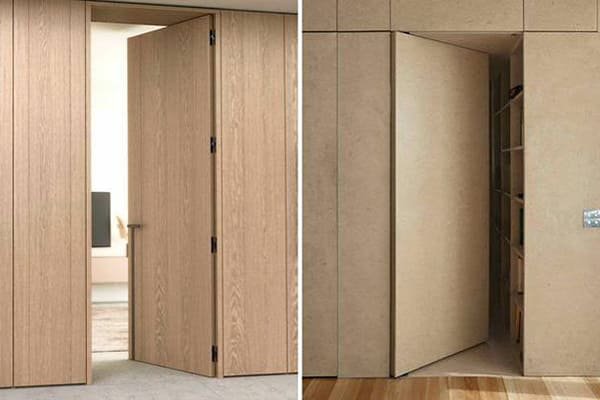
What Is the Difference Between Spring Hinges and Standard Hinges?
Spring hinges create confusion because many buyers compare them with standard hinges only by shape, price, or material. That can lead to wrong specifications, unstable closing, and avoidable after-sales complaints. I usually explain the difference from the door application first, because the right hinge depends on how the door should behave after opening.
Spring hinges include a built-in closing force that helps a door return to the closed position, while standard hinges mainly support door rotation and load bearing.1 Standard hinges are suitable for ordinary swing doors. Spring hinges are better when the door should stay normally closed, such as invisible doors or selected light-to-medium commercial doors.
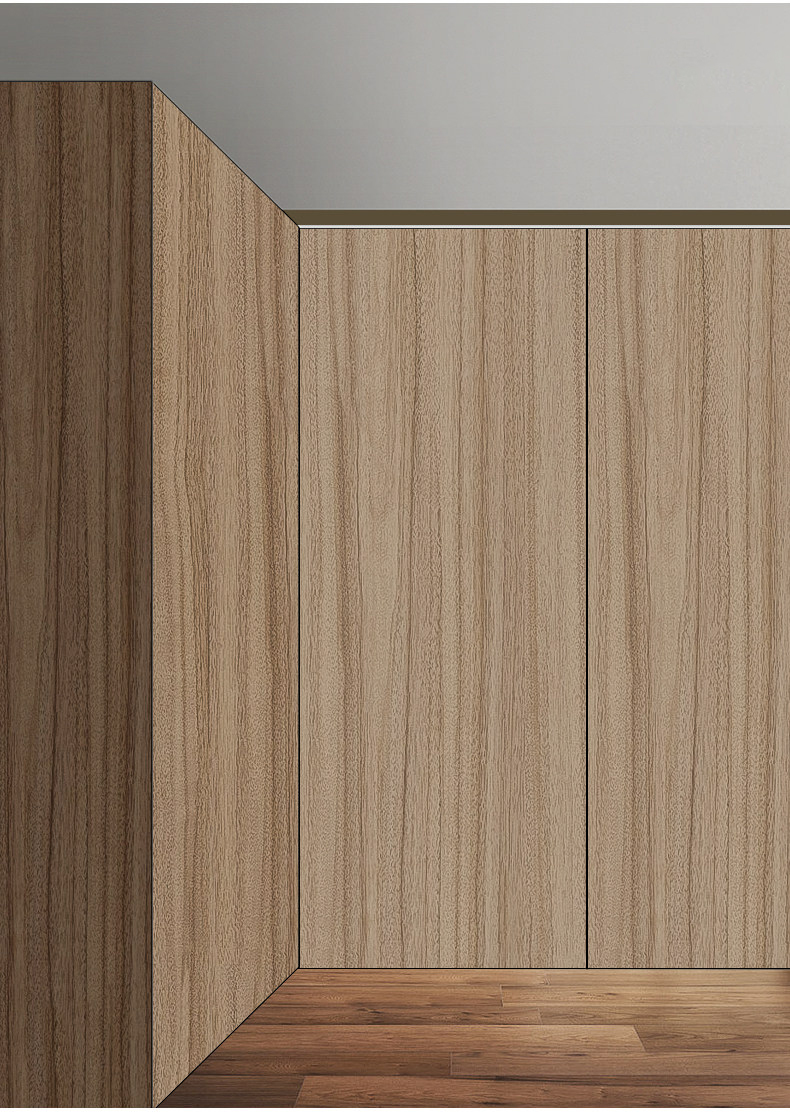
The real question is not whether one hinge is “better.” The better question is whether the door needs self-closing behavior, soft closing, concealed appearance, or simple rotation. I have seen many bulk orders go smoothly when buyers confirm these details early, before discussing only price or finish.
What Are Spring Hinges and Standard Hinges in Basic Terms?
Many buyers first ask me whether spring hinges are just upgraded standard hinges. That question sounds simple, but it can create a wrong product direction. If the door does not need automatic closing, the extra function may not help. If the door must stay closed, a normal hinge may not be enough.
Spring hinges are hinges with an internal spring or closing mechanism that helps pull the door back toward the closed position. Standard hinges do not provide that closing force. They mainly connect the door leaf and frame, support the door weight, and allow controlled rotation during opening and closing.2
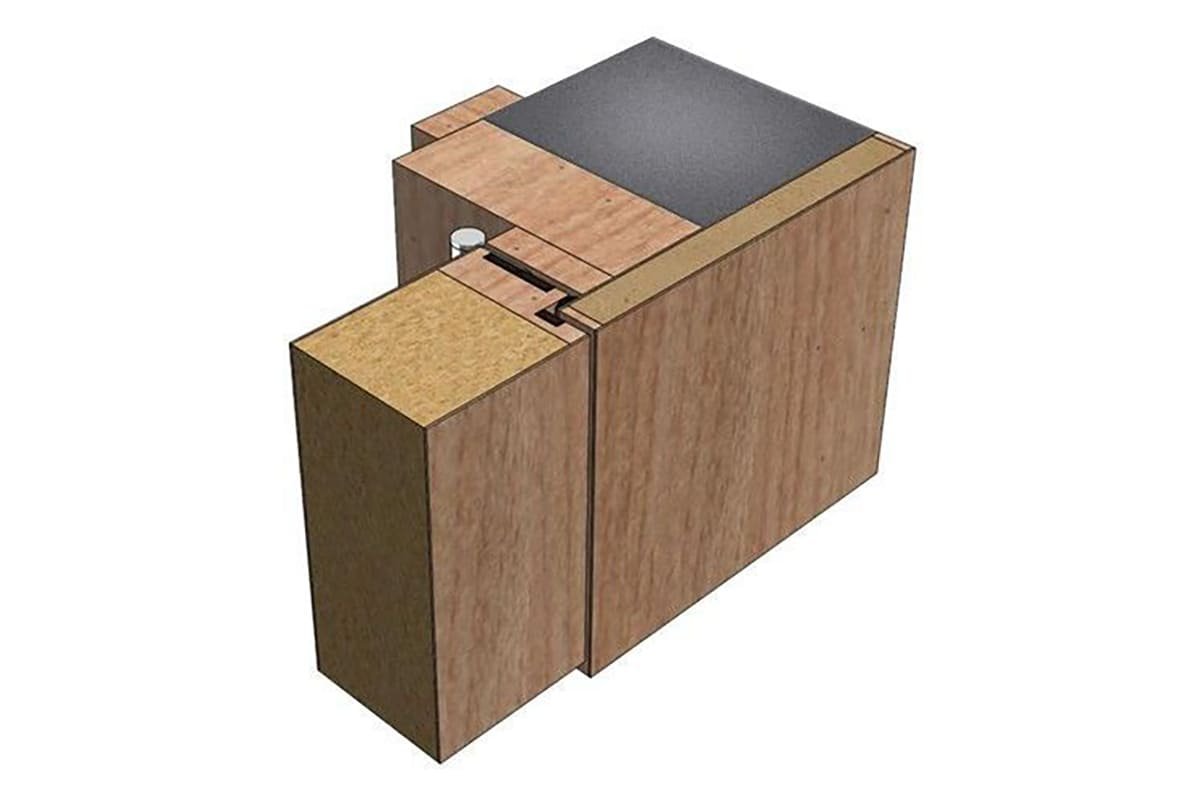
The main functional difference
In my factory-side communication with door manufacturers, I usually divide the comparison into two basic roles:
| Item | Standard Hinges | Spring Hinges |
|---|---|---|
| Main function | Support door swing and load bearing | Support swing and help door close automatically |
| Closing behavior | Door stays where user leaves it, depending on friction and alignment | Door returns toward the closed position |
| Common use | Ordinary interior doors, room doors, general swing doors | Invisible doors, normally closed doors, selected commercial doors |
| Product complexity | Simpler structure | More functional structure |
| Selection focus | Size, thickness, material, bearing capacity, finish | Door weight, closing force, closing speed, soft-closing need, application |
A standard hinge is one of the most basic architectural hardware parts. It allows the door to rotate around a fixed axis. It must carry the door weight, keep alignment, and maintain stable movement after repeated use. For many doors, this is exactly what the project needs.
A spring hinge adds another expectation. It does not only let the door move. It also creates a return force. That return force helps bring the door back to a closed position after someone opens it. This makes spring hinges useful when the door should not remain open casually.
Why this matters for buyers
I often see buyers compare the two products in a narrow way:
- “Which one is cheaper?”
- “Which one looks stronger?”
- “Can I use the spring type for all doors?”
- “Can it replace a door closer?”
Those questions are understandable, but they are incomplete. The hinge choice affects the user experience, door alignment, closing performance, and after-sales risk.
A spring hinge can combine part of the role of a hinge and part of the role of a door closer.3 However, I do not describe it as a full replacement for every door closer or door-control system. Heavy commercial doors, fire-rated assemblies, high-traffic entrances, and regulated project doors may need specific tested hardware sets.4 Buyers should check the exact model, test report, certificate, and project requirement before using any hinge for compliance-sensitive applications.
My usual advice is simple: choose a standard hinge when the door only needs smooth rotation. Consider a spring hinge when the door must return to a closed position.
When Should Buyers Choose Spring Hinges Instead of Standard Hinges?
Spring hinges become useful when a door should close by itself after normal use.5 If buyers ignore that application need, they may either over-specify a simple door or under-specify a door that should stay closed. Both mistakes can create cost and service problems in bulk supply.
Buyers should choose spring hinges when the door needs a normally closed position, a cleaner closed appearance, or basic self-closing behavior. Standard hinges are usually better for ordinary doors that do not need automatic closing. The correct choice depends on door weight, structure, expected closing feel, and usage frequency.
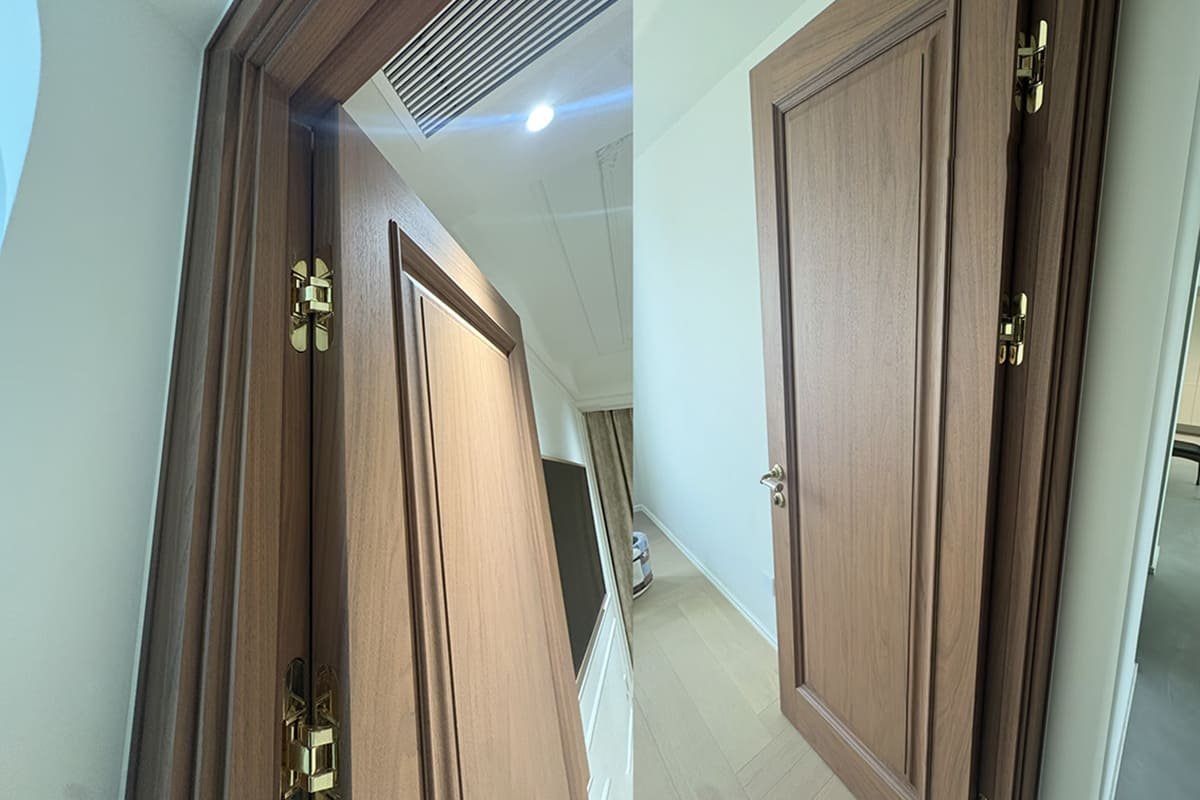
Common situations where spring hinges help
In my experience, the spring hinge conversation appears most often in these applications:
Invisible doors
- The door should return flush with the wall.
- The closed appearance matters.
- The user may not want the door leaf left half open.
Interior partition doors
- The door separates spaces that should stay closed.
- Examples include utility rooms, staff areas, storage rooms, or service spaces.
Light-to-medium commercial doors
- The door sees regular traffic.
- The buyer wants a simple self-closing function without selecting a larger closer system.
Showroom or residential design doors
- The door design needs a clean appearance.
- A visible door closer may not match the design concept.
When standard hinges are still the better choice
Spring hinges are not always better. A standard hinge can be the more stable, economical, and suitable product when the door does not need self-closing.
| Door situation | Better starting point | Reason |
|---|---|---|
| Bedroom door | Standard hinge | User may want the door to stay open or half open |
| Ordinary interior door | Standard hinge | Simple rotation is enough |
| Heavy high-traffic commercial door | Professional evaluation required | A spring hinge may not provide full door control |
| Invisible door requiring self-return | Spring hinge type | Normally closed appearance is important |
| Door requiring certified fire performance | Specific certified model only | Certificate and test scope must be verified |
How I ask buyers to define the use case
Before I recommend a hinge, I usually ask a few practical questions. These questions help reduce wrong-specification risk before mass production.
- Should the door close automatically after opening?
- Should the door close softly or is basic closing acceptable?
- What is the door weight and size?
- Is the door wood, aluminum, steel, or composite?
- Is the hinge visible, concealed, or part of an invisible door system?
- How many opening cycles per day are expected?
- Does the project require CE, fire-rated, or other documented compliance?
This is also where procurement teams can save time. If a buyer only sends “I need spring hinge price,” I still need to confirm the application. If the buyer sends door weight, thickness, height, width, material, and closing expectation, I can narrow the recommendation much faster.
For bulk orders, the wrong hinge does not only affect one door. It can affect hundreds or thousands of door sets. That is why I prefer to treat spring hinges as application-driven hardware rather than a simple upgraded version of standard hinges.
Which Types of Spring Hinges Should Procurement Teams Compare?
Not all spring hinges are the same. This is a common misunderstanding in sourcing. A buyer may approve a sample because it “self-closes,” but the production door may require a different closing feel, installation method, or door structure. The hinge category must match the real door system.
Procurement teams should compare spring butt hinges, hydraulic soft-closing hinges, and hydraulic pivot hinges. These spring hinges differ in structure, installation position, closing comfort, appearance, and suitable door applications. The right type depends on whether the buyer needs basic self-closing, soft closing, or a more concealed pivot-style solution.
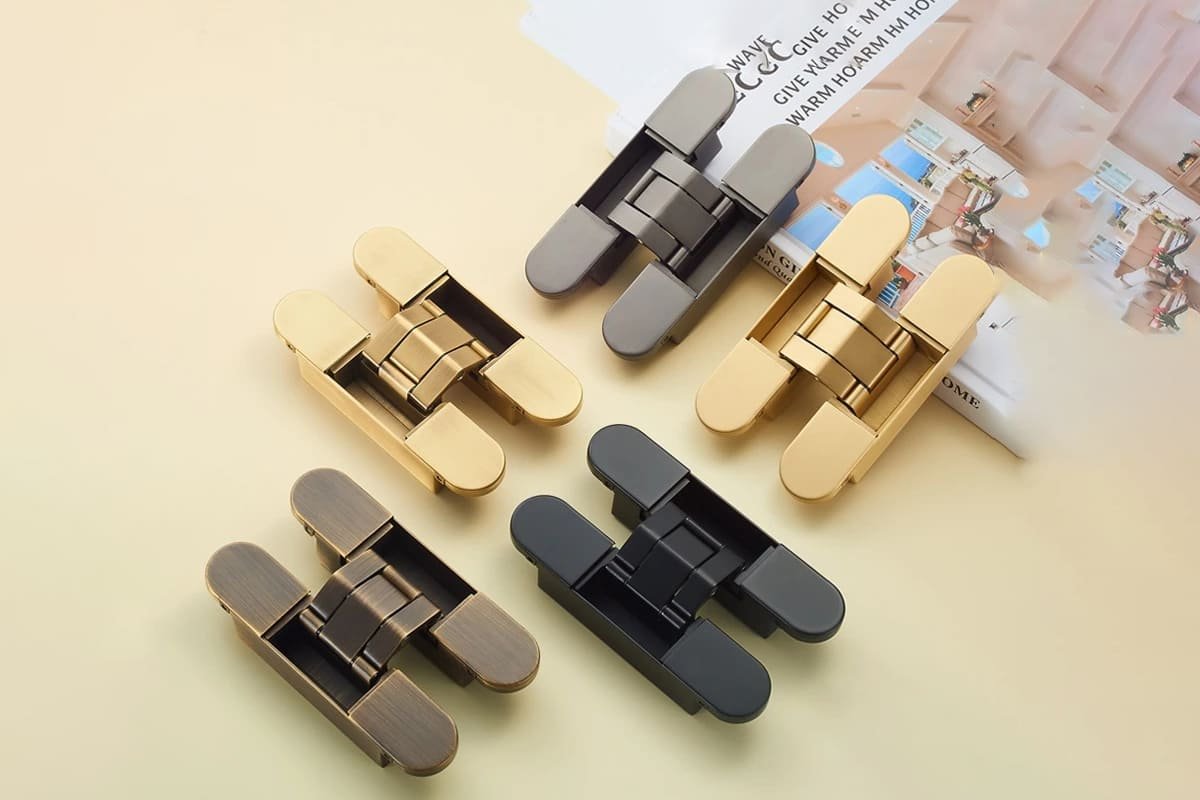
Main spring hinge types
| Type | Basic description | Typical advantage | Buyer concern |
|---|---|---|---|
| Spring butt hinge | Looks similar to a butt hinge but includes spring closing force | Simple and familiar structure | Closing force must match door weight |
| Hydraulic soft-closing hinge | Uses hydraulic damping for smoother closing6 | Better closing comfort | Higher cost and more specification details |
| Hydraulic pivot hinge | Pivot-style hinge with controlled closing function | Useful for some invisible or design doors | Installation structure must match door design |
1. Spring butt hinge
A spring butt hinge is often the easiest type for buyers to understand. It keeps a familiar hinge format but adds spring force. It can be suitable for certain interior doors, light commercial doors, and doors that need simple self-closing behavior.
However, the buyer should not judge only by the hinge size. The internal spring strength, material thickness, pin structure, surface finish, and cycle performance all matter. If the spring force is too weak, the door may not close reliably. If the force is too strong, the user may feel the door is uncomfortable or noisy.
2. Hydraulic soft-closing hinge
A hydraulic soft-closing hinge is used when the buyer wants a more controlled closing feel. It reduces the hard “snap back” problem that can appear with some basic spring designs. This can improve user experience in residential, hotel, office, and showroom applications.
The trade-off is that hydraulic products need more careful specification. Buyers should check:
- Door weight range
- Door width and height
- Closing speed adjustment, if available
- Soft-closing angle range
- Temperature and environment suitability
- Production consistency across bulk orders
3. Hydraulic pivot hinge
A hydraulic pivot hinge may be considered for certain invisible doors or design-focused door systems. It can help achieve a cleaner appearance and a controlled closing movement. However, this type is more dependent on the door structure and installation method.
I do not recommend that buyers switch to pivot-style hardware without confirming the door design. The position of the pivot, the door bottom and top structure, the frame design, and the floor or header conditions can affect suitability.
How I compare types during supplier selection
When I speak with a product manager or buyer, I usually suggest a practical comparison sheet:
Door application
- Ordinary interior door
- Invisible door
- Light commercial door
- Design door
Closing expectation
- Basic self-closing
- Soft closing
- Adjustable closing
- Normally closed appearance
Installation condition
- Side-mounted butt hinge position
- Concealed or semi-concealed layout
- Pivot structure
Procurement priorities
- Lowest cost
- Better user experience
- Cleaner appearance
- Lower complaint risk
- Easier replacement
This approach helps buyers avoid a common mistake: choosing one hinge type because it worked on a different door. Door hardware is not isolated. It works as part of a door leaf, frame, seal, lock, and user environment.
How Do Door Weight, Size, and Usage Frequency Affect Spring Hinges?
Spring hinges depend heavily on the door conditions. A hinge that works well on a light interior door may perform poorly on a wider, heavier, or frequently used door. If the buyer skips these details, the hinge supplier may not be able to recommend the correct model.
Door weight, door size, material, installation position, and usage frequency directly affect spring hinge selection.7 Heavier and wider doors need stronger load capacity and suitable closing force. High-use doors need more stable performance. Buyers should confirm these variables before sample approval or bulk order production.
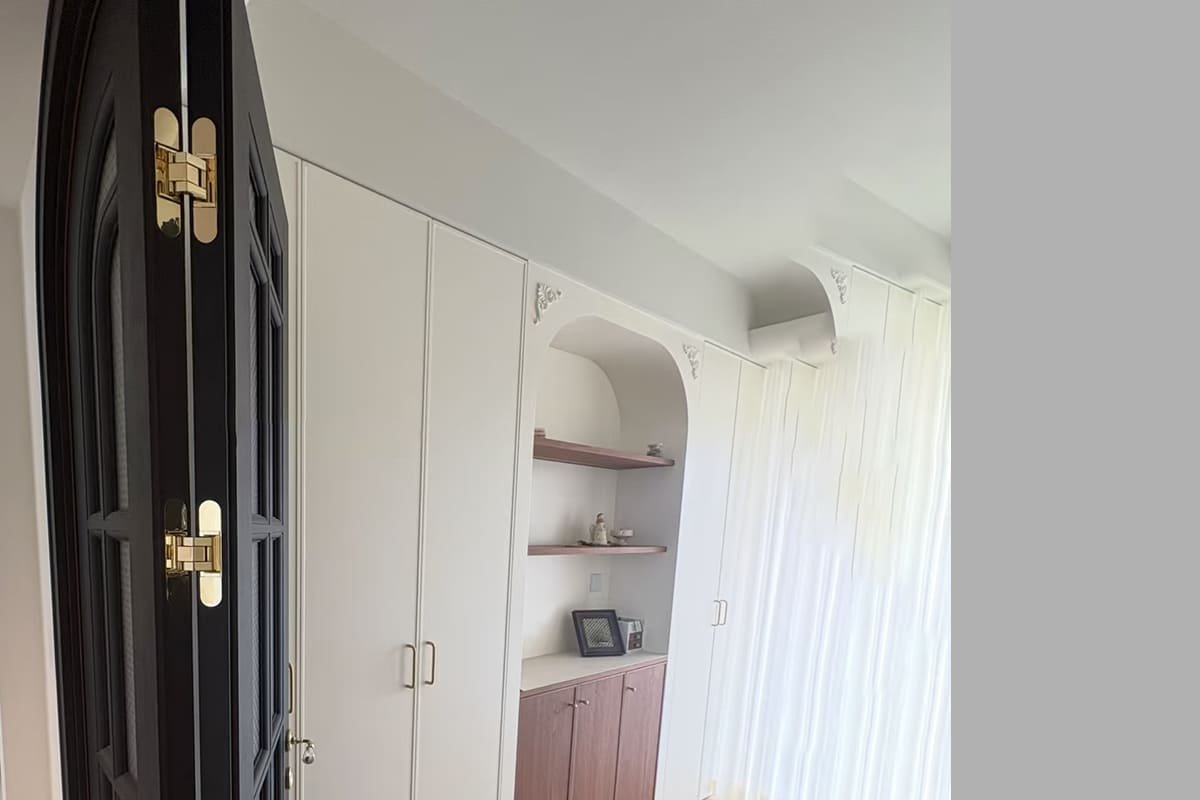
Key specification details buyers should prepare
I prefer to receive these details before quoting or recommending a product:
| Specification | Why it matters |
|---|---|
| Door height | Taller doors may create more leverage and alignment pressure |
| Door width | Wider doors increase force on the hinge |
| Door thickness | Affects hinge size, screw position, and installation compatibility |
| Door weight | Determines load-bearing and closing force requirements |
| Door material | Wood, steel, aluminum, and composite doors behave differently |
| Frame material | Screw holding strength and installation stability vary |
| Usage frequency | High-cycle use needs more durable hardware |
| Closing expectation | Basic closing and soft closing require different hinge types |
| Finish requirement | Bulk orders need consistent color and surface quality |
| Certificate requirement | CE or fire-rated needs must be checked by model and document scope |
Why door weight is not the only factor
Some buyers focus only on kilograms per door. Door weight is important, but it is not the full story. A 35 kg narrow door and a 35 kg wide door can create different stress on the hinge. Door width changes leverage.8 Door height changes alignment sensitivity. Door seals can add closing resistance.9 Floor conditions and frame accuracy can also affect final performance.
That is why I ask for the door size together with the door weight. If the door has thick seals, magnetic locks, or tight gaps, the spring hinge may need more closing force. But stronger force can also make the door feel less comfortable. The product manager needs to balance function and user experience.
Usage frequency and complaint risk
Usage frequency is another factor that procurement teams sometimes underestimate. A door in a private room may open 10–30 times per day. A door in a small office corridor may open 100–300 times per day. A light commercial service door may open even more often.10
More frequent use means more stress on:11
- Spring mechanism
- Hinge pin
- Screw fixing points
- Bearing surfaces
- Surface finish
- Door-frame alignment
For bulk buyers, this matters because complaints often appear after installation, not during sample checking. A sample can close properly for a few demonstrations. The real test is whether the hinge continues to perform consistently under the intended usage environment.
My practical recommendation process
I usually recommend that buyers confirm spring hinges in three steps:
Document the door parameters
- Weight
- Height
- Width
- Thickness
- Material
- Frame type
Define the closing behavior
- Must close every time
- Should close softly
- Should stay normally closed for appearance
- Should avoid slamming
Test samples on the real or closest door structure
- Check closing from different opening angles
- Check whether the door latches properly
- Check user comfort
- Check finish and screw holding
- Check consistency if multiple hinges are installed
This is not a detailed installation manual. It is a procurement control method. It helps buyers avoid approving a hinge only because it looks correct on paper.
What Procurement Risks Come From Choosing Spring Hinges by Price Only?
Price matters in door hardware procurement. I understand that clearly because many of my customers are wholesalers, brand operators, and door factories working under strong cost pressure. However, spring hinges carry functional expectations, so choosing by price alone can create hidden costs.
Choosing spring hinges only by low price can lead to weak closing force, harsh closing, poor durability, finish inconsistency, wrong application matching, and higher replacement costs. Buyers should compare total procurement risk, not only unit price, especially for invisible doors and light-to-medium commercial door projects.
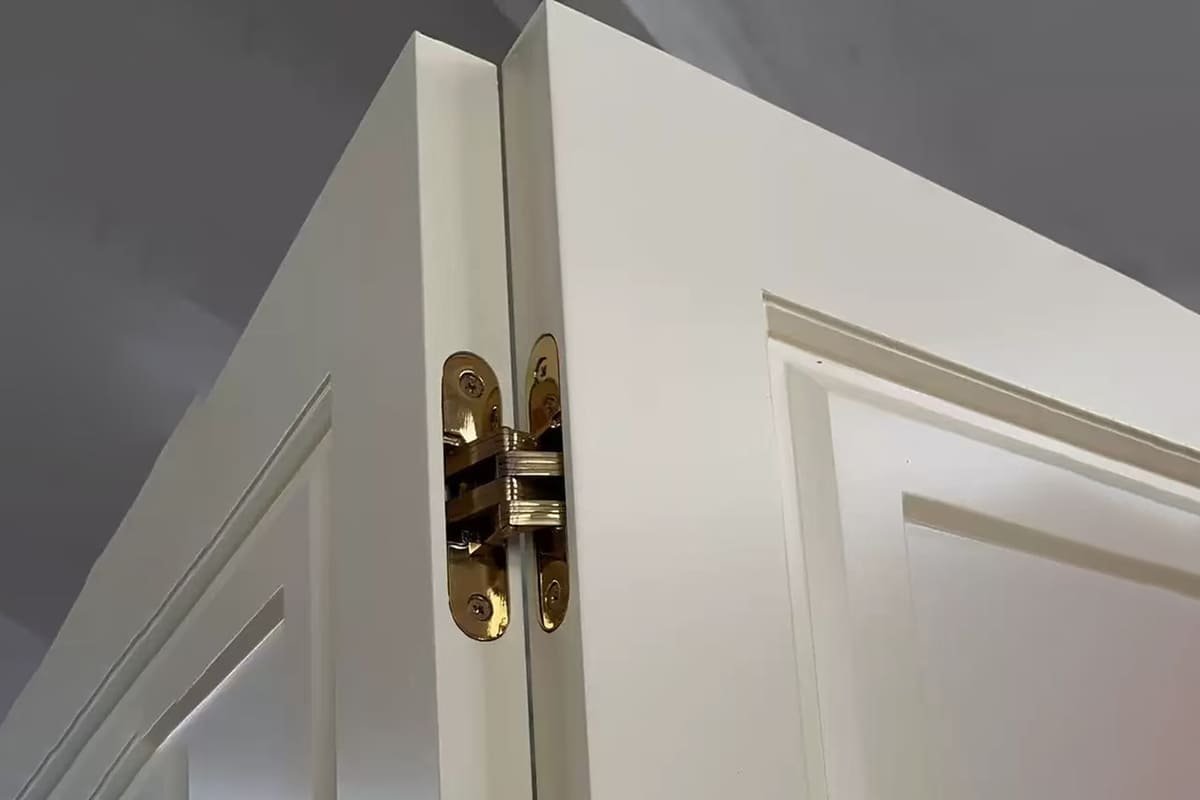
Low unit price can hide higher total cost
A cheaper hinge is not always a bad hinge. A simple standard hinge, for example, may be the best economical choice for a normal interior door. The problem appears when a buyer selects a low-cost spring hinge for a door that needs stable self-closing and good user experience.
The visible price may be lower, but the hidden costs can include:
- Replacing hinges after installation
- Customer complaints about doors not closing
- Extra labor for adjustment or rework
- Delayed project handover
- Damage to the buyer’s hardware brand reputation
- Inconsistent appearance across batches
- Stock problems when replacement models do not match
Supplier evaluation points
When I help buyers compare spring hinge suppliers, I suggest looking beyond the quotation sheet.
| Evaluation point | What buyers should check |
|---|---|
| Factory capability | Does the supplier have stable production lines and process control? |
| Product range | Can the supplier offer standard hinges, spring hinges, and related hardware? |
| Material control | Are raw materials screened and consistent? |
| Finish consistency | Can bulk orders maintain the same color and surface quality? |
| Specification support | Can the supplier ask the right door application questions? |
| Sample support | Can the supplier provide samples for real door testing? |
| Documentation | Are CE or fire-rated documents available for the specific model when required? |
| Customization | Can the supplier adjust finish, specification, or configuration for market needs? |
At SDH Hardware, our factory-side work often starts before production. I prefer to confirm hinge type, door structure, finish, packaging, and order expectations early. This reduces misunderstanding between the buyer, door factory, and final project market.
Certification and compliance caution
Some buyers ask whether spring hinges can be used for fire-rated doors or project doors. I always treat this carefully. A product category alone does not prove compliance. The buyer must verify the specific model, certificate scope, test standard, and door assembly requirement.
For example, a CE certificate or fire-rated certificate may apply to a certain model, size, material, or tested configuration. It may not automatically apply to every customized version or every installation condition. For regulated projects, buyers should involve qualified professionals and check the project documents before final approval.
How to compare price fairly
A fair price comparison should include the same specification. I recommend that buyers align these details before comparing offers:
- Hinge type
- Hinge size and thickness
- Material grade
- Surface finish
- Door weight range
- Closing function and damping function
- Screw and accessory configuration
- Packaging requirement
- Certificate requirement
- Order quantity and delivery schedule
When buyers compare different products under the same name, the cheapest offer may not actually be the same product. This is especially true for spring hinges because internal structure and closing performance are not always visible from photos.
Frequently Asked Questions
Are spring hinges better than standard hinges?
Spring hinges are not automatically better than standard hinges. They are better only when the door needs self-closing behavior or a normally closed position. Standard hinges are often the better choice for ordinary doors that only need smooth opening, stable support, and simple long-term use.
Can spring hinges replace a door closer?
Spring hinges can provide basic self-closing function, but they should not be treated as a replacement for every door closer. Heavy doors, high-traffic doors, fire-rated doors, or regulated project doors may require a specific door-control system. Buyers should verify the application with qualified professionals.
What information should I send before ordering spring hinges?
I recommend sending door weight, height, width, thickness, material, frame type, usage frequency, finish requirement, and closing expectation. If the door is an invisible door or project door, send drawings or photos. This information helps the manufacturer recommend a more suitable hinge model.
Which spring hinge type is best for invisible doors?
Invisible doors often need a normally closed appearance, so spring hinges can be useful. The best type may be a spring butt hinge, hydraulic soft-closing hinge, or hydraulic pivot hinge, depending on the door structure. Buyers should test samples on the actual door design before bulk approval.
Do spring hinges need certificates?
Certificates depend on the market and project requirement. Some buyers may need CE, fire-rated, or other compliance documents. These documents must be checked by specific model and certificate scope. A general product description is not enough for regulated doors or project acceptance.
Conclusion
Spring hinges and standard hinges serve different procurement needs. Standard hinges mainly support door rotation and load bearing, while spring hinges add a self-closing function for doors that should return to a closed position. The best choice depends on door weight, size, material, usage frequency, closing expectation, and compliance requirements. If you are selecting hinges for invisible doors, interior doors, or light-to-medium commercial projects, I recommend confirming specifications before price comparison. Contact SDH Hardware to discuss bulk hinge selection, ODM customization, and factory-direct door hardware supply.
"Hinge", https://en.wikipedia.org/wiki/Hinge. Architectural-hardware references describe spring hinges as hinges incorporating spring tension to return a door toward the closed position, while ordinary butt or standard hinges primarily provide a pivot and support the door leaf; this supports the functional distinction but not the performance of any specific model. Evidence role: definition; source type: institution. Supports: A hardware standards or institutional source should define spring hinges as self-closing hinges and standard hinges as hardware that supports door rotation and load.. Scope note: Contextual definition only; it does not verify a particular hinge's closing force or load rating. ↩
"Everything You Need to Know About Hinge Types & Sizes ...", https://www.dkhardware.com/blog/hinge-size-guide-and-chart/?srsltid=AfmBOoozuZ4XXpriTOH8yeeMnThkxHKpD2dBOuSDsTQYHF6iSGjc91eA. General engineering and architectural references define a hinge as a bearing or joint that connects two solid objects and permits limited rotation between them; this supports the statement about standard hinge function, though it does not address every commercial hinge design. Evidence role: definition; source type: encyclopedia. Supports: A general reference should support the basic function of hinges as connecting two objects and allowing rotation about an axis.. Scope note: Definition-level support; it does not prove that all standard hinges lack every possible auxiliary feature. ↩
"Spring Hinges vs Door Closers: Pros, Cons & Cost ...", https://watersonusa.com/solutions/hydraulic-door-closer-vs-hinges-with-spring. Architectural-hardware guidance treats self-closing spring hinges as hinges with an added closing action, whereas door closers are separate control devices for closing speed and force; this supports the partial overlap in function but not interchangeability in regulated or heavy-duty applications. Evidence role: general_support; source type: institution. Supports: An architectural-hardware source should show that spring hinges provide hinge support plus a self-closing function, while separate door closers provide more controlled door-closing functions.. Scope note: Contextual comparison; it does not establish that spring hinges can replace door closers in a specific project. ↩
"Fire Doors and NFPA 80 FAQs", https://www.nfpa.org/news-blogs-and-articles/blogs/2025/04/11/fire-doors-faqs. Fire-door and building-code guidance requires fire door assemblies to use listed or approved components within the scope of the tested assembly, supporting the need to verify specific hardware sets for regulated doors; this does not determine compliance for any unreviewed installation. Evidence role: expert_consensus; source type: institution. Supports: A fire-door or building-code source should support that fire door assemblies and other regulated doors require listed, tested, or code-compliant hardware configurations.. Scope note: Applies most directly to fire-rated or code-regulated assemblies, not to all ordinary interior doors. ↩
"Spring Hinges - Residential", https://www.hingeoutlet.com/collections/spring_hinges_residential?srsltid=AfmBOoq4LIueFZoN7qzrePBbpuTSN0_vudr2LL6neE2DOgewZ_aNckiN. Architectural-hardware references identify spring hinges as self-closing hinges used where a door is intended to return toward the closed position after opening; this supports the application rationale but not suitability for every door weight or traffic level. Evidence role: general_support; source type: institution. Supports: A hardware reference should support spring hinges as a recognized solution for doors requiring self-closing action.. Scope note: General application support; model selection still depends on door size, weight, and installation conditions. ↩
"Door closer", https://en.wikipedia.org/wiki/Door_closer. Engineering sources describe hydraulic damping as a mechanism that resists motion by forcing fluid through restricted passages, thereby dissipating energy and moderating closing speed; this supports the claimed smoothing mechanism but not the quality of any particular hinge design. Evidence role: mechanism; source type: research. Supports: An engineering or research source should explain that hydraulic damping dissipates motion energy and can slow or smooth closing movement.. Scope note: Mechanism-level support; it does not verify durability, adjustment range, or user comfort for a specific product. ↩
"How to Choose a Commercial Door Hinge | McKinney", https://www.mckinneyhinge.com/content/mckinney/us/en/resource-library/knowledge-center/blog/blog-post.aehdynamic-how-to-choose-a-commercial-door-hinge-633c8974d5c7b1003db5d8e9_mckinney.html. Architectural-hardware selection guidance commonly bases hinge choice on door weight, dimensions, material, mounting conditions, and expected frequency of use; this supports the specification factors listed here but does not replace manufacturer load tables for a particular hinge. Evidence role: expert_consensus; source type: institution. Supports: A hardware standards or technical source should identify door weight, size, material, installation, and duty cycle as relevant factors in hinge selection.. Scope note: General selection support; project-specific sizing must use tested ratings or manufacturer data. ↩
"28.18 -- Open door to demonstration preparation area", https://web.physics.ucsb.edu/~lecturedemonstrations/Composer/Pages/28.18.html. Elementary mechanics defines torque as the product of force and perpendicular distance from the axis of rotation, so a wider door can impose a larger moment on its hinges than a narrower door of the same weight; this supports the leverage explanation but not a specific hinge rating. Evidence role: mechanism; source type: education. Supports: A physics or engineering source should support that torque increases with lever-arm distance, making wider doors create greater moments at the hinge for the same weight.. Scope note: Physics principle only; actual hinge stress also depends on hinge number, placement, frame rigidity, and installation quality. ↩
"How to get top of door to compress against weatherseal ...", https://www.reddit.com/r/Carpentry/comments/sauutq/how_to_get_top_of_door_to_compress_against/. Building-envelope and door-performance literature notes that seals and gaskets introduce compression and friction forces that can affect closing and latching behavior; this supports the resistance claim but does not quantify the added force for a specific seal system. Evidence role: mechanism; source type: research. Supports: A building-science or door-performance source should support that seals, gaskets, or weatherstripping can add friction or compression resistance during door closing.. Scope note: Contextual mechanism support; resistance varies by seal material, compression, door alignment, and environmental conditions. ↩
"High Number of Door Openings Increases the Bacterial Load ...", https://pmc.ncbi.nlm.nih.gov/articles/PMC8377505/. Facilities-use and pedestrian-flow data show that door-cycle frequency varies substantially by occupancy function and circulation intensity, supporting the distinction between low-use private rooms and higher-use corridor or service doors; the cited data should be treated as contextual unless it reports the same 10–30 and 100–300 daily ranges. Evidence role: statistic; source type: paper. Supports: A facilities-management, building-use, or pedestrian-flow study should support that door cycle counts vary substantially by room type and traffic level.. Scope note: Likely contextual support unless a source provides the exact ranges used in the article. ↩
"Effect of wear of bearing surfaces on elastohydrodynamic ...", https://pubmed.ncbi.nlm.nih.gov/16225148/. Door-hardware durability standards use repeated opening-and-closing cycles to evaluate hinge performance, reflecting the engineering principle that repeated use increases wear and fatigue demands on moving parts and fasteners; this supports the stress claim but not the service life of any particular hinge. Evidence role: mechanism; source type: institution. Supports: A hardware testing standard or engineering source should support that repeated cycles are used to assess durability and that higher cycle counts increase wear or fatigue demands.. Scope note: General durability support; actual failure risk depends on product design, installation, load, and environment. ↩