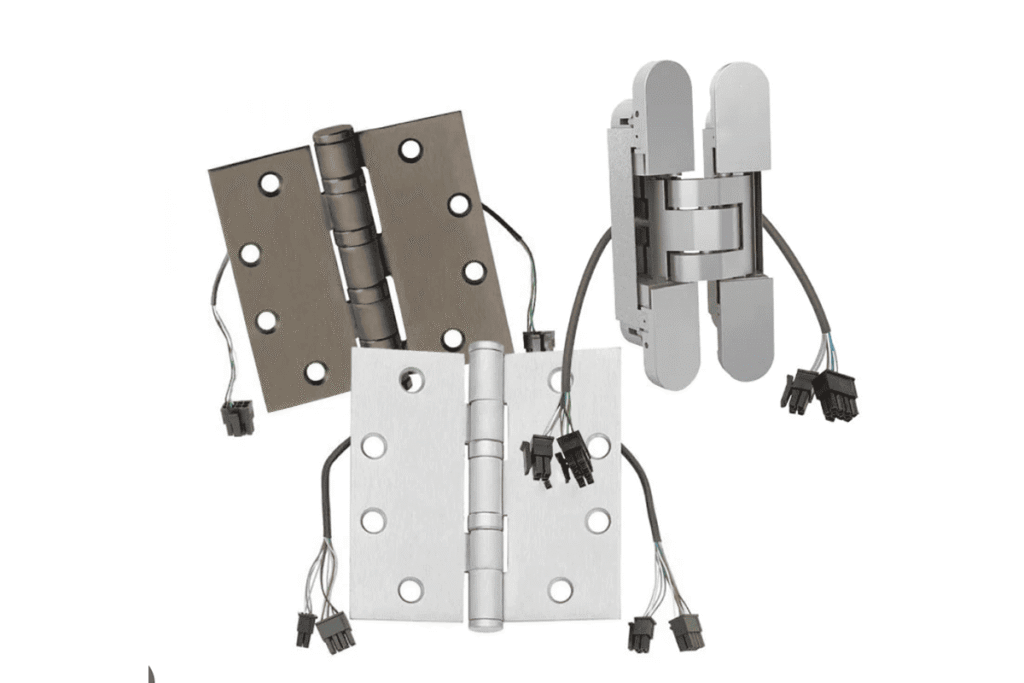
How to Select an Electric Power Transfer Hinge?
An electric power transfer hinge looks simple, but the wrong choice can create door sagging, wiring failure, access control mismatch, or costly rework. I often see buyers compare only wire quantity and price. The better solution is to evaluate the hinge first as door hardware, then as an electrical connection component.
To select an electric power transfer hinge, first confirm the door size, weight, thickness, hinge position, opening frequency, and frame structure. Then check the number of circuits, wire cores, voltage, current, access control compatibility, installation method, finish, certification documents, and supplier stability before placing a bulk order.
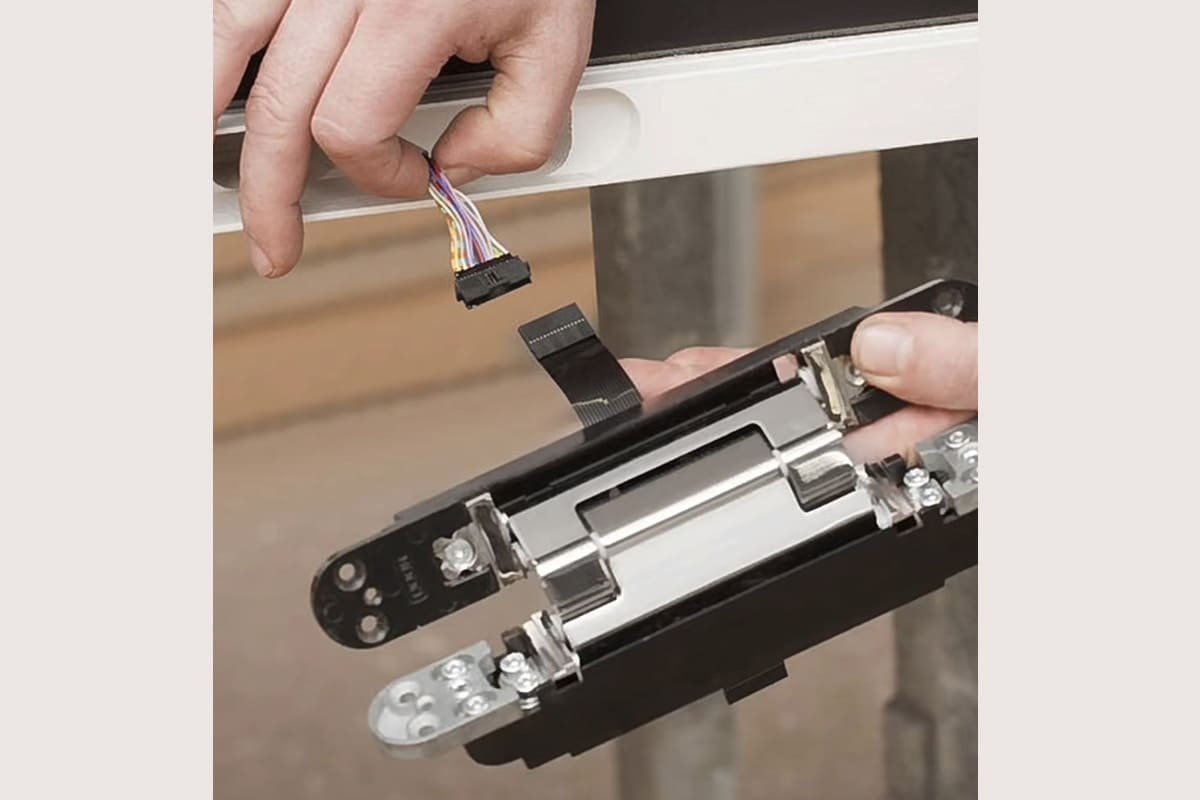
Many project problems start because the hinge is treated as a “wire carrier” only. In my experience with door hardware inquiries, the strongest selection process begins with mechanical compatibility, then moves into electrical matching, then ends with procurement risk control.
What Is an Electric Power Transfer Hinge and When Should I Use One?
Powered door hardware creates a common problem. The door leaf moves, but the power source and control system usually stay in the frame or wall. If the wiring is exposed, it can look poor, bend too much, or suffer damage1. An electric power transfer hinge solves part of this problem when the door and frame allow proper installation.
An electric power transfer hinge is a hinge designed to support door movement while transferring electrical power or signals between the door frame and door leaf2. I recommend considering it when a door needs concealed wiring for an electric lock, access control device, door monitor, or other low-voltage door-mounted hardware.
The hinge still has to be a hinge first
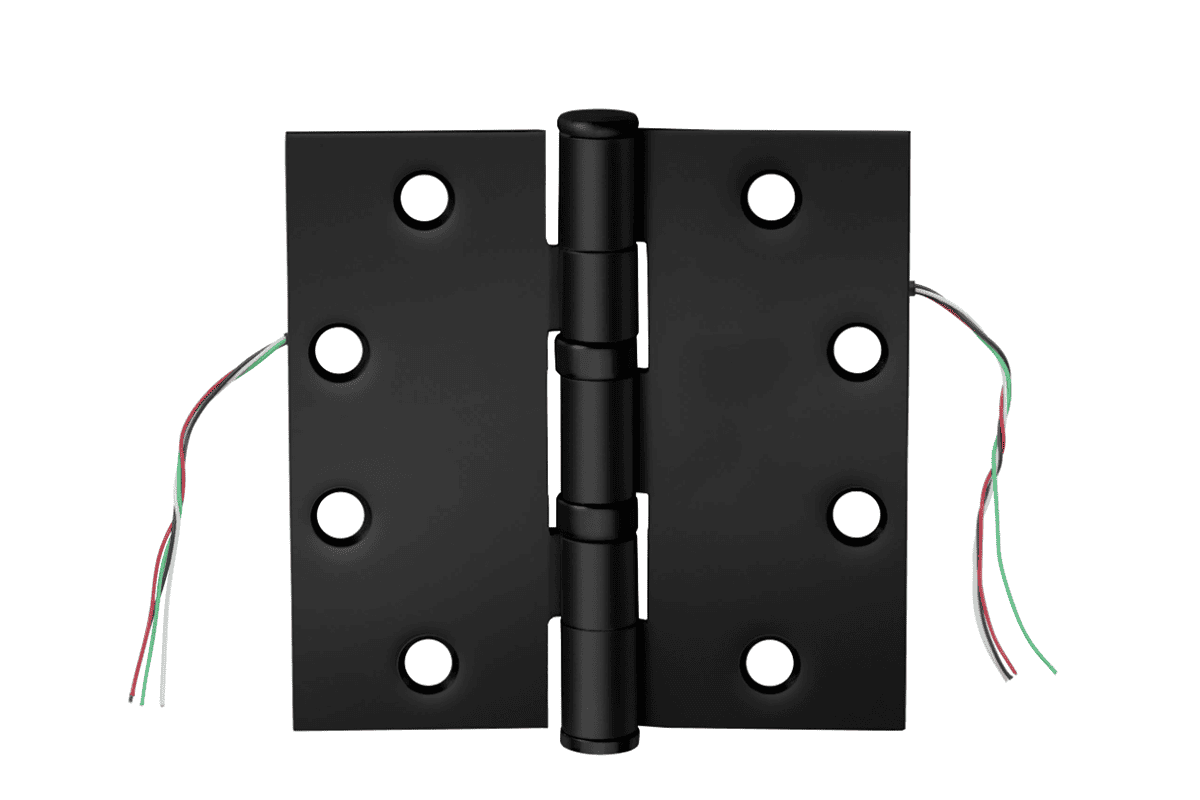
I always remind buyers that an electric power transfer hinge is still part of the load-bearing door hardware set. It may contain wires, but it must also help the door swing correctly. If the mechanical specification is wrong, even the correct wire count will not save the project.
Before discussing circuits, I would check:
- Door height and width
- Door weight
- Door thickness
- Door material, such as wood, steel, aluminum, or composite
- Frame structure
- Opening direction
- Opening frequency
- Hinge quantity and position
- Required finish
- Project environment, such as indoor, public building, hotel, office, hospital, school, or commercial entrance
For example, a heavy public building door with high opening frequency needs a stronger hinge body and stable bearing performance3. A light interior door with an appearance-focused design may need a different solution. This is why I avoid saying that one electric power transfer hinge fits all doors.
Where this hinge is commonly used
An electric power transfer hinge is often considered for doors that use:
- Electric mortise locks
- Electric strikes in some configurations
- Access control readers or request-to-exit devices
- Door position monitoring devices
- Magnetic contacts
- Low-voltage powered door accessories
However, the hinge is only one part of the total door-control system. I do not treat it as a universal replacement for every wiring solution. Some projects may use a door loop, concealed power transfer device, electrified lock with another wire path, or a dedicated frame-to-door transfer product.
Basic selection logic
I normally divide the decision into three layers:
| Selection Layer | Key Question | Buyer Risk If Ignored |
|---|---|---|
| Mechanical fit | Can the hinge support this door and installation position? | Door sagging, abnormal wear, noisy operation |
| Electrical match | Can the hinge carry the required circuits and current? | Device failure, unstable access control operation |
| Procurement control | Can the supplier provide consistent size, finish, documents, and delivery? | Batch mismatch, installation delay, after-sales claims |
This layered approach helps door factories, hardware brands, and wholesalers reduce avoidable risk. It also keeps the conversation practical. A buyer does not need to become an access control engineer, but the buyer does need to collect accurate door and circuit information before ordering.
How Do I Match an Electric Power Transfer Hinge to Door Size and Weight?
Many buyers start with wire cores, but the door does not care about wire cores first. The door cares about support, alignment, and movement. If the electric power transfer hinge cannot handle the door size and weight, the electrical function becomes secondary because the hardware may fail mechanically.
To match an electric power transfer hinge to door size and weight, I check the door height, width, thickness, material, weight, hinge size, hinge thickness, load capacity, installation position, and opening frequency. The hinge must match the physical door before I evaluate wire quantity, voltage, or current.
Door size affects hinge selection
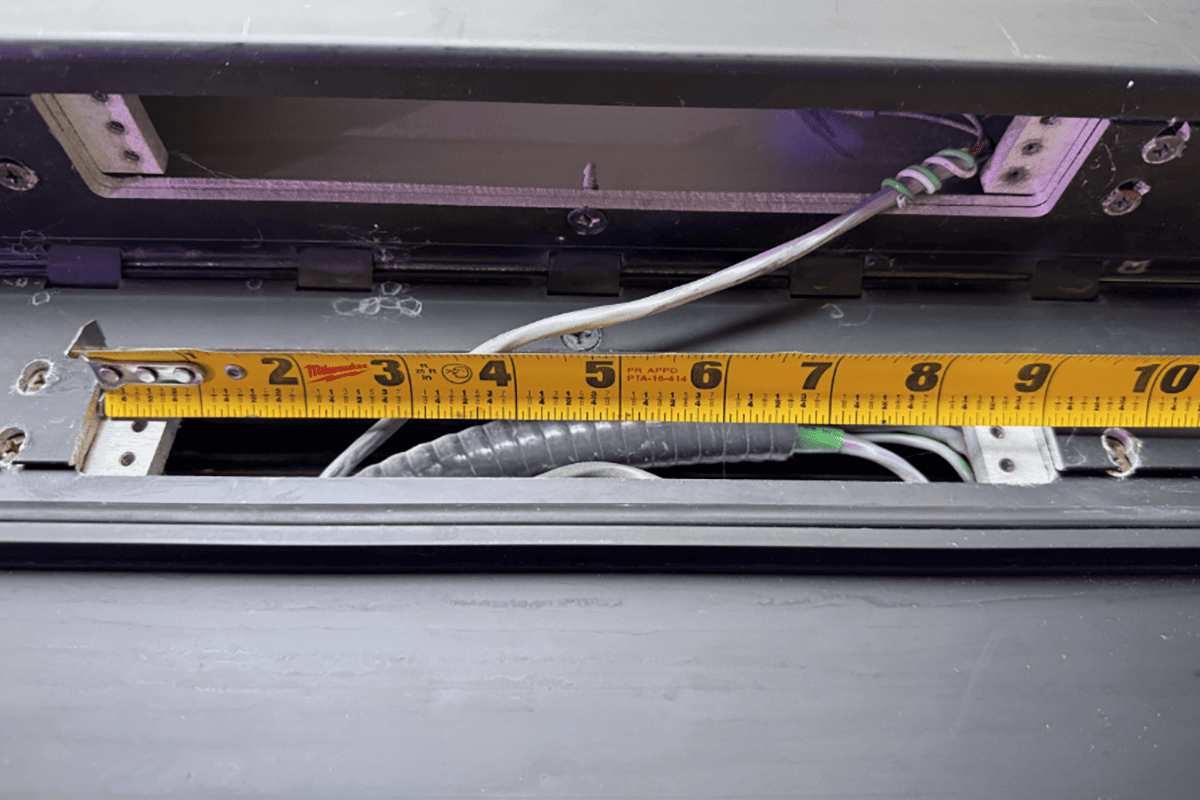
A taller or wider door creates more leverage on the hinge side.4 This matters because the hinge must resist not only vertical load but also twisting and long-term movement. In bulk door production, even a small mismatch can become expensive if repeated across hundreds or thousands of doors.
I usually ask buyers to provide:
- Door height
- Door width
- Door thickness
- Door leaf material
- Approximate door weight
- Frame material and profile
- Number of hinges per door
- Whether the powered hinge replaces one normal hinge or works as part of a full hinge set
A power transfer hinge may be installed in one hinge position while other normal hinges support the remaining load. In other cases, project specifications may require matching visible hinges across the door. The final hinge layout should be evaluated by the door manufacturer or qualified project professional, especially for fire doors, public buildings, or heavy-use applications.
Door weight and opening frequency matter together
A 60 kg door used a few times per day is different from a 60 kg door used hundreds of times per day. Opening frequency affects wear, wire flexing, and long-term hinge performance.5 I have seen buyers focus on “rated load” only, but actual use conditions can be just as important.
Here is a practical way to think about it:
| Door Condition | Selection Focus | Typical Procurement Concern |
|---|---|---|
| Light interior door | Appearance, concealed wiring, smooth operation | Matching finish and installation space |
| Medium commercial door | Stable hinge body, correct wire count | Consistent size and batch quality |
| Heavy public building door | Strength, durability, hinge thickness | Load capacity and verified documents |
| High-frequency access door | Mechanical wear and wire movement | Long-term reliability and after-sales risk |
Hinge position should not be random
The position of the electric power transfer hinge affects both wiring convenience and mechanical stress. In many applications, it is placed in a hinge position that allows clean wire routing from frame to door leaf. However, the installer must still consider whether the chosen position affects door support.
I recommend that buyers confirm these installation details before production:
- Is the hinge mortised or surface-mounted?
- Does the frame have enough space for the wire path?
- Does the door leaf allow clean wire routing?
- Will the hinge sit flush after installation?
- Will the screw pattern match the door and frame preparation?
- Will the powered hinge visually match the other hinges?
For door factories, this is especially important because machining is often done before final assembly. A wrong hinge size or screw hole pattern can stop production. A wrong mortise depth can create door alignment problems. A wrong finish can cause rejection during customer inspection.
I treat samples as a risk-control step
For bulk orders, I prefer sample confirmation before mass production. A sample does not prove every performance claim, but it helps confirm physical compatibility. Buyers can check size, finish, wire exit position, hinge movement, packaging, labeling, and installation fit.
A practical sample checklist includes:
- Hinge length, width, and thickness
- Knuckle diameter and structure
- Screw hole position
- Wire count and wire colors
- Wire outlet direction
- Surface finish consistency
- Door/frame installation fit
- Compatibility with other hardware
- Packaging for export or distribution
This step is simple, but it often prevents expensive rework.
How Should I Check Wires, Circuits, Voltage, and Current?
Electrical mismatch can be frustrating because the problem may not appear until installation or system commissioning. Buyers may order a hinge with too few wire cores, insufficient current capacity, or the wrong wire type. Then the door hardware arrives, but the access control system cannot connect properly.
To check wires, circuits, voltage, and current, I first identify every powered or signal device on the door. Then I confirm how many circuits and wire cores are needed, the voltage and current for each device, the access control interface, and whether special lines such as network cables are required.
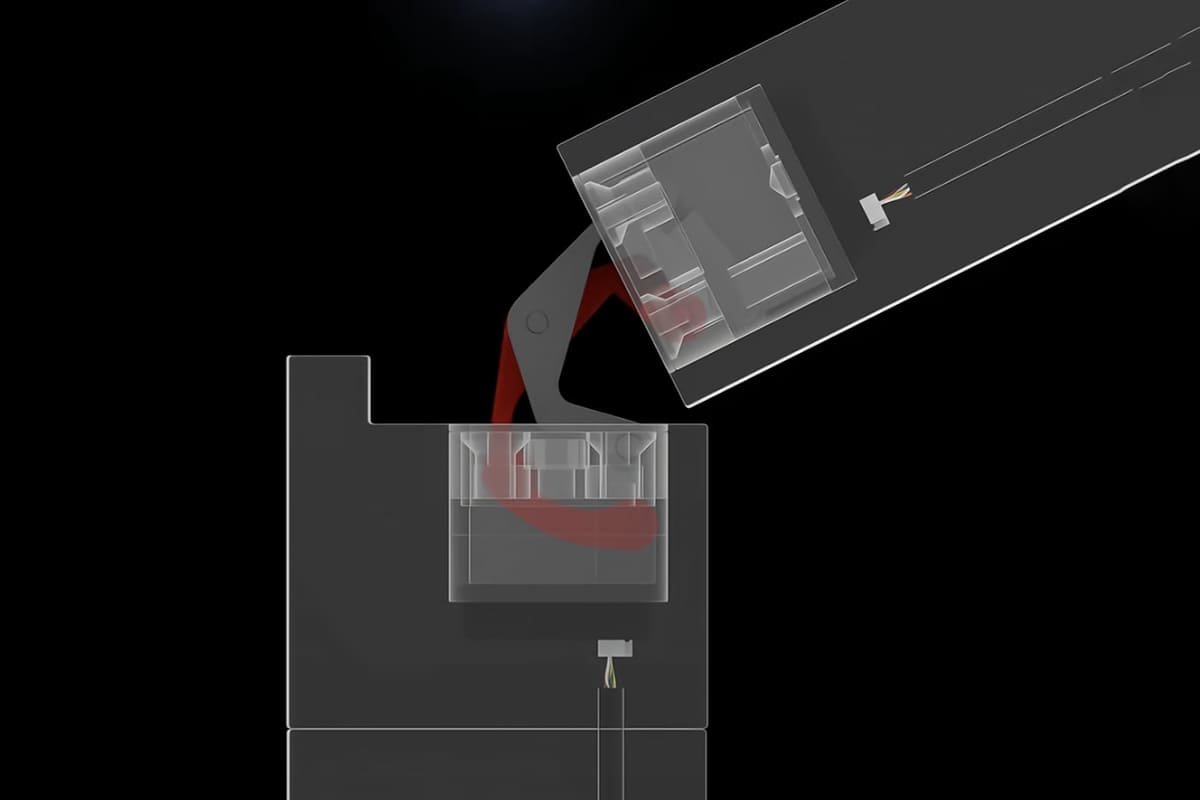
Start with the door-mounted devices
I do not start by asking, “How many wires do you want?” I prefer to ask, “What devices are installed on the door leaf?” This question gives a clearer picture.
Common devices may include:
- Electric lock body
- Electric trim
- Door position switch
- Request-to-exit device
- Access control reader
- Alarm contact
- Low-voltage indicator or sensor
Each device may require different conductors. Some devices need power only. Some need signal lines. Some need separate circuits for monitoring. The access control supplier or project electrician should confirm the actual wiring plan.
Understand circuits versus wire cores
A common procurement mistake is mixing up circuits and wire cores. A hinge may have several wires inside, but that does not automatically mean it supports every circuit layout.
For example:
| Term | Simple Meaning | Why It Matters |
|---|---|---|
| Wire core | One individual conductor | Buyers must confirm total wire count |
| Circuit | A complete electrical path or function | Different devices may need separate circuits |
| Voltage | Electrical potential, often low-voltage in access control | Must match device requirements |
| Current | Electrical flow required by the device | Must stay within product capability |
| Signal line | Wire used for data or status | May require special compatibility checks |
If a project uses special cable types, such as network cable, the buyer should not assume that a standard electric power transfer hinge can handle it. The physical space inside the hinge, bending movement, shielding needs, and cable diameter may all affect feasibility6. I recommend professional evaluation for any network, data, or system-specific wiring requirement.
Voltage and current should match the actual application
Many access control products use low-voltage power, but the required current can vary. Electric locks may draw different current during standby, activation, or holding.7 I avoid giving one general number because every device model can differ.
For procurement evaluation, I would request:
- Device model and specification sheet
- Working voltage
- Peak current and continuous current
- Number of powered devices
- Required monitoring signals
- Required cable or wire type
- Access control panel interface
- Safety or local code requirements
The hinge supplier can then confirm whether a specific model physically and electrically matches the request. The access control engineer or qualified installer should still verify the system design.
Wire flexibility and routing are also important
A wire inside a moving hinge experiences repeated bending.8 This is why wire structure, hinge movement, and installation route matter. If the wire is squeezed, twisted, or pulled during installation, the project may face intermittent failures later.
I suggest buyers ask these practical questions:
- Where do the wires exit from the hinge?
- Is there enough space inside the door and frame?
- Will the wire be protected from sharp metal edges?
- Can the installer pull the wire without damaging insulation?
- Does the hinge open to the required angle without wire stress?
- Does the package include clear wire identification?
These questions are not advanced electrical engineering. They are basic selection checks that reduce site problems. For B2B buyers, they also make supplier communication more precise.
I usually tell buyers: “Do not choose the wire count first. Choose the door function first, then calculate the wire count.”
That simple shift prevents many wrong orders.
Which Electric Power Transfer Hinge Type Fits Different Door Applications?
The hinge type affects appearance, installation, durability, and compatibility with the door structure. A public building door may need a visible stainless steel butt-type solution. A high-end interior door may need a concealed installation. Choosing the wrong type can create both technical and aesthetic problems.
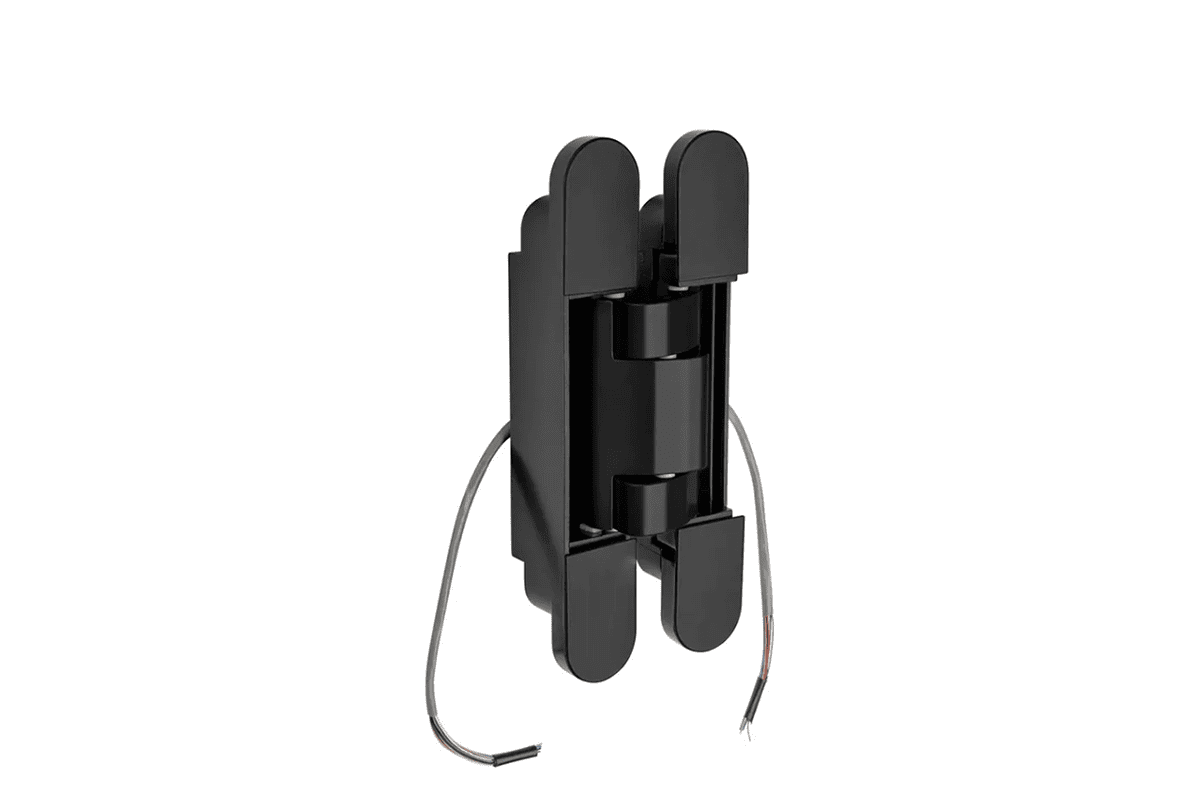
The right electric power transfer hinge type depends on door application, door/frame structure, visibility requirements, load demand, and installation method. Butt-type power transfer hinges often suit commercial doors, while concealed power transfer hinges may suit interior doors where clean appearance and hidden hardware matter.
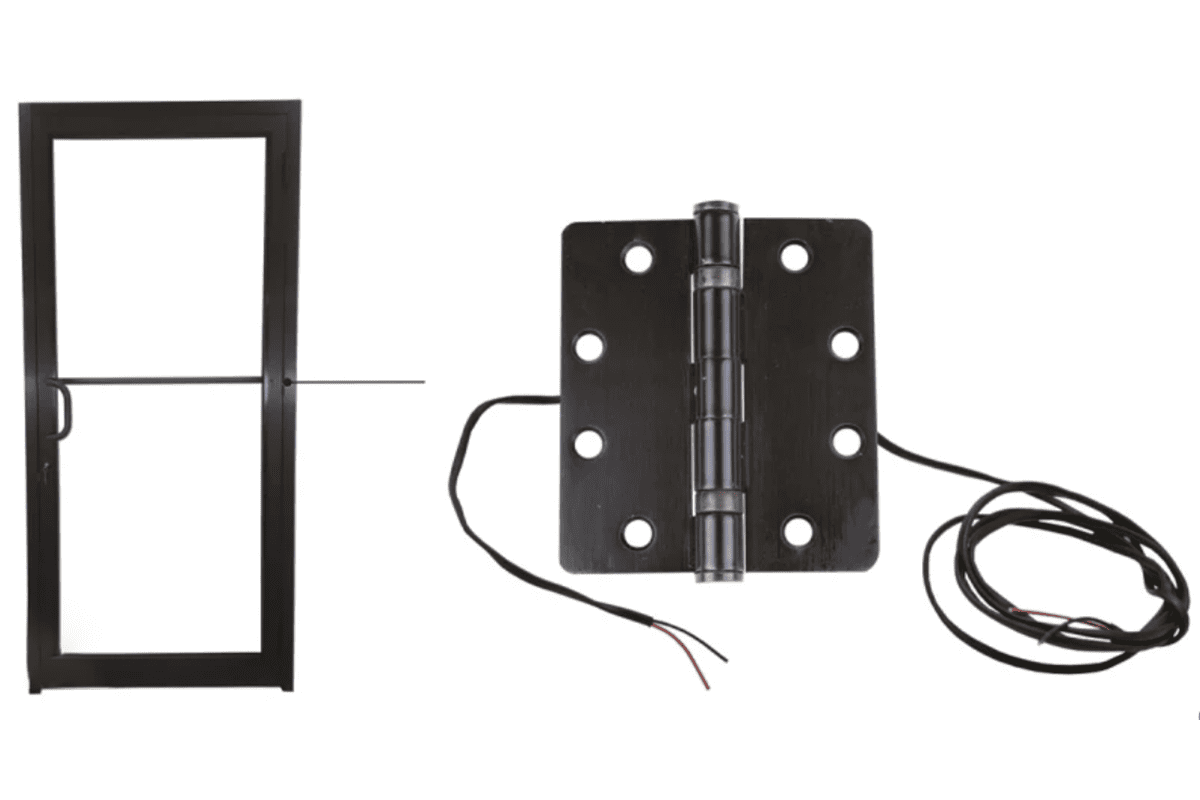
Butt-type power transfer hinges
A butt-type electric power transfer hinge is similar in appearance to a traditional butt hinge, but it includes internal wiring. This type is common on commercial doors because it is familiar to installers and can match visible hinge standards.
It may be suitable when:
- The project uses traditional butt hinges
- The door needs visible stainless steel hardware
- The frame and door leaf can be mortised
- The application requires a strong hinge body
- The buyer needs easier replacement or maintenance access
Stainless steel is often preferred for strength, surface stability, and corrosion resistance9 in many architectural hardware markets. However, material grade, finish, and performance documents should be checked for the specific model and order requirement.
Concealed power transfer hinges
A concealed power transfer hinge is used when the project wants hidden installation or a cleaner door appearance. Interior doors, modern office doors, hotel doors, and design-focused spaces may prefer this option. However, concealed installation usually requires more careful door and frame preparation.
It may be suitable when:
- The customer wants minimal visible hardware
- The door and frame allow concealed routing
- The door weight and thickness match the hinge design
- The installer can machine the required pocket accurately
- Appearance is a key selling point
Concealed solutions are not automatically better. They can be harder to install, and they may have more specific size limits. I always ask for detailed door drawings before suggesting this type.
Comparing common application choices
| Application | Possible Hinge Type | Main Reason | Key Check |
|---|---|---|---|
| Office access door | Butt-type or concealed | Depends on design and frame | Door weight and wire count |
| Hotel room door | Concealed or butt-type | Appearance and lock system | Door thickness and machining |
| School or hospital door | Stainless steel butt-type | Durability and maintenance | Opening frequency and documents |
| Apartment interior door | Concealed type | Clean appearance | Installation space |
| Commercial steel door | Butt-type | Strength and standardization | Hinge size and frame preparation |
Finish and appearance still matter
For hardware brands and wholesalers, finish consistency can be a major issue. Even if the hinge works correctly, the customer may reject the order if the finish does not match the lever handle, lock faceplate, or other hinges.
Common finish concerns include:
- Satin stainless steel tone
- Polished stainless steel tone
- PVD color matching
- Black finish consistency
- Scratch resistance expectations
- Batch-to-batch color difference
At SDH Hardware, our buyer discussions often include finish matching across hinge, lock, handle, and cylinder series. I consider this a procurement issue, not just an appearance issue, because inconsistent finish can affect resale and project acceptance.
Application environment affects selection
A dry interior office and a humid coastal project do not create the same hardware demands.10 A high-traffic public building and a private office do not create the same opening cycle demand. Buyers should describe the real environment instead of asking only for a catalog model.
Useful environment details include:
- Indoor or semi-outdoor use
- Humidity level
- Project country or region
- Expected traffic frequency
- Cleaning chemicals or exposure
- Public or private access
- Door fire or safety requirements
If fire-rated or CE-related performance is required, I recommend checking the specific model documents, certificate scope, test standard, valid date, and whether the hinge is included in the certified door assembly requirement. Certifications should be verified as documents, not assumed from a general product category.
What Procurement Risks Should Buyers Control Before Bulk Orders?
A single wrong sample is inconvenient. A wrong bulk order is expensive. Door factories, hardware brands, and wholesalers face bigger risks because one specification error can affect production, delivery, installation, and customer reputation across many doors.
Before bulk ordering an electric power transfer hinge, I control risks around hinge size, load capacity, wire count, voltage/current match, finish consistency, certification scope, packaging, lead time, supplier communication, and batch repeatability. I also recommend sample approval and document verification before mass production.
Batch mismatch is the real B2B risk
In B2B door hardware procurement, the problem is often not one defective piece. The bigger issue is batch mismatch. If a shipment has the wrong hinge size, screw hole position, finish, or wire configuration, the buyer may face factory downtime or project delay.
Common mismatch risks include:
- Wrong hinge length or width
- Wrong hinge thickness
- Wrong screw hole pattern
- Insufficient load capacity
- Wrong wire core quantity
- Wrong wire color identification
- Voltage/current mismatch
- Incompatible access control interface
- Inconsistent surface finish
- Missing or unclear documents
- Unstable supply for repeat orders
These risks are avoidable when the buyer provides full project information before quotation.
What I ask buyers to provide
When a buyer asks me to help evaluate an electric power transfer hinge, I prefer to collect a complete selection brief. This makes communication faster and reduces guessing.
A useful brief includes:
- Door type
- Door size
- Door weight
- Door thickness
- Door and frame material
- Door/frame structure or drawing
- Opening frequency
- Hinge installation method
- Required hinge size and finish
- Number of circuits
- Wire core requirement
- Voltage and current
- Access control device information
- Network cable or special line requirement
- Target market
- Certification requirements
- Order quantity
- Packaging and labeling requirements
This list may look long, but it saves time. In real order communication, missing information usually creates more delay than detailed preparation.
Supplier evaluation matters
A supplier should do more than quote a low price. For door hardware buyers, the supplier must support stable production, consistent finish, and clear communication. This is especially important for wholesalers and hardware brands that need repeatable products for their market channels.
I would evaluate suppliers based on:
| Evaluation Point | What to Check | Why It Matters |
|---|---|---|
| Manufacturing capability | Factory operation, production line, category range | Supports stable supply |
| Product consistency | Size tolerance, finish control, inspection process | Reduces batch rejection |
| Customization support | Size, finish, wire configuration, packaging | Fits regional market needs |
| Document support | CE or fire-related documents where applicable | Helps buyer verification |
| Communication quality | Clear technical questions and confirmations | Prevents wrong orders |
| Delivery stability | Lead time and production planning | Supports project schedules |
SDH Hardware is a China-based architectural door hardware manufacturer with over 20 years of production experience. We focus on complete door hardware sourcing, including mortise locks, lever handles, butt hinges, concealed hinges, lock cylinders, and customized hardware solutions. When I discuss power transfer hinge selection with buyers, I keep the focus on compatibility and procurement control rather than overselling one model.
Certifications should be verified by model
Buyers often ask whether a product has CE or fire-rated certification. That is a reasonable question, especially for Europe, the Middle East, and project-based markets. However, I always suggest verifying documents for the specific product model and intended application.
Buyers should check:
- Certificate number
- Product model coverage
- Test standard
- Valid date
- Issuing body
- Fire door assembly requirements, if relevant
- Whether the supplied product matches the tested configuration
This is important because certification scope can be narrow11. A document for one hinge type or one door assembly may not automatically cover every size, finish, or application. For regulated projects, a qualified professional should review compliance requirements.
Use pre-production confirmation
Before mass production, I recommend a written confirmation sheet. It should include mechanical, electrical, finish, packaging, and document details.
A simple pre-production confirmation table can include:
| Item | Confirmed Detail |
|---|---|
| Hinge model | Exact model number |
| Size | Length, width, thickness |
| Material | Stainless steel or other specified material |
| Finish | Color and surface treatment |
| Wire cores | Quantity and color |
| Electrical rating | Voltage/current according to model document |
| Installation | Mortise, surface, concealed, or project-specific |
| Packaging | Inner box, carton, label, barcode |
| Documents | Certificates, test reports, inspection records if required |
| Quantity | Order quantity and delivery schedule |
Conclusion
Selecting an electric power transfer hinge is a mechanical, electrical, and procurement decision at the same time. I start with door size, weight, thickness, frame structure, and opening frequency. Then I check circuits, wire cores, voltage, current, and access control compatibility. Finally, I control batch risks through samples, documents, and clear supplier confirmation. If you are sourcing for a door factory, hardware brand, or wholesale project, contact SDH Hardware with your door and circuit details so we can help review a suitable hardware solution.
"1910.305 - Wiring methods, components, and equipment ...", http://www.osha.gov/laws-regs/regulations/standardnumber/1910/1910.305. Electrical installation guidance generally requires conductors and cables to be protected from physical damage, supporting the concern that exposed wiring at a moving door can be vulnerable to abrasion, bending, or impact. Evidence role: general_support; source type: government. Supports: A source should support the principle that electrical conductors must be installed to avoid physical damage, including damage from movement, abrasion, or exposure.. Scope note: This supports the general risk of physical damage to wiring, not a failure rate specific to power transfer hinges. ↩
"How to Select an Electric Power Transfer Hinge | McKinney", https://www.mckinneyhinge.com/content/mckinney/us/en/resource-library/knowledge-center/blog/blog-post.html.aehdynamic-how-to-select-an-electric-power-transfer-hinge-633c8940d5c7b1003db5d8de_mckinney.html. A technical hardware reference defines electrified or power-transfer hinges as hinges that maintain door movement while providing a concealed electrical connection between the frame and door-mounted devices. Evidence role: definition; source type: institution. Supports: A source should define electrified or power-transfer hinges as door hinges that provide a concealed electrical path between the frame and door-mounted hardware.. ↩
"A156.1 - 2025 Butts and Hinges", https://buildershardware.com/ANSI-BHMA-Standards/Hardware-Highlights/A1561-2025-Butts-and-Hinges. Architectural hardware standards classify hinges by performance characteristics such as durability, loading, and cycle testing, which supports matching heavier and more frequently operated doors with stronger hinge specifications. Evidence role: expert_consensus; source type: institution. Supports: A source should show that architectural hinge standards classify hinges by durability, loading, and cycle testing for different service levels.. Scope note: The source would support the selection principle rather than proving that a particular hinge model is adequate. ↩
"12.2 Examples of Static Equilibrium - UCF Pressbooks", https://pressbooks.online.ucf.edu/phy2048tjb/chapter/12-2-examples-of-static-equilibrium/. The mechanical relation between torque, force, and moment arm explains why a wider or larger door can impose greater rotational loading on its hinges. Evidence role: mechanism; source type: education. Supports: A source should explain that torque increases with force and perpendicular distance from the pivot, making wider or larger doors impose greater moments on hinges.. Scope note: This is a physics-based explanation and does not provide product-specific hinge capacity. ↩
"Bending Strain and Bending Fatigue Lifetime of Flexible Metal ... - PMC", https://pmc.ncbi.nlm.nih.gov/articles/PMC6696189/. Studies of cyclic bending and fatigue show that repeated flexing can degrade conductors and mechanical components over time, supporting the relevance of opening frequency in electrified hinge selection. Evidence role: mechanism; source type: paper. Supports: A source should support that repeated cyclic motion can cause fatigue or wear in conductors and mechanical components.. Scope note: The evidence is mechanistic and may not measure the service life of a specific electric power transfer hinge. ↩
"Minimum Bending Radius for Cable - TIA/EIA 568 and ISO ...", https://www.elliottelectric.com/StaticPages/ElectricalReferences/DataComm/minimum_bending.aspx. Structured cabling guidance treats bend radius, shielding, and cable geometry as installation constraints, supporting the need to verify special cable compatibility before routing it through a moving hinge. Evidence role: mechanism; source type: institution. Supports: A source should show that network or structured cabling has bend-radius and physical-construction requirements that can affect installation through moving hardware.. Scope note: This supports the cabling constraint generally and does not establish compatibility or incompatibility for any particular hinge. ↩
"Electric strike", https://en.wikipedia.org/wiki/Electric_strike. Technical documentation for electrified locking hardware commonly distinguishes operating-state current values such as inrush, holding, or standby current, supporting the need to verify both peak and continuous electrical loads. Evidence role: mechanism; source type: institution. Supports: A source should show that electrified locking hardware may specify different current values for activation, inrush, holding, or standby operation.. Scope note: The source would illustrate the principle across electric locks rather than provide one universal current value. ↩
"Fatigue Damage of Aluminum Alloy Overhead Line ... - PMC", https://pmc.ncbi.nlm.nih.gov/articles/PMC12430308/. Research on conductor flex fatigue shows that repeated bending can degrade wires over many cycles, supporting the concern that wiring inside a moving hinge must be routed and specified for cyclic movement. Evidence role: mechanism; source type: paper. Supports: A source should support that wires or conductors subjected to repeated bending can experience fatigue-related degradation.. Scope note: The evidence is about conductor fatigue generally and may not directly test door-hinge wiring. ↩
"Stainless steel", https://en.wikipedia.org/wiki/Stainless_steel. Materials references describe stainless steel as an iron alloy valued for corrosion resistance and mechanical performance, supporting its frequent use in durable architectural hardware. Evidence role: general_support; source type: encyclopedia. Supports: A source should support that stainless steel is valued for corrosion resistance and useful mechanical properties.. Scope note: This supports the material rationale generally and does not verify the grade or performance of a specific hinge. ↩
"Atmospheric Corrosion of Different Steel Types in Urban and ...", https://pmc.ncbi.nlm.nih.gov/articles/PMC11679332/. Atmospheric-corrosion research identifies humidity and chloride-rich coastal exposure as factors that increase corrosion risk, supporting the need to match door hardware materials and finishes to the project environment. Evidence role: mechanism; source type: research. Supports: A source should support that humidity, chloride exposure, and coastal atmospheres increase corrosion risk for metals.. Scope note: The evidence addresses corrosion conditions generally and does not rank specific hinge finishes. ↩
"CE marking", https://en.wikipedia.org/wiki/CE_marking. Conformity-assessment and fire-door guidance generally tie certification to defined products, standards, intended uses, or tested assemblies, supporting the need to verify model and application coverage rather than relying on a product category label. Evidence role: expert_consensus; source type: government. Supports: A source should support that conformity or fire-performance documentation is tied to defined products, intended uses, standards, or tested configurations.. Scope note: The source supports the compliance principle; actual project approval still depends on the relevant jurisdiction and certificate documents. ↩