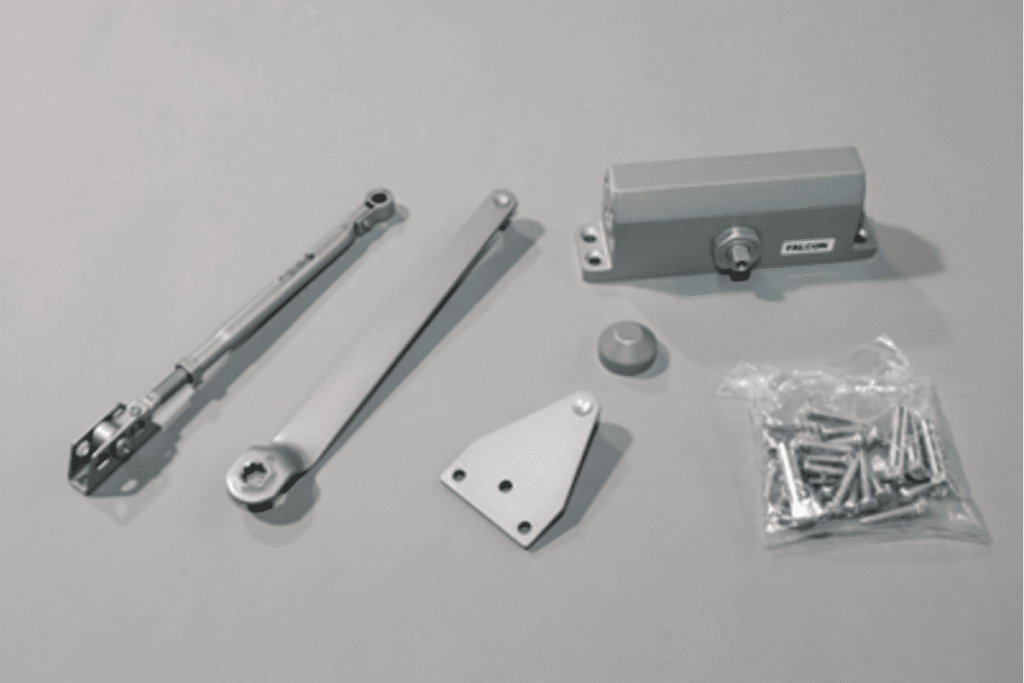
How Should I Choose the Appropriate Hydraulic Door Closer for the Door?
A hydraulic door closer can look simple, but choosing the wrong one creates weak closing, door slamming, installation trouble, and after-sales complaints. Many buyers first ask me for a price or model. I usually start with the door itself, because the right closer must match the door, environment, function, and installation method.
To choose the appropriate hydraulic door closer, first confirm the door weight, width, height, material, opening direction, mounting space, and usage environment. Then match the EN closing force level, required functions, and installation type. Fire-rated doors, outdoor doors, and high-traffic doors need extra verification for strength, durability, corrosion resistance, and compliance.
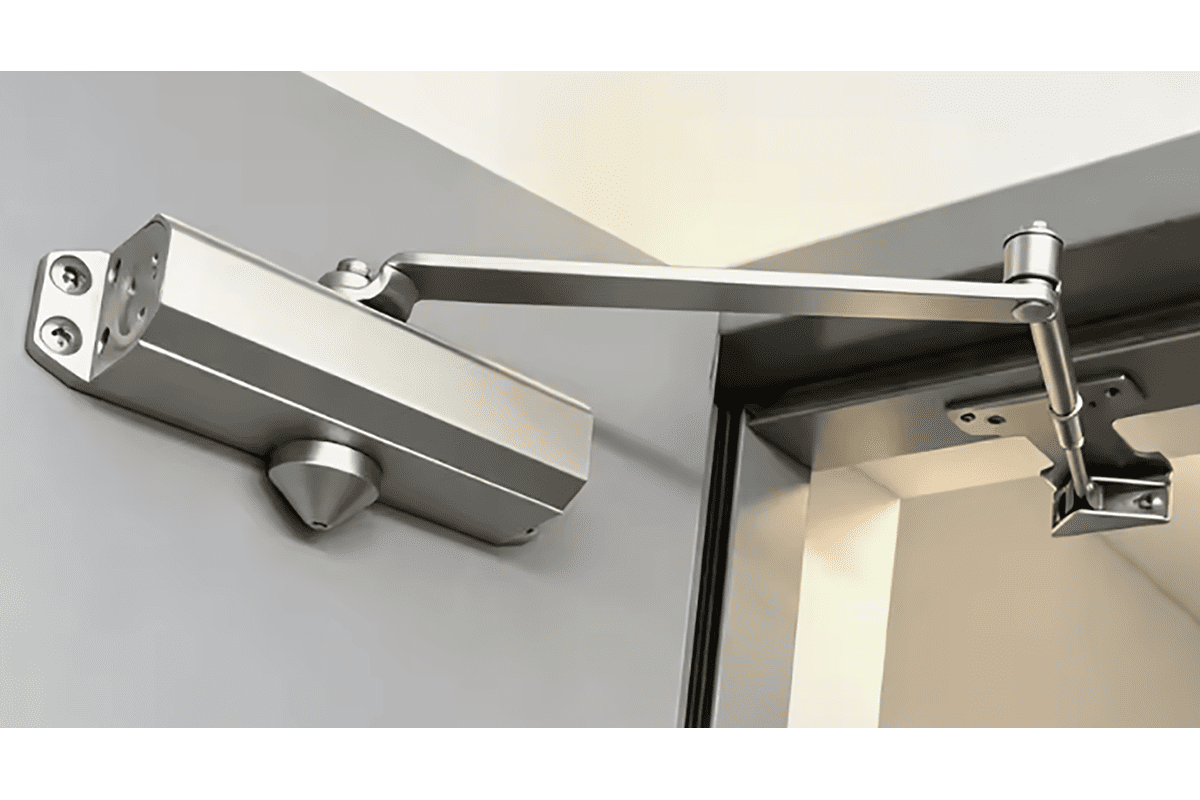
In my pre-sales work, I have seen many problems happen before installation even begins. The closer was not always “bad.” It was often mismatched. So I treat selection as a matching process, not a quick model recommendation.
What Door Specifications Should I Check Before Selecting a Hydraulic Door Closer?
A buyer may say, “I need a closer for a wooden door,” but that is not enough. A light interior door and a tall, wide, solid-core door behave very differently. If I skip basic door information, the selected hydraulic door closer may be too weak, too strong, or difficult to adjust.
The first step is to confirm the door’s weight, width, height, material, and usage position. Wider and heavier doors usually need a stronger closing force.1 Door material also matters because wood, aluminum, glass, and steel doors have different weight ranges, rigidity, and installation requirements.
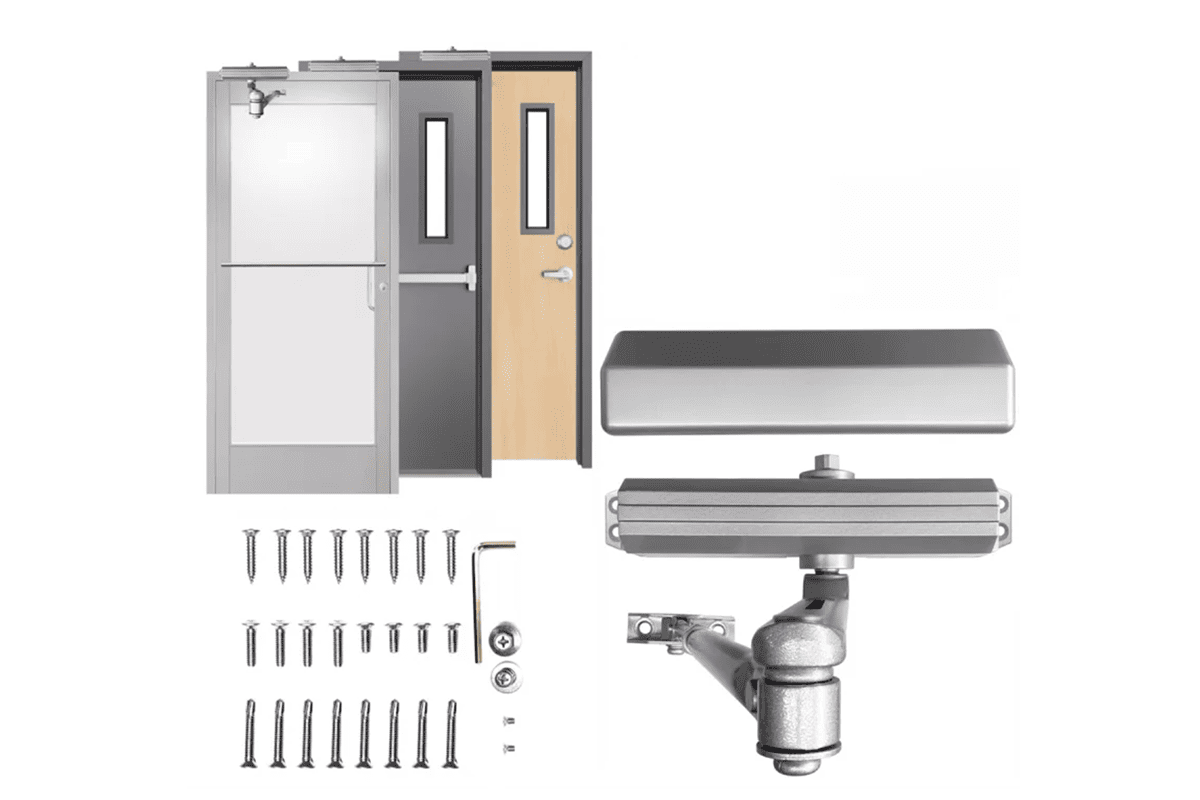
Start With the Door, Not the Closer
When I help buyers choose a hydraulic door closer, I rarely begin with the product catalog. I begin with the door data. This is because the closer must control the movement of the door leaf. If the closer force is not enough, the door may not latch fully. If the force is too high, users may feel the door is hard to open.
For bulk procurement, I suggest buyers prepare a simple door information sheet before asking suppliers for recommendations.
| Door Detail | Why It Matters | Procurement Risk If Ignored |
|---|---|---|
| Door width | Wider doors create more leverage against the closer | Weak closing or poor latching |
| Door weight | Heavier doors need stronger control | Slamming, slow closing, short service life |
| Door height | Tall doors may catch more air pressure | Unstable closing speed |
| Door material | Steel, wood, aluminum, and glass doors need different fixing methods | Installation failure or loose screws |
| Door location | Interior, exterior, corridor, fire escape, hotel room, office | Wrong force level or wrong function |
| Door frame condition | Determines arm position and mounting stability | Poor alignment or rework |
Why Door Width Is Often More Important Than Buyers Expect
Many buyers focus on door weight first. That is useful, but door width is also critical. A wider door gives wind and air pressure more surface area to push against. It also creates a longer lever arm.2 So even a door that is not extremely heavy may need a stronger closer if it is wide.
For example:
- A light interior wood door may only need a low-to-medium closing force.
- A wide aluminum entrance door may need a stronger model even if the leaf is not very heavy.
- A steel fire-rated door may require a closer that matches project documents and verified fire-door hardware requirements.
I usually tell customers that a closer does not only “pull the door shut.” It must control the door through the whole closing cycle.
Door Material Changes the Selection
Different doors create different selection concerns:
- Wood doors: Screw holding strength and door thickness matter.
- Steel doors: Door weight and fire-rated project requirements may be more important.
- Aluminum doors: Frame profile and available mounting surface must be checked.
- Glass doors: A patch fitting, floor spring, or special closer solution may be needed.
- Fire-rated doors: Buyers should verify fire-rated test reports, project specifications, and local regulations before ordering.
For door factories and wholesalers, this matters because one project may include several door types. I do not recommend using one closer model for every door unless the door dimensions, usage, and installation conditions are truly similar.
How Do EN Closing Force Levels Help Me Choose a Hydraulic Door Closer?
Closing force can feel confusing if buyers only look at model numbers. A weak closer may not close the door against air pressure. A stronger closer may make the door difficult to open. EN force levels help buyers compare a hydraulic door closer more logically.
EN 1 to EN 7 are commonly used as closing force references.3 Lower levels suit lighter and narrower doors. Higher levels suit heavier and wider doors. Buyers should match the level to door size, door weight, usage environment, and applicable project or regional requirements.
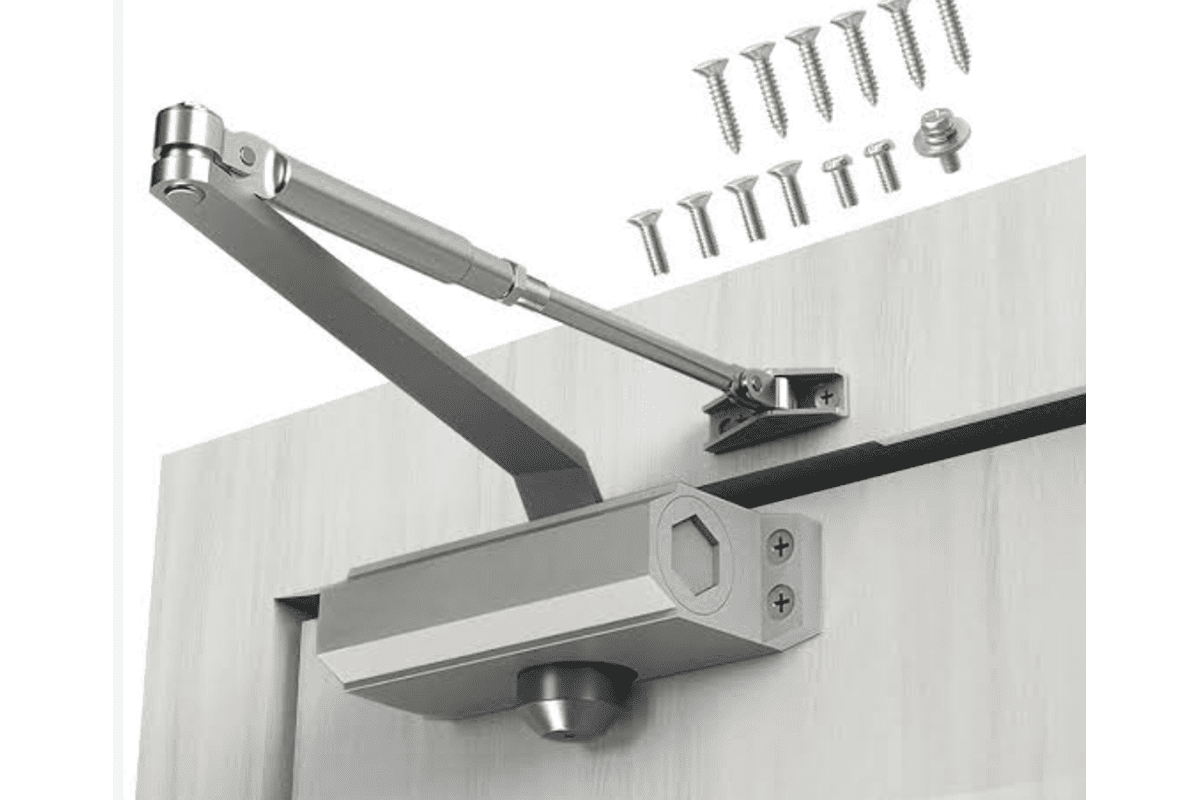
What EN 1–EN 7 Means in Practical Buying
EN closing force levels give buyers a basic language for closer selection. The level indicates the closing power range. In simple terms, EN 1 is for lighter doors, while EN 7 is for heavier and wider doors4. Many commercial products are adjustable across several force levels, such as EN 2–4 or EN 3–6.
The exact specification should be confirmed with the supplier’s datasheet and relevant standards. However, the following table gives a practical procurement view.
| EN Force Level | Typical Door Use | Practical Selection Note |
|---|---|---|
| EN 1 | Very light interior doors | Rare for many commercial projects |
| EN 2 | Light interior doors | May suit small office or residential doors |
| EN 3 | Standard interior doors | Common for many wooden doors |
| EN 4 | Medium commercial doors | Often used for public areas and moderate traffic |
| EN 5 | Heavy or wider doors | Useful where stronger latching is needed |
| EN 6 | Heavy commercial or exterior doors | Check opening force and user comfort |
| EN 7 | Very heavy/wide doors | Usually for demanding applications, not general use |
Adjustable Power Can Reduce SKU Pressure
For wholesalers and brand operators, adjustable power models can be useful. They can reduce inventory complexity because one hydraulic door closer may cover several door sizes. However, adjustable does not mean universal. The installer still needs to set the closer correctly.
For example:
- A hotel room door may need controlled, quiet closing.
- A school corridor door may need durability and safe closing speed.
- A warehouse side door may need stronger latching against air movement.
- A fire-rated steel door may need closer selection based on project documentation and verified compliance.
Each scenario may require a different power range, even when the closer body looks similar.
Do Not Choose Only by “Stronger Is Better”
Some buyers assume stronger is safer. I understand why. They want to avoid weak closing. But too much closing force creates other problems:
- Users may complain that the door is hard to open.5
- Elderly users or children may struggle.
- The door may close too aggressively if not adjusted well.
- Hinges, frames, and locks may face extra stress.
- Installers may need more time to fine-tune the closer.
A balanced closer protects the door system. It supports the lock latch. It controls motion. It also keeps the door comfortable for daily users. This is why I ask for door width, door weight, and environment before recommending an EN range.
How Does the Usage Environment Affect Hydraulic Door Closer Selection?
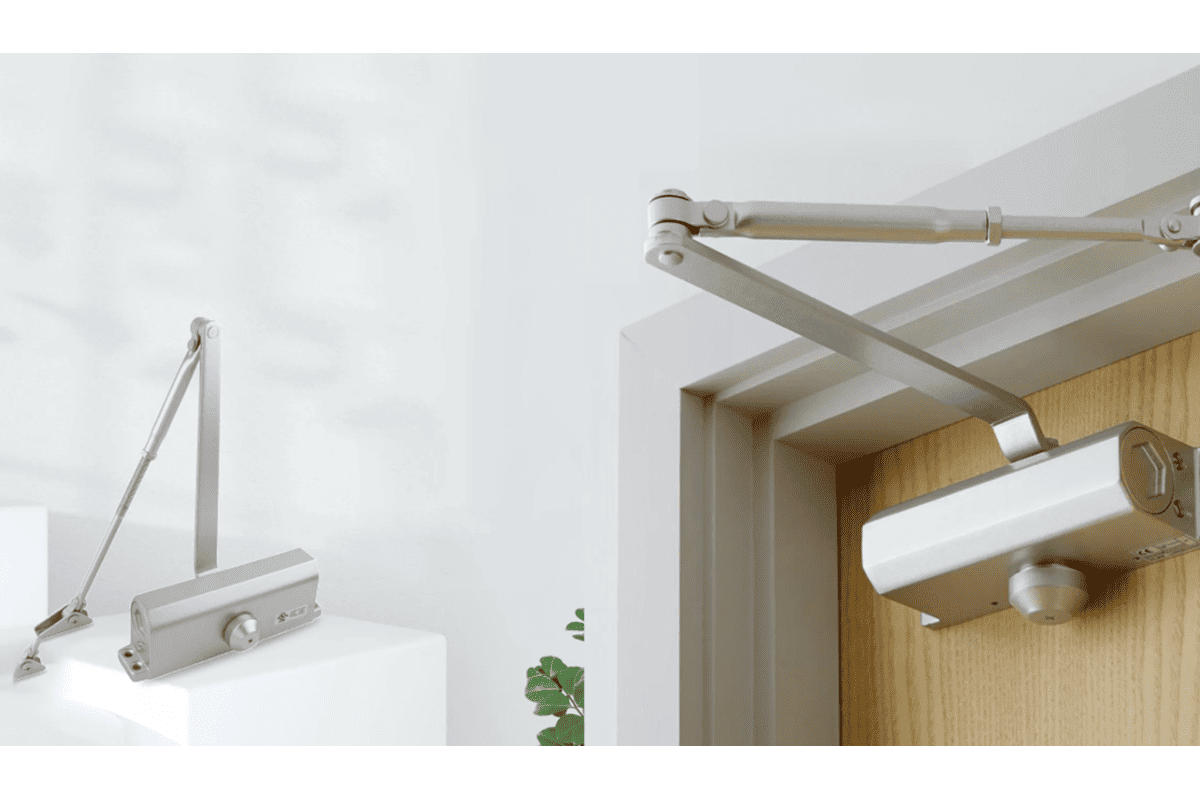
A closer that works well inside an office may fail on an exterior door exposed to wind, rain, or air pressure. This is a common sourcing mistake. If the environment is ignored, the selected hydraulic door closer may close poorly, corrode faster, or create maintenance complaints.
Usage environment affects closing force, durability, corrosion resistance, and compliance needs. Fire doors, outdoor doors, humid areas, high-traffic entrances, and pressurized spaces may need different closer strength, surface protection, cycle performance, and verified project documentation before purchase.
Interior Doors and Exterior Doors Are Not the Same
Interior doors usually face fewer environmental stresses. An office door may only need smooth closing, reliable latching, and basic durability. Exterior doors face more variables. Wind can push against the door. Rain and humidity can affect the body, arm, screws, and finish. Temperature changes may influence oil viscosity and closing speed.6
For exterior or semi-exterior doors, buyers should ask suppliers about:
- Recommended application environment
- Corrosion-resistant finish options
- Arm and screw material
- Temperature performance range
- Adjustable closing and latching speed
- Backcheck function for wind-exposed doors
I do not suggest selecting an outdoor closer by price alone. A low-cost closer may look acceptable at delivery, but it can create complaints after exposure to weather.
Fire-Rated Doors Need Document Verification
Fire-rated doors require special attention. Buyers should not assume that any closer can be used on a fire door. A fire door is a system. The closer, lock, hinge, seal, door leaf, and frame may all be part of the fire-rated assembly.7
For fire-rated projects, I recommend that buyers verify:
- Project specification requirements
- Local fire regulations
- Relevant CE or fire-rated certificates
- Test report scope and product model coverage
- Installation method permitted by the document
- Compatibility with door leaf and frame details
As a hardware supplier, I can provide product documents when available, but buyers should still check them against the actual project and local regulations. This is especially important for Europe, the Middle East, and Southeast Asia, where project requirements may differ.
High-Traffic Doors Need Durability Thinking
A low-traffic storeroom door and a shopping mall entrance door have different duty cycles. High-traffic applications demand stable hydraulic control over repeated use.8
Common high-traffic locations include:
- Schools
- Hospitals
- Office buildings
- Hotels
- Shopping centers
- Public corridors
- Apartment entrances
For these doors, buyers should pay attention to cycle testing data, arm strength, valve stability, and supplier quality control. In bulk orders, consistent performance is as important as the sample result. I often remind buyers that one good sample does not automatically prove stable mass production. Finished product inspection, batch consistency, and packaging protection also matter.
Humidity and Corrosion Risk
In coastal markets or humid regions, corrosion can become a serious after-sales issue.9 This is relevant for Southeast Asia, the Middle East coastal areas, and some European markets. The closer body finish, arm finish, screws, and accessories should match the environment.
A stainless steel cover, better coating, or upgraded accessory set may increase unit cost. However, it can reduce returns and protect brand reputation. For wholesalers, this is often a better long-term decision than choosing the lowest price.
Which Hydraulic Door Closer Functions Should I Match to the Application?
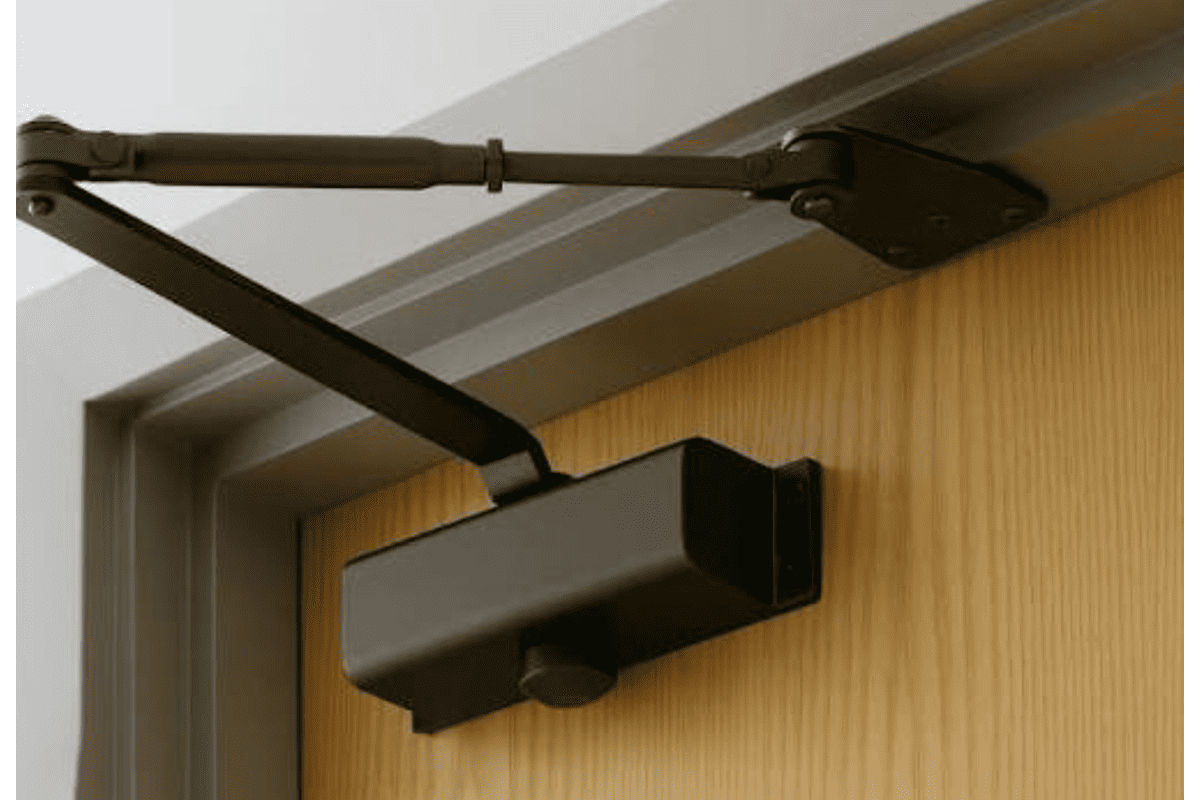
Many closer problems happen because the function does not match the door use. A hold-open closer in the wrong location can create safety concerns. A closer without backcheck may allow harsh opening. A hydraulic door closer should be selected according to traffic flow, safety, comfort, and project rules.
Key closer functions include hold-open or non-hold-open, adjustable closing speed, adjustable latching speed, backcheck, delayed action, and adjustable power. The right choice depends on whether the door is used for safety, fire control, accessibility, noise reduction, or frequent public traffic.
Hold-Open or Non-Hold-Open?
Hold-open allows the door to stay open at a set angle. This is convenient for offices, meeting rooms, stock areas, and some residential doors. However, hold-open is usually not suitable for many fire door applications unless it is part of an approved controlled system.10
For procurement, I suggest this simple logic:
| Function Choice | Suitable For | Be Careful With |
|---|---|---|
| Hold-open | Convenience, ventilation, moving goods | Fire-rated doors, security doors, regulated exits |
| Non-hold-open | Fire doors, public corridors, security-sensitive areas | User convenience in high-movement spaces |
| Electromagnetic hold-open | Fire alarm linked systems | Must match project and local compliance |
If the door is part of a fire-rated route, buyers should confirm whether hold-open is allowed. They should not rely on general assumptions.
Closing Speed and Latching Speed
Most quality hydraulic closers include adjustable closing speed and latching speed. These two adjustments affect different parts of the closing cycle.
- Closing speed controls the main door movement.
- Latching speed controls the final section before the latch engages.
This matters because the door must close safely but still latch properly. If the final latching speed is too weak, the lock may not engage. If it is too strong, the door may slam.
I have seen buyers complain about “bad closers” when the issue was actually adjustment. That is why product instructions, installer training, and clear adjustment markings can reduce after-sales problems.
Backcheck and Buffering
Backcheck slows the door when it is opened strongly beyond a certain angle. It can help protect walls, hinges, frames, and users.11 It is useful for:
- Wind-exposed doors
- School doors
- Public corridor doors
- Doors near walls or glass partitions
- High-traffic commercial doors
Backcheck is not a replacement for a door stop in every case. However, it adds a layer of control. For project supply, I often recommend discussing backcheck when the door is frequently pushed open with force.
Delayed Action for Accessibility
Delayed action slows the closing process for a short period. It can help users with luggage, carts, wheelchairs, or hospital beds.12 It is common in healthcare, hospitality, and public buildings.
However, delayed action is not always necessary. It may be inconvenient in some high-security or fire-control areas. So buyers should match it to the real application, not treat it as a premium feature that every door needs.
The Best Function Is the Function That Solves the Door Problem
A feature-rich closer is not always the best closer. A simple, stable closer may be better for standard interior doors. A stronger, adjustable, backcheck-equipped model may be better for public entrances. The best choice depends on the door’s job.
For bulk buyers, I suggest creating function groups:
- Standard interior door closer
- Commercial public-area closer
- Fire-rated door closer
- Exterior or wind-exposed closer
- Concealed or design-focused closer
This makes purchasing, resale, and technical support much easier.
What Installation Details Must I Confirm Before Ordering a Hydraulic Door Closer?
A closer can match the door weight and still fail if the installation condition is wrong. This is one of the most common issues I see in customer inquiries. Before ordering a hydraulic door closer, buyers must confirm opening direction, arm position, frame space, and mounting method.
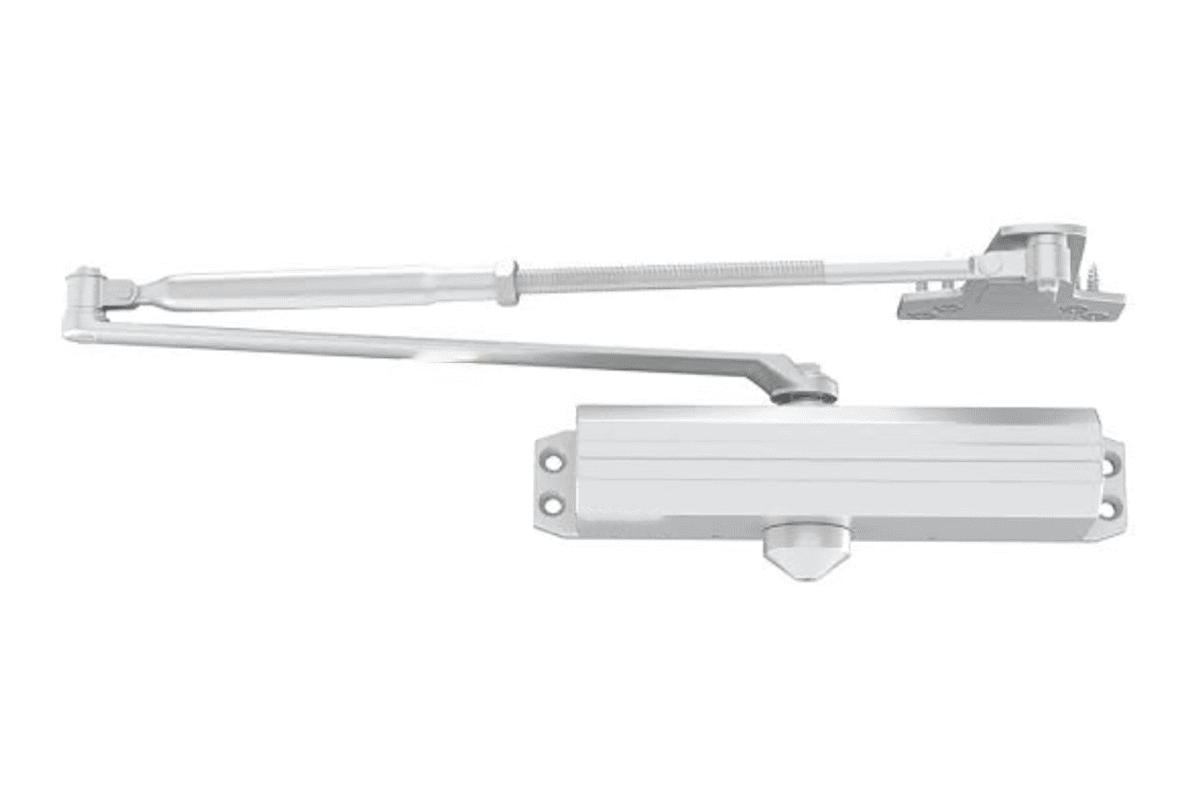
Before purchase, confirm left or right opening, inward or outward opening, push side or pull side installation, available mounting space, door frame structure, and installation type. Standard arm, parallel arm, top jamb, concealed closer, and floor spring solutions are not interchangeable in every door system.
Opening Direction and Mounting Side
Many buyers send a door size but forget opening direction. That creates risk. The closer arm geometry changes depending on whether the closer is mounted on the pull side or push side. Inward and outward opening doors may need different installation methods.
Common questions I ask include:
- Does the door open inward or outward?
- Is the closer installed on the push side or pull side?
- Is the door left-handed or right-handed?
- Is there enough top rail space on the door leaf?
- Is there enough frame depth for the arm bracket?
- Will the arm interfere with trim, ceiling, wall, or signage?
These details decide whether the closer can be installed cleanly.
Main Installation Types
Different installation types solve different door and frame conditions.
| Installation Type | Typical Use | Key Point to Confirm |
|---|---|---|
| Standard arm | Pull side installation | Needs space above the door and frame |
| Parallel arm | Push side installation | Common for outward-opening doors |
| Top jamb | Closer body on frame | Useful when door top rail is limited |
| Concealed closer | Hidden inside door or frame | Requires precise door preparation |
| Floor spring | Glass doors or heavy swing doors | Requires floor preparation and pivot alignment |
A standard surface-mounted closer may not suit a narrow aluminum frame. A concealed closer may look better, but it requires accurate machining and enough internal space. A floor spring may be better for some glass or heavy entrance doors, but installation is more complex.
Mounting Space Is a Real Procurement Detail
In factory or project orders, the closer is often selected before the installer sees the site. This can create problems. For example, a decorative door frame may not have enough flat surface for the arm shoe. A narrow top rail may not allow secure fixing. A ceiling beam may limit arm movement.
For this reason, I encourage buyers to request:
- Product installation template
- Screw hole drawing
- Arm swing clearance
- Minimum door top rail requirement
- Frame mounting dimensions
- Recommended fixing accessories
This is especially important for ODM or customized door hardware packages. A small mismatch can delay installation for hundreds of doors.
Concealed Closer or Surface-Mounted Closer?
Concealed closers are popular for modern design projects. They hide the mechanism and give a cleaner door appearance. However, they need more precise door and frame preparation. They may also have different force limits compared with surface-mounted closers.
Surface-mounted closers are easier to install, inspect, adjust, and replace. They are common for commercial, institutional, and general project doors.
For procurement, I compare them like this:
| Choice | Advantage | Limitation |
|---|---|---|
| Surface-mounted closer | Easy installation, easy adjustment, broad availability | Visible on the door |
| Concealed closer | Clean appearance, design-friendly | Needs accurate machining and application checking |
| Floor spring | Good for glass and some heavy doors | Higher installation complexity |
I do not recommend choosing a concealed solution only for appearance. The door structure, required closing force, and maintenance access should also be checked.
Frequently Asked Questions
What is the most important factor when choosing a hydraulic door closer?
The most important factor is matching the closer to the door’s weight, width, material, and usage environment. A suitable closer must provide enough force to latch the door without making it difficult to open or causing slamming.
Can one hydraulic door closer model fit all doors?
No. One model cannot reliably fit all doors, markets, and installation conditions. Door size, door weight, fire-rated requirements, wind exposure, mounting space, and opening direction can all change the correct closer choice.
Should I choose a hold-open hydraulic door closer?
You can choose a hold-open closer for convenience in suitable interior areas. However, fire doors and regulated exit doors often require non-hold-open or approved controlled systems. Always verify project documents and local compliance requirements before ordering.
What happens if the door closer force is too weak?
If the closer force is too weak, the door may not latch fully, especially against wind or air pressure. This can create security issues, fire-door performance concerns, noise complaints, and repeated after-sales service requests.
Do hydraulic door closers need certificates?
For many commercial and fire-rated projects, buyers should verify certificates, test reports, and project specifications. CE and fire-rated documents should be checked for the exact model, application scope, installation method, and local regulatory requirements.
Conclusion
Choosing the appropriate hydraulic door closer is a matching decision, not just a price decision. I always start with door weight, width, height, material, environment, function, and installation method. Then I check EN force level, speed adjustment, hold-open needs, backcheck, and compliance documents where required. If you are sourcing door hardware for bulk orders, SDH Hardware can help you review your door specifications and match suitable hardware solutions for your market or project.
"BS EN 1154 – Controlled Door Closing Devices", https://www.hoppe.com/in-en/contacts-service/standards/bs-en-1154/. EN 1154 classifies controlled door-closing devices into power sizes associated with maximum recommended door leaf width and mass, supporting the use of door dimensions and weight in closer selection. Evidence role: expert_consensus; source type: institution. Supports: A recognized door-closer standard classifies closer power by door size and mass, supporting the need to match closing force to wider and heavier doors.. ↩
"Torque and Equilibrium - HyperPhysics", http://hyperphysics.phy-astr.gsu.edu/hbase/torq.html. Basic mechanics defines torque as the product of applied force and perpendicular distance from the pivot, while pressure force is proportional to surface area; this supports the contextual explanation that wider doors can impose greater loading on a closer. Evidence role: mechanism; source type: education. Supports: Physics references explain that torque increases with lever-arm distance and that pressure force increases with exposed area.. Scope note: This source would support the mechanical principle, not a door-closer-specific performance threshold. ↩
"BS EN 1154 Door Closer Delay: Maximum Closing Time Explained", https://www.danddhardware.com/bs-en-1154-door-closer.html. EN 1154, the European standard for controlled door-closing devices, uses a power-size classification from 1 to 7, providing the standards basis for referring to EN closing-force levels. Evidence role: definition; source type: institution. Supports: The cited standard defines door-closer power sizes from 1 to 7.. ↩
"BS EN 1154 – Controlled Door Closing Devices", https://www.hoppe.com/se-en/contacts-service/standards/bs-en-1154/. EN 1154 power-size tables associate lower closer sizes with smaller door leaves and higher sizes with larger door widths and masses, supporting the article’s simplified comparison of EN 1 and EN 7. Evidence role: definition; source type: institution. Supports: A standards-based table links increasing EN power size to larger maximum door leaf widths and masses.. Scope note: The source supports the general size relationship; exact suitability still depends on installation, environment, and product certification. ↩
"Chapter 4: Entrances, Doors, and Gates", https://www.access-board.gov/ada/guides/chapter-4-entrances-doors-and-gates/. U.S. accessibility guidance treats excessive door opening force as a barrier to accessible use, supporting the claim that overly strong closing devices can make doors difficult for some users to open. Evidence role: expert_consensus; source type: government. Supports: Accessibility guidance recognizes door opening force as a usability barrier and sets limits or advisory criteria for accessible doors.. Scope note: Accessibility requirements vary by jurisdiction and door type, so the source provides regulatory context rather than a universal force limit. ↩
"Effects of temperature on the properties of HL32 oil in ...", https://www.sciencedirect.com/science/article/pii/S240584402203119X. Studies of hydraulic fluids show that oil viscosity is temperature dependent, which provides a mechanism by which ambient temperature can alter the flow through a door closer’s hydraulic valves and affect closing speed. Evidence role: mechanism; source type: paper. Supports: Research on hydraulic fluids shows that viscosity changes with temperature, affecting flow behavior in hydraulic systems.. Scope note: The source would support the fluid-mechanics mechanism, not necessarily quantify speed changes for a specific closer model. ↩
"Fire Doors and NFPA 80 FAQs", https://www.nfpa.org/news-blogs-and-articles/blogs/2025/04/11/fire-doors-faqs. Fire-door standards such as NFPA 80 treat the fire door as an assembly that includes the door leaf, frame, hinges, closing device, latching hardware, and related components, supporting the need to evaluate the closer within the tested assembly. Evidence role: expert_consensus; source type: institution. Supports: Fire-door standards define fire doors as assemblies that include the door, frame, hardware, and related components.. ↩
"A156.4 - 2024 Door Closers and Pivots", https://buildershardware.com/ANSI-BHMA-Standards/Hardware-Highlights/A1564-2024-Door-Closers-and-Pivots. ANSI/BHMA performance standards for door closers include cycle-testing requirements, supporting the article’s statement that repeated-use applications require durable and stable closer performance. Evidence role: expert_consensus; source type: institution. Supports: Door-closer performance standards include endurance or cycle testing, indicating that repeated operation is a recognized durability criterion.. Scope note: The source supports the relevance of cycle endurance testing; it does not verify the cycle life of any particular product. ↩
"Marine Atmospheric Corrosion of Carbon Steel: A Review - PMC", https://pmc.ncbi.nlm.nih.gov/articles/PMC5506973/. Atmospheric corrosion research identifies relative humidity and chloride deposition in coastal air as important drivers of metal corrosion, supporting the claim that coastal or humid markets raise corrosion risk for exposed door hardware. Evidence role: mechanism; source type: research. Supports: Atmospheric corrosion literature identifies humidity and airborne chlorides in coastal environments as major contributors to metal corrosion.. Scope note: The source supports environmental corrosion risk generally, not the failure rate of a specific door-closer finish. ↩
"Door Hold Open Devices - Facilities and Operations", https://fo.umich.edu/fosg/door-hold-open-devices/. NFPA fire-door guidance permits fire doors to be held open only by approved automatic releasing devices that allow the door to close during a fire event, supporting the caution against ordinary hold-open closers on fire doors. Evidence role: expert_consensus; source type: institution. Supports: Fire-door rules allow held-open fire doors only when approved releasing devices close the door upon fire alarm or detection.. Scope note: Specific requirements depend on the adopted code, occupancy, and local authority having jurisdiction. ↩
"Backcheck, latching speed and closing delay – what does ...", https://www.assaabloy.com/uk/en/knowledge-centre/door-controls/backcheck-latching-speed-closing-delay-what-does-it-all-mean. Door-hardware standards and technical glossaries define backcheck as a closer function that provides resistance during the opening cycle, supporting the article’s description of backcheck as a control feature for forceful opening. Evidence role: definition; source type: institution. Supports: Door-hardware standards or glossaries define backcheck as a resistance function during the opening cycle.. Scope note: The source supports the functional definition; the degree of protection depends on closer adjustment, door mass, site conditions, and whether a separate door stop is used. ↩
"Chapter 4: Entrances, Doors, and Gates - Access-Board.gov", https://www.access-board.gov/ada/guides/chapter-4-entrances-doors-and-gates/. Accessibility guidance from public authorities addresses door closing speed and usable passage time, providing contextual support for delayed-action closers where users may need additional time to pass through a doorway. Evidence role: general_support; source type: government. Supports: Accessibility guidance recognizes closing speed and maneuvering time as relevant to accessible door use.. Scope note: The source supports the accessibility rationale, but it may not specifically require delayed-action closers in all listed settings. ↩