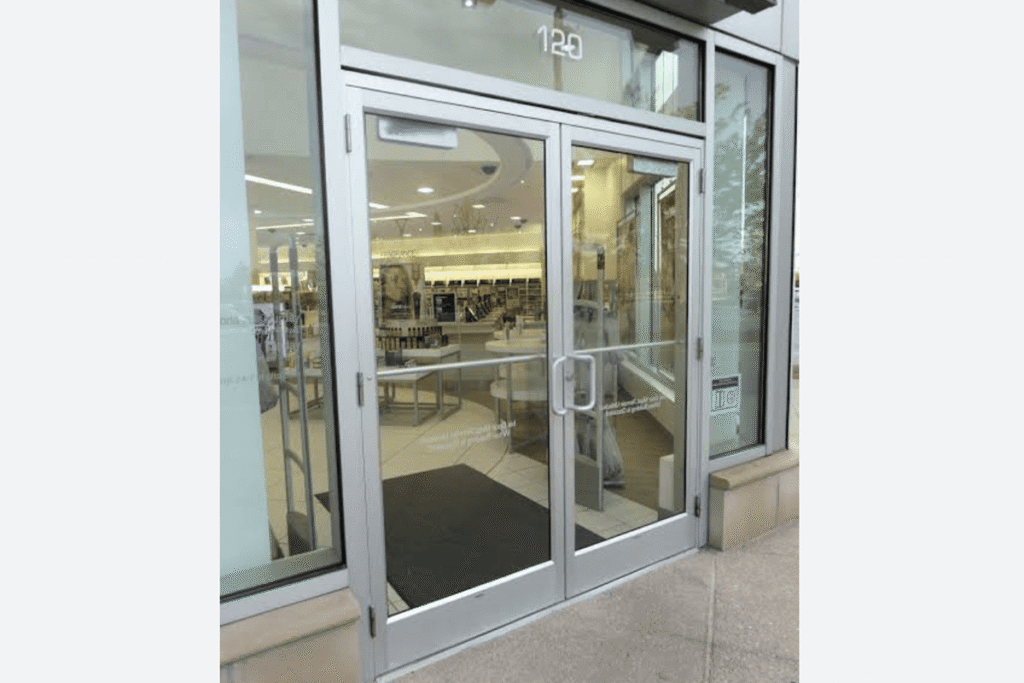
5 Reasons to Update Your Business’s Commercial Door
A commercial door can fail long before it looks damaged. The problem is that many building owners only notice scratches, dents, or poor appearance. The bigger risk is hidden: weak hardware, poor corrosion resistance, unsafe closing, or outdated emergency function. I recommend evaluating the full door system before repair costs become safety and lifecycle problems.
You should update your business’s commercial door when the existing system no longer fits the building environment, traffic level, user needs, fire-safety requirements, or emergency escape function. The decision should include the door leaf, frame, hinges, locks, closers, seals, panic hardware, and verified certification documents—not appearance alone.
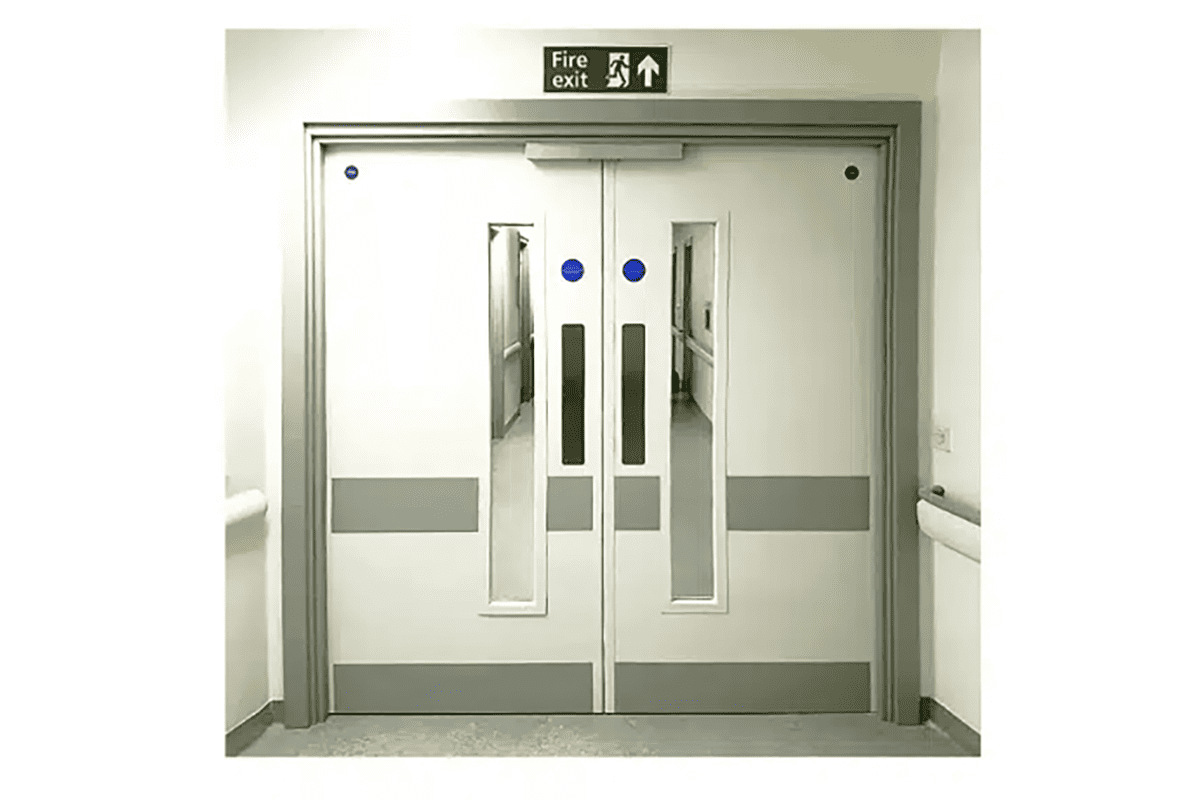
I have seen many buyers replace one failing part again and again without asking why the whole system is underperforming. A better approach is to inspect how the door works in real conditions. The five reasons below will help you decide whether to repair, upgrade, or replace.
Is Your Commercial Door Built for Its Real Environment?
A commercial door may look suitable on a drawing but fail quickly in the wrong environment. Rain, humidity, cleaning chemicals, temperature changes, and condensation can all attack the door and hardware.1 If the material or surface finish does not match the location, maintenance becomes constant and expensive.
A commercial door should be updated when its material, coating, or hardware finish cannot resist the actual site conditions. Outdoor entrances, semi-outdoor corridors, kitchens, cold rooms, and humid areas need corrosion-resistant materials and suitable surface treatments.2 Stainless steel, anodized finishes, and verified protective coatings can improve long-term performance.3
Why Environment Is the First Upgrade Trigger
I always start with environment because it affects every part of the door system. A door in a dry office corridor has a different job from a door near a hotel pool, restaurant kitchen, loading area, or coastal entrance. The same product can perform well in one location and fail early in another.
In manufacturing and sourcing, I often see corrosion problems linked to three common conditions:
- Outdoor exposure from rain, wind, and dust
- Semi-outdoor exposure in covered walkways, parking areas, and open corridors
- High-humidity exposure in kitchens, cold rooms, laundry rooms, and temperature-changing spaces
Condensation is especially important. When warm, humid air meets a cold surface, water forms on metal parts.4 This can affect hinges, lock bodies, cylinders, screws, and strike plates. If the door opens many times per day, moisture can also enter the hardware cavity and shorten the service life.
Material and Finish Choices Matter
The surface treatment should match the building environment, not only the design style. In my work with door hardware buyers, I often compare finish options like this:
| Environment | Common Risk | Hardware Consideration | Possible Upgrade Direction |
|---|---|---|---|
| Outdoor entrance | Rain and dust | Corrosion-resistant locks, hinges, handles | Stainless steel or durable coated finishes |
| Coastal or humid area | Salt and moisture | Higher corrosion resistance | Stainless steel grade and finish should be verified |
| Kitchen or food area | Steam and cleaning agents | Easy-clean surfaces, corrosion control | Stainless steel and suitable sealing |
| Cold room area | Condensation | Hardware tolerance to moisture and temperature change | Corrosion-resistant hardware and careful installation |
| Interior office | Normal wear | Smooth function and appearance | Standard finish may be enough |
I do not suggest replacing every door simply because it is old. I suggest checking whether the current door system still fits the location. A buyer should inspect for:
- Rust around hinges, screws, locks, and frames
- Peeling, blistering, or worn surface coating
- Swollen door edges or frame deformation
- Stiff lock operation after wet weather
- Repeated staining after cleaning
If these signs return after repair, the problem may not be the last maintenance job. The problem may be poor environmental fit. In that case, updating the commercial door system can reduce future service calls and improve reliability.
For procurement teams, I also recommend asking suppliers for finish details, corrosion-resistance information, and test documents where available. Claims should be checked against the specific project environment, especially in coastal, industrial, or high-humidity buildings.
Is Your Commercial Door Durable Enough for Daily Traffic?
A commercial door in a busy building may open hundreds or thousands of times per day. The problem is that many doors are specified like low-traffic products. When hinges, closers, locks, or floor springs fail repeatedly, the real issue is not one broken part. It is durability mismatch.
A commercial door should be updated when its hardware cannot handle the actual opening frequency. High-traffic malls, hotels, office buildings, schools, and public entrances need durable hinges, closers, locks, and floor springs. The best decision considers lifecycle cost, replacement-part availability, and long-term maintainability.
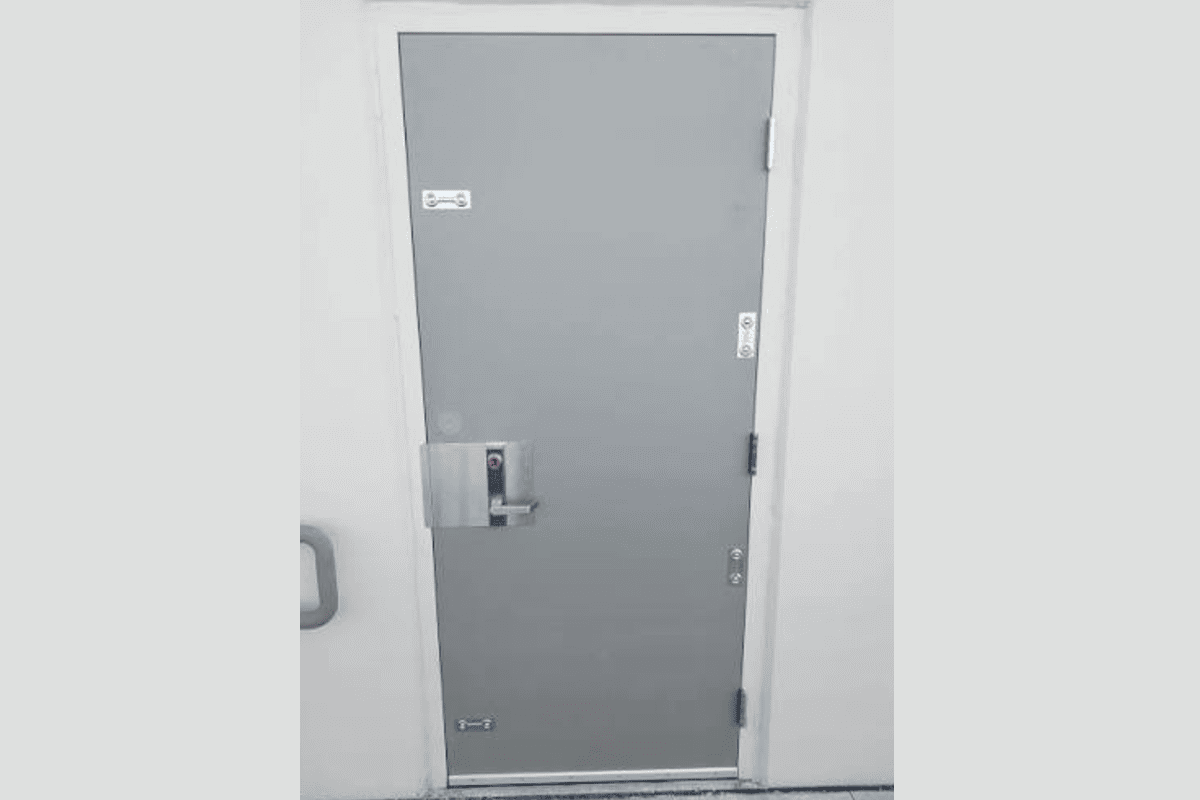
Daily Use Changes the Real Cost
I often remind buyers that purchase price is only one part of the cost. A low-cost part that fails often can become more expensive than a stronger, standardized solution.5 Facility managers feel this directly because every failure creates several costs:
- Technician time
- Replacement hardware
- Door downtime
- Security risk
- User complaints
- Possible damage to the frame or door leaf
This is why I look at lifecycle cost, not only unit price. If a hotel entrance closer fails twice a year, the problem is not only the closer price. The problem includes guest experience, emergency maintenance, and repeated adjustment work.
Hardware Should Match Traffic Level
In high-traffic locations, the commercial door should be treated as a moving mechanical system. The main parts must work together.
| Component | What It Controls | Failure Sign | Buyer’s Evaluation Point |
|---|---|---|---|
| Hinges | Door support and swing | Sagging, noise, rubbing | Load rating and cycle performance |
| Door closer | Controlled closing | Slamming or not latching | Closing force and adjustability |
| Lock body | Security and operation | Sticking latch, loose handle | Standard dimensions and durability |
| Cylinder | Key operation | Key jamming, rough turning | Security level and replacement availability |
| Floor spring | Heavy glass/entrance door movement | Slow return, leaking oil | Door weight and traffic level |
| Handle | User contact point | Loose fixing, finish wear | Material thickness and fixing method |
Some projects may require opening-cycle testing, such as high-cycle hinges or closers.6 The exact figures, such as very high cycle counts, should be verified against project requirements, supplier test reports, and local standards. I avoid treating one number as universal because building usage varies widely.
Standardization Helps Maintenance
Standard-spec replacement parts are often overlooked. In a large building, maintenance becomes easier when hardware dimensions, lock cases, cylinders, spindles, screws, and accessories follow recognized market standards. If a door uses a non-standard lock body or rare hinge size, future repair may take longer and cost more.
For B2B buyers, I recommend asking these questions before deciding:
- How many people use this door each day?
- Is the door used by the public, staff, or both?
- Does the hardware fail more often than similar doors in the building?
- Are replacement parts easy to source?
- Can the current frame and door leaf support upgraded hardware?
I have seen buyers save money by replacing only the weak hardware. I have also seen cases where repeated hinge and closer failures showed that the complete door system needed an upgrade. The right answer depends on inspection. However, frequent breakdowns are a clear sign that the existing commercial door may no longer match the building’s traffic intensity.
Does Your Commercial Door Work Safely for Different Users?
A commercial door must work for many people, not just strong and familiar users. Children, elderly visitors, disabled users, employees carrying goods, and first-time visitors may all use the same entrance. If the door is too heavy, confusing, or fast-closing, daily access becomes a safety concern.
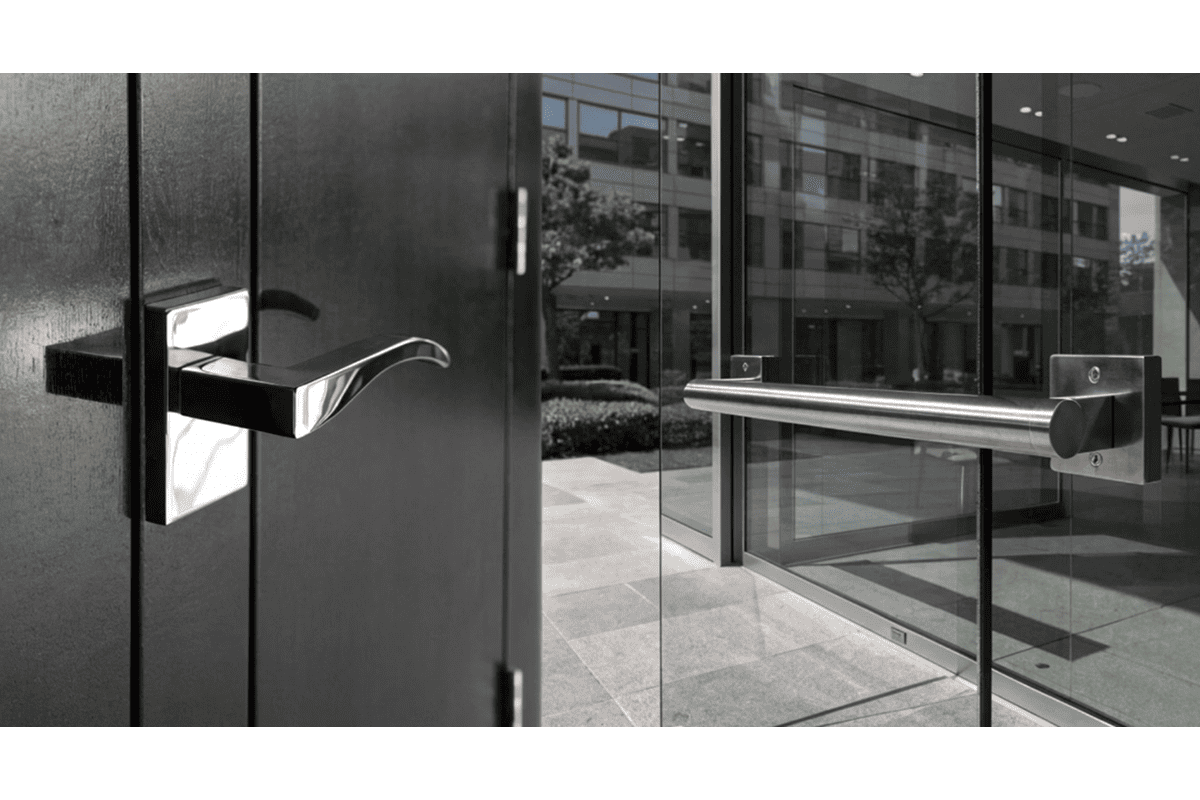
A commercial door should be updated when users struggle to open, control, or pass through it safely. Human usability includes opening force, handle shape, closing speed, clear width, threshold design, visibility, and predictable operation.7 Local accessibility rules vary, so buyers should verify project-specific standards before final decisions.
Human Usability Is More Than Compliance
I prefer the phrase human usability because it is broader than a checklist. A public-facing door should feel understandable and safe. A user should not need special strength or technical knowledge to enter or exit a building.
In real projects, usability problems often appear as small complaints:
- “The door is too heavy.”
- “The closer pulls the door shut too fast.”
- “The handle is hard to grip.”
- “The threshold causes trips.”
- “The lock is confusing.”
- “The door does not open wide enough for delivery carts.”
These complaints matter. They can affect customer experience, staff efficiency, and safety. They may also indicate that the door hardware is poorly adjusted or no longer suitable.
Key Usability Factors to Inspect
A commercial door should be evaluated in motion. I like to watch different users operate the same door. This simple observation often reveals more than a product catalog.
| Usability Factor | Why It Matters | Possible Upgrade |
|---|---|---|
| Opening force | Users need manageable effort | Adjust closer or change hardware |
| Closing speed | Fast closing can surprise users8 | Use adjustable closer or delayed action where suitable |
| Handle design | Poor grip affects elderly or disabled users | Lever handle or easier grip design |
| Threshold height | Raised edges can create trip risk | Lower threshold or ramped solution |
| Door width | Narrow openings affect carts and mobility devices | Verify frame and door opening |
| Visual contrast | Users need to identify the entrance | Better signage or visible hardware finish |
I do not make universal legal claims about accessibility because requirements differ by country, city, building type, and project approval process. Instead, I advise buyers to confirm local standards with qualified professionals. The supplier can support product selection, drawings, hardware dimensions, and certification documents where applicable.
Adjustment Versus Replacement
Not every usability issue requires a new door. Sometimes the best fix is adjustment:
- A door closer may need speed control.
- Hinges may need alignment.
- A latch may need lubrication or replacement.
- A threshold may need minor modification.
- A handle may need stronger fixing.
However, an update becomes more reasonable when the same usability problem keeps returning. For example, if a closer cannot be adjusted to close safely and latch reliably, the hardware may be underspecified. If users must pull hard because seals, hinges, and closer force all resist movement, the whole system may need review.
From a procurement point of view, the business value is clear. A more usable commercial door can reduce complaints, support smoother traffic flow, and help the building serve more people safely. That is not just a design issue. It is an operational issue.
Is Your Commercial Door Still Consistent With Fire-Rated System Requirements?
A commercial door used in a fire-rated opening is not just a door leaf. The problem is that buyers sometimes replace locks, hinges, closers, seals, or panic hardware as isolated parts. If the components are not compatible with the tested or certified system, the opening may not perform as expected.
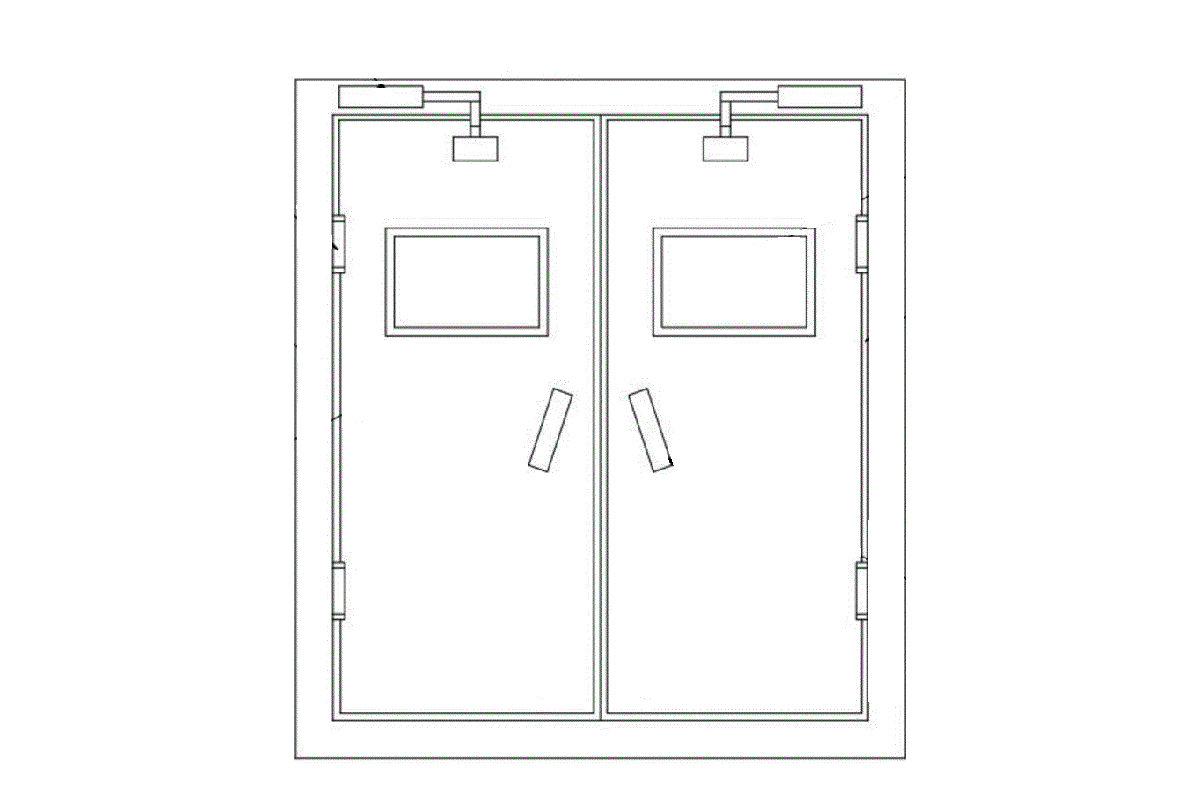
A commercial door should be updated when its fire-rated components are missing, damaged, undocumented, or inconsistent with project requirements. Fire performance depends on the door leaf, frame, hinges, lock, closer, seals, glass, and panic hardware working as a tested or certified system.9 Certification documents should always be verified.
Fire-Rated Doors Are Systems
In hardware manufacturing, I often explain that fire-rated performance is not created by one part. A fire-rated lock does not automatically make the whole opening fire-rated.10 A certified hinge does not compensate for a damaged frame or missing seal. The system must match the tested configuration required by the project.
A fire-rated commercial door may include:
- Fire-rated door leaf
- Compatible frame
- Fire-rated hinges
- Fire lock or latch
- Door closer
- Intumescent or smoke seals
- Fire-rated glass, if used
- Panic exit device, if required
- Correct fasteners and installation method
Each part has a role. The closer helps the door return to the closed position. The latch helps keep the door closed. Seals help control smoke or heat movement, depending on the system design. Hinges support alignment under normal use and must remain suitable for the rated assembly.
What Buyers Should Verify
Fire requirements vary by market, building type, door location, and project approval process. I recommend treating all fire documents as items to verify, not marketing slogans.
| Document or Detail | Why It Matters | Buyer Action |
|---|---|---|
| Fire test report | Shows tested configuration | Check if components match the project |
| CE or other certification | Supports market requirements where applicable | Verify scope and validity |
| Product marking | Helps identify rated hardware | Compare markings with documents |
| Installation instructions | Fire performance depends on correct fitting | Share with installer |
| Project specification | Defines required rating and hardware | Confirm with consultant or authority |
At SDH Hardware, fire-rated hardware and CE-compliant products are part of our product scope, but I always advise buyers to check documents against the exact project. A certificate should not be assumed to cover every door size, every hardware combination, or every installation method.
Warning Signs That the Fire Door System Needs Review
A commercial door in a fire-rated location should be inspected when you notice:
- The door does not close fully by itself.
- The latch does not engage properly.
- Seals are missing, painted over, cut, or damaged.
- Hinges are loose or not suitable for the door weight.
- Unverified hardware has replaced original components.
- The frame has gaps, distortion, or damaged fixing points.
- The door is wedged open without an approved hold-open/release system.11
Some issues may be repairable. A closer can be adjusted. A seal can be replaced. A latch can be aligned. However, when parts are undocumented or incompatible, the safer procurement decision is to review the full opening with qualified professionals.
I suggest facility managers maintain a simple record for each fire-rated door opening. The record should include the door location, rating requirement, hardware list, certification copies, inspection date, and repair history. This creates traceability and helps avoid random part substitution.
Can Your Commercial Door Support Fast Emergency Escape?
A commercial door may work well during normal operation but fail the most important test during an emergency. People must be able to exit quickly, clearly, and without obstruction. If the door direction, locking method, or exit hardware slows escape, the door system deserves urgent review.
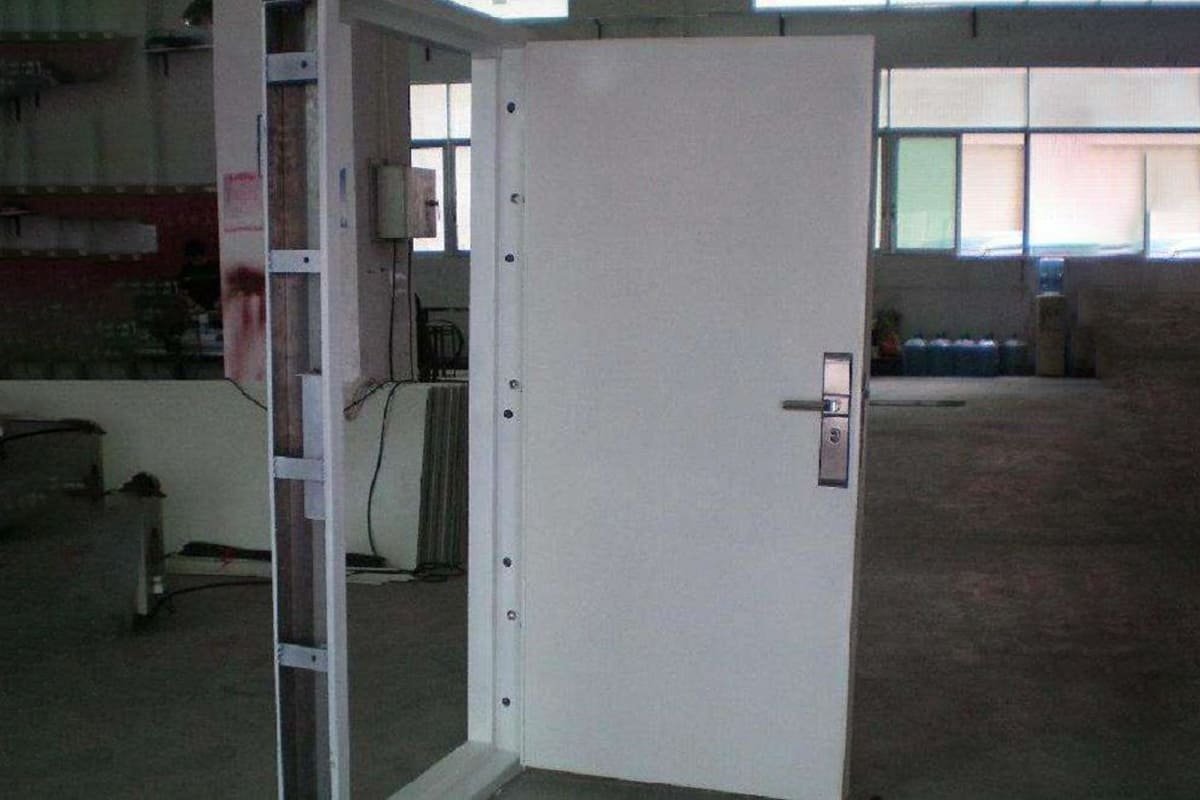
A commercial door should be updated when it does not support fast, unobstructed emergency egress. Exit doors may need panic devices, emergency release hardware, suitable closers, clear signage, and opening in the escape direction where required. Exact rules vary by jurisdiction and project, so qualified review is essential.
Emergency Function Is Not an Optional Detail
I view emergency escape hardware as risk-reduction equipment, not decoration. In normal business hours, a door may only need to control access. During an emergency, the same door must allow people to leave quickly. These two functions can conflict if the door is not correctly specified.
Common escape-function problems include:
- Deadbolts or locks that require a key from the inside
- Panic hardware that is damaged or difficult to press
- Door closers that resist opening too strongly
- Exit doors blocked by storage or furniture
- Doors that do not open in the required direction
- Electronic locks without suitable release function
- Poor signage that makes exits hard to identify
The exact emergency requirements depend on local fire codes, building occupancy, approval authority, and project documents. I recommend buyers confirm these details with fire-safety consultants, code professionals, or local authorities.
Panic Exit Devices and Release Hardware
A panic exit device allows users to push a bar or touchpad to release the latch. It is common in many public or high-occupancy buildings, depending on local rules. The purpose is simple: people should not need keys, special knowledge, or fine hand movement during an emergency.
Some projects also involve electronic access control. In those cases, the escape function must be carefully coordinated. An access-controlled door may require:
| Hardware or Function | Purpose | Evaluation Point |
|---|---|---|
| Panic exit device | Releases latch by push action | Verify certification and door compatibility |
| Electric strike or lock | Controls access | Confirm emergency release function |
| Door closer | Closes door after exit | Check force and speed adjustment |
| Alarmed exit device | Signals unauthorized exit | Confirm it does not block escape |
| Hold-open device | Keeps door open during normal use | Must release correctly where required |
| Signage and lighting | Helps users find the exit | Confirm project and local requirements |
I have seen projects where the access-control plan looked good on paper, but the exit function became too complicated. This is why door hardware, electrical access control, and fire-safety planning should not be separated too late in the project.
When Escape Function Becomes an Upgrade Reason
A business should review the commercial door immediately if:
- Users need a key to exit.
- The panic bar sticks or does not retract the latch smoothly.
- The door is difficult to push open.
- The exit route is unclear or blocked.
- Electronic locking does not have verified emergency release.
- The door does not close and latch after use.
Some of these issues can be corrected with maintenance. Others may require hardware replacement or complete system upgrade. The important point is that emergency escape function should never be treated as a minor accessory.
For procurement teams, I suggest asking suppliers for hardware drawings, installation instructions, certification documents, and compatibility information. A qualified installer should also confirm that the final door assembly works correctly after installation. The best product still needs correct fitting and testing on site.
Frequently Asked Questions
How do I know if I should repair or replace a commercial door?
You should inspect the full system first. Check the door leaf, frame, hinges, lock, closer, seals, and escape hardware. Repair may be enough for isolated wear. Replacement becomes more practical when failures repeat, components are incompatible, corrosion is widespread, or the door no longer meets project requirements.
How often should commercial door hardware be inspected?
Inspection frequency depends on traffic level, environment, and building use. I suggest checking high-traffic public doors more often than low-use interior doors. Facility teams should look for loose hinges, slow closing, latch failure, corrosion, seal damage, and panic hardware problems during regular maintenance rounds.
Can I upgrade only the hardware instead of replacing the whole door?
Yes, many projects can upgrade only the hardware if the door leaf and frame are still strong, aligned, and suitable. However, the new hinges, locks, closers, seals, and panic devices must match the door type, weight, usage level, and certification needs.
Are fire-rated commercial doors required everywhere?
No. Fire-rated door requirements vary by country, building type, location inside the building, occupancy, and project design. Buyers should verify local rules and project specifications with qualified professionals. If a fire-rated opening is required, the door, frame, hardware, seals, and documents should be checked as a system.
What hardware matters most for emergency exit doors?
Panic exit devices, suitable locks, closers, release mechanisms, signage, and compatible frames all matter. The door should allow fast exit without keys or complex actions where required. Exact requirements depend on local regulations and project approval, so buyers should verify the escape function professionally.
Conclusion
A commercial door should be updated when it no longer fits the environment, traffic intensity, user needs, fire-rated system requirements, or emergency escape function. Appearance matters, but performance matters more. I recommend inspecting the full door system before deciding between repair, hardware upgrade, or replacement. If you need factory-direct support for locks, hinges, handles, cylinders, closers, fire-rated hardware, or custom door hardware solutions, SDH Hardware can help you evaluate specifications and source reliable components for your project.
"Corrosion of metallic fasteners in low-sloped roofs", https://nvlpubs.nist.gov/nistpubs/Legacy/IR/nistir88-4008.pdf. Research on corrosion mechanisms supports that moisture, humidity, chemical contaminants, and condensation can accelerate degradation of exposed metal components; this provides a materials-science basis for the door-hardware claim rather than measuring failure rates for a specific product. Evidence role: mechanism; source type: research. Supports: The source should explain that moisture, humidity, chemical exposure, and temperature-driven condensation can accelerate corrosion or material degradation in metal building components.. Scope note: Contextual support; the source may address metals or building components generally rather than commercial door hardware specifically. ↩
"(PDF) Atmospheric Corrosion Resistance of Stainless Steel", https://www.academia.edu/79486797/Atmospheric_Corrosion_Resistance_of_Stainless_Steel_Results_of_a_Field_Exposure_Program_in_the_Middle_East. Institutional guidance on corrosion-resistant materials supports matching material grade and surface finish to exposure conditions such as humidity, salt, water, and cleaning chemicals; it does not by itself determine the correct specification for every door location. Evidence role: expert_consensus; source type: institution. Supports: The source should support the practice of selecting corrosion-resistant materials or finishes according to environmental exposure conditions.. Scope note: Contextual support; final material selection still depends on the exact exposure, code requirements, and product testing. ↩
"Atmospheric Corrosion Resistance of Stainless Steel: Results of a Field ...", https://www.academia.edu/79486797/Atmospheric_Corrosion_Resistance_of_Stainless_Steel_Results_of_a_Field_Exposure_Program_in_the_Middle_East. Materials research supports that stainless steels, anodized aluminum surfaces, and protective coatings can improve resistance to corrosion and environmental degradation; the evidence is general and does not certify any particular commercial door product. Evidence role: mechanism; source type: paper. Supports: The source should support that stainless steel, anodizing, or protective coatings can increase resistance to corrosion or environmental degradation.. Scope note: Contextual support; performance varies by alloy, coating quality, exposure severity, maintenance, and installation. ↩
"Dew point", https://en.wikipedia.org/wiki/Dew_point. Educational explanations of dew point and condensation support that water can form when warm, moisture-laden air contacts a surface below the dew-point temperature; this explains the moisture mechanism rather than proving subsequent hardware failure. Evidence role: definition; source type: education. Supports: The source should define condensation and dew point in relation to warm humid air contacting a colder surface.. Scope note: Direct support for condensation physics, contextual support for the door-hardware consequence. ↩
"Building Life Cycle Cost Programs | Department of Energy", https://www.energy.gov/cmei/femp/building-life-cycle-cost-programs. Government life-cycle cost guidance supports evaluating building components by considering acquisition, maintenance, repair, replacement, and operating costs over time; it supports the economic reasoning but not the superiority of any specific hardware option. Evidence role: mechanism; source type: government. Supports: The source should support life-cycle costing as a method that includes initial cost, maintenance, repair, replacement, and operational impacts.. Scope note: Contextual support; a project-specific cost comparison would still be needed. ↩
"Introduction of International Standards for Hinges - SDH hardware", https://sdhhardware.com/2025/02/21/introduction-of-international-standards-for-hinges/. ANSI/BHMA door-hardware standards include durability and cycle-performance criteria for products such as hinges and door closers, supporting the claim that high-use openings may require cycle-tested hardware. Evidence role: expert_consensus; source type: institution. Supports: The source should identify recognized door-hardware standards that include cycle or durability testing for hinges, closers, or related components.. Scope note: Direct support for the existence of cycle testing; project requirements depend on the specified standard, grade, and jurisdiction. ↩
"Chapter 4: Entrances, Doors, and Gates", https://www.access-board.gov/ada/guides/chapter-4-entrances-doors-and-gates/. Accessibility standards such as the ADA Standards address door clear width, thresholds, opening force, and operable hardware, supporting the article’s identification of these factors as relevant to door usability. Evidence role: expert_consensus; source type: government. Supports: The source should support that accessible door design considers clear width, thresholds, opening force, and operable hardware.. Scope note: The source supports accessibility criteria in a U.S. context; requirements may differ in other jurisdictions. ↩
"Chapter 4: Entrances, Doors, and Gates", https://www.access-board.gov/ada/guides/chapter-4-entrances-doors-and-gates/. Accessibility standards that specify minimum closing times for doors and gates support the view that closing speed is relevant to safe and usable passage; they do not establish that every fast-closing door has caused an injury. Evidence role: general_support; source type: government. Supports: The source should show that accessibility standards regulate or discuss door and gate closing speed as part of safe and usable passage.. Scope note: Contextual support; the source establishes design criteria rather than incident data. ↩
"What Should I Know About Fire Door Hinge ... - SDH hardware", https://sdhhardware.com/2026/08/13/what-should-i-know-about-fire-door-hinge-standards-ul-ce-and-en-requirements-explained/. Fire-door standards and certification guidance support treating rated openings as assemblies composed of the door, frame, hardware, glazing, seals, and installation details; this supports system-level verification rather than approval of any untested component combination. Evidence role: expert_consensus; source type: institution. Supports: The source should support that fire doors are evaluated and maintained as assemblies that include frames, hardware, glazing, and other components.. Scope note: Direct support for the assembly concept; exact approval depends on the listing, test report, and local authority. ↩
"What Should I Know About Fire Door Hinge ... - SDH hardware", https://sdhhardware.com/2026/08/13/what-should-i-know-about-fire-door-hinge-standards-ul-ce-and-en-requirements-explained/. Fire-door listing and maintenance guidance supports that an individual rated component does not independently establish the rating of the entire opening; the complete assembly must remain consistent with its listing or approved configuration. Evidence role: expert_consensus; source type: institution. Supports: The source should support that fire-rated openings require listed or compatible components as part of an approved assembly, not merely an individual rated item.. Scope note: Direct support for the principle; individual determinations require review of the specific listing and installation. ↩
"Self-Closing Doors - HPD - NYC.gov", https://www.nyc.gov/site/hpd/services-and-information/self-closing-doors.page. Fire-safety guidance on fire doors supports that rated doors should not be propped or wedged open unless held by an approved release mechanism, because their protective function depends on closing during a fire. Evidence role: expert_consensus; source type: institution. Supports: The source should support that fire doors should remain closed or close automatically and should not be held open by unapproved wedges or obstructions.. Scope note: Direct support for standard fire-door practice; local enforcement details may vary. ↩