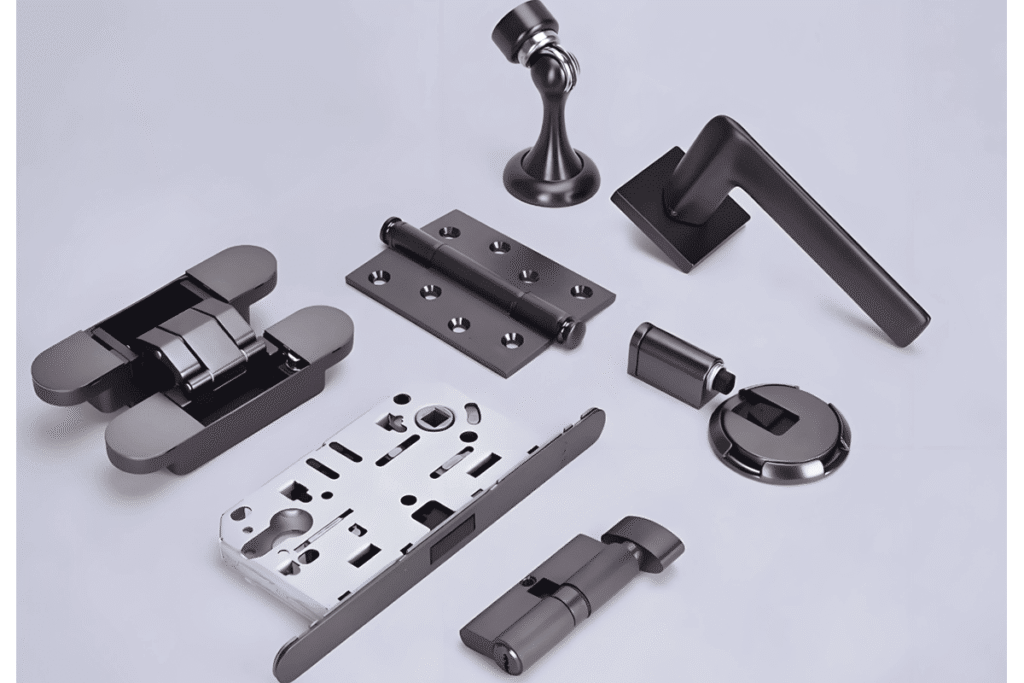
The Finishing Touch: How Should Buyers Understand the Surface Treatments for Door Hardware?
Surface treatments for door hardware can look like a simple color decision, but I have seen small finish choices create big procurement problems. A beautiful handle can still fail expectations if the coating scratches, corrodes, shows fingerprints, or varies between batches. The better solution is to match the finish process to the material, environment, traffic level, and budget.1
Surface treatments for door hardware should be selected by balancing base material, corrosion risk, scratch visibility, cleaning needs, traffic level, batch consistency, and cost. Electroplating, coating, PVD, and stainless steel finishes each have practical strengths, but no single process is best for every handle, lock, hinge, cylinder, or accessory.
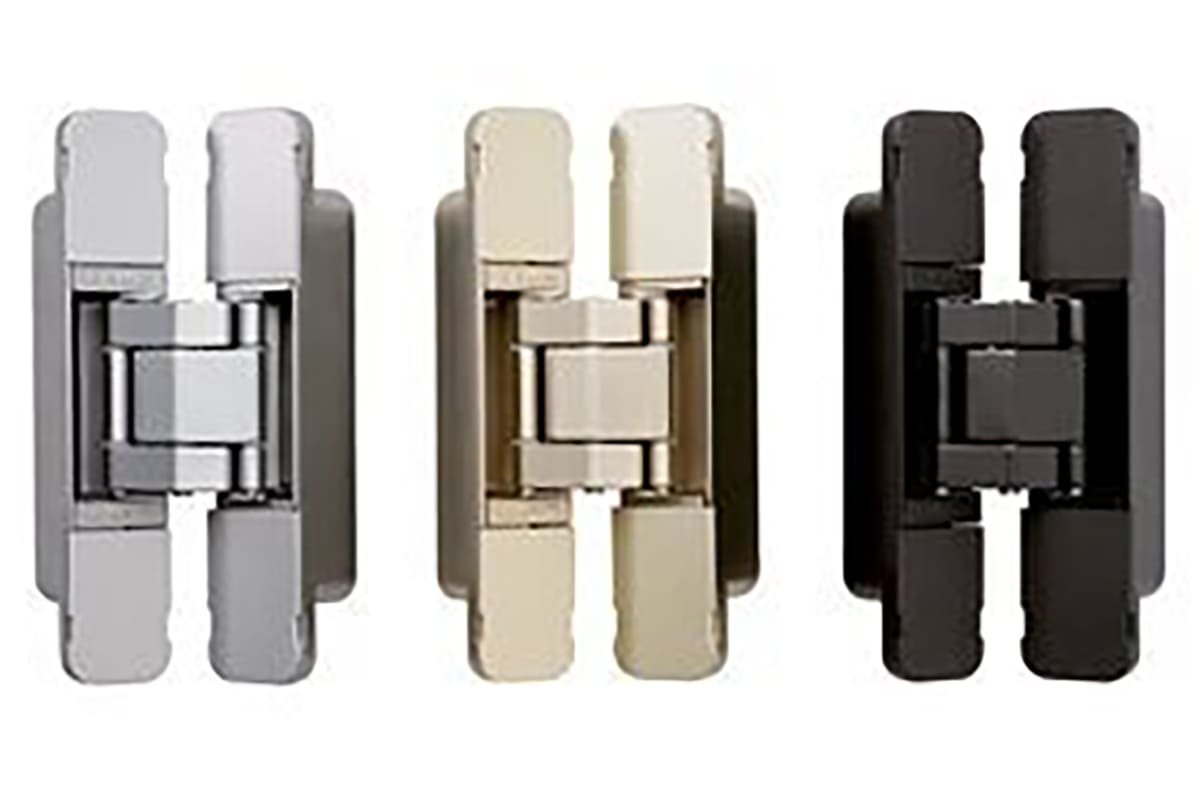
I write this from the manufacturing side, where I work with sampling, production confirmation, and batch inspection. In real B2B orders, the finish is not only about “matte black” or “brushed nickel.” It is about whether the selected surface can survive the buyer’s market conditions and reduce after-sales complaints.
What Are the Main Surface Treatments for Door Hardware?
Many buyers start with a finish name and then look for a supplier to match it. That approach can create confusion because the same color may come from different processes. I prefer to begin with the surface treatment method, because the process often decides performance, cost, and production risk.
Surface treatments for door hardware usually include electroplating, powder coating, baking paint or coating, PVD, and mechanical stainless steel finishes such as brushing or polishing.2 Each process has different strengths in hardness, corrosion resistance, color control, scratch visibility, and price. Buyers should confirm the process, not only the color name.
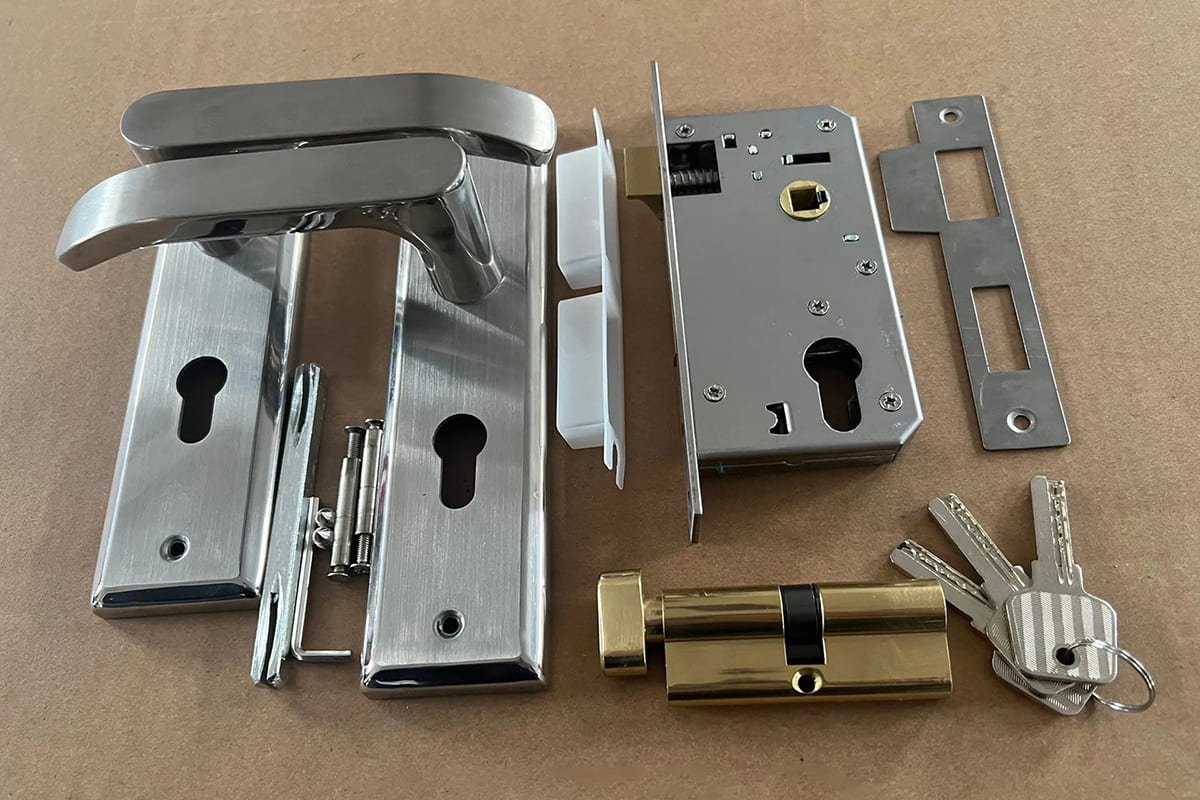
Electroplating, coating, PVD, and stainless steel finishes are not interchangeable
I often explain finishing processes to buyers using practical language instead of laboratory language. That approach helps purchasing teams compare options during supplier evaluation.
Here is a simplified view:
| Surface treatment | Common buyer reason for choosing it | Typical applications | Procurement notes |
|---|---|---|---|
| Electroplating | Good hardness, attractive metallic appearance, corrosion resistance when properly specified | Lever handles, lock bodies, cylinders, accessories | Base material and plating system matter greatly |
| Powder coating | Color flexibility and protective coverage | Handles, hinges, accessories, commercial hardware | Good for many color projects, but edge coverage and impact resistance should be checked |
| Baking paint / coating | Decorative color and controlled appearance | Handles, trim, accessories | Finish quality depends on pretreatment, paint system, and curing control |
| PVD | High-durability positioning, scratch resistance, corrosion resistance, UV fading resistance depending on system | Premium handles, stainless steel hardware, decorative metal finishes | Usually higher cost and should be matched to base material and specification |
| Brushed or polished stainless steel | Natural metal surface, clean appearance, low-maintenance options | Handles, hinges, pull plates, accessories | Stainless grade, brushing direction, and passivation should be confirmed |
Electroplating in buyer language
I usually see electroplating used when buyers want a metallic finish with a hard surface. Popular examples include mirror chrome, brushed nickel, and some brass-like tones. The result depends on the substrate, polishing quality, plating layers, bath control, and final inspection.3
Electroplating can be a strong option, but I do not describe it as universally best. It may perform well when the base material, pretreatment, and plating standard are suitable. It can also create problems if buyers approve only a photo and skip physical samples.
Powder coating and baking coating in buyer language
Powder coating and baking paint are often selected for color and coverage. Buyers often choose them for matte black, white, grey, bronze, or custom colors. These processes can help create a consistent design family across handles, hinges, and accessories.
However, I always remind buyers that coating performance depends on the preparation before coating. The factory must control cleaning, surface roughness, curing temperature, and handling after coating.4 A good-looking coated handle in a sample room may not represent long-term field performance if the specification is too low.
PVD in buyer language
PVD is often positioned as a premium option. Buyers usually consider it when they want stronger resistance to scratching, corrosion, and UV fading compared with standard decorative finishes.5 I still treat those benefits as application-dependent because actual performance should follow supplier specifications and relevant test reports.
PVD is commonly used on stainless steel hardware and decorative metal finishes, including some brushed brass or champagne tones. It is not a magic solution for every product. The base material, surface preparation, finish target, and usage environment still matter.
My practical rule is simple: I never choose a finish by color alone. I choose the process first, then confirm the color.
How Do Surface Treatments for Door Hardware Change by Base Material?
A finish can only perform as well as the material under it allows. I have seen buyers compare two “brushed brass” samples from different factories and wonder why they look different. The answer is often simple: the base material, polishing method, and surface process are not the same.
Surface treatments for door hardware change significantly across stainless steel, brass, zinc alloy, aluminum, and steel substrates. The same color name can show different gloss, depth, tone, and durability on different base materials. Buyers should confirm the substrate before approving finish samples or placing batch orders.
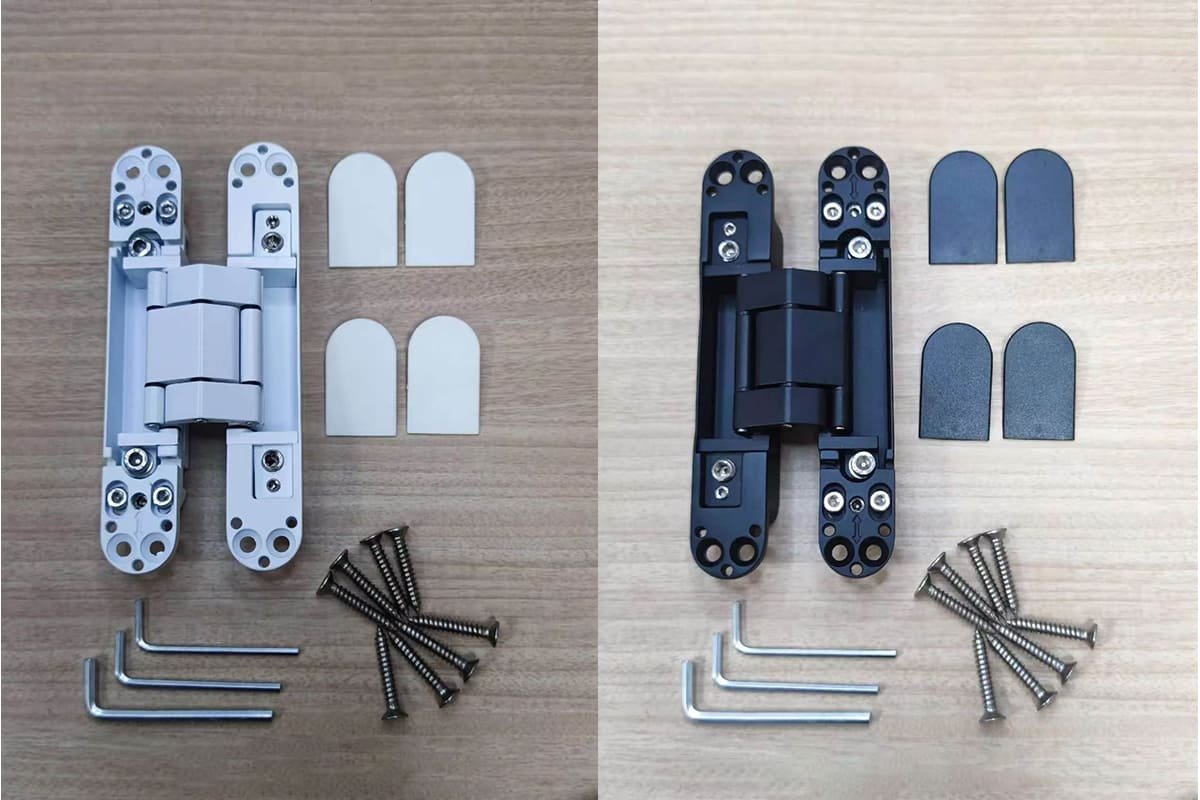
Base material affects both appearance and performance
When I review a new project, I usually ask about base material before I ask about finish color. The answer changes the finishing route. It also changes cost, tooling, polishing work, and expected performance.
Common base materials include:
- Stainless steel
- Brass
- Zinc alloy
- Carbon steel
- Aluminum alloy
- Mixed assemblies with different materials
Each substrate responds differently during polishing, plating, coating, and PVD processing.
Stainless steel hardware
Stainless steel is common for lever handles, pull handles, hinges, and accessories. Buyers often choose it for clean appearance and corrosion resistance. However, the grade matters. For example, 316 marine-grade stainless steel is often considered for coastal, rainy, or chloride-heavy environments6, but buyers should confirm the exact grade, supplier specification, and any relevant test documents.
Stainless steel can be:
- Brushed
- Mirror polished
- Satin finished
- PVD finished
- Coated for special colors
A brushed stainless finish usually hides fingerprints and small handling marks better than mirror polishing.7 A mirror finish can look premium, but it may show fingerprints, cleaning marks, and scratches more clearly in daily use.
Brass hardware
Brass is often used for cylinders, premium handles, and decorative hardware. It can carry rich metallic tones well. Brass can be polished, lacquered, electroplated, or treated with antique effects.
However, buyers should not assume every “brass color” means solid brass. A brushed brass/yellow finish may be produced on stainless steel, zinc alloy, brass, or another substrate. Each version can look slightly different. The durability and aging behavior can also differ.
Zinc alloy hardware
Zinc alloy is common in cost-sensitive door hardware and decorative components because it supports complex shapes and die-casting.8 It often requires electroplating or coating for final appearance and protection.
The buyer should pay close attention to:
- Casting surface quality
- Polishing before plating
- Pretreatment before coating
- Edge and corner coverage
- Adhesion checks
- Color consistency between components
If the die-casting surface has pores or defects, the final plating can expose those problems. I usually advise buyers to inspect physical samples under normal light and angled light.
Mixed-material assemblies
Many hardware sets include different materials. A lever handle may be stainless steel, while the rosette or internal part uses zinc alloy or steel. A lockset may include brass, steel, stainless steel, and plastic components.
This creates a real challenge: one finish name may need different process routes across different parts.
For example:
| Product set | Possible materials | Finish risk |
|---|---|---|
| Lever handle with rosette | Stainless steel + zinc alloy | Slight color mismatch between parts |
| Lock body and faceplate | Steel + stainless steel | Different gloss after coating or polishing |
| Cylinder | Brass + steel cam | Finish may differ on visible and hidden parts |
| Hinge | Stainless steel or steel | Corrosion risk changes by material and installation site |
This is why I always suggest confirming a complete set sample, not only one handle. Buyers should compare assembled products because end customers notice mismatched tones on installed doors.
Which Surface Treatments for Door Hardware Fit Different Environments and Traffic Levels?
A finish that works well in a dry apartment may not work the same way near the sea, in a hotel corridor, or on a public entrance door. I have seen complaints happen when the finish looked perfect at shipment but faced the wrong environment after installation.
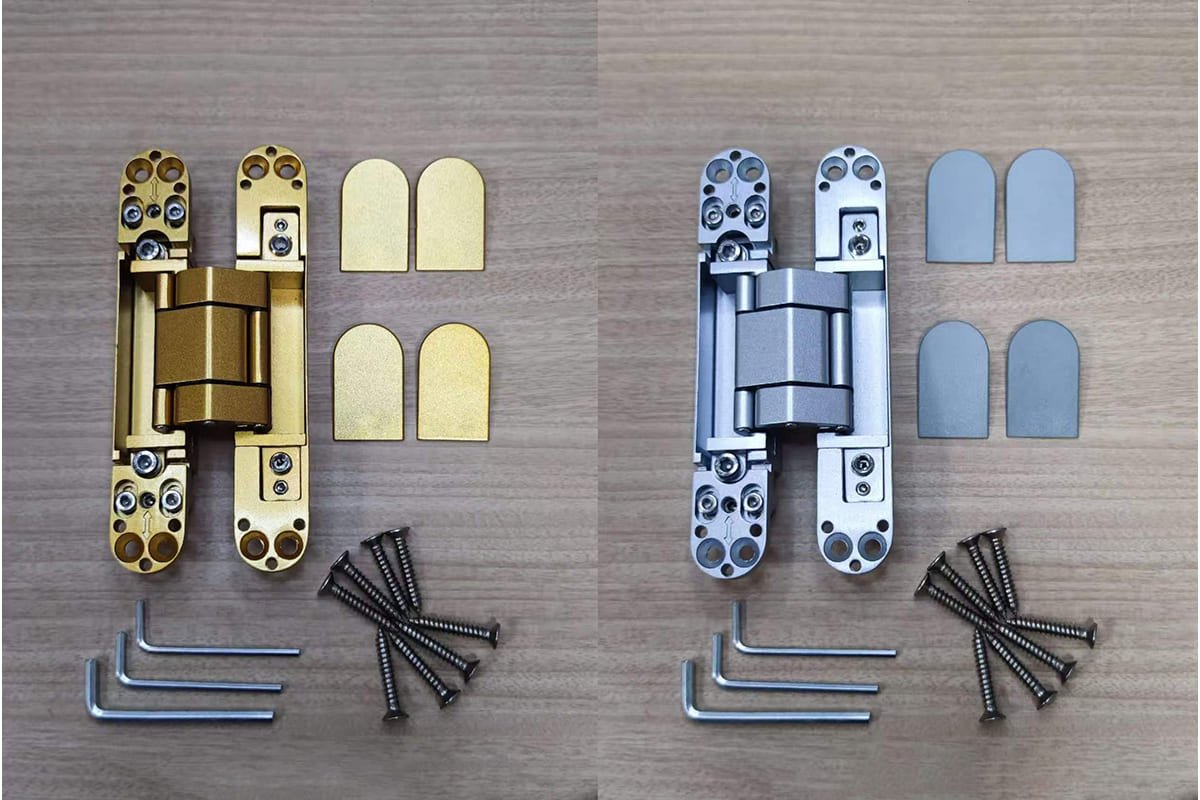
Surface treatments for door hardware should be matched to installation conditions. Coastal, rainy, and high-humidity environments may need stronger corrosion planning, such as suitable PVD systems or 316 stainless steel where appropriate. High-traffic doors need finishes that manage wear, fingerprints, and scratch visibility over time.
Environment should guide the finish specification
I recommend that buyers define the installation environment before requesting quotations. This small step reduces many misunderstandings.
Important environment questions include:
- Will the hardware be used indoors or outdoors?
- Is the location coastal or high-humidity?
- Will cleaning chemicals be used frequently?
- Will the hardware be touched by many users every day?
- Will the door be exposed to sunlight or UV?
- Is the project residential, hotel, hospital, school, office, or commercial retail?
The finish choice becomes clearer when the buyer answers these questions.
Coastal and rainy environments
Coastal environments create a higher corrosion risk because salt and moisture can attack surfaces.9 Rainy or humid markets can also increase risk, especially when the product is installed on exterior doors or semi-exposed entrances.
In these cases, buyers often evaluate:
- 316 marine-grade stainless steel, subject to supplier confirmation
- Suitable PVD finishes, depending on system and substrate
- Higher-grade electroplating specifications
- Protective coating systems with verified adhesion and corrosion performance
- Clear maintenance instructions for the end user
I avoid saying “choose PVD and the problem is solved.” That would be too simple. PVD may be a strong candidate, but the base material, pretreatment, and test standard must support the application. For coastal projects, I prefer to review drawings, installation position, cleaning method, and expected exposure level before confirming the finish plan.
High-traffic doors
High-traffic doors create another type of challenge. The issue may not be corrosion first. It may be wear visibility.
Hotels, schools, hospitals, offices, and public buildings often need finishes that tolerate frequent contact. A finish may still be technically intact, but if scratches and fingerprints are obvious, the customer may still complain.
For high-traffic projects, I often suggest evaluating:
- Brushed finishes because they can hide fine scratches better than mirror surfaces
- Matte finishes because they can reduce fingerprint visibility
- Durable electroplating or PVD systems where metallic color and wear resistance are important
- Coating systems for specific design colors, with attention to edge wear and impact points
Low-maintenance projects
Some buyers want hardware that looks clean with less daily care. In that case, I usually avoid recommending mirror-polished surfaces unless the buyer accepts frequent cleaning. Mirror chrome can look very bright and premium, but it can show fingerprints and wiping marks easily.
Better low-maintenance choices may include:
| Project need | Finish direction to consider | Reason |
|---|---|---|
| Fewer visible fingerprints | Brushed nickel, satin stainless, matte black | Lower reflection helps hide marks |
| Reduced scratch visibility | Brushed or directional finishes | Fine marks blend into grain |
| Premium metallic look | PVD or electroplated finish | Process depends on material and budget |
| Color-matched design | Powder coating or baking coating | Good for custom color programs |
Cleaning method matters
I always ask about cleaning because maintenance can damage a finish faster than normal use. Strong chemicals, abrasive pads, acidic cleaners, and rough cloths may affect many decorative finishes.10
Buyers should request clear maintenance guidance from suppliers. They should also share likely cleaning conditions with the manufacturer. A hospital, hotel, or school may clean hardware more frequently than a residential project. That difference matters.
How Should Buyers Control Color Consistency, Samples, and Batch Quality?
Many finishing disputes begin with one phrase: “The color is not the same as the sample.” I understand why this happens. Buyers often approve a beautiful sample, but bulk production involves raw materials, process control, polishing differences, and normal color tolerance.
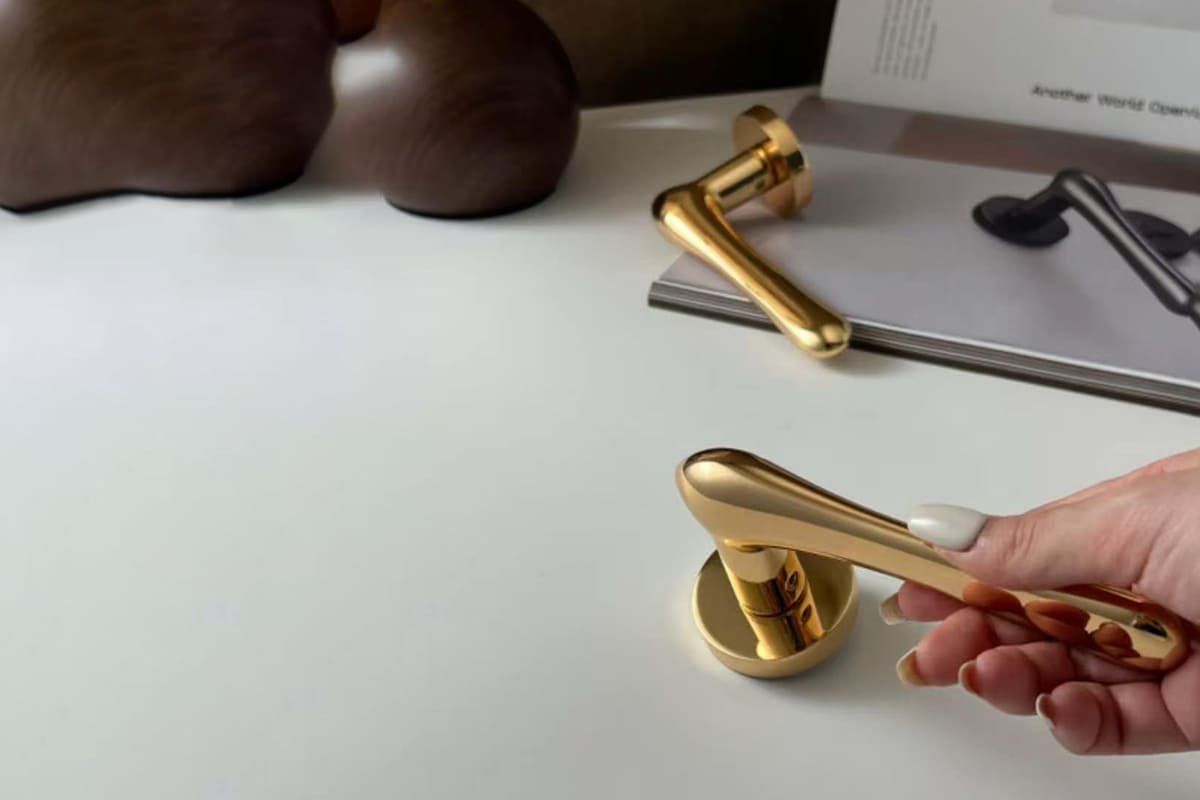
Buyers should control finish quality by confirming physical samples, base material, production process, acceptable color tolerance, inspection method, and packaging protection before bulk orders. Photos are useful for communication, but they should not replace approved samples for surface treatments, especially on metallic or textured finishes.11
Color names are not technical specifications
Names like brushed nickel, mirror chrome, matte black, brushed brass, and antique bronze are useful for marketing. They are not enough for production control.
For example, “matte black” can vary in:
- Gloss level
- Texture
- Coating thickness
- Scratch visibility
- Black tone
- Edge coverage
- Fingerprint resistance
“Antique bronze” can vary even more because it may involve brushing, darkening, hand finishing, or chemical treatment. A photo may not show these details accurately.
I prefer a structured sample approval process
In our factory work, I like to keep finish approval practical and documented. The buyer and supplier should agree on a process before bulk order.
A clear approval process may include:
- Confirm product material
- Confirm finish process
- Confirm target color and texture
- Produce physical samples
- Review samples under consistent lighting
- Approve a signed master sample
- Define acceptable tolerance
- Inspect pre-production or first-batch pieces
- Check bulk production against the master sample
- Protect finished goods during packing and shipment
This process sounds simple, but it prevents many problems.
Lighting changes finish perception
Metallic finishes can change appearance under warm light, cool light, daylight, and showroom lighting.12 A brushed brass sample may look yellow in one office and muted in another. A mirror chrome surface reflects nearby colors. A matte black finish may look different when compared with black rubber, black plastic, or black painted metal.
I recommend that buyers evaluate samples under the lighting conditions closest to the final sales or installation environment. If the products will be sold in retail packaging, the buyer should also check how the finish looks inside the package.
Batch consistency requires production discipline
Batch consistency depends on many factory controls. I focus on several points during production and inspection:
| Control point | Why it matters |
|---|---|
| Raw material screening | Different substrate quality can affect finish appearance |
| Polishing consistency | Uneven polishing changes gloss and visible texture |
| Pretreatment control | Poor cleaning can reduce coating or plating adhesion |
| Process parameters | Time, temperature, bath condition, and curing affect results |
| Handling after finishing | Scratches can occur during assembly and packing |
| Final inspection | Visual and functional checks catch defects before shipment |
At SDH Hardware, our production experience includes standardized production supervision and finished product inspection. I still tell buyers to verify certificates, reports, and inspection criteria for their own market requirements. That is especially important for CE-related documents, fire-rated project requirements, and application-specific standards.
Packaging is part of finish protection
A good finish can still arrive damaged if packaging is weak. Handles can rub against rosettes. Hinges can scratch each other. Cylinders can mark plated accessories. This is why packaging design matters for bulk wholesalers and brand buyers.
Buyers should confirm:
- Individual bags or sleeves
- Foam or paper separation
- Carton strength
- Labeling method
- Moisture protection for long shipping routes
- Protection after logo marking or assembly
I view packaging as the final stage of surface treatment quality control. The finish is not truly safe until it reaches the buyer in good condition.
How Should Price Affect the Choice of Surface Treatments for Door Hardware?
Price pressure is normal in B2B hardware purchasing. However, finish cost should not be reduced without understanding the trade-off. I have seen buyers save a small amount on surface treatment and then face complaints, returns, or brand damage later.
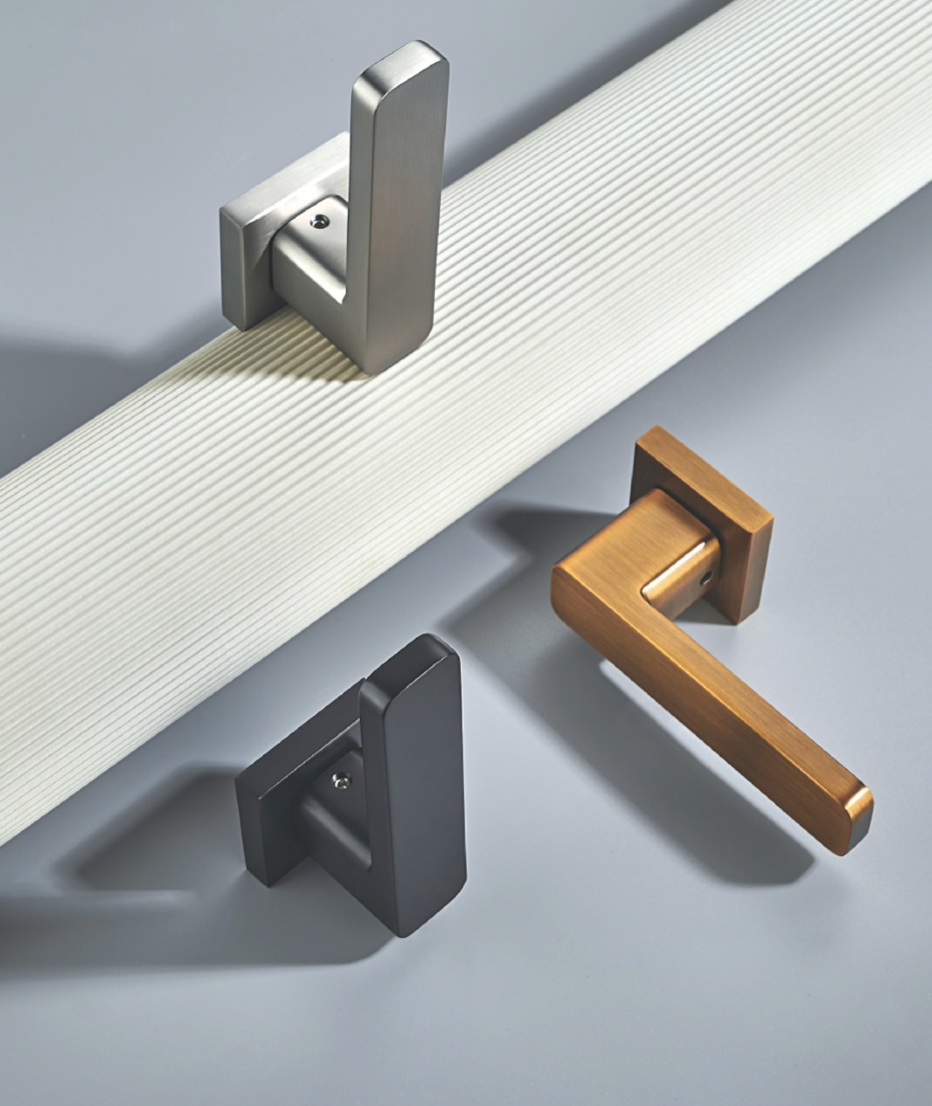
Surface treatments for door hardware usually follow a practical cost tendency: coating is often lower cost, electroplating is commonly in the middle, and PVD is usually higher cost. This is not a fixed rule because price depends on material, finish color, order quantity, quality standard, and production complexity.
Finish cost should be compared with complaint risk
I understand why buyers ask for the lowest price. Door hardware is competitive, and wholesalers often need sharp margins. However, I also know that the finish is one of the first things end users see and touch.
A low-cost finish may be acceptable for a dry, low-traffic interior door. The same finish may be risky for a coastal hotel, a school entrance, or a high-use commercial corridor.
Buyers should compare cost against:
- Installation environment
- Expected product life
- Brand positioning
- End-user complaint risk
- Maintenance expectations
- Warranty policy
- Replacement cost
- Import and logistics cost
The cheapest finish at the factory can become expensive if it increases after-sales service.
General procurement cost tendency
I usually explain cost levels as a reference, not as a quotation rule.
| Finish route | General cost tendency | Why cost changes |
|---|---|---|
| Powder coating / baking coating | Lower to medium | Color, pretreatment, curing, texture, order size |
| Electroplating | Medium | Plating layers, polishing, substrate, color, quality standard |
| PVD | Medium to higher | Equipment, process control, base preparation, color target |
| Brushed stainless steel | Varies | Stainless grade, polishing level, brushing quality |
| 316 stainless steel option | Usually higher than common grades | Material cost and project specification |
I always remind buyers that cost depends on the full product. A simple handle in one finish cannot be compared directly with a complete lockset in another finish. The order quantity, packaging, logo marking, testing requirements, and inspection level all affect price.
When a higher finish cost may be justified
A higher-cost finish may be reasonable when the product supports a stronger market position or faces demanding conditions. For example, a premium hardware brand may choose a durable metallic finish because the target customer expects long-term appearance. A coastal project may specify a more corrosion-resistant material and finish route because the environment is harsher.
Higher cost may be justified when:
- The project is exposed to moisture, salt, or frequent cleaning
- The door is high-traffic
- The brand sells premium hardware
- The buyer wants fewer complaints
- The finish must match a design standard
- The hardware will be difficult or expensive to replace
Still, I never suggest upgrading blindly. Buyers should ask for samples, specifications, and relevant test documents where needed.
When a simpler finish may be enough
A simpler finish may be suitable for interior residential doors, cost-sensitive markets, or short-cycle product lines. For example, powder coating may work well for many matte black hardware programs when the application conditions and buyer expectations are aligned.
The key is not to overbuy or underbuy. The key is to specify clearly.
Information buyers should provide before quotation
A supplier can give a better finish recommendation when the buyer shares complete information. I usually ask for:
- Product type: handle, lock, hinge, cylinder, accessory
- Base material preference
- Target finish name and reference sample
- Indoor or outdoor use
- Coastal or non-coastal environment
- Expected traffic level
- Cleaning method
- Required certificates or test reports
- Target price range
- Order quantity
- Packaging and branding requirements
Conclusion
Surface treatments for door hardware are a serious procurement decision, not just a decorative choice. I always advise buyers to evaluate the base material, finish process, environment, traffic level, cleaning method, batch tolerance, and budget together. Popular colors like brushed nickel, mirror chrome, matte black, brushed brass, and antique bronze are useful references, but they are not complete specifications. If you need factory-direct support for handles, locks, hinges, cylinders, or door accessories, I can help you review samples, match finish options, and prepare a practical specification for your next bulk order.
"SECTION 087111 - DOOR HARDWARE (SCHEDULED BY ...", https://fpm.usc.edu/wp-content/uploads/2021/11/087102-USC-HSC-door-hardware-Guide-Specification_1.pdf. Building-hardware standards such as BS EN 1670 and EN 1906 classify corrosion resistance and durability by graded test performance, supporting the view that finish selection should be tied to material, environment, and expected use rather than appearance alone. Evidence role: expert_consensus; source type: institution. Supports: Building-hardware standards and guidance classify durability and corrosion performance according to use conditions and exposure severity.. Scope note: These standards support the engineering basis for finish selection but do not specify budget trade-offs for a particular procurement project. ↩
"Physical vapor deposition", https://en.wikipedia.org/wiki/Physical_vapor_deposition. General surface-engineering references identify electroplating, organic coatings such as powder or paint, physical vapor deposition, and mechanical polishing or brushing as established categories of metal surface finishing. Evidence role: definition; source type: encyclopedia. Supports: Surface finishing references describe electroplating, powder coating, physical vapor deposition, painting/coating, and mechanical polishing or brushing as recognized finishing methods for metals.. Scope note: The source would define the processes generally and may not address door hardware specifically. ↩
"Substrate Effect on Electroplating", https://www.sharrettsplating.com/blog/substrate-effect-on-electroplating/. Electroplating literature describes deposit appearance, adhesion, thickness, and corrosion behavior as functions of substrate preparation, bath chemistry, operating parameters, and layer structure, supporting the need to control these variables before approving a decorative plated finish. Evidence role: mechanism; source type: research. Supports: Electroplating performance and appearance are affected by substrate condition, pretreatment, bath chemistry, process parameters, and deposited layer structure.. Scope note: The support is mechanistic and general; it does not verify the quality controls of any specific factory or batch. ↩
"Powder Coating Process Explained – A Detailed Breakdown", https://www.tiger-coatings.com/about/tiger-blog/powder-coating-process. Studies of organic and powder coatings show that substrate cleaning, surface roughness, cure conditions, and handling affect adhesion and defect formation, supporting the article’s emphasis on process control for coated hardware. Evidence role: mechanism; source type: paper. Supports: Surface preparation, roughness, curing conditions, and handling influence coating adhesion, mechanical resistance, and coating defects.. Scope note: The evidence supports coating behavior broadly and may not test the exact coating systems used on door handles. ↩
"PVD for Decorative Applications: A Review - PMC - NIH", https://pmc.ncbi.nlm.nih.gov/articles/PMC10381906/. Reviews of PVD hard coatings report high hardness and improved wear resistance, with corrosion performance depending on coating composition, porosity, substrate, and pretreatment; this supports considering PVD for demanding decorative hardware applications. Evidence role: mechanism; source type: paper. Supports: PVD hard coatings can improve wear resistance and, depending on coating and substrate, corrosion behavior for decorative metal applications.. Scope note: The evidence does not prove that every PVD color or supplier process provides superior UV or corrosion performance. ↩
"Marine grade stainless", https://en.wikipedia.org/wiki/Marine_grade_stainless. Stainless-steel guidance from corrosion and nickel-alloy institutions explains that molybdenum-bearing 316 stainless steel offers improved resistance to chloride-induced pitting and crevice corrosion, supporting its common use in coastal or marine-adjacent applications. Evidence role: expert_consensus; source type: institution. Supports: 316 stainless steel, because of molybdenum content, generally has better pitting and crevice-corrosion resistance in chloride environments than common 304 stainless steel.. Scope note: The source supports material selection in chloride exposure but does not guarantee performance without appropriate design, maintenance, and finish processing. ↩
"Surface-specific performance of metal and metal oxide ... - PMC", https://pmc.ncbi.nlm.nih.gov/articles/PMC12508418/. Research on surface roughness and gloss shows that highly specular polished surfaces make contamination and fine scratches more visually apparent, while directional or rougher finishes can reduce their visibility by scattering reflected light. Evidence role: mechanism; source type: paper. Supports: Surface roughness and gloss influence the visibility of fingerprints, scratches, and handling marks on metallic surfaces.. Scope note: The evidence explains the optical mechanism but may not quantify fingerprint visibility for the exact door-hardware finishes discussed. ↩
"Zinc Alloy Die Casting Parts - USA Manufacturing", https://decoprod.com/zinc-die-casting-parts/. Materials guidance on zinc die casting notes that zinc alloys permit complex geometries, thin sections, dimensional accuracy, and good surface finish, supporting their use in decorative and cost-sensitive hardware components. Evidence role: general_support; source type: institution. Supports: Zinc alloys are widely used in die casting because they can form complex, dimensionally accurate components with good surface finish.. Scope note: The source supports the manufacturing rationale but does not provide market-share data for door hardware. ↩
"Marine Atmospheric Corrosion of Carbon Steel: A Review - PMC", https://pmc.ncbi.nlm.nih.gov/articles/PMC5506973/. Government and corrosion-science sources describe coastal atmospheres as more corrosive because chloride salts and moisture promote electrochemical attack on exposed metals and defects in protective coatings. Evidence role: mechanism; source type: government. Supports: Salt-laden moisture and chloride deposition in coastal atmospheres accelerate corrosion of many metals and coatings.. Scope note: The source supports the environmental mechanism but does not predict corrosion life for a specific handle, alloy, or coating system. ↩
"Preservation Briefs - Technical Preservation Services (U.S ...", https://www.nps.gov/orgs/1739/preservation-briefs.htm. Architectural-metal maintenance guidance notes that abrasive cleaning, acidic chemicals, and unsuitable cleaners can remove protective films, scratch surfaces, or accelerate corrosion, supporting the article’s warning about cleaning-related finish damage. Evidence role: general_support; source type: government. Supports: Conservation and materials-maintenance guidance warns that abrasive tools, acidic substances, and inappropriate chemicals can damage architectural metal finishes.. Scope note: The source provides general maintenance guidance and may not cover every proprietary decorative coating. ↩
"does multispectral imaging offer the solution?", https://ui.adsabs.harvard.edu/abs/1999SPIE.3963....2H/abstract. Color-management and imaging research shows that photographs and screens can alter perceived color, gloss, and texture through lighting, camera settings, viewing geometry, and display calibration, supporting the use of physical master samples for finish approval. Evidence role: mechanism; source type: research. Supports: Digital images can misrepresent color and surface appearance because capture conditions, lighting, viewing geometry, compression, and display calibration affect perceived results.. Scope note: The source supports the limitation of photographs generally but does not prescribe a specific sampling protocol for door hardware procurement. ↩
"Color rendering of light sources", https://www.nist.gov/pml/sensor-science/optical-radiation/color-rendering-light-sources. Color-science research on metamerism and illumination shows that perceived color can shift with light source and viewing conditions, supporting the need to evaluate metallic finishes under lighting similar to the final installation environment. Evidence role: mechanism; source type: research. Supports: Color appearance and perceived finish tone depend on illumination spectrum, viewing geometry, and surface reflectance, especially for metallic or textured materials.. Scope note: The evidence explains perceptual variation generally and does not establish an acceptable tolerance for a particular finish sample. ↩