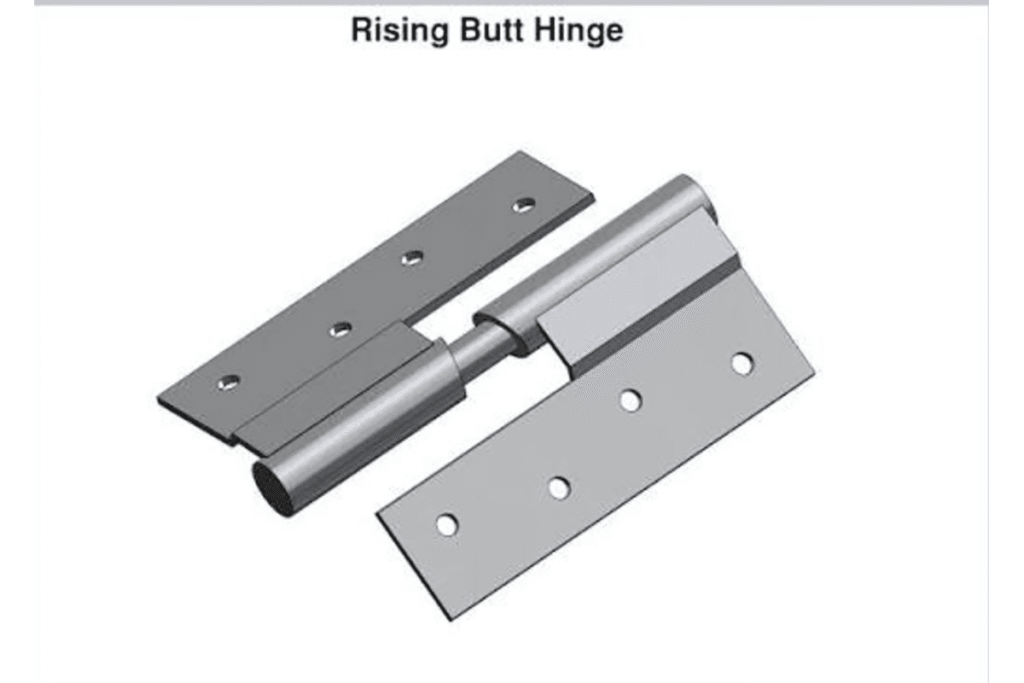
Upgrade Your Doors: The Hidden Benefits of Rising Butt Hinges?
Rising butt hinges solve a problem I hear often from door factory customers: the door looks correct on paper, but it scrapes carpet, thresholds, or uneven flooring in real use. That friction becomes a complaint, and trimming the door too much can spoil the finish. The right hinge choice can protect clearance and appearance.
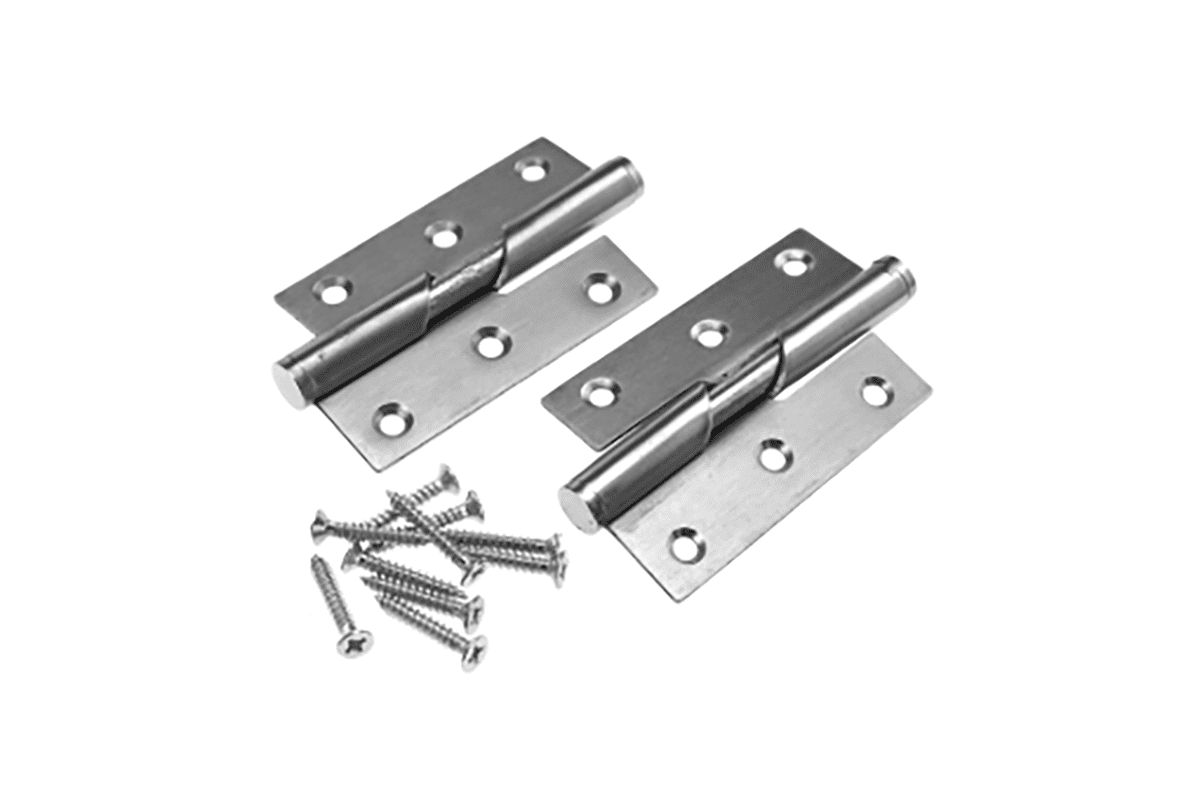
Rising butt hinges are door hinges designed to lift the door leaf slightly as it opens, then let it return downward by gravity as it closes.1 They help manage floor clearance where carpets, thresholds, or uneven floors cause scraping, but they do not replace certified door closers, spring hinges, or fire-door closing devices.
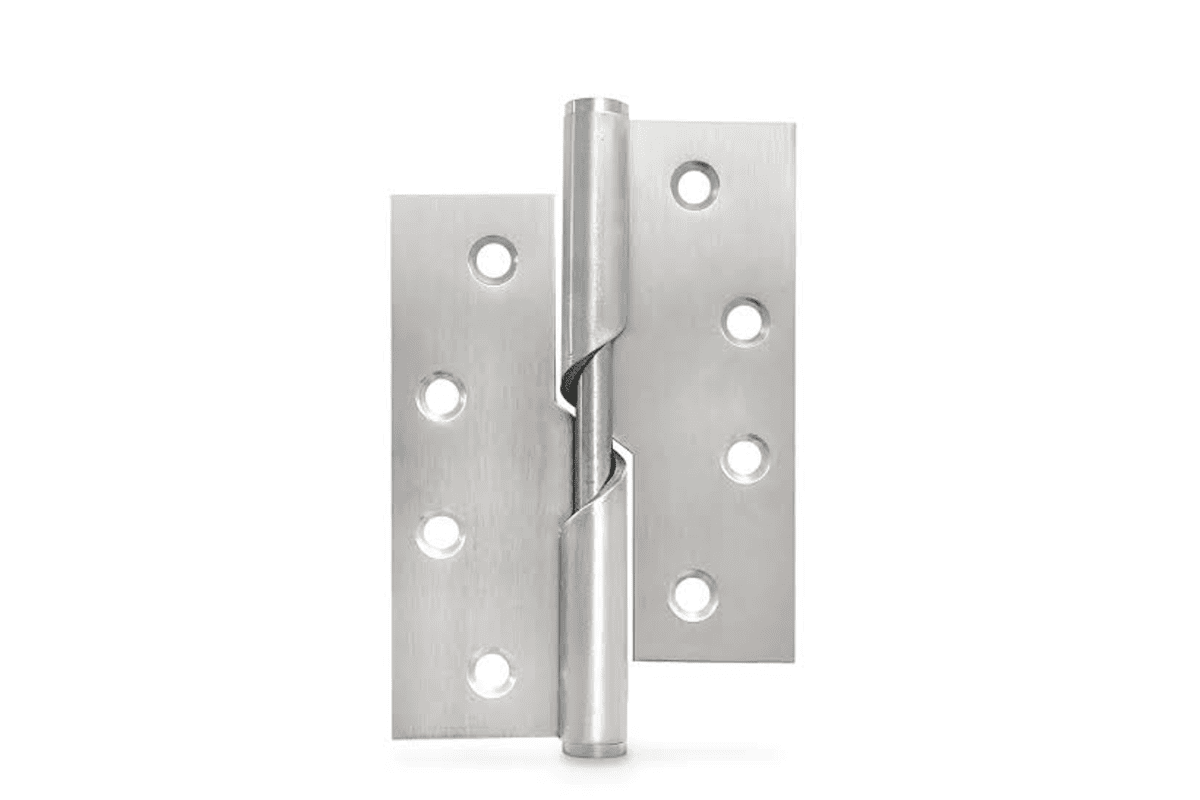
I see rising butt hinges as a scene-specific hardware solution, not as a universal upgrade. They work best when the door design, floor condition, hinge direction, and user expectation all match the hinge’s function. Below, I will break down where they help, where they do not, and how I evaluate them with B2B customers.
How Do Rising Butt Hinges Work?
A standard butt hinge rotates the door around a fixed axis. That works well in many door systems, but it does not solve every clearance problem. If the floor surface changes after installation, the door bottom may drag. Rising butt hinges address this issue through a simple lifting action.
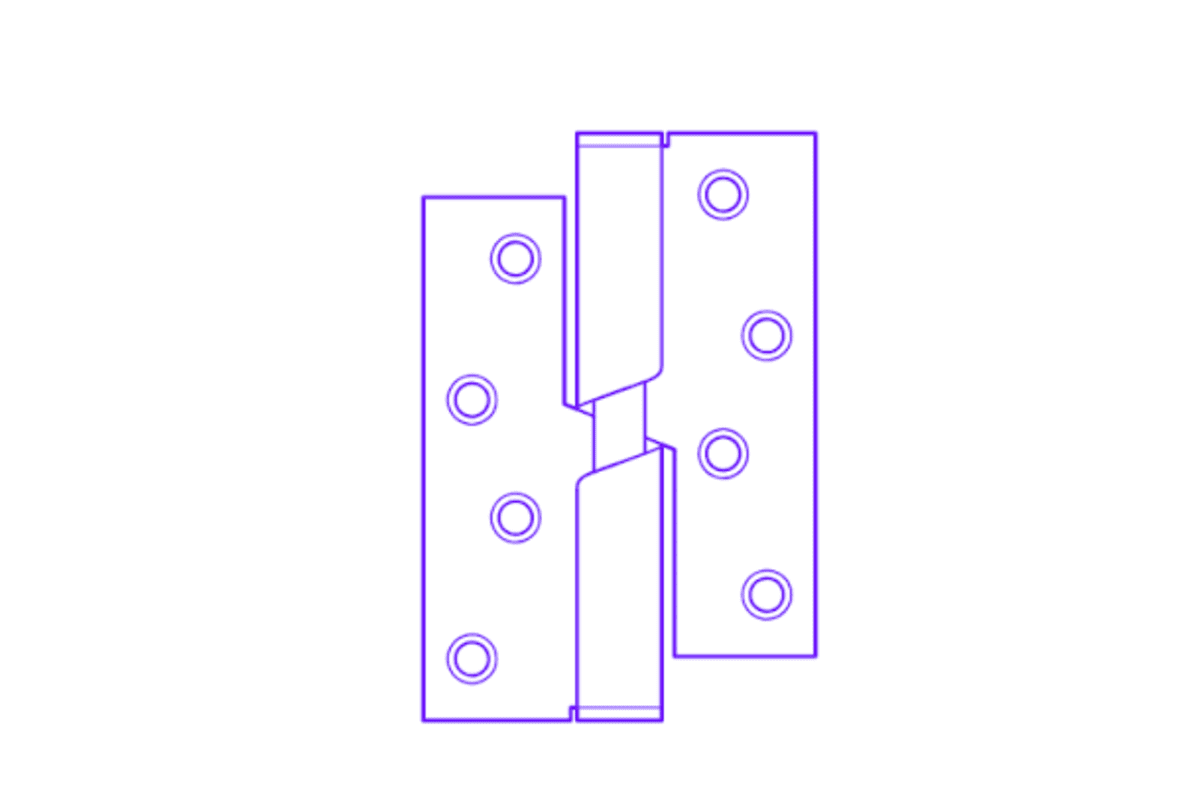
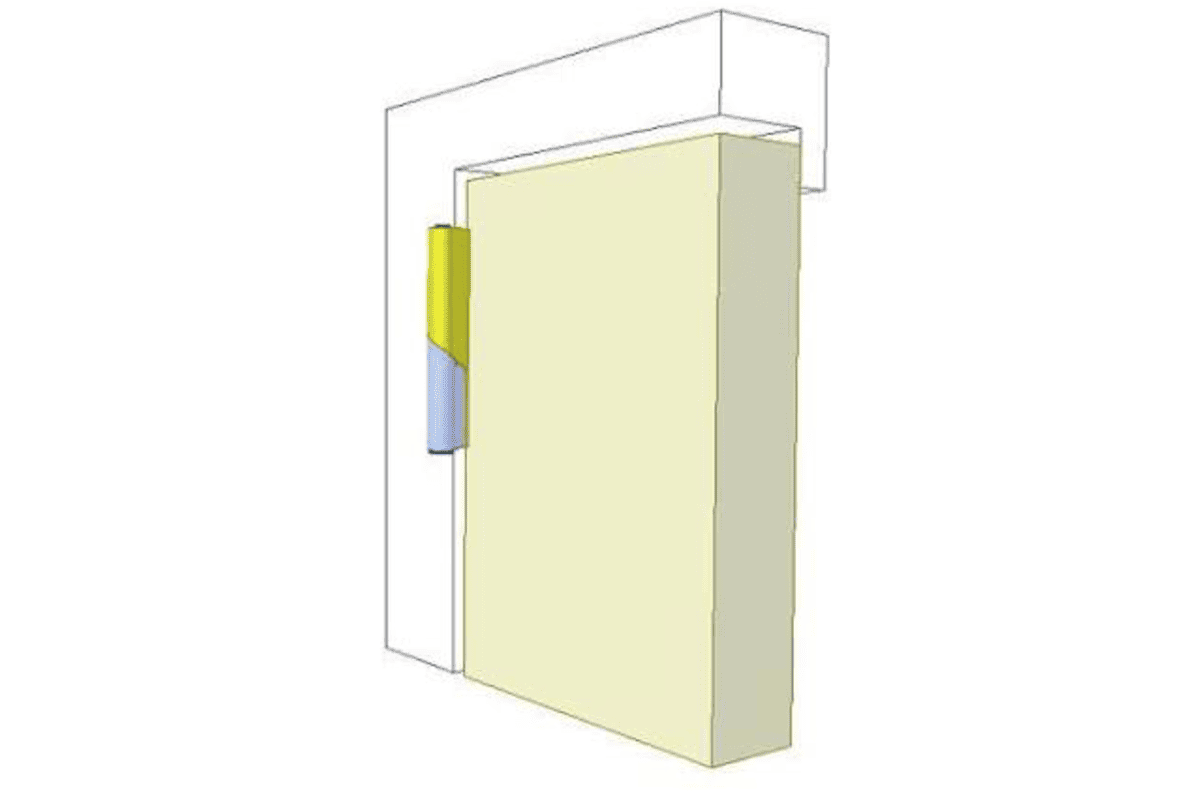
Rising butt hinges work by using angled knuckles or a shaped bearing path that raises the door leaf slightly when the door opens.2 When the user releases or closes the door, the door’s own weight guides it back down. This creates clearance during opening and a mild gravity-assisted closing effect.
The Core Mechanism Is About Controlled Lift
The most important point is simple: the hinge raises the door during opening. The lift is usually small, but even a small rise can matter when the door bottom is close to carpet, tiles, thresholds, or transition strips.
In practical purchasing discussions, I usually explain the action like this:
- The door starts in its normal closed position.
- The user opens the door.
- The angled hinge structure causes the door leaf to rise slightly.
- The raised door clears a floor obstruction more easily.
- When the door returns, gravity helps the leaf settle back down.
That movement sounds minor, but it changes how the door interacts with the floor. A door with a standard butt hinge keeps the same vertical position through its swing.3 If the clearance is tight, the bottom edge may scrape through the entire opening arc. A rising hinge changes that relationship.
Rising Action vs. Closing Control
Many buyers ask whether the lifting action means the hinge is “self-closing.” I answer carefully. Rising butt hinges can assist closing by gravity4, but the closing force is not the same as a professional door closer. The final closing result depends on:
- Door weight
- Hinge geometry
- Installation accuracy
- Floor levelness
- Air pressure difference
- Seal friction
- Latch resistance
- Opening angle
For example, a light interior timber door may move back more easily than a heavy door with tight seals. A door with a strong latch may not fully close unless enough momentum is present. This is why I avoid saying that rising butt hinges “replace” door closers.
In B2B specifications, the safest wording is: rising butt hinges can provide gravity-assisted return, but they are not automatic closing hardware unless a specific certified product and application confirm that function.
Common Mechanism Evaluation Points
When I evaluate rising butt hinges with a customer, I look beyond appearance. I ask about the operating scene first.
| Evaluation Item | Why It Matters |
|---|---|
| Lift height | It determines whether the door clears carpet or thresholds. |
| Door weight | The hinge must support the door without deformation or poor movement. |
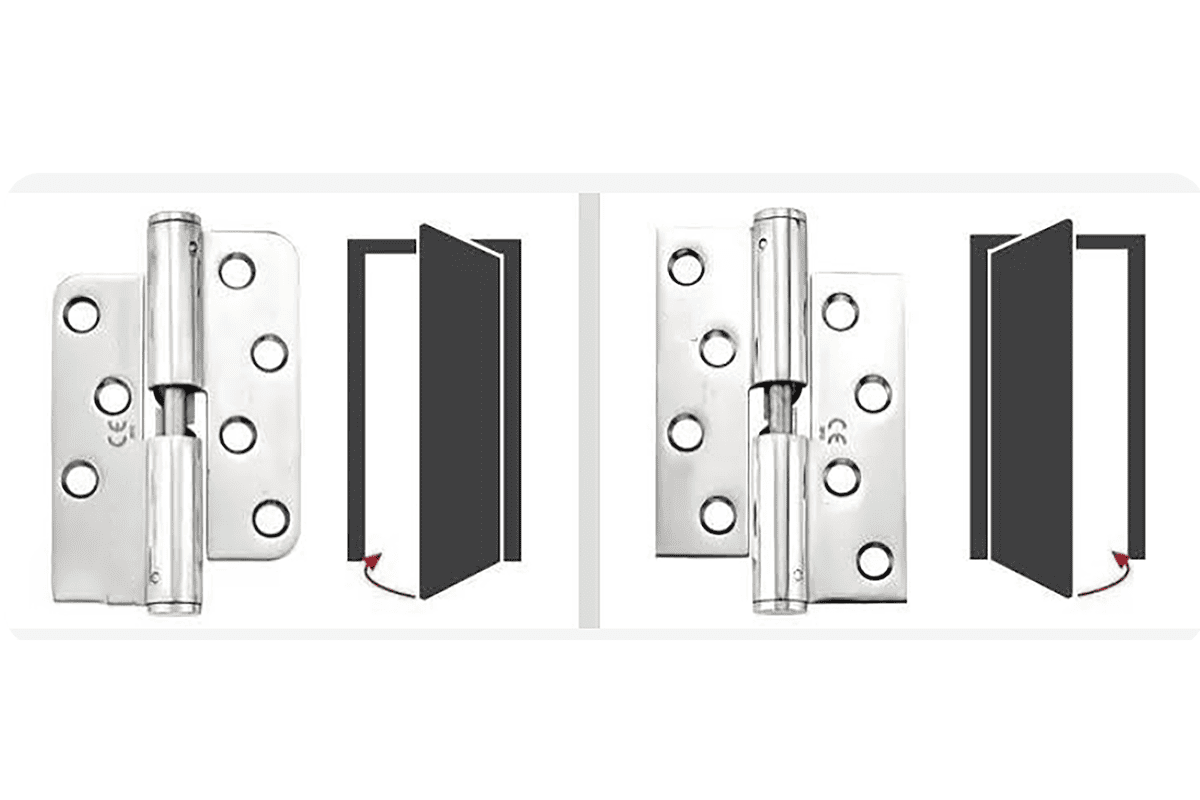
| Handing/opening direction | Rising hinges are often handed, so incorrect selection causes failure.5 |
| Door thickness | Hinge leaf size and screw fixing must match the door structure. |
| Finish | The surface treatment should match the project environment and design. |
| Installation tolerance | Poor alignment can increase friction and reduce the lifting effect. |
In my experience, the mechanism is not difficult to understand. The challenge is matching it to the right door condition. A rising hinge should be selected because the door needs vertical clearance during swing, not because the project simply wants a “better hinge.”
Why Do Rising Butt Hinges Help With Floor Clearance?
Floor clearance problems can create customer complaints even when the door itself is well made. Carpet pile, raised thresholds, uneven tiles, and floor settlement can all reduce the gap below the door.6 If the door drags, users blame the complete door system.
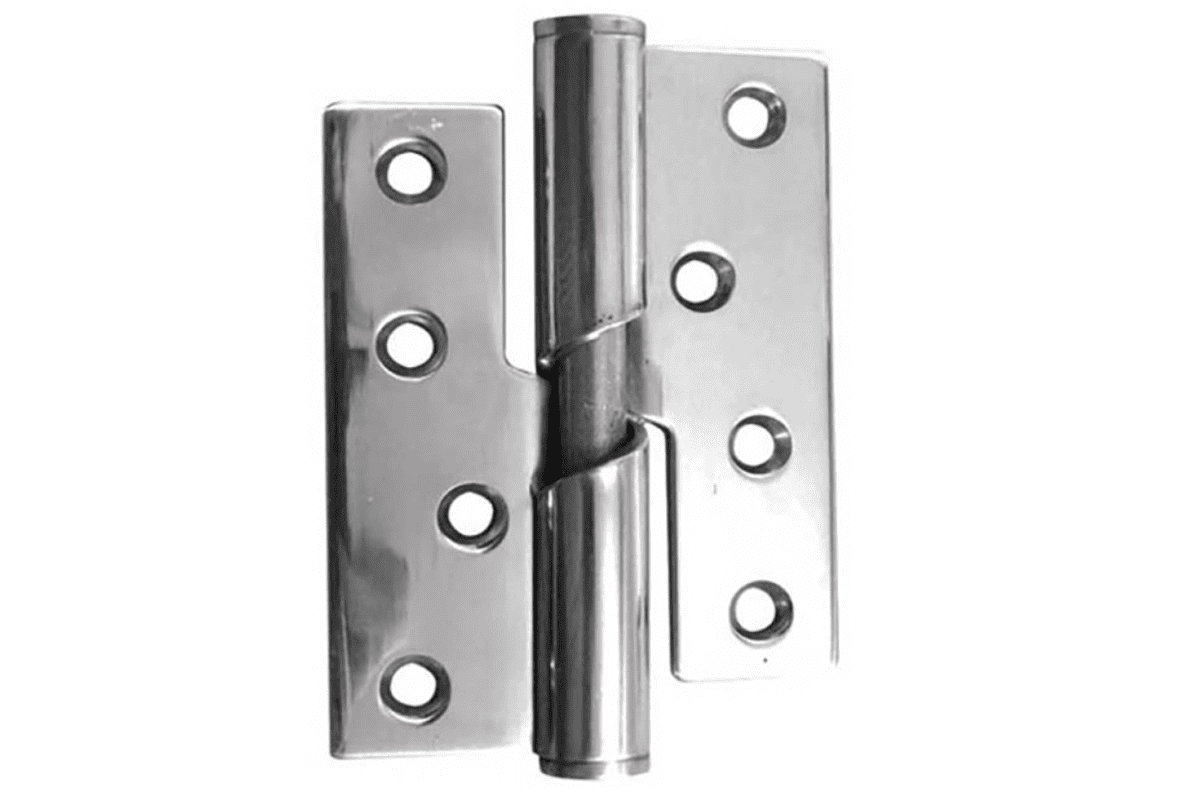
Rising butt hinges help with floor clearance because they lift the door leaf during opening, reducing contact between the door bottom and surfaces such as carpets or thresholds. They are especially useful when a standard hinge would keep the door too low throughout its swing path.
Clearance Management Is the Main Benefit
The main benefit of rising butt hinges is not luxury. It is clearance management. That distinction matters for door factories and hardware buyers because it changes how the product should be specified.
A door may need clearance support in several common cases:
- Thick carpet is installed after the door dimensions are finalized.
- Uneven flooring creates high spots near the opening arc.
- Threshold strips interrupt the door swing path.
- Floor transitions between rooms create different finished floor heights.
- Aesthetic requirements limit how much the door bottom can be trimmed.
In these cases, a standard hinge may still be structurally correct. However, it may not solve the scraping problem because it does not lift the door. Rising butt hinges provide an additional movement that can help the door pass over the obstruction.
Why Over-Trimming Can Be a Problem
Some projects respond to scraping by cutting more from the bottom of the door. That can work, but it has trade-offs. I often discuss this with door factories because over-trimming can affect both appearance and function.
Possible issues include:
- A visible large gap under the door
- Reduced acoustic or privacy performance7
- Uneven visual lines across a corridor
- Exposed or poorly finished bottom edges
- Reduced smoke, draft, or light control in certain door types8
- Customer dissatisfaction after installation
A rising hinge may reduce the need for excessive trimming because the door can remain lower when closed but rise during opening. This can preserve a cleaner finished look. It can also help the manufacturer maintain more consistent door-bottom dimensions across a batch.
Clearance Is Not Only About the Hinge
I still recommend caution. Rising butt hinges cannot correct every flooring or installation problem. If the frame is twisted, the door is warped, or the floor obstruction is too high, the hinge may not provide enough lift. The buyer should compare the required clearance with the actual lift range of the selected hinge.
A simple procurement checklist may include:
| Question | Procurement Reason |
|---|---|
| What is the finished floor height? | The final floor surface may differ from drawings. |
| What is the carpet pile thickness? | Thick pile can reduce working clearance. |
| Is there a threshold? | The door may hit the highest point of the threshold. |
| How much lift does the hinge provide? | The lift must exceed the interference risk. |
| Is the door bottom sealed? | Seals can increase friction and affect return movement. |
| Is the hinge handed? | The correct direction must be ordered and installed. |
For B2B buyers, I suggest treating clearance as a measurable requirement. A vague note like “suitable for carpet” is not enough. It is better to define the door size, floor condition, bottom gap, and expected lift before confirming the hinge specification.
Can Rising Butt Hinges Replace Door Closers?
Closing expectations often create confusion. A buyer sees the door return downward by gravity and assumes the hinge can automatically close the door in all conditions. That assumption can become risky, especially in commercial, public, or fire-rated applications.
Rising butt hinges cannot normally replace professional door closers. They can assist closing through gravity, but they do not provide the controlled closing speed, latch control, certification scope, or reliable automatic closing performance expected from door closers, spring hinges, or fire-door closing devices.
The Self-Closing Effect Has Limits
I use the phrase gravity-assisted closing rather than “self-closing” when I discuss rising butt hinges. This wording is more accurate and safer for specification. The door may move toward the closed position because the raised door wants to return downward. However, that does not guarantee full closure.
Several conditions can prevent full closing:
- A tight latch requires extra force.
- A brush seal or drop seal increases friction.
- Wind pressure holds the door open.
- Air pressure between rooms changes the door movement.
- The door is too heavy for the hinge geometry.
- The opening angle is too small to create enough return energy.
- The frame or hinge alignment is inaccurate.
A certified door closer is designed for controlled closing. It can regulate closing speed and latching speed.9 Many closers can also be tested under specific standards for fire doors or accessibility requirements.10 A rising hinge does not automatically provide those functions.
Fire Doors Require Special Care
For fire-door applications, I take a conservative position. I do not treat rising butt hinges as valid automatic closing hardware unless the specific hinge model, door assembly, test standard, and certification scope confirm it. Buyers should verify documents before using any hardware in a regulated door system.
In procurement terms, the buyer should request and review:
- Product data sheet
- Test report, if applicable
- CE documentation, if claimed
- Fire-rated certification, if claimed
- Applicable door type and size range
- Installation limitations
- Compatibility with door closers, locks, seals, and hinges
At SDH Hardware, we often remind customers that certificates are not decorative documents. They must match the product, application, and market requirement. A hinge may comply with one requirement but not another. A fire-rated door assembly is especially sensitive because hardware substitution can affect compliance.11
Comparison: Rising Hinges vs. Closing Devices
| Hardware Type | Main Function | Closing Control | Typical Use |
|---|---|---|---|
| Standard butt hinge | Door rotation and support | No closing assistance | General interior and exterior doors |
| Rising butt hinge | Door support plus lift during opening | Gravity-assisted only | Clearance over carpet, thresholds, uneven floors |
| Spring hinge | Door support plus spring return | Limited adjustable closing force | Light to medium doors, depending on specification |
| Door closer | Controlled automatic closing | Speed and latching control | Commercial, public, and regulated doors |
| Fire-rated closer | Certified automatic closing within tested scope | Tested controlled closing | Fire-rated door assemblies |
This comparison helps prevent incorrect expectations. A rising hinge can be the right choice for clearance. A door closer can be the right choice for controlled closing. In some door systems, both may be considered, but compatibility should be evaluated by a qualified professional and verified against project requirements.
When Should Door Factories Choose Rising Butt Hinges?
Choosing the wrong hinge can create rework after production, especially when the finished floor condition is different from the factory’s sample room. Door factories need a practical decision method before they commit to drilling, routing, packaging, and batch production.
Door factories should choose rising butt hinges when the door needs extra clearance during opening but should maintain a neat lower position when closed. They are suitable for carpeted rooms, threshold areas, and uneven floors, provided the hinge size, direction, material, load capacity, and installation tolerances match the door.
Best-Fit Application Scenarios
In my conversations with door manufacturers, rising butt hinges usually make sense when the project has a clear floor-contact risk. They are not necessary for every door. They are most useful when the customer can identify why lift is needed.
Common suitable scenarios include:
- Hotel room doors with carpeted interiors
- Residential doors opening over thick rugs or carpets
- Doors near raised floor transition strips
- Interior doors where a larger bottom gap would look poor
- Renovation projects with uneven finished flooring
- Certain timber doors where preserving the bottom edge appearance matters
The key is that the hinge must solve a real problem. If the door already has enough clearance and no threshold issue, a standard butt hinge may be simpler and more economical.
Specification Variables Still Matter
A rising hinge is still a hinge. It must carry the door, align with the frame, and operate through repeated use. I always bring the discussion back to normal hinge selection factors.
Important variables include:
| Specification Factor | What Buyers Should Check |
|---|---|
| Door weight | The hinge quantity and size must support the door leaf. |
| Door thickness | The hinge leaf width and screw length must suit the door. |
| Opening direction | The hinge hand must match the swing direction. |
| Hinge size | Height, width, thickness, and knuckle design must fit the frame. |
| Material | Stainless steel, brass, or steel should match project conditions. |
| Finish | Satin, polished, PVD, painted, or plated finishes should match the hardware set. |
| Fixing method | Screw type and fixing depth affect stability. |
| Project standard | CE or fire-related documents should be verified when required. |
At SDH Hardware, we manufacture and supply a wide range of architectural door hardware, including butt hinges, concealed hinges, mortise locks, lever handles, cylinders, and door accessories. Because we work with door factories and hardware brands, I often see that the best result comes from coordinating the whole door hardware set, not selecting one item in isolation.
Questions I Ask Before Recommending Them
I usually ask customers a short list of practical questions:
- What is the door height, width, thickness, and weight?
- What floor finish will be used after installation?
- Is the door opening over carpet, tile, wood, or a threshold?
- What bottom gap is required when the door is closed?
- How much lift is needed during opening?
- Does the project require fire-rated or CE-documented hardware?
- Will a door closer, lock, seal, or latch affect closing behavior?
- Is the opening direction confirmed?
These questions reduce misunderstanding before production. They also help the buyer avoid using rising butt hinges where another solution would be better.
Procurement Tip for OEM and ODM Buyers
For OEM or ODM orders, I suggest confirming samples before batch production. A sample allows the door factory to test the hinge with its own door construction and frame detail. The buyer should check:
- Smooth lifting through the opening arc
- Bottom clearance over the actual floor condition
- Door return behavior without overclaiming closure
- Screw holding strength in the selected door material
- Finish consistency with the full hardware set
- Packaging, marking, and branding requirements
This step is especially useful for wholesalers and hardware brands that serve multiple markets. A hinge that works well for one floor condition may not be ideal for another. Product drawings, confirmed specifications, and inspection after order completion help reduce risk.
What Are the Hidden Benefits of Rising Butt Hinges for B2B Projects?
Some benefits are visible immediately, such as reduced scraping. Other benefits are less obvious during product selection but become important after production and delivery. Door factories care about fewer complaints, cleaner appearance, and better alignment between customer expectations and actual use.
The hidden benefits of rising butt hinges include reduced door-bottom friction, less need for aggressive trimming, cleaner visual gaps, better tolerance for carpeted areas, and fewer clearance-related complaints. These benefits appear only when the hinge is matched correctly to door weight, floor height, and project requirements.
Benefit 1: Better Door-Bottom Appearance
A door with a large bottom gap can look unfinished. In hotel, apartment, and office projects, the visual line under the door affects perceived quality. If the installer cuts too much from the bottom, the door may clear the carpet, but it may also look wrong.
Rising butt hinges can help keep the door lower when closed while allowing it to rise during opening. This can support a cleaner appearance, especially on doors with stained, painted, laminated, or veneered finishes.
Benefit 2: Reduced Friction Complaints
Door scraping is a small issue until it happens across many rooms. A wholesaler or door factory may then face repeated complaints. The complaint may sound simple: “The door is hard to open.” However, the root cause may be carpet interference or floor unevenness.
By improving clearance during movement, rising butt hinges can reduce that friction risk. This does not mean they solve every installation issue. It means they give the door system one more tolerance tool.
Benefit 3: More Flexible Project Coordination
Construction sites rarely match drawings perfectly. Finished floor height may change after tile, carpet, adhesive, underlay, or threshold installation. Door factories often need to supply hardware before the final floor is complete. This creates uncertainty.
A rising hinge can provide some flexibility when the project has known clearance uncertainty. It is not a substitute for accurate site measurement, but it can help when the floor finish is expected to be thick or slightly variable.
Benefit 4: More Accurate Customer Communication
I consider this one of the most important hidden benefits. When a supplier explains rising butt hinges correctly, the customer understands both the advantage and the limitation. That reduces disputes.
Clear wording may look like this:
“This hinge can lift the door leaf during opening to help clear carpet or threshold interference. It may assist return by gravity, but it should not be specified as a certified self-closing or fire-door closing device unless the exact tested configuration supports that use.”
This kind of language protects the buyer and the supplier. It also helps the customer choose professional door closers where controlled closing is required.
Benefit 5: Better Integration With Full Hardware Sets
Door hardware rarely works alone. A hinge interacts with locks, handles, cylinders, seals, door closers, and accessories. For B2B projects, a one-stop sourcing approach can help maintain compatibility.
At SDH Hardware, our product portfolio covers more than 3,000 architectural hardware articles, including Euro mortise locks, stainless steel lever handles, butt hinges, concealed door hinges, Euro brass cylinders, and door accessories. When I discuss rising butt hinges with customers, I often consider the full door set because one mismatch can affect the whole user experience.
For example:
- A heavy lock body increases door weight.
- A tight latch may reduce gravity-assisted return.
- A bottom seal may increase floor friction.
- A door closer may change opening force and return behavior.
- A decorative finish should match handles and other visible hardware.
This is why I prefer a complete specification discussion instead of a single-product quotation. It leads to fewer surprises.
Frequently Asked Questions
Are rising butt hinges better than standard butt hinges?
Rising butt hinges are not universally better than standard butt hinges. They are better only when the door needs lift during opening to clear carpet, thresholds, or uneven flooring. For normal doors with enough bottom clearance, standard butt hinges may be simpler, cost-effective, and fully suitable.
Do rising butt hinges close the door automatically?
Rising butt hinges can assist closing by gravity because the door drops back down as it returns. However, they do not provide the controlled closing speed or latching performance of a professional door closer. They should not be specified as automatic closing hardware without verified product certification.
Can rising butt hinges be used on fire doors?
Rising butt hinges should be used on fire doors only if the exact hinge model, door assembly, test condition, and certification documents confirm suitability. Buyers should verify CE, fire-rated, and local compliance documents before approval. A qualified professional should review fire-door hardware specifications.
What information should I provide before ordering rising butt hinges?
You should provide door height, width, thickness, weight, opening direction, frame material, floor finish, required bottom clearance, hinge size preference, material, finish, and any certification requirements. For OEM or ODM orders, drawings and samples can reduce specification risk before mass production.
Do rising butt hinges need special installation?
Rising butt hinges require correct alignment, direction, and fixing accuracy. I do not treat them as a casual replacement without checking the door and frame condition. Poor installation can reduce the lifting effect, increase friction, or create uneven gaps12, so professional installation judgment is recommended.
Conclusion
Rising butt hinges are valuable when a door needs better floor clearance without an oversized bottom gap. They lift the door during opening, help reduce scraping over carpets or thresholds, and can support a cleaner finished appearance. However, they are not universal upgrades and they do not replace certified door closers. If you are evaluating rising butt hinges for a door factory, hardware brand, or wholesale project, contact SDH Hardware with your door specifications, floor condition, finish requirements, and certification needs. I can help you review the right hardware option before production.
"How does a rising butt hinges work?", https://www.dndhardware.com/How-does-a-rising-butt-hinges-work-id48665856.html. Architectural hardware references define a rising butt hinge as a butt hinge with a rising action that raises the door leaf as it opens and allows gravity to return the leaf as it closes. Evidence role: definition; source type: institution. Supports: A neutral architectural hardware reference should define rising butt hinges as hinges with a rising action that lifts the door during opening and returns it downward by gravity.. ↩
"Butt Hinges: Types, Uses, Features and Benefits", https://www.iqsdirectory.com/articles/hinges/butt-hinges.html. Technical descriptions of rising butt hinges attribute the vertical lift to the hinge geometry, in which the knuckle or bearing path converts rotational opening movement into a small upward displacement of the door leaf. Evidence role: mechanism; source type: institution. Supports: A technical hardware source should explain that the rising action comes from the hinge geometry, such as angled knuckles or a ramped bearing surface.. ↩
"Geared continuous hinge", https://en.wikipedia.org/wiki/Geared_continuous_hinge. General references on hinges describe butt hinges as devices that allow rotation about a hinge pin or fixed axis; this supports the comparison with rising hinges but does not evaluate any particular installed door. Evidence role: mechanism; source type: encyclopedia. Supports: A general hinge reference should support that ordinary butt hinges provide rotation about a fixed axis rather than vertical lift.. Scope note: The source would support the general hinge principle, not the performance of a specific hinge model. ↩
"How does a rising butt hinges work?", https://www.dndhardware.com/How-does-a-rising-butt-hinges-work-id48665856.html. Architectural hardware descriptions state that rising butt hinges can use the door leaf's weight to assist return after the hinge has lifted the door during opening; this describes a gravity effect rather than certified automatic closing performance. Evidence role: mechanism; source type: institution. Supports: A hardware reference should support that the door's weight can create a gravity-assisted return after a rising hinge lifts the door during opening.. Scope note: This supports the mechanism only and does not prove that a door will fully latch in a specific installation. ↩
"Falling butt hinges: Is there an easy way to work out which ' ...", https://www.reddit.com/r/DIY/comments/prsaew/falling_butt_hinges_is_there_an_easy_way_to_work/. Architectural hardware handing guides explain that some hinges are manufactured for a specific door hand or swing direction, and incorrect handing can prevent the intended movement or installation. Evidence role: general_support; source type: institution. Supports: A hardware handing guide should support that certain hinges are handed and must match the door swing direction.. Scope note: The source would support the general specification principle, not establish that every rising butt hinge is handed. ↩
"When hanging a door what's the expectation of ...", https://www.reddit.com/r/Carpentry/comments/1iw1zky/when_hanging_a_door_whats_the_expectation_of_what/. Architectural construction references describe door undercut and bottom clearance as dimensions affected by finished floor levels, floor coverings, and thresholds; this supports the general clearance concern but does not measure the interference in any specific project. Evidence role: general_support; source type: education. Supports: A construction or architectural reference should support that finished floor materials and thresholds influence required door undercut or clearance.. Scope note: The source would provide contextual construction support rather than direct proof for a particular door installation. ↩
"Frequency domain characterisation of the sound insulation ...", https://pmc.ncbi.nlm.nih.gov/articles/PMC12307673/. Building-acoustics studies show that gaps and leakage paths around doors can degrade sound insulation, supporting the claim that excessive bottom clearance may reduce acoustic privacy. Evidence role: mechanism; source type: paper. Supports: Acoustic research should support that gaps around doors, including bottom gaps, can increase sound transmission and reduce sound isolation.. Scope note: The magnitude of the effect depends on door construction, seals, room geometry, and the size of the gap. ↩
"What Are The Gap Allowances For Fire Doors?", https://info.lifesafetyservices.com/what-are-the-gap-allowances-for-fire-doors. Fire-door and smoke-control guidance treats door perimeter and bottom clearances as relevant to leakage control, supporting the view that excessive trimming can compromise smoke or draft resistance in applicable door types. Evidence role: expert_consensus; source type: government. Supports: Code or fire-door guidance should support that door clearances and gaps affect smoke or air leakage control.. Scope note: This is contextual support; smoke performance depends on the tested assembly, seals, pressure conditions, and applicable code. ↩
"BS EN 1154 Door Closer Delay: Maximum Closing Time ...", https://www.danddhardware.com/bs-en-1154-door-closer.html. Door-closer standards and technical summaries describe controlled closing devices as hardware intended to close a door in a regulated manner, commonly including separate control of sweep speed and latching action. Evidence role: expert_consensus; source type: institution. Supports: A door-closer standard or standards summary should support that controlled door closers regulate closing and latching action.. ↩
"Chapter 4: Entrances, Doors, and Gates", https://www.access-board.gov/ada/guides/chapter-4-entrances-doors-and-gates/. Fire-door and accessibility guidance addresses door closing devices through requirements such as self-closing operation, closing speed, opening force, or latching performance; these requirements apply within the relevant jurisdiction and standard. Evidence role: expert_consensus; source type: government. Supports: Government or standards guidance should show that door closing devices are addressed in fire-door and accessibility requirements.. Scope note: The source would support the regulatory context, not certify any specific closer or hinge for a particular project. ↩
"Fire Doors and NFPA 80 FAQs", https://www.nfpa.org/news-blogs-and-articles/blogs/2025/04/11/fire-doors-faqs. Fire-door codes and standards treat doors, frames, glazing, seals, and hardware as parts of a tested or listed assembly, so substituting hardware outside the approved scope can affect compliance. Evidence role: expert_consensus; source type: government. Supports: Fire-door code or standards guidance should support that components and hardware must remain within the tested or listed fire-door assembly conditions.. ↩
"Fix ANY Door Problems With These 7 Magic Tricks",
. Door installation references identify hinge alignment, mortise accuracy, and fixing position as factors that affect smooth swing, binding, and gap uniformity; this supports the general installation warning rather than quantifying loss of lift for a specific rising hinge. Evidence role: general_support; source type: education. Supports: A carpentry or architectural hardware source should support that hinge alignment and fixing accuracy affect door swing, friction, and clearances.. Scope note: The source would provide general installation support, not model-specific performance data. ↩