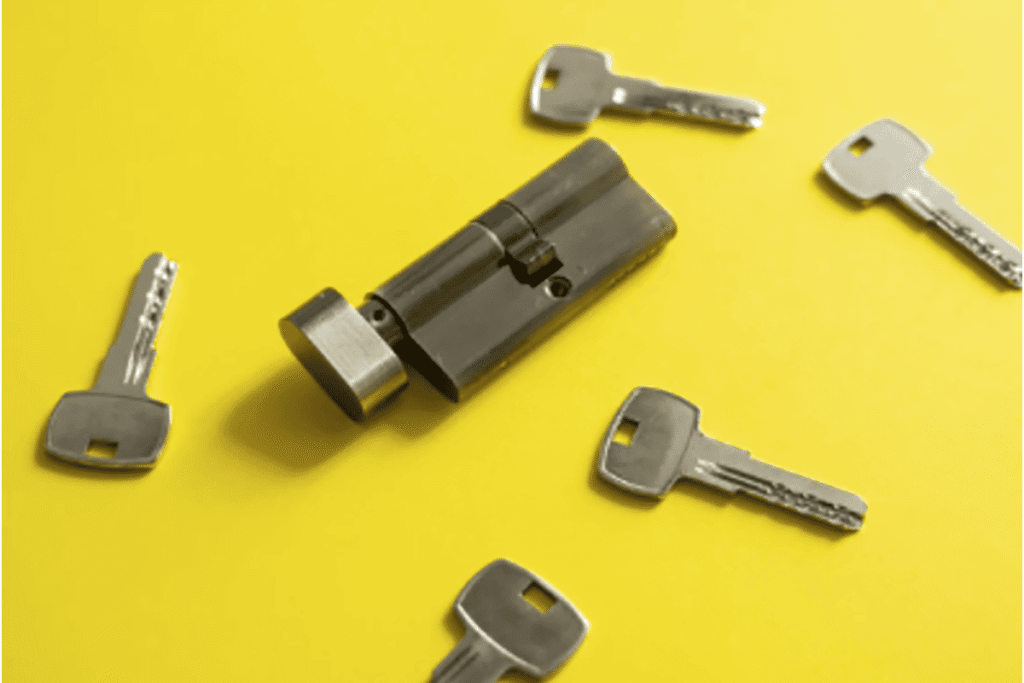
How to Choose the Right Lock Cylinder for Industrial Applications?
A lock cylinder can look like a small component, but the wrong choice can create big problems in industrial projects. Buyers may face installation delays, poor access control, premature wear, or maintenance complaints. I usually recommend starting with the door function first, then matching cylinder type, security level, material, and key management to the real application.
To choose the right lock cylinder for industrial applications, first define the door function, access direction, user group, usage frequency, and environment. Then select the cylinder type, such as key-to-key, key-to-knob, half cylinder, or master key cylinder, based on security needs, lock body compatibility, maintenance risk, and project key management requirements.
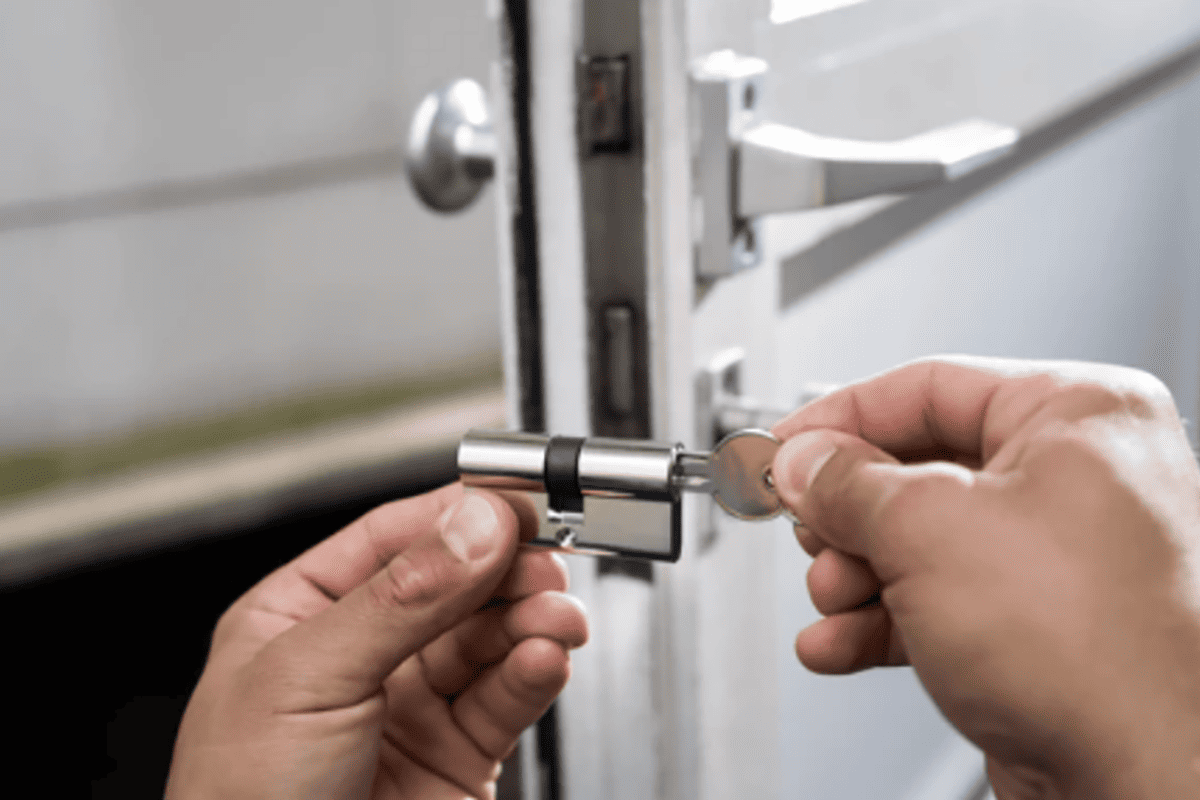
In my work with door manufacturers, hardware brands, and importer customers, I have seen that cylinder selection is rarely about choosing the “best” model on paper. It is more about avoiding mismatch. The right decision comes from understanding how the door will be used every day.
Why Should Door Function Come Before Lock Cylinder Type?
Many buyers begin by asking which lock cylinder is strongest, cheapest, or most popular. That sounds logical, but it can lead to the wrong configuration. If the cylinder does not match the door function, even a good product can cause daily inconvenience, extra maintenance, or project complaints.
The door function should come before the lock cylinder type because each industrial door has a different security role, access direction, and user pattern.1 A main security door, internal passage door, maintenance room door, and pipe shaft door may all require different cylinder structures, even when they belong to the same building project.
Start With the Door’s Real Job
In many industrial building projects, I first ask customers a simple question: What does this door need to do? The answer is more useful than a material preference or a catalog number.
A door may need to:
- Protect a restricted area
- Allow daily worker movement
- Give maintenance staff occasional access
- Separate production zones
- Meet fire door hardware requirements2
- Control access to electrical, pipe, or machine rooms
- Work with a specific mortise lock body
- Support a master key plan
Each use case changes the lock cylinder decision.
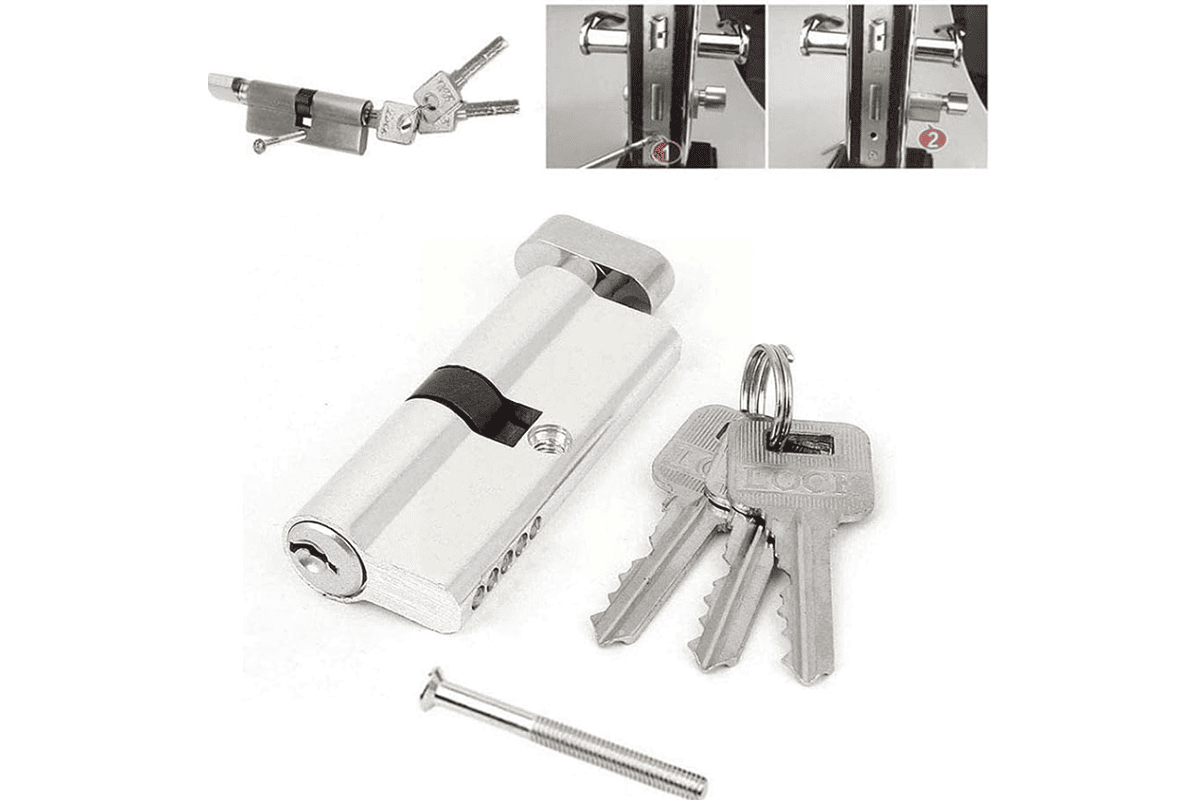
For example, a high-security entrance to a warehouse office may need controlled access from both sides. In that case, a key-to-key cylinder is often considered because both sides require key operation. However, an internal office or workshop door may need easier exit or daily movement. A key-to-knob cylinder can be more convenient because one side can be operated by thumb turn or knob, depending on the configuration.
A pipe shaft or utility inspection door is different again. Workers may only need access from the corridor side. In this case, a half cylinder is commonly used because one-sided operation is enough.
Common Door Functions and Cylinder Direction
| Door Function | Typical Access Need | Common Cylinder Option | Buyer Consideration |
|---|---|---|---|
| Main security door | Key control from both sides | Key-to-key cylinder | Security level, key control, lock body fit |
| Internal staff door | Key access outside, easy operation inside | Key-to-knob cylinder | Convenience, safety practice, user flow |
| Pipe shaft door | Access from one side only | Half cylinder | Simple access, cost control, correct length |
| Maintenance room | Restricted staff access | Key-to-key or master key cylinder | Access hierarchy, user group control |
| Fire-rated door | Hardware must match door assembly requirements | Project-specific cylinder | Verify certificates and test documents |
Why This Step Reduces Procurement Risk
I have seen buyers lose time because they selected cylinders before confirming the lock body, door thickness, and opening direction. The cylinder arrived, but it did not match the mortise lock or the required key operation. The issue was not always product quality. The issue was configuration.
For B2B procurement, this creates several risks:
Installation mismatch
The cylinder length, cam position, or profile may not fit the lock case.Wrong user experience
A door that needs fast internal operation may become inconvenient if both sides require keys.Unclear security responsibility
Too many users may hold the same key without a managed access structure.Delayed project delivery
Incorrect cylinders may require reordering, repacking, or field modification.Higher maintenance cost
High-frequency doors may wear faster if the cylinder grade and application are not aligned.
The practical lesson is simple. Door function is the starting point. Cylinder type comes next. Material, finish, key system, and packaging should follow after the use case is clear.
Which Lock Cylinder Type Fits Each Industrial Door Use?
Choosing the wrong lock cylinder type can make a door less secure, less convenient, or harder to maintain. Industrial buildings often include many door categories, so one cylinder design may not fit every opening. A clear type-by-use approach helps buyers avoid unnecessary complexity.
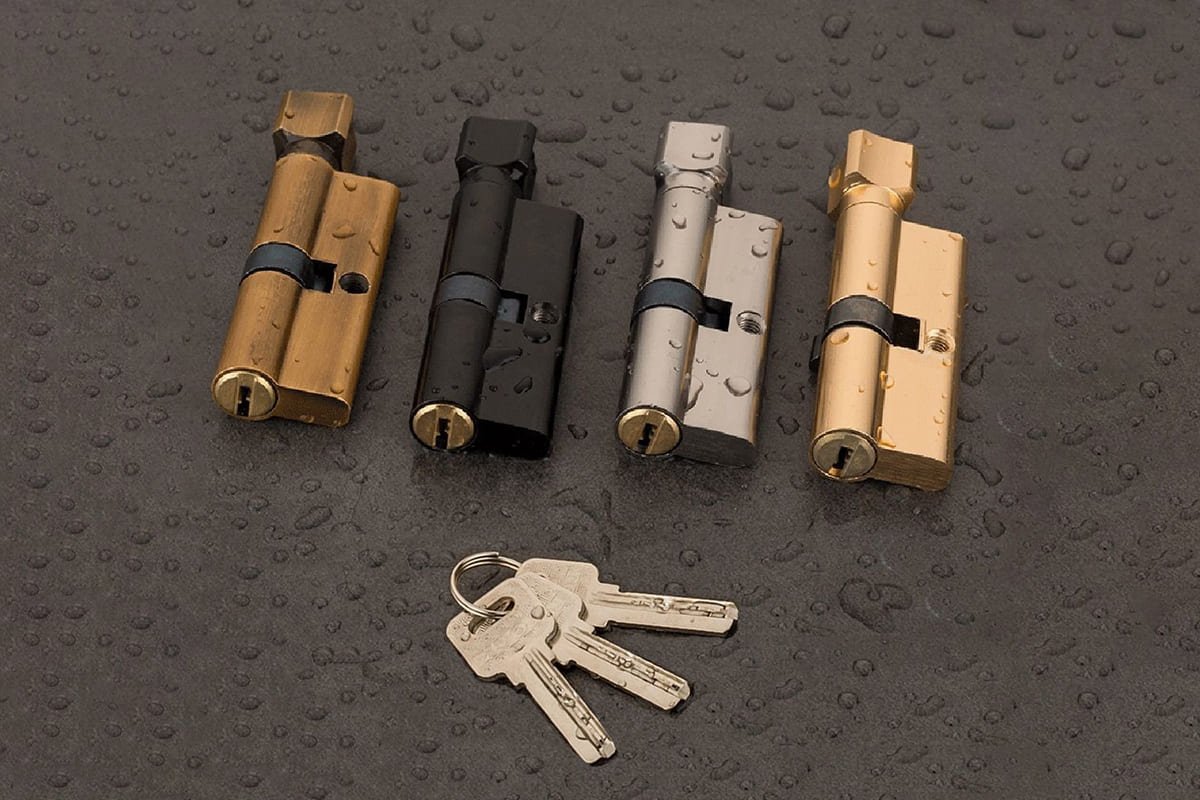
Key-to-key cylinders are commonly used where controlled access is needed from both sides. Key-to-knob cylinders fit internal doors that need easier operation from one side. Half cylinders suit one-sided access points, such as utility or pipe shaft doors. Master key cylinders support buildings with many doors and access levels.
Key-to-Key Cylinders
A key-to-key lock cylinder requires a key on both sides. In industrial and commercial buildings, this type is commonly considered for doors where access control is important from both directions.
Typical applications include:
- Security rooms
- Warehouse offices
- Restricted production zones
- External service doors
- Storage rooms with controlled inventory
The main benefit is controlled operation. The potential drawback is convenience. If workers need fast internal movement, requiring a key from the inside may not be suitable3. Buyers should also consider local safety rules, fire door requirements, and project-specific emergency egress expectations.
I usually tell customers not to choose this type only because it “feels more secure.” They should confirm whether both-side key operation is allowed and practical for that door.
Key-to-Knob Cylinders
A key-to-knob cylinder usually allows key operation on one side and easier manual operation on the other side, depending on the design. In many industrial interiors, this can improve daily convenience.
Typical applications include:
- Internal office doors
- Workshop staff doors
- Storage rooms with lower security risk
- Doors used frequently by authorized staff
The benefit is easy operation. Workers do not need to use a key from the inside every time. This can reduce complaints on high-traffic internal doors. However, buyers should avoid using this configuration where both-side key control is required.
Half Cylinders
A half lock cylinder is operated from one side only. It is a practical option for openings where no operation is needed from the other side.
Typical applications include:
- Pipe shaft doors
- Utility cabinet doors
- Electrical service doors
- Maintenance access panels
- Certain industrial equipment rooms
The main advantage is simplicity. It reduces unnecessary components and can lower procurement cost. However, the buyer must confirm the exact lock body design and cylinder length. A half cylinder that is too short or too long can create installation and appearance problems.
Quick Selection Table
| Cylinder Type | Best-Fit Use Case | Main Advantage | Main Risk If Misused |
|---|---|---|---|
| Key-to-key | Higher-security doors | Better two-side key control | Poor convenience or safety mismatch |
| Key-to-knob | Internal daily-use doors | Easier operation from one side | Not ideal for strict two-side control |
| Half cylinder | One-sided access doors | Simple and cost-effective | Wrong length or wrong lock compatibility |
| Master key cylinder | Multi-door buildings | Managed access hierarchy | Requires careful key plan and records |
Why Type Selection Is Not Just a Catalog Choice
For export and project orders, cylinder type must connect with other hardware decisions. A Euro profile cylinder, for example, must match the Euro mortise lock body, door thickness, escutcheon or handle set, and installation position.4
Before confirming bulk production, I prefer to check:
- Door thickness
- Lock body model and backset
- Cylinder profile standard
- Required cylinder length
- Cam type and cam position
- Keyway type
- Finish and surface treatment
- Packaging and labeling requirements
- Quantity per door set
- Spare key requirements
For OEM and ODM orders, these details matter. A door factory may need the cylinder packed together with lever handles, mortise locks, hinges, and accessories. A hardware brand may need laser logo marking, customer packaging, or detailed product drawings after order confirmation.
The better the cylinder type is defined at the beginning, the smoother the factory process becomes. This also helps reduce sample revisions and avoids confusion between purchasing, engineering, warehouse, and installation teams.
How Should Materials and Security Features Be Evaluated for a Lock Cylinder?
Many buyers ask whether brass, zinc alloy, or stainless steel is the best lock cylinder material. This question is understandable, but it is too broad. A material cannot be judged alone. The application, environment, expected lifecycle, usage frequency, and maintenance cost all affect the right decision.
Materials and security features should be evaluated by application, not by a simple ranking. Buyers should consider door type, lock body compatibility, corrosion exposure, dust level, usage frequency, key control needs, and expected service life before choosing a lock cylinder specification for industrial use.
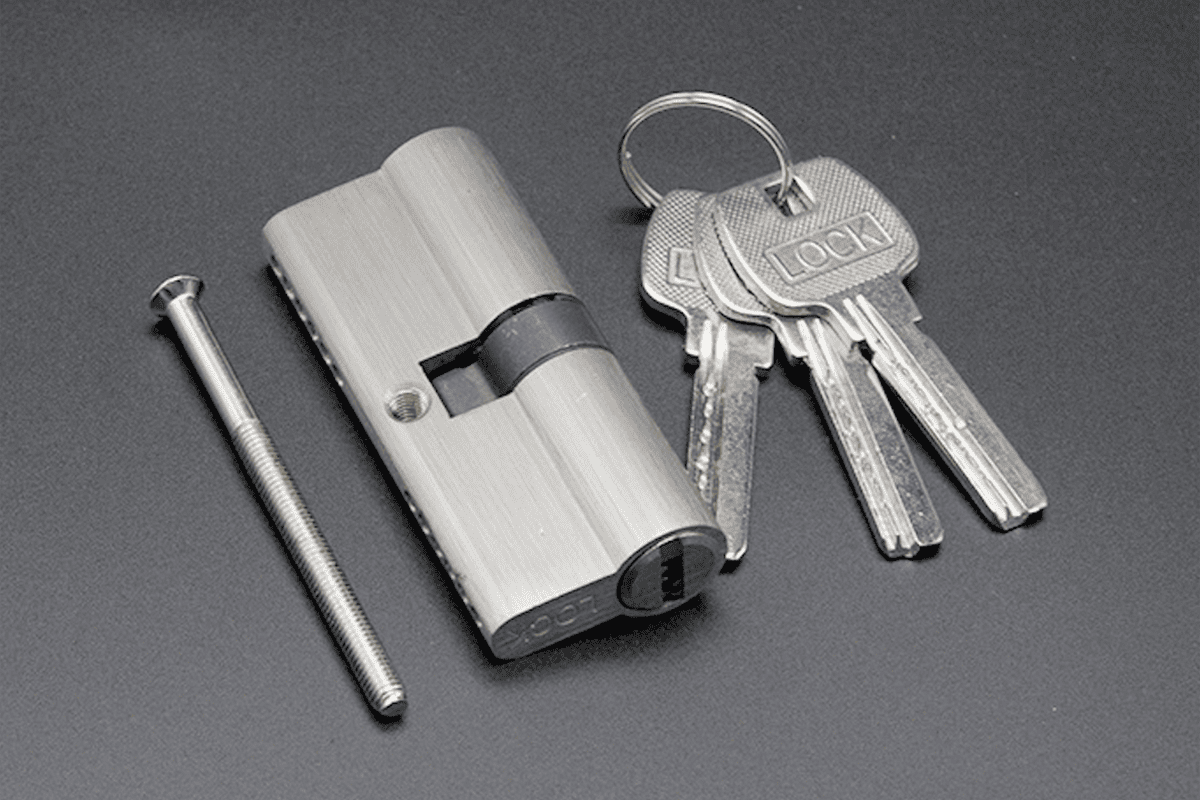
Reframe Material as an Application Question
A cylinder used on a dry internal office door does not face the same conditions as a cylinder used near a humid loading area, chemical storage area, or dusty workshop.5 The correct material and finish should reflect the operating environment.
Common evaluation factors include:
- Humidity and corrosion exposure
- Dust, sand, or production particles
- Opening frequency
- Door location
- Required finish appearance
- Key duplication control
- Maintenance access
- Target project budget
- Expected lifecycle
For example, some customers in coastal or humid markets pay more attention to corrosion resistance and stable surface treatment. Buyers in dry indoor projects may focus more on cost, key system planning, and compatibility. Neither approach is wrong. The project condition decides the priority.
Common Material and Feature Considerations
| Evaluation Area | What Buyers Should Check | Why It Matters |
|---|---|---|
| Body material | Brass, zinc alloy, stainless steel, or project-specified option | Affects strength, machining, cost, and corrosion behavior6 |
| Plug and pins | Internal structure and precision | Affects smooth key operation and wear resistance |
| Finish | Nickel, brass, satin, black, or custom finish | Affects appearance and corrosion performance |
| Key control | Standard key, restricted keyway, master key option | Affects access management |
| Cylinder length | Door thickness and hardware set | Affects installation and operation |
| Certification documents | CE or fire-rated documents where applicable | Buyers should verify relevance to the full door set |
At SDH Hardware, we manufacture and supply architectural door hardware for B2B projects. Our product range includes Euro mortise locks, stainless steel lever handles, butt hinges, concealed hinges, Euro brass cylinders, and door accessories. In my experience, buyers get better results when they define the performance target before asking for a quote.
Security Features Should Match Risk Level
Industrial doors do not all need the same security specification. A storage room for valuable inventory needs a different cylinder strategy from a cleaning supply closet.
Security-related cylinder features may include:
- Anti-pick design
- Anti-drill components
- Anti-bump configuration7
- Complex key profile
- Restricted key duplication
- Master key compatibility
- Reinforced cylinder housing
- Protective escutcheon compatibility
However, these features should be evaluated realistically. More features may increase cost and lead time. They may also require better key management and clearer installation instructions.
Do Not Ignore Usage Frequency
High-frequency doors can expose weak cylinder choices quickly.8 A door used hundreds of times per day by staff, drivers, or maintenance teams needs stable key operation and durable internal components. If the cylinder is poorly matched, users may experience sticking, key breakage, loose rotation, or early wear.
For industrial buyers, this matters because maintenance complaints cost more than the cylinder itself. A low unit price can become expensive when it causes:
- Repeated service calls
- Door downtime
- Worker complaints
- Emergency replacement
- Unplanned spare parts demand
- Damage to the brand’s reputation
Certification and Testing Documents
For fire-rated doors or regulated projects, buyers should verify that the hardware configuration matches the project requirement. A cylinder may be part of a larger door assembly, and the relevant documents should be checked carefully.
I recommend that buyers request and review:
- Product drawings
- Material and finish specifications
- Applicable CE documents, where required
- Fire-rated certification documents, where required
- Lock body compatibility information
- Sample approval records
- Inspection reports for completed orders
This approach keeps the discussion practical. It also avoids overclaiming. A supplier should provide documents for buyer review, and the buyer or project professional should confirm whether the selected cylinder is suitable for the specific application.
When Does a Master Key System Make Lock Cylinder Management Easier?
A building with many doors can become difficult to manage if every lock cylinder has a separate key. Too many keys create confusion, slow maintenance work, and increase the risk of uncontrolled duplication. A master key system can solve part of this problem when it is planned correctly.
A master key system makes lock cylinder management easier when a building has many doors, user groups, and access levels. It allows selected keys to open multiple cylinders while other keys open only assigned doors. This helps balance convenience, security, and maintenance access in industrial and commercial projects.
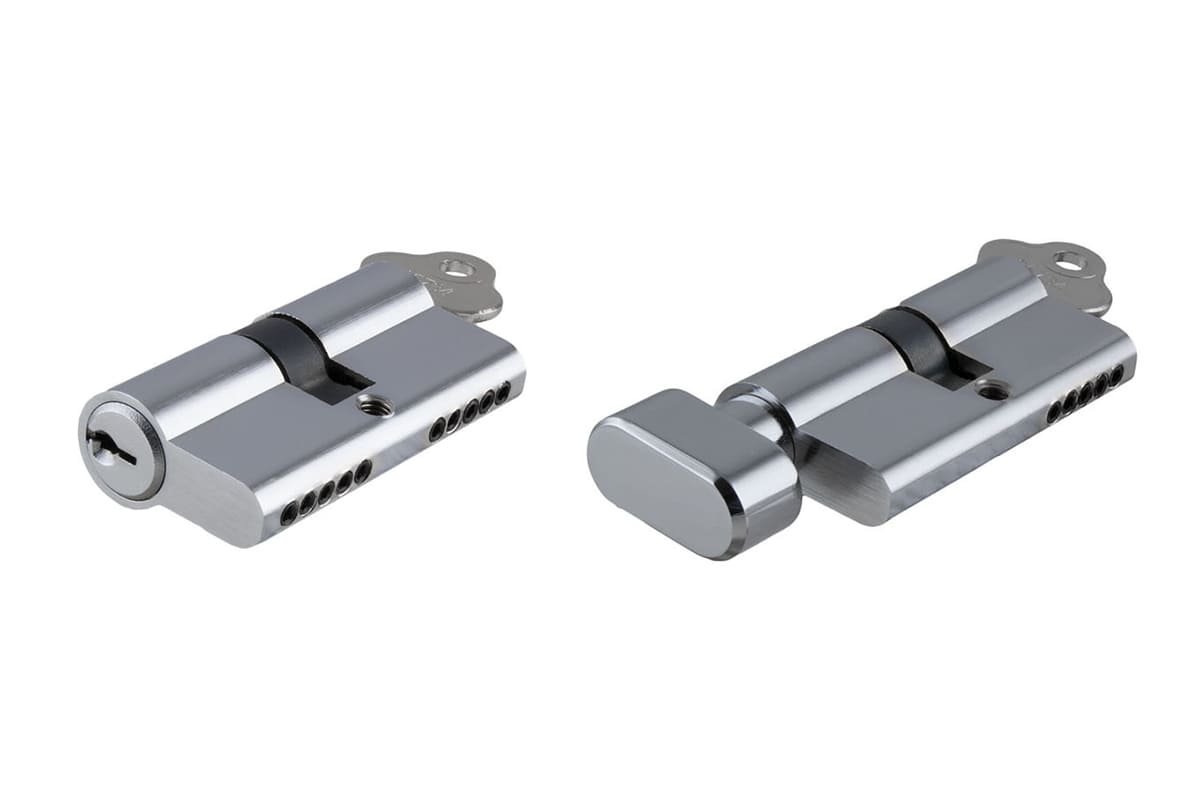
What a Master Key System Does
A master key system creates a structured access hierarchy. Instead of giving every staff member a large key ring, the building owner can organize access by role.
For example:
- A worker key may open only one workshop door.
- A supervisor key may open several department doors.
- A maintenance key may open pipe shaft and utility doors.
- A security manager key may open higher-level restricted doors.
- A master key may open all assigned cylinders within the system.
This structure can reduce key complexity while keeping different access levels.
Simple Access Structure Example
| User Group | Access Level | Example Doors |
|---|---|---|
| General staff | Limited access | Office or workshop door |
| Team leader | Department access | Office, storage, work area |
| Maintenance staff | Service access | Utility, pipe shaft, equipment room |
| Security manager | Restricted access | Security room, archive, warehouse |
| Facility manager | Master access | All approved doors in the system |
This table is simple, but real projects require careful planning. A master key system should not be created casually after the cylinders are already produced. The access plan should be confirmed before manufacturing.
Where Master Key Systems Are Useful
In many industrial building projects, master key planning is useful for:
- Factories with multiple workshops
- Warehouses with separate storage zones
- Office and production mixed buildings
- Industrial parks with many tenant areas
- Maintenance-heavy facilities
- Hardware brands selling complete door hardware packages
- Door manufacturers supplying full project sets
A well-planned system helps reduce the number of keys in circulation. It also makes it easier to replace or manage cylinders by zone.
Risks of Poor Key Planning
A master key system can also create problems if the plan is unclear. The biggest issue is uncontrolled access. If too many people receive high-level keys, the system loses value.9
Common mistakes include:
No access hierarchy
The buyer asks for a master key system but does not define user groups.Too many master keys
Convenience becomes more important than security, and access control weakens.No key record
The building team does not track who holds which key.Late design changes
The door schedule changes after the cylinders are produced.No spare cylinder plan
Replacement cylinders are needed later, but the key system records are incomplete.
What Buyers Should Confirm Before Ordering
Before producing a master key cylinder system, I prefer to confirm the door schedule and access plan in writing. This protects both the buyer and the supplier.
A useful checklist includes:
- Total number of doors
- Door numbers or room numbers
- Cylinder type for each door
- Cylinder length for each door
- User groups
- Key levels
- Number of keys per level
- Spare keys
- Spare cylinders
- Packaging labels by door number
- Logo or branding requirement
- Final project delivery schedule
For B2B buyers, this step can save a lot of time. It also helps the factory pack and label products correctly. When a door manufacturer receives cartons marked by project zone or door number, installation becomes much easier.
How Can Buyers Reduce Lock Cylinder Procurement Risks?
A lock cylinder order can fail even when the product itself is acceptable. Most problems come from unclear specifications, poor compatibility checks, weak sample approval, or missing project documents. Industrial buyers can reduce these risks by treating cylinder purchasing as a configuration process, not only a price negotiation.
Buyers can reduce lock cylinder procurement risks by confirming door function, lock body compatibility, cylinder length, key system, material, finish, certification documents, samples, packaging, and inspection steps before mass production. Clear drawings, door schedules, and written approvals help prevent installation mismatch and project delivery delays.
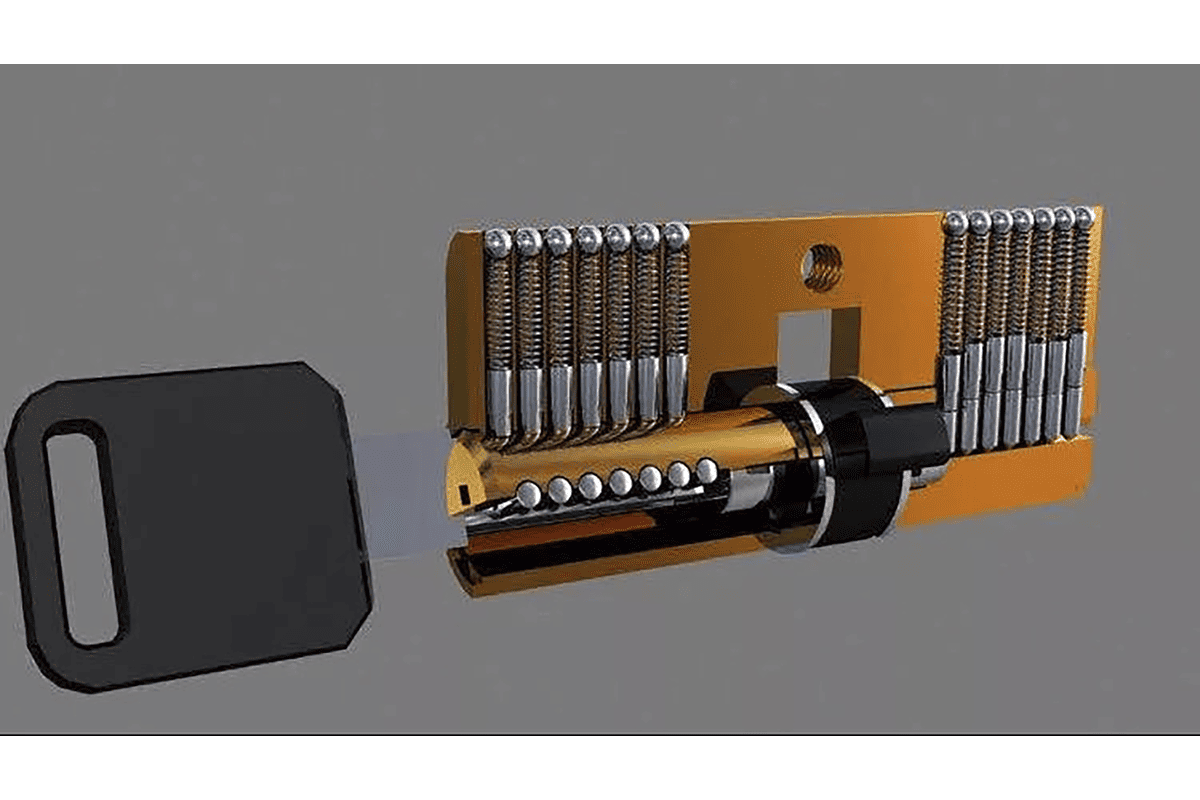
Risk 1: Installation Mismatch
Installation mismatch is one of the most common problems in hardware procurement. A cylinder may be well made, but it may not fit the selected mortise lock, handle set, or door thickness.
Buyers should confirm:
- Euro profile or other required profile
- Cylinder length, such as 30/30, 35/35, 40/40, or custom size
- Cam type
- Screw hole position
- Lock case compatibility
- Door thickness
- Escutcheon or handle plate thickness
A small difference can create a field problem. For example, a cylinder that extends too far beyond the escutcheon may look poor and may create a security concern.10 A cylinder that is too short may be difficult to operate or impossible to install.
Risk 2: Wrong Specification for Usage Frequency
Industrial buildings often have doors that are used far more often than residential doors. A staff entrance, workshop access door, or warehouse office door can see constant daily operation. If the cylinder is selected only by low price, the buyer may face early wear.
For frequent-use doors, buyers should pay attention to:
- Smooth key insertion
- Stable rotation
- Internal component quality
- Key strength
- Lock body alignment
- Door closer and hinge condition
- Proper installation
A cylinder cannot compensate for a badly aligned door. I have seen cases where the lock cylinder was blamed, but the actual issue came from door sagging, poor lock alignment, or incorrect installation. Buyers should evaluate the full door hardware set.
Risk 3: Environment-Related Failure
Industrial environments can be harsh. Dust, humidity, chemicals, and temperature changes can affect operation. In some markets, corrosion complaints are more common because hardware is installed near the sea or in high-humidity areas.
To reduce risk, buyers should define:
- Indoor or outdoor use
- Dry or humid environment
- Dust exposure
- Cleaning chemical exposure
- Required surface finish
- Maintenance schedule
- Storage condition before installation
The supplier can then recommend a more suitable material, finish, or packaging method. However, application-specific decisions should be reviewed by qualified project professionals when the environment is critical.
Risk 4: Uncontrolled Key Management
Key management is often ignored until the building is occupied. Then the facility manager discovers that too many keys exist, labels are unclear, and no one knows which key opens which door.
Good key management starts before production.
Buyers should request:
- A clear keying schedule
- Key quantity per cylinder
- Master key plan, if needed
- Door number labels
- Key tags or coding
- Spare key rules
- Replacement cylinder procedure
For brand customers and importers, this is also a service issue. A well-organized cylinder package can help their downstream customers install and manage the product faster.
Risk 5: Supplier Capability Mismatch
Not every supplier is suitable for industrial or commercial B2B cylinder orders. Some can supply standard products but struggle with customization, packaging, drawings, or inspection requirements.
When I evaluate supplier readiness, I look at:
| Supplier Capability | Why It Matters |
|---|---|
| Factory production control | Helps maintain consistency across bulk orders |
| Product drawings | Reduces misunderstanding before production |
| Sample process | Allows function and appearance approval |
| Custom length options | Supports different door thicknesses |
| Finish options | Supports regional market preferences |
| Logo and packaging service | Helps hardware brands and importers |
| Inspection process | Helps reduce shipment disputes |
| Certification documents | Supports project review and buyer verification |
At SDH Hardware, our factory-direct model supports ODM and OEM orders, one-stop sourcing, custom surface treatments, customer logos, packaging design, and finished product inspection after order completion. I mention this not as a hard sell, but because these are the practical details that often decide whether a B2B order runs smoothly.
For industrial procurement, buyers should ask suppliers for clear information before ordering. A reliable discussion usually includes drawings, samples, specifications, and inspection expectations. This is more useful than comparing unit prices alone.
Conclusion
Choosing the right lock cylinder for industrial applications starts with the door’s real function. Buyers should match cylinder type, material, security features, access management, and supplier capability to the project conditions. A key-to-key, key-to-knob, half cylinder, or master key system can all be correct when used in the right place. If you are preparing a door hardware schedule, I recommend sharing your door types, lock body drawings, cylinder lengths, finish needs, and key plan with our team at SDH Hardware so we can help review a practical factory-direct configuration.
"SECTION 087111 - DOOR HARDWARE (SCHEDULED BY ...", https://fpm.usc.edu/wp-content/uploads/2021/11/087102-USC-HSC-door-hardware-Guide-Specification_1.pdf. Door-hardware specification guidance treats each opening as a functional unit, linking lock hardware selection to the opening’s use, access requirements, and associated door assembly conditions. Evidence role: general_support; source type: institution. Supports: A neutral door-hardware or facility-design source should support that lock hardware is specified by opening function, user access needs, and door conditions rather than by cylinder type alone.. Scope note: This would provide contextual support for the selection principle, not empirical proof that every project using this sequence has fewer problems. ↩
"Decoded: NFPA 80 Requirements for Hinges, Pivots, and ...", https://idighardware.com/2016/07/decoded-nfpa-80-requirements-for-hinges/. Fire-door standards and building codes identify hardware such as locks, latches, hinges, and closers as components whose suitability must be considered within the rated door assembly. Evidence role: expert_consensus; source type: institution. Supports: A fire-door standard or building-code source should support that fire doors rely on compatible, listed, or approved hardware as part of the door assembly.. Scope note: The source would support the general requirement to verify fire-door hardware compatibility, not the suitability of any specific lock cylinder model. ↩
"CHAPTER 10 MEANS OF EGRESS", https://codes.iccsafe.org/content/IBC2021P2/chapter-10-means-of-egress. Life-safety and building-code provisions commonly require doors in a means of egress to be openable from the egress side without the use of a key, tool, or special knowledge, which contextualizes why inside key operation may be unsuitable. Evidence role: general_support; source type: institution. Supports: A building-code or life-safety source should support that egress doors generally must be operable from the egress side without a key, tool, or special knowledge, subject to exceptions.. Scope note: Code exceptions and local adoption vary, so the source would not determine compliance for a specific door without project-specific review. ↩
"Profile Cylinder | Architectural Supplier", https://www.dirock.com/Profile-Cylinder-pl45667787.html. Standards and technical references for profile cylinders describe cylinder performance and dimensional characteristics in relation to compatible locks and installed door hardware, supporting the need to verify fit before procurement. Evidence role: mechanism; source type: institution. Supports: A standards or technical source should support that profile cylinders are specified by dimensional and functional compatibility with the lock case and door hardware assembly.. Scope note: Such a source would support the compatibility principle but may not list every project-specific item, such as branding or packaging requirements. ↩
"Research reveals how humidity affects atmospheric ...", https://www.llnl.gov/article/49876/research-reveals-how-humidity-affects-atmospheric-corrosion-aluminum-metal. Research on atmospheric corrosion and tribological wear shows that moisture, chemical contaminants, and particulate matter can materially change degradation conditions for metal components. Evidence role: mechanism; source type: research. Supports: A research or technical source should support that moisture, corrosive chemicals, and particulates can alter corrosion and wear conditions for metal mechanical components.. Scope note: The source would support the environmental mechanism generally, not test the performance of a particular lock cylinder in a named facility. ↩
"Brass vs Stainless Steel: Comprehensive Comparison", https://www.partmfg.com/brass-vs-stainless-steel-comprehensive-comparison-properties-and-applications/. Engineering materials references describe brass, zinc alloys, and stainless steels as having distinct mechanical, machining, cost, and corrosion-resistance characteristics relevant to component selection. Evidence role: general_support; source type: education. Supports: An engineering materials source should support that different metals and alloys vary in mechanical properties, machinability, corrosion resistance, and cost considerations.. Scope note: The source would support material-selection factors generally, while the actual performance of a lock cylinder also depends on design, finish, tolerances, and use conditions. ↩
"Lock bumping", https://en.wikipedia.org/wiki/Lock_bumping. Research and technical analyses of pin-tumbler locks describe lock bumping as a known attack technique and discuss cylinder design measures intended to reduce susceptibility. Evidence role: mechanism; source type: paper. Supports: A security research source should support that bumping is a known attack method against some pin-tumbler locks and that design countermeasures are used to reduce vulnerability.. Scope note: The source would support the existence of the attack and mitigation category, not certify that any specific cylinder is resistant to bumping. ↩
"Guide to EN 1303:2015 - Cylinders for Locks Coding System", https://www.dirock.com/Guide-to-EN-1303-2015-Cylinders-for-Locks-Coding-System-id44113496.html. Cylinder-lock standards include durability classifications based on repeated operating-cycle tests, supporting the view that high-use doors require attention to cylinder durability. Evidence role: general_support; source type: institution. Supports: A lock-cylinder standard should support that cylinder durability is evaluated through repeated operating-cycle testing and classified by performance.. Scope note: Cycle-test classifications provide a proxy for durability and do not account for every field condition, such as poor alignment or contamination. ↩
"Key Policy and Procedures - Facilities Management", https://facilities.uky.edu/key-policy-and-procedures. Key-control policies commonly require restricted authorization, issuance records, and accountability for master keys because such keys provide broad access across multiple secured areas. Evidence role: general_support; source type: government. Supports: A key-control policy source should support that master keys require limited authorization, accountability, and tracking because they provide broad access.. Scope note: The source would support the general security-management principle, not quantify the exact number of high-level keys that becomes excessive. ↩
"Euro-cylinder advice", https://www.westyorkshire.police.uk/advice/home-security/home-security/euro-cylinder-advice. Building-security guidance notes that exposed or excessively projecting cylinders can increase vulnerability to physical attack, supporting the need to size cylinders relative to escutcheons or protective hardware. Evidence role: mechanism; source type: government. Supports: A police or building-security guidance source should support that excessive Euro cylinder projection can increase vulnerability to physical attack and should be controlled by correct sizing and protective furniture.. Scope note: The source would support the installation-risk mechanism, while actual resistance depends on the cylinder standard, door furniture, and attack method. ↩