
Floor Spring Selection Guide for Glass and Heavy Doors
A floor spring can look like a small item in a glass door system, but a poor match can create unstable closing, noisy operation, and after-sales disputes1. I have seen buyers focus only on rated load, then struggle later. This guide gives a practical selection method for safer B2B purchasing decisions.
A good floor spring selection guide starts with the whole door system: door weight, width, height, traffic level, Hold-Open or Non Hold-Open function, spindle type, and patch fitting compatibility. For glass and heavy doors, the best choice is not always the highest load model; it is the model that matches the full application.
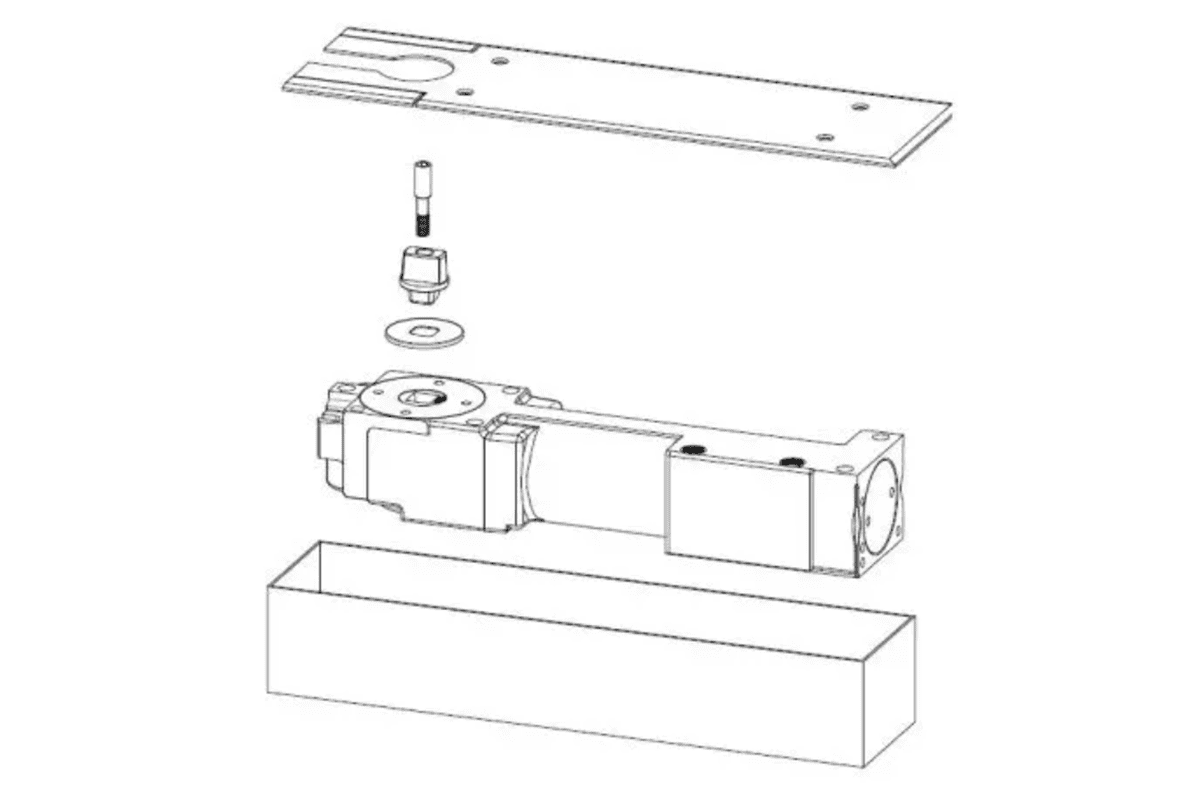
When I help door factories or hardware wholesalers review floor-mounted door closer options, I usually begin with the door itself. The floor spring is only one part of the system. The door leaf, bottom patch fitting, spindle connection, and user behavior all affect the final result.
How Should I Start a Floor Spring Selection Guide for a Project?
Many buyers start with one question: “How many kilograms can this floor spring carry?” That question is useful, but it is incomplete. If I stop there, I may miss the door width, user frequency, and glass hardware compatibility that decide long-term stability.
A practical floor spring selection guide should begin with six project details: door weight, door width, door height, door material, opening frequency, and required function. After that, I check spindle type, bottom patch fitting compatibility, installation space, and whether the door needs Hold-Open or Non Hold-Open operation.
I First Define the Door Application
I like to separate floor spring projects into simple application groups before I compare models. This avoids a common mistake: treating a light frameless glass office door the same as a wide, heavy commercial entrance door.
Typical project groups include:
- Single glass doors in offices, showrooms, or shops
- Double glass doors in commercial building entrances
- Heavy framed doors in high-traffic buildings
- Wide decorative doors where width creates extra stress
- Doors requiring 90° Hold-Open for customer flow or ventilation
- Doors requiring automatic return from any angle for controlled closing
For each group, I check the real working condition. A door in a private office may open a few dozen times per day. A door at a retail entrance may open hundreds or thousands of times per day.2 Even when the door weight is similar, the floor spring requirement can be very different.
Basic Project Data I Ask Buyers to Provide
I normally ask customers for a short technical checklist before I recommend a model. This checklist helps both sides reduce misunderstanding.
| Selection Item | Why I Check It | Example Buyer Input |
|---|---|---|
| Door weight | Confirms minimum load capacity | 80 kg glass door |
| Door width | Affects leverage and closing stability | 900 mm or 1100 mm |
| Door height | Affects wind pressure and door balance | 2100 mm or 2400 mm |
| Door type | Determines fitting and spindle needs | Frameless glass door |
| Usage frequency | Affects durability margin | Low, medium, high traffic |
| Hold-Open need | Defines door control function | Hold open at around 90° |
| Patch fitting | Confirms glass hardware connection | Bottom patch fitting required |
| Spindle type | Ensures mechanical compatibility | Standard or special spindle |
I prefer to select with margin, not just select at the edge of the rated capacity.
For B2B buyers, this approach also protects the sales channel. A floor spring that barely meets the door weight may pass a basic quotation review. However, it may create complaints later if the door is wide, used often, or installed in a demanding location. In wholesale and brand supply, after-sales risk often costs more than the price difference between two models3.
Should I Choose a Hold-Open or Non Hold-Open Floor Spring?
A buyer may choose the correct load range but still choose the wrong function. This is a common problem. If the door should stay open at around 90° but the selected model returns automatically, users complain. If the door should close from every angle but it holds open, safety and access control may suffer.
A Hold-Open floor spring normally keeps the door open at a designed angle, often around 90°.4 A Non Hold-Open floor spring is designed to return the door smoothly from any opening angle.5 I choose between them based on traffic flow, safety expectations, door control requirements, and the building’s usage scenario.
I Treat Function as a Usage Decision, Not a Small Detail
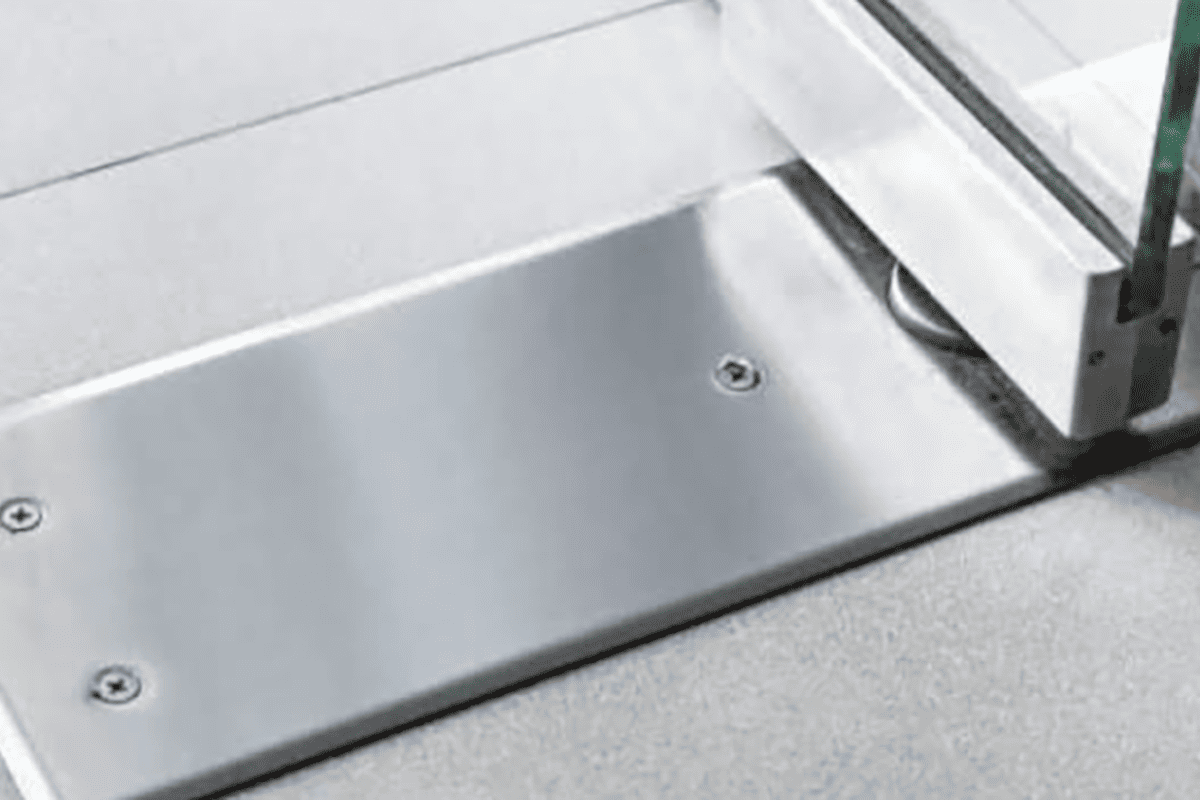
Hold-Open and Non Hold-Open models may look similar from outside. The box may be similar. The installation area may also be similar. However, the user experience is different.
Hold-Open floor spring models are often selected when users need the door to stay open for convenience. For example, a showroom may keep a glass door open during business hours. A hotel lobby may use hold-open function during high traffic periods. In many markets, buyers expect the door to remain at around 90° when pushed open.
Non Hold-Open floor spring models are selected when the door should return automatically and consistently. For example, an office area may need the door to close after each user. A controlled access door may not be suitable for hold-open behavior.6 Some projects also prefer Non Hold-Open because open doors may block passage, affect air conditioning, or create management issues.
Simple Comparison Table
| Feature | Hold-Open Floor Spring | Non Hold-Open Floor Spring |
|---|---|---|
| Door behavior | Holds open at a set angle, often around 90° | Returns from different opening angles |
| Common use | Shops, showrooms, lobbies, public entrances | Offices, controlled areas, doors needing regular closure |
| Main benefit | User convenience and traffic flow | Better automatic closing control |
| Main risk if misused | Door may stay open when closure is needed | Users may complain if they expect hold-open |
| Selection note | Confirm hold-open angle and project requirement | Confirm closing speed and user expectation |
I Also Consider Door Weight and User Behavior
For heavy doors, I do not decide function only by customer preference. I also consider the stress on the floor-mounted closer and the way people use the door. Heavy doors may be pushed harder. Wide doors may create more torque. High-traffic doors may require better selection margin.
I have seen buyers say, “We need Hold-Open because the market usually sells that.” That may be true for some retail markets. However, I still ask where the door will be installed. A hardware wholesaler may stock both types because customer needs vary by region and project.
For door factories and hardware brands, I recommend documenting the function clearly in sales materials:
- Hold-Open or Non Hold-Open
- Recommended door weight range
- Recommended door width range
- Spindle type
- Compatible bottom patch fitting
- Installation instructions
- Maintenance notes
This documentation helps reduce disputes. Many after-sales problems come from unclear expectations, not only product defects.
Why Are Door Weight, Width, Height, and Traffic Important in Floor Spring Selection?
It is tempting to choose a floor spring by maximum load only. That approach looks fast, especially for wholesalers preparing a price list. However, it can create real problems. A door may fall within the weight rating but still close poorly because it is too wide, too tall, or used too frequently.
Door weight, width, height, and traffic level all affect floor spring performance. Weight shows vertical load, while width and height affect leverage, wind pressure, and door balance.7 Opening frequency affects wear risk.8 I recommend choosing a model with enough margin instead of selecting only by the highest published load number.
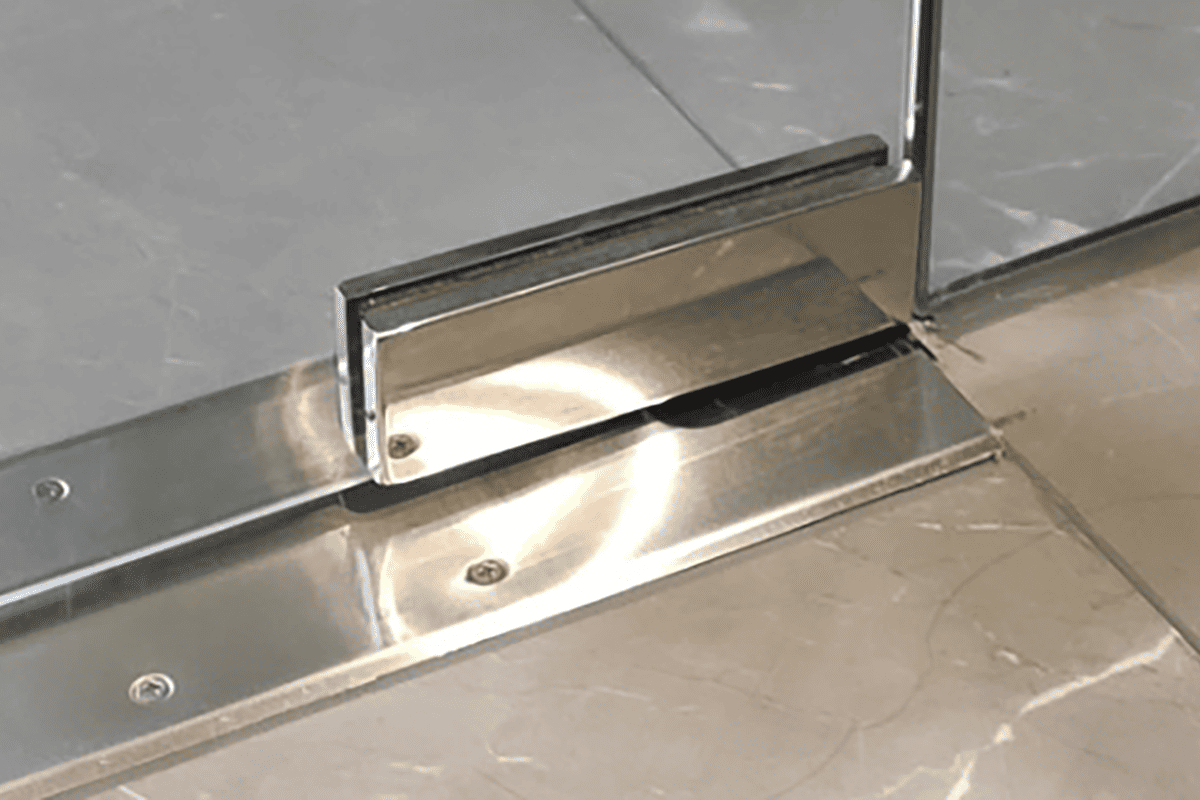
I Look at Load Capacity as the Starting Point
Rated load matters. I never ignore it. If the door is heavier than the model’s recommended range, the buyer should not select that model. However, I treat the load rating as the first filter, not the final answer.
A 100 kg glass door with a standard width may perform differently from a 100 kg glass door with extra width. The wider door creates more leverage on the pivot and closing mechanism.9 The user also feels the difference when pushing the door. Over time, this can affect closing stability and hardware wear.
Door Width Often Creates Hidden Risk
Door width is one of the most underestimated selection points. In simple terms, a wider door acts like a longer lever. Even if the weight looks acceptable, the floor spring may experience more stress during opening and closing.
For example:
- A 900 mm wide door may be suitable for many standard commercial glass door applications.
- A 1100 mm wide door may require a stronger or more suitable model, even if the weight is not extremely high.
- A very wide entrance door may need special review, especially in windy locations or high-traffic areas.
I avoid giving one universal rule because every manufacturer’s model range is different. Instead, I ask buyers to compare the door width with the supplier’s recommended range and leave selection margin.
Door Height and Site Conditions Also Matter
Tall glass doors can face more air pressure and movement.10 If the entrance is exposed to wind, air conditioning pressure, or frequent pushing, the door may not behave like a standard indoor door. I recommend that buyers discuss site conditions with installers and qualified professionals when the project is complex.
Here is a practical evaluation table I often use during early selection:
| Factor | Low Risk Example | Higher Risk Example | My Selection Response |
|---|---|---|---|
| Door weight | Within middle of model range | Near maximum rating | Choose higher margin |
| Door width | Standard width | Extra wide door | Review stronger model |
| Door height | Normal interior height | Tall entrance door | Check balance and site conditions |
| Traffic | Private office | Shopping mall entrance | Select for frequent use |
| Environment | Indoor stable area | Windy entrance | Ask for technical review |
| Installation | Skilled installer | Unknown installation quality | Provide clear drawings and guidance |
Usage Frequency Affects Long-Term Satisfaction
For B2B customers, high traffic is not just a technical issue. It is also a business risk. A floor spring in a busy entrance may receive much more use than one in a low-traffic room. If the product is underspecified, complaints may appear faster.
I recommend that buyers describe traffic level in simple categories:
- Low traffic: private rooms, small offices, limited daily use
- Medium traffic: common office areas, small shops, standard commercial doors
- High traffic: shopping malls, hotels, public buildings, busy entrances
If a customer cannot estimate exact cycles, this simple classification still helps. It gives the supplier enough context to avoid a model that is too light for the application.
How Do Patch Fittings, Spindle Type, and Bottom Patch Fitting Affect Floor Spring Selection?
Glass door buyers sometimes select the floor spring first and the patch fitting later. That sequence can create compatibility problems. The door closer may be suitable by load, but the spindle may not match the bottom patch fitting. Then installation becomes difficult, delayed, or unreliable.
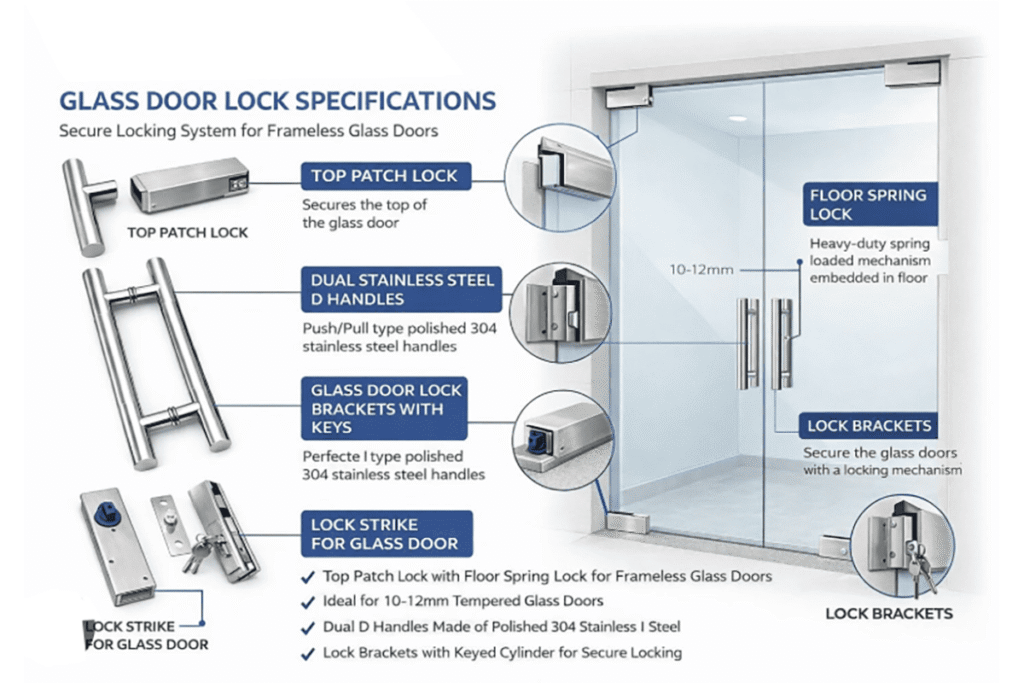
For frameless glass doors, the floor spring must match the patch fitting system, especially the bottom patch fitting. The connection depends on the spindle shape, spindle size, and fitting design.11 I always check this connection before confirming a glass door hardware combination for B2B supply.
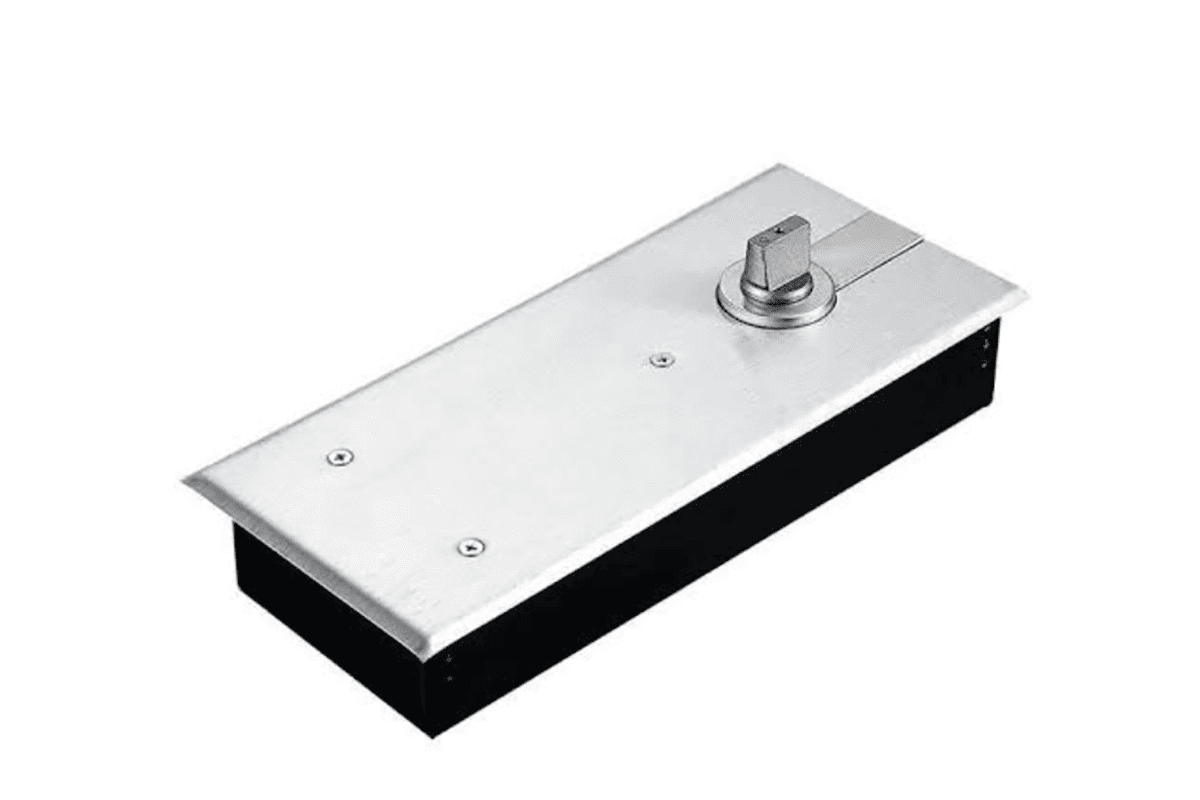
I View Glass Door Hardware as a Complete System
A frameless glass door does not connect to the floor spring directly in a simple way. It normally uses a bottom patch fitting to hold the glass and connect to the spindle. The spindle transfers movement between the door and the floor-mounted closer. If this connection is wrong, the complete door system may fail to perform well.
The main matching points include:
- Spindle shape
- Spindle size
- Bottom patch fitting design
- Glass thickness
- Door weight and width
- Top pivot or top patch fitting
- Door gap and floor box installation position
Common Compatibility Issues I Watch For
I have seen several practical issues during supply discussions. They are not always dramatic, but they can delay projects.
| Issue | Possible Cause | Buyer Risk |
|---|---|---|
| Bottom patch fitting does not fit spindle | Different spindle standard | Installation delay |
| Door sits incorrectly | Wrong fitting or positioning | Poor alignment |
| Closing feels unstable | Incompatible hardware combination | Customer complaint |
| Glass fitting requires modification | Incorrect early selection | Extra labor cost |
| Replacement is hard | Non-standard matching | After-sales burden |
For wholesalers, compatibility is especially important because they may sell floor springs and patch fittings as separate SKUs. If sales staff mix parts incorrectly, the end customer blames the brand, not the individual component.
I Recommend Confirming the Hardware Combination Before Bulk Orders
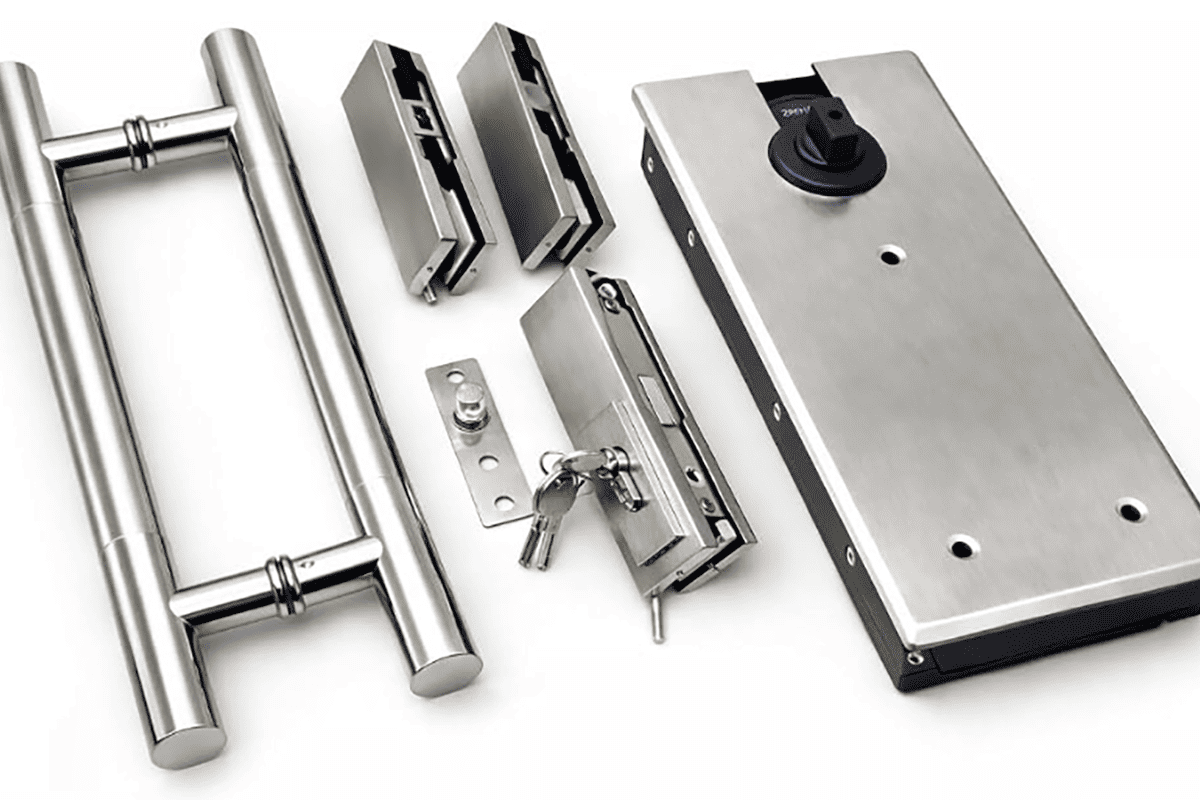
Before a buyer places a bulk order, I suggest confirming at least one complete set:
- Floor spring body
- Cover plate
- Spindle
- Bottom patch fitting
- Top patch fitting or pivot
- Glass thickness requirement
- Door dimensions
- Installation drawing
If the customer already has a patch fitting system, I ask for photos, drawings, or samples. If the customer needs one-stop sourcing, I recommend matching the floor spring and glass door fittings together. This is usually safer for door factories, brand companies, and wholesalers because the complete set can be checked before shipment.
At SDH Hardware, we supply a broad range of architectural door hardware, so I often think in terms of “system matching.” I do not want a buyer to receive a strong floor spring but a mismatched bottom patch fitting. That kind of problem is avoidable with early communication.
Glass Thickness and Door Design Should Not Be Assumed
Many frameless glass doors use common glass thicknesses, but I do not assume every market uses the same specification. Some projects use thicker glass, laminated glass, or special decorative glass. These details can change hardware requirements.
I also recommend checking whether the door is single-action or double-action, and whether the building requires specific safety or fire-related documentation. If certification is important for the project, buyers should request copies of relevant documents from the supplier and verify that they apply to the exact product and application.
How Should B2B Buyers Evaluate a Floor Spring Supplier and Reduce After-Sales Risk?
A cheap floor spring can become expensive if it causes complaints, returns, or brand damage. For B2B buyers, the main issue is not one failed unit. The larger risk is unstable batch quality, unclear matching guidance, and slow support when a project has installation problems.
B2B buyers should evaluate a floor spring supplier by product consistency, selection support, hardware matching ability, inspection process, documentation, customization options, and after-sales response. I recommend choosing suppliers who can discuss door size, function, spindle compatibility, and patch fitting requirements before quoting only by price.
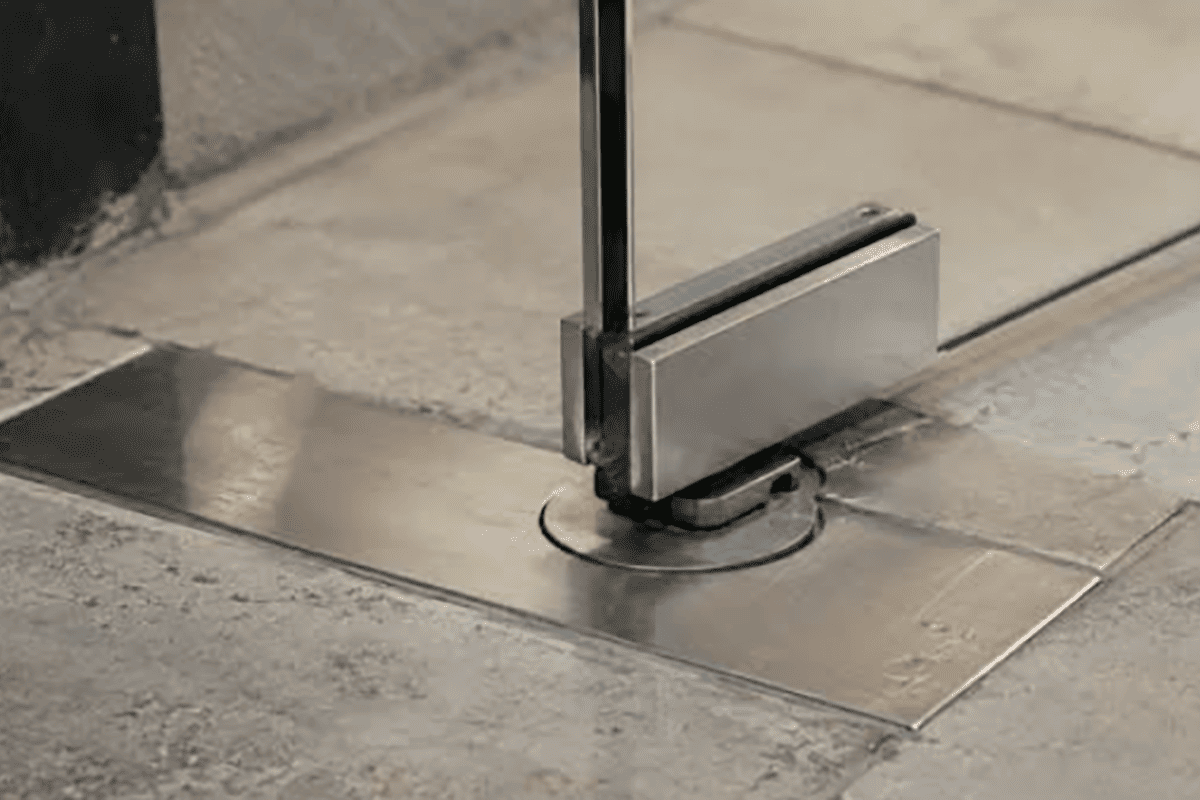
I Separate Product Price from Total Risk
Price matters in wholesale and OEM supply. I understand that clearly. However, the lowest unit price may not be the lowest total cost. If a door closer fails to return smoothly, if users complain about closing speed, or if installers cannot match the spindle to the patch fitting, the buyer pays in other ways.
Possible hidden costs include:
- Replacement product cost
- Extra installer labor
- Freight for returns or urgent shipments
- Customer service time
- Lost trust from distributors
- Damage to the buyer’s private label brand
- Project delay penalties in some commercial jobs
That is why I prefer to evaluate the supplier’s technical communication before order confirmation.
Supplier Evaluation Checklist
Here is a practical checklist I suggest for door factories, hardware brands, and bulk wholesalers.
| Evaluation Area | What I Ask | Why It Matters |
|---|---|---|
| Product range | Do they offer different load and function models? | Supports multiple market needs |
| Hold-Open options | Do they clearly separate Hold-Open and Non Hold-Open? | Prevents function mismatch |
| Matching hardware | Can they supply or confirm patch fittings? | Reduces glass door compatibility risk |
| Drawings | Can they provide product drawings after confirmation? | Helps installers and buyers |
| Customization | Can they adjust surface, logo, packaging, or accessories? | Supports brand and project needs |
| Inspection | Do they check finished products before shipment? | Improves batch consistency |
| Documentation | Can they provide relevant certificates or reports for verification? | Supports procurement review |
| Communication | Do they ask about door details before recommending? | Shows practical selection ability |
I Look for Manufacturing Discipline
As a China-based architectural door hardware manufacturer, SDH Hardware works with door factories, hardware brand enterprises, and bulk wholesalers. From this factory-side perspective, I pay attention to process control because door hardware must be consistent across batches.
For floor springs and related door control hardware, buyers should ask about:
- Raw material screening
- Machining and assembly control
- Finished product inspection
- Packaging protection
- Batch traceability where available
- Clear installation and matching information
I also recommend that buyers verify product certificates, test reports, and compliance documents directly. Certifications should be treated as documents for procurement review, not as a substitute for application-specific evaluation. For important projects, qualified professionals should confirm whether the selected product is suitable for the door, site, and local requirements.
OEM and Stocking Decisions Need Different Logic
A door factory may buy for a specific project. A wholesaler may buy for stock. These two situations need different selection strategies.
For project supply, I recommend choosing the floor spring based on the exact door data. For wholesale stocking, I recommend building a balanced product range:
- A standard model for common glass doors
- A heavier-duty model for wider or heavier doors
- Hold-Open and Non Hold-Open options
- Matching bottom patch fittings
- Clear packaging labels
- Simple selection chart for sales teams
This structure helps wholesalers reduce wrong recommendations. It also helps hardware brands train distributors more easily.
Frequently Asked Questions
What is the most important factor when selecting a floor spring?
The most important factor is the full door condition, not only door weight. I check door weight, width, height, traffic level, Hold-Open or Non Hold-Open function, spindle type, and bottom patch fitting compatibility before recommending a model.
Can I use the same floor spring for all glass doors?
I do not recommend using one floor spring for all glass doors. Glass doors vary by weight, width, height, thickness, traffic level, and patch fitting design. A standard model may work for many doors, but heavy or wide doors need closer review.
What is the difference between Hold-Open and Non Hold-Open floor springs?
A Hold-Open model usually keeps the door open at a set angle, often around 90°. A Non Hold-Open model returns the door from different opening angles. I choose based on traffic flow, safety needs, and user expectations.
Why does the bottom patch fitting matter?
The bottom patch fitting connects the glass door to the floor spring through the spindle. If the spindle and bottom patch fitting do not match, installation can fail or door movement can become unstable. I always confirm this connection before bulk supply.
Should buyers ask for certificates before ordering?
Yes. Buyers should request and verify relevant certificates, reports, and product documents when the project requires them. I also suggest confirming that the documents apply to the exact model and intended application, rather than relying only on general claims.
Conclusion
A floor spring is not just a load-bearing item. It is part of a complete door control system. I recommend selecting by door weight, width, height, traffic level, Hold-Open or Non Hold-Open function, spindle connection, and bottom patch fitting compatibility. For B2B buyers, this careful process reduces complaints, returns, and brand risk. If you need support, send SDH Hardware your door weight, width, height, door type, patch fitting requirement, function preference, and usage frequency, and we can help recommend a suitable floor spring and matching hardware combination.
"5 Signs Your Door Closer Needs Repair or Replacement", https://www.yalehome.com/ae/en/stories/blogs/5-signs-your-door-closer-needs-repair-or-replacement. A technical or standards-based source on door closers supports that closing performance depends on appropriate closer selection, installation, and adjustment; this provides contextual support for linking a mismatched floor spring to unstable or noisy operation, although it may not directly document after-sales disputes. Evidence role: general_support; source type: institution. Supports: Door closer performance depends on correct selection, installation, and adjustment, and poor matching can contribute to closing and maintenance problems.. Scope note: Contextual support; the source may address technical failure modes rather than commercial dispute outcomes. ↩
"Commercial Door Demand by Building Type | Principia", https://www.principiaconsulting.com/2026/04/30/why-interior-exterior-and-overhead-commercial-doors-tell-very-different-market-stories/. Studies of pedestrian movement or building entrance use can document that traffic intensity varies markedly by occupancy type, supporting the claim that private offices and retail entrances impose different daily operating demands on door hardware. Evidence role: statistic; source type: research. Supports: Pedestrian and door-use frequency differs substantially between low-use office spaces and high-traffic commercial entrances.. Scope note: Contextual support; available studies may report pedestrian counts rather than exact floor spring operating cycles. ↩
"Cost of Poor Quality: How to Calculate and Reduce COPQ", https://www.jamasoftware.com/blog/cost-of-poor-quality/. Research and quality-management literature on the cost of poor quality identifies warranty claims, rework, returns, and customer-service effort as downstream failure costs, providing contextual support for evaluating floor spring purchases by total risk rather than unit price alone. Evidence role: general_support; source type: research. Supports: Quality failures can create downstream costs such as warranty, rework, returns, and customer-service expenses that may outweigh initial purchase-price savings.. Scope note: Contextual support; the source may discuss general manufacturing or procurement costs rather than floor springs specifically. ↩
"Hold-Open vs Non-Hold-Open Door Closers", https://www.cdfdistributors.com/blog/post/hold-open-vs-non-hold-open-door-closers-which-is-right-for-your-business?srsltid=AU7gw4UfUPkYmRGjE4xzpjbpcdvH4g3uVJwMu2GQqaQ124c1wW_r-6Mv. Door-control standards and technical guidance define hold-open function as the ability to retain a door in an open position, supporting the article’s description of a hold-open floor spring as one that holds the door at a designed angle. Evidence role: definition; source type: institution. Supports: Hold-open door control devices keep a door in an open position at a specified angle or position.. Scope note: Contextual support; the exact hold-open angle may vary by product and installation. ↩
"Door closer", https://en.wikipedia.org/wiki/Door_closer. Standards for controlled door closing devices describe the basic function of returning a door to the closed position, supporting the distinction between non-hold-open closers and hold-open models. Evidence role: definition; source type: institution. Supports: Controlled door closing devices are designed to return doors to the closed position, while hold-open function is a separate feature.. Scope note: Contextual support; the phrase 'from any opening angle' may depend on the model’s specified operating range. ↩
"REQUEST FOR PROPOSALS", https://www.pendercountync.gov/DocumentCenter/View/3461/RFP-25-283--Physical-Security-Cameras-and-Door-Access-Control. Government or institutional physical-security guidance commonly treats door closure and latching as necessary to maintain access control, supporting the caution that hold-open behavior may be unsuitable for controlled access doors. Evidence role: general_support; source type: government. Supports: Access-controlled openings typically rely on doors returning to the closed and latched position to maintain security.. Scope note: Contextual support; suitability depends on the specific access-control design, monitoring, and local code requirements. ↩
"Ever wonder why door handles are always far from the hinge ...", https://www.instagram.com/reel/DJ8Gvc4Cse4/?hl=en. Engineering sources on torque and wind loading support that door width changes the lever arm acting on pivots and closers, while door height and exposed area influence wind-related forces on the door leaf. Evidence role: mechanism; source type: education. Supports: Mechanical leverage increases with distance from the pivot, and wind pressure on doors is related to exposed area and site conditions.. Scope note: Contextual support; the source may explain the underlying physics rather than provide floor spring selection thresholds. ↩
"A Quick Guide to Door Closer Grades", https://www.nortonrixson.com/content/norton-rixson/us/en/resources/knowledge-center/commercial-door-controls-blog/blog-post.aehdynamic-a-quick-guide-to-door-closer-grades-63124c3c913395004d7520ac_norton_rixson.html. Door-closer standards use repeated-cycle durability testing as a performance criterion, supporting the article’s claim that higher opening frequency increases the importance of selecting a closer with adequate durability margin. Evidence role: general_support; source type: institution. Supports: Door closer durability is commonly evaluated through repeated-cycle testing, indicating that operating frequency is relevant to product life and selection.. Scope note: Contextual support; cycle-test ratings do not directly predict service life in every installation environment. ↩
"What is a Moment?", https://web.mit.edu/4.441/1_lectures/1_lecture5/1_lecture5.html. Introductory engineering mechanics texts define torque as the product of force and lever arm distance, supporting the explanation that a wider door can impose greater moment on pivots and closing mechanisms. Evidence role: mechanism; source type: education. Supports: Torque about a pivot equals force multiplied by the perpendicular distance from the pivot, so increasing door width can increase the moment on door hardware.. ↩
"Garage Doors are Pressure Rated", https://basc.pnnl.gov/resource-guides/garage-doors-are-pressure-rated. Building-science and wind-load guidance explains that pressure acting over a door surface produces force on the opening, providing contextual support for considering tall glass doors and exposed entrances differently from standard interior doors. Evidence role: mechanism; source type: government. Supports: Wind and pressure differentials impose loads on building openings, and larger door surfaces may experience greater resultant forces.. Scope note: Contextual support; actual pressure effects depend on site exposure, door area, building design, and local wind conditions. ↩
"Glass Patch Fittings for Frameless Glass Doors", https://www.allwinhardware.com/blog/what-is-a-glass-patch-fitting-benefits-of-patch-fitting-glass-doors-for-homes-and-offices. Technical documentation for frameless glass door hardware describes the spindle interface between the floor closer and bottom patch fitting, supporting the claim that spindle shape, size, and fitting design determine compatibility. Evidence role: mechanism; source type: institution. Supports: Patch fittings and floor springs connect through a spindle interface, making spindle dimensions and fitting design relevant to compatibility.. Scope note: Contextual support; dimensions and interface standards vary by manufacturer and product series. ↩
