
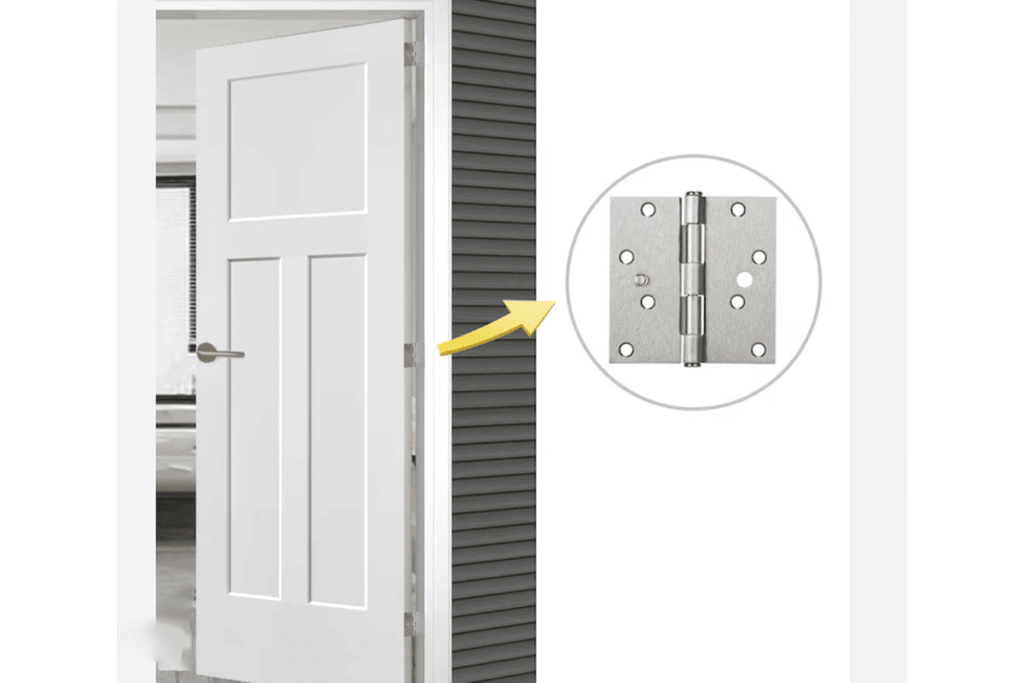
Single Action vs Double Action Spring Hinges: Which One Does Your Door Need?
Selecting between single action vs double action spring hinges can feel tricky when a project is on a deadline. The problem is not hinge “strength” but movement. If you mismatch movement and hinge type, you risk callbacks. The fix is simple: confirm how the door must swing, then choose the spring hinge that matches.
Use single action spring hinges when the door swings one way and must self-close. Use double action spring hinges when the door needs to swing both ways and return to the center closed position. Match the hinge’s size, material, and tension range to the door’s weight, width, and installation conditions, and verify performance with samples before ordering.
If you only remember one rule, remember movement. In pre-sales conversations at SDH Hardware, I always start there. Then I confirm door weight, width, material, frame structure, and hinge quantity. The right type is only the beginning; the correct specification and installation make the difference in real projects.
How do single action vs double action spring hinges control door movement?
A vague hinge brief often leads to rework. Teams ask for “stronger hinges” when the real issue is the movement profile. The wrong spring type can’t be tuned into the right behavior. Start with the swing path and return behavior, then everything else follows.
Single action spring hinges close a one-way swinging door back to the stop. Double action spring hinges let a door swing both ways and return to center.1 If the door needs two-way traffic and a self-centering close, specify double action. If it needs one-way self-closing to the frame, specify single action.
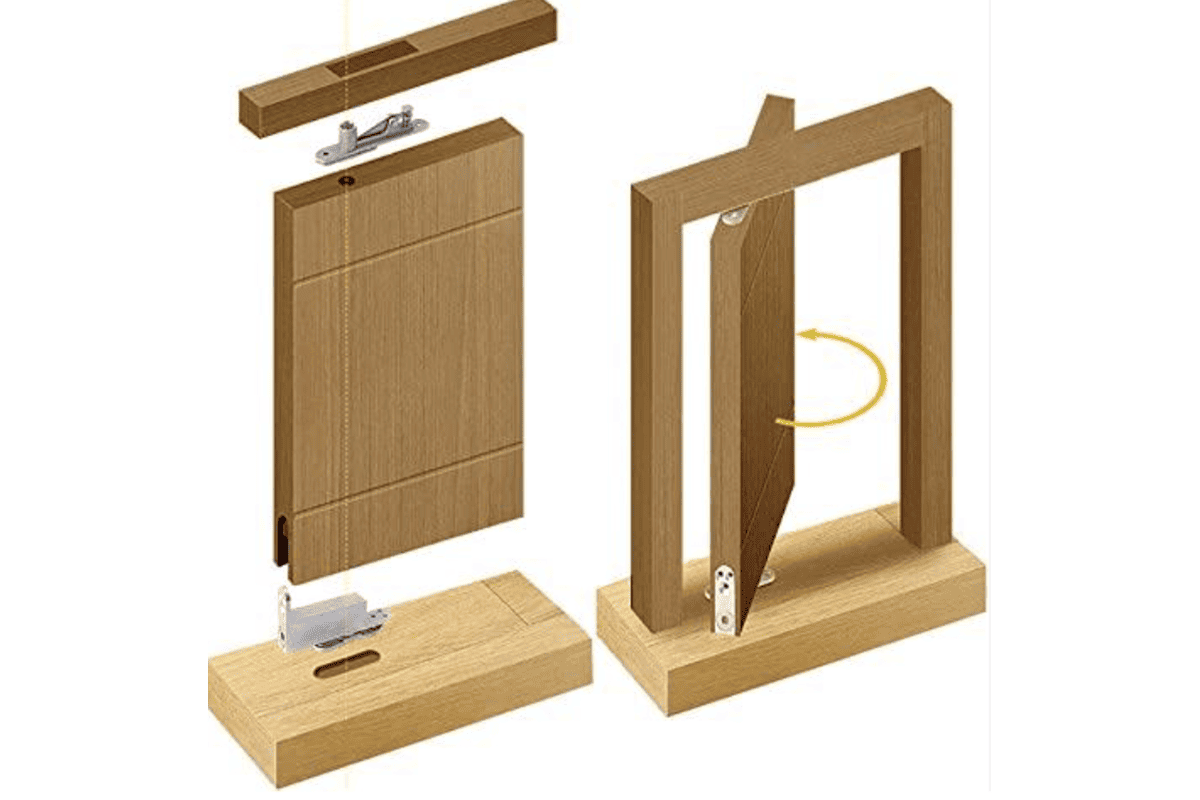
Mechanics in plain terms
Single action spring hinges
- The door swings in one direction only.
- The spring applies closing torque back to the stop.
- Good for doors that need to latch or rest against a frame.
Double action spring hinges
- The door swings both directions.
- Springs on both knuckles return the door to center.
- Good for batwing, saloon, or kitchen traffic doors where no latch engages.
In my last discussion with a restaurant fit-out supplier, the front-of-house door needed one-way swing to a closer and latch, while the kitchen pass-through needed two-way flow and center return. We supplied single action spring hinges for the front and double action for the pass-through. The movement dictated everything.
Key differences buyers should anchor on:
End position
- Single action: against the stop.
- Double action: centered, not latched.
Hardware stack
- Single action can pair with a latch and even a closer in light-use scenarios.
- Double action usually runs latchless; hardware focuses on traffic flow.
Tension tuning
- Single action: adjust preload to achieve firm close without slam.
- Double action: balance both sides for smooth centering.
Always verify required behavior on a sample door set before releasing bulk orders. A quick in-house mock-up can save a container of returns.
When should I specify single action spring hinges?
It is easy to over-specify a closer where a single action spring hinge is enough. But it is also easy to under-specify and lose control of the close. You need a hinge that closes predictably to the stop without slamming and matches the door and frame.
Use single action spring hinges for doors that open one way and must self-close to a stop or latch. Typical examples include light-duty access panels, some furniture or cabinet doors, and certain interior doors where a closer is not required. Confirm door size, weight, hinge count, and material before selection.

Practical guidance for single action hinges
Single action spring hinges are designed to replace or complement the closing force traditionally supplied by a door closer in lighter applications. They are most effective when:
- The door swings in one direction only.
- The door needs to return firmly to the frame or latch.
- The project does not demand controlled closing speed like a hydraulic closer provides.2
- The door leaf weight and width fall within the hinge’s tested range.
- The frame and reveal allow proper leaf clearances for standard butt mounting.
Examples:
- Utility or service room doors without closer requirements.
- Light access hatches or wardrobe-style doors in commercial interiors.
- Residential or hospitality applications where a latch needs engagement but code does not require a closer.
Important considerations:
- Hinge count: Many light doors need two spring hinges plus one plain bearing hinge; some need all spring-packed, depending on weight. Follow the supplier’s datasheet.
- Tension: Set the minimum preload that achieves reliable close. Over-tension can cause slam and fastener loosening.
- Fire rating: If the door must be fire-rated, verify the hinge’s certification and listing for the specific door set and hardware stack. Never assume compatibility.3
- Finish and substrate: Choose stainless steel or plated finishes suitable for humidity or corrosion exposure. Match screw type to door material (wood, steel, aluminum).
As a manufacturer, I stress that single action spring hinges are not a one-size-fits-all substitute for closers. Where controlled speed, ADA requirements, or specific codes apply, a certified door closer is the correct solution.4 However, where appropriate, a well-specified single action spring hinge delivers a compact, cost-efficient self-closing function.
When do double action spring hinges make sense?
Two-way traffic doors deserve a hinge that behaves like a traffic manager. If you install a one-way closing device, the door will fight your users. That friction shows up as damage, complaints, and replacements. Double action spring hinges remove this conflict.
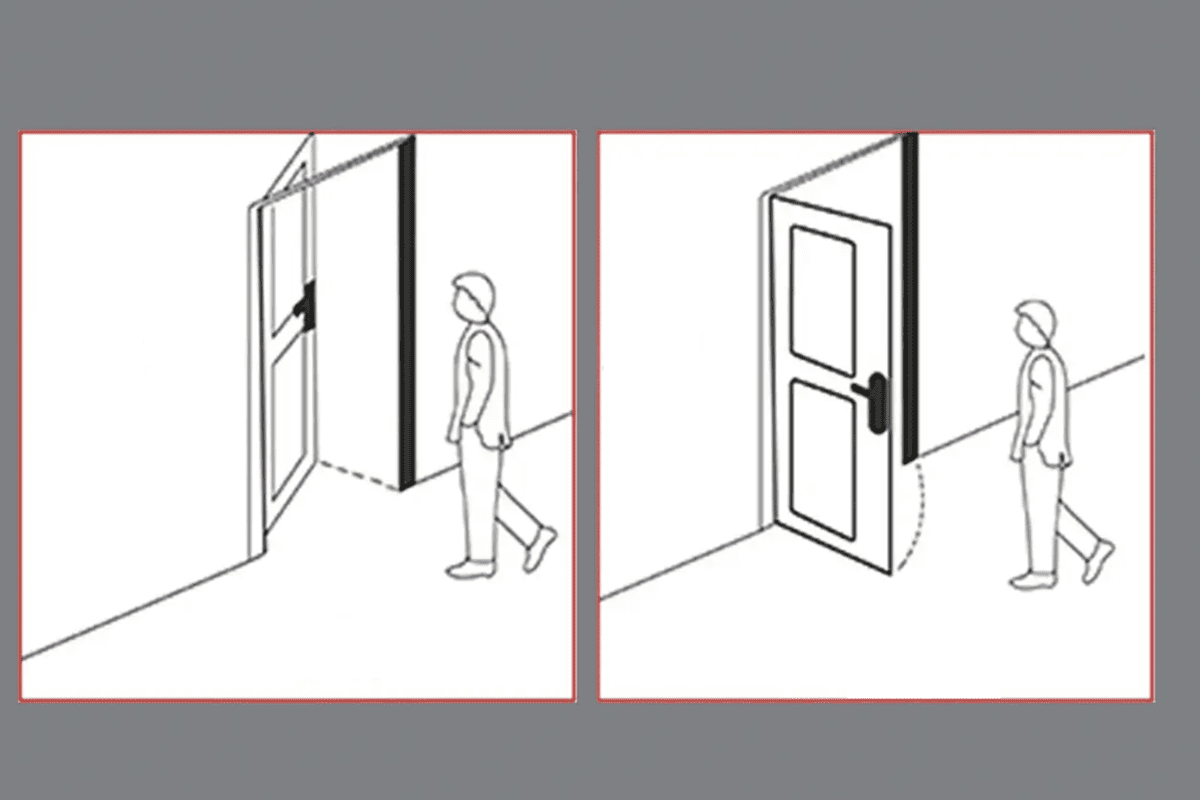
Double action spring hinges are the right choice when a door must swing both ways and then return to a centered, closed position. This includes restaurant kitchen doors, bar saloon doors, corridor pass-throughs, and other two-way traffic doors. They are designed to self-center, not to latch.5
Practical guidance for double action hinges
Double action spring hinges allow a door to be pushed from either side. After the push, the springs bring the door back to the middle. This is ideal where:
- People or carts move in both directions.
- A latch is not needed; closure is positional centering.
- The door must not protrude too far when at rest on either side.
- The frame or jamb design accommodates the unique leaf geometry and clearances.
Use cases:
- Food service pass-throughs and kitchen swing doors.
- Retail back-of-house cut-through doors.
- Batwing or saloon style doors in hospitality venues.
Specification notes:
- Width and leaf stiffness: Wider doors require hinges with stronger, balanced springs to prevent oscillation. Match the spring range to door mass and width.
- Quantity and mounting: Many double action sets are supplied as matched pairs. Follow mounting templates to ensure proper pivot lines and reveal.
- Clearances: Double action hinges have different knuckle geometries. Confirm stile and jamb clearances to avoid binding on both swings.
- Safety and compliance: Where code requires controlled closing speed or latching, double action may not be appropriate. Verify local requirements with a qualified professional.
I once reviewed a return case where a client used double action spring hinges on a corridor exit door that needed to latch. The result was predictable: poor sealing, no latch engagement, and safety concerns. We switched to a single action solution with proper closing and the issues disappeared.
What sizing factors decide between single action vs double action spring hinges?
The right movement type is step one. The right size and build are step two. If you skip the second step, even the right type can fail. Under-sized hinges lead to weak closing and misalignment. Over-sized hinges can slam and accelerate wear.
Sizing for single action vs double action spring hinges starts with door mass, width, and hinge quantity. Then, consider material, frame structure, and environment. Choose hinges with spring torque ranges matching your door, and confirm installation geometry and clearances. Always review supplier datasheets and test on a pilot door before bulk orders.
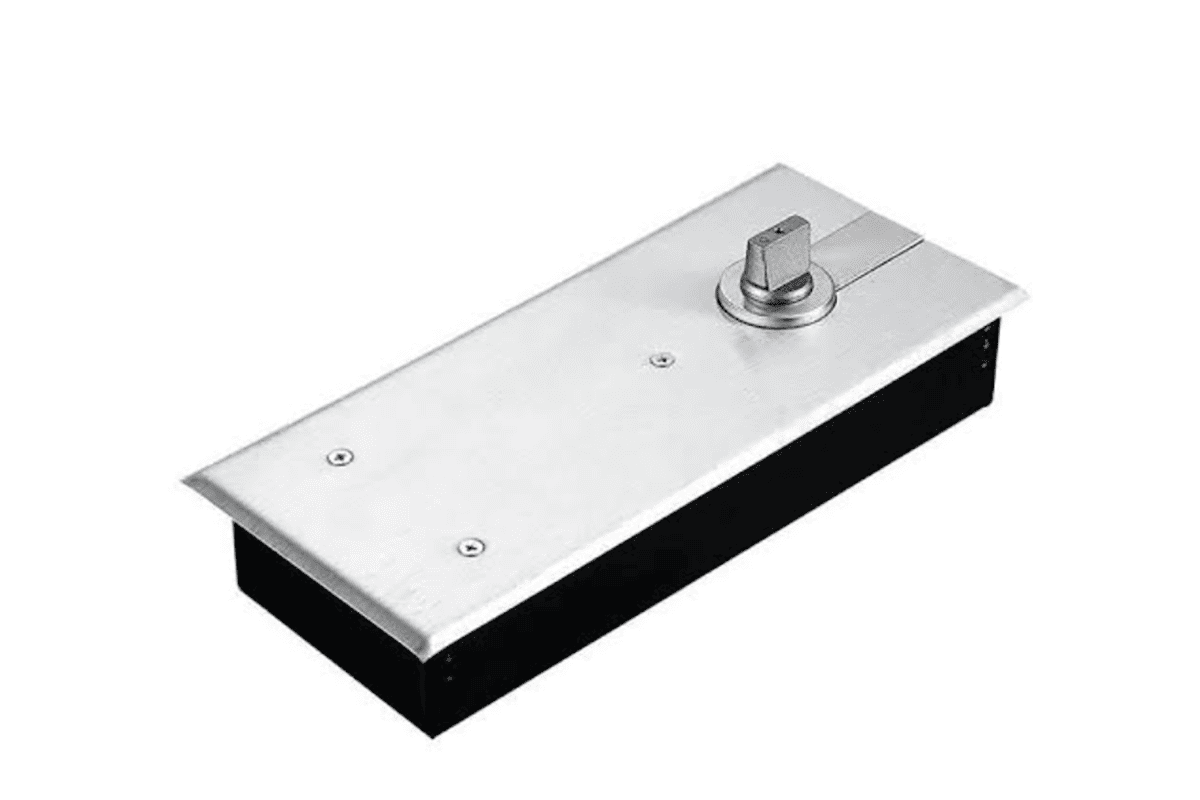
Core factors to capture before ordering
I use a simple pre-sales checklist with buyers:
- Door weight and width
- Door material (wood, steel, aluminum, composite)
- Door thickness and edge construction
- Frame type and reveal
- Desired hinge count and positions
- Required swing angle(s)
- Latching or center return behavior
- Environment (humidity, temperature, corrosion exposure)
- Finish and aesthetic requirements
- Any certifications needed (e.g., CE, fire-rated) for the specific door set
Two rules of thumb:
- Heavier or wider doors need either more hinges or hinges with higher spring torque.6 But do not over-tension to compensate for wrong sizing.
- Double action doors are more sensitive to width and stiffness; inadequate springs cause oscillation and poor centering.7
A comparative view:
| Factor | Single Action Spring Hinge | Double Action Spring Hinge |
|---|---|---|
| Movement | One-way swing to stop | Two-way swing, center return |
| Latching | Supports latch engagement | Typically no latch; centering only |
| Spring tuning | One spring per hinge | Balanced springs per side |
| Sensitivity to width | Moderate | High; width affects centering |
| Typical count | 2–3 per door leaf | Often supplied as matched pairs |
| Clearances | Standard butt clearances | Larger reveals needed both sides |
Verification steps:
- Request product drawings and mounting templates for your exact model.
- Confirm screw patterns and fastener types suit your door substrate.
- Conduct a pilot installation to fine-tune tension and check swing/return behavior.
- Document the tension settings and mounting positions for repeatability in volume builds.
At SDH Hardware, I prefer to review one sample door per project line before full production. A 30-minute tension and alignment check can save weeks of logistics pain later.
How do installation and maintenance impact single action vs double action spring hinges?
Even the correct hinge can underperform if installation is off. Misaligned pivot lines, improper screws, or over-tightened springs cause noisy operation and premature wear. Maintenance often gets ignored in busy facilities until problems pile up.
Proper installation and periodic checks are essential for both single action vs double action spring hinges. Align hinges per template, use specified fasteners, and set the lightest tension that achieves closure. Inspect periodically for loose screws, worn bushings, and environmental corrosion. Adjust tension seasonally if conditions change.
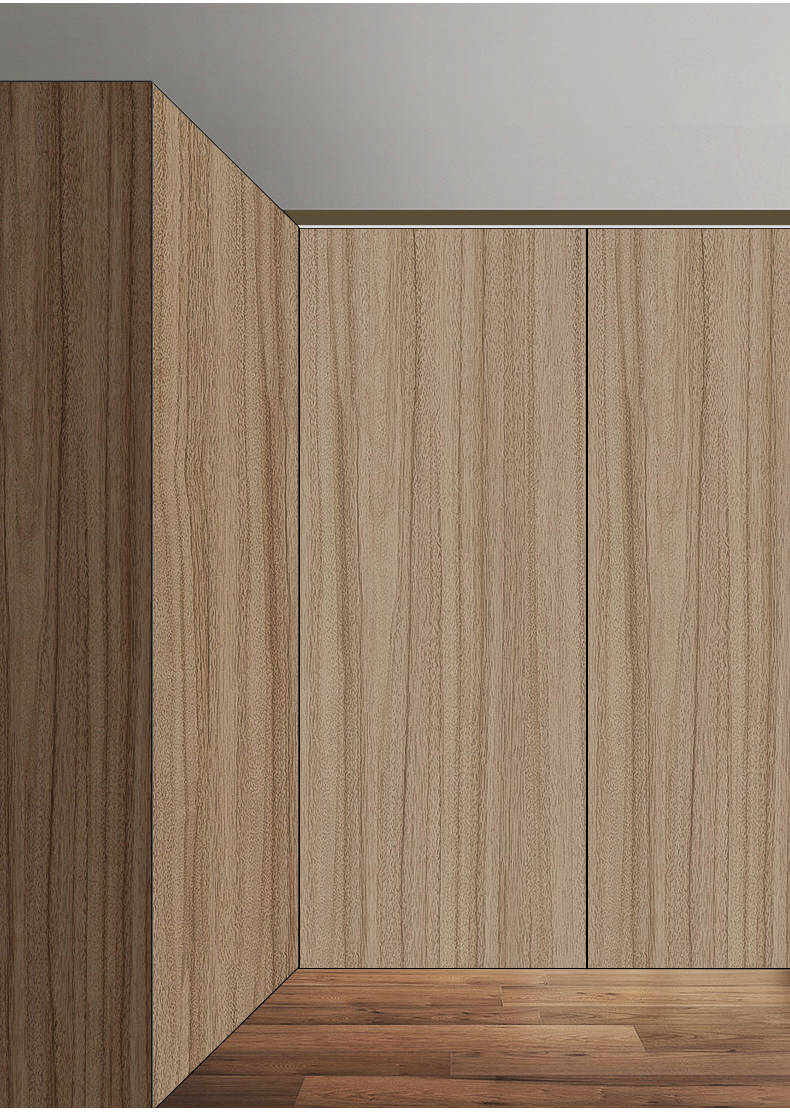
Best practices in the field
Installation essentials:
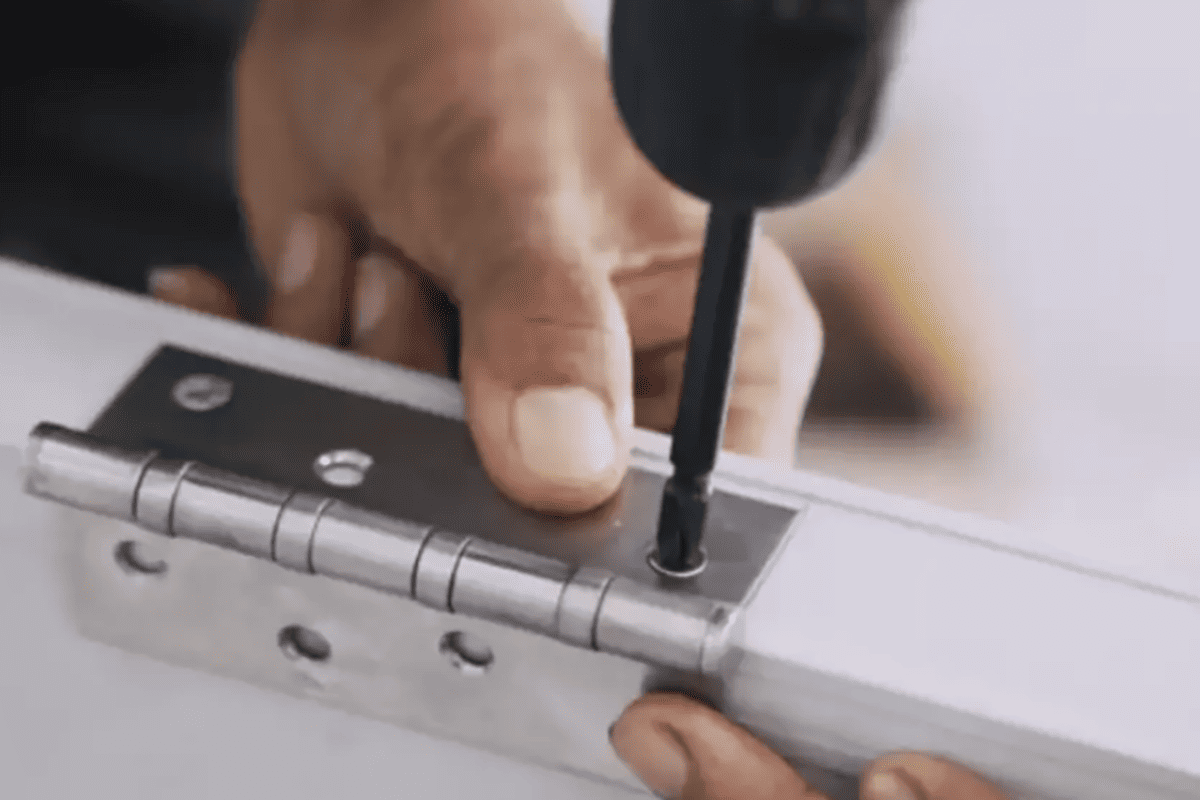
- Templates and pilot holes: Use the provided template. Drill pilot holes matching fastener sizes to avoid splitting or stripped threads.
- Hinge line alignment: Keep the hinge axis straight. A twisted axis increases friction and reduces closing force.8
- Fastener selection: Match screws to door material. Use machine screws with through-bolts for metal doors where specified.
- Tension setup: Start at minimum. Increase tension step-by-step until reliable closure or centering is reached without slam. Record settings.
Environmental protection:
- Material choice: Use stainless steel hinges or appropriate coatings in humid or corrosive environments.9
- Lubrication: Many spring hinges ship pre-lubricated. Apply manufacturer-approved lubricants during maintenance if needed; avoid contaminants.
Maintenance routine:
- Quarterly checks in high-traffic areas: Tighten screws, verify tension, and inspect for wear.
- Seasonal adjustments: Temperature and humidity affect door behavior.10 Re-check tension after seasonal changes.
- Replace worn components: If a bushing or spring shows fatigue, replace the hinge set rather than over-tensioning to compensate.
I learned early in my career that a misaligned first hinge can sabotage a perfect product. On a recent site walk, a double action door oscillated endlessly. The cause was a shifted top hinge and over-tensioned springs. We realigned, reset to a lower preload, and the door centered quietly.
What procurement risks arise from choosing the wrong spring hinge?
Order errors in spring hinges show up downstream as complaints, returns, and rework. The root cause is usually a mismatch of movement requirements, hinge type, or sizing. Buyers feel the cost in both delays and reputation.
The main risks include poor closing or centering, unsuitable door movement, installation mismatch, and post-installation complaints. Avoid these by confirming swing direction, return behavior, door size and weight, hinge quantity, frame structure, and certification needs. Validate with samples, and document specifications before mass production.
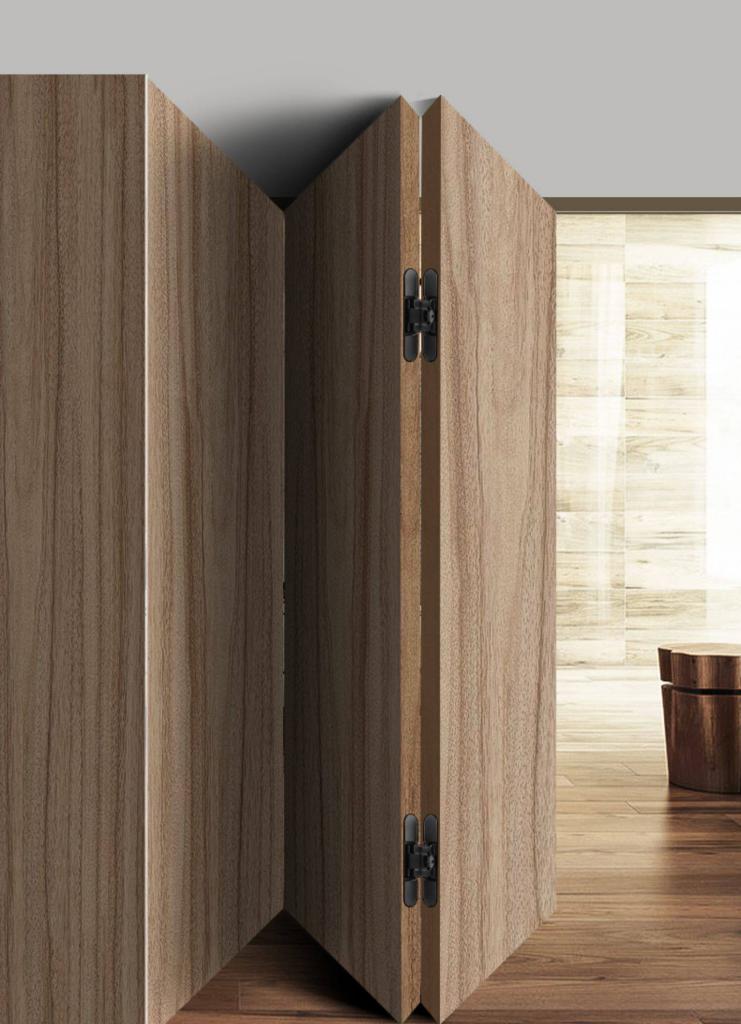
Risk control for B2B buyers
Common pitfalls:
- Movement mismatch: Specifying single action where two-way traffic is needed, or double action where a latch must engage.
- Under/over-sizing: Choosing hinges without matching spring torque to the door’s mass and width.
- Template errors: Ignoring the mounting geometry, leading to binding or improper centering.
- Certification gaps: Assuming CE or fire-rated compatibility without verifying documents for the exact door set.
Mitigation checklist:
- Movement first: Decide between single action vs double action spring hinges based on the door’s required swing and return.
- Data-driven sizing: Provide weight, width, material, and intended hinge count. Request torque range details from the supplier.
- Sample validation: Install one set in the intended environment and record tension settings.
- Documentation: Keep final drawings, packing specs, and QC checklists linked to the order.
- Certification verification: Ask for CE and fire-rated certificates applicable to the exact product and application.11 Have a qualified professional confirm code compliance.
From our experience supporting door factories and hardware brands, the most successful buyers invest in upfront clarity. A 10-minute pre-sales questionnaire avoids 10 weeks of post-installation fixes.
Frequently Asked Questions
Can I use single action spring hinges with a door closer?
Yes, in some light-duty cases, single action spring hinges can supplement or replace a closer. However, where controlled closing speed or code requirements apply, a certified closer is the correct solution. Always verify with a qualified professional and confirm compatibility with the door and frame.
Do double action spring hinges work with latching doors?
Typically no. Double action spring hinges return the door to a centered position and do not support latch engagement. If the door must latch, use a single action solution designed to close to the stop, and ensure the hardware stack meets code and performance needs.
How many spring hinges should I use per door?
It depends on door weight, height, and material. Many light doors use two spring hinges and one plain hinge; heavier doors may require three spring hinges.12 Follow the manufacturer’s datasheet and test a sample door to confirm closing behavior before bulk orders.
Are spring hinges suitable for fire-rated doors?
Only if the specific spring hinge model is listed for use on the specific fire-rated door assembly. Do not assume. Verify the exact certification documents, including CE and fire ratings, and confirm compatibility with a qualified professional before ordering.
What information should I give my supplier to size spring hinges correctly?
Provide swing direction, return behavior (latch vs center), door weight, width, thickness, material, frame type, hinge quantity, environment, finish, and any certification requirements. Ask for drawings, mounting templates, and recommended tension ranges, then validate with a pilot installation.
Conclusion
Choosing between single action vs double action spring hinges starts with movement: one-way self-closing to the stop, or two-way swing with center return. Then, size the hinge to the door’s mass and width, confirm installation geometry, and verify certifications. If you want a precise, factory-backed recommendation, contact SDH Hardware. I will review your use conditions, share drawings, and arrange samples so your production runs smoothly.
"Center for Minority Veterans", https://department.va.gov/center-for-minority-veterans/. An ANSI/BHMA or comparable builders-hardware definition distinguishes single-acting spring hinges from double-acting hinges by the permitted swing direction and return action, supporting the movement-based distinction used here. Evidence role: definition; source type: institution. Supports: A standards or industry-institution source should define single-acting and double-acting spring hinges by swing direction and return position.. ↩
"Door closer", https://en.wikipedia.org/wiki/Door_closer. Technical standards and door-hardware references describe hydraulic door closers as devices that regulate closing and latching speeds through hydraulic control, supporting the contrast with simpler spring-return hinges. Evidence role: mechanism; source type: institution. Supports: A technical or standards source should explain that hydraulic door closers use damping or valves to regulate closing and latching speeds.. Scope note: This supports the mechanism in general and does not test the performance of any specific hinge or closer model. ↩
"Fire-Rated Solutions", https://us.allegion.com/en/solutions/by-requirement/fire-rated-solutions.html. NFPA 80 and fire-door listing guidance require hardware used on fire door assemblies to be suitable for the listed assembly, supporting the need to verify hinge certification rather than assuming compatibility. Evidence role: expert_consensus; source type: institution. Supports: A fire-door standard or listing body should support that components used on fire door assemblies must be listed or otherwise approved for that use.. Scope note: Specific requirements vary by jurisdiction, edition of the standard, and the tested door assembly. ↩
"Chapter 4: Entrances, Doors, and Gates", https://www.access-board.gov/ada/guides/chapter-4-entrances-doors-and-gates/. The ADA Standards for Accessible Design specify requirements affecting door operation, including closing speed for certain doors, supporting the point that accessibility-regulated openings require code-based hardware selection. Evidence role: expert_consensus; source type: government. Supports: A government accessibility standard should document door closing-speed limits or requirements relevant to accessible routes.. Scope note: The ADA source does not prescribe a specific commercial product; it establishes performance requirements that hardware must satisfy. ↩
"Guide to Installing Phillips Brand Double Acting Floor ...", https://www.allaboutdoors.com/Article-Guide-to-Installing-Phillips-Brand-Double-Acting-Floor-Spring-Hinge?srsltid=AYCX9vLFpf4u-8RHuQIQ8KKy88Ni4U9kOENlPiqwvqSutaFAvTNw6fdU. Builders-hardware guidance describes double-acting spring hinges as devices that permit swing in both directions and return the leaf toward a centered position; this supports the distinction from positive latch engagement. Evidence role: general_support; source type: institution. Supports: A neutral hardware reference should explain that double-action hinges return a door to a centered position and are not equivalent to a latching closure system.. Scope note: Support may be general because some door assemblies can include separate latching or holding hardware. ↩
"28.18 -- Open door to demonstration preparation area", https://web.physics.ucsb.edu/~lecturedemonstrations/Composer/Pages/28.18.html. Engineering mechanics texts define torque as the product of force and moment arm, providing the physical basis for why greater door mass or width increases hinge torque demand. Evidence role: mechanism; source type: education. Supports: An engineering mechanics source should explain how torque depends on force and moment arm, contextualizing why heavier or wider doors need greater hinge torque.. Scope note: This is contextual mechanical support and does not replace product-specific load testing or manufacturer hinge tables. ↩
"TORSIONAL-DAMPING-TRANSIENT AND STEADY STATE by ...", https://oaktrust.library.tamu.edu/server/api/core/bitstreams/8459b85c-b67c-49c5-8f55-0a64aaec556d/content. Research on torsional spring-mass-damper systems shows that rotational stiffness, inertia, and damping determine oscillation and return behavior, providing a mechanical basis for poor centering when a double-action door is under-specified. Evidence role: mechanism; source type: paper. Supports: A mechanics or dynamics paper should explain oscillation in spring-loaded rotational systems and the role of stiffness, inertia, and damping.. Scope note: The evidence is contextual unless the source specifically studies double-action spring-hinged doors. ↩
"Friction Hinge Design Guide for Beginners", https://mansfieldec.com/feeds/blog/friction-hinge-design. Mechanical design references on pin joints and hinges describe alignment as necessary to avoid binding and friction losses, supporting the statement that a twisted hinge axis can reduce effective spring-closing force. Evidence role: mechanism; source type: education. Supports: A mechanical design or engineering source should explain that misalignment in rotating joints increases binding or friction losses.. Scope note: The source may address hinges or rotating joints generally rather than spring door hinges specifically. ↩
"Guide to the Selection and Use of High Performance ...", https://www.nrc.gov/docs/ML0334/ML033490048.pdf. Materials-corrosion guidance identifies stainless steels and protective coatings as common methods for improving resistance to atmospheric humidity and corrosive exposure, supporting their selection for door hardware in such environments. Evidence role: expert_consensus; source type: institution. Supports: A corrosion or materials institution should support the use of stainless steel and protective coatings for humid or corrosive environments.. Scope note: Corrosion resistance depends on alloy grade, coating system, maintenance, and the specific contaminants present. ↩
"Drying and control of moisture content and dimensional changes", https://research.fs.usda.gov/treesearch/7143. The USDA Forest Products Laboratory explains that wood changes dimension as moisture content changes with ambient humidity, supporting the claim that seasonal conditions can affect door fit and operation. Evidence role: mechanism; source type: government. Supports: A government wood-science source should explain how humidity and moisture content cause dimensional changes in wood components.. Scope note: This support is strongest for wood doors and frames; metal or composite doors may respond differently. ↩
"Declaration of Performance and conformity - CE Marking", https://single-market-economy.ec.europa.eu/sectors/construction/construction-products-regulation-cpr/ce-marking-and-declaration-performance-and-conformity_en. European Commission guidance on the Construction Products Regulation links CE marking to declared product performance and intended use, supporting the need to verify certificates for the exact hardware product and application. Evidence role: general_support; source type: government. Supports: An official European Commission or government source should explain that CE marking for construction products is tied to declared performance and intended use.. Scope note: CE marking rules address EU market conformity and do not by themselves establish fire-door suitability in every local jurisdiction. ↩
"A156.17 - 2025 Self Closing Hinges & Pivots", https://buildershardware.com/ANSI-BHMA-Standards/Hardware-Highlights/A15617-2019-Self-Closing-Hinges-Pivots. Door-hardware standards and fire-door guidance treat hinge quantity and type as dependent on door size, weight, rating, and tested performance, supporting the article’s warning that heavier doors may require additional spring hinges. Evidence role: general_support; source type: institution. Supports: A standards or technical source should support that hinge quantity varies with door size, weight, fire rating, and performance requirements.. Scope note: The exact count remains product- and assembly-specific and should be confirmed from the applicable listing or manufacturer data. ↩
