
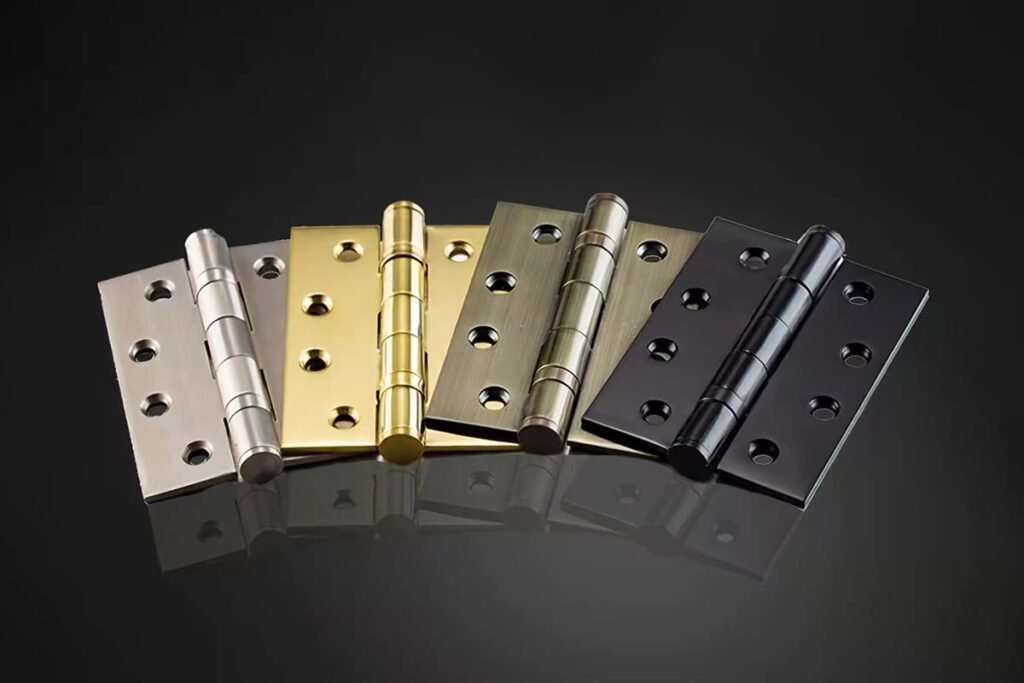
Applications of Brass Washered Hinges in Industrial Doors and Metal Structures
Brass Washered Hinges often look simple, but the wrong hinge choice can create rough rotation, squeaking, premature wear, and door sagging in industrial use.1 These problems become expensive when doors are heavy or opened often. I use this guide to explain where this hinge structure helps and how buyers can evaluate it properly.
Brass Washered Hinges are commonly used in industrial doors, metal doors, equipment cabinets, steel frames, and other metal structures where repeated rotation creates friction at the hinge knuckle and pin area.2 The brass washer reduces direct dry metal-to-metal contact, supports smoother movement, helps control wear3, and can reduce maintenance risk when the hinge is correctly specified.
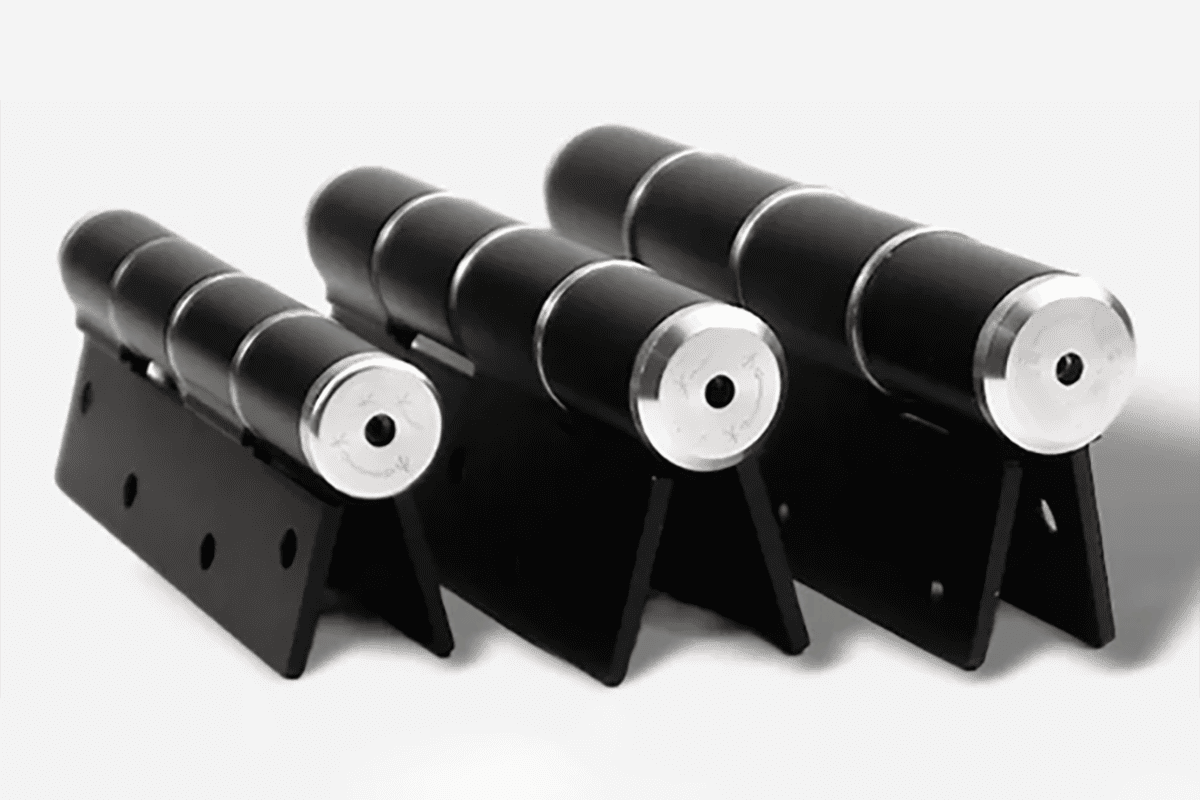
Many buyers first ask about hinge length, thickness, or material. Those details matter, but they are not enough. In my production and inquiry experience at SDH Hardware, the better question is this: what operating condition will the hinge face every day?
What Makes Brass Washered Hinges Different in Industrial Door Applications?
A standard hinge may work well in light-duty settings, but industrial doors create more stress. Heavy panels, repeated opening, and metal-to-metal contact can turn small friction points into long-term performance issues. Brass Washered Hinges address this problem at the rotating contact surface, not through appearance.
Brass Washered Hinges are different because a brass washer is placed at the hinge’s friction interface, usually between rotating knuckle sections around the pin area. This washer helps reduce direct dry rubbing between metal surfaces, supports smoother rotation, and provides a wear-buffering effect during repeated door movement.
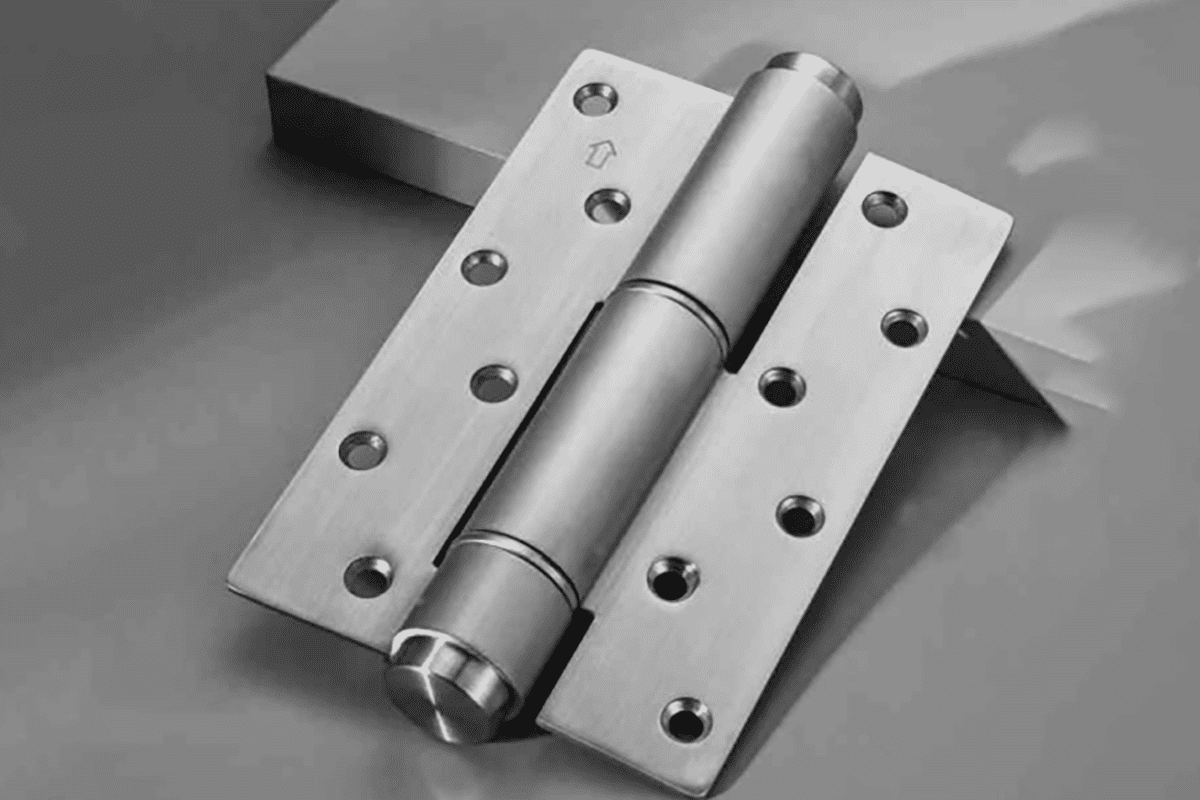
The washer has a functional role, not a decorative role
I often see buyers treat the washer as an extra accessory. In reality, the washer is part of the hinge’s working structure. It sits where movement happens. When a door opens and closes, the hinge knuckles rotate around the pin. Without a proper friction-management structure, similar metal surfaces can rub directly against each other.
That dry metal contact may lead to:
- Squeaking during movement
- Rough or uneven door swing
- Visible wear at the hinge joint
- Higher maintenance needs
- Increased stress on the door and frame
- Possible door sagging over time if the hinge is under-specified
A brass washer helps because brass has suitable sliding characteristics compared with many harder structural metals.4 It does not magically remove all friction, and it does not replace correct hinge sizing. However, it can reduce harsh direct contact at the rotation point.
Why brass is used at the friction interface
Brass is often selected for washers because it can provide a smoother contact surface between moving metal parts. In hinge manufacturing, this matters most at the rotating joint. The goal is not to make the hinge look more premium. The goal is to improve operating stability under suitable conditions.
Here is a simple comparison:
| Hinge structure | Main contact condition | Typical concern | Practical effect |
|---|---|---|---|
| Plain hinge without washer | More direct metal-to-metal rubbing | Noise, wear, rough swing | Suitable for lighter or less demanding use |
| Brass washered hinge | Brass washer buffers the friction surface | Still needs correct sizing | Smoother movement and better wear control |
| Bearing hinge | Rolling or bearing-assisted movement | Higher cost, specification control | Often used for demanding frequent-use doors |
This does not mean one structure is always better. It means each structure fits a different duty level, price point, and application requirement.
How I explain it to buyers
When a customer sends only a drawing and asks, “Is this hinge strong enough?” I usually ask more questions before giving a recommendation. I want to know how the door moves in real life. A hinge that performs well on a medium metal door may not be suitable for a larger industrial panel with frequent daily operation.
For Brass Washered Hinges, I usually focus on these points:
Where is the friction point?
The washer should work at the hinge knuckle and pin interface.How often will the door open?
A door opened many times per day creates more wear than a rarely used service panel.5How heavy is the door?
Heavier doors increase force on the hinge joint.6How many hinges will share the load?
Load distribution changes the performance of each hinge.Is the frame rigid and correctly aligned?
Even a good hinge performs poorly on a misaligned frame.7
In short, the washer helps manage friction, but the whole hinge system must still match the application.
Where Are Brass Washered Hinges Most Useful in Metal Structures?
Metal structures often create rigid contact points, heavy panels, and repeated opening cycles. If the hinge is not chosen well, movement can become noisy, stiff, or unstable. Brass Washered Hinges are useful where smoother rotation and wear control are important, but extreme engineering requirements are not assumed.
Brass Washered Hinges are most useful in metal doors, industrial access panels, equipment enclosures, steel cabinets, service doors, and fabricated metal frames where repeated swing movement creates friction at the hinge joint. They are especially relevant when buyers want better smoothness, reduced dry rubbing, and improved service stability compared with plain hinges.
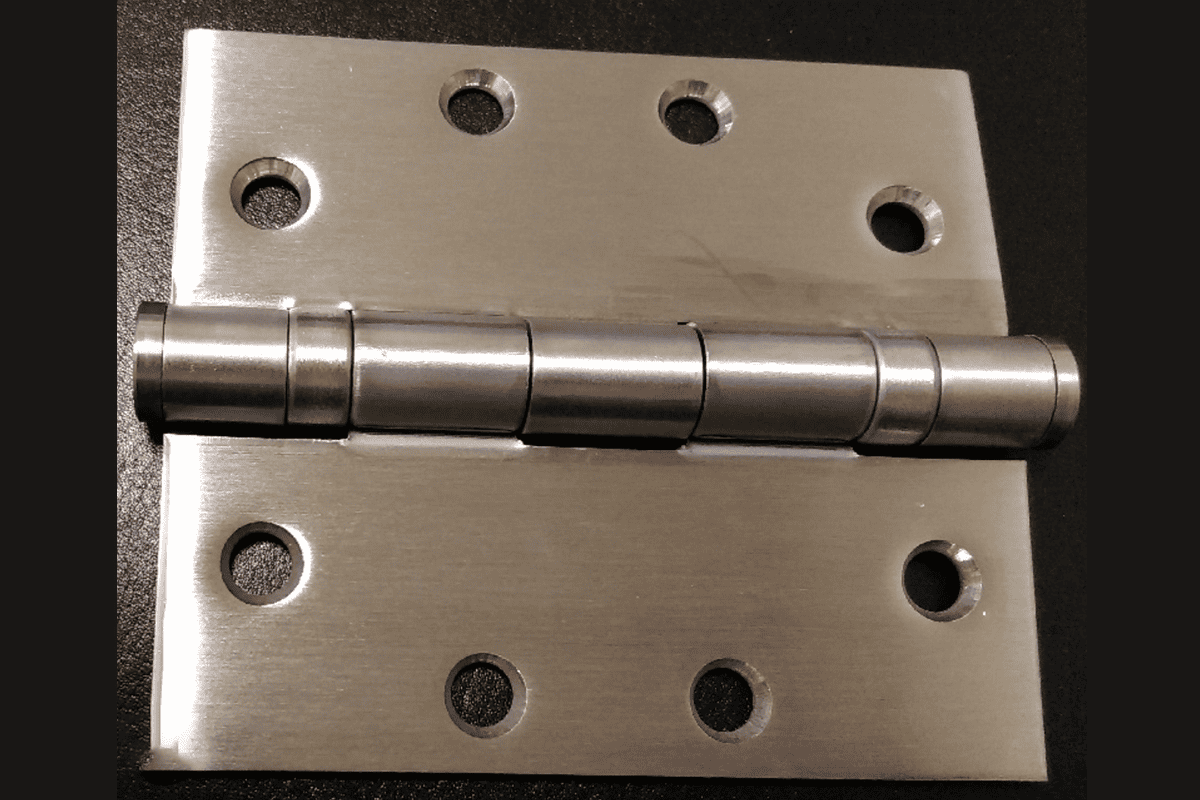
Common application areas
Brass Washered Hinges can be considered for many industrial and commercial metal applications. The key is to connect the application to the hinge’s function.
| Application | Why friction matters | Buyer evaluation point |
|---|---|---|
| Industrial metal doors | Heavy panels can stress hinge knuckles | Confirm door weight and hinge quantity |
| Steel service doors | Repeated maintenance access causes wear | Check opening frequency |
| Equipment cabinets | Smooth movement improves usability | Confirm panel size and alignment |
| Metal frames and fabricated structures | Rigid structures transfer stress directly | Check load direction and mounting position |
| Utility rooms and plant doors | Noise and maintenance can become issues | Confirm environment and finish |
| Commercial back-of-house doors | Frequent use can create rough swing | Review duty level and hardware package |
Industrial doors
Industrial doors are one of the clearest use cases. These doors may be made from steel, stainless steel, or other metal assemblies. They may also carry added weight from insulation, reinforcement, cladding, or hardware accessories.
In these settings, hinge movement is not only about opening and closing. It affects the whole door set. If the hinge rotation becomes stiff or uneven, the user may apply more force. That extra force can create more stress on the door leaf, frame fixing points, lock alignment, and closer performance.
Brass Washered Hinges can help reduce the harshness of rotation at the contact area. They can be a practical middle option between a plain hinge and a more complex bearing hinge, depending on load and usage.
However, buyers should not select them only because the door is “industrial.” They should confirm:
- Door leaf weight
- Door height and width
- Hinge size and thickness
- Number of hinges per door
- Expected opening frequency
- Installation orientation
- Indoor or outdoor exposure
- Required finish
- Fire-rated or CE documentation needs, if applicable
At SDH Hardware, I prefer to review these details before confirming a hinge model for industrial customers. It helps avoid a common mistake: using the correct-looking hinge in the wrong duty condition.
Equipment cabinets and access panels
Many metal cabinets and access panels are not as heavy as full industrial doors, but they may be opened repeatedly for inspection or maintenance. A rough hinge can make the entire product feel low quality. It can also increase wear at the fastening points if the panel does not rotate smoothly.
For these applications, Brass Washered Hinges may support:
- Cleaner opening feel
- Lower squeaking risk
- More controlled movement
- Reduced wear at the hinge knuckle
- Better perceived product quality
These benefits are especially useful for manufacturers who sell finished metal assemblies to professional buyers. The hinge becomes part of the end user’s daily experience.
Metal structures and fabricated frames
In fabricated metal structures, the hinge often works between rigid parts. Unlike timber, metal does not absorb misalignment easily.8 If the mounting plates are not flat or the hinge axis is not aligned, stress concentrates at the pin and knuckle area.
A brass washer can help reduce friction at the moving interface, but it cannot correct poor fabrication. Buyers should still control:
- Flatness of the mounting surface
- Coaxial alignment of multiple hinges
- Correct welding or screw fixing method
- Load direction
- Clearance between moving parts
A brass washer improves the friction interface. It does not compensate for poor installation geometry.
That distinction matters. I always recommend that buyers treat hinge selection as part of the total door or metal structure design.
How Should Buyers Evaluate Brass Washered Hinges Before Sourcing?
A hinge can look correct in a catalog but fail to match the working condition. This creates delays, complaints, and replacement costs. Brass Washered Hinges should be evaluated through load, movement, material, certification, and supplier capability rather than by size alone.
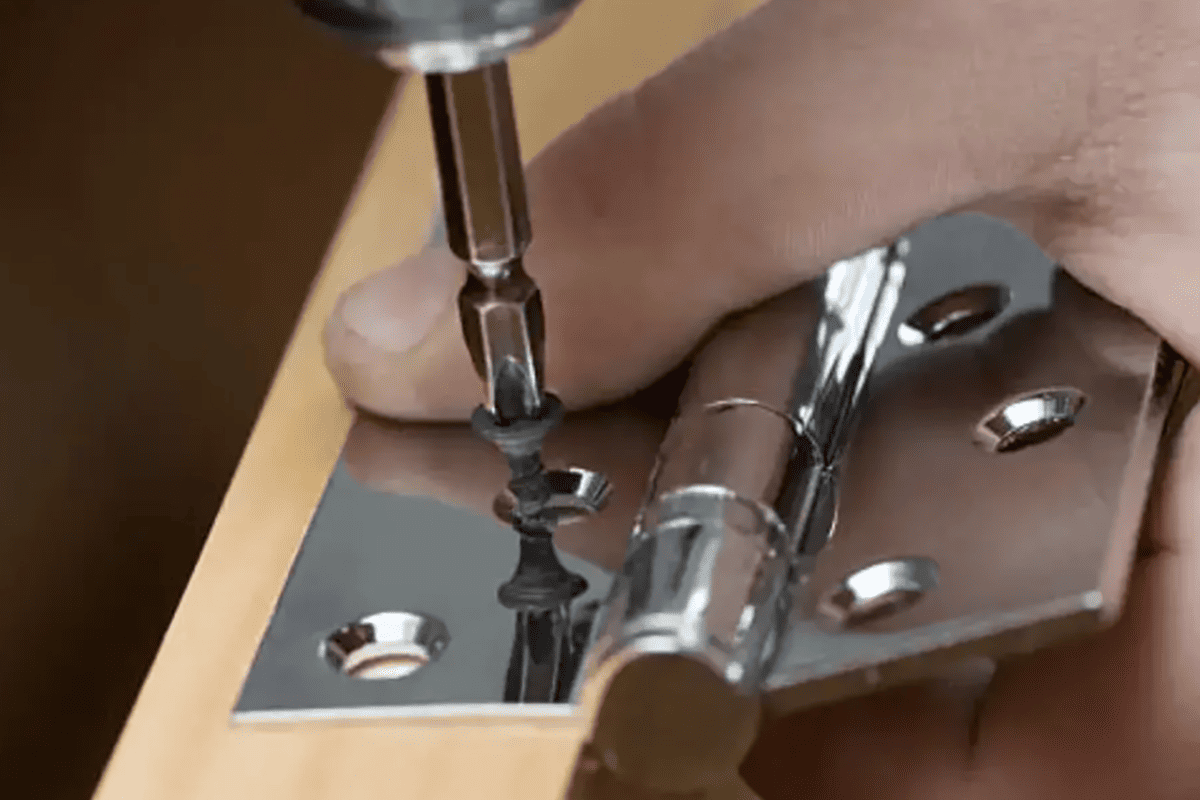
Buyers should evaluate Brass Washered Hinges by confirming door weight, door dimensions, opening frequency, hinge quantity, mounting position, load direction, material grade, surface finish, and required certification documents. For industrial doors and metal structures, qualified technical review is recommended before final specification.
A practical inquiry checklist
When buyers contact my team, I prefer clear technical information instead of only a photo. A photo is useful, but it cannot show load and usage. The following checklist helps us recommend a more suitable hinge structure.
| Information to provide | Why it matters |
|---|---|
| Door weight | Determines hinge load requirement |
| Door height and width | Affects leverage and sagging risk |
| Door material | Steel, stainless steel, aluminum, or composite panels behave differently |
| Opening frequency | Higher cycles increase wear demand |
| Number of hinges | Load distribution changes each hinge’s duty |
| Mounting position | Left/right, surface-mounted, welded, or screw-fixed |
| Load direction | Vertical load, side load, or special force conditions |
| Environment | Indoor, outdoor, humid, coastal, or chemical exposure |
| Surface finish | Affects corrosion resistance and appearance |
| Certification needs | CE or fire-rated documents must match the product and market |
This information helps separate a simple price inquiry from a real specification discussion.
Do not evaluate only by hinge length and thickness
Length and thickness are visible, so buyers naturally ask about them first. They are important, but they do not tell the full story.
For example, two hinges may have the same length and leaf thickness, but they may differ in:
- Pin diameter
- Knuckle design
- Washer position
- Material grade
- Manufacturing tolerance
- Hole pattern
- Surface treatment
- Load distribution
- Finish durability
- Inspection standard
A buyer who compares only dimensions may miss the real performance factors. In industrial doors, the hinge is a load-bearing and moving component. Its structure matters.
Material and finish considerations
The hinge body material should match the door environment and project expectations. Stainless steel is often requested for corrosion resistance and appearance.9 Other material options may be suitable depending on market requirements and cost targets.
Surface finish also matters. Common finish discussions include:
- Satin stainless finish
- Polished finish
- PVD color finish
- Powder coating
- Zinc plating
- Custom finishes for OEM projects
For Brass Washered Hinges, the washer material and position should also be confirmed. Buyers should ask whether the washer is correctly located at the friction contact surface and whether the hinge construction matches the door’s expected duty.
Certification and compliance documents
For B2B procurement, certifications should be treated as documents to verify, not as marketing slogans. SDH Hardware supplies architectural door hardware with CE certification and fire-rated certification available for core products, but buyers should always confirm that the specific hinge model, door assembly, and intended market requirements match the documentation.
Important points include:
- Does the certificate apply to the exact product?
- Does it apply to the required size and specification?
- Is the door assembly itself certified, if fire rating is required?
- Are test reports current and traceable?
- Does the project need third-party review?
A hinge alone does not automatically make a door fire-rated. Fire-rated performance usually depends on the complete door set, installation method, and tested configuration.10 I recommend qualified professional evaluation for application-specific decisions, especially for fire, safety, or high-load projects.
Supplier capability
A good hinge supplier should do more than quote a price. For industrial door and metal structure customers, I suggest evaluating suppliers through:
- Manufacturing experience
- Product range
- Drawing support
- OEM/ODM capability
- Inspection process
- Packaging control
- Surface finish consistency
- Ability to discuss application conditions
- Export experience
- Document support
At SDH Hardware, we manufacture architectural door hardware in China with independent factory operations, over 10 years of specialized production experience, and a team focused on R&D, production, and global sales. My goal in hinge discussions is not to push one structure for every project. My goal is to help buyers match the hinge to the operating condition.
When Are Brass Washered Hinges Not the Right Choice?
Every hinge structure has limits. If buyers expect one hinge type to solve all heavy-duty, fire-rated, or special engineering requirements, they risk poor performance. Brass Washered Hinges can reduce friction and improve smoothness, but they are not automatically suitable for every industrial door or metal structure.
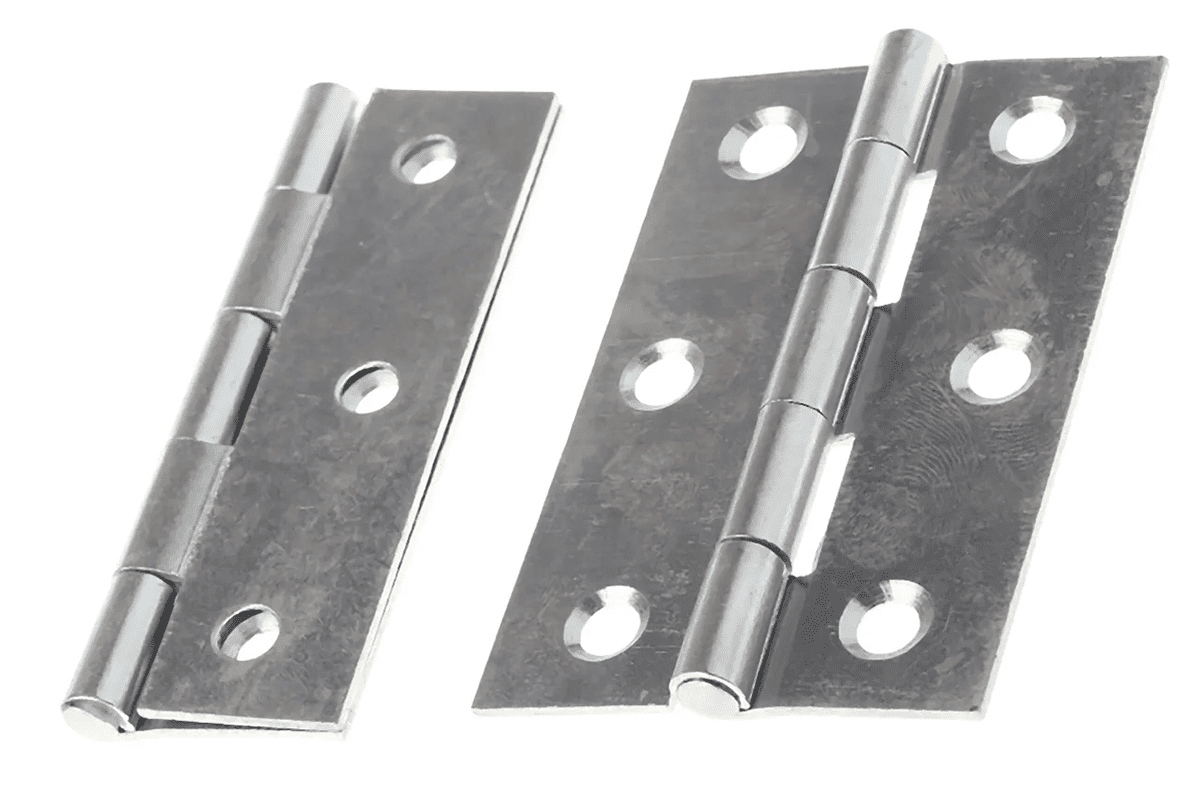
Brass Washered Hinges may not be the right choice when the door has extreme weight, very high opening frequency, severe side loading, special safety requirements, aggressive corrosion exposure, or certified fire-rated assembly demands that require a different tested hinge specification. In those cases, buyers should request technical review and verified documentation.
Situations that need extra caution
Buyers should be careful when the application includes:
- Very heavy door leaves
- Oversized metal panels
- High-frequency public or industrial use
- Strong wind load or pressure difference
- Misaligned frames
- Outdoor coastal exposure
- Chemical or corrosive environments
- Fire-rated door assemblies
- Security doors
- Doors with automatic closers or operators
- Applications with side load instead of simple vertical load
In these cases, Brass Washered Hinges may still be considered, but they should not be selected casually. The buyer should compare hinge options and confirm the technical requirements.
When a bearing hinge may be more suitable
If a door has very frequent opening cycles or higher performance expectations, a bearing hinge may be worth evaluating. Bearing hinges are designed to reduce friction through bearing-assisted movement.11 They are often selected for doors that need smoother long-term operation under heavier or more frequent use.
Here is a simplified comparison:
| Requirement | Brass washered hinge | Bearing hinge |
|---|---|---|
| Moderate industrial use | Often suitable if correctly specified | Also suitable |
| Higher smoothness demand | Good improvement over plain hinge | Usually stronger option |
| Very frequent use | Needs careful review | Often preferred |
| Cost control | Usually more economical | Usually higher cost |
| Simple structure | Yes | More complex |
| Heavy-duty specification | Depends on design | Depends on bearing and hinge design |
| Fire-rated use | Must verify documents | Must verify documents |
This table is not a universal rule. It is a procurement starting point. The exact answer depends on size, material, testing, and door design.
Installation problems cannot be solved by the washer
A brass washer helps at the friction surface, but it cannot fix installation errors. In my experience, many hinge complaints come from issues outside the hinge itself.
Common installation problems include:
Hinges mounted out of alignment
If hinge axes are not straight, the door binds during movement.Weak fixing points
Screws, welds, or plates may fail before the hinge structure fails.Insufficient hinge quantity
Too few hinges increase load on each hinge.Poor frame rigidity
A flexible or distorted frame changes the hinge geometry.Incorrect clearance
Metal doors need correct gaps to avoid rubbing at the frame or threshold.Wrong load direction
A hinge designed for normal swing loads may not perform well under unusual side loads.
Buyers should review the full system. The door, frame, hinge, fixing method, lock, closer, and installation quality all affect long-term performance.
Fire-rated and certified applications require verification
If the door is fire-rated, buyers should not assume that any hinge with a strong structure is acceptable. Fire-rated door hardware must be supported by relevant test evidence and should match the tested door assembly. The same caution applies to CE-marked projects or regulated markets.
I suggest buyers ask for:
- Product specification sheet
- Relevant CE documents, where applicable
- Fire-rated test reports, where applicable
- Material information
- Finish details
- Drawing confirmation
- Inspection records for bulk orders
This protects both the buyer and the end user. It also makes the sourcing process more professional.
How Do Brass Washered Hinges Reduce Maintenance Risk in Daily Operation?
Maintenance problems usually start small. A door squeaks, swings roughly, or begins to drop slightly. Then the user applies more force, and the entire door set suffers. Brass Washered Hinges help reduce this risk by improving the friction condition at the rotation point.
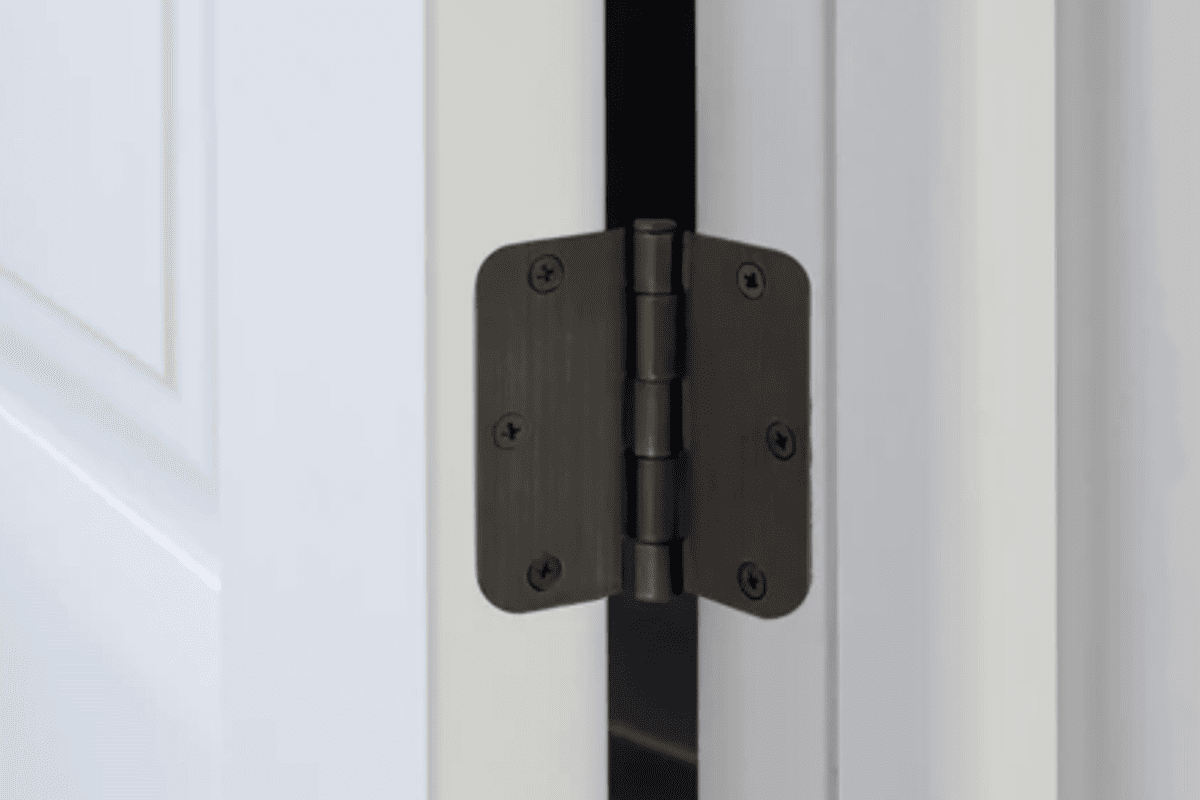
Brass Washered Hinges reduce maintenance risk by limiting direct dry metal-to-metal rubbing at the hinge knuckle and pin area. This can support smoother movement, reduce noise risk, slow wear at the contact surface, and help the door operate more consistently when the hinge is correctly sized, installed, and maintained.
Maintenance is linked to friction
A hinge is small compared with the full door, but it controls movement. If friction increases, the user feels it immediately. The door may need extra force. It may not close smoothly. It may also affect the lock latch, door closer, or frame contact points.
The brass washer supports a better sliding interface. It does not eliminate the need for inspection, but it can make daily movement more stable in the right application.
Potential maintenance benefits include:
- Less harsh movement at the hinge joint
- Lower chance of squeaking from dry contact
- Better control of wear at rotating surfaces
- More consistent swing feel
- Reduced stress from rough operation
- Improved user experience for metal door products
Practical maintenance checks
Even with a suitable hinge, buyers and end users should plan basic checks. Industrial environments are rarely perfect. Dust, moisture, vibration, and impact can affect door hardware.12
A simple maintenance review may include:
Check hinge alignment
The door should not bind during opening.Inspect fixing points
Screws or welds should remain secure.Look for uneven gaps
Uneven gaps may show door sagging or frame movement.Listen for noise
New squeaking can indicate friction or contamination.Inspect washer area
Visible wear or deformation should be reviewed.Clean the hinge zone
Dirt and metal particles can increase abrasion.Follow lubrication guidance when required
Some applications may need periodic lubrication depending on the hinge design and environment.
Why this matters to manufacturers
Door manufacturers and metal fabricators care about more than the first installation. They also care about complaints after delivery. A hinge that feels smooth in the factory but performs poorly on site can damage the buyer’s brand.
For OEM and ODM customers, hinge selection affects:
- Product reputation
- Warranty risk
- Installation feedback
- Repeat orders
- Brand positioning
- Maintenance cost for end users
This is why I always encourage buyers to share the real operating conditions. A small change in hinge structure, material, finish, or quantity can improve the final product.
At SDH Hardware, we support standardized and customized door hardware products, including hinges, locks, handles, cylinders, and accessories. For Brass Washered Hinges, our discussion usually starts with function: What friction problem are we trying to reduce, and what load condition must the hinge support?
That question leads to better sourcing decisions.
Conclusion
Brass Washered Hinges are valuable when buyers understand their real purpose: the brass washer works at the hinge’s friction contact surface to reduce dry metal rubbing, support smoother rotation, and help control wear. They are especially relevant for suitable industrial doors, metal doors, equipment panels, and fabricated metal structures. They are not a one-size-fits-all solution. If you are selecting hinges for bulk production or a project, contact SDH Hardware with your door weight, dimensions, opening frequency, installation details, and finish requirements so I can help you review the right specification.
"A156.1 - 2025 Butts and Hinges", https://buildershardware.com/ANSI-BHMA-Standards/Hardware-Highlights/A1561-2025-Butts-and-Hinges. Door-hardware standards such as ANSI/BHMA A156.1 and BS EN 1935 classify hinges according to load, durability cycles, and application conditions, supporting the general point that hinge specification affects operational smoothness and long-term performance; these standards do not diagnose any specific installation failure. Evidence role: expert_consensus; source type: institution. Supports: Hinge standards classify hinges by door mass, usage grade, durability cycles, and performance requirements, indicating that incorrect hinge selection can affect door operation and durability.. Scope note: Contextual support rather than direct proof for every listed symptom. ↩
"Revolute joint", https://en.wikipedia.org/wiki/Revolute_joint. Engineering mechanics and tribology sources describe friction as arising at contacting surfaces in relative motion, which supports the statement that a hinge pin and knuckle experience friction during repeated rotation; the source may discuss pin joints generally rather than door hinges specifically. Evidence role: mechanism; source type: education. Supports: Rotating pin or journal-type contacts generate friction at the interface between moving surfaces.. Scope note: Mechanism is general to rotating contacts, not specific to brass washered door hinges. ↩
"Investigation of Wear and Friction Properties Under Sliding ...", https://ntrs.nasa.gov/citations/19930092108. Tribology studies of metallic sliding contacts show that bearing metals such as brass or bronze can serve as sacrificial or low-friction interfacial materials, supporting the claim that a brass washer may reduce direct dry metal-to-metal rubbing and moderate wear; performance depends on load, lubrication, surface finish, and alloy composition. Evidence role: mechanism; source type: paper. Supports: Interposing a softer bearing or washer material between moving metal components can change the sliding interface and reduce adhesive wear or friction under suitable conditions.. Scope note: The evidence is based on general sliding-contact behavior and may not test this exact hinge design. ↩
"Investigation of Wear and Friction Properties Under Sliding ...", https://ntrs.nasa.gov/citations/19930092108. Materials references on copper alloys describe brass and related copper alloys as useful in bearing and sliding-contact applications because of their friction and wear characteristics, supporting the article’s claim in a general materials sense; suitability varies by alloy, load, lubrication, and counterface material. Evidence role: general_support; source type: research. Supports: Copper alloys including brass and bronze are commonly used in bearing or sliding applications because of favorable friction, conformability, and wear behavior.. Scope note: Supports brass as a class of materials, not every brass washer specification. ↩
"Chapter 5", https://upcommons.upc.edu/bitstreams/7c568aa4-180d-47bb-be47-f2ac5832b42c/download. Archard-type wear models relate material loss to normal load and sliding distance, supporting the general claim that a frequently opened door hinge is exposed to greater cumulative wear than a rarely used panel; the model is an idealized framework and does not alone predict field life for a specific hinge. Evidence role: mechanism; source type: paper. Supports: Wear commonly accumulates with sliding distance, load, and repeated motion cycles in tribological contacts.. Scope note: General wear mechanism, not a door-hinge life test. ↩
"12.2: Examples of Static Equilibrium", https://open.maricopa.edu/mccphy121jg5/chapter/examples-of-static-equilibrium/. Statics texts explain that support reactions increase with applied weight and moment, supporting the statement that heavier door leaves impose higher forces on hinge joints; actual force distribution depends on hinge spacing, door geometry, and installation stiffness. Evidence role: mechanism; source type: education. Supports: Statics principles show that a heavier door produces larger gravitational loads and reaction forces at hinge supports.. Scope note: General mechanics support rather than a calculation for a specific door. ↩
"Review NMR Studies of RNA Dynamics and Structural ...", https://deepblue.lib.umich.edu/bitstreams/58a52040-a3f1-4071-99b0-d0c54e364c92/download. Door-hardware installation guidance identifies hinge-axis alignment and frame geometry as prerequisites for smooth operation, supporting the claim that a correctly specified hinge can still perform poorly on a misaligned frame; such guidance is usually practical rather than experimental evidence. Evidence role: general_support; source type: institution. Supports: Door-hardware installation guidance commonly identifies hinge and frame alignment as necessary for proper swing and to avoid binding.. Scope note: Contextual installation support, not a controlled study of brass washered hinges. ↩
"Young's modulus", https://en.wikipedia.org/wiki/Young%27s_modulus. Materials-engineering references list steel as having a substantially higher elastic modulus than wood, supporting the contextual claim that metal frames are generally less forgiving of geometric misalignment than timber components; the comparison varies with wood species, grain direction, and metal section design. Evidence role: mechanism; source type: education. Supports: Steel and other metals generally have much higher elastic modulus than timber, making metal assemblies less compliant under small alignment errors.. Scope note: Supports relative stiffness, not every fabrication condition. ↩
"Revealing the Corrosion Resistance of 316 L Stainless Steel ...", https://pmc.ncbi.nlm.nih.gov/articles/PMC9920300/. Government and university materials references explain that stainless steels derive corrosion resistance from chromium-rich passive films, supporting the claim that stainless steel is selected where corrosion resistance is desired; appearance preferences are market-dependent and are not fully established by corrosion data alone. Evidence role: mechanism; source type: government. Supports: Stainless steels resist corrosion because chromium forms a passive oxide film on the surface.. Scope note: Directly supports corrosion resistance; appearance is only contextual. ↩
"Fire Door Inspection & Checklist", https://steeldoor.org/fire-door-assembly-inspections-101/. Fire-door standards such as NFPA 80 and listing practices for fire-door assemblies treat the door leaf, frame, hardware, and installation as parts of the rated assembly, supporting the statement that a hinge by itself does not make a door fire-rated; project requirements depend on the applicable jurisdiction and listing. Evidence role: expert_consensus; source type: institution. Supports: Fire-door standards and listings treat the door, frame, hardware, installation, and tested assembly as relevant to fire-rated performance.. Scope note: Standards-based support; exact requirements vary by market and certification scheme. ↩
"INVESTIGATION OF ROLLING ELEMENT BEARING ...", https://hammer.purdue.edu/articles/thesis/INVESTIGATION_OF_ROLLING_ELEMENT_BEARING_LUBRICATION_AND_FRICTION/21842706. Engineering references define bearings as machine elements that support relative motion while reducing friction, which supports the description of bearing hinges as using bearing-assisted movement to lower rotational resistance; this definition does not establish that every bearing hinge outperforms every washered hinge in all applications. Evidence role: definition; source type: encyclopedia. Supports: Bearings are mechanical elements used to constrain relative motion and reduce friction between moving parts.. Scope note: Defines the mechanism generally rather than ranking specific hinge products. ↩
"An In-Depth Study of Vibration Sensors for Condition Monitoring", https://pmc.ncbi.nlm.nih.gov/articles/PMC10857366/. Maintenance and tribology literature identifies particulate contamination, moisture, vibration, and impact loading as factors that can increase abrasion, corrosion, or mechanical degradation, supporting the article’s general maintenance warning for door hardware; the magnitude of effect depends on environment, materials, sealing, and maintenance practices. Evidence role: general_support; source type: research. Supports: Contaminants, moisture, vibration, and mechanical shock can accelerate wear, corrosion, loosening, or degradation in mechanical assemblies.. Scope note: General mechanical-maintenance evidence, not a field study of brass washered hinges. ↩
