
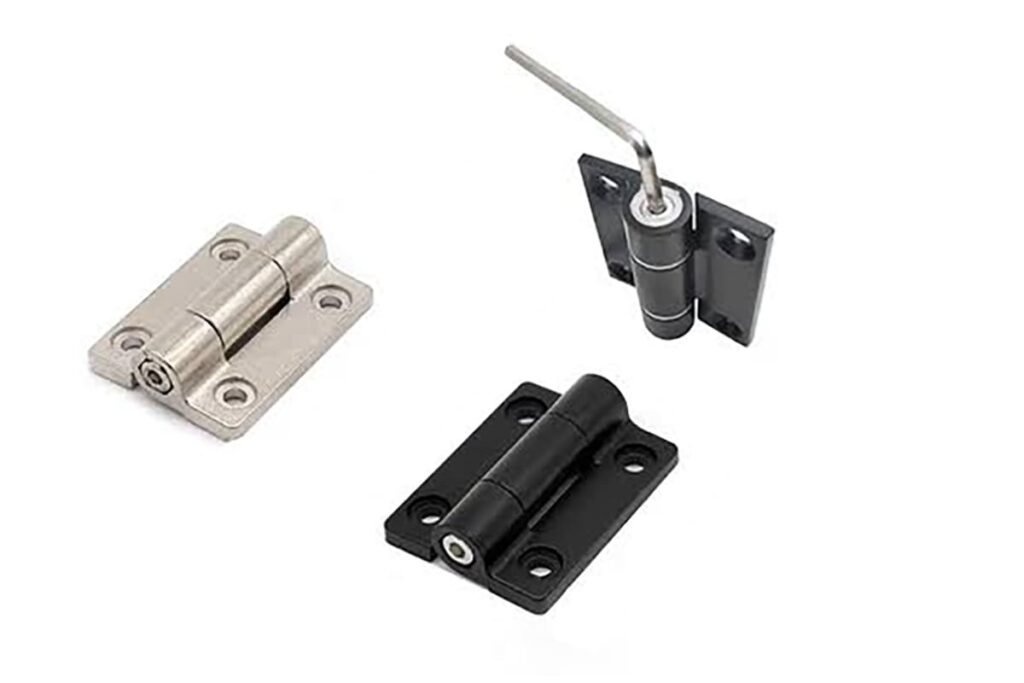
What Are the Key Parameters of a Spring Door Hinge?
A spring door hinge can look simple on a drawing, but the wrong specification can create slow closing, hard opening, frame interference, or early replacement problems. I often see buyers focus only on size or price. The better solution is to confirm each parameter against the door, frame, usage frequency, and project environment.
The key parameters of a spring door hinge include size, leaf thickness, pin diameter, material grade, load capacity, spring force, closing-speed adjustment, installation method, finish, and test requirements.1 Buyers should match these variables to door weight, door width, opening frequency, indoor or outdoor exposure, and whether the project needs a basic return hinge or an adjustable spring + damping design.
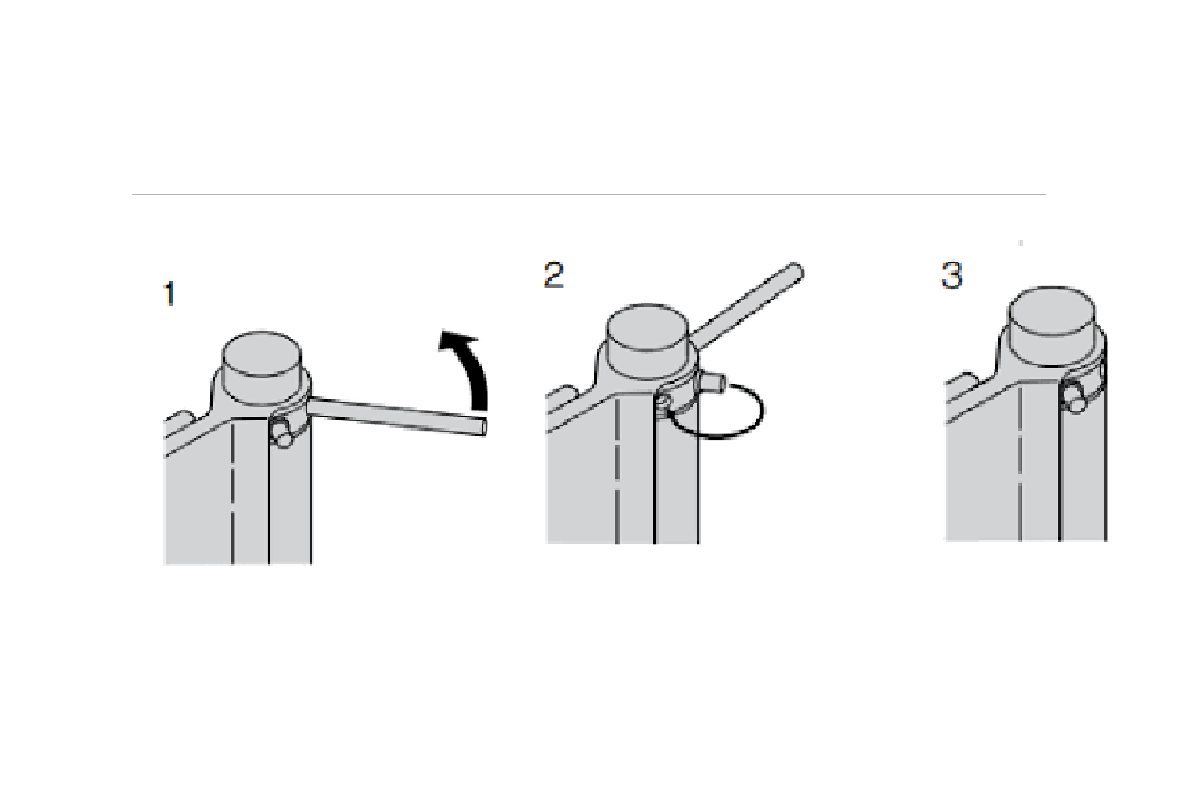
In my factory-side work with door factories and hardware importers, I have learned that most hinge mistakes happen before production starts. The buyer sends a photo, but not the door weight. The drawing shows the height, but not the installation method. So let’s break down the real selection logic.
Why Is Spring Door Hinge Size More Than Length and Width?
A spring door hinge size looks like a simple measurement, but it can become a costly mismatch if the buyer reads it as a standalone label. A hinge that fits the catalog may still be unsuitable for the door weight, frame clearance, or installation position. This is where many sampling discussions become complicated.
A spring door hinge size should be read as a specification system: length × open width, leaf thickness, pin or shaft diameter, screw-hole position, and installation clearance2. Buyers should confirm these dimensions together with door width, door weight, frame structure, and whether the hinge will be recessed or surface-mounted.
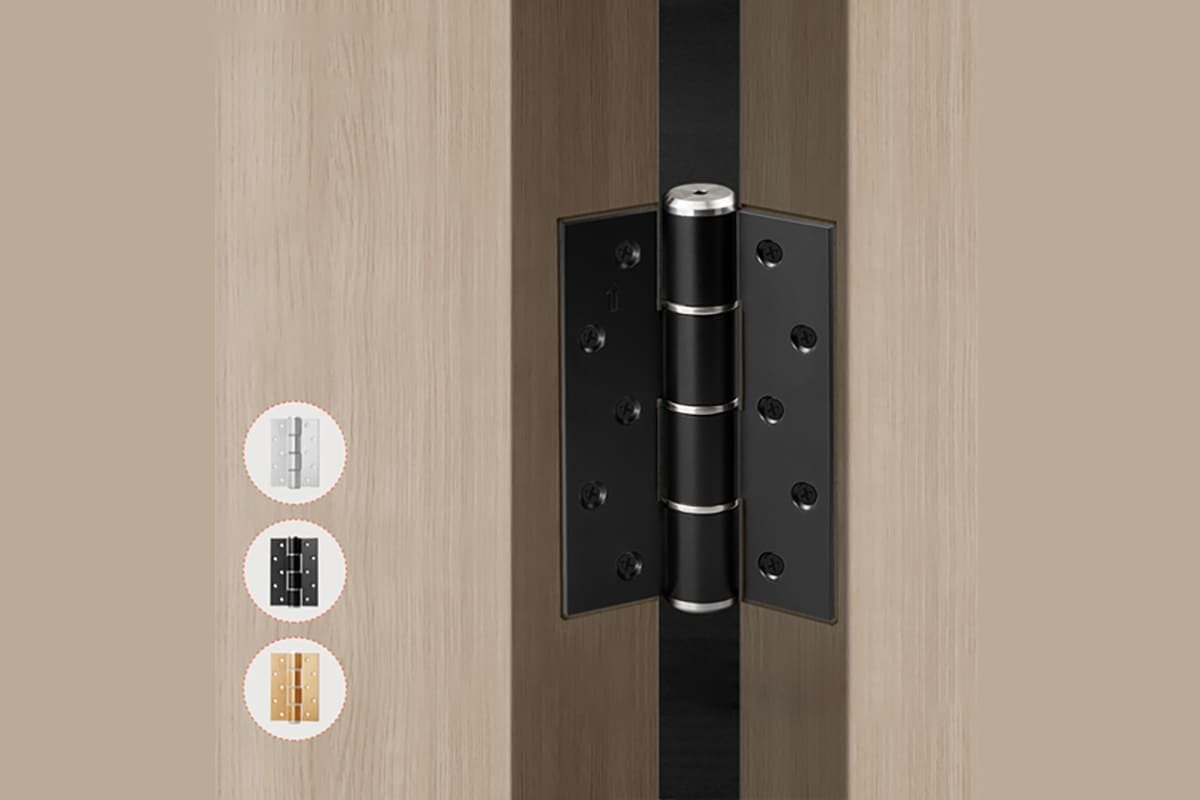
How I read hinge size during inquiries
When a customer sends me a spring hinge inquiry, I do not treat “4 inch” or “100 mm” as a complete specification. I usually ask for more details because two hinges with the same nominal size can behave differently in real installation.
A proper size discussion usually includes:
- Hinge length: The vertical height of the hinge leaf.
- Open width: The full width when both leaves are opened flat.
- Leaf thickness: Affects strength, appearance, mortise depth, and door preparation.
- Pin or shaft diameter: Affects hinge strength and rotation stability.
- Knuckle structure: Affects clearance and visual style.
- Screw-hole diameter and position: Affects replacement compatibility.
- Corner shape: Square corner or radius corner may matter for prepared doors.
- Gap requirement: The door gap can affect closing performance and rubbing risk.
Here is a simple example of how buyers can compare size parameters:
| Parameter | What It Means | Why Buyers Should Confirm It |
|---|---|---|
| Length × open width | Main catalog size | Must match door height, frame space, and market standard |
| Leaf thickness | Metal thickness of each hinge leaf | Affects strength, mortise depth, and visible gap |
| Pin diameter | Diameter of rotating shaft or pin | Affects stability and load behavior |
| Screw pattern | Hole position and screw size | Important for replacement and mass installation |
| Corner type | Square or rounded leaf corners | Must match door preparation tooling |
Why inches and millimeters create confusion
In global door hardware trade, I often see the same hinge discussed in both inch and metric language. A buyer may request “4 inch,” while the drawing shows about 102 mm. Another buyer may say “100 × 75 mm,” but the sample is close to an inch-based standard.
This does not mean either side is wrong. It means the buyer and supplier must align the drawing before sampling.
For example:
- A European customer may use metric drawings.
- A Middle East wholesaler may sell inch-based sizes.
- A door factory may need the exact screw-hole position for CNC preparation.
- A hardware brand may need the size to match an existing product line.
My practical rule is simple: I never rely only on the catalog name. I prefer to confirm a technical drawing before sampling.
Why size must connect to door conditions
A larger hinge is not automatically better. A thicker hinge may require deeper mortising. A wider hinge may interfere with the frame. A stronger-looking hinge may not match the screw position of a replacement project.
Buyers should connect size to:
- Door weight
- Door width
- Door thickness
- Frame material
- Opening angle
- Installation method
- Number of hinges per door
- Local market expectations
If the project is a new door system, the buyer has more freedom. If the project is replacement, the buyer should be much stricter. In replacement orders, even a 2–3 mm difference in screw-hole position can create extra labor on site3.
How Should Buyers Confirm Spring Door Hinge Load Capacity?
A spring door hinge load capacity is one of the most misunderstood parameters in sourcing. Buyers often ask for “maximum weight,” but they may not clarify whether the number applies to one hinge, one pair, three hinges, or a specific laboratory condition. This can lead to unsafe assumptions.
Spring door hinge load capacity usually refers to the door weight supported by one pair of hinges, unless the supplier clearly states otherwise. Buyers should confirm the number of hinges used, door size, test condition, installation method, and whether the quoted rating applies to the exact model and material being purchased.
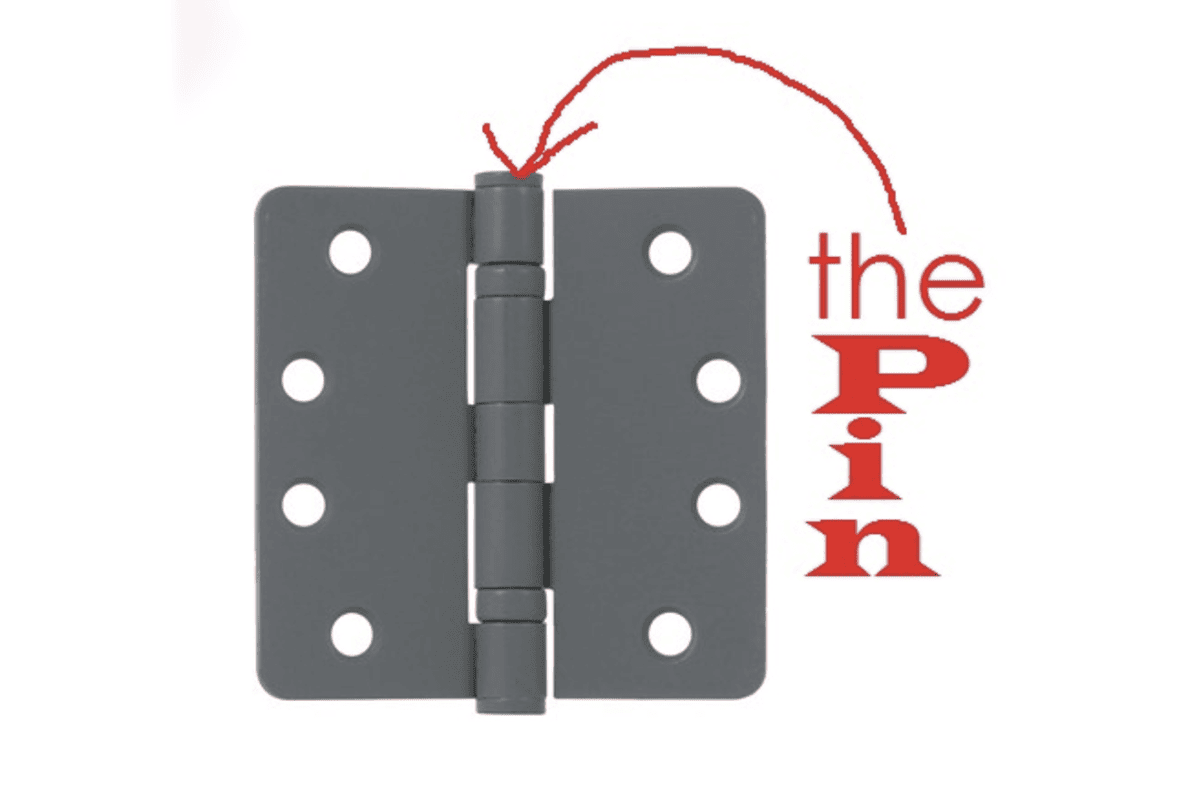
Why load capacity is not a universal number
In factory discussions, I try to be careful with load capacity because it depends on more than metal thickness. The same hinge may perform differently depending on door width, hinge spacing, screw quality, frame strength, and opening frequency.
A useful load capacity discussion should include:
- Weight supported by one hinge, one pair, or one set
- Number of hinges installed on one door
- Door height and width
- Door material, such as wood, steel, aluminum, or composite
- Frame material
- Screw type and fixing strength
- Opening frequency
- Test standard or internal test method, if available
I always recommend that buyers ask this question clearly:
“Is this load capacity based on one hinge, one pair, or one door set under a specific test condition?”
This single question prevents many misunderstandings.
Why “higher load” is not always the right target
Some buyers assume they should choose the highest load rating available. That is not always practical. A hinge with a stronger spring may create more opening resistance. A thicker hinge may require a different door preparation. A heavier model may cost more and look too bulky for the target market.
The better question is:
What load capacity gives enough safety margin for this door design and usage condition?
Here is a simplified evaluation table:
| Buyer Decision | Risk If Ignored | What to Confirm |
|---|---|---|
| Door weight | Hinge sagging or weak closing | Actual door weight with accessories |
| Door width | Higher leverage on hinge side | Width and hinge spacing |
| Number of hinges | Uneven load distribution | 2 hinges, 3 hinges, or custom layout |
| Frame strength | Screw loosening | Frame material and fixing method |
| Usage frequency | Faster wear | Residential, commercial, or high-traffic use |
Door width matters as much as door weight
Door weight alone is not enough. A wide door creates more leverage on the hinge.4 A narrow door with the same weight may place less stress on the hinge system. This is why I usually ask for both door weight and door width during technical confirmation.
For example, two doors may both weigh 40 kg. One may be narrow and used in a residential interior. The other may be wider and used in a commercial corridor. The hinge selection may not be identical because the stress pattern is different.
Why buyers should confirm test conditions
A supplier may have internal test data, third-party reports, or customer application records. These are useful, but buyers should still verify whether the test condition matches the project.
Buyers should ask for:
- Model-specific test information
- Material and thickness of the tested hinge
- Number of hinges used in testing
- Door size and weight in the test
- Cycle count, if claimed
- Applicable certification documents, if required
At SDH Hardware, we treat these details as part of order confirmation rather than marketing decoration. For project-specific applications, buyers should still arrange qualified technical evaluation, especially for fire-rated doors, public buildings, or heavy-use environments.
Which Spring Door Hinge Material Is Best for the Application?
A spring door hinge material should not be selected by a simple “good or bad” ranking. A material that works well for an indoor residential door may not be enough for a coastal hotel project. A high-corrosion-resistance material may be unnecessary for a dry indoor market where cost is the main concern.
The best spring door hinge material depends on corrosion risk, project location, budget, finish requirement, and target market expectation. Common stainless steel options include 201, 304, and 316, with 201 often used for cost-sensitive indoor applications, 304 for stronger general corrosion resistance, and 316 for harsher humid or coastal environments.5
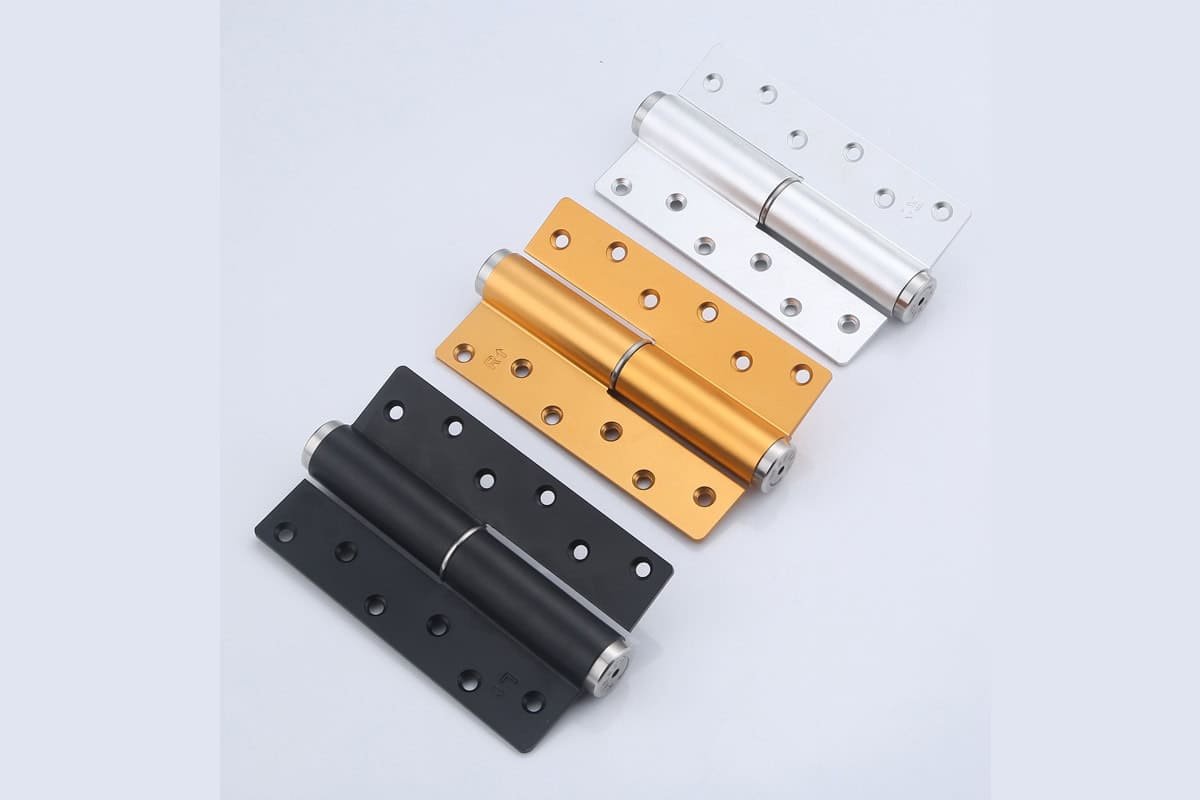
How I compare 201, 304, and 316 stainless steel
In international hardware sourcing, stainless steel grade is often one of the first questions. However, the answer should depend on application risk. I prefer to discuss stainless steel grades in terms of environment, cost, and buyer expectations.
| Material | Typical Advantage | Common Application Logic | Buyer Risk If Misused |
|---|---|---|---|
| 201 stainless steel | More cost-effective | Dry indoor use, price-sensitive markets | May not satisfy corrosion expectations in humid areas |
| 304 stainless steel | Better general corrosion resistance | Many indoor and semi-protected applications | May still need evaluation for harsh coastal use |
| 316 stainless steel | Stronger resistance in aggressive environments | Coastal, humid, or higher-spec projects | Higher cost may not fit all markets |
This table is not a universal guarantee. Actual performance depends on material quality, surface treatment, exposure condition, maintenance, and test requirements.
Material affects more than rust resistance
Buyers often connect stainless steel only with corrosion resistance. That is important, but material selection also affects:
- Surface finish quality
- Forming stability
- Welding or assembly behavior
- Cost structure
- Market positioning
- Perceived product grade
- Compatibility with project specifications
For example, a brand importer selling to a European market may choose 304 stainless steel because customers expect it. A wholesaler serving dry indoor markets may choose 201 stainless steel to control cost. A coastal resort project may request 316 stainless steel or a specific anti-corrosion test requirement.
Why finish and surface treatment matter
The base material is only one part of the selection. The surface finish also affects appearance and application risk.
Common finish options may include:
- Satin stainless steel
- Polished stainless steel
- PVD finishes
- Powder coating
- Brushed finishes
- Custom color finishes for brand programs
A buyer should confirm whether the finish is mainly decorative or whether it must meet corrosion, abrasion, or color consistency requirements. If a project requires salt spray testing, the buyer should specify the test condition instead of assuming that a material name is enough.6
Why buyers should verify material documents
For procurement, I recommend that buyers ask suppliers for material confirmation documents when needed. These may include mill certificates, internal inspection records, or third-party test reports. The exact document depends on the buyer’s market and project requirements.
Buyers should avoid vague wording such as:
- “High quality stainless steel”
- “Anti-rust hinge”
- “European standard material”
- “Heavy duty stainless steel”
These phrases are not technical specifications. A clearer inquiry would be:
“Please quote this spring hinge in 304 stainless steel, satin finish, with material confirmation and drawing before sampling.”
This kind of inquiry saves time for both sides and reduces sample rejection.
Can Every Spring Door Hinge Adjust Closing Speed?
A spring door hinge does not always provide closing-speed adjustment. This is a common misunderstanding in customer inquiries. Some hinges only use spring force to return the door, while other designs combine spring action with damping or adjustment features to control the closing movement more smoothly.
Not every spring door hinge can adjust closing speed.7 Basic spring hinges usually provide return force only, while adjustable spring hinges may allow spring tension adjustment. Hinges with spring + damping designs can support better closing-speed control, but buyers must confirm the exact function, adjustment range, and installation condition by model.
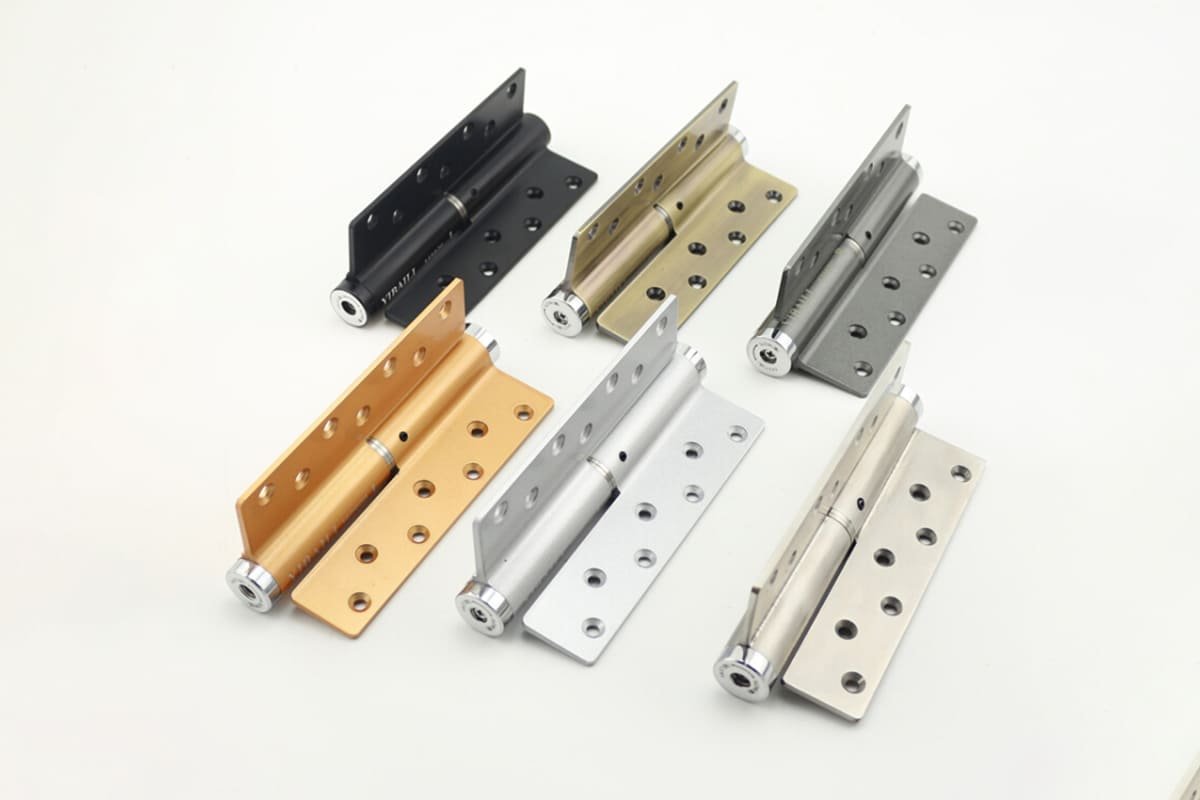
Spring force and closing speed are different
This is one of the most important points in the whole article. A stronger spring does not automatically mean better closing.8 It may close the door more forcefully, but it may also create noise, impact, or user discomfort.
Buyers should separate three ideas:
Spring return force
This pulls the door back toward the closed position.Spring tension adjustment
This allows the installer to increase or reduce return force on some models.Damping or speed control
This helps control the speed or smoothness of closing on specific designs.
A simple spring hinge may return the door, but it may not manage the final closing speed in the way a hydraulic door closer does.9 Buyers should not assume the function without checking the product structure.
Basic spring hinge vs adjustable spring hinge vs spring + damping hinge
| Hinge Type | Main Function | Adjustment Possibility | Buyer Should Confirm |
|---|---|---|---|
| Basic spring hinge | Returns door toward closed position | May be fixed or limited | Spring force, direction, door weight |
| Adjustable spring hinge | Allows tension adjustment | Usually adjusts return force | Adjustment tool, range, installation steps |
| Spring + damping hinge | Supports smoother closing control | May adjust speed or damping by design | Speed range, closing angle, test condition |
Common sourcing mistake: asking for “self-closing” only
Many buyers write “self-closing hinge” in the inquiry. This phrase is not enough. It may refer to a spring hinge, a rising butt hinge, a hydraulic hinge, or another mechanism.
A better inquiry should include:
- “Do you need spring return only?”
- “Do you need adjustable spring tension?”
- “Do you need closing-speed adjustment?”
- “Do you need damping?”
- “What is the door weight and width?”
- “What opening angle is required?”
- “Is the door left hand, right hand, or reversible?”
- “What usage frequency is expected?”
I once handled an inquiry where the buyer wanted a hinge for a small interior door, but the user expected the smooth closing effect of a door closer. A basic spring hinge could not meet that expectation. After we clarified the requirement, the buyer changed the specification before sampling. That saved both sides from a failed sample review.
Why adjustment should be evaluated during sampling
Even when a hinge supports adjustment, the buyer should still test it with the actual door or a realistic mock-up. The hinge may behave differently depending on door mass, air pressure, gasket resistance, latch friction, and installation accuracy.
During sample testing, I suggest checking:
- Opening force
- Return consistency
- Closing speed
- Final latch engagement
- Noise level
- Door alignment after repeated use
- Installer adjustment convenience
For high-traffic doors, buyers should also discuss cycle testing and maintenance expectations with the supplier. Any cycle-life claim should be linked to a specific model and test condition.
Why Is Installation Method a Core Spring Door Hinge Parameter?
A spring door hinge installation method can decide whether the product fits the door at all. Buyers sometimes focus on material and load capacity but forget to confirm if the hinge is recessed, mortised, or surface-mounted. This affects door preparation, frame compatibility, appearance, and replacement convenience.
The installation method is a core spring door hinge parameter because it determines how the hinge connects to the door and frame.10 Buyers should confirm whether the hinge is mortised/recessed or surface-mounted, and they should check door thickness, frame type, screw position, opening angle, and replacement requirements before ordering.
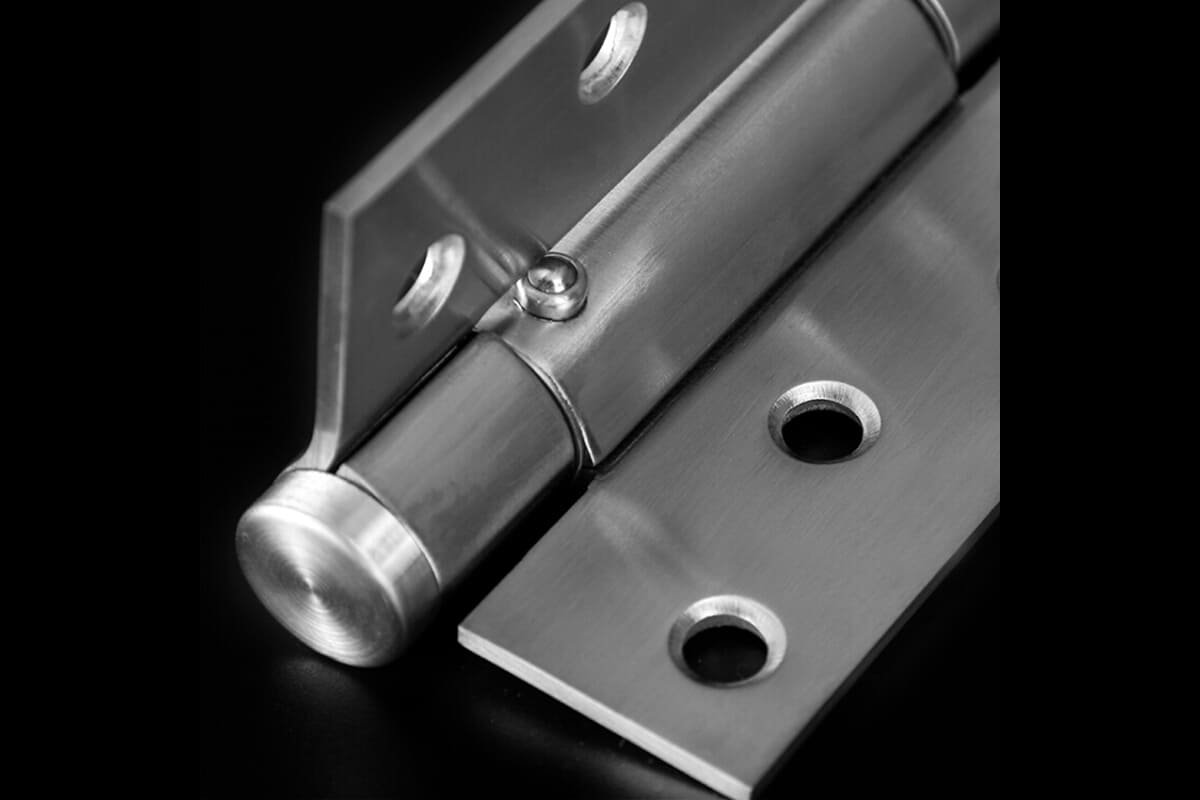
Mortised or recessed spring hinges
A mortised hinge is installed into a cut-out area on the door and frame. This creates a cleaner appearance and helps the hinge sit flush. It is common in many wooden door and architectural door applications.
Buyers should confirm:
- Mortise depth
- Leaf thickness
- Corner radius
- Screw-hole position
- Door edge preparation
- Frame preparation
- Gap after installation
The risk is clear. If the hinge thickness changes but the door preparation does not, the door may bind or show an uneven gap. If the leaf size is different from the existing cut-out, the installer may need rework.
Surface-mounted spring hinges
A surface-mounted hinge is fixed directly on the door and frame surface. It can be easier for some replacement jobs because it may require less routing or machining. However, it changes the visual appearance and may affect clearance.
Buyers should confirm:
- Visible hinge size
- Screw fixing strength
- Clearance during opening
- Frame surface flatness
- Door gap
- Required opening angle
- Aesthetic expectations
Surface-mounted designs can be practical, but they are not automatically suitable for every door. The frame structure must support the fixing points.
Installation method affects procurement cost
Installation cost is often larger than buyers expect. A hinge that is slightly cheaper may require extra door preparation, special tools, or installer training. For a door factory, that cost appears in production efficiency. For a project distributor, it appears as site labor or complaint handling.
Here is how installation method affects buyer decisions:
| Factor | Mortised / Recessed | Surface-Mounted |
|---|---|---|
| Appearance | Cleaner, flush look | More visible hardware |
| Door preparation | Requires accurate routing | Usually less routing |
| Replacement | Must match existing cut-out | May be easier in some cases |
| Frame compatibility | Needs correct depth and clearance | Needs strong surface fixing |
| Risk | Misaligned mortise causes binding | Poor fixing causes looseness |
Why drawings matter before bulk order
For OEM and ODM orders, I always recommend confirming drawings before sample production. A drawing should show:
- Overall size
- Leaf thickness
- Pin diameter
- Screw-hole size and position
- Opening angle
- Installation method
- Finish
- Logo or stamping position, if needed
- Packaging requirements
This is especially important for door factories and hardware brands. Once the door machining has started, even a small hinge change can create production delays.
At SDH Hardware, we often support customers with technical drawings after order confirmation. However, buyers should still verify final compatibility with their own door system, especially when the hinge is part of a certified fire door assembly11 or a regulated project.
What Other Spring Door Hinge Parameters Should Buyers Check Before Sampling?
A spring door hinge specification is not complete if it only includes size, material, and load capacity. Buyers also need to confirm finish, opening direction, packaging, screw accessories, certification documents, and testing expectations. These details may look small, but they often decide whether a sample can become a repeat order.
Before sampling a spring door hinge, buyers should check the complete commercial and technical specification, including finish, handedness, screw type, opening angle, adjustment tool, packaging, logo, inspection standard, certificate requirements, and project test conditions. Clear confirmation reduces sample revisions and protects bulk-order consistency.
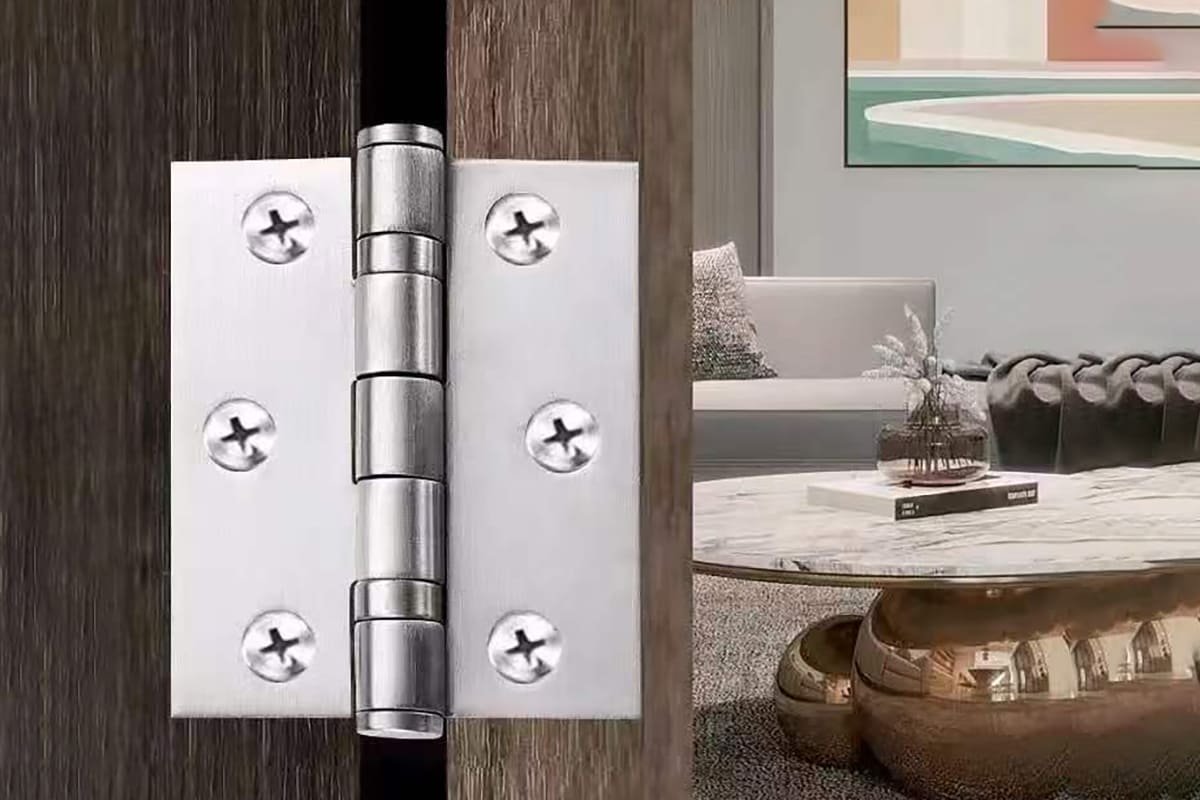
Finish and color consistency
Finish is both a technical and commercial parameter. A satin stainless steel finish may need to match other door hardware, such as lever handles, butt hinges, cylinders, and door accessories. If the hinge is part of a full hardware series, color consistency matters.
Buyers should confirm:
- Finish code or sample
- Brushing direction
- Gloss level
- PVD or coating requirement
- Color tolerance
- Protection film or packaging method
For brand importers, I suggest keeping an approved finish sample. This sample becomes the reference for future orders.
Opening direction and handedness
Some spring hinge designs are reversible. Some are not. Buyers should confirm whether the hinge works for left-hand and right-hand doors. They should also confirm whether the spring action works in the required opening direction.
If the project has mixed door directions, a reversible design may reduce inventory complexity. However, the buyer should still confirm the installation instructions.
Screws and accessories
A hinge is not only the metal body. The fixing accessories matter too. A good hinge can still fail if the screws are not suitable for the door or frame material.
Buyers should confirm:
- Screw material
- Screw size
- Screw head type
- Screw finish
- Quantity per hinge
- Anchors or special accessories
- Adjustment pin or tool, if required
For bulk wholesale, missing tools or wrong screws can create many small complaints. These complaints are avoidable through pre-shipment inspection.
Certification and project documents
Some projects require CE documents, fire-rated documents, or other compliance files. Buyers should treat these as documents to verify, not slogans in a catalog. The document should match the product model, application scope, and project requirement.
At SDH Hardware, our core architectural hardware products are available with CE certification and fire-rated certification for relevant applications. Still, I always recommend that buyers verify the exact model, certificate scope, and installation condition before using documents for project approval.
Pre-shipment inspection points
For a bulk order, I suggest checking at least the following:
- Size and thickness
- Material and finish
- Spring function
- Adjustment function, if applicable
- Surface defects
- Screw and accessory completeness
- Logo or branding position
- Packaging strength
- Label information
- Random sample installation test
Conclusion
The key parameters of a spring door hinge are not only catalog labels. They are practical selection variables that affect door fit, closing performance, durability, installation cost, and buyer satisfaction. I recommend confirming size, load capacity basis, material grade, spring function, installation method, finish, accessories, and test documents before sampling or bulk order. If you need factory-side support for architectural door hardware sourcing, SDH Hardware can help you review drawings, samples, specifications, and OEM requirements before production.
"SECTION 087111 - DOOR HARDWARE (SCHEDULED BY ...", https://fpm.usc.edu/wp-content/uploads/2021/11/087102-USC-HSC-door-hardware-Guide-Specification_1.pdf. Industry hinge standards describe hinge products through dimensional, material, mounting, load, finish, and performance-testing requirements, supporting the use of these variables as a technical specification checklist rather than as isolated catalog labels. Evidence role: general_support; source type: institution. Supports: A recognized door-hardware standard or institutional specification guide should support that hinge selection involves dimensional, material, load, adjustment, finish, mounting, and performance-test criteria.. Scope note: The source may support the general specification categories for hinges or self-closing hinges, but it may not list this article's exact wording or every parameter in one place. ↩
"Hinge Size Guide: Everything You Need to Know About ...", https://www.dkhardware.com/blog/hinge-size-guide-and-chart/?srsltid=AYCX9vIMpViQ-9BY9xvEedyzk_cyqqw7NF1mAstqNf-eOPRllF6Lsgok. Technical references for architectural hinges define hinge size through multiple dimensional features, including leaf dimensions, thickness, pin or knuckle geometry, hole pattern, and installation clearances; this supports treating nominal size as only one element of the full specification. Evidence role: definition; source type: institution. Supports: A technical standard or institutional reference should define hinge dimensions such as leaf size, thickness, pin/knuckle arrangement, screw pattern, and clearances.. Scope note: The source is likely to define hinge geometry generally, rather than specifically addressing every spring-hinge sourcing scenario. ↩
"How to Fit Perfect Door Hinges",
. Door-installation guidance notes that replacement hinges should align with existing mortises and screw locations to avoid redrilling, filling, or routing, supporting the claim that small hole-pattern differences can increase site labor. Evidence role: general_support; source type: education. Supports: An installation or building-maintenance source should support that mismatched hinge screw patterns or mortises can require redrilling, filling, routing, or other site rework.. Scope note: The source may describe alignment problems qualitatively and may not quantify the specific 2–3 mm threshold. ↩"28.18 -- Open door to demonstration preparation area", https://web.physics.ucsb.edu/~lecturedemonstrations/Composer/Pages/28.18.html. Engineering mechanics defines moment or torque as the product of force and its distance from the pivot or support, which explains why a wider door can impose greater leverage on its hinges even when door weight is unchanged. Evidence role: mechanism; source type: education. Supports: A physics or engineering source should explain that torque or bending moment increases with the perpendicular distance from the pivot or support.. ↩
"Marine grade stainless", https://en.wikipedia.org/wiki/Marine_grade_stainless. Materials references distinguish austenitic stainless steels by alloy composition and corrosion behavior, noting that 316 stainless steel has improved resistance in chloride-containing environments compared with common 304 grades, while lower-nickel 201 grades are generally more cost-oriented and less corrosion-resistant. Evidence role: general_support; source type: research. Supports: A materials-science or corrosion source should support that 304 and especially 316 stainless steels generally provide better corrosion resistance than 201, particularly in chloride-rich or marine environments.. Scope note: Actual hinge performance also depends on manufacturing quality, surface finish, exposure severity, and maintenance, so grade comparison is contextual rather than a direct guarantee. ↩
"Salt spray test", https://en.wikipedia.org/wiki/Salt_spray_test. Salt spray standards such as ASTM B117 and ISO 9227 define controlled test conditions, including solution composition, chamber environment, exposure duration, and assessment method, supporting the need to specify the test condition rather than relying on the stainless-steel grade name alone. Evidence role: definition; source type: institution. Supports: A corrosion-testing standard should show that salt spray tests are defined by controlled conditions such as solution, temperature, exposure duration, and evaluation criteria.. ↩
"Door closer", https://en.wikipedia.org/wiki/Door_closer. Door-hardware references distinguish spring hinges, which use spring force to return a door toward the closed position, from controlled door-closing devices that regulate closing speed; this supports the statement that closing-speed adjustment is not inherent to every spring hinge. Evidence role: definition; source type: institution. Supports: A door-hardware standard or neutral technical reference should distinguish spring hinges that provide self-closing force from door closers or damped devices that regulate closing speed.. Scope note: Some spring-hinge models may include tension adjustment or damping features, so the support applies to the product category generally rather than every design. ↩
"Chapter 4: Entrances, Doors, and Gates", https://www.access-board.gov/ada/guides/chapter-4-entrances-doors-and-gates/. Accessibility guidance treats door opening force and closing behavior as usability factors, indicating that greater closing or spring force can create user-resistance and comfort issues rather than automatically improving door performance. Evidence role: mechanism; source type: government. Supports: An accessibility or building-code source should support that door force and closing behavior affect usability and are regulated or limited in some contexts.. Scope note: Accessibility standards address user-force limits and closing behavior broadly; they do not directly test a specific spring hinge model. ↩
"What Is An Automatic Door Closer?", https://www.autodoorandhardware.com/What-Is-An-Automatic-Door-Closer--s/120992.htm?srsltid=AYCX9vK_Ivk3gnI9p1HO5yyS-th9FLwy-fUbIcoYPKlYA1XRuE-JSxlf. Technical descriptions of hydraulic door closers explain that fluid resistance and adjustable valves are used to regulate sweep and latch speed, supporting the distinction between simple spring return and controlled hydraulic closing. Evidence role: mechanism; source type: education. Supports: A technical or educational source should explain that hydraulic door closers use fluid resistance and adjustment valves to control closing speed.. Scope note: The source supports the mechanism-level distinction and may not compare every available spring-hinge design. ↩
"How to Install Door Hinges - II", https://www.kieslermachine.com/pages/how-to-install-door-hinges-ii/?srsltid=AYCX9vJK8ZsY9vTtYWQmYjw78MkUjmE9mvWJKfNdsgIhQlqZ2U_IODzI. Door-installation references define hinge installation by how the hinge leaf is attached to the door and frame, including mortised and surface-mounted arrangements, supporting the claim that mounting method is a core compatibility parameter. Evidence role: definition; source type: education. Supports: An installation guide should define mortised and surface-mounted hinges and explain how they attach to the door and frame.. ↩
"NSPIRE Standard - Door - Fire", https://www.hud.gov/sites/dfiles/PIH/documents/NSPIRE-Standard-Door-Fire-Labeled_20230811.pdf. Fire-door guidance treats the door, frame, hinges, latching hardware, and related components as parts of a listed or certified assembly, supporting the need to verify hinge compatibility within the approved fire-door configuration. Evidence role: expert_consensus; source type: institution. Supports: A fire-safety institution should support that fire doors are evaluated as assemblies including compatible doors, frames, hinges, and hardware.. ↩
