
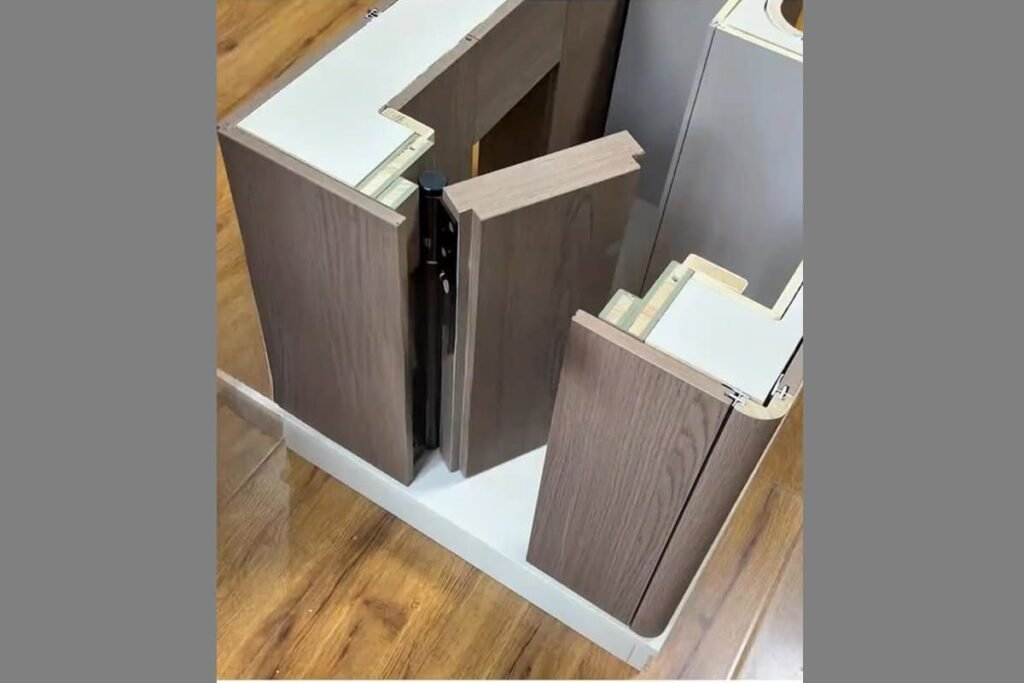
Non-Hold Open vs. 90° Positioning: Which Hydraulic Concealed Hinge Do You Need?
A hydraulic concealed hinge can look simple in a catalog, but the wrong function choice can create real problems after installation. Buyers compare size, load, and price first, then discover that the user expected the door to stay open. The solution is to select the hinge by opening behavior, not only by specifications1.
Choose Non-Hold Open when the door should not promise a fixed open position. Choose 90° Positioning when the user expects the door to remain around 90° for access, movement, or operation. The better hydraulic concealed hinge is the one that matches the door’s real use case and avoids downstream misunderstanding.
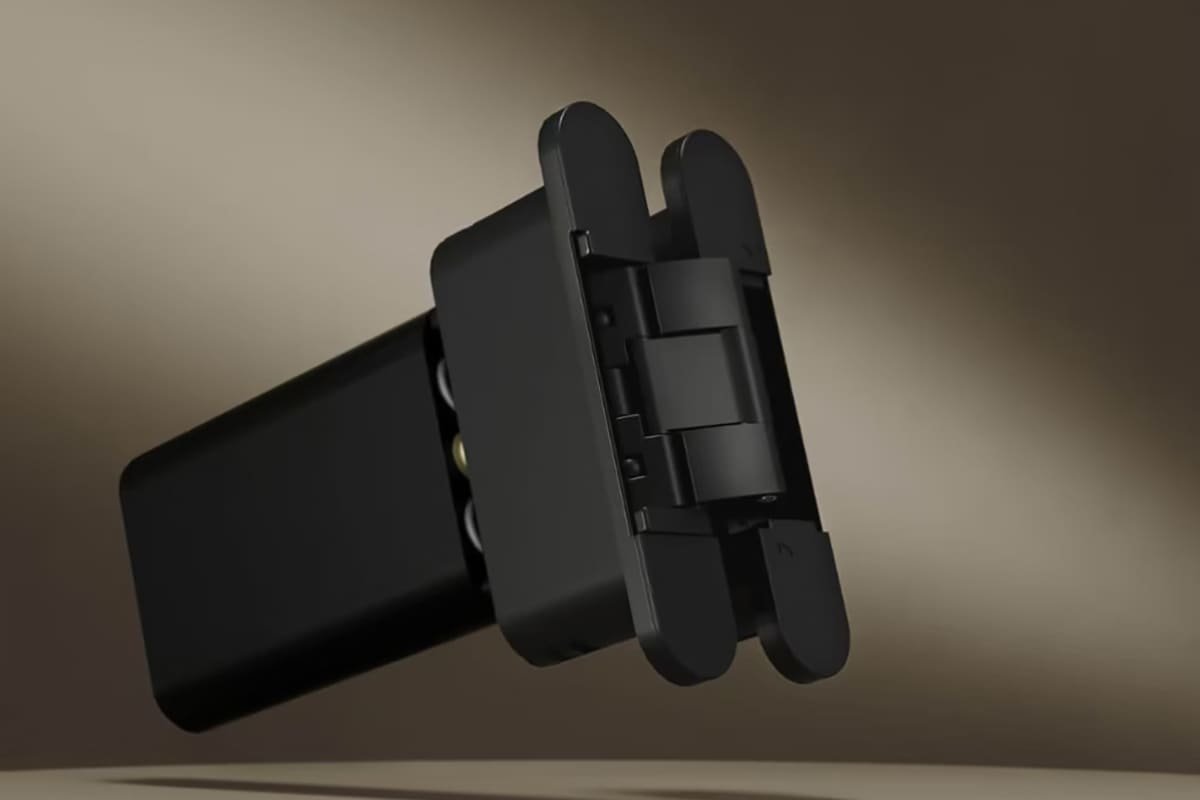
In my customer discussions with door manufacturers and hardware brand buyers, this question appears often: “Is 90° Positioning always better?” My answer is usually no. The more useful question is: Does this door need to remain open at a usable angle?
What Is the Functional Difference in a Hydraulic Concealed Hinge?
Many buyers feel pressure when two hinge functions appear similar on a quotation sheet. The door size may match. The load range may match. The finish may match. However, the user experience can be different, and that difference can affect complaints, replacements, and brand reputation.
A Non-Hold Open hydraulic concealed hinge does not promise a hold-open position. A 90° Positioning hydraulic concealed hinge is selected when the door is expected to stay around 90° for easier passage, access, or operation. The key difference is not quality level. It is the expected door behavior.
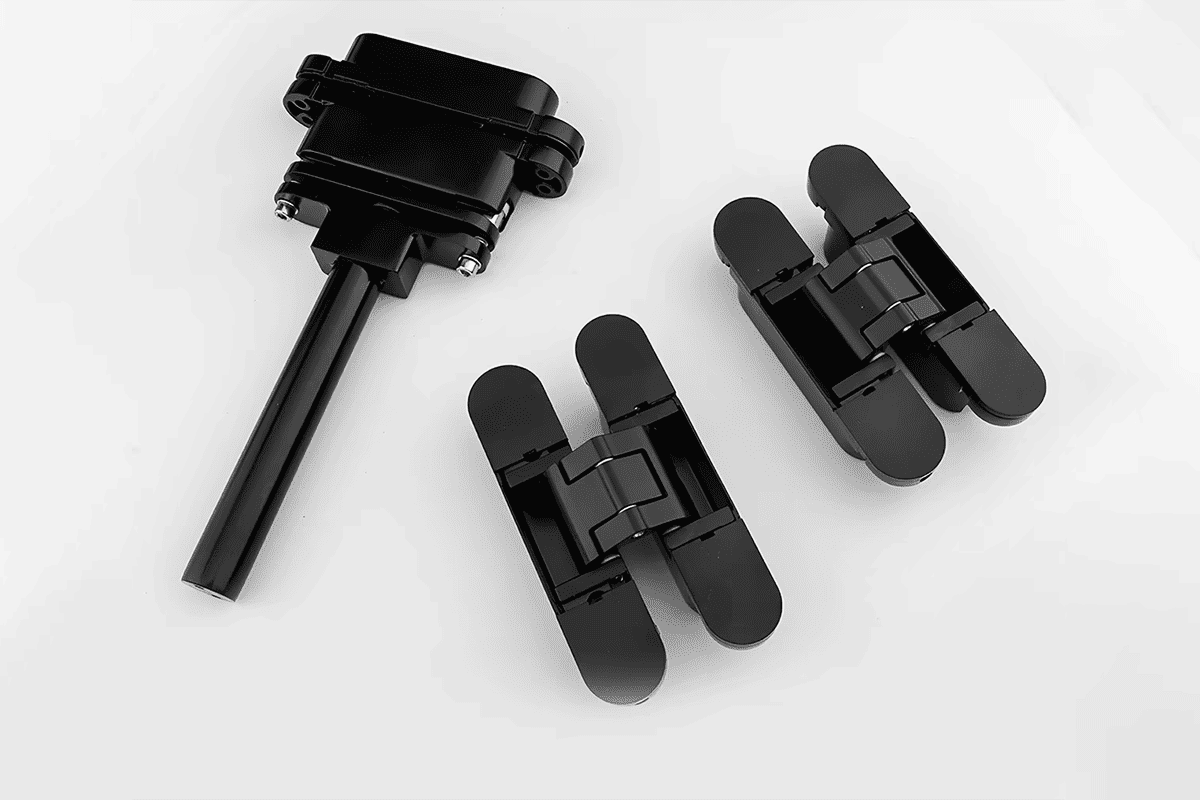
The simple way to define both options
I explain the difference to buyers like this:
- Non-Hold Open: The hinge supports controlled movement2, but it does not create a clear hold-open expectation.
- 90° Positioning: The hinge is chosen when the door should remain around a practical 90° opening position under normal use conditions.
This difference sounds small, but it matters in B2B supply. A door factory may ship hundreds or thousands of door sets with the same hardware configuration. If the function does not match the sales promise, the buyer may face after-sales pressure from installers, dealers, or end users3.
Why “better” is the wrong question
Many customers first ask me, “Which one is better?” I understand why. A product with positioning sounds more advanced. It also sounds easier to sell because it gives the end user a clear feature. However, that does not mean every project needs it.
The better question is:
Does the door need to remain open at a usable angle during daily operation?
If the answer is yes, then 90° Positioning may be the right direction. If the answer is no, then Non-Hold Open may be more appropriate because it avoids creating an expectation that the door will stop at a fixed angle.
Function comparison table
| Selection Point | Non-Hold Open | 90° Positioning |
|---|---|---|
| Main function expectation | No promised hold-open angle | Door can remain around 90° |
| Buyer question | “Do we want to avoid positioning claims?” | “Does the user need a usable open position?” |
| Typical concern | User may expect holding if not explained | User may assume it controls the door like a closer |
| Best use logic | Simple concealed function without hold-open promise | Access, movement, or operation needs around 90° |
| B2B risk if misused | Customer complains door does not stay open | Customer overexpects full door control performance |
A hydraulic concealed hinge should be specified with both technical fit and functional expectation in mind. Size, loading, door thickness, and opening direction still matter. But they are not enough. If the door behavior is not confirmed, the correct-looking hinge may still become the wrong product in the project.
When Should You Choose a Non-Hold Open Hydraulic Concealed Hinge?
Some buyers reject Non-Hold Open too quickly because they assume it is a lower-grade choice. That assumption can create unnecessary cost or the wrong product promise. A simpler function can be the correct function when the door application does not require positioning around 90°.
Choose a Non-Hold Open hydraulic concealed hinge when the door should not be expected to stop at a fixed opening angle, or when the product line needs a concealed hinge function without a hold-open claim. It is suitable when the project values controlled concealed movement but does not need 90° positioning.
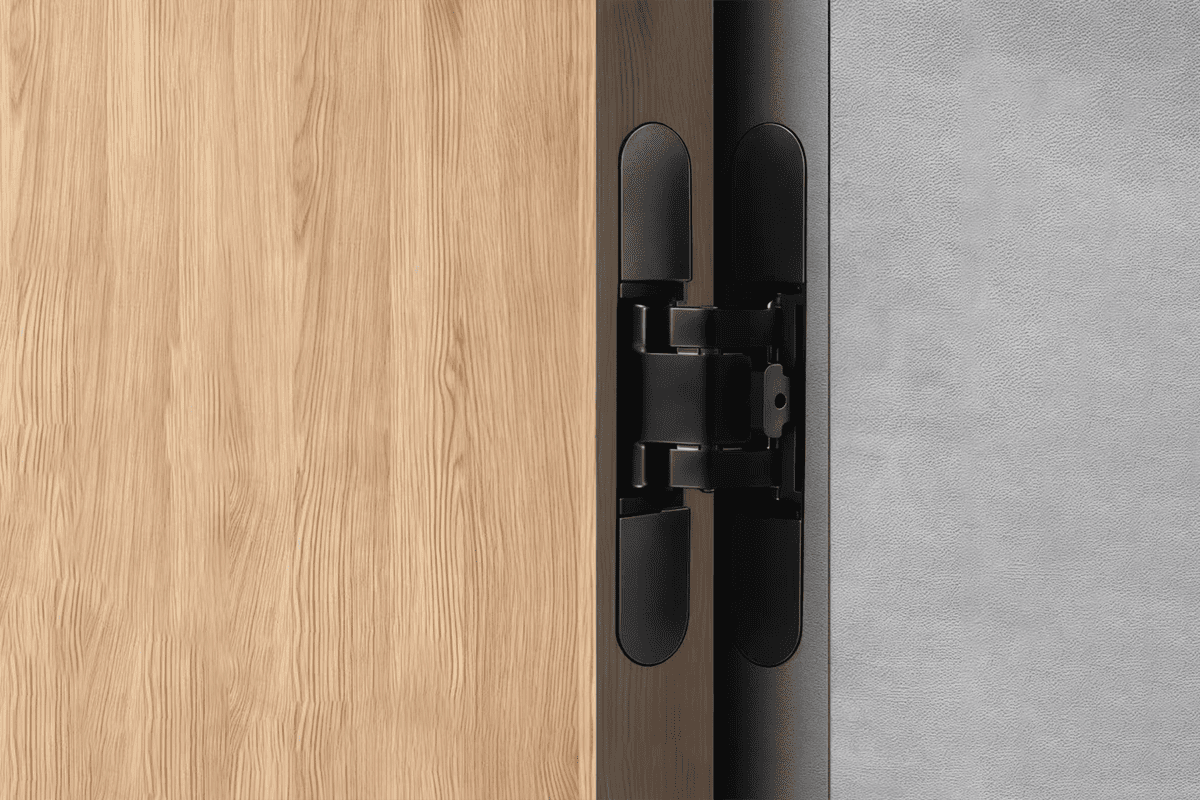
Non-Hold Open is not “cheap by definition”4
I have seen buyers compare Non-Hold Open and 90° Positioning only by price. That is risky. Price is part of procurement, but it should not be the first selection rule. The function must match how the door will be described, installed, and used.
A Non-Hold Open version can be the right choice when:
- The door is not marketed as having a hold-open function.
- The buyer wants to avoid a fixed-angle positioning claim.
- The application does not require the door to remain open during movement or access.
- The hardware brand wants a simpler product explanation.
- The door factory wants fewer end-user assumptions about stopping angle.
This matters because users often form expectations quickly5. If a door opens smoothly, some people assume it should also hold open. If the product literature or sales team does not explain the function clearly, the customer may treat normal behavior as a defect.
Practical door scenarios for Non-Hold Open
Non-Hold Open can make sense in many standardized configurations. For example, a door manufacturer may supply interior doors where the user does not need the leaf to remain open at 90°. A hardware importer may also sell to markets where installers prefer simpler function descriptions.
Here is a practical way to think about it:
| Door Situation | Why Non-Hold Open May Fit |
|---|---|
| Standard interior door | No strong need for fixed open positioning |
| Product line with basic concealed hinge function | Avoids overpromising a hold-open feature |
| Projects with clear user instruction | Function can be explained before installation |
| Doors where fixed open angle may be undesirable | Reduces user expectation of staying open |
| Price-sensitive but quality-conscious orders | Focus remains on suitable function, not false economy |
What buyers should confirm before ordering
Before selecting a Non-Hold Open hydraulic concealed hinge, I suggest asking the sales, project, and installation teams several direct questions:
- Will the customer ask the door to stay open?
- Will the product catalog mention a hold-open function?
- Will installers expect the hinge to stop at 90°?
- Will the sales team explain Non-Hold Open correctly?
- Will the application require professional evaluation for safety or compliance?
These questions reduce confusion. They also help avoid a common B2B problem: the procurement team chooses the product based on the quotation, while the downstream customer judges it based on daily use.
At SDH Hardware, when customers ask about function choices, I prefer to confirm the intended door behavior before discussing bulk order details. This does not replace professional project evaluation. It simply helps the buyer avoid selecting a hinge based only on size, load, and unit price.
When Does a 90° Positioning Hydraulic Concealed Hinge Make More Sense?
A 90° function sounds attractive because it creates a clear benefit. However, it should not be selected only because it sounds more advanced. If the door does not need to remain around 90°, the feature may be unnecessary or even create the wrong sales message.
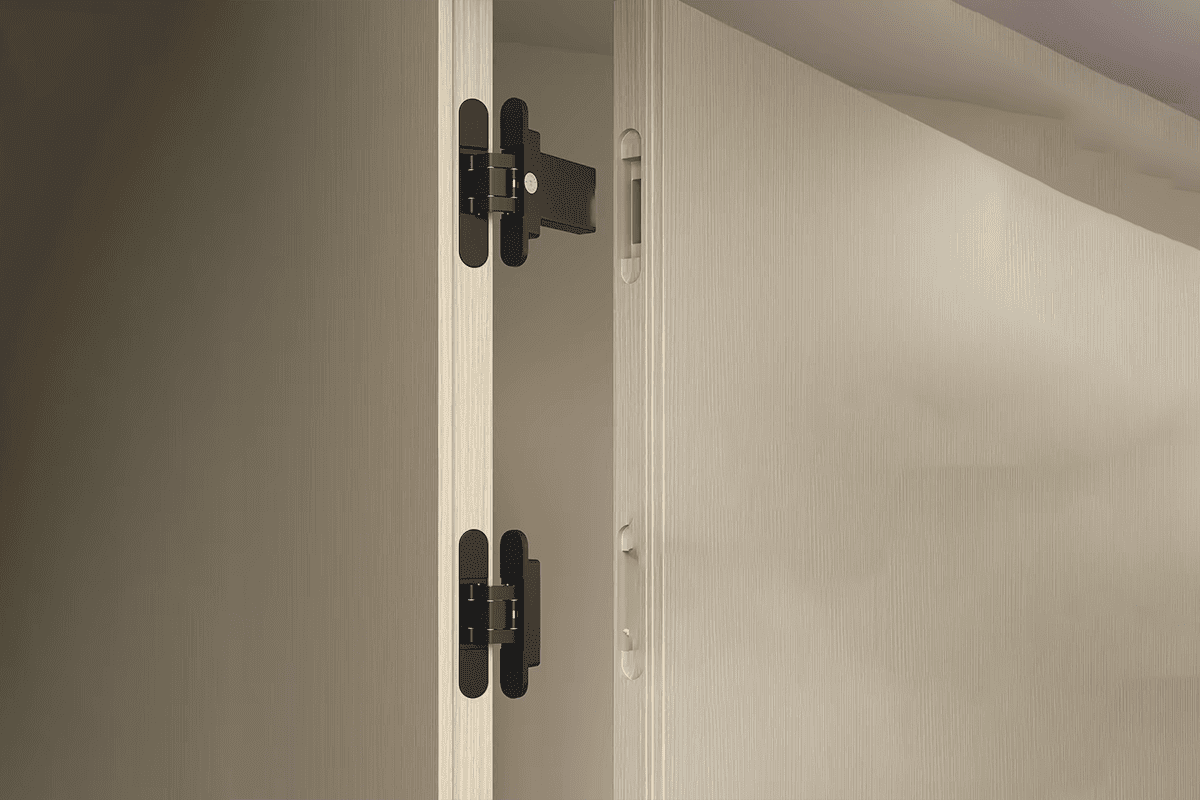
A 90° Positioning hydraulic concealed hinge makes more sense when the user expects the door to stay around 90° for access, passage, loading, display, or operation. It is a function choice for usability, not a universal upgrade or a replacement for a full door closer system.
The real use case is access
The most common reason to choose 90° Positioning is not technical decoration. It is access. A person may need the door to stay open while moving goods, walking through, viewing a room, or operating nearby hardware.
In customer discussions, I often hear buyers say something like, “Our customer wants the door to stay open when fully opened.” Then I ask, “Do they mean around 90°?” That clarification matters because 90° Positioning is not the same as unlimited hold-open at every angle.
Where 90° Positioning may help
A 90° Positioning function may be useful for:
- Door factories that sell finished door sets with a stated opening behavior.
- Hardware brands that want a clear functional option in their catalog.
- Bulk wholesalers that serve installers who ask for practical open-position use.
- Commercial interiors where access around a door opening matters.
- Residential interior lines where the end user expects the door to remain open during daily use.
However, buyers should still confirm the installation conditions. Door weight, dimensions, wall position, hinge quantity, and door frame quality can affect user experience.6 The hinge function should be evaluated as part of the full door system.
What 90° Positioning does not mean
This point is important. A 90° Positioning hydraulic concealed hinge should not be described as if it works like a complete door control system. It is not the same as a full door closer7. It should not be used to replace project-specific door control hardware where closing force, safety, accessibility, or fire-rated performance must be professionally assessed8.
Buyers should avoid sales language such as:
- “This hinge controls the whole door like a closer.”
- “This function is suitable for every door.”
- “This is always more durable than Non-Hold Open.”
- “This will solve all door movement issues.”
- “This function does not need application review.”
A better explanation is:
This option is selected when the door is expected to remain around 90° under suitable application conditions.
A balanced procurement view
The best procurement teams do not simply buy the feature with the stronger marketing name. They match the hinge to the application. They also make sure the product description, packaging, installation instructions, and sales training say the same thing.
For a 90° Positioning hydraulic concealed hinge, I recommend confirming:
| Checkpoint | Why It Matters |
|---|---|
| Door size and weight | Function must match the physical door configuration |
| Opening angle expectation | The user must understand the intended 90° position |
| Door frame quality | Poor installation can affect hinge performance |
| Quantity per door | The hinge system must support the door properly |
| Market explanation | Dealers and installers must describe the function correctly |
| Certification documents | CE or fire-rated documents should be verified when required |
At SDH Hardware, our role is to help buyers define these choices before production. We can support ODM and OEM customers with drawings, sample confirmation, surface treatment options, and inspection after order completion. Still, any project with specific safety, fire, or regulatory requirements should be reviewed by qualified professionals and supported by verified documentation.
How Should B2B Buyers Specify Hydraulic Concealed Hinge Function Before Ordering?
Procurement mistakes often happen because the purchase order lists dimensions, finish, and quantity, but not the real door behavior9. The hinge may be manufactured correctly, yet the buyer may still face complaints because the sales promise was unclear or incomplete.
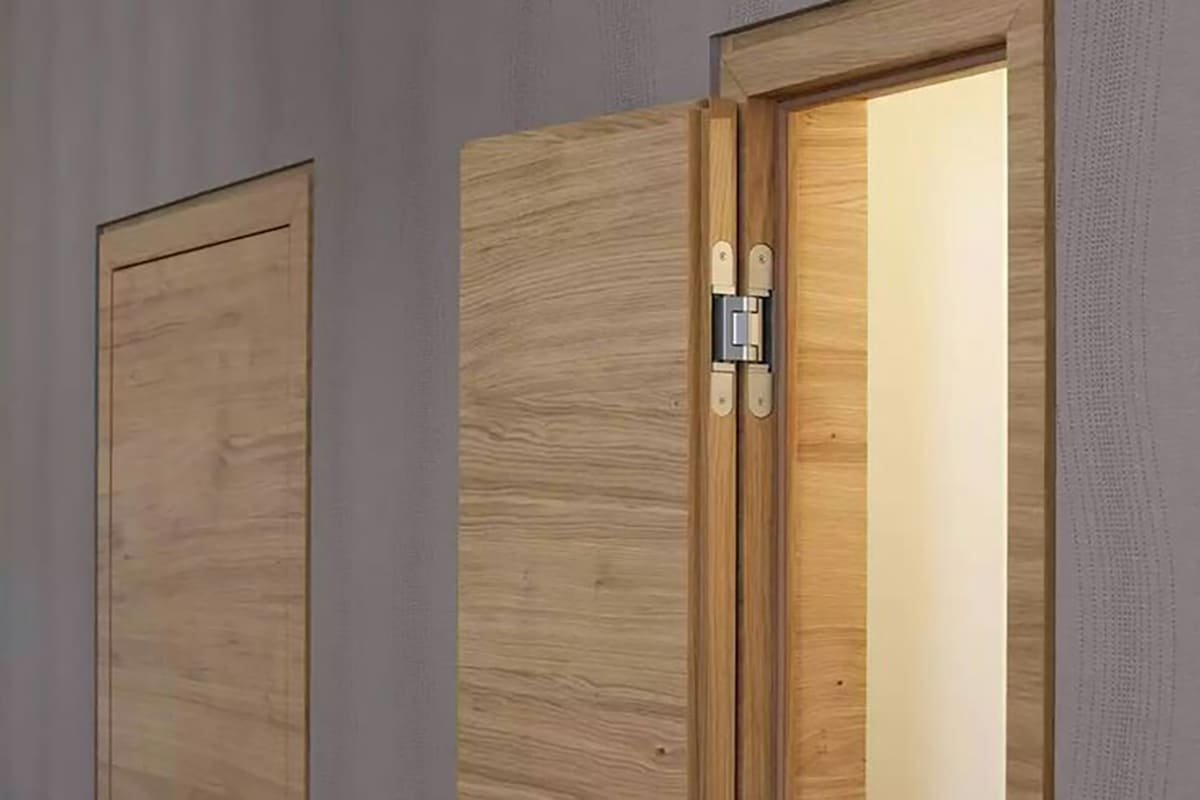
B2B buyers should specify hydraulic concealed hinge function by confirming opening behavior first, then matching technical parameters, finish, certification documents, packaging, and inspection requirements. The most important question is: “Should the door remain open around 90°, or should we avoid any hold-open expectation?”
Start with the user behavior
I suggest starting every inquiry with a simple description of the door’s daily use. This may sound less technical than a specification sheet, but it is often more useful at the beginning.
A clear inquiry may say:
- “The door should stay open around 90° for access.”
- “The door does not need a hold-open position.”
- “The buyer wants concealed hinges, but no positioning claim.”
- “The end user expects the door to remain open during movement.”
- “The project requires certification documents for review.”
This gives the supplier a better basis for recommendation. It also prevents the common mistake of treating Non-Hold Open and 90° Positioning as the same item with different prices.
Then confirm technical and commercial details
After the function is clear, the buyer should confirm the standard procurement details. These details still matter. A correct function will not solve a mismatch in door weight, door thickness, or installation requirements.
Key details include:
Door dimensions
- Height
- Width
- Thickness
- Material type
Door weight
- Estimated or confirmed weight per leaf
- Safety margin for hardware selection
Frame and installation condition
- Wooden frame, metal frame, or aluminum profile
- Available routing space
- Opening direction
Finish and appearance
- Stainless steel color
- Satin, polished, black, or customized finish
- Matching with lever handles, locks, and accessories
Documentation
- Product drawings
- CE documents where applicable
- Fire-rated certification where applicable
- Test or inspection reports available for buyer review
Branding and packaging
- Laser logo or stamping
- Custom color box
- Bulk packing or retail-ready packaging
- SKU labeling for wholesalers
Why function wording matters in B2B sales
A door manufacturer may sell to a contractor. A contractor may sell to a project owner. A project owner may judge the finished door without seeing the original purchase order. If the function wording is vague, everyone in the chain may assume something different.
For example:
| Vague Wording | Better Wording |
|---|---|
| “Hydraulic concealed hinge” | “Non-Hold Open hydraulic concealed hinge; no fixed hold-open position promised” |
| “Positioning hinge” | “90° Positioning hinge for expected open position around 90°” |
| “High-end concealed hinge” | “Concealed hinge with selected function based on door behavior” |
| “Self-control hinge” | Avoid unclear wording; describe the exact function |
This level of clarity protects both the supplier and the buyer. It also helps sales teams answer customer questions consistently.
My recommended pre-order checklist
Before confirming an order, I usually suggest this checklist:
- Step 1: Confirm whether the door needs to stay open around 90°.
- Step 2: Confirm whether Non-Hold Open is acceptable to the end customer.
- Step 3: Confirm door size, weight, and material.
- Step 4: Confirm hinge quantity per door.
- Step 5: Confirm finish and accessory matching.
- Step 6: Review drawings before mass production.
- Step 7: Verify certification documents when required.
- Step 8: Agree on inspection standards before shipment.
This process is practical for door factories, hardware brands, and import buyers. It keeps the discussion grounded in function and reduces after-sales risk.
How Can You Reduce Complaints After Choosing a Hydraulic Concealed Hinge?
A technically acceptable hinge can still create customer dissatisfaction if the sales explanation is wrong. This is one reason I spend extra time on function language with buyers. A small clarification before ordering can prevent a large complaint after installation.
You can reduce complaints after choosing a hydraulic concealed hinge by aligning the product function, quotation wording, catalog description, installation guidance, and customer expectation. The buyer should clearly state whether the hinge is Non-Hold Open or 90° Positioning before production, shipment, and resale.
Complaints often come from expectation gaps
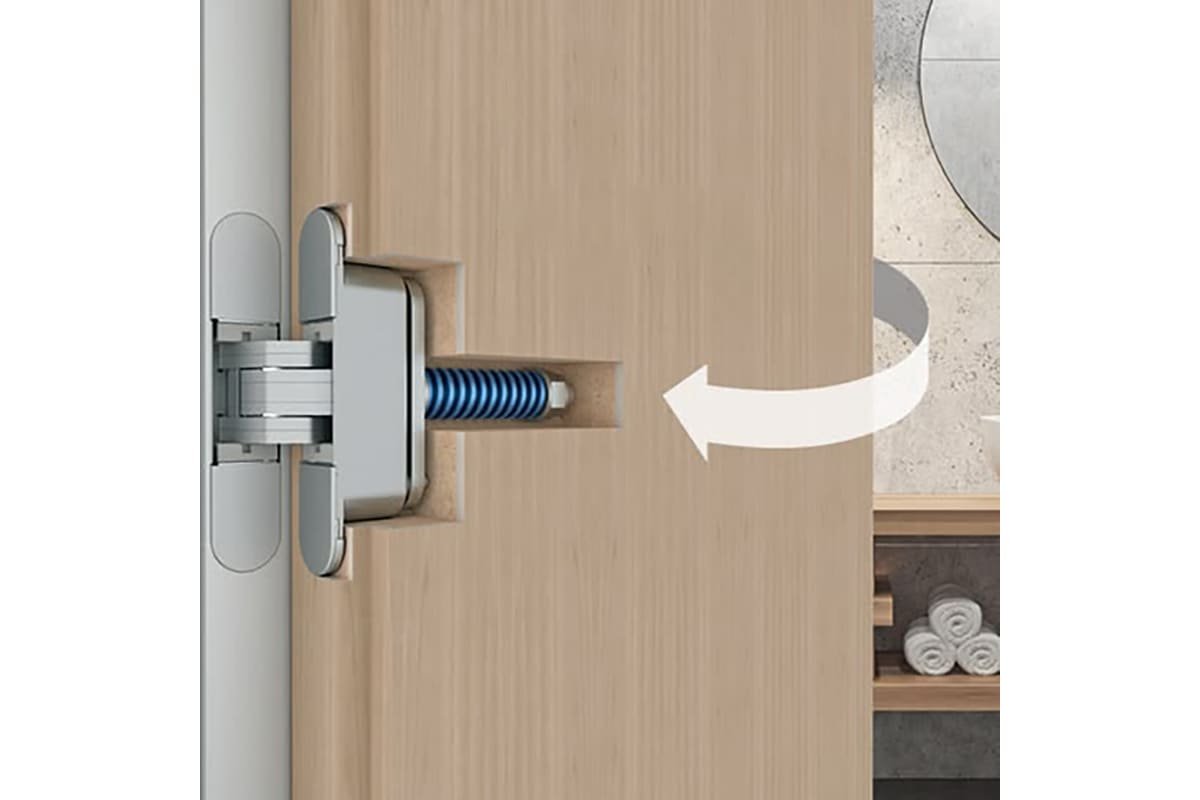
In B2B door hardware, many complaints are not only about manufacturing defects. They can come from expectation gaps. The end user expected one behavior. The seller supplied another. The product may match the order, but the order may not match the real use case.
Common complaint triggers include:
- The user expected the door to stop at 90°, but Non-Hold Open was supplied.
- The dealer described the hinge as “positioning,” but did not explain the actual angle.
- The installer expected a door closer effect from a concealed hinge.
- The catalog did not distinguish the two functions.
- The buyer chose by price and did not confirm user behavior.
Build function clarity into the full sales chain
The best way to reduce complaints is to repeat the same function language across all materials. The quotation, proforma invoice, product label, internal SKU name, and catalog page should use consistent wording.10
For example:
- SKU name: HCH-90P, 90° Positioning
- Quotation description: Hydraulic concealed hinge, 90° Positioning function
- Catalog note: Selected when the door is expected to remain around 90°
- Installation note: Performance depends on suitable door and frame conditions
- Sales training note: This is not a full door closer system
For Non-Hold Open, the wording should be equally clear:
- SKU name: HCH-NHO, Non-Hold Open
- Quotation description: Hydraulic concealed hinge, Non-Hold Open function
- Catalog note: No fixed hold-open position promised
- Installation note: Confirm if user requires 90° positioning before ordering
- Sales training note: Do not sell as a hold-open hinge
Quality control still matters
Function clarity does not replace manufacturing quality control. Buyers should still evaluate the supplier’s production capacity, testing process, material control, and inspection service.
At SDH Hardware, our factory-direct model supports B2B buyers with:
- In-house production experience across architectural door hardware.
- R&D and precision manufacturing for standardized and customized products.
- Full-process quality control, from raw material screening to finished product inspection.
- Product inspection service after order completion.
- ODM and OEM support, including drawings, surface treatment, packaging, and logo options.
- Documentation support, including CE and fire-rated certification documents where applicable.
Buyers should verify certification documents before using them for project submission11. They should also request samples and conduct application-specific review when the door has special performance requirements.
A practical complaint-prevention table
| Risk | Prevention Method |
|---|---|
| End user expects hold-open, but Non-Hold Open supplied | Ask the 90° expectation question before order confirmation |
| Dealer oversells the function | Provide clear catalog language and sales notes |
| Installer assumes closer-like control | State that 90° Positioning is not a full door closer |
| Project requires documents | Verify CE or fire-rated certification documents before purchase |
| Door conditions are unusual | Recommend qualified professional evaluation |
The goal is not to make the selection complicated. The goal is to make the expectation visible before production. Once the buyer confirms the real door behavior, the specification becomes much easier.
Frequently Asked Questions
Is 90° Positioning always better than Non-Hold Open?
No. 90° Positioning is not automatically better. It is better only when the door needs to remain around 90° for access, movement, or operation. Non-Hold Open can be the correct choice when the buyer does not want to promise a fixed hold-open position.
Does a Non-Hold Open hydraulic concealed hinge mean low quality?
No. Non-Hold Open describes function, not quality grade. A Non-Hold Open hydraulic concealed hinge may be suitable for door applications that do not require positioning. Buyers should evaluate material, manufacturing process, inspection, supplier capability, and documentation instead of judging quality by function name alone.
Can a 90° Positioning hinge replace a door closer?
No. A 90° Positioning hinge should not be described as a full door closer or complete door control system. It provides a positioning expectation around 90° under suitable conditions. Projects needing specific closing force, safety, accessibility, or fire performance should be professionally evaluated.
What should I tell my supplier before ordering?
You should tell your supplier whether the door needs to stay open around 90° or whether Non-Hold Open is acceptable. You should also provide door size, weight, thickness, material, frame type, finish requirements, certification needs, packaging requirements, and expected order quantity.
Should I verify CE or fire-rated certificates for hydraulic concealed hinges?
Yes. Buyers should verify certification documents before using them for project approval or market claims. Suppliers can provide available documents, but the buyer should confirm that the documents apply to the specific product, configuration, and target market requirements.
Conclusion
The choice between Non-Hold Open and 90° Positioning is not about which hydraulic concealed hinge is more advanced. It is about whether the door should remain open around 90° or avoid that expectation. For B2B buyers, this decision affects product descriptions, customer satisfaction, and after-sales risk. If you are selecting concealed hinges for a door line, brand program, or wholesale order, I can help you compare functions, confirm specifications, review drawings, and prepare a factory-direct solution with SDH Hardware.
"SECTION 087111 - DOOR HARDWARE (SCHEDULED BY ...", https://fpm.usc.edu/wp-content/uploads/2021/11/087102-USC-HSC-door-hardware-Guide-Specification_1.pdf. Architectural hardware specification guidance commonly treats door hardware selection as a function of intended door use, operation, and performance requirements as well as physical fit; this supports specifying hinge behavior before purchase, although it does not test the particular hinge models discussed here. Evidence role: expert_consensus; source type: institution. Supports: Door hardware selection should account for intended use, operation, and performance requirements, not only dimensional or load specifications.. Scope note: Contextual support; the source would support the specification principle rather than prove the suitability of a specific product. ↩
"Door closer", https://en.wikipedia.org/wiki/Door_closer. Engineering references on hydraulic damping explain that motion can be controlled by viscous fluid resistance through restricted flow paths, a principle used in devices such as door closers and dampers; this supports the article’s description of controlled movement, though not the performance of a specific concealed hinge. Evidence role: mechanism; source type: education. Supports: Hydraulic dampers control movement by forcing fluid through restricted passages, dissipating energy and moderating motion.. Scope note: Mechanistic support; it explains the general hydraulic principle rather than verifying the named product category. ↩
"Online Consumer Complaint Behavior in COVID-19 Isolation", https://pmc.ncbi.nlm.nih.gov/articles/PMC9547594/. Expectation-disconfirmation research finds that dissatisfaction is associated with gaps between expected and perceived product performance, providing a behavioral basis for after-sales complaints when a door function is promised differently from how it performs. Evidence role: mechanism; source type: paper. Supports: Customer dissatisfaction and complaints can arise when experienced product performance falls short of prior expectations.. Scope note: General behavioral evidence; it does not specifically study hydraulic concealed hinges or door-hardware distribution chains. ↩
"Joseph Juran: overcoming resistance to organisational change", https://pmc.ncbi.nlm.nih.gov/articles/PMC2565827/. Quality-management frameworks define quality in terms of meeting specified requirements or fitness for intended use, supporting the distinction between a simpler function and a lower-quality product; this does not compare the manufacturing quality of Non-Hold Open and 90-degree positioning hinges. Evidence role: definition; source type: institution. Supports: Quality is commonly defined in relation to meeting requirements or fitness for use, not simply by having more features.. Scope note: Contextual support; the source would support the concept of quality, not the price or grade of any hinge line. ↩
"Psychology of Consumer Behavior: Understanding Your ...", https://www.keiseruniversity.edu/articles/consumer-behavior-understanding-market/. Consumer-behavior studies show that expectations are formed from product information and early experience and can shape later evaluations of performance, supporting the article’s warning that users may quickly infer a hold-open function from smooth operation. Evidence role: general_support; source type: paper. Supports: Consumers form expectations from prior information, labels, sales claims, and early experience, and these expectations influence later satisfaction judgments.. Scope note: General evidence; it supports expectation formation broadly rather than documenting user reactions to concealed hinges. ↩
"SECTION 087111 - DOOR HARDWARE (SCHEDULED BY ...", https://fpm.usc.edu/wp-content/uploads/2021/11/087102-USC-HSC-door-hardware-Guide-Specification_1.pdf. Technical guidance for hinge selection relates hinge capacity and performance to door weight, door width, hinge quantity, and installation conditions, supporting the article’s statement that the full door system affects user experience. Evidence role: mechanism; source type: institution. Supports: Hinge loading and door operation depend on door weight, width, hinge number, hinge placement, and supporting frame or installation conditions.. Scope note: General technical support; it does not validate a particular supplier’s load ratings or installation recommendations. ↩
"Door closer", https://en.wikipedia.org/wiki/Door_closer. Door-hardware references define a door closer as hardware that controls the closing of a door, often with requirements for closing speed, force, latching, or fire-door compatibility; this supports distinguishing a 90-degree positioning hinge from a full door-control device. Evidence role: definition; source type: institution. Supports: Door closers are defined by controlled closing functions and regulated performance characteristics that are distinct from a simple positioning or hold-open feature.. Scope note: Definition support; it does not test whether a specific positioning hinge performs any closer-like functions. ↩
"Chapter 4: Entrances, Doors, and Gates", https://www.access-board.gov/ada/guides/chapter-4-entrances-doors-and-gates/. Accessibility and fire-door regulations address door opening force, closing behavior, latching, and hardware compatibility, supporting the article’s caution that safety, accessibility, and fire-rated applications require standards-based professional review. Evidence role: expert_consensus; source type: government. Supports: Door hardware may be subject to accessibility, opening-force, closing, latching, and fire-door requirements that should be checked against applicable standards.. Scope note: Jurisdiction-dependent support; applicable requirements vary by market, building type, and door assembly. ↩
"SD-15 DoD Guide for Performance Specifications", https://www.waru.edu/artifact/sd-15-dod-guide-performance-specifications. Requirements-management and procurement guidance emphasizes that specifications should state functional and performance requirements in addition to descriptive attributes, supporting the article’s warning that a purchase order can be incomplete if it omits expected door behavior. Evidence role: general_support; source type: institution. Supports: Procurement and requirements guidance emphasizes that specifications should include functional and performance requirements, not only descriptive attributes.. Scope note: General procurement support; it does not quantify how often hinge orders fail for this reason. ↩
"Digital transformation and supply chain efficiency improvement", https://pmc.ncbi.nlm.nih.gov/articles/PMC11020941/. Research on requirements communication and product-information management links consistent terminology and traceability across documents with reduced ambiguity among stakeholders, supporting the recommendation to use the same hinge-function wording across quotations, labels, SKUs, and catalogs. Evidence role: general_support; source type: research. Supports: Consistent terminology across product documentation and requirements artifacts can reduce ambiguity and improve communication among stakeholders.. Scope note: Contextual support; the evidence concerns documentation quality generally rather than the door-hardware sector specifically. ↩
"Compliance FAQs: CE Marking", https://www.nist.gov/standardsgov/compliance-faqs-ce-marking. Conformity-assessment and construction-product guidance requires compliance documentation to correspond to the relevant product type, intended use, and regulatory context, supporting the article’s advice to verify certification documents before project submission. Evidence role: general_support; source type: government. Supports: Compliance documents such as declarations, certificates, or test reports should be checked for product scope, intended use, and applicable market requirements before being used for approval.. Scope note: Jurisdiction-dependent support; document types and verification duties differ between CE-marked, fire-rated, and other regulated markets. ↩
