The Complete Guide to Dual Direction Hinges: Types, Uses, and Installation
Dual direction hinges can look simple on a drawing, but the wrong choice can create installation conflict, poor door control, or accessory mismatch. I often see buyers ask for one “two-way hinge” without defining the door structure. The better solution is to separate the hinge type first, then match it to the project.
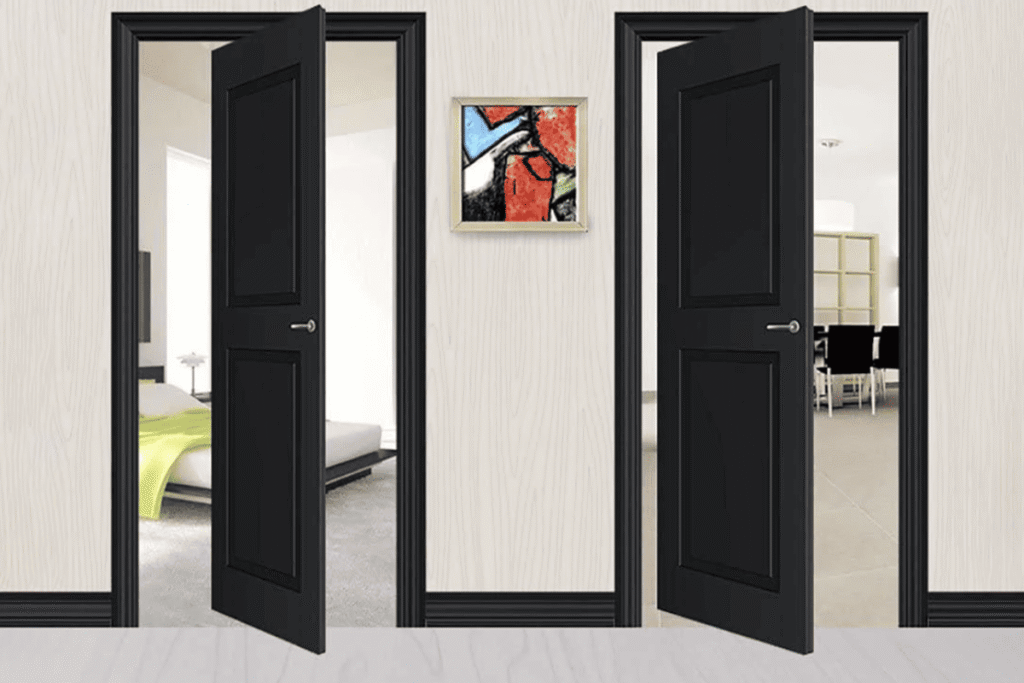
Dual direction hinges are door hinges that allow a door to open in both directions1, but they are not one single product category. In commercial projects, buyers usually choose between pivot hinges for glass doors and double action spring butt hinges for service doors2, hotel back areas, and hands-free passageways.
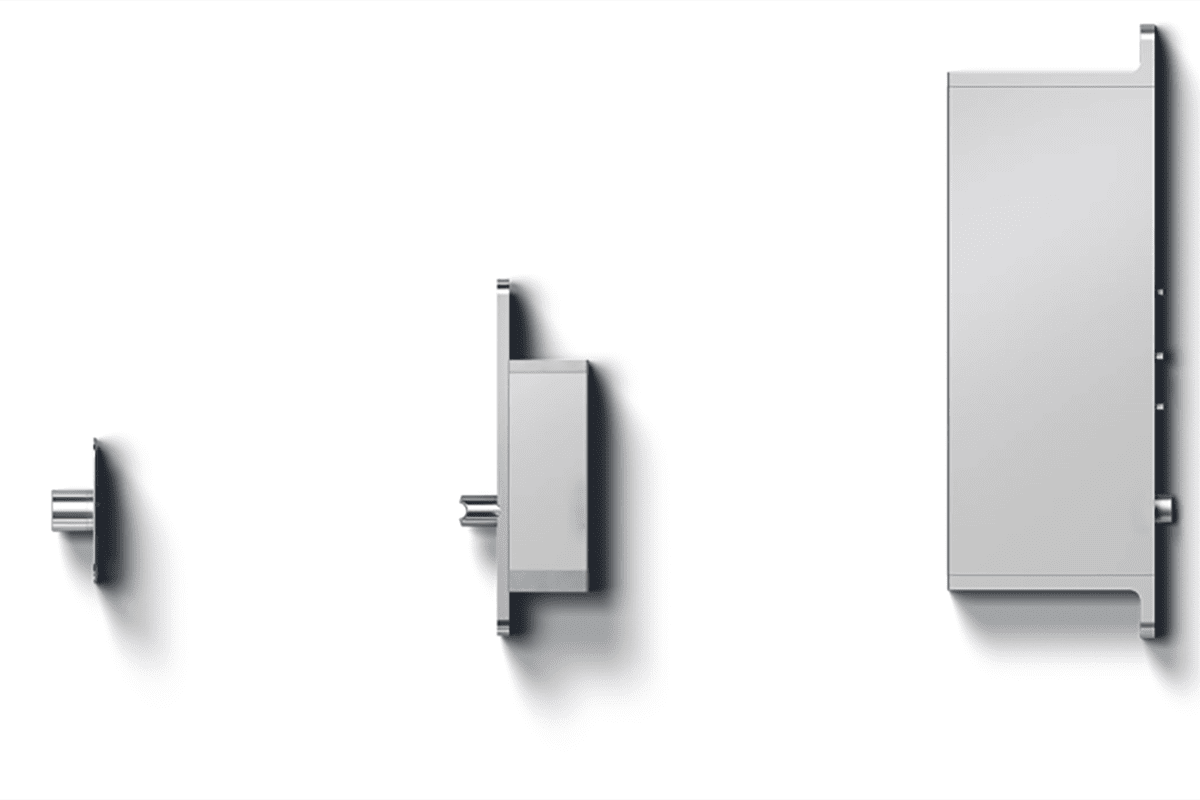
This guide explains the two main product paths, where each one works best, and how I suggest buyers evaluate installation conditions before confirming an order. I will focus on practical B2B sourcing, not generic DIY advice.
What Are Dual Direction Hinges and Why Are They Not One Single Product?
Many buyers start with a simple problem: they need a door to swing both ways. The risk appears when the hinge name becomes too broad. If a buyer treats all dual direction hinges as the same item, the final door may not match the frame, floor, ceiling, lock, or handle plan.
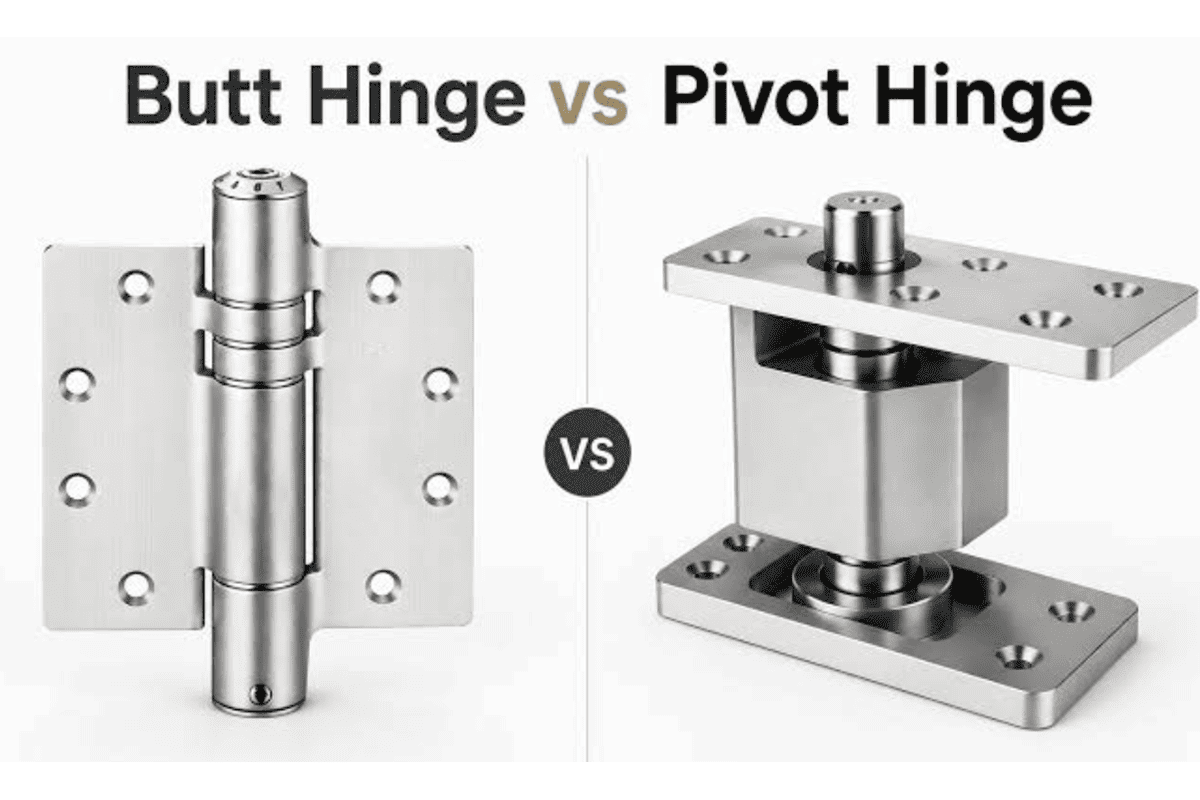
Dual direction hinges allow a door leaf to open in both inward and outward directions. However, the two common solutions are structurally different: pivot hinges usually support top-and-bottom rotation3, while double action spring butt hinges mount on the side edge of the door and frame4.
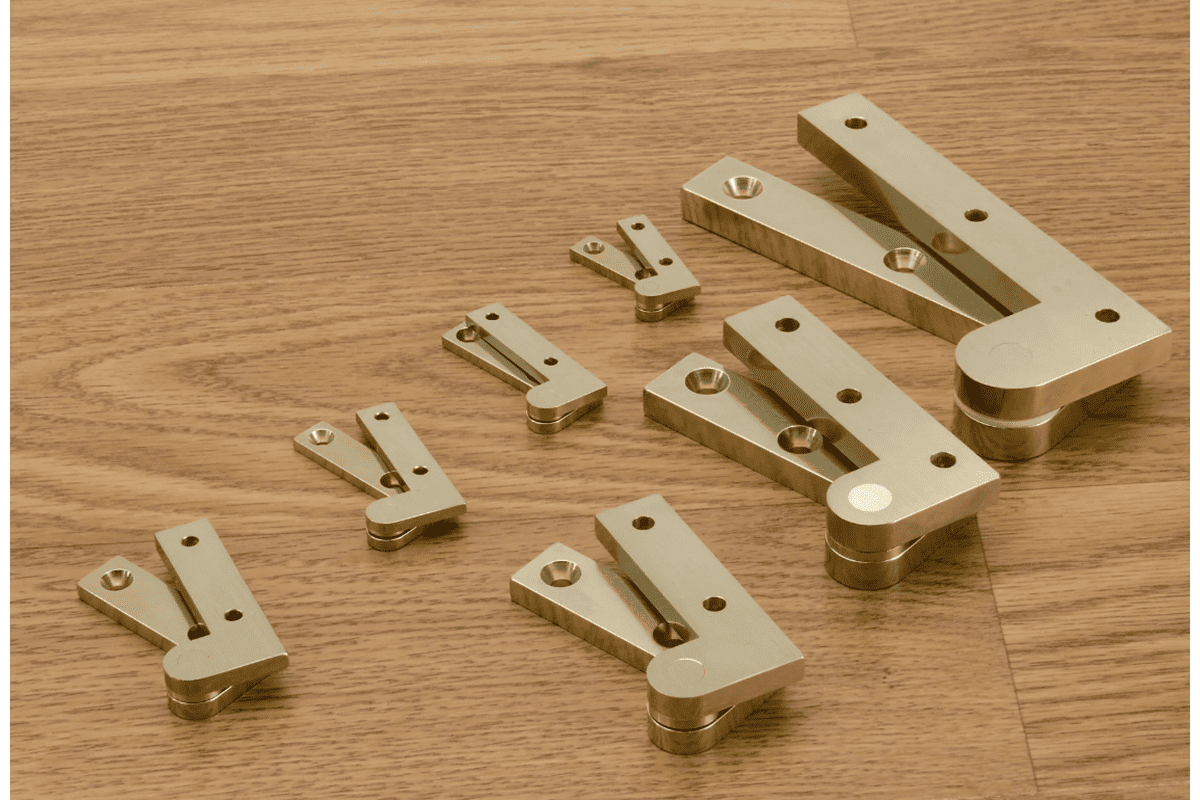
The First Question I Ask Buyers
When a customer sends me an inquiry for dual direction hinges, I do not start with size. I first ask:
“Is this for a glass door pivot system, or is it for a wooden or metal service door with double action spring return?”
This question saves time because these two hinge families solve different problems.
Two Main Product Paths
| Hinge path | Typical door type | Installation position | Common application | Main selection focus |
|---|---|---|---|---|
| Pivot hinge | Commercial glass door | Top and bottom of door leaf | Office, shop, glass entrance, interior glass partition | Door weight, glass thickness, floor/ceiling structure, lock and pull handle |
| Double action spring butt hinge | Wooden, metal, or composite swing door | Side edge of door and frame | Hotel back kitchen, service corridor, accessible passageway | Door thickness, spring force, traffic frequency, frame strength, closing control |
Why the Difference Matters
Pivot-style dual direction hinges usually rely on a top and bottom rotation point. The door does not swing from side-mounted knuckles like a normal butt hinge. This design can work well for glass doors because the hinge system can be integrated with clamps, floor hardware, and fixed pull handles. In many commercial glass door projects, the door also needs an electromagnetic lock5, patch fitting, or fixed handle. Buyers should confirm these accessories before sampling.
Double action spring butt hinges work differently. They are usually mortised into both the door leaf and the frame. They allow the door to swing both ways and return toward the closed position through spring action6. These hinges are common in service areas7 where staff move quickly and may push the door with a shoulder, elbow, or trolley.
A Practical Supplier View
At SDH Hardware, I often see inquiries where the buyer only sends a photo and asks for “dual direction hinge price.” That is rarely enough. A photo may show the appearance, but it does not confirm:
- Door material
- Door thickness
- Door weight
- Frame construction
- Opening angle
- Hold-open requirement
- Locking method
- Traffic frequency
- Surface finish
- Packaging and branding needs
For B2B procurement, the hinge must match both the door system and the sourcing model. A hardware brand may care about finish consistency and logo marking. A door factory may care more about machining drawings and stable batch supply. An importer may need clear carton packing, inspection documents, and repeatable specifications.
So, the correct starting point is not “Which dual direction hinges are strongest?” The correct starting point is:
- What type of door is used?
- How is the door supported?
- What movement does the end user need?
- What matching hardware is required?
- What documentation must the buyer verify?
Which Types of Dual Direction Hinges Are Common in Commercial Projects?
Choosing the wrong hinge type can create problems before the door is even installed. A pivot hinge may need floor and ceiling preparation. A spring butt hinge may need accurate mortising and frame strength. If buyers compare only by size or load rating, they may miss the real installation logic.
The two most common types of dual direction hinges in commercial door hardware sourcing are pivot hinges and double action spring butt hinges. Pivot hinges are often used for glass doors, while double action spring butt hinges are used for swing doors in service, hospitality, and accessible circulation areas.
Type 1: Pivot Hinges for Glass Doors
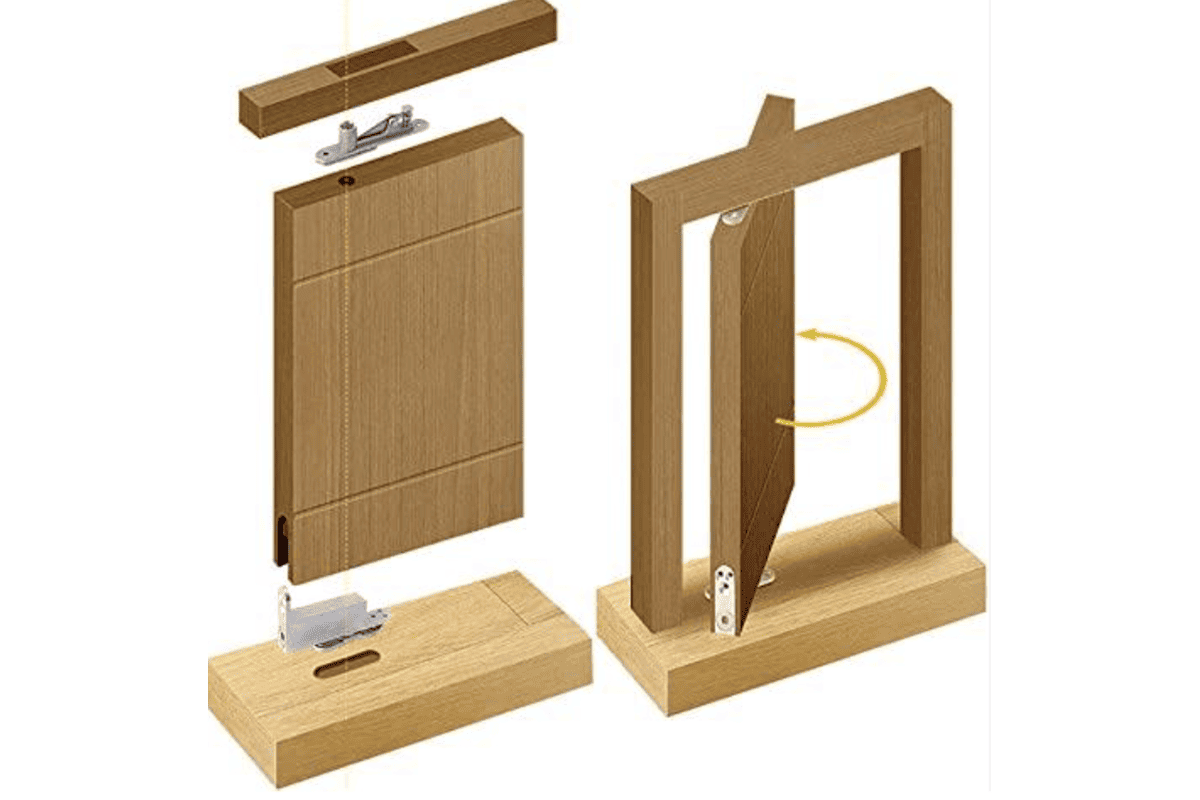
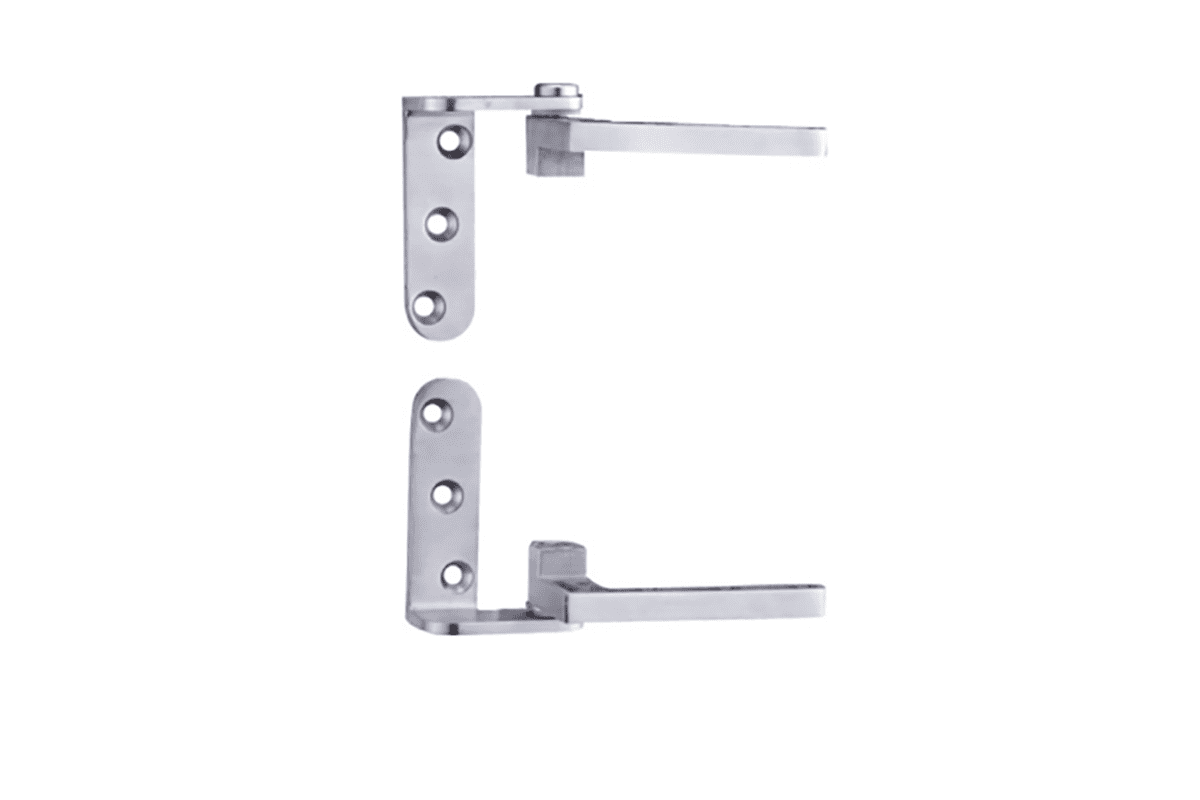
Pivot hinges are commonly selected for commercial glass doors. They are usually installed at the top and bottom of the door leaf, rather than on the side edge. This structure allows the door to rotate around a vertical pivot axis.
In many glass door projects, pivot hinges may be combined with:
- Fixed pull handles
- Electromagnetic locks
- Patch fittings
- Floor or ceiling receivers
- Glass clamps
- Door stops
- 90° positioning functions on selected models
Some pivot hinge systems provide a 90° hold-open position8, which helps users pass through more easily. This can be useful in offices, retail entrances, and public interiors where people carry items or move in groups. However, buyers should confirm this function from the specific product drawing. Not every pivot hinge has the same positioning design.
Type 2: Double Action Spring Butt Hinges
Double action spring butt hinges look closer to traditional side-mounted hinges, but they allow two-way swing. They are usually installed by mortising the hinge into both the door leaf and the door frame. Their spring mechanism helps the door return toward the closed position after use.
These hinges are often used in:
- Hotel back kitchens
- Restaurant service areas
- Staff corridors
- Hospital or care facility service doors
- Accessible passageways
- Warehouse partition doors
- Commercial back-of-house doors
They are useful when users may not want to operate a lever handle every time. For example, kitchen staff may carry trays. Maintenance staff may push carts. In these situations, the door must open quickly from either side and return without manual closing.
Comparison for Buyers
| Selection factor | Pivot hinge | Double action spring butt hinge |
|---|---|---|
| Best suited for | Glass doors and some specialty doors | Wooden, metal, or composite swing doors |
| Installation area | Top and bottom | Door side and frame side |
| Door preparation | Glass/floor/ceiling alignment may be needed | Mortising in door and frame is usually needed |
| Common accessories | Pull handles, electromagnetic locks, patch fittings | Push plates, kick plates, door stops, sometimes latch-free design |
| Movement control | Pivot rotation, sometimes 90° positioning | Spring return, two-way swing |
| Main risk | Floor/ceiling structure not suitable | Door/frame not strong or accurately prepared |
Why Buyers Should Avoid Generic Substitution
A buyer may see both types described as “two-way hinges” or “double swing hinges.” However, substitution is risky. A pivot hinge cannot simply replace a spring butt hinge in a wooden service door without redesigning the door structure. A spring butt hinge cannot simply replace a glass door pivot hinge because glass doors require different mounting and accessory logic.
I suggest buyers provide the supplier with a simple package of information before requesting a quotation:
- Door drawing or photo
- Door material
- Door thickness
- Approximate door size and weight
- Frame material and structure
- Required opening angle
- Required closing or hold-open function
- Lock and handle plan
- Finish requirement
- Order quantity and packaging needs
This information helps a factory like ours recommend the correct direction. It also reduces the chance of sample rejection. In international trade, a wrong sample can delay a project by several weeks because machining, shipping, testing, and feedback all take time.
How Should Buyers Choose Dual Direction Hinges for Different Door Applications?
A hinge that works well in one project can fail to fit another. The issue is not always product quality. Often, the hinge is simply mismatched with the door material, frame structure, or traffic pattern. Buyers need a selection method that goes beyond appearance and basic load capacity.
Buyers should choose dual direction hinges by checking door type, door weight, door thickness, frame or ceiling/floor structure, traffic frequency, opening angle, positioning needs, and matching hardware. These factors are more useful than comparing hinge size alone.
Start With the Door Material
Door material controls the installation path. A glass door usually leads the buyer toward a pivot hinge system. A wooden or metal swing door usually leads toward double action spring butt hinges.
| Door material | Likely hinge path | Key concern |
|---|---|---|
| Tempered glass | Pivot hinge | Glass thickness, clamp compatibility, top/bottom fixing |
| Solid wood | Double action spring butt hinge | Mortise accuracy and screw holding strength |
| Hollow metal | Double action spring butt hinge | Reinforcement and frame preparation |
| Aluminum frame door | Depends on design | Profile structure and fixing method |
| Composite service door | Double action spring butt hinge | Edge strength and repeated traffic |
Check Door Weight and Thickness
Door weight matters, but it should not be viewed alone. A heavy door with proper reinforcement may perform better than a lighter door with weak edge material. Door thickness also affects mortising depth, screw fixing, and hinge clearance.
For procurement evaluation, I suggest buyers confirm:
- Actual door height and width
- Actual door thickness
- Estimated or measured door weight
- Reinforcement position
- Edge construction
- Frame material and wall fixing
- Expected daily use frequency
If a buyer needs certified performance, such as fire-rated use or tested cycle performance, the buyer should request documentation for the exact model and test standard. I do not recommend assuming that one hinge certification applies to all sizes, finishes, or applications.
Consider Traffic Frequency
A hotel back kitchen door may open hundreds of times per day. A private office glass door may open much less often. These two doors require different thinking.
High-traffic doors need more attention to9:
- Spring fatigue risk
- Fastener loosening
- Door alignment
- Noise control
- User safety
- Maintenance access
- Replacement availability
For high-use service areas, buyers should also consider protective accessories like push plates or kick plates. These accessories reduce damage to the door surface10 when staff push through quickly.
Opening Angle and Positioning Needs
Not every two-way opening needs the same control. Some users need the door to swing freely and return. Others need a hold-open function for passage.
Common questions include:
- Should the door return to center automatically?
- Should the door stay open at 90°?
- Does the project need a stopper?
- Will carts or trolleys pass through?
- Does the door need a lock?
- Is the opening used by the public or only by staff?
Pivot hinges for glass doors may include 90° positioning on selected models. Double action spring butt hinges usually focus on two-way swing and spring return. Buyers should confirm the expected user behavior before choosing.
Match Hardware as a System
Door hardware should be selected as a system. I have seen projects where the hinge was correct, but the buyer forgot the lock or handle conflict. This is common with glass doors. A pivot hinge door may need a fixed pull handle and electromagnetic lock because a standard latch set may not be suitable.
For service doors, the buyer may not need a latch at all. Instead, the door may need:
- Push plates
- Kick plates
- Viewing window
- Door stop
- Protection plates
- Suitable signage
When SDH Hardware supports OEM or ODM inquiries, I prefer to review the door hardware set together. It helps us check finish consistency, packaging, and accessory compatibility. It also helps the buyer reduce supplier fragmentation.
How Are Dual Direction Hinges Installed in Commercial Door Systems?
Installation problems can make a good hinge perform badly. A pivot hinge needs accurate alignment at the top and bottom. A double action spring butt hinge needs clean mortising and stable fixing. If installers treat both products the same way, the door movement may become uneven or unsafe.
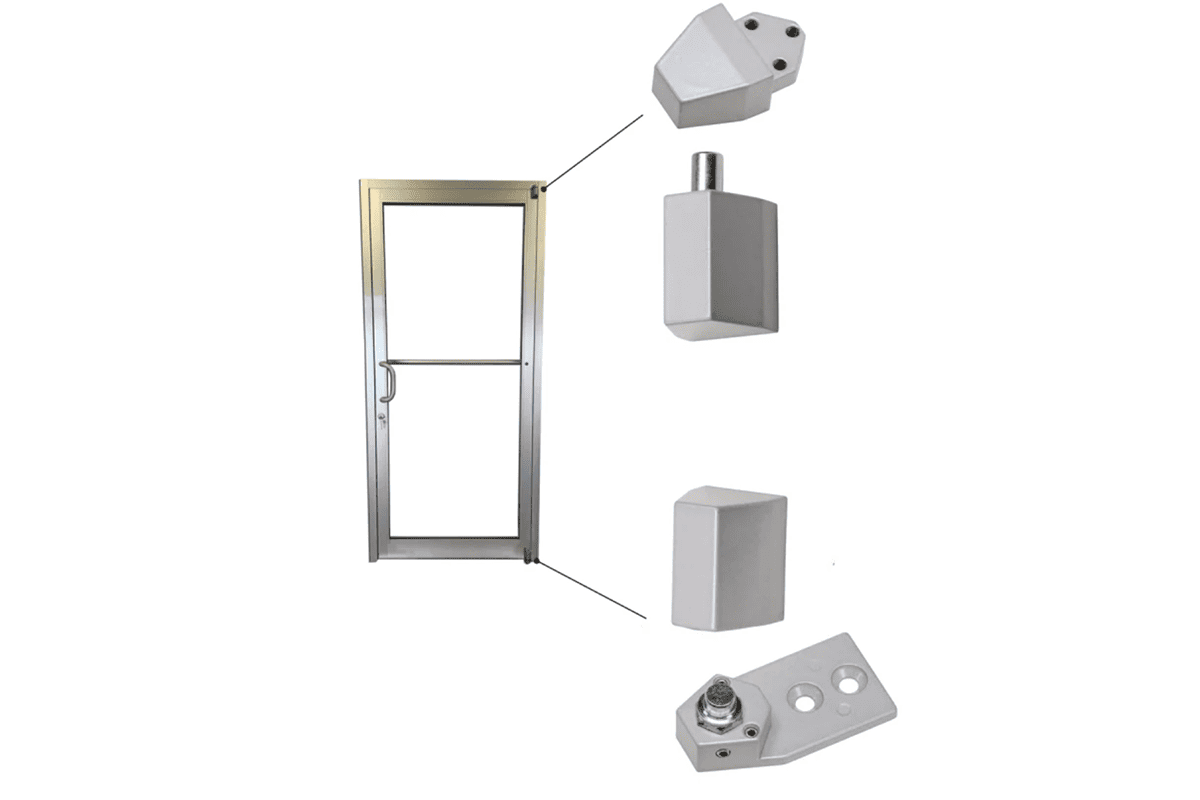
Dual direction hinges should be installed according to the exact product drawing, door structure, and project requirement. In general, pivot hinges require top-and-bottom alignment and often floor or ceiling slotting, while double action spring butt hinges require mortising into the door leaf and frame.
General Installation Checks Before Work Starts
This section is not a universal DIY tutorial. Final installation should always follow the supplier’s drawings, the door manufacturer’s structure, and the project engineer’s requirements. However, buyers can use several checks before production or site work begins.
Important checks include:
- Confirm door opening direction and two-way swing requirement
- Confirm hinge centerline and clearance
- Confirm door weight and thickness
- Confirm frame, ceiling, or floor fixing strength
- Confirm lock and handle positions
- Confirm glass preparation if used
- Confirm surface finish protection during installation
- Confirm whether adjustment is possible after mounting
Pivot Hinge Installation Logic
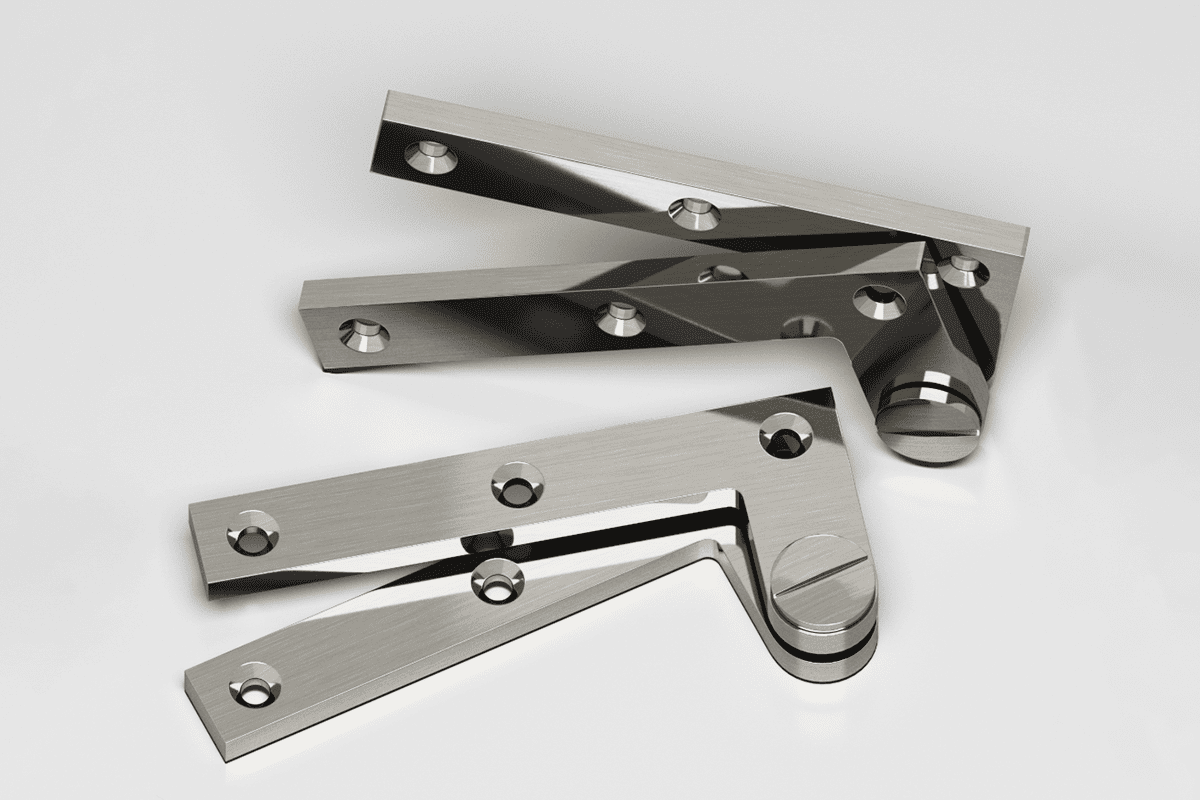
Pivot hinges are usually installed at the top and bottom of the door leaf. For glass doors, the system may require prepared holes, clamps, patch fittings, or specific glass processing. The floor and ceiling may also need slotting or receiver positions.
Key installation concerns include:
| Installation point | Why it matters |
|---|---|
| Top and bottom alignment | Misalignment can cause uneven swing or friction |
| Floor and ceiling structure | Weak fixing may affect long-term stability |
| Glass thickness | Incorrect clamp or fitting may not hold properly |
| Door clearance | Poor clearance can cause rubbing at floor or frame |
| Accessory position | Lock and handle conflict can affect usability |
| Hold-open angle | 90° positioning must match site layout |
For glass door applications, buyers should confirm whether the door will use an electromagnetic lock. This affects cable planning, lock bracket position, and handle selection. A fixed pull handle is also common because the door often does not use a normal lever latch.
Double Action Spring Butt Hinge Installation Logic
Double action spring butt hinges are usually mortised into the side of the door leaf and the frame. The mortise depth and hinge position must be accurate. If the mortise is too shallow or too deep, the door may not center correctly.
Important points include:
- The door edge must have enough strength.
- The frame must hold screws securely.
- The hinge leaves must sit flat.
- The spring tension must suit the door.
- The door clearance must allow two-way movement.
- The number of hinges must match the door size and weight according to the supplier’s specification.
Some double action spring hinges allow spring tension adjustment. Buyers should confirm this from the model drawing. They should also ask whether the adjustment requires a special tool and whether the tool is included in bulk packaging.
Common Installation Mistakes I See
From customer communication, I have noticed several repeated issues:
The buyer orders by photo only.
The hinge looks similar, but the mounting method is different.The frame is not strong enough.
The hinge works, but the screws loosen after repeated use.The door thickness is ignored.
The hinge cannot be mortised correctly.The lock plan is added too late.
The hinge allows two-way swing, but the lock cannot function as expected.The opening angle conflicts with the wall.
The door can swing both ways, but it hits nearby furniture or glass.
Practical Advice for B2B Buyers
Before mass production, I recommend ordering samples and checking them with the actual door or a production mock-up. A sample review should confirm:
- Fit with door and frame
- Smooth opening in both directions
- Return or hold-open function
- Screw fixing strength
- Finish quality
- Packaging protection
- Accessory compatibility
For large projects, buyers should involve the door manufacturer, installer, and hardware supplier early. This is especially important for glass doors because site conditions and accessory selection can affect the hinge choice.
What B2B Procurement Checks Matter Before Ordering Dual Direction Hinges?
A hinge may look acceptable in a catalog but still create sourcing risk. B2B buyers need consistency, documentation, repeatability, and supplier support. If procurement focuses only on the unit price, the total cost may rise through rework, rejected samples, or delayed installation.
Before ordering dual direction hinges, buyers should verify product drawings, material and finish, door compatibility, testing documents where applicable, packaging, branding options, sample approval, inspection process, and supplier production capability. These checks help reduce technical and commercial risk.
Confirm the Technical File
A complete technical file helps buyers avoid misunderstanding. For each hinge model, I suggest requesting:
- Product drawing
- Material description
- Finish options
- Door thickness range
- Recommended door type
- Installation diagram
- Accessory list
- Packing method
- Available logo or branding options
- Applicable certificates or test reports, if required
If a supplier claims CE certification11, fire-rated certification, or other compliance documents, buyers should verify that the certificate applies to the exact product model and intended use. Certification should not be treated as a general company label.
Evaluate Manufacturing and Quality Control
At SDH Hardware, we manufacture and supply architectural door hardware for door factories, hardware brands, and bulk wholesalers. Our product range includes mortise locks, stainless steel lever handles, butt hinges, concealed door hinges, brass cylinders, and door accessories. In this context, I view hinges as part of a broader door hardware system, not isolated metal parts.
For supplier evaluation, buyers can ask:
- Does the supplier have stable production lines?
- Can the supplier support OEM or ODM requirements?
- Can the supplier provide drawings after order confirmation?
- Is product inspection available after production?
- Can the supplier control finish consistency across batches?
- Can the supplier package for wholesale, project, or brand resale?
- Can the supplier support accessory matching?
These questions matter because dual direction hinges are often used in projects where replacement or mismatch is expensive.
Compare Supplier Capabilities
| Procurement factor | Why it matters | What buyers should request |
|---|---|---|
| Factory experience | Reduces communication errors | Product history, export market experience |
| Product range | Helps match full door hardware sets | Catalog and accessory options |
| Customization | Supports brand and project needs | Logo, finish, packaging, specification options |
| Quality control | Reduces batch variation | Inspection process and sample approval |
| Documentation | Supports project review | Drawings, certificates, test reports where applicable |
| After-sales communication | Helps solve site feedback | Clear contact and technical response process |
Sample Approval Process
For importers and hardware brands, sample approval is one of the most important stages. I suggest checking samples in four layers.
1. Visual inspection
- Finish color
- Surface defects
- Edge treatment
- Logo position
- Packaging condition
2. Dimensional inspection
- Hinge length and width
- Hole position
- Leaf thickness
- Pin or pivot centerline
- Mortise depth requirement
3. Functional inspection
- Smooth two-way opening
- Return force or positioning
- Noise during movement
- Clearance after installation
- Compatibility with lock and handle
4. Documentation review
- Drawing matches sample
- Packing details match order
- Certificate is relevant if required
- Labeling meets buyer requirements
Price Should Be Compared After Specification
I understand that price matters. Many customers must meet target costs for wholesale distribution or project bidding. However, price comparison is only useful after the specification is fixed.
If one supplier quotes a pivot hinge with positioning and another quotes a basic spring butt hinge, the lower price tells the buyer nothing. The two products are not equivalent. The buyer should first define:
- Hinge type
- Material
- Finish
- Door application
- Required accessories
- Packaging
- Certification requirement
- Order quantity
- Inspection standard
Then the buyer can compare price more fairly.
How Can Dual Direction Hinges Improve Door Function in Real Projects?
A door that opens both ways can improve movement flow, but only when the application truly needs it. If the project does not require two-way passage, a normal hinge or closer system may be more suitable. Buyers should think about user behavior before choosing dual direction hinges.
Dual direction hinges can improve door function by allowing faster two-way passage, reducing the need for hand operation, supporting glass door pivot designs, and helping service areas operate more smoothly. Their value depends on correct matching with door structure, traffic frequency, and hardware accessories.
Example 1: Hotel Back Kitchen Door
In a hotel back kitchen, staff often move fast. They may carry trays, push carts, or pass through with both hands occupied. A double action spring butt hinge can support this traffic pattern because the door can be pushed from either side and return after passage.
The selection focus should include:
- Door edge strength
- Spring return control
- Frame fixing strength
- Door protection plates
- Noise level
- Maintenance access
- Safety visibility, such as a viewing window
Conclusion
Dual direction hinges are useful, but they should not be treated as one generic hinge category. Buyers should first decide whether the project needs a pivot hinge system or double action spring butt hinges. Then they should verify door material, structure, opening control, accessories, documentation, and supplier capability. At SDH Hardware, I help door factories, hardware brands, and wholesalers source practical architectural door hardware solutions. If you need support with dual direction hinges for a commercial project, send us your door details and we can help review the right product path.
"Hinge", https://en.wikipedia.org/wiki/Hinge. An encyclopedia entry defines double‑action hinges as allowing doors to swing in both directions, supporting the definition used here. Evidence role: definition; source type: encyclopedia. Supports: That a double-action (double-swing) hinge permits a door to swing in both directions.. Scope note: Terminology varies across regions and industries; “dual direction” is a descriptive phrase rather than a formal standard term. ↩
"Door", https://en.wikipedia.org/wiki/Door. Reference materials describe pivot hinges as commonly used for frameless glass doors and double‑action hinges as typical for two‑way service doors, aligning with the usage contrast stated here. Evidence role: general_support; source type: encyclopedia. Supports: That pivot hinges are commonly associated with glass/frameless door applications and double‑action hinges with two‑way service openings.. Scope note: Project practices vary by region and building type, so this reflects common usage rather than an exclusive rule. ↩
"Hinge", https://en.wikipedia.org/wiki/Hinge. Technical overviews of pivot hinges explain that doors rotate on top and bottom pivot points rather than a side‑mounted pin, supporting the installation description. Evidence role: mechanism; source type: encyclopedia. Supports: That pivot‑hinged doors rotate on top and bottom pivot points rather than a side pin.. Scope note: Some pivot systems are offset or surface‑mounted; details depend on the specific hardware. ↩
"Guide to Installing Phillips Brand Double Acting Floor ...", https://www.allaboutdoors.com/Article-Guide-to-Installing-Phillips-Brand-Double-Acting-Floor-Spring-Hinge?srsltid=AYCX9vJlg3HkruvTOsK19Q53ZwiBXTA-iV8pzpGAAYtt0pwgH6o3btpR. Descriptions of double‑action butt hinges indicate jamb‑side installation along the door edge, supporting the side‑mounted arrangement noted here. Evidence role: mechanism; source type: encyclopedia. Supports: That double‑action butt hinges are designed for edge/jamb mounting rather than top‑bottom pivots.. Scope note: Certain double‑action hinges are surface‑mounted; mortising and placement vary by model. ↩
"Electric Magnetic Lock For Tempered Glass Door", https://www.doordiscounter.com/products/electric-magnetic-lock-for-tempered-glass-door-bkml-3177?srsltid=AYCX9vKgvtmdi3_f-gqwG_b71J6DT0TKsxK1WyG45PiETNDvF_gtRj54. Security references note that electromagnetic locks are commonly paired with glass doors using brackets and pull hardware when conventional latching is impractical, supporting the pairing described. Evidence role: general_support; source type: encyclopedia. Supports: That electromagnetic locks are commonly used on glass doors with appropriate brackets and pull hardware when conventional latches are impractical.. Scope note: Actual hardware selection must meet local code and door‑system constraints. ↩
"Hinge", https://en.wikipedia.org/wiki/Hinge. Technical descriptions of double‑action hinges state that spring mechanisms return the door toward center/closed, supporting the stated function. Evidence role: mechanism; source type: encyclopedia. Supports: That double‑action hinges use springs to return the door toward the neutral/closed position.. ↩
"Restaurant Swinging Kitchen Doors", https://www.trafficswingingdoors.com/restaurant-swinging-kitchen-doors-2/. Building design guidance from recognized institutions describes the use of double‑acting doors in food service and healthcare support areas to permit hands‑free, two‑way traffic, supporting the stated application context. Evidence role: general_support; source type: institution. Supports: That building design guidance cites double‑acting doors for back‑of‑house, food service, or healthcare support areas to enable two‑way, hands‑free traffic.. Scope note: Specific location requirements depend on local codes and operational policies. ↩
"Sprung floor", https://en.wikipedia.org/wiki/Sprung_floor. Authoritative summaries of floor‑mounted pivot systems note available hold‑open positions such as 90 degrees, supporting the feature claim. Evidence role: general_support; source type: encyclopedia. Supports: That certain pivot/floor-spring systems include hold‑open positions such as 90 degrees.. Scope note: Not all models provide hold‑open; availability depends on the product specification. ↩
"A156.1 - 2025 Butts and Hinges", https://buildershardware.com/ANSI-BHMA-Standards/Hardware-Highlights/A1561-2025-Butts-and-Hinges. Hardware standards (e.g., ANSI/BHMA for hinges) specify cycle testing and performance categories for high‑frequency use, indicating the need to address fatigue, fastening, and alignment in heavy‑traffic doors. Evidence role: expert_consensus; source type: institution. Supports: That industry standards for hinges include cycle/durability testing and performance categories for high-frequency use, implying attention to fatigue and fastening integrity.. Scope note: Standards address performance criteria but do not prescribe project‑specific maintenance practices. ↩
"What Are the Benefits of Door Kick Plates for Your Home?", https://www.rockymountainhardware.com/door-kick-plates-benefits/. Reference descriptions of kick plates and push plates state they protect door surfaces from impact and wear, supporting the claim about damage reduction. Evidence role: general_support; source type: encyclopedia. Supports: That kick plates and push plates are intended to protect door faces from impact and wear.. Scope note: Effectiveness depends on plate size, material, and installation quality. ↩
"CE marking", https://en.wikipedia.org/wiki/CE_marking. European Commission guidance explains that CE marking indicates a specific product’s conformity with applicable EU legislation, supporting the need to verify claims at the model level and intended use. Evidence role: definition; source type: government. Supports: That CE marking signifies conformity of a specific product with relevant EU legislation, not a general company approval.. Scope note: The exact conformity route varies by product category and directive. ↩