
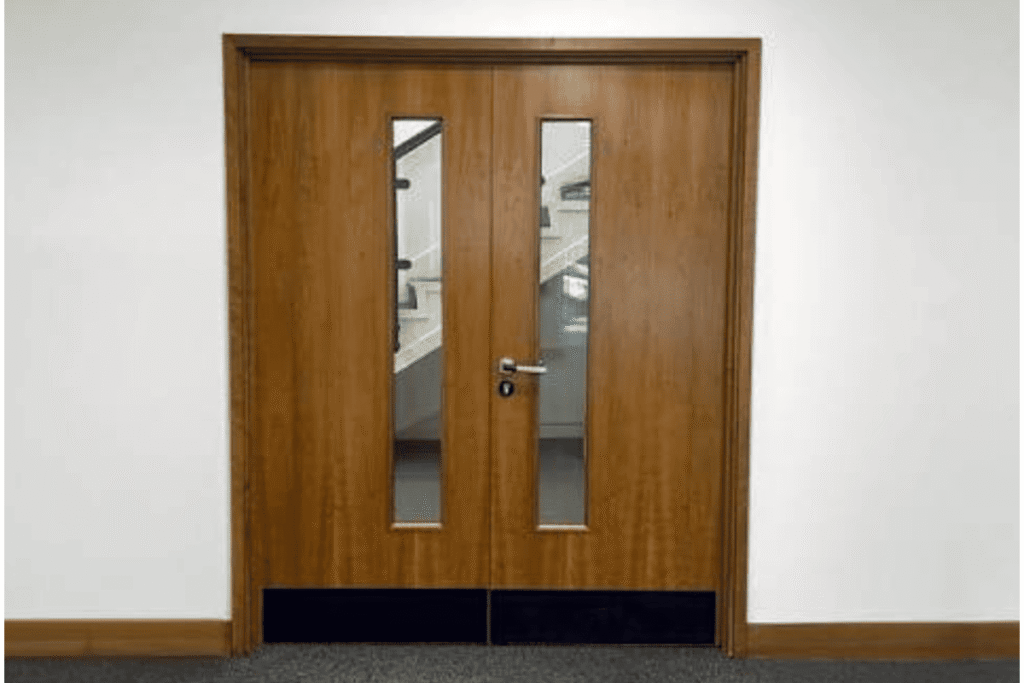
A Smoke Seal Door Hinge Is an Essential Component in a Fire Protection System
A smoke seal door hinge solves a problem that many fire door projects discover too late: a fire-rated door can still leak smoke1. That gap becomes serious when acceptance depends on smoke leakage performance, not only flame resistance. I use this article to explain how buyers can evaluate hinge-side smoke control as part of a complete door-set system.
A smoke seal door hinge is a hinge-side sealing component used in a tested door-set to reduce smoke leakage through the gap created around the hinge area. It does not replace fire-rated certification. Instead, it supports smoke control compliance when the hinge, seal, door leaf, frame, lock, closer, and installation gaps match the tested EN 1634-3 or UL 1784 documentation.2

Many buyers ask me whether they can simply add a strip seal after the door is built. Sometimes that helps. However, hinge-side leakage is more complex because hinges, mortise pockets, door movement, and compression forces all interact. The better question is not “Is the hinge certified?” It is “Is the full door-set tested with this hinge-seal solution?”
Why Is a Smoke Seal Door Hinge Different from a Fire-Rated Hinge?
A smoke seal door hinge and a fire-rated hinge solve related but different problems. The confusion creates risk because a project may pass a fire-resistance expectation but still fail smoke leakage acceptance. I have seen buyers focus on 30, 60, or 90 minutes, then miss the smoke-control documents.
A smoke seal door hinge is different because it is designed to reduce smoke movement through the hinge-side gap, while a fire-rated hinge is mainly evaluated for structural performance during fire exposure. Fire resistance does not automatically prove smoke control.3 Smoke leakage must be checked against relevant door-set tests such as EN 1634-3 or UL 1784.

Fire resistance and smoke control are not the same thing
I like to separate the two requirements at the beginning of every technical discussion:
| Requirement | Main question | Common reference | What buyers should verify |
|---|---|---|---|
| Fire resistance | Can the door-set resist fire for a defined time? | EN 1634-1, UL 10C, local fire test standards | Fire rating duration, door construction, hardware schedule |
| Smoke control | Can the door-set limit smoke leakage under defined pressure and temperature conditions? | EN 1634-3, UL 1784 | Leakage values, tested gaps, seals, hardware combination |
| Accessibility | Can users still open the door safely and legally? | Local building codes, accessibility rules | Opening force, closer setting, latch force, seal compression |
A hinge can be strong enough for a fire-rated door and still leave a leakage route for smoke. The hinge leaf needs clearance. The door edge needs movement. The mortise recess also creates small geometry changes. These gaps may look minor during normal inspection, but smoke behaves differently from flame. Smoke can travel through narrow openings, especially when pressure differences occur between rooms, corridors, and stairwells.4
Why hinge-side smoke leakage matters
Based on projects we supported, hinge-side leakage often becomes more visible during smoke-control review because the latch side usually receives more attention. Contractors remember to add perimeter seals around the head and jamb. They may also fit drop seals at the threshold. However, the hinge side is mechanically interrupted by each hinge position.
A standard hinge creates several potential paths:
- Between the door leaf and frame
- Around the hinge knuckle
- At the hinge recess or mortise pocket
- Behind the hinge leaf if the preparation is uneven
- Around screw holes or hardware cut-outs
- Near adjacent mortise lock or latch preparations
The additional Chinese note in your project context is also important: when installers cut pockets for mortise locks and hinges, they create openings and discontinuities in the door edge. If a fire occurs, smoke and dust can spread through those gaps. For this reason, some door-set designs use intumescent protective pads, sleeves, or liners around mortise locks and hinge positions. These materials expand under heat and help close cavities.5 However, I still treat them as part of a tested system, not as a universal repair.
My practical rule is simple: fire-rated hardware supports fire performance, but smoke-control hardware must be proven inside the smoke-tested door-set assembly.
For procurement teams, this distinction changes the buying process. A product certificate alone is not enough. The door factory or consultant should confirm that the hinge, smoke seal, lock case, door leaf, frame, closer, and perimeter seals match the approved schedule.
How Does a Smoke Seal Door Hinge Control Leakage at the Hinge Side?
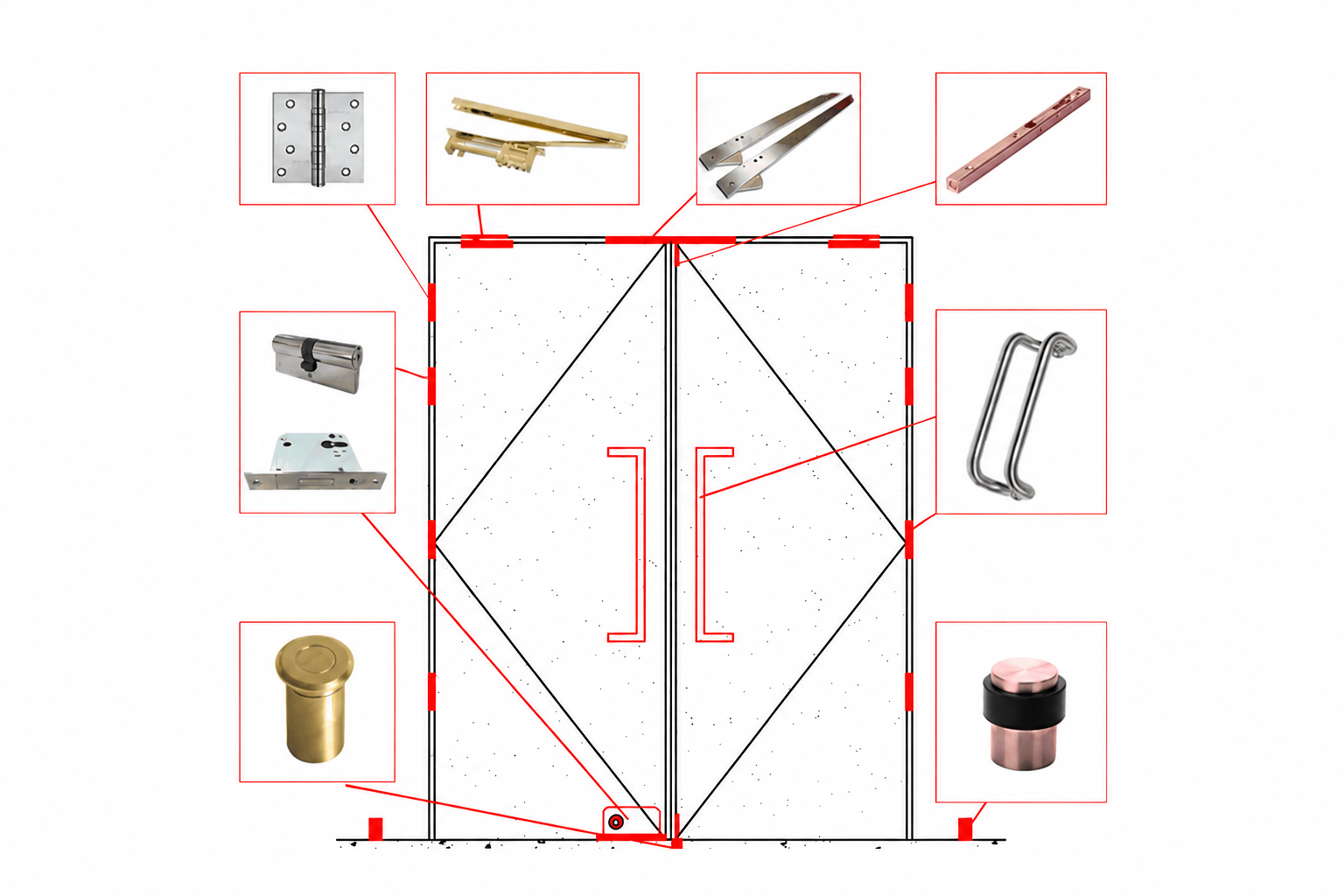
A smoke seal door hinge controls leakage by treating the hinge-side gap as a moving sealing zone, not as a simple fixed joint. This matters because the door must still swing freely while the seal must close enough space to reduce smoke movement.
A smoke seal door hinge usually works through integrated sealing geometry, compatible intumescent material, compression control, or a hinge-side sealing profile. The goal is to reduce leakage around hinge cut-outs and the door-frame clearance while maintaining door movement, closing reliability, and acceptable opening force.
The hinge side is a dynamic gap
A wall joint can be sealed permanently. A door edge cannot. The hinge side changes position when the door opens and closes. That is why a hinge-side smoke solution must consider movement, rebound, compression, and alignment.
In factory discussions, I often ask buyers for three measurements before we recommend a hinge-seal direction:
- Door leaf thickness
- Frame rebate geometry
- Actual hinge-side gap range
A drawing may show a 3 mm gap. The real project may show 2 mm at the top hinge, 4 mm at the center, and 5 mm near the bottom because of frame tolerance, door weight, or installation variation. A smoke-control design must handle the real gap range, not only the nominal drawing.
Why “ordinary hinge + stick-on strip” can be unreliable
A stick-on smoke strip may work well on straight sections of the frame. However, the hinge area interrupts that line. When the strip meets the hinge leaf or knuckle, installers often cut around it. That cut can create a leakage path.
Common field problems include:
- The seal is removed around the hinge to avoid rubbing.
- The hinge leaf crushes the seal unevenly.
- The door closer cannot overcome added friction.
- The seal loses rebound after repeated use.
- The hinge offset changes the compression pattern.
- The mortise pocket is too deep or too shallow.
A designed hinge-side smoke solution is different because the sealing approach is planned together with the hinge geometry. It may use a shaped seal, a protected hinge pocket, an intumescent pad, or a tested combination of hinge and perimeter seal.
Intumescent protection and smoke sealing are related, but not identical
The Chinese project note mentions high-temperature expansion sleeves or protective pads around mortise locks and hinges. That is important for fire-door construction. Intumescent materials can expand during heat exposure and help block voids. However, smoke-control standards may also evaluate leakage before full intumescent expansion, depending on the test method and temperature condition.6
That means I do not assume that “intumescent” automatically equals “smoke control.” I check how the door-set was tested.
| Material or feature | Main function | Buyer caution |
|---|---|---|
| Intumescent hinge pad | Expands under heat to protect hinge pocket and restrict hot gas paths | Confirm size, thickness, location, and tested door-set use |
| Smoke seal profile | Reduces cold or warm smoke leakage around door edges | Confirm compression range and durability |
| Fire-rated hinge | Maintains load and integrity during fire exposure | Does not automatically prove smoke leakage control |
| Door closer | Ensures the door closes and latches | Must be tuned after seals are installed |
| Mortise lock protection kit | Helps protect lock cavity and edge preparation | Must match tested lock and door construction |
Based on door-set sample preparation that we have supported for EN 1634-3 and UL 1784-related evaluations, labs focus on leakage behavior under defined conditions. The exact setup depends on the standard, lab, and door construction. However, one pattern is consistent: small hardware-side gaps can matter. The hinge side is not only a hardware mounting area. It is part of the air path.
What Documentation Should I Check Before Buying a Smoke Seal Door Hinge?
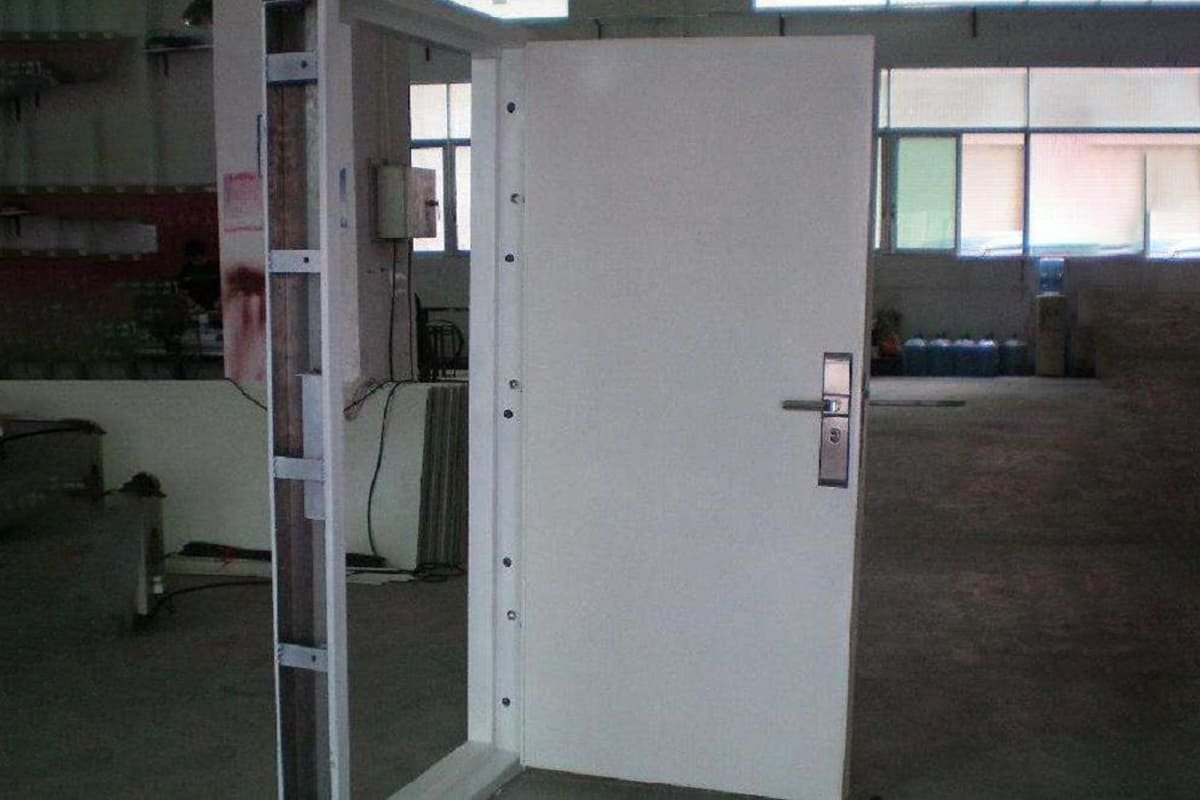
A smoke seal door hinge should be checked through door-set documentation, not only a standalone product certificate. This step protects buyers from certificate mismatch, which is one of the most common procurement risks in fire and smoke door projects.
Before buying, I check whether the smoke seal door hinge appears in the tested door-set report, classification document, assessment, or approved hardware schedule. The documentation should connect the hinge, seal, door leaf, frame, lock, closer, and gap conditions to the required smoke leakage standard.
Why mix-and-match certificates create risk
I understand why buyers try to combine certificates. A hinge supplier may have one document. A seal supplier may have another. A door factory may have a fire report. On paper, all components look “certified.” In practice, smoke-control acceptance is usually evaluated at the complete door-set level7.
A consultant or authority may ask:
- Was this exact hinge type included in the test evidence?
- Was the same seal used in the same position?
- Was the same door leaf material tested?
- Was the frame profile the same?
- Were the gaps within the tested range?
- Was the closer adjusted during testing?
- Were mortise lock and hinge cut-outs protected in the same way?
If the answer is unclear, the project may face rejection, retesting, or costly replacement.
What buyers should request from suppliers
When SDH Hardware supports door factories or hardware brand customers, I prefer to review the technical file early. I do not treat certificates as decoration. I treat them as procurement control documents.
Here is a practical checklist:
| Document | What I look for | Why it matters |
|---|---|---|
| Smoke leakage test report | Standard used, leakage values, pressure conditions, tested configuration | Confirms smoke-control basis |
| Classification or assessment | Approved application scope | Shows where test results can be applied |
| Hardware schedule | Hinge model, lock model, closer, seals | Prevents component mismatch |
| Installation drawing | Gap dimensions, hinge position, seal placement | Converts lab evidence into factory production |
| Product drawings | Hinge size, material, offset, screw pattern | Confirms interchangeability |
| Material declaration | Stainless steel grade, seal material, intumescent material | Supports durability and procurement checks |
| Fire certification | Fire rating of door-set and hardware | Confirms fire resistance separately |
| Factory QC plan | Incoming inspection, production checks, final inspection | Reduces batch variation |
What should match in the report?
The exact wording depends on the report and jurisdiction. Still, I normally check these points:
Standard alignment
The project may require EN-based evidence or UL-based evidence. I do not substitute one without consultant approval.Door type
Timber, steel, composite, and aluminum doors behave differently. A hinge tested on one construction may not apply to another.Door size and weight
Larger or heavier doors increase hinge load and may change gap behavior.Hinge quantity and position
Three hinges and four hinges do not always produce the same deflection pattern.Seal position
A seal on the frame rebate is not the same as a seal integrated into the hinge-side solution.Gap allowance
A test may assume a defined clearance. Field gaps outside that range may invalidate performance assumptions.Lock and latch preparation
Mortise lock cavities can create additional leakage or fire exposure risks if not protected.8
A short example from pre-sales work
In one anonymized pre-sales case, a buyer asked us to quote hinges for a smoke-control door. The hinge certificate looked acceptable at first glance. However, the door-set evidence listed a different hinge leaf thickness and a different frame seal. The customer could still buy a hinge, but they could not safely claim the original door-set smoke result without further assessment.
This is why I advise category managers to build a documentation matrix before placing a bulk order. The matrix links every item in the bill of materials to the door-set evidence. It saves time, especially for OEM and ODM projects where branding, packaging, and surface treatments may change but performance-related geometry must remain controlled.
How Should I Balance Gap Sealing, Opening Force, and Door Closer Settings?
A smoke seal door hinge must reduce leakage without making the door too hard to open or unreliable to close. This balance is often the real engineering challenge. A tighter seal may improve leakage, but it can increase friction, latch resistance, and closer force.9
I balance smoke sealing by measuring actual gaps, selecting a hinge-seal combination designed for that gap range, and confirming opening-force targets with the closer installed. Over-compression is not a professional shortcut. It can cause accessibility issues, poor closing, and premature seal wear.

Geometry controls both smoke and usability
Smoke control is not only a material question. It is also a geometry question. If the hinge offset is wrong, the door may drag the seal during opening. If the frame gap is too large, the seal may not touch enough. If the gap is too small, the seal may be crushed.
I usually think through four variables:
- Gap width
- Seal compression
- Hinge pivot position
- Door closer force
These variables interact. A buyer cannot change one without affecting the others.
Simple selection and verification flow
Here is the flow I recommend for door factories and project buyers:
Measure the intended gap
- Measure at top, middle, and bottom hinge positions.
- Measure after the door leaf is hung if possible.
- Record the maximum and minimum gap.
Confirm the required smoke standard
- EN 1634-3 and UL 1784 use different frameworks.
- Local approval bodies may have additional requirements.
Select a hinge-seal solution for that gap
- Check the compression range.
- Check door weight and hinge load rating.
- Check the tested door-set schedule.
Install the door closer and latch hardware
- Smoke seals change closing resistance.
- Latch force can increase after seal compression.
Test opening and closing
- Confirm that the door closes from required angles.
- Confirm that users can open it within project limits.
- Adjust closer speed, latch speed, and backcheck as allowed.
Inspect after cycling
- Check seal rebound.
- Check screw tightness.
- Check hinge alignment.
Indicative relationship between compression and force
The following table is only an indicative engineering view. Actual values depend on the door-set design, seal material, hinge geometry, closer, latch, and installation.
| Condition | Likely smoke leakage effect | Likely opening-force effect | Procurement risk |
|---|---|---|---|
| Under-compressed seal | Higher leakage risk | Easier opening | Smoke acceptance failure |
| Correct compression | Controlled leakage | Acceptable force if closer is tuned | Requires accurate installation |
| Over-compressed seal | Lower leakage in some areas, but uneven performance possible | Higher opening and closing force | Accessibility failure, poor closing |
| Uneven gap | Leakage at wide points, rubbing at tight points | Inconsistent operation | Site complaint and rework |
Opening force should not be an afterthought
Some teams try to solve smoke leakage by increasing seal pressure. That may pass a quick visual inspection, but it can create a door that elderly users, children, or people with disabilities struggle to open.10 In commercial buildings, that is not acceptable.
Door closers add another layer. A stronger closer may overcome seal friction, but it may also increase opening resistance. A weaker closer may improve user comfort but fail to latch the door against the seal. The final setting must suit the project requirements and local code.
Based on projects we supported, many post-sales complaints come from this triangle:
Tighter seal → higher closing resistance → stronger closer → higher opening force
The solution is not guesswork. The solution is controlled selection, tested documentation, correct installation, and field verification.
How Do I Select a Smoke Seal Door Hinge for EN 1634-3 or UL 1784 Projects?
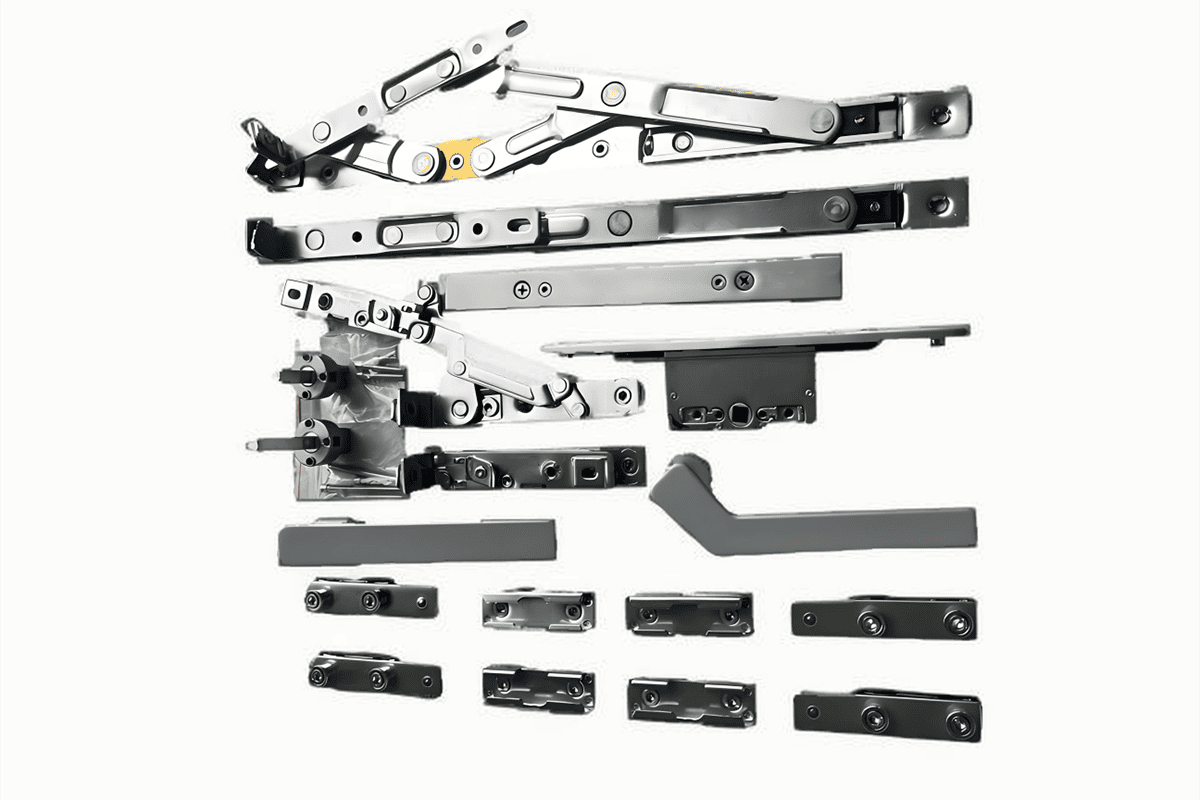
A smoke seal door hinge should be selected only after the buyer defines the governing standard, leakage target, door-set configuration, and installation variables. This sequence reduces the risk of acceptance failure, excessive opening force, and documentation mismatch.
To select a smoke seal door hinge, start with the required standard, then confirm the smoke leakage class or project limit, verify that the hinge is included in the door-set evidence, and finally validate gaps, door weight, hinge geometry, closer settings, and lock protection before production or installation.
Step 1: Identify the governing standard
The first question is simple: Which standard controls the project?
For many European or Middle East specifications, the consultant may refer to EN standards and related classifications. For North American-influenced projects, UL 1784 may appear. Some markets combine international evidence with local civil defense or authority requirements.
I do not advise buyers to assume equivalence. A product that supports one route may not automatically satisfy another.11 The door factory, project consultant, or testing professional should confirm what evidence is acceptable.
Step 2: Define the smoke leakage requirement
The project may define:
- Leakage rate limit
- Pressure condition
- Ambient or elevated temperature condition
- Door size
- Single-leaf or double-leaf design
- Threshold condition
- Seal type and location
- Accessibility or opening-force limits
If the specification only says “smoke seal required,” I ask for clarification. That phrase is not enough for responsible procurement.
Step 3: Verify the complete door-set documentation
This is the point where many purchasing decisions improve. I recommend building a table like this before sampling:
| Item | Required information | Confirmed? |
|---|---|---|
| Door leaf | Material, thickness, core, size | Yes / No |
| Frame | Material, profile, rebate, fixing | Yes / No |
| Hinge | Model, size, grade, quantity, position | Yes / No |
| Smoke seal | Type, material, compression range, position | Yes / No |
| Mortise lock | Model, dimensions, protection kit | Yes / No |
| Door closer | Model, power size, adjustment range | Yes / No |
| Gap | Target and tolerance | Yes / No |
| Test evidence | EN 1634-3, UL 1784, or approved route | Yes / No |
A professional buyer should not accept vague statements such as “similar hinge tested” without further review. Similarity may be acceptable only when a qualified assessment or approval covers it.
Step 4: Check manufacturing quality control
As a factory-side engineer, I care about repeatability. A good sample means little if mass production changes the hinge thickness, screw hole tolerance, knuckle clearance, or seal material.
For bulk orders, I suggest checking:
Raw material control
Stainless steel grade, brass grade, or steel substrate should match the agreed specification.Dimensional inspection
Hinge leaf thickness, hole position, knuckle straightness, and pivot alignment should be controlled.Surface treatment consistency
PVD, satin stainless steel, powder coating, or electroplating should not interfere with hinge movement.Seal material consistency
Smoke seal or intumescent material should match the approved specification.Functional testing
The hinge should move smoothly without excessive play.Packaging protection
Seals and hinge edges should not be crushed during transport.
At SDH Hardware, our factory-direct model helps us control standardized and customized architectural door hardware from production to inspection. However, I still advise buyers to verify certificates, reports, and door-set compatibility for their own project. This is especially important for OEM or ODM programs where dimensions, branding, finish, or packaging may be customized.
Step 5: Sample before mass production
For smoke-control projects, I prefer sample approval before bulk production. The sample process should include:
- Technical drawing confirmation
- Hardware schedule review
- Door-set compatibility check
- Surface finish approval
- Functional installation trial
- Gap and closing-force verification
- Final buyer sign-off
This step protects both sides. The buyer gets performance confidence. The factory gets clear production limits.
How Can Door Factories Install Smoke Seal Door Hinges Without Creating New Leakage Paths?
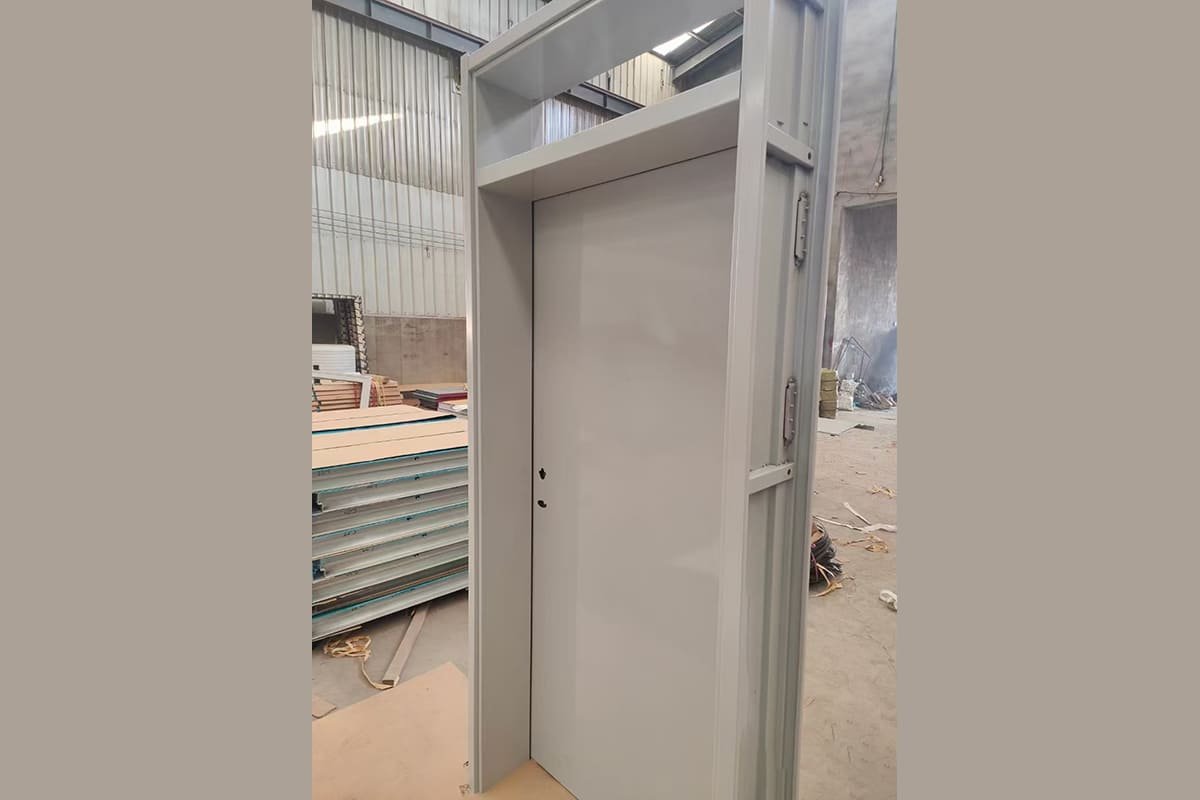
A smoke seal door hinge can only perform well when the door preparation is accurate. Poor mortising, uneven screw fixing, and uncontrolled gaps can create leakage paths even when the selected hardware is suitable.12
Door factories should install a smoke seal door hinge by following the tested door-set drawing, controlling hinge recess depth, protecting mortise lock and hinge cavities where required, maintaining uniform gaps, and checking door closing after all seals and hardware are fitted.
Cutting pockets creates both function and risk
A hinge normally needs a recess. A mortise lock also needs a pocket. These cuts allow hardware to sit flush and operate correctly. However, each cut changes the door edge. If the cut is oversized, rough, or unprotected, smoke may move through hidden cavities.
This is why some tested fire and smoke door assemblies include:
- Intumescent hinge pads
- Lock case protection kits
- Intumescent sleeves
- Edge sealing systems
- Frame rebate smoke seals
- Door bottom seals
- Approved fillers around hardware preparations
Conclusion
A smoke seal door hinge is not just another hinge with a seal attached. It is a system-level smoke control component that must work with the door leaf, frame, lock, closer, perimeter seals, gaps, and installation method. Fire resistance and smoke control are separate requirements, so buyers should verify EN 1634-3, UL 1784, or local evidence at the door-set level. If you need factory-direct architectural door hardware with controlled production, drawings, customization, and inspection support, contact SDH Hardware to review your hinge, lock, and door-set hardware requirements before sampling.
"UL 1784: Standard for Air Leakage Tests of Door ...", https://www.intertek.com/building/standards/ul-1784/. Fire-door testing guidance and smoke-leakage standards distinguish resistance to fire exposure from measured air or smoke leakage through a door assembly, supporting the point that a fire-rated door may still require separate smoke-leakage evidence. Evidence role: expert_consensus; source type: institution. Supports: Fire-rated doors and smoke-leakage-rated doors are evaluated under different criteria, so fire resistance alone does not establish smoke leakage performance.. Scope note: This supports the general distinction between ratings and does not prove the performance of any specific hinge or door assembly. ↩
"EN 1634-3:2004 - Smoke Control Test for Door and Shutter ...", https://standards.iteh.ai/catalog/standards/cen/05d5afb8-c5ba-40a8-a5c5-944c8ab89aa2/en-1634-3-2004?srsltid=AYCX9vJghFYyoG0awpp1QwbQ4ZYqTe1Z2IFKKZrqw96VWisJE7NnYgwt. EN 1634-3 and UL 1784 define smoke or air leakage test methods for door assemblies under specified conditions, supporting the need to match the tested assembly configuration when relying on smoke-control evidence. Evidence role: definition; source type: institution. Supports: EN 1634-3 and UL 1784 concern smoke or air leakage testing of door assemblies rather than isolated hardware items.. Scope note: The standards context supports assembly-level evaluation but does not independently verify the article's particular component combinations. ↩
"716.2.2.1 Door Assemblies in Corridors and Smoke Barriers", https://up.codes/s/door-assemblies-in-corridors-and-smoke-barriers. Fire-resistance standards such as UL 10C or EN 1634-1 address exposure to fire, while smoke-leakage standards such as UL 1784 or EN 1634-3 measure leakage under specified pressure and temperature conditions; this supports the statement that fire resistance does not automatically establish smoke control. Evidence role: expert_consensus; source type: institution. Supports: Fire-resistance tests and smoke-leakage tests measure different performance characteristics of door assemblies.. ↩
"Fire modeling programs | NIST", https://www.nist.gov/el/fire/fire-modeling-programs. Building fire research describes smoke movement as being influenced by pressure differentials, buoyancy, and available leakage paths, supporting the claim that smoke may pass through narrow openings between rooms, corridors, and stairwells. Evidence role: mechanism; source type: government. Supports: Pressure differentials in buildings can drive smoke movement through openings and gaps.. Scope note: This is general fire-science support and does not quantify leakage through the specific hinge-side gaps discussed in the article. ↩
"Influence of mechanical strength on the characteristics ... - PMC", https://pmc.ncbi.nlm.nih.gov/articles/PMC12615804/. Studies of intumescent fire-protection materials describe heat-induced swelling and char formation that can fill or restrict voids, supporting the statement that intumescent pads or sleeves may help close hardware cavities during fire exposure. Evidence role: mechanism; source type: paper. Supports: Intumescent materials swell or char under heat exposure and can obstruct openings or cavities in fire-protection applications.. Scope note: Material behavior is contextual support; effectiveness in a door assembly still depends on the tested configuration and installation. ↩
"UL 1784: Standard for Air Leakage Tests of Door ...", https://www.intertek.com/building/standards/ul-1784/. Smoke-leakage standards specify leakage measurements at defined pressure and temperature conditions, including ambient or non-fire-exposure conditions in some procedures, supporting the caution that intumescent expansion alone does not necessarily demonstrate smoke-control performance. Evidence role: definition; source type: institution. Supports: Smoke-leakage standards include defined test conditions that may assess leakage independently of full heat-activated intumescent expansion.. Scope note: The support is based on the structure of test methods and does not determine whether a particular intumescent product expands under a given test condition. ↩
"Decoded: Thresholds and Gasketing for Fire Doors ...", https://idighardware.com/2026/09/decoded-thresholds-and-gasketing-for-fire-doors-and-smoke-doors-2/. Door smoke-leakage test standards evaluate the assembled door construction under specified conditions, supporting the article's statement that acceptance evidence is normally tied to the complete door set rather than to unrelated component certificates. Evidence role: general_support; source type: institution. Supports: Smoke leakage evidence is tied to the tested door assembly, including door leaf, frame, seals, and hardware configuration.. Scope note: This supports the general assembly principle; acceptance rules may vary by jurisdiction and by the scope of any engineering assessment. ↩
"What Is Intumescent Hinge and Lock Protection", https://fireproof.co.uk/what-is-intumescent-hinge-and-lock-protection-and-why-does-it-matter/. Technical fire-door research and guidance identify hardware preparations, including lock and hinge recesses, as discontinuities that can affect the continuity of the door edge, supporting the claim that unprotected mortise cavities may add leakage or fire-exposure risk. Evidence role: mechanism; source type: research. Supports: Openings and cavities made for door hardware can alter the continuity of a fire or smoke door edge and may require protection in tested assemblies.. Scope note: The source would provide contextual support and may not quantify the specific leakage contribution of every lock cavity design. ↩
"Door Weatherstripping Types: Choosing the Right Seals for ...", https://doorsforpros.com/blog/post/door-weatherstripping-types?srsltid=AYCX9vJivCEUfDFeeNVDdj256hOnsLr7XQyan0eh8bj9R2HfgTlAT-JP. Engineering studies and door-accessibility guidance describe the relationship between gasket or seal compression, air leakage control, and increased operating force, supporting the article's statement that tighter smoke sealing can create friction and latch or closer-force trade-offs. Evidence role: mechanism; source type: research. Supports: Compression seals can reduce leakage paths while increasing contact friction or resistance that affects door operation.. Scope note: The relationship is design-dependent and does not establish a universal force value for every smoke seal door hinge. ↩
"Chapter 4: Entrances, Doors, and Gates", https://www.access-board.gov/ada/guides/chapter-4-entrances-doors-and-gates/. Accessibility standards and government guidance address maximum or allowable door opening forces to reduce barriers for people with disabilities, supporting the article's caution that excessive seal pressure may make doors difficult for some users to open. Evidence role: general_support; source type: government. Supports: Accessibility rules and guidance limit or address door opening force because excessive force can restrict access for users with limited strength or mobility.. Scope note: The support is general accessibility context; specific allowable forces depend on jurisdiction, door type, and local code. ↩
"Are UL 1784 Requirements Sufficient for "Hot" Door ...", https://search.proquest.com/openview/d5ba5ac031bbf813dbe21c511df8dc8d/1?pq-origsite=gscholar&cbl=34619. Descriptions of EN 1634-3 and UL 1784 show that they are separate smoke-leakage test standards with distinct procedures and acceptance contexts, supporting the article's caution that compliance evidence under one route is not automatically interchangeable with another. Evidence role: general_support; source type: institution. Supports: EN 1634-3 and UL 1784 are separate standards with different procedures and recognition pathways, so evidence under one does not inherently establish compliance with the other.. Scope note: This is contextual support; equivalence or acceptance may still be allowed by a project authority through a formal assessment. ↩
"Fire Doors and NFPA 80 FAQs", https://www.nfpa.org/news-blogs-and-articles/blogs/2025/04/11/fire-doors-faqs. Fire-door installation and inspection guidance treats clearances, hardware preparation, and seal placement as performance-critical features, supporting the claim that poor mortising, screw fixing, or gap control can create leakage paths even when suitable hardware is specified. Evidence role: general_support; source type: institution. Supports: Fire and smoke door performance depends on correct installation, including controlled clearances, hardware preparation, and sealing details.. Scope note: The source would support installation sensitivity in general and may not test the exact hinge-seal product discussed in the article. ↩

