
Fire Door Mortice Lock for Timber vs Steel Doors: How Test Evidence Differs
A Fire Door Mortice Lock can look similar on a timber door and a steel door, but the test evidence behind it may be very different. Buyers often feel safe when they see a certificate, then problems appear during project approval. The safer approach is to compare the door material, test duration, and installation evidence before purchasing.
A Fire Door Mortice Lock for timber doors is commonly supported by fire test evidence up to 2 hours, while steel door applications may require evidence up to 4 hours.1 Steel fire doors also usually rely on internal fire-resistant filling materials2, so the lock evidence must match the complete tested door assembly, not only the lock body.
This difference matters because a lock is only one part of a fire door set. I have seen buyers compare two locks by appearance alone, but project inspectors usually care about tested assemblies, reports, installation details, and door construction3. Let’s break down how the evidence differs.
How Does Fire Door Mortice Lock Evidence Differ Between Timber and Steel Doors?
A Fire Door Mortice Lock may pass one type of fire door test and still be unsuitable for another door construction. This creates confusion for door factories, hardware brands, and wholesalers. If the evidence is not checked early, the buyer may face delays, re-testing costs, or project rejection.
A Fire Door Mortice Lock for timber doors is usually evaluated within a timber fire door assembly, often with test evidence up to 2 hours. For steel doors, the evidence may extend up to 4 hours, but the tested steel door normally includes fire-resistant internal filling and specific construction details.
Dive deeper
A fire door lock is not tested in isolation in the way many buyers imagine. In most procurement reviews, the important question is not only, “Does this lock have a certificate?” The better question is:
“Was this lock tested in a door assembly similar to my project door?”
That question becomes especially important when comparing timber fire doors and steel fire doors.
Key difference: the tested door assembly
A timber door and a steel door behave differently in fire. Timber chars, insulates, and loses strength in a specific way.4 Steel conducts heat quickly, expands under high temperature, and depends heavily on its internal structure and filling material.5
For this reason, the lock evidence should be reviewed together with:
- Door material: timber, steel, or composite
- Door leaf thickness
- Door core or filling
- Lock case dimensions
- Forend plate size
- Latch and deadbolt material
- Strike plate design
- Intumescent protection
- Test duration
- Test standard and report scope
In my work with architectural door hardware buyers, I often see one mistake: a buyer receives a fire-rated mortice lock certificate and assumes it applies to every fire door. That is risky. A certificate may support a specific tested condition, but it may not automatically cover all door types, all sizes, or all installation methods.6
Timber vs steel: practical comparison
| Evaluation item | Timber fire door | Steel fire door |
|---|---|---|
| Common fire evidence duration | Up to 2 hours | Up to 4 hours |
| Door behavior in fire | Charring and insulation | Heat conduction and expansion |
| Internal filling | Timber core or fire-rated core | Fire-resistant filling material |
| Lock cavity concern | Charring around the lock pocket | Heat transfer through metal structure |
| Evidence focus | Door leaf integrity and lock protection | Full steel assembly and internal filling |
| Buyer’s key check | Match lock test to timber door type | Match lock test to steel door construction |
Why the difference affects purchasing
For a door manufacturer, this difference affects design and sourcing. A timber door factory may focus on 60-minute, 90-minute, or 120-minute fire door systems. A steel door manufacturer may need longer fire resistance, such as 180 minutes or 240 minutes, depending on market and project requirements.
For a hardware brand or wholesaler, this affects product positioning. A lock sold for timber fire doors should not be casually promoted as suitable for steel fire doors unless the test evidence supports that claim. The sales language should match the available documents.
At SDH Hardware, I treat fire-rated claims as documents to verify, not as marketing slogans. Our buyers often ask for CE documents, fire-rated reports, drawings, and product specifications. I always recommend checking whether those documents match the target door system and local regulatory requirements.
What buyers should request
Before placing a bulk order, I suggest asking suppliers for:
- Fire test report or classification document
- Applicable door material
- Maximum tested fire duration
- Installation drawing
- Lock dimensions and material details
- Compatible strike plate and accessories
- Any required intumescent kit
- Certification validity and issuing body
This simple checklist can prevent many approval problems. It also helps buyers compare suppliers more fairly, especially when prices look similar.
Why Is Fire Door Mortice Lock Test Time Different for Timber Doors?
A Fire Door Mortice Lock used in a timber door must work with the burning behavior of timber. The problem is that timber doors may weaken around the lock pocket during fire exposure.7 If buyers ignore the tested time limit, they may select hardware that does not match the required door rating.
For timber doors, fire testing is commonly supported up to 2 hours. The test checks whether the lock and door assembly maintain integrity during fire exposure. Buyers should verify that the lock was tested in a timber door construction similar to the door they plan to manufacture or supply.
Dive deeper
Timber fire doors are widely used in hotels, apartments, offices, schools, and public buildings. They are popular because they provide good aesthetics, insulation, and flexibility in design. However, timber door fire performance depends on the whole assembly.
A mortice lock for fire-rated timber doors requires a cavity inside the door leaf. That cavity creates a weak point if it is not controlled properly. During a fire test, heat attacks the door surface, edges, hardware cut-outs, and frame gaps. The lock position becomes a critical area because material has been removed to fit the lock case.
Why 2 hours is a common upper range
The user requirement states an important point clearly: wooden doors are commonly fire tested up to 2 hours. In many projects, buyers look for 30-minute, 60-minute, 90-minute, or 120-minute timber fire door evidence.
The lock must support that rating in the tested configuration. If the door is rated for 120 minutes, the lock evidence should not only show that the metal lock body can survive heat. It should show that the door assembly with the lock installed maintained the required performance during the test.
What the test usually evaluates
Depending on the applicable standard and test lab procedure, timber fire door testing may evaluate:
- Integrity: Flames and hot gases should not pass through.
- Insulation: Temperature rise should remain within allowed limits where required.
- Latch engagement: The door should remain closed.
- Hardware stability: The lock, forend, latch, and strike should not fail in a way that opens the door.
- Door leaf condition: The lock pocket should not cause early burn-through.
- Frame and gap behavior: Door movement should remain controlled.
Common procurement risks
I have seen buyers focus only on the lock material, such as stainless steel or zinc alloy parts. Material matters, but it is not the full story. A strong lock body does not automatically make the door set fire-rated.8
Here are common risks when sourcing locks for timber fire doors:
| Risk | Why it matters | Better buying action |
|---|---|---|
| Certificate does not mention timber door | Evidence may not match application | Ask for tested door material |
| Lock size differs from tested lock | Larger cut-out may weaken the door | Compare lock case dimensions |
| Missing intumescent detail | Fire may pass around lock cavity | Confirm required intumescent pads |
| Different strike plate | Latch engagement may differ | Use tested or approved strike design |
| Unclear test duration | Buyer may overstate fire rating | Confirm exact minutes or hours |
Practical advice for timber door buyers
If I were evaluating a fire-rated mortice lock for a timber door factory, I would start with the door rating first. Then I would match the hardware evidence.
A simple process works well:
- Confirm the target door rating, such as 60, 90, or 120 minutes.
- Confirm the door thickness and core construction.
- Select the Fire Door Mortice Lock model.
- Check the fire test report or certification scope.
- Confirm whether intumescent protection is required.
- Keep installation drawings with the order file.
- Ask a qualified fire door professional to review application-specific details.
For B2B procurement, this is not just technical caution. It protects the buyer’s brand. A distributor or wholesaler may sell the same lock into many projects, so clear document control helps avoid unsupported claims.
Why Does a Fire Door Mortice Lock for Steel Doors Need Different Evidence?
A Fire Door Mortice Lock for steel doors faces a different fire environment because steel transfers heat quickly. The problem is that buyers may assume steel is always stronger in fire. In reality, steel door performance depends on construction, reinforcement, and the fire-resistant material inside the door.
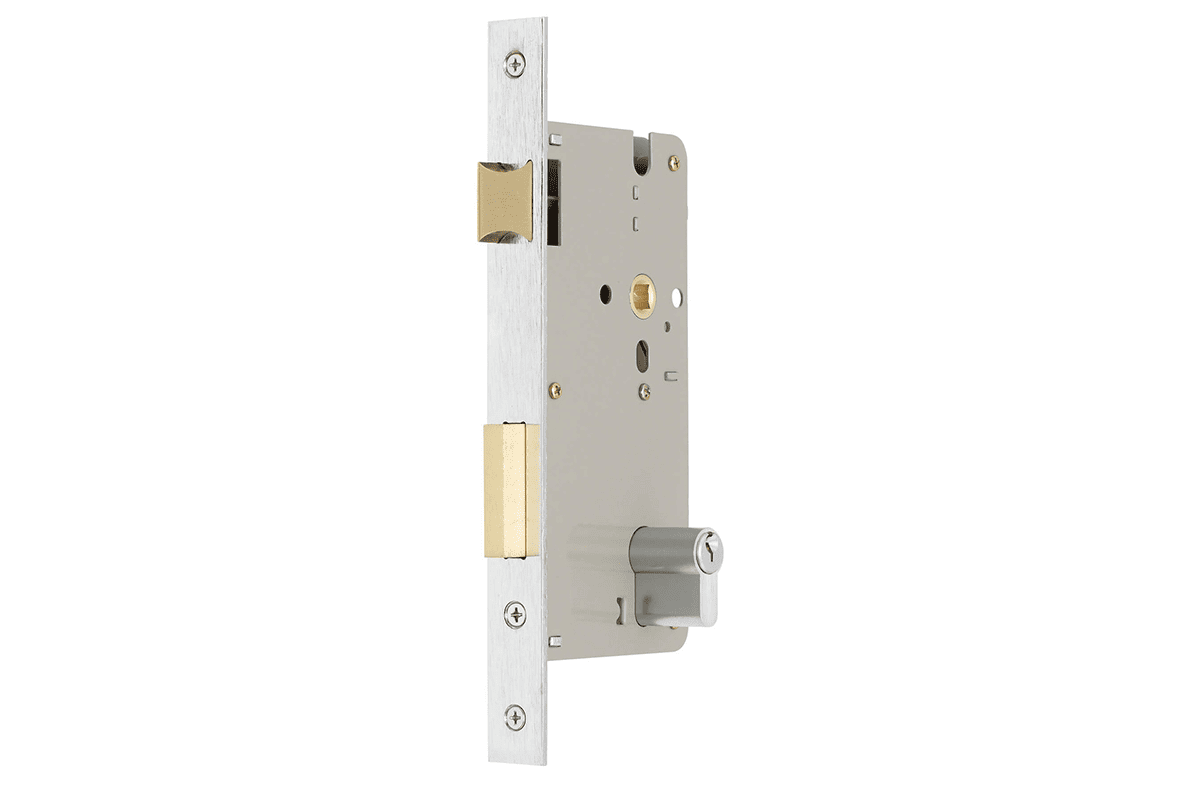
For steel doors, fire test evidence may support up to 4 hours, but the steel door usually requires internal fire-resistant filling. The mortice lock must be evaluated as part of that full steel door assembly, including lock reinforcement, strike area, door leaf structure, and heat-resistant core material.
Dive deeper
Steel fire doors are common in industrial buildings, commercial facilities, service areas, hospitals, transportation hubs, and high-risk zones. They are often selected when buyers need durability, security, and longer fire resistance. However, a steel shell alone does not create a 4-hour fire door.
The additional requirement is clear: steel doors can be tested up to 4 hours, and the door interior must be filled with fire-resistant material. This point is critical for lock evaluation.
Why steel needs internal fire-resistant filling
Steel conducts heat much faster than timber. If a steel door were only a hollow metal shell, heat could move through the structure quickly. This could affect the unexposed side, hardware performance, and door stability.
Fire-resistant filling helps improve performance by:
- Slowing heat transfer
- Supporting the door leaf structure
- Reducing deformation
- Protecting internal cavities
- Helping the complete assembly maintain integrity
Common filling concepts may include mineral-based cores, honeycomb systems with fire-resistant treatment, or other tested insulation materials. The exact material should match the tested door design and local fire door requirements.
Why 4-hour evidence is more demanding
A 4-hour steel fire door test is severe.9 Four hours means the lock area, strike plate, frame, hinges, seals, and door core must all remain functional enough to support the required fire performance.
The lock area is especially important because the mortice cut-out interrupts the steel door structure. The manufacturer may need reinforcement plates, lock boxes, or specific preparation methods around the lock body.
Steel door lock evidence checklist
When I review steel door lock documents, I look for more than the phrase “fire rated.” I want to see whether the evidence connects to steel door use.
| Document or detail | Why buyers should check it |
|---|---|
| Fire test report | Confirms tested duration and assembly |
| Door type | Should state steel or metal door if claimed |
| Fire duration | May be up to 4 hours depending on evidence |
| Door filling | Should match fire-resistant material requirement |
| Lock installation detail | Shows cut-out, fixing, and reinforcement |
| Strike plate detail | Confirms latch and deadbolt engagement |
| Frame type | Steel frame behavior affects the result |
| Accessories | Cylinders, handles, and seals may affect approval |
Avoiding unsupported substitutions
A common project issue appears when a buyer changes one part after testing. For example, the project may use:
- A different lock case size
- A different cylinder type
- A different strike plate
- A different door thickness
- A different filling material
- A different steel sheet thickness
- A different frame design
Each change may affect whether the original evidence still applies. Some changes may be acceptable under an extended application report or engineering judgment. Others may require new testing.10 Because rules vary by market, I recommend qualified professional evaluation for application-specific decisions.
Procurement advice for steel door projects
Steel fire door buyers often work on large projects. They may need consistent hardware supply, repeatable quality, and stable documentation. In that case, supplier selection becomes just as important as product selection.
For a steel door Fire Door Mortice Lock, I would ask the supplier:
- Has this model been used in steel fire door assemblies?
- What is the maximum fire test duration supported by documents?
- Does the evidence include a 4-hour test, if the project requires it?
- What door filling material was used in the tested assembly?
- Are installation drawings available?
- Can the supplier maintain consistent lock dimensions across batches?
- Are inspection reports available after production?
At SDH Hardware, our manufacturing focus includes Euro mortise locks, stainless steel lever handles, butt hinges, concealed hinges, Euro brass cylinders, and door accessories. For fire-rated applications, I always encourage buyers to verify CE and fire-rated documents against the actual project requirements before final approval.
What Documents Should Buyers Check Before Ordering Fire Door Mortice Locks?
A Fire Door Mortice Lock order can fail project review if the documents are incomplete. The problem often appears late, after production or delivery. That delay creates cost pressure. A structured document review helps buyers confirm whether the lock evidence matches timber or steel door use.
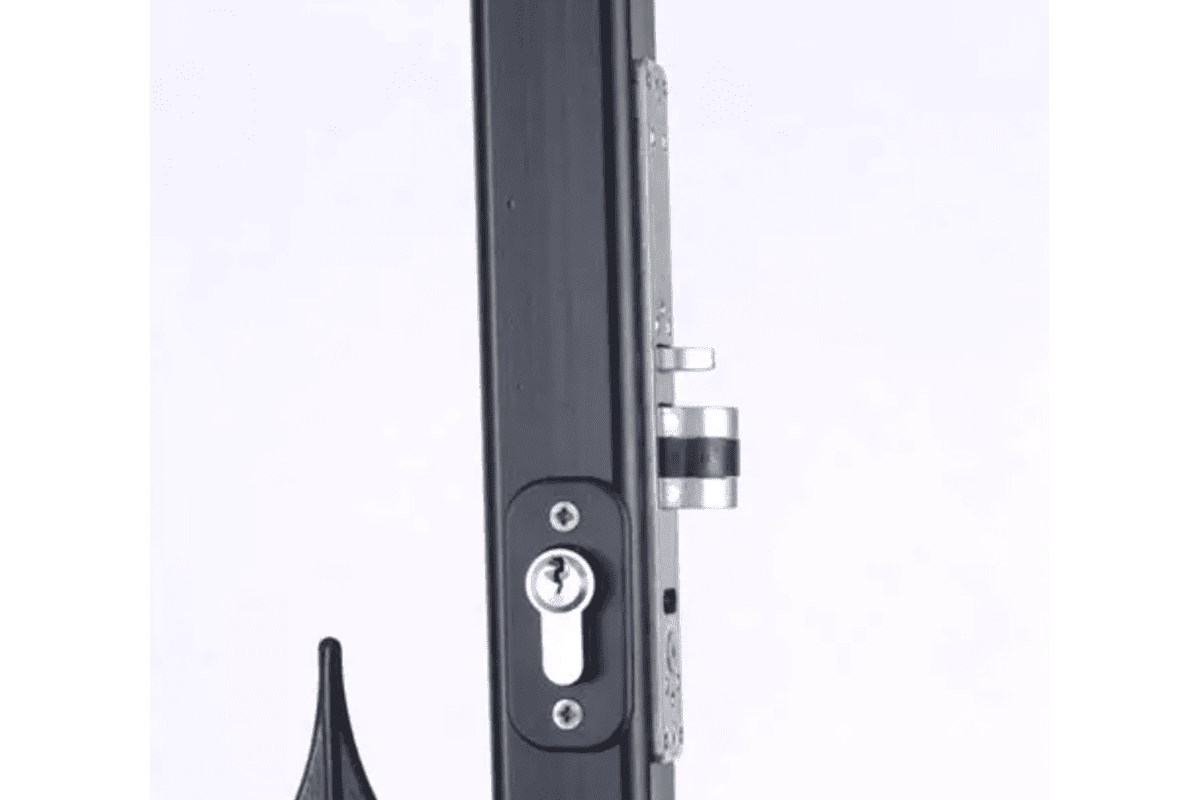
Buyers should check the fire test report, certification or classification document, door material scope, test duration, installation drawing, lock dimensions, required intumescent protection, and supplier quality records. For timber doors, confirm evidence up to 2 hours. For steel doors, confirm evidence up to 4 hours and fire-resistant filling details.
Dive deeper
B2B door hardware purchasing is not only about unit price. A low-cost lock becomes expensive if it causes a project approval issue. This is especially true for fire door hardware, where documents and traceability matter.
I like to separate document review into three levels: product evidence, application evidence, and supplier evidence.
1. Product evidence
Product evidence confirms what the lock is and how it is made. It helps buyers compare samples, drawings, and final production.
Important product documents include:
- Product specification sheet
- Technical drawing
- Material list
- Finish description
- Lock case dimensions
- Forend plate dimensions
- Latch and deadbolt details
- Cylinder compatibility
- Handle compatibility
- Packaging and labeling details
For example, if a test was conducted with a certain lock case size, a buyer should avoid assuming that a larger lock case is automatically covered. A larger cut-out may affect timber door fire performance. In steel doors, it may affect reinforcement and heat transfer.
2. Application evidence
Application evidence connects the lock to the fire door assembly. This is where many buyers need to slow down.
The buyer should check:
| Evidence item | Timber door review | Steel door review |
|---|---|---|
| Door material | Must match timber construction | Must match steel construction |
| Fire duration | Commonly up to 2 hours | May be up to 4 hours |
| Door core or filling | Fire-rated timber core or approved core | Fire-resistant internal filling |
| Installation method | Lock pocket and intumescent details | Reinforcement and lock box details |
| Test standard | Should match target market | Should match target market |
| Scope limitation | Check sizes and configurations | Check sizes and configurations |
A certificate may be valid, but it may not be sufficient for a specific project. Buyers should read the scope and limitations carefully. If the document is unclear, they should ask the supplier or testing body for clarification.
3. Supplier evidence
Supplier evidence confirms whether the manufacturer can deliver consistent quality. This matters because fire-rated hardware needs repeatability.
Useful supplier checks include:
- Factory production capability
- Incoming material inspection
- In-process quality control
- Finished product inspection
- Testing machine availability
- Batch traceability
- OEM / ODM control process
- Export documentation experience
- After-production inspection service
SDH Hardware operates as a factory-direct architectural door hardware manufacturer in China. We support OEM and ODM orders, and we provide customization for specifications, surface treatments, accessories, logo marking, packaging, and drawings after order confirmation. I mention this because fire door hardware buyers often need both document support and manufacturing consistency.
Why professional review is still important
Fire door regulations differ by region. Europe, the Middle East, and Southeast Asia may use different standards, approval routes, and project inspection practices. A lock that is accepted in one market may require additional documents in another.
Because of that, I recommend involving a qualified fire door consultant, certification body, or project authority for final application approval. A supplier can provide documents and product information, but the final suitability depends on the door assembly and local rules.
How Should Buyers Compare Fire Door Mortice Lock Suppliers for Timber and Steel Projects?
A Fire Door Mortice Lock supplier should be evaluated on more than catalog range. The problem is that many suppliers can provide similar-looking locks. The difference appears in test evidence, production stability, customization control, and the ability to support timber and steel door projects with proper documents.
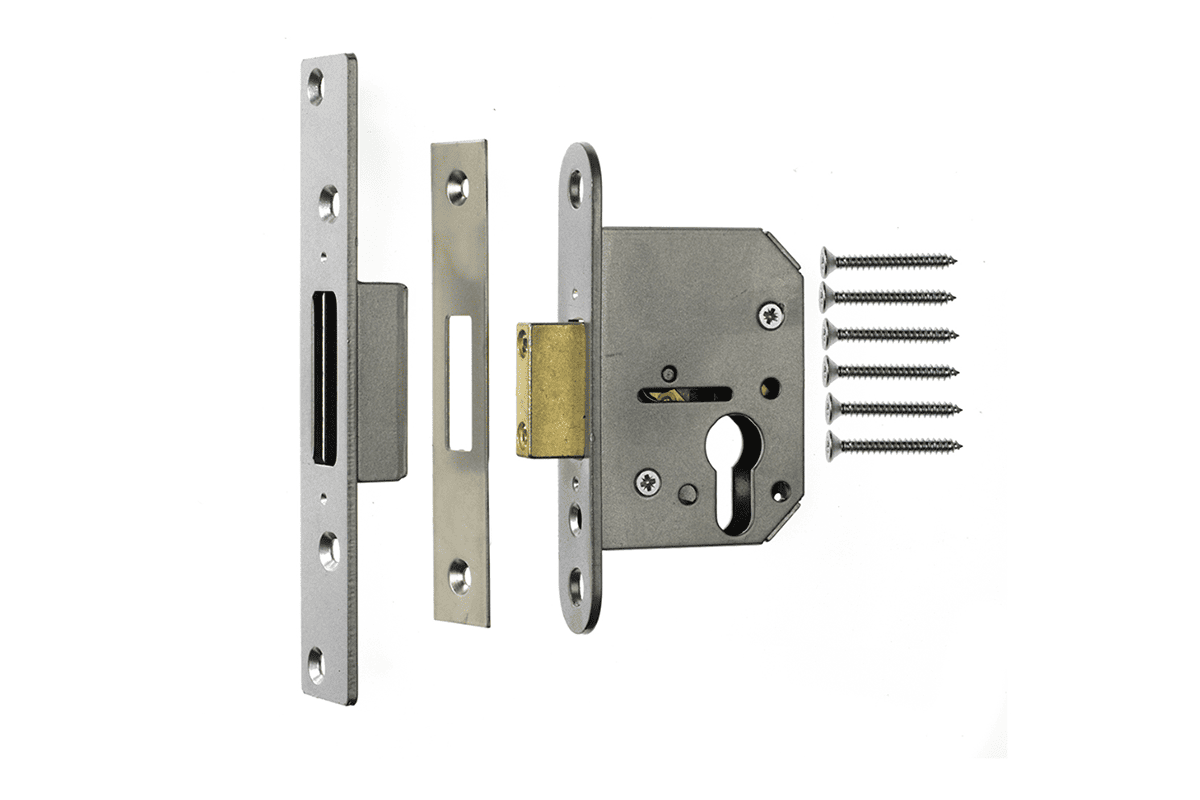
Buyers should compare suppliers by fire test evidence, door material scope, quality control process, production capacity, customization capability, inspection support, and export experience. For timber projects, verify 2-hour evidence where needed. For steel projects, verify 4-hour evidence, door filling requirements, and full assembly compatibility.
Dive deeper
Supplier selection is a strategic decision for door factories, hardware brands, and wholesalers. The best supplier is not always the one with the lowest price. The best supplier is the one that helps reduce technical risk, purchasing risk, and after-sales risk.
When I speak with bulk buyers, I usually suggest comparing suppliers across four areas.
1. Technical evidence
The supplier should provide clear documents. The documents should show where the product can be used and where it cannot be used.
Ask these questions:
- Does the supplier have fire-rated documentation?
- Does the evidence identify timber or steel door use?
- What is the tested fire duration?
- Does the supplier provide installation drawings?
- Are CE documents available where required?
- Are certificates issued by recognized bodies?
- Can the buyer verify document authenticity?
Certifications should be treated as documents for verification. A buyer should not rely only on website claims or sales messages.
2. Manufacturing quality control
A lock used in a fire door should be consistent across production batches. Small dimensional changes can affect installation and performance. A professional factory should control raw materials, machining, assembly, surface treatment, and final inspection.
At SDH Hardware, our stated process includes:
- Raw material screening
- Standardized production supervision
- Finished product inspection
- Function testing
- Frame detection
- Final product testing
These quality steps are important for B2B buyers because they help keep large orders stable. A door factory may install thousands of locks in repeat production, so dimensional consistency matters.
3. Product range and one-stop sourcing
A Fire Door Mortice Lock rarely ships alone. Buyers may also need:
- Stainless steel lever handles
- Euro brass cylinders
- Butt hinges
- Concealed hinges
- Door closers or accessories
- Strike plates
- Screws and fixing kits
- Custom packaging
One-stop sourcing can reduce coordination time. It also helps keep finishes, packaging, and documentation aligned. However, buyers should still verify each fire-rated component separately where project rules require it.
4. Customization and OEM control
Many B2B buyers need private branding. They may require:
- Customer logo stamping
- Laser logo marking
- Custom color packaging
- Product drawings
- Special finishes
- Regional lock functions
- Accessory configuration changes
Customization is useful, but it should not conflict with fire evidence. If a customization changes the lock case, forend, latch, strike, or installation method, the buyer should ask whether the original fire test evidence still applies.
Conclusion
A Fire Door Mortice Lock for timber doors and steel doors may look similar, but the test evidence can differ greatly. Timber fire door evidence is commonly up to 2 hours, while steel fire door evidence may reach up to 4 hours and requires fire-resistant internal filling. I recommend checking the full tested assembly, not only the lock certificate. If you need factory-direct mortice locks, handles, hinges, cylinders, or customized door hardware for B2B projects, contact SDH Hardware for document review and sourcing support.
"120 or 240 minutes can make all the difference. NAFFCO's ...", https://www.facebook.com/naffcomisr/posts/120-or-240-minutes-can-make-all-the-differencenaffcos-fire-rated-steel-door-is-d/122179437122902915/. Authoritative fire-door standards and certification guidance classify fire doors by tested duration and include ratings such as 120 minutes and 240 minutes, supporting the article’s comparison of shorter timber-door evidence and longer steel-door evidence. Evidence role: general_support; source type: institution. Supports: Fire door assemblies are classified by tested fire-resistance duration, with 120-minute and 240-minute ratings appearing in recognized fire-door testing and classification systems.. Scope note: Such sources support recognized rating categories and common practice, but they may not prove that every timber lock is limited to 2 hours or every steel lock can reach 4 hours. ↩
"Fire Doors", https://www.ocwr.gov/publications/fast-facts/fire-doors/. Technical guidance on hollow-metal fire doors explains that fire-rated steel doors are tested as complete constructions and commonly incorporate core or insulation materials that contribute to thermal and structural performance. Evidence role: mechanism; source type: institution. Supports: Steel fire doors often use internal core or insulation materials as part of the tested construction that provides fire resistance.. Scope note: The source would describe common construction principles rather than verifying the filling material used in any specific product. ↩
"Important Tips for Specifying Fire Door Assemblies", https://steeldoor.org/tips-for-specifying-fire-door-assemblies/. Fire-door standards define a fire door as part of an assembly and require listed or tested components to be installed in accordance with the applicable listing or installation instructions. Evidence role: definition; source type: institution. Supports: Fire door compliance is assessed at the assembly level, including the door, frame, hardware, glazing, seals, and installation details.. ↩
"FIRE RESISTANCE OF TIMBER STRUCTURES", https://www.nist.gov/system/files/documents/el/fire_research/NIST-Timber-Report-v4-Copy.pdf. Fire engineering studies of timber show that wood forms a char layer during heating, while the remaining section and heated layer determine residual strength and fire-resistance behavior. Evidence role: mechanism; source type: paper. Supports: Wood and timber char under fire exposure, and the char layer and heated zone influence insulation and residual load-bearing capacity.. Scope note: Research on structural timber provides the material mechanism; application to a specific fire door depends on the tested door design. ↩
"Fire Resistive Materials: Thermal Barriers between Fires ...", https://www.nist.gov/publications/fire-resistive-materials-thermal-barriers-between-fires-and-structures. Fire engineering references report that steel has relatively high thermal conductivity and undergoes thermal expansion at elevated temperatures, which helps explain why steel fire-door performance depends on the complete insulated assembly. Evidence role: mechanism; source type: research. Supports: Steel transfers heat and thermally expands under fire conditions, making insulation, reinforcement, and complete assembly design important to fire performance.. Scope note: The material-property evidence is general and does not by itself establish the rating of any particular steel door assembly. ↩
"Doors, Windows and Related Hardware Application Guide", https://www.ul.com/thecodeauthority/knowledge/ul-fire-rated-doors-guide. Fire-resistance testing and classification guidance states that results apply to the tested specimen and any permitted field of application, so changes in door type, dimensions, or installation may fall outside the original evidence. Evidence role: general_support; source type: institution. Supports: Fire-resistance classifications and certificates are tied to defined specimens, configurations, fields of application, and installation conditions.. ↩
"Should I fit intumescent lock wraps on fire doors?", https://www.armadadh.com/should-i-fit-intumescent-lock-wraps-on-fire-doors/. Fire-door installation guidance treats hardware cut-outs, including mortice lock pockets, as controlled details because removing door-core material can affect fire integrity unless the hardware and any intumescent protection match the tested design. Evidence role: mechanism; source type: institution. Supports: Hardware cut-outs in timber fire doors can affect fire integrity and often require tested configurations or intumescent protection.. Scope note: The source would support the general risk associated with cut-outs, not quantify the weakening caused by a particular lock pocket. ↩
"Fire Doors and NFPA 80 FAQs", https://www.nfpa.org/news-blogs-and-articles/blogs/2025/04/11/fire-doors-faqs. Fire-door codes and certification guidance state that fire protection ratings are assigned to complete assemblies with compatible listed components, supporting the conclusion that a strong lock body alone does not make a door set fire-rated. Evidence role: expert_consensus; source type: institution. Supports: Fire ratings apply to complete door assemblies and compatible listed hardware, not to the apparent strength of an individual lock body alone.. ↩
"Design of an ASTM E119 fire environment in a large ... - PMC", https://pmc.ncbi.nlm.nih.gov/articles/PMC7857014/. Standard fire-resistance test methods use a prescribed time-temperature exposure over the rated duration; a 240-minute rating therefore subjects the door assembly and its hardware to prolonged high-temperature conditions. Evidence role: general_support; source type: institution. Supports: Four-hour fire-resistance tests expose assemblies to a prescribed furnace temperature regime for an extended duration, making the test demanding for doors and hardware.. Scope note: The source supports the severity of the exposure duration, not the performance of any specific lock or steel door. ↩
"EXAP: The Value of Extended Field of Application Reports ...", https://www.uktestcert.com/post/exap-extended-field-of-application-testing-guide. Extended-application procedures and certification-body guidance provide methods for assessing defined variations from a tested fire-door assembly, while changes outside the permitted scope may require further fire testing. Evidence role: general_support; source type: institution. Supports: Fire-resistance evidence may be extended to some variations through formal extended application or engineering assessment, while unapproved variations may require additional testing.. Scope note: The acceptability of a specific substitution depends on the governing standard, certification body, and local authority having jurisdiction. ↩
