
Door Hinges vs Pivots: Which Suits Your Door?
Door Hinges vs Pivots can look like a simple hardware choice, but I often see buyers underestimate how much this decision affects door safety, installation, and long-term performance. If the wrong system is selected, the door may sag, bind, fail inspection, or cost more to maintain1. The right answer starts with door type, weight, opening direction, and project requirements.
Door hinges suit most standard functional doors, especially fire-rated doors and many interior wooden doors, while pivots suit heavy doors and double-action openings where load capacity and two-way traffic matter. The best choice depends on the complete door set, door weight, frame structure, site conditions, and verified certification requirements.
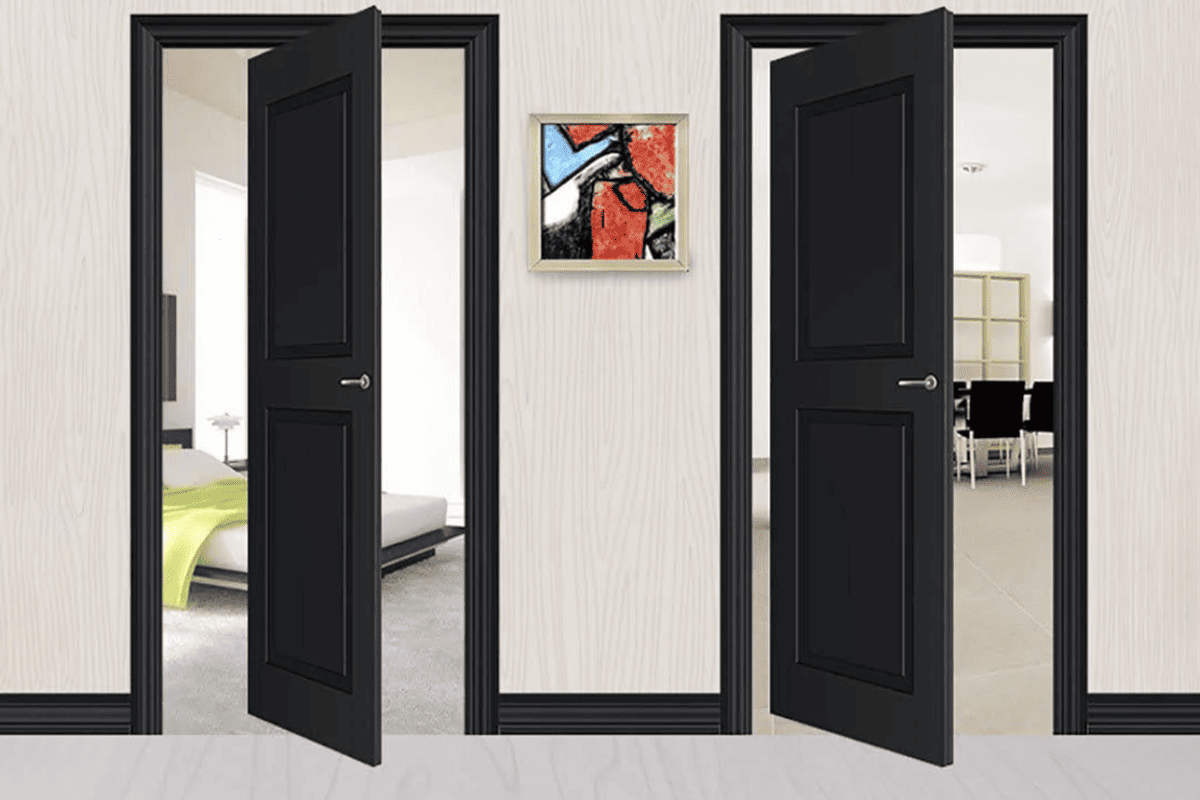
I manufacture architectural door hardware for door factories and B2B buyers, so I look at this question from the application side, not only from the design side. A pivot may look impressive, and a hinge may look ordinary, but performance depends on whether the hardware matches the actual door system.
What Is the Main Difference in Door Hinges vs Pivots?
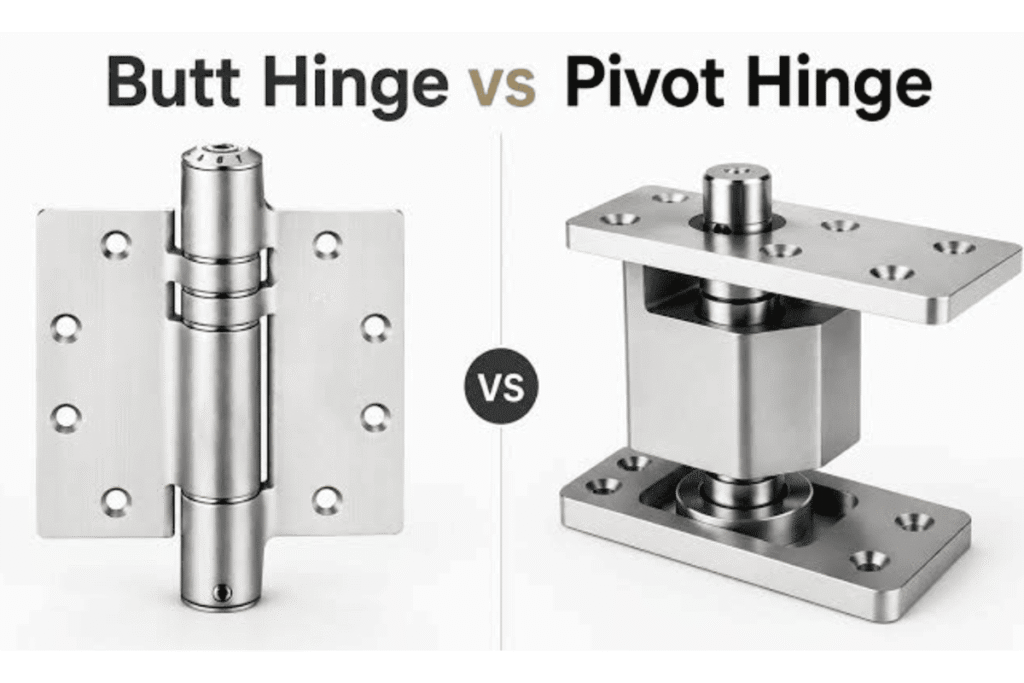
Many buyers compare Door Hinges vs Pivots only by appearance, and that can lead to poor decisions. A visible hinge may seem less modern, while a pivot may seem more premium. However, the real difference is mechanical support, opening movement, installation method, and compatibility with the door structure.
Door hinges usually support the door from the side edge, while pivots support the door from top and bottom pivot points.2 Hinges are common for standard swing doors, including many fire doors and interior wooden doors. Pivots are better suited to heavy doors, large entrances, and double-action openings when the structure allows proper installation.
How each system carries the door load
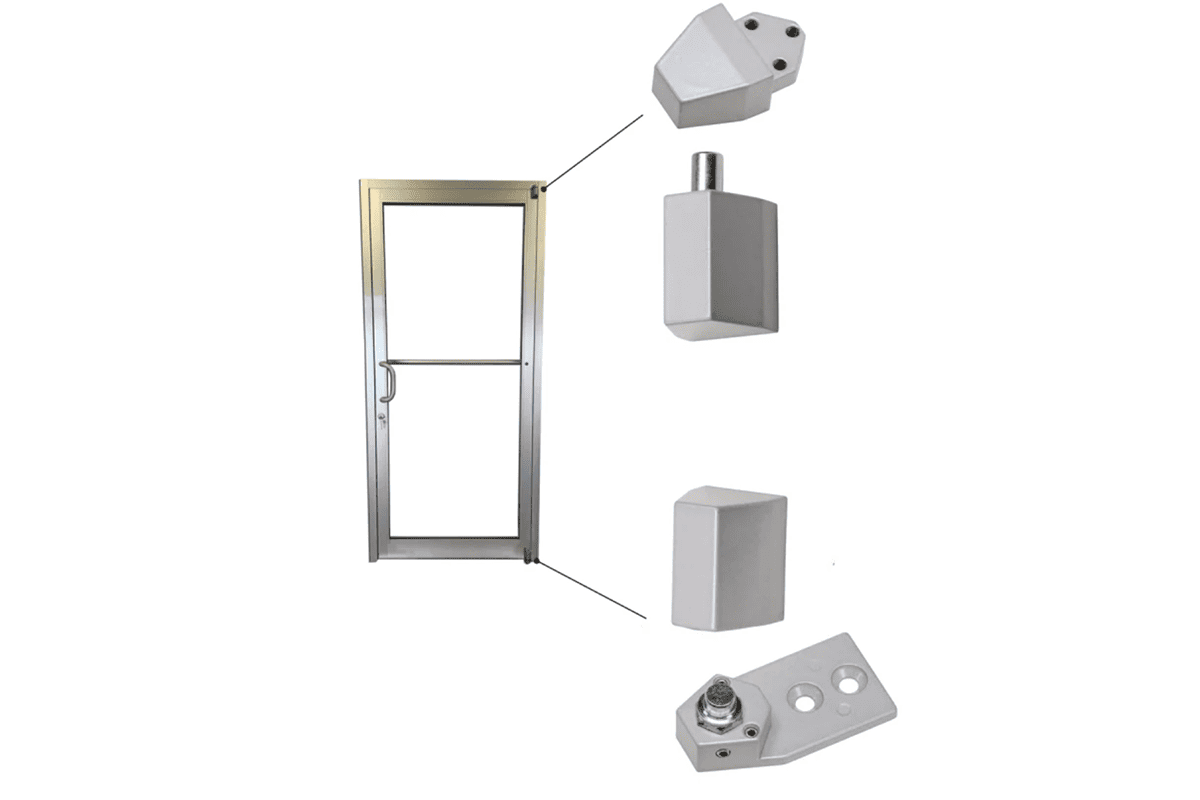
I usually explain the difference like this: a hinge hangs the door from the side; a pivot turns the door around a vertical axis supported from above and below. This changes how the load moves into the frame, floor, and ceiling.
A butt hinge is fixed to the door edge and frame. The screws, hinge leaves, and frame reinforcement carry the door weight. This system is simple, proven, and easy to inspect. It is also familiar to door factories, installers, and project supervisors.
A pivot system is different. The door does not simply hang from the side frame. The bottom pivot carries much of the vertical load, while the top pivot stabilizes the door.3 This can be very useful for heavy copper doors, cast aluminum doors, glass entrance doors, and large decorative doors. However, it also means the floor and top structure must be suitable.
Basic comparison table
| Item | Door Hinges | Pivots |
|---|---|---|
| Load path | Side frame and hinge screws | Bottom and top pivot points |
| Common door types | Fire doors, interior wooden doors, standard metal doors | Heavy entrance doors, storefront doors, double-action doors |
| Opening style | Usually single-action swing | Single-action or double-action depending on system |
| Installation complexity | Usually lower | Usually higher |
| Site dependency | Mainly frame and door edge | Floor, ceiling/header, door thickness, alignment |
| Maintenance access | Simple inspection and replacement | More dependent on pivot position and floor hardware |
| Typical buyer concern | Durability, certification, finish, screw strength | Load capacity, alignment, floor fixing, two-way opening |
Why “premium” is not the right selection standard
I have seen projects where buyers wanted pivots because the door looked high-end in the showroom. That is understandable. Pivots can create a clean and impressive entrance. Still, I do not recommend choosing pivots only for appearance.
A pivot needs cooperation from:
- Door thickness
- Door weight
- Floor strength
- Top fixing condition
- Opening direction
- Clearance design
- Installation precision
- Maintenance access
If these points are not controlled, the door may develop alignment problems. A pivot that is installed on an unsuitable door can create more risk than value.
Where hinges still make strong sense
Door hinges remain the standard for many functional applications because they are predictable. Butt hinges, flush hinges, and concealed hinges each serve different needs. I do not treat all hinges as one category.
- Butt hinges suit fire-rated doors, metal doors, and many functional wooden doors.
- Flush hinges suit light to medium interior doors where installation needs to be simple.
- Concealed hinges suit interior doors where appearance matters and the door/frame design supports the installation.
- Heavy-duty butt hinges suit heavier standard swing doors when the frame is reinforced.
In my work with door manufacturers, I usually start with the door’s purpose. If the door must meet fire-door requirements, I look first at certified door-set compatibility. If the door is a light interior wooden door, I look at budget and appearance. If the door is very heavy or needs two-way traffic, I consider pivot systems.
When Should Door Hinges vs Pivots Be Chosen for Fire-Rated Doors?
Fire-rated projects create pressure because the hardware choice is not only a performance issue. It is also a compliance issue. If a buyer selects hardware without checking the full certified door set, the project can face rejection, rework, or safety risk.
For fire-rated doors, butt hinges are commonly preferred because they are structurally reliable and easier to match with tested fire-door hardware configurations. Pivots should not be assumed suitable unless the complete door set, pivot hardware, installation method, and certification documents confirm the approved fire-rated performance.
Why butt hinges are common on fire doors
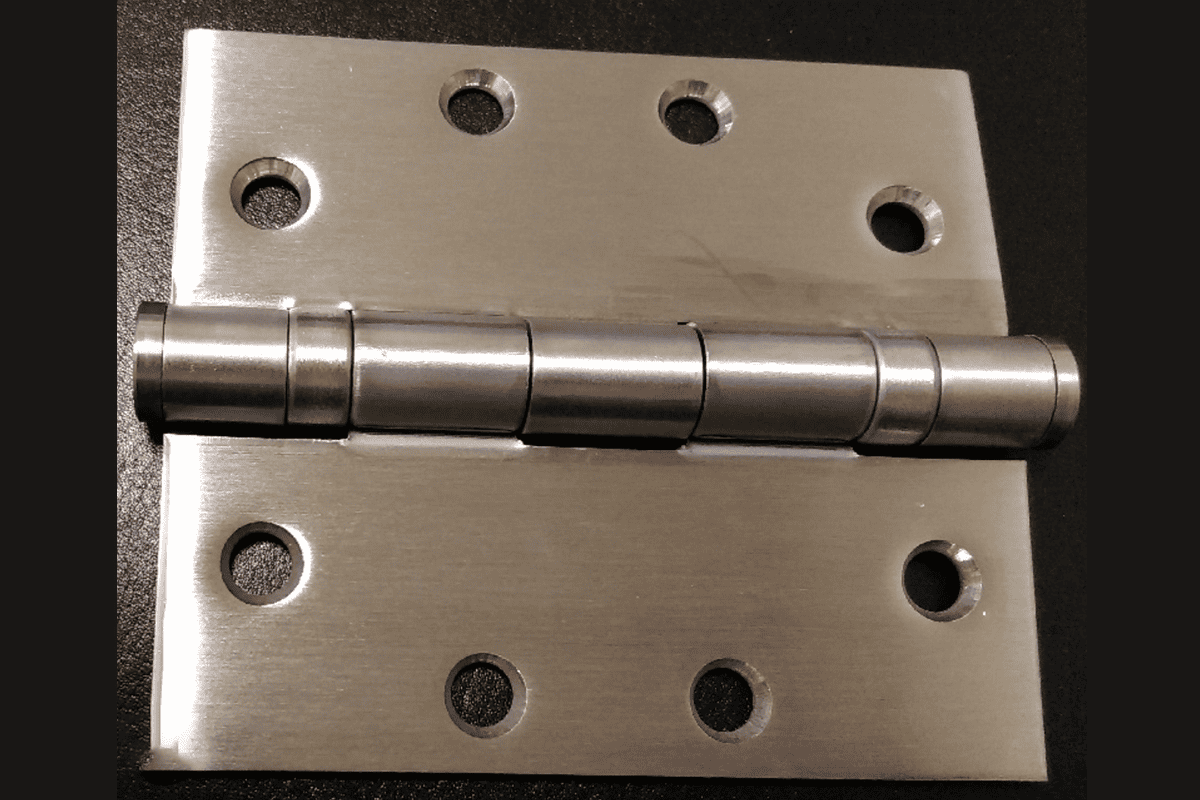
From a manufacturer’s perspective, I see butt hinges as the practical default for many fire-rated doors. They provide a stable side-mounted connection between the door leaf and frame. They are also widely understood by door factories and project installers.
However, I always give one warning: fire-rated performance belongs to the tested door set, not to one hardware part alone4. A CE mark or fire-rated certificate for hardware is important, but the buyer still needs to verify that the exact hardware is approved for the door construction, rating duration, size, weight, and installation method.
A fire door includes many interacting components:
- Door leaf material and core5
- Door frame material and reinforcement
- Hinges or pivot hardware
- Lock or latch system
- Door closer
- Intumescent seals6
- Glazing, if used
- Installation method and wall type
If one part changes, the door set may no longer match the tested configuration. This is why I recommend professional evaluation for application-specific fire-door decisions.
Practical fire-door comparison
| Fire-rated selection factor | Butt Hinges | Pivots |
|---|---|---|
| Common use in fire doors | Very common | Less common, requires strict verification |
| Certification matching | Easier to match with many standard tested sets | Must be checked case by case |
| Installation familiarity | High | Lower for many installers |
| Frame preparation | Standard hinge reinforcement | Special top/bottom preparation |
| Inspection simplicity | Easier | More complex |
| Best use | Functional fire doors, metal fire doors, timber fire doors | Only when tested and approved in full system |
What I ask buyers before recommending fire-door hinges
When a door factory asks me for fire-rated hinge support, I usually ask for technical details before discussing price. This avoids wrong matching.
I ask for:
- Door material: steel, timber, composite, or other construction
- Door thickness: for example, 40 mm, 45 mm, 50 mm, or project-specific
- Door weight: including any glazing or cladding
- Fire rating target: such as 30, 60, 90, or 120 minutes, depending on market requirements
- Opening direction: left hand, right hand, inward, or outward
- Frame type: steel frame, wooden frame, aluminum frame, or special frame
- Required documents: CE, fire-rated reports, declaration documents, or project-specific approvals
- Quantity and project market: because regional requirements can differ
At SDH Hardware, we manufacture butt hinges and other architectural door hardware with documented quality control. Still, I do not tell buyers that a hinge alone makes a fire door compliant. I advise them to verify the exact certificate, test scope, and approved installation.
Why pivots need extra caution for fire doors
A pivot may carry heavy load well, but fire-door requirements are not only about load. The door must close correctly, seal correctly, and perform under fire exposure according to the tested standard. Pivot hardware changes the movement, fixing points, and sometimes the clearance design.
That means a pivot system for a fire door must be checked against the complete approved configuration. If the certificate does not cover the pivot system, I would not recommend assuming acceptance.
For procurement teams, the safest approach is simple:
Choose fire-door hardware based on verified door-set certification, not general hardware appearance or catalog claims.
This approach protects the buyer, the door factory, and the final project.
How Do Door Hinges vs Pivots Perform on Interior Wooden Doors?
Interior wooden doors give buyers more freedom, but too many options can also create confusion. A buyer may ask for concealed hinges because they look clean, then discover the door frame is not prepared for them. Another buyer may choose flush hinges to save labor, then use them on a door that is too heavy.
For interior wooden doors, butt hinges, flush hinges, and concealed hinges are usually more common than pivots. The best choice depends on visual preference, door weight, frame design, installation skill, and budget. Pivots may be used for special interior doors, but they are not necessary for most standard wooden room doors.
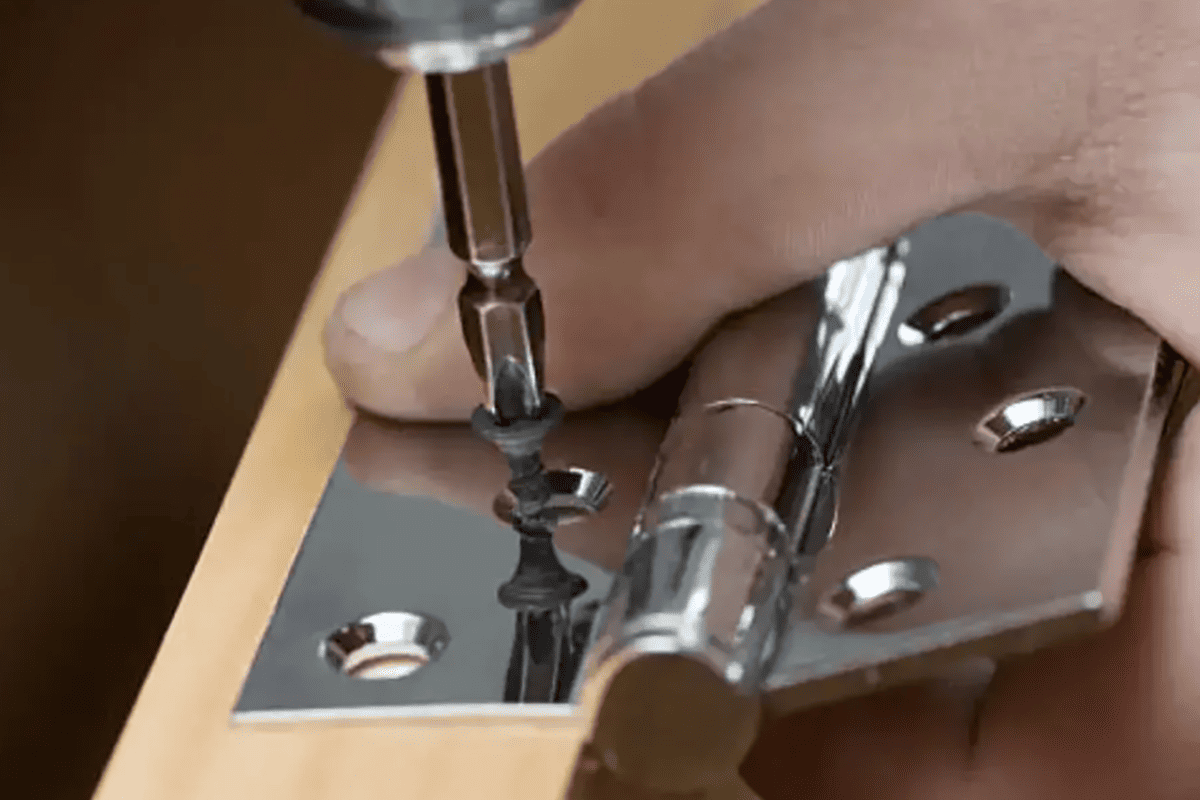
Common hinge choices for wooden doors
Interior wooden doors are usually lighter than entrance doors or heavy metal doors.7 That means the selection often focuses on appearance, installation, and cost instead of maximum load capacity. I usually separate the hinge options into three main groups.
1. Butt hinges
Butt hinges are the most traditional option. They are durable, easy to understand, and suitable for many wooden doors. They require mortising into the door edge and frame. This creates a neat fit and stable support.
Best for:
- Standard wooden room doors
- Hotel doors
- Apartment doors
- Office doors
- Doors where reliability matters more than hidden appearance
2. Flush hinges
Flush hinges can be easier to install because they often require less cutting than traditional butt hinges. They are usually used for lighter interior doors. I see them as a practical option when the project needs speed and moderate cost control.
Best for:
- Light interior wooden doors
- Residential room doors
- Budget-sensitive projects
- Simple installation conditions
3. Concealed hinges
Concealed hinges hide inside the door and frame when the door is closed.8 They create a clean appearance. However, they require accurate machining and compatible door/frame thickness9. I usually recommend them only when the door manufacturer can control processing precision.
Best for:
- High-end interior doors
- Minimalist door designs
- Flush wall door systems
- Projects with CNC machining or accurate factory preparation
Interior wooden door comparison
| Hardware option | Appearance | Installation difficulty | Typical load use | Cost level | Buyer note |
|---|---|---|---|---|---|
| Butt hinge | Visible | Medium | Light to medium-heavy | Low to medium | Reliable and widely used |
| Flush hinge | Visible | Low to medium | Light to medium | Low | Check door weight carefully |
| Concealed hinge | Hidden | High | Depends on model | Medium to high | Needs precise machining |
| Pivot | Partly hidden or design-focused | High | Medium to heavy, if suitable | Medium to high | Best for special designs, not standard rooms |
Why pivots are not always needed indoors
I sometimes receive inquiries where the buyer wants pivots for every interior door in a villa or hotel project. I understand the design intention, but I still ask whether the door really needs a pivot. Many interior doors do not need high load capacity or two-way opening. They need stable operation, easy installation, and consistent finishing.
A pivot may create issues if:
- The floor cannot accept the bottom fixing.
- The ceiling or header cannot accept the top pivot.
- The door leaf is too thin.
- The installer cannot maintain accurate alignment.
- The door needs simple replacement later.
- The project budget does not support extra preparation.
For standard wooden doors, I often recommend butt hinges or concealed hinges first. Butt hinges offer reliable performance. Concealed hinges offer cleaner appearance when the door construction supports them. Flush hinges can work for lighter doors with cost-sensitive requirements.
What I check before recommending a hinge
For interior wooden doors, I usually ask these questions:
- Is the door solid wood, hollow core, MDF, composite, or veneer-faced?
- What is the door height, width, and thickness?
- What is the approximate door weight?
- Should the hinge be visible or hidden?
- Can the factory machine the door and frame accurately?
- Does the market prefer stainless steel, brass, zinc alloy, or another finish?
- Does the buyer need OEM branding, logo stamping, or custom packaging?
Because SDH Hardware supplies B2B buyers, I also consider repeat production. A hinge system must work not only on one sample door, but also across hundreds or thousands of doors. Consistency matters more than a single showroom effect.
When Are Pivots Better Than Door Hinges for Heavy or Two-Way Doors?
Some doors create real stress for standard side hinges. If the door is very tall, very heavy, or used in a busy entrance, the hardware must carry load smoothly and safely. In those cases, a pivot may solve problems that ordinary hinges cannot handle well.
Pivots are often better when a door is very heavy, needs double-action opening, or serves a commercial entrance with two-way traffic.10 They are suitable for copper doors, cast aluminum doors, storefront doors, and large decorative doors when the floor, top fixing point, door thickness, and installation precision are properly controlled.
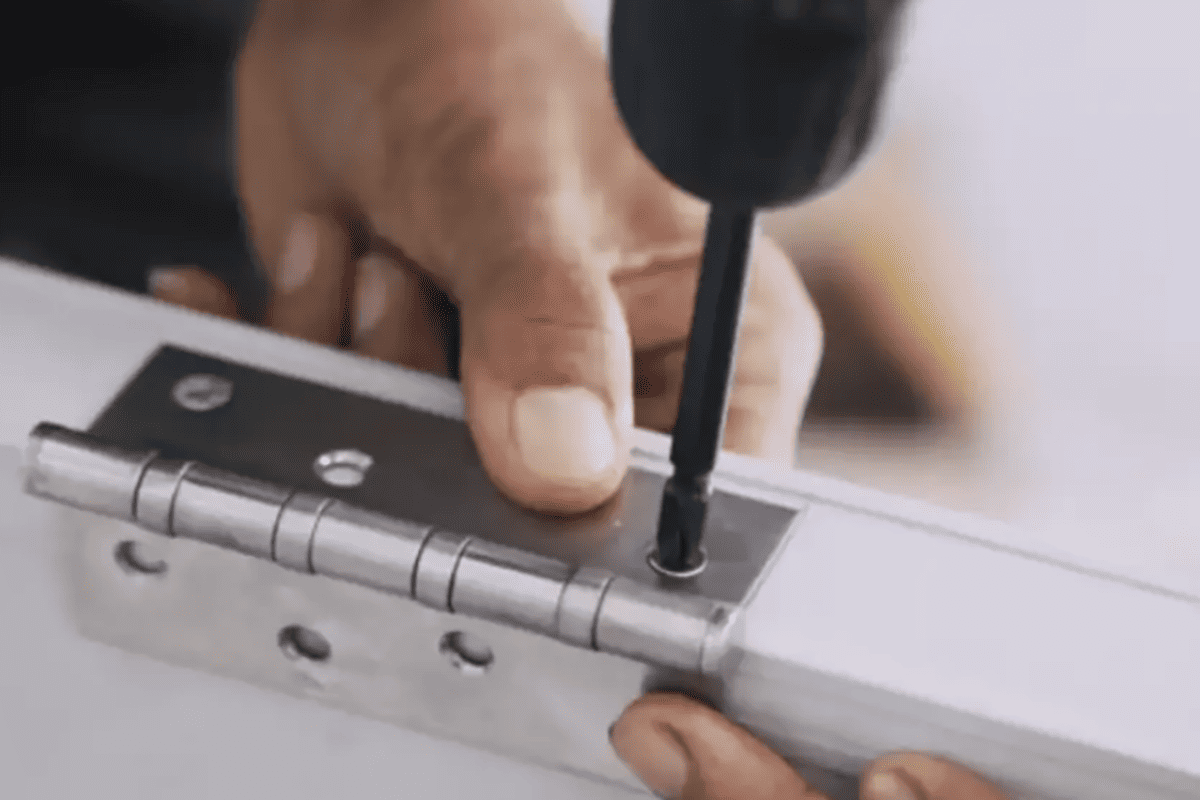
The real strengths of pivot systems
I do not describe pivots as universally better. I describe them as application-specific hardware. Their value becomes clear when the door requires features that side hinges may struggle to provide.
Pivots are useful because they can provide:
- High load-bearing capacity
- Smooth rotation for large door leaves
- Double-action opening in suitable systems
- Better support for certain heavy decorative doors
- A strong solution for commercial traffic flow
- A modern appearance as a secondary benefit
The main reasons are load and movement. Appearance is important, but it should not be the only reason.
Typical pivot applications
| Door type | Why pivots may fit | Buyer caution |
|---|---|---|
| Heavy copper doors | High weight and premium entrance design | Confirm floor strength and load rating |
| Cast aluminum doors | Large size and decorative panels | Check door thickness and fixing method |
| Storefront doors | Frequent traffic and possible two-way operation | Verify closer and floor spring requirements |
| Commercial entrance doors | High traffic and large openings | Plan maintenance access |
| Double-action doors | Two-way swing requirement | Use compatible pivot/closer system |
Why floor and ceiling conditions matter
A pivot system depends on bottom and top fixing points. This is the biggest difference from a side hinge. The floor may need drilling, reinforcement, or a floor spring box. The top may need a strong header, transom, or ceiling structure. If these are weak or inaccurate, the pivot cannot perform correctly.
I always recommend checking:
- Floor material: concrete, stone, tile, wood, or raised floor
- Floor flatness: uneven floors can affect swing and clearance
- Top support: header strength and fixing depth
- Door weight: including decoration, glass, panels, or metal cladding
- Door thickness: enough material is needed for pivot hardware
- Clearance design: pivot doors may require different gaps
- Opening angle: 90°, 105°, 180°, or double-action movement
- Closer requirement: floor spring, overhead closer, or hidden closer
A pivot door also needs accurate installation. If the top and bottom pivot points do not align, the door can bind or swing poorly.11 For heavy doors, small alignment errors can create large operational problems.
Heavy door example from my factory discussions
In a typical inquiry, a customer may say, “The door is 2.8 meters high and made with copper cladding.” At that point, I do not simply quote a hinge. I ask for weight, frame design, opening direction, and site photos if available. I also ask whether the door needs one-way or two-way opening.
If the door is extremely heavy and used as a main entrance, a pivot may be reasonable. If the same door must meet a specific fire rating, the decision becomes more complicated and needs verified documentation.
This is the key point in Door Hinges vs Pivots decisions: the door’s application should lead the hardware choice. A heavy entrance door and a standard bedroom door should not use the same selection logic.
When heavy-duty hinges may still work
Pivots are not the only option for heavier doors. Heavy-duty butt hinges can still work when the door frame is strong, the opening is single-action, and the door weight is within the hinge rating. In many projects, heavy-duty hinges are simpler to install and easier to maintain.
I usually compare the options this way:
- If the door is heavy but standard swing, I consider heavy-duty butt hinges.
- If the door is heavy and very wide or tall, I review pivot options.
- If the door needs two-way opening, I review pivot or floor spring systems.
- If certification is required, I verify approved hardware combinations first.
This balanced approach keeps the buyer away from unnecessary cost and avoidable risk.
How Should Buyers Evaluate Door Hinges vs Pivots Suppliers?
A good hardware decision can still fail if the supplier cannot control quality. I have seen buyers focus only on unit price, then struggle with inconsistent finish, loose movement, weak screws, poor packaging, or missing documents. Supplier evaluation is part of the hardware selection.
Buyers should evaluate Door Hinges vs Pivots suppliers by checking manufacturing capability, material control, load testing, finish consistency, certification documents, sample support, customization ability, and inspection process. For project hardware, buyers should also verify whether the supplier understands door type, opening direction, installation conditions, and market standards.
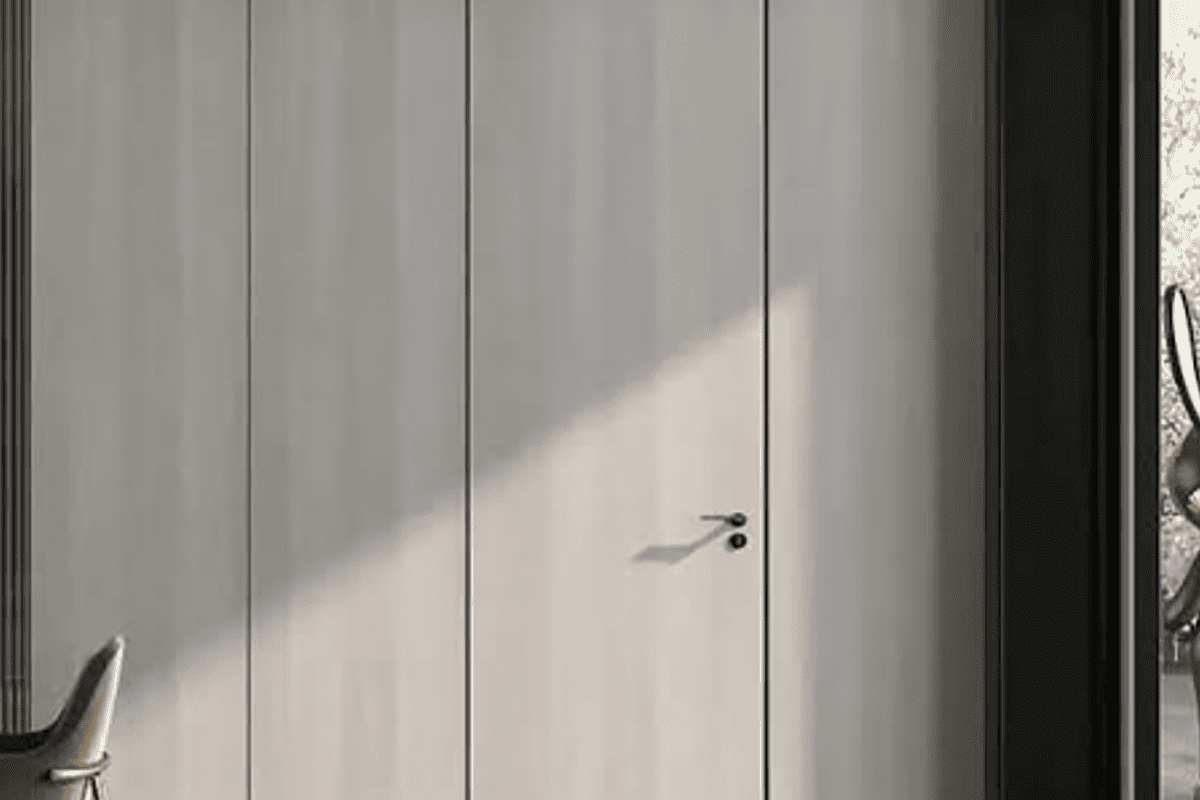
What I believe a serious supplier should provide
As a manufacturer, I believe a supplier should do more than ship hardware. A supplier should help the buyer reduce selection risk before production starts. This is especially important for door factories, hardware brands, and wholesalers who need stable repeat orders.
For hinge and pivot procurement, I recommend checking these points:
- Production experience: Does the supplier understand architectural door hardware applications?
- Factory capability: Does the supplier control key manufacturing steps?
- Material standards: Does the supplier state stainless steel grade, brass material, zinc alloy, or steel specifications clearly?
- Testing equipment: Can the supplier test function, load, corrosion resistance, or cycle performance where applicable?
- Certification documents: Are CE or fire-rated documents available for relevant products?
- Document scope: Do certificates match the product model, size, and use case?
- Customization support: Can the supplier support OEM/ODM, logo, finish, packaging, and drawings?
- Inspection process: Does the supplier inspect after production before shipment?
- Communication quality: Does the supplier ask technical questions before recommending hardware?
At SDH Hardware, we operate as a China-based architectural door hardware manufacturer with more than 10 years of production experience. We support standardized and customized products, including butt hinges, concealed hinges, lever handles, mortise locks, cylinders, and door accessories. I still advise buyers to verify all technical documents against their own project requirements.
Supplier comparison checklist
| Evaluation item | Why it matters | What I would ask |
|---|---|---|
| Factory production | Stable quality depends on controlled manufacturing | “Which processes are in-house?” |
| Product range | Complete door sets need matching hardware | “Can you supply hinges, locks, handles, and accessories together?” |
| Testing | Performance claims need evidence | “What testing machines and reports are available?” |
| Certification | Buyers need documents for project approval | “Does the certificate cover this exact model?” |
| Sample development | Door factories often need trial fitting | “Can you support sample customization?” |
| Surface finish | Appearance must remain consistent across batches | “Can you match finish samples?” |
| Packaging | Wholesale and brand buyers need market-ready supply | “Can you provide custom color packaging?” |
| Inspection | Defects should be found before shipment | “Do you provide final inspection records?” |
Why technical communication matters before quotation
I often slow down the quotation process when the buyer has not provided enough door information. This may seem inconvenient, but it prevents wrong supply. A hinge or pivot is not only a catalog item. It is part of a working door system.
Conclusion
Door Hinges vs Pivots is not a question of which hardware looks more premium. It is a question of door material, weight, opening direction, fire-rating requirement, installation conditions, and supplier capability. I usually recommend butt hinges for many functional and fire-rated doors, multiple hinge options for interior wooden doors, and pivots for heavy or two-way commercial applications. If you need factory-direct guidance, samples, or OEM/ODM architectural door hardware support, contact SDH Hardware with your door details and project requirements.
"minnesota rules 1991 - MN Revisor's Office", https://www.revisor.mn.gov/rules/1310/date/1991. Institutional door-inspection guidance identifies hardware condition, alignment, closing operation, and binding as factors assessed in door performance and compliance; this supports the claim that unsuitable hardware can contribute to operational and inspection problems. Evidence role: general_support; source type: institution. Supports: A source should support that improper or deficient door hardware can affect door operation, alignment, maintenance, and inspection outcomes.. Scope note: The source may describe inspection criteria and common deficiencies rather than proving that every wrong hinge or pivot selection causes all listed failures. ↩
"Hinge", https://en.wikipedia.org/wiki/Hinge. Reference definitions of hinges and pivot hinges distinguish side-mounted hinged rotation from pivoted rotation about points at or near the top and bottom of the door, supporting the article's mechanical distinction. Evidence role: definition; source type: encyclopedia. Supports: A source should define hinges and pivot hinges in terms of their support points and rotational axes.. Scope note: Encyclopedic definitions provide conceptual support and may not address every commercial hinge or pivot product configuration. ↩
"Mastering Pivot Doors: A Comprehensive Technical Overview", https://www.doornmore.com/blog/mastering-pivot-doors-a-comprehensive-technical-overview/?srsltid=AYCX9vIurFBN3-wyoADBmSvi_dM2cwNpad8z8QOVMAJY8J6_4Skh54GV. Technical door-hardware guidance describes pivot assemblies as transferring substantial vertical load through the lower pivot or bearing while the upper pivot guides and stabilizes the leaf, supporting the stated load path. Evidence role: mechanism; source type: institution. Supports: A source should explain the functional roles of bottom and top pivots in a pivot-door assembly.. Scope note: The exact load distribution depends on the pivot design, closer arrangement, and manufacturer-rated assembly. ↩
"Fire Doors and NFPA 80 FAQs", https://www.nfpa.org/news-blogs-and-articles/blogs/2025/04/11/fire-doors-faqs. Fire-door standards and testing guidance treat the fire door as an assembly of the leaf, frame, hardware, and related components, supporting the statement that rated performance is not determined by a single hardware item alone. Evidence role: expert_consensus; source type: institution. Supports: A source should support that fire doors are evaluated as assemblies including door, frame, hardware, glazing, and seals.. ↩
"Fire door", https://en.wikipedia.org/wiki/Fire_door. Fire-door assembly guidance identifies the door leaf and its construction, including core and facing materials, as part of the rated assembly, supporting the inclusion of leaf material and core among fire-performance factors. Evidence role: general_support; source type: institution. Supports: A source should confirm that door-leaf construction, including core material, is part of fire-door assembly classification and performance.. ↩
"How to properly maintain fire doors for effective fire safety", https://www.facebook.com/DWFireRescue/posts/fire-doors-are-you-checking-them-regularlyfire-doors-are-only-effective-when-the/1585609873598420/. Fire-safety guidance describes intumescent seals as materials fitted to fire-door assemblies that expand when heated to help close gaps, supporting their role as a relevant fire-door component. Evidence role: mechanism; source type: government. Supports: A source should explain that intumescent seals are used in fire doors and expand under heat to help restrict fire or smoke spread.. Scope note: Requirements for intumescent seals vary by jurisdiction, rating, smoke-control requirement, and tested assembly. ↩
"081410 - Wood Doors - UNH Scholars Repository", https://scholars.unh.edu/cgi/viewcontent.cgi?article=1001&context=pdch_5_08. Educational building-construction references describe common interior doors as lighter-duty units than many exterior, metal, or specialty entrance doors, providing contextual support for the article's weight comparison. Evidence role: general_support; source type: education. Supports: A source should provide typical door types, materials, and weight ranges showing that common interior wood doors are generally lighter than heavy exterior or metal doors.. Scope note: The comparison is typical rather than universal; solid hardwood, oversized, or acoustic interior doors can be relatively heavy. ↩
"Concealed hinge jig", https://en.wikipedia.org/wiki/Concealed_hinge_jig. Architectural hardware definitions describe concealed hinges as hinge mechanisms recessed into the door and frame so that they are hidden when the door is closed, supporting the article's definition. Evidence role: definition; source type: encyclopedia. Supports: A source should define concealed hinges as hinges that are not visible, or are largely hidden, when the door is closed.. Scope note: Visibility can vary by hinge design and reveal condition. ↩
"Concealed Hinge | Innovative Door Hardware", https://www.sugatsune.com/hes-concealed-hinge-line/?srsltid=AYCX9vIwPVSIyyjCfQR4xQR7imnezPswklll-NrB4jhJuzlLF5UWvZmD. Technical installation guidance for concealed hinges specifies routed recesses, alignment tolerances, and dimensional compatibility with the door and frame, supporting the claim that accurate machining and suitable thickness are required. Evidence role: mechanism; source type: institution. Supports: A source should explain that concealed hinges require recessed preparation, alignment, and minimum or compatible door and frame dimensions.. Scope note: Exact machining dimensions and minimum thicknesses are model-specific. ↩
"Pivot Hinges for Doors – Heavy Duty, Double Action & ...", https://www.swingingcafedoors.com/hardware/pivot-hinges/. Architectural door-hardware references describe pivot sets as suitable for certain heavy or high-traffic doors and as available for single- and double-acting applications, supporting the article's general application claim. Evidence role: general_support; source type: institution. Supports: A source should support that pivot hardware is used for heavy doors and can enable single- or double-acting operation in commercial door assemblies.. Scope note: Suitability depends on the rated pivot set, closer arrangement, door construction, and building conditions. ↩
"Mastering Pivot Doors: A Comprehensive Technical Overview", https://www.doornmore.com/blog/mastering-pivot-doors-a-comprehensive-technical-overview/?srsltid=AYCX9vLCDTG1PfTRwjKxgPUrTDYTDkdGVYDjYyv76ekt3oz9TDJiat2M. Technical installation guidance for pivot doors emphasizes plumb alignment of the upper and lower pivots to maintain free swing, supporting the claim that misalignment can cause binding or poor operation. Evidence role: mechanism; source type: institution. Supports: A source should support that pivot points must be aligned or plumb for proper swing and that misalignment can cause binding or poor operation.. Scope note: The degree of operational impairment varies with door weight, clearances, bearing design, and adjustment capacity. ↩
