
Commercial Storefront Doors Explained: Glass, Aluminum, Hardware, & System Design
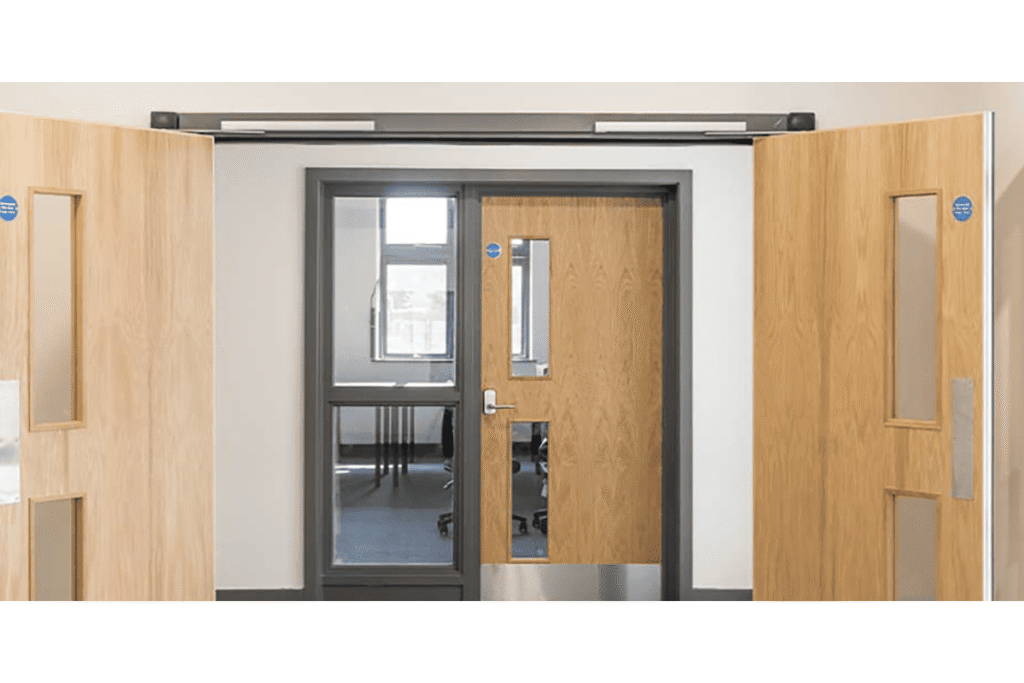
Commercial storefront doors are more than just glass or aluminum—they’re complete systems where material, frame design, opening frequency, and hardware compatibility converge. Choosing the wrong configuration can lead to early failures, poor security, or higher long-term costs. Understanding the nuances of glass vs. aluminum doors ensures lasting functionality and procurement success.
Commercial storefront doors are classified into two main categories: frameless glass doors and aluminum profile doors.1 Each type requires a unique hardware set based on its structure, traffic level, and locking requirements. Ensuring hardware compatibility depends on factors such as door weight, profile width, glass thickness, and frequency of use.2
When examining storefront door systems, the key isn’t just aesthetics or cost—it’s the compatibility of hardware with the door’s engineering. Below, I’ll break down everything you need to know about hardware combinations tailored to each storefront door type.
What are glass storefront doors?
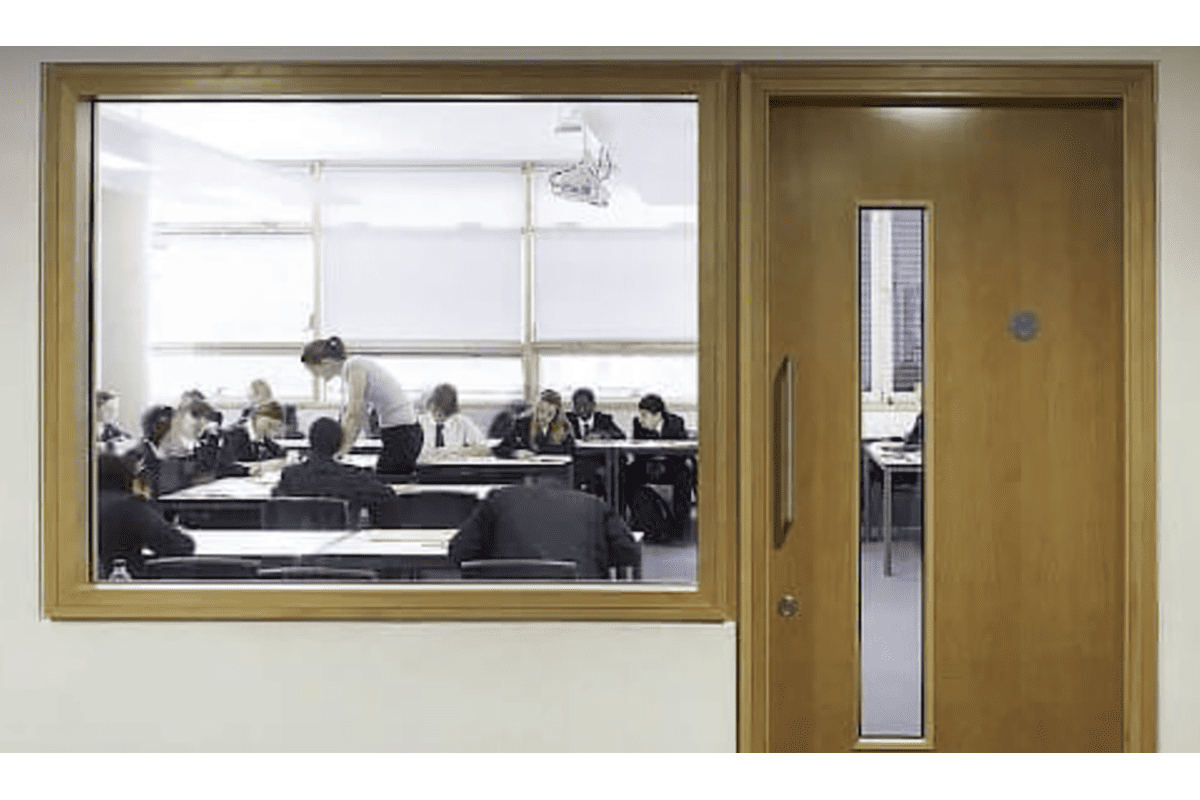
Glass storefront doors have no visible frame.3 They consist of tempered glass panels paired with hardware designed to provide stability, security, and ease of operation.4
Glass storefront doors rely on specialized hardware like floor springs, patch fittings, pull handles, and compatible locks. This setup balances clean aesthetics with functional concerns, such as door weight, glass thickness, and locking strength.
Dive deeper: Hardware considerations for glass storefront doors
Frameless glass storefront doors are visually sleek but structurally demanding. Choosing incompatible hardware can result in instability, misaligned operation, or premature wear. Here’s a look at their hardware essentials:
1. Floor springs
Floor springs are concealed beneath the floor and support the weight and hinge of frameless glass doors.5 They ensure smooth opening and closing for daily use. Matching the floor spring to the door’s weight and size is crucial for safe and reliable operation.6
2. Patch fittings (glass door clamps)
Patch fittings connect the glass panel to hinges or floor springs and act as supporting brackets. Variations accommodate different glass thicknesses, generally ranging from 8mm to 12mm.7
3. Pull handles
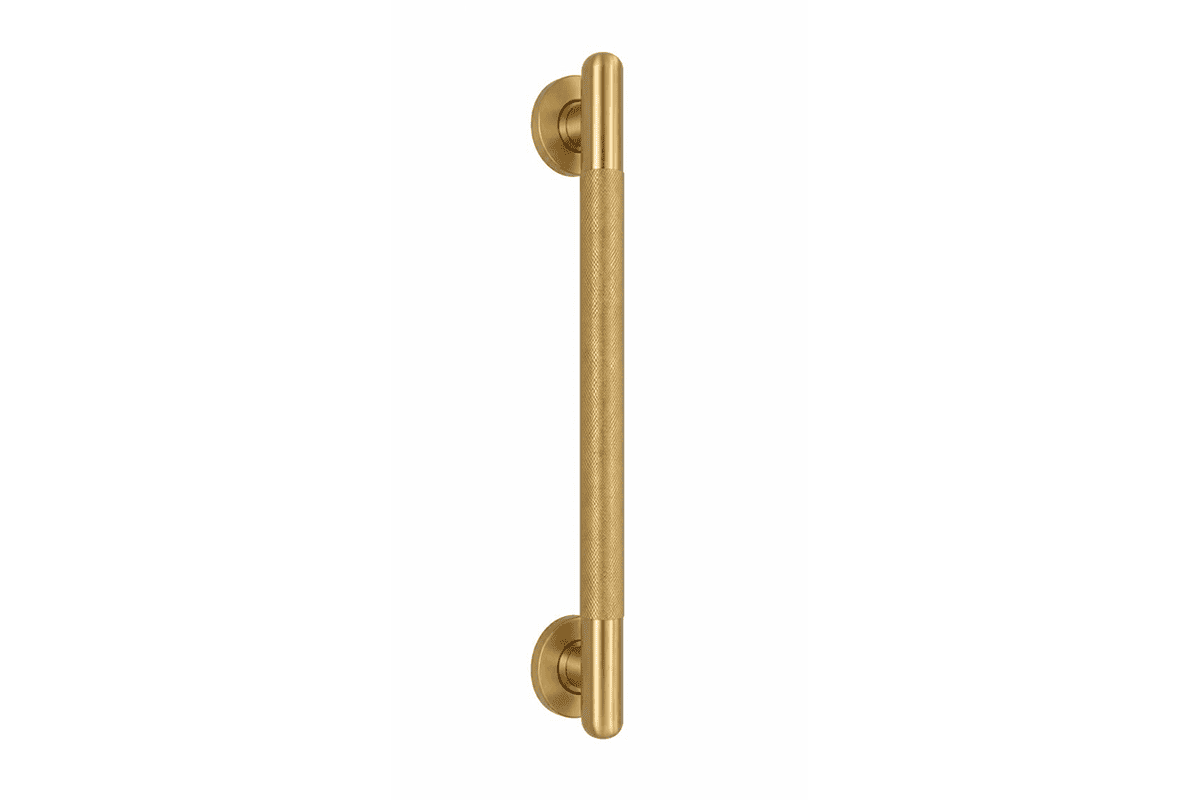
Large pull handles offer easy usability for high-traffic applications. Such hardware is often selected for aesthetic alignment, but installations must prioritize material durability (e.g., stainless steel or anodized aluminum).
4. Locking mechanism: glass locks or electromagnetic locks
Glass storefront doors can feature mechanical locks, magnetic locks, or an electronic access system. Glass locks can be mounted with patch fittings, but electromagnetic locks are preferable for systems requiring automation or security integration.8
| Hardware Type | Purpose | Compatibility Concerns |
|---|---|---|
| Floor spring | Smooth opening/closing | Door weight and traffic level matched |
| Patch fittings | Structural glass support | Glass thickness and profile alignment |
| Pull handles | User usability and aesthetics | Material durability |
| Glass locks / Magnetic locks | Security and functionality | Automation requirements |
What are aluminum profile storefront doors?
Aluminum profile storefront doors are framed structures, combining aluminum sections with glass panels for both durability and aesthetic flexibility.9
These doors are typically equipped with hinges, narrow body locks, narrow handles, and door closers. Matching hardware to the aluminum frame width and usage degree ensures proper mechanical integrity.
Dive deeper: Hardware considerations for aluminum profile storefront doors
Aluminum profile doors are more robust than frameless glass but require precise compatibility of hardware dimensions. Below, I’ll break down key hardware components:
1. Aluminum profile hinges
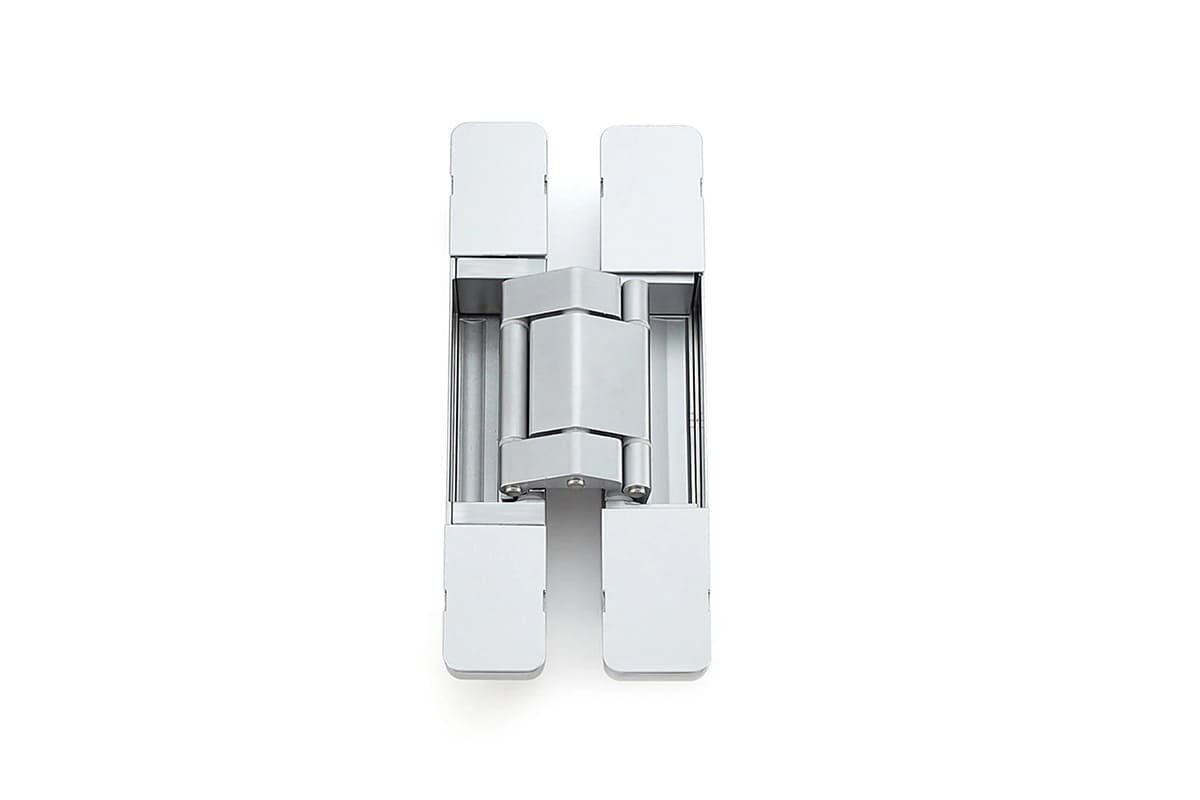
These hinges balance the load between the aluminum frame sections and the door panel. They should be sized appropriately for the profile width and weight of the door. Adjustable designs help with installation alignment.
2. Narrow body locks
Narrow locks are designed specifically for slim aluminum profiles where standard mortise locks won’t fit.10 These locks are indispensable for maintaining security without bulky hardware obstructing the door’s appearance.
3. Narrow handles
Slim lever handles complement narrow profile designs. Material selection should align with internal environments (anodized aluminum) or external durability (stainless steel).
4. Lock cylinders
Lock cylinders embedded within the narrow lock body provide secure key access. Final specifications should align with local security preferences and legal standards.
5. Door closers
Commercial aluminum doors often integrate overhead door closers. These prevent door slamming, increase durability, and enhance accessibility consistency.
| Hardware Type | Purpose | Key Compatibility Factors |
|---|---|---|
| Aluminum profile hinges | Structural support across frame | Hinges matched to profile width |
| Narrow body locks | Security in slim frames | Profile fitting and keying requirements |
| Narrow handles | Aesthetic and practical usability | Profile alignment and durability |
| Lock cylinders | Reliable, secure access mechanisms | Cylinder size and key preferences |
| Door closers | Traffic-heavy door structural aid | Spring strength matched to traffic volume |
Why is hardware compatibility critical for storefront doors?
Hardware compatibility underpins the functionality, durability, and security of commercial storefront doors.
Incompatible hardware risks premature failure, operational difficulty, and compromised security, especially under high-traffic conditions.11 Compatibility is determined by traffic level, structural capacity, weight, locking requirement, and local standards.
For example:
- Using an underweight floor spring on a heavy glass door will result in closing unevenly over time.
- Misalignment between a narrow profile lock and aluminum door dimensions weakens security.
Beyond product choices, buyers must account for precise customization for regional markets. This includes surface finish adjustments, fire-rating certifications, and additional accessories tailored to legal codes and durability demands.
Frequently Asked Questions
What is the difference between glass and aluminum storefront doors?
Glass storefront doors are frameless and rely on patch fittings, floor springs, and specialized glass locks. Aluminum storefront doors have robust frames integrating hinges, narrow locks, narrow handles, and door closers.
What locks are ideal for commercial aluminum doors?
Narrow body locks paired with lock cylinders are ideal, as they fit slim aluminum profiles while maintaining security. Additional configurations like multi-point locking may be chosen for high-security areas.
How do I ensure proper floor spring selection for glass doors?
Choose a floor spring based on the glass panel’s weight and traffic demands. Heavy-duty models are recommended for thick or large panels exceeding standard thresholds.
What is the role of door closers on storefront doors?
Door closers prevent slamming, control opening speed, and ensure quieter operation in high-traffic areas. They also extend the hardware lifespan by reducing mechanical strain.
Can I customize storefront door hardware finishes?
Yes, most manufacturers, including SDH, offer finish customization. Popular options include stainless steel, powder-coated aluminum, and brass-toned finishes for specific aesthetic or functional needs.
Conclusion
Commercial storefront doors, whether frameless glass or aluminum profile, require thoughtfully matched hardware systems to optimize functionality, durability, and security. From floor springs and glass locks to narrow profile hinges and door closers, each hardware choice impacts performance and procurement success.
At SDH Hardware, we specialize in manufacturing precision door hardware designed to meet diverse storefront door configurations. Contact us today to discuss B2B supply customization or global wholesale orders.
"Door", https://en.wikipedia.org/wiki/Door. An architectural glazing or building-envelope reference should be cited to show that commercial storefront entrances are commonly described as either frameless glass assemblies or aluminum-framed storefront assemblies; this support is contextual because product categories may differ across codes and manufacturers. Evidence role: definition; source type: institution. Supports: A source should define common commercial storefront door types and distinguish frameless glass door systems from aluminum-framed storefront systems.. Scope note: This would support the article's practical classification, not prove that all storefront doors fall only into these two categories. ↩
"SECTION 087111 - DOOR HARDWARE (SCHEDULED BY ...", https://fpm.usc.edu/wp-content/uploads/2021/11/087102-USC-HSC-door-hardware-Guide-Specification_1.pdf. A door-hardware standard or professional guide should be cited to substantiate that hardware selection depends on door mass, geometry, material constraints, and expected cycle frequency. Evidence role: general_support; source type: institution. Supports: A source should support that door hardware selection is governed by physical door characteristics and expected use frequency.. ↩
"Sliding door", https://en.wikipedia.org/wiki/Sliding_door. A general architectural reference should be cited to define frameless glass doors as door assemblies in which the glass panel is not enclosed by a conventional visible perimeter frame. Evidence role: definition; source type: encyclopedia. Supports: A source should define frameless glass doors as glass door systems without a conventional visible frame.. ↩
"CPSC Amends Mandatory Safety Standard for Architectural ...", https://www.cpsc.gov/Newsroom/News-Releases/2016/CPSC-Amends-Mandatory-Safety-Standard-for-Architectural-Glazing-Materials. A safety-glazing standard or government safety reference should be cited to show that tempered safety glass is commonly used in door assemblies to satisfy impact-safety requirements; this supports the material aspect rather than directly evaluating every storefront hardware configuration. Evidence role: general_support; source type: government. Supports: A source should support the use of safety glazing, including tempered glass, in door assemblies and explain its relevance to safe operation.. Scope note: The source may establish safety-glazing requirements without specifically addressing all stability or security functions of the hardware. ↩
"Floor springs", https://www.assaabloy.com/uk/en/solutions/products/hardware-for-doors-and-windows/door-controls/floor-springs. A technical door-control reference should be cited to explain that floor springs are concealed floor-mounted devices that combine pivot support with controlled door closing. Evidence role: mechanism; source type: institution. Supports: A source should explain that floor springs are concealed floor-mounted door-control devices used to pivot and control doors, including glass doors.. ↩
"Which One Fits Your Door? Not all floor springs are the same ...", https://www.facebook.com/jianlaihk/posts/-floor-spring-breakdown-which-one-fits-your-door-not-all-floor-springs-are-the-s/1368620368658274/. A hardware standard or specification guide should be cited to show that floor springs and floor closers are rated by door size and weight, making correct matching necessary for reliable operation. Evidence role: expert_consensus; source type: institution. Supports: A source should support that floor closers or floor springs are rated according to door dimensions and mass.. ↩
"Universal / EA Glass Door Patch Fittings", https://www.dormakaba.com/us-en/offering/products/interior-glass-systems/hardware-for-glass-swing-doors/universal-ea--do_2540. An architectural glazing reference should be cited to document the common glass thickness ranges used with patch fittings, including approximately 8 mm to 12 mm; this is contextual because available thicknesses vary by fitting design and jurisdictional requirements. Evidence role: general_support; source type: institution. Supports: A source should document common glass thickness ranges supported by patch fittings in frameless glass door systems.. Scope note: The source may show common ranges, not a universal limit for all patch fittings. ↩
"Magnetic Lock Controlled Entrance Code Criteria", https://www.sdcsecurity.com/docs/IBC-Magnetic-Controlled-Entrance-criteria.pdf. An access-control or life-safety code reference should be cited to show that electromagnetic locks are designed for integration with electronic access-control systems; this support is conditional because their use depends on applicable egress and fire-safety requirements. Evidence role: mechanism; source type: institution. Supports: A source should explain that electromagnetic locks are commonly integrated with electronic access-control systems and are subject to life-safety egress requirements.. Scope note: The source may support integration capability but not establish that electromagnetic locks are always preferable. ↩
"Whole Building Design Guide", https://en.wikipedia.org/wiki/Whole_Building_Design_Guide. An architectural building-envelope reference should be cited to define aluminum storefront systems as assemblies of aluminum framing members and glass infill panels; any claims about aesthetics are contextual rather than directly measurable. Evidence role: definition; source type: education. Supports: A source should describe aluminum storefront systems as framed assemblies that hold glass panels within aluminum sections.. Scope note: The source may define the system construction without quantifying aesthetic flexibility. ↩
"1700 Narrow Backset Mortise Locks", https://accuratelockandhardware.com/product/1700series/. A commercial door-hardware specification reference should be cited to explain that narrow stile aluminum doors have limited stile width and therefore use narrow lock bodies or narrow stile locksets. Evidence role: mechanism; source type: institution. Supports: A source should explain that narrow stile aluminum doors require narrow lock bodies or narrow stile locksets because of limited frame width.. ↩
"087100 – DOOR HARDWARE - Facilities and Campus Services", https://fcs.cornell.edu/087100-door-hardware. A door-hardware durability standard should be cited to show that commercial hardware is rated for application conditions and operating cycles, supporting the inference that mismatched hardware may fail or operate poorly under high traffic. Evidence role: expert_consensus; source type: institution. Supports: A source should support that commercial door hardware is tested and rated for durability, cycles, and application conditions, implying that mismatched hardware can perform poorly.. Scope note: The source would support the mechanism and risk factors, not document a specific failure case from this article. ↩
