
Anti-Snap Locks Explained: What They Are and How They Work
Anti-snap locks often create confusion for buyers because the term is used broadly across cylinders, lock bodies, and complete door sets. That confusion can lead to mismatched specifications, weak product positioning, or unnecessary cost. I will clarify how anti-snap protection actually works and how I evaluate it in a complete door hardware configuration.
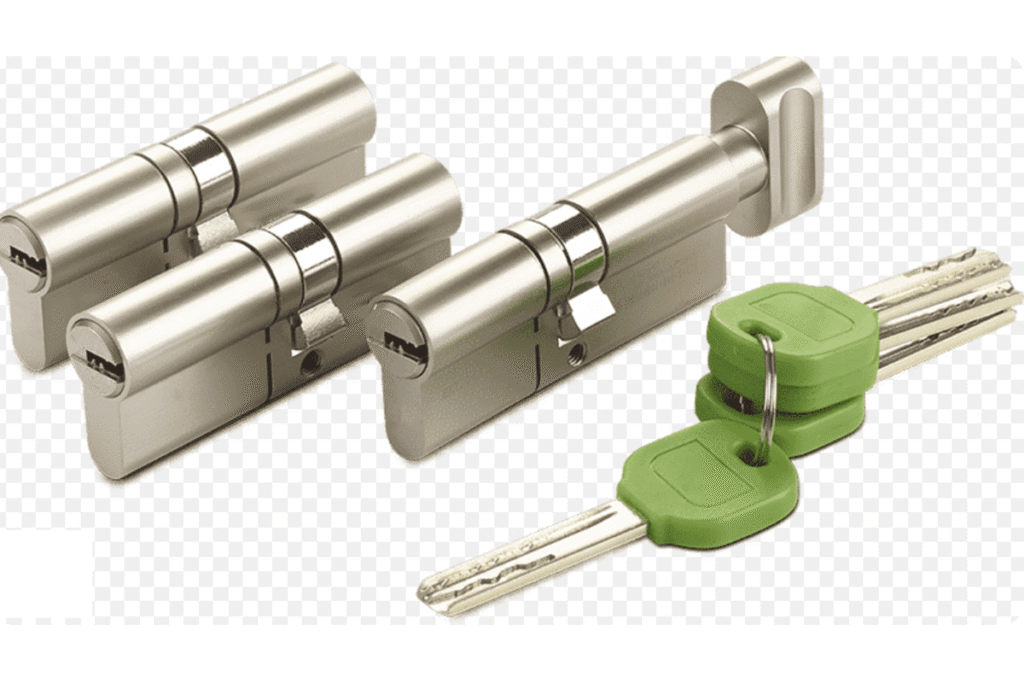
Anti-snap locks are usually Euro cylinder systems designed with a controlled snap line near the external side of the cylinder.1 If force is applied, the exposed outer section can break away while the internal locking mechanism remains protected.2 For B2B buyers, anti-snap protection should be specified together with the mortise lock body, door type, and market security requirements.
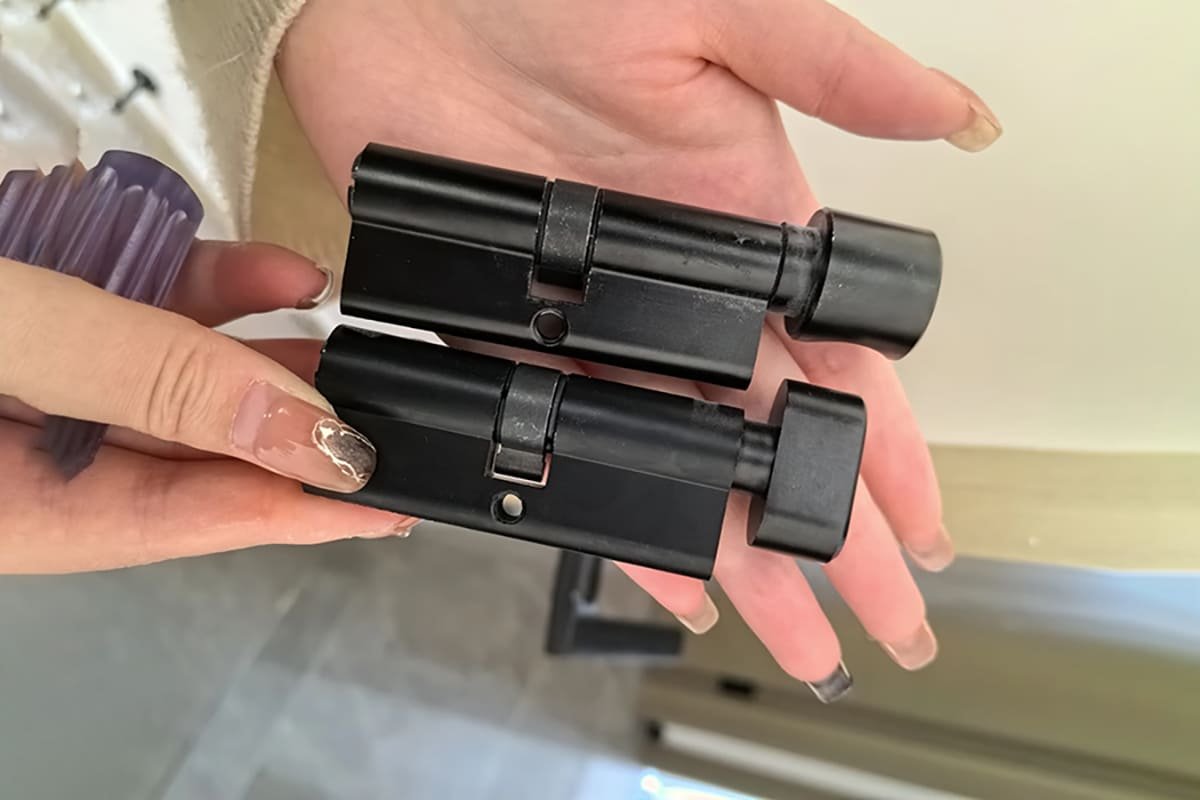
I see many buyers ask, “Is this lock anti-snap?” when the better question is, “Which cylinder, lock body, and door configuration match my security target?” That small change in wording leads to a much better purchasing decision.
What Are Anti-Snap Locks in Euro Door Hardware?
Anti-snap locks can sound like one single product, but that wording can be misleading. If a buyer treats the cylinder and the mortise lock body as the same component, the final door set may not meet the expected security position. I separate the parts first, then I evaluate the full configuration.
Anti-snap locks usually refer to Euro profile cylinders with anti-snap protection, not the entire mortise lock body.3 The cylinder protects the key-operated core from snapping attacks, while the mortise lock body provides deadbolts, latch function, and mechanical locking strength.4 Both parts must be specified together for a reliable door security solution.
The key distinction: cylinder vs. lock body
In my work with Euro door hardware, I always begin by separating two items:
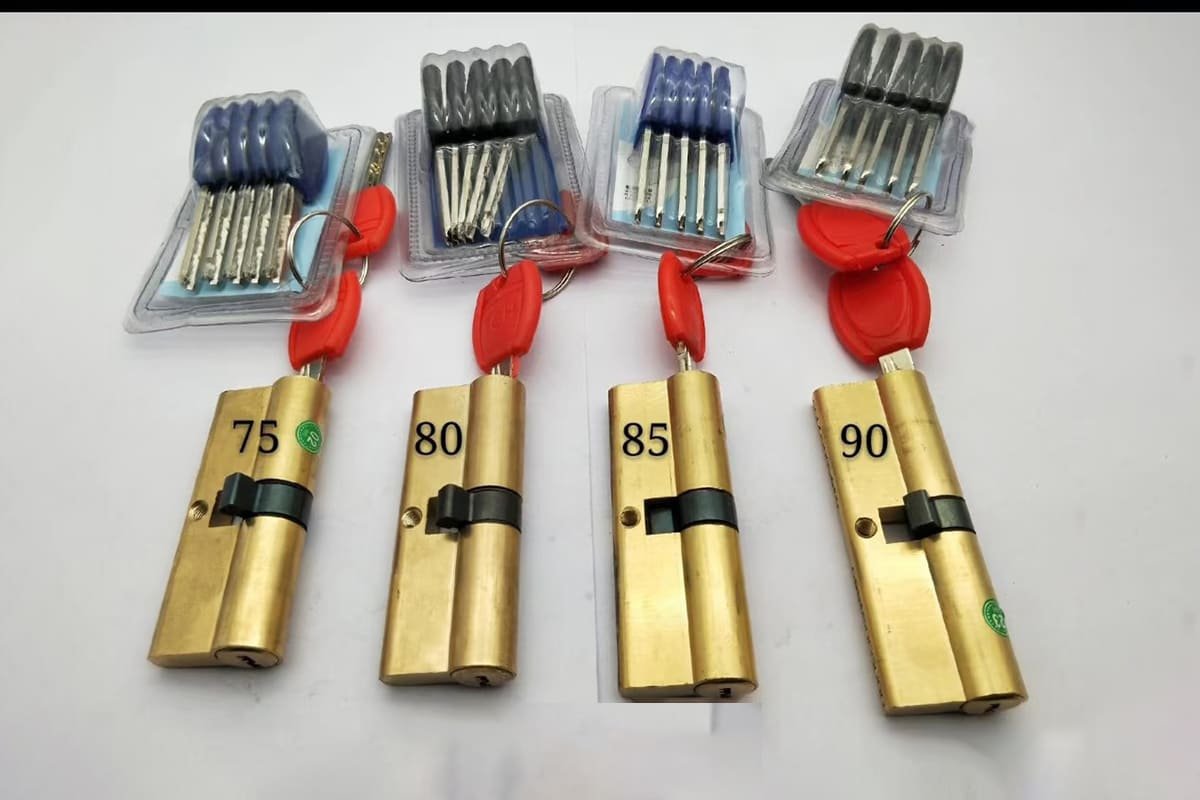
The Euro cylinder
This is the key-operated component. It controls the locking and unlocking action. Anti-snap protection is normally built into this part.The mortise lock body
This sits inside the door edge. It contains the latch, deadbolt system, follower, springs, and locking points. An anti-theft mortise lock body may include stronger deadbolts or anti-saw features, but it is not the same thing as an anti-snap cylinder.
This distinction matters because the phrase anti-snap locks is often used in catalogs, online listings, and buyer inquiries as a shortcut. However, a shortcut can hide important technical details.
For example, a door manufacturer may request “anti-snap locks for a European project.” I would not confirm the order based only on that phrase. I would ask:
- Does the buyer need a Euro anti-snap cylinder?
- Does the buyer also need an anti-theft mortise lock body?
- What is the door material: steel, timber, aluminum, or composite?
- What cylinder length is required?
- Is the outside cylinder projection controlled by the escutcheon or handle plate?
- Does the market require any certification documents or test reports?
Why the wording affects procurement
For B2B buyers, a small wording error can create a large procurement risk. A cylinder may include anti-snap design, but a basic lock body may still offer limited mechanical resistance. In the opposite case, a strong mortise lock body may be paired with a standard cylinder that has no anti-snap structure.
I often explain it this way:
The cylinder protects the key core area. The lock body controls the locking points. The door set depends on both.
Here is a simple comparison:
| Component | Main role | Typical security feature | Buyer should verify |
|---|---|---|---|
| Euro anti-snap cylinder | Key operation and cylinder protection | Preset snap line, protected cam/core area | Length, material, keys, certification documents |
| Anti-theft mortise lock body | Locking structure inside the door | Multiple deadbolts, anti-saw pin, stronger case | Backset, center distance, faceplate, door compatibility |
| Handle or escutcheon | External protection and operation | Cylinder cover, reduced projection | Plate thickness, fixing method, finish |
| Door construction | Overall resistance | Reinforcement and correct preparation | Door material, routing accuracy, frame strength |
A practical manufacturer perspective
At SDH Hardware, we work with Euro cylinders, Euro mortise locks, stainless steel lever handles, hinges, and door accessories as connected products. That gives us a practical view of how the parts fit together. I have seen buyers select a good cylinder but overlook the lock body faceplate size, the backset, or the required cylinder length. The result is not always a product failure. Sometimes it is simply a specification mismatch.
For importers and hardware brands, that mismatch can affect:
- Inventory compatibility
- Market positioning
- Installation feedback
- After-sales claims
- Packaging and product labeling
- Project approval documents
So when I use the term anti-snap locks, I use it carefully. I mean a door hardware configuration that includes an anti-snap Euro cylinder, and possibly a compatible anti-theft lock body, depending on the project requirement.
How Do Anti-Snap Locks Work Inside a Euro Cylinder?
Anti-snap locks work because the cylinder is designed to fail in a controlled place instead of failing at the protected core. Without that structure, excessive force on the external cylinder section may expose the cam or inner mechanism. With anti-snap design, the outer part can break away while the operating core remains shielded.
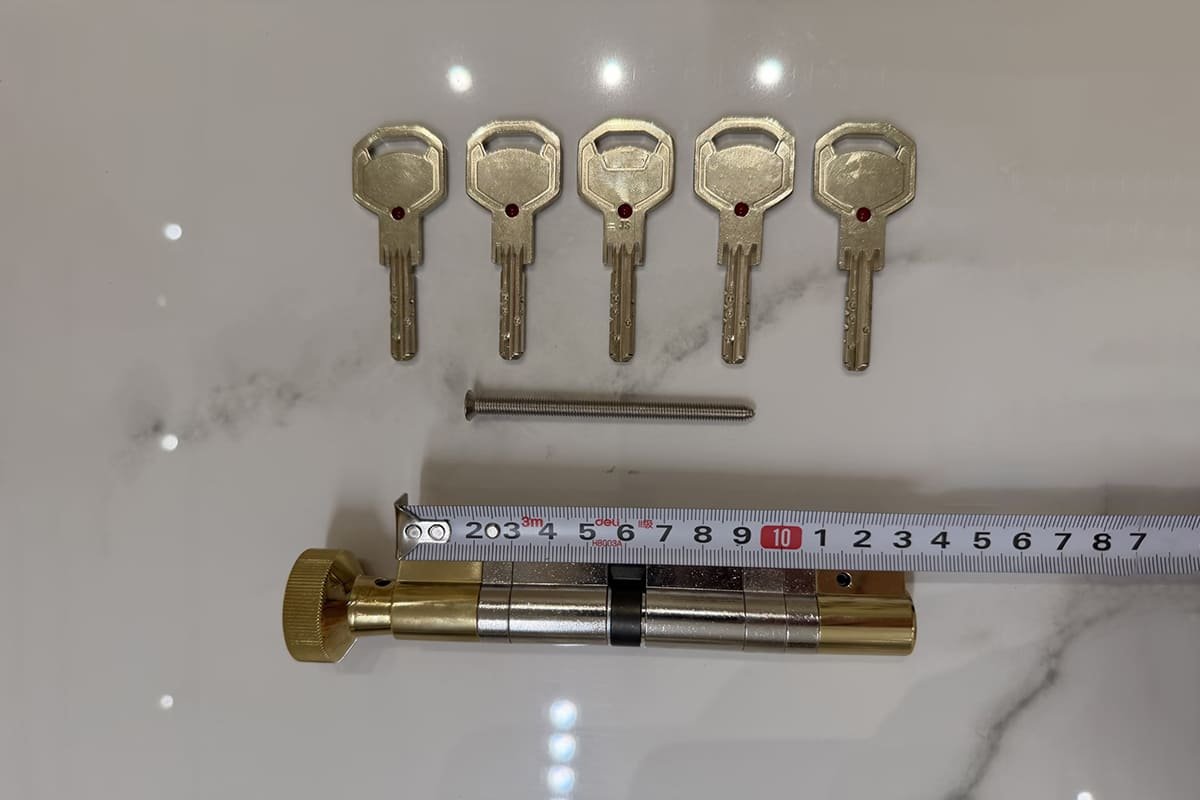
Anti-snap Euro cylinders use a preset snap line near the outside end of the cylinder. When strong force is applied to the protruding external section, that section is intended to separate first. The remaining protected section helps prevent direct access to the cam and locking mechanism, depending on the cylinder design and installation.
The snap line is the main idea
The most important feature in many anti-snap locks is the preset snap line. This is a designed weak point, but it is not a weakness in the normal sense. It is a controlled break point.
The cylinder designer decides where the outer section should separate under force. That position is usually near the external side of the door. If the exposed part is attacked, the outer piece can break away while the internal mechanism remains less accessible.
This design principle is similar to a controlled crumple zone in a vehicle. The part is designed to absorb or redirect damage so the more important structure remains protected.
What the cylinder is trying to protect
A Euro cylinder has several important internal parts. Exact construction varies by supplier and grade, but buyers usually need to understand these areas:
- Keyway: where the key enters.
- Plug/core: the rotating part controlled by the key.
- Pins or locking elements: components that allow or block rotation.
- Cam: the central actuator that operates the mortise lock body.
- Cylinder body: the outer housing.
- Fixing screw point: the central position where the cylinder is secured through the lock body.
The snap line is meant to reduce the chance that the cam area becomes directly exposed after the outer cylinder section is broken. However, buyers should avoid treating this as an absolute guarantee. Actual performance depends on the cylinder design, material, installation, protective furniture, and verified testing.5
Why cylinder projection matters
Even a well-designed anti-snap cylinder can be weakened by poor installation. If the cylinder sticks out too far beyond the handle plate or escutcheon, it gives more leverage to the outside section.6
For B2B sourcing, I normally check three installation details:
Cylinder length
The cylinder should match the door thickness, handle set, and escutcheon depth.External projection
The outside side should not project excessively beyond the protective hardware.Furniture compatibility
Security escutcheons or handle plates can reduce exposure and improve the full configuration.7
Here is a basic procurement table:
| Item to check | Why it matters | Common buyer mistake |
|---|---|---|
| Cylinder total length | It must fit door thickness and hardware | Ordering one length for many door types |
| External/internal split | Euro cylinders may need uneven lengths | Ignoring door offset or handle thickness |
| Snap line position | It should suit the outside attack side | Using the wrong orientation |
| Escutcheon depth | It reduces exposed cylinder length | Pairing high-security cylinders with basic plates |
| Fixing screw quality | It secures the cylinder through the lock body | Treating screws as minor accessories |
Material and construction considerations
I avoid claiming a specific resistance level unless the buyer has a valid test report or certification document. However, I do look closely at construction details when comparing suppliers.
Important evaluation points include:
- Cylinder body material, such as brass or other specified alloys
- Reinforcement design around the protected core
- Key system type, such as standard key, dimple key, or computer key profile
- Finish consistency, especially for visible architectural hardware
- Key duplication control, depending on market positioning
- Packaging and labeling, especially for retail or brand customers
A higher-grade anti-snap cylinder should not only “look stronger.” It should have a clear structure, consistent machining, stable key operation, and documentation that supports the claimed grade or market requirement.
When we support buyers at SDH Hardware, I prefer to review the full door hardware schedule before confirming the cylinder. That step helps me catch issues before production. It is easier to adjust a cylinder split, finish, or lock body match during procurement than after the goods arrive at a warehouse.
How Should Anti-Snap Locks Be Paired With Anti-Theft Mortise Lock Bodies?
Anti-snap locks protect the cylinder area, but they do not replace the function of an anti-theft mortise lock body. If a buyer wants a higher-security door set, the cylinder and lock body should work together. Otherwise, one strong component may be limited by another weaker component.
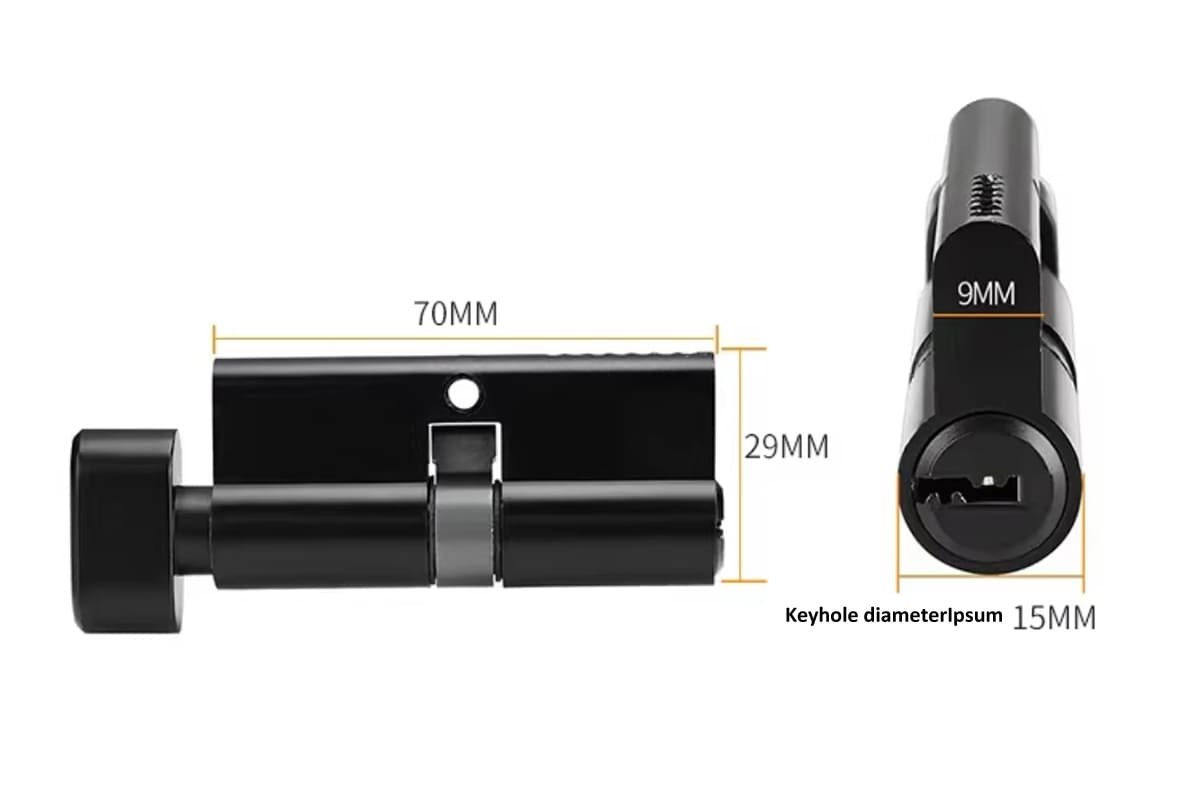
Anti-snap locks should be paired with compatible mortise lock bodies based on door type, backset, center distance, locking points, faceplate size, and security positioning. For stronger configurations, buyers may consider anti-theft mortise locks with three deadbolts and an anti-saw pin, provided the design and documentation match the intended market.
The mortise lock body does a different job
The mortise lock body is the mechanical heart inside the door edge. It connects the cylinder, handle, latch, deadbolt, and door frame engagement. While the Euro cylinder controls operation, the lock body determines how the door locks into the frame.
A standard mortise lock body may include:
- One latch bolt
- One deadbolt
- Standard follower for lever handle operation
- Standard faceplate and strike plate
An anti-theft mortise lock body may include stronger or more complex features, such as:
- Three deadbolts
- An anti-saw pin in the middle
- Reinforced lock case
- Heavier faceplate
- Stronger strike plate
- More robust spring and follower construction
I mention these features as configuration options, not as automatic proof of a specific security grade. Buyers should verify test reports, certification documents, and local standards before making claims in their own market.
Why three deadbolts and an anti-saw pin matter
A mortise lock body with three deadbolts can distribute locking engagement across a larger area than a single-bolt design.8 This can improve the perceived and practical strength of the locking side when the door and frame are also properly prepared.
An anti-saw pin in the middle deadbolt is designed to make cutting attempts more difficult. The concept is simple: a rotating or hardened insert can resist direct sawing better than a plain bolt.9 However, actual performance depends on the material, heat treatment, bolt diameter, and tested construction.
For B2B buyers, the question is not only, “Does it have three bolts?” The better questions are:
- What is the bolt throw?
- What is the bolt material?
- Is the anti-saw pin actually inside the center bolt?
- Is the lock case thickness suitable for the door?
- Does the strike plate match the lock body?
- Has the supplier provided drawings before order confirmation?
- Are samples available for inspection?
Matching cylinder and lock body specifications
A good pairing starts with dimensions. I have seen projects delayed because the cylinder and lock body were individually acceptable but not compatible as a set. That is why I recommend confirming the specification sheet early.
| Specification | Cylinder requirement | Lock body requirement |
|---|---|---|
| Door thickness | Correct cylinder length and split | Suitable case depth |
| Backset | Not directly controlled by cylinder | Must match door preparation |
| Center distance | Must suit handle/cylinder layout | Usually 72 mm, 85 mm, or market-specific |
| Faceplate | Must align with door edge design | Square, radius, or custom profile |
| Finish | Should match visible hardware | Faceplate and strike should match |
| Security positioning | Anti-snap design if required | Deadbolt quantity and anti-saw option |
A complete door security configuration
I prefer to think in terms of “configuration levels” rather than one magic product. For example:
Entry commercial configuration
- Standard Euro mortise lock body
- Euro cylinder with basic security features
- Stainless steel lever handle
- Suitable for cost-sensitive projects where high-security positioning is not the main selling point
Upgraded security configuration
- Euro anti-snap cylinder
- Stronger mortise lock body
- Protective escutcheon or handle plate
- Better key system and packaging
- Suitable for branded hardware lines and mid-to-high market channels
Anti-theft positioned configuration
- Euro anti-snap cylinder
- Anti-theft mortise lock body with three deadbolts and anti-saw pin
- Matching strike plate and reinforced door preparation
- Verified documents where market claims require them
- Suitable for projects or distributors that need a stronger security message
This approach helps buyers avoid overpaying for features they do not need, while still giving high-value markets the protection and documentation they expect.
How Should B2B Buyers Specify Anti-Snap Locks for Different Markets?
Anti-snap locks are not specified the same way in every market. A buyer in Europe may focus heavily on cylinder security documents and EN-related expectations.10 A buyer in the Middle East may prioritize durability, finish, and project compatibility. A Southeast Asian importer may need flexible price levels and packaging options.
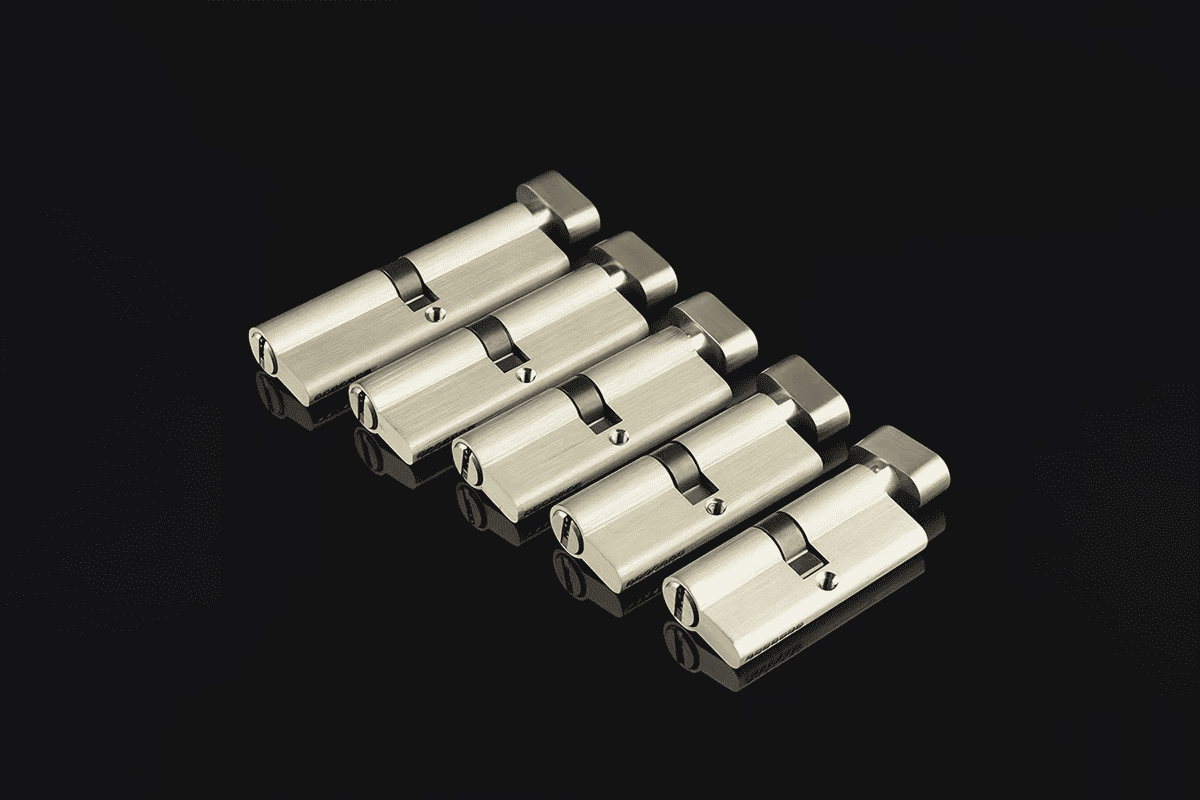
B2B buyers should specify anti-snap locks by matching the cylinder, mortise lock body, door material, installation hardware, market standards, certification documents, finish, packaging, and target price level. The best purchase decision is not the strongest single component, but the most coherent full hardware configuration for the intended channel.
Start with market positioning
Before I recommend a product configuration, I ask the buyer where the product will sit in the market. This question is more useful than asking for the “best” lock.
A product may be positioned as:
- Economy project hardware
- Mid-range residential door hardware
- Premium branded cylinder line
- Fire-rated door hardware package
- Security-focused entrance door set
- Wholesale replacement hardware
Each position requires a different balance between price, features, documentation, and packaging.
For example, a hardware brand may need anti-snap cylinders with custom laser logo, color box packaging, and consistent surface finish. A door factory may care more about stable dimensions, fast assembly, and compatibility with its door machining. A wholesaler may need several cylinder lengths and keyed options in stock.
Confirm documentation without overclaiming
I recommend that buyers verify certification documents before using security claims in marketing materials. At SDH Hardware, we work with products that can be supplied according to EU standard specifications, CE requirements, and fire-rated project needs where applicable. However, buyers should always match documents to the exact product model, size, and intended claim.
This is especially important for:
- Fire-rated door sets
- Public building projects
- Insurance-related security claims
- Government or commercial tenders
- Branded retail packaging
- Distributor catalogs
A certificate for one product family may not automatically cover every finish, size, configuration, or accessory combination.11 I always tell buyers to request the specific document before printing packaging or submitting a tender.
Build a clear specification sheet
A complete specification sheet reduces mistakes. It also helps the factory quote accurately and produce consistently.
Here is a practical checklist:
| Specification item | What buyer should provide |
|---|---|
| Cylinder type | Euro profile anti-snap cylinder, thumbturn cylinder, double cylinder, half cylinder |
| Cylinder length | Example: 30/30, 35/45, 40/50, or project-specific |
| Key system | Standard key, computer key, dimple key, keyed alike, master key option |
| Finish | SN, CP, AB, PB, black, or custom finish |
| Lock body type | Standard Euro mortise or anti-theft mortise |
| Deadbolt design | Single deadbolt or three-deadbolt design |
| Anti-saw feature | Required or not required |
| Backset | Common options depend on market and door type |
| Center distance | 72 mm, 85 mm, or custom requirement |
| Faceplate | Square, radius, stainless steel, brass, or custom finish |
| Packaging | Bulk, neutral box, color box, branded packaging |
| Branding | Laser logo, stamping, customized carton mark |
| Documents | CE, fire-rated documents, test reports, drawings, inspection reports where applicable |
Evaluate supplier capability
For B2B sourcing, supplier capability matters as much as the product itself.12 A cylinder sample may look acceptable, but the buyer also needs consistent mass production.
I suggest reviewing these supplier factors:
Manufacturing control
The supplier should understand cylinder production, mortise lock matching, and accessory compatibility.Quality inspection process
The supplier should check raw materials, machining, assembly, function, finish, packaging, and final shipment quality.Customization ability
ODM and OEM buyers often need logo, finish, key system, packaging, or dimensional changes.Product range
A one-stop architectural hardware supplier can reduce coordination work across cylinders, locks, handles, hinges, and accessories.Technical communication
The supplier should provide drawings, confirm samples, and explain limits clearly.
At SDH Hardware, our value is not only that we produce door hardware. Our value is that we understand how Euro cylinders, mortise lock bodies, lever handles, hinges, and door accessories fit into one sourcing package. I have found that this full-category view helps customers avoid hidden compatibility problems.
Do not buy only by price
Price is important, especially for wholesalers and project suppliers. However, a low-cost anti-snap cylinder can become expensive if it causes installation issues, inconsistent key operation, weak packaging, or unclear documentation.
I recommend comparing suppliers using a balanced scorecard:
| Evaluation factor | Why it matters |
|---|---|
| Product structure | Confirms the anti-snap design is real, not only a label |
| Dimensional accuracy | Reduces installation problems |
| Finish quality | Supports brand value and visual consistency |
| Key smoothness | Affects user experience and complaint rate |
| Lock body compatibility | Ensures the cylinder works in the selected mortise lock |
| Documentation | Supports tenders, customs, and market claims |
| Packaging | Protects goods and supports resale |
| Lead time | Affects project delivery and inventory planning |
| After-sales support | Reduces sourcing risk |
A strong purchasing decision is structured. It is not based on one word in a catalog.
Frequently Asked Questions
Are anti-snap locks the same as anti-theft lock bodies?
No. Anti-snap locks usually refer to Euro cylinders with anti-snap protection. An anti-theft lock body is the mortise mechanism inside the door and may include features such as three deadbolts or an anti-saw pin. Buyers should specify both parts separately.
Does an anti-snap cylinder make the whole door anti-theft?
No. An anti-snap cylinder improves protection around the cylinder area, but the full door security depends on the lock body, handle or escutcheon, door material, frame, installation quality, and verified test documents. It should be part of a complete configuration.
What is the main working principle of an anti-snap cylinder?
The main principle is a preset snap line near the outer side of the Euro cylinder. If force is applied, the external section is designed to break away first while the protected internal mechanism remains less accessible.
What should importers check before ordering anti-snap locks?
Importers should check cylinder length, snap line orientation, key system, finish, mortise lock compatibility, backset, center distance, packaging, branding needs, and certification documents. I also recommend sample testing before confirming bulk orders.
Can anti-snap cylinders be customized for OEM or ODM projects?
Yes. Many Euro anti-snap cylinders can be customized for length, finish, key type, logo, packaging, and matching lock body configuration. Buyers should confirm drawings, samples, inspection standards, and documentation before mass production.
Conclusion
Anti-snap locks are best understood as part of a complete Euro door hardware system, not as one isolated product. The anti-snap cylinder protects the key-operated core through a preset snap line, while the mortise lock body provides locking strength through bolts, case structure, and frame engagement. For B2B buyers, the right question is not only “Is it anti-snap?” but “Does the full configuration match my door, market, and security position?” If you need Euro anti-snap cylinders, anti-theft mortise locks, or a complete door hardware sourcing plan, I invite you to contact SDH Hardware for specification support.
"What is Lock Snapping and How to Prevent It", https://www.locksmiths-training.co.uk/blog/lock-snapping-and-how-to-prevent-it/. A standards or security guidance source describes anti-snap Euro cylinders as cylinder locks designed to resist snapping attacks, commonly through sacrificial or reinforced sections that protect the operating mechanism. Evidence role: definition; source type: institution. Supports: A standards or security institution source should support that anti-snap protection is associated with Euro profile cylinders and controlled break or snap-resistant design.. Scope note: The source may describe anti-snap cylinder design generally rather than confirming every manufacturer's specific snap-line geometry. ↩
"Anti Snap Locks & Bump Resistant Locks", https://www.masterkeysystems.co.uk/knowledge-hub/anti-snap-lock-bump-resistant-lock/. Technical guidance on lock snapping explains that anti-snap cylinders use sacrificial or reinforced construction so that damage to the outer cylinder section does not necessarily expose the cam or operating core. Evidence role: mechanism; source type: research. Supports: A neutral technical source should explain that anti-snap cylinders are designed so an attacked outer portion can fail without exposing the cam or core.. Scope note: This supports the design principle, not a guarantee of resistance for any untested product or installation. ↩
"Euro Cylinder Locks Explained", https://www.masterkeysystems.co.uk/knowledge-hub/euro-cylinder-locks-explained/. Security guidance on lock snapping treats anti-snap protection as a feature of the Euro profile cylinder, distinguishing it from the separate mortise lock case that provides the latch and bolt functions. Evidence role: definition; source type: institution. Supports: A security institution or standards body should clarify that anti-snap protection is normally specified for the Euro cylinder component.. Scope note: Terminology in catalogs can vary, so the source supports common technical usage rather than every commercial label. ↩
"Mortise lock", https://en.wikipedia.org/wiki/Mortise_lock. A technical door-hardware reference distinguishes the lock cylinder, which receives the key and actuates the mechanism, from the mortise lock case, which houses the latch, bolt, and related locking components. Evidence role: definition; source type: education. Supports: An educational or technical reference should define the cylinder as the key-operated component and the mortise lock body as the internal lock case containing latch and deadbolt mechanisms.. ↩
"EN 1303:2026 - Cylinders and Master-Key-Systems for ...", https://standards.iteh.ai/catalog/standards/cen/bff2e636-92e6-474b-a6e0-fa3f5c0ce3ec/en-1303-2026?srsltid=AYCX9vIF1wmidvMP5N_GHy0iFSzuGKG6GDjDPq0LCwI7sW3-Ui39eVi9. Cylinder security standards and testing guidance assess attack resistance through defined tests and classifications, indicating that security claims depend on the tested product and its installed configuration rather than on descriptive labels alone. Evidence role: expert_consensus; source type: institution. Supports: A standards or testing source should support that cylinder security is evaluated through tested attack resistance and is affected by configuration and installation.. Scope note: Standards classify tested specimens and may not directly evaluate every possible door, handle, or escutcheon combination. ↩
"What is Lock Snapping with Prevention Tips (Expert Advice)", https://www.locksmiths.co.uk/faq/lock-snapping/. Crime-prevention guidance on cylinder snapping notes that a Euro cylinder projecting beyond the door furniture can be gripped more easily, increasing the leverage available for a snapping attack. Evidence role: mechanism; source type: government. Supports: A government or police crime-prevention source should support that protruding Euro cylinders are more vulnerable to gripping and snapping.. Scope note: This supports the vulnerability mechanism but does not quantify a universal safe projection for all hardware designs. ↩
"What is Most Secure Lock To Prevent Lock Snapping? ...", https://www.locksmiths.co.uk/faq/lock-snapping-most-secure-lock-cylinder/. Security guidance for Euro cylinder doors identifies protective escutcheons or reinforced handles as supplementary measures that reduce access to the cylinder and can complement certified cylinder protection. Evidence role: general_support; source type: institution. Supports: A security institution source should support that protective door furniture can limit access to the cylinder and complement cylinder security.. Scope note: The source supports the general protective role of escutcheons; actual resistance depends on the tested furniture, fixing method, and installation. ↩
"Multi-Point Locking", https://www.adamsrite.com/en/about/articles/multi-point-locking. Mechanical security literature on multi-point or multi-bolt locking explains that using more than one locking point can distribute engagement with the frame across multiple locations, reducing reliance on a single bolt position. Evidence role: mechanism; source type: research. Supports: A technical or engineering source should support the general principle that multiple locking points spread engagement forces across more locations than a single bolt.. Scope note: This supports the mechanical principle; it does not prove that any particular three-deadbolt mortise lock meets a specific security grade. ↩
"What is the purpose of the mysterious component in ...", https://www.facebook.com/groups/dullmensclub/posts/1443555592967644/. Technical descriptions of saw-resistant lock bolts explain that hardened or rotating inserts can interfere with cutting action and make direct sawing more difficult than on an unreinforced bolt. Evidence role: mechanism; source type: research. Supports: A technical source should support that hardened or rotating inserts are used in bolts to impede cutting or sawing attacks.. Scope note: The source supports the design rationale, while actual resistance depends on material specification, heat treatment, bolt dimensions, and test results. ↩
"BS EN 1303 – Cylinders", https://www.hoppe.com/in-en/contacts-service/standards/bs-en-1303/. European building-hardware standards, including EN 1303 for lock cylinders, provide classification and performance requirements that explain why cylinder documentation is often relevant in European specifications. Evidence role: historical_context; source type: institution. Supports: A European standards source should support that lock cylinders are classified under EN standards such as EN 1303, making documentation relevant for European procurement.. Scope note: This supports the European standards context, not the purchasing priorities of every individual European buyer. ↩
"General Use Products: Certification and Testing", https://www.cpsc.gov/Business--Manufacturing/Testing-Certification/General-Use-Products-Certification-and-Testing. Conformity-assessment guidance treats product certificates as scope-limited documents, meaning that variants such as dimensions, materials, finishes, or accessory combinations are covered only when included in the assessed certification scope. Evidence role: expert_consensus; source type: institution. Supports: A certification or accreditation source should support that certificates have defined scopes and that variants may require separate assessment or explicit inclusion.. Scope note: The principle applies broadly to certification schemes, but the exact coverage must be checked against the specific certificate and standard. ↩
"Sustainable Supplier Performance Evaluation and Selection ...", https://pmc.ncbi.nlm.nih.gov/articles/PMC4897445/. Supply-chain management research identifies supplier capability, quality performance, delivery reliability, and technical communication as recurring criteria in supplier selection and purchasing performance. Evidence role: general_support; source type: paper. Supports: Academic supply-chain research should support that supplier evaluation commonly includes capability, quality systems, delivery reliability, and communication, not only product attributes.. Scope note: This supports the general B2B sourcing principle rather than providing lock-hardware-specific evidence. ↩
