

Complete Euro Hardware Pack: Hinges + Mortise Lock + Cylinder + Lever Handle
A Complete Euro Hardware Pack can look simple on a purchase list, but it can create real problems when the door type is not clear. If buyers match hinges, mortise lock, cylinder, and lever handle separately, drilling errors, weak load capacity, and closing failures may appear later. I prefer to configure the pack by door scenario first, then confirm each component together.
A Complete Euro Hardware Pack is a coordinated door hardware set that usually includes hinges, a Euro mortise lock, a cylinder, and a lever handle, but it should not be treated as one fixed bundle. Fire-rated steel doors and interior wooden doors need different locks, hinges, accessories, closing control, and compliance checks.1
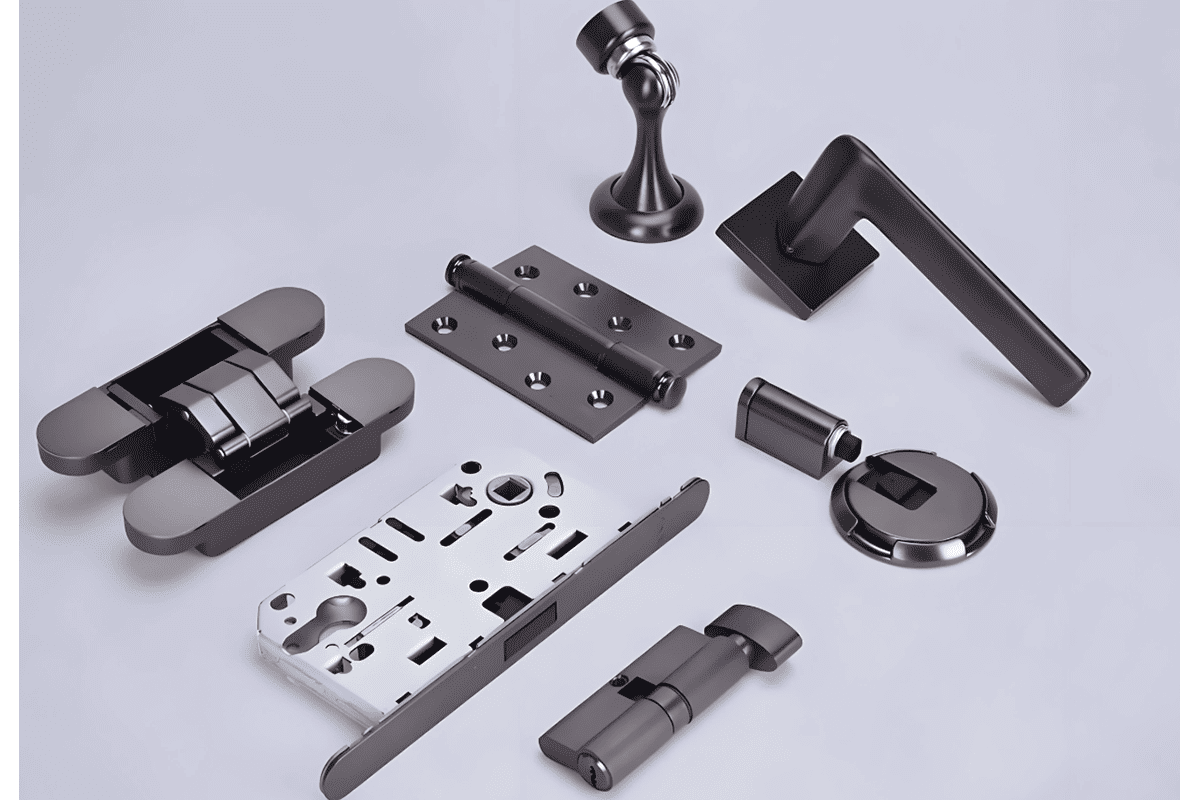
In my daily work with door factories, hardware brands, and wholesalers, I have learned that buyers rarely need “four products only.” They need a matched door hardware solution. The real question is not just what to buy, but how each item fits the door structure, project use, and installation requirements.
Why Is a Complete Euro Hardware Pack Not One Fixed Bundle?
A Complete Euro Hardware Pack sounds like a standard ready-made set, but that wording can hide very different technical requirements. If I quote the same pack for a fire-rated steel door and an interior wooden door, I may create confusion before sampling even starts.
A Complete Euro Hardware Pack is not fixed because each door scenario changes the required lock body, cylinder length, handle material, hinge type, accessory function, and compliance documents. Buyers should confirm door material, thickness, weight, opening direction, usage frequency, and project requirements2 before finalizing the hardware pack.
The same name can mean different performance targets
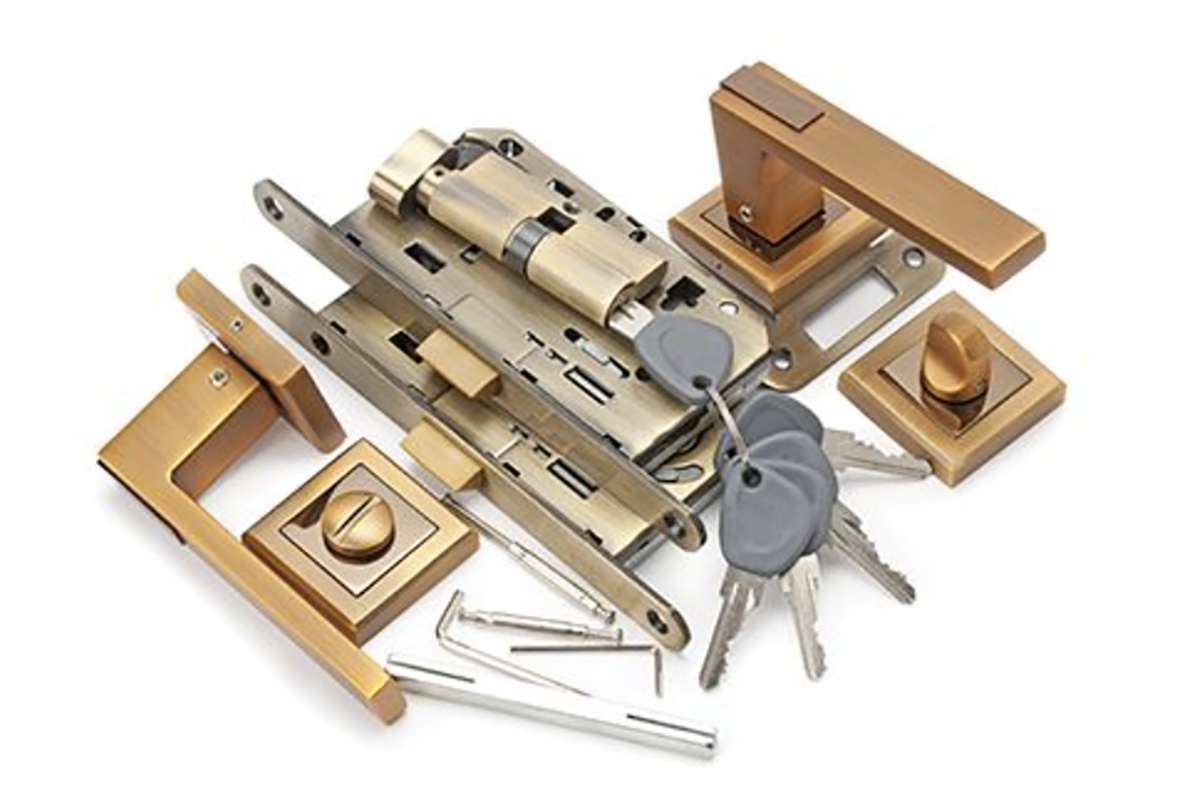
I often see buyers ask for a “Euro hardware pack” as if it is one product. In reality, the name only describes a group of components. It does not define the door type, safety function, load capacity, or installation details.
For example, a steel fire-rated door may need:
- A suitable Euro mortise lock, such as a 5572 lock body in many project scenarios
- A 70 mm single-side Euro cylinder, depending on door thickness and lock design
- A double-curved stainless steel lever handle
- A strong 433 butt hinge
- A door closer
- A panic exit bar, where escape function is required
- Flush bolts for double-leaf doors, depending on the active and inactive leaf design
An interior wooden door may need:
- A zinc alloy lever handle
- A magnetic lock or silent mortise lock
- A single-side or double-side cylinder, depending on privacy and access needs
- A butt hinge, butterfly hinge, or concealed hinge
- A door stopper or door holder
- Decorative finishes matched with the room design
These two packs may both be called a Complete Euro Hardware Pack, but they serve different priorities.
Key differences buyers should recognize
| Evaluation Point | Fire-Rated Steel Door Pack | Interior Wooden Door Pack |
|---|---|---|
| Main priority | Safety, durability, closing control, escape function | Quiet use, appearance, comfort, cost control |
| Common lock choice | 5572 mortise lock or project-specified fire door lock | Magnetic lock, silent lock, or standard Euro mortise lock |
| Handle choice | Stainless steel or fire-door suitable lever handle | Zinc alloy, stainless steel, aluminum, or decorative handle |
| Hinge choice | Heavy-duty butt hinge, often 433 type | Butt hinge, butterfly hinge, or concealed hinge |
| Accessories | Door closer, panic bar, flush bolt, coordinator where needed | Door stopper, holder, decorative accessories |
| Compliance focus | Fire rating, CE suitability, escape standard, project approval | Fit, finish, function, durability, price level |
Why configuration comes before quotation
I prefer to ask buyers a short set of questions before I recommend a pack:
- What is the door material? Steel, wood, aluminum, or composite?
- What is the door thickness? This affects lock body, cylinder, spindle, and screws.
- What is the door weight? This affects hinge quantity and hinge strength.
- Is it single-leaf or double-leaf? This affects flush bolts and closing coordination.
- Is the door fire-rated or escape-related? This affects lock, handle, closer, panic hardware, and documents.
- What market or project standard applies? CE and fire-rated documents must match the exact product and application.3
This process protects both sides. The buyer avoids rework. The supplier avoids unclear responsibility. The installer avoids drilling mismatch.
I do not treat a Complete Euro Hardware Pack as a box of random parts. I treat it as a door-specific configuration.
How Should a Complete Euro Hardware Pack Be Configured for Fire-Rated Steel Doors?
A fire-rated steel door has stricter functional demands than a normal interior door. If I configure the pack too lightly, the door may close poorly, carry weight incorrectly, or fail to meet project expectations. This is where hardware matching becomes a safety and procurement issue.
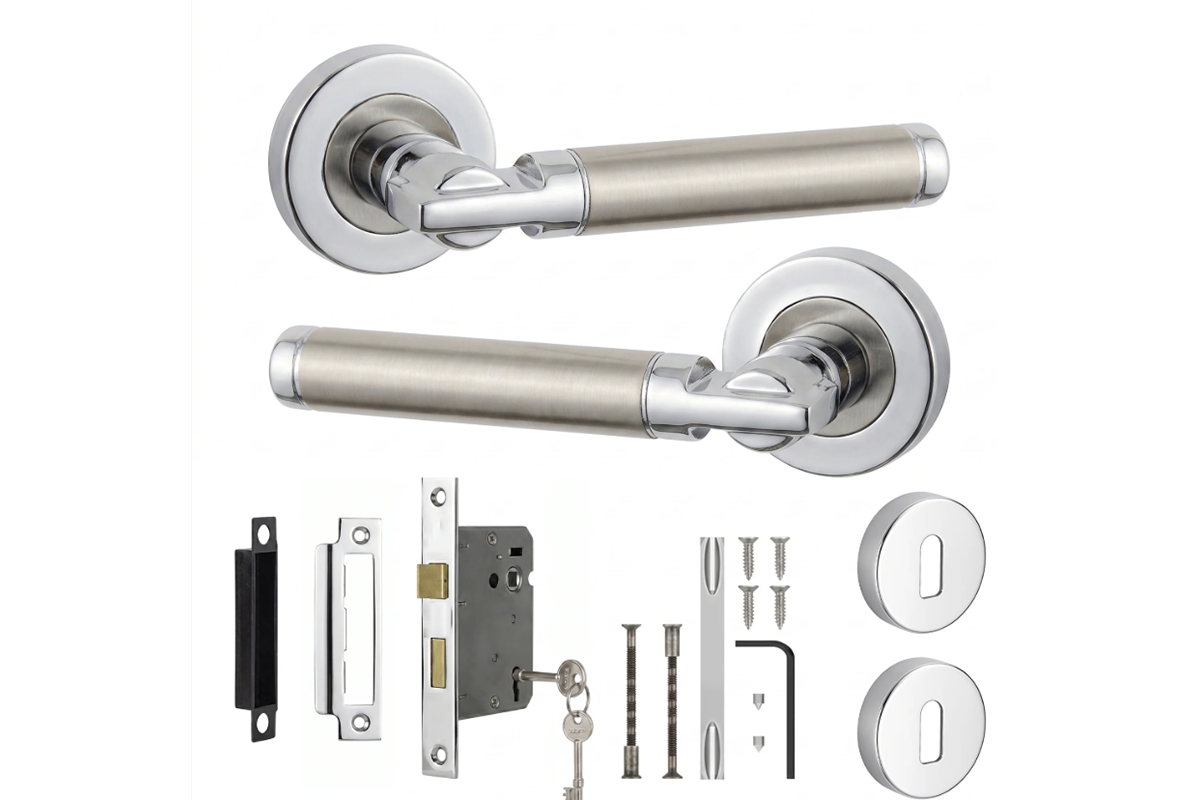
For a fire-rated steel door, a Complete Euro Hardware Pack usually needs a suitable mortise lock, matched cylinder, durable lever handle, heavy-duty butt hinges, door closer, and optional panic exit or flush bolt hardware. Buyers should verify fire-rated and CE-related documents for the exact hardware, door system, and required project standard.
A practical fire-rated steel door pack example
For many steel fire-rated door projects, buyers usually discuss a configuration like this:
| Component | Common Selection Direction | Why It Matters |
|---|---|---|
| Mortise lock | 5572 mortise lock or project-specified lock body | Controls latch, deadbolt, handle function, and drilling position |
| Cylinder | 70 mm single-side Euro cylinder, adjusted by door thickness | Must match lock case, escutcheon, and door thickness |
| Lever handle | Double-curved stainless steel lever handle | Supports durability and comfortable operation |
| Hinges | 433 butt hinge or heavy-duty butt hinge | Supports door weight and frequent operation |
| Door closer | Overhead closer matched to door width and weight4 | Ensures reliable self-closing5 |
| Panic hardware | Panic exit bar where required | Supports emergency escape function6 |
| Flush bolts | Automatic or fixed flush bolts for double-leaf doors | Secures inactive leaf and supports door coordination |
This is not a universal engineering rule. It is a practical purchasing starting point. Buyers still need to confirm the project standard, door test evidence, and exact product documents.
Why fire-rated steel doors need stronger matching logic
A fire-rated steel door often works in a demanding environment. It may be installed in corridors, stairwells, commercial buildings, hotels, public facilities, industrial areas, or apartment projects. The door may be heavy. It may be used many times per day. It may also need to close automatically after opening.
That changes the hardware selection.
1. The lock body affects drilling and door preparation
A 5572 mortise lock, for example, refers to a common Euro-style lock body dimension logic. However, buyers should not only ask for “5572.” They should confirm:
- Backset
- Center distance
- Faceplate size
- Forend shape
- Latch direction
- Deadbolt function
- Spindle size
- Strike plate design
- Door thickness range
If the lock drawing does not match the door factory’s punching or milling process, the problem appears during assembly.7 I have seen small drawing mismatches cause large production delays. A few millimeters can force rework on hundreds or thousands of doors.
2. The cylinder length must match the full door set
A 70 mm single-side cylinder may suit many steel door applications, but it is not automatically correct. The buyer should confirm:
- Door leaf thickness
- Lock case position
- Handle rose or plate thickness
- Escutcheon design
- Required key access side
- Thumb-turn or key-key function
- Master key system requirements, if any
If the cylinder is too short, installation fails. If it is too long, it may look poor or create security concerns.8 I prefer to check the door thickness and handle set before confirming cylinder length.
3. The hinges carry the door, not just the quotation
A 433 butt hinge is common in many steel door hardware packs because buyers need strength and stable alignment. However, hinge selection depends on door size, weight, opening frequency, and installation method.
Buyers usually need to confirm:
- Hinge size
- Hinge thickness
- Material grade
- Bearing design
- Screw hole position
- Surface finish
- Door frame preparation
- Number of hinges per leaf
For heavy doors, three hinges may be common, but some doors need more support.9 A qualified door or project engineer should review application-specific load decisions.
4. The closer and panic bar may be essential
A fire-rated steel door often needs a door closer because self-closing is part of the door’s functional purpose. In escape routes, a panic exit bar may also be required.
However, I avoid saying that every steel fire door needs the same panic bar. The correct choice depends on:
- Local building code
- Door location
- Exit route design
- Single-leaf or double-leaf structure
- Latch function
- Outside access trim
- Certification evidence
- Project consultant approval
For double-leaf steel fire doors, buyers may also need automatic flush bolts, fixed flush bolts, or a door coordinator.10 These details are easy to miss when the purchase order only says “hinges + lock + cylinder + handle.”
Procurement risk when the fire door pack is incomplete
If buyers treat a fire-rated door pack like a normal hardware pack, several problems can happen:
- The door cannot close reliably.
- The inactive leaf is not secured correctly.
- The panic function does not match the lock.
- The cylinder length does not fit the handle plate.
- The hinges are too weak for the door weight.
- The hardware documents do not match the project requirement.
- The supplier and door factory dispute responsibility.
This is why I recommend one coordinated technical confirmation before mass order. The Complete Euro Hardware Pack should be checked as one system, not four separate line items.
How Should a Complete Euro Hardware Pack Be Configured for Interior Wooden Doors?
An interior wooden door usually has a different purpose. It does not always need the same safety accessories as a fire-rated steel door. If I configure it too heavily, the buyer may pay too much, lose design flexibility, or create unnecessary installation complexity.
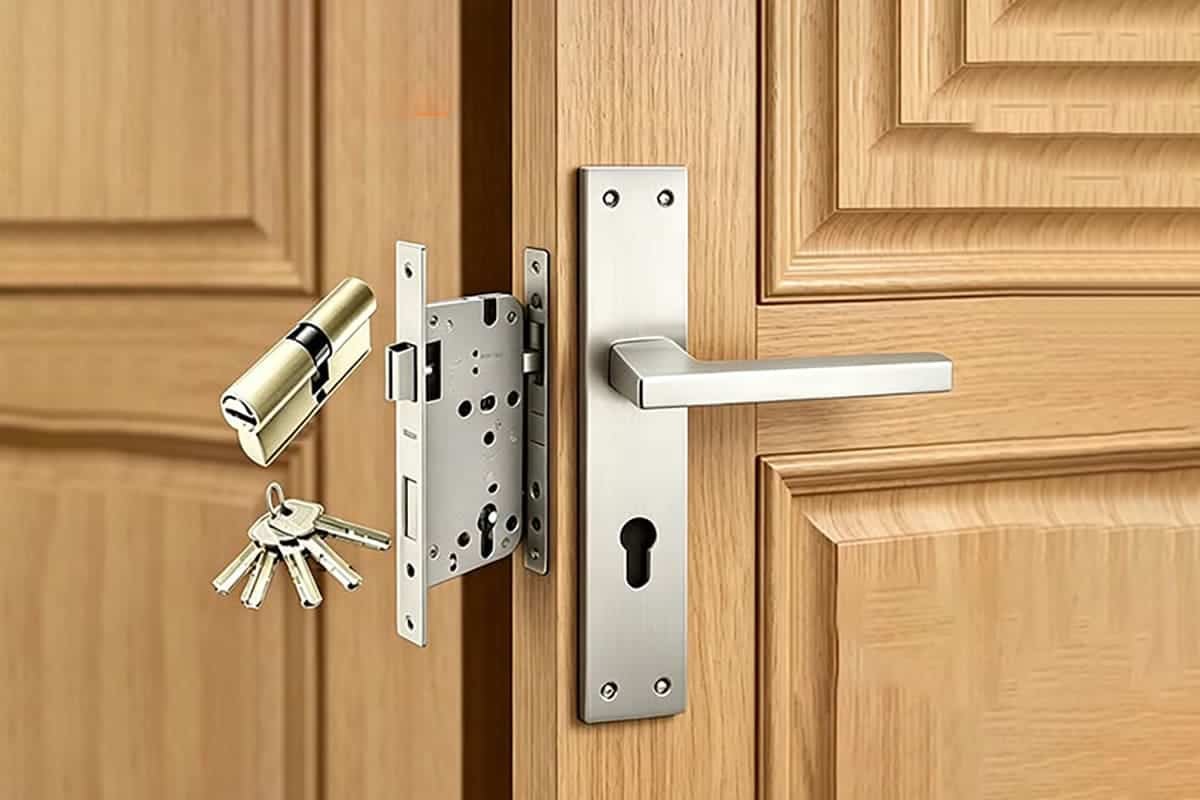
For an interior wooden door, a Complete Euro Hardware Pack usually focuses on quiet operation, appearance, daily comfort, and cost-effective matching. Common choices include zinc alloy lever handles, magnetic or silent locks, suitable Euro cylinders, butt or concealed hinges, and practical accessories such as door stoppers or door holders.
A practical interior wooden door pack example
Interior wooden door buyers often start with a configuration like this:
| Component | Common Selection Direction | Main Buyer Concern |
|---|---|---|
| Lock | Magnetic lock, silent lock, or standard Euro mortise lock | Quiet closing and smooth daily use |
| Cylinder | Single-side cylinder, privacy cylinder, or project-specific cylinder | Access control and room function |
| Lever handle | Zinc alloy, stainless steel, aluminum, or custom finish handle | Design, touch feeling, cost, and packaging |
| Hinges | Butt hinge, butterfly hinge, or concealed hinge | Appearance, installation method, opening angle |
| Accessories | Door stopper, door holder, escutcheon, screws | Wall protection, convenience, complete set supply |
This type of Complete Euro Hardware Pack is usually less about emergency escape and more about user experience.
Why wooden door packs are driven by comfort and finish
Interior wooden doors appear in apartments, hotels, offices, villas, and commercial interiors. Users touch the handle every day. They hear the lock every time the door closes. They notice the finish when light hits the handle and hinge.
So the matching logic changes.
1. Quiet lock operation matters
Magnetic locks and silent locks are popular for many interior wooden door applications because they reduce the sharp sound of traditional latch closing.11 This can be important for:
- Hotel guest rooms
- Apartment bedrooms
- Office meeting rooms
- Hospitals and care spaces
- Premium residential projects
However, magnetic locks also need correct installation depth and precise alignment. A beautiful magnetic lock will not feel premium if the strike position is wrong.
Buyers should confirm:
- Lock body size
- Faceplate finish
- Strike plate type
- Latch direction or reversibility
- Handle spindle size
- Door thickness
- Required privacy function
2. Handle material affects price and brand positioning
A zinc alloy lever handle is common for interior wooden doors because it can offer flexible design and surface finish options at a competitive cost. Stainless steel handles may be better for durability-focused projects. Aluminum handles may suit some modern interior designs.
Buyers usually compare:
| Handle Material | Typical Strength | Common Advantage | Procurement Note |
|---|---|---|---|
| Zinc alloy | Good for interior use | Rich shapes and finishes | Check plating quality and salt spray test data |
| Stainless steel | Strong and durable | Better wear resistance | Check grade, thickness, and finish consistency |
| Aluminum | Light and modern | Clean appearance | Check anodizing or coating quality |
| Brass | Premium positioning | Strong decorative value | Higher cost and market-specific demand |
For brand customers, packaging and logo service may also matter. I often see importers request laser logos, custom color boxes, and matched accessory bags. These details help them maintain brand consistency across batch orders.
3. Hinge choice changes the door appearance
Interior wooden doors can use several hinge types.
- Butt hinges are practical and familiar.
- Butterfly hinges are often easy to install and visually simple.
- Concealed hinges create a cleaner modern appearance.
- Adjustable concealed hinges can help fine-tune alignment on premium doors.
The hinge decision affects the door’s look, installation process, opening angle, and cost. Buyers should not choose concealed hinges only because they look better. They should also confirm door thickness, frame structure, opening degree, load capacity, and installer skill level.
4. Door stopper and holder are not small details
A door stopper protects walls, skirting, handle finishes, and nearby furniture. A door holder can help in rooms where doors need to stay open. These items look simple, but they affect the customer’s final impression.
When I help buyers configure a wooden door pack, I usually ask whether they need:
- Floor-mounted stopper
- Wall-mounted stopper
- Magnetic door holder
- Rubber buffer
- Matching screws and anchors
- Finish matched with handle and hinge
Small accessories can create batch inconsistency if they are sourced separately. The finish may differ. The screw color may not match. The package may be incomplete. One-stop sourcing helps reduce these issues.
Common mistakes in interior wooden door packs
I often see four mistakes:
The handle style is chosen before the lock function.
The handle may look good, but it may not match the lock spindle or rose structure.The cylinder is not matched to door thickness.
This creates poor appearance or installation difficulty.The hinge is selected only by price.
Cheap hinges may cause sagging, noise, or weak screw holding.The buyer forgets accessories.
Stoppers, screws, strike plates, and packaging details can delay delivery when missed.
A good interior wooden door pack is not necessarily expensive. It is correctly matched.
What Matching Details Should Buyers Confirm Before Ordering a Complete Euro Hardware Pack?
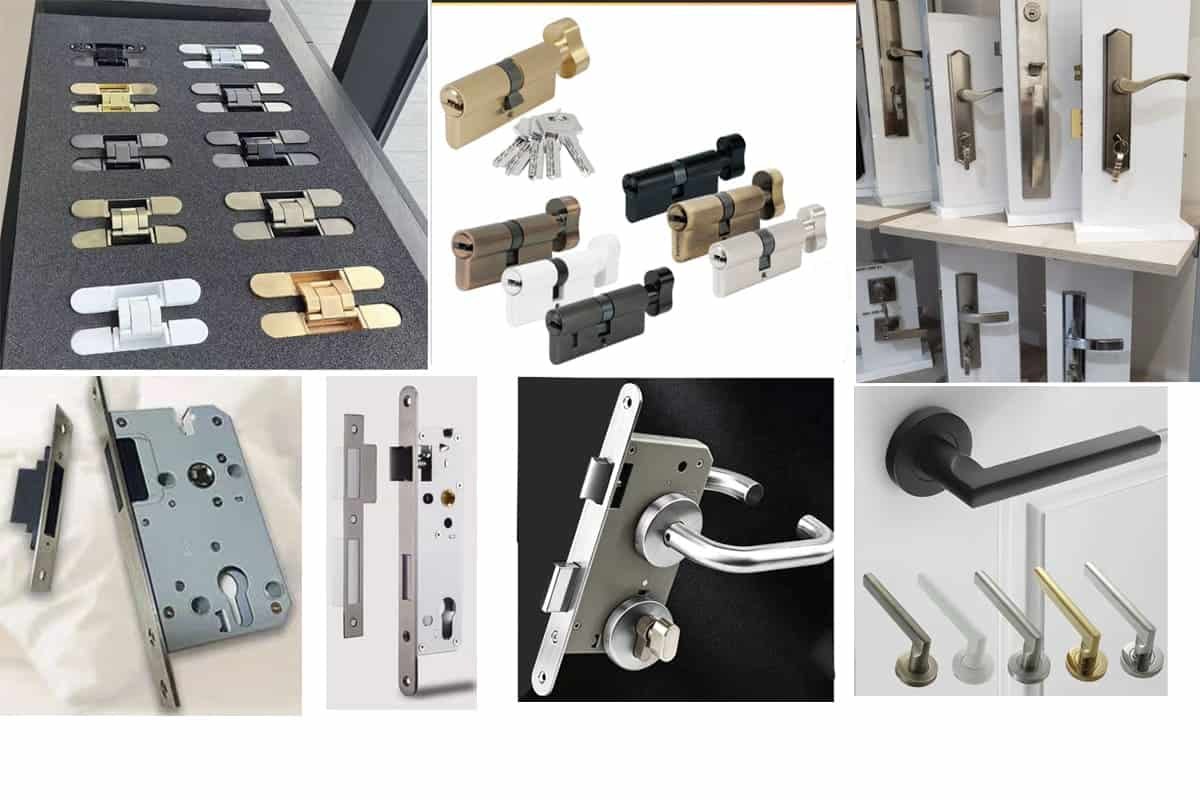
A Complete Euro Hardware Pack can fail even when each single product looks acceptable. The problem usually appears at the connection points between parts. I always pay close attention to door thickness, lock center, cylinder length, handle spindle, hinge capacity, opening direction, and accessory function.
Before ordering a Complete Euro Hardware Pack, buyers should confirm the door type, thickness, weight, opening direction, lock body dimensions, cylinder length, handle fixing method, hinge load capacity, finish, accessory list, packaging, and required certificates. These details reduce drilling mismatch, weak bearing, closing failure, and batch inconsistency.
The most important confirmation points
I recommend that buyers prepare a simple technical checklist before requesting a quotation.
| Confirmation Item | Why It Matters | What Buyers Should Provide |
|---|---|---|
| Door material | Changes lock, hinge, closer, and accessory choices | Steel, wood, aluminum, fire-rated, acoustic, etc. |
| Door thickness | Affects lock, cylinder, spindle, screws | Exact mm range |
| Door size and weight | Affects hinge and closer selection | Height, width, estimated kg |
| Opening direction | Affects latch, handle, panic bar, closer | Left/right, inward/outward |
| Lock body dimensions | Affects door drilling and strike position | Drawing or sample |
| Cylinder length | Affects appearance and function | Door thickness + handle/escutcheon thickness |
| Handle type | Affects spindle, screws, lock compatibility | Rose, plate, spring, material, finish |
| Hinge type | Affects bearing and installation | Size, thickness, hole pattern, finish |
| Accessories | Completes the door function | Closer, stopper, holder, flush bolt, panic bar |
| Certification needs | Affects project approval | CE, fire-rated documents, test reports, market standard |
Why the components must be checked together
A Euro mortise lock, cylinder, lever handle, and hinge all have separate specifications. However, the door only works when these specifications align.
Lock body and handle
The lock follower size must match the handle spindle. The handle rose or plate must match the lock position. If the handle fixing screws interfere with the lock body, installation becomes difficult.
Buyers should confirm:
- Spindle size, such as 8 mm where applicable
- Handle spring requirement
- Rose or backplate size
- Through-bolt position
- Escutcheon matching
- Lock center distance
Lock body and cylinder
The cylinder must fit the Euro profile lock case. The cam must operate correctly. The length must suit the door thickness and trim.
Buyers should confirm:
- Single-side, double-side, or thumb-turn function
- Total cylinder length
- A/B side lengths
- Key system
- Finish
- Security level if required
Hinge and door weight
The hinge carries long-term mechanical load. A weak hinge may pass a visual inspection but fail in daily use.12
Buyers should confirm:
- Door weight range
- Hinge quantity
- Bearing type
- Material
- Screw type
- Frame reinforcement
- Cycle test expectation where relevant
Accessories and door function
A door closer must match door width and weight. A panic bar must match escape requirements and lock function. A flush bolt must match the inactive leaf and frame design. A stopper must match the floor or wall condition.
The accessory list should be part of the pack from the beginning. It should not be added after the main hardware is already produced.
A simple B2B ordering workflow
For bulk buyers, I suggest this workflow:
Define the door scenario.
Fire-rated steel door, interior wooden door, hotel door, apartment door, office door, or public building door.Send door drawings or samples.
Drawings help confirm drilling, lock position, hinge location, and accessories.Confirm hardware drawings.
Each product should have dimension drawings before sampling.Approve samples.
Buyers should test fit, function, finish, packaging, and accessory completeness.Confirm certificates case by case.
CE and fire-rated suitability depend on the exact product and required standard. Buyers should verify documents before project use.Lock the batch specification.
Product model, finish, logo, packaging, screws, and accessories should be fixed before mass production.Inspect finished goods.
Finished product inspection should check dimensions, function, surface finish, packing, and quantity.
This workflow may seem basic, but it prevents many expensive problems. In my experience, most disputes come from unclear assumptions, not from complicated technology.
How Does One-Stop Sourcing Improve Complete Euro Hardware Pack Procurement?
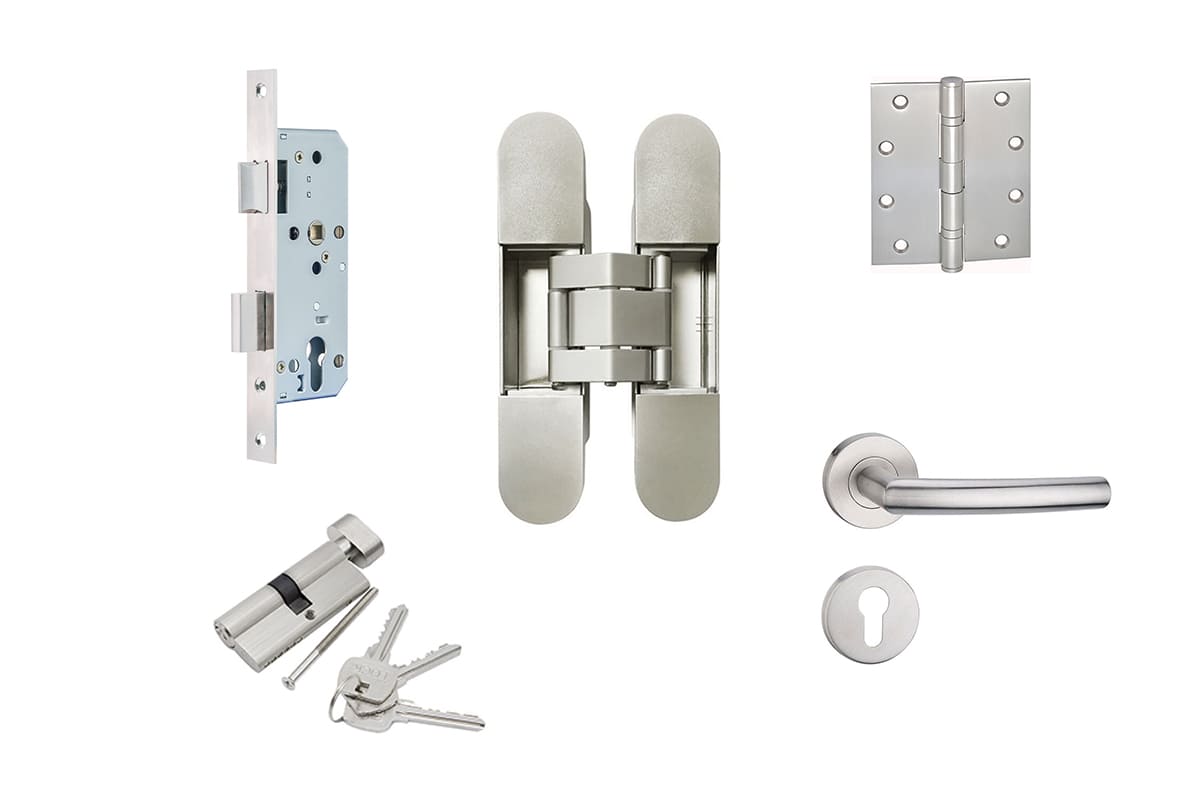
A Complete Euro Hardware Pack often involves several product families. If buyers source each part from a different supplier, they may save a little on one item but lose time during matching, sampling, inspection, and responsibility control. This is a common issue in bulk procurement.
One-stop sourcing improves Complete Euro Hardware Pack procurement by coordinating locks, cylinders, handles, hinges, and accessories under one specification. It reduces supplier communication, sample confirmation time, responsibility disputes, packaging inconsistency, and batch variation, especially for door factories, hardware brands, and wholesalers.
Why buyers need more than product availability
A buyer can find hinges from one supplier, locks from another, handles from a third supplier, and cylinders from a fourth supplier. But after that, someone must confirm whether they work together.
That “someone” is often the purchasing manager, importer, or door factory engineer. This creates hidden workload.
One-stop sourcing can reduce that workload because the supplier checks the pack as a coordinated set. At SDH Hardware, for example, we manufacture and supply multiple architectural door hardware categories, including Euro mortise locks, stainless steel lever handles, butt hinges, concealed hinges, Euro brass cylinders, and door accessories. I still advise buyers to verify every project requirement, but a wider product range makes coordination easier.
The practical benefits for door factories
Door factories need stable production. They care about drilling, assembly speed, hardware fit, and delivery consistency.
One-stop sourcing helps them because:
- Lock drawings and door preparation can be aligned early.
- Handle and cylinder matching can be confirmed before drilling.
- Hinges can be selected according to door weight and frame design.
- Accessory bags can be prepared per door set.
- Inspection can focus on complete pack consistency.
- Batch differences can be reduced.
Conclusion
A Complete Euro Hardware Pack should be configured by door scenario, not treated as one fixed bundle. Fire-rated steel doors usually need stronger attention to safety, closing control, hinge strength, escape function, and verified documents. Interior wooden doors usually need quiet operation, attractive finishes, and cost-effective matching. If you are sourcing hinges, mortise locks, cylinders, handles, and accessories for bulk projects, I recommend confirming the full pack by drawing, sample, and application requirement. Contact SDH Hardware to discuss a matched Euro door hardware configuration for your next order.
"Door closer", https://en.wikipedia.org/wiki/Door_closer. Fire-door standards and guidance describe rated doors as assemblies in which hardware, latching, hinges, and self-closing devices must be selected and maintained as part of the approved fire-resisting system. Evidence role: expert_consensus; source type: institution. Supports: Fire-door assemblies are treated as systems whose hardware, latching, hinges, and closing devices must be compatible with the tested or approved door assembly.. Scope note: This supports the distinction for fire-rated doors generally; it does not prove the exact component list needed for every steel or wooden door project. ↩
"SECTION 087111 - DOOR HARDWARE (SCHEDULED BY ...", https://fpm.usc.edu/wp-content/uploads/2021/11/087102-USC-HSC-door-hardware-Guide-Specification_1.pdf. Architectural hardware guidance identifies door construction, dimensions, weight, handing, expected traffic, and applicable code requirements as standard variables in selecting compatible door hardware. Evidence role: general_support; source type: institution. Supports: Architectural hardware specification commonly considers door construction, size, weight, handing, traffic level, and code or project requirements.. Scope note: This is contextual support for the selection logic and may not address the phrase “Complete Euro Hardware Pack” directly. ↩
"Declaration of Performance and conformity - CE Marking", https://single-market-economy.ec.europa.eu/sectors/construction/construction-products-regulation-cpr/ce-marking-and-declaration-performance-and-conformity_en. Official construction-products guidance links CE marking and declarations of performance to a product’s declared characteristics and intended use, supporting the need to match compliance documents to the specific application. Evidence role: definition; source type: government. Supports: Construction product CE marking and performance documentation are linked to declared performance and intended use, not to a generic product category.. Scope note: This supports the documentation principle; project authorities may impose additional local requirements. ↩
"BS EN 1154 Door Closer Delay: Maximum Closing Time ...", https://www.danddhardware.com/bs-en-1154-door-closer.html. EN 1154 classifies controlled door-closing devices by performance characteristics, including closing-force categories associated with door size and mass, supporting width-and-weight matching. Evidence role: mechanism; source type: institution. Supports: Door closer standards classify controlled door-closing devices by closing force and relate selection to door size and mass.. Scope note: The standard supports the selection principle but does not specify a single closer model for a given project. ↩
"Self-Closing Doors - HPD", https://www.nyc.gov/site/hpd/services-and-information/self-closing-doors.page. Fire-door guidance states that rated doors are typically required to self-close and latch, explaining why a properly specified closer is a functional component of many fire-door assemblies. Evidence role: mechanism; source type: institution. Supports: Fire-door guidance commonly requires fire doors to self-close and latch so the opening is protected during a fire.. Scope note: The requirement depends on door location, occupancy, and local code; not every door described as steel requires the same closer. ↩
"1910.36 - Design and construction requirements for exit ...", http://www.osha.gov/laws-regs/regulations/standardnumber/1910/1910.36. Means-of-egress codes and panic-device standards define panic hardware as a mechanism for rapid opening of designated exit doors, supporting its role in emergency escape applications. Evidence role: definition; source type: government. Supports: Emergency egress rules and panic-hardware standards define panic devices as hardware intended to allow quick exit from escape-route doors.. Scope note: The source should be applied according to the relevant jurisdiction and occupancy type. ↩
"Design for tolerance of electro-mechanical assemblies", https://nvlpubs.nist.gov/nistpubs/Legacy/IR/nistir6223.pdf. Manufacturing literature on tolerancing and design for assembly shows that mismatches at component interfaces can create assembly defects and rework, supporting the need to align lock drawings with door preparation. Evidence role: mechanism; source type: paper. Supports: Manufacturing research shows that dimensional tolerances and interface mismatches can cause assembly difficulty, rework, and production delay.. Scope note: This provides general manufacturing support rather than door-lock-specific production data. ↩
"Euro Lock Removal and Snapping",
. Police-backed and security-standard guidance commonly advises limiting Euro-cylinder protrusion because exposed cylinders can be more vulnerable to attack, supporting the security concern raised for overlong cylinders. Evidence role: mechanism; source type: institution. Supports: Security guidance warns that excessive Euro-cylinder protrusion can increase vulnerability to physical attack such as snapping or manipulation.. Scope note: The exact acceptable projection depends on the lock standard, protective escutcheon, and local security specification. ↩"A156.1 - 2025 Butts and Hinges", https://buildershardware.com/ANSI-BHMA-Standards/Hardware-Highlights/A1561-2025-Butts-and-Hinges. Architectural hinge standards and specification guides relate hinge grade, size, bearing design, and quantity to door weight, dimensions, and frequency of use, supporting additional support for heavy doors. Evidence role: general_support; source type: institution. Supports: Hinge selection guidance ties hinge grade, size, quantity, and bearing type to door weight, size, and service conditions.. Scope note: This supports the selection principle, but final hinge count requires project-specific engineering or manufacturer load data. ↩
"QQ: Coordinators on Fire Doors", https://idighardware.com/2019/05/qq-coordinators-on-fire-doors/. Fire-door guidance for paired openings discusses inactive-leaf securing hardware and coordinators where the closing sequence is necessary for proper latching of the assembly. Evidence role: mechanism; source type: institution. Supports: Guidance for paired fire doors addresses inactive-leaf securing hardware and coordinators where leaf closing order affects latching.. Scope note: Whether flush bolts or a coordinator are required depends on the tested assembly, leaf configuration, and local approval. ↩
"Frequency domain characterisation of the sound insulation ...", https://pmc.ncbi.nlm.nih.gov/articles/PMC12307673/. Building-acoustics literature recognizes door-operation noise as a contributor to indoor disturbance, providing contextual support for specifying quieter latch mechanisms in noise-sensitive interiors. Evidence role: general_support; source type: research. Supports: Research or technical literature should show that door hardware noise affects occupant comfort and that quieter latching mechanisms can reduce perceived disturbance.. Scope note: This would support the comfort rationale, but it may not prove that magnetic locks are broadly popular in the market. ↩
"A156.1 - 2025 Butts and Hinges", https://buildershardware.com/ANSI-BHMA-Standards/Hardware-Highlights/A1561-2025-Butts-and-Hinges. Hinge standards such as EN 1935 and ANSI/BHMA A156.1 evaluate hinges through durability, load, and operational testing, supporting the point that visual inspection alone cannot establish service performance. Evidence role: mechanism; source type: institution. Supports: Hinge durability is assessed through standardized mechanical and cycle testing, not merely by visual appearance.. Scope note: The source supports the need for testing but not the failure rate of any specific hinge product. ↩
