
How to Select an OEM Lock Manufacturer in China: A Guide for Distributors and Importers
An OEM lock manufacturer in China can look attractive when the price is low, the catalog is large, and the reply is fast. But a weak supplier can create unstable batches, documentation gaps, and after-sales claims. I select lock partners by treating the decision as long-term procurement risk control.
To select an OEM lock manufacturer in China, buyers should verify factory capability, sample-to-mass-production consistency, lock and door hardware compatibility, customization control, quality inspection systems, and certification scope. The best supplier is not simply the cheapest one. It is the manufacturer that can protect your brand, repeat orders, and market compliance over time.
Many importers start with a quotation sheet. I understand why. Price is visible and easy to compare. However, locks are not isolated commodities. They affect door performance, user experience, project acceptance, and your brand reputation.1 That is why I look beyond the unit price first.
Why Is Choosing an OEM Lock Manufacturer in China a Risk-Control Decision?
Many buyers feel pressure to reduce sourcing cost, especially when competitors sell similar-looking locks. The problem is that the cheapest offer may hide unstable material control, poor finish consistency, weak packaging, or incomplete documents.2 A better decision starts with risk, not only price.
Choosing an OEM lock manufacturer in China is a risk-control decision because locks must perform consistently across repeated batches, fit door systems, meet buyer specifications, and support market documentation. A low unit price can become expensive if claims, replacements, delays, or brand damage appear after shipment.
Price Is Only One Part of Procurement Cost
In my factory-side communication with overseas buyers, I often see the same pattern. The first question is, “What is your best price?” That is normal. But after sampling, the discussion becomes more serious:
- Can the latch direction be changed?
- Can the lock body match our existing cylinder and lever handle?
- Can the faceplate finish stay consistent for repeat orders?
- Can the packaging carry our brand information?
- Can the lock pass the required inspection before shipment?
- Can the same SKU be supplied again six months later?
These questions show the real procurement cost. A lock that is cheaper by USD 0.20 can become expensive if the buyer receives inconsistent finishes, wrong accessories, weak springs, or cartons that fail during transport.3
Common OEM Lock Sourcing Risks
| Risk Area | What Can Go Wrong | Buyer Impact |
|---|---|---|
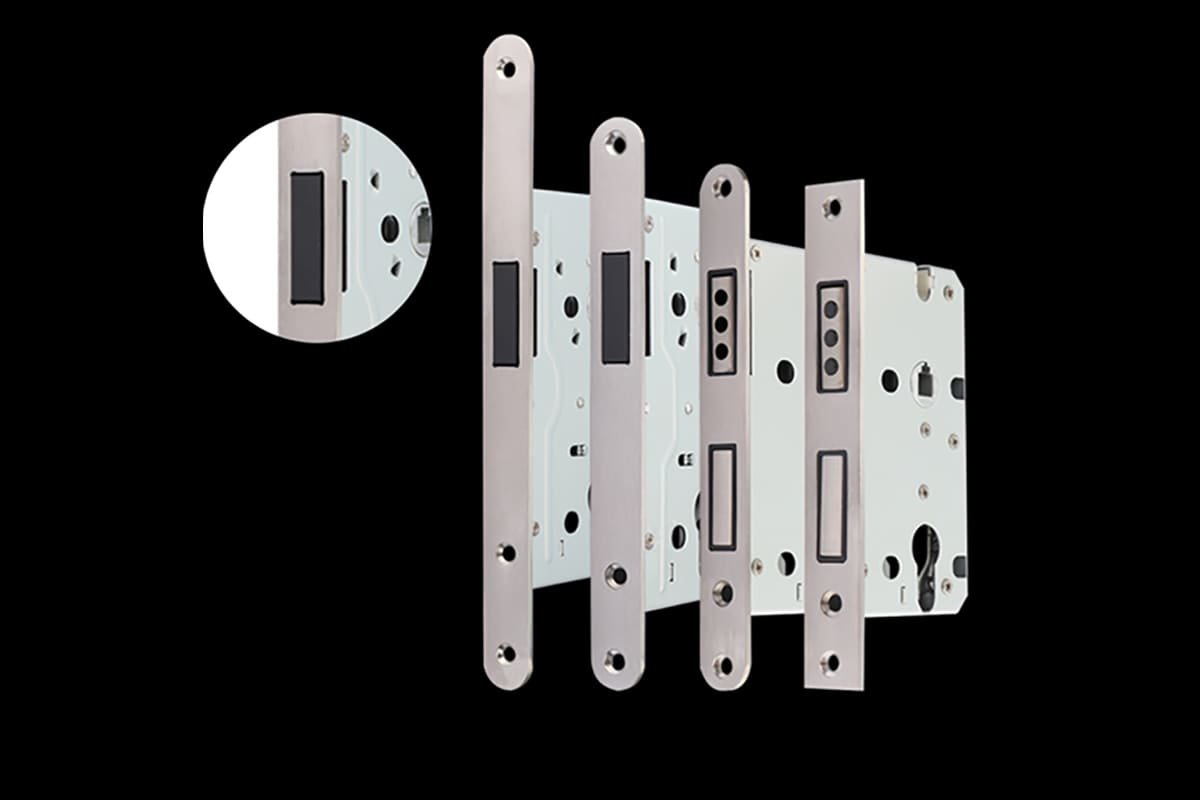
| Specification control | Backset, center distance, faceplate, spindle size, or strike plate differs from sample | Installation complaints and returns |
| Finish consistency | Brushed, satin, polished, PVD, or painted finish varies by batch | Brand image loss and mixed inventory issues |
| Accessory matching | Screws, cylinders, keys, handles, or strike plates do not fit | Repacking and after-sales cost |
| Documentation | CE, fire-rated, or test documents do not match the exact product scope | Compliance delay or project rejection |
| Repeat production | The second order differs from the approved sample | Distributor stock becomes hard to manage |
I Prefer to Ask Risk-Based Questions First
When I discuss OEM lock projects, I prefer to ask questions that reveal process stability:
- Which lock body model is the buyer selling now?
- Which market standard does the product need to meet?
- Which door type will use the lock?
- Which cylinder, lever handle, hinge, and accessory set will be paired with it?
- Which details must remain unchanged for repeat orders?
This approach helps both sides. The buyer avoids comparing mismatched products. The manufacturer also avoids quoting a model that looks similar but does not fit the final application.
A lower price is useful only when the product specification, inspection standard, and repeat-order control are also clear.
For distributors and importers, this is the central point. You are not only buying lock bodies. You are protecting inventory, customer trust, and future sales channels. A strong OEM supplier should help reduce uncertainty before the purchase order is placed.
How Should You Verify an OEM Lock Manufacturer in China Beyond the Catalog?
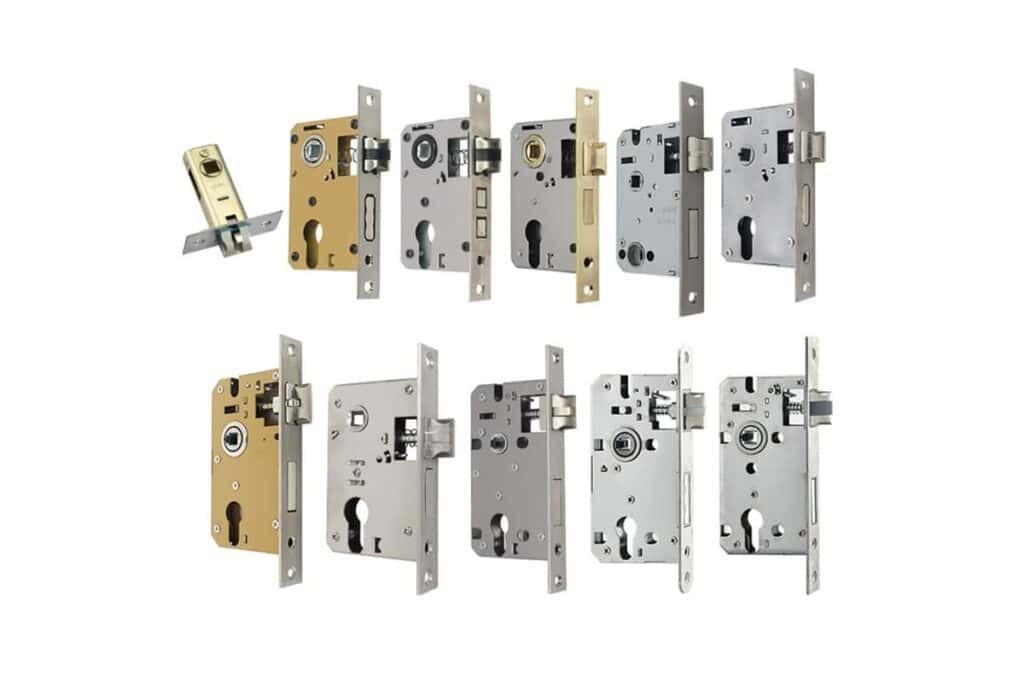
A catalog can create confidence because it shows many models, finishes, and product series. The problem is that a catalog does not prove stable production ability. Many buyers approve a nice photo first, then discover that drawings, samples, accessories, and packaging need much deeper control.
You should verify an OEM lock manufacturer in China by checking factory capability, technical drawings, sample handling, customization control, finish options, accessory matching, inspection process, packaging support, and repeat-order traceability. A catalog is useful, but it should be the starting point, not the final proof.4
A Catalog Does Not Confirm Manufacturing Discipline
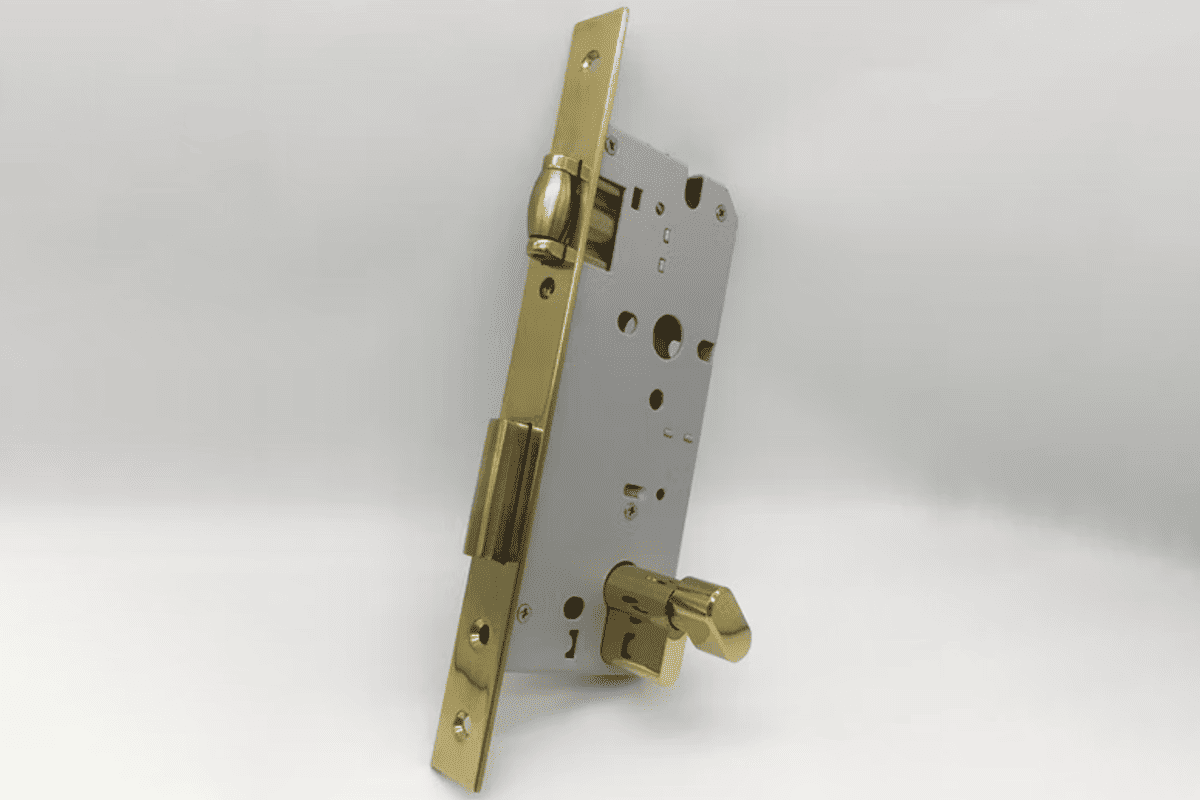
A lock catalog can show surface styles and model numbers. It cannot show whether the factory controls the details behind the product. For OEM and ODM orders, those details matter.
When I communicate with importers, I often notice that buyers request “same as sample” without defining what “same” means. For lock hardware, “same” can include:
- Lock case size
- Backset
- Center distance
- Faceplate width and thickness
- Forend shape
- Latch bolt direction
- Deadbolt throw
- Spindle hole size
- Cylinder hole type
- Strike plate size
- Screw position
- Key quantity
- Packaging layout
- Logo position
- Finish tolerance
If these details are not documented, the approved sample becomes weak protection.5
What I Check Before Taking a Catalog Seriously
A professional lock supplier should be able to support product information in a structured way. I would check whether the supplier can provide:
| Verification Item | Why It Matters for OEM Locks |
|---|---|
| Product drawing | Confirms dimensions before tooling, sampling, or order approval |
| Material description | Helps evaluate strength, corrosion resistance, and price differences |
| Surface finish reference | Reduces finish disputes across batches |
| Accessory list | Prevents missing screws, strike plates, keys, or cylinders |
| Packaging specification | Protects brand presentation and shipping safety |
| Inspection checklist | Defines what will be checked before shipment |
| Production sample retention | Helps compare future batches with approved standard |
Sample Approval Should Be Documented
For OEM locks, sample approval should not only mean “the buyer likes the sample.” It should mean the sample is connected to clear records.6
I recommend that buyers confirm:
- Sample code and version
- Approved drawing
- Approved finish
- Approved accessories
- Approved logo and packaging
- Special tolerance or function requirements
- Reference photos or sealed sample
This matters because OEM buyers often expand SKUs later. A distributor may begin with one mortise lock, then add cylinders, handles, butt hinges, concealed hinges, and door accessories. If the first product is poorly documented, the later range becomes harder to manage.
Factory Capability Should Match Your Order Type
Not every supplier is suitable for every buyer. A small trial order, a private-label range, and a large door factory supply contract require different support.
For example:
- A bulk wholesaler may need competitive standard models and stable packaging.
- A hardware brand may need logo marking, custom color boxes, and finish consistency.
- A door factory may need lock, hinge, handle, and cylinder compatibility across door sets.
- A project supplier may need documentation that matches tender requirements.
As a China-based architectural hardware manufacturer, I see that the strongest discussions happen when buyers share the real sales channel and application. The manufacturer can then recommend the right lock structure, accessory configuration, and inspection focus.
A good catalog opens the conversation. A good verification process protects the order.
What Quality Control Should an OEM Lock Manufacturer in China Provide?
Quality problems in locks often appear after installation, not during quotation. That creates pressure for importers because the goods may already be distributed. Without proper quality control, small defects can become large after-sales problems across many cartons and customers.
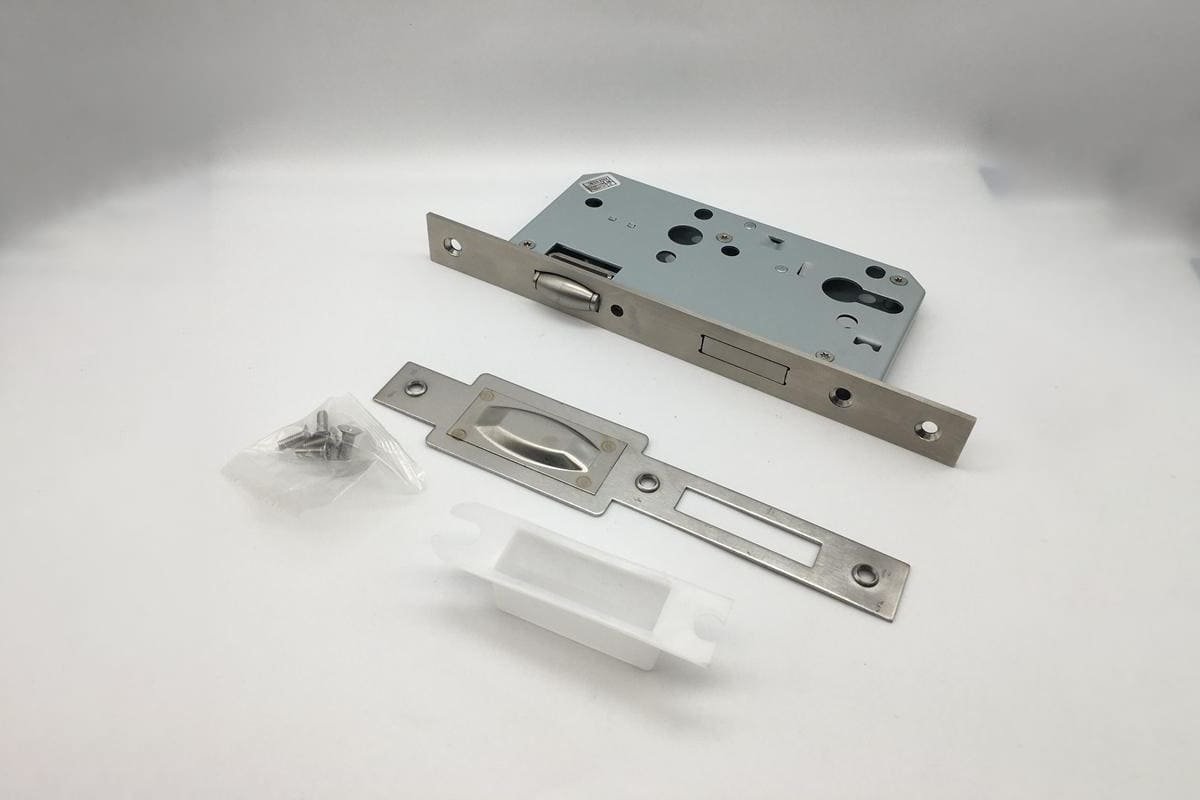
An OEM lock manufacturer in China should provide full-process quality control, including raw material checking, in-process supervision, dimensional inspection, function testing, surface inspection, accessory verification, packaging inspection, and final shipment checks. Buyers should ask how the factory controls both samples and mass production.
Quality Control Starts Before Final Inspection
Some buyers think quality control means checking finished cartons. That is too late. A finished lock may look acceptable but still have hidden risks.
For OEM mortise locks and related door hardware, quality control should begin with incoming materials. It should continue during stamping, machining, assembly, surface treatment, and packaging.7
Important quality checkpoints include:
- Raw material screening: steel, stainless steel, brass, zinc alloy, or other specified materials
- Dimensional control: lock case size, faceplate, bolt position, screw holes, and cylinder holes
- Function testing: latch movement, deadbolt throw, key operation, handle return, and spring feel
- Surface inspection: scratches, color differences, plating defects, stains, and uneven brushing
- Accessory verification: strike plate, screws, keys, cylinder, spindle, and instructions
- Carton inspection: label accuracy, inner protection, quantity, and shipping marks
Sample Quality and Batch Quality Are Different
A sample is usually made with extra attention. Mass production tests the real production system.8
This is where many sourcing mistakes happen. A buyer approves a sample, but the purchase order does not define the production standard clearly. Then the shipment arrives with small differences. Each difference may look minor, but together they affect selling confidence.
I recommend buyers ask these questions:
- Will the mass production use the same material and finish process as the sample?
- Will the factory keep a reference sample for comparison?
- What inspection standard will be used before shipment?
- Can the buyer arrange third-party inspection or factory inspection?
- How are nonconforming products handled?
Useful Inspection Points for OEM Locks
| Inspection Point | Typical Check | Why Buyers Should Care |
|---|---|---|
| Dimensions | Backset, center distance, faceplate, case depth | Ensures door preparation compatibility |
| Operation | Smooth latch, deadbolt movement, key turning | Reduces installation complaints |
| Finish | Color, scratches, plating, brushing direction | Protects brand appearance |
| Assembly | Screws, springs, internal parts, tightness | Reduces functional failure |
| Accessories | Quantity and matching parts | Avoids repacking and missing-part claims |
| Packaging | Label, barcode, logo, carton strength | Supports distribution and inventory control |
Ask for Evidence, Not Only Promises
A supplier may say, “We have strict QC.” That sentence is not enough. Buyers should ask what the inspection includes and what records can be provided.
Useful evidence may include:
- Inspection photos
- Finished product inspection report
- Packaging photos before shipment
- Sample approval record
- Drawing confirmation
- Material or finish description
- Test document copies where applicable
However, buyers should also understand the limit of documents. A report supports evaluation, but it does not replace buyer-side qualification, third-party inspection, or professional review for special applications.9
In our own export communication, I have learned that clear inspection requirements reduce conflict. If the buyer wants a special finish tolerance, heavy-duty function, fire-rated application, or exact packaging rule, it should be written before production. Clear standards create fewer surprises than friendly assumptions.
How Should You Check Certification and Compliance Documents?
Certification is important because many importers sell into regulated markets or project channels. The problem is that certification words can be used too casually. A certificate may not apply to every model, every configuration, every door type, or every target market.10
You should check certification and compliance documents by verifying the issuing body, product scope, model coverage, test standard, validity, application limits, and relevance to your sales region. CE, fire-rated, or other documents should be treated as documents to verify, not slogans to accept blindly.
Certificates Must Match the Product You Buy
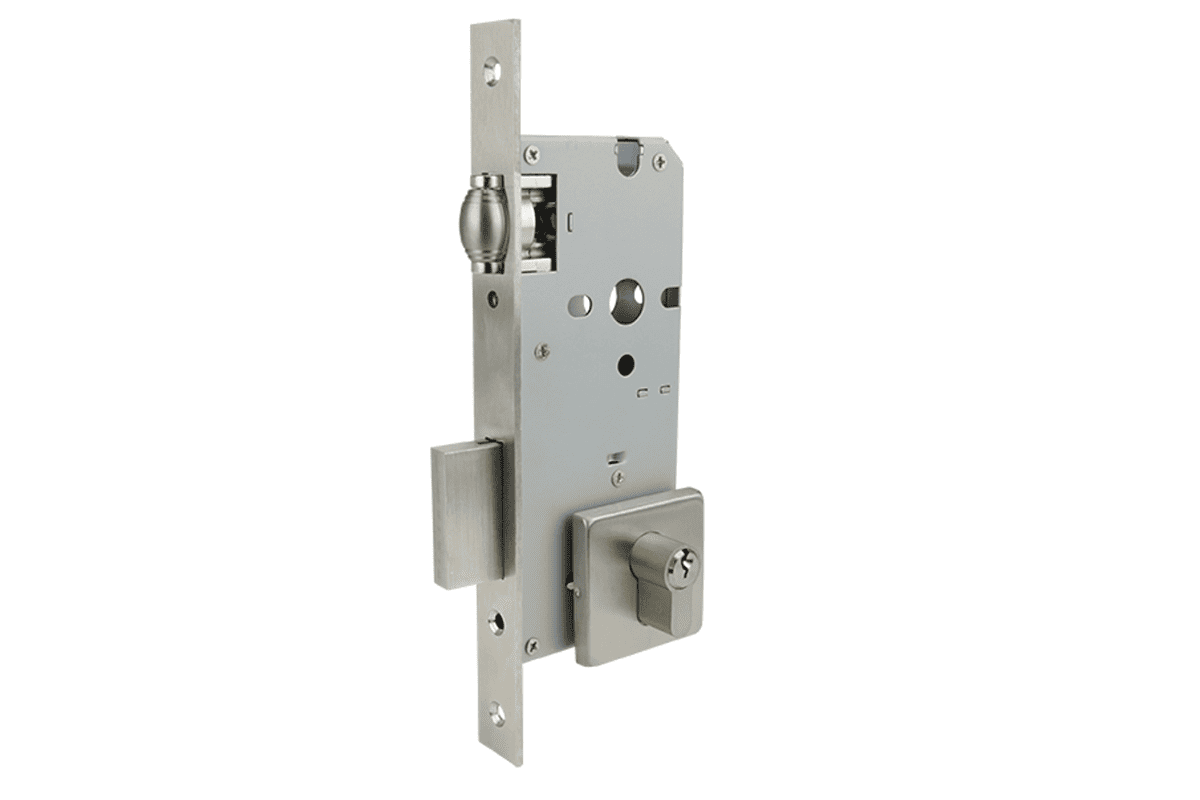
For lock sourcing, a document is only useful when it matches the actual product scope. A buyer should not assume that one certificate covers all locks in a catalog.
For example, a document may apply to:
- A specific mortise lock model
- A specific lock size or construction
- A specific door type
- A specific fire-rated assembly
- A specific standard or test method
- A specific market requirement
If your order uses different accessories, materials, dimensions, or applications, the original document may not apply in the same way. I always suggest that buyers confirm certificate scope before using the document for sales or project submission.
Key Compliance Questions for Importers
Buyers can ask the manufacturer these questions:
- Which exact models are covered by the certificate?
- Does the certificate match the lock body in the quotation?
- Does it cover the required finish or configuration?
- Which standard was tested?
- Which laboratory or notified body issued the document?
- Is the document still valid?
- Is it accepted in the target market or project channel?
- Does the buyer need additional local testing or approval?
These questions are especially important for fire-rated doors. Fire performance usually depends on the complete door assembly, not only one piece of hardware.11 A mortise lock, hinge, door closer, seal, door leaf, and frame may all affect the final application. Buyers should consult qualified professionals or local authorities for project-specific decisions.
CE and Fire-Rated Documents Need Practical Review
Many architectural hardware buyers ask for CE or fire-rated documents. This is understandable. These documents may support market entry, project tendering, or customer confidence. But the buyer should still verify:
| Document Item | What to Review |
|---|---|
| Product name | Does it match the ordered lock model? |
| Model number | Is your SKU listed or clearly included? |
| Standard | Is the standard relevant to your market? |
| Test scope | What function or performance was evaluated? |
| Validity | Is the document current and traceable? |
| Issuer | Is the issuing organization credible and recognized? |
| Limitations | Are there installation or application conditions? |
Do Not Use Compliance as a Shortcut
Compliance review is not a shortcut to supplier selection. A supplier can have useful documents but still fail in production consistency. Another supplier may have good production control but lack the documentation needed for your channel.
The best situation is both:
- Reliable manufacturing process
- Verifiable documentation relevant to your target market
As a manufacturer, I see compliance discussions become smoother when buyers share the target country, customer type, and intended use early. A lock for retail wholesale may require different documentation from a lock supplied for a fire-rated door project.
I also avoid presenting certificates as absolute guarantees. They are part of the buyer’s verification file. Buyers should confirm the scope, check local requirements, and seek professional evaluation when the application is safety-critical or regulated.
Why Must an OEM Lock Manufacturer in China Understand Door Hardware Systems?
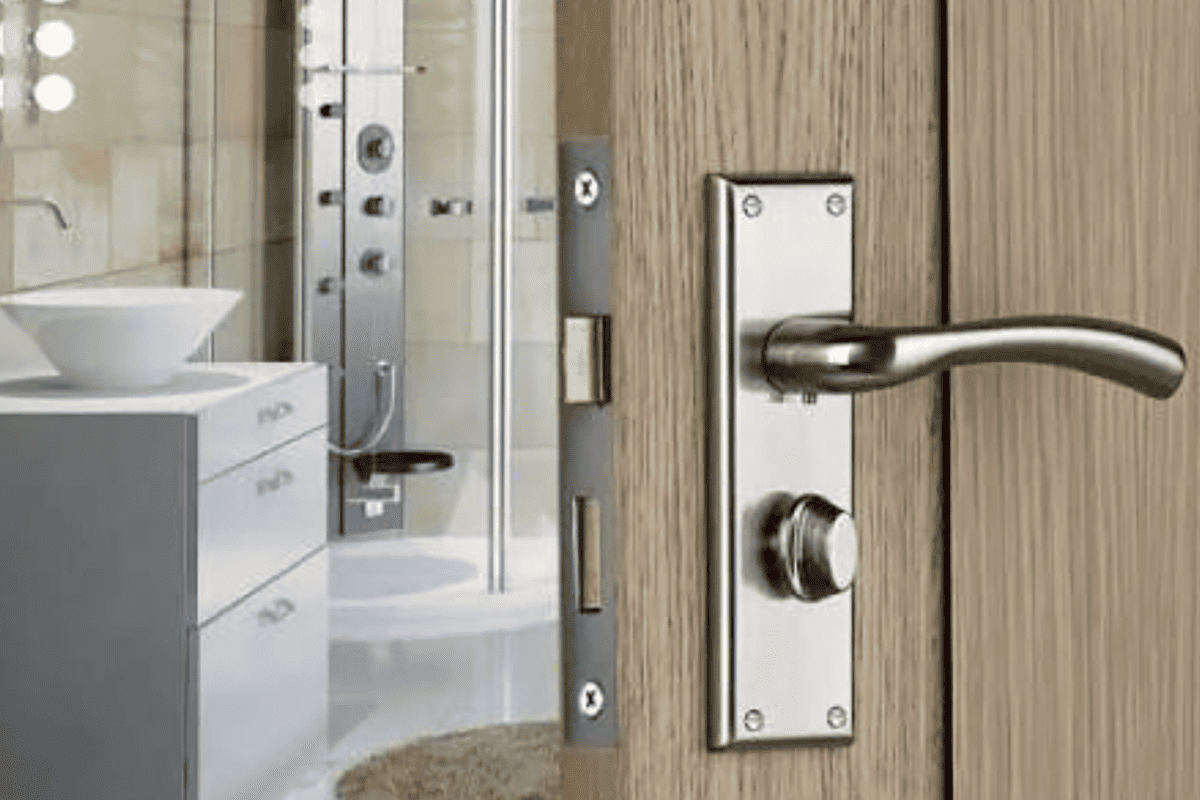
A lock does not work alone. It works with the door leaf, frame, cylinder, lever handle, hinge, strike plate, screws, and sometimes fire-rated accessories.12 If the supplier only quotes a lock body without understanding the system, compatibility risks increase.
An OEM lock manufacturer in China should understand door hardware systems because lock performance depends on matching cylinders, lever handles, hinges, door types, strike plates, finishes, and regional standards. System knowledge helps buyers reduce installation issues, SKU confusion, and after-sales claims across product ranges.
Locks Need Compatible Hardware Around Them
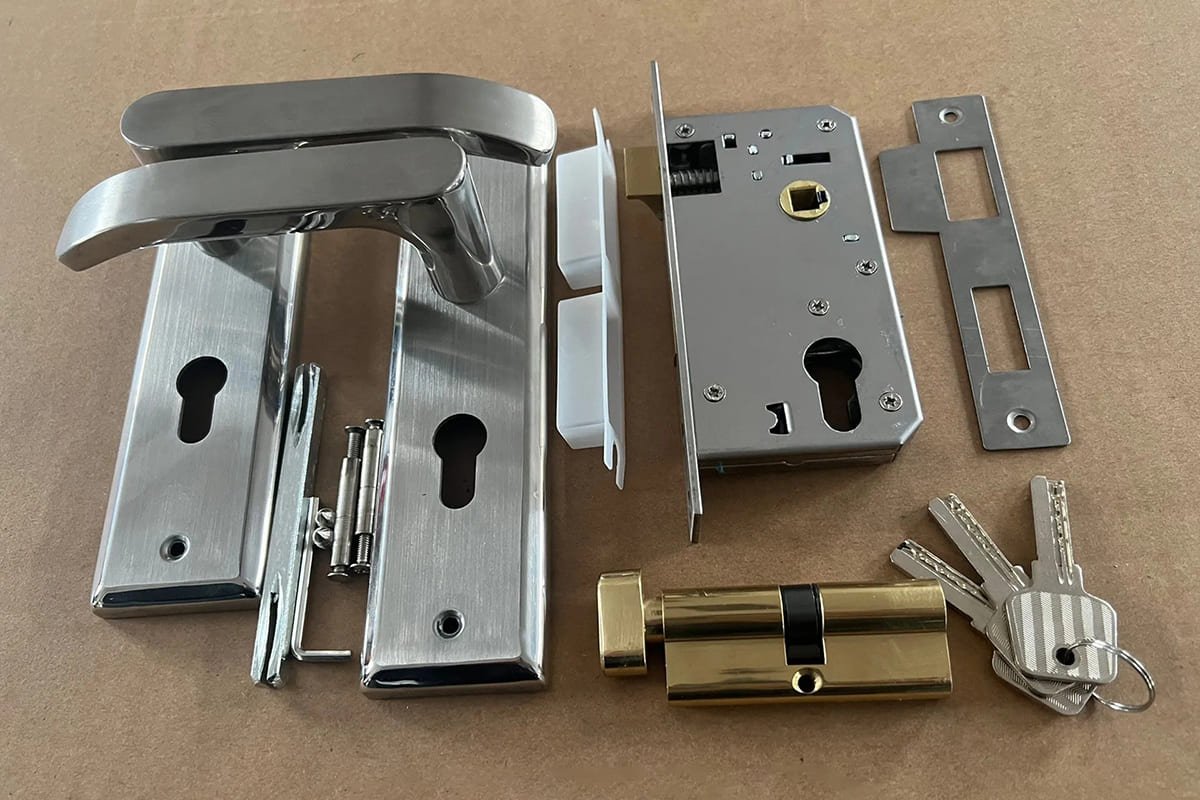
In architectural hardware sourcing, one product often affects another. For example, a Euro mortise lock must match a Euro profile cylinder. The lever handle must suit the spindle size and lock case. The strike plate must match the frame condition. The hinge must support the door weight and usage frequency.
This is why I prefer system-based communication. It reduces mistakes that are hard to see in product photos.
A buyer should discuss:
- Door type: wooden door, metal door, fire door, interior door, entrance door
- Lock type: Euro mortise lock, bathroom lock, passage lock, deadlock
- Cylinder type: Euro brass cylinder, keyed alike, master key, thumb turn
- Handle type: stainless steel lever handle, rose handle, plate handle
- Hinge type: butt hinge, concealed hinge, fire-rated hinge where required
- Accessories: strike plate, screws, spindle, escutcheon, dust box, seals
- Market standard: European, Middle East, Southeast Asia, or buyer-specific standard
System Thinking Helps SKU Expansion
Many distributors begin with a lock model and later build a complete door hardware range. If the first supplier understands only locks, the buyer may need separate suppliers for handles, hinges, cylinders, and accessories. That can work, but it increases coordination risk.
A one-stop hardware manufacturer or a system-aware supplier can help buyers align:
| Product Category | Compatibility Concern |
|---|---|
| Mortise locks | Backset, center distance, cylinder hole, handle spindle |
| Cylinders | Profile, length, key system, cam type |
| Lever handles | Spindle, rose or plate size, finish match |
| Hinges | Door weight, opening cycle, material, fire-rated need |
| Accessories | Screws, strike plates, escutcheons, packaging |
| Finishes | Color consistency across product categories |
This does not mean buyers must buy everything from one factory. It means the lock supplier should understand how the complete hardware set works.
Market Standards Change the Details
A lock that sells well in one market may not fit another market. In Europe, buyers may focus on specific dimensional standards, certification needs, and finish expectations. In the Middle East, buyers may emphasize durability, finish appearance, and project quantity. In Southeast Asia, buyers may require flexible configurations and competitive ranges.
The same product photo may not tell these differences. A qualified OEM partner should ask questions before confirming the model.
In my experience, the best OEM conversations sound like this:
- “Which market are you selling into?”
- “Which door thickness is common?”
- “Which cylinder length do you need?”
- “Do you need matching handles and hinges?”
- “Will the product be sold under your brand?”
- “Do you need drawings for approval?”
These questions may slow the quotation at first. But they reduce costly changes later.
A strong OEM lock manufacturer in China should help buyers see the lock as part of a hardware system, not as a single isolated item in a carton.
What OEM and ODM Customization Details Should You Confirm Before Ordering?
Customization can create strong brand value, but it also creates risk if details are vague. Many problems happen because the buyer confirms the general product but leaves logo, finish, packaging, accessories, or drawing details open until production is already moving.
Before ordering from an OEM lock manufacturer in China, buyers should confirm drawings, samples, material, finish, logo method, packaging design, accessory list, inspection standard, SKU code, carton marks, and repeat-order reference. Written confirmation helps prevent misunderstandings between sample approval and mass production.
OEM Customization Is More Than a Logo
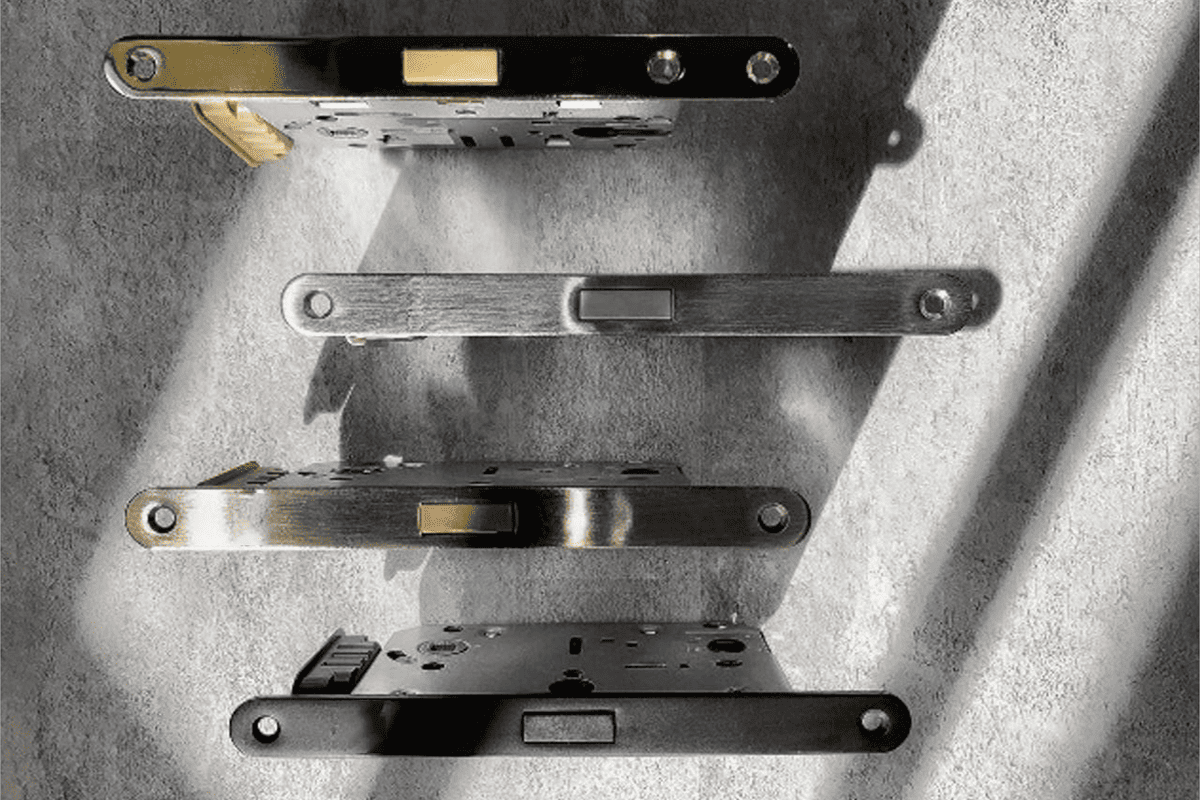
Many buyers think OEM means putting a logo on the product or box. That is only one part. For lock hardware, OEM customization may include:
- Product dimensions
- Faceplate shape
- Latch direction
- Deadbolt structure
- Cylinder configuration
- Key quantity
- Surface finish
- Logo stamping or laser marking
- Private-label packaging
- Instruction sheet
- Barcode label
- Carton shipping mark
- Accessory set
- Inspection requirement
Each detail affects production planning. Some changes are simple. Others may require new tooling, special MOQ, longer lead time, or separate testing.
Confirm the Customization File Before Production
I recommend creating a customization confirmation file before mass production. It does not need to be complicated, but it should be complete.
A practical file can include:
- Final quotation with model code
- Approved drawing
- Approved physical sample or reference sample
- Finish sample or color reference
- Logo artwork
- Packaging artwork
- Accessory list
- Inspection requirements
- Carton mark information
- Delivery and shipment details
Conclusion
Selecting an OEM lock manufacturer in China is not a simple lowest-price sourcing task. It is a decision about quality stability, documentation, customization control, door hardware compatibility, and long-term supply risk. I recommend that buyers verify drawings, samples, QC systems, certificate scope, packaging, and repeat-order discipline before scaling orders. If you are sourcing Euro mortise locks, cylinders, lever handles, hinges, or complete architectural door hardware ranges, contact SDH Hardware to discuss your OEM or ODM requirements with a factory-direct team.
"087100 – DOOR HARDWARE - Facilities and Campus Services", https://fcs.cornell.edu/087100-door-hardware. Door-hardware standards such as ANSI/BHMA A156 series and EN 12209 specify operational, dimensional, durability, and security-related requirements for locks, supporting the view that locks influence door-system performance rather than functioning as interchangeable commodities. Evidence role: general_support; source type: institution. Supports: Lock hardware is governed by performance and application standards that treat locks as functional components of door systems.. Scope note: These standards support the general relevance of lock performance but do not directly measure user experience or brand reputation. ↩
"Reducing the Costs of Poor Quality: A Manufacturing Case ...", https://scholarworks.waldenu.edu/cgi/viewcontent.cgi?article=6608&context=dissertations. Research on total cost of ownership in purchasing shows that acquisition price is only one component of supplier cost and that quality failures, logistics problems, and administrative issues can materially affect the final procurement cost. Evidence role: general_support; source type: paper. Supports: Supplier selection based only on quoted price can ignore downstream quality, logistics, and documentation costs.. Scope note: The support is procurement-contextual and is not specific to Chinese lock manufacturers. ↩
"(PDF) Supply Chain Issues in Reusable Packaging", https://www.academia.edu/18612867/Supply_Chain_Issues_in_Reusable_Packaging. Quality-cost literature identifies rework, returns, warranty claims, inspection, and failure costs as components that can outweigh purchase-price savings when supplied goods do not meet requirements. Evidence role: general_support; source type: paper. Supports: Defects, returns, rework, and transport damage can offset apparent savings from a lower unit price.. Scope note: The cited evidence would support the cost mechanism generally rather than verifying the specific USD 0.20 example. ↩
"ISO 9001 Supplier Evaluation: Criteria, Forms & Scorecards", https://isocertificationgroup.com.au/blog/iso-9001-supplier-evaluation-criteria-forms-scorecards. ISO 9001:2015 requires organizations to control externally provided products and services and to determine evaluation, selection, monitoring, and re-evaluation criteria for suppliers, supporting the need to verify capability beyond catalog information. Evidence role: expert_consensus; source type: institution. Supports: Supplier capability should be evaluated through controlled requirements, records, and verification rather than marketing materials alone.. Scope note: ISO 9001 is a general quality-management standard and does not prescribe a lock-specific supplier audit checklist. ↩
"Q7A Good Manufacturing Practice Guidance for Active ...", https://www.fda.gov/regulatory-information/search-fda-guidance-documents/q7a-good-manufacturing-practice-guidance-active-pharmaceutical-ingredients. ISO 9001:2015 emphasizes documented information, control of production conditions, and evidence of conformity to requirements, supporting the claim that an approved sample is weaker when dimensions, materials, finishes, and acceptance criteria are not recorded. Evidence role: general_support; source type: institution. Supports: Documented product requirements and records are necessary to control production and verify conformity.. Scope note: The standard supports the documentation principle generally, not the legal enforceability of any particular sample approval. ↩
"First article inspection", https://en.wikipedia.org/wiki/First_article_inspection. First-article inspection and quality-management guidance use documented characteristics, drawings, and inspection records to demonstrate that a production process can meet specified requirements, supporting the need to connect approved samples with clear records. Evidence role: general_support; source type: institution. Supports: Manufacturing approval practices commonly connect representative samples to documented specifications and inspection records.. Scope note: First-article inspection standards are often industry-specific and provide contextual support rather than a mandatory rule for ordinary lock procurement. ↩
"Clause 8.5 ISO 9001:2015 Explained", https://www.thecoresolution.com/clause-8-5-iso-90012015-explained. ISO 9001:2015 requires controlled production conditions, monitoring and measurement activities, and verification that product requirements are met, supporting the use of incoming, in-process, and final quality-control checkpoints. Evidence role: expert_consensus; source type: institution. Supports: Quality-management standards require control and verification of production inputs, processes, and outputs.. Scope note: The standard establishes a general management framework and does not list the specific lock-production stages named in the article. ↩
"Process capability for a complete electronic product assembly", https://repository.rit.edu/cgi/viewcontent.cgi?article=10416&context=theses. Statistical process-control literature explains that conformity in repeated production depends on process capability and variation control, so an approved sample alone does not establish that the mass-production system will consistently meet specifications. Evidence role: mechanism; source type: paper. Supports: Manufacturing variation and process capability determine whether repeated production can reproduce approved specifications.. Scope note: The evidence explains the production-control mechanism generally and does not prove how any individual lock factory prepares samples. ↩
"Conformity Assessment Basics", https://www.nist.gov/standardsgov/conformity-assessment-basics. Conformity-assessment standards such as ISO/IEC 17020 define requirements for competent and impartial inspection bodies, supporting the distinction between supplier-provided reports and independent inspection or professional review. Evidence role: expert_consensus; source type: institution. Supports: Independent inspection and conformity assessment exist to provide impartial evaluation beyond supplier-provided statements.. Scope note: The standard supports the value of independent inspection but does not require it for every commercial lock order. ↩
"Conformity Assessment Basics", https://www.nist.gov/standardsgov/conformity-assessment-basics. Under the EU Construction Products Regulation framework, declarations of performance and CE marking are tied to a specified product type, intended use, harmonised technical specification, and declared performance, supporting the need to check whether a certificate covers the exact model and application being purchased. Evidence role: expert_consensus; source type: government. Supports: Regulatory and conformity documents normally identify product type, intended use, applicable standard, and performance scope.. Scope note: This directly supports EU-market documentation practice; other markets may use different certification systems. ↩
"NSPIRE Standard - Door - Fire", https://www.hud.gov/sites/dfiles/PIH/documents/NSPIRE-Standard-Door-Fire-Labeled_20230811.pdf. Fire-door standards such as NFPA 80 and UL 10C address fire doors as assemblies, with performance depending on the listed or tested combination of door, frame, hardware, and installation conditions, supporting the claim that a single lock component does not by itself establish fire performance. Evidence role: mechanism; source type: institution. Supports: Fire-door performance depends on the tested assembly, including the door leaf, frame, hardware, seals, and installation conditions.. ↩
"087100 – DOOR HARDWARE - Facilities and Campus Services", https://fcs.cornell.edu/087100-door-hardware. Door-assembly and architectural-hardware standards treat locks, latches, hinges, strikes, frames, and related accessories as interacting components, supporting the claim that a lock must be evaluated in relation to the complete door opening. Evidence role: mechanism; source type: institution. Supports: Door-lock function depends on interaction with surrounding door and hardware components.. Scope note: The support is standards-based and does not quantify the frequency of compatibility failures in trade. ↩
