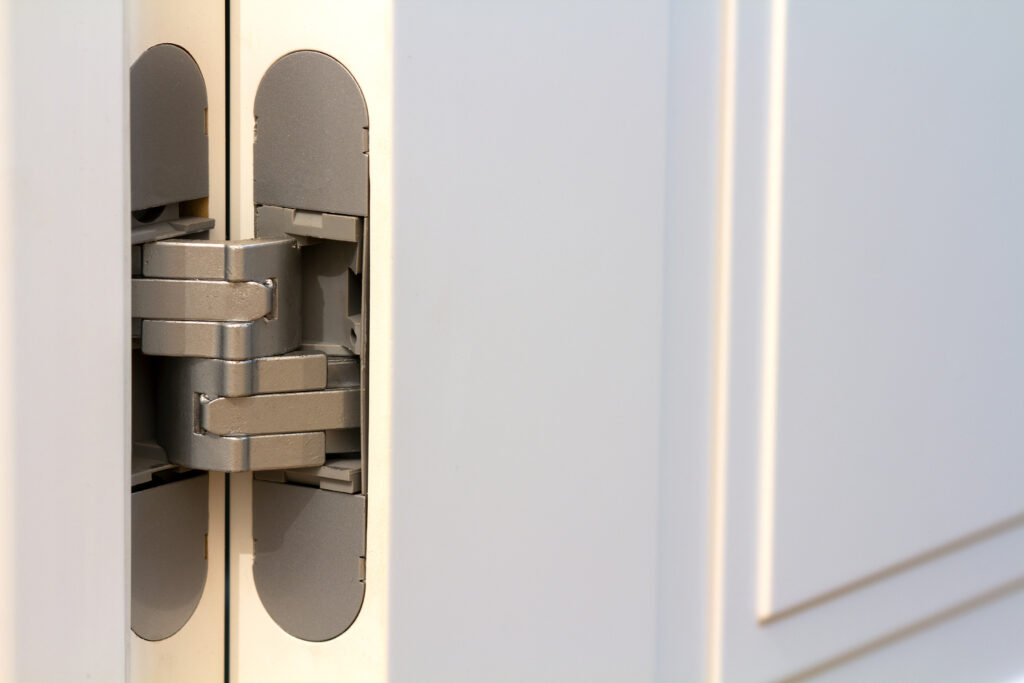
Concealed hinges, also known as hidden hinges, are a popular choice for modern cabinets, doors, and furniture due to their sleek appearance and smooth operation. However, even the best-quality hinges can wear out prematurely if not properly maintained. In this guide, we’ll provide professional advice on how to extend the lifespan of concealed hinges, including cleaning, lubrication, inspection, and adjustment tips.
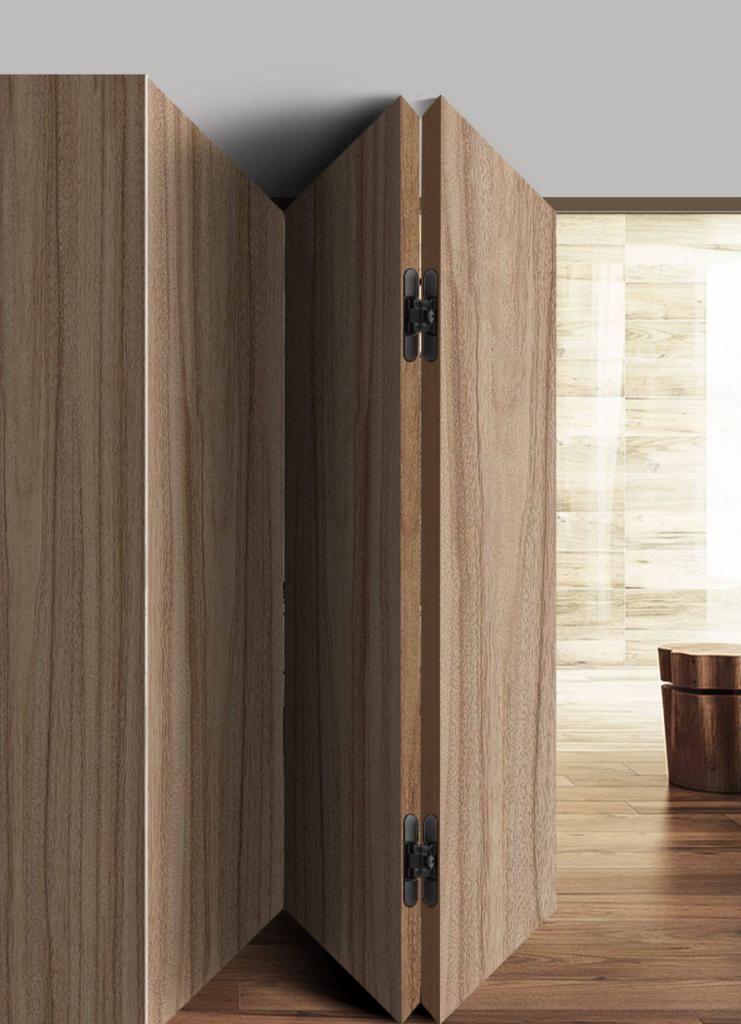
Why Maintenance of Concealed Hinges Is Important
Concealed hinges support the weight of doors and allow them to open and close smoothly. Over time, dirt, dust, and moisture can build up in the hinge mechanism, causing friction, rust, and misalignment. Regular maintenance not only preserves hinge functionality but also:
- Prevents sagging or misaligned doors
- Reduces noise when opening or closing doors
- Avoids costly repairs or replacements
- Maintains a professional appearance for furniture and cabinetry

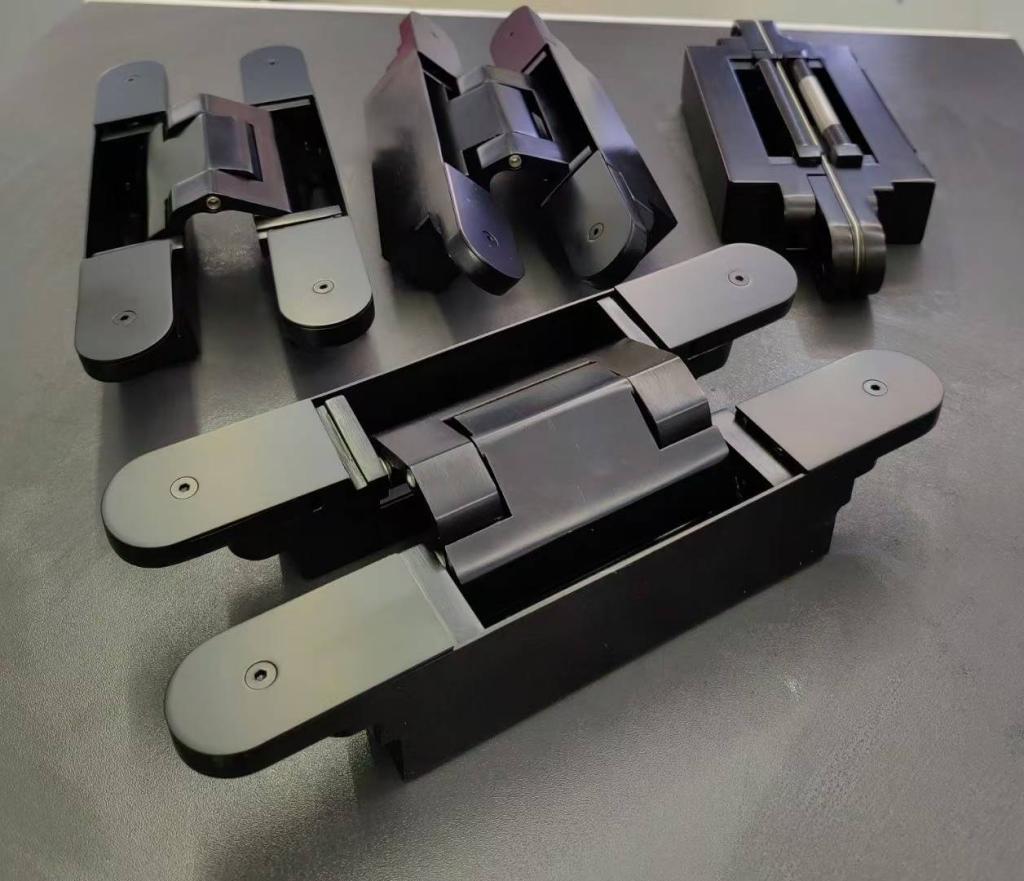
CB80 3D
Suitable for wooden doors, for flush doors
Concealed installation
3D adjustable: vertical: ±2mm, horizontal:-2mm/+4mm, depth:±1mm
Opening angle: 180°
Step 1: Thorough Cleaning of Concealed Hinges
Start by removing dirt, dust, and debris from all hinge components. Use a soft-bristled brush or microfiber cloth to gently clean the hinge surface and pivot points. For hinges in kitchens or bathrooms, where grease and moisture are common, use a mild detergent solution followed by thorough drying.
Pro tip: Regular cleaning of concealed cabinet hinges prevents corrosion and prolongs hinge life. Avoid abrasive tools or harsh chemicals that can scratch the hinge finish.
Step 2: Proper Lubrication to Reduce Friction
After cleaning, lubrication is essential to keep hinges operating smoothly. Apply a high-quality, non-staining lubricant—such as silicone spray or light machine oil—directly to the moving parts and pivot points. Open and close the door several times to ensure even distribution.
Why it matters: Proper lubrication minimizes friction, prevents wear, and helps doors operate quietly.
Pro tip: In humid environments, use rust-preventive lubricants to protect the metal surface.

Step 3: Inspection and Adjustment for Alignment
Regular inspection allows you to spot signs of wear, rust, or misalignment early. Check for:
- Loose screws or bolts
- Sagging doors
- Excessive play in hinge joints
- Signs of corrosion
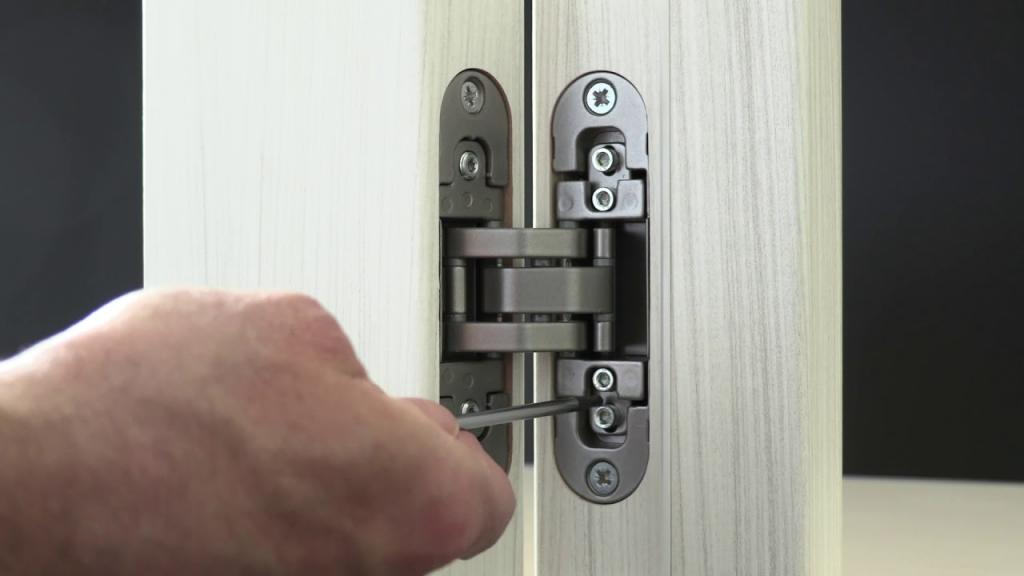
Most concealed hinges allow for adjustments in three directions—up/down, left/right, and depth. Correcting the alignment ensures smooth operation, even gaps, and reduces stress on the hinge mechanism.
Pro tip: Keep a small screwdriver or Allen key handy for quick adjustments during maintenance.
Step 4: Establish a Regular Maintenance Schedule
The frequency of maintenance depends on usage and environment:
- Residential doors: Inspect annually
- High-traffic or commercial doors: Inspect every 6 months
- Kitchens, bathrooms, or humid areas: Inspect seasonally
Maintaining a consistent schedule prevents minor issues from becoming major problems.
Tip: Scheduled maintenance of concealed hinges prolongs cabinet and door life.
Extra Tips to Maximize Hinge Lifespan
- Avoid slamming doors to prevent mechanical stress
- Wipe hinges dry if exposed to water or moisture
- Invest in high-quality hinges with durable finishes
- Keep a maintenance log to track inspections and lubrication
Pro tip: Even small, simple adjustments can dramatically extend the life of your concealed hinges.

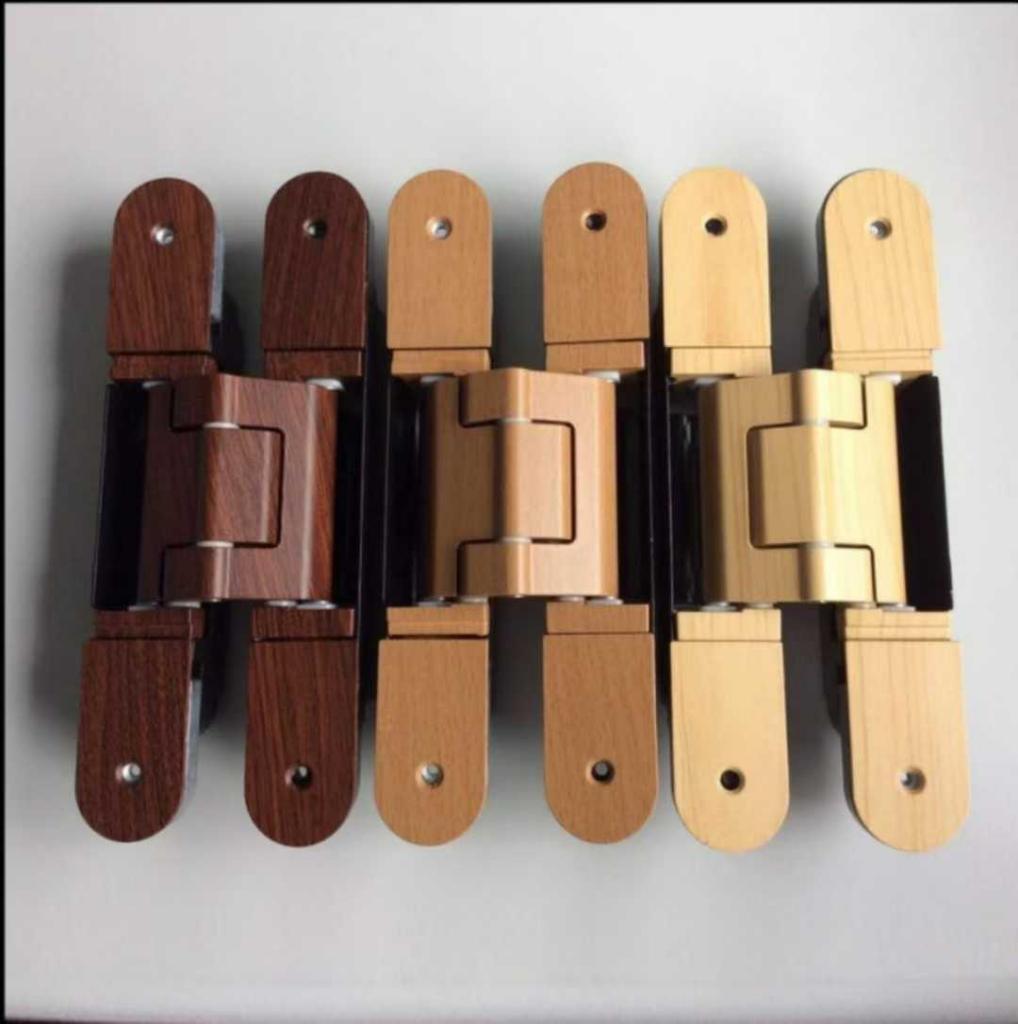
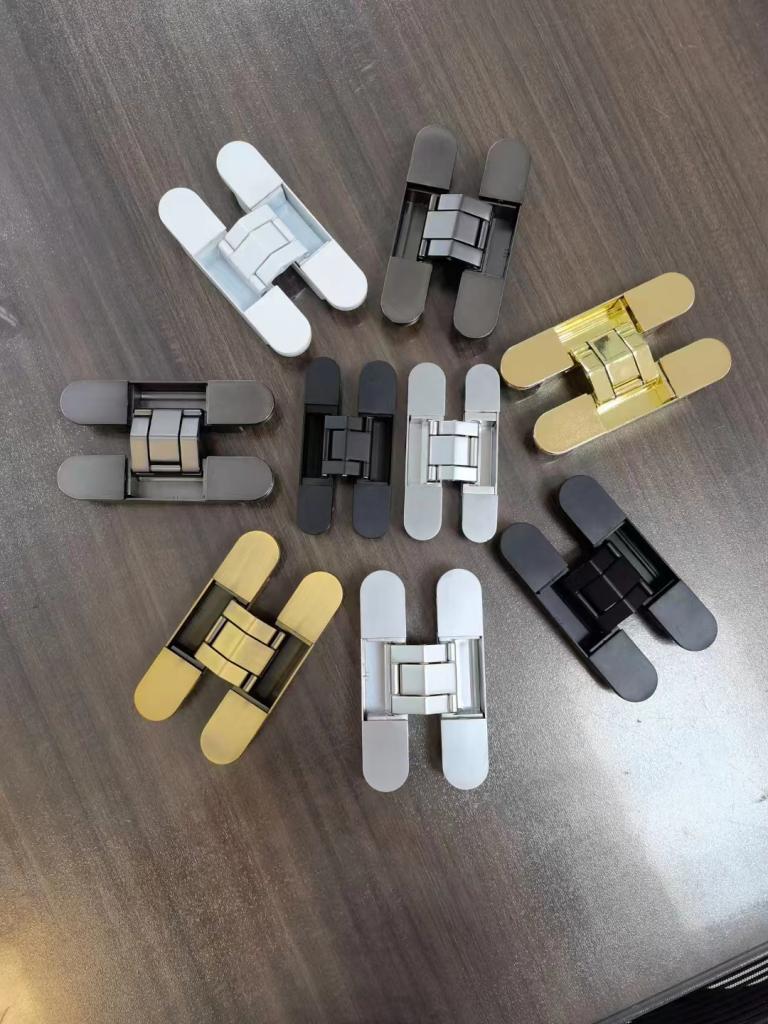
CH80 3D
Suitable for wooden doors, for flush doors
Concealed installation
3D adjustable: vertical: ±3mm, horizontal:±4mm, depth:±1mm
Opening angle: 180°
Conclusion: Long-Lasting Concealed Hinges
By following a routine of cleaning, lubricating, inspecting, and adjusting your concealed hinges, you can ensure smooth operation, maintain door alignment, and prevent premature wear. Regular care not only protects your investment in furniture and cabinetry but also keeps your home or workspace looking polished and professional.
With these steps, your concealed hinges can remain in optimal condition for many years, saving both time and money on repairs or replacements.