
Most buyers ask us about the hidden look first. But we always redirect the conversation to load capacity and cycle count. Why? Because the door will fail long before anyone notices how pretty the hinge was.
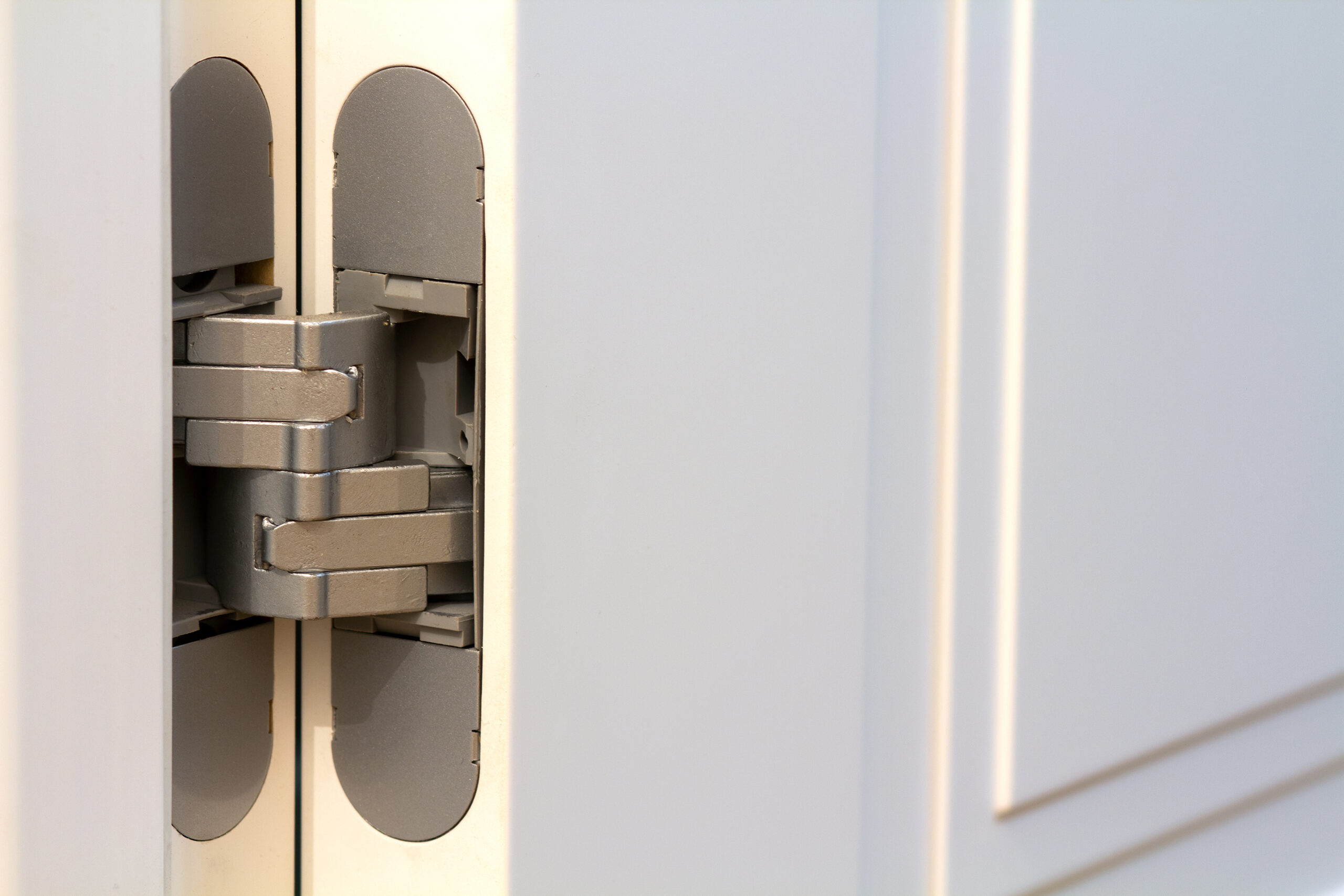
Concealed hinges work for commercial doors when their load rating matches actual door weight, their cycle tolerance exceeds daily traffic volume, and their certification meets building code requirements.1 The selection process should map door specifications to usage patterns, not aesthetic preferences to budget constraints.
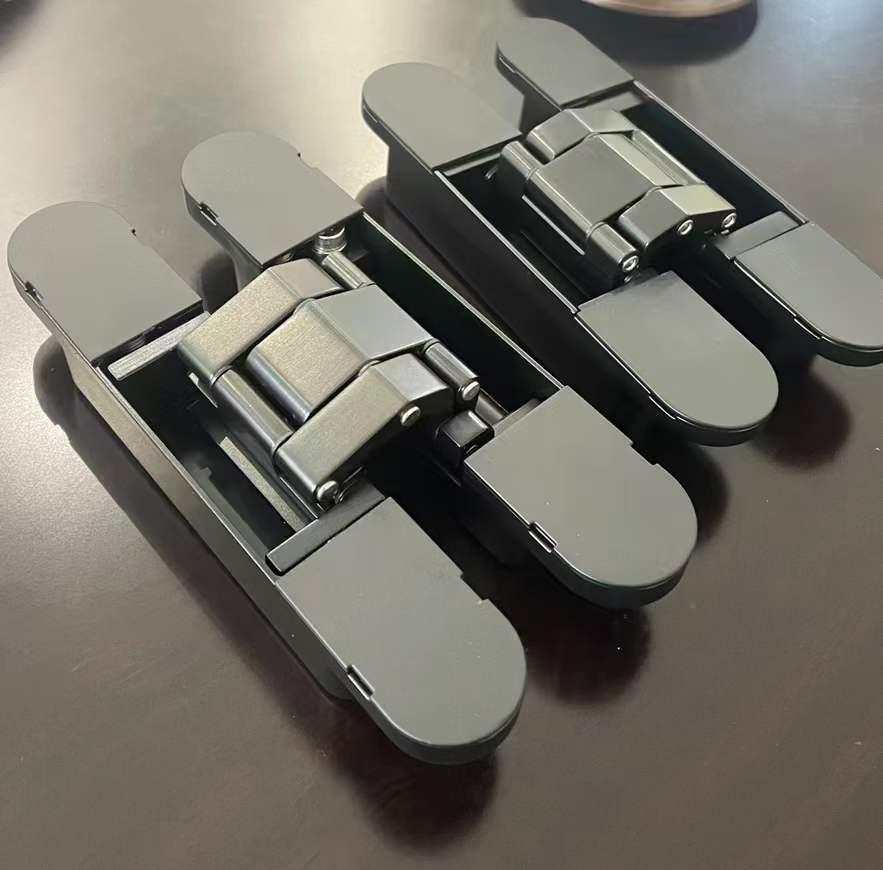
I spend most of my time explaining this mismatch. Buyers approach us wanting invisible hardware. We ask them about door weight, traffic patterns, and maintenance budgets. The conversation shifts quickly.
Why Do Load Ratings Matter More Than Unit Price?
Most specification sheets show a single number. 80kg. 100kg. 120kg. Buyers match this number to door weight and move on. We see this pattern in nearly every initial inquiry.
Load ratings indicate maximum static weight tolerance under controlled conditions. Commercial doors experience dynamic loads from repeated opening cycles, environmental stress, and user behavior variations.2 A hinge rated for 80kg will fail prematurely on a 70kg door if cycle count exceeds design assumptions.3
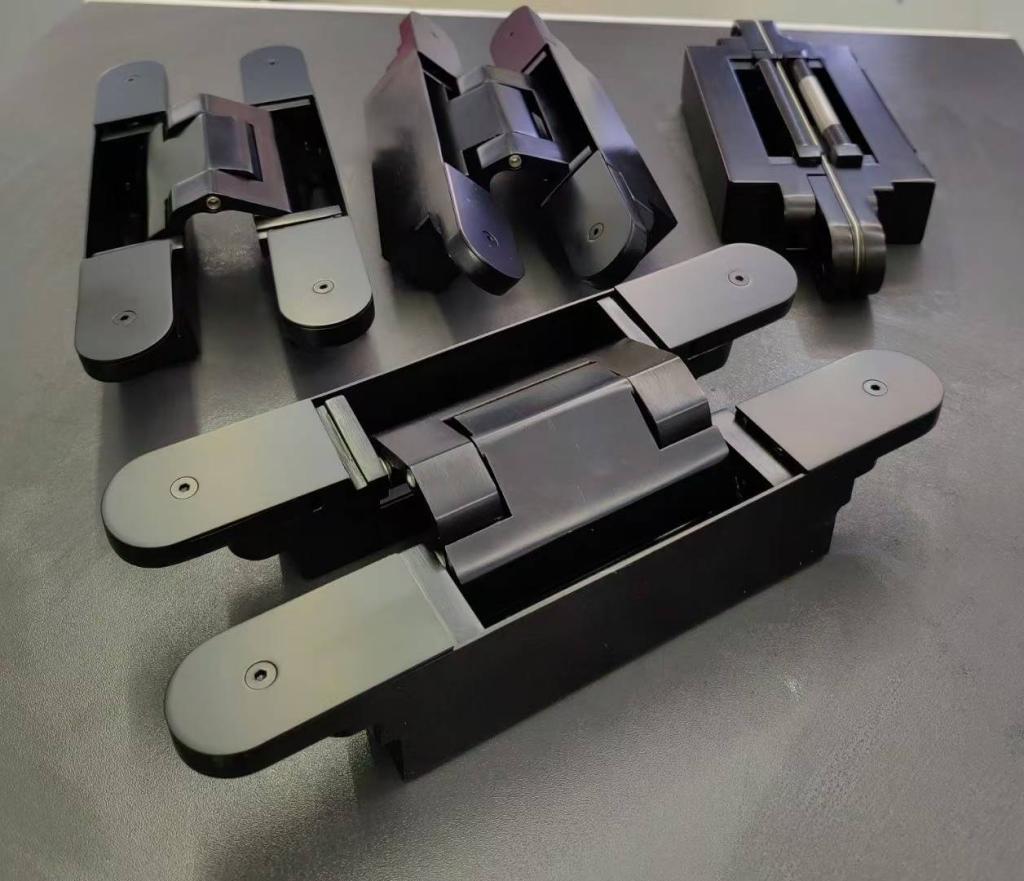
Let me explain what happens in real conditions. A door weighs 75kg. The buyer selects an 80kg-rated hinge. Seems reasonable. But this door serves a lobby with 500 daily cycles. Each cycle applies momentary force that exceeds static weight. The pivot point wears faster. The mounting plate loosens. After 18 months, the door sags.
We track these patterns through customer feedback. High-traffic applications need load ratings 30-40% above door weight.4 Low-traffic doors can use closer margins. But buyers rarely know their actual cycle count. They estimate. We've learned to ask about building type instead. Office entrance? Retail storefront? Hotel corridor? Each category has predictable traffic patterns.
Here's the cost breakdown buyers miss:
| Cost Component | Budget Hinge (80kg rated, 70kg door) | Properly Rated Hinge (120kg rated, 70kg door) |
|---|---|---|
| Unit Price | $15 | $28 |
| Expected Service Life (high traffic) | 2 years | 5+ years |
| Replacement Labor Cost | $80 | $80 |
| Total Cost Per Door (5 years) | $195 (3 replacements) | $108 (0 replacements) |
| Cost Difference | +$87 per door | Baseline |
The unit price difference is $13. The five-year cost difference is $87 in the opposite direction. Labor cost stays constant. The cheaper hinge costs more. But buyers compare unit prices on spreadsheets. They don't model replacement cycles.
We show this table during quotation discussions now. It changes conversations. Procurement managers ask about traffic ratings. Product managers request cycle test data. The decision framework shifts from price minimization to total cost calculation.
How Do Cycle Counts Affect Hinge Selection?
Traffic volume determines mechanical wear rate.5 But buyers rarely have exact numbers. They describe usage in vague terms. "Heavy traffic." "Normal use." "Busy entrance." We translate these descriptions into specifications.
Commercial hinges must withstand 200,000-500,000 operating cycles depending on application type.6 Office doors typically see 50-100 daily cycles. Retail entrances often exceed 300 cycles. Restaurant doors with delivery access can reach 500+ cycles.7 Each environment requires different mechanical tolerances.
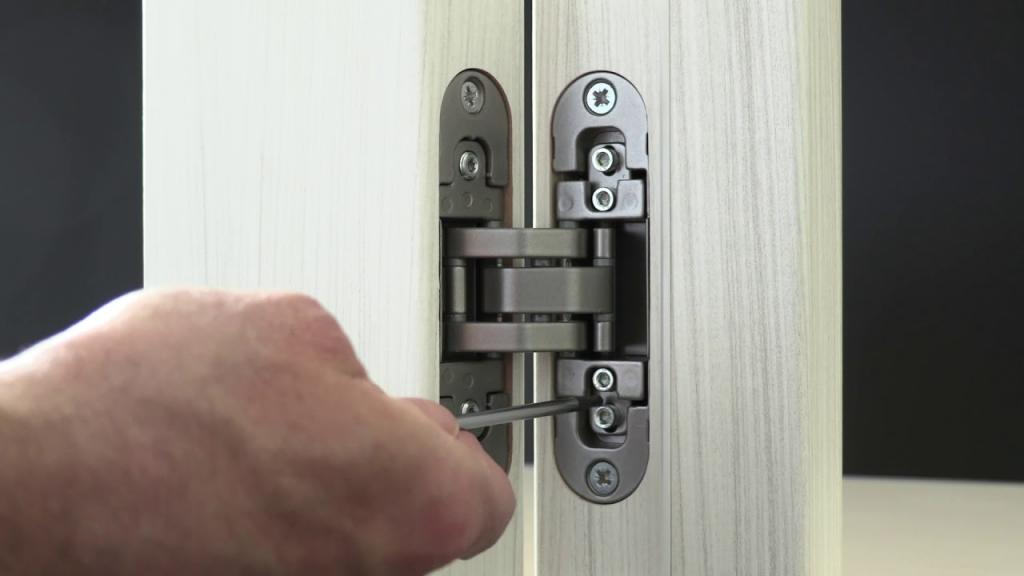
I ask specific questions now. How many employees pass through? Is this the main entrance or a side door? Do deliveries use this access? The answers let me estimate cycle count. An office with 50 employees and one main entrance sees roughly 100 daily cycles. That's 36,500 annual cycles. Over five years, 182,500 cycles.
Standard concealed hinges handle 200,000 cycles before performance degradation starts.8 But "degradation" is gradual. The door still closes. It just requires more force. Users don't report problems. Facility managers don't notice. Then one day the door won't close properly. The hinge looks fine. But internal components have worn beyond tolerance.
We test hinges at our factory. The testing rig opens and closes doors continuously. We measure force required at different cycle counts. At 150,000 cycles, force increases 5-8%. At 200,000 cycles, it jumps to 15-20%. The hinge still functions. But user experience has changed. Accessibility standards may be violated. Fire door compliance could be affected.9
High-traffic applications need hinges rated for 500,000+ cycles.10 These use different bearing materials. They have reinforced pivot points. They cost more per unit. But they maintain consistent performance across their service life. The door closes with the same force on day one and day 1,000.
Here's how to estimate your requirement:
| Application Type | Daily Cycles | Annual Cycles | 5-Year Total | Recommended Rating |
|---|---|---|---|---|
| Private office | 20-40 | 7,300-14,600 | 36,500-73,000 | 200,000 cycles |
| Shared office space | 50-100 | 18,250-36,500 | 91,250-182,500 | 200,000 cycles |
| Retail entrance | 200-400 | 73,000-146,000 | 365,000-730,000 | 500,000+ cycles |
| Restaurant/Hotel | 300-600 | 109,500-219,000 | 547,500-1,095,000 | 1,000,000+ cycles |
Buyers who start with building type can select appropriate ratings. Those who start with budget constraints end up replacing hardware early.
What Do CE and Fire Ratings Actually Verify?
Certification questions reveal buyer sophistication. New procurement managers ask if we "have CE." Experienced buyers request specific test reports and certificate numbers. The difference is dramatic.
CE marking indicates conformity with EU safety, health, and environmental standards through documented testing.11 Fire ratings verify door assembly performance during standardized fire tests, measuring integrity, insulation, and smoke control.12 Both certifications require third-party verification and periodic re-testing.
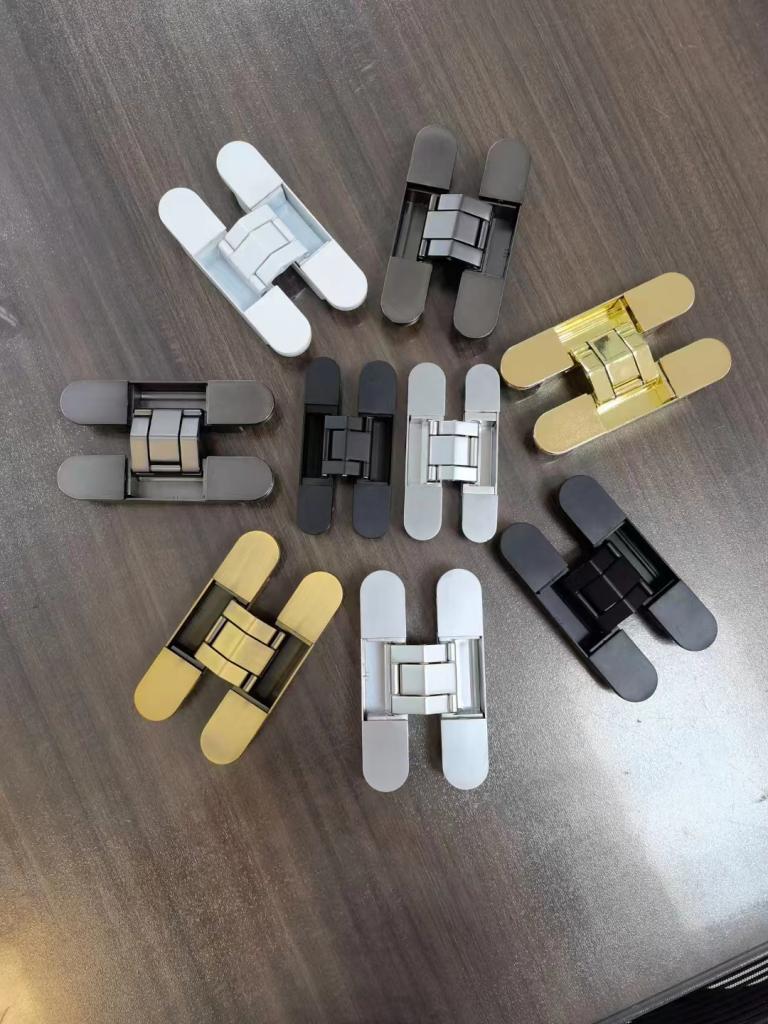
I've seen buyers lose contracts over missing certifications. A hotel project in Dubai required fire-rated doors throughout. The buyer selected concealed hinges without verification. During inspection, the contractor discovered hinges lacked proper certification. Every door had to be modified. The buyer absorbed replacement costs and schedule delays.
CE marking is not optional for European markets. It's a legal requirement. But buyers outside Europe sometimes treat it as negotiable. They ask about pricing without certification. We explain the risk. If their customer needs EU compliance, uncertified products create liability. The cost difference is minimal. The risk difference is enormous.
Fire ratings are more complex. A fire-rated door is a complete assembly. The door leaf, frame, hinges, locks, and seals all contribute to performance. Changing one component can void the entire rating. We see this regularly. A buyer replaces hinges on fire-rated doors to reduce costs. The door assembly no longer meets its certified rating. But nobody realizes until an incident occurs.
Here's what certifications actually test:
| Certification | What It Tests | Why It Matters | Who Needs It |
|---|---|---|---|
| CE Marking | Material safety, mechanical strength, corrosion resistance | EU market access, liability protection | All European projects, some Middle East specifications |
| Fire Rating (30/60/90 min) | Door assembly integrity during fire exposure | Building code compliance, insurance requirements | Healthcare, hospitality, high-rise residential, public buildings |
| Cycle Testing | Mechanical durability over repeated use | Performance predictability, warranty validation | High-traffic applications, premium projects |
| Load Capacity | Static and dynamic weight tolerance | Structural safety, door weight matching | All commercial applications |
We maintain certificates for all core products. When buyers request documentation, we provide certificate numbers and test reports. They can verify directly with certification bodies. This transparency matters. It separates manufacturers who actually test products from those who claim compliance.
Some buyers ask why certification adds cost. The testing itself is expensive. Fire testing requires building full door assemblies and destroying them in controlled burns. Cycle testing takes weeks of continuous operation. Load testing needs specialized equipment. Then there's documentation, audits, and periodic re-certification. We absorb some costs through volume. But certified products will always cost more than uncertified alternatives.
The question is whether the cost difference matters more than the compliance risk. For projects with clear certification requirements, there's no choice. For projects without explicit requirements, buyers must assess their own liability exposure. We explain the considerations. We don't make the decision for them.
How Should Maintenance Costs Factor Into Selection?
Nobody asks about maintenance during initial procurement. Questions focus on specifications, pricing, and delivery. But maintenance determines actual lifetime cost. A product that never needs service costs less than a cheaper product that requires annual adjustment.
Concealed hinges require periodic inspection but minimal maintenance when properly specified. Over-specified hinges (higher load rating than needed) typically outlast door service life. Under-specified hinges need adjustment, lubrication, and eventual replacement. Maintenance cost includes both parts and labor, with labor often exceeding material expense.
I worked with a door manufacturer who standardized on budget hinges across their product line. Their logic was simple. Lower component cost meant more competitive pricing. They won more projects. Market share increased.
Then warranty claims started accumulating. Doors needed adjustment after one year. Hinges required replacement after two years. Their service team spent more time on maintenance calls. Labor costs increased. Customer satisfaction decreased. After calculating actual costs, they switched to higher-rated hinges. Project pricing increased slightly. But warranty costs dropped dramatically.
Here's the pattern we see repeatedly. Buyers optimize for initial purchase price. They don't account for installation labor, which is the same regardless of hinge quality. They don't model maintenance frequency. They don't calculate replacement costs. The decision framework focuses entirely on the cheapest variable.
Maintenance costs include several components:
| Maintenance Activity | Frequency (Under-Specified) | Frequency (Properly Specified) | Labor Cost Per Visit | Parts Cost |
|---|---|---|---|---|
| Inspection | Quarterly | Annual | $40 | $0 |
| Adjustment/Lubrication | Semi-annual | Every 2-3 years | $60 | $5 |
| Minor Parts Replacement | Annual | Every 5+ years | $80 | $15-30 |
| Complete Hinge Replacement | Every 2-3 years | Never (outlasts door) | $120 | $30-50 |
Labor dominates these costs. A technician spends the same time reaching the door whether they're performing a five-minute adjustment or a thirty-minute replacement. Travel time, site access, and scheduling overhead are constant. The only variable is how often they need to visit.
Properly specified hinges eliminate most maintenance visits. The door continues functioning without intervention. When inspection reveals wear, it's gradual enough to schedule maintenance during planned service windows. Emergency calls don't happen.
Under-specified hinges create unpredictable failures. The door binds unexpectedly. Access is blocked. An emergency service call is required. These calls cost 2-3x normal maintenance rates. They disrupt building operations. They create user complaints. All to save $10-15 per hinge during initial procurement.
We now provide total cost of ownership calculations with our quotations. We show unit price, expected service life, estimated maintenance frequency, and projected five-year cost. Buyers can compare apples to apples. Some still choose budget options. But they do so with full information. And their orders are typically for lower-traffic applications where the tradeoff makes sense.
Conclusion
Commercial concealed hinge selection should prioritize load capacity matching, cycle count tolerance, and maintenance predictability over initial price. The hinges that look identical on specification sheets perform very differently across five-year service lives. Buyers who calculate total cost—including installation labor, maintenance frequency, and replacement cycles—consistently select higher-rated products despite increased unit prices. The math is simple once you include all variables.
"[PDF] SECTION 087111 - DOOR HARDWARE (SCHEDULED ... - USC FPM", https://fpm.usc.edu/wp-content/uploads/2021/11/087102-USC-HSC-door-hardware-Guide-Specification_1.pdf. Industry guidelines or engineering standards often emphasize load capacity, cycle durability, and compliance with building codes as primary considerations for commercial door hinge selection, ensuring long-term performance and safety. Evidence role: expert_consensus; source type: institution. Supports: the critical factors for selecting concealed hinges for commercial doors. ↩
"[PDF] Blast Performance of Hollow Metal Steel Doors - VTechWorks", https://vtechworks.lib.vt.edu/bitstream/handle/10919/93762/Keene_CL_T_2019.pdf. Engineering analyses of door systems often detail how repeated opening cycles, environmental conditions, and user interactions introduce dynamic forces that exceed static weight considerations, impacting hinge performance. Evidence role: mechanism; source type: research. Supports: the presence of dynamic loads on commercial doors due to usage and environmental factors. ↩
"[PDF] Design and Evaluation of Steel Bridges for Fatigue and Fracture", https://www.fhwa.dot.gov/bridge/steel/pubs/nhi16016.pdf. Studies on mechanical fatigue and hinge design often demonstrate that exceeding a product's intended cycle life, rather than just its static load capacity, is a primary cause of premature failure in door hardware. Evidence role: mechanism; source type: research. Supports: the principle that high cycle counts can lead to premature hinge failure, even when static load ratings are met. ↩
"Hinge Load Capacity: Everything To Know - Cooke Brothers", https://www.cookebrothers.co.uk/latest-news/2024/01/24/understanding-hinge-load-capacity-guide/. Industry best practices or engineering recommendations for commercial door hardware often suggest a safety margin of 30-40% above the door's static weight for hinges in high-traffic environments to account for dynamic loads and extended service life. Evidence role: expert_consensus; source type: institution. Supports: the recommendation for a specific safety margin (30-40%) in hinge load ratings for high-traffic commercial door applications. Scope note: This specific percentage may vary slightly across different standards or manufacturers but reflects a common approach to hinge over-specification for durability. ↩
"Settling Velocities of Tire and Road Wear Particles - PMC - NIH", https://pmc.ncbi.nlm.nih.gov/articles/PMC12243122/. Materials science and mechanical engineering principles confirm that the frequency of operation, or traffic volume, is a primary determinant of fatigue and wear rates in mechanical components, including door hinges. Evidence role: mechanism; source type: research. Supports: the fundamental principle that increased usage (traffic volume) directly correlates with an accelerated rate of mechanical wear in components like hinges. ↩
"How Long Do Commercial Door Hinges Typically Last? - YAKO", https://www.yako-hw.com/news/351/. Industry standards, such as those from ANSI/BHMA, specify minimum cycle life requirements for commercial door hinges, with performance grades often correlating to cycle counts within the 200,000 to 500,000 range for various applications. Evidence role: expert_consensus; source type: institution. Supports: the industry-standard cycle life expectations for commercial door hinges, typically ranging from 200,000 to 500,000 operating cycles depending on the application. Scope note: Specific cycle count requirements can vary by standard, hinge type, and performance grade. ↩
"Bikes in Office Buildings · NYC311 - NYC.gov", https://portal.311.nyc.gov/article/?kanumber=KA-02231. Studies on building usage patterns and door traffic analysis often provide statistical estimates for daily door cycles in different commercial settings, supporting the presented ranges for office, retail, and restaurant applications. Evidence role: statistic; source type: research. Supports: the typical daily cycle counts for doors in various commercial environments, such as offices, retail entrances, and restaurants. Scope note: Actual cycle counts can vary significantly based on specific building design, occupancy, and operational hours. ↩
"Durability of concealed door hinges - Technical Hinges", https://www.technicalhinges.com/concealed-hinges-durability/. Industry performance standards for door hardware often set benchmarks for hinge durability, with many standard-grade concealed hinges designed to maintain optimal performance up to approximately 200,000 cycles before noticeable degradation begins. Evidence role: expert_consensus; source type: institution. Supports: the general industry expectation that standard concealed hinges typically begin to show performance degradation around 200,000 operating cycles. Scope note: Actual degradation onset can vary based on hinge quality, material, installation, and environmental factors. ↩
"Chapter 4: Entrances, Doors, and Gates - Access-Board.gov", https://www.access-board.gov/ada/guides/chapter-4-entrances-doors-and-gates/. Building codes and accessibility guidelines, such as the Americans with Disabilities Act (ADA), specify maximum opening forces for doors, while fire safety regulations mandate the integrity and proper function of fire-rated door assemblies, both of which can be compromised by hinge degradation. Evidence role: general_support; source type: government. Supports: the potential for degraded door hinge performance to impact compliance with accessibility standards (e.g., maximum opening force) and fire safety regulations (e.g., proper closing and sealing). ↩
"Commercial Door Hinge Standards: Performance & ...", https://www.tdchinges.com/blogs/news/commercial-door-hinge-standards-performance-compliance?srsltid=AfmBOopyNScpxL3RZ0uOVXE5_gW83K8z_t16PxWLVk4wVMMjgEIB91NN. Industry standards for heavy-duty commercial door hardware, such as ANSI/BHMA Grade 1, typically specify cycle life ratings of 500,000 or more for hinges intended for high-traffic applications, reflecting the need for superior durability. Evidence role: expert_consensus; source type: institution. Supports: the industry recommendation for hinges in high-traffic commercial applications to be rated for 500,000 or more operating cycles to ensure long-term durability and performance. Scope note: Specific cycle count requirements can vary by standard and the exact definition of 'high-traffic'. ↩
"CE marking - Wikipedia", https://en.wikipedia.org/wiki/CE_marking. The European Commission's official guidelines define CE marking as a declaration by the manufacturer that a product meets the essential requirements of applicable EU directives, which are verified through documented testing and conformity assessment procedures. Evidence role: definition; source type: government. Supports: the official definition and purpose of CE marking as an indicator of conformity with European Union safety, health, and environmental standards, supported by documented testing. ↩
"Understanding E, EW, and EI Fire Door Classifications | EBD Steel ...", https://ebdsteeldoors.com/news/understanding-e-ew-and-ei-fire-door-classifications/. Fire safety standards, such as those from NFPA or EN, define fire ratings for door assemblies based on their ability to maintain integrity, provide insulation against heat transfer, and control smoke passage during standardized fire tests for a specified duration. Evidence role: definition; source type: institution. Supports: the definition of fire ratings for door assemblies, specifically that they verify performance in standardized fire tests by measuring integrity, insulation, and smoke control. ↩