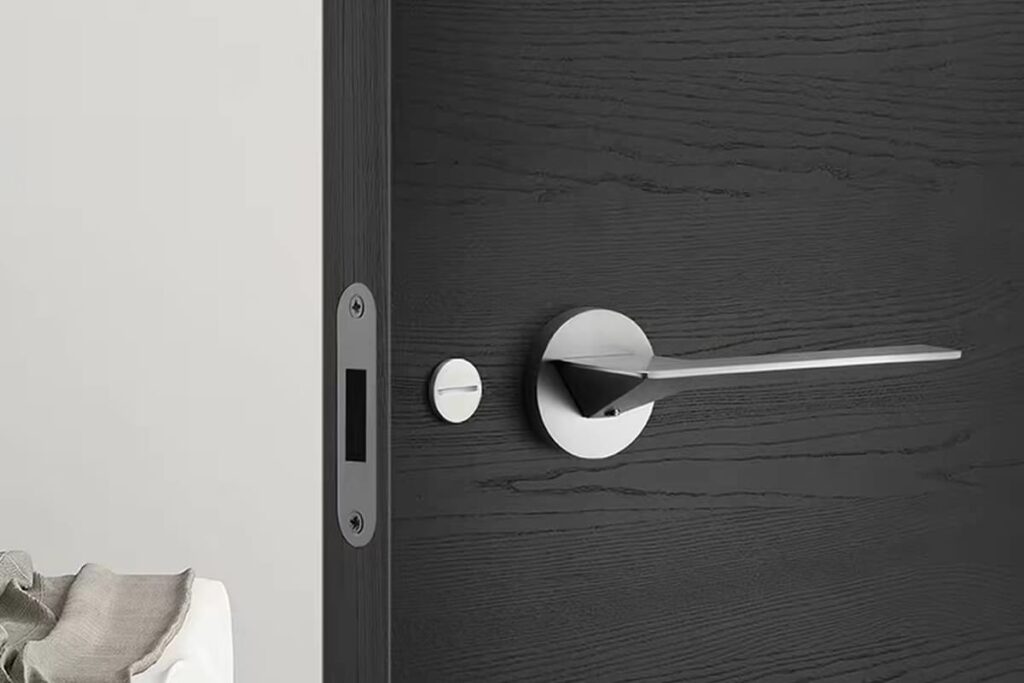
Why does my door lock have two parts?
I often see buyers lose time because a door lock looks simple outside, but the wrong inner choice creates cost, delay, and complaints.
A door lock has two main parts because each part does a different job. The lock body works like the skeleton. It holds the moving structure. The lock cylinder works like the brain. It reads the key and controls access. This split makes selection, replacement, compliance, and cost control easier.
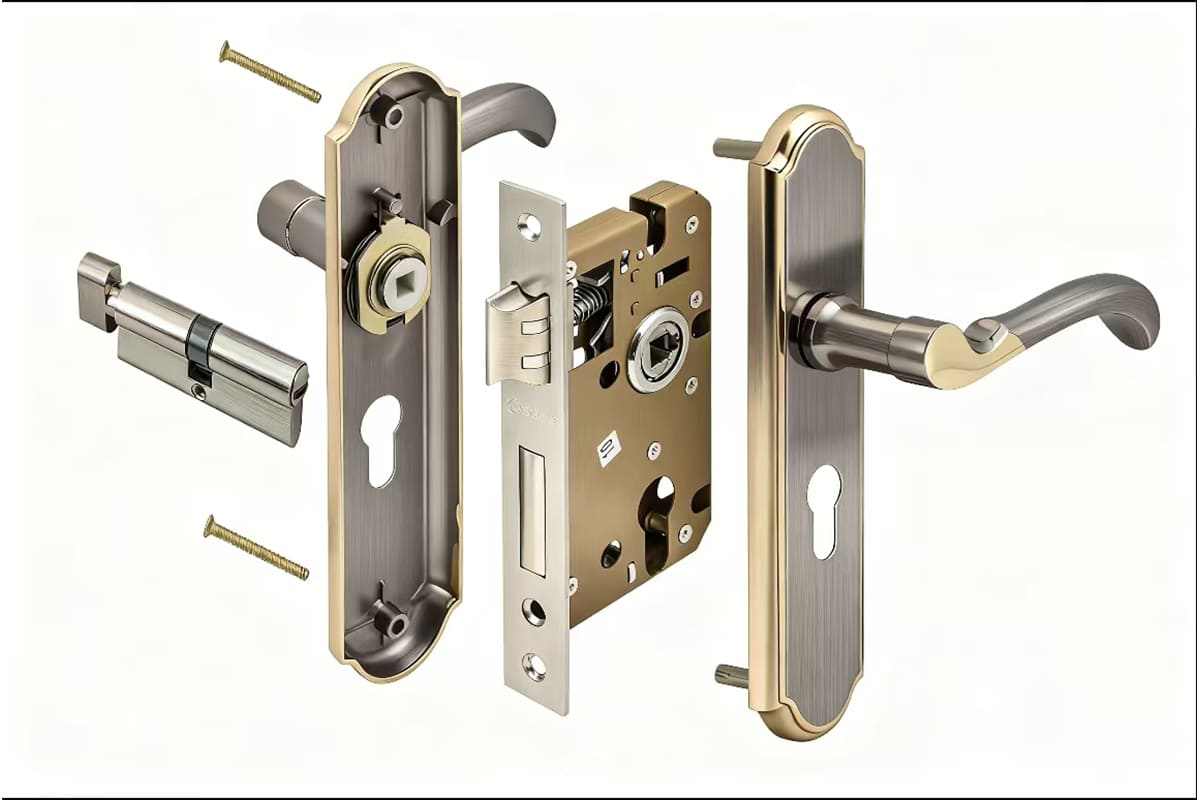
I hear this question often during sales talks. A buyer looks at a mortise lock set and asks why the lock body and cylinder are not one fixed unit. I understand the question. If I only look at the door from the outside, I see a handle, a keyhole, and maybe a thumb turn. It feels like one product.
I see the issue from another side. In real procurement, a door lock must match the door thickness, market standard, security grade, fire requirement, finish, function, and user habit. One fixed unit cannot handle all these demands well. The two-part design helps me separate structure from access control. It also helps me reduce risk when I choose hardware for a door factory, a wholesale line, or a project order.
What is the real job of the lock body?
I often see confusion start at the lock body. A wrong lock body can make the door hard to close, noisy, unsafe, or non-compliant.
The lock body is the main mechanical structure inside the door. It holds the latch, deadbolt, follower, spring, and case.1 It decides how the handle moves, how the latch works, and how the door locks into the frame.
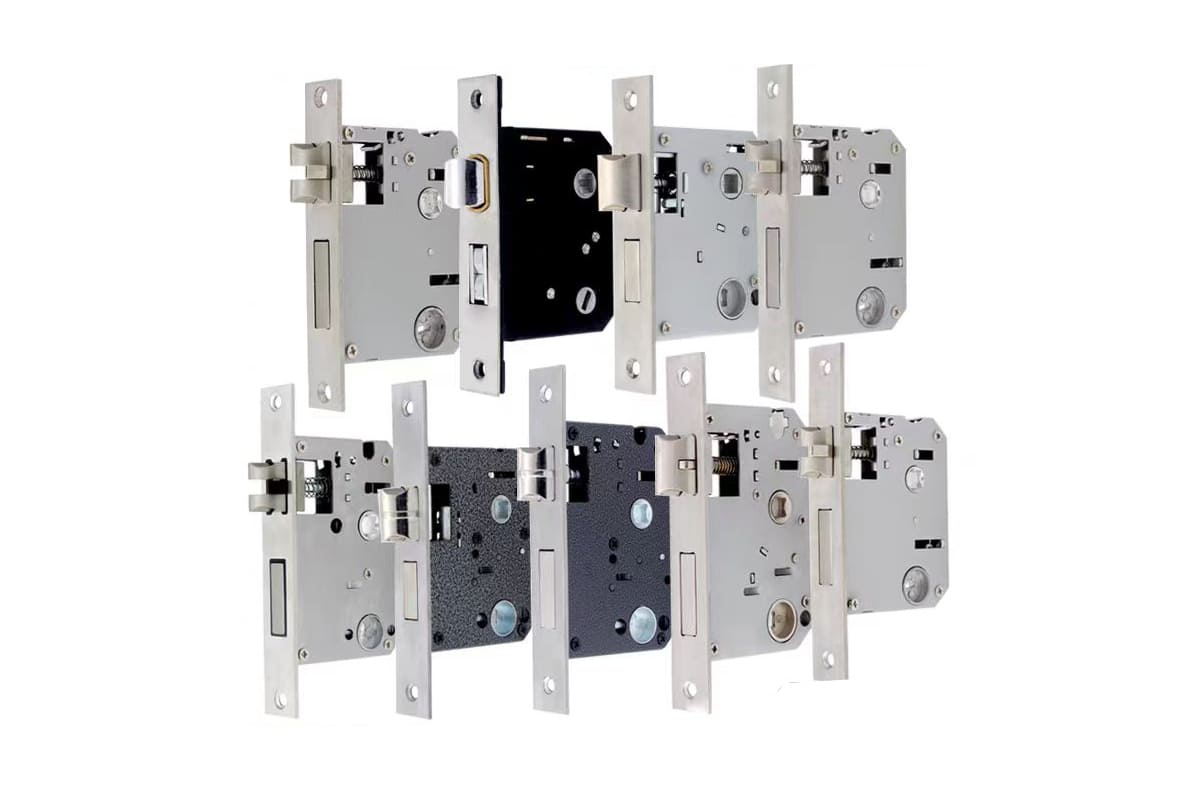
I usually explain the lock body as the skeleton of the lock. It gives the lock its basic shape and movement. If the skeleton is weak, the lock cannot work well even when the cylinder is good. In a euro standard mortise lock, the lock body must match the door preparation, the backset, the center distance, the faceplate size, and the strike plate.2 I do not treat these points as small details. They decide whether the door factory can install the lock smoothly in batch production.
I also look at the lock body from the use case. A hotel room door, apartment entrance door, interior office door, and fire-rated door may all need different lock bodies.3 The cylinder can control the key, but the lock body controls the main mechanical action.
| Buyer question I ask | Why I ask it | Risk if I ignore it |
|---|---|---|
| What door type will use this lock body? | I need to match function and strength. | The lock may fail in daily use. |
| What is the door thickness? | I need correct spindle and cylinder length. | Installation may become slow or impossible. |
| Is the door fire-rated? | I need a tested lock body and matching parts.4 | The project may fail inspection. |
| What market standard is required? | I need to match regional door prep. | The buyer may face returns or rework. |
I do not start with price alone. I start with fit. A low price lock body can become expensive if it does not match the door line. In my experience, the lock body is where many hidden costs begin.
What is the real job of the lock cylinder?
I often hear buyers call the cylinder “just the key part.” That idea sounds simple, but it can lead to weak security and wrong stock planning.
The lock cylinder is the access control part of the lock. It accepts the key, turns the cam, and drives the lock body.5 It decides who can open the door and how easy the system is to manage.
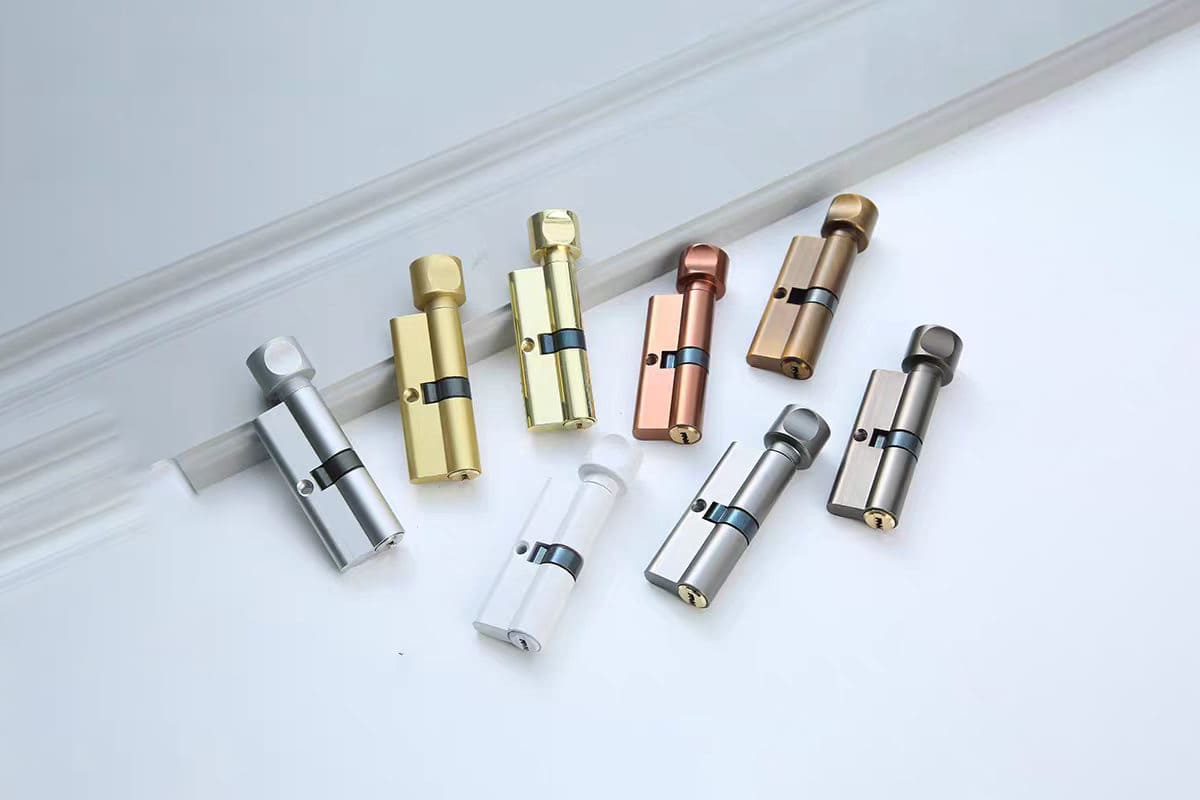
I usually explain the cylinder as the brain of the lock. The lock body can be strong, but it does not know who should enter. The cylinder makes that decision through the key system. This is why I separate the cylinder from the lock body in my selection process. I can choose a stronger cylinder for an entrance door and a simpler cylinder for a lower-risk interior door. I can also change the cylinder later without changing the full lock body.6
This matters a lot for buyers who manage many SKUs. A door factory may use one lock body model across several door series. The same factory may use different cylinders for different price levels or markets. A wholesaler may stock common lock bodies and offer cylinder choices based on customer need.
| Cylinder choice | Common use | Procurement meaning |
|---|---|---|
| Single cylinder | One-sided key access | I use it when only one side needs keyed control. |
| Double cylinder | Key access on both sides | I use it when both sides need controlled entry. |
| Thumb turn cylinder | Key outside, turn inside | I use it when easy exit is needed. |
| [Master keyed cylinder | Group access control](https://en.wikipedia.org/wiki/Master_keying)%%%FOOTNOTE_REF_7%%% | I use it when property managers need key planning. |
I also check cylinder length carefully. A cylinder that sticks out too much can look poor and may increase attack risk.8 A cylinder that is too short can be hard to operate. I treat the cylinder as a separate decision because it affects security, user comfort, finish, and stock flexibility.
Why does the two-part design help buyers reduce risk?
I see many buyers focus on the complete lock set price. I understand this pressure, but one wrong match can erase the saving fast.
The two-part lock design reduces risk because I can match the lock body and cylinder to different doors, standards, and security levels.9 I do not need to replace everything when one requirement changes.
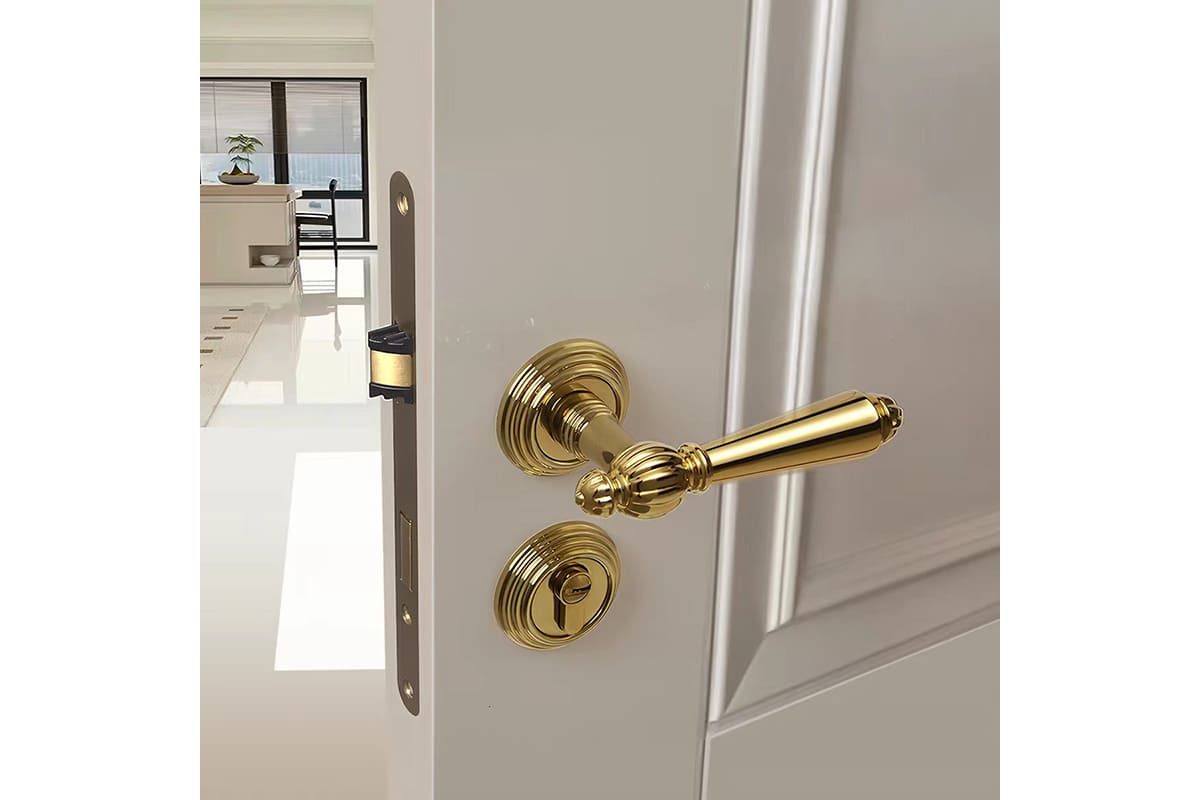
In real buying work, I need control. I need control over cost, lead time, quality, certification, and after-sales issues. The two-part design gives me more control because I can adjust one part without changing the full system. If a project needs a fire-rated mortise lock body, I can focus on certified lock bodies first. Then I can match the right cylinder based on security and market habit. If a customer later asks for a different keying plan, I may adjust the cylinder plan while keeping the lock body stable.
This approach also helps with regional differences. Europe, the Middle East, and Southeast Asia do not always ask for the same door thickness, cylinder type, finish, or certificate package.10 A modular lock structure gives me room to meet these needs.
How I use this split in procurement?
| Procurement point | Lock body decision | Cylinder decision |
|---|---|---|
| Compliance | I check CE, fire-rated needs, and test scope.11 | I check whether the cylinder matches the required security level. |
| Installation | I confirm backset, center distance, faceplate, and strike. | I confirm length, cam type, and projection. |
| Cost | I choose the right structure for the door grade. | I choose the right key system for the market price level. |
| Stock | I keep common lock bodies for stable door lines. | I keep cylinder options for flexible orders. |
| After-sales | I reduce mechanical failure by choosing a stable body. | I reduce rekeying cost by replacing the cylinder only. |
I also use this split when I talk with customers about complaints. If the key turns but the door does not lock, I look at both parts. The cylinder may turn the cam, but the lock body may have a latch or bolt issue. If the handle works but the key cannot turn, I look more closely at the cylinder. This simple separation helps me find the problem faster.
How should I choose the right lock body and cylinder combination?
I have seen buyers ask for a lock sample before they define the door and market. That creates confusion and slow decisions.
I choose the right combination by starting with door type, market standard, required certificate, user function, security level, finish, and budget. Then I match the lock body and cylinder as one working system.
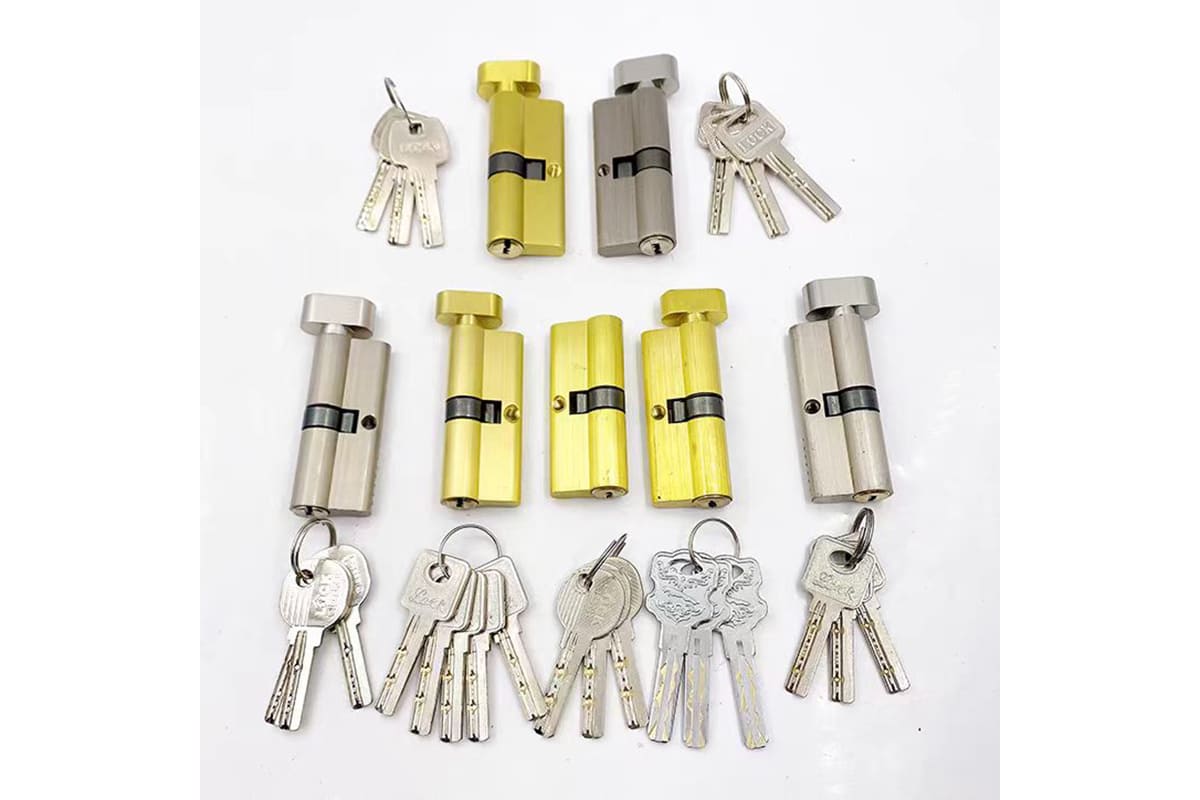
I do not choose the lock body and cylinder in isolation. I first ask what the door must do. A fire-rated project door needs a different level of care than an indoor wooden door. A high-traffic apartment entrance door needs stronger mechanical stability than a low-use storage room door.12 A hardware brand may also need a unified appearance across product lines. These needs affect the lock body, cylinder, handle, hinge, and even screw pack.
I use a basic selection path. It is simple, but it prevents many mistakes.
My practical selection path
| Step | Question I ask | Decision I make |
|---|---|---|
| 1 | What type of door is this? | I choose the lock body structure and strength. |
| 2 | What market will use it? | I choose the euro standard or other required specification. |
| 3 | Does it need CE or fire-rated support? | I confirm certificates and tested product scope. |
| 4 | What user function is needed? | I choose latch, deadbolt, bathroom, passage, or entrance function. |
| 5 | What security level is needed? | I choose the cylinder type and key system. |
| 6 | What finish is required? | I align finish with handles, hinges, and other hardware. |
| 7 | What is the order volume and delivery plan? | I check stock plan, production lead time, and packaging needs. |
I also pay close attention to compatibility. The cylinder cam must drive the lock body correctly. The cylinder length must suit the door thickness and escutcheon or handle plate. The lock body faceplate finish should match the visible hardware. The screws and accessories should fit the installation method.
When I work with bulk orders, I prefer clear drawings, confirmed samples, and written specifications. I do this because small differences can create big batch problems. A 1 mm mismatch may look small on paper, but it can create slow installation on hundreds or thousands of doors.
Why does this design make maintenance and upgrades easier?
I see after-sales problems become more expensive when buyers treat the lock as one fixed item. A small issue can turn into a full replacement.
The two-part design makes maintenance easier because I can replace or upgrade the cylinder without changing the lock body. I can also keep the door preparation stable while improving access control or key management.
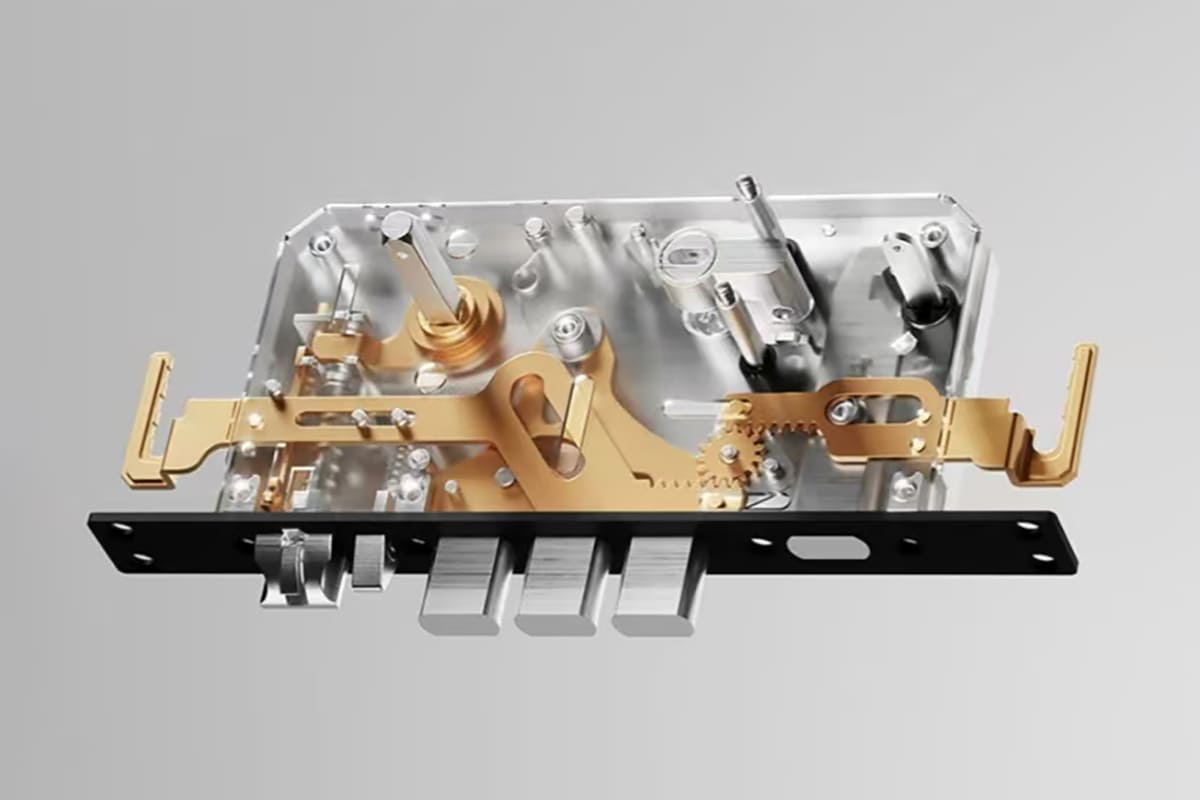
I like this design because it supports long-term product planning. A door manufacturer can keep one door preparation for years. A wholesaler can keep spare cylinders for service. A project buyer can change keys when tenants change, while the lock body stays inside the door. This saves time and reduces waste.
The benefit is not only about repair. It is also about upgrades. A customer may start with a standard cylinder for a cost-sensitive market. Later, the same customer may request a higher-security cylinder or a master key system. If the lock body is compatible, the upgrade is much easier. The buyer does not need to redesign the door leaf or change the full hardware package.
Common maintenance cases I consider
| Situation | Likely part to check first | Practical action |
|---|---|---|
| Key is lost | Cylinder | I replace or rekey the cylinder. |
| Key is hard to turn | Cylinder or alignment | I check cylinder, door gap, and lock body movement. |
| Handle droops | Lock body or handle spring | I check follower, spring, and handle set. |
| Latch does not retract well | Lock body | I check latch, strike plate, and door alignment. |
| Project needs new key control | Cylinder | I change cylinder plan without changing the body. |
I still need to choose good quality from the start. Modularity does not fix poor materials or weak production control. I still check raw material, finish consistency, cycle test needs, certificate scope, and factory ability. The two-part design gives flexibility, but the supplier still needs stable production and clear quality checks.
Conclusion
I see the two-part lock design as a practical way to manage function, security, cost, compliance, and future service with less procurement risk.
"Mortise lock", https://en.wikipedia.org/wiki/Mortise_lock. A technical reference on mortise locks identifies the lock case or body as the internal assembly containing the latch, bolt, follower, and related operating parts, supporting the article’s description of the lock body as the lock’s main mechanical structure. Evidence role: definition; source type: encyclopedia. Supports: The source should define a mortise lock or lock body and describe its principal internal components and mechanical role.. ↩
"How to measure and choose the right mortise lock size - BlueID", https://www.blue-id.com/en/blog/mortise-lock-mass. Industry documentation for mortise locks specifies dimensional parameters such as backset, center-to-center spacing, faceplate size, and strike compatibility, supporting the article’s claim that these dimensions must match the prepared door. Evidence role: definition; source type: institution. Supports: The source should document that mortise locks are specified by dimensions such as backset, centers, faceplate, and compatibility with the strike or door preparation.. ↩
"Commercial Door Locks | SARGENT", https://www.sargentlock.com/en/commercial-locks-products/locks. Building-hardware standards classify locks by function, durability, security, and fire or smoke performance, supporting the article’s statement that different door applications may require different lock bodies. Evidence role: expert_consensus; source type: institution. Supports: The source should show that door locks are classified by function, durability, security, fire resistance, or application conditions.. Scope note: The source would support the principle of application-specific lock selection rather than proving that each listed example always requires a different model. ↩
"Fire Doors and NFPA 80 FAQs", https://www.nfpa.org/news-blogs-and-articles/blogs/2025/04/11/fire-doors-faqs. Fire-door standards require installed latching and locking hardware to be listed, labeled, or otherwise evaluated for the rated door assembly, supporting the article’s emphasis on tested lock bodies and matching parts. Evidence role: expert_consensus; source type: institution. Supports: The source should state that fire-door hardware, including locks or latches, must be listed, labeled, or tested for use on rated assemblies.. ↩
"Pin tumbler lock - Wikipedia", https://en.wikipedia.org/wiki/Pin_tumbler_lock. Technical descriptions of cylinder locks explain that the correct key allows the plug to rotate and actuate a cam or tailpiece, supporting the article’s description of the cylinder as the access-control element that drives the lock body. Evidence role: mechanism; source type: encyclopedia. Supports: The source should explain that a cylinder accepts a key and rotates a cam, plug, or tailpiece to actuate the locking mechanism.. ↩
"How to Change a Euro Cylinder Door Lock and How ...",
. Lock-maintenance guidance describes euro-profile cylinders as replaceable components that can be removed from the lock case without replacing the entire mortise lock, supporting the article’s statement that the cylinder may be changed separately. Evidence role: general_support; source type: education. Supports: The source should show that euro-profile or similar lock cylinders are removable and replaceable while the mortise lock body remains in place.. Scope note: This support applies to compatible cylinder-and-lock-body systems and does not apply to every lock design. ↩"Master keying - Wikipedia", https://en.wikipedia.org/wiki/Master_keying. Institutional locksmith guidance defines a master-key system as one in which designated master keys operate groups of locks while change keys operate individual locks, supporting the article’s link between master-keyed cylinders and group access control. Evidence role: definition; source type: education. Supports: The source should define master keying as a system in which one key can operate multiple locks while individual keys operate selected locks.. ↩
"What is Lock Snapping with Prevention Tips (Expert Advice)", https://www.locksmiths.co.uk/faq/lock-snapping/. Security guidance on euro-profile cylinders notes that excessive external projection can make cylinders more susceptible to physical attack methods such as snapping or gripping, supporting the article’s warning about attack risk. Evidence role: mechanism; source type: institution. Supports: The source should explain that exposed or protruding euro cylinders can be more vulnerable to attacks such as snapping or gripping.. ↩
"EN 1303:2026 - Cylinders and Master-Key-Systems for Locks ...", https://standards.iteh.ai/catalog/standards/cen/bff2e636-92e6-474b-a6e0-fa3f5c0ce3ec/en-1303-2026?srsltid=AfmBOooaCJvxXTXaYf6fJ8nuddcHzsQNozHu9HnYUkn_nwRb4DBaR56j. European building-hardware standards treat mechanically operated locks and lock cylinders under separate classifications, with distinct criteria for durability, fire performance, key security, and attack resistance, supporting the article’s view that the two components can be specified independently. Evidence role: general_support; source type: institution. Supports: The source should show that lock bodies and cylinders are covered by separate classifications or standards, with different performance and security criteria.. Scope note: The standards support independent specification and classification; they do not directly measure procurement risk reduction. ↩
"The ongoing relevancy of door hardware standards and certification ...", https://www.iccsafe.org/building-safety-journal/bsj-technical/the-ongoing-relevancy-of-door-hardware-standards-and-certification-in-building-today/. Government and international guidance on construction-product conformity shows that building-product certification and fire-safety requirements are jurisdiction-specific, supporting the article’s statement that door-hardware specification packages can vary by region. Evidence role: general_support; source type: government. Supports: The source should show that building-product certification, fire-door requirements, or construction-product conformity rules vary by jurisdiction or market.. Scope note: Such sources support regional regulatory variation generally and may not directly compare Europe, the Middle East, and Southeast Asia on each listed specification. ↩
"Harmonised standards - Internal Market, Industry, Entrepreneurship ...", https://single-market-economy.ec.europa.eu/sectors/construction/construction-products-regulation-cpr/harmonised-standards_en. European Commission guidance explains that CE marking for construction products indicates declared performance under applicable assessment rules, while fire-rated hardware must be evaluated within its tested scope, supporting the article’s inclusion of CE status, fire rating, and test scope as procurement checks. Evidence role: definition; source type: government. Supports: The source should explain that CE marking for construction products is tied to declared performance under applicable harmonised standards or assessment documents, and that fire-rated use depends on tested performance scope.. ↩
"Why High-Traffic Doors Should Use ANSI Grade 1 Mortise Locks?", https://toptekaccess.com/why-high-traffic-doors-should-use-ansi-grade-1-mortise-locks/. Lock-performance standards classify locks by durability and cycle testing, indicating that hardware for high-frequency use is evaluated against higher mechanical-performance demands, supporting the article’s distinction between high-traffic entrances and low-use storage doors. Evidence role: expert_consensus; source type: institution. Supports: The source should show that lock standards classify locks by durability, cycle count, door mass, or frequency of use.. Scope note: The source would support the general relationship between traffic level and durability requirements, not the exact comparison of apartment entrances and storage rooms in every building. ↩