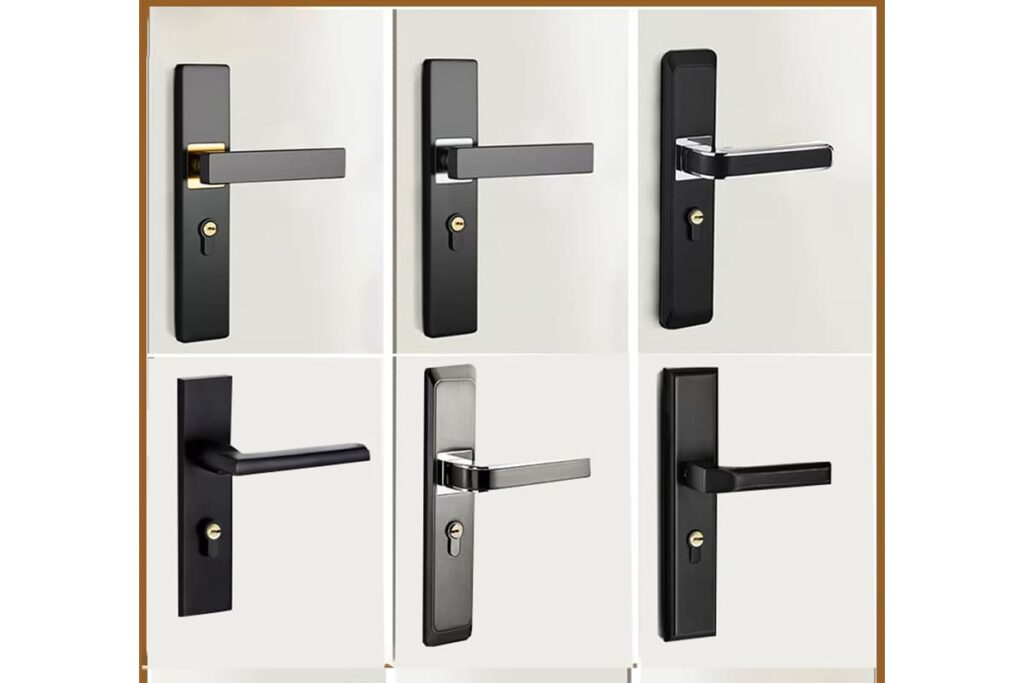
Why should you choose PVD Coating for door hardware?
A beautiful handle can lose trust fast. Buyers notice fading, scratches, and rough touch. I choose finishes that lower these daily risks.
You should choose PVD coating for door hardware1 when you need a more durable, stable, and decorative finish2 on zinc alloy or stainless steel parts. It can support better corrosion resistance, wear resistance, scratch resistance, color stability, and long-term gloss3, while still needing proper use and care.
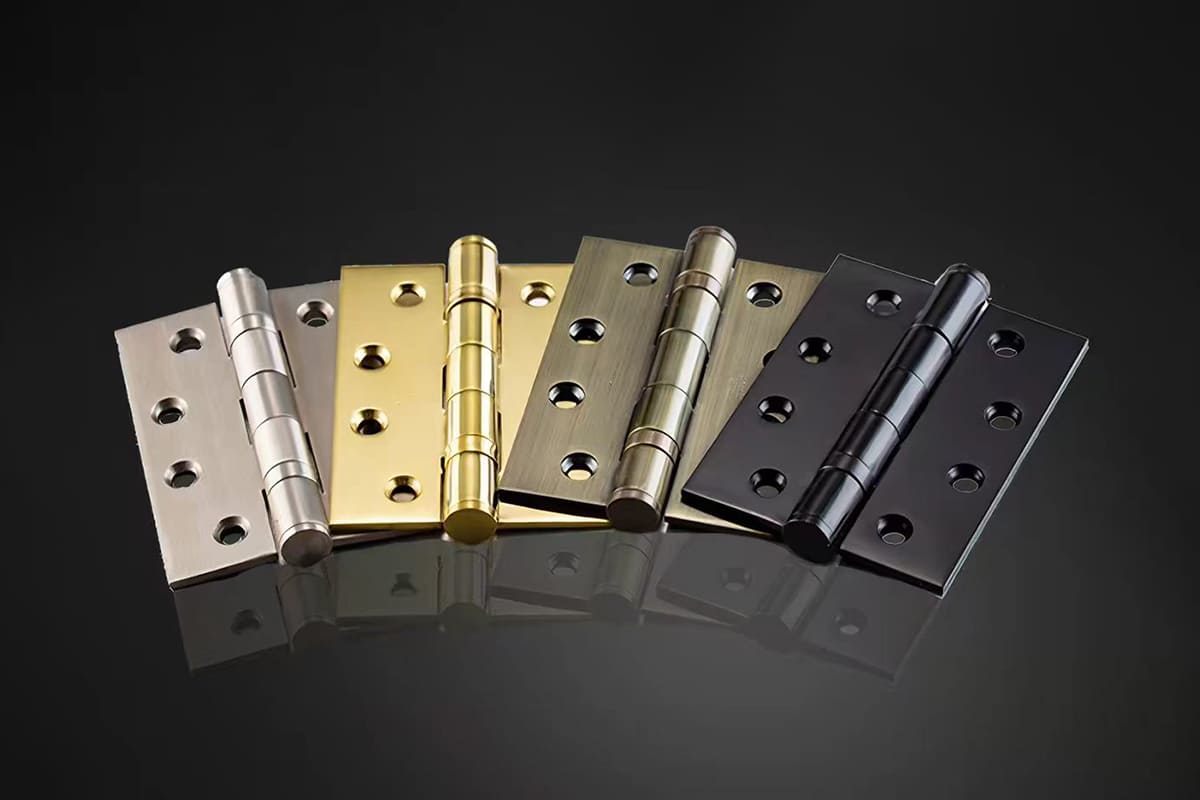
I have seen many buyers focus on color first. I understand that. A good color helps a handle, hinge, lock panel, or full hardware set look more valuable. Yet I also know that color is only one part of the decision. A finish must survive hands, dust, moisture, cleaning, packing, transport, and daily use. If the finish fails early, the whole product feels cheap, even when the base material is good. This is why I look at PVD coating as a practical surface choice, not only as a premium color option.
What does PVD coating change on door hardware?
A poor surface makes a good product look weak. I have seen buyers lose confidence after early scratches, dull color, and uneven gloss.
PVD coating can improve the surface performance of door hardware. I use it when I need better wear resistance, scratch resistance, corrosion resistance, color stability, and long-lasting gloss compared with many ordinary decorative finishes.
I look at PVD as surface protection first
I do not treat PVD coating as magic. It does not make door hardware fully scratch-proof.4 It does not stop all corrosion in every condition.5 It also does not remove the need for good base material, proper polishing, clean production, and careful packing. I still see PVD as a strong choice because it can add a harder and more stable surface layer6 on common door hardware parts.
In my work, I often discuss finish choice with buyers before mass production. Some buyers only ask for black, gold, champagne, or bronze. I usually ask one more question. I ask where the product will be used. A hotel room handle, a villa entrance lock panel, and an apartment interior hinge do not face the same wear. The finish must match the use.
| Buyer concern | What I check before choosing PVD | Why it matters |
|---|---|---|
| Scratches | I check touch frequency and packing risk | A visible scratch reduces product value fast |
| Fading | I check color demand and market level | Stable color supports repeat orders |
| Wear | I check handle use and door traffic | High-use parts need stronger surface support |
| Moisture | I check region and project environment | Humidity can speed up surface problems |
| Gloss | I check decoration style | Stable gloss improves the final door set look |
I still rely on process control
PVD coating works better when the earlier steps are controlled.7 I care about polishing marks, oil cleaning, surface smoothness, and color matching between batches. If the base surface is not ready, the final finish may still show defects. This is why I do not sell PVD as only one coating step. I see it as part of a full surface system.
Why does PVD matter for zinc alloy and stainless steel hardware?
Base material problems often appear at the surface first. I protect zinc alloy and stainless steel hardware because buyers judge quality by what they touch and see.
PVD coating matters because many door hardware products use zinc alloy or stainless steel. A reliable coating helps protect these materials from daily wear, moisture, fingerprints, and finish decline, while keeping the product appearance more stable.
I use different materials for different product needs
I work with both zinc alloy and stainless steel door hardware. Each material has its place. Zinc alloy is often used for handles, plates, and decorative parts because it can be shaped well.8 Stainless steel is common for handles, hinges, and parts that need better strength and corrosion support.9 Yet both materials still need a good surface finish when the product must look stable in the market.
I have seen some buyers assume stainless steel does not need coating. In simple projects, that may be true. In mid-to-high-end products, the buyer may still need a special color, a better touch, or a more uniform appearance across a full set. I also see zinc alloy hardware need better surface support because the base material can suffer when the surface layer is weak.
| Material | Common door hardware use | Why I consider PVD |
|---|---|---|
| Zinc alloy | Lever handles, plates, escutcheons, decorative covers | I use PVD to improve surface strength and color stability |
| Stainless steel | Handles, hinges, lock panels, pull handles | I use PVD for color, gloss, and added surface protection |
| Brass cylinder parts | Cylinders and related trim parts | I focus more on function and fit, then match visible finish when needed |
| Mixed hardware sets | Handle, hinge, lock, cylinder trim | I use PVD to support a more unified visual result |
I care about the full door set
A buyer rarely sells only one part. A door factory may need lever handles, mortise locks, lock cylinders, butt hinges, concealed hinges, and accessories. A wholesaler may need one finish family for many product lines. If one part has bright gold and another part has dull gold, the customer notices. This is why I pay attention to color matching across materials.
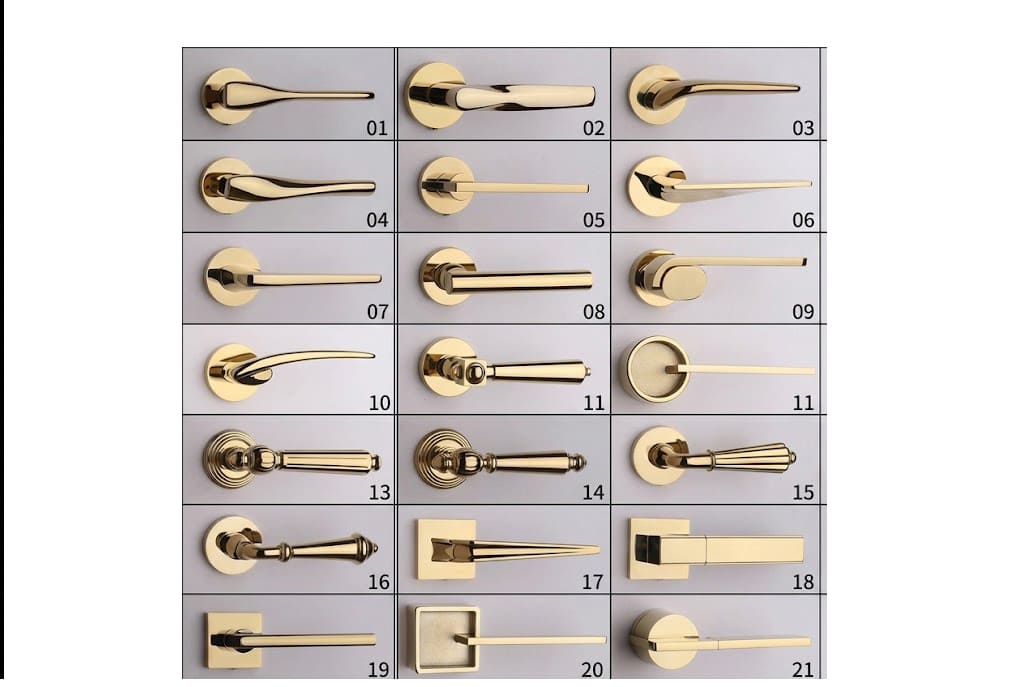
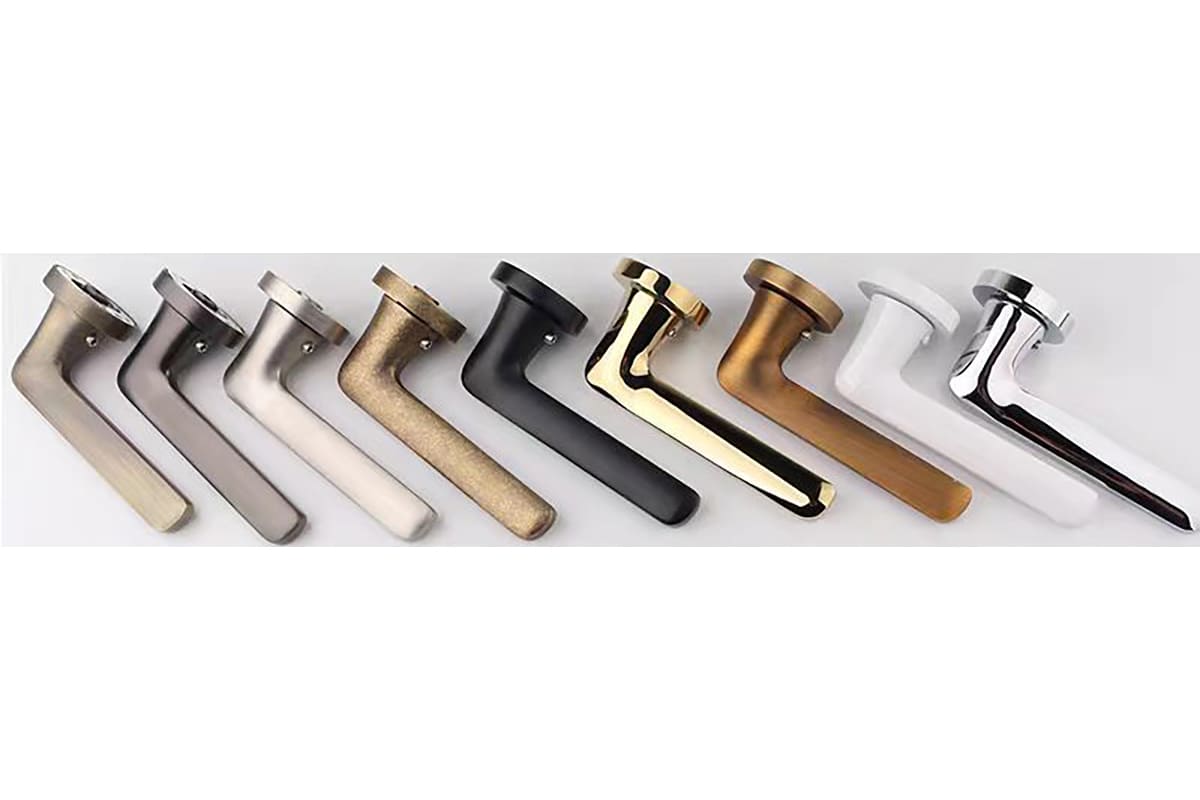
PVD coating helps me offer more stable decorative choices. It can support gold, rose gold, black, champagne, coffee, bronze, and other market colors. The exact color still depends on the process, material, and sample approval. I always prefer to confirm samples before a bulk order. This simple step can prevent many disputes later.
Which door hardware products benefit most from PVD coating?
Some hardware is touched every day. Some hardware is seen first when a door is installed. I give these parts more finish attention.
PVD coating is useful for visible and frequently used door hardware, such as lever handles, lock panels, hinges, concealed hinges, pull handles, and full hardware sets. These products need better touch, appearance, and finish stability.
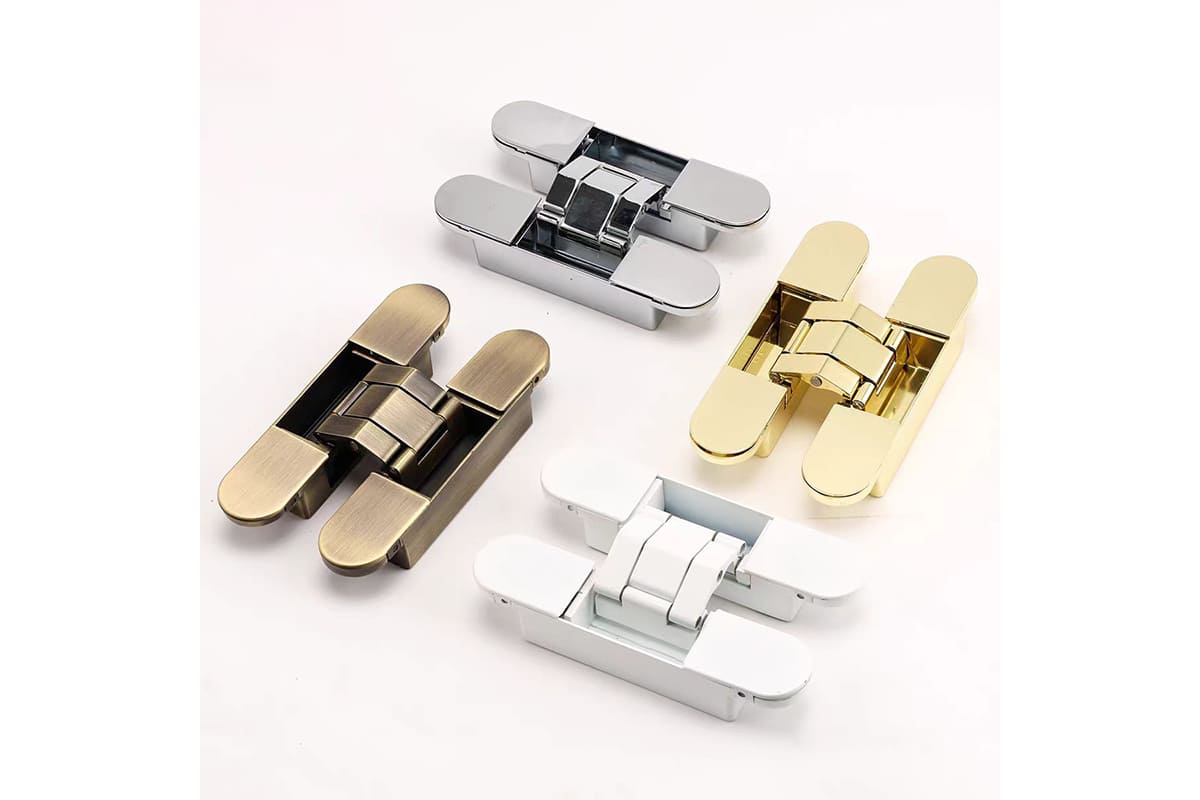
I start with the parts people touch most
The lever handle is usually the first part a user touches. It gets hand oil, sweat, cleaning cloth contact, and repeated movement10. If the handle finish fades or scratches too soon, the user may blame the full door system. I have seen this happen in real customer feedback. A small finish problem can become a big trust problem.
Lock panels and escutcheons also need strong finish care. They sit in front of the user’s eyes. They can show fingerprints, rubbing marks, and color changes. Hinges and concealed hinges may not always be touched, but they still affect the perceived quality of a door. When a buyer sells a complete door hardware set, all visible parts should support the same product level.
| Product | User contact level | Visual impact | Why I may choose PVD |
|---|---|---|---|
| Lever handle | High | High | I need better wear support and stable color |
| Lock panel | Medium to high | High | I need clean gloss and fewer visible marks |
| Butt hinge | Low to medium | Medium | I need finish matching and corrosion support |
| Concealed hinge | Low | Medium | I need a premium feel in high-end door systems |
| Pull handle | High | High | I need stronger surface performance for heavy touch |
| Full hardware set | Mixed | High | I need one finish story across many parts |
I match finish level to product position
I do not say every product must use PVD. Some budget lines can use simpler finishes if the buyer accepts the limits. A low-cost interior door project may care more about price than color depth or long-term gloss. A hotel, apartment, villa, or brand hardware line may need a more stable finish because the end user has higher expectations.
I usually guide buyers by product position. If the product is for retail display, I pay more attention to appearance and hand feel. If the product is for project bidding, I pay more attention to durability, batch consistency, and after-sales risk. If the product is for a regional wholesaler, I also look at local market taste. Some markets prefer satin black. Some prefer brushed gold. Some prefer stainless steel color. PVD gives me more room to support these choices.
How does PVD help buyers reduce after-sales risk?
After-sales problems cost more than a coating upgrade. I have seen finish complaints create returns, discounts, and damaged buyer trust.
PVD coating can reduce finish-related after-sales risk by improving surface stability in daily use. It helps buyers lower complaints about fast fading, visible wear, weak gloss, and poor color matching, when the coating and production process are controlled well.
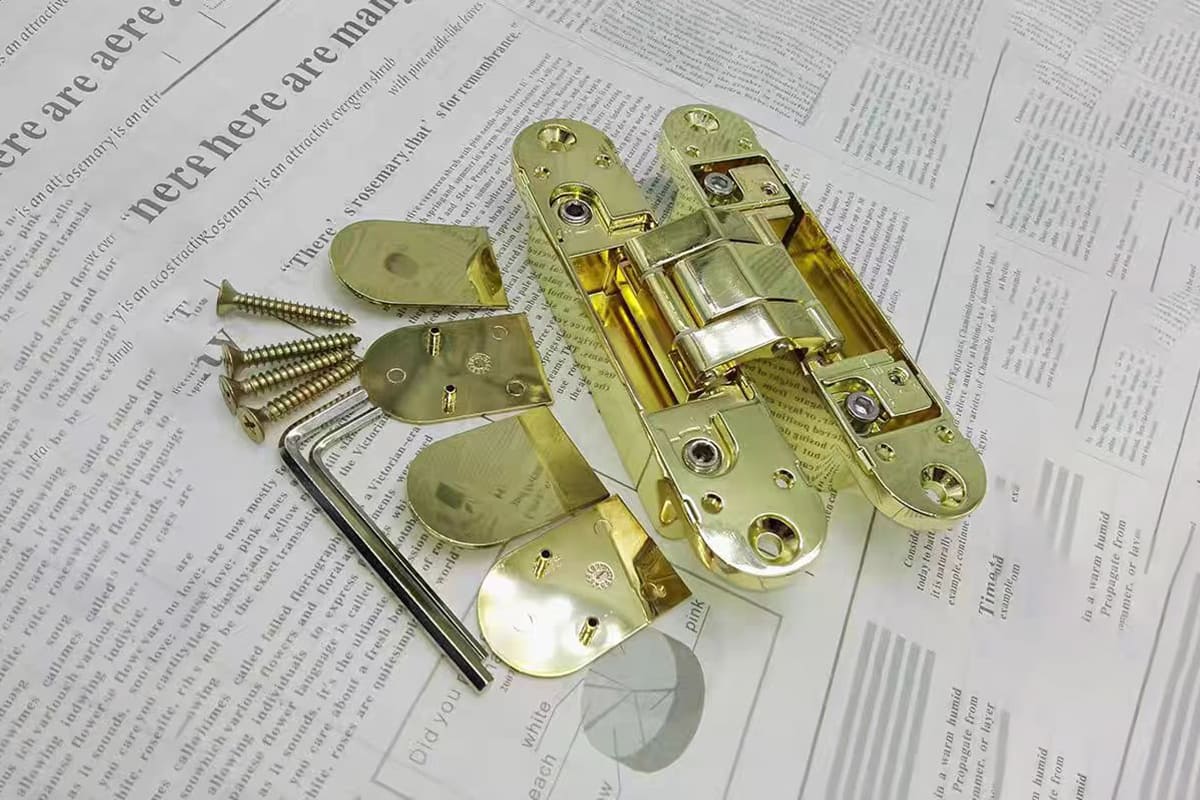
I see finish complaints as supply chain problems
When a door handle finish fails, the problem is not only technical. It becomes a supply chain problem. The buyer must answer the customer. The wholesaler may need to replace stock. The door factory may need to repair installed doors. The brand owner may lose market confidence. This is why I take surface finish selection seriously before production starts.
PVD coating helps reduce some common finish risks. It can support better resistance to rubbing, cleaning contact, and color change. It can also help keep a more premium look during normal use. Yet I always make the limit clear. If the product is used in a very harsh place, or cleaned with strong chemicals, any finish can be damaged11. I prefer honest guidance because it protects both sides.
| Risk in the market | How I use PVD to help | What I still control |
|---|---|---|
| Early scratches | I choose a stronger finish system | I improve packing and handling |
| Color mismatch | I approve samples before bulk order | I control batch color checks |
| Dull appearance | I select suitable gloss and surface texture | I inspect polishing quality |
| Customer complaints | I match coating to use condition | I explain proper care |
| Stock return | I confirm market color demand | I avoid blind mass production |
I pay attention to batch consistency
Many buyers care about one sample. I care about the full batch. A sample can look good, but mass production must keep the same appearance. I check whether the handle, plate, hinge, and accessory can stay close in color and gloss. This is more important when the order includes mixed materials.
In my factory work, I also care about packaging after coating. A good PVD surface can still be scratched during poor packing. I ask my team to separate parts, protect edges, and avoid hard contact inside cartons. I also care about inspection before shipment. A buyer does not only buy the coating name. The buyer buys a stable finished product.
When is PVD coating worth the added cost?
A lower price is not always a lower cost. I compare coating cost with product level, service life, and possible complaints.
PVD coating is worth the added cost when the door hardware needs better durability, premium appearance, stable color, and lower finish complaint risk. It is most useful for mid-to-high-end products, visible parts, and projects that value long-term user satisfaction.
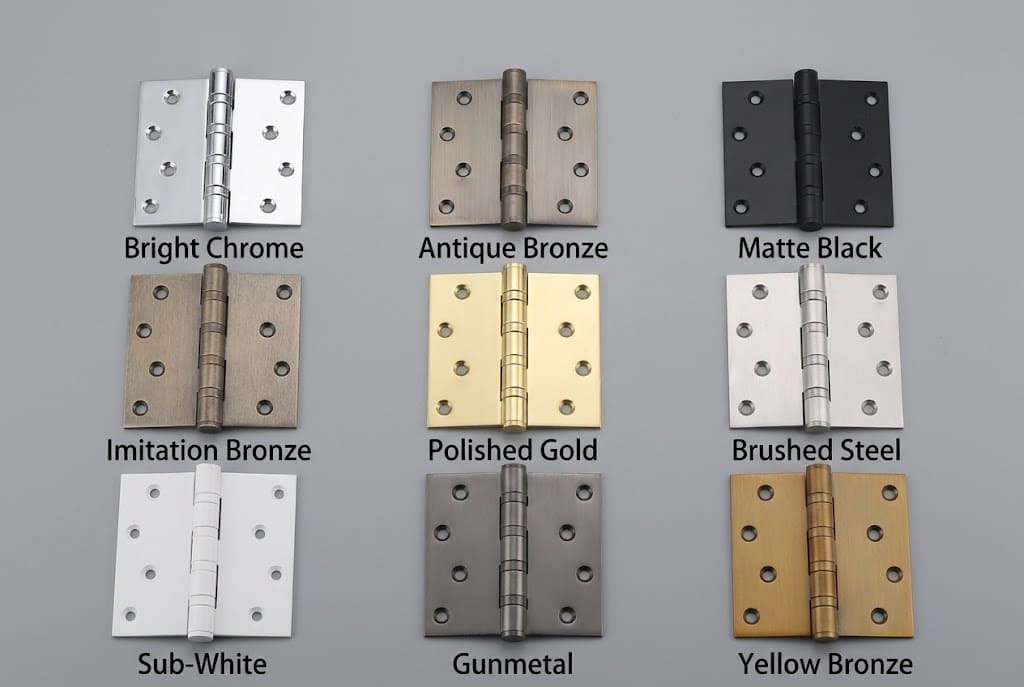
I compare cost with market result
I understand why buyers ask about price first. In door hardware procurement, every cost matters. A buyer may need to win a project bid. A wholesaler may need enough margin. A brand may need a retail price that the market accepts. PVD coating usually costs more than some ordinary finishes, so the buyer must know why the upgrade makes sense.
I suggest comparing the added cost with the possible result. If the product sells in a low-price market, PVD may not always be needed. If the product is part of a premium door set, the finish can support a higher product image. If the buyer often receives finish complaints, PVD may help reduce that pressure. If the product must match a special decoration style, PVD gives more color choices.
| Buying situation | My practical view | PVD decision |
|---|---|---|
| Low-budget basic project | Price is the main point | I may suggest a simpler finish |
| Mid-range retail hardware | Appearance and price both matter | I often suggest PVD for key visible parts |
| High-end door set | Finish quality affects product value | I strongly consider PVD |
| Hotel or apartment project | Many users touch the hardware | I review PVD for handles and panels |
| Regional brand line | Color identity is important | I use PVD to support product positioning |
| Harsh environment | Surface risk is higher | I check material, coating, and care needs together |
I help buyers choose the right finish plan
I do not push one finish for every product. I prefer to build a finish plan. For example, a buyer may choose PVD for lever handles and lock panels, then use a matched standard finish for less visible parts. Another buyer may choose PVD for a full hardware set because the project needs one high-end appearance. The right answer depends on the door type, market level, budget, and after-sales standard.
I also ask buyers to approve physical samples. Photos are helpful, but they do not show true color in every light.12 A satin gold handle can look different under showroom light, warehouse light, and apartment light. I prefer sample confirmation before large orders. This protects the buyer and protects my production team.
PVD coating is not only a decorative upgrade. I see it as a surface choice that links product appearance, service life, customer trust, and market position. When it fits the product level, it can be a smart investment.
Conclusion
I choose PVD coating when door hardware needs stronger surface protection, stable color, better appearance, and lower finish risk in real market use.
"PVD for Decorative Applications: A Review - PMC - NIH", https://pmc.ncbi.nlm.nih.gov/articles/PMC10381906/. Physical vapor deposition is a vacuum-based thin-film process used to deposit coating material onto solid substrates, providing the definitional basis for describing PVD as a surface finish for metal hardware. Evidence role: definition; source type: encyclopedia. Supports: A neutral source should define physical vapor deposition and describe its use to deposit thin films or coatings on solid substrates.. Scope note: This supports the meaning and general use of PVD, not the performance of any specific door-hardware coating. ↩
"PVD for Decorative Applications: A Review - PMC - NIH", https://pmc.ncbi.nlm.nih.gov/articles/PMC10381906/. Reviews of decorative PVD hard coatings report that nitride, carbide, and related PVD films are used where aesthetic color must be combined with improved surface hardness and wear resistance. Evidence role: general_support; source type: paper. Supports: A peer-reviewed review should support that decorative PVD coatings are used to combine appearance with improved hardness, wear resistance, and chemical stability.. Scope note: The evidence is general to PVD decorative coatings and does not prove superiority for every finish system or production batch. ↩
"Different Types Of PVD Coatings and their Demands – A Review", https://www.academia.edu/20204491/Different_Types_Of_PVD_Coatings_and_their_Demands_A_Review. Materials-science literature describes PVD hard coatings as surface layers that can improve wear resistance and, depending on composition and substrate preparation, corrosion resistance while also enabling durable decorative colors. Evidence role: expert_consensus; source type: paper. Supports: A materials-science review should document that PVD hard coatings can improve wear and corrosion performance and are used for decorative color-stable finishes.. Scope note: The source would support capability, not guarantee all listed properties in every door-hardware application. ↩
"Study on the Micro-Abrasion Wear Behavior of PVD Hard Coating ...", https://pmc.ncbi.nlm.nih.gov/articles/PMC10142251/. Scratch-test studies of PVD hard coatings show that coating damage can occur through cracking, delamination, or substrate-related deformation when contact stresses exceed the coating system's limits. Evidence role: mechanism; source type: paper. Supports: A source on scratch testing of hard coatings should show that coated surfaces can fail by cracking, delamination, or substrate deformation under sufficient load.. Scope note: This supports the technical limitation of scratch resistance rather than measuring door-handle scratches directly. ↩
"Establishing PVD-coatings for the corrosion protection of mild steel ...", https://www.sciencedirect.com/science/article/abs/pii/S0257897218305826. Research on PVD corrosion protection notes that coating defects, porosity, substrate condition, and exposure environment can limit corrosion performance, so PVD should not be treated as universal corrosion prevention. Evidence role: mechanism; source type: paper. Supports: A corrosion or coatings source should explain that thin-film coatings may have defects or porosity and that corrosion protection depends on the coating-substrate system and environment.. Scope note: The evidence is mechanistic and does not identify the failure threshold for the article's specific hardware. ↩
"Study on the Micro-Abrasion Wear Behavior of PVD Hard Coating ...", https://pmc.ncbi.nlm.nih.gov/articles/PMC10142251/. Peer-reviewed work on PVD hard coatings reports that deposited nitride and related films can substantially increase surface hardness and wear resistance compared with uncoated metal surfaces. Evidence role: mechanism; source type: paper. Supports: A hard-coatings source should support that PVD films such as TiN, CrN, or related compounds are used to increase surface hardness of metal substrates.. Scope note: This supports the general hard-coating mechanism, while actual hardness depends on coating composition and process control. ↩
"Understanding Substrate Preparation for PVD Coating", https://korvustech.com/understanding-substrate-preparation-for-pvd-coating/. Coatings research shows that substrate preparation, including cleaning and surface roughness control, affects PVD coating adhesion and the appearance and integrity of the deposited film. Evidence role: mechanism; source type: paper. Supports: A coatings-engineering source should support that substrate cleanliness, roughness, and pretreatment affect PVD coating adhesion and final surface quality.. Scope note: The support is process-general and does not audit the specific factory workflow described in the article. ↩
"Zinc Alloy Die Casting Parts - USA Manufacturing", https://decoprod.com/zinc-die-casting-parts/. Engineering references on zinc die casting describe zinc alloys as suitable for producing detailed, accurately shaped components, which contextualizes their use in handles, plates, and decorative hardware. Evidence role: general_support; source type: institution. Supports: An industry or engineering institution source should support that zinc alloys are widely used in die casting because they reproduce detailed shapes and are suitable for hardware-type products.. Scope note: This supports the material rationale generally and may not specifically list every door-hardware part named. ↩
"Corrosion of Stainless Steels - ADS", http://ui.adsabs.harvard.edu/abs/2001emst.book.1707S/abstract. Stainless steel is defined by chromium-containing compositions that form a passive surface film, a mechanism that explains its widespread use where corrosion resistance and structural performance are required. Evidence role: definition; source type: encyclopedia. Supports: A neutral source should explain that stainless steel contains chromium and forms a passive oxide layer associated with corrosion resistance.. Scope note: This supports the material property, not the exact prevalence of stainless steel in the author's product range. ↩
"Environmental Cleaning Procedures | HAIs - CDC", https://www.cdc.gov/healthcare-associated-infections/hcp/cleaning-global/procedures.html. Public-health guidance commonly identifies door handles as high-touch surfaces requiring cleaning, supporting the premise that such hardware is repeatedly contacted by hands and cleaning materials. Evidence role: general_support; source type: government. Supports: A public-health or materials source should support that door handles are high-touch surfaces subject to frequent hand contact and cleaning.. Scope note: This supports frequency and cleaning context, not the specific amount of oil, sweat, or wear on a given handle. ↩
"Recent Advances in Metal-Based Antimicrobial Coatings for High ...", https://pmc.ncbi.nlm.nih.gov/articles/PMC8835042/. Studies of coated metals and cleaning-agent exposure show that aggressive chemicals can accelerate corrosion, discoloration, or surface degradation, so finish durability depends on chemical compatibility and use conditions. Evidence role: mechanism; source type: paper. Supports: A corrosion or surface-engineering paper should support that aggressive chemicals and environmental exposure can degrade metal surfaces or coating systems.. Scope note: The evidence is contextual unless the cited study tests the same PVD chemistry and cleaning agents used on the hardware. ↩
"Color rendering of light sources | NIST", https://www.nist.gov/pml/sensor-science/optical-radiation/color-rendering-light-sources. Color-science literature describes color appearance as dependent on illuminant, observer, and viewing conditions, which explains why photographs may not faithfully represent a physical finish under all lighting. Evidence role: mechanism; source type: education. Supports: A color-science source should explain that perceived color changes with illumination and viewing conditions, and that images may not reliably reproduce physical color.. Scope note: This supports the sampling rationale generally and does not quantify color differences for the specific finishes discussed. ↩