What Are The Five Most Common Types Of Door Hinges?
I see buyers waste money when they choose hinges by name only. The door looks fine first, then movement, gaps, and complaints appear.
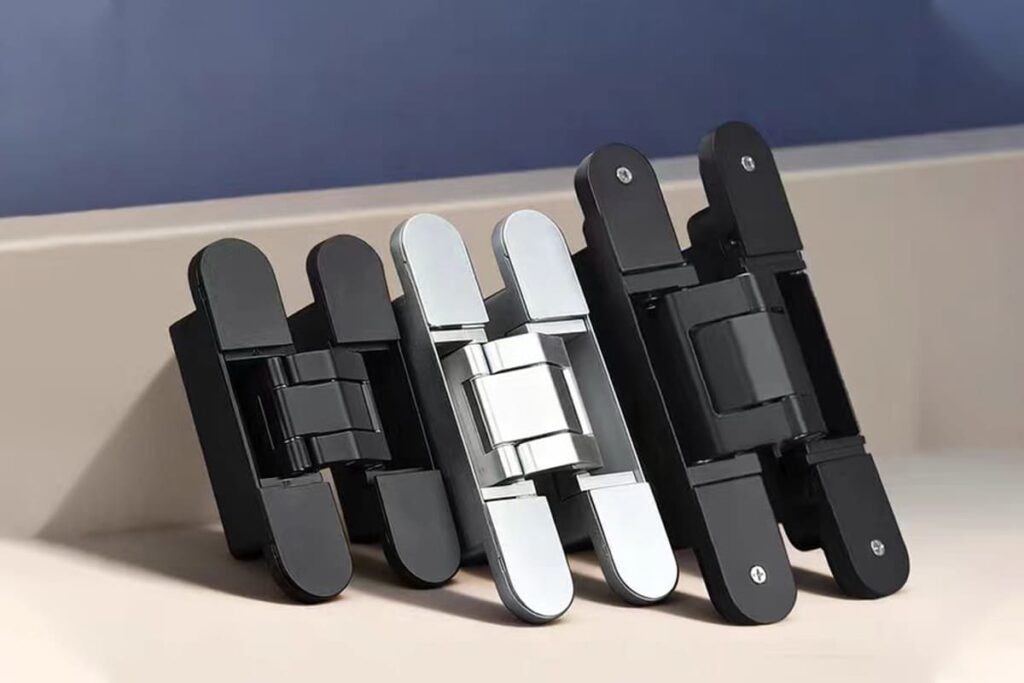
I usually group common door hinges into five types: casement or side-hung hinges, butterfly hinges, 3D adjustable hinges, hydraulic hinges, and flag hinges. I choose between them by checking opening angle, door thickness, door weight, installation method, usage frequency, and batch supply needs.1
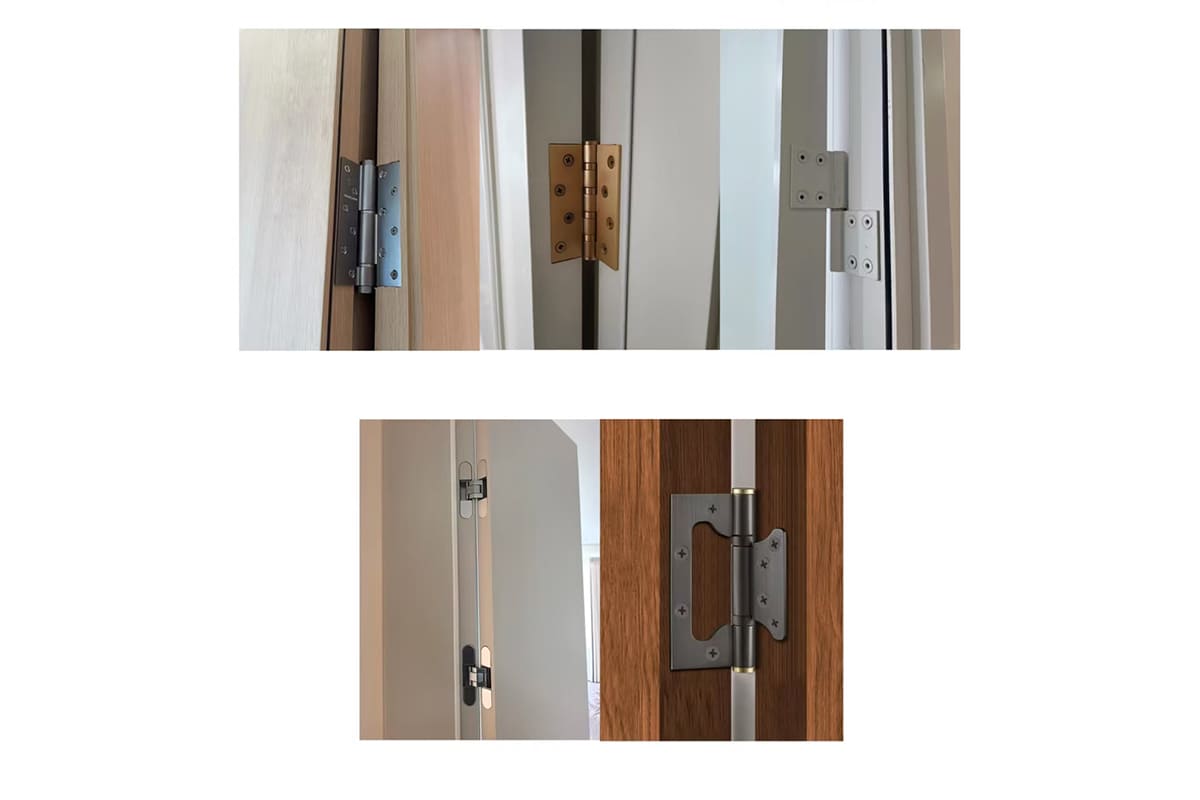
I often receive hinge inquiries that start with one simple question: “What is your price?” I can answer price fast, but I cannot recommend the right hinge well without knowing the door. I need to know the opening angle, door panel thickness, door weight, fixing method, finish, and market use. If I skip these details, the hinge may look correct on the sample table but fail to support smooth batch assembly later.
When Should I Use Casement Or Side-Hung Hinges?
I often see buyers choose side-hung hinges because they look simple. The risk appears when the opening range or door thickness does not match.
Casement or side-hung hinges are common for doors that swing from one side.2 I use them when the door needs a clear swing movement, a simple structure, and stable support. I still check opening angle, panel thickness, screw fixing space, and door weight before selection.
How I Understand This Hinge Type
I treat casement or side-hung hinges as a basic swing hinge family. The hinge usually has two leaves and a central pin or barrel.3 One leaf fixes to the frame. The other leaf fixes to the door. The door rotates from the side. This structure is easy to understand, so many buyers put it into standard door lines.
Where I Usually See It Used
I see this type used on many side-opening doors, cabinet-style doors, light architectural doors, and some metal or wooden door systems. The main value is simple movement and easy production planning. Door factories like it when the hinge position, screw hole pattern, and finish are stable across one batch.
| What I Check | Why I Check It |
|---|---|
| Opening angle | I need to know if the door must open only normally or wider. |
| Door thickness | I need enough fixing area and correct hinge leaf size. |
| Door weight | I need to avoid weak support and long-term sagging risk. |
| Screw position | I need the hinge to match factory drilling or punching. |
| Surface finish | I need the batch finish to match handles, locks, and other hardware. |
Main Limitation I Watch
I do not treat this hinge as a universal choice. Some designs need hidden installation. Some doors need adjustment after installation. Some doors need soft closing. A normal side-hung hinge may not solve these needs. I always ask the buyer if the door line values low cost, simple assembly, wide opening, or better adjustment. This question changes the hinge choice. In bulk supply, this also affects production tooling, hole spacing, packaging, and after-sales risk.
When Should I Use Butterfly Hinges?
I see butterfly hinges chosen for shape and easy mounting. The problem starts when the buyer ignores strength, door weight, or usage frequency.
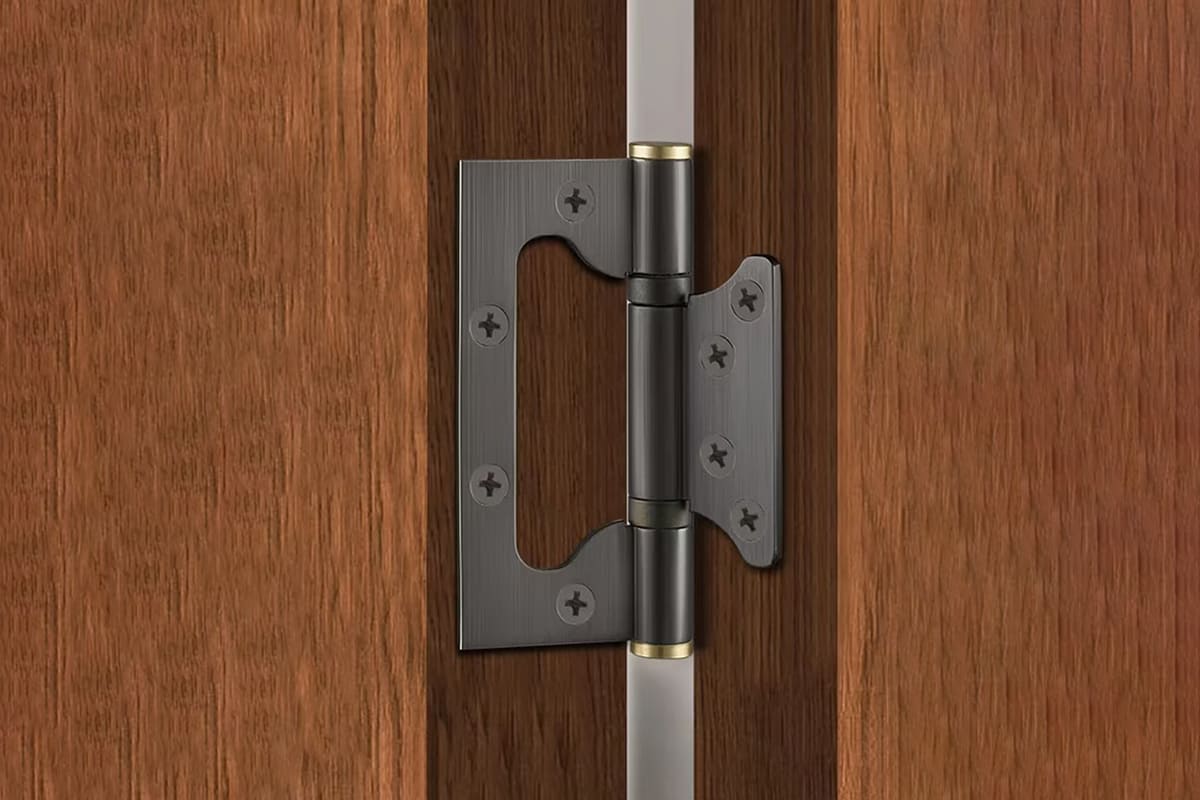
Butterfly hinges are surface-mounted hinges with two wide shaped leaves.4 I use them for lighter doors, furniture-style doors, decorative doors, and projects where fast installation and visible style matter. I still limit them by door weight, thickness, and expected daily use.
How I Understand This Hinge Type
I describe butterfly hinges as visible surface hinges. The two leaves often spread like wings. This shape gives a simple fixing area on both sides. The installer or door factory can mount them without deep mortising in many cases.5 This is why buyers like them for easy assembly and visible design.
Where I Usually See It Used
I see butterfly hinges used on lighter wooden doors, furniture doors, small interior doors, cabinet doors, and decorative product lines. Some wholesalers choose them because the shape is easy to recognize. Some hardware brands use different finishes to match local retail demand.
| What I Check | My Selection Reason |
|---|---|
| Door weight | I avoid using it where the door is too heavy. |
| Door thickness | I need enough screw bite and a flat mounting area. |
| Usage frequency | I avoid overusing it on high-traffic heavy doors. |
| Visible design | I check if the buyer wants the hinge to be seen. |
| Finish consistency | I check if the finish must match other visible hardware. |
Main Limitation I Watch
I do not recommend butterfly hinges only because they are easy to mount. Their visible structure can be a benefit or a problem. Some modern doors need clean hidden lines. Some project doors need higher strength or better adjustment. In that case, I move the buyer to another hinge type. I also ask if the door factory wants pre-drilled holes or flexible on-site positioning. This point matters in batch production. A small change in hole spacing can slow assembly. A finish difference can create complaints when the hinge is very visible. For B2B buyers, the butterfly hinge is not just a decorative part. It becomes part of product identity and production speed.
When Should I Use 3D Adjustable Hinges?
I often meet door factories that need better door alignment after assembly. A standard hinge may not give enough room to correct small production gaps.
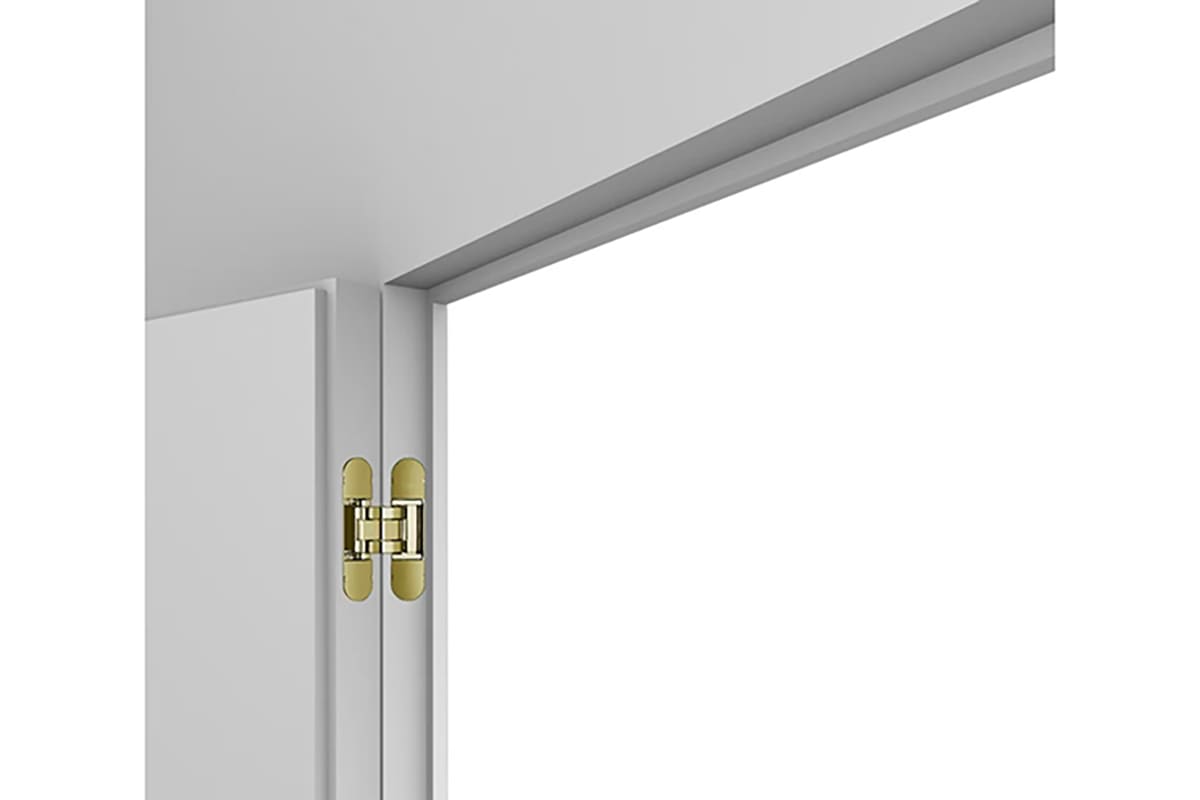
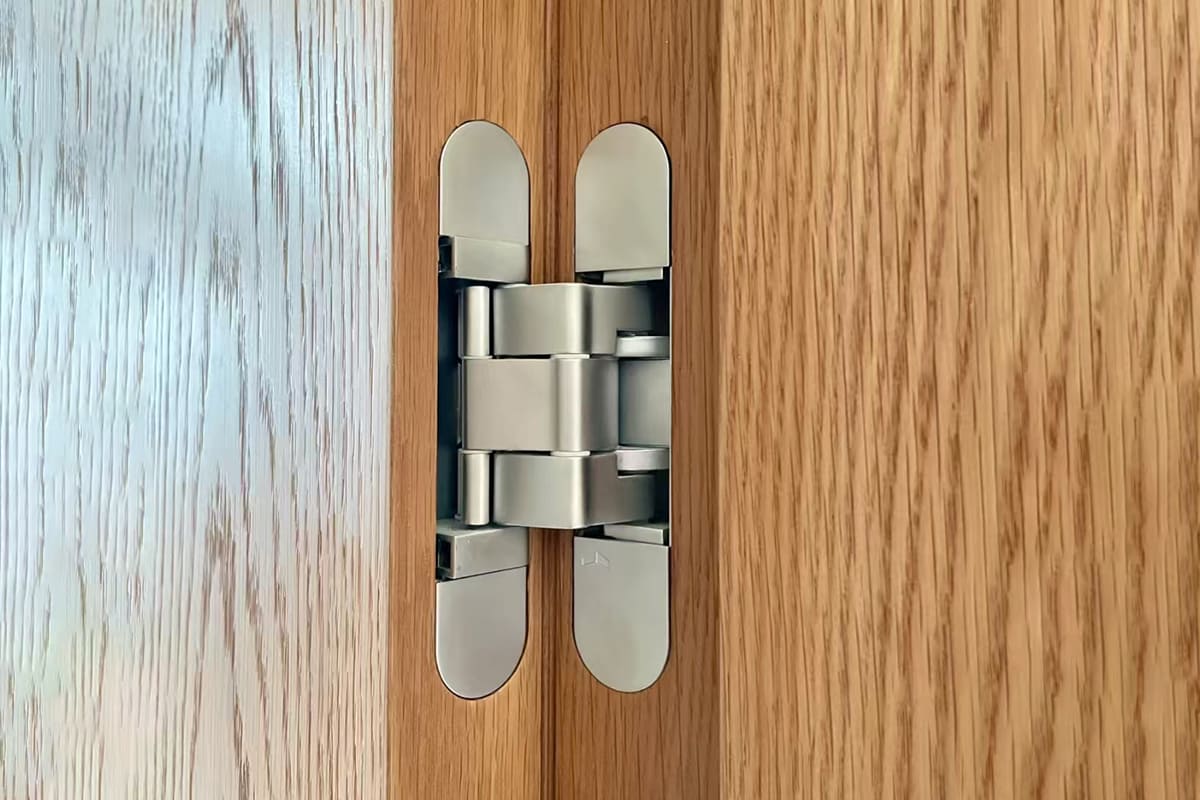
3D adjustable hinges are suitable when the door needs adjustment in height, depth, and side position.6 I use them for higher-value door systems, thicker doors, and projects where alignment matters. I check door thickness, frame structure, adjustment range, and installation space first.
How I Understand This Hinge Type
I see 3D adjustable hinges as a problem-solving hinge type. The main value is not only opening and closing. The main value is adjustment. The hinge can help correct small gaps after the door and frame are assembled.7 This can save time for door factories and reduce complaints from end users.
Where I Usually See It Used
I see this hinge type used on interior doors, flush doors, modern door systems, and higher-end product lines. Some buyers ask for it when their door panels are thick or when the frame design needs precise fitting. Hardware brands also choose it when they want to sell a cleaner and more adjustable door solution.
| What I Check | Why I Need It |
|---|---|
| Door thickness | I need to confirm the hinge body fits the panel and frame. |
| Frame design | I need to know if there is enough space for installation. |
| Adjustment need | I need to know if height, depth, and side correction matter. |
| Opening angle | I need to match the hinge movement with door use. |
| Batch accuracy | I need dimensions to stay stable across bulk production. |
Main Limitation I Watch
I do not suggest 3D adjustable hinges for every door. The structure is more complex than a simple butt or side-hung hinge. The door and frame must be prepared correctly. If the machining is not stable, the hinge cannot show its full value. I also remind buyers that adjustability is useful only when the whole door system is designed for it. The lock, strike plate, door gap, and seal position also need to match. In factory supply, I pay close attention to size tolerance, finish, screw accessories, and packaging. If a buyer uses this hinge for a new product line, I usually suggest sample checking before mass orders.
When Should I Use Hydraulic Hinges?
I see many buyers ask for soft closing because the market likes comfort. The risk is choosing a hydraulic hinge without checking door weight and use conditions.
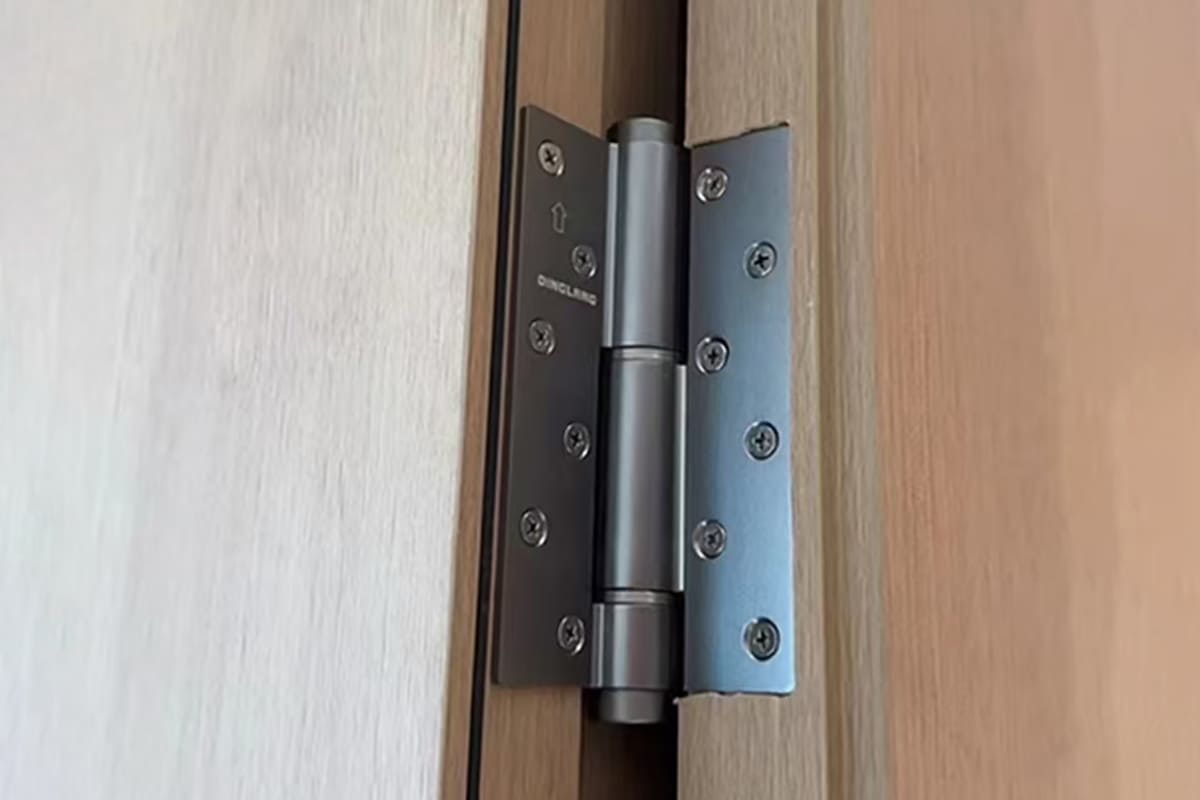
Hydraulic hinges add controlled closing or damping function to the door movement.8 I use them when soft closing, slower movement, or safer closing is required. I check door weight, opening angle, usage frequency, temperature conditions, and maintenance expectations before selection.9
How I Understand This Hinge Type
I describe hydraulic hinges as functional hinges with movement control. They do more than hold the door. They help control how the door closes. This function can improve user feeling. It can also reduce hard slamming in some door applications. The design may include an internal damping or hydraulic mechanism, depending on the product structure.
Where I Usually See It Used
I see hydraulic hinges used where users expect smoother closing. This can include interior doors, commercial space doors, bathroom doors, glass-related door systems, or special door product lines. The exact application depends on the hinge design and the door system. I do not assume that every hydraulic hinge suits every door.
| What I Check | Why I Check It |
|---|---|
| Door weight | I need the damping function to match the real load. |
| Opening angle | I need the hinge to work within the needed swing range. |
| Usage frequency | I need to know if the door opens many times per day. |
| Environment | I need to know if heat, cold, or moisture may affect performance. |
| Buyer expectation | I need to know if soft close or controlled close is the main goal. |
Main Limitation I Watch
I do not sell hydraulic hinges as a simple upgrade for all doors. The function is useful, but it must match the door. If the door is too heavy or the hinge is used outside its suitable range, the closing effect may not feel right.10 If the usage frequency is high, the buyer should check product documents, samples, and long-term market needs before large stock planning. For wholesalers, I also ask about return risk. A customer may complain if the soft-closing feeling differs from what they expected. For door factories, I ask about assembly steps. A hydraulic hinge may need more careful installation than a simple hinge. This affects labor time and batch output.
When Should I Use Flag Hinges?
I see flag hinges requested when buyers want easier door removal or a certain installation style. The wrong size can still create alignment problems.
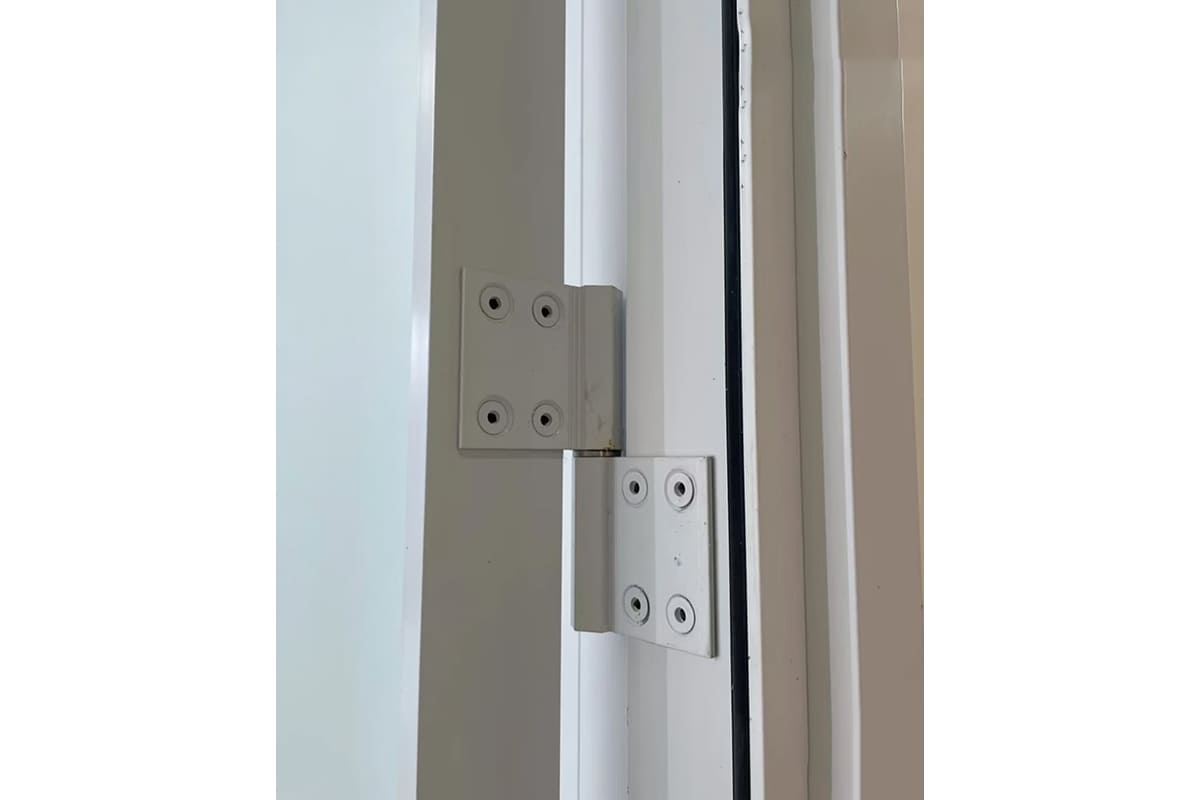
Flag hinges are useful when the door may need easy lifting, removal, or a specific side-mounted structure. I use them for selected door systems where installation and service access matter. I check handedness, door thickness, frame design, opening direction, and fixing strength.
How I Understand This Hinge Type
I describe a flag hinge as a hinge with a leaf shape and pin structure that can allow certain doors to be lifted off more easily, depending on the design.11 Buyers often like it because it can make installation and service more convenient. Some markets also use flag hinges as a common standard for certain door systems.
Where I Usually See It Used
I see flag hinges used on uPVC doors, aluminum doors, some metal doors, and other systems where the frame and sash design matches the hinge body. The exact use depends on the profile design. I always ask for drawings or photos before I confirm a recommendation. The hinge must match the frame geometry, not just the door weight.
| What I Check | My Reason |
|---|---|
| Door and frame profile | I need the hinge to sit correctly on the structure. |
| Opening direction | I need to avoid wrong handedness or wrong swing setup. |
| Door thickness | I need the fixing position to match the panel. |
| Removal need | I need to know if easy lift-off is important. |
| Finish and coating | I need the hinge to match the door system and local market taste. |
Main Limitation I Watch
I do not choose flag hinges only because they look practical. The hinge must match the door profile and the fixing method. If the frame shape is different, the hinge may not sit flat or align well. This creates stress during opening and closing. In batch supply, I also check if the buyer needs left-hand and right-hand versions, different colors, and matching screw packs. These details look small on paper, but they affect warehouse control and assembly speed. A door factory may need one stable model for repeat production. A wholesaler may need several variants for different customer groups. I try to separate these needs before I quote.
How Do I Choose The Right Door Hinge For Bulk Orders?
I see procurement teams compare unit prices first. The bigger cost often appears later through slow assembly, mixed finishes, or wrong product matching.
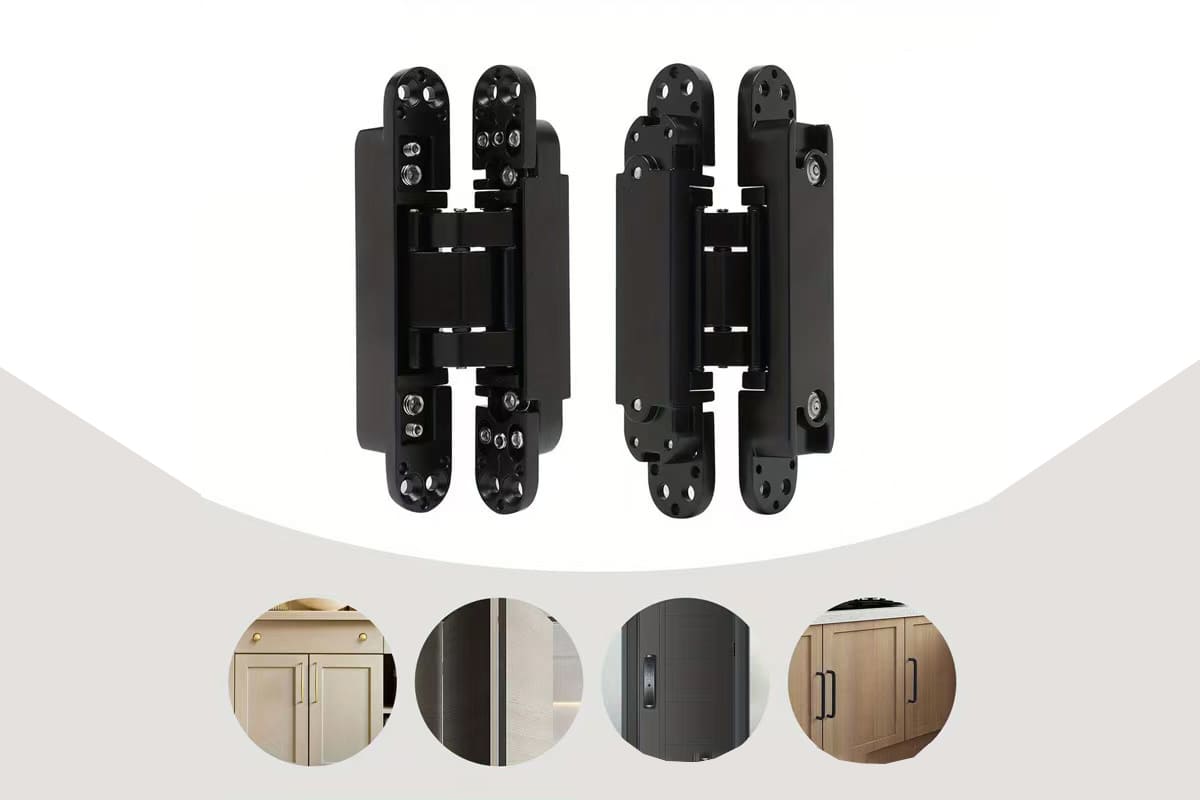
I choose hinges for bulk orders by matching the door system first. I check opening angle, door thickness, door weight, installation method, usage frequency, finish requirement, and target market. Then I compare structure, price, production stability, and after-sales risk.
Why I Start With Door Conditions
I do not start with the hinge name. I start with the door. A side-hung hinge, butterfly hinge, 3D adjustable hinge, hydraulic hinge, and flag hinge can all be correct in the right condition. They can also all be wrong in the wrong condition. This is why I often slow down the inquiry before I send a quotation. I ask basic questions first.
| Buyer Question | Better Question I Ask |
|---|---|
| Which hinge is best? | What opening angle does the door need? |
| What is the price? | What door thickness and door weight are used? |
| Can I use this hinge? | What frame structure and fixing method are planned? |
| Is the finish available? | Does the finish need to match locks, handles, and cylinders? |
| Can you ship fast? | Is the order a trial batch or a repeat production order? |
Why This Matters For B2B Buyers
I work with door factories, hardware brands, and wholesalers, so I see hinge choice from the supply side. A hinge is not only a small metal part. It affects drilling, punching, assembly time, packaging, stock control, and after-sales service.12 If a door factory changes a hinge hole position after mass production starts, the cost is not only the hinge cost. The factory may need to adjust drawings, tools, workers, and inspection steps.
I also see finish consistency become a real issue in bulk orders. A hinge may be acceptable as one sample. A full batch needs the same color tone, surface texture, and basic dimension control. If the hinge is visible, the problem becomes more obvious. If the hinge carries special function, like adjustment or hydraulic closing, the buyer must check sample performance before ordering large quantities.
My Practical Selection Checklist
I recommend that buyers prepare a simple hinge selection sheet before asking for price. This sheet does not need to be complex. It only needs the key facts.
| Information I Need | Example Of What Buyer Can Provide |
|---|---|
| Door thickness | 35 mm, 40 mm, 45 mm, or project-specific size |
| Door weight | Estimated weight or door material and size |
| Opening angle | 90°, 110°, 180°, or other requirement |
| Door material | Wood, steel, aluminum, uPVC, composite, or others |
| Frame structure | Drawing, photo, profile section, or sample |
| Usage frequency | Residential, hotel, office, school, hospital, or high traffic |
| Finish requirement | Satin stainless, polished, black, brass color, or custom finish |
| Target market | Europe, Middle East, Southeast Asia, or other region |
I can recommend a more suitable hinge type when I receive these details. I can also reduce the risk of wrong samples, wrong stock, and delayed orders.
Conclusion
I recommend sending door thickness, opening angle, door weight, usage frequency, finish needs, and target market before I suggest the right hinge type.
"Different Types of Door Hinges Explained for Easy & Quick Selection", https://doorsforpros.com/blog/post/different-types-of-door-hinges?srsltid=AfmBOoo2YB2ndm7N-CVdXD1ulvjBJuMi1YM04jYY6DY2HqZU8maWbLJB. ANSI/BHMA and door-hardware guidance treat hinge selection as application-dependent, with factors such as door size or weight, mounting condition, required movement, and frequency of use informing hinge specification. Evidence role: expert_consensus; source type: institution. Supports: Door-hardware standards or professional guidance should support that hinge selection is application-dependent and commonly considers load, door dimensions, mounting, movement, and expected use.. Scope note: This would support the selection logic generally, not prove that the article’s exact list is exhaustive. ↩
"Window - Wikipedia", https://en.wikipedia.org/wiki/Window. Architectural reference sources describe side-hung doors as doors suspended by hinges along a vertical side edge, supporting the statement that such hinges serve doors that swing from one side. Evidence role: definition; source type: encyclopedia. Supports: A neutral architectural or encyclopedia source should support that side-hung doors are hinged on one vertical side and swing from that side.. ↩
"Hinge - Wikipedia", https://en.wikipedia.org/wiki/Hinge. Reference descriptions of hinges define the basic device as two leaves or plates joined around a pin, barrel, or knuckle assembly, supporting the article’s description of a simple swing hinge. Evidence role: definition; source type: encyclopedia. Supports: A reference source should define the basic hinge structure as plates or leaves joined around a pin/barrel or knuckle.. ↩
"Butterfly doors - Wikipedia", https://en.wikipedia.org/wiki/Butterfly_doors. Reference descriptions of butterfly hinges identify them as surface-mounted decorative hinges with two broad, wing-like leaves, supporting the article’s definition of the hinge form. Evidence role: definition; source type: encyclopedia. Supports: A reference source should define butterfly hinges by their wing-like leaf shape and surface-mounted character.. Scope note: Many available descriptions are trade-oriented, so the citation would mainly support terminology and form, not load capacity. ↩
"No-Mortise Hinge Buying Guide - Rockler", https://www.rockler.com/learn/no-mortise-hinge-buying-guide. Carpentry guidance on surface-mounted and no-mortise hinges explains that these hinges are fastened to the surface rather than recessed into cut mortises, supporting the claim that deep mortising is often unnecessary. Evidence role: mechanism; source type: education. Supports: A carpentry or educational source should explain that surface-mounted or no-mortise hinges are fixed to the surface rather than recessed into a mortise.. Scope note: This supports the installation principle; individual butterfly hinge models may still require recessing or preparation depending on design. ↩
"US5713105A - Adjustable hinge - Google Patents", https://patents.google.com/patent/US5713105A/en. Patent literature for adjustable door hinges describes mechanisms permitting vertical, lateral, and in-out adjustment of the door relative to the frame, supporting the article’s description of three-direction hinge adjustment. Evidence role: mechanism; source type: government. Supports: Patent or technical documentation should show adjustable hinge mechanisms that permit vertical, lateral, and depth adjustment after installation.. Scope note: Patent documents demonstrate technical feasibility and mechanisms, but they do not establish that every marketed 3D hinge offers the same adjustment range. ↩
"Adjustable door frame assembly and method of installation", https://patents.google.com/patent/US20110179730A1/en. Technical descriptions of adjustable hinge assemblies explain that post-installation adjustment can change the door’s position relative to the frame, supporting the claim that small alignment gaps may be corrected through hinge adjustment. Evidence role: mechanism; source type: government. Supports: A patent or technical source should describe post-installation hinge adjustment as a way to align the door relative to the frame or alter reveals/gaps.. Scope note: This supports the mechanism generally; actual correction depends on the door system, machining accuracy, and available adjustment range. ↩
"Door closer - Wikipedia", https://en.wikipedia.org/wiki/Door_closer. Reference sources on door closers describe hydraulic mechanisms that regulate closing speed by damping the motion of the door, supporting the statement that hydraulic hinges provide controlled or damped closing. Evidence role: mechanism; source type: encyclopedia. Supports: A reference source should explain that hydraulic door-control devices use hydraulic damping to regulate closing motion.. Scope note: Some sources discuss door closers broadly rather than hydraulic hinges specifically, so the support may be contextual for hinge-integrated damping designs. ↩
"The influence of temperature on the damping characteristic of ...", https://www.academia.edu/146194660/The_influence_of_temperature_on_the_damping_characteristic_of_hydraulic_shock_absorbers. Fluid-mechanics research shows that hydraulic-fluid viscosity and damping behavior vary with temperature and operating conditions, supporting the need to consider environment and load when selecting hydraulic door-control hardware. Evidence role: mechanism; source type: research. Supports: Research or technical sources should support that hydraulic-fluid behavior and damping performance are affected by operating conditions such as temperature and load.. Scope note: This evidence supports the physical mechanism; it does not provide model-specific maintenance or selection limits for every hydraulic hinge. ↩
"A156.4 - 2024 Door Closers and Pivots", https://buildershardware.com/ANSI-BHMA-Standards/Hardware-Highlights/A1564-2024-Door-Closers-and-Pivots. Door-control standards such as EN 1154 classify closers by closing force, door size or mass, durability, and application requirements, supporting the claim that use outside the rated range can affect closing performance. Evidence role: expert_consensus; source type: institution. Supports: Door-control standards should show that devices are rated by closing force, door size or mass, durability, and application limits.. Scope note: These standards address door closers generally; their relevance to a specific hydraulic hinge depends on whether that hinge is tested or rated under comparable criteria. ↩
"Lift Off Hinges - YouTube",
. Reference descriptions of lift-off and flag-style hinges explain that separable leaf-and-pin arrangements can permit the door leaf to be lifted away from the frame leaf, supporting the article’s removal/access claim. Evidence role: definition; source type: encyclopedia. Supports: A reference source should describe lift-off or flag-style hinges as having separable leaves/pins that can allow a door or panel to be lifted away.. Scope note: The support applies only to flag or lift-off designs intended for removal; not all hinges called flag hinges necessarily have the same separable function. ↩"[PDF] Reference Architecture for Smart Manufacturing Part 1: Functional ...", https://nvlpubs.nist.gov/nistpubs/ams/NIST.AMS.300-1.pdf. Design-for-manufacture and assembly literature identifies part geometry, hole locations, tooling, handling, packaging, and process planning as drivers of assembly time and production cost, supporting the article’s claim that hinge selection affects operations beyond unit price. Evidence role: general_support; source type: research. Supports: Design-for-manufacture and assembly literature should support that component geometry, hole positions, tooling, part handling, and packaging influence assembly cost and production efficiency.. Scope note: This evidence supports the manufacturing principle broadly and does not quantify the specific cost impact for any particular hinge order. ↩