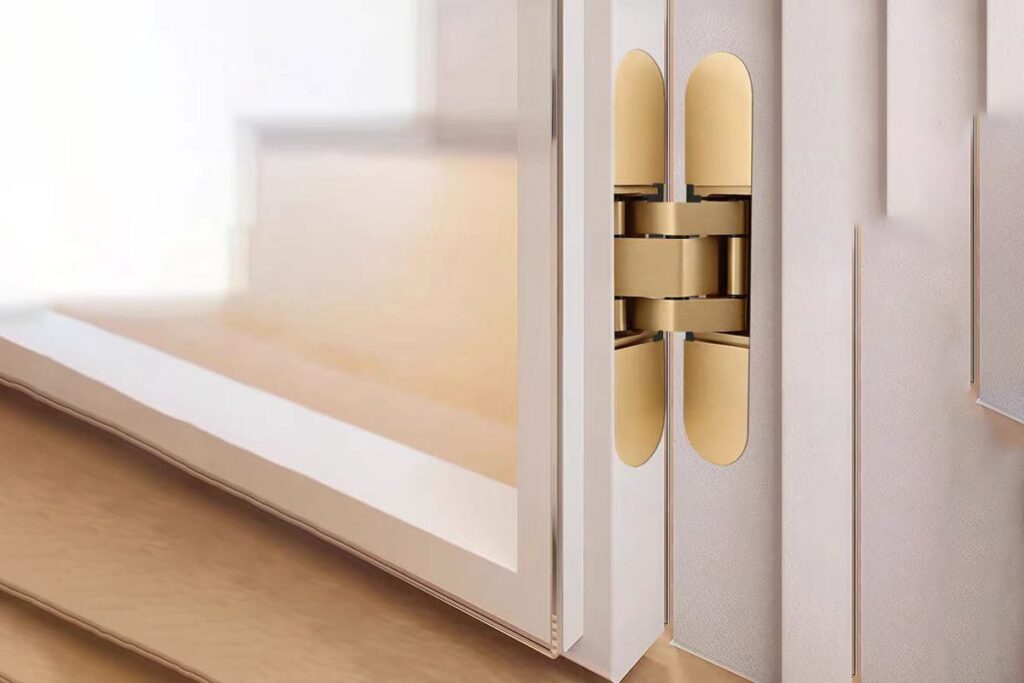
Do soft close hinges wear out faster than regular hinges?
A wrong hinge choice creates noise, sagging, and complaints. I see many buyers blame the hinge type, but the real problem is poor matching.
Soft close hinges do not always wear out faster than regular hinges. A well-made soft close hinge can last longer because its damping system reduces door impact. I still check material, damper quality, door weight, installation accuracy, and usage frequency before I recommend it.
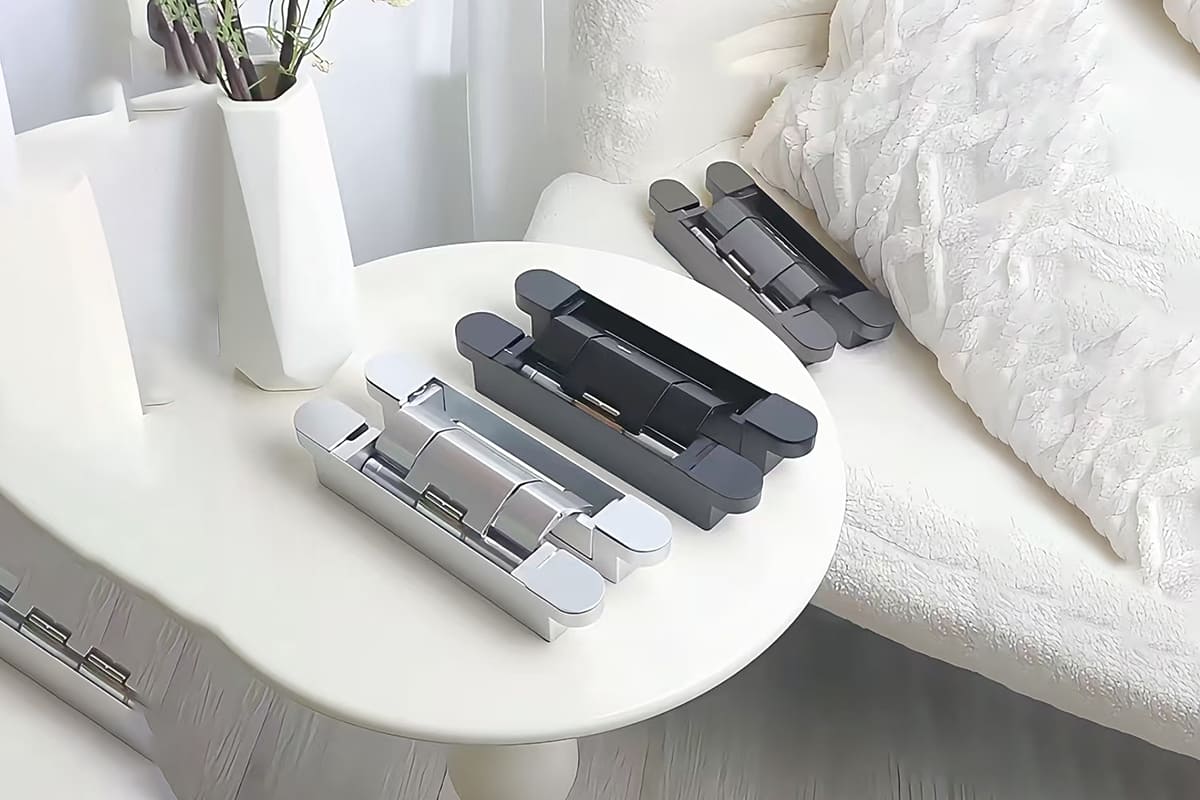
I often explain this topic to door factories and hardware buyers before they place bulk orders. The question sounds simple, but the answer depends on the hinge structure and the door application. A regular hinge has fewer parts, so it looks safer at first. A soft close hinge has a damping device, so some buyers worry about extra failure points. I understand that concern. I also see another side in real projects. A door that closes with strong impact can damage the hinge shaft, loosen screws, create noise, and increase after-sales work. I do not judge only by hinge type. I judge by load rating, material, damping quality, installation condition, and the number of times the door opens every day.
What actually wears out in a hinge?
A hinge does not fail in only one way. I see wear as shaft looseness, door sagging, squeaking, weak damping, oil leakage, and unstable closing.
A regular hinge mainly wears at the shaft, knuckle, screw points, and contact surfaces. A soft close hinge can also wear there, but I must also check the damper, oil seal, damping force, and closing angle control.
How I define hinge wear in daily quality checks
I do not define wear only as a broken hinge. In B2B supply, a hinge may create a problem long before it breaks. I treat noise, sagging, loose movement, and unstable closing as early wear signs. A regular butt hinge or concealed hinge usually shows wear through shaft clearance first. The door may drop slightly. The gap around the door leaf may become uneven. The user may hear a squeak when opening or closing the door.
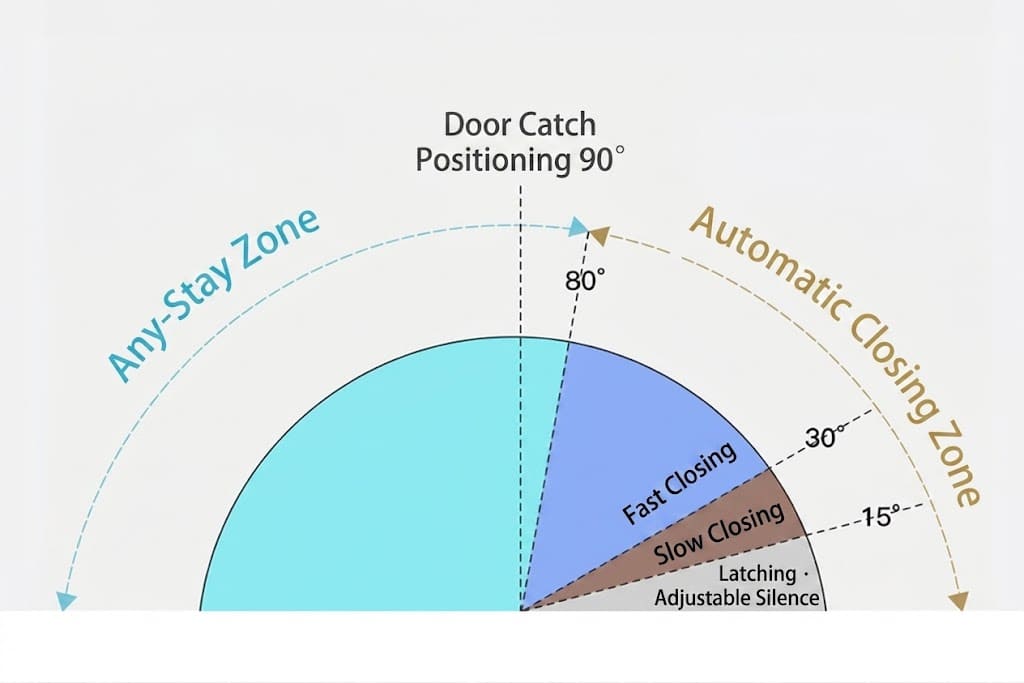
A soft-closing concealed hinge has the same basic load function, but it also has a damping system. So I inspect two groups of performance. I check the mechanical support part, and I check the soft-close function. If the oil seal is poor, the damper may leak. If the internal design is weak, the soft close effect may become weaker. If the door is too heavy, the hinge may still sag even when the damper works.
| Hinge type | Common wear symptom | What I check first | Procurement risk |
|---|---|---|---|
| Regular hinge | Shaft wear, squeak, sagging | Pin fit, knuckle gap, screw holding | Noise complaints and door misalignment |
| Soft close hinge | Weak damping, oil leakage, sagging, noise | Damper quality, load rating, shaft support | Higher cost and function warranty risk |
| Concealed hinge | Door gap change, closing friction | 3D adjustment, body strength, installation depth | Difficult replacement after installation |
| Heavy door hinge | Screw loosening, frame stress | Door weight match, fixing system | Project maintenance cost |
I always tell buyers that the hinge must be judged as part of the door system. The door leaf, frame material, screw quality, installation accuracy, and user behavior all affect service life.
Does the soft-close damper reduce impact enough to protect the hinge?
A door that slams every day creates stress. I use soft-close damping to reduce that impact, especially when quiet closing and stable alignment matter.
A good soft-close damper slows the final closing movement. This reduces the shock on the hinge, lock, frame, and screws. In suitable doors, this can help reduce shaft wear, noise, and sagging risk.
Why impact matters more than many buyers expect
I often see buyers compare only the purchase price of a regular hinge and a soft close hinge. I ask them to also compare the impact force during closing. A regular hinge allows the door to move freely until it hits the frame or latch. If the user pushes the door hard, the closing impact transfers to the hinge shaft, screws, frame, and lock. Over time, that impact can create noise and looseness.
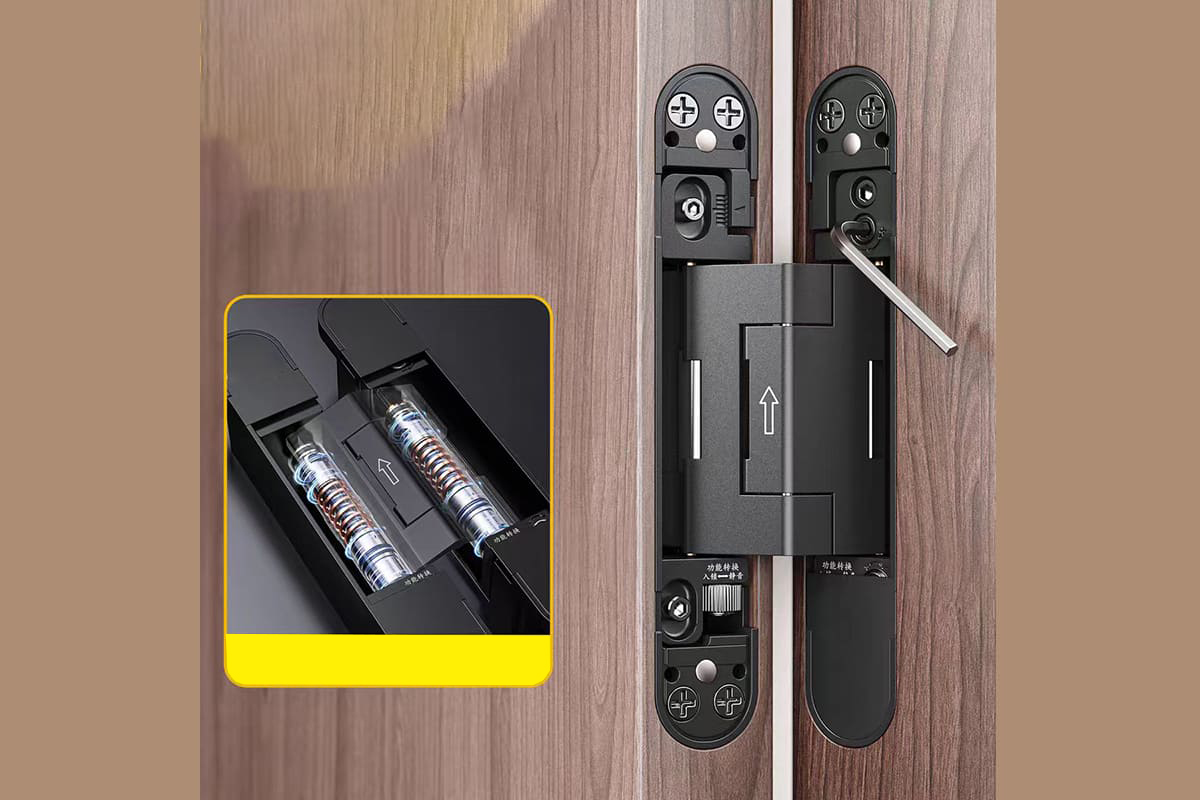
A soft-close hinge changes this process. The damping device controls the last part of the closing motion. The door still closes, but it closes in a slower and smoother way. This is useful for offices, hotel rooms, public restroom doors, bedroom doors, kitchen doors, and interior hidden doors. The benefit is not only comfort. The benefit is also lower impact.
| Factor | Regular hinge behavior | Soft close hinge behavior | My practical view |
|---|---|---|---|
| Closing speed | Depends on user force | Controlled near final closing | Soft close reduces shock |
| Noise | Higher risk when door slams | Lower risk when damper works | Good for quiet projects |
| Shaft stress | Repeated impact reaches shaft | Impact is partly absorbed | Can reduce mechanical wear |
| Lock and frame stress | Higher repeated shock | Lower closing shock | Helps the whole door set |
| User experience | Basic function | Smoother and safer feeling | Useful for premium doors |
I do not say every soft close hinge lasts longer in every case. I say a well-matched soft close hinge can protect the door system better because it reduces repeated impact. This is why I position quality soft-closing hinges as a wear-resistant choice in many suitable applications.
When can a soft-closing hinge wear out faster?
A soft-closing hinge can wear out faster when the buyer chooses the wrong load rating, weak material, poor damper, or uses it on a door with high abuse.
The risk is not the soft-close function itself. The risk comes from low-grade hydraulic parts, undersized hinge bodies, wrong installation, door overweight, and heavy traffic beyond the product design.
Where soft-close hinges can fail in real projects
I pay close attention to the damper because it is the extra part that regular hinges do not have. If the hydraulic structure is weak, the soft close function may fade. If the seal is not stable, oil leakage may happen. If the hinge body is made with poor material, the hinge may deform before the damper reaches the end of its useful life. If the door is too heavy, the hinge shaft and fixing points may carry too much force.
I also look at installation. A concealed soft-close hinge needs accurate milling and correct adjustment. If the installer forces the hinge into a wrong pocket, the hinge body may be under side pressure. If the door gap is too tight, the hinge may fight the frame every time the door closes. This can shorten service life.
| Risk point | What can happen | What I ask before bulk supply |
|---|---|---|
| Weak damper | Soft close effect becomes weak | What damper structure and warranty are offered? |
| Poor oil seal | Oil leakage and unstable closing | Has the seal design been controlled in production? |
| Wrong load rating | Door sagging and screw loosening | What is the door weight and size? |
| Low-grade material | Body deformation or fast wear | Is it zinc alloy, aviation aluminum, stainless steel, or other material? |
| Poor installation | Friction, abnormal noise, early failure | Is the milling drawing clear and stable? |
| Heavy abuse | Damper overload and impact damage | Is the door in a high-traffic public area? |
I always prefer to solve these issues before production. A buyer can save money by choosing a cheap hinge, but the project may pay more later through replacement, complaints, and site service.
Where do I recommend soft-closing hinges for B2B door projects?
I recommend soft-closing hinges where quiet closing, reduced impact, premium feel, and lower maintenance are more valuable than the lowest unit price.
I often recommend them for offices, public restroom doors, bedrooms, kitchens, bathrooms, interior hidden doors, and commercial doors with frequent daily use. I still match the hinge size and load rating first.

How I match hinge type to project value
I do not recommend soft-close hinges only because they sound more advanced. I recommend them when the project will benefit from controlled closing. For example, an office door may open and close many times in one day. A public restroom door may face rough use. A bedroom door needs quiet closing. A hidden door needs stable alignment because the visual gap is important. In these cases, the hinge is not only a moving part. It is part of the user experience and part of the after-sales risk.
For basic storage rooms or low-traffic utility doors, a regular hinge may still be enough. If the project is very price sensitive and noise is not important, I may not push soft close. I prefer a clear trade-off. Soft close usually costs more, but it can reduce door slamming, improve comfort, and lower repeated impact.
| Application | My hinge preference | Reason |
|---|---|---|
| Office doors | Soft-closing concealed hinge | Frequent use and quiet environment |
| Public restroom doors | Soft-closing hinge with strong load match | High traffic and noise control |
| Bedrooms | Soft-closing hinge | Quiet closing and comfort |
| Kitchens and bathrooms | Soft-closing hinge with proper material | Daily use and better user feel |
| Interior hidden doors | Soft-closing concealed hinge | Smooth closing and stable door gap |
| Storage or low-use doors | Regular hinge may be enough | Lower cost and basic function |
I speak this way because most of my customers are door factories, hardware brands, wholesalers, and project suppliers. They do not buy one hinge for one door. They buy batches. A small wrong choice can become many after-sales cases.
How do I select soft-closing hinges to control procurement risk?
I select soft-closing hinges by checking material, load rating, damper quality, installation tolerance, finish consistency, warranty terms, and batch stability.
I do not buy only by appearance. I ask whether the hinge can support the door weight, keep the soft-close effect, resist sagging, match the finish standard, and stay stable across bulk orders.
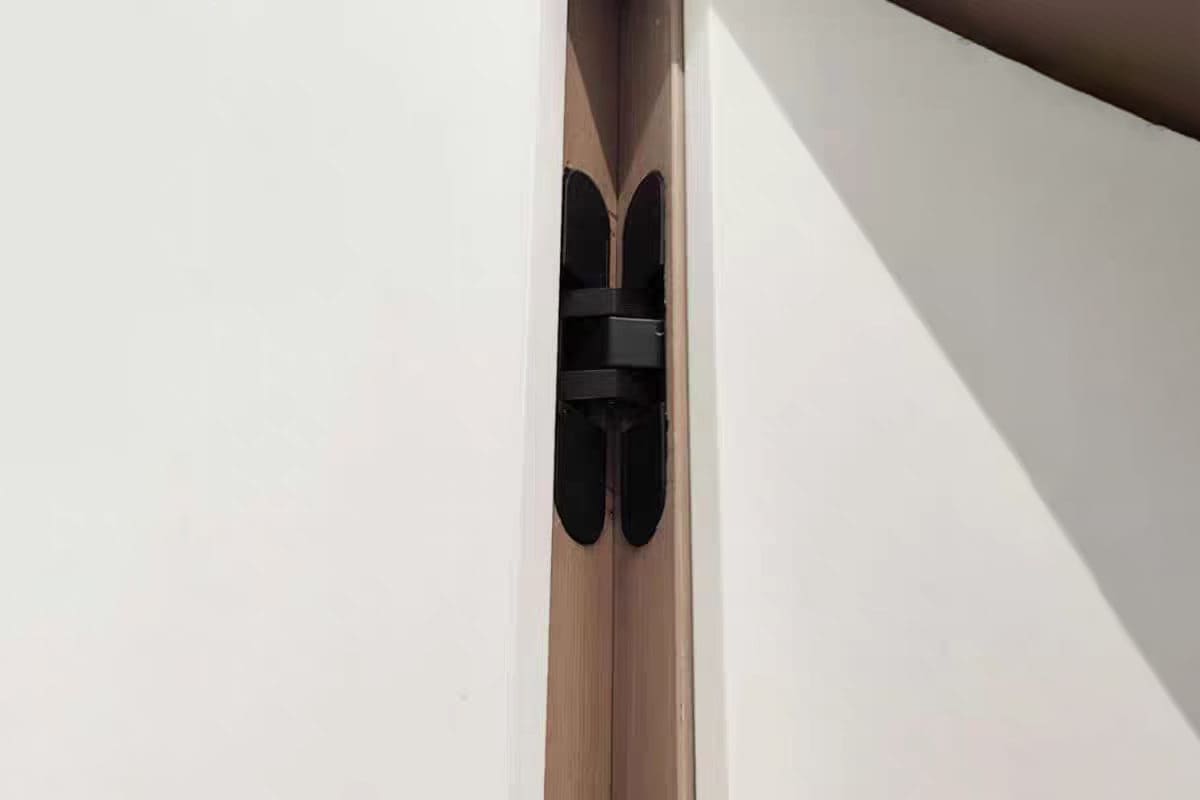
My practical checklist before I recommend a model
I start with the door data. I ask for door height, width, thickness, weight, frame type, opening frequency, and target market. I then choose the hinge body and load capacity. If the door is heavy, I do not use a light hinge just because it looks clean. If the door is a hidden door, I also check adjustment range because the final gap matters.
Material is important. Zinc alloy can be suitable for many concealed hinge bodies when the design and casting control are good. Aviation aluminum can be useful where lightweight strength and stable machining matter. Stainless steel is often valued for corrosion resistance in certain hardware parts. The material must match the use case and the finish requirement.
I also check the hydraulic damping device. I ask whether the damping force is stable, whether the closing speed feels smooth, and whether the supplier gives a functional warranty. At SDH Hardware, I often introduce CH60D, SC80D, and SC100D as popular soft-closing hinge references for buyers who need stable soft-close concealed hinge solutions. I mention that these models are positioned with a 5-year functional warranty. I still ask the buyer to match the model to the door before ordering.
| Selection item | My question | Why it matters |
|---|---|---|
| Door weight | Can the hinge carry the real door weight? | Prevents sagging and overload |
| Door size | Does the hinge suit the height and width? | Reduces side stress |
| Material | Is the body material suitable for the market? | Supports strength and finish stability |
| Damper | Is the soft-close effect stable? | Protects user experience |
| Finish | Can the supplier keep batch color consistent? | Reduces rejection and brand risk |
| Warranty | Is the functional warranty clear? | Supports B2B after-sales control |
| Installation | Are drawings and adjustment ranges clear? | Reduces site problems |
I see procurement as risk control. A soft-close hinge is worth considering when it reduces impact and complaints. It is not worth it when the supplier cannot control the damper, material, and batch quality.
Are regular hinges still a good choice?
Regular hinges are still a good choice when the door is simple, traffic is low, noise is not critical, and the budget must stay very tight.
I do not replace every regular hinge with a soft close hinge. I use regular hinges for suitable doors, and I use soft-closing hinges when impact control and comfort justify the extra cost.
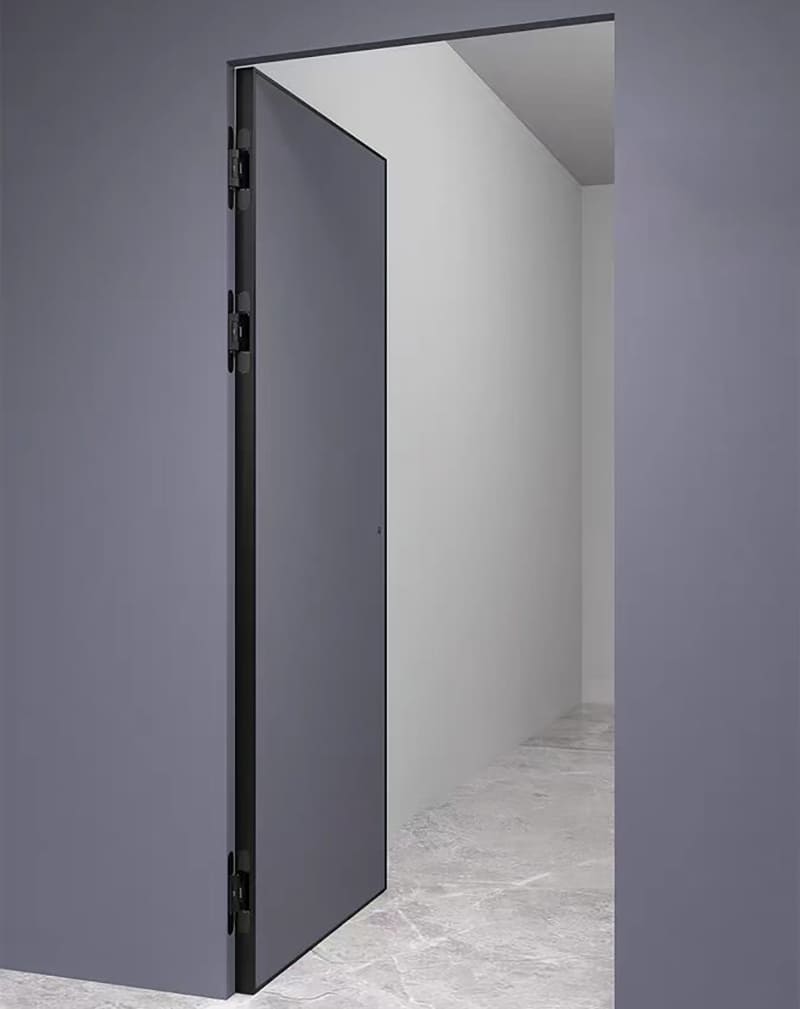
How I compare cost and function honestly
I believe a regular hinge has clear value. It has a simple structure. It is easy to understand. It can be durable when the material, shaft, bearing surface, and finish are well controlled. Many door projects still need regular butt hinges or standard concealed hinges because the door function is basic and the buyer must control total cost.
The problem starts when buyers use regular hinges in places where door slamming is common. The unit price may be lower, but the total cost may rise because of noise complaints, door sagging, lock damage, or service calls. I do not treat the cheapest hinge as the lowest-cost solution. I treat the best-matched hinge as the lower-risk solution.
| Decision point | Regular hinge may fit | Soft-closing hinge may fit |
|---|---|---|
| Unit cost | Very important | Accepts higher cost |
| Door traffic | Low to medium | Medium to high |
| Noise control | Not critical | Important |
| Door impact | Low concern | High concern |
| User feeling | Basic function is enough | Premium and quiet closing needed |
| Maintenance target | Normal service level | Lower complaint risk desired |
In my practical experience, a good regular hinge may serve many years in the right place. A good soft-close hinge may extend comfortable and stable use when it reduces impact. I do not present this as lab data unless a test report is provided. I present it as a manufacturing and project selection view from repeated customer cases.
What should I ask a supplier before placing a bulk order?
I ask the supplier direct questions about structure, material, damper, load, finish, warranty, inspection process, and replacement support before I confirm bulk orders.
A serious supplier should answer with product drawings, material details, finish samples, functional warranty terms, inspection standards, and clear model recommendations for the target door application.
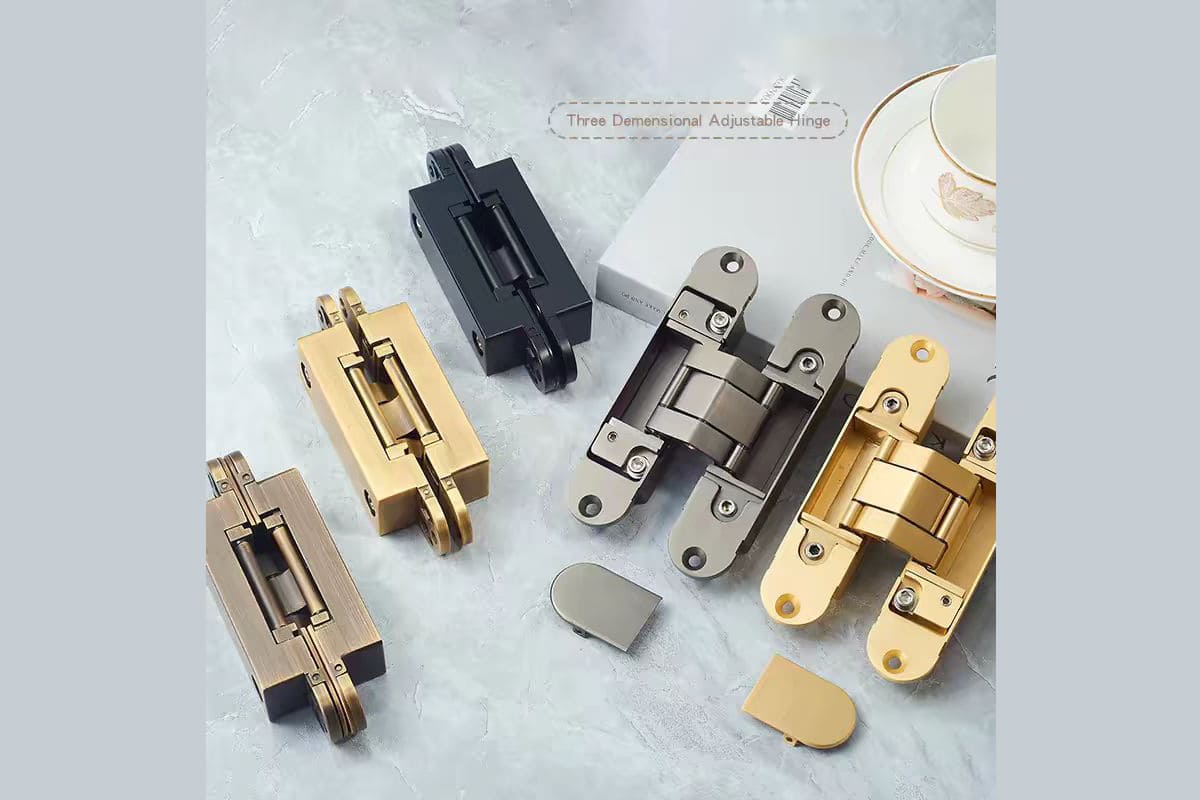
My supplier question list for soft-close hinge orders
I do not want vague answers when I buy or recommend hinges for projects. I want clear answers because the buyer will face the market after installation. If a hinge batch has inconsistent finish, the door factory may lose assembly time. If the damper force varies too much, the door brand may receive complaints. If the load rating is unclear, the project may face sagging later.
I ask the supplier to confirm the door weight range, the suitable door thickness, the opening angle, the adjustment method, the surface finish options, and the warranty coverage. I also ask how the supplier controls raw material, machining, assembly, damping function, and final inspection. For export markets, I also check whether the product line can support required documents, such as CE or fire-rated documents when the project needs them. I do not assume every model has every certificate. I verify it before quotation.
| Supplier question | Good answer should include |
|---|---|
| What door weight does this hinge support? | Clear recommended weight range and model match |
| What material is used? | Specific material and finish information |
| How is the damper controlled? | Damping structure, inspection method, and warranty |
| What failures are covered? | Clear functional warranty terms |
| Can the finish stay consistent in bulk? | Finish sample process and batch control |
| Are drawings available? | Installation drawings and adjustment details |
| Can certificates be provided if needed? | Valid documents for the exact product or project need |
I prefer factory-direct communication for these points. As a manufacturer, I can adjust specifications, finishes, and accessory configurations more clearly when I know the project requirements early.
Conclusion
Soft close hinges do not wear out faster by default. I choose them when the damper, material, load rating, and door application match.