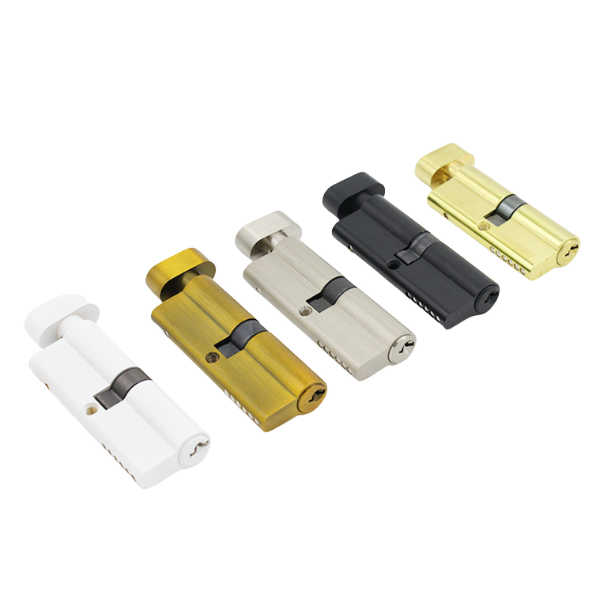
What components make up a door lock cylinder?
I have seen many buyers treat a lock cylinder as a small item. That habit creates big problems when key feel, fit, and security fail.
I usually see a standard door lock cylinder set include the cylinder body, the correct keys, and the long fixing screw. Inside the cylinder, the main systems are the body and plug, pins and springs, transmission parts, and auxiliary fixing parts. Each part affects fit, function, and after-sales risk.
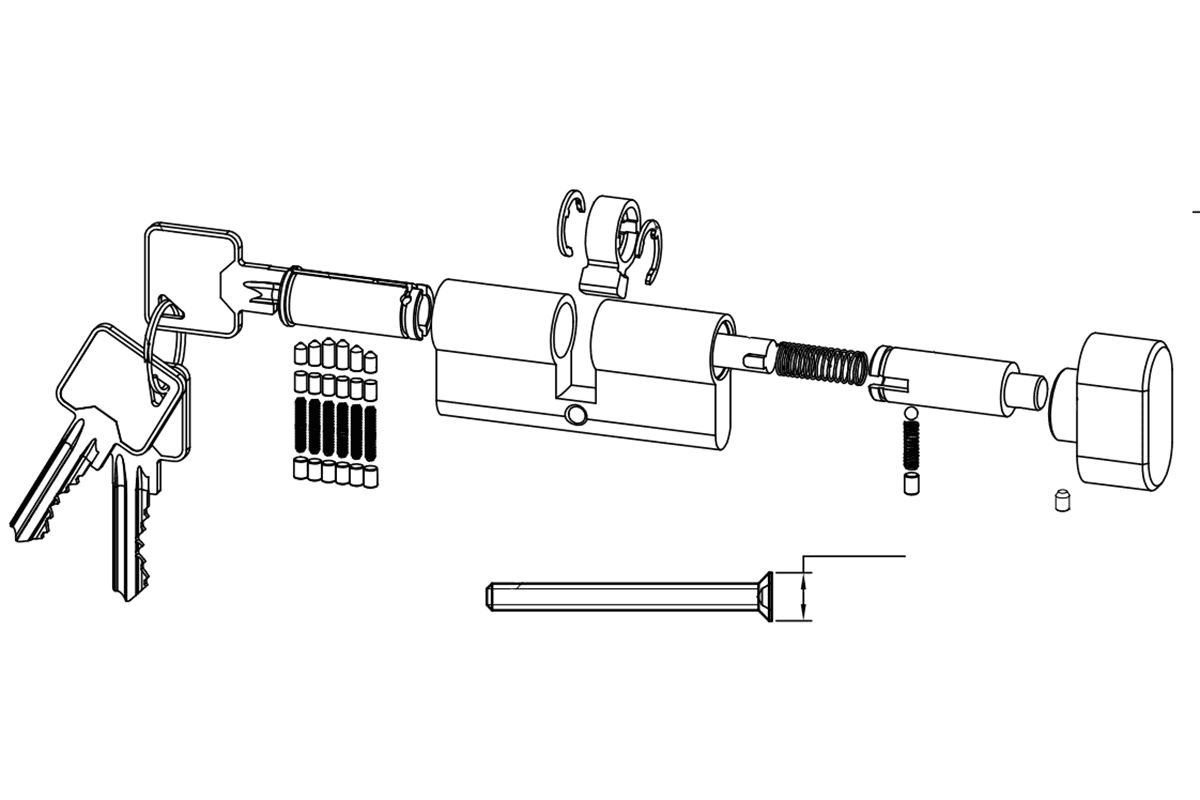
I often tell buyers that a cylinder is not only a metal tube with keys. It is a small precision product that must work with the door, the mortise lock, the handle set, and the user’s daily habits. When one small part has poor accuracy, the whole door set can receive complaints. I will explain the components from a factory and quality-control view, so I can help you ask better questions before bulk purchasing.
What does a standard lock cylinder set usually include?
I have met buyers who only checked the cylinder price. They later found missing screws, wrong keys, or unstable key numbers during installation.
A standard lock cylinder set usually includes one cylinder, matched keys, and one long fixing screw.1 Some sets may also include cards, thumb-turn parts, or special packaging, based on the buyer’s order and market requirement.
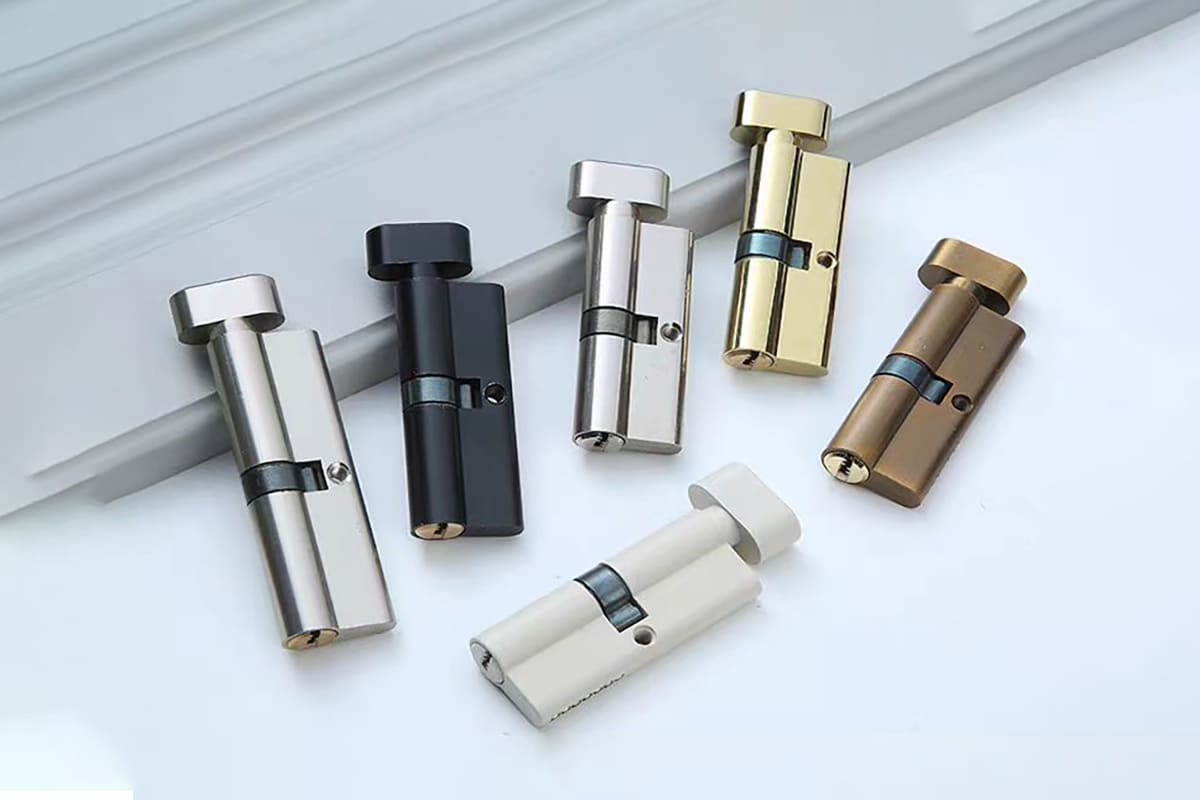
I always start with the product set because this is where many simple mistakes happen in bulk supply. A Euro-profile cylinder cannot be judged only by its outside shape. The full set must match the lock body and the door thickness.2 The fixing screw length must suit the door and lock case. The keys must match the pin coding. The packaging must protect the finish and prevent key mixing. I have seen a project delay happen because the cylinder body was correct, but the fixing screw was too short for the door structure. That kind of issue looks small in the sample room, but it becomes serious when thousands of doors are waiting on site.
| Item in the set | What I check | Why it matters to buyers |
|---|---|---|
| Cylinder body | Length, profile, finish, cam position | It affects door fit and lock body match |
| Keys | Quantity, cutting accuracy, keyway | It affects smooth use and customer experience |
| Long fixing screw | Length, thread, head type | It affects stable installation |
| Packaging | Label, separation, protection | It reduces mixing and surface damage |
| Optional parts | Thumb-turn, key card, special marking | It supports brand and market needs |
I do not suggest that buyers only ask, “How much is one cylinder?” I prefer a more practical question: “What is included in one complete sales set, and how do you control matching?” This question helps reveal whether the supplier has real batch control. A cylinder factory must manage not only metal parts, but also key pairing, screw supply, surface finish, label rules, and packing order. When these points are clear, the buyer has fewer hidden risks.
Which Euro cylinder types should I understand before checking the inner parts?
I have seen buyers compare parts before they confirm the function. That creates wrong selections for doors, bathrooms, and project hardware schedules.
I usually separate Euro cylinders into single cylinder, double cylinder, half cylinder, and bathroom cylinder.3 This simple function split helps buyers connect each structure with the real door application.
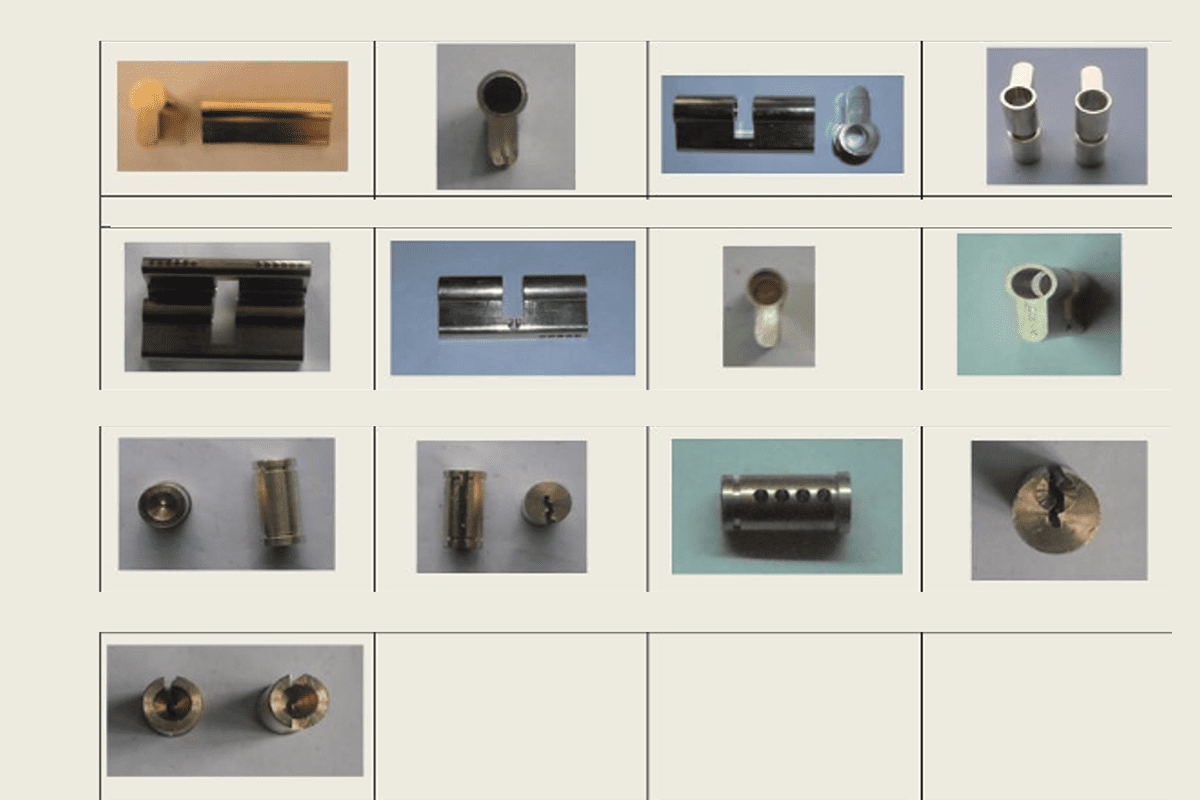
I think type selection must come before part selection. A double cylinder and a half cylinder may share some internal ideas, but their application is different. A double cylinder is common on doors that need key operation from both sides. A single cylinder may have key access on one side only, based on the design. A half cylinder is often used in special doors, cabinets, shutters, or hardware systems where only one side needs operation. A bathroom cylinder uses privacy function, and it may work with a thumb-turn or emergency release design, based on the local standard and lock body.
| Cylinder type | Common function | Buyer risk if selected wrong |
|---|---|---|
| Single cylinder | Key operation on one side | The door may not meet the user’s access need |
| Double cylinder | Key operation on both sides | The buyer must confirm inside and outside use |
| Half cylinder | Operation from one side only | The cam and length must match the hardware system |
| Bathroom cylinder | Privacy function | The emergency function must match the local market |
I normally ask customers for door thickness, lock body model, required cylinder length, internal and external side lengths, cam type, and function. I also ask if the project needs keyed alike, keyed different, master key, or brand-specific key systems. These questions are not extra work. They protect the buyer from mismatch. A wrong cylinder type can pass a quick visual check, but it can fail during installation. When I handle production, I also check whether the cam or transmission part fits the lock body. A smooth key does not solve a wrong function. A strong body does not solve a wrong length. Function must come first.
What are the body and plug in a door lock cylinder?
I have seen smooth samples become stiff in batch orders. The reason often sits in body drilling, plug accuracy, and clearance control.
The cylinder body is the outer housing, and the plug is the rotating core.4 Their machining accuracy controls key insertion, rotation feel, alignment, and long-term stability.
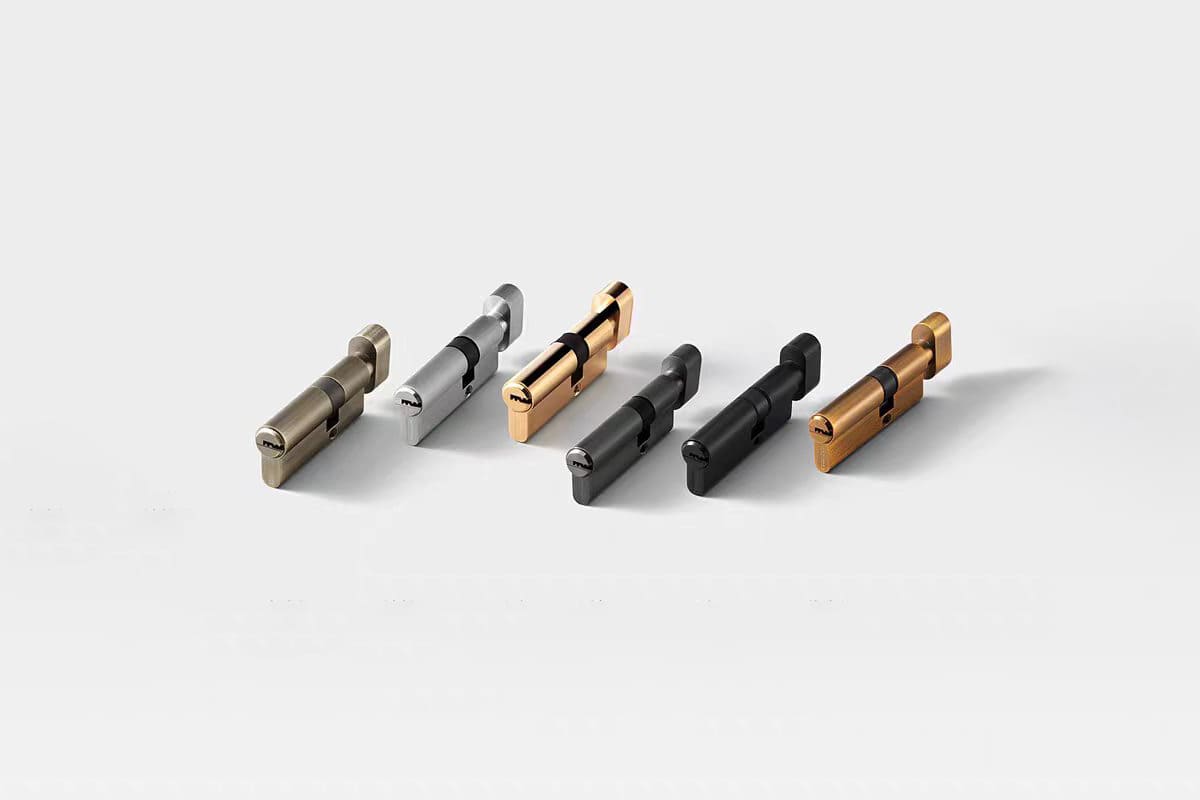
I see the body and plug as the foundation of the cylinder. The body holds the pin chambers, the fixing screw area, the cam or transmission space, and the outside profile. The plug receives the key and rotates when the correct key lifts the pin system to the correct position.5 If the plug drilling is poor, the key may feel rough. If the body chambers are not aligned well, the pins may not move smoothly. If the clearance is excessive, the cylinder may feel loose, and the key interchange risk may increase.6 If the clearance is too tight, the cylinder may jam more easily after plating, dust, or temperature change.
| Component | What I focus on | What it affects |
|---|---|---|
| Cylinder housing | Profile size, chamber position, screw hole area | Fit, strength, and assembly stability |
| Rotating plug | Keyway, drilling, surface smoothness | Key feel and rotation |
| Central area | Cam or clutch space, screw-hole strength | Installation and break resistance |
| Finish surface | Plating, brushing, color control | Appearance and brand consistency |
I always remind buyers that material alone does not decide quality. Brass, zinc alloy, or other materials need the correct process and control. A good material with poor drilling still creates poor key feel. A nice surface finish with bad internal alignment still causes complaints. In factory inspection, I care about the body profile, plug rotation, key insertion, chamber accuracy, and batch consistency. I also care about the screw hole area because the fixing screw secures the cylinder through this point. Some security designs may reinforce weak areas, but I only count them when the product is made and tested for that purpose. For B2B buyers, the key question is simple: “Can the supplier control the same feel and fit across the whole batch?”
What do pins and springs do inside the cylinder?
I have heard buyers complain about keys that open too many cylinders. That problem often links to poor pin coding and loose precision control.
Pins and springs control whether the correct key can rotate the plug. Key pins, driver pins, security pins, and return springs affect key feel, interchange risk, and anti-pick performance.
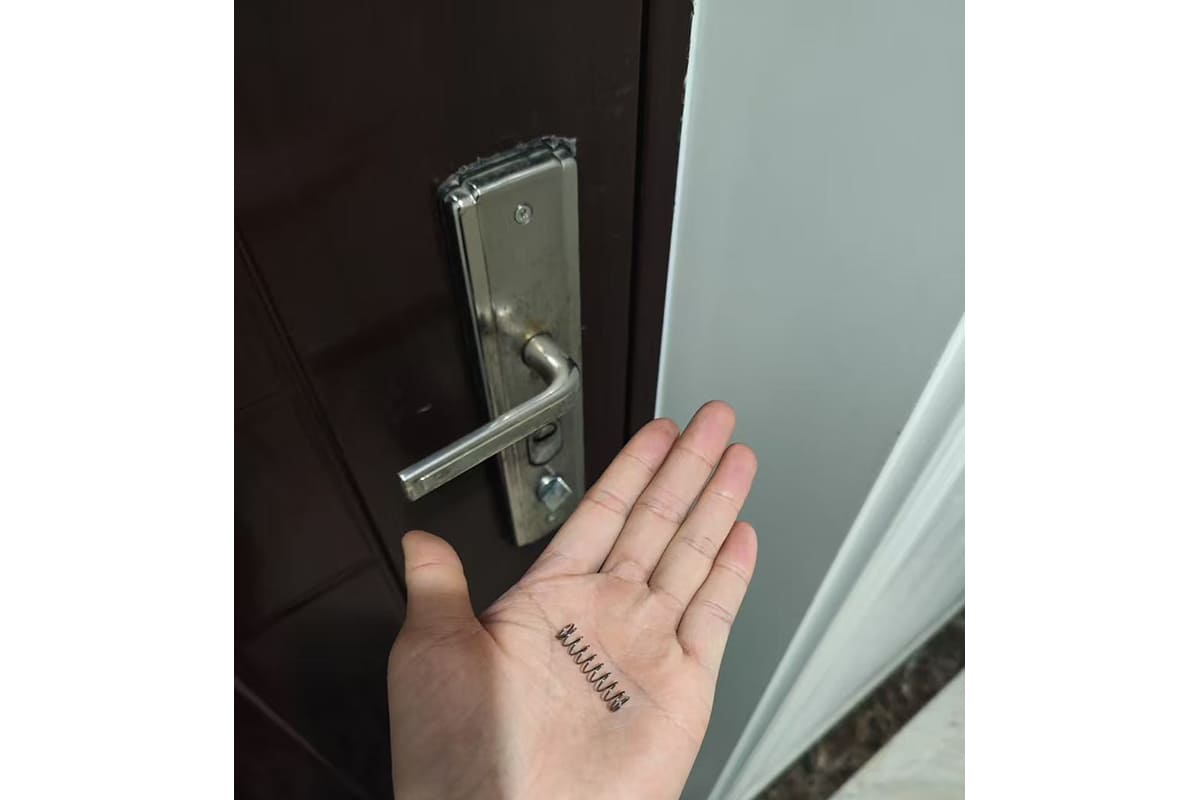
I treat the pin system as the logic part of a mechanical cylinder. The key pins touch the key cuts. The driver pins sit above them. Springs push the pins back to their resting position. When the correct key enters, the pin stacks align at the shear line, and the plug can rotate.7 This sounds simple, but production control is not simple. Pin length, key cutting depth, plug drilling, chamber position, and spring force all work together. If one point is poor, the user may feel stiffness. If coding precision is poor, the cylinder may have a higher interchange risk. If the springs are weak or uneven, the key return feel may not be stable.
| Part | Main role | Buyer concern |
|---|---|---|
| Key pins | Read the key cuts | Accuracy affects correct operation |
| Driver pins | Block rotation without correct key | Fit affects security and feel |
| Security pins | Add anti-pick resistance when designed | They need correct design and testing |
| Springs | Return pins to position | Force affects smoothness and reliability |
| Key bitting | Matches the pin code | Poor cutting causes stiffness or failure |
I avoid explaining lock picking methods because my goal is buyer evaluation, not bypass training. I only explain that special pins, such as spool pins or mushroom pins, can improve anti-pick resistance when the cylinder is designed and assembled correctly.8 I also know that adding special pins does not automatically make a cylinder high security. The full design, tolerance, keyway, materials, and certification support must match. In customer communication, I often ask about the required market level. A basic project cylinder, a branded retail cylinder, and a fire-rated project door may need different configurations. Buyers should ask if the supplier controls pin code records, key cutting accuracy, pin length consistency, and random opening checks. These checks help reduce after-sales complaints and protect the buyer’s brand.
How do transmission and clutch parts move the lock body?
I have seen cylinders rotate smoothly on the table, but fail inside the door. The missing check was transmission matching with the mortise lock.
Transmission parts transfer key rotation to the lock body. In Euro cylinders, the cam, gear, clutch, or thumb-turn system must match the lock case and door function.
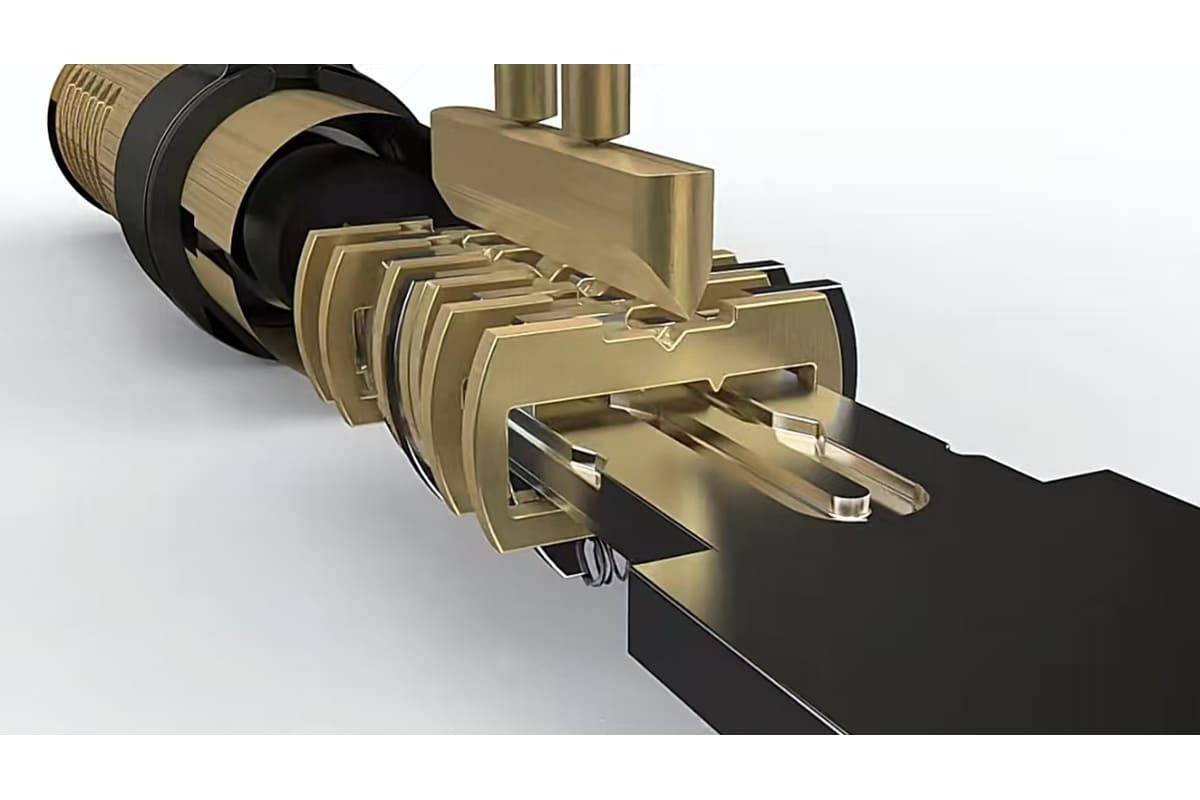
I often call this system the output part of the cylinder. The key does not lock the door by itself.9 The key rotates the plug, and the cylinder transfers that rotation to the mortise lock or another hardware mechanism. In many Euro-profile cylinders, the cam is the common output part.10 In some designs, a gear or special transmission piece may be used. In thumb-turn cylinders, the inside knob must drive the mechanism correctly. In double cylinders, clutch design can affect whether one side can operate when a key is inserted on the other side, based on the required function and market rule.
| Transmission part | What I check | Why it matters |
|---|---|---|
| Cam | Shape, angle, position, strength | It must engage the lock body |
| Gear | Tooth form and fit | It must match special lock systems |
| Clutch | Side operation logic | It affects emergency and user function |
| Thumb-turn part | Grip, fixing, rotation feel | It affects inside use and safety |
| Assembly pin or clip | Holding strength | It prevents loose operation |
I have handled cases where the cylinder size was correct, but the cam did not suit the lock body. The installer then blamed the whole cylinder, even though the main problem was matching. This is why I ask for lock body drawings or samples when the order has special requirements. I also ask whether the buyer needs a standard cam, adjustable cam, special cam, or thumb-turn function. A small change in cam position can change the installation result. A weak clutch part can create unstable use. A loose thumb-turn can create a poor user feeling. In batch supply, I prefer to test the cylinder with the target mortise lock before mass production. That test is simple, but it can prevent a large number of complaints after shipment.
Which auxiliary and fixing parts should buyers not ignore?
I have seen buyers ignore clips, sealing pins, screws, and keys. Those small parts later caused noise, looseness, and packing mistakes.
Auxiliary parts include circlips, sealing pins, keys, mounting screws, anti-drill pins, labels, and small retaining parts. They support assembly stability, installation, identification, and special security needs.
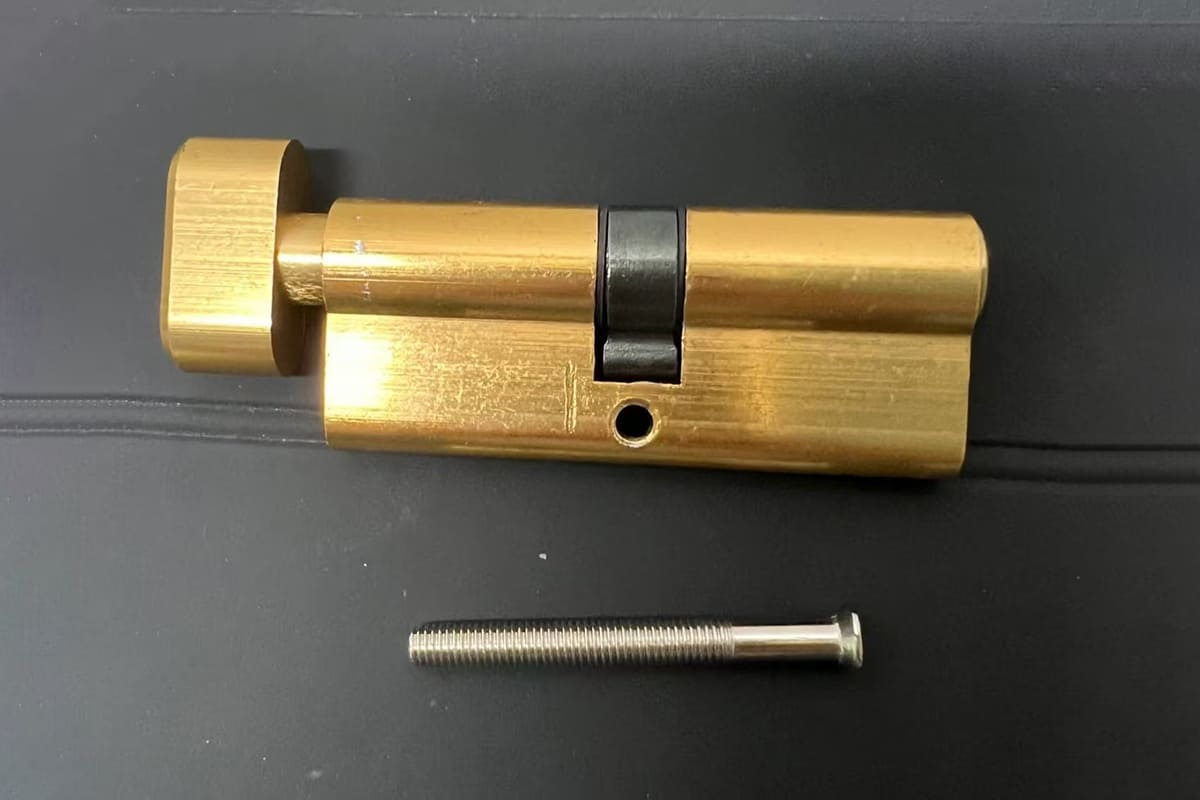
I pay close attention to small parts because they often decide whether the final product feels reliable. A circlip can hold a plug or cam part in position. A sealing pin can support assembly control. A mounting screw fixes the cylinder through the lock body. Keys carry the actual code. Labels and markings help workers and buyers avoid mixing sets. Anti-drill pins or reinforced parts may be added when the cylinder is designed for better drill resistance11, but buyers should ask for the exact configuration and test support. I do not suggest assuming that every cylinder has anti-drill or anti-snap performance just because it looks similar.
| Auxiliary part | Main use | Common purchasing check |
|---|---|---|
| Circlip or retaining ring | Holds rotating parts | Check firmness and assembly position |
| Sealing pin | Supports final assembly | Check if it is stable and neat |
| Mounting screw | Fixes cylinder in door | Check length, thread, and finish |
| Keys | Operate the cylinder | Check quantity, cut accuracy, and marking |
| Anti-drill pin | Supports drill resistance when designed | Check material, position, and test proof |
| Packaging label | Prevents mixing | Check code, item number, and batch data |
I have learned that the fixing screw is one of the most underestimated parts in a cylinder set. If the screw is too short, the cylinder may not be fixed securely. If it is too long, installers may waste time cutting or replacing it. If the thread quality is poor, the screw may damage the lock body or fail during installation. Keys also need careful control. A poorly cut key can make a good cylinder feel bad. A mixed key set can create a serious trust problem for hardware brands and door factories. For bulk orders, I like to use clear carton labels, inner box labels, key number control, and inspection records. These simple controls make after-sales work much easier.
How should I evaluate cylinder component quality before bulk orders?
I have seen buyers approve a beautiful sample and receive an uneven batch. The real risk appears when process control is weak.
I evaluate cylinder quality by checking material control, machining precision, key coding, pin system consistency, transmission matching, fixing screw fit, finish uniformity, and sample-to-batch stability.
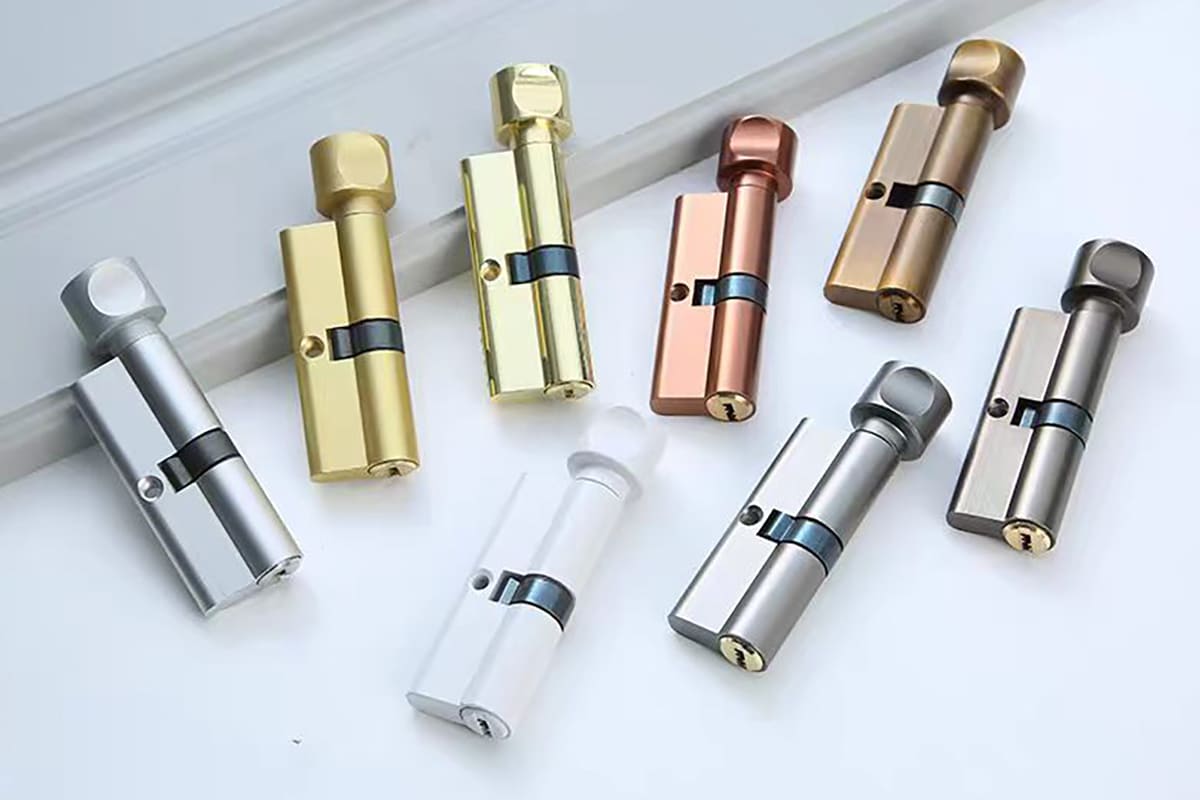
I do not believe a buyer needs to disassemble every cylinder. I believe a buyer needs to ask the right factory questions. A good supplier should explain how it controls incoming materials, machining, pin loading, key cutting, cam assembly, surface finish, and final testing. The supplier should also understand the door factory’s installation process and the importer’s market requirement. If the market needs CE or fire-rated documents for a complete door hardware system, the buyer should confirm the related product scope and test support.12 A certificate name alone is not enough. The product configuration must match the tested or declared item.
| Evaluation point | My practical question | Risk reduced |
|---|---|---|
| Material and finish | Can the supplier keep the same finish in batch? | Color difference and brand complaints |
| Machining accuracy | How does the factory inspect plug and body fit? | Stiff key and jamming |
| Pin coding | How does the supplier control key combinations? | High interchange and mixed keys |
| Security parts | Which anti-pick or anti-drill parts are included? | Overstated security claims |
| Transmission match | Has the cylinder been tested with my lock body? | Installation failure |
| Fixing screw | Is the screw length suitable for my door? | Loose cylinder and site delay |
| Batch inspection | What final tests are done before packing? | Unstable supply quality |
I also suggest that buyers test the product in the real door or lock body, not only in hand. A cylinder can feel smooth when it is held alone, but the real working condition includes the lock case, handle movement, door alignment, and user force. I also prefer to check several samples from the same batch, not only one polished sample. If the supplier can give consistent key feel across different samples, I gain more confidence. If the supplier can explain why a certain security feature is included, I gain more confidence. If the supplier only says “high quality” and cannot explain body, plug, pin, spring, cam, and screw control, I become careful. In long-term B2B supply, clear process control protects both sides.
Conclusion
I see a lock cylinder as a precision system. When buyers understand each component, they can reduce fit, function, security, and after-sales risk.
"Offset Euro Profile Lock Cylinder with Thumb Turn Fits for Pella ...", https://www.amazon.com/Offset-Profile-Cylinder-2-Bolt-Polished/dp/B0FK4ZTTN9. A technical reference on Euro-profile cylinder installation describes the cylinder, its matched key set, and the retaining screw as ordinary elements of the installed cylinder assembly; this supports the article's description of a typical set, although actual commercial packaging may vary by supplier and market. Evidence role: general_support; source type: institution. Supports: A neutral technical source should support that Euro-profile cylinder installations typically involve a cylinder body, keys matched to the cylinder, and a retaining or fixing screw.. Scope note: The support is contextual because packaging contents are commercial practice rather than a universal legal requirement. ↩
"A Complete Guide to Euro Cylinder Locks - RS Components", https://uk.rs-online.com/web/content/discovery/ideas-and-advice/euro-cylinder-locks-guide. Technical guidance on Euro-profile cylinder installation indicates that the cylinder length and profile must correspond to the door thickness and lock case arrangement; this supports the need to verify fit before ordering, although it does not prove any specific project's measurements. Evidence role: mechanism; source type: institution. Supports: A source should explain that cylinder length and profile dimensions are selected in relation to door thickness and the lock case or mortise lock geometry.. Scope note: The source would support the general installation principle, not the suitability of a particular cylinder for a particular door. ↩
"The Ultimate Guide To Euro Cylinder Locks | Latham's Hardware", https://www.lathamshardware.co.uk/blog/how-to-guides/the-ultimate-guide-to-euro-cylinder-locks/. A neutral reference on Euro-profile cylinders identifies common variants such as double cylinders, half cylinders, and thumb-turn or privacy-function cylinders; this supports the article's functional classification, although terminology may differ across regions. Evidence role: definition; source type: encyclopedia. Supports: A neutral reference should define or classify common Euro-profile cylinder types, including double, single, half, and privacy or thumb-turn variants.. Scope note: The support is terminological and may not cover every regional naming convention. ↩
"Pin tumbler lock - Wikipedia", https://en.wikipedia.org/wiki/Pin_tumbler_lock. A standard description of pin-tumbler cylinder locks distinguishes the outer cylinder or shell from the plug that rotates when the correct key aligns the locking elements; this supports the article's definitions of body and plug. Evidence role: definition; source type: encyclopedia. Supports: A source should define the plug as the rotating part of a cylinder lock and the cylinder or shell/body as the surrounding housing.. ↩
"13 Things - Brown University", https://webhelper.brown.edu/joukowsky/courses/13things/7641.html. Educational descriptions of pin-tumbler locks explain that the correct key raises the pin stacks to positions that allow the plug to rotate; this supports the article's account of how key insertion leads to cylinder operation. Evidence role: mechanism; source type: education. Supports: A source should explain that the key raises pin stacks so that the plug can rotate relative to the cylinder housing.. ↩
"13 Things - Brown University", https://webhelper.brown.edu/joukowsky/courses/13things/7641.html. Research and technical standards on cylinder locks treat dimensional tolerances and key-coding accuracy as factors in reliable operation and key differs; this supports the article's warning that excessive clearance can affect feel and interchange risk, although it does not quantify the risk for a specific product. Evidence role: mechanism; source type: research. Supports: A source should connect manufacturing tolerances or dimensional variation in lock cylinders with operational feel and possible key interchange or reduced key distinctiveness.. Scope note: The support is general because interchange risk depends on the entire keying system, not clearance alone. ↩
"Pin tumbler lock - Wikipedia", https://en.wikipedia.org/wiki/Pin_tumbler_lock. A neutral description of pin-tumbler lock operation states that the correct key positions the pin stacks so that the separation between key pins and driver pins coincides with the shear line, permitting plug rotation. Evidence role: mechanism; source type: encyclopedia. Supports: A source should describe the shear line and explain that plug rotation is possible when the correct key aligns key pins and driver pins at that line.. ↩
"A guide to security pins : r/lockpicking - Reddit", https://www.reddit.com/r/lockpicking/comments/ym1fk2/a_guide_to_security_pins/. Lock-security literature describes spool and mushroom pins as security pins that can create false feedback during manipulation and thereby increase picking difficulty; this supports the article's limited claim, provided the cylinder is properly designed and assembled. Evidence role: mechanism; source type: research. Supports: A source should explain how security pins such as spool or mushroom pins are intended to complicate picking by creating false feedback or false sets.. Scope note: The source would support the mechanism of added resistance, not certify that any particular cylinder is high security. ↩
"Unraveling the Dramatic Spinning Key Occurrence", https://www.adh.com.au/post/the-spinning-key-occurrence. Technical explanations of cylinder locks describe the key as rotating the plug, while a cam or tailpiece transfers that motion to the lock case or latch; this supports the article's distinction between key operation and the locking action of the door hardware. Evidence role: mechanism; source type: education. Supports: A source should explain that the key turns the cylinder plug, and the cylinder's cam or tailpiece transfers motion to the lock case or latch mechanism.. ↩
"Euro Cylinder | MUL-T-LOCK", https://www.mul-t-lock.com/us/en/products/all-cylinders/cylinders/euro-cylinder. Technical references for Euro-profile cylinders describe the cam as the rotating element that engages the lock case when driven by the plug; this supports the article's statement that the cam is a common output part. Evidence role: definition; source type: institution. Supports: A source should define the cam in a Euro-profile cylinder and describe its role in engaging the lock case.. ↩
"Is anti-drill useless? : r/lockpicking - Reddit", https://www.reddit.com/r/lockpicking/comments/mtx05d/is_antidrill_useless/. Cylinder-lock standards and technical descriptions of attack resistance recognize drill-resistant construction, including hardened inserts or pins, as a design measure against drilling; this supports the article's statement, although performance depends on the tested configuration. Evidence role: mechanism; source type: institution. Supports: A source should support that hardened inserts, anti-drill pins, or reinforced components are used as part of cylinder drill-resistance design and that standards may test attack resistance.. Scope note: The support is contextual and does not prove that a visually similar cylinder has certified drill resistance. ↩
"CE Marking for Construction Products - Intertek", https://www.intertek.com/building/ce-marking/. Regulatory guidance on CE marking and fire-resistance classification treats conformity evidence as applying to specified products, intended uses, and tested or declared configurations; this supports the article's advice to verify the scope of certificates and test documents. Evidence role: expert_consensus; source type: government. Supports: A regulatory or standards source should support that CE marking and fire-resistance evidence apply to defined products, intended uses, and tested or declared configurations.. Scope note: The source would support the compliance principle, not determine whether any particular certificate is valid for the buyer's order. ↩