The Basics of Door Hinges: What Should I Check Before Buying?
A hidden hinge can look simple. The wrong model can still cause gaps, noise, weak fixing, and costly batch complaints.
I treat concealed hinges as door-matching hardware, not only invisible hardware. I check door material, door weight, door thickness, opening frequency, hinge structure, finish, and batch consistency before I confirm a model.
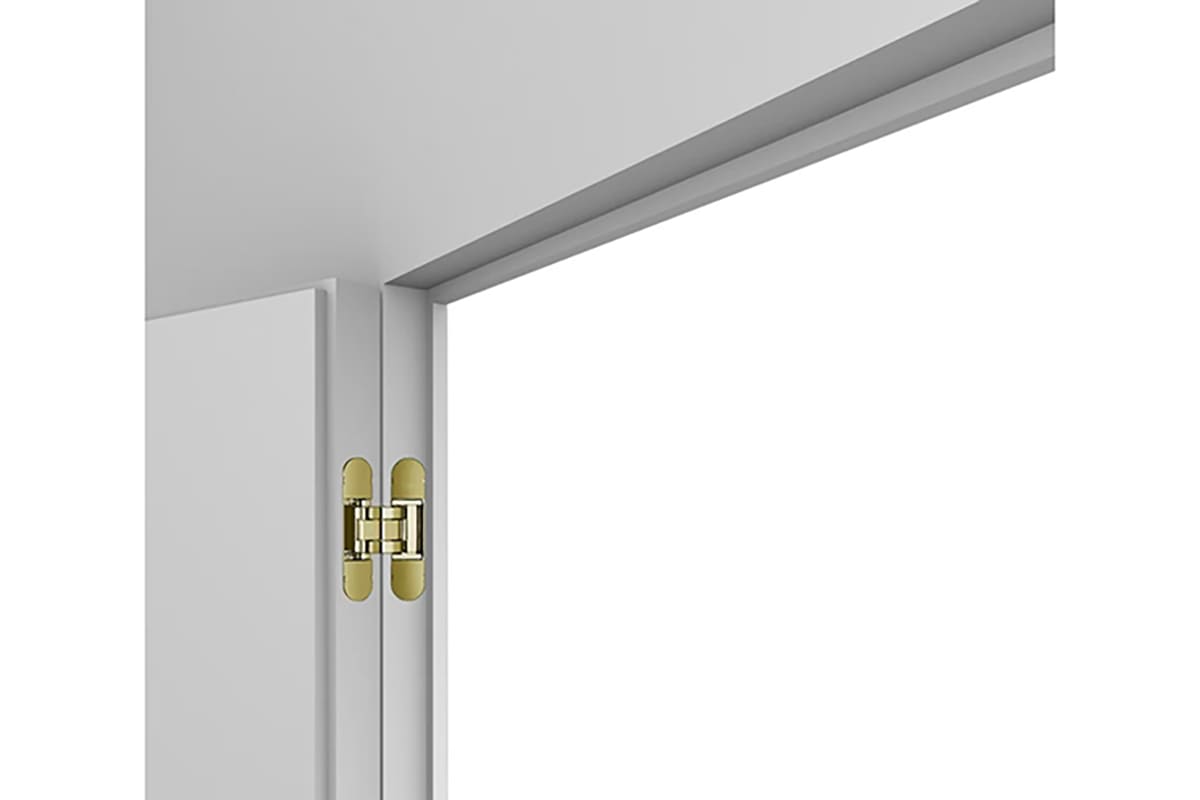
In customer selection discussions, I often find buyers first ask for a concealed hinge color or size. I understand that, because color and size are easy to see. But the real decision starts earlier. I must first understand the door, the frame, the fixing method, and the expected use. If I ignore those points, even a nice-looking hinge can become a problem after installation. That is why I like to break the basics into clear buying questions.
What Is a Concealed Hinge and When Should I Use It?
A concealed hinge looks clean after the door closes. But a clean look does not help if the hinge does not match the door structure.
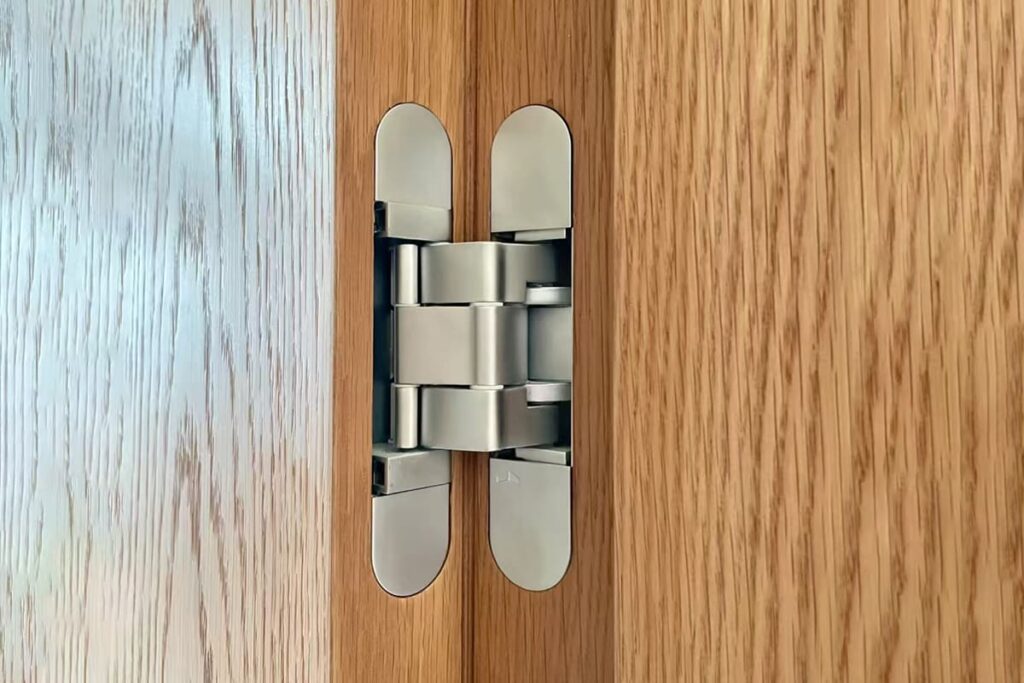
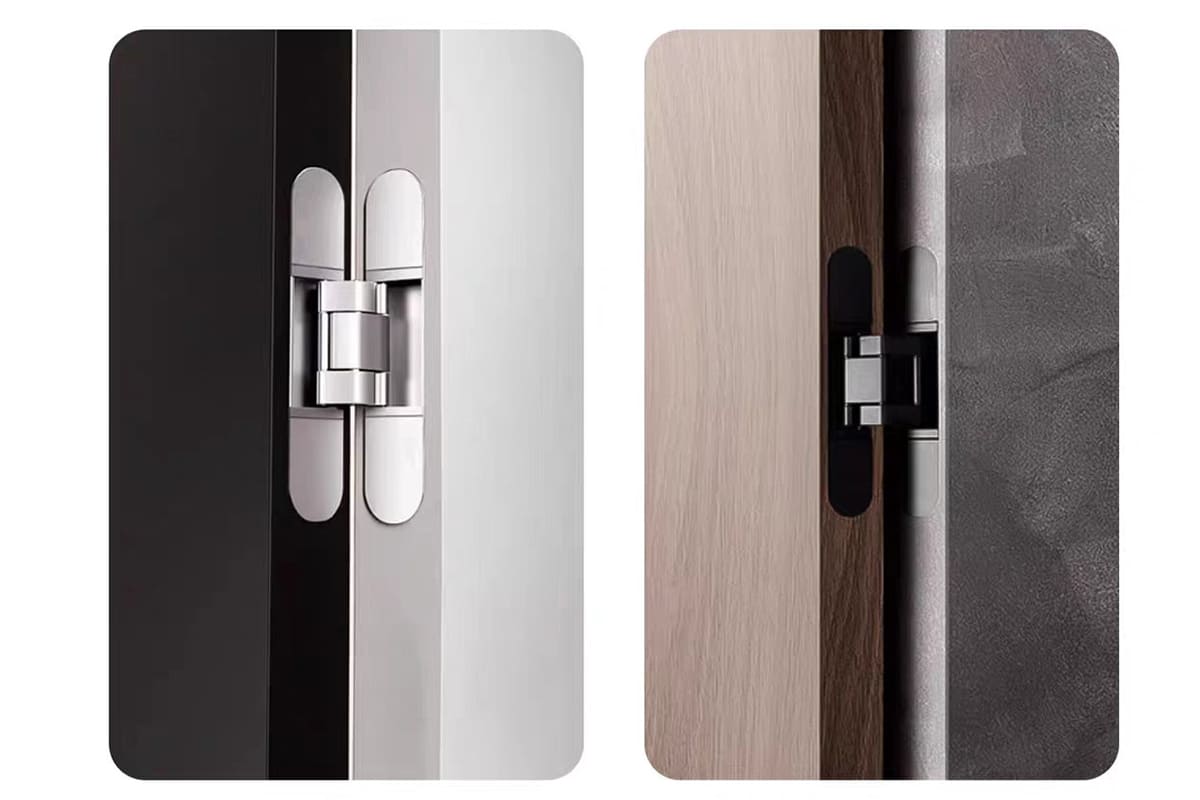
A concealed hinge is installed inside the door and frame, so it is not visible when the door is closed.1 I use it when a door project needs a modern look, a flush design, and a more hidden hardware style.
The basic idea
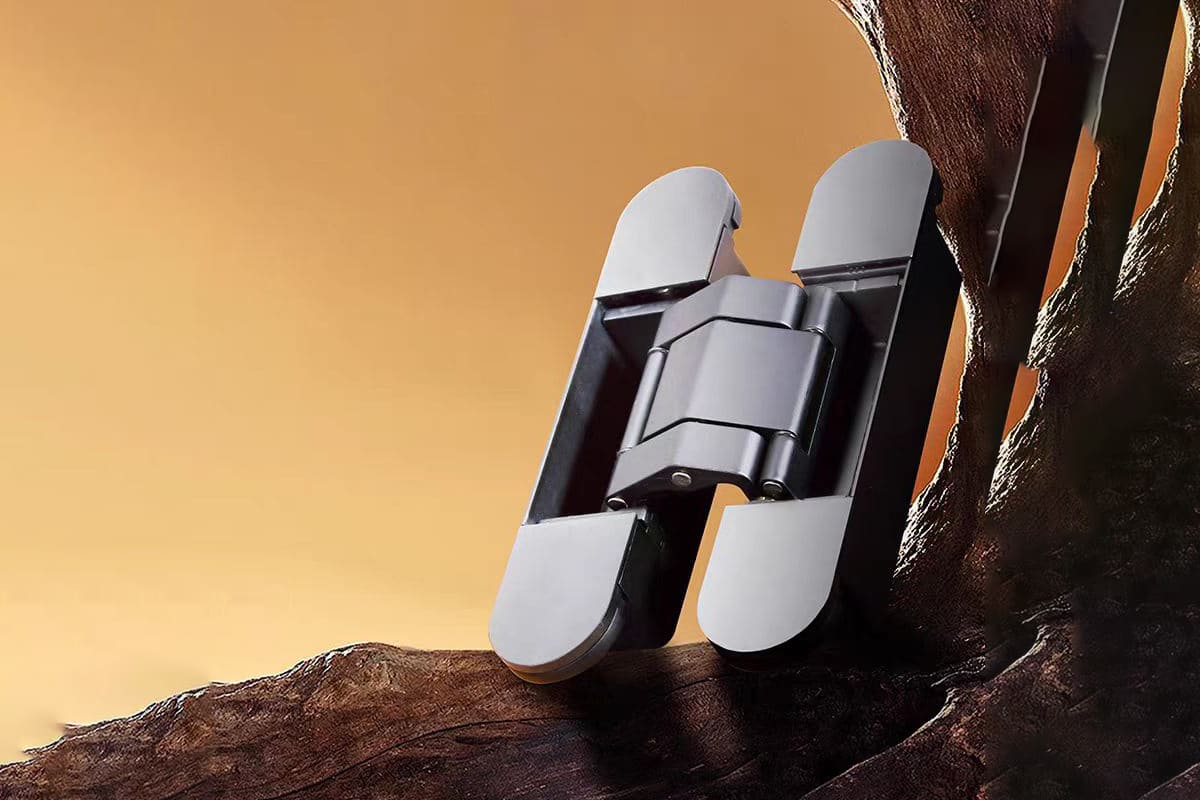
I define a concealed hinge in a simple way. It is a hinge hidden between the door leaf and the door frame. When the door is closed, I do not see the hinge body from the front. This is different from a butt hinge, which usually shows its knuckle on the door edge.2
In our factory discussions, I do not treat “hidden” as the full value of the product. I treat it as only one result. The deeper value depends on whether the hinge fits the door design and supports stable use.
| Point I check | Why I check it | Risk if I ignore it |
|---|---|---|
| Door thickness | The hinge pocket must fit the door | The body may not sit correctly |
| Door weight | The hinge must match the load range of the model | The door may sag3 |
| Frame structure | The base plate needs stable fixing | Screws may loosen |
| Opening angle | The hinge must support the required movement | The door may not open as needed |
| Visual style | The hinge finish must match the door | The project may look inconsistent |
When I prefer concealed hinges
I usually see concealed hinges used for clean wooden doors, high-end interior doors, aluminum frame doors, and some glass door systems with matching accessories. The buyer often wants a flat door surface and less visible hardware. This is common in hotels, apartments, offices, and modern residential projects.
But I still ask practical questions before I suggest a model. I ask how many times the door will open each day.4 I ask whether the door is heavy. I ask whether the frame is wood, steel, or aluminum. I also ask if the project needs a specific finish, such as black, silver, satin, or custom color. These answers matter more than the word “concealed.”
Which Concealed Hinge Material Should I Choose?
Material names sound simple. But a low-risk choice depends on strength, corrosion resistance, finish stability, price, and the door application.
I do not say zinc alloy, stainless steel, or iron is always best. I compare the material with the door use, market price level, surface finish need, and expected service condition.
Zinc alloy, stainless steel, and iron
When I speak with buyers, I often hear one question first: “Which material is better?” I do not answer this with one fixed material. I first ask where the hinge will be used. I also ask what price level the buyer needs. A door factory may need stable supply for a mid-range interior door. A hardware brand may need a stronger finish for a premium product line. A wholesaler may need different levels for different market channels.
| Material | Main strength | Main concern | Common selection idea |
|---|---|---|---|
| Zinc alloy | Good shape forming and good appearance options5 | Strength and corrosion resistance depend on design and finish | Often used when appearance and cost balance are important |
| Stainless steel | Good corrosion resistance6 and strong market acceptance | Cost can be higher, and structure still matters | Often used for higher anti-rust demand or premium lines |
| Iron | Cost control can be strong | Rust prevention and finish control need care7 | Often used when price is critical and coating is well controlled |
How I think about material risk
I look at material as a risk control point. If the door is used in a dry interior space, the buyer may focus more on appearance, price, and smooth operation. If the door is used in a humid area, I pay more attention to corrosion resistance and coating quality.8 If the project has heavy doors, I do not only look at material. I also look at hinge thickness, structure, screw fixing, base plate design, and model data.
A zinc alloy concealed hinge can be a smart choice for many interior doors, if the structure and finish match the application. A stainless steel hinge can be useful when rust resistance is a key concern, but I still need to confirm the actual model and design. An iron hinge can support cost-sensitive projects, but I need stronger control of surface treatment and packaging. In bulk buying, I prefer to compare samples, drawings, and finish standards before I confirm the material.
Which Hinge Structure Details Matter in Bulk Purchasing?
A concealed hinge is more than one metal part. Small structure details can decide installation stability, adjustment, appearance, and future complaints.
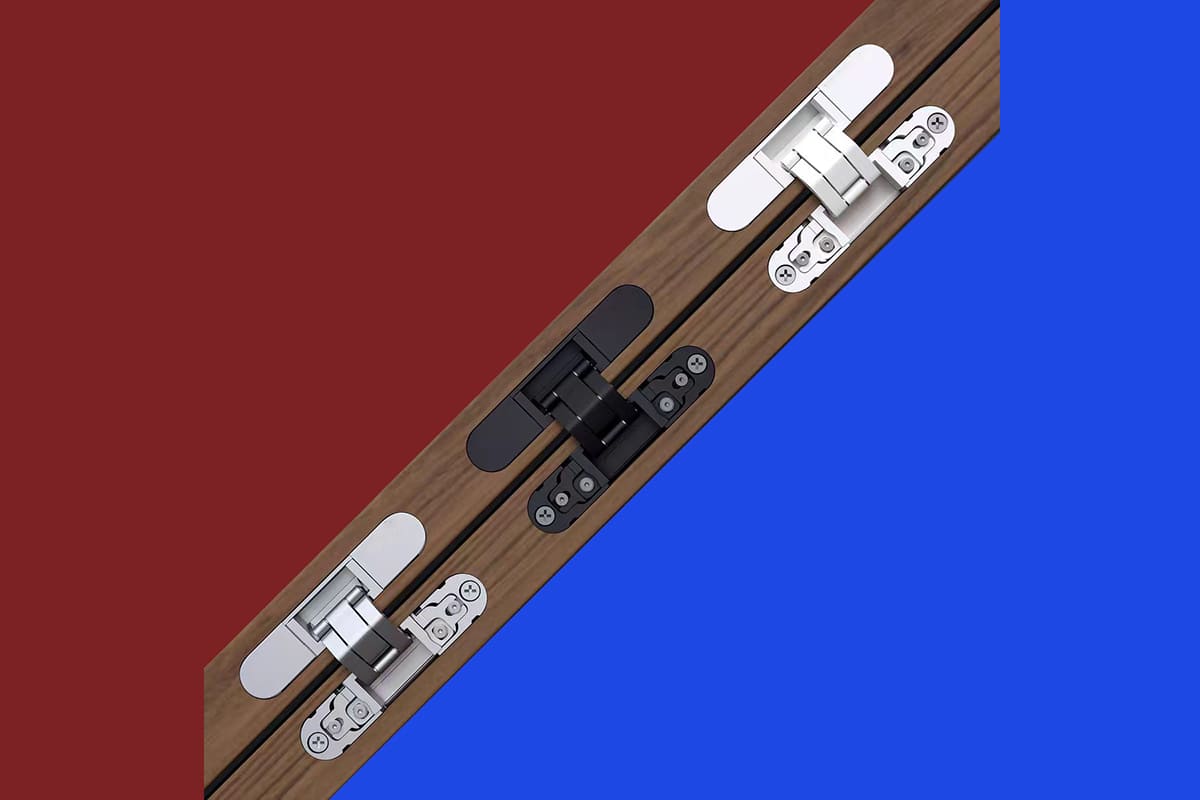
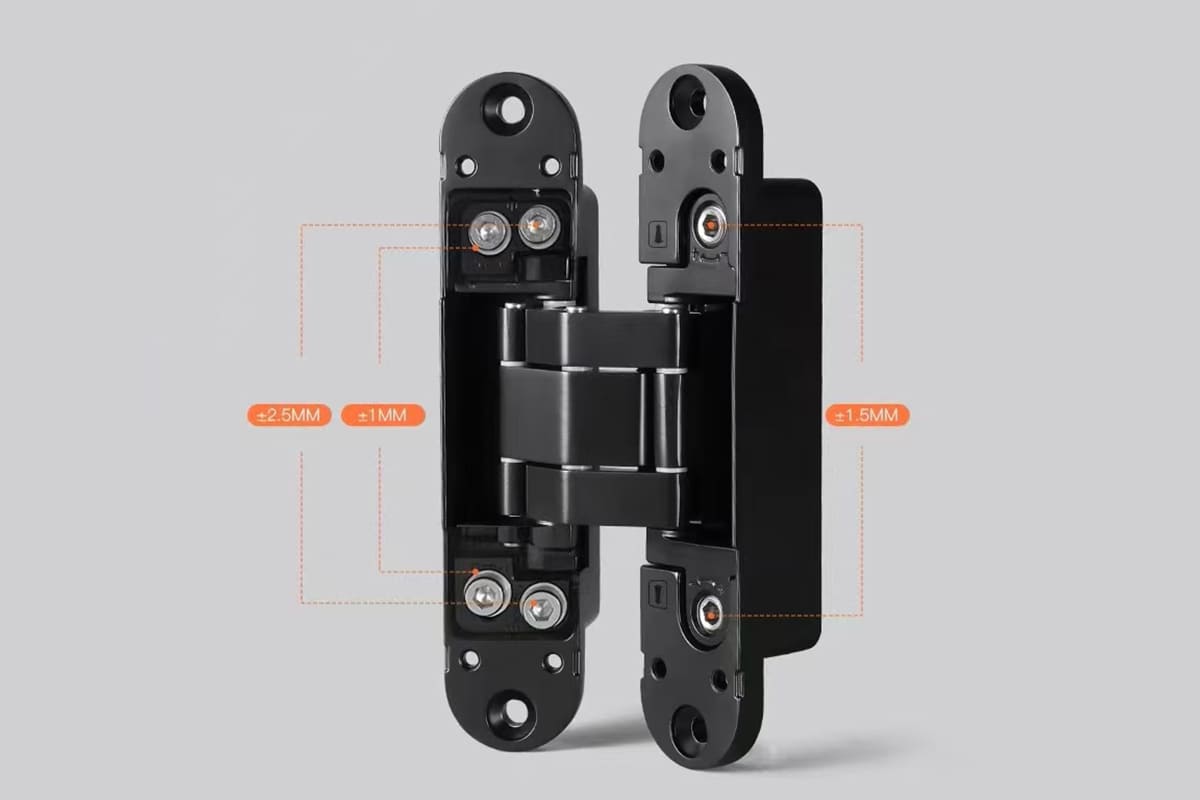
I check the hinge body, base plate, screws, cover box, decorative plates, and stop plates. Each part can affect fitting, fixing strength, adjustment space, and final door appearance.
The parts I check first
When I hold a concealed hinge sample, I do not only look at the outside shape. I open it, move it, and check the parts one by one. I want to know how the hinge will behave inside the door and frame. A buyer may receive a nice photo, but a factory must install the real product many times. That is why structure matters in procurement.
| Part | What I check | Why it matters |
|---|---|---|
| Hinge body | Thickness, movement, machining, joint fit | It affects load support and smooth action |
| Base plate | Shape, screw hole design, seating area | It affects fixing stability |
| Screws | Size, material, head shape, quantity | They affect installation and long-term holding |
| Cover box | Fit, shape, and finish | It protects appearance and installation area |
| Decorative plate | Surface quality and matching | It affects the visible finish after installation |
| Stop plate | Position and function | It can help control movement or protect parts |
Why structure affects factory work
In door production, a concealed hinge must match the milling or routing pocket. If the hinge body is not stable in size, the door factory may spend more time adjusting each piece. If the screw holes do not match the expected fixing points, the installer may change the drilling process. If the cover or decorative plate does not sit flat, the final door will look poor even if the hinge works.
I pay close attention to adjustment design. Many concealed hinges allow adjustment in different directions.9 This can help during installation, because doors and frames may have small size differences. But I do not treat adjustment as a way to cover all mistakes. The door machining still needs to be correct. The hinge model still needs to match the door thickness and frame shape.
For bulk orders, I also check whether all accessories stay consistent. A batch with mixed screws or slightly different plates can create trouble at the door factory. The hinge itself may not fail, but the assembly team may lose time. That is why I treat structure as a buying issue, not only an engineering issue.
How Should I Judge Surface Finish for Concealed Hinges?
A finish problem is easy to see after installation. A small color difference can make a whole door batch look uneven.
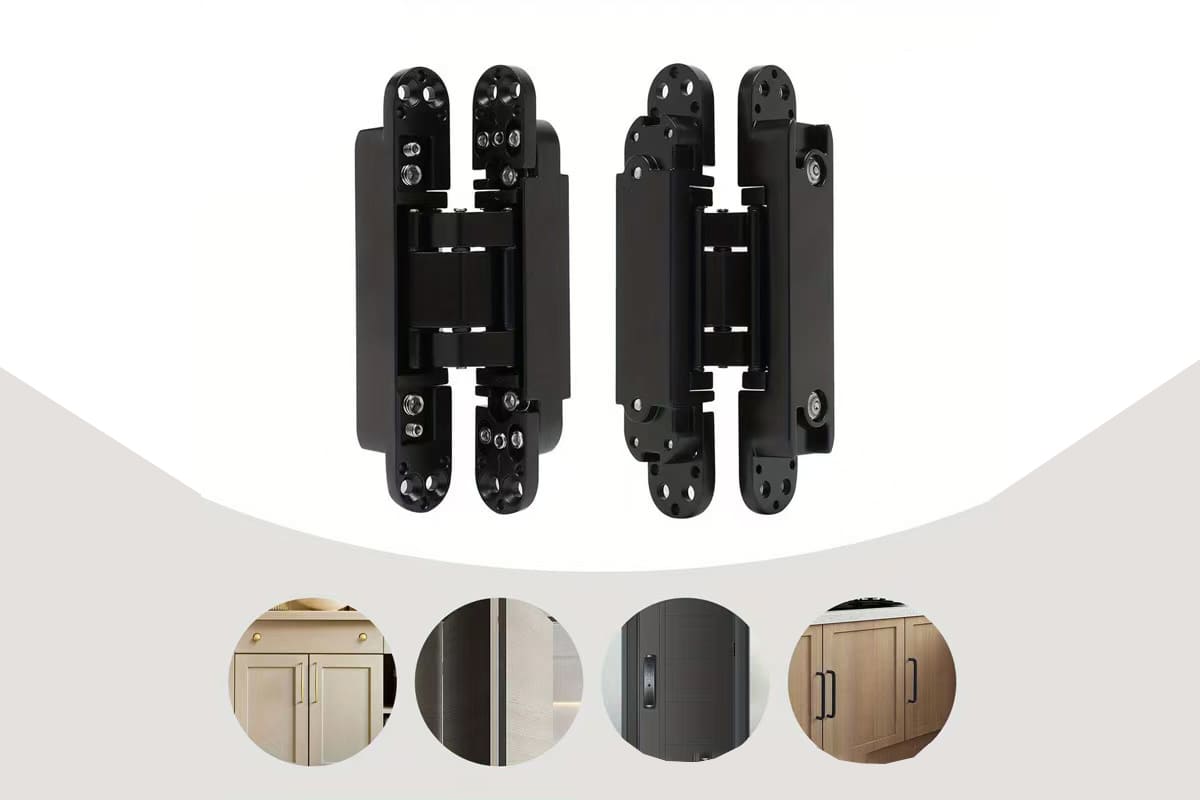
I judge surface finish by color match, texture, coating stability, scratch control, and batch consistency. Black, silver, and other finishes must match the door design and stay consistent across bulk orders.
Finish is both design and production
Many buyers start with a finish request. They may ask for black, silver, satin, chrome-like, nickel-like, or another color. I understand this, because finish affects the first impression. But I also know that finish is a production control point. A sample finish can look good, but the bulk order must match it.
| Finish check | What I compare | Why I care |
|---|---|---|
| Color tone | Sample against bulk goods | The door set must look unified |
| Gloss level | Light reflection and surface feel | Different gloss can look like different products |
| Edge coverage | Corners and inner areas | Weak coverage can expose base material |
| Scratch marks | Handling and packing marks | Visible scratches create complaints |
| Batch consistency | Carton to carton comparison | Large projects need the same appearance |
What I do before I approve a finish
I prefer to define the finish clearly before production. I keep an approved sample when possible. I ask the buyer to confirm whether the finish must match handles, locks, cylinders, or other door hardware. A black concealed hinge may need to match a black lever handle. A silver hinge may need to match a stainless steel handle or door closer. If each product comes from a different process, I do not expect perfect matching without checking samples first.
I also check hidden areas when I judge a concealed hinge. Some parts may not be visible after installation, but weak surface control can still show poor process control. If the hinge is for a humid market, finish quality becomes more important. Packaging also matters. A good finish can be damaged by poor carton packing, loose parts, or rough movement during transport.
In factory quality control, I see finish consistency as one of the most common bulk order concerns. Buyers do not want a door project where one carton looks deep black and another carton looks gray-black. They also do not want silver parts with different gloss levels. For this reason, I ask for clear finish standards, approved samples, and batch inspection before shipment.
How Do Door Materials Change Concealed Hinge Selection?
One concealed hinge model cannot fit every door. Wooden doors, glass doors, and aluminum doors use different structures and fixing methods.
I confirm door material, door thickness, door weight, frame type, fixing method, opening angle, and accessories before I select a concealed hinge model for any door project.
Wooden doors
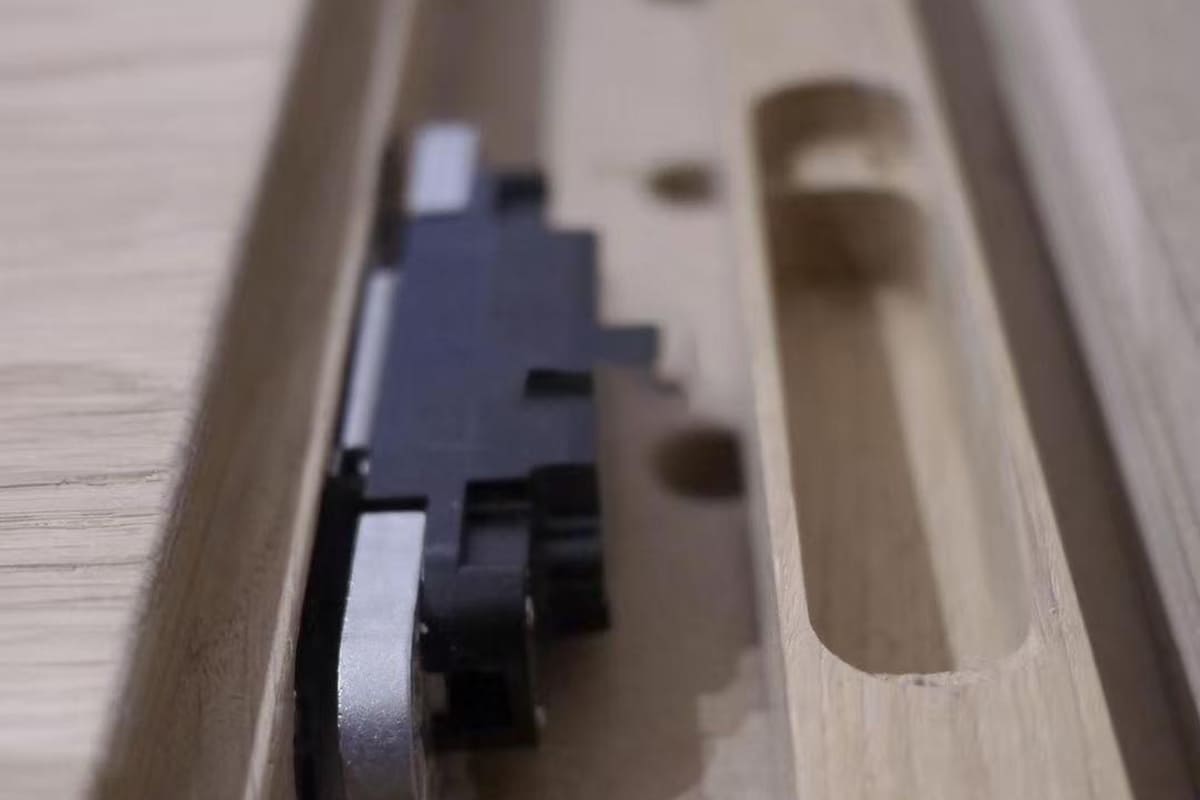
Wooden doors are common for concealed hinges. But I still need details. Solid wood, composite wood, and engineered doors can hold screws in different ways.10 A heavy solid door may need a different hinge model from a light interior door. The routing pocket must match the hinge body. If the door factory already has CNC settings, I need the hinge drawing to match those settings.
| Door type | Main selection point | Common risk |
|---|---|---|
| Wooden door | Door thickness, screw holding, routing size | Weak fixing or wrong pocket size |
| Glass door | Clamp or fitting structure, glass thickness, safety accessories | Wrong fixing method or mismatch with glass system |
| Aluminum door | Profile shape, screw position, frame clearance | Hinge body may not fit the profile |
| Mixed-material door | All contact points and accessory match | One part may fit while another part does not |
Glass doors
For glass doors, I become more careful with structure. A normal concealed hinge for a wooden door is not automatically suitable for glass. Glass needs matching clamps, plates, gaskets, or other fixing parts.11 The edge design, glass thickness, and frame system matter a lot. I also ask whether the door is fully glass or aluminum-framed glass. These are not the same selection case.
Aluminum doors
Aluminum doors bring another set of questions. The profile chamber, wall thickness, screw position, and frame clearance can limit hinge selection. A hinge may look correct in size, but it may not sit well inside the aluminum profile. I usually ask for drawings or profile photos. If possible, I ask for a sample section. This reduces risk before bulk production.
Why I ask so many questions
Some buyers may feel that hinge selection should be fast. I understand that feeling. But I have seen small missing details create real cost. A wrong hinge can delay a door production line. It can also cause on-site adjustment work. It can create mixed feedback from installers in different markets. That is why I ask for door material, thickness, weight, opening frequency, and hardware match before I confirm a model.
How Can I Reduce Risk Before Ordering Concealed Hinges in Bulk?
A sample can pass visual checking, but a bulk order can still fail if I do not control drawings, parts, finish, and packing.
I reduce bulk risk by confirming drawings, samples, material, finish, accessories, packing, inspection points, and delivery schedule before mass production starts.
My basic pre-order checklist
When I support a door factory or hardware buyer, I like to make the order details visible. I do not want the buyer and factory to rely on memory. I want a clear record. This is more important when the order includes custom finish, custom screws, special plates, or project packing.
| Check item | My question | Reason |
|---|---|---|
| Drawing | Is the size confirmed by the door factory? | It protects installation fit |
| Sample | Has the buyer approved the actual sample? | It avoids photo-based mistakes |
| Material | Is the material linked to the use case? | It controls strength, rust, and cost risk |
| Finish | Is there an approved color sample? | It controls appearance consistency |
| Accessories | Are screws and plates listed clearly? | It avoids missing or mixed parts |
| Packing | Is each hinge protected during transport? | It reduces scratches and damage |
| Inspection | Are the key QC points clear? | It supports stable batch quality |
Why I care about batch stability
For one sample, many problems can stay hidden. For a bulk order, small issues repeat many times. If the finish varies, the whole project can look uneven. If screws are mixed, installers may stop work. If the hinge size changes slightly, the door factory may need to adjust machining. If packing is weak, many pieces may arrive with scratches.
I do not promise that one hinge model fits all projects. I also do not claim general load or fire performance without model-specific data. I prefer to confirm the exact model, standard, certificate, and test information when the buyer needs that. This is a safer way to work.
From my factory experience, good hinge buying is not only about asking for the lowest price. It is about matching the product to the door and keeping the same quality in every carton. A stable hinge order helps the door factory assemble faster. It helps the hardware brand protect its reputation. It helps the wholesaler reduce after-sales pressure. This is why I put structure, finish, and batch control into the same selection process.
Conclusion
I choose concealed hinges by matching material, structure, finish, and door application, because the right hinge must look clean and perform stably in bulk.
"Concealed hinge jig - Wikipedia", https://en.wikipedia.org/wiki/Concealed_hinge_jig. Reference descriptions of concealed or invisible hinges explain that these hinges are mortised within the door and frame and are not visible when the door is closed. Evidence role: definition; source type: encyclopedia. Supports: That concealed (invisible) hinges are installed within the door and frame and are not visible when the door is closed.. ↩
"Hinge - Wikipedia", https://en.wikipedia.org/wiki/Hinge. General hinge references describe butt hinges as having interleaved leaves forming a visible knuckle along the door’s edge. Evidence role: definition; source type: encyclopedia. Supports: That butt hinges have a visible knuckle projecting at the door edge when the door is closed.. ↩
"Hinge & Strike Spacing for Steel Doors & Frames", https://steeldoor.org/sdi-129/. Industry guidance for door hinges bases selection on door weight, height, and use frequency to avoid misapplication and associated problems such as sag and premature wear. Evidence role: expert_consensus; source type: institution. Supports: That hinge selection should be based on door weight and related factors to prevent misapplication and sag.. ↩
"A156.1 - 2025 Butts and Hinges", https://buildershardware.com/ANSI-BHMA-Standards/Hardware-Highlights/A1561-2021-Butts-and-Hinges. ANSI/BHMA standards for hinges use cycle testing to establish grades, implying that expected frequency of operation should inform hinge selection. Evidence role: expert_consensus; source type: institution. Supports: That hardware standards grade hinges by cycle testing, linking product grade to expected frequency of use.. ↩
"Zamak - Wikipedia", https://en.wikipedia.org/wiki/Zamak. Technical summaries of zinc die-casting alloys (e.g., Zamak) note high fluidity for complex shapes and favorable surfaces for decorative finishes. Evidence role: mechanism; source type: encyclopedia. Supports: That zinc die-casting alloys are known for excellent castability and cosmetic finishing.. ↩
"Passivation (chemistry) - Wikipedia", https://en.wikipedia.org/wiki/Passivation_(chemistry). Materials references attribute stainless steel’s corrosion resistance to a chromium-rich passive film that limits oxidation in many environments. Evidence role: mechanism; source type: encyclopedia. Supports: That stainless steel exhibits enhanced corrosion resistance due to its chromium-based passive oxide layer.. ↩
"Corrosion - Wikipedia", https://en.wikipedia.org/wiki/Corrosion. Materials overviews explain that iron-based alloys oxidize to rust without protection, necessitating coatings or treatments for corrosion control. Evidence role: mechanism; source type: encyclopedia. Supports: That iron readily corrodes (rusts) in the presence of moisture and oxygen and typically requires protective coatings.. ↩
"Research reveals how humidity affects atmospheric corrosion of ...", https://www.llnl.gov/article/49876/research-reveals-how-humidity-affects-atmospheric-corrosion-aluminum-metal. Government corrosion resources report that high relative humidity promotes corrosion processes, increasing demands on material and coating performance. Evidence role: mechanism; source type: government. Supports: That elevated humidity accelerates atmospheric corrosion and challenges protective finishes.. ↩
"Concealed hinge jig - Wikipedia", https://en.wikipedia.org/wiki/Concealed_hinge_jig. Technical descriptions of European-style concealed cup hinges document integrated multi-axis adjustment for post-install alignment; analogous adjustability features are also found in many architectural concealed hinges. Evidence role: general_support; source type: encyclopedia. Supports: That concealed hinge designs with multi-axis adjustment exist and are common in practice.. Scope note: The cited descriptions primarily cover cabinet-type concealed hinges; architectural concealed door hinges may differ by model and standard. ↩
"Wood handbook: Wood as an engineering material", https://research.fs.usda.gov/treesearch/62200. Engineering data for wood materials show substantial variation in screw withdrawal strength across solid wood species and manufactured wood products, affecting fastener holding in door applications. Evidence role: statistic; source type: government. Supports: That screw withdrawal strength differs among solid woods and engineered wood products.. ↩
"NGA Releases New Frameless Shower Enclosures Technical ...", https://www.glass.org/news/2023/nga-releases-new-frameless-shower-enclosures-technical-design-guide. Glass industry guidance describes frameless glass entrances using patch fittings and clamps with gaskets to secure hinges and other hardware to glass safely. Evidence role: general_support; source type: institution. Supports: That frameless glass door hinges are typically installed using dedicated clamps/patch fittings and gaskets appropriate for glass.. ↩