What Are Some Advantages of a Mortise Lock?
Weak locks create door complaints. Door complaints create project costs. I have seen one small lock choice affect security, finish, delivery, and after-sales.
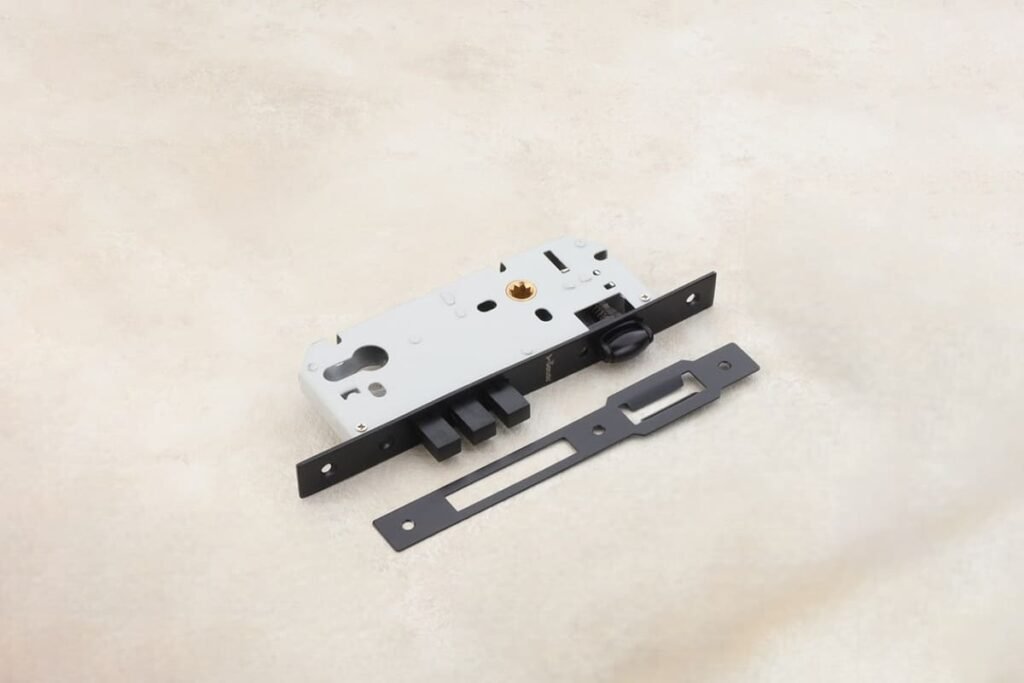
A mortise lock gives strong value because it works inside the door as a full hardware system1. It supports durable use, better integration, broad door applications, standard compliance, and easy matching with handles, cylinders, and some smart lock solutions.
I write this from my factory view at SDH Hardware. I do not see a mortise lock as only one lock body. I see it as one part of a full door hardware system. When I talk with door factories, hardware brands, and project buyers, I often find that they do not only ask, “Is it secure?” They also ask, “Will it last?” “Can it match my door design?” “Can it pass project checks?” “Can I buy the same quality again next year?” These questions are more practical. They decide whether the buyer will have fewer complaints and more stable supply. So I want to explain the real advantages of a mortise lock in a way that connects with daily buying decisions.
Why Does a Mortise Lock Usually Offer Better Durability?
A weak lock body can fail before the door fails. That creates returns, site repairs, and unhappy buyers. I have seen this become very costly.
A mortise lock can offer better durability because its working parts sit inside the door and share force with the door structure2. Good materials, stable machining, and cycle-tested performance help it handle daily opening and locking.
I Look at Materials First
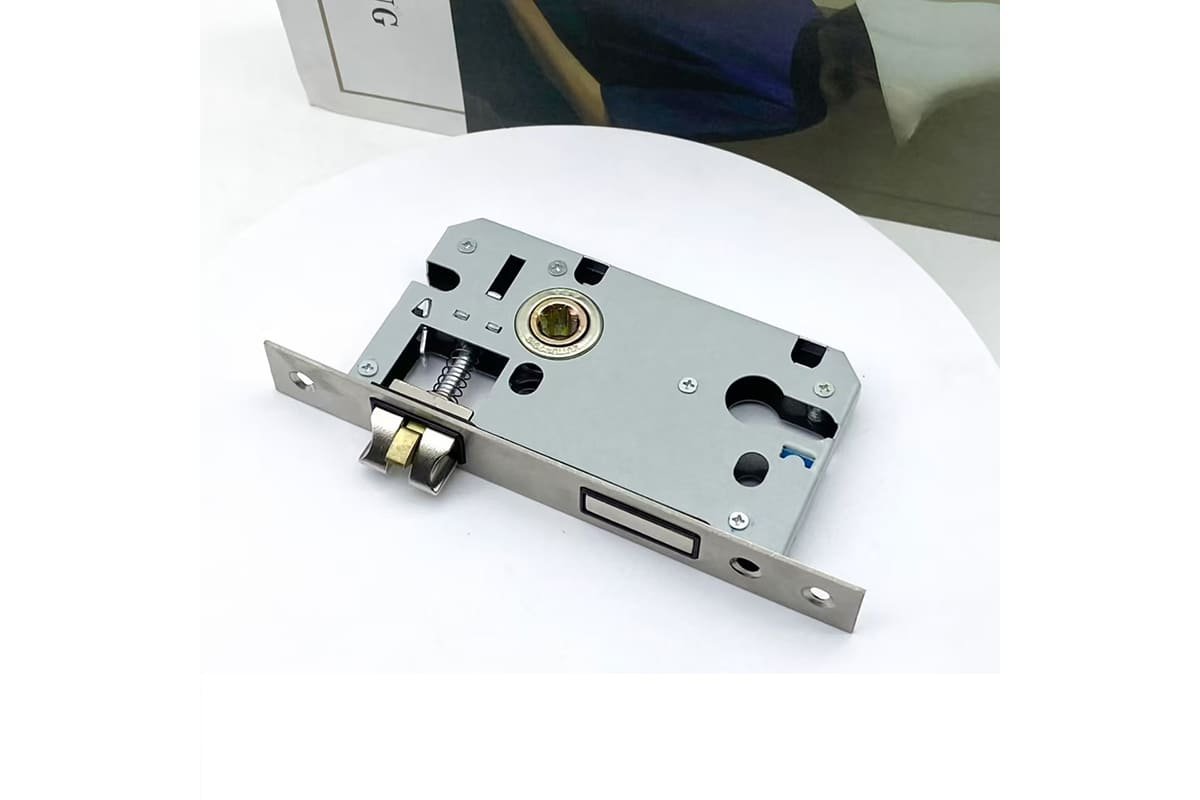
When I judge a mortise lock, I first look at the parts that carry wear. At SDH Hardware, we use SUS304 stainless steel3 for key exposed and working parts in selected Euro-standard mortise lock models, such as the faceplate, deadbolt, and latch bolt. I care about these parts because they touch the strike plate, resist impact, and face daily use. A nice lock body outside is not enough. The latch must move smoothly. The deadbolt must extend and retract without sticking. The faceplate must keep a stable finish.
I Also Look at Tested Use
I also check cycle performance. For our Euro-standard mortise lock product data, the latch has passed a 200,000-cycle test, and the deadbolt has passed a 50,000-cycle test4. We also provide a 5-year functional warranty for applicable models. I always suggest that buyers match these figures to the exact model, test basis, and order requirement before publication or project submission.
| Durability Point | Why I Check It | Buyer Value |
|---|---|---|
| SUS304 faceplate | It is visible and exposed | Better finish stability |
| SUS304 latch bolt | It moves many times every day | Fewer sticking issues |
| SUS304 deadbolt | It carries locking force | Better locking reliability |
| Cycle test data | It shows repeated use ability | Lower after-sales risk |
| Functional warranty | It shows supplier confidence | Better long-term support |
For me, durability is not a slogan. It is a mix of material, production control, test data, and batch consistency.
How Does a Mortise Lock Improve Door Security as a System?
A padlock can look strong, but it often works outside the door. That can leave the door design exposed and less complete.
A mortise lock improves security because it is embedded into the door and works with the handle, cylinder, latch bolt, deadbolt, and strike plate.5 It becomes part of the door structure.

I Do Not Treat Security as One Part
When I explain mortise lock security to buyers, I do not say the lock alone solves every risk. That would be too simple. I see security as a system. The door leaf, lock case, cylinder, handle, strike plate, frame, and installation quality all matter.6 A mortise lock has an advantage because it sits inside the door. It is not hanging outside like a padlock. This embedded structure helps the lock body work with the door material and frame.
I Compare It with External Locking in a Practical Way
A padlock is easy to add, but it is often a separate item.7 A mortise lock is planned into the door. The latch holds the door closed. The deadbolt adds locking force. The cylinder controls key access. The lever handle controls daily opening. This gives door makers more room to build one clear hardware solution.
| Locking Method | Main Position | System Integration | Typical Buyer Concern |
|---|---|---|---|
| Padlock | Outside the door | Low | Looks temporary and exposed |
| Simple latch | On or inside door | Medium | May not support full locking |
| Mortise lock | Inside the door | High | Needs correct door preparation |
| Mortise lock with cylinder and handle | Inside full door system | Higher | Needs matching parts and standards |
I avoid overclaiming anti-theft performance without the right standard evidence. Still, I can say that a mortise lock gives a stronger base for integrated door security than a simple external add-on.
Why Is a Mortise Lock Flexible for Different Door Applications?
One lock type cannot fit every door. If I choose the wrong lock, I can create problems in function, design, and installation.
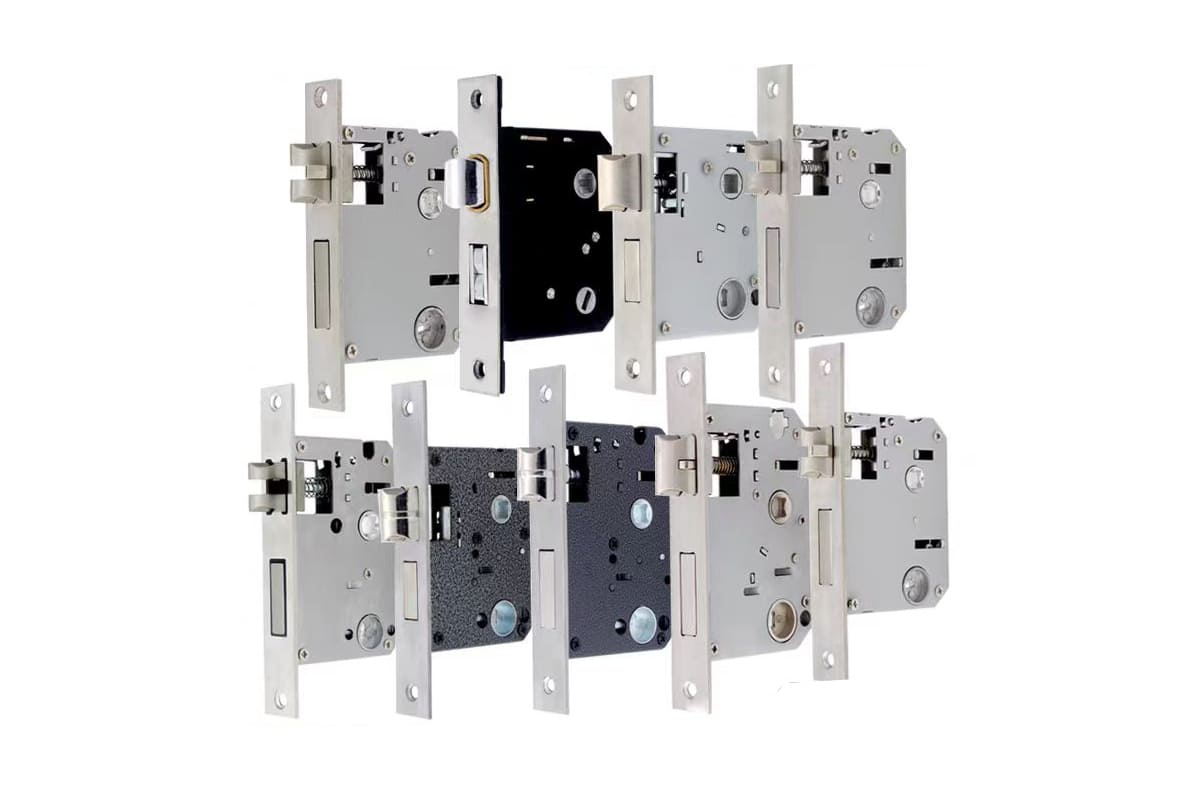
A mortise lock is flexible because it has many variants, such as sash locks, passage locks, deadbolt locks, narrow locks, and hook locks.8 Each type supports a different door use.

I Match the Lock Type to the Door Function
In my factory work, I often remind buyers that “mortise lock” is not one fixed item. It is a product family. A sash lock may be used where a lever handle and key locking are both needed. A passage lock may suit doors that need handle operation but no key locking. A deadbolt lock may support extra locking where daily latch use is not the main point. A narrow lock may fit slim aluminum or profile doors. A hook lock may be used in sliding door or special door designs, based on the door structure.
I Do Not Treat Variants as Interchangeable
The advantage is not that one lock can do everything. The advantage is that the mortise lock system gives buyers choices. A door manufacturer can build a product line with the same general hardware logic but different lock functions. A wholesaler can offer more door solutions without changing the full category. A project buyer can match doors by room type, safety need, and design style.
| Mortise Lock Variant | Common Function | I Usually Consider It For |
|---|---|---|
| Sash lock | Latch plus deadbolt function | Interior and entrance doors |
| Passage lock | Latch function without key locking | Rooms that need free passage |
| Deadbolt lock | Locking function only | Added security or special doors |
| Narrow lock | Slim lock case design | Aluminum or narrow stile doors |
| Hook lock | Hook-type locking action | Sliding or special structure doors |
This flexibility helps buyers reduce product mismatch. It also helps them build cleaner catalogs and more stable project offers.
How Do Mortise Locks Support Standards and Compliance?
A door can look good and still fail project checks. Missing certificates or wrong standards can delay delivery and payment.
Mortise locks support mature compliance systems because many markets already have clear American and European lock standards9. Some models can also be CE certified or fire-rated when tested and documented correctly.10
I Treat Compliance as Model-Specific
When buyers ask me about CE, fire-rated, ANSI, or EN standards, I always connect the answer to the specific model. I do not say every mortise lock is fire-rated. I do not say every lock can fit every certified door. The certificate must match the lock model, door type, test scope, and application condition.11 This detail matters a lot in commercial projects and public building doors.
I See Standards as Risk Control
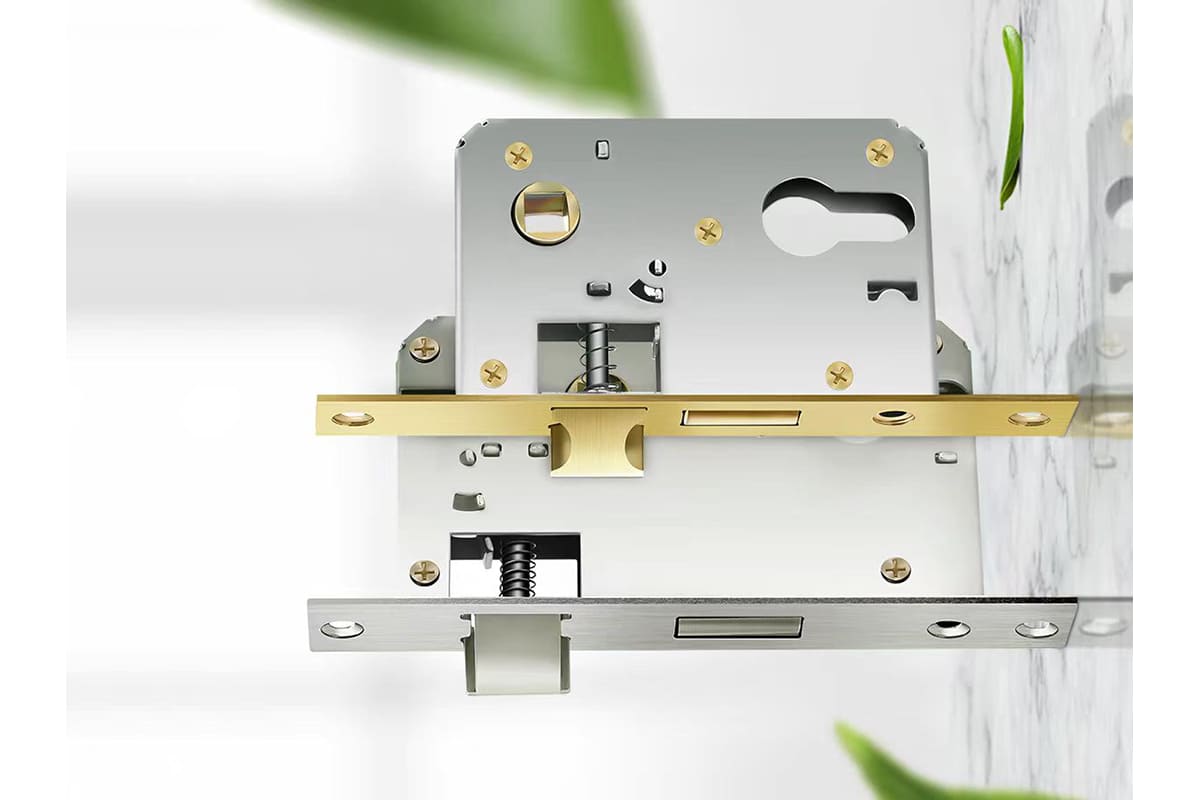
For door manufacturers and hardware brands, compliance is not just a document. It is a way to reduce risk. If a project needs fire-rated hardware, the buyer must check whether the lock model is included in the certificate scope. If a market asks for Euro-standard dimensions, the buyer must confirm backset, center distance, faceplate size, follower size, and strike plate matching. If a brand sells across several countries, it must manage documents in a clean way.
| Compliance Item | What I Check | Why It Matters |
|---|---|---|
| CE certificate | Correct model and scope | Market access and buyer trust |
| Fire-rated report | Door set and lock application | Project safety requirement |
| EN or ANSI reference | Standard grade and test details | Performance comparison |
| Dimension standard | Backset, center distance, faceplate | Door production matching |
| Document validity | Date, model, issuing body | Audit and tender use |
I believe compliance gives buyers peace of mind only when the documents are correct. A certificate with the wrong model can create more trouble than no certificate.
Why Are Mortise Locks Easy to Match with Other Door Hardware?
A lock body alone does not complete a door. Bad matching can cause loose handles, poor key action, and noisy closing.
Mortise locks are easy to match because they can work with lever handles, lock cylinders, strike plates, escutcheons, and some smart lock systems.12 This helps buyers build one complete hardware solution.
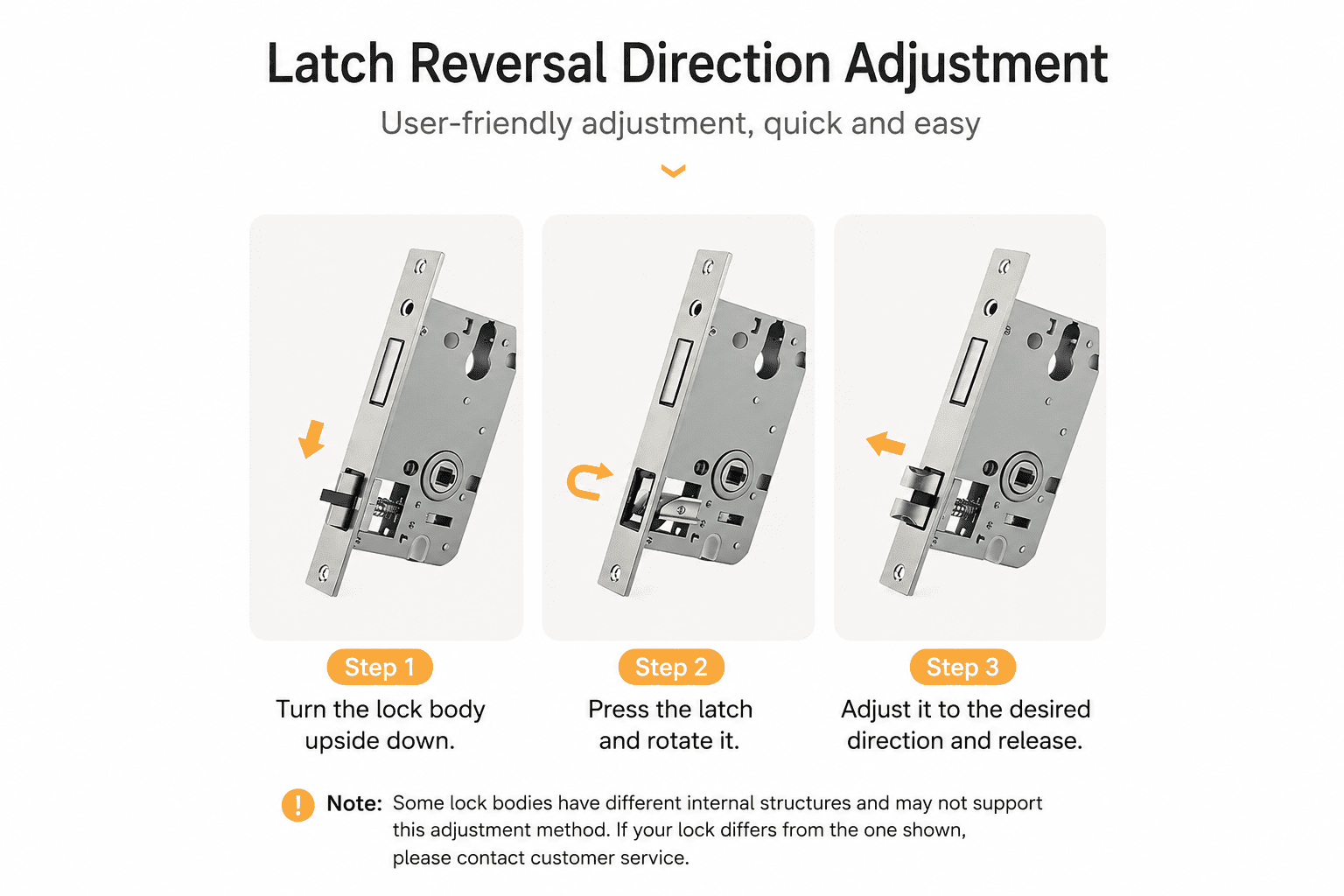
I Think in Complete Sets
At SDH Hardware, I do not only produce one lock body and ignore the rest of the door. We supply Euro-standard mortise locks, stainless steel lever handles, butt hinges, concealed hinges, and lock cylinders. This gives me a clear view of matching problems. The lock follower must match the spindle. The cylinder size must fit the door thickness and escutcheon design. The handle spring strength must suit the lock latch. The strike plate must line up with the latch and deadbolt.
I See Compatibility as a Sales Advantage
For a door factory, this matching saves time on assembly. For a hardware brand, it helps create a cleaner product range. For a wholesaler, it reduces customer confusion. For a project buyer, it reduces site adjustment. Some mortise locks can also work with selected smart lock systems. In this case, I still check the lock case size, follower position, cylinder function, and electronic part requirements before I confirm compatibility.
| Matching Part | What I Confirm | Risk If Ignored |
|---|---|---|
| Lever handle | Spindle size and spring return | Loose handle or poor feel |
| Lock cylinder | Length, cam type, key function | Key sticking or wrong fit |
| Strike plate | Latch and deadbolt position | Door not closing smoothly |
| Escutcheon or rosette | Hole position and cover size | Bad appearance |
| Smart lock system | Case size and operating logic | Function conflict |
A mortise lock becomes more valuable when it is part of a full hardware set. This is why one-stop sourcing can be a real advantage for batch buyers.
How Does a Mortise Lock Help Buyers Reduce Long-Term Procurement Risk?
A cheap lock can look attractive at order time. It can become expensive when quality, finish, and delivery are unstable.
A mortise lock helps reduce procurement risk when it comes from a stable factory with controlled materials, tested functions, consistent finish, and repeatable production for bulk orders.
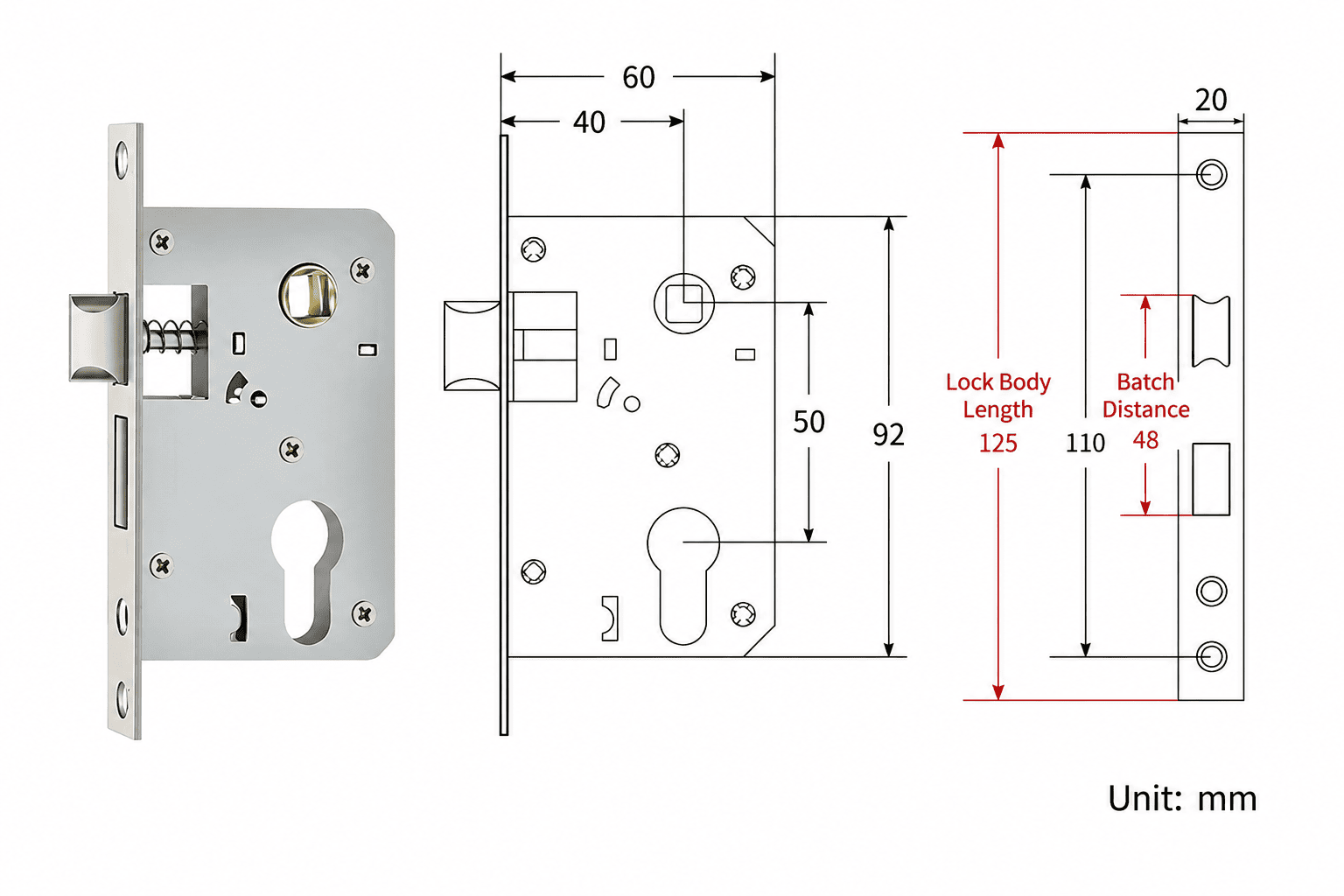
I Focus on Repeatable Production
In bulk door hardware buying, one good sample is not enough. I have seen buyers approve a sample and later receive a batch with different color, weak latch action, or rough machining. So I care about process control. At SDH Hardware, we manage raw material screening, production supervision, surface finish control, and finished product inspection. This helps keep the lock body, faceplate, latch, deadbolt, and accessories stable across bulk orders.
I Connect Factory Control with Buyer Outcomes
Door factories need stable installation. Hardware brands need stable appearance. Wholesalers need fewer returns. Project buyers need delivery on time. These needs all connect to factory control. If the lock case size changes slightly, the door factory may need rework. If the finish changes between batches, the brand may face customer complaints. If the latch action is not smooth, the user may blame the full door.
| Buyer Risk | Factory Control Point | Practical Result |
|---|---|---|
| Batch size mismatch | Standardized machining | Easier door assembly |
| Finish difference | Surface treatment control | Cleaner brand image |
| Function complaint | Cycle and function inspection | Fewer after-sales cases |
| Delivery delay | In-house production planning | More stable supply |
| Wrong accessory mix | Packing and order checking | Less site confusion |
For me, the long-term advantage of a mortise lock depends on the supplier as much as the design. A good lock system needs a good production system behind it.
Conclusion
A mortise lock is valuable because it supports durable, secure, flexible, compliant, and complete door hardware solutions when the right model and supplier are chosen.
"Electronic lock - Wikipedia", https://en.wikipedia.org/wiki/Electronic_lock. A general reference on mortise locks defines them as locks fitted into a mortise cut into the door edge and commonly integrated with latch, bolt, cylinder, and handle hardware; this supports the article's description of the lock as an internal door-hardware system, although it does not evaluate any specific manufacturer's product quality. Evidence role: definition; source type: encyclopedia. Supports: A neutral source should define a mortise lock as a lock fitted into a pocket or mortise in the door and explain its relationship to latch, bolt, cylinder, and handle functions.. Scope note: Contextual support only; it establishes the lock type and typical components, not the claimed commercial value. ↩
"Anyone who has installed locks on a Pocket Door knows the struggle", https://www.instagram.com/reel/DTq4-GBCchi/. Technical descriptions of mortise locks explain that the lock case is recessed into the door and that the latch or deadbolt engages a strike plate in the frame; this supports the mechanism that forces are handled by the door assembly, although it does not prove superior durability in every door construction. Evidence role: mechanism; source type: education. Supports: A technical or educational source should explain that a mortise lock is recessed into the door and operates with a strike plate in the frame, providing contextual support for the claim that the lock interacts structurally with the door assembly.. Scope note: Contextual mechanism; actual durability depends on door material, installation quality, lock grade, and testing. ↩
"[PDF] A Historical Review of Cryogenic Mechanical Testing on Type 304 ...", https://tsapps.nist.gov/publication/get_pdf.cfm?pub_id=959555. Materials references describe 304 stainless steel as an austenitic stainless steel with good general corrosion resistance, which supports its use in exposed lock components where finish stability is relevant; the source does not establish the performance of any particular lock design or surface treatment. Evidence role: mechanism; source type: research. Supports: A materials source should support that 304 stainless steel is an austenitic stainless steel known for general corrosion resistance in many environments.. Scope note: Contextual material support; corrosion and finish performance vary with environment, coating, cleaning, and manufacturing quality. ↩
"BS EN 12209:2016 Mechanically operated locks, latches ...", https://www.acornironmongery.com/2022Standards/GAI-Guide-to-standards-8-BSEN12209-2016-22-final%20(1).pdf. Lock standards such as EN 12209 and ANSI/BHMA A156-series standards include endurance or operational cycling as part of mechanical lock evaluation, supporting the relevance of cycle-test data for durability claims; this does not independently verify the stated 200,000-cycle and 50,000-cycle results for the named product. Evidence role: expert_consensus; source type: institution. Supports: A lock-performance standard should show that endurance or cycle testing is a recognized assessment method for mechanically operated locks and latches.. Scope note: Supports the testing method, not the manufacturer's specific test result. ↩
"Electric Strikes - HES Innovations", https://www.hesinnovations.com/en/products/electric-strikes. Building-hardware guidance describes door locking performance as dependent on the lock body, cylinder, bolt or latch, strike plate, frame, and installation, supporting the article's claim that a mortise lock functions as part of an integrated security assembly; the source does not prove that every mortise lock is more secure than every alternative lock. Evidence role: mechanism; source type: institution. Supports: A door-security or building-hardware source should explain that lock security depends on the interaction of lock case, cylinder, bolt, strike, frame, and installation.. Scope note: Contextual support; comparative security depends on lock grade, door construction, frame reinforcement, and installation. ↩
"Crime Prevention Tips - Town of Porter - IN.gov", https://www.in.gov/towns/porter/government/departments/police-department/crime-prevention-tips/. Public-safety guidance on door security commonly treats the door, lock, strike plate, frame, hinges, and installation as a combined security system, supporting the article's statement that multiple components affect security rather than the lock body alone. Evidence role: expert_consensus; source type: government. Supports: A government or public-safety source should state that effective door security involves the lock, strike plate, frame, hinges, door material, and proper installation.. ↩
"Padlock - Simple English Wikipedia, the free encyclopedia", https://simple.wikipedia.org/wiki/Padlock. General references define a padlock as a portable lock, usually with a shackle, which supports the article's contrast between an add-on external lock and a mortise lock built into the door; the source does not assess which option is preferable in a given application. Evidence role: definition; source type: encyclopedia. Supports: A reference source should define a padlock as a portable lock with a shackle, supporting the contrast with a mortise lock installed inside the door.. Scope note: Definition support only; suitability depends on the door type and security requirement. ↩
"Door Lock Types - A Simple Guide for your Home (with Pictures)", https://www.locksmiths.co.uk/faq/door-lock-types-guide/. Architectural-hardware references classify mortise or mortice locks into functional forms such as sashlocks, deadlocks, latches, narrow-case locks, and hook-lock variants, supporting the article's claim that mortise locks form a product family rather than a single fixed item. Evidence role: definition; source type: institution. Supports: An architectural-hardware or locksmithing institution should document common categories such as mortice sashlocks, deadlocks, latches, narrow-case locks, and hook locks.. ↩
"A156.13 - 2022 Mortise Locks", https://buildershardware.com/ANSI-BHMA-Standards/Hardware-Highlights/A15613-2022-Mortise-Locks. Standards organizations publish American ANSI/BHMA standards and European EN standards, including standards for mechanically operated locks and latches, supporting the article's statement that mature lock-standard systems exist in these markets. Evidence role: general_support; source type: institution. Supports: Sources from standards organizations should show that ANSI/BHMA standards and European EN standards cover mechanical locks, latches, and related building hardware.. ↩
"CE Marking for Construction Products - Intertek", https://www.intertek.com/building/ce-marking/. Official CE-marking guidance and fire-door testing standards indicate that construction products and door hardware claims depend on applicable harmonized rules, testing, classification, and documentation, supporting the article's statement that only some tested and documented lock models can carry such claims. Evidence role: general_support; source type: government. Supports: An official regulatory or standards source should explain that CE marking and fire-rated hardware claims depend on applicable product rules, testing, classification, and documentation.. Scope note: Contextual regulatory support; the applicable route depends on the product category, market, standard, and certificate scope. ↩
"[DOC] 081173", https://online2.ogs.ny.gov/dnc/masterspec24/docs/Division08Openings/081173.0SlidingMetalFireDoors.docx. Certification and fire-test documentation for door assemblies generally specify the tested product, configuration, field of application, and limitations, supporting the article's warning that a certificate must correspond to the lock model, door type, test scope, and intended use. Evidence role: expert_consensus; source type: institution. Supports: A testing or certification body should explain that fire-door or hardware certificates identify tested configurations, fields of application, and limitations.. ↩
"[PDF] Mortise Handle & Locks Solutions - Yale", https://www.yalehome.com/in/en/documents/catalouge/Mortise%20Handle%20and%20locks.pdf. Architectural-hardware specification guidance describes mortise locks as components coordinated with lever trim, spindle or follower size, cylinders, strike plates, escutcheons, and, where applicable, electronic access functions, supporting the article's claim that mortise locks can be matched within a broader hardware set. Evidence role: mechanism; source type: institution. Supports: A door-hardware specification source should explain that mortise locks are selected with compatible spindles, followers, cylinders, strikes, trims, and sometimes electronic functions.. Scope note: Contextual support; compatibility must still be verified for each model, door preparation, and electronic system. ↩