
How to Improve Your Front Door Security?
I often see buyers upgrade one cylinder, then face complaints because the hinge, lock body, or handle still leaves weak points.
Improving front door security means selecting the cylinder, mortise lock body, hinges, handle set, and door structure as one system1. I match each part to the door type, target market, installation method, and risk level, instead of treating one lock upgrade as enough.
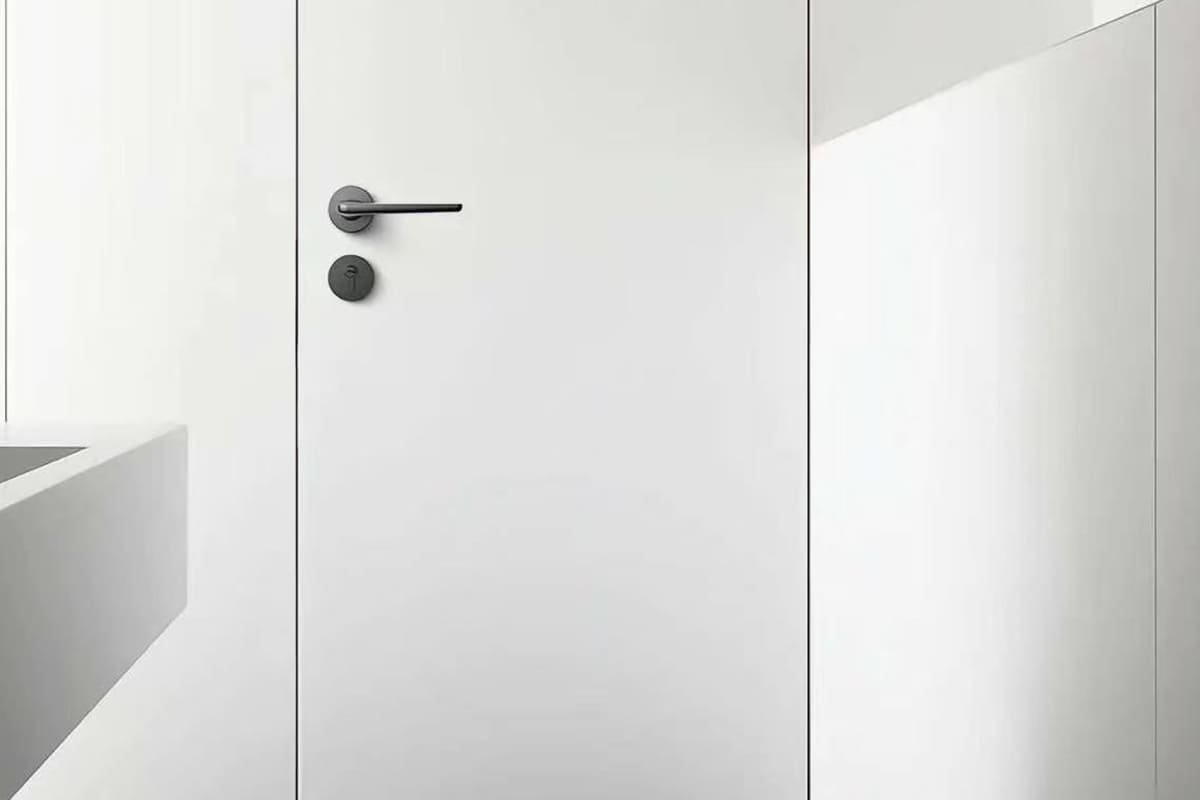
I learned this from many talks with door factories, door brands, and hardware buyers. A front door is not protected by one part only. It is protected by the way each part works with the next part. I have seen a strong cylinder installed with a weak lock body. I have seen a clean door design lose strength because the hinge side was ignored. I have also seen after-sales problems start from a handle set that looked good but was not fixed well. The real question is how each part carries its share of the security work.
Why Should I Start With The Lock Cylinder, But Not Stop There?
I start with the cylinder because many attacks touch it first, but I never treat the cylinder as the whole security answer.
A better front door cylinder can improve resistance to picking, drilling, and key copying2, based on its structure and keyway design. I still match it with the mortise lock body, door thickness, handle set, and local market requirements before I confirm the configuration.
I look at cylinder structure first
I often discuss cylinder choice with buyers who want a stronger front door set. In higher-security configurations, I may consider double-sided cylinders, double-row pin systems, multi-track key structures, and complex milled keyways3. These designs can make simple opening methods harder. They can also help a door brand show a more serious hardware level in its product line.
I still avoid saying that one cylinder can stop every forced entry. A cylinder works inside a larger door system. If the lock body is weak, the cylinder cannot carry the full load. If the handle plate is loose, the cylinder area may still become a problem. If the door material is too thin, the fixing strength may not support the cylinder well.
I match the cylinder to the door system
| Selection point | What I check | Why it matters |
|---|---|---|
| Cylinder length | Door thickness and handle plate thickness | A wrong length may expose the cylinder too much4 |
| Keyway design | Market demand and buyer price level | A more complex keyway can support a higher security position |
| Cylinder type | Single side, double side, thumb turn, or special type | Each market and project may have different use habits |
| Lock body match | Euro profile size and cam action | A mismatch can cause poor locking or service problems |
| Finish match | Handle and plate finish | Batch doors need a clean and unified look |
I usually tell buyers that the cylinder is the first line of defense, not the only line. I want the cylinder to fit the lock body, the door leaf, the handle set, and the market position. This is the way I reduce product risk in bulk orders.
How Does The Mortise Lock Body Support Front Door Security?
I see the mortise lock body as the structural center of the front door hardware set, not just a hidden mechanical part.
A good mortise lock body supports the latch, deadbolt, cylinder action, handle movement, and door closing strength5. A 304 stainless steel lock body and anti-card latch design can help improve durability and reduce simple insertion risks6 when correctly selected and installed.
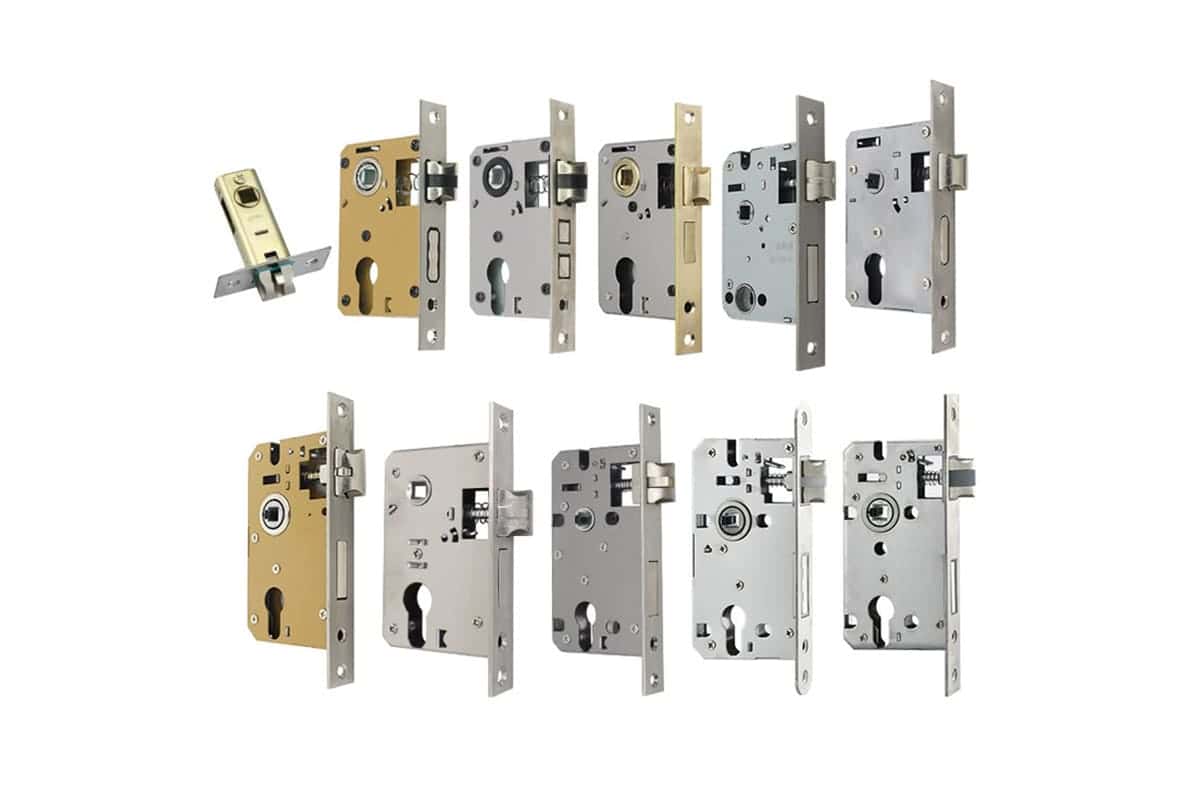
I treat the lock body as a load-bearing part
A front door lock body sits inside the door leaf. Many end users do not see it, but I see it as one of the most important parts. It connects the cylinder, the handle, the latch, and the deadbolt. If this part is weak, the full lock set may feel poor after months of use. It may also create extra after-sales work for the buyer.
For stronger front door configurations, I often look at 304 stainless steel lock bodies. This material can offer better corrosion resistance and stronger performance than lower-grade options in many use cases7. It is also a good choice when the buyer serves markets with humidity, coastal air, or higher quality expectations.
I check anti-card latch design
| Lock body feature | Security value | Buying note |
|---|---|---|
| 304 stainless steel case | It helps improve strength and corrosion resistance | I confirm material based on target cost and project need |
| Solid latch and deadbolt | They support closing and locking performance | I check movement smoothness before batch approval |
| Anti-card latch design | It helps reduce opening by card, paper, or thin sheet insertion | I avoid absolute claims without test proof |
| Euro standard design | It supports common cylinder and handle matching | I confirm backset, center distance, and faceplate size |
| Stable spring system | It improves handle return and daily use feel | I test repeated operation during sampling |
I have met buyers who only asked for a heavy-looking handle, while the lock body was a basic model. I usually explain that the real force path goes through the lock case, latch, deadbolt, screws, and door structure. I want the lock body to match the grade of the cylinder. I also want it to match the market price point. A premium cylinder with a weak lock body gives the buyer a mixed product. A balanced set gives the buyer a more stable front door solution.
Why Does The Hinge Side Matter In A Security Configuration?
I pay close attention to the hinge side because a front door can still face pry risk even when the lock side looks strong.
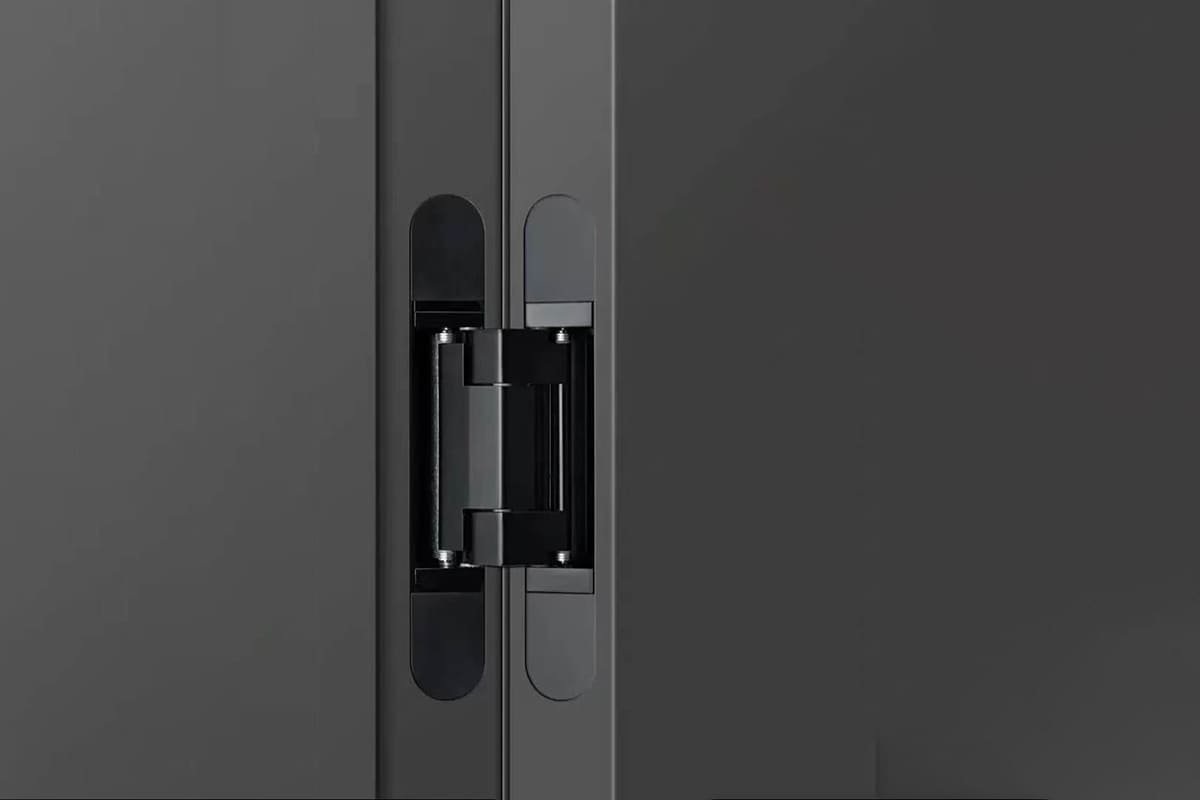
3D concealed hinges can help reduce exposed pry points and improve door adjustment8. I often consider them for front door systems where anti-pry appearance, clean installation, tight gaps, and long-term door alignment are important.
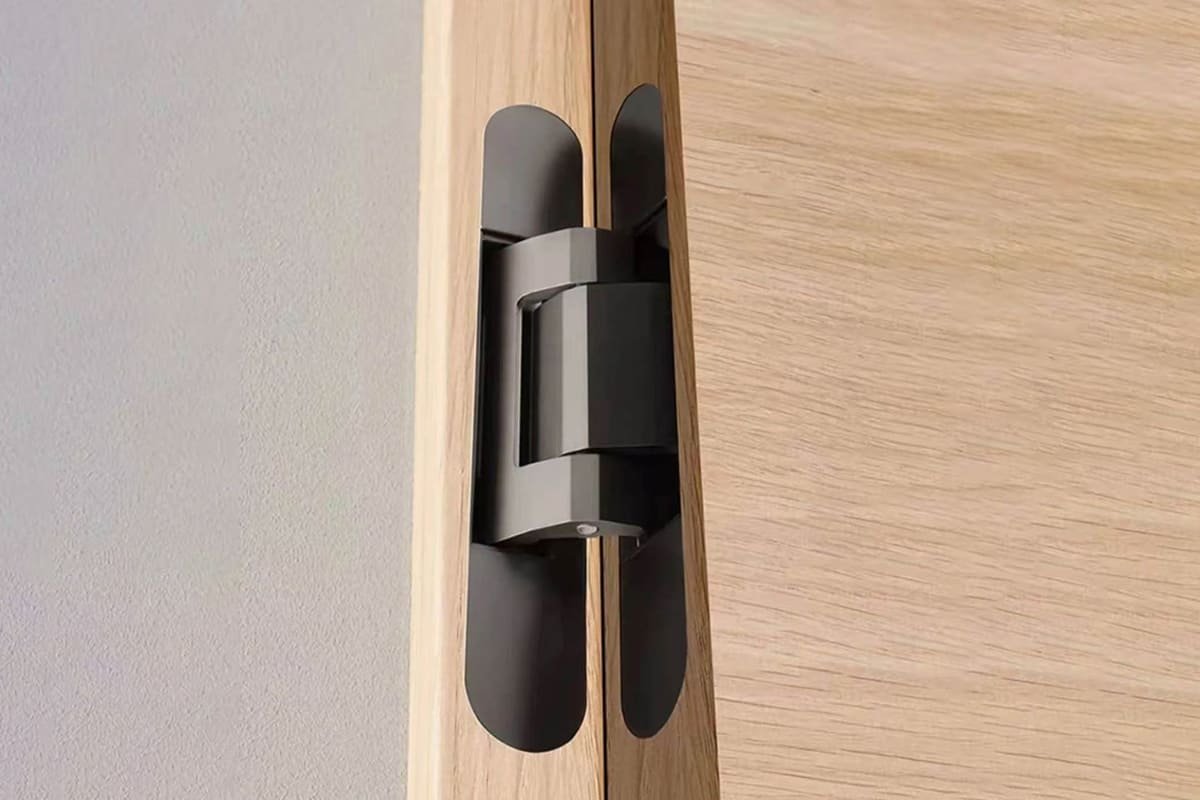
I check exposed parts on the hinge side
Many people focus on the lock side first. I understand that. The lock side is easy to see and easy to compare. But I also check the hinge side. A weak hinge configuration can create gaps, movement, and exposed force points9. These issues can reduce the real security feeling of the door set.
3D concealed hinges are often used when the buyer wants a cleaner front door design and better adjustment. The hinge body is hidden when the door is closed. This design can reduce exposed hinge points compared with common visible hinges. The 3D adjustment also helps installers set the door gap, height, and pressure more accurately.
I connect hinge choice with installation quality
| Hinge choice factor | What I consider | Impact on front door security |
|---|---|---|
| Concealed design | Whether the hinge is hidden when closed | It can reduce exposed pry opportunities |
| 3D adjustment | Height, side, and depth adjustment | It helps create tighter and more stable door gaps |
| Door weight capacity | Door material and size | A wrong hinge can sag and create weak gaps |
| Screw fixing | Frame strength and screw quality | Poor fixing can reduce hinge performance |
| Finish and tolerance | Batch consistency | It supports clean installation across many doors |
I have seen door factories solve many service complaints after they improved hinge selection and installation control. The lock was not the only reason for the problem. The door leaf dropped slightly. The latch did not enter the strike plate cleanly. The buyer then received complaints about hard closing and poor locking. A 3D concealed hinge cannot solve every door problem, but it gives the installer more control. I value this control because a well-aligned door helps the cylinder, lock body, and handle work as designed.
How Can Handle Structure Become A Security Factor?
I do not choose a front door handle only by shape, because a weak handle assembly can become a practical attack point10.
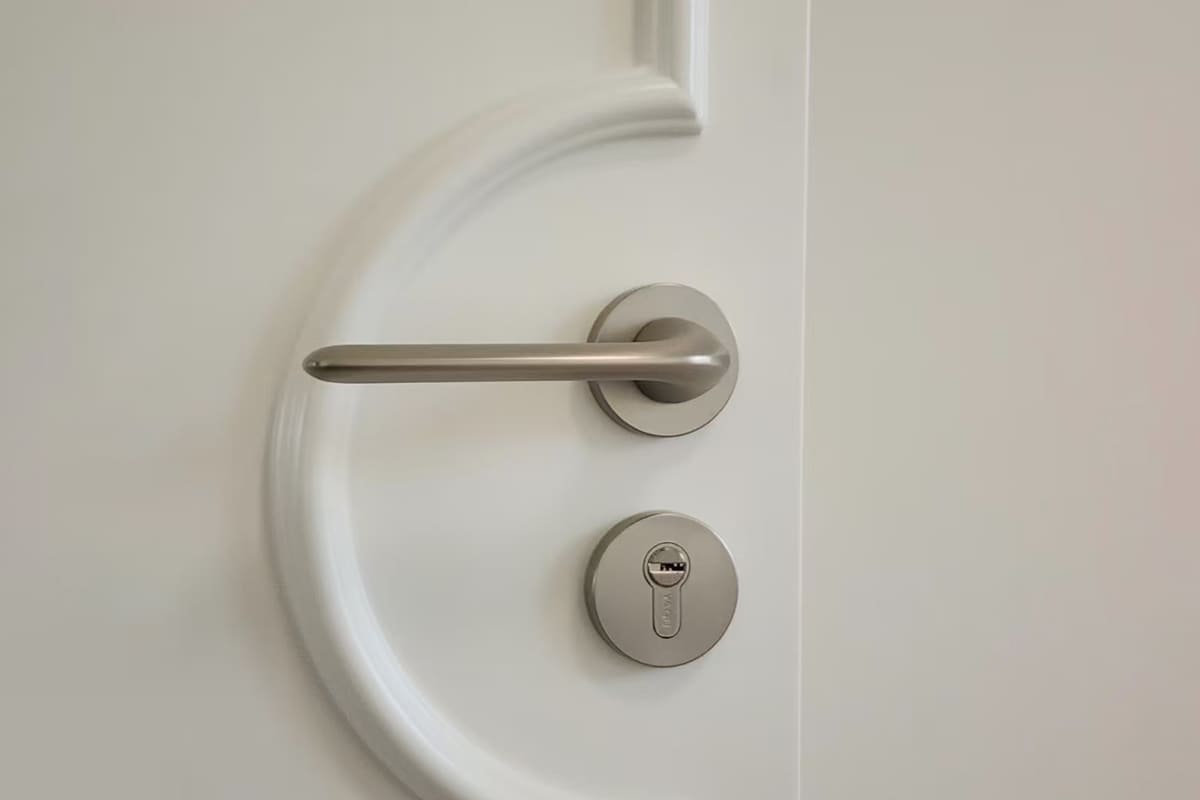
An integrated handle and plate structure can improve damage resistance when the material, fixing method, and installation are suitable. I check handle strength, plate thickness, screw position, cylinder protection, and finish consistency before I approve a front door set.
I look beyond the surface design
A handle is easy to judge by appearance, so many buyers start with color and style. I also care about appearance, especially for door brands that need a clean product line. But I do not stop there. I check how the handle is assembled. I check whether the plate is strong enough. I check whether the fixing points are stable. I also check whether the handle returns smoothly after repeated use.
For front doors, an integrated handle and plate design can be a better choice than a loose and weak assembly. A stronger structure can help resist pulling, twisting, and impact better, depending on material and fixing. I still do not make absolute claims. A handle set must be tested and installed in the right way.
I check the handle as part of the lock area
| Handle detail | What I check | Why I check it |
|---|---|---|
| Plate structure | Integrated or separate assembly | A stronger plate can protect the lock area better |
| Material | Stainless steel, zinc alloy, or other material | Material affects strength, finish, and cost |
| Fixing method | Through bolts, screws, and mounting points | Weak fixing can cause movement and damage11 |
| Cylinder opening | Fit around the cylinder | Poor fit may expose more cylinder body |
| Finish quality | Color, texture, and batch match | Door brands need stable appearance in bulk orders |
I once worked with a buyer who had a good lock body and a good cylinder, but the handle plate was too light for the front door position. The final door felt less solid than expected. The buyer did not want a high-cost luxury set, but he needed a handle that matched the security level of the lock. We changed the structure and improved the fixing. The whole door felt more stable. This is why I see the handle as part of the security configuration, not just decoration.
How Should I Match Front Door Hardware To Market, Door Type, And Risk?
I always match the hardware set to the real selling market, because one front door configuration cannot fit every buyer or project.
The right front door security hardware depends on door material, market expectation, user habit, certification need, cost target, installation skill, and risk tolerance. I build a balanced set instead of selecting the strongest single part in isolation.

I start with the buyer’s real use case
A door factory, a hardware brand, and a wholesaler may all ask for better front door security. But their real needs are not always the same. A door factory may care about installation speed and batch matching. A brand may care about product story, finish quality, and market position. A wholesaler may care about cost, stock control, and fewer complaints.
I first ask about the door type. A steel door, wooden door, aluminum door, and fire-rated door may need different sizes, fixing methods, and accessories.12 I then ask about the target market. Some markets prefer double-sided cylinders. Some markets want thumb turns for easier exit. Some projects ask for CE or fire-rated documents. I need these details before I can suggest a stable hardware set.
I build a balanced front door package
| Buyer question | My selection logic | Hardware area affected |
|---|---|---|
| What door material is used? | I match fixing strength and size | Hinges, lock body, handle set |
| What is the door thickness? | I confirm cylinder length and screw length | Cylinder, handle, lock body |
| What market will receive the doors? | I match key habit, finish, and compliance need | Cylinder, finish, certificates |
| What is the price position? | I balance security features and cost | Full hardware set |
| What is the installation condition? | I reduce parts that create fitting problems | Hinges, lock body, accessories |
| What after-sales risk is acceptable? | I choose more stable parts when risk is low tolerance | Cylinder, lock body, handle |
I also care about finish consistency. A buyer may select a strong lock set, but batch finish problems can still hurt sales. I check stainless steel surface treatment, color match between hinges and handles, and packing control. I see this as part of front door security supply, because a reliable product must perform and also look consistent.
I avoid overbuilding one part and underbuilding another
A very complex cylinder may not make sense if the door uses a low-strength lock body and weak handle plate. A strong concealed hinge may not show its value if the frame cannot hold screws well. A premium handle may not reduce risk if the cylinder is too exposed. I prefer a balanced configuration because it lowers the chance of weak links.
For many front door projects, I may suggest a higher-security cylinder, a Euro standard mortise lock body with suitable material and anti-card latch design, 3D concealed hinges when the door design supports them, and a stronger integrated handle plate. I still adjust the plan based on cost and market need. This is the practical way I help buyers improve security without creating unnecessary cost or installation trouble.
Conclusion
I improve front door security by matching the cylinder, lock body, hinges, handle, door structure, market need, and installation quality as one balanced hardware system.
"[PDF] Dartmouth Design & Construction Guidelines January 2023 08 71 00", https://www.dartmouth.edu/fom/docs/2023_construction_guidelines/08_71_00_door_hardware.pdf. PAS 24 and Secured by Design guidance evaluate burglary resistance at the doorset level, including locking points, hinges, frames, glazing, and fixings, which supports treating front door hardware as an integrated security system rather than as isolated parts. Evidence role: expert_consensus; source type: institution. Supports: A doorset security standard or police-backed guidance should support treating the lock, hinges, frame, door leaf, and fixings as interacting parts of one tested security assembly.. Scope note: This supports the general systems approach; it does not verify the performance of any specific configuration described in the article. ↩
"Standards - BS EN 1303 - Aldridge Security", https://www.aldridgesecurity.co.uk/standards-bs-en-1303. BS EN 1303 classifies lock cylinders by key-related security and attack resistance, including criteria relevant to drilling resistance, durability, and key security, supporting the article’s distinction between cylinder structure and cylinder attack resistance. Evidence role: expert_consensus; source type: institution. Supports: A lock-cylinder standard should support that cylinders are classified by attack resistance and key-related security factors relevant to drilling, manipulation, and key control.. Scope note: The standard supports the categories of resistance, but individual products require their own certification or test results. ↩
"Pin tumbler lock - Wikipedia", https://en.wikipedia.org/wiki/Pin_tumbler_lock. Technical descriptions of pin-tumbler and high-security lock mechanisms explain that added pin rows, sidebars, complex key bitting, and restrictive keyways increase the number of conditions that must be satisfied before the plug can rotate. Evidence role: mechanism; source type: encyclopedia. Supports: A technical reference should explain that additional pin rows, sidebars, tracks, and restrictive keyways can increase the complexity of operating or manipulating a lock cylinder.. Scope note: This is mechanism-level support and does not prove that every cylinder using these features resists a given attack without product-specific testing. ↩
"Federal 3 Star Euro Cylinder Door Lock - Thumb Turn, TS007 ...", https://phoenix-vp.com/store/?p=details/Cylinder-Door-Lock-Thumb-Turn-TS007-Diamond-Secure-Anti-Snap/1168737. UK police-backed door security guidance notes that euro-profile cylinders should not protrude excessively from the door furniture because exposed cylinders are more vulnerable to gripping, snapping, and related attacks. Evidence role: general_support; source type: institution. Supports: Security guidance should support that excessive euro-cylinder protrusion can create an attack opportunity and that correct sizing reduces exposure.. ↩
"Mortise lock - Wikipedia", https://en.wikipedia.org/wiki/Mortise_lock. Reference descriptions of mortise locks define them as lock cases fitted into a mortise in the door and containing the latch, boltwork, follower or spindle mechanism, and key or cylinder operation, supporting the article’s description of the lock body’s coordinating role. Evidence role: definition; source type: encyclopedia. Supports: A reference source should define a mortise lock and describe its lock case, latch, deadbolt, cylinder or key mechanism, and handle spindle/follower relationship.. Scope note: This supports the component relationship, not the security rating or durability of a particular lock body. ↩
"Are there any kinds of door locks immune to being opened with a ...", https://diy.stackexchange.com/questions/232331/are-there-any-kinds-of-door-locks-immune-to-being-opened-with-a-credit-card. Descriptions of deadlatch mechanisms explain that an auxiliary latch can block retraction of the main latch bolt when the door is closed, reducing susceptibility to carding or shimming attacks. Evidence role: mechanism; source type: encyclopedia. Supports: A technical source should explain that a deadlatch or anti-shim feature prevents the latch bolt from being pushed back by a card or thin tool when properly engaged.. Scope note: This supports the operating principle; effectiveness depends on correct strike alignment, door gap, and the specific latch design. ↩
"[PDF] guide to the selection and use of high performance stainless steels", https://www.nrc.gov/docs/ML0334/ML033490048.pdf. Materials references describe AISI 304 stainless steel as an austenitic chromium-nickel alloy with broad corrosion resistance and established mechanical properties, which supports its use where corrosion resistance and consistent material performance are important. Evidence role: general_support; source type: education. Supports: A materials science source should support the corrosion resistance and mechanical-property profile of AISI 304 stainless steel.. Scope note: The source would support material properties generally; actual lock-body strength depends on thickness, forming, heat treatment, design, and installation. ↩
"Exterior Door Hinges Security: How to Strengthen Your Home's ...", https://www.danddhardware.com/exterior-door-hinges-security.html. Door security guidance treats externally accessible hinges as potential attack surfaces, while technical descriptions of three-dimensional concealed hinges describe height, lateral, and depth adjustment for controlling door alignment. Evidence role: general_support; source type: institution. Supports: A security guide or hinge technical reference should support that exposed hinge knuckles can be attack points and that three-dimensional adjustable concealed hinges allow height, lateral, and depth adjustment.. Scope note: This is contextual support for the hinge concept; it does not establish burglary resistance unless the hinge and doorset are tested as an assembly. ↩
"PHYSICAL SECURITY OF DOOR ASSEMBLIES AND ...", https://www.ojp.gov/pdffiles1/nij/32269.pdf. Government and police home-security guidance commonly identifies hinge-side exposure, weak fixings, and excessive door gaps as vulnerabilities, and building-maintenance references describe hinge sag as a cause of latch and strike misalignment. Evidence role: general_support; source type: government. Supports: A government or police home-security source should support that hinge-side weakness, excessive gaps, or poor alignment can compromise door security and operation.. Scope note: This supports the general risk relationship, not a quantified failure rate for the article’s specific hinge examples. ↩
"BS EN 1906 – Lever Handle and Knob Furniture - HOPPE", https://www.hoppe.com/in-en/contacts-service/standards/bs-en-1906/. Protective door furniture standards classify handles, plates, and escutcheons by durability and attack resistance, including protection of the cylinder area against pulling, drilling, twisting, or related forced-entry methods. Evidence role: expert_consensus; source type: institution. Supports: A protective door furniture standard should support that handles, plates, and escutcheons can be tested or classified for resistance to attacks around the cylinder and lock area.. Scope note: The standard supports the security relevance of handle assemblies; only certified or tested hardware can claim a specific resistance grade. ↩
"How Secure Is Your Front Door? | Keep Your Family Safe ... - YouTube",
. Home-security guidance from police and government sources emphasizes reinforced strike plates, secure hinge screws, and adequate hardware fixings, supporting the claim that weak fixing can permit movement, loosening, or forced-entry damage. Evidence role: general_support; source type: government. Supports: A government or police security source should support that screws, bolts, strike plates, and hinge fixings are critical to resisting forced entry and preventing movement.. Scope note: This supports the importance of fixing quality generally and does not specify the required fastener design for every door material. ↩"Fire Doors and NFPA 80 FAQs", https://www.nfpa.org/news-blogs-and-articles/blogs/2025/04/11/fire-doors-faqs. Fire-door assembly standards such as NFPA 80 treat the door, frame, hinges, locks, latches, closers, glazing, and seals as a listed assembly, requiring hardware and field modifications to remain compatible with the fire rating. Evidence role: expert_consensus; source type: institution. Supports: A fire-door or building-code source should support that fire-rated doors are assemblies whose hardware and modifications must be compatible with the listing, while different substrates affect fixing and installation.. Scope note: This directly supports the special case of fire-rated doors; material-specific fixing requirements for steel, wood, and aluminum doors may require additional manufacturer or code references. ↩