Types of Hinges: Which Type Should B2B Door Hardware Buyers Choose?
A wrong hinge looks small in the quotation. It becomes big when doors sag, installers complain, and buyers face claims after shipment.
B2B buyers should choose hinge types by door weight, thickness, material, use frequency, installation method, appearance, certification needs, and supply stability. I do not treat “types of hinges” as a name list. I treat it as a risk-control decision for door factories, hardware brands, importers, and wholesalers.
I often speak with overseas buyers who first ask me for a hinge name or a low price. I understand that pressure. A buyer must control cost and delivery. A product manager must finish a new door set quickly. A brand owner must keep the market price attractive. Yet I also see the hidden risk. A hinge is not only a metal part. It controls door movement, door gap, load support, installation speed, surface appearance, and sometimes project compliance.1 If I do not understand the door first, I cannot give a serious hinge suggestion.
Why Should I Classify Hinges by Application First?
Many hinge names sound clear at first. The problem starts when the same name is used for different doors, markets, and quality levels.
I classify hinges by application first. I ask about door type, door weight, door thickness, door material, opening angle, use frequency, installation structure, target market, and needed documents2. Then I match the hinge family to the real door condition.
My First Check Before I Talk About Hinge Names
When I talk with a door factory buyer, I usually do not start with “butt hinge or concealed hinge.” I start with the door. A wooden interior door, a steel fire door, an aluminum frame door, a wardrobe door, and a stone door do not ask the hinge to do the same job. The hinge name may look similar in a catalog, but the working condition is not the same.
| Question I Ask | Why I Ask It | Risk If Ignored |
|---|---|---|
| What is the door material? | Material affects screws, routing, and strength.3 | Loose fixing or poor installation. |
| What is the door weight? | Weight affects hinge size and structure.4 | Door sagging and closing problems. |
| What is the door thickness? | Thickness affects hinge body and screw position. | Mismatch during assembly. |
| How often will the door open?5 | High traffic needs stable movement. | Early wear and noise. |
| Is a certificate needed? | Some projects need verified documents. | Rejection in bidding or delivery. |
I use this process because buyers often compare hinge types by appearance only. I have seen buyers place concealed hinges, butt hinges, flag hinges, and pivot hinges in the same price table. That table looks easy, but it hides the door condition. I prefer a slower start because it saves time later. When I know the door structure and target market, I can narrow the choice. I can also tell the buyer which details must be confirmed by drawings, samples, or product documents before mass order.
When Should I Use Butt Hinges as the Basic Door Hinge Choice?
A butt hinge is simple to understand, but it is not simple to buy well. Many after-sales problems start from poor material, weak thickness, bad screws, or uneven finish.
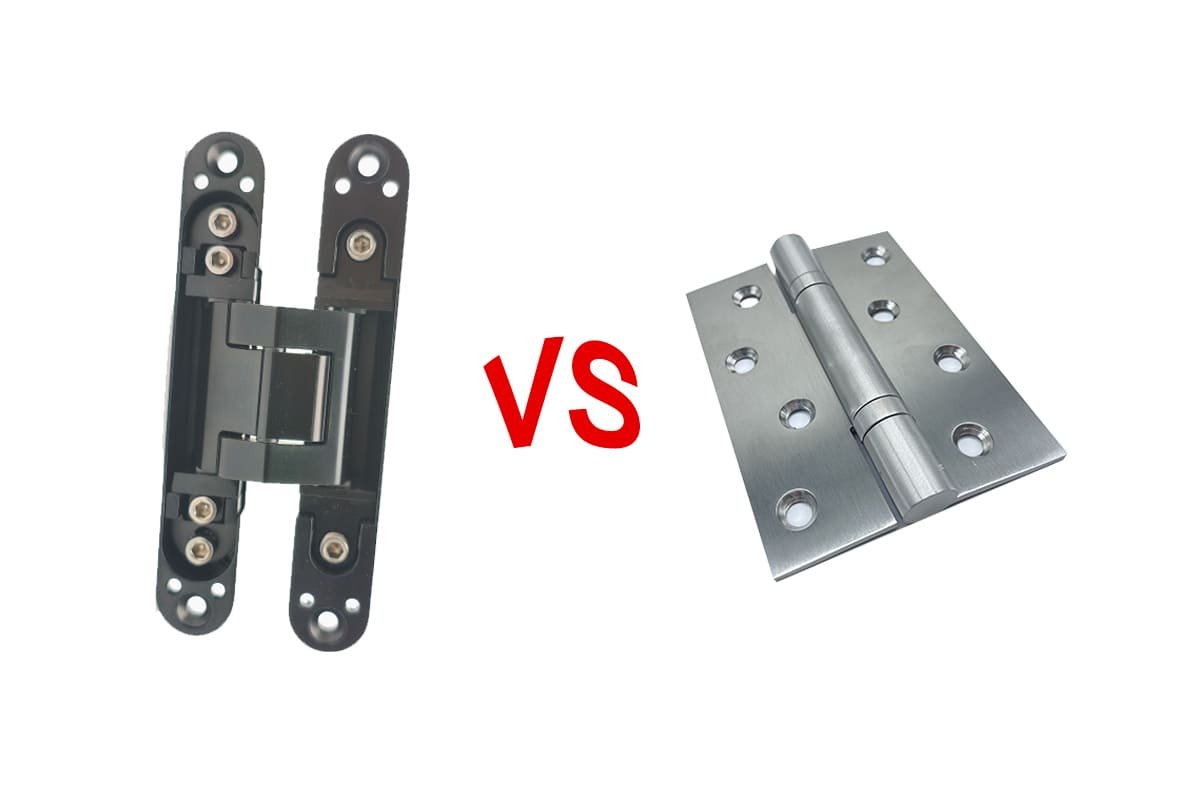
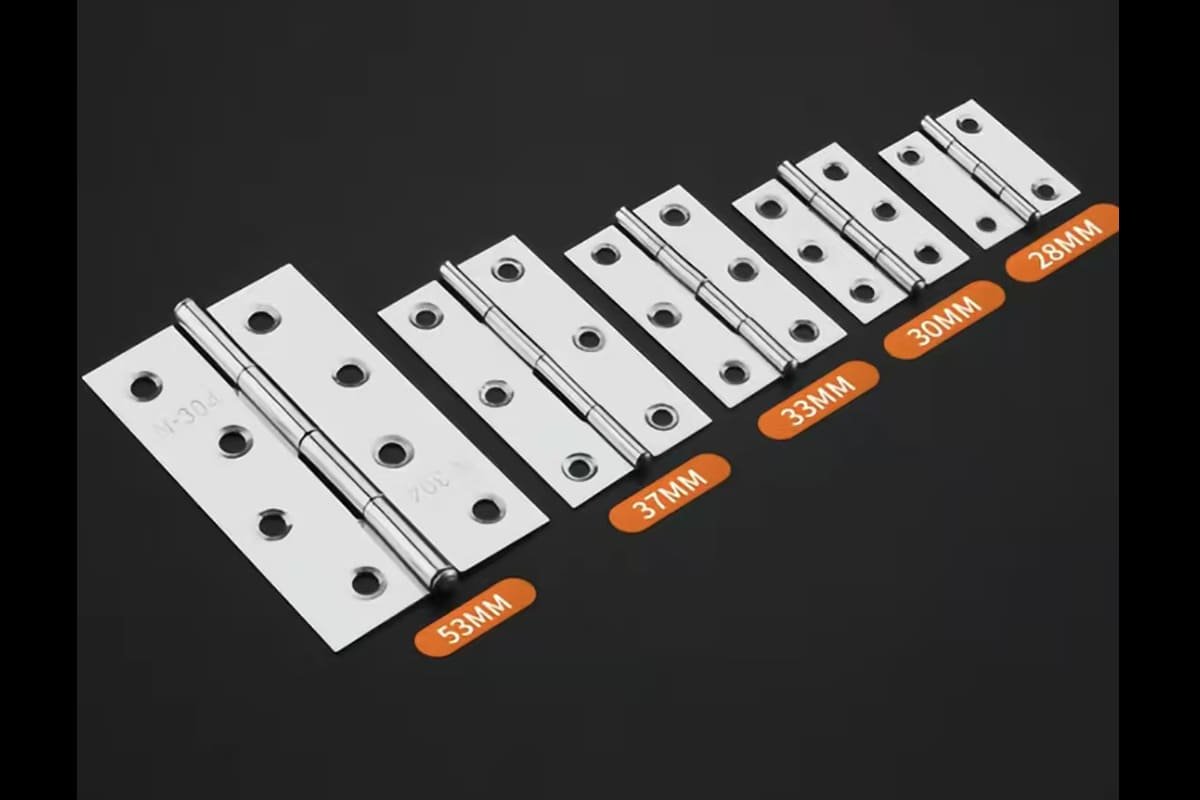
I use butt hinges as a basic architectural door choice when the buyer needs a proven, visible, cost-effective hinge for many wooden, metal, or standard door sets. The key points are material, thickness, bearing or washer structure, screw quality, finish consistency, and production tolerance.
How I Compare Butt Hinges in Bulk Sourcing
Butt hinges are common, so some buyers think they are all the same. I do not agree. A butt hinge has leaves, a pin, knuckles, screw holes, and surface finish. Each part can affect the door. A thin leaf may reduce cost, but it may also increase movement under load.6 A weak screw can damage installation. A poor pin or poor washer can make the door rough to open.7 A finish that changes from batch to batch can hurt a hardware brand’s image.
| Butt Hinge Detail | What I Check | Buyer Benefit |
|---|---|---|
| Material | Stainless steel, steel, brass, or other required material. | Better match with market and door use. |
| Thickness | Real leaf thickness and tolerance. | Lower sagging risk. |
| Bearing or washer | Ball bearing, washer, or plain structure. | Smoother movement for suitable doors. |
| Screw set | Screw material, head type, and finish. | Faster and safer installation. |
| Surface finish | Color, texture, and batch consistency. | Better brand consistency. |
I often tell buyers that a butt hinge is a good place to control the whole supply chain. The buyer can check whether the supplier has stable stamping, polishing, drilling, assembly, and packing control. The buyer can also check whether the sample and bulk goods look the same. For a door factory, this matters a lot. If the hole position changes, the production line slows down. If the finish changes, the door set looks mixed. If the hinge movement is not stable, the buyer may face complaints in the local market.
Why Do Concealed Hinges and 3D Adjustable Concealed Hinges Need More Care?
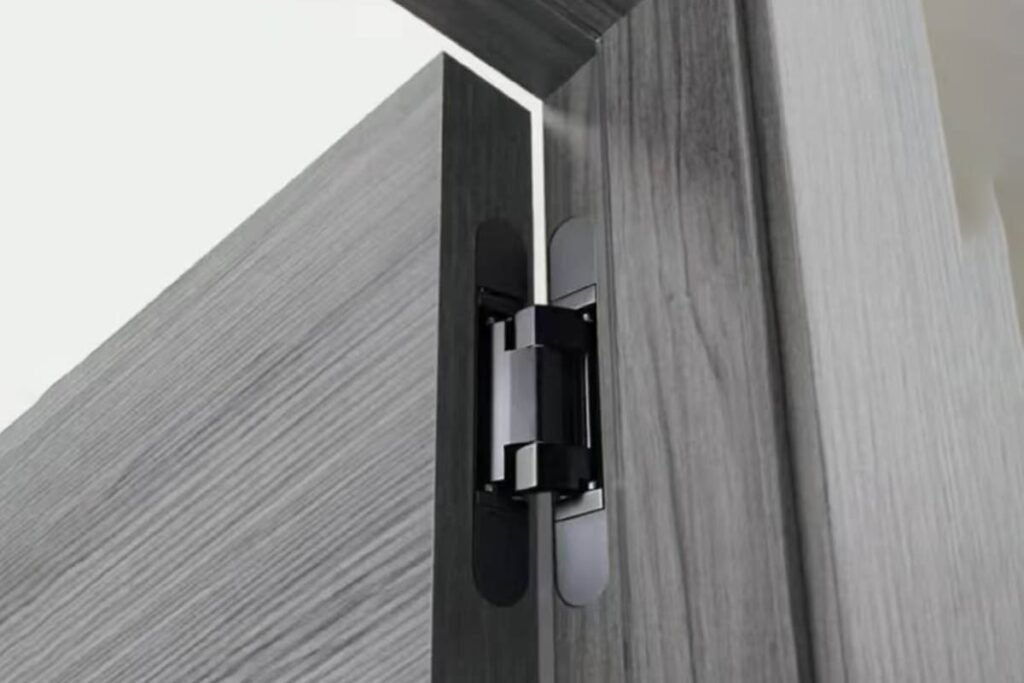
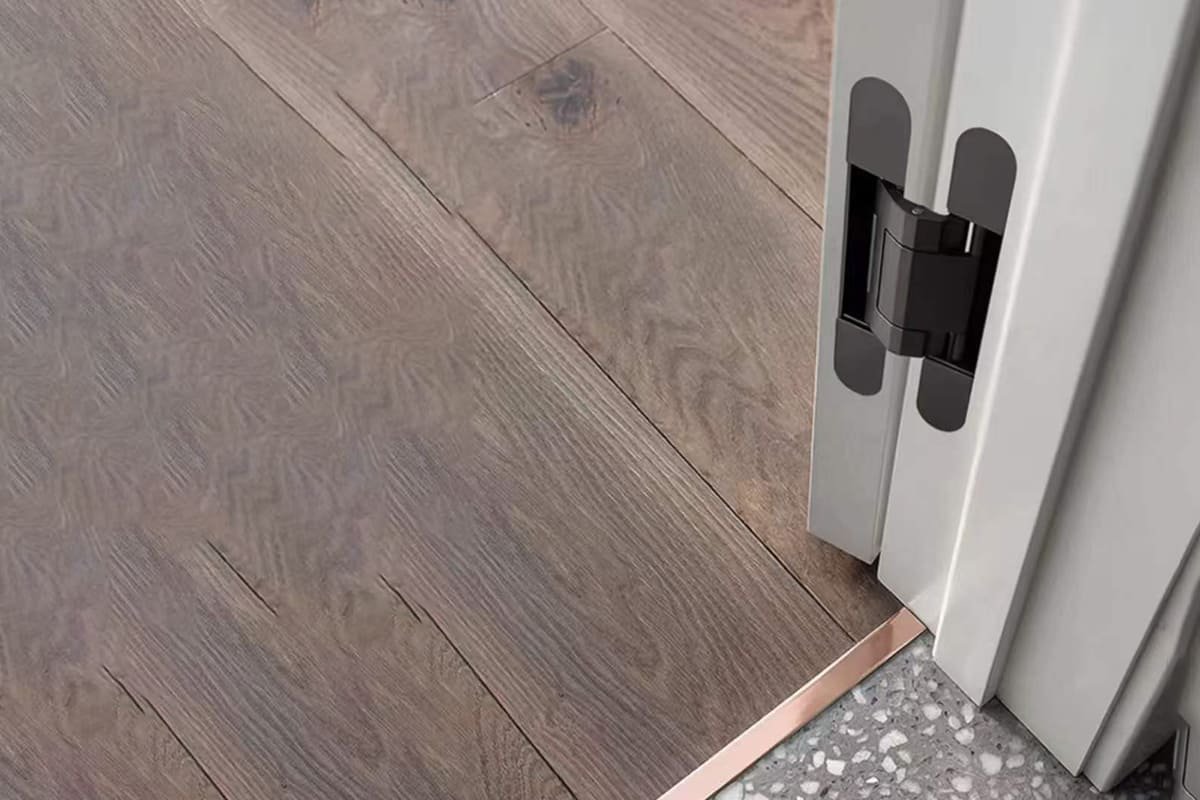
Concealed hinges look clean and modern. Yet I see more mistakes with them because hidden installation needs higher precision than many buyers expect8.
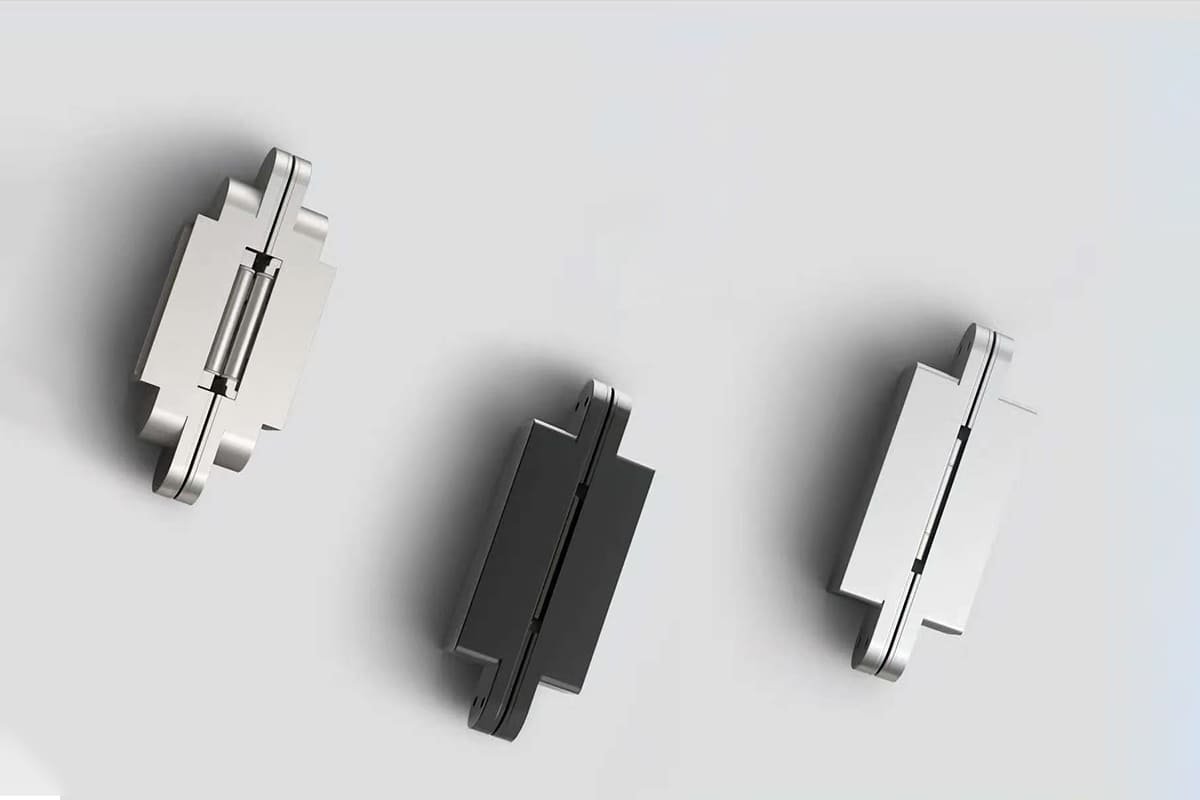
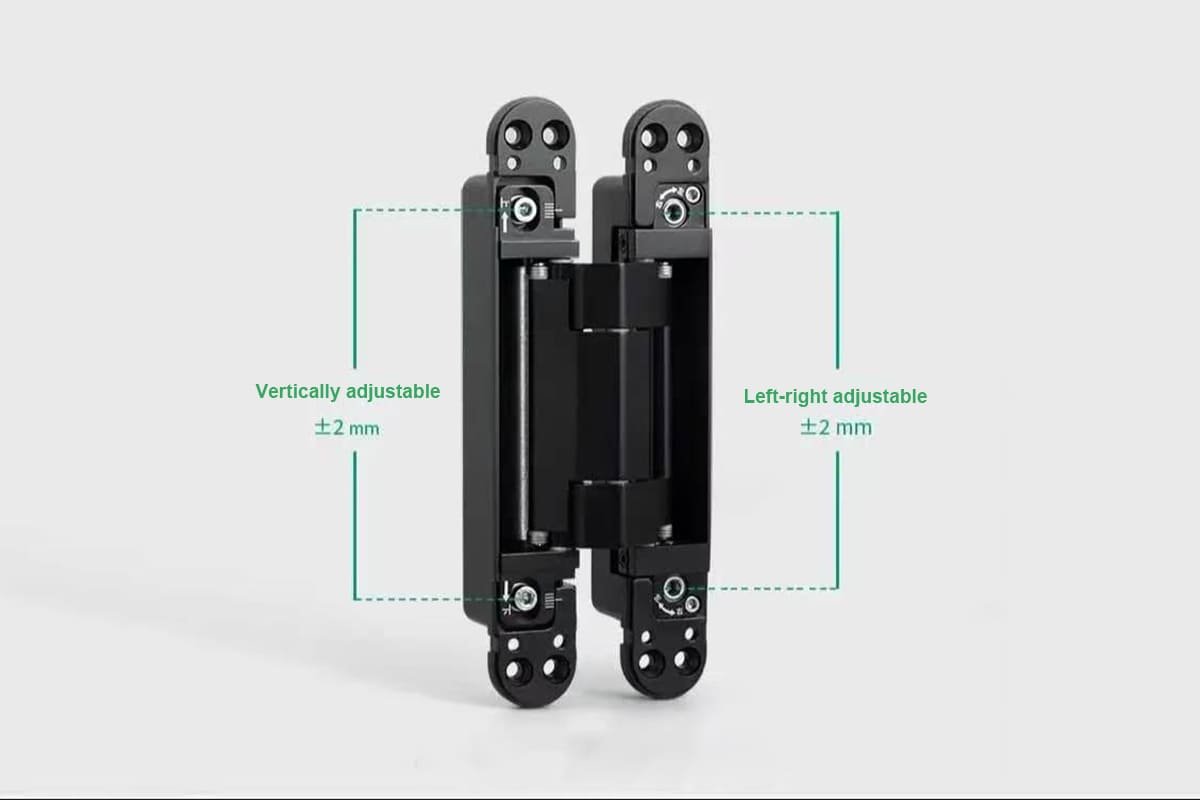
I use concealed hinges when the buyer needs a hidden appearance and a cleaner door line. I use 3D adjustable concealed hinges when door gap control and post-installation adjustment matter. The buyer must confirm routing size, door thickness, frame structure, adjustment range, screws, and installation skill.
What I Confirm Before I Recommend Concealed Hinges
A concealed hinge is not only a better-looking butt hinge. It changes the installation method. The hinge body sits inside the door and frame.9 This means the door manufacturer must cut the pocket correctly. The frame must have enough strength. The installer must control depth and position. If the routing is wrong, the door gap will be hard to fix. If the adjustment is poor, the door may rub after installation.
| Concealed Hinge Point | My Practical Check | What Can Go Wrong |
|---|---|---|
| Door thickness | I check if the body can fit. | Hinge cannot be installed. |
| Routing drawing | I check cutout size and depth. | Rework on the door line. |
| 3D adjustment | I check height, side, and depth adjustment. | Poor gap control. |
| Frame structure | I check wood, steel, or aluminum structure. | Weak fixing or deformation. |
| Appearance need | I check if hidden design is really needed. | Extra cost without real value. |
I speak about 3D adjustable concealed hinges often because buyers like the idea of adjustment. It is useful, but it is not magic. It helps fine-tune the door after installation. It does not fix every wrong door structure. A professional buyer should ask for technical drawings, installation instructions, and samples. The buyer should also confirm whether the factory can keep the same machining standard in bulk. I also remind buyers to compare cost and value. A concealed hinge may improve product image. It may also increase processing cost and installation skill. The right decision depends on the door set and the market position.
How Should I Position Special Hinge Types Without Making a Wrong Choice?
Special hinges solve special problems. They become risky when buyers use them only because the name sounds advanced or the price looks attractive.
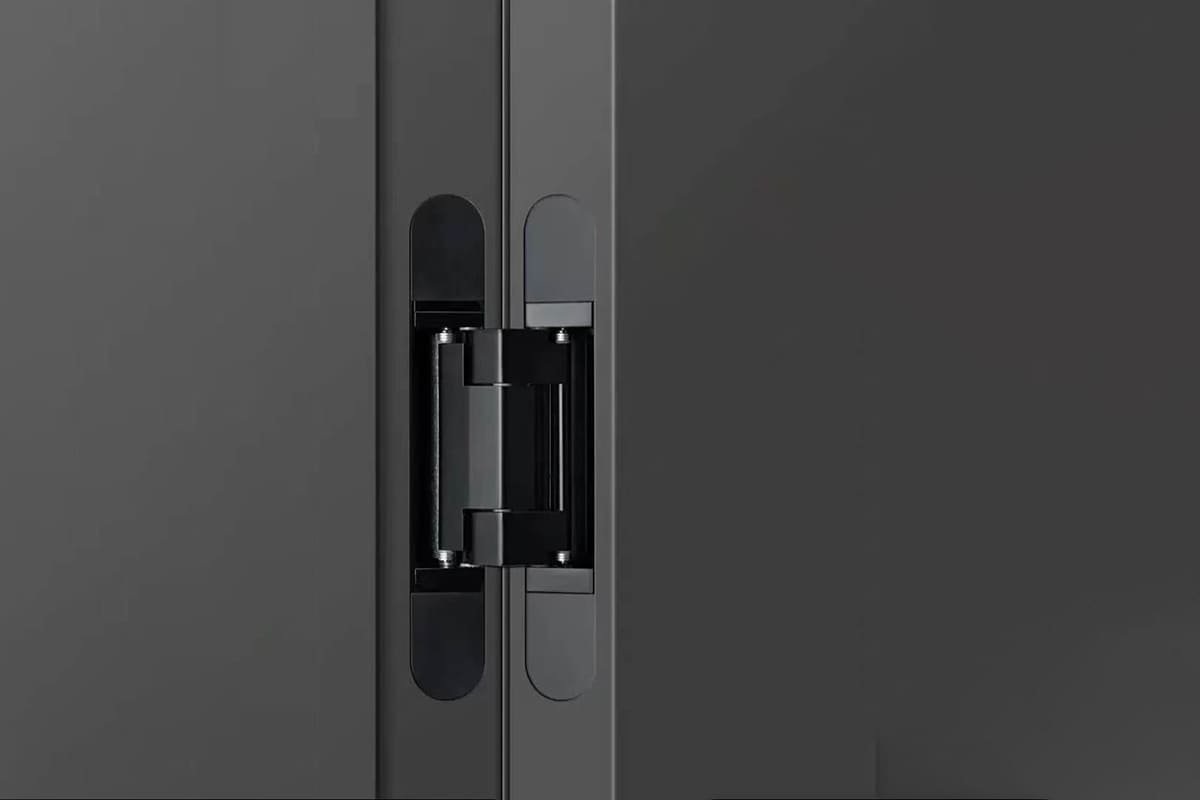
I position special hinge types by function. Spring hinges support self-closing. Lift-off hinges support easy removal. Pivot hinges support different rotation points. Security, hydraulic, continuous, flag, SOSS, wardrobe, and stone door concealed hinges each serve narrower use cases.
How I Explain Main Special Hinge Families to Buyers
I do not give every hinge type the same weight. For many architectural door projects, butt hinges and concealed hinges are the main comparison points. Special hinges come in when the door function requires them. A spring hinge may work where a simple self-closing action is needed. A hydraulic hinge may be used when controlled closing is needed, but the real structure must be checked. A lift-off hinge helps when the door must be removed often. A pivot hinge changes the turning point and can support a different design. A continuous hinge spreads support along a longer length.10 A security hinge can help with outward opening doors in some markets.
| Hinge Type | Where I Usually Place It | Main Check |
|---|---|---|
| Spring hinge | Self-closing doors. | Closing force and door weight. |
| Lift-off hinge | Doors needing quick removal. | Left or right direction. |
| Pivot hinge | Doors with special rotation design. | Floor, top, and frame structure. |
| Continuous hinge | Long support line. | Length, material, and fixing. |
| Security hinge | Security-sensitive openings. | Pin design and door opening direction. |
| Flag hinge | Certain PVC, aluminum, or regional systems. | Profile match. |
| SOSS hinge | Hidden hinge application. | Routing and load match. |
| Wardrobe butt hinge | Cabinet or wardrobe doors. | Small door structure. |
| Stone door concealed hinge | Stone or heavy decorative doors. | Door structure and fixing method. |
I keep my advice careful here. I do not say one special hinge is best for all doors. I ask for drawings, photos, and project information. For some projects, certification or fire-rated documents may be needed. Those documents must be checked against the exact product model, not a general catalog statement. This protects the buyer and the supplier. It also avoids a common mistake. Many buyers think “special” means stronger. That is not always true. Special means matched to a special use.
Why Should I Not Compare Hinge Types by Price Alone?
A cheap hinge can look good in a spreadsheet. It can become expensive when the door fails, the finish changes, or the customer rejects the goods.
I do not compare hinge types by unit price alone. I compare total risk. Material, thickness, bearing design, oil-free structure, screw quality, finish, tolerance, packing, and inspection all affect service life, installation speed, and after-sales cost.11
My Cost View as a Supplier-Side Communicator
I know buyers must negotiate price. I also know suppliers must control cost. The problem is not price negotiation. The problem is blind price comparison. If two hinges have the same size but different thickness, they are not the same. If one hinge uses a better bearing structure and another uses a simple pin with rough movement, they are not the same. If one finish is stable in bulk and another changes color between batches, the buyer is not buying the same value.
| Price Factor | Low-Cost Risk | Better Buying Question |
|---|---|---|
| Leaf thickness | Bending or sagging risk. | What is the real thickness tolerance? |
| Bearing or oil-free design | Noise or rough movement. | What movement structure is used? |
| Screws | Stripped heads or weak fixing. | What screws are packed? |
| Finish | Color difference in bulk. | How is finish consistency controlled? |
| Tolerance | Slow installation. | Can hole position stay stable? |
| Packing | Scratches and mixed parts. | How are hinges protected during shipment? |
I have had conversations where a buyer asked for “the cheapest butt hinge” first. After a few questions, I found the door was used in a high-traffic building. The buyer did not need the most expensive hinge, but the cheapest option was not safe. I explained the risk in simple words. If the hinge causes a door problem, the saving disappears quickly. For importers and hardware brands, the cost also includes reputation. A small hinge can affect the whole door set. This is why I prefer clear specifications before final price discussion.
What Hinge Details Should I Confirm Before Bulk Order?
A sample can pass a quick check. A bulk order can still fail if the supplier cannot keep the same size, finish, packing, and documents.
Before a bulk order, I confirm drawing, material, size, thickness, finish, screw pack, opening direction, installation method, quantity tolerance, inspection plan, label, packing, lead time, and required product documents. I also confirm any CE or fire-rated document against the exact model.
My Practical Checklist for Buyers
I like checklists because they reduce misunderstanding. A hinge order may involve many small details. If the buyer and supplier do not write them down, both sides may remember the order in different ways. This is common when a buyer sends only photos or old samples. Photos help, but they do not replace specifications.
| Item to Confirm | What I Write Down | Why It Matters |
|---|---|---|
| Product family | Butt, concealed, 3D concealed, pivot, or other type. | Avoids wrong production direction. |
| Size and thickness | Length, width, leaf thickness, body size. | Matches door and frame. |
| Material | Stainless steel, steel, brass, zinc alloy, or required material. | Matches market and performance need. |
| Finish | Satin, polished, black, PVD, painted, or other finish. | Keeps product line consistent. |
| Screws | Size, head type, color, quantity. | Supports installation. |
| Documents | Test reports or certificates if required. | Supports market access or project needs. |
| Packing | Inner box, carton, label, barcode, logo. | Supports warehouse and sales. |
I also pay attention to repeat orders. A buyer may be happy with the first shipment, but the real test is whether the next shipments stay the same. Long-term supply consistency matters to door factories and hardware brands. A door factory wants the same routing and assembly process. A brand wants the same finish and packaging. A wholesaler wants fewer complaints and easier stock control. I do not present my company as a laboratory or certifying body. I simply tell buyers that documents must be real, current, and linked to the exact product when a project requires them12.
How Do I Match Common Hinge Families to B2B Buyer Needs?
A buyer does not need every hinge type in one product line. A buyer needs the right structure for the target doors and market.
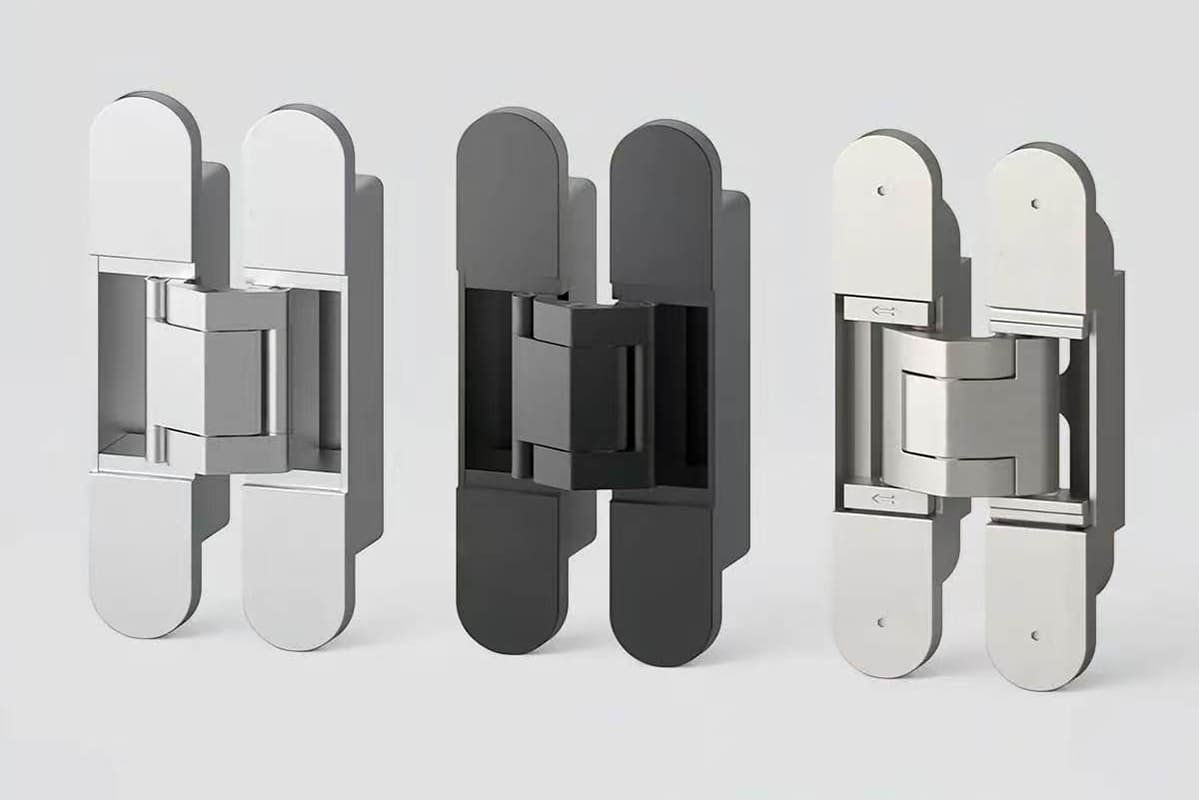
I match hinge families to buyer needs by product line role. Butt hinges cover broad standard demand. Concealed and 3D adjustable concealed hinges support higher appearance and gap control. Special hinges fill function-driven gaps when the door structure requires them.

How I Build a Clear Hinge Range
When a hardware brand or importer asks me to help organize hinge options, I usually build the range in layers. The first layer is the main selling range. This often includes butt hinges in key sizes, materials, and finishes. The second layer is the design range. This may include concealed hinges and 3D adjustable concealed hinges for higher-end door sets. The third layer is the project or special range. This may include spring hinges, lift-off hinges, pivot hinges, continuous hinges, hydraulic hinges, flag hinges, security hinges, SOSS hinges, wardrobe butt hinges, and stone door concealed hinges.
| Product Line Layer | Common Hinge Families | Buyer Goal |
|---|---|---|
| Main standard range | Butt hinge, flush hinge variation, oil-free butt hinge. | Stable sales and broad use. |
| Design upgrade range | Concealed hinge, 3D adjustable concealed hinge, SOSS hinge. | Clean appearance and better gap control. |
| Function range | Spring, lift-off, hydraulic, pivot, security, continuous. | Solve project-specific needs. |
| Market-specific range | Flag hinge, wardrobe butt hinge, stone door concealed hinge. | Match local or special applications. |
I do not tell a buyer to carry too many models at the start. Too many hinge types create stock pressure and quality control pressure. I prefer a clear range with stable specifications. Then the buyer can add special types when there is real demand. This is also better for ODM or customized supply. If the buyer knows the market position, finish, packing style, and target door type, the supplier can adjust details with less trial and error. This makes the order easier to manage from sample to shipment.
Conclusion
I choose hinge types by door use, structure, quality details, documents, and supply stability. A hinge name alone is never enough for safe B2B sourcing.
"[PDF] SECTION 087111 - DOOR HARDWARE (SCHEDULED ... - USC FPM", https://fpm.usc.edu/wp-content/uploads/2021/11/087102-USC-HSC-door-hardware-Guide-Specification_1.pdf. Architectural hardware guidance describes hinges as load-bearing devices whose selection depends on door size, weight, frequency of use, installation conditions, and applicable door hardware requirements. Evidence role: general_support; source type: institution. Supports: Hinges are load-bearing architectural hardware and hinge selection is commonly tied to door size, weight, use, installation conditions, and applicable hardware standards.. Scope note: This would support the general technical context, not prove the author's specific sourcing method. ↩
"How to Choose a Commercial Door Hinge | McKinney", https://www.mckinneyhinge.com/content/mckinney/us/en/resource-library/knowledge-center/blog/blog-post.aehdynamic-how-to-choose-a-commercial-door-hinge-633c8974d5c7b1003db5d8e9_mckinney.html. Industry hardware guidance and hinge standards commonly treat door dimensions, weight, construction, frequency of operation, installation method, and required approvals as selection variables for hinges. Evidence role: expert_consensus; source type: institution. Supports: Independent hardware standards or technical guides identify door dimensions, weight, material, duty cycle, installation, and certification requirements as factors in selecting hinges.. Scope note: The source would substantiate the selection factors generally, not every market-specific document requirement listed in the article. ↩
"Evaluation of the factors affecting opening-closing ... - BioResources", https://bioresources.cnr.ncsu.edu/resources/evaluation-of-the-factors-affecting-opening-closing-performance-of-wooden-cabinet-doors/. Technical literature on fasteners and wood or metal construction shows that substrate material and density influence screw withdrawal resistance and machining requirements, supporting the need to match hinge fixing methods to door material. Evidence role: mechanism; source type: education. Supports: Material properties influence fastener holding strength and machining requirements, which affects hinge installation reliability.. Scope note: This would provide mechanical context rather than a door-hinge-specific test for every material named in the article. ↩
"How to Choose a Commercial Door Hinge | McKinney", https://www.mckinneyhinge.com/content/mckinney/us/en/resource-library/knowledge-center/blog/blog-post.aehdynamic-how-to-choose-a-commercial-door-hinge-633c8974d5c7b1003db5d8e9_mckinney.html. Architectural hinge schedules commonly base hinge size and quantity on door height, width, thickness, and weight, indicating that door load is a primary factor in hinge selection. Evidence role: expert_consensus; source type: institution. Supports: Hinge schedules and hardware standards use door weight and size to determine hinge size, quantity, and duty category.. Scope note: The source would support the principle of weight-based selection, not any particular supplier's load rating. ↩
"Frequency of use | Performances - Heinen Doors", https://www.heinen-doors.com/en/performances/frequency-of-use/. Door-hinge standards such as ANSI/BHMA and EN 1935 use repeated-cycle testing to classify hinge durability, showing that frequency of door operation is a recognized performance factor. Evidence role: definition; source type: institution. Supports: Hinge standards classify durability using cycle testing, which links repeated opening and closing to performance requirements.. Scope note: This would document the role of cycle testing generally, not predict the service life of a specific hinge model. ↩
"Deflection of densified beech and aspen woods as a function of ...", https://bioresources.cnr.ncsu.edu/resources/deflection-of-densified-beech-and-aspen-woods-as-a-function-of-selected-factor/. Engineering mechanics texts show that bending stiffness increases strongly with section thickness, supporting the claim that thinner hinge leaves can be more prone to movement or deflection under load. Evidence role: mechanism; source type: education. Supports: For metal components under bending load, thickness is a key determinant of stiffness and deflection.. Scope note: This is mechanical support by analogy; actual hinge performance also depends on geometry, material, pin design, and installation. ↩
"[PDF] AND - Vol. 44 (2001), 3, 504-508", https://www.eng.auburn.edu/~jacksr7/StudyOfTribologicalBehavior...by%20Jackson%20and%20Green.pdf. Tribology references explain that friction, wear, lubrication, and bearing-surface quality affect the smoothness of rotational motion, supporting the role of hinge pins and washers in door operation. Evidence role: mechanism; source type: education. Supports: Bearing interfaces, washers, lubrication, and surface finish affect friction and smoothness in rotational joints.. Scope note: The evidence would explain the mechanism generally rather than test the exact hinge assemblies discussed in the article. ↩
"[PDF] Untitled - Kilgore College", https://www.kilgore.edu/wp-content/uploads/2025/01/StarkHall-Renovation-2023.pdf. Installation guidance for concealed hinges specifies routed pockets, depth control, and alignment procedures, supporting the claim that hidden hinge systems require precise machining and installation. Evidence role: mechanism; source type: institution. Supports: Concealed hinges require accurately routed pockets and controlled installation depth and alignment.. Scope note: Most available guidance may be product-specific, so it should be used only to support the general installation principle. ↩
"Concealed hinge jig - Wikipedia", https://en.wikipedia.org/wiki/Concealed_hinge_jig. Reference descriptions of concealed hinges define them as hinges hidden from view when closed, commonly installed in mortised or recessed areas of the door and frame. Evidence role: definition; source type: encyclopedia. Supports: A concealed hinge is designed so the hinge mechanism is hidden when the door is closed and is typically recessed into the door and frame.. Scope note: This would support the definition, not the suitability of any specific concealed hinge for a particular door. ↩
"Geared continuous hinge - Wikipedia", https://en.wikipedia.org/wiki/Geared_continuous_hinge. Architectural hardware references describe continuous, or piano, hinges as hinges extending along a long portion of the door edge, thereby distributing support over a greater length than separate butt hinges. Evidence role: definition; source type: institution. Supports: Continuous hinges run along a substantial length of the door and distribute loads across that length.. Scope note: The source would define the general hardware function, not quantify load distribution for a specific installation. ↩
"13. Quality Control and Safety During Construction", https://www.cmu.edu/cee/projects/PMbook/13_Quality_Control_and_Safety_During_Construction.html. Research on quality management and construction rework links material specification, dimensional tolerance, inspection, and defect prevention with product reliability and downstream costs. Evidence role: general_support; source type: research. Supports: Manufacturing quality, dimensional tolerance, material specification, and inspection practices affect product reliability and the cost of defects or rework.. Scope note: This would support the broader quality-cost relationship, not isolate the cost contribution of each hinge detail named in the article. ↩
"Fire Door Hardware: Performance Evaluation and Compliance ...", https://www.jensenhughes.com/pacific/insights/fire-door-hardware-performance-evaluation-and-compliance-framework. Conformity-assessment and construction-product documentation rules require declarations or certificates to identify the product covered, supporting the need to verify that project documents apply to the exact hinge model supplied. Evidence role: general_support; source type: government. Supports: Regulatory and conformity-assessment systems require declarations, certificates, or test reports to identify the product or model covered by the assessment.. Scope note: Requirements vary by jurisdiction and product category, so the source would support the verification principle rather than a universal documentation rule. ↩