3D Adjustable Concealed Hinge for Flush Doors: How Do We Choose the Right One?
Wrong hinge selection looks small at first. It can later cause uneven gaps, slow assembly, customer complaints, and higher after-sales cost.
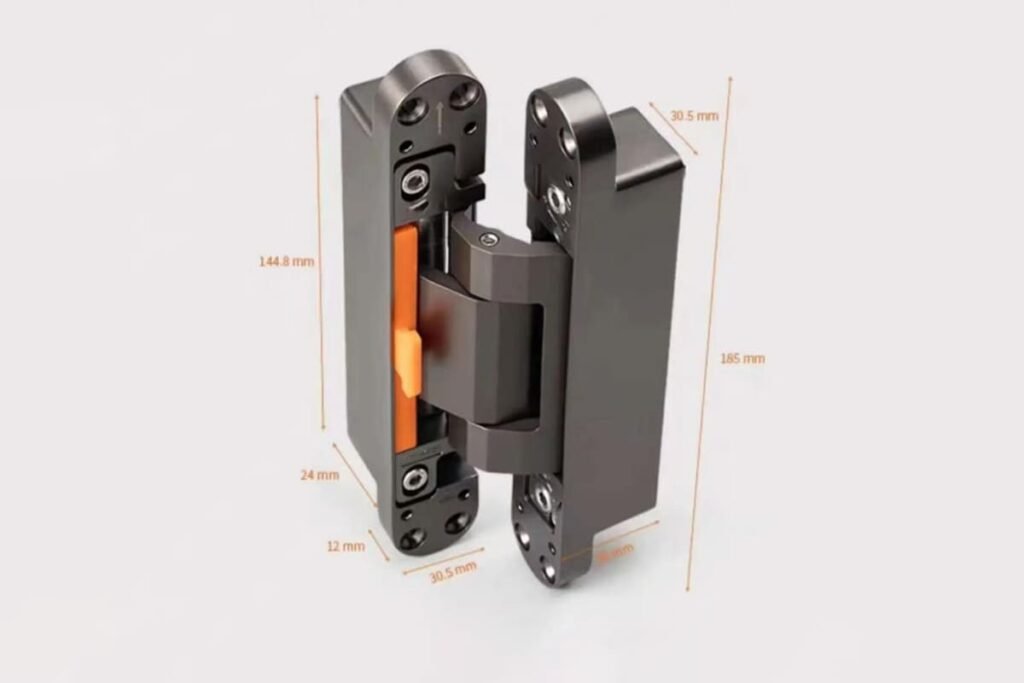
A 3D adjustable concealed hinge for flush doors is a hidden hinge installed inside the door leaf and frame.1 We use it to support clean door design and allow fine adjustment in height, side gap, and depth after installation, within the correct hinge model range.
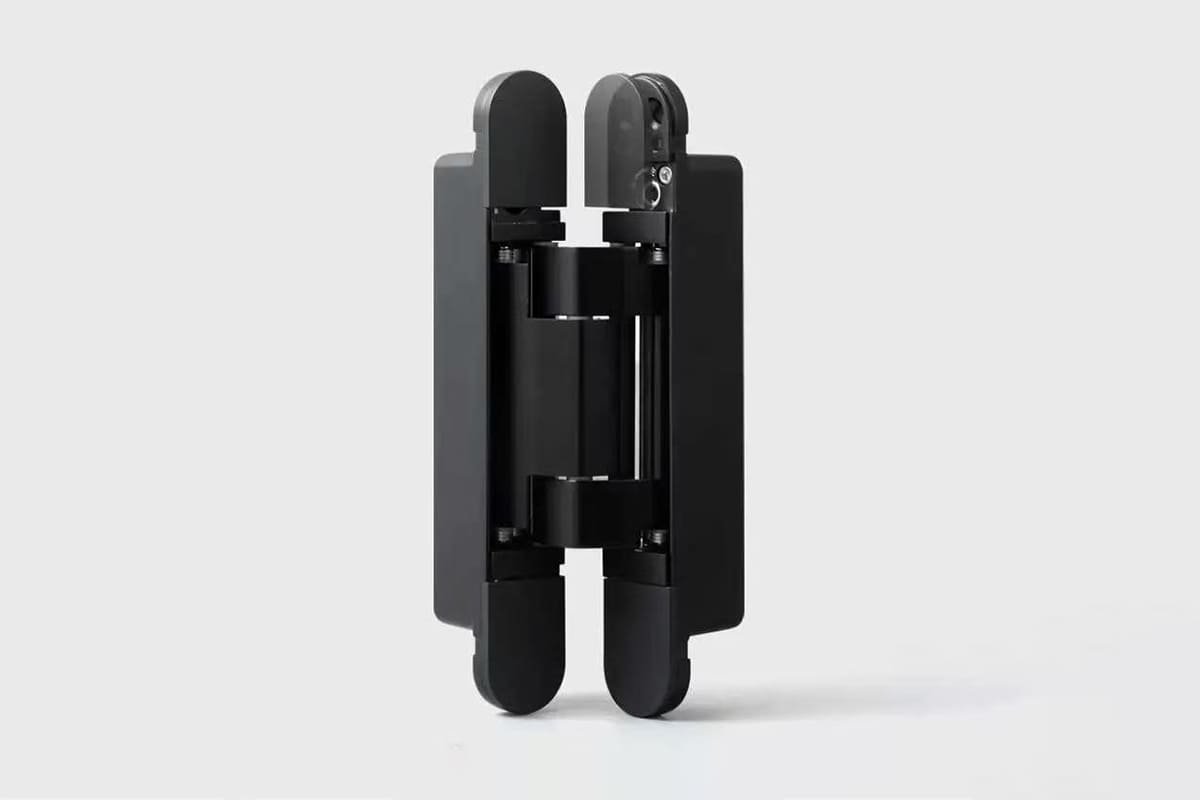
When we discuss this hinge with door factories, we do not start from appearance only. We first look at the door as a complete system, because the hinge must match the door leaf, frame, mortise, finish, and project use. If we choose well at the start, the later work becomes easier.
What Is a 3D Adjustable Concealed Hinge for Flush Doors?
Many buyers see the hidden look first. Then the real problem comes later, when the door cannot align well or the frame cannot hold the hinge.
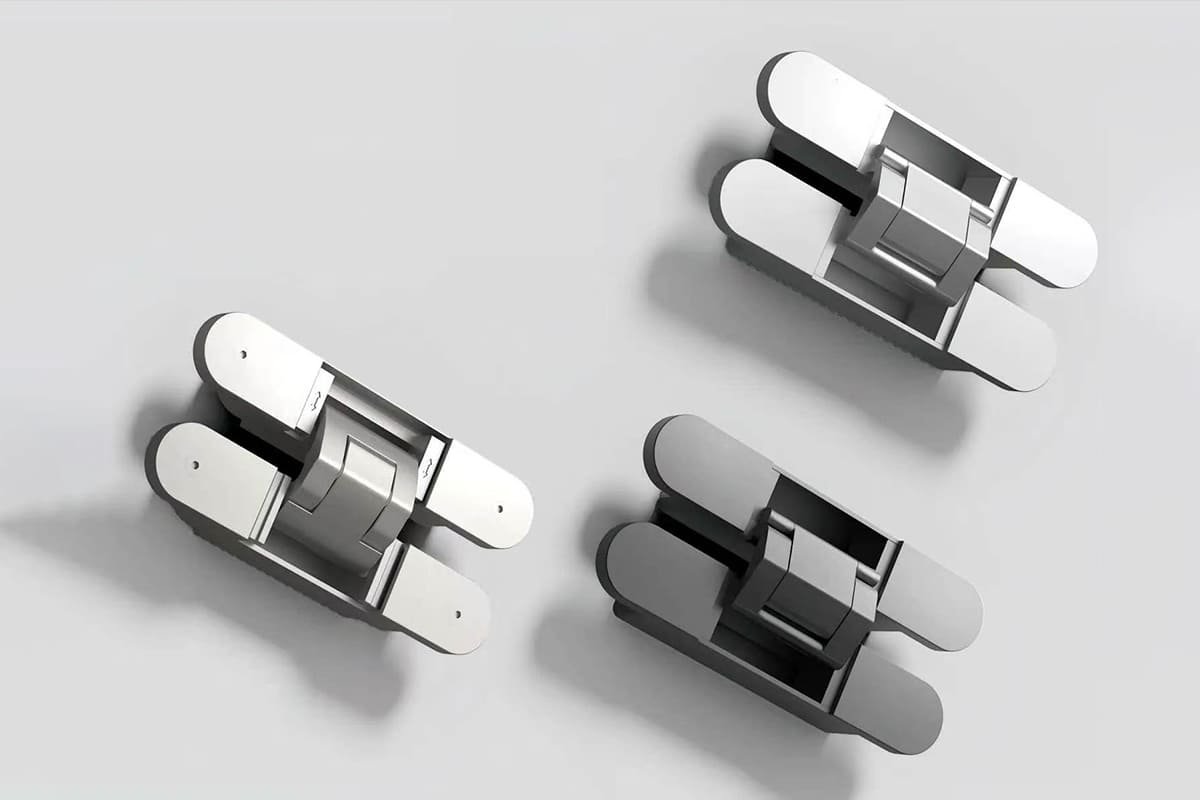
A 3D adjustable concealed hinge is a hinge hidden inside the door and frame when the door is closed. We can adjust it in three directions after installation: vertical position, horizontal side gap, and depth between door and frame.2
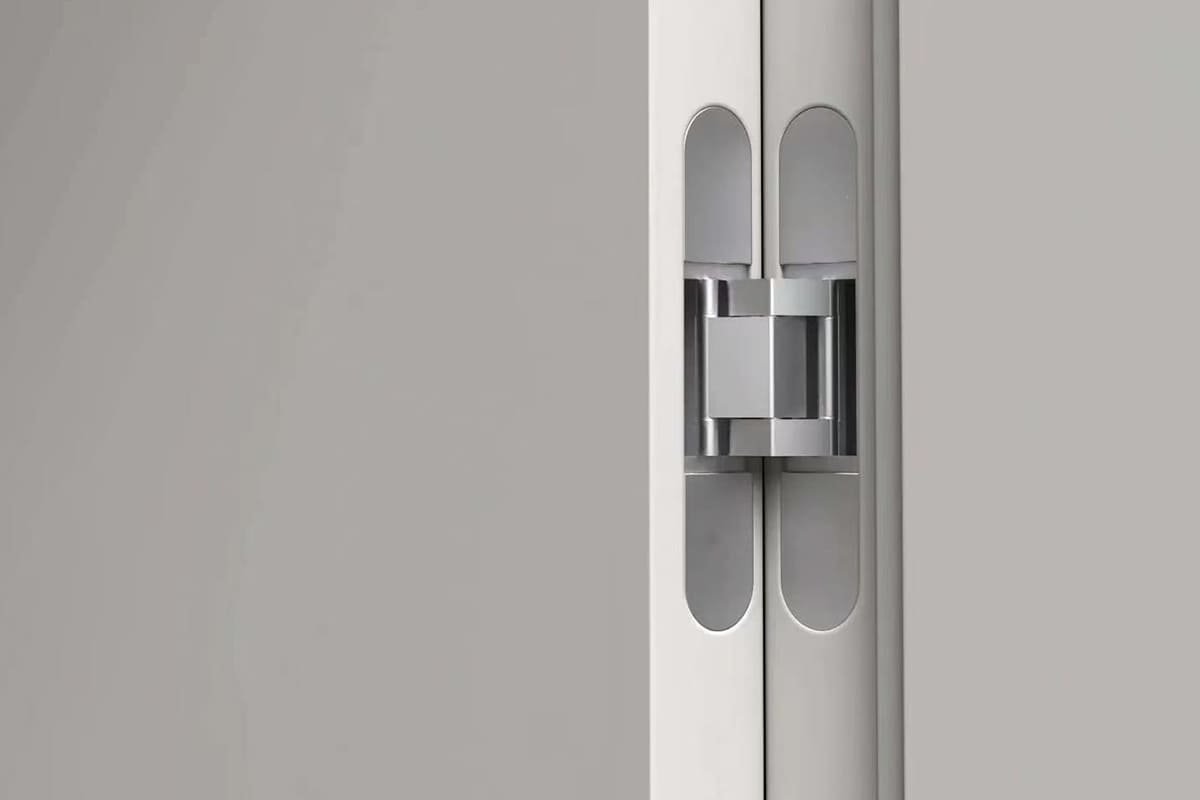
We treat a concealed hinge as a door system part. We do not treat it only as a decorative item. The clean flush door look is important, but the working condition is more important. A flush door normally needs a flat surface, neat lines, and stable gaps. The hinge must support these points during installation and daily use.
In our factory communication, we often ask buyers for the basic door data before we recommend a model. We ask because the same hinge may work well on one door and fail on another door. The name “3D adjustable concealed hinge” does not tell the full story.
| Item We Check | Why We Check It |
|---|---|
| Door height | It affects leverage and hinge quantity.3 |
| Door width | It affects the force on the hinge body. |
| Door thickness | It decides whether the hinge can be mortised safely. |
| Door weight | It decides the load grade and hinge size.4 |
| Door material | Solid wood, composite, metal, or aluminum doors behave differently. |
| Frame structure | A weak frame can reduce hinge performance.5 |
| Mortise depth | A wrong cut can make the hinge unstable. |
We usually tell buyers one simple point. A hinge is not “strong” by name alone. It is suitable or unsuitable only in relation to a specific door size, weight, material, frame, and usage condition.
Why Should We Match the Hinge to Door Conditions First?
A nice hinge photo can create fast interest. A wrong hinge match can create slow assembly, unstable gaps, and repeated site complaints.
We should match a 3D concealed hinge to door weight, thickness, width, material, frame, and mortising conditions before we compare price or finish. This step reduces installation risk and helps keep batch quality stable.6
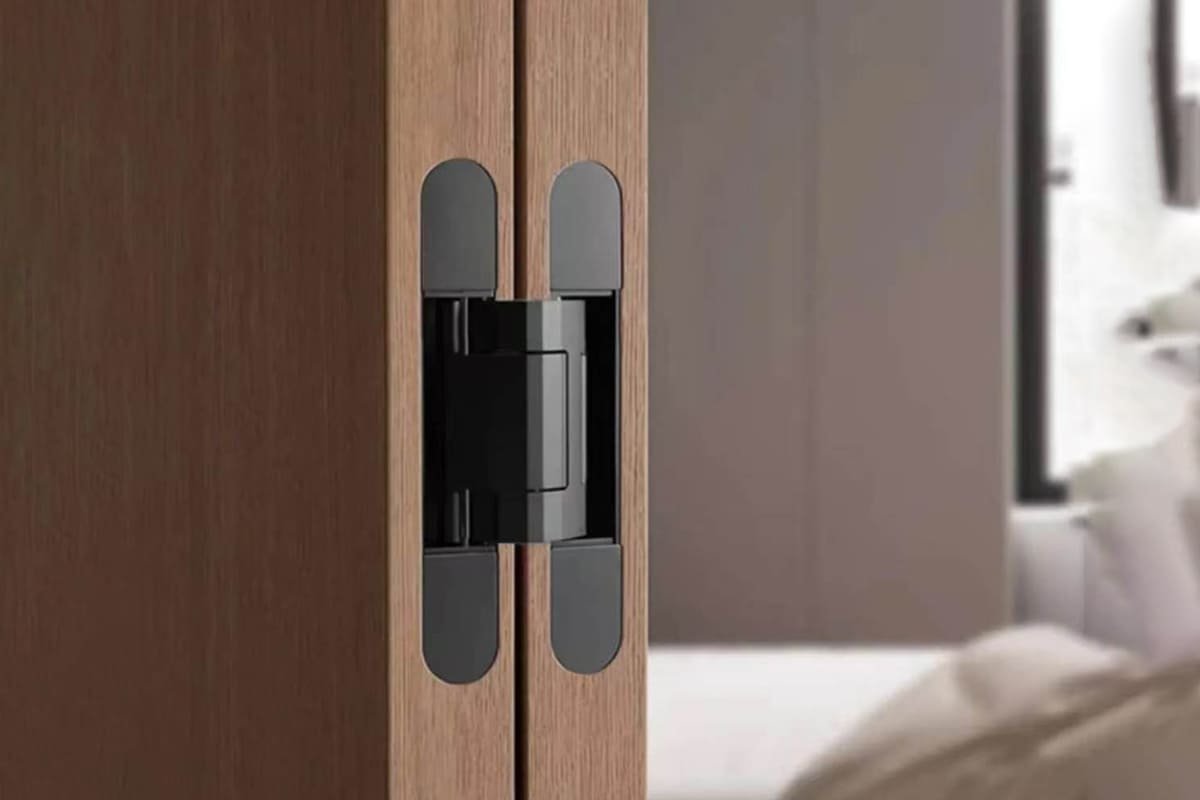
In real buyer inquiries, we often see customers start with hinge appearance or size first. They may send a photo and ask for the same look. We can quote from a photo, but we cannot confirm suitability from a photo alone. We need the door condition.
A 3D concealed hinge works inside a cut pocket. The pocket must leave enough material strength around the hinge.7 If the door leaf is too thin, the screw area may become weak. If the door is too heavy, the hinge may carry too much load. If the frame is not rigid, the best hinge can still move over time.
| Door Condition | Risk If Ignored | Our Usual Check |
|---|---|---|
| Heavy door leaf | Sagging or gap change | Weight and hinge quantity |
| Thin door leaf | Weak mortise area | Door thickness and hinge body depth |
| Wide door leaf | Higher side load | Door width and opening use |
| Soft core material | Screw holding risk | Door material and reinforcement |
| Hollow or weak frame | Loose hinge fixing | Frame section and screw area |
| Fire-rated door | Certificate mismatch | Test scope and document match |
We also look at how many hinges will be used per door. Some projects use two hinges. Some need three or more. The answer depends on height, weight, and project requirements. We prefer to confirm this before production, not after goods arrive at the workshop.
What Can 3D Adjustment Fix, and What Can It Not Fix?
Some buyers expect adjustment to solve everything. This idea is risky, because adjustment is a fine correction tool, not a rescue tool.
3D adjustment can correct small installation tolerances in height, side gap, and depth.8 It cannot compensate for an overloaded hinge, weak frame, wrong mortise, poor screw holding, or an unsuitable door structure.9
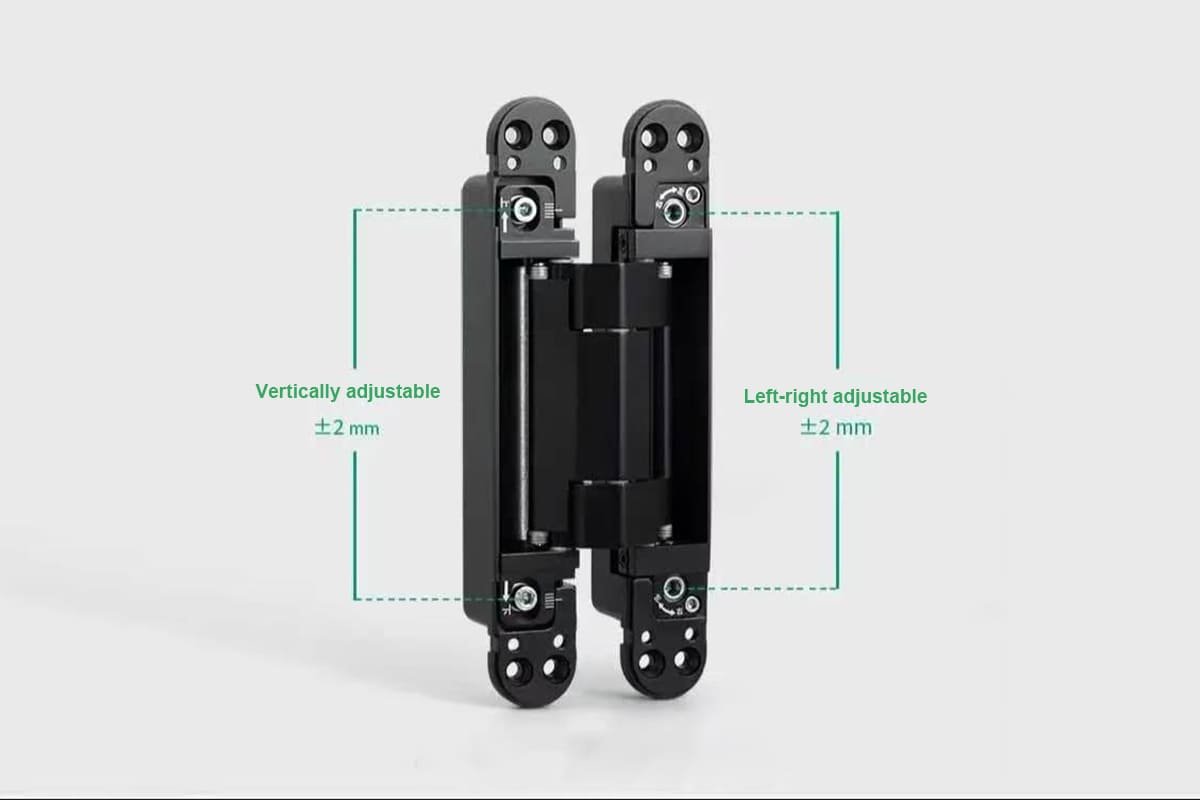
We like 3D adjustment because it gives installers more control after the door is hung. A door can move slightly during installation. The wall may not be perfect. The frame may have small tolerance. The door leaf may need fine correction. In these cases, the adjustment function helps.
But we do not sell 3D adjustment as a magic function. Each model has its own adjustment range. If the door is outside that range, the hinge cannot hide the mistake. If the mortise is cut in the wrong place, the hinge may not sit flat. If the door weight exceeds the recommended range, adjustment may only delay the problem.
| Adjustment Direction | What It Helps | What It Cannot Solve |
|---|---|---|
| Height adjustment | Small up or down alignment | Wrong hinge quantity or serious door sag |
| Side adjustment | Door-to-frame side gap | Incorrect door width or wrong frame opening |
| Depth adjustment | Flush surface alignment | Bad mortise depth or twisted door leaf |
We once discussed a project where the buyer wanted to use one compact concealed hinge for several door sizes. The smaller doors looked fine. The larger doors created concern. We suggested separating the hinge models by door weight and size. This increased the first selection work, but it reduced later risk. That is how we prefer to work as a manufacturer.
How Should We Check Materials, Finishes, and Certificates?
A hinge may look correct in a sample. It may still create risk if material, surface finish, or certificate scope is not confirmed.
We should check hinge material, surface treatment, corrosion needs, cycle test data, CE documents, fire-rated certificates10, and finish consistency before bulk purchase. We should also confirm whether each certificate applies to the exact hinge model and door condition.
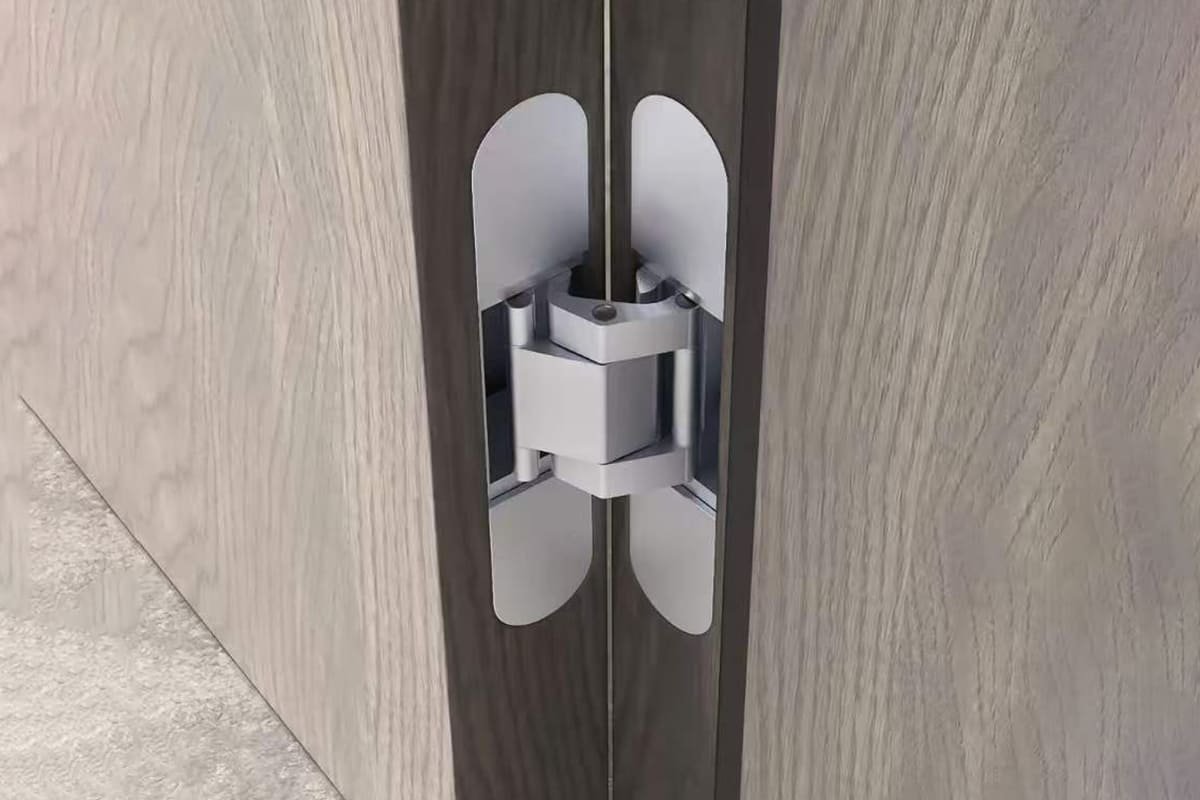
In door hardware sourcing, material choice is not only about price. Zinc alloy, stainless steel, steel, and other structures may appear in different hinge designs. Each choice has its own cost, strength, finish, and corrosion behavior.11 We should not make a general promise that one material is always better. We look at the market, project, humidity, expected lifetime, and budget.
Finish consistency is another important point. Door factories and hardware brands often buy in batches. If the surface color changes from one batch to another, the final door set may look uneven. We normally ask buyers to confirm the target finish sample before mass production. We also keep production control on surface treatment, because bulk visual consistency matters.
| Check Point | What We Confirm |
|---|---|
| Base material | Whether it fits strength, cost, and environment needs |
| Surface finish | Color, texture, and batch consistency |
| Corrosion requirement | Indoor use, humid area, or higher exposure |
| Cycle test | Whether the hinge meets the project use level |
| CE certificate | Whether the document matches the product type |
| Fire-rated certificate | Whether the tested door set and hinge model match the project |
| Packaging | Whether finish protection is enough during shipping |
Fire-rated projects need extra care. A fire-rated certificate may apply only to tested configurations.12 It may not cover every door thickness, every frame type, every opening direction, or every hinge version. We prefer to check documents early. This helps buyers avoid a painful issue during project approval or customs documentation.
Should We Choose Standard, Self-Closing, or Damping Concealed Hinges?
Extra functions sound attractive. They can also add cost, limit usage, and create wrong expectations if we do not check the real need.
We should choose a standard 3D concealed hinge for support, hidden look, and adjustment. We should choose self-closing or damping only when the project needs closing assistance or controlled closing feel, and only after checking door weight and usage.
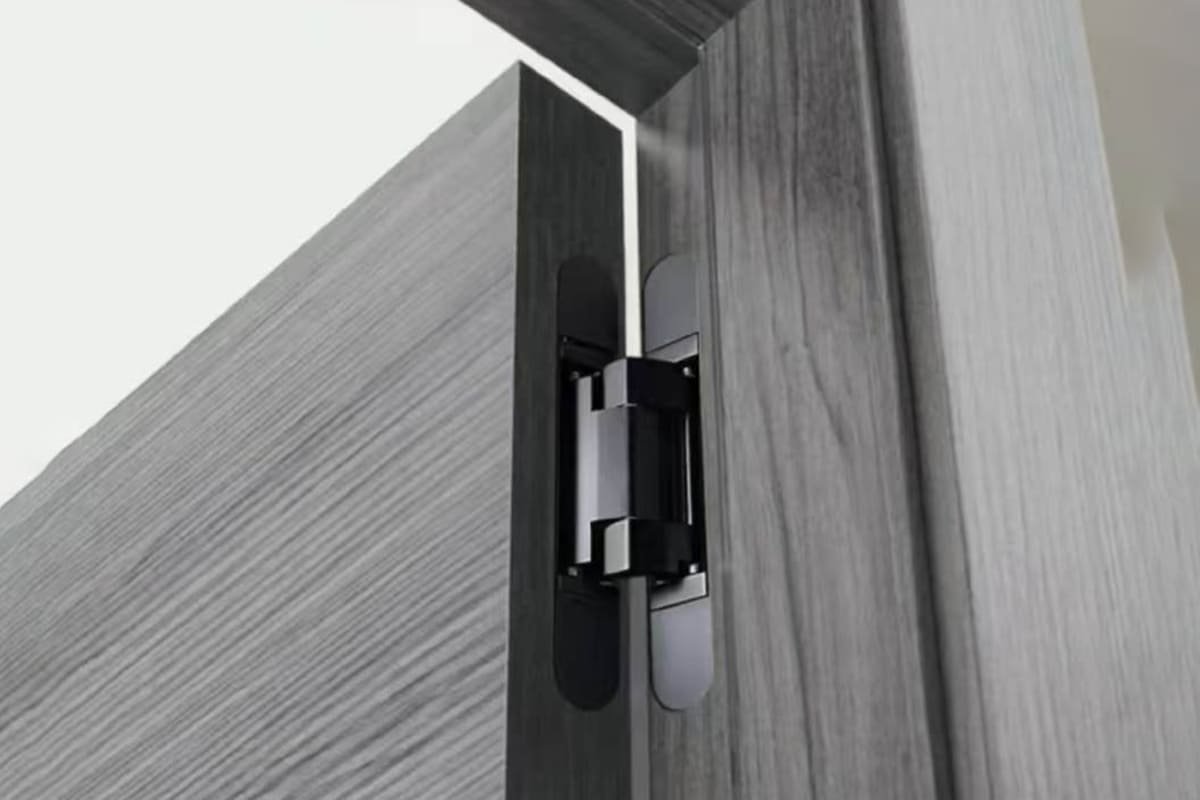
We see many buyers ask for self-closing or damping because they want a higher-value product line. This can be a good idea. Still, we need to separate product value from project need. A standard 3D concealed hinge already solves the hidden appearance and adjustment need. A self-closing version adds closing force. A damping version may add a more controlled feel. These functions must match the door condition.
We also remind buyers that a self-closing concealed hinge should not be treated as the same thing as a door closer in every project. Some doors need a dedicated door closer due to project rules, fire requirements, or closing force needs. The hinge function may help, but it may not replace another required device.
| Hinge Type | Best Use | Buyer Should Check |
|---|---|---|
| Standard 3D concealed hinge | Clean flush door look and alignment control | Door size, weight, frame, mortise |
| Self-closing concealed hinge | Doors that need closing assistance | Closing force, door weight, usage frequency |
| Damping concealed hinge | Doors that need softer closing feel | Damping range, opening angle, user expectation |
| Fire-rated concealed hinge | Fire door projects | Certificate scope and tested door set |
For wholesale and brand customers, we often suggest building a product range with clear use levels. A basic line can serve standard interior doors. A stronger line can serve heavier flush doors. A function line can serve special projects. This makes the catalog easier to sell and reduces wrong model selection by the customer’s sales team.
What Should Buyers Confirm Before Sending a Bulk Order?
A low unit price can look good at first. A wrong bulk order can cost more than the saving.
Before bulk ordering 3D adjustable concealed hinges, we should confirm door data, hinge model, finish sample, certification needs, packing method, delivery time, sample approval, and production tolerance. This helps reduce procurement and after-sales risk.
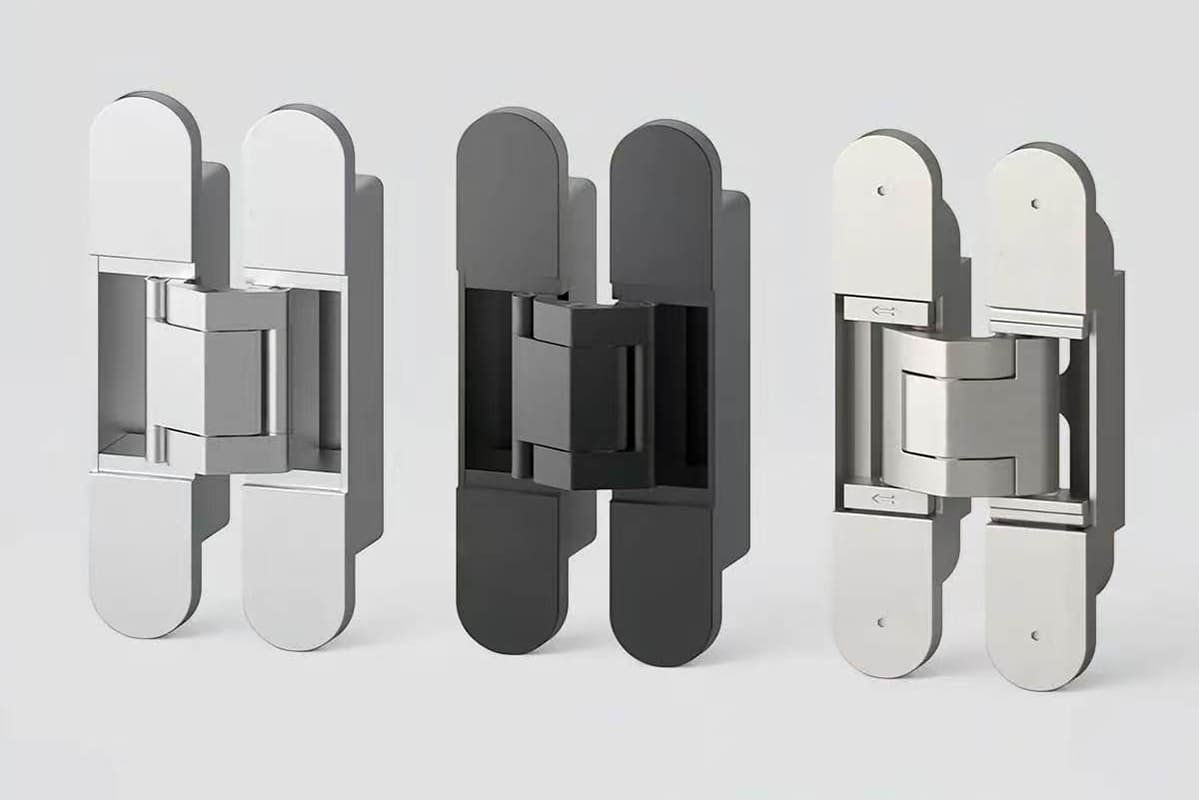
As a factory, we like clear inquiries. A clear inquiry helps us quote faster and recommend better. It also helps buyers compare suppliers fairly. If one supplier quotes without asking door data, and another supplier asks many technical questions, the second supplier may look slower. In fact, the second supplier may be protecting the buyer from hidden risk.
Before recommending a 3D concealed hinge, we normally ask:
- What is the door height, width, thickness, and material?
- What is the estimated door weight?
- Is it a true flush door?
- What is the frame material and structure?
- What mortise depth is available?
- How many hinges will be used per door?
- Is the project standard, fire-rated, self-closing, or damping required?
- What finish and target market are required?
- Do you need CE or fire-rated documents?
- Do you have a current sample, drawing, or installation photo?
| Procurement Step | Why It Matters |
|---|---|
| Sample confirmation | It checks fit, finish, and installation feeling before mass order. |
| Drawing review | It confirms hinge body size, screw position, and mortise demand. |
| Finish approval | It reduces batch color and surface disputes. |
| Certificate check | It supports market access and project approval. |
| Packing confirmation | It protects surface finish during export shipping. |
| Delivery planning | It helps door factories control assembly schedule. |
| After-sales record | It helps improve the next order and reduce repeated issues. |
In our export communication, buyers from different markets often emphasize different points. Some focus more on finish and cost balance. Some require clearer documents. Some pay more attention to humidity resistance and delivery speed. We do not assume one market has only one need. We ask first, then we match the product.
How Do We Reduce Long-Term Procurement Risk?
One successful sample is helpful. Stable long-term supply is more important for door factories, brands, and wholesalers.
We reduce long-term procurement risk by standardizing hinge models, locking approved finishes, checking certificates, using clear inspection rules, and keeping stable communication between the buyer, factory, and technical team.
We know that door hardware buyers do not only buy a hinge. They buy supply stability, market confidence, and fewer complaints. A door factory needs smooth assembly. A hardware brand needs stable catalog quality. A wholesaler needs repeatable stock. A project buyer needs correct documents and delivery timing. The concealed hinge must support all these needs.
For this reason, we prefer to build a stable product list with customers. We confirm the main hinge models first. We confirm the finish codes. We confirm the packing way. We confirm the label or brand need. We confirm which products need CE documents or fire-rated certificates. Then later orders become easier.
| Risk Area | Our Control Method |
|---|---|
| Wrong model selection | We review door data before recommendation. |
| Finish difference | We use approved samples and batch control. |
| Certificate mismatch | We check document scope before order confirmation. |
| Delayed delivery | We plan production schedule and material preparation. |
| Installation complaint | We confirm drawing, mortise, and hinge quantity. |
| Market confusion | We help customers separate product lines by use level. |
We also believe ODM customization must stay practical. Custom finish, logo, packing, and accessory configuration can help a brand. Custom structure can also help special projects. But every change should be checked against performance, production stability, and certificate needs. A small design change may affect installation or testing. We prefer clear technical confirmation before mass production.
Conclusion
We choose a 3D adjustable concealed hinge by door condition first, then finish, function, certificate, price, and delivery.
"A156.1 - 2025 Butts and Hinges", https://buildershardware.com/ANSI-BHMA-Standards/Hardware-Highlights/A1561-2021-Butts-and-Hinges. A standards or architectural-hardware reference defines concealed hinges as hinges recessed into the door and frame so that they are not visible in the closed position, supporting the article’s description of their hidden installation; the source would define the hardware category rather than verify any specific product. Evidence role: definition; source type: institution. Supports: A neutral standards or architectural-hardware source should define concealed hinges as hinges mounted so they are not visible when the door is closed, typically recessed into the door and frame.. Scope note: The source would support the general definition, not the performance of a particular hinge model. ↩
"How to Adjust in 3D - Tectus Hinges", https://www.tectushinges.com/how-to-adjust-in-3d. Technical descriptions of three-dimensional adjustable hinges identify post-installation adjustment in height, lateral clearance, and depth or compression, supporting the article’s explanation of the adjustment directions; such sources describe the mechanism generally and do not establish the adjustment range of every model. Evidence role: definition; source type: institution. Supports: A technical guide or standards-based reference should describe three-dimensional hinge adjustment as adjustment in height, side/lateral clearance, and compression or depth alignment.. Scope note: Adjustment directions and ranges vary by hinge design, so the source would provide contextual support rather than model-specific proof. ↩
"[DOC] Section 08 71 00 - Door Hardware", https://www.vendorportal.ecms.va.gov/FBODocumentServer/DocumentServer.aspx?DocumentId=796073&FileName=VA259-13-R-0534-A00003003.doc. Door-hardware guidance relates hinge quantity and placement to door dimensions and loading, supporting the article’s statement that door height can affect leverage and hinge selection; the source would provide general design guidance rather than a calculation for this specific hinge. Evidence role: mechanism; source type: institution. Supports: A door-hardware standard or educational source should explain that hinge placement and quantity are related to door size, height, weight, and loading.. Scope note: Exact hinge quantity also depends on door weight, width, material, use frequency, and the hinge manufacturer’s rating. ↩
"Could standard door hinges hold this much weight? - Reddit", https://www.reddit.com/r/woodworking/comments/1c6sjva/could_standard_door_hinges_hold_this_much_weight/. Hinge performance standards classify or test hinges by service grade and load-related criteria, supporting the article’s point that door weight affects the appropriate hinge size and grade; the standards do not certify suitability unless the exact hinge and installation conditions are tested. Evidence role: expert_consensus; source type: institution. Supports: A hinge standard such as ANSI/BHMA A156.1 or EN 1935 should show that hinges are classified or tested with reference to load, door mass, or service grade.. Scope note: The source would support the selection principle, not confirm the load rating of the article’s implied product. ↩
"HDF door screw strength and hinge installation - Facebook", https://www.facebook.com/groups/diycabinetrefinishing/posts/1494481151083382/. Door-installation guidance explains that hinge loads are transferred into the frame through the fixing points, supporting the article’s statement that weak frame construction can reduce hinge performance; the source addresses the load path generally rather than this specific concealed-hinge design. Evidence role: mechanism; source type: education. Supports: An educational or standards-based source should explain that hinge loads transfer into the frame through screws or reinforcements, so weak framing can cause loosening, movement, or misalignment.. Scope note: Actual performance depends on frame material, screw type, reinforcement, installation quality, and door use. ↩
"[PDF] Applying Advanced Product Quality Planning (APQP) Metrics for ...", https://repository.stcloudstate.edu/cgi/viewcontent.cgi?referer=&httpsredir=1&article=1048&context=mme_etds. Quality-management guidance emphasizes that clearly defined technical requirements and verification before production reduce nonconformities, supporting the article’s procurement logic for checking door and hinge conditions early; this is contextual support and not direct statistical proof for concealed hinges. Evidence role: general_support; source type: institution. Supports: A quality-management or construction-specification source should support the general principle that defining technical requirements before procurement reduces defects and nonconformities.. Scope note: The source would support the general quality-control principle, not quantify risk reduction for this product category. ↩
"How To Mortise Door Hinges Using a Router - WOOD magazine",
. Door-construction and hardware-installation references note that mortising removes material around the hinge fixing area and that adequate remaining material is needed for secure fastening, supporting the article’s caution about hinge pockets; the source would not define a universal minimum thickness for all concealed hinges. Evidence role: mechanism; source type: education. Supports: A woodworking, construction, or architectural-hardware source should explain that cutting a hinge mortise removes material and that adequate surrounding material is needed for screw holding and structural support.. Scope note: Required remaining material varies by door core, hinge geometry, screw design, and reinforcement. ↩"3D Adjustable Invisible Door Hinge Quality and design ... - Instagram", https://www.instagram.com/reel/DVcvbsdgmjd/. Technical guides for adjustable concealed hinges describe limited post-installation movement in height, lateral position, and depth for alignment, supporting the article’s statement that 3D adjustment corrects small tolerances; the guide would not prove that adjustment can correct defects outside the specified range. Evidence role: mechanism; source type: institution. Supports: A technical guide should show that adjustable concealed hinges provide limited post-installation movement in specified directions for alignment.. Scope note: The allowable adjustment range is model-specific. ↩
"Hinge coming off door frame, screws to loose to hold : r/fixit - Reddit", https://www.reddit.com/r/fixit/comments/hd7sfe/hinge_coming_off_door_frame_screws_to_loose_to/. Door-hardware installation guidance identifies excessive load, inadequate frame or screw support, and incorrect mortising as causes of hinge movement or failure, supporting the article’s warning that adjustment is not a substitute for correct structural selection; the source would give general failure mechanisms rather than evaluate a specific case. Evidence role: mechanism; source type: education. Supports: A door-hardware or building-science source should explain that hinge failures commonly involve excessive load, inadequate fastener holding, poor framing, or incorrect installation.. Scope note: The cited source may not address 3D concealed hinges specifically, only hinge installation and loading principles. ↩
"CE Marking UNI EN 1935 » CHEMOLLI FIRE: Fire Door Certifications", https://chemollifire.com/en/certifications/ce-marking-uni-en-1935/. Door-hinge standards such as EN 1935 specify classification and durability testing for building hardware, while construction-product conformity rules and fire-door test regimes explain why CE documentation and fire-rating evidence may be required, supporting the article’s checklist; the documents establish compliance categories rather than confirm any supplier’s certificate. Evidence role: expert_consensus; source type: institution. Supports: A European or international standards source should connect door hinges with durability-cycle testing and conformity documentation, and fire-door standards should connect hardware with fire-rated assemblies.. Scope note: Applicable requirements vary by market, product type, and whether the hinge is used in a fire-rated assembly. ↩
"[PDF] guide to the selection and use of high performance stainless steels", https://www.nrc.gov/docs/ML0334/ML033490048.pdf. Materials-science references show that alloy composition and surface treatment influence mechanical properties, corrosion resistance, appearance, and manufacturing cost, supporting the article’s comparison of hinge material choices; the source would support material behavior generally, not rank specific hinge products. Evidence role: general_support; source type: education. Supports: A materials-science source should explain that alloy composition and surface treatment affect strength, corrosion resistance, appearance, and cost.. Scope note: Actual hinge performance also depends on design, heat treatment, coating quality, and exposure environment. ↩
"Fire Door Inspection & Checklist", https://steeldoor.org/fire-door-assembly-inspections-101/. Fire-door standards and certification guidance treat fire resistance as a property of tested and listed assemblies, including specified door, frame, and hardware configurations, supporting the article’s statement that a certificate may not cover untested variants; the source would not determine whether any individual certificate is valid for a particular project. Evidence role: expert_consensus; source type: institution. Supports: A fire-door code, testing standard, or certification-body source should state that fire ratings apply to tested and listed assemblies, including specified hardware and construction details.. Scope note: Project approval depends on the exact listing, local authority requirements, and the tested scope of the certificate. ↩