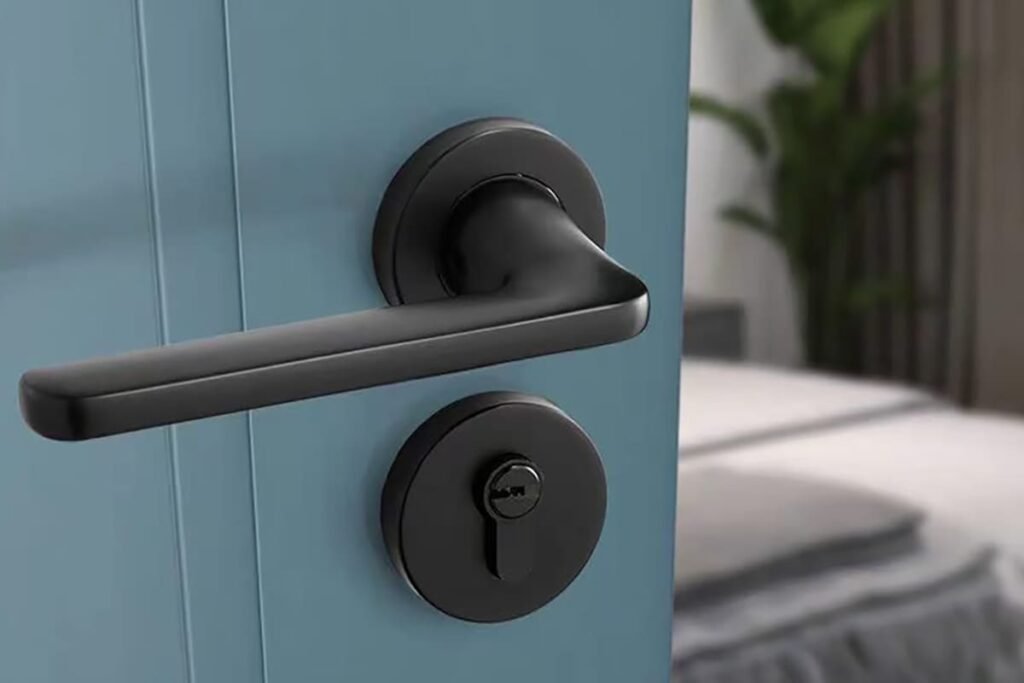
Door Security Hardware for Home Entry Protection?
I see buyers lose money when entry hardware looks strong but works as separate parts. One mismatch can create assembly delay, complaints, and weak protection.
Door security hardware for home entry protection works best as a matched system: multi-point lock, tested cylinder, stable hinges, handle, viewer, chain, seals, door structure, and maintenance. I check compatibility, materials, certificates, and batch consistency before I judge real security value.
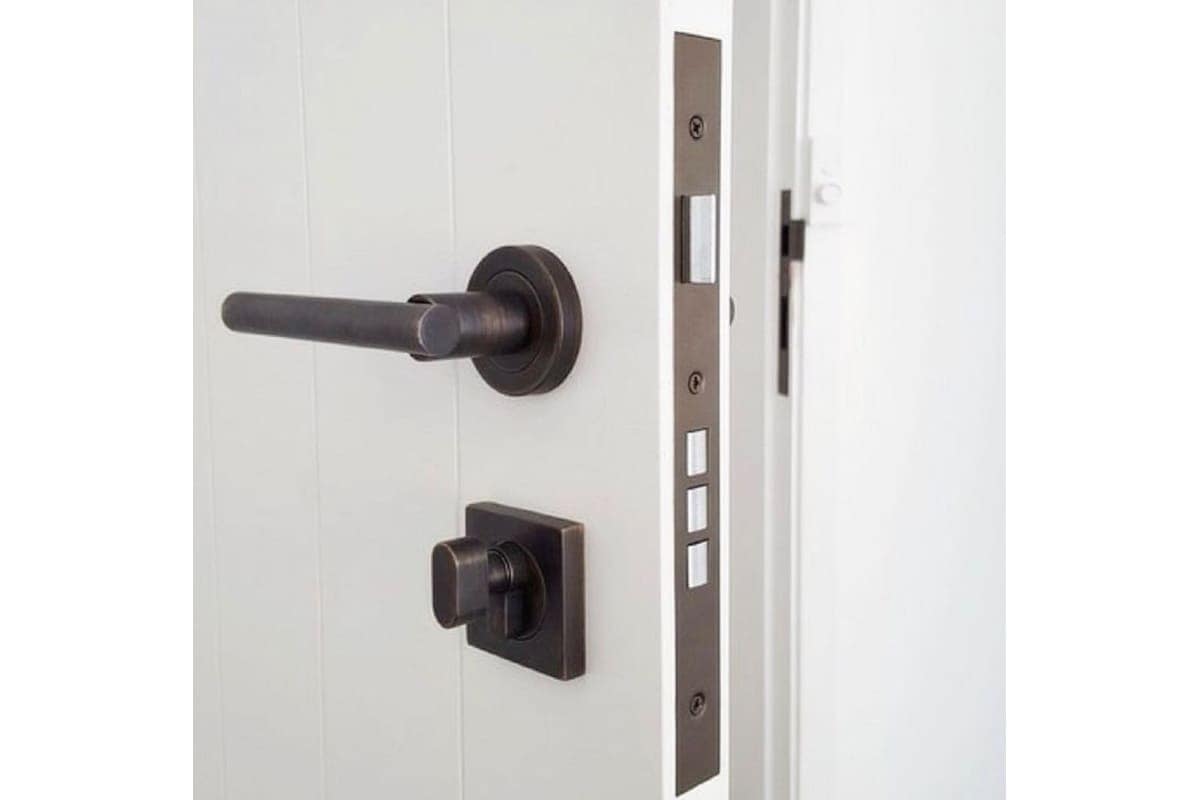
I have worked with many door factories, hardware brands, and project buyers who first asked me for “a stronger lock.” I usually start with a different question. I ask what door type they use, what thickness they produce, what lock hole positions they already cut, what finish they need, and what market standard they must follow. A good lock can fail to support the door if the cylinder, hinge, handle, striker, viewer, chain, seal strip, and installation details do not match.1 I have seen this problem in bulk orders, and I know it can be avoided when the entry door is treated as one system from the start.
Why should I treat entry protection as a complete door hardware system?
I often see buyers focus on one visible part. This creates risk because entry protection depends on many small parts working together2.
Entry protection should be treated as a full-door hardware system because each part supports another part. I match the lock, cylinder, hinges, handle, viewer, chain, seals, door structure, opening direction, thickness, and hole positions before I confirm the final set.
How I look at the entry door as one system
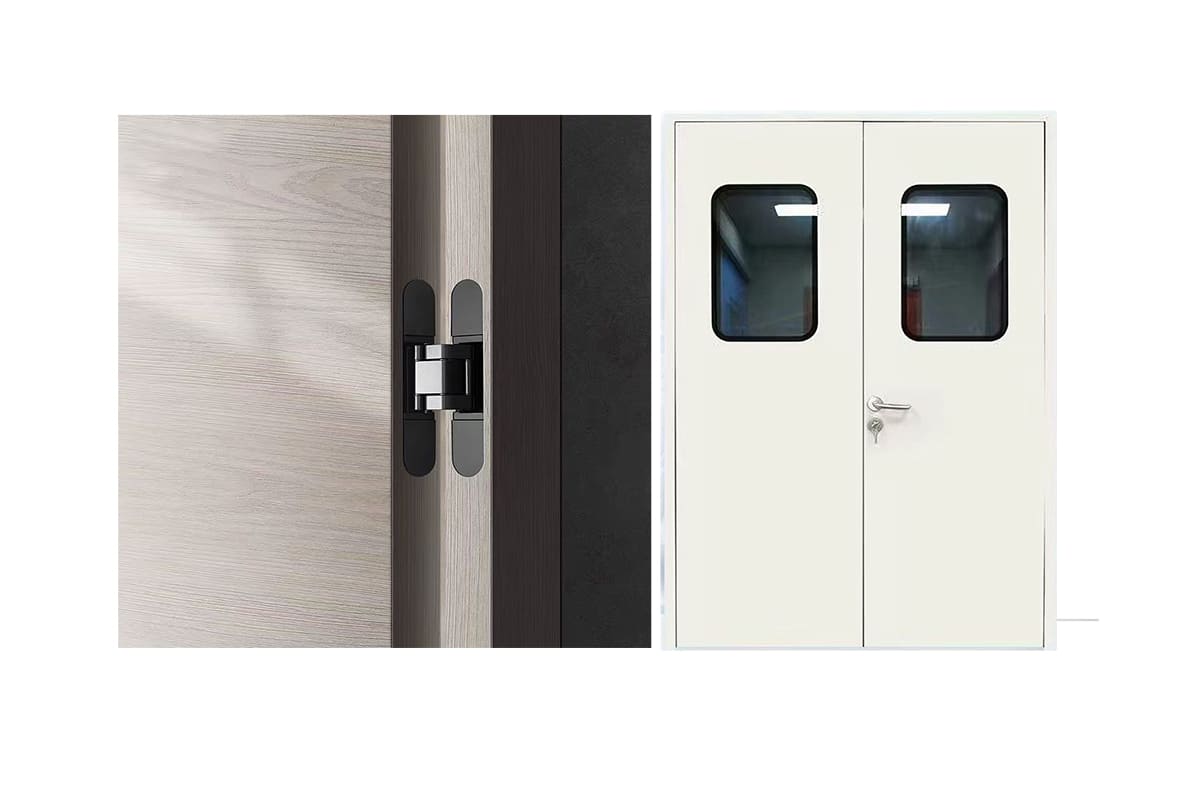
I do not judge entry protection by the lock body alone. I look at how the door closes, how the latch enters the strike plate, how the hinge side carries weight, and how the cylinder fits the door thickness. I also check whether the handle works smoothly with the lock spindle and whether the finish can stay consistent across the full batch. In one project discussion, a customer selected a strong multi-point lock, but the existing door drilling did not match the lock case and faceplate. The product looked correct on paper, but it would have caused rework on the production line. I asked for the door drawing, and we adjusted the configuration before production. That simple check helped avoid a batch problem.
| Part I check | Main role I consider | Common risk I try to avoid |
|---|---|---|
| Multi-point lock | I use it to improve locking coverage on the door edge | Wrong backset, wrong faceplate, wrong hole position |
| Security cylinder | I check anti-drill, anti-pry, key system, and low mutual opening rate claims with documents | Wrong length, weak specification, unclear testing |
| Hinge | I use it to support door weight and reduce sagging risk | Door drop, uneven gap, poor screw holding |
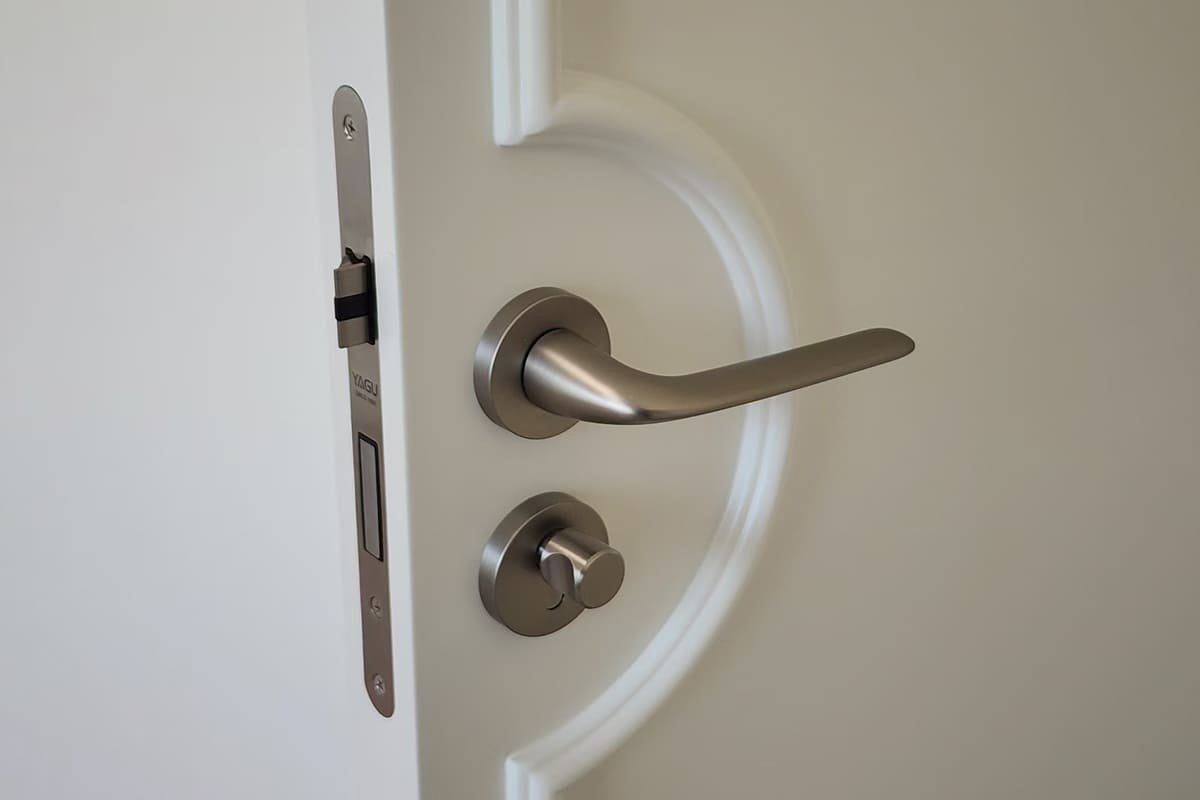
| Handle | I check spindle, spring, plate size, and finish match | Loose handle, poor operation, finish mismatch |
| Viewer and chain | I use them to support controlled access | Wrong height, weak mounting, missing accessories |
| Seal and dust strip | I use them to improve daily closing performance | Air gap, noise, dust, hard closing |
I see this system view as the first step in procurement risk control.
How do I match locks, cylinders, hinges, and handles for entry doors?
I see costly problems when lock bodies, cylinders, hinges, and handles are bought from different sources without drawings. Small dimensional errors can stop assembly.
I match locks, cylinders, hinges, and handles by checking door thickness, opening direction, backset, center distance, cylinder length, spindle size, hinge load, screw positions, finish, and required certificates before bulk production.
How I check the main hardware combination
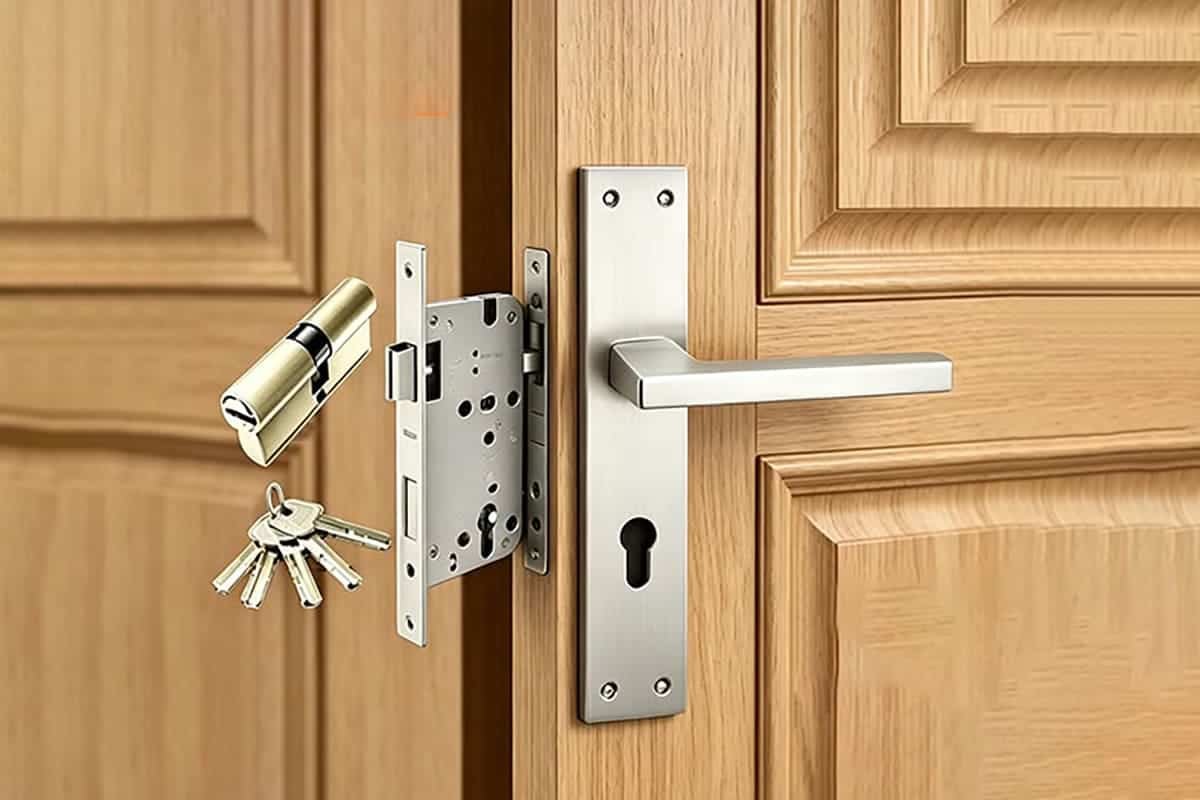
I start with the door drawing because the drawing tells me what can fit. I check the lock backset, center distance, faceplate width, faceplate length, and striker design. I then check the cylinder length. A cylinder that is too short can be hard to operate. A cylinder that extends too far can create extra exposure.3 I do not describe any cylinder as impossible to drill or impossible to pry. I ask for supplier documents when the buyer needs anti-drill pins, anti-pick design, anti-pry structure, or a low mutual opening rate. I also check whether those features match the buyer’s market needs.
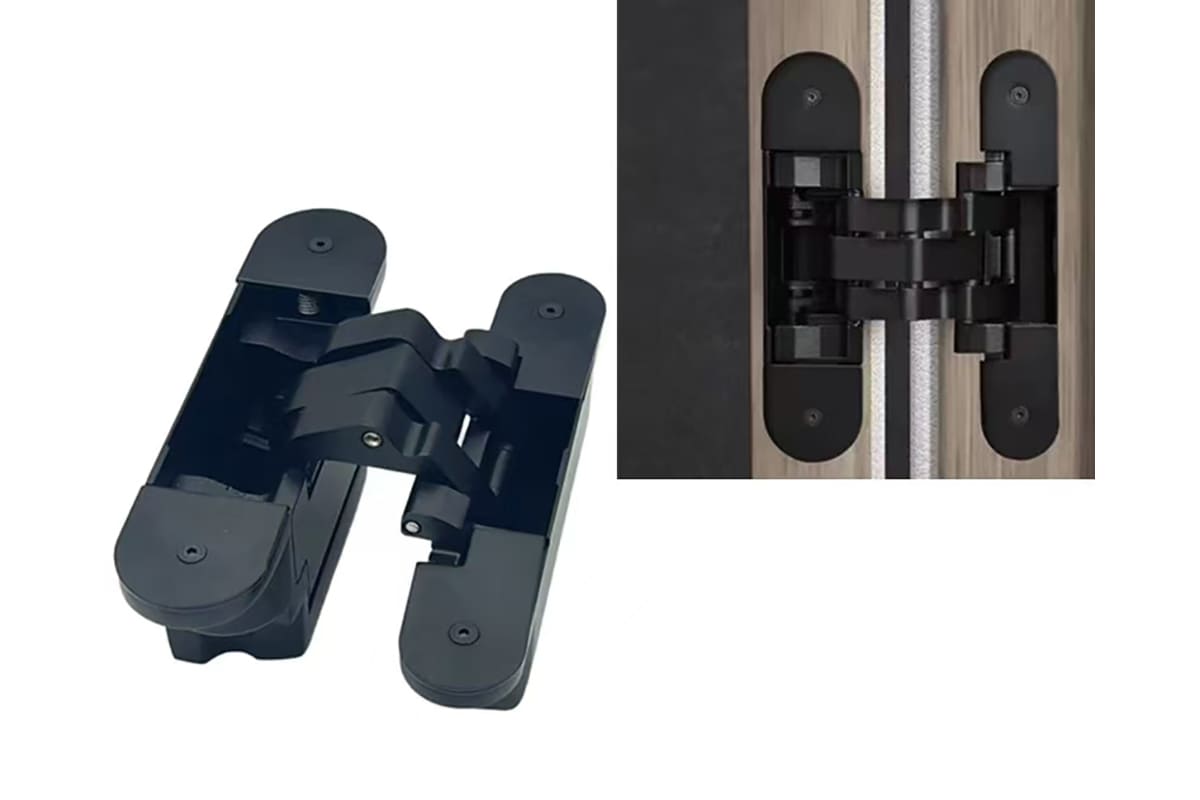
The hinge side matters as much as the lock side. A heavy entry door needs stable support.4 I often suggest security butt hinges or suitable concealed hinges based on door structure, door weight, and opening design. I also check screw length, hinge leaf thickness, bearing structure, and installation tolerance.
| Item I match | What I confirm before order | Why I confirm it |
|---|---|---|
| Lock body | Backset, center distance, faceplate, latch direction | I want smooth installation and correct door closing |
| Cylinder | Length, cam type, key system, security features | I want correct fit and clear specification |
| Handle | Plate size, rose size, spindle, spring, finish | I want smooth use and visual consistency |
| Hinge | Size, material, load, screw holes, opening angle | I want stable support and reduced sagging risk |
| Strike plate | Position, depth, screw holes, reinforcement needs | I want the lock points to enter correctly |
I also test the feel of the full set when possible. I turn the key, press the handle, close the sample door, and check whether each movement feels smooth. This simple sample check often finds problems before the bulk order starts.
Which materials and structures matter more than a heavy-looking finish?
I have seen heavy-looking panels impress buyers at first sight. I have also seen thin material and weak structure create problems after installation.
Material and structure matter more than appearance because real performance comes from verified metal quality, thickness, machining accuracy, screw holding, internal structure, surface treatment control, and correct use with the door.
How I separate appearance from real quality
I do not reject decorative finishes. A good finish helps a door brand sell the product. I still treat finish as only one part of the decision. I check the base material first. Stainless steel can be a good choice for many handles, hinges, and visible hardware parts because it supports durability and corrosion resistance when the grade and process are suitable.5 Zinc alloy can be used for many handle designs when the structure, plating, and production control are reliable.6 Brass profile cylinders can support stable machining and long-term key operation when the design and material quality are controlled. High-strength aluminum can be useful in some systems when it is specified and tested for the application.
I ask buyers not to use weight alone as proof. A heavy-looking panel can hide weak internal parts. A beautiful finish can still fail if the screw holes are poorly made or the latch movement is rough.
| Quality point I check | What I look for | What I avoid |
|---|---|---|
| Base material | Verified stainless steel, zinc alloy, brass, or suitable alloy | Unknown mixed material without data |
| Structure | Proper thickness, stable spring, strong screw points | Thin parts under heavy decorative cover |
| Machining | Clean holes, accurate sizes, smooth movement | Burrs, loose tolerance, rough operation |
| Surface finish | Consistent color, stable coating, batch control | Color difference across cartons |
| Documents | CE, fire-rated, material, or test documents when needed | Claims without support |
I also remind buyers that CE, fire-rated approval, material grade, and finish quality are not the same thing as burglary-resistance proof.7 Each document has its own meaning. I use certificates to support compliance needs, not to make absolute safety claims. This keeps the decision more honest and more useful.
What B2B procurement risks do I check before bulk entry hardware orders?
I see bulk buyers face a different risk from homeowners. One wrong specification can affect hundreds or thousands of doors.8
For B2B entry hardware orders, I check batch consistency, drawing confirmation, finish match, accessory completeness, certificate validity, packaging, installation fit, sample approval, production capacity, and after-sales response before I confirm the order.
How I reduce batch problems before production
I have learned that procurement risk often hides in small details. A lock body may be correct, but the screws may be too short. A handle may look correct, but the spindle may not match the lock follower. A cylinder may meet the drawing, but the key system may not match the buyer’s product plan. A hinge may have the right size, but the finish may not match the handle. These problems can slow a door factory and hurt a hardware brand.
I prefer to build a confirmation sheet before mass production. I include drawings, photos, surface finish codes, packaging method, label information, carton marks, accessory list, and certificate copies. I also ask the customer to approve samples when the order is large or customized.
| Risk area I control | Question I ask | Result I want |
|---|---|---|
| Dimensions | Do the holes, backset, center distance, and thickness match the door? | I want direct assembly without rework |
| Finish | Does the lock, hinge, handle, viewer, and chain have the same color standard? | I want a unified door appearance |
| Accessories | Are screws, strikes, keys, caps, and fitting parts included? | I want no missing parts on the line |
| Certificates | Are CE or fire-rated documents valid for the exact product? | I want clear market access support |
| Packaging | Does each set follow the buyer’s packing and label needs? | I want easier warehouse and sales control |
| Supply capacity | Can the factory repeat the same quality in batches? | I want stable long-term supply |
I have seen customers focus only on unit price. I understand that price matters. I also know that a low price can become expensive if batch inconsistency creates claims, delay, or extra labor9. I prefer to control total cost, not just the first purchase price.
Why do installation and maintenance still decide long-term entry protection?
I have seen good hardware perform poorly when installation was weak. Loose screws, dry locks, and damaged seals can reduce the door’s real value.
Installation and maintenance matter because even good entry hardware needs correct alignment, strong fixing, regular lubrication, screw checks, seal replacement, hinge adjustment, and door structure support to keep stable performance.
How I view long-term performance after delivery
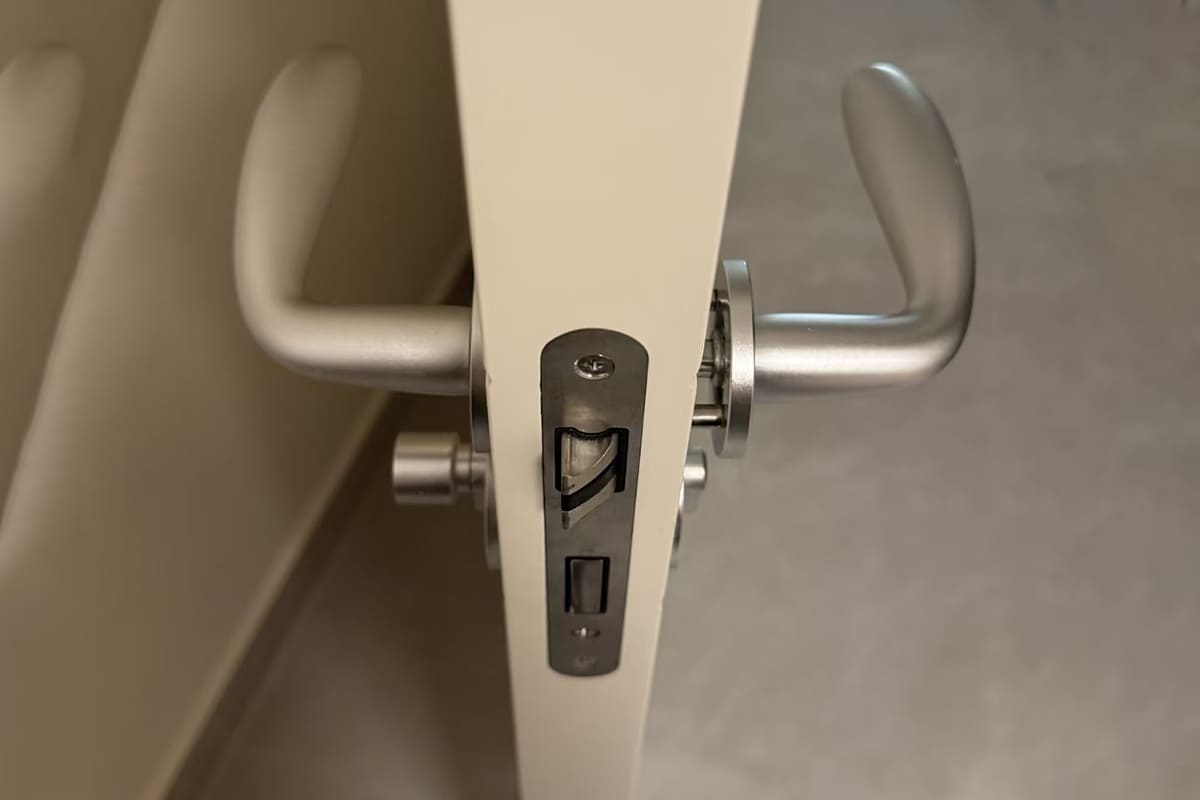
I do not think my work ends when the hardware leaves the factory. I still care about how the door factory installs the set and how the final user maintains it. A multi-point lock needs correct alignment with each strike point.10 If one locking point rubs against the strike, the user may force the key or handle. That force can reduce the service life. A hinge needs correct screw fixing and frame support. If the door frame is weak or the hinge screws loosen, the door can sag, and the lock may no longer enter smoothly.
Seal strips and dust-proof strips also matter.11 Some buyers see them as minor parts, but I see them as daily-use parts. They help with dust, noise, air gap, and closing comfort. If a seal strip is too hard, the door may be difficult to close. If it is too soft or damaged, the door may lose performance.
| Maintenance point I suggest | What I check | Why I care |
|---|---|---|
| Lock lubrication | I use suitable lubricant based on lock type | I want smoother key and latch movement |
| Screw tightening | I check handle, hinge, strike, and chain screws | I want less loosening during daily use |
| Hinge alignment | I check gaps and door drop | I want the lock points to enter cleanly |
| Seal condition | I check compression, damage, and aging | I want stable closing and comfort |
| Cylinder operation | I check key turning and cylinder position | I want early warning before failure |
| Door structure | I check frame strength and door leaf flatness | I want hardware performance to be supported |
I also tell buyers that a high-quality entry door is the base of the system. Weak door leaf structure, poor frame fixing, and inaccurate installation can reduce the benefit of good hardware. I believe strong hardware and strong door construction must work together.
Conclusion
I build entry protection as a matched system, not one strong part. I control fit, material, consistency, documents, installation, and maintenance together.
"Physical Security | Cybersecurity and Infrastructure Security Agency ...", https://www.cisa.gov/topics/physical-security. Physical-security guidance identifies locks, strike plates, hinges, frames, and installation quality as interdependent factors in door resistance to forced entry. Evidence role: mechanism; source type: government. Supports: A source should explain that locks, strike plates, frames, hinges, and installation quality jointly affect forced-entry resistance.. Scope note: Such guidance provides general security rationale rather than product-specific proof for the article’s hardware combinations. ↩
"[PDF] PHYSICAL SECURITY OF DOOR ASSEMBLIES AND COMPONENTS", https://www.ojp.gov/pdffiles1/nij/32269.pdf. Burglary-resistance standards and security guidance commonly evaluate a door as an assembly rather than as an isolated lock, supporting the view that hardware components must work together. Evidence role: expert_consensus; source type: institution. Supports: A neutral source should show that entry resistance is evaluated at the doorset or assembly level, including the door leaf, frame, lock, hinges, and installation.. Scope note: This supports the system-level principle but does not verify the performance of any specific hardware set described in the article. ↩
"Euro Cylinder Locks Explained - Master Key Systems", https://www.masterkeysystems.co.uk/knowledge-hub/euro-cylinder-locks-explained/. Lock-security guidance notes that profile cylinders projecting beyond the protective hardware are more exposed to physical attack, including gripping or snapping methods. Evidence role: mechanism; source type: institution. Supports: A source should document that excessive cylinder projection can expose the cylinder to snapping, gripping, or other physical attacks.. Scope note: The source would support the general mechanism; the amount of unsafe projection may vary by lock type, escutcheon, and applicable standard. ↩
"How much weight can door hinges hold? - HingeOutlet", https://www.hingeoutlet.com/blogs/news/how-much-weight-can-door-hinges-hold?srsltid=AfmBOor5GXMEjxXj_7PnZsBqlIiVzfGH2eDVewuSw3GM8tmrW390MOR8. Door-engineering guidance treats door weight, hinge size, bearing construction, fasteners, and frame support as linked variables in maintaining door alignment. Evidence role: mechanism; source type: institution. Supports: A source should explain that hinge size, quantity, bearing type, fasteners, and frame conditions must be matched to door weight and use.. Scope note: This supports the load-bearing principle but does not determine the correct hinge for a particular door without its weight, dimensions, and use conditions. ↩
"[PDF] The Role of Passive Film Growth - NIST Technical Series Publications", https://nvlpubs.nist.gov/nistpubs/Legacy/IR/nbsir74-583.pdf. Stainless steel derives corrosion resistance primarily from a chromium-rich passive surface film, although durability depends on alloy grade, processing, and service environment. Evidence role: mechanism; source type: encyclopedia. Supports: A source should describe the corrosion-resistance mechanism of stainless steel and note that performance varies by grade and environment.. Scope note: This supports the material rationale generally, not the quality of any specific handle, hinge, or hardware batch. ↩
"Eng_Prop_A_Corrosion Properties - Zinc Die Casting", https://diecasting.zinc.org/properties/en/alloy_properties/eng_prop_a_corrosion-properties/. Materials references describe zinc die-casting alloys as suitable for complex manufactured components, while emphasizing that strength, corrosion behavior, and service life depend on design and surface finishing. Evidence role: general_support; source type: research. Supports: A source should show that zinc die-casting alloys are used for complex hardware forms and that coating, design, and process control affect performance.. Scope note: This provides contextual material support and does not prove that a particular zinc-alloy handle meets security or durability requirements. ↩
"CE marking - Wikipedia", https://en.wikipedia.org/wiki/CE_marking. European regulatory guidance treats CE marking as a declaration of conformity with applicable requirements, while fire-resistance and burglary-resistance standards assess different hazards and performance criteria. Evidence role: definition; source type: government. Supports: A source should clarify the meaning of CE marking and distinguish fire-resistance testing from burglary-resistance testing.. Scope note: This supports the distinction among certification types but does not assess the validity of any certificate mentioned by a supplier. ↩
"[PDF] The Economic Impacts of Inadequate Infrastructure for Software ...", https://www.nist.gov/document/report02-3pdf. Manufacturing quality-management literature identifies specification errors and weak process controls as causes of batch defects, rework, and downstream production disruption. Evidence role: general_support; source type: institution. Supports: A source should show that incorrect specifications and inadequate quality controls can propagate defects across production batches and increase rework.. Scope note: This is contextual support for production risk and does not quantify the number of affected doors in any particular order. ↩
"What Is Cost of Poor Quality (COPQ) in Manufacturing? - CAI Software", https://caisoft.com/resources/cost-of-poor-quality-copq-in-manufacturing/. Quality-management sources define the cost of poor quality to include rework, scrap, warranty claims, delays, and other failure costs that may exceed initial purchase-price savings. Evidence role: expert_consensus; source type: institution. Supports: A source should explain cost-of-quality concepts, including internal failure costs, external failure costs, rework, warranty claims, and delays.. Scope note: The source supports the cost framework generally and does not calculate the financial effect for the article’s specific procurement scenarios. ↩
"Fitting a Multipoint Lock in Timber Doors - KB#7",
. Technical guidance for multi-point locking systems notes that reliable operation depends on accurate engagement between each locking point and its corresponding keep or strike. Evidence role: mechanism; source type: institution. Supports: A source should state that multi-point locking systems depend on correct engagement and alignment of all locking points with their keeps or strike plates.. Scope note: This supports the installation principle but does not specify tolerances for all lock models. ↩"Detecting Air Leaks - Department of Energy", https://www.energy.gov/energysaver/detecting-air-leaks. Building-energy guidance identifies door weatherstripping as a method for reducing air leakage around doors, which also provides contextual support for improved everyday closing performance. Evidence role: mechanism; source type: government. Supports: A source should explain that door weatherstripping and seals reduce air leakage and improve the functional closure of doors.. Scope note: The source directly supports air-leakage control; claims about dust, noise, and comfort are contextual unless the selected source addresses them specifically. ↩