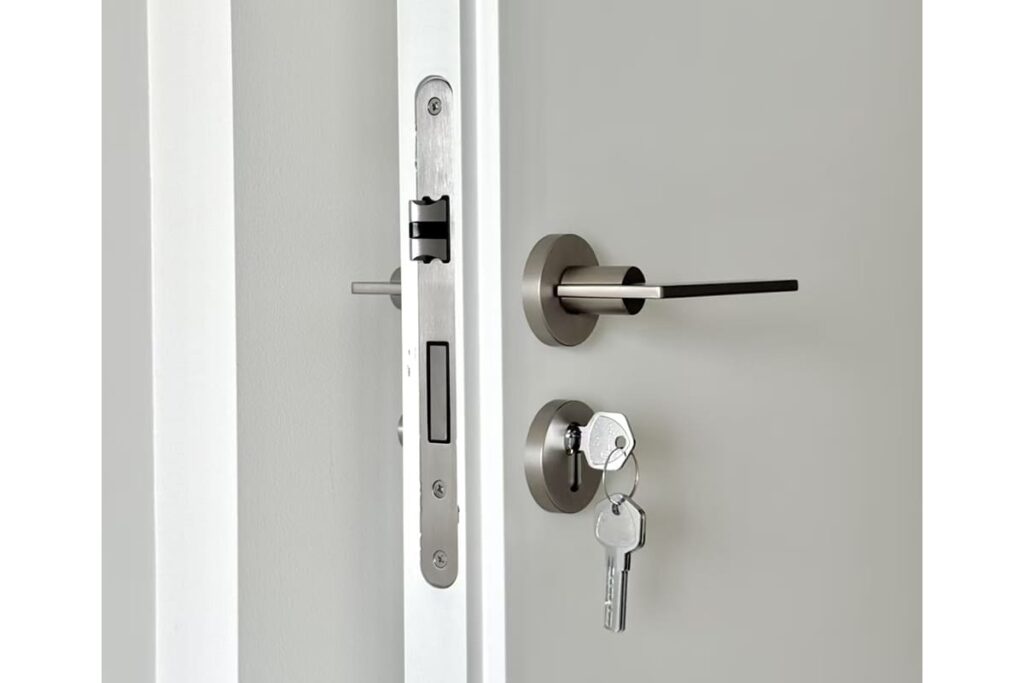
Door knobs vs door handles?
A wrong handle choice looks small at first. Then users complain, cleaning slows down, and bulk orders create finish and comfort problems.
I compare door knobs and door handles by use, grip comfort, cleaning, style, material, and bulk order risk. I do not treat one as always better. I choose knobs for compact classic looks and handles for easier grip, frequent use, and modern door projects.
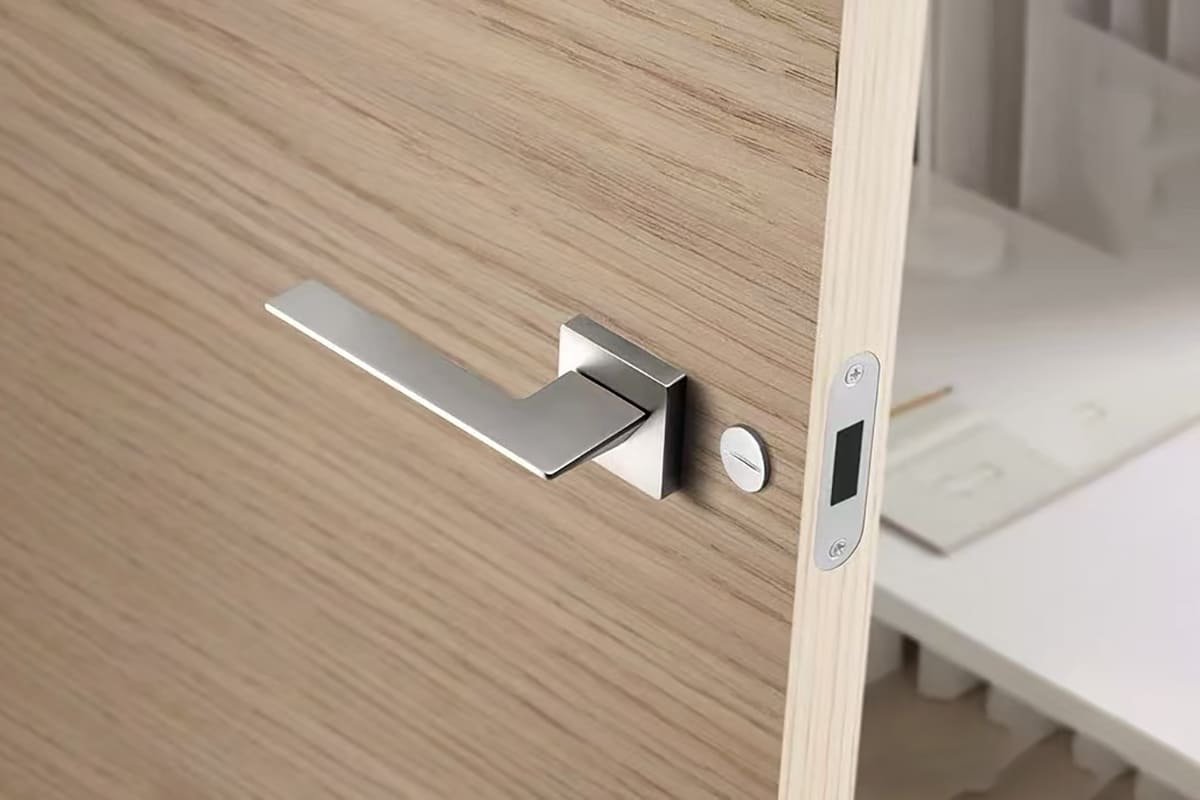
I often see buyers start with one photo and one target price. I understand that. A door set needs to look right, and the cost must fit the market. But I also see another side from factory work and overseas customer communication. The small choice between a round knob and a lever handle can affect user comfort, project feedback, and repeat orders.
Which is easier to use in daily operation?
A beautiful knob can still create trouble. Users may twist it many times each day, and weak grip strength can turn a small part into a big complaint.
I usually see lever handles as easier to operate because users can press down with less hand force1. Door knobs can work well in lower-use spaces, but they need more twisting action and better grip control2.
What I check first
I first ask where the door will be used. A bedroom door in a villa has a different usage pattern from an apartment corridor door, hotel room door, school office door, or project bathroom door. A knob can feel fine when use is light. It can also look neat because it is compact. But the round shape needs the user to hold and twist. This can be harder for children, elderly users, users with wet hands, or users carrying bags3.
A lever handle gives a longer contact area. The user can push it down with fingers, a palm, or even an elbow in some cases4. I do not say it is always better. I say it reduces operation difficulty in many high-frequency spaces.
| Door use condition | Knob concern I check | Handle benefit I check |
|---|---|---|
| Frequent use | More twisting each day | Easier press action |
| Elderly users | Weak grip may be a problem | Less hand force needed |
| Wet hands | Round surface may slip | Longer grip area helps |
| Children | Small hands may struggle | Simple down action |
| Decorative rooms | Compact look may fit | Long shape may feel too modern |
How I judge the user group
When a door manufacturer selects hardware for an apartment project, I ask about the end users. If the project targets young families, elderly residents, or rental users, I pay more attention to grip comfort. If the project is a boutique interior line, I still look at comfort, but I also give more weight to style. In B2B orders, one user complaint can become many after-sales messages. So I do not judge by catalog photos only. I hold the product, turn it, press it, and imagine a user repeating that action for years.
Which style fits the door and market better?
A buyer may love one style, but the local market may expect another. A knob can look warm and classic. A handle can look clean and modern.
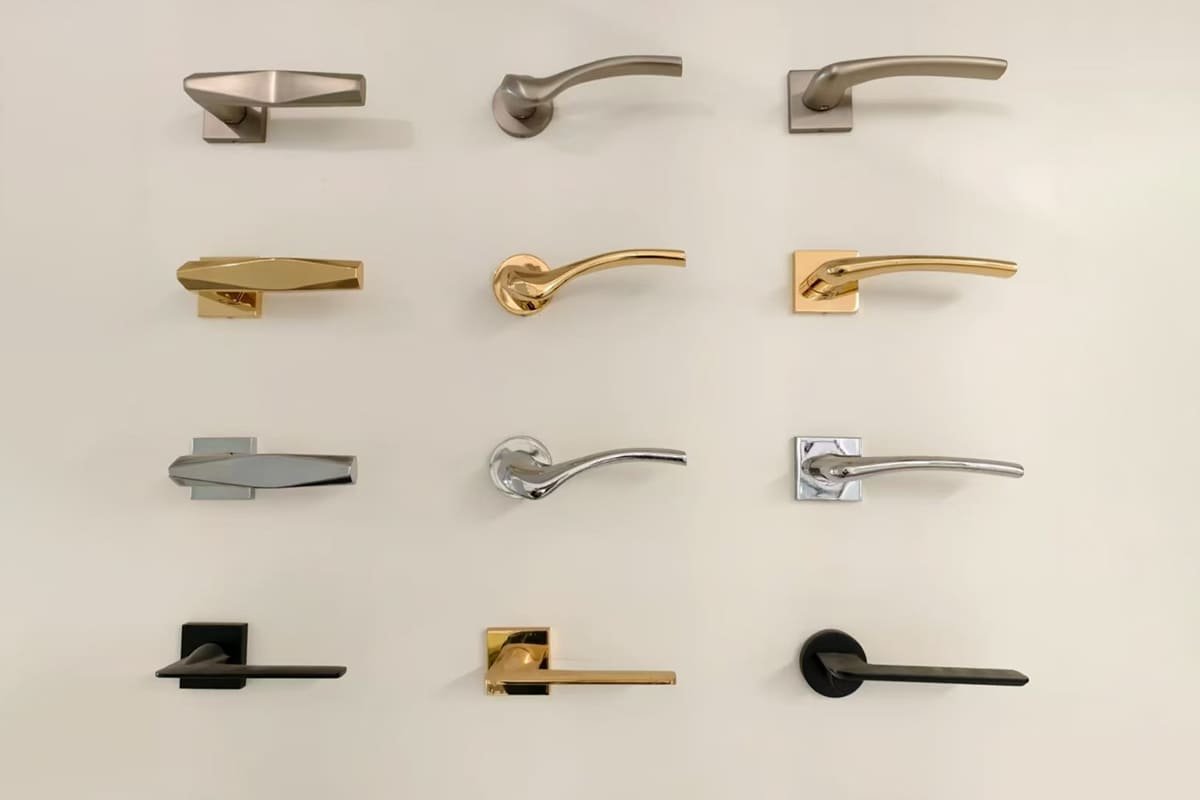
I usually match round knobs with pastoral, French, retro, or classic interiors. I usually match long lever handles with modern minimalist doors, apartment projects, office doors, and many current export product lines.
Where style still matters
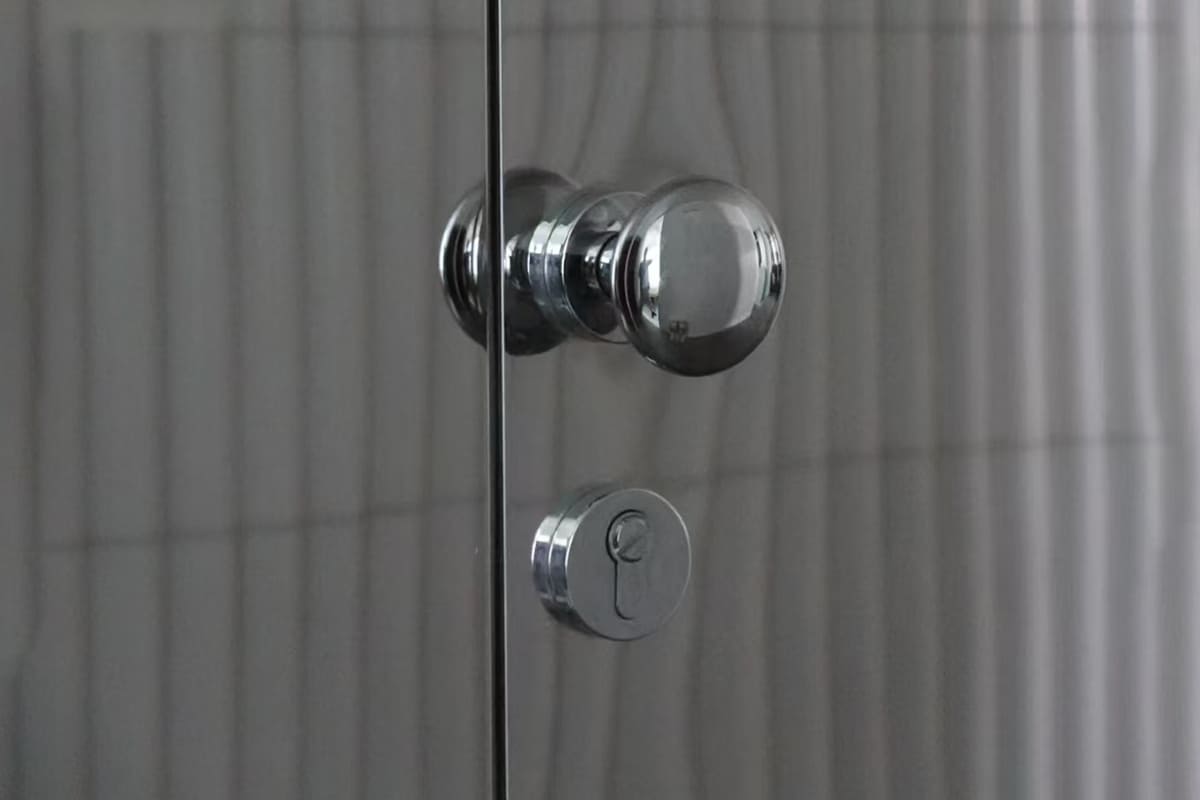
I never remove style from the decision. Door hardware is small, but it sits at eye and hand level. The buyer sees it before opening the door. The user touches it every day. A round knob can soften the door face. It can fit painted doors, carved panels, and classic rooms. A long handle can create a clean line. It can match flat doors, aluminum frames, and simple interiors.
But I do not let style become the only rule. Some buyers send us a photo and say, “I need this look.” I then ask about the door thickness, lock body, spindle size, finish, market level, and quantity. A style that looks good in one sample may fail as a bulk product if the finish is hard to keep consistent or the structure does not fit the lock set5.
| Interior direction | Knob fit | Handle fit | My procurement note |
|---|---|---|---|
| French classic | Strong fit | Possible with special design | Check finish tone carefully |
| Pastoral style | Strong fit | Less common | Check color warmth |
| Modern minimalist | Less common | Strong fit | Check line shape and rosette |
| Apartment project | Depends on region | Strong fit | Check comfort and batch supply |
| Hotel or office | Limited use | Strong fit | Check frequent-use structure |
How I read regional demand
In overseas customer inquiries, I often see different market habits. Some Middle East buyers focus on strong appearance and price range. Some European buyers ask more about standard dimensions, finish consistency, and product feeling. Some Southeast Asia buyers may need a balance of cost, style, and delivery time. I do not use one answer for all regions. I ask what the buyer sells now, what their customers already accept, and what price band they want. Then I suggest a knob or handle style that fits that channel, not just my personal taste.
Which is easier to clean and maintain in bulk projects?
A shiny sample can look perfect on a desk. But a project door needs cleaning, touch resistance, and easy daily care after installation.
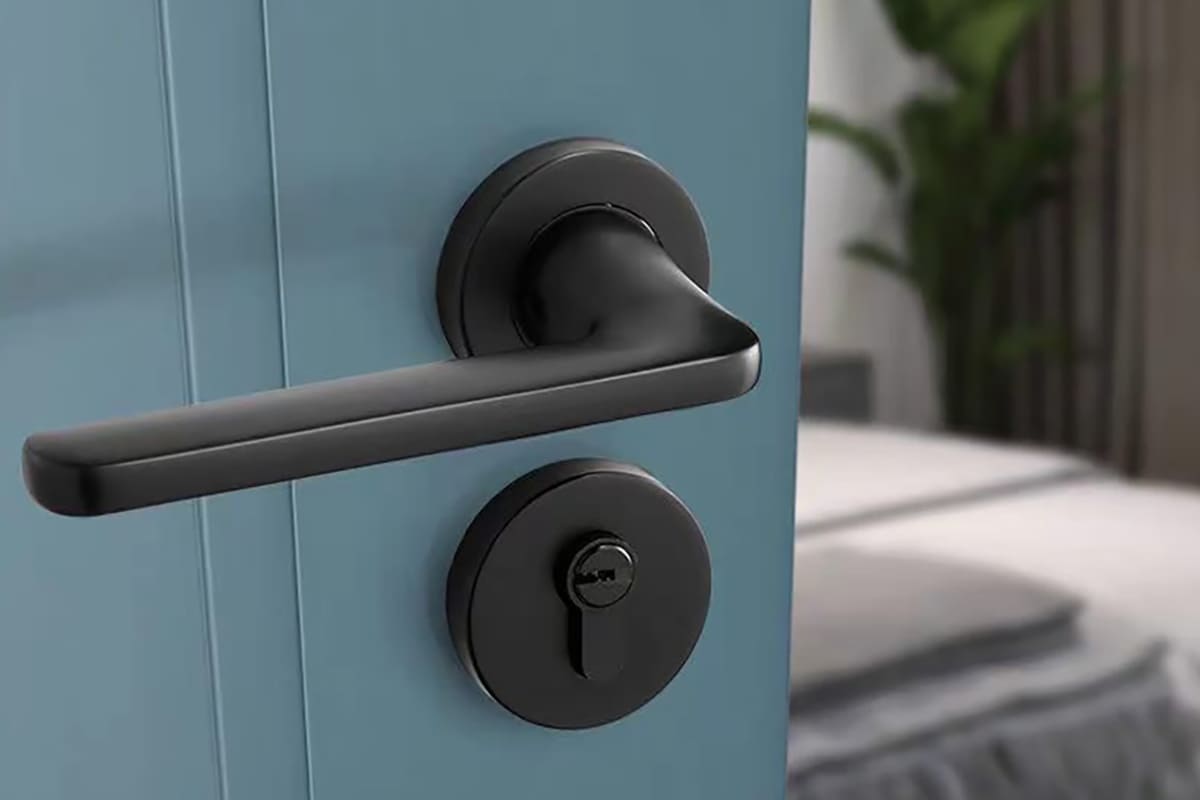
I often find that simple lever handles are easier to wipe because the shape is more linear6. Knobs can also be cleaned well, but grooves, curves, and decorative shapes may take more time.
Why cleaning affects B2B decisions
Cleaning sounds like an end-user issue, but I see it as a procurement issue. If a project has hundreds or thousands of doors, the cleaning team repeats the same action every day. A simple lever handle with a smooth surface can be wiped quickly. A round knob may collect fingerprints in curved areas. A decorative knob with rings, edges, or texture may need more careful cleaning7.
I also check the finish. Satin stainless steel, polished stainless steel, matte black, PVD color, antique color, and painted finishes can all give different results. The shape does not decide everything. The surface finish, base material, coating process, and daily use all matter.8
| Cleaning factor | Knob point I check | Handle point I check |
|---|---|---|
| Smooth surface | Easier if plain round | Easier if flat and simple |
| Decorative detail | More edges may hold dirt | Grooves may also hold dirt |
| Fingerprints | Curved surface may show marks | Large flat face may show marks |
| Public use | Frequent touch needs care9 | Frequent touch needs care |
| Finish type | Finish choice is critical | Finish choice is critical |
What I ask before quoting
Before I recommend a finish, I ask how the product will be used. A wholesaler selling to residential shops may want many colors. A door factory supplying apartment doors may want one stable finish across many batches. A hardware brand may need a finish that matches hinges, locks, cylinders, and accessories. If I only sell one knob or one handle, the order may look simple. But if I support a complete door hardware series, I must think about finish matching across parts. This is why I ask for door samples, color references, and target hardware sets when possible.
How should I compare material, finish, and procurement risk?
A low unit price can hide risk.10 Material, structure, finish, and batch control can affect the real cost more than the first quotation.
I compare stainless steel and zinc alloy by target market, design detail, finish need, price level, and order volume. I also check structure and finish consistency before I judge value.
How I think about stainless steel
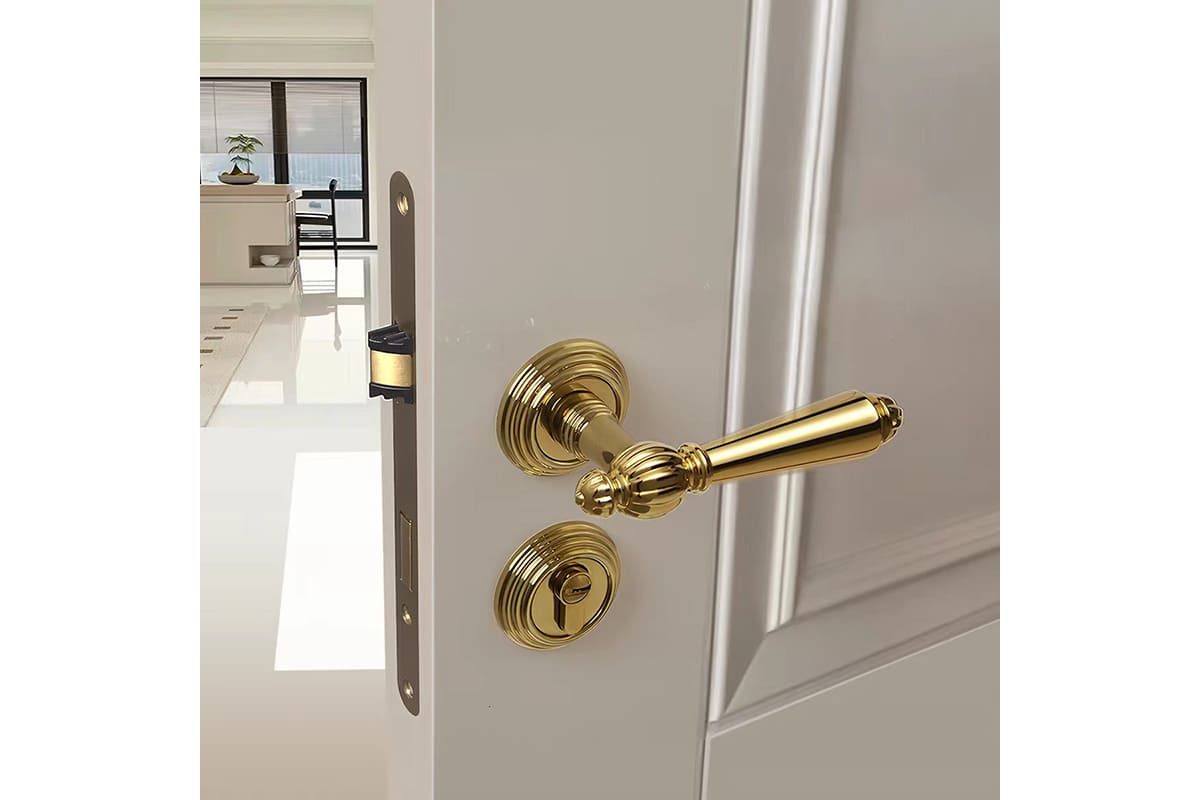
Stainless steel handles are common in many modern projects because the material gives a clean look and stable market acceptance. Buyers often choose stainless steel when they want a simple shape, a modern line, and a practical price-to-performance balance. Stainless steel can be a strong choice for lever handles, pull handles, and some door hardware series.11 But I still check thickness, tube or casting structure, welding points, polishing level, and finish control. I do not say stainless steel is always best. I say it can be a safe and clear choice when the design and finish match the project.
How I think about zinc alloy
Zinc alloy handles can support more detailed shapes.12 Many decorative handle designs use zinc alloy because it can form richer curves and patterns. This can help brands build a wider product line. Zinc alloy can also fit different price levels. But the buyer must check finish quality, plating stability, internal structure, and hand feel. A beautiful zinc alloy sample needs to stay consistent in bulk production. That is where factory control matters.
| Item I compare | Stainless steel handle | Zinc alloy handle |
|---|---|---|
| Common design direction | Simple and modern | Decorative and detailed |
| Finish demand | Brushed, polished, PVD, painted options | Plated, painted, antique, special tones |
| Cost planning | Often clear for project use | Flexible by design and finish |
| Structure check | Thickness and welding matter | Casting and inner strength matter |
| Bulk risk | Finish batch control matters | Plating and color control matter |
Why procurement risk is not only price
I often see buyers compare two quotations and choose the lower one. I understand the pressure. But I also ask them to compare sample weight, handle return spring feeling, rosette structure, screw quality, spindle size, package strength, and finish match with hinges and locks. A small saving can disappear if the finish color changes between batches or if the handle does not fit the lock body well. For B2B buyers, the real cost includes customer complaints, replacement parts, delayed installation, and brand trust. So I prefer to define the standard before mass production. I confirm drawings, materials, finish sample, packaging, and inspection points.
When should I choose knobs, and when should I choose handles?
The best choice is not universal. It depends on the door set, user group, design style, market habit, and order control ability.
I choose knobs when compact classic style matters and use is not too demanding. I choose handles when easier grip, frequent operation, modern design, and simpler cleaning are stronger project needs.
My simple selection method
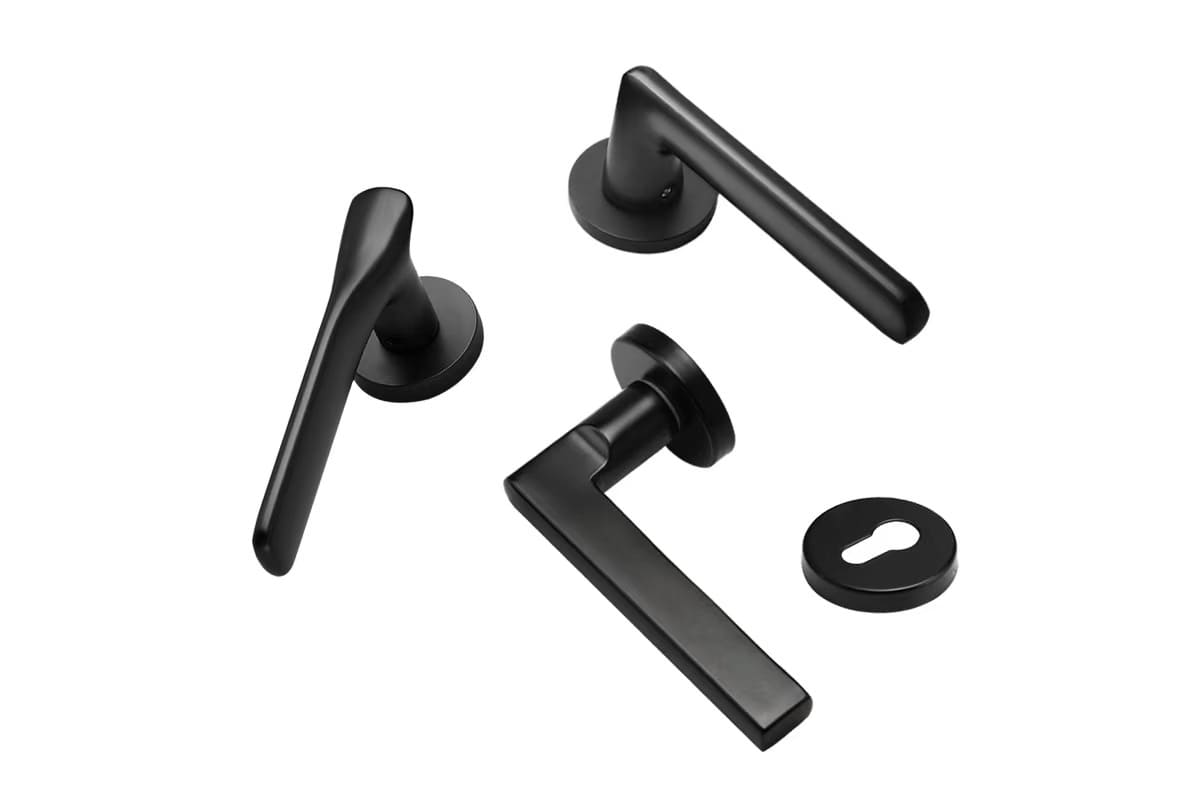
I use a simple method when I discuss door knobs vs door handles with buyers. I do not start with “which one is better.” I start with “where will it be used.” Then I ask “who will use it.” After that, I ask “what style must it match.” Then I check material, finish, structure, packaging, and delivery.
This method helps avoid a common mistake. A buyer may choose a knob because the sample looks elegant. Later, the project may receive complaints because elderly users do not like the twisting action. Another buyer may choose a long handle because it looks modern. Later, the classic door line may look mismatched. Both mistakes come from one-sided selection.
| Selection question | If the answer points to knobs | If the answer points to handles |
|---|---|---|
| What is the design style? | Classic, French, pastoral | Modern, simple, project style |
| Who uses the door? | Users with normal grip strength | Children, elderly users, busy spaces |
| How often is it used? | Low to medium frequency | Medium to high frequency |
| How important is cleaning speed? | Less critical | More critical |
| What is the product line goal? | Decorative choice | Functional and modern choice |
How I handle bulk orders
In a bulk order, I care about repeatability. I want the buyer to receive the same finish, same feel, same packaging, and same fitting result across the whole batch. For knobs, I check the turning feeling, rosette match, lock compatibility, and surface finish. For handles, I check the lever return, spring strength, handle balance, rosette or plate design, and grip surface. I also check if the product can match the mortise lock, cylinder, hinge, and other hardware in the same door set.
As a factory-side supplier, I prefer early communication. If a buyer sends only one product photo, I can quote. But if the buyer sends door type, lock standard, finish target, project quantity, and market level, I can give a much better selection suggestion. This reduces risk for both sides. It also helps the buyer build a stable product line instead of buying one isolated item.
A practical example from my work
I once discussed a product line with a door manufacturer that wanted both classic doors and modern apartment doors. The buyer first asked for one handle style for all doors to reduce purchasing work. I suggested separating the range. The classic doors could use selected knobs or decorative short handles, based on the market taste. The apartment doors could use simple lever handles because the users needed easy operation and the design was modern. This did not make the order more confusing. It made the product range clearer. The buyer could explain each choice to their sales team. The warehouse could also manage the items by door series.
Conclusion
I choose between knobs and handles by use, grip, cleaning, style, material, and bulk risk, not by appearance or unit price alone.
"Chapter 3: Operable Parts - Access-Board.gov", https://www.access-board.gov/ada/guides/chapter-3-operable-parts/. Accessibility guidance for operable parts requires use with one hand and without tight grasping, pinching, or twisting of the wrist, supporting the article’s distinction between lever operation and knob twisting. Evidence role: expert_consensus; source type: government. Supports: Accessibility standards treat hardware that avoids tight grasping and wrist twisting as easier to operate for a wider range of users.. Scope note: This would support the ergonomic principle, not prove that every lever model requires less force than every knob model. ↩
"Accessible doorknobs are the hill I'm choosing to die on", https://blogs.oregonstate.edu/laurelbrinsondesign/2021/02/28/accessible-doorknobs-are-the-hill-im-choosing-to-die-on/. Government accessibility materials classify hardware requiring tight grasping or wrist twisting as less accessible, which contextualizes the article’s claim that knobs demand more twisting and grip control. Evidence role: definition; source type: government. Supports: Door knobs are commonly treated in accessibility guidance as hardware that can require grasping and wrist rotation.. Scope note: The source would describe accessibility requirements rather than measure the exact torque of the specific products discussed. ↩
"Think twice before grabbing that door knob | Penn State University", https://www.psu.edu/news/campus-life/story/think-twice-grabbing-door-knob. Universal-design guidance emphasizes door hardware that can be used with limited grip strength or dexterity, supporting the article’s concern for children, older adults, and users whose hands are occupied or compromised. Evidence role: expert_consensus; source type: education. Supports: Universal-design literature generally favors hardware that can be operated without strong grip or fine wrist movement, especially for users with reduced dexterity.. Scope note: The support is contextual and may not address wet hands or carrying bags in the same study. ↩
"A Gentle Turn: Converting Knobs to Handles Unlocks Independence ...", https://medicine.yale.edu/news-article/converting-knobs-to-handles-unlocks-independence-at-home/. Accessibility and universal-design references describe lever hardware as operable without tight grasping, which supports the article’s statement that levers may be pressed by the palm or elbow in some circumstances. Evidence role: mechanism; source type: institution. Supports: Accessible hardware guidance recognizes lever-type controls as usable without tight grasping, sometimes allowing operation by a closed fist or other body contact.. Scope note: The source would support the general operating mechanism, not guarantee elbow operation for all lever designs or door latch forces. ↩
"Hardware Standards and Requirements - Building Access", https://buildingaccess.tamu.edu/guidelines/hardware-standards-and-requirements.html. Quality-management standards require control of production processes and product conformity, supporting the article’s point that finish consistency and lock-set compatibility can determine whether an attractive sample succeeds in bulk production. Evidence role: general_support; source type: institution. Supports: Quality-management and hardware standards emphasize conformity, dimensional compatibility, and repeatable production as requirements for reliable supply.. Scope note: The source would support the procurement principle rather than document a specific failure involving the article’s products. ↩
"Environmental Cleaning Procedures | HAIs - CDC", https://www.cdc.gov/healthcare-associated-infections/hcp/cleaning-global/procedures.html. Environmental-cleaning guidance notes that smooth, accessible high-touch surfaces are easier to clean effectively, providing contextual support for the article’s comparison between simple linear handles and more complex shapes. Evidence role: mechanism; source type: government. Supports: Cleaning guidance generally favors smooth, accessible surfaces and identifies complexity as a barrier to effective wiping.. Scope note: The evidence would address cleanability by surface geometry, not a direct experimental comparison of knobs and lever handles. ↩
"E. Environmental Services | Infection Control - CDC", https://www.cdc.gov/infection-control/hcp/environmental-control/environmental-services.html. Research on environmental surface hygiene identifies crevices and textured features as harder to clean than smooth surfaces, supporting the article’s caution about decorative rings, edges, and texture. Evidence role: mechanism; source type: paper. Supports: Studies and cleaning guidance commonly identify crevices, roughness, and complex geometry as obstacles to effective surface cleaning.. Scope note: The evidence is likely drawn from general surface-cleaning contexts rather than residential door-knob trials. ↩
"Development of Car Coating Materials over the Past Decade for ...", https://pmc.ncbi.nlm.nih.gov/articles/PMC12694507/. Surface-engineering research shows that coating performance depends on substrate material, surface preparation, coating process, and service conditions, supporting the article’s claim that finish, base material, and daily use all affect maintenance outcomes. Evidence role: mechanism; source type: paper. Supports: Materials and coatings research shows that substrate, coating method, surface condition, and service environment influence wear, corrosion, and appearance retention.. Scope note: The source would provide general materials evidence rather than product-specific testing for the listed hardware finishes. ↩
"Environmental Cleaning Procedures | HAIs - CDC", https://www.cdc.gov/healthcare-associated-infections/hcp/cleaning-global/procedures.html. Public-health cleaning guidance classifies door handles as high-touch surfaces requiring regular attention, supporting the article’s statement that frequently touched hardware needs care. Evidence role: expert_consensus; source type: government. Supports: Public-health guidance commonly lists door handles among high-touch surfaces that require routine cleaning.. Scope note: This supports cleaning frequency and hygiene relevance, not the commercial procurement impact by itself. ↩
"Total Cost of Ownership (TCO) – The 5 Key Components", https://www.purchasing-procurement-center.com/total-cost-of-ownership.html. Total-cost-of-ownership and cost-of-quality frameworks show that purchase price can exclude later costs such as defects, replacement, delays, and service work, supporting the article’s warning that a low unit price can hide risk. Evidence role: general_support; source type: institution. Supports: Procurement and quality-management literature distinguishes purchase price from total cost, including defects, rework, delays, replacement, and service costs.. Scope note: The evidence would support the procurement framework generally, not quantify the hidden cost for this specific door-hardware category. ↩
"[PDF] Stainless Steel - Office of Research Facilities", https://orf.od.nih.gov/TechnicalResources/Documents/Technical%20Bulletins/16TB/Stainless%20Steel%20October%202016%20Technical%20Bulletin_508.pdf. Materials references describe stainless steel as corrosion-resistant and suitable for architectural applications, supporting the article’s view that it can be a practical choice for lever handles, pull handles, and related hardware. Evidence role: general_support; source type: institution. Supports: Institutional materials references describe stainless steel as corrosion-resistant and widely used in architectural and hardware applications.. Scope note: The source would support material suitability, not prove that stainless steel is optimal for every design, finish, or price point. ↩
"Reusing Zinc Alloy Die Cast Scrap", http://www.mntap.umn.edu/industries/facility/metalcast/resources/zincalloy/. Die-casting references note that zinc alloys can form complex, detailed shapes with relatively good dimensional accuracy, supporting the article’s claim that zinc alloy handles can carry richer design detail. Evidence role: mechanism; source type: education. Supports: Technical materials references describe zinc alloys as suitable for die casting detailed parts with complex shapes and good dimensional accuracy.. Scope note: The source would support manufacturing capability, not the durability or finish quality of any particular handle design. ↩