Why are door knobs and handles often made of brass?
A weak handle can make a good door feel cheap. Buyers notice the light pull, the thin sound, and the fast surface wear.
Door knobs and handles are often made of brass because brass feels solid, resists rust, lasts for years1, and gives doors a premium look. I choose brass when a project needs better hand feel, strong design value, and long-term quality, not only the lowest price.
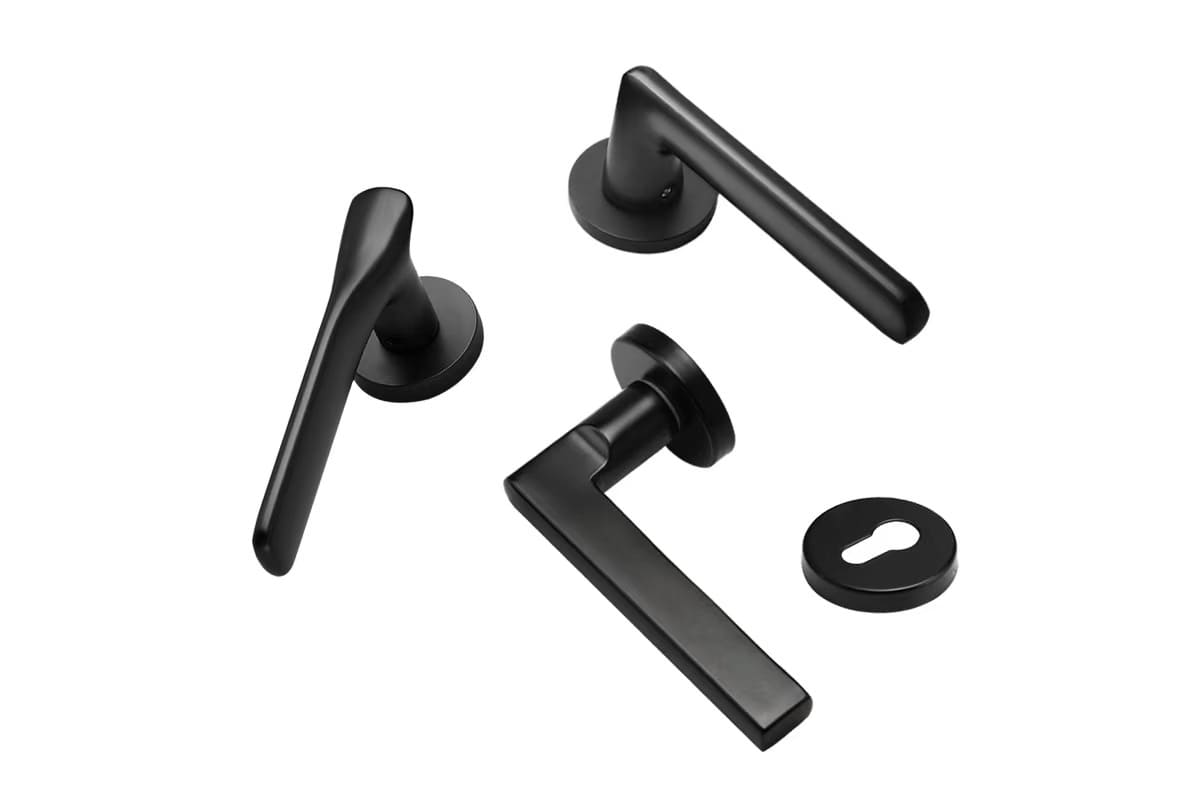
I have seen many buyers test a handle before they read a drawing2. They hold it, press it, turn it, and judge the door in a few seconds. Brass often wins that first moment because it feels dense and stable.3 But I do not see brass as a magic answer. I see it as a high-value material for the right project, the right budget, and the right market.
A handle may look good in a photo but feel poor in real use. That gap can hurt a brand when customers touch the product.
Brass feels premium because it has a dense, solid weight, a smooth touch, and a stable turning feel. I often use it when buyers want the door handle to support a higher-end product position.
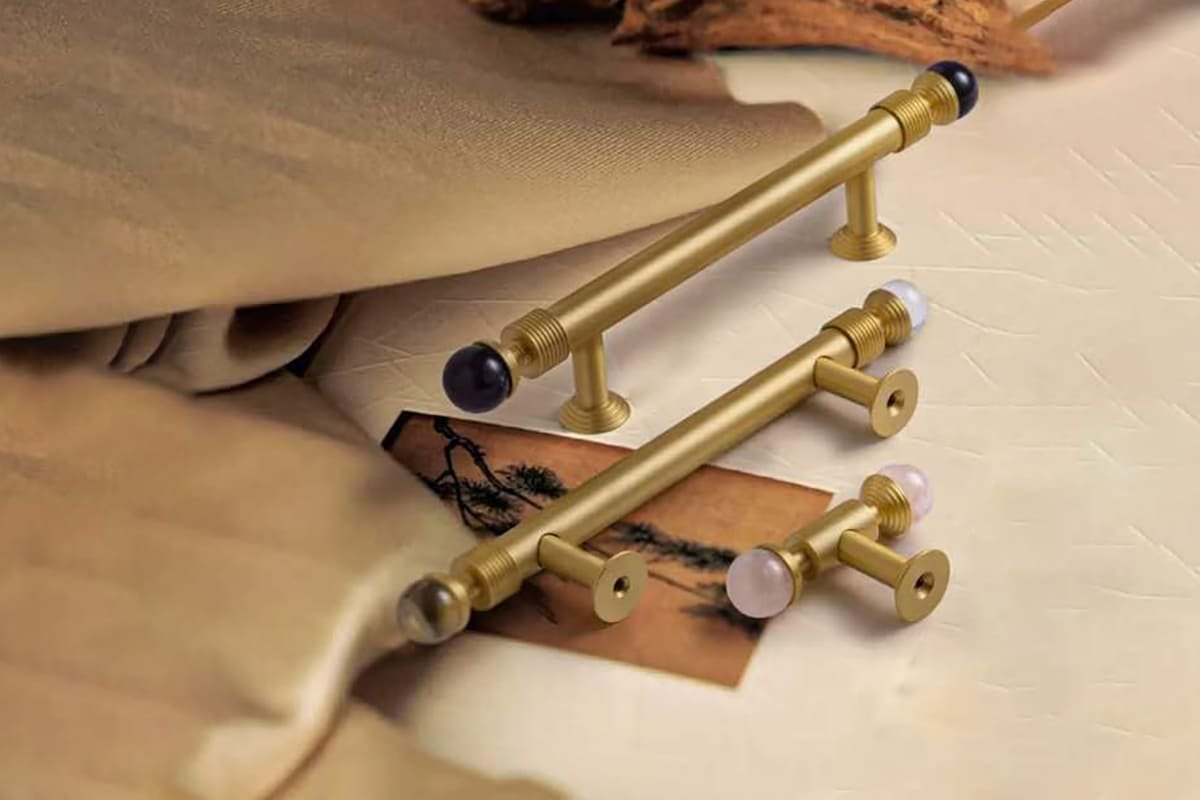
When I compare brass with lighter handle materials in our factory, I always start with hand feel. I pick up the sample before I check the price. A solid brass handle has a clear weight in the hand.4 It does not feel hollow. It does not give the buyer a thin or weak first impression. This point matters in premium doors, villa doors, and high-end residential projects.
I also see that the turning action feels different when the body is well made. The handle can feel more stable because the material has enough mass. This does not mean every brass handle is good. A poor design, weak spring, rough machining, or bad finish can still damage the user experience. Material is only one part of quality.
| Buyer concern | What I check in brass handles | Why it matters |
|---|---|---|
| Hand feel | Weight, balance, grip shape | The customer judges quality by touch5 |
| Stability | Lever movement and fixing area | The handle should not feel loose |
| Surface comfort | Smooth edges and even finish | The user touches it every day |
| Brand position | Visual quality and material feel | Premium doors need a better first impression |
For a hardware brand, this hand feel can help the sales team. For a door factory, it can help the finished door feel more valuable. I have seen buyers accept a higher price when the handle supports the full door package.
Why is brass durable for door knobs and handles?
A beautiful handle becomes a problem if it rusts, stains, or loses its surface too fast. Then the buyer faces complaints and replacement cost.
Brass is durable because it does not rust like ordinary iron-based materials6, and it has good corrosion resistance in many indoor and suitable outdoor uses7. It can also age with a natural patina.
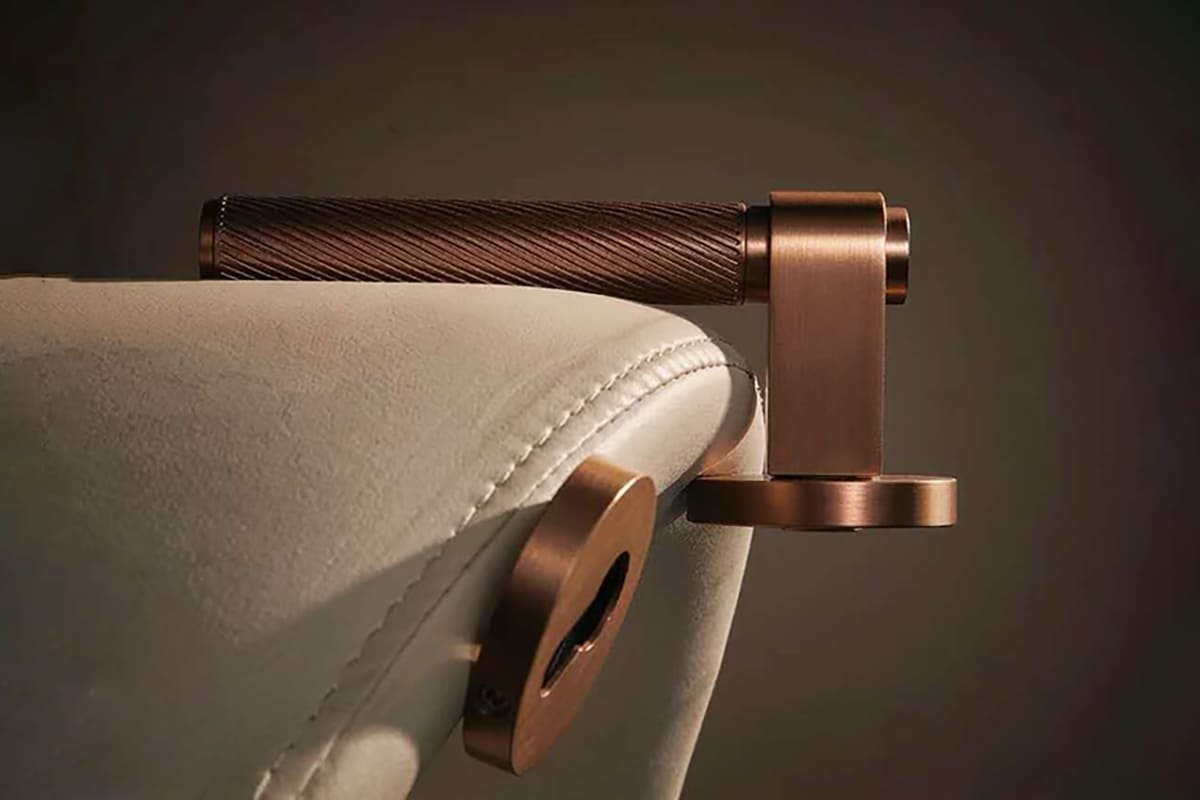
I use brass in projects where long-term use is part of the buying decision. Brass does not rust in the same way as low-grade steel. This is one reason it is still common in architectural door hardware. It can handle daily touch, moisture in normal use, and long service life better than many low-cost choices. But I still need to look at the full product structure. The screws, spindle, springs, and finish must also match the project need.
Brass can also develop a patina over time.8 Some buyers like this. They see it as a natural aged surface. It fits vintage doors, classical interiors, and heritage-style spaces. Other buyers do not want this change. They want a bright and stable color. In that case, I need to help them choose a suitable surface treatment and care method.
| Durability point | Brass advantage | My factory-side note |
|---|---|---|
| Rust resistance | Brass does not rust like iron | Other parts must also be protected |
| Corrosion resistance | Good for many normal building uses | Environment still matters |
| Aging effect | Can form a patina | Some buyers like it, some do not |
| Long-term value | Supports longer product life | Finish quality must be controlled |
I do not tell customers that brass solves every durability issue. I tell them that brass is a strong base material. Then I explain the alloy, finish, thickness, assembly, and packaging. These details decide whether the final handle performs well in real projects.
How does brass support different door design styles?
A handle can break the whole look of a door. If the material does not match the style, even a good door can feel wrong.
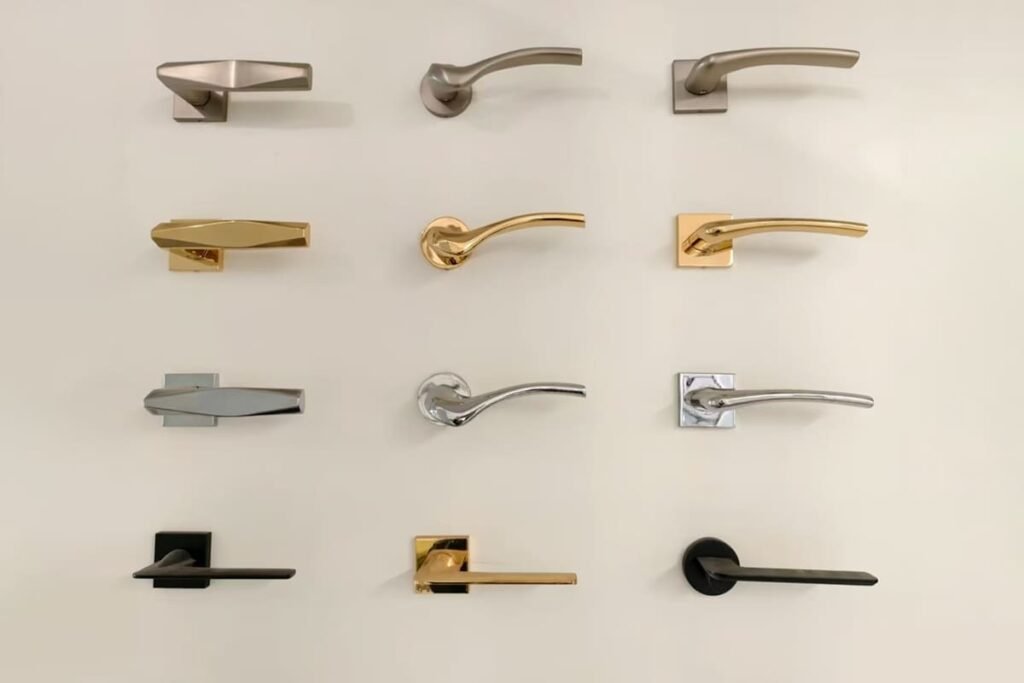
Brass supports many design styles because it can look classic, minimal, vintage, or light luxury. I choose different shapes and finishes to match the door, interior, and target buyer.
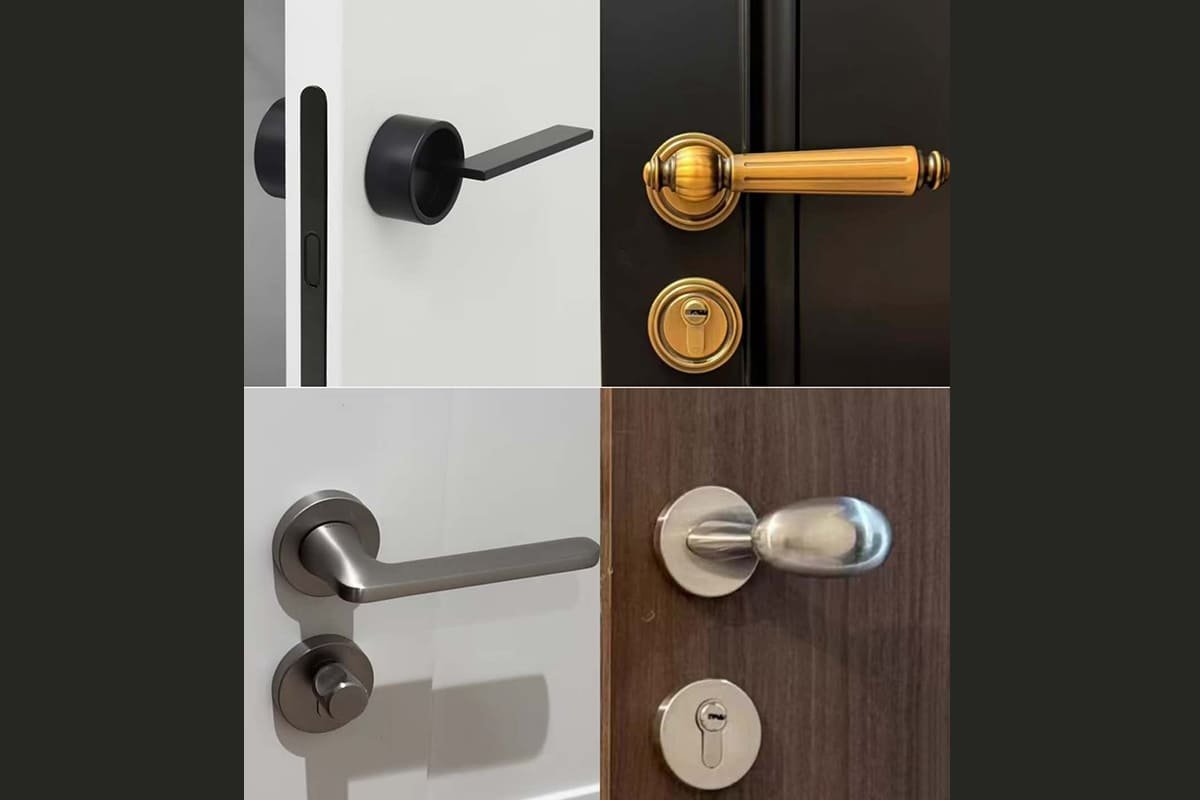
In my work, I do not treat brass as one fixed look. Many people think brass only means old golden hardware. That is not true in production. Brass can support a polished look, a satin look, an antique look, or a brushed look.9 Each finish gives the same base material a different feeling. This is why brass is useful for high-end residential doors and boutique projects.
For classical interiors, brass can bring warmth and detail. For minimalist rooms, a clean brass lever can add a soft accent without too much decoration. For light luxury projects, brass often gives the right balance between shine, weight, and texture. For vintage hotels or heritage houses, aged brass can make the hardware feel part of the building story.
| Design direction | Brass finish I may suggest | Typical project use |
|---|---|---|
| Classic | Polished brass or antique brass | Villas, traditional homes |
| Minimalist | Satin brass or brushed brass | Modern apartments, premium doors |
| Light luxury | Soft gold brass finish | High-end residential projects |
| Vintage | Aged brass or patina style | Boutique hotels, heritage interiors |
| Custom brand line | Controlled color and logo detail | Hardware brand collections |
I also remind buyers that design value must match the market. A wholesaler serving price-sensitive apartments may not need brass for every model. A brand selling premium door sets may use brass as a key selling point. The right choice depends on the customer group.
When should I choose brass handles for a project?
A buyer can lose margin by using brass in the wrong place. A premium material only works when the project can accept the cost.
I choose brass handles for upscale residences, villas, premium doors, boutique projects, and buyers who value weight, texture, long life, and visual quality more than the lowest unit price.
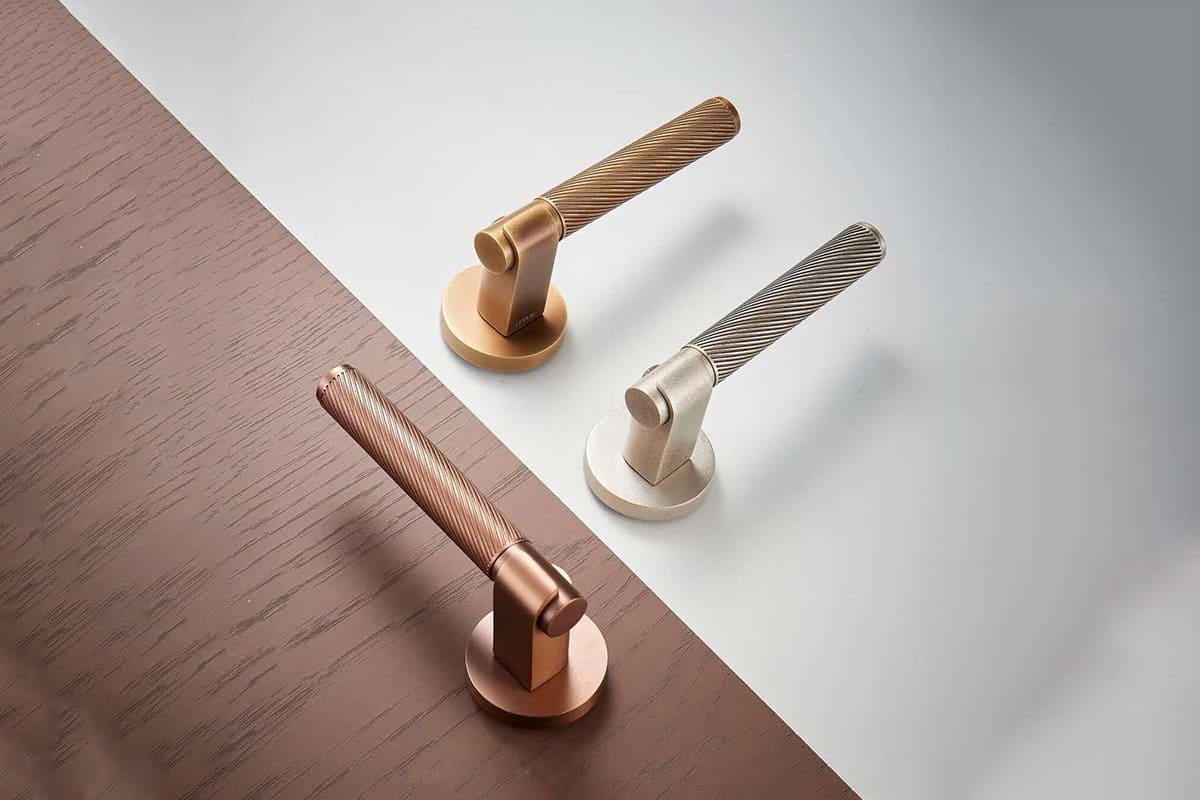
I usually ask buyers one simple question first. Who will touch this handle, and what should they feel? If the end customer expects a refined door experience, brass can be a good answer. If the project is a low-cost rental building with strict budget pressure, brass may not be the best choice. I prefer to be clear about this point early, because wrong material choice can create price conflict later.
Brass works well when the handle is part of a full premium door package. It can support high-quality wood doors, metal doors, luxury interior doors, and villa entrance areas. It also works well for brands that need a product line with stronger design value10. In these cases, the handle is not just a small accessory. It becomes part of the buyer’s quality judgment.
| Project type | Is brass a good fit? | Reason |
|---|---|---|
| Villa doors | Yes | The buyer expects weight and finish quality |
| Premium residential doors | Yes | The handle supports the full door value |
| Boutique hotels | Often yes | Style and touch experience matter |
| Low-cost bulk apartments | Often no | Budget may be more important |
| Basic project specification | Depends | The buyer must compare cost and value |
I also look at the full order volume. Brass is heavier, so shipping cost can rise. The material cost is also higher. I need to help the buyer check whether the target selling price can carry this cost. If not, we can look at stainless steel, zinc alloy, or mixed material options.
What cost tradeoffs should buyers know before choosing brass?
A brass handle can look profitable in a catalog but reduce margin in a tender. Buyers need a clear cost view before they order.
The main tradeoff is cost. Brass handles are usually heavier and more expensive11, so I recommend them when the market, brand position, and project budget can support the higher price.
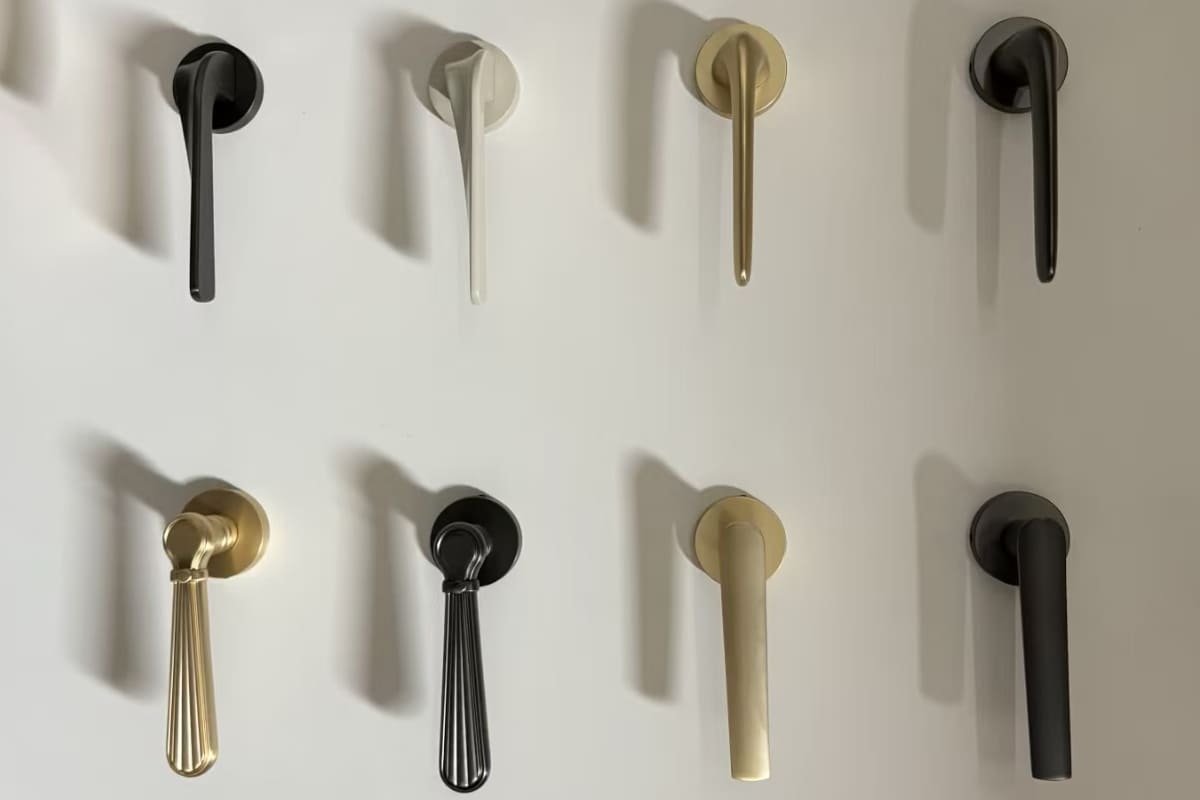
I always explain the cost side before a buyer confirms a brass handle. Brass has a higher raw material cost than many common alternatives. It also adds weight. This can affect the unit price, packaging strength, freight cost, and project quotation. For a small premium order, this may be acceptable. For a large low-cost project, it can become a problem.
I also remind buyers that not all brass handles have the same quality. The alloy selection matters. The machining accuracy matters. The polishing work matters. The surface finish matters. Batch color control matters a lot in bulk orders. If one carton looks slightly different from another carton, the buyer may face complaints during installation or resale.
| Cost factor | What can increase cost | How I control risk |
|---|---|---|
| Raw material | Higher brass price | I confirm material grade and structure |
| Weight | Heavier handle body | I review freight and packaging early |
| Finish | More polishing and plating work | I set color and surface samples |
| Batch consistency | Large order color difference | I use approved samples and inspection |
| Assembly | Better springs and fittings | I check function before shipment |
In our factory work, I do not push brass as the answer for every customer. I first learn the buyer’s market. I ask about the target door price, sales channel, project grade, and finish standard. If brass adds value that the customer can sell, it is a strong choice. If the market only compares the lowest price, another material may give better business results.
How do I control brass handle quality in bulk production?
A good sample is not enough. The real test is whether every batch keeps the same weight, color, finish, and function.
I control brass handle quality through material checking, surface sample approval, production inspection, function testing, and final batch review. This keeps the product stable for door factories, brands, and wholesalers.
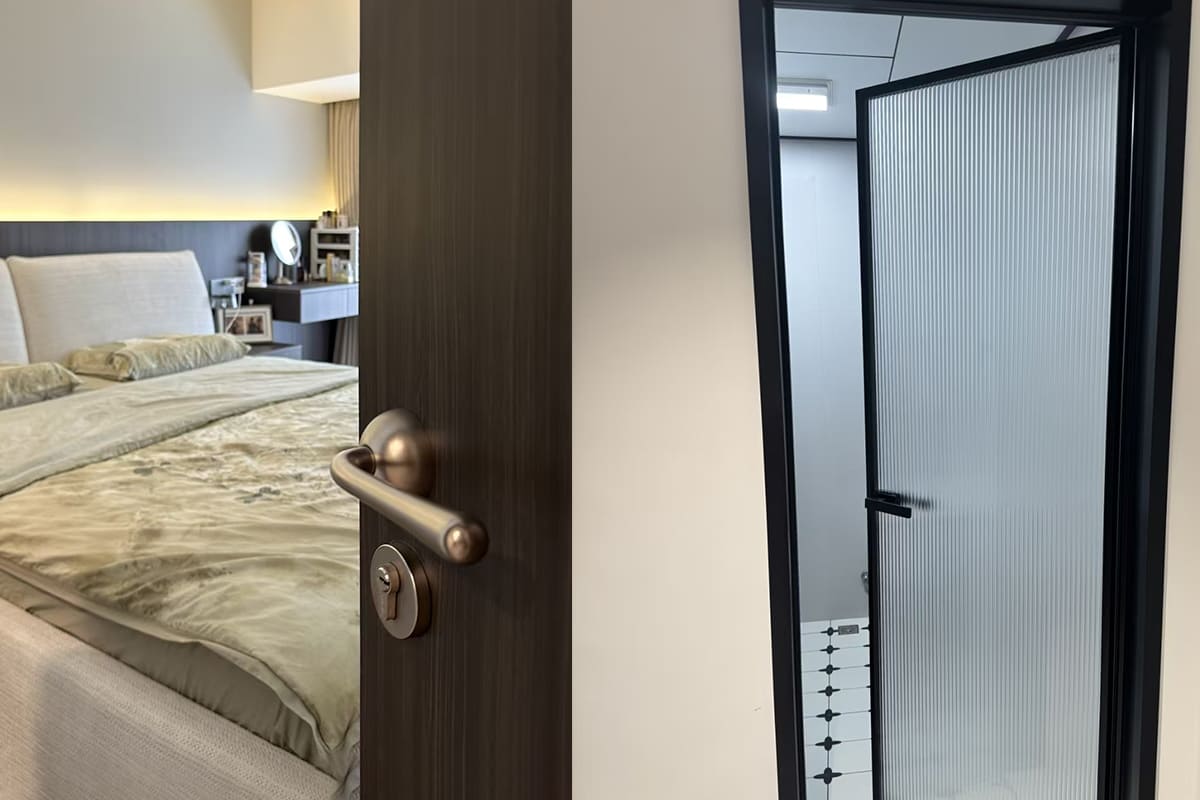
From my manufacturer side, bulk consistency is one of the biggest issues in brass handle orders. Buyers may approve one beautiful sample. Then they worry whether the mass order will match it. I understand this concern because door factories and hardware brands need stable products for many doors, many cartons, and many customers.
I start with the material and structure. I confirm whether the handle should be solid brass or a brass part with another structure. I check the weight target and the shape. Then I move to surface finishing. Brass finishes can show polishing marks, small color changes, and edge issues if production control is weak. So I keep approved finish samples as a reference. I also check the surface under normal light, not only under factory light.
| Quality step | What I inspect | Why it protects the buyer |
|---|---|---|
| Material check | Brass grade, structure, weight | It keeps the basic quality stable |
| Machining check | Holes, edges, dimensions | It helps smooth assembly |
| Surface approval | Color, gloss, texture | It avoids finish disputes |
| Function test | Lever return, spindle fit, fixing | It reduces after-sales issues |
| Final inspection | Batch match and packing | It supports safe delivery |
I also care about packaging. A brass handle can still get scratched if packing is poor. For export orders, I use protective packing based on the finish and shipping route. This is a simple step, but it protects the surface that the buyer paid for.
Conclusion
I choose brass when a door needs solid feel, lasting value, and premium design, and when the project budget can truly support it.
"[PDF] Aluminum and Aluminum Alloys - NIST Materials Data Repository", https://materialsdata.nist.gov/bitstream/handle/11115/173/Aluminum%20and%20Aluminum%20Alloys%20Davis.pdf. A materials reference describes brass as a copper-zinc alloy with substantial density and corrosion resistance, supporting its use where a solid feel and resistance to ordinary iron rusting are desired; this evidence supports the material properties, not the service life of every finished handle. Evidence role: general_support; source type: encyclopedia. Supports: A neutral materials source should support that brass is a copper-zinc alloy with relatively high density compared with many light metals and that, as a non-ferrous copper alloy, it resists ordinary iron rusting and is commonly valued for durability.. Scope note: Contextual support only: actual years of service depend on alloy, finish, environment, and hardware construction. ↩
"Hand-Feel Touch Cues and Their Influences on Consumer ...", https://pmc.ncbi.nlm.nih.gov/articles/PMC6678767/. Research on haptic product evaluation finds that tactile interaction can affect perceived quality and purchase judgments, supporting the relevance of buyers physically handling door hardware before relying on drawings; the evidence concerns consumer perception generally rather than door-handle procurement specifically. Evidence role: expert_consensus; source type: paper. Supports: A consumer-behavior or haptics study should support that touch, weight, and manual interaction influence product evaluation and perceived quality.. Scope note: Contextual support only: the cited research may not study door hardware buyers directly. ↩
"[PDF] The “Location Effect” on Perceived Product Heaviness and Package ...", https://marketing.wharton.upenn.edu/wp-content/uploads/2016/10/the_location_effect_in_packaging_design.pdf. Studies of haptic perception in product design report that weight and tactile feedback can influence judgments of quality and value, providing a mechanism for why a dense brass handle may feel more premium at first contact; this does not prove that brass is always preferred in every market segment. Evidence role: mechanism; source type: paper. Supports: A peer-reviewed study should support that heavier or more substantial tactile cues can increase perceived quality, durability, or value in product assessment.. Scope note: Contextual support only: perceived quality varies by culture, product category, and user expectation. ↩
"[PDF] Untitled", https://www.energy.gov/documents/engineering-toolbox-2015-soil-and-rock-bulking-or-swell-factors. Engineering materials data list common brasses at densities around 8.4–8.7 g/cm³, which explains the noticeable weight of a solid brass handle compared with many lighter alternatives; the data support material heft but not the ergonomics of a specific handle design. Evidence role: definition; source type: research. Supports: A materials database or engineering reference should provide density values for common brasses, supporting why solid brass parts feel weighty.. Scope note: Direct for density, but product feel also depends on handle size, hollowness, and geometry. ↩
"Hand-Feel Touch Cues and Their Influences on Consumer ... - PMC", https://pmc.ncbi.nlm.nih.gov/articles/PMC6678767/. Consumer research on haptic cues indicates that touch, texture, and weight can shape perceived product quality, supporting the claim that users judge door-hardware quality partly by touch; the evidence is general consumer-research evidence rather than a door-hardware-specific field study. Evidence role: expert_consensus; source type: paper. Supports: A scholarly source should support that tactile cues affect perceived quality during product evaluation.. Scope note: Contextual support only: the magnitude of the effect may differ for professional buyers and end users. ↩
"Brass - Wikipedia", https://en.wikipedia.org/wiki/Brass. Corrosion references define rust as iron oxide formed on iron or steel, while brass is a copper-zinc alloy and therefore does not rust by that iron-oxide mechanism; this supports the comparison with ordinary iron-based materials, not immunity to all corrosion. Evidence role: mechanism; source type: education. Supports: A chemistry or materials source should explain that rust refers to iron oxide corrosion and that brass, being a copper-zinc alloy, does not undergo ordinary iron rusting.. Scope note: Direct for rust mechanism, but brass can still tarnish, dezincify, or corrode under certain conditions. ↩
"Report on the Corrosion of Certain Alloys - epa nepis", https://nepis.epa.gov/Exe/ZyPURL.cgi?Dockey=P1005PMH.TXT. Copper-alloy corrosion references report that brasses generally show useful atmospheric corrosion resistance, supporting their use in many indoor and selected outdoor architectural applications; the support is conditional because marine, polluted, or ammoniacal environments can accelerate specific forms of brass corrosion. Evidence role: general_support; source type: research. Supports: A corrosion reference should support that brasses generally have useful atmospheric corrosion resistance while noting susceptibility in aggressive environments.. Scope note: Contextual support only: outdoor performance must be assessed for the exact alloy and exposure conditions. ↩
"[PDF] Caring for Brass & Bronze - History Nebraska", https://history.nebraska.gov/wp-content/uploads/2022/10/doc_Caring-for-Copper-Alloy-2.pdf. Conservation guidance for copper alloys explains that brass can form surface tarnish or patina through reactions with oxygen, moisture, and pollutants, supporting the statement that brass may visually age over time; the source explains the process rather than judging whether the patina is aesthetically desirable. Evidence role: mechanism; source type: government. Supports: A conservation or preservation source should explain that copper alloys such as brass form surface films or patinas through oxidation and environmental exposure.. Scope note: Direct for patina formation, but the appearance and rate vary with finish, handling, and environment. ↩
"[PDF] Finish Chart - American Building Supply, Inc.", http://abs-abs.com/hardwarePages/Finish_Chart.pdf. Architectural-hardware finish references list multiple brass finishes, including polished, satin, oxidized or antique, and brushed variants, supporting the claim that brass can present different visual styles; the reference identifies finish categories rather than assessing their suitability for a particular interior design. Evidence role: definition; source type: institution. Supports: An architectural-hardware standards body or metal-finishing reference should document that brass hardware is produced with recognized polished, satin, oxidized/antique, and brushed finish categories.. Scope note: Direct for finish variety, but appearance depends on manufacturer process and color control. ↩
"Effects of Design Aesthetics on the Perceived Value of a Product", https://pmc.ncbi.nlm.nih.gov/articles/PMC8359925/. Research on product aesthetics and material perception shows that material choice, finish, and sensory qualities can affect perceived value, supporting the use of brass as a contributor to design positioning; the evidence supports the general relationship and does not establish brass as the optimal material for every brand line. Evidence role: expert_consensus; source type: paper. Supports: A design or consumer-research paper should support that material choice and aesthetic qualities can influence perceived value and market positioning.. Scope note: Contextual support only: perceived design value depends on target users, styling, and competing price expectations. ↩
"Metals and Alloys - Densities - The Engineering ToolBox", https://www.engineeringtoolbox.com/metal-alloys-densities-d_50.html. Materials data show brass to be a relatively dense alloy, and commodity-price data for copper and zinc provide context for why brass components often carry higher raw-material costs than many lower-cost alternatives; the evidence supports typical cost drivers, not the final quoted price of a specific handle. Evidence role: statistic; source type: institution. Supports: A materials data source and commodity-price source should support that brass has high density and that copper-based alloys often carry higher raw-material costs than low-cost steels or zinc alloys.. Scope note: Contextual support only: final product cost also depends on design, labor, finishing, scrap rates, and order volume. ↩